
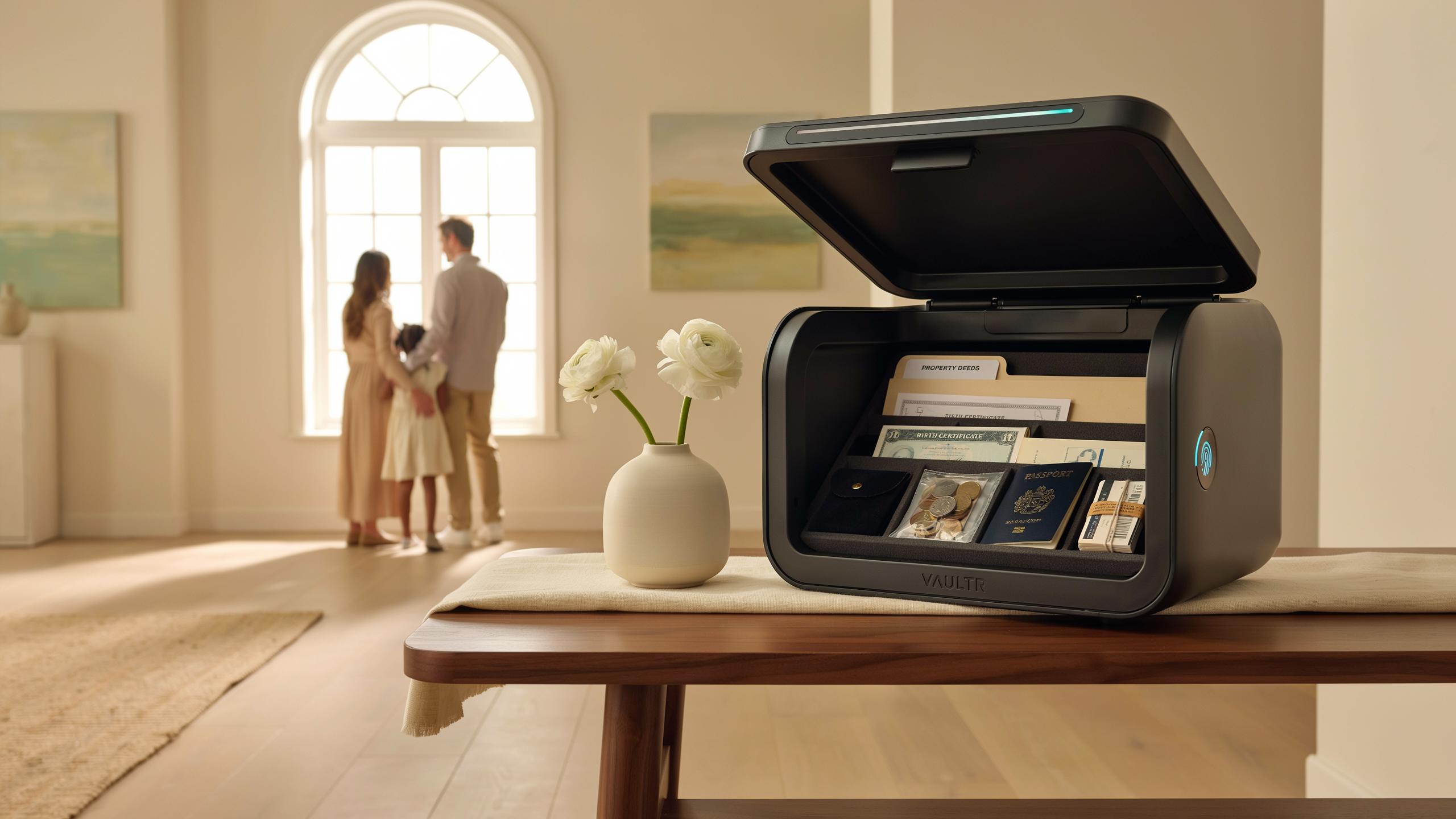
The Evolution Of Home Security Beyond Traditional Safe Box
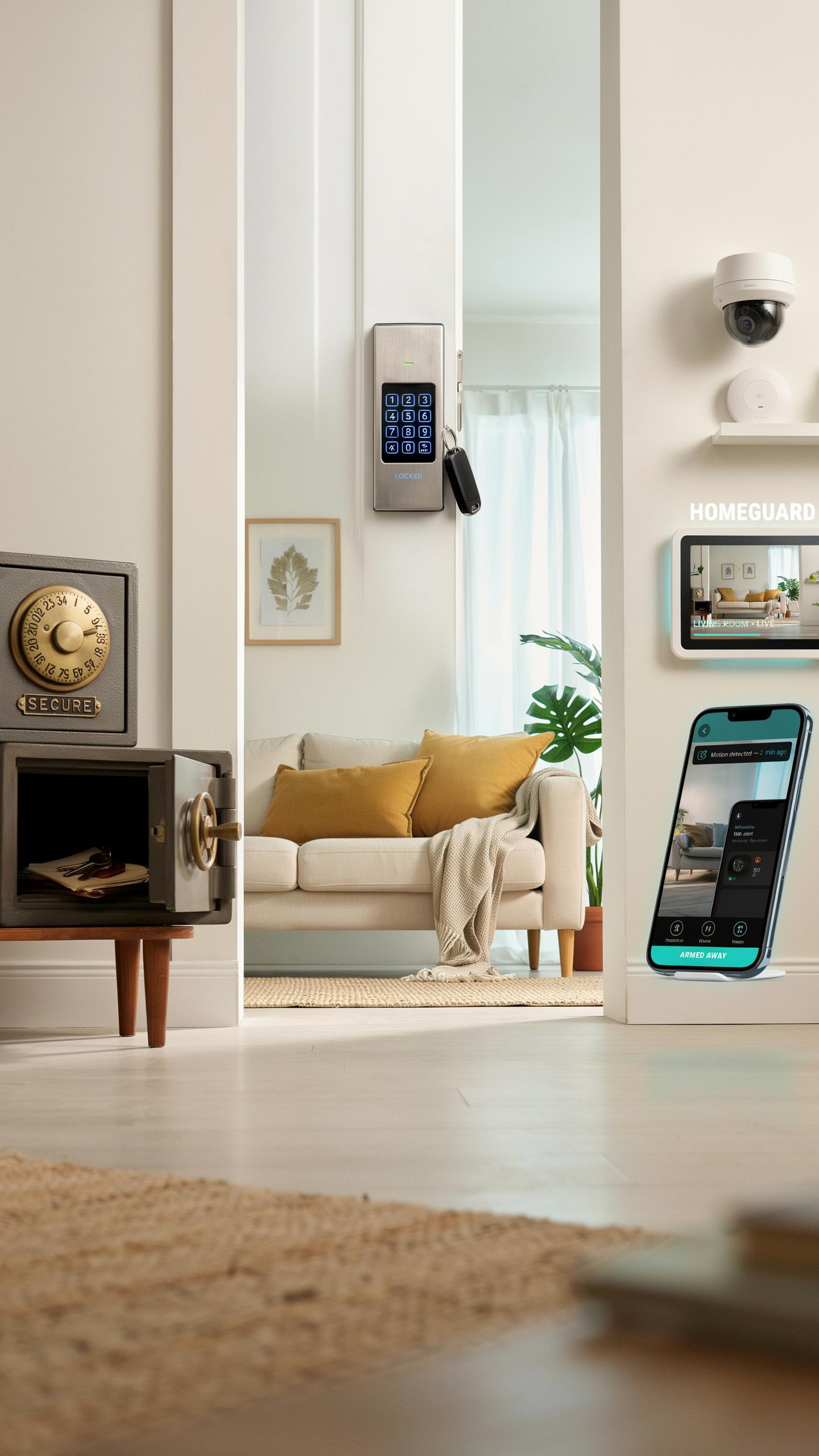
Past Security Solutions
Traditional lock-and-key safes dominated home security for over a century. These mechanical boxes relied on physical locks that burglars could pick, drill, or damage to access contents. Keys could be stolen, lost, or duplicated without the owner knowing. Safes offered no audit trail showing who accessed them or when. Homeowners had no remote monitoring capability and couldn’t verify security status from outside the home.
The fundamental weakness was simplicity. A skilled locksmith or determined thief could bypass mechanical locks in minutes. Replacing locks required calling professionals and bearing additional costs. Homeowners faced impossible choices: hide keys where they might be found or memorize combinations they could forget. These limitations created genuine security gaps for important documents like deeds, insurance policies, and financial records.
The Dawn Of Smart Security
Smart safes introduced digital locks that eliminate traditional vulnerabilities. Fingerprint recognition, PIN codes, and mobile app access replaced mechanical keys entirely. Each access attempt logs timestamp and user identity automatically, creating an auditable record. Homeowners monitor safe status remotely and receive alerts when someone attempts unauthorized entry. This technology shifts security from static barriers to active monitoring and verification.
The shift represents practical advancement, not luxury addition. Smart safes with fingerprint locks store data on encrypted chips rather than relying on a single point of failure like a master key. Users grant temporary or permanent access to specific individuals without physical key distribution. Battery backup systems ensure functionality during power outages. Integration with home security systems allows safes to communicate with other protective devices, creating coordinated defense against theft.
Understanding Fingerprint Lock Technology In Smart Home Safes
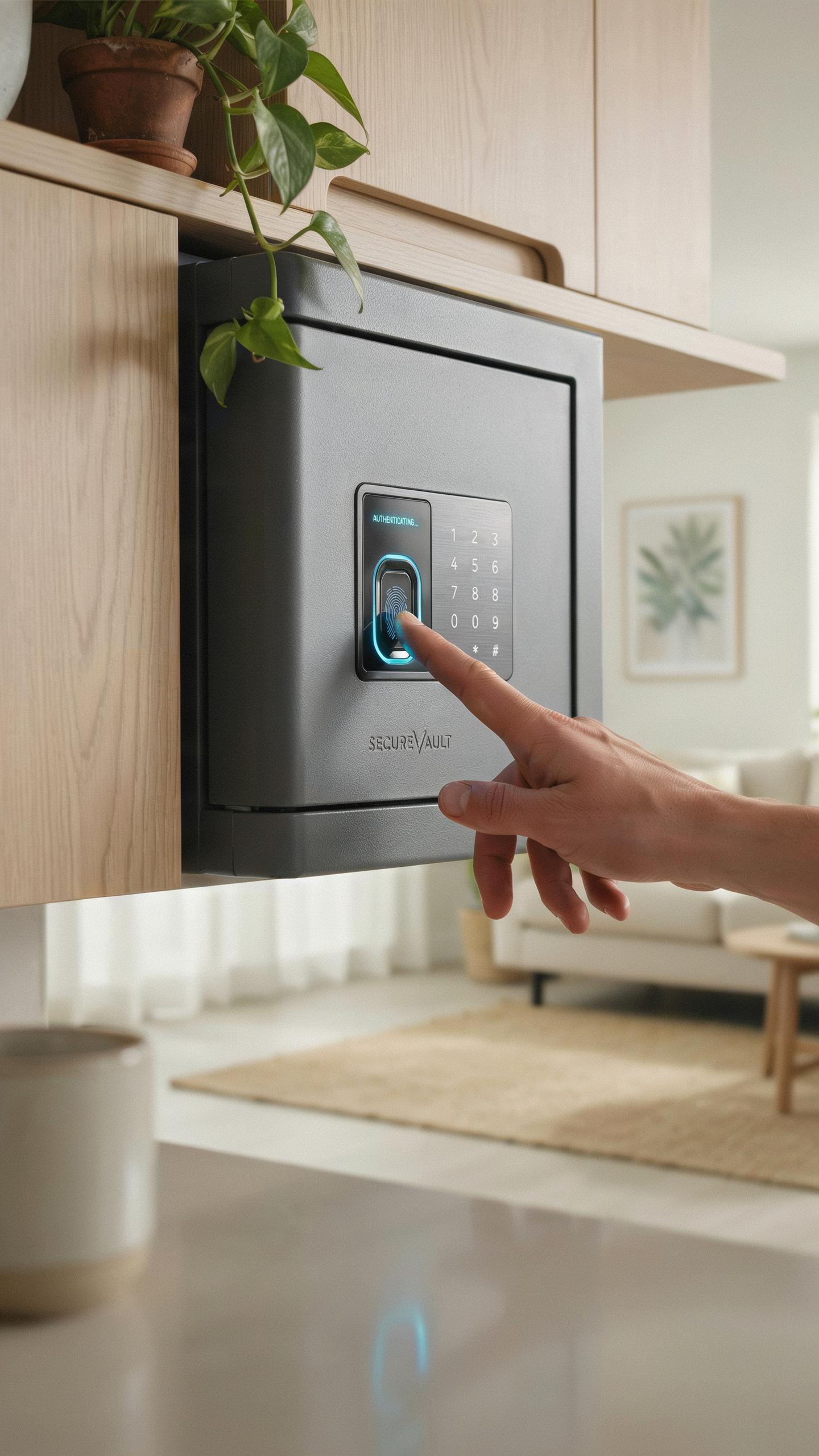
How Fingerprint Scanners Work
Fingerprint scanners capture the unique ridge patterns on your fingertip and convert them into digital data. The scanner uses either optical, capacitive, or ultrasonic technology to read these patterns. Optical scanners photograph your fingerprint under light. Capacitive scanners measure electrical properties of your skin ridges. The system stores your fingerprint as an encrypted template, not an actual image, then matches new scans against this stored data.
When you place your finger on the scanner, the system performs real-time comparison between your current fingerprint and enrolled templates in the safe’s memory. The matching algorithm measures minutiae points, which are the specific locations where ridge patterns end or split. Most modern fingerprint safes require a match accuracy threshold of 99 percent or higher before unlocking. This process typically completes within one to two seconds, giving you quick access to your documents.
Benefits Of Biometric Security For Your Security Safe
Fingerprint locks eliminate the need for keys you can lose or combinations you might forget. Your fingerprint stays with you at all times, making it impossible to misplace your access method. Unlike traditional locks that require physical mechanisms, fingerprint technology has no moving parts to wear out or jam. This reduces maintenance needs significantly and extends the safe’s operational lifespan.

Biometric access creates an audit trail showing exactly who opened the safe and when. Most smart safes store access logs that identify specific fingerprints used for entry. This accountability feature deters unauthorized use and provides evidence if a security breach occurs. Fingerprint scanning also works faster than dialing combinations or inserting keys, giving you immediate access during emergencies while maintaining security that physical methods cannot match.
Key Features Of A Smart Safe With Fingerprint Lock
Advanced Locking Mechanisms
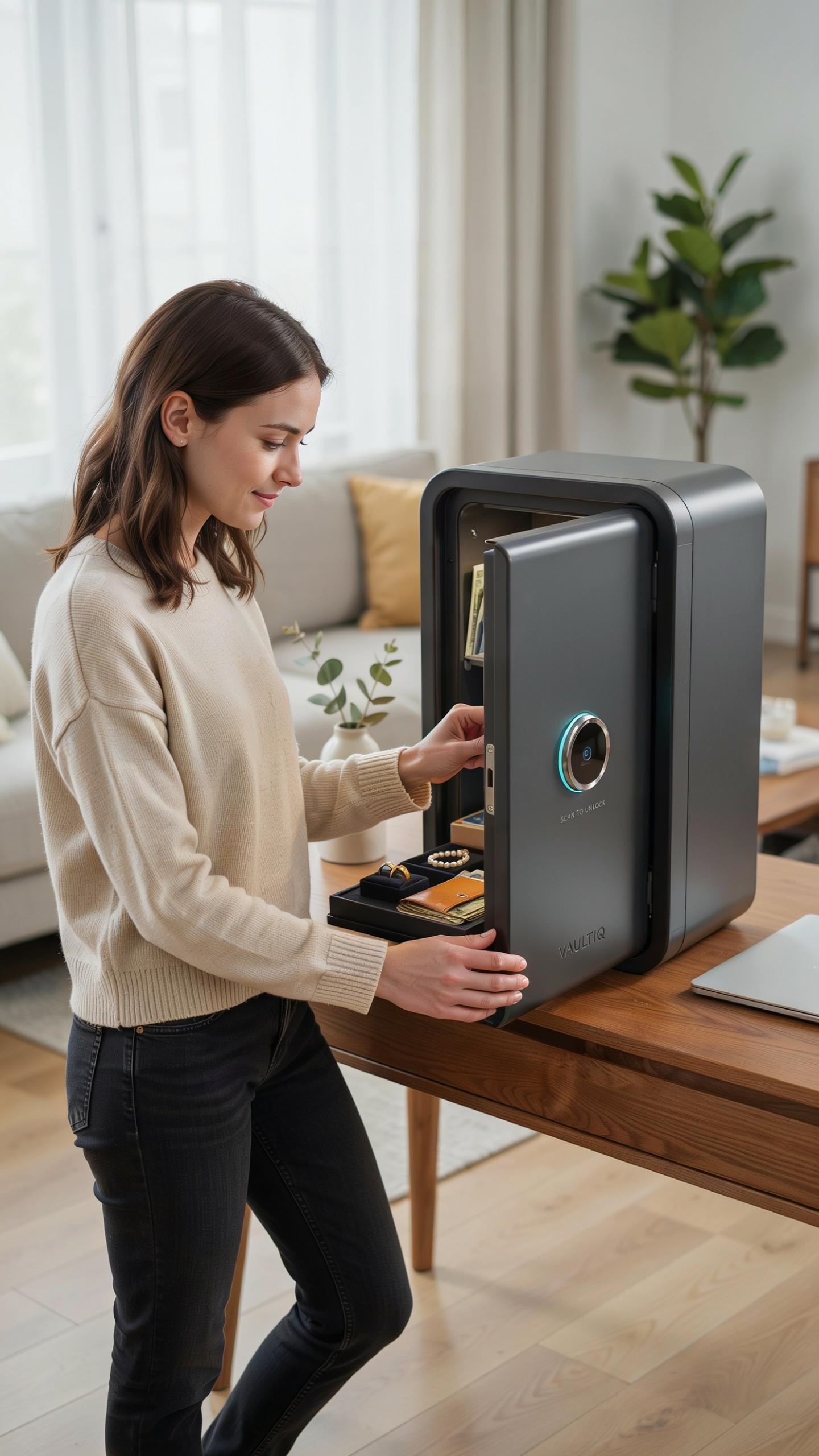
Fingerprint locks operate through biometric scanning that reads unique ridge patterns on your fingertips. The safe stores these patterns as encrypted data and compares them to scans during access attempts. This eliminates the need for keys or memorized combinations. Most units pair fingerprint technology with a secondary mechanical lock or backup access method for redundancy and emergency situations.
The physical construction remains critical despite biometric advancement. Smart safes use hardened steel bodies, reinforced hinges, and locking bolts that extend into the frame. Manufacturers test these components to withstand forced entry attempts. The fingerprint reader sits flush with the safe exterior or recesses slightly to prevent tampering. Combining biometric convenience with traditional security engineering creates a dual-layer defense system.
Connectivity And Remote Access Of A Digital Lock
Smart safes connect to your home network through WiFi or Bluetooth, enabling real-time notifications when someone accesses the safe. You receive alerts on your smartphone showing who opened it and when. Most systems let you grant temporary access to family members or service providers without sharing physical keys or combinations. Cloud-based apps provide a log of all access attempts for audit purposes.

Remote management capabilities extend beyond notifications. You can remotely lock or unlock the safe from anywhere if your phone has internet access. Some models integrate with home automation systems like Alexa or Google Home, though voice control typically requires PIN confirmation as a security measure. These features demand reliable WiFi coverage and regular software updates to maintain security integrity and prevent unauthorized access attempts.
Why Choose A Smart Safe For Important Home Documents
Protection Against Theft And Unauthorized Access
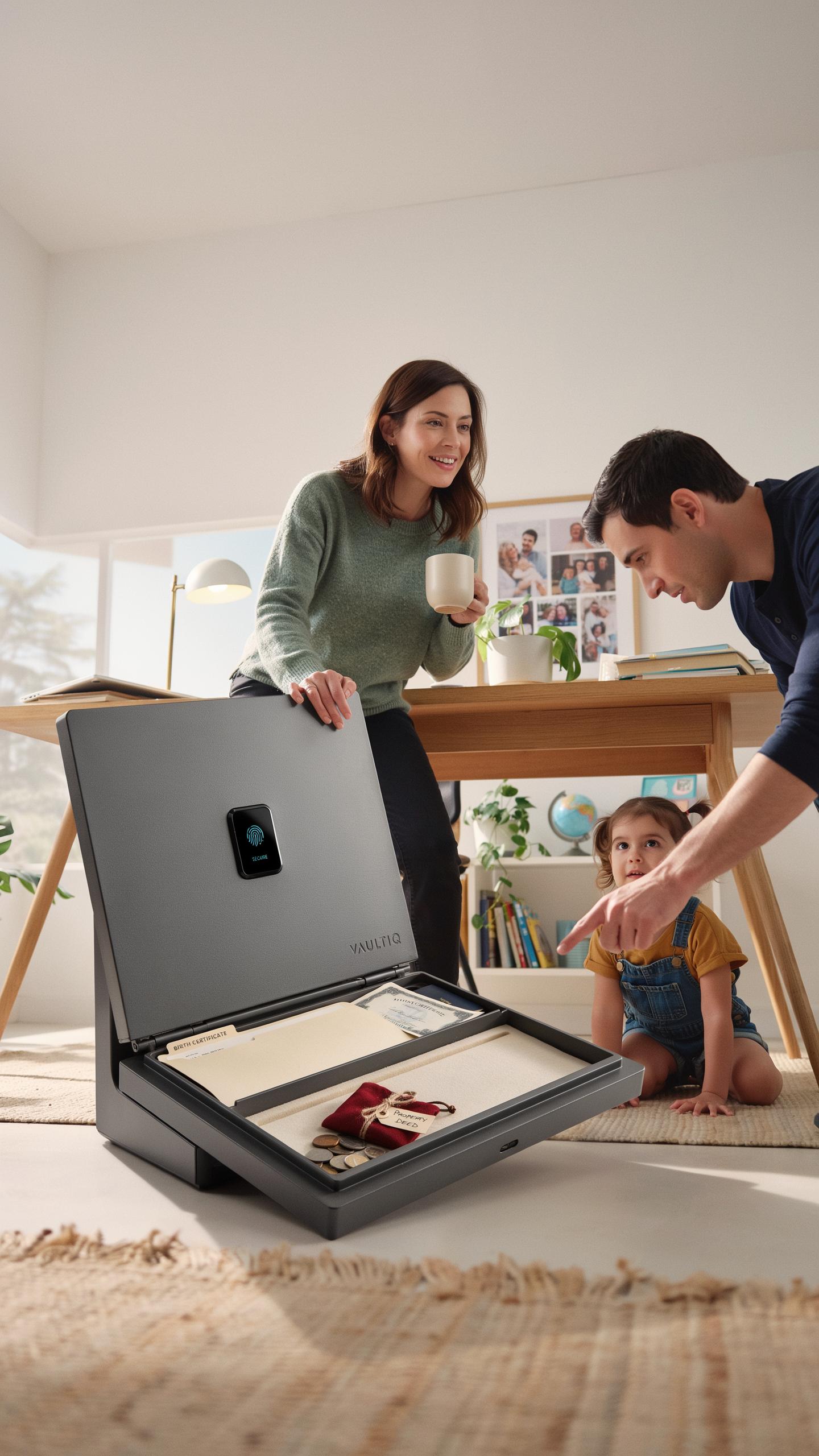
A smart safe with fingerprint lock restricts access to authorized users only. Fingerprint technology scans unique ridge patterns on your fingertips. The system rejects anyone who doesn’t match stored biometric data. This means thieves cannot bypass the lock with tools or techniques that work on traditional safes. Your documents stay secure from forced entry.
Smart safes replace mechanical locks that burglars can manipulate. They eliminate the problem of hidden keys or written combinations that get discovered. Fingerprint authentication happens in seconds without fumbling for passwords or keys. Documents like passports, deeds, and financial records remain inaccessible to household guests, family members, or intruders who gain entry to your home.
Protection From Environmental Damage
Fire and water resistance protects documents during disasters. Most quality smart safes use thick steel walls and specialized seals around doors. These materials withstand high temperatures and prevent water penetration during flooding. Your critical documents survive even when your home catches fire or experiences water damage from burst pipes or storms.

Smart safes with fingerprint locks combine security and damage protection in one unit. You get biometric access control plus fireproof and waterproof construction. This dual function eliminates the need for multiple storage solutions. Documents remain both secure from theft and safe from fire, water, and humidity that destroys paper over time.
Integrating Smart Safes Into Your Home Security Ecosystem
Compatibility With Smart Home Devices And Security Gadgets
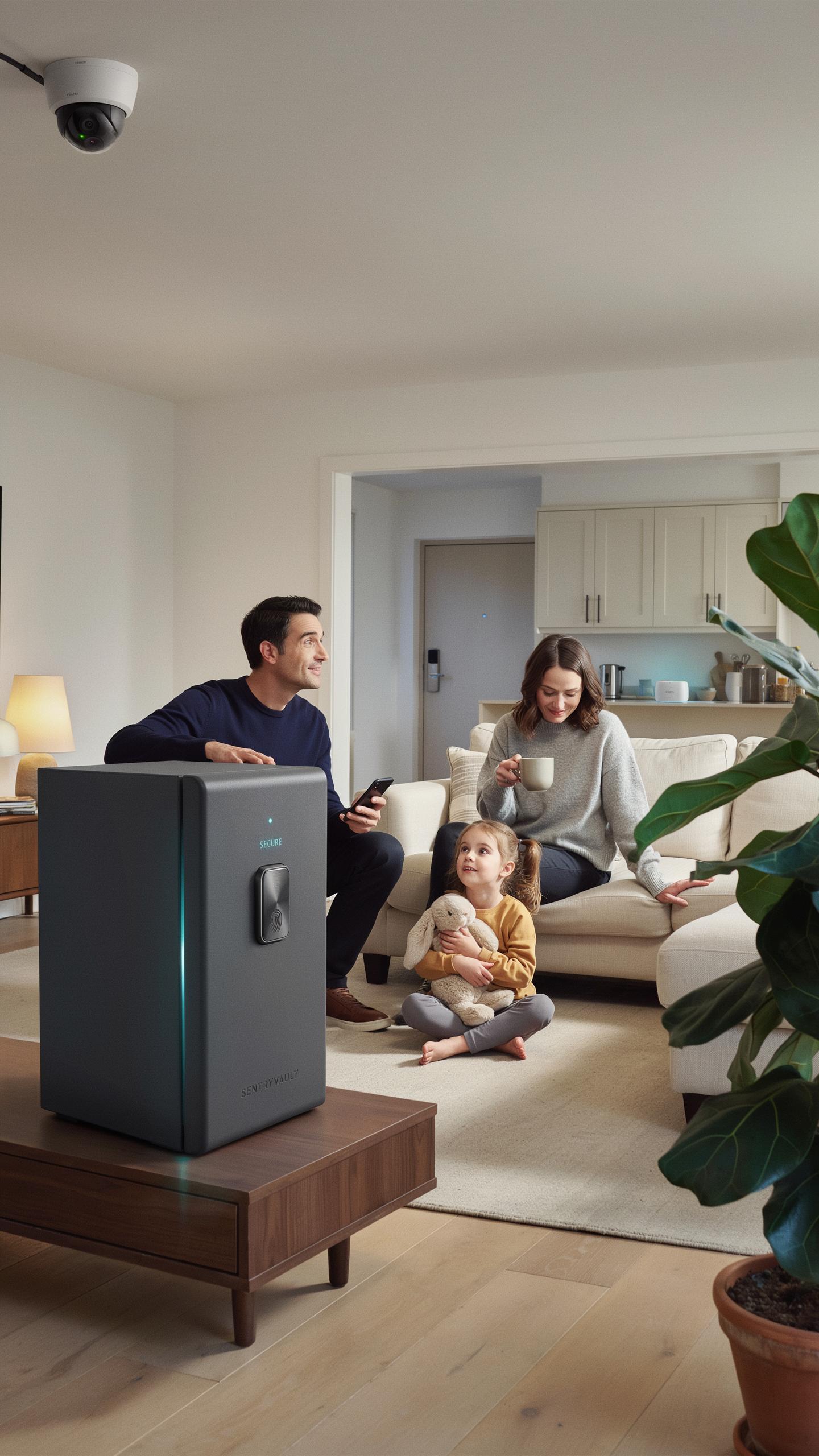
A smart safe with fingerprint lock connects to your existing home network through WiFi or Bluetooth. This connection allows the safe to communicate with your smart home hub, security system, or mobile app. Integration eliminates manual monitoring and creates a unified security layer across your property. Most modern safes use standard protocols like Z-Wave or WiFi, ensuring compatibility with major platforms such as Apple HomeKit, Amazon Alexa, or Google Home ecosystems.
The practical benefit is automation and control from a single interface. You can lock or unlock your safe remotely, grant temporary access to family members or service workers, and sync safe activity with other security devices like cameras or door sensors. This integration works best when your safe supports the same protocol as your existing system. Before purchasing, verify that your smart safe model supports your current smart home platform to avoid compatibility issues.
Remember that cherished photo album or your grandma’s handwritten recipe? Safeguarding those irreplaceable memories, now with a simple touch, brings a comforting peace that truly lasts.
Enhanced Monitoring And Alerts
Smart safes deliver real-time notifications whenever someone attempts access, whether successful or failed. The safe logs every interaction, including timestamp, access method used, and user identity. Your mobile app pushes alerts immediately when someone uses their fingerprint, PIN, or backup key. This capability catches unauthorized access attempts within seconds rather than hours or days.

Monitoring extends beyond access attempts to physical tampering and battery status. The safe alerts you if someone forcibly tries to open it, if the door remains open too long, or if battery levels drop critically. These notifications integrate into your broader home security picture, creating a complete audit trail. Review logs anytime to verify who accessed your documents and when, providing evidence if disputes arise about access history.
Choosing The Best Smart Safe With Fingerprint Lock
Factors To Consider Before Purchase
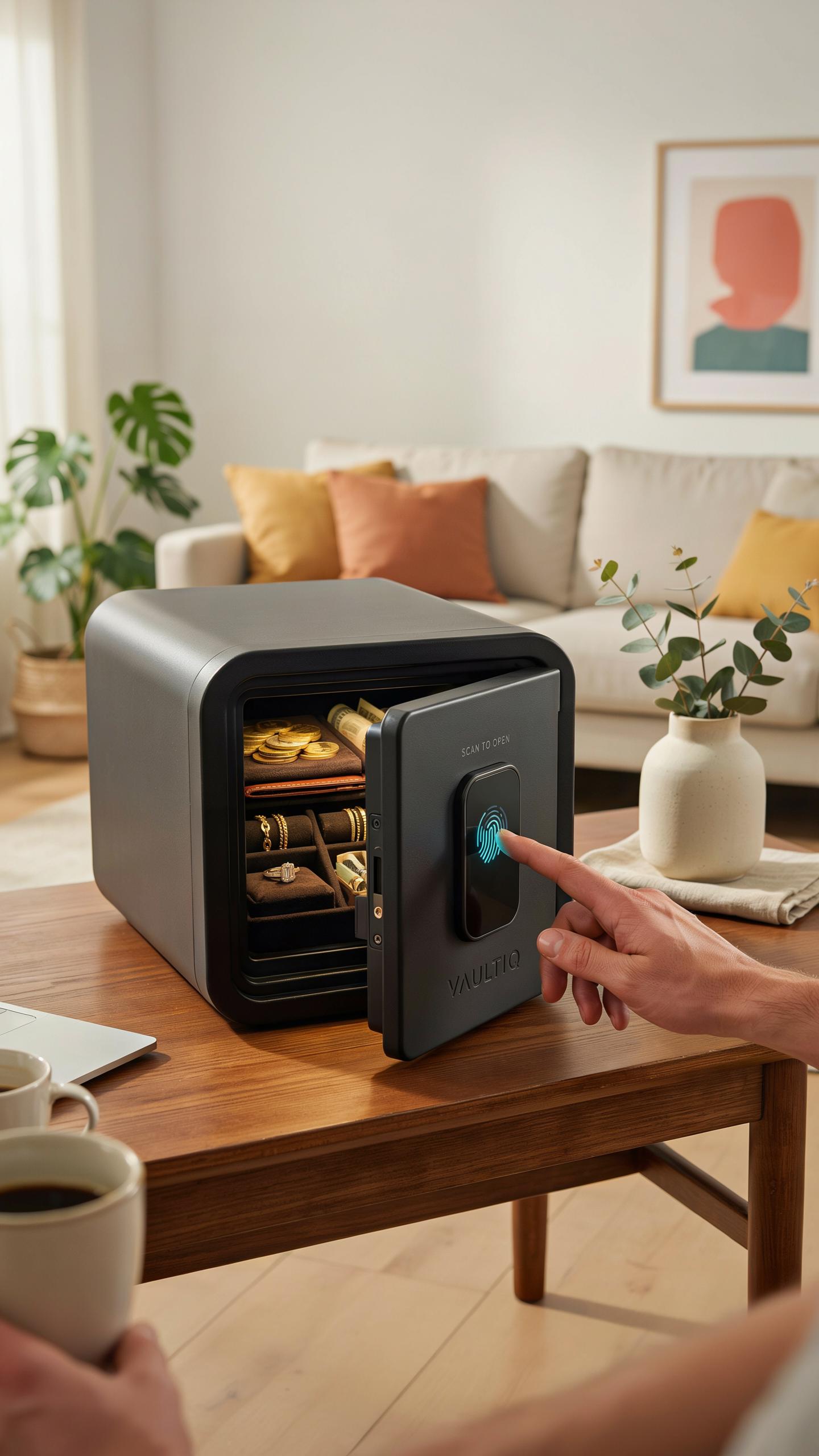
Size determines what you can store. Measure your documents, jewelry, and valuables first. Then pick a safe that holds everything without cramming. Undersizing wastes money because you’ll outgrow it fast.
Material thickness matters for security. Steel safes rated 14-gauge or thicker resist prying. Check the door construction separately from the body. Thin walls defeat the purpose of locking your items.
Top Brands And Models In Home Safes
Established manufacturers deliver consistent performance. SentrySafe produces fingerprint safes with proven durability in home settings. Barska offers compact models with biometric access. FireKing specializes in fire-resistant safes with fingerprint options. Honeywell builds both small and large units with solid locking mechanisms.
- SentrySafe: Manufactures fingerprint safes ranging from compact to large formats. Known for reliable electronic locks and reasonable pricing in the consumer market.
- Barska: Produces smaller safes designed for home use with biometric access. Strong performance in fingerprint recognition and budget-friendly options available.
- FireKing: Specializes in fire-resistant safes with fingerprint locks. Heavier construction provides both fire protection and burglary resistance for documents.
- Honeywell: Builds diverse safe models with fingerprint technology. Offers both traditional and modern designs with solid steel construction throughout.
- Godrej: Produces safes with fingerprint locks marketed for home document storage. Known for reasonable pricing and basic but functional biometric systems.
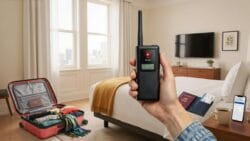
Real-world performance data shows these brands maintain low failure rates with fingerprint mechanisms. Most units operate reliably for five years or longer with proper maintenance. Battery backup and backup access methods distinguish quality models from cheaper alternatives. Research specific model reviews before committing to purchase.
Installation And Maintenance Of Your Fingerprint Smart Safe
Proper Placement And Installation Tips
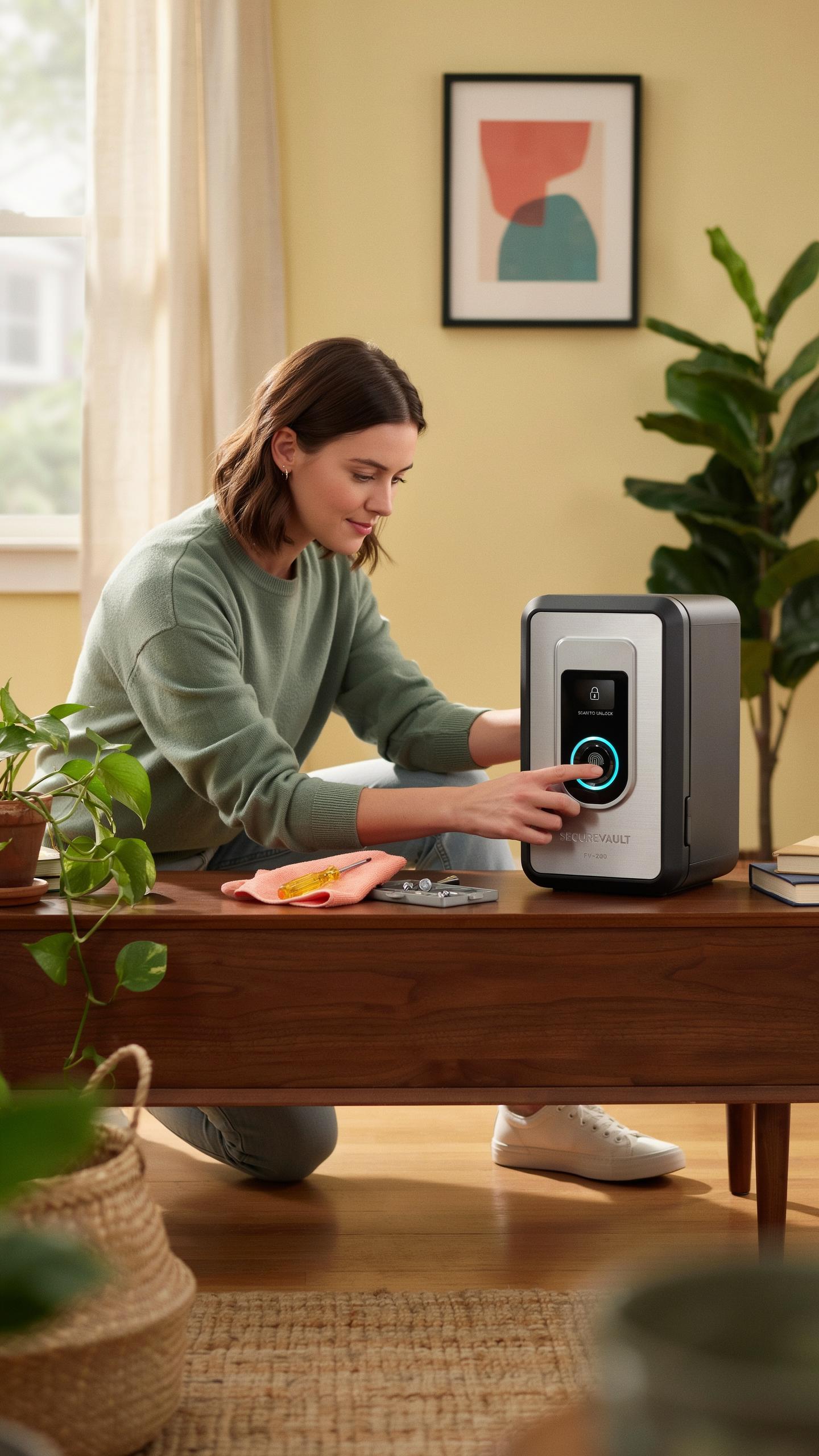
Location matters more than most people realize. Install your safe in a spot that’s accessible to you but not obvious to visitors or potential intruders. Avoid high-traffic areas where guests gather. Mount it in a closet, bedroom, or home office where you control the environment and can reach it quickly during emergencies.
Anchor your safe to the structure itself. Use the mounting hardware provided by the manufacturer and secure it to studs, concrete, or heavy furniture that won’t move. A safe sitting loose on a floor is only a barrier to casual theft, not determined criminals. Follow the manufacturer’s specific installation instructions for your model, as bolt patterns and mounting requirements vary significantly.
Routine Maintenance For Optimal Performance
Clean your fingerprint scanner every two weeks with a soft, dry microfiber cloth. Dust and oils accumulate on the sensor surface and cause read failures. Never use water, solvents, or harsh chemicals on the scanner itself. A clean sensor prevents false rejections and keeps the authentication system reliable when you need access most.

Check the battery level monthly through the safe’s interface or indicator light. Replace batteries before they reach critical levels to avoid lockout situations. Test the backup entry method, whether it’s a keypad, key override, or mobile app, at least quarterly to confirm it functions properly. Inspect the door hinges and locking mechanism for loose components or rust, especially in humid environments.
The Future Of Digital Lock And Document Security
Emerging Trends In Smart Safe Technology
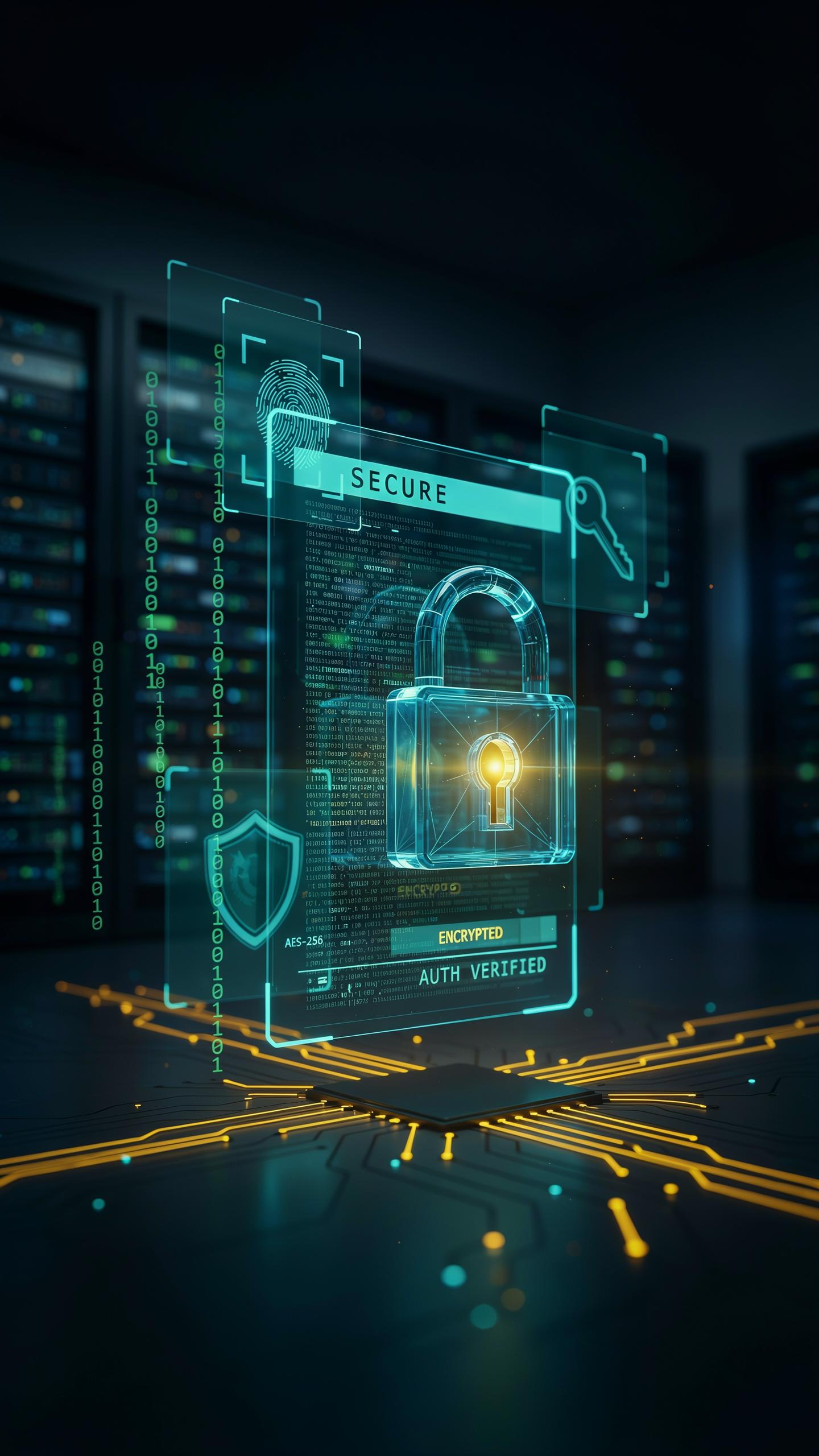
Biometric security is moving beyond fingerprint recognition toward multi-modal systems. Manufacturers are integrating facial recognition, iris scanning, and voice authentication into safes. These redundant systems reduce false rejection rates and increase security depth. Connectivity standards are evolving too. Future models will use encrypted cloud backup for access logs and emergency unlock protocols. Material science improvements focus on stronger steel alloys and advanced composite layers that resist drilling and cutting tools more effectively than current options.
Smart safes are incorporating modular components that owners can upgrade without replacing entire units. Battery technology is shifting toward longer-lasting lithium alternatives and solar charging capabilities. Network integration will become standard, allowing safes to communicate with home security systems and alert users to tampering attempts in real time. This connectivity demands stronger encryption protocols to prevent remote attacks and unauthorized access attempts.
The Role Of AI And Machine Learning In Home Security
Machine learning algorithms will analyze access patterns to detect unusual behavior. If someone attempts entry at an abnormal time or location, the safe can trigger alerts or require additional verification steps. These systems learn individual owner habits over time and flag deviations automatically. AI reduces false positives that plague current motion sensors and basic alarms.

Predictive maintenance becomes possible when smart safes track wear patterns on locks and hinges. AI systems will notify owners before mechanical failure occurs. Advanced systems will integrate threat intelligence, updating security protocols based on emerging attack methods reported across networks. This active defense approach shifts responsibility from the owner to automated systems that adapt faster than human intervention allows.
Frequently Asked Questions

What exactly is a smart safe with a fingerprint lock, and how does it differ from a traditional safe?
A smart safe with a fingerprint lock offers advanced security and convenience. Unlike traditional safes requiring keys or combinations, these modern units use biometric authentication, allowing only authorized fingerprints to access your valuables. Many also feature app connectivity for remote monitoring and alerts, adding an extra layer of peace of mind for your home documents.
How do I set up and program my fingerprint into a new smart safe?
Setting up your fingerprint on a new smart safe with a fingerprint lock is usually straightforward. Most models involve a simple registration process, often guided by an internal display or an accompanying smartphone app. You’ll typically scan your finger multiple times at different angles to ensure optimal recognition, ensuring reliable access to your important documents.
Are smart safes with fingerprint locks significantly more expensive than traditional safes, and are there budget-friendly options available?
While smart safes with fingerprint locks can be a bit more of an initial investment than basic traditional safes, the price range is quite broad. You can definitely find budget-friendly smart safe options that still offer excellent security features for your home documents. The added convenience and advanced security often justify the slightly higher cost for many homeowners.