

The Tangled Truth Why Desks Become Cable Chaos

The Modern Workspace: A Hub Of Devices And Wires
Today’s desk supports multiple devices. A computer, monitor, keyboard, mouse, printer, phone charger, desk lamp, and external hard drive all require power or data cables. Each device manufacturer includes its own connector type and cable length. This forces users to manage a growing tangle of wires in a confined workspace.
Cable accumulation happens fast because devices rarely get removed. When you add a new device, you add its cable. Old cables stay behind even after devices leave. Within months, a desk becomes a nest of tangled cords that no one wants to touch or organize. The problem accelerates with remote work setups that demand more equipment than traditional office spaces.
Impact Of Unmanaged Cables On Productivity And Aesthetics
Tangled cables create visual clutter that damages focus. Your brain processes visual chaos as stress. When your eyes land on a messy cable bundle, you experience a cognitive load that steals attention from work. Studies in environmental psychology show that physical disorder in your workspace reduces concentration and increases decision fatigue.
Cable mess also damages professional perception. Clients and colleagues notice disorganization during video calls. Equipment maintenance becomes harder when cables are intertwined and difficult to trace. Dust accumulates in cable bundles, creating fire hazards and equipment overheating. Organized cables solve these problems immediately while freeing up mental energy for actual work.

Introducing Velcro Cable Ties The Ultimate Cable Organizer
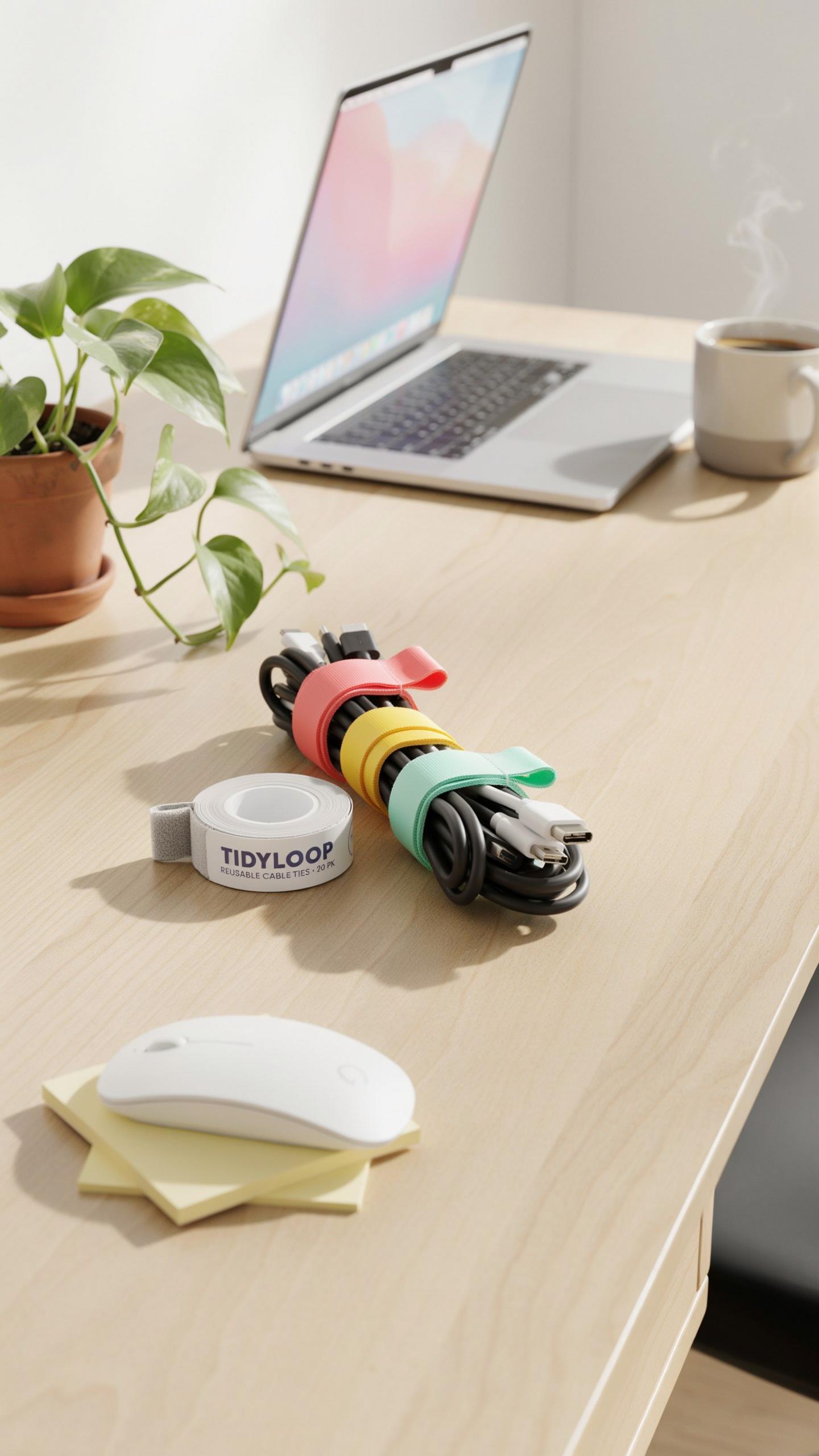
What Are Velcro Cable Ties?
Velcro cable ties are reusable fasteners made from two fabric components that adhere to each other through hook and loop technology. One side has tiny hooks, the other has soft loops. When pressed together, they grip securely and hold cables in place. You can separate and reattach them repeatedly without losing grip strength.
These ties come in various lengths and widths to handle different cable diameters and bundling needs. They wrap around cables, power cords, charging cables, and equipment connectors. The fabric construction protects cable jackets from the cutting and crushing damage that rigid fasteners cause. They work in office environments, home setups, server rooms, and industrial settings.
Benefits Over Traditional Cable Management Solutions
Velcro ties adjust easily to accommodate cables of different sizes without requiring tools or force. You pull them tight or loose as needed, then separate them completely when reconfiguring your setup. This reusability eliminates waste from discarded zip ties and saves money over time through repeated use.
Zip ties and rigid clamps damage cable insulation through sharp edges and excessive pressure. Velcro ties distribute pressure evenly across the cable surface, reducing strain on connections and extending cable lifespan. Their adjustable nature means you never over-tighten, preventing the crushing that degrades internal conductors. They also allow quick access when you need to add, remove, or modify cables without cutting anything.

Getting Started Essential DIY Hacks For Cable Management

Assessing Your Current Cable Situation
Start by identifying every cable on your desk. Trace each one to its device and endpoint. Write down what each cable does. Note which cables you actually use versus those collecting dust. Group similar cables together, like all charging cables or all data cables. This inventory prevents you from buying unnecessary ties and reveals your true cable volume.
Understanding your cable layout determines your tie strategy. Some cables need frequent access. Others stay put for months. Short cables require different management than long ones. Identify problem areas where cables tangle or block access. This assessment takes ten minutes and saves hours of reorganization later.
Gathering Your Tools: Beyond Just Velcro Ties
Velcro cable ties solve most problems, but supporting tools multiply your results. Cable clips anchor wires to desks or walls. Adhesive clips work on surfaces you cannot drill. They cost under five dollars per pack. Cable sleeves bundle multiple wires into single conduits. Sleeves hide messy clusters and protect cables from damage. A label maker eliminates guessing which cable does what.

Plan your tool purchase based on your desk layout. Wall-mounted desks need different solutions than corner setups. Measure your cable lengths and count total cables. Buy velcro ties in bulk, typically one hundred ties cost eight to twelve dollars. Include a label maker if you have more than six devices. These tools work together to create sustainable organization.
Step By Step Guide Organizing Wires With Velcro Ties
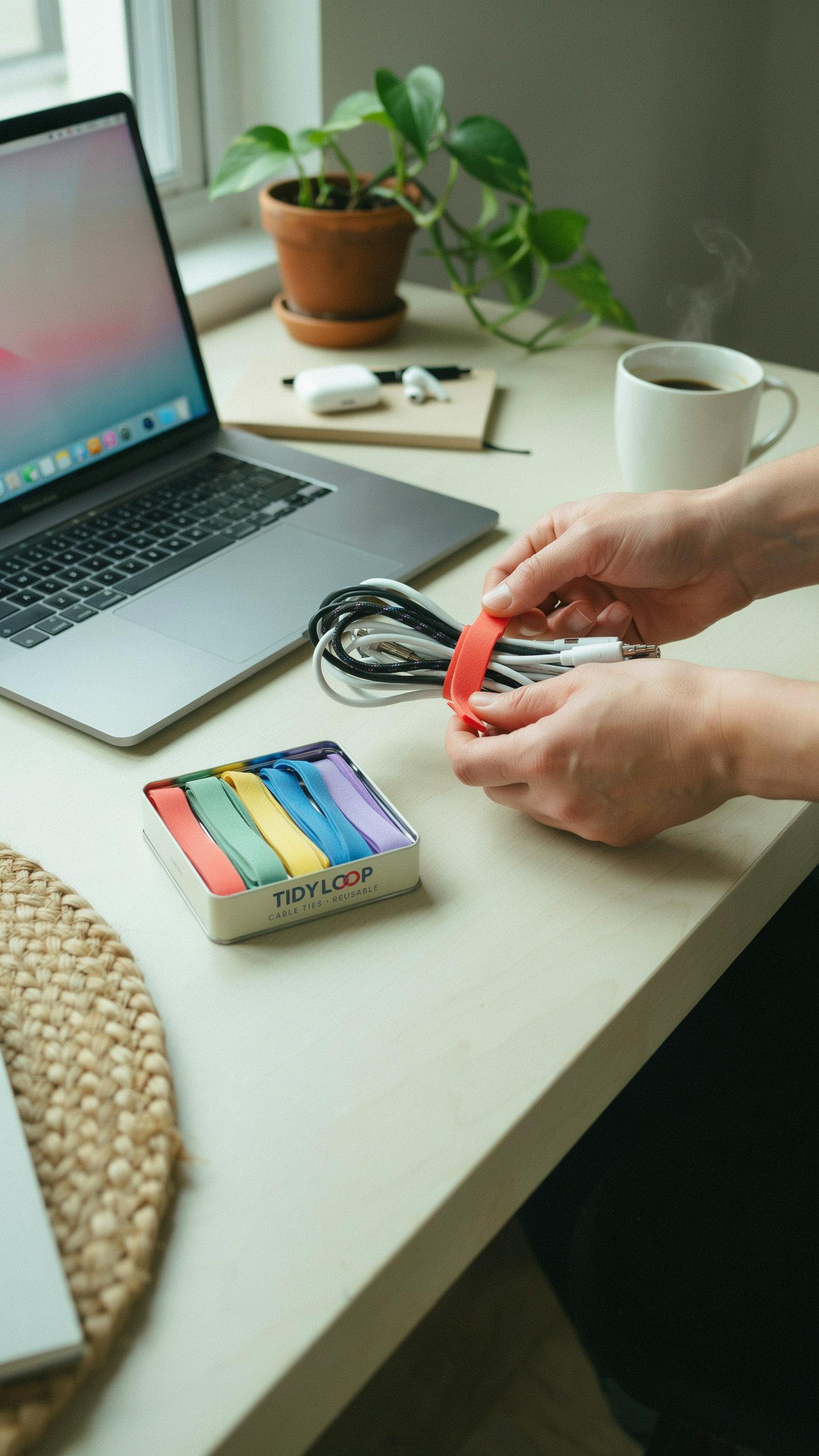
Bundling Similar Cables Together
Start by identifying which cables serve the same function or connect to adjacent devices. Group power cords together, then separate data cables like USB and ethernet. This approach reduces confusion when you need to unplug or replace equipment later. You spend less time tracing individual wires through tangled messes.
Velcro ties wrap around bundles without damaging cable insulation. The reusable hook and loop system grips firmly but releases cleanly when you need adjustments. Unlike zip ties, velcro causes no stress points that degrade cable jackets over time. You can reorganize your setup without replacing ties.
Securing Cables To Desk Legs And Edges
Route bundled cables along the underside of your desk surface using velcro ties at regular intervals. Space ties about twelve inches apart to prevent sagging. This keeps cables hidden from view and prevents people from tripping on loose wires. Your workspace looks clean while maintaining full cable accessibility.

Wrap velcro ties around desk legs as cables run downward to power strips or wall outlets. Position ties where they distribute pressure evenly along the cable bundle. The hook and loop design adheres securely without pinching wires. You can adjust or release bundles quickly when equipment moves or changes.
Optimizing Your Desk Setup With Smart Cable Management

Creating A Designated Charging Station
Pick one corner or section of your desk for all device charging. Group your phone, tablet, laptop, and other chargers in this zone. Use velcro cable ties to bundle each cable into tight coils. Coiled cables take up less space and stay where you put them. Label each tie with the device name if you have multiple similar cables.
This approach cuts search time when you need to charge something. You know exactly where every cable lives. Velcro ties grip the cables firmly without damaging the insulation. Unlike twist ties or rubber bands, velcro doesn’t degrade or lose grip over time. Your charging station stays organized regardless of how often you access it.
Remember how simple things once were? These little ties bring that effortless order back to your desk, making tidiness a joy, not a chore.
Managing Power Strips And Surge Protectors
Mount your power strip to the underside of your desk using velcro strips or adhesive-backed mounting hardware. This keeps it off the floor where it collects dust and creates tripping hazards. Secure all power cables to the desk legs with velcro ties. Route cables vertically to maximize floor clearance.
Your power strip now serves as a fixed anchor point for all connected devices. Velcro ties prevent cables from tangling around desk legs or getting caught when you move your chair. The underside placement hides the strip from view while keeping it accessible for plugging in devices. This setup supports your charging station and eliminates cable clutter from the floor.
Advanced Techniques Cut Design For Custom Cable Solutions
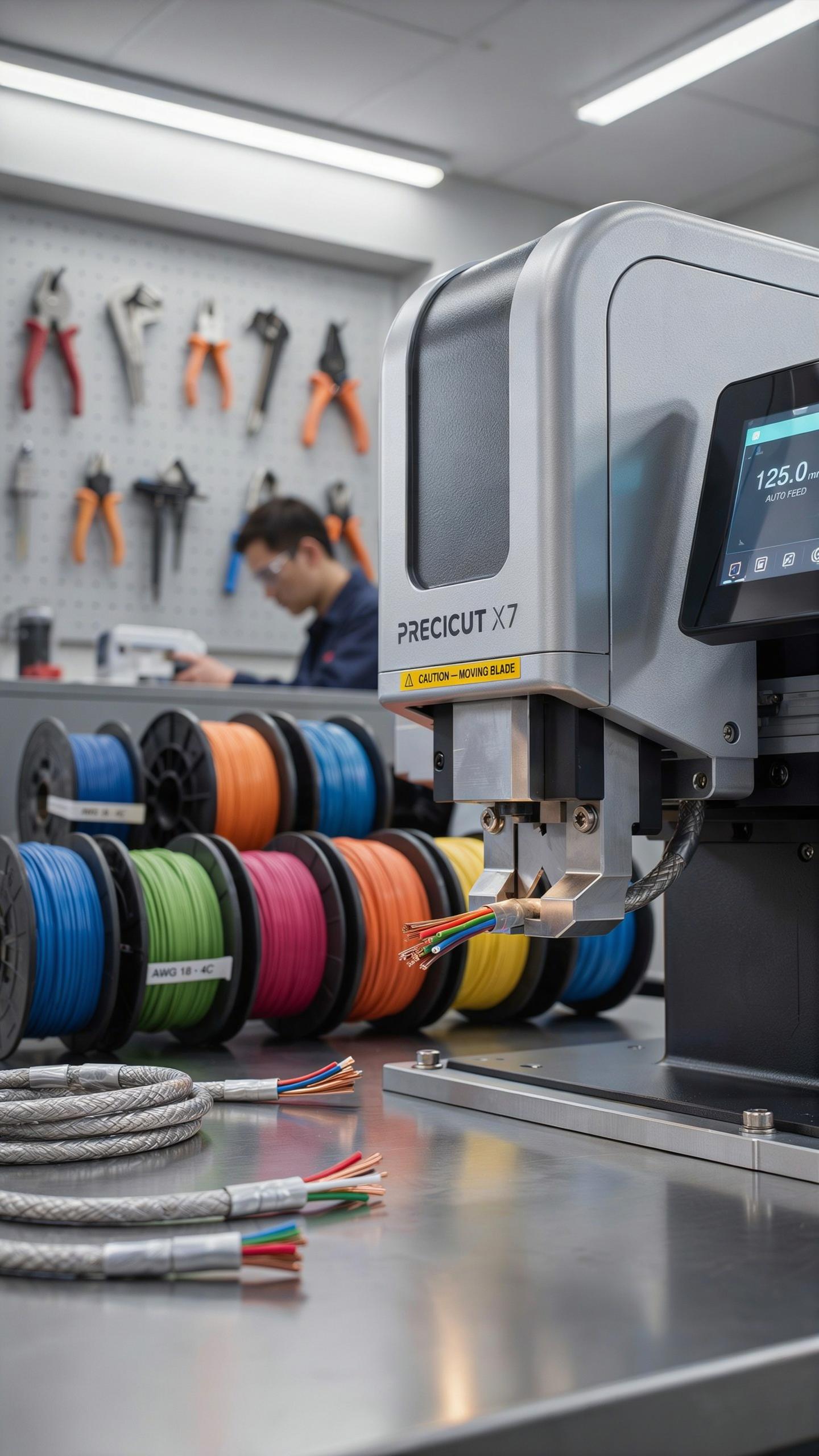
Customizing Velcro Ties For Specific Needs
Most velcro cable ties come in standard lengths, typically ranging from 6 to 12 inches. You can cut them to match your exact cable diameter and workspace requirements. This flexibility eliminates wasted material and creates tighter, cleaner bundles. Scissors or a utility knife cut through velcro cleanly. Measure your cable bundle first, then cut the tie to that length plus one inch for overlap.

Cutting velcro ties also accommodates unusual cable configurations. Thicker bundles require longer ties, while single cables need shorter wraps. Custom lengths prevent the tie from being too loose or too tight. This precision keeps cables organized without the risk of circulation damage or slipping. Store cut ties in a drawer by length for quick access during future desk reorganizations.
Creative Uses For Excess Cable Length
Excess cable behind desks creates visual clutter and tripping hazards. Bundle that slack with a single velcro tie and secure it vertically against the wall or horizontally along the desk leg. This approach keeps cables accessible while hiding the excess out of sight. The bundled length still allows you to unwind it when you need to relocate equipment.
Plan for future flexibility by leaving coiled cable bundles in accessible locations behind your desk. Secure the coil with one velcro tie to prevent it from unraveling. This strategy reserves cable length for equipment changes without requiring you to replace entire cables. When you add new devices, that reserved slack becomes immediately useful. Your desk stays organized while maintaining the adaptability modern setups demand.
Beyond The Desk Extending Cable Organization Throughout Your Home

Organizing Entertainment Centers And Media Consoles
Entertainment setups accumulate cables fast. Your TV connects to a receiver, streaming device, gaming console, and sound system. Each device adds another cord to the tangle behind your equipment. Velcro cable ties bundle these wires into organized groups, making the back of your entertainment center navigable instead of chaotic.

Route cables vertically along the back panel or horizontally along cable channels. Label each bundle with a small tag so you identify what powers what. When you need to unplug one device, you grab the right cable immediately instead of testing three different cords. This saves troubleshooting time and prevents accidental disconnections.
Kitchen Appliances And Small Electronics
Kitchen counters host multiple appliances with tangled cords creating visual clutter. Your coffee maker, toaster, microwave, and blender all compete for outlet space. Velcro ties secure these cords against the back of appliances or along the counter edge, keeping them out of sight and off work surfaces.
Bundle cords by appliance and tuck them behind or underneath each device. This approach frees up countertop real estate and eliminates the tripping hazard loose cords create. When you clean, cables stay secured and won’t shift around, making wiping down surfaces faster and more effective.
Maintenance And Longevity Keeping Your Cable Management Pristine

Regular Checks And Adjustments
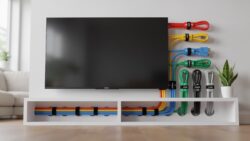
Your cable setup changes when you add devices or shift your workspace layout. Review your ties monthly to catch loose connections before they cause problems. Adjust tension as needed. Replace ties that show wear or reduced grip performance. This routine prevents cables from tangling or falling out of organization during the workday.
New equipment arrives regularly in most work environments. Your original tie placement may not accommodate additional monitors, peripherals, or power supplies. Redistribute ties to manage new cables without overcrowding existing bundles. Proper spacing prevents heat buildup and makes future adjustments faster. Document your setup so you recognize changes quickly.
Cleaning And Care For Velcro Cable Ties
Velcro accumulates dust and lint over time, which degrades its grip strength. Wipe ties with a damp cloth every two to three months. Let them dry completely before reusing. This simple maintenance restores holding power and extends tie lifespan. Replace ties only when cleaning no longer restores adequate grip.
Hard debris catches in velcro fibers and prevents proper contact with mating surfaces. Use a dry cloth first to remove loose particles, then follow with a damp cloth if needed. Avoid soaking ties or using harsh chemicals that damage the hook and loop material. Proper care keeps ties functional for years without replacement.
The Unseen Benefits Of An Organized Desk Cable Organizer

Enhanced Focus And Reduced Stress
A cluttered desk pulls your attention in multiple directions. Cables tangled across surfaces create visual noise that your brain processes as unfinished tasks. When you use velcro cable ties to bundle and route cables neatly, you eliminate this cognitive load. Your workspace becomes quieter visually, which allows you to direct mental energy toward actual work instead of managing disorder.
Research in environmental psychology confirms that workspace organization directly impacts concentration levels. Tangled cables trigger the same mental response as unfinished projects. Velcro cable ties solve this by creating clear, defined cable paths. You reduce the mental friction required to focus, which means you spend more time in productive flow states and less time distracted by your surroundings.
Improved Safety And Accessibility
Loose cables draped across floors and desk edges create tripping hazards and pose damage risks. Velcro cable ties secure cables in organized bundles that stay in place. This prevents accidental disconnections that interrupt work and protects equipment from strain damage caused by cables being pulled or stepped on repeatedly.
When cables are organized with velcro ties, you locate the specific cable you need in seconds instead of minutes. You can trace individual connections without disturbing others. This accessibility prevents frustration and reduces the risk of damaging cables through unnecessary manipulation. An organized cable system supports efficient equipment maintenance and troubleshooting when problems occur.
Making The Switch Why Velcro Cable Ties Are A Smart Investment

Cost Effectiveness And Reusability
Velcro cable ties cost more upfront than plastic ties or zip ties. However, you use them hundreds of times. A single velcro tie lasts years with proper care. Plastic ties break or wear out after a few uses. You replace them constantly. Velcro ties eliminate replacement costs. Calculate the math over 24 months and velcro wins decisively on total cost of ownership.
The reusability factor changes your maintenance approach entirely. You adjust, remove, and reposition cables without replacing ties. This matters when desk setups change or equipment moves. You spend less time buying new ties and more time working. Businesses and home offices both benefit from this practical advantage. The per use cost drops significantly after the first year.
Environmental Impact Of Reusable Cable Solutions
Plastic cable ties end up in landfills after one use. Velcro ties stay in circulation indefinitely. You eliminate the waste stream associated with disposable ties. Over a year, a desk using plastic ties generates dozens of discarded ties. Velcro ties generate zero. The material composition of velcro itself is recyclable when the tie finally reaches end of life.
Choosing reusable velcro ties reduces your environmental footprint without sacrifice. Manufacturing fewer replacement ties means less plastic production overall. You avoid the shipping and packaging waste that comes with bulk tie purchases. This choice compounds across multiple desks in an office environment. The cumulative impact matters. Reusable solutions represent practical sustainability.
Frequently Asked Questions

What exactly are velcro cable ties and how can they help my desk organization?
Velcro cable ties are reusable fasteners that use hook-and-loop technology to bundle wires and cables together. They’re a fantastic, quick solution for untangling the mess of cords under and around your desk, instantly improving the appearance and functionality of your workspace.
What’s the best way to use velcro cable ties for organized desks to achieve a truly tidy look?
Start by unplugging and untangling all your cables. Then, group similar cables together (e.g., power cords, data cables) and use the velcro cable ties to secure them neatly. Run these bundled cables along desk legs or under the desk, away from sight, for a truly professional and organized aesthetic.
Are velcro cable ties an affordable and accessible solution for everyone wanting a tidier desk?
Absolutely! Velcro cable ties are incredibly budget-friendly and widely available online and in most hardware or office supply stores. Their ease of use and low cost make them an accessible and effective tool for anyone looking to quickly achieve an organized desk, regardless of their budget or DIY skill level.