

The Universal Problem Why Cables Get Tangled
Understanding The Frustration Of Cord Clutter
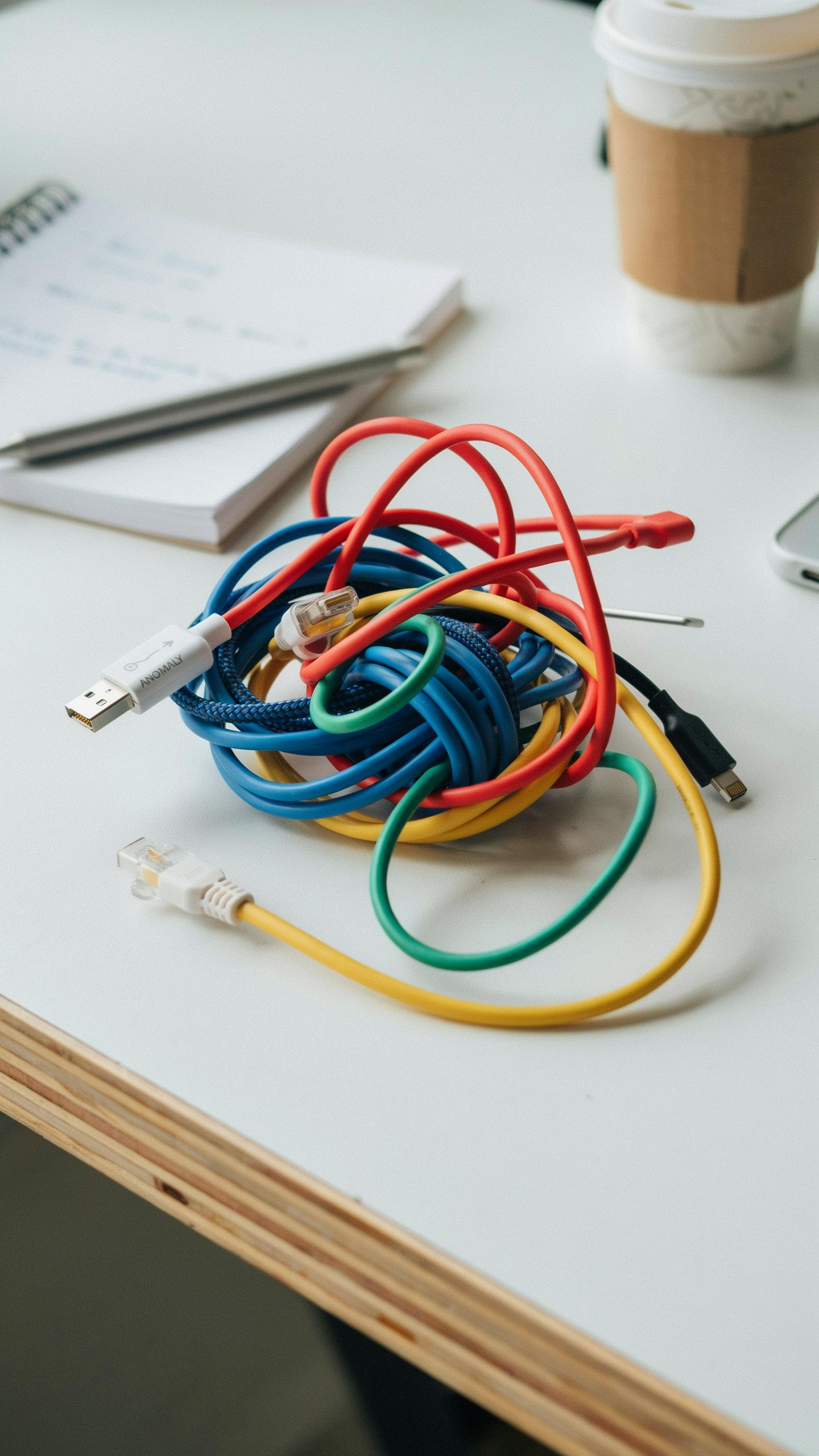
Cables tangle because they move freely and lack physical separation. When cords coil together during storage or lay bundled on desks, they naturally interlock. Users encounter tangled cables daily in home offices, entertainment centers, and travel bags. Each untangling session wastes time and creates frustration. The problem intensifies when multiple cable types mix together, from power cords to charging cables to audio cables.
Safety hazards emerge from tangled cables. Trip risks increase when cords sprawl across floors or under furniture. Damaged insulation occurs from repeated bending and crushing under weight. Equipment can fall when cables get caught or pulled unexpectedly. Messy cable arrangements also create fire hazards when cords bunch near heat sources or become damaged from strain.
The Impact Of Disorganized Cables On Productivity And Aesthetics
Cluttered cables distract users and disrupt focus. Visual chaos from tangled cords pulls attention away from actual work or tasks. Time spent searching for specific cables or untangling knots represents lost productivity. Workspace efficiency drops significantly when users must repeatedly manage and reorganize the same cables. The mental energy spent on cable management diverts resources from important projects.
Poor cable organization damages the appearance of any space. Workspaces look unprofessional when cords hang visibly or drape across surfaces. Living rooms and entertainment areas lose visual appeal with exposed, tangled cables. Clients and visitors form negative impressions of cluttered environments. A organized cable system directly improves the perceived quality and professionalism of any room.

Introducing The Cable Sleeve Wrap Your Ultimate Cable Management Solution

What Is A Cable Sleeve Wrap And How Does It Work?
A cable sleeve wrap is a tubular covering made from woven or braided material that consolidates multiple cables into a single organized bundle. The sleeve expands to accommodate various cable sizes and quantities, then compresses around them to eliminate tangling and keep cords in place. You simply feed cables through the opening, and the material holds them together as one unit.
The mechanics are straightforward. Cable sleeve wraps use friction and containment rather than adhesives or locks. The woven construction stretches to accept cables during insertion and then contracts around them once loaded. This approach works because it distributes pressure evenly across all contained cables, preventing individual cords from escaping or twisting around each other during storage or transport.
Ah, the simple pleasure of untangled cords, like a perfectly organized drawer of memories. A cable sleeve wrap isn’t just about order, it’s about cherishing the things that keep our modern lives humming.
The Benefits Of A Flexible Cable Organizer Strip
Flexible cable organizer strips adapt to almost any cable configuration without requiring modification or replacement. You can bundle thick power cables alongside thin audio cords in the same sleeve. The material expands and contracts based on what you insert, making it work across different setups without waste or incompatibility issues.

Installation requires no tools, adhesives, or permanent mounting solutions. You wrap the sleeve around your cables and secure it with integrated closures like Velcro strips or snap buttons. This reversible approach lets you modify your cable setup anytime without damage to walls, furniture, or the cables themselves. The flexibility makes these organizers reusable across multiple applications and workspaces.
Types Of Cable Sleeve Wraps For Every Need
Braided, Neoprene, And Spiral Wraps: A Comparative Look
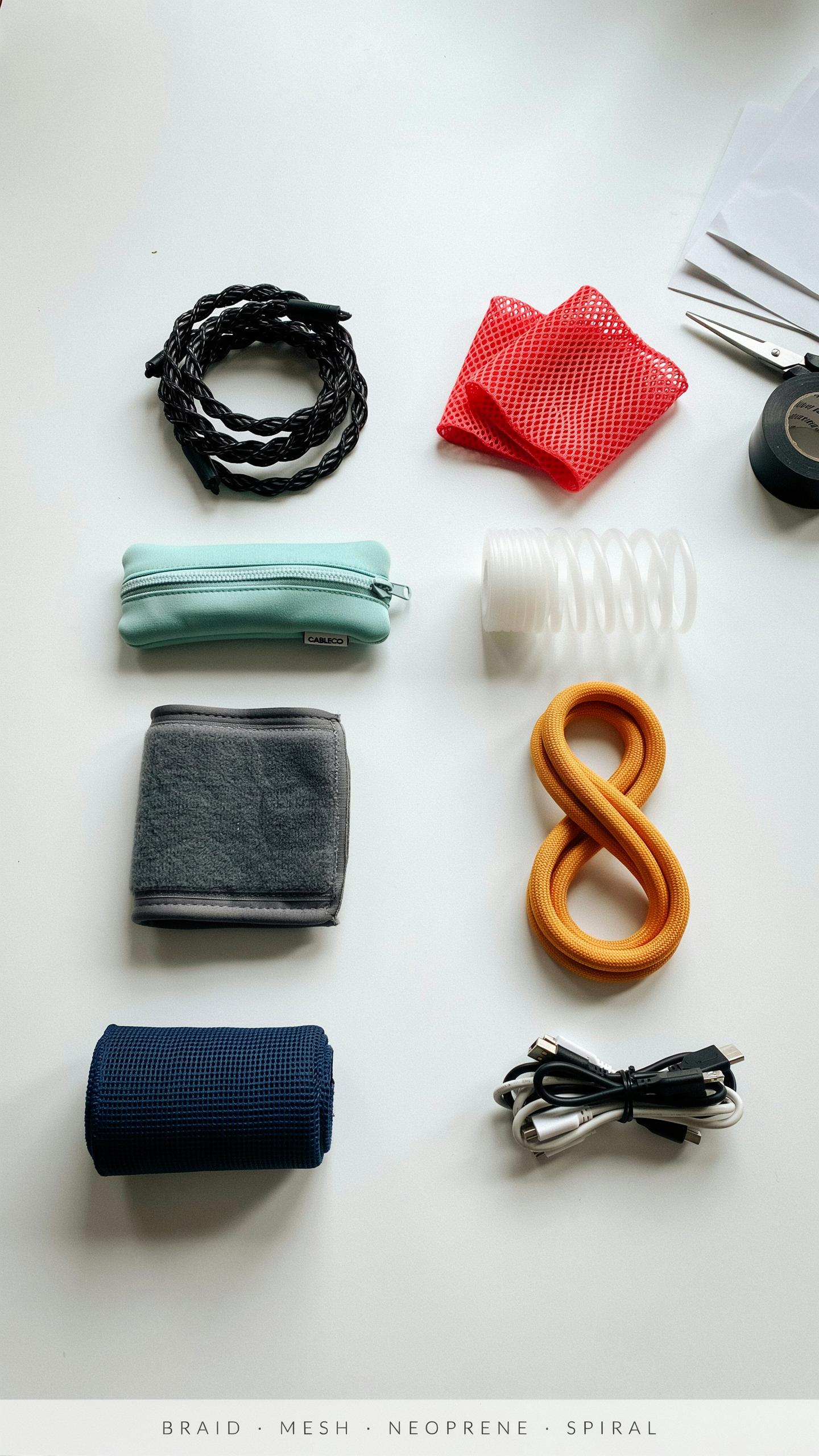
Braided sleeves use interlocking fabric strands to create a tight mesh around cables. This design offers flexibility and allows you to add or remove cables without disassembling the wrap. Braided options work well for mixed cable bundles and high-traffic areas where cables move frequently. They resist tears better than thinner materials and accommodate various cable diameters.
Neoprene wraps use rubber-based material that provides cushioning and insulation. This material protects cables from temperature swings and minor impacts. Neoprene works best for stationary cable runs where you won’t adjust the setup often. Spiral wraps feature a coiled design that lets you open and close the sleeve around existing cable bundles without disconnecting anything.
Choosing The Right Cable Hider For Your Home Or Office
Cable volume determines which wrap suits your needs. High-density areas with multiple cables need braided or spiral options that expand easily. Single-cable runs work fine with neoprene or thin braided sleeves. Count your cables and measure their combined diameter before selecting a wrap size.

Environment impacts material selection significantly. Office settings often prefer braided wraps for their clean appearance. Home entertainment areas benefit from neoprene for heat protection near electronics. Areas with temperature fluctuations need neoprene’s insulation properties. Aesthetic preferences matter too. Braided sleeves come in various colors and blend into different spaces. Choose based on your wall color and furniture to make cables less visible.
Beyond Organization Protection And Safety With Cable Cover Solutions

Protecting Your Cords From Wear And Tear
Cable sleeve wraps create a physical barrier between your cords and environmental hazards. Dust accumulation damages cable insulation over time and reduces performance. Pet claws and teeth puncture exposed wiring. Abrasion from friction against furniture edges frays outer jackets. Wrapping cables extends their functional lifespan significantly.
The material composition of cable sleeves determines protection levels. Neoprene and polyester offer moderate defense against moisture and mild abrasion. Braided nylon provides higher durability for high traffic areas. Thicker sleeves protect better than thin ones. Match sleeve thickness to your cable exposure conditions.
Enhancing Safety And Preventing Tripping Hazards

Loose cables across floors create immediate tripping risks. Cable sleeves consolidate multiple wires into single bundled units. This reduces the number of separate obstacles underfoot. Consolidated cables lay flatter and stay in place. You eliminate the scattered cord hazard entirely.
Organized cable runs follow predictable paths along baseboards and under desks. This visibility helps people navigate spaces safely. Guests and family members see bundled cables and avoid them. Trip incidents drop substantially when cables are managed properly. Safety improvements happen immediately after installation.
Installation Made Easy A Cable Management Hack

Step By Step Guide To Installing Your Cable Sleeve Wrap
Start by gathering all cables you plan to bundle together. Measure the total length you need to cover, accounting for any bends or routing around furniture. Cut your cable sleeve wrap to the appropriate length using scissors or a utility knife. Most sleeves feature a slit running along the length, designed for easy opening and closing without removing connectors.
Open the slit and insert your cables into the sleeve in the order they’ll be used. Group similar cables together to maintain organization and simplify troubleshooting later. Once all cables are positioned, close the slit by pressing or fastening the adhesive backing if your sleeve includes it. Secure the wrapped bundle at intervals using velcro straps or clips to prevent shifting during movement or repositioning.
Tips For Optimizing Your Cord Management Setup
Begin by planning your cable routes before wrapping. Identify where cables enter devices, travel along surfaces, and exit to power sources. This prevents unnecessary slack and reduces the physical footprint of your setup. Route cables away from high traffic areas to minimize wear and accidental disconnection. Consider cable length when selecting sleeve diameter to avoid creating bulky sections that catch on corners or edges.
- Pre wrap inspection: Check all connectors and cables for damage before installation. Damaged cables pose fire risks and won’t function reliably inside a sleeve.
- Sleeve sizing: Choose sleeve diameter that accommodates your cable bundle without excess compression. Tight wrapping restricts airflow and generates heat around connectors.
- Labeling system: Mark cable ends with tags or tape before wrapping. This eliminates guesswork when you need to disconnect or troubleshoot specific cables.
- Heat management: Leave space at connection points where heat naturally concentrates. Power adapters and surge protectors require ventilation to operate safely.
- Accessibility planning: Position sleeve seams where they’re easiest to access for future additions or removals. Avoid sealing cables into inaccessible wall cavities or behind furniture.
Test your setup by moving the bundled cables gently to confirm everything stays organized. Adjust straps or reposition cables if sections slip or bunch up during movement. Monitor the setup over the first week for any shifts that require correction. Make final adjustments to ensure long term stability and ease of future modifications.
Multi Device Cord Cable Organizer Taming The Tech Jungle

Managing Multiple Devices With A Single Solution

Cable sleeve wraps solve a core problem: multiple devices create multiple cords that tangle and clutter spaces. A single sleeve consolidates several cables into one organized bundle. This approach works because the wrap holds cords together physically, preventing them from spreading across surfaces. The result is immediate visual clarity and faster access to specific cables when you need them.
Different devices require different cable types: power cords, USB lines, HDMI connections, and charging cables all occupy the same workspace. Sleeve wraps accommodate this variety by grouping dissimilar cables together without damaging them. The material creates a protective barrier that shields cords from friction with each other. Users can label sections of the wrap to identify which cable runs where, cutting setup and troubleshooting time significantly.
Creating A Centralized And Efficient Workspace
Desk and entertainment center layouts benefit directly from consolidated cabling. Cable sleeves keep cords routed along edges or behind equipment rather than scattered across work surfaces. This frees up physical space for actual work or activities. The visual reduction in cord visibility improves focus and reduces mental clutter that comes from seeing tangled wires.
A centralized cord management system also improves equipment accessibility and maintenance. When cables are bundled and labeled, you can identify and replace specific connections without dismantling the entire setup. Cable sleeves allow you to bundle cords temporarily or permanently depending on your needs. This flexibility makes workspace reorganization faster when you add new devices or change equipment configurations.
Cable Sleeve Wraps For Every Room


Organizing Entertainment Systems And Home Offices
Entertainment systems demand cable management because they involve multiple devices running simultaneously. A typical living room setup includes a TV, soundbar, gaming console, and streaming device. Cable sleeves consolidate these cords into organized bundles. Run sleeves behind wall-mounted TVs or along baseboards to hide the mess. Home offices create similar challenges with computers, monitors, printers, and desk lamps. Sleeve wraps group these cords so you access specific cables without untangling everything. The result is faster troubleshooting and a professional appearance.
Cable sleeves solve the physical problem of space constraints in both rooms. Behind entertainment centers, cords tangle because devices sit close together. Sleeves compress multiple cords into single, manageable units that fit tighter spaces. In home offices, desk setups change frequently as you add or remove equipment. Sleeved bundles move as one unit, reducing the time spent reorganizing individual cords. This approach prevents damage from repeated bending and crushing of fragile connections.
Solutions For Kitchen Appliances And Workshop Tools
Kitchen gadgets create cord chaos because appliances stay plugged in but rarely used simultaneously. Coffee makers, blenders, toasters, and instant pots clutter countertops with tangled cords. Cable sleeves organize these cords so they sit neatly behind or beside appliances. Some sleeves include velcro attachment points, letting you secure bundles directly to appliance bodies or cabinet undersides. Workshop environments face the same issue with power tools, chargers, and extension cords. Sleeves prevent tripping hazards on shop floors while protecting cords from tool contact and moisture.
The durability of cable sleeves determines their effectiveness in these high-use spaces. Kitchen moisture requires sleeves made from materials resistant to humidity and spills. Neoprene and polyester options withstand damp conditions better than fabric alternatives. Workshop tools generate heat and debris that damage unprotected cords. Sleeves rated for higher temperature ranges and tougher materials absorb impacts from dropped tools. Both environments benefit from sleeves with integrated labels so you identify specific cords without unwrapping bundles.

The Cost Effective Solution Affordable Cable Organizer Options

Investing In Organization: Long Term Benefits Vs. Initial Cost
Cable sleeve wraps cost between five and fifty dollars depending on material and length. A single damaged cable requires replacement at twenty to three hundred dollars. Wraps prevent fraying, cuts, and tangling that shorten cable lifespan. One wrap protects multiple cables for years. The initial investment pays for itself within one to two cable replacements.
Organizations that implement cable sleeves reduce equipment downtime and replacement budgets measurably. Cables last longer when protected from abrasion, heat stress, and physical damage. Nylon, fabric, and spiral sleeves all provide protection in different environments. The cost per cable protected drops significantly when buying in bulk. Protection justifies the expense through extended equipment life.
DIY Cable Management Vs. Professional Solutions
DIY cable sleeve installation requires no special skills or tools. You measure, cut, and apply sleeves yourself in minutes per cable. Materials cost three to ten dollars per wrap for quality options. Professional cable management services charge fifty to two hundred dollars per hour. A typical job runs two to eight hours depending on cable volume and complexity.
DIY solutions make sense for small setups with fewer than twenty cables. Professional services deliver value for large data centers, studios, and server rooms. Professionals organize cables by function, route them strategically, and label systems. They prevent future tangling and reduce maintenance time permanently. Choose DIY for home offices and small businesses. Use professionals for mission critical installations requiring reliability and documentation.
Beyond The Sleeve Complementary Cord Management Strategies

Combining Sleeves With Cable Clips And Ties For Ultimate Organization
Cable sleeve wraps work best when paired with clips and ties. Sleeves bundle cords together and reduce bulk. Clips anchor those bundled cords to desks, walls, or equipment. Ties secure individual cables within the sleeve or organize cords before they enter it. This layered approach eliminates slack and prevents cables from shifting or tangling during movement.
The combination creates a system where each tool handles a specific job. Sleeves contain and protect. Clips position bundles exactly where you need them. Ties lock everything in place. Using all three together means cords stay organized during setup, operation, and when you move equipment. You eliminate the chaos that happens when you rely on just one method.
Managing Extension Cord Clutter Effectively
Extension cords create clutter because they’re longer and people coil them loosely. Thread extension cords through cable sleeves first, then use clips to secure the sleeved bundle at intervals along your workspace. This prevents the cord from uncoiling or tangling behind furniture. The sleeve protects the cord from damage while clips keep it away from foot traffic and equipment.
For extension cords under desks or along walls, mark the sleeve with labels showing outlet location and what it powers. Secure the cord every three to four feet using clips to prevent sagging and strain on the connections. This setup reduces tripping hazards and makes it easy to trace which cord connects where when troubleshooting problems.
Future Proofing Your Setup With Smart Cable Management

Adapting Your Cable Management For Evolving Technology
Your device ecosystem will change. You’ll add new equipment, swap out old gear, and upgrade your setup over time. Cable sleeve wrap works because it accommodates these shifts without requiring you to start over. A modular approach to wrapping and organizing cables lets you add, remove, or reroute cables as your needs shift.
The core advantage is flexibility built into your system. Neoprene sleeves, fabric wraps, and velcro-based solutions don’t lock you into a single configuration. When you upgrade to new devices or add equipment, you simply unwrap, reorganize, and rewrap. This approach costs less than replacing entire cable management infrastructure and keeps your workspace functional through multiple technology transitions.
The Environmental Benefits Of Prolonging Cable Lifespan
Cables fail from damage, not age. Tangled cords get bent at sharp angles, pinched under furniture, and crushed by repeated coiling and uncoiling. Sleeve wrap prevents these mechanical failures by distributing stress evenly along the entire cable length. Protected cables last longer, which means fewer replacements and less electronic waste entering landfills.
The math is straightforward: a cable that lasts five years instead of two years means three fewer cables manufactured, shipped, and eventually discarded. Cable sleeve wrap removes the main culprit behind premature failure. By extending cable lifespan through proper protection, you reduce your personal consumption footprint and decrease demand for virgin materials used in cable manufacturing.
Frequently Asked Questions

What exactly is a cable sleeve wrap, and why would I need one for my home?
A cable sleeve wrap is a flexible, protective covering designed to bundle and organize multiple electrical cords. You’d need one to eliminate unsightly tangles, create a neater aesthetic, and protect your cables from damage. It’s a simple yet effective solution for achieving tangle-free cords and a tidier living space, making your home feel more organized.
How do I properly install a cable sleeve wrap to ensure my cords stay tangle-free?
Installing a cable sleeve wrap is straightforward! First, gather all the cords you want to bundle together. Then, open the sleeve (many have a convenient split design or zipper) and insert your cables. Once all cords are inside, close the sleeve securely. For long runs, you might use multiple sleeves. This method effectively uses a cable sleeve wrap for tangle free cords.
Are cable sleeve wraps expensive, and are there different types to fit various budgets or needs?
Cable sleeve wraps are generally very affordable, with options available for every budget. You can find basic neoprene or braided fabric sleeves at low price points, perfect for general organization. More advanced options include expandable mesh or zippered designs for larger bundles or specific aesthetic preferences. There are plenty of choices to get tangle-free cords without breaking the bank.