
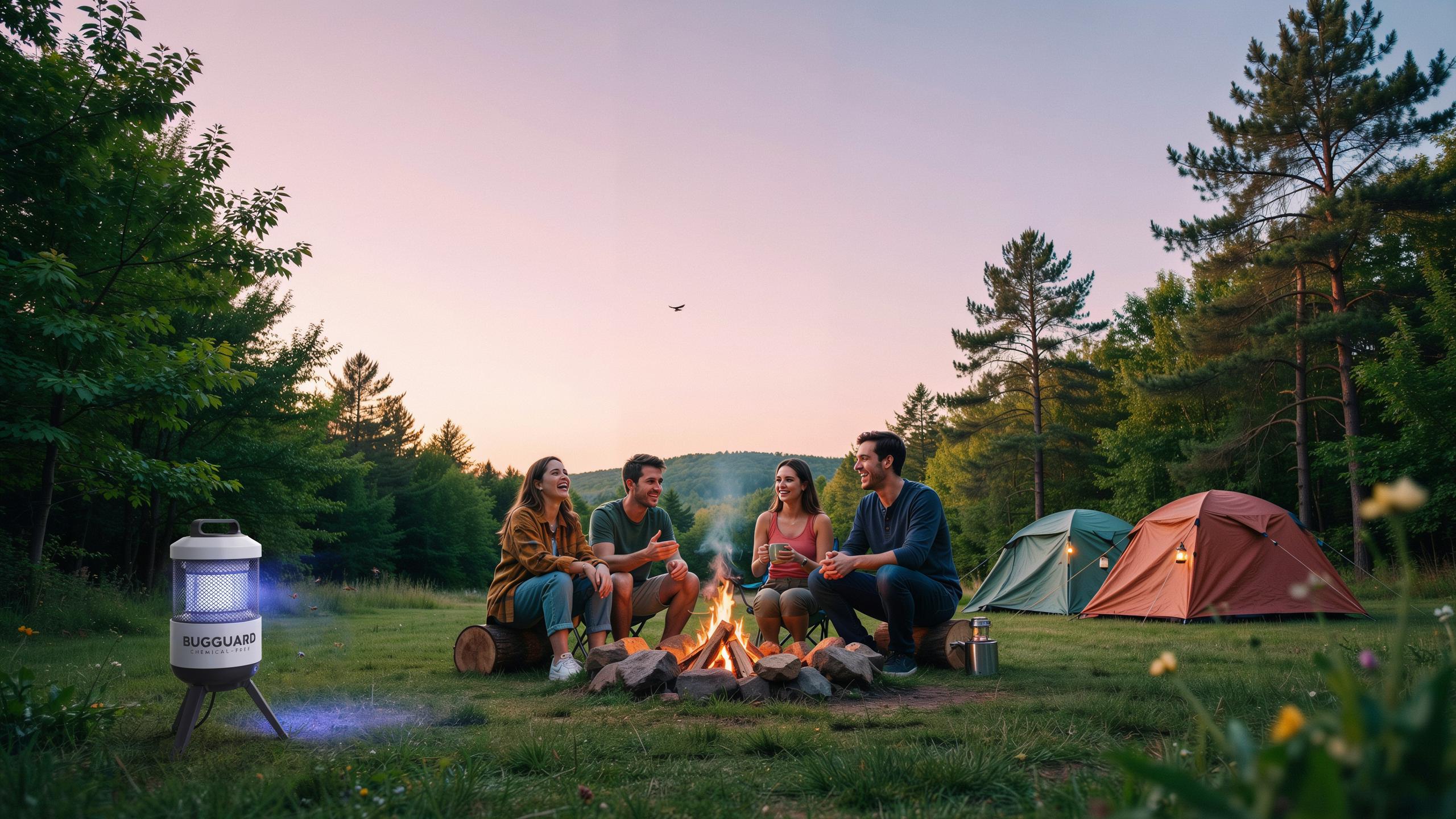
Understanding The Need For A Portable Bug Zapper

The Annoyance Of Flying Insects In The Wilderness
Mosquitoes, flies, and gnats dominate outdoor camping environments. Mosquitoes transmit diseases and leave itchy welts that persist for days. Flies contaminate food and create constant irritation. Gnats swarm around eyes and ears, making sleep difficult. These insects disrupt meals, hiking, and rest periods. Their presence directly reduces time spent enjoying the outdoors.
Insect activity peaks during dawn, dusk, and humid conditions. Camping near water sources intensifies exposure to mosquitoes and biting flies. Traditional defenses like tent screens fail when entering and exiting repeatedly. Insects force campers indoors or into uncomfortable protective clothing. The cumulative effect transforms a relaxing trip into an endurance test against biological nuisance.
Why Chemical Free Solutions Are Gaining Popularity
DEET remains the most effective chemical repellent but carries documented concerns. DEET absorption through skin raises questions about neurological effects with repeated exposure. Environmental persistence means DEET contaminated water affects non-target insects and aquatic life. Campers increasingly seek alternatives that eliminate these exposure pathways during extended outdoor trips.
Portable bug zappers offer a straightforward mechanical alternative. They require no skin contact, ingestion, or environmental release. Zappers work through attraction and electrical elimination rather than chemical deterrence. This approach appeals to campers prioritizing health margins and ecological impact. The shift reflects broader consumer demand for control methods that separate human safety from pest management effectiveness.

What Is A Portable Bug Zapper And How Does It Work
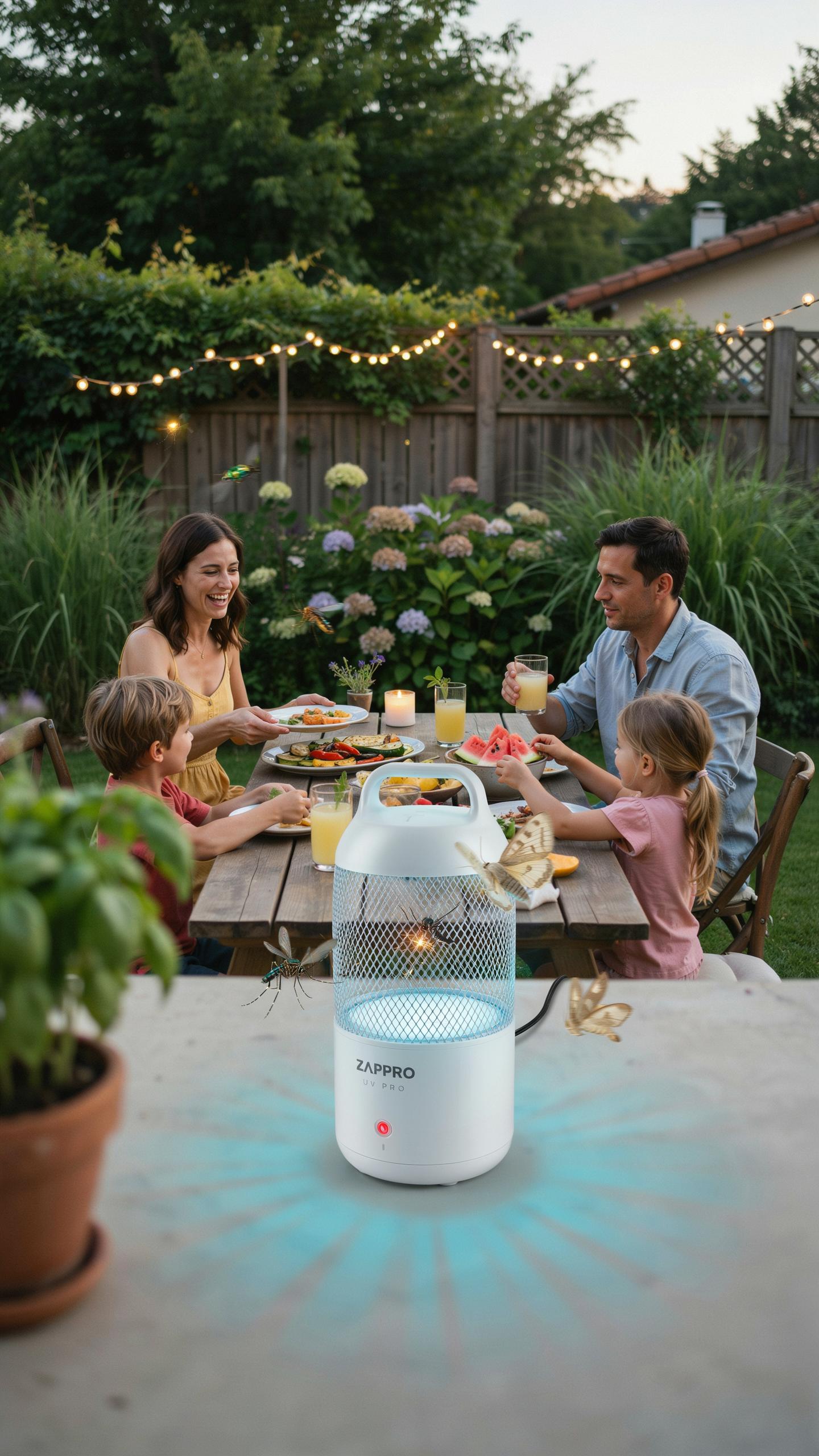
The Science Behind Electric Mosquito Killer Devices
Bug zappers attract insects using ultraviolet light, typically in the 350 to 380 nanometer wavelength range. Many flying insects, including mosquitoes and moths, navigate using UV light cues. When insects approach the light source, they encounter an electrically charged grid that delivers a high-voltage shock, killing them on contact through electrocution.
The voltage in these devices ranges from 1,000 to 4,000 volts, depending on the model. This electrical discharge is rapid enough to be fatal to insects but designed to prevent injury from accidental human contact. The mechanism relies on the insect’s attraction behavior combined with the conductivity of the grid to complete the electrical circuit.
Key Components Of An Effective Mosquito Killer Lamp
A functional bug zapper requires a UV light source, typically a fluorescent tube or LED bulb that emits in the ultraviolet spectrum. The light draws insects toward the device. Behind or around the light sits an electrified grid, usually made of parallel wires or mesh that carries the high voltage needed for electrocution when insects make contact.

The power supply converts standard voltage into the high voltage required for the grid. Most portable camping models use rechargeable or disposable batteries, while stationary units plug into wall outlets. A protective outer casing surrounds these components to shield users from the grid while allowing insects to reach it, and a collection tray or chamber at the base catches dead insects for easy disposal.
Benefits Of Using A Portable Bug Zapper For Camping
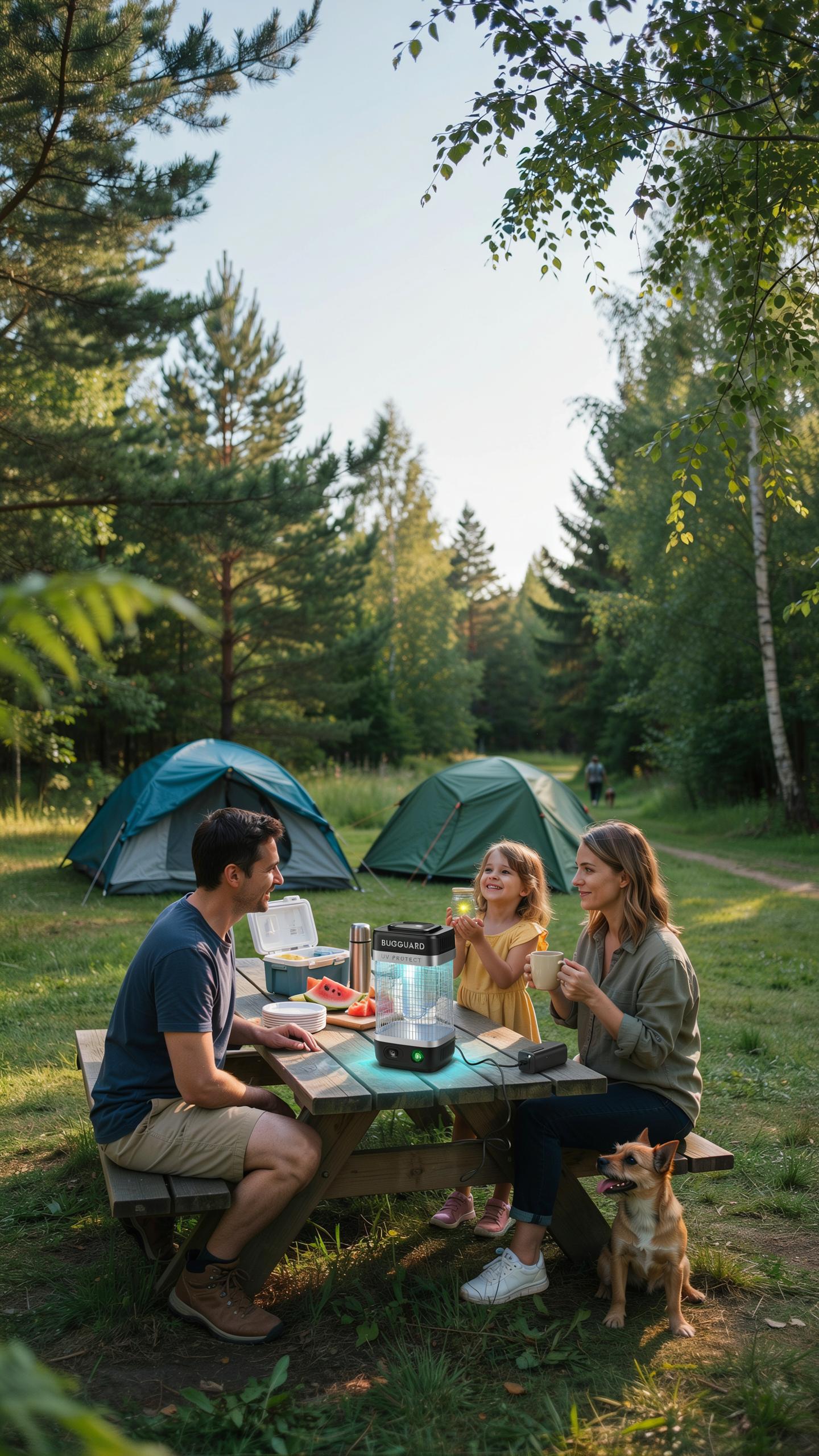
Chemical Free Pest Control For Peace Of Mind
Bug zappers eliminate insects through electrocution alone. No sprays, lotions, or chemical repellents enter your body or the environment. This matters for campers with sensitive skin, respiratory conditions, or allergies to common pesticide ingredients. Your gear stays uncontaminated. Food preparation areas remain chemical-free. Pets that roam the campsite face no toxic exposure from residual sprays or treated surfaces.
Traditional insecticides break down in soil and water systems. Bug zappers create zero chemical runoff. They produce no fumes that affect air quality around your tent. Insects die instantly on contact with the electrical grid. No lingering toxins persist in the camping area after you leave. This approach protects both immediate health and the broader ecosystem you’re camping in.
Enhanced Comfort And Enjoyment Of Outdoor Activities
Flying insects disrupt evening meals, conversations, and relaxation. Mosquitoes and flies create constant irritation that forces you indoors or into defensive postures. A bug zapper silently removes this threat. You sit outside without swatting, scratching, or applying repellent every few minutes. The reduced mental burden lets you focus on actual camping activities instead of pest management.

Campers report longer outdoor time when bug pressure drops. Families stay outside through sunset and beyond. Conversations flow without interruption. Cooking and eating happen outdoors without contamination concerns. Children play freely without adults tracking insect activity. This direct improvement in comfort translates to better trips and stronger reasons to camp again.
Choosing The Right Portable Bug Zapper For Your Adventure
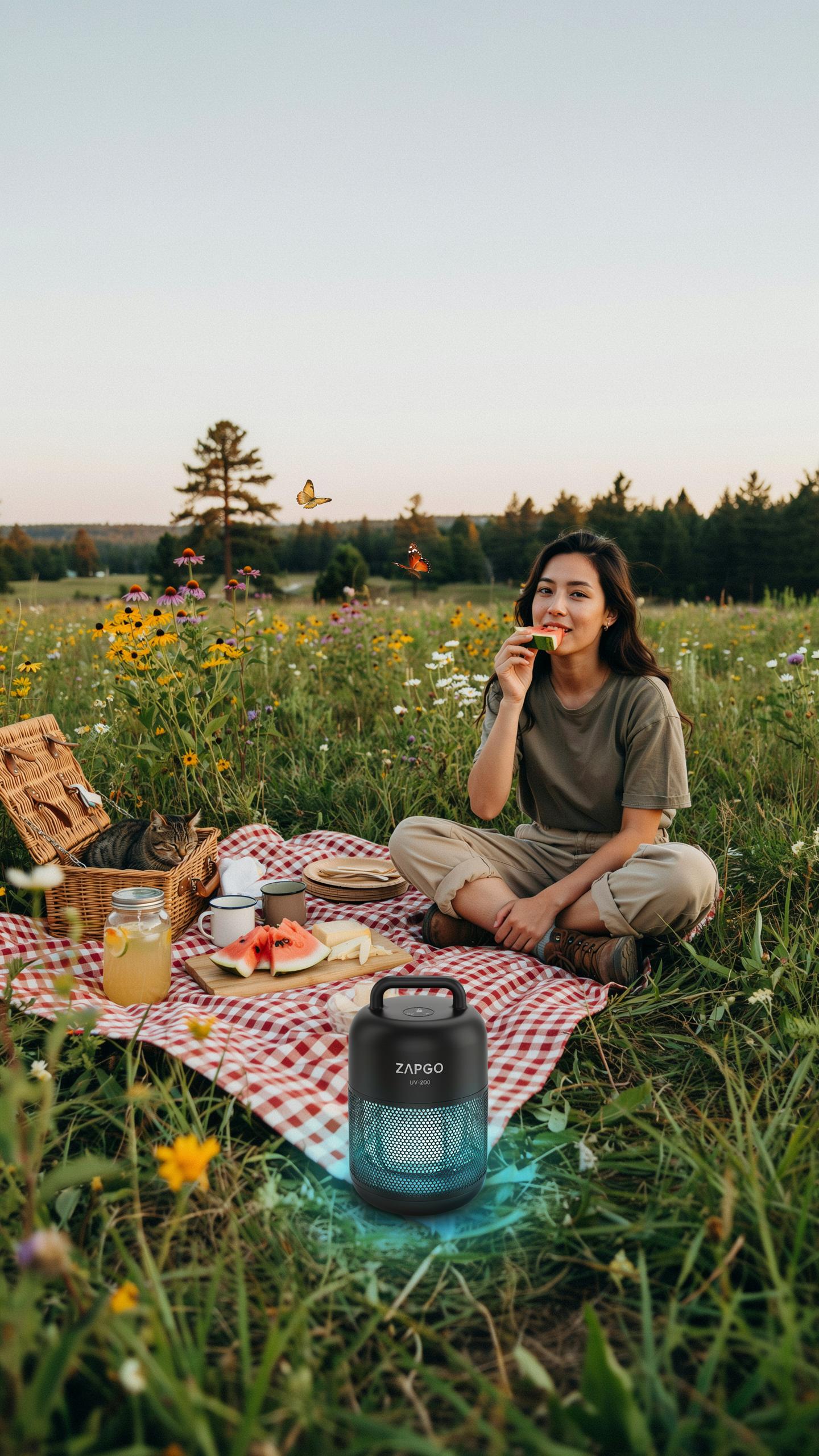
Factors To Consider: Battery Life, Coverage Area, And Durability
Battery life determines how long your zapper operates between charges. Most portable models run between 6 to 10 hours on a single charge. Match the battery capacity to your trip length. A three-day camping trip requires different power specs than a weekend outing. Check the mAh rating on the battery to estimate runtime under real conditions.
Coverage area defines the zone where the zapper attracts and kills insects. Larger campsites need models that project their attraction radius farther. Most portable zappers cover a 20 to 40-foot radius effectively. Durability matters because outdoor gear faces weather, drops, and rough handling. Look for models with impact-resistant casing and waterproof or water-resistant ratings for reliability in camp conditions.
Understanding Different Types Of Mosquito Traps And Fly Traps
Lantern-style zappers mount on tent poles or hang from branches. They work passively by attracting insects toward the light source where electrified grids kill them. Handheld racket-style zappers require active swinging to zap flying insects on contact. Lantern models suit stationary campsites where you want continuous protection around your sleeping area. Racket designs work better for active campers who move between locations frequently.

Electronic grid design varies between models to optimize pest elimination. Most use 1000 to 2000 volts to kill insects instantly on contact without chemicals. Lantern traps often include collection trays that catch dead insects for easy cleanup. Handheld rackets feature durable mesh grids that protect you from accidental contact with the charged wires. Both types eliminate the need for bug spray or pesticides, making them practical for extended camping trips where chemical application becomes impractical or problematic.
Setting Up Your Portable Mosquito Zapper At The Campsite
Optimal Placement For Maximum Mosquito Killer Effectiveness
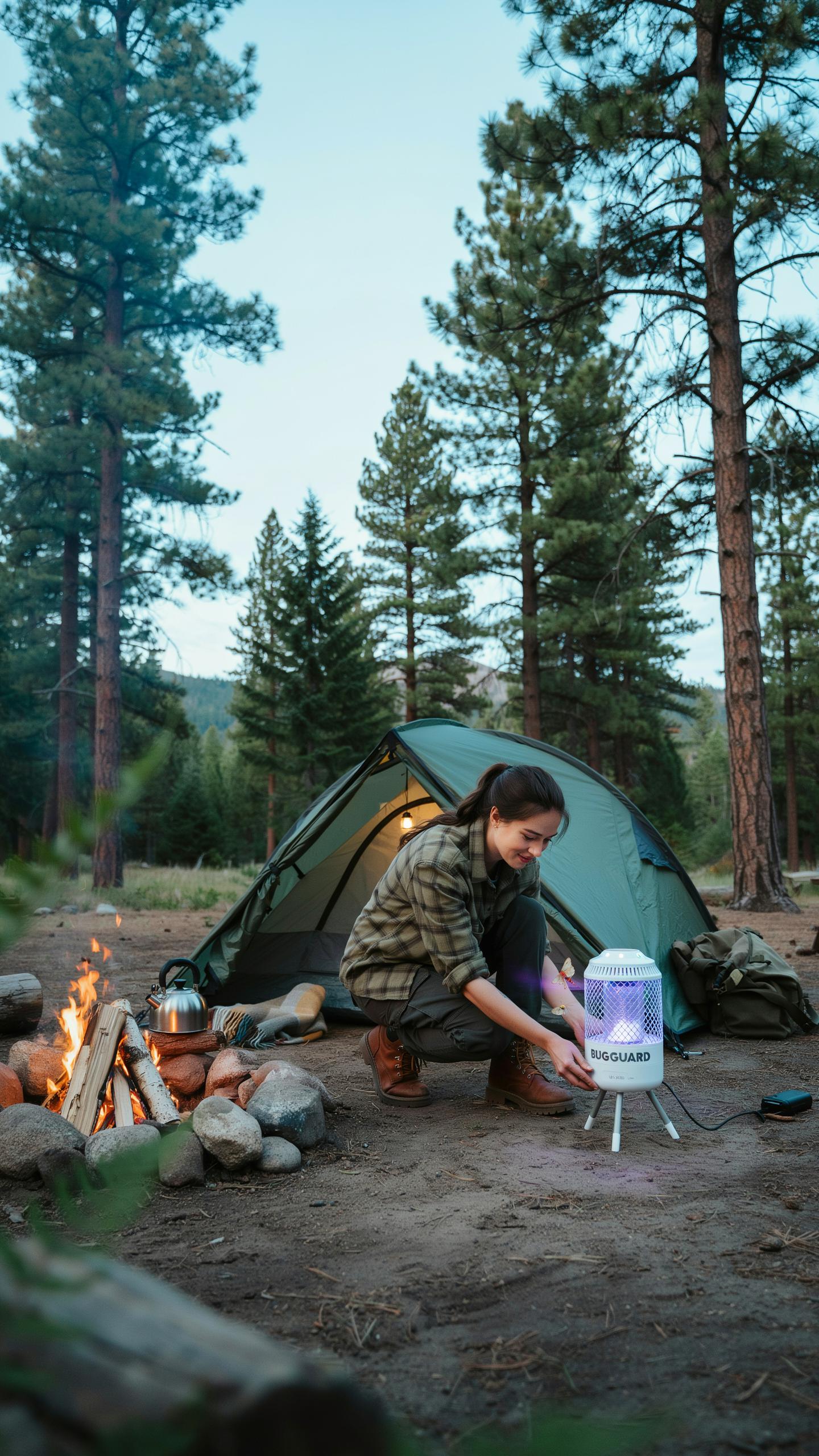
Position your zapper at least 15 to 20 feet away from where you sit or sleep. Mosquitoes get attracted to the light and fly toward it instead of toward you. Place the device upwind of your camping area so insects approach from the direction away from your tent entrance.
Height matters for capture rates. Mount the zapper 3 to 6 feet above ground level. Most flying insects cruise at this elevation. Avoid placing it directly inside your tent since dead insects and odors accumulate around the unit. Position it on a stable surface or hanging point where it won’t tip over from wind or contact.
Embrace the serenity of nature’s symphony, where the gentle hum of your bug zapper protects
— Unknown
Powering Your Device: Solar, USB, And Battery Options
Battery powered zappers run on AA, AAA, or rechargeable lithium cells. Most models last 6 to 10 hours per charge depending on size and insect activity levels. Bring extra batteries for trips longer than three days. USB rechargeable models connect to power banks, which you can charge via solar panels or bring from home.

Solar charged zappers work best in direct sunlight during the day. They charge slowly but eliminate battery dependency on longer trips. Many dual function models combine USB charging ports with solar panels for flexibility. Match your power choice to trip length and available charging sources at your campsite location.
Safety And Maintenance Of Your Bug Zapper
Safe Handling And Operation Of Electric Mosquito Killer Devices
Bug zappers run on electricity, which means you need respect for the power source. Keep the device away from water and damp conditions when not in use. Store it in a dry location to prevent short circuits and corrosion. Never touch the grid while the unit operates. The electrical charge can cause serious injury or death depending on voltage.
Children and pets need clear boundaries around active bug zappers. Teach kids that the device is not a toy and requires adult supervision. Position the zapper at least six feet away from seating areas where people gather. Most portable units operate at low voltage, but contact with the grid remains dangerous. Unplug the device before handling it or allowing others to inspect it.
Cleaning And Storing Your Device For Longevity
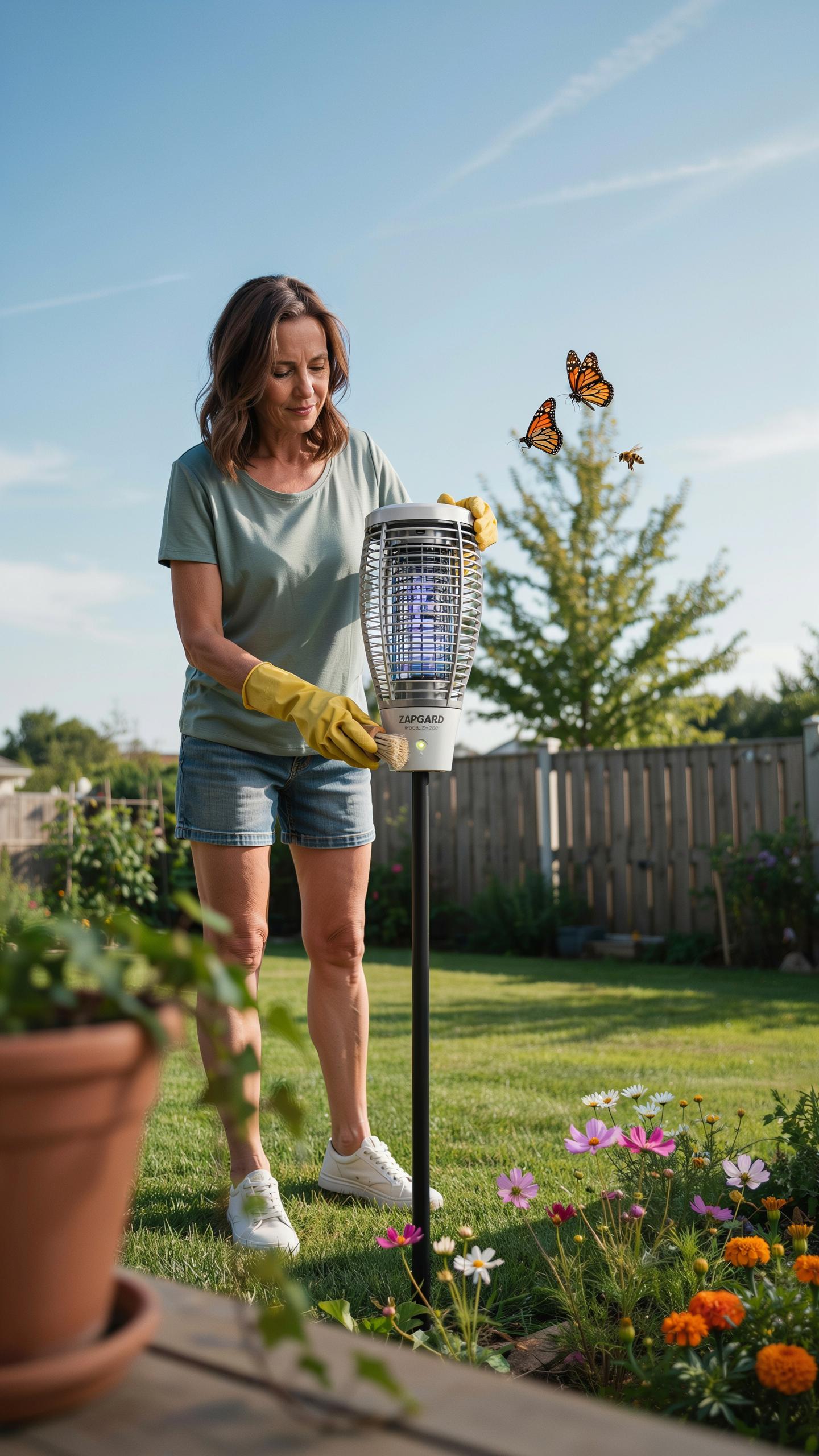
Dead insects accumulate on the grid and reduce zapping effectiveness. Unplug the unit before cleaning. Use a soft brush or compressed air to remove debris from the grid. Never use water or harsh chemicals on electrical components. Wipe the exterior casing with a damp cloth only, then dry it completely before storage.
Store your bug zapper in a cool, dry place between camping seasons. Extreme heat damages batteries and electronic components. Remove batteries if storing for more than two weeks to prevent corrosion and leakage. Keep the device away from direct sunlight and temperature swings. Check the unit before your next trip to confirm all parts function correctly and the grid shows no visible damage.
Beyond The Bug Zapper Other Chemical Free Strategies

Natural Repellents And Their Role In An Integrated Approach
Plant-based repellents work through volatile compounds that insects avoid or find irritating. Eucalyptus oil, citronella, and lavender emit odors that deter mosquitoes and flies without harming humans or the environment. These oils evaporate quickly, so reapplication every few hours maintains effectiveness. Combining a bug zapper with natural repellents creates layered defense. The zapper handles airborne insects while repellents create a perimeter barrier around your campsite.
Essential oils require proper application methods to work effectively outdoors. Dilute oils in carrier substances like coconut oil or water before applying to skin or gear. Burning repellent oils in a camp-safe burner disperses them across your campsite. Natural repellents complement zappers but don’t replace them. Use repellents on exposed skin and gear while the zapper handles insects attracted to your camp despite these measures.
Campsite Management To Minimize Flying Insects Attraction
Insects gather where they find food, water, and breeding grounds. Remove standing water from cookware, tarps, and containers where mosquitoes breed. Store food in sealed containers and dispose of garbage in bear-proof bags away from your sleeping area. Position your campsite on higher ground where air circulation naturally deters insects. Avoid setting up near marshy areas, dense brush, or stagnant water sources that harbor insects.

Timing and location decisions dramatically reduce pest pressure without chemicals. Camp during windy periods when flying insects struggle to navigate air currents. Build your campfire upwind from your sleeping area so smoke drifts toward insects. Keep your cooking area separate from your sleeping zone to avoid attracting insects to where you rest. These management strategies lower your reliance on zappers and repellents by preventing insect accumulation from the start.
Common Misconceptions About Portable Mosquito Killers
Debunking Myths About Attracting More Bugs With UV Light
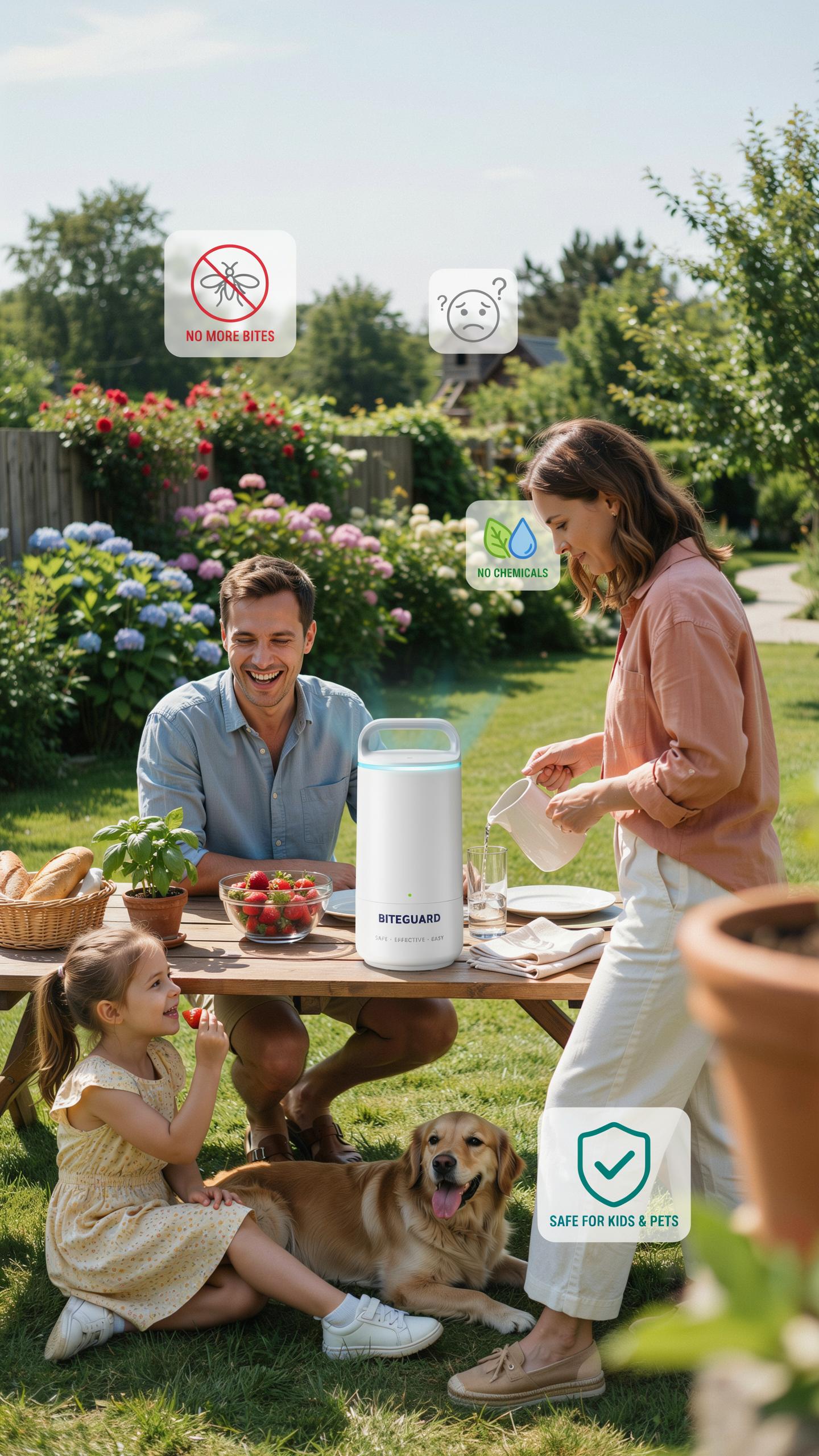
Bug zappers use UV light to attract insects within their effective range, typically 20 to 40 feet depending on the model and environmental conditions. The device does not pull insects from miles away or create a larger pest problem than existed before. The UV wavelength simply triggers the insects already present in that immediate area to move toward the light source.
The myth likely stems from confusion about how the devices function. People observe insects congregating around the zapper and assume the light created the problem. In reality, the zapper reveals pest presence that was already there. Once activated, the device eliminates these insects, reducing the local nuisance over time rather than amplifying it.
Understanding The Actual Impact On Mosquito Population
A portable bug zapper addresses immediate personal discomfort during camping trips but does not control mosquito populations at a landscape scale. One device covering 20 to 40 feet works well for a campsite perimeter. For meaningful population reduction across larger areas, you need multiple devices or integrated pest management strategies that include source elimination and environmental controls.

Bug zappers function as part of a layered approach to pest management. Combine them with removing standing water, using mosquito nets, applying topical repellents, and timing activities during low-mosquito hours. This combination yields better results than relying solely on the zapper. Understanding this reality prevents false expectations and helps you plan effective protection during outdoor camping.
Enjoying A Pest Free Camping Experience Chemically Free

Integrating Your Portable Bug Zapper Into Your Camping Gear
A portable bug zapper functions as a standalone tool that handles insect control without requiring sprays or lotions. You deploy it near your tent or seating area where it attracts and eliminates flying insects through electric grids. The device runs on batteries or rechargeable power sources, making it practical for remote campsites without electrical infrastructure. Integration happens naturally because bug zappers occupy minimal space in your pack and require no setup beyond placement and activation.
Bug zappers eliminate the need to reapply chemical repellents throughout your trip. You avoid skin contact with DEET or picaridin products entirely. The lamp operates continuously or on-demand, adapting to your camping schedule. This approach creates a protective perimeter around your sleeping and eating areas, letting you focus on the actual camping experience instead of managing pest control logistics.
Final Tips For A Relaxing And Uninterrupted Outdoor Stay
Position your bug zapper at least ten feet from where you sit to draw insects away from your immediate space. Test battery life before departure to ensure the device functions for your entire trip duration. Keep the zapper on a stable, elevated surface to maximize its effective range across your campsite. These positioning choices dramatically reduce the number of insects in your breathing zone during evening hours.
Pack spare batteries as backup power for extended trips. Clean the electric grid periodically during your stay to maintain zapping efficiency as dead insects accumulate. Combine the zapper with basic practices like keeping food sealed and wearing light colored clothing to reinforce your pest management strategy. This multi layered approach ensures insects remain a minor inconvenience rather than a trip ruining problem.
Frequently Asked Questions

What exactly is a portable bug zapper and how does it work for chemical-free outdoor camping?
A portable bug zapper is a device that attracts flying insects, typically using UV light, and then electrocutes them with a high-voltage grid. This provides a chemical-free solution for pesky bugs during your outdoor camping adventures, keeping your space clear without sprays or repellents. It’s a clean and effective way to enjoy nature.
How do I effectively set up and use a portable bug zapper for outdoor camping to maximize its bug-eliminating power?
To get the most out of your portable bug zapper, place it away from your immediate sitting or sleeping area, ideally 10-20 feet. This draws bugs away from you. Turn it on at dusk before insects are fully active. Ensure it’s fully charged or has fresh batteries to operate continuously throughout the evening.
Are there affordable options available if I’m looking for a budget-friendly portable bug zapper for outdoor camping?
Absolutely! There are many affordable portable bug zapper options designed for various budgets. Prices often vary based on features like battery life, coverage area, and additional functions such as lanterns. You can find reliable, budget-friendly models that still effectively keep insects away, making them accessible for all campers to enjoy chemical-free comfort.