What Is An Energy Monitoring Smart Outlet
Definition And Function
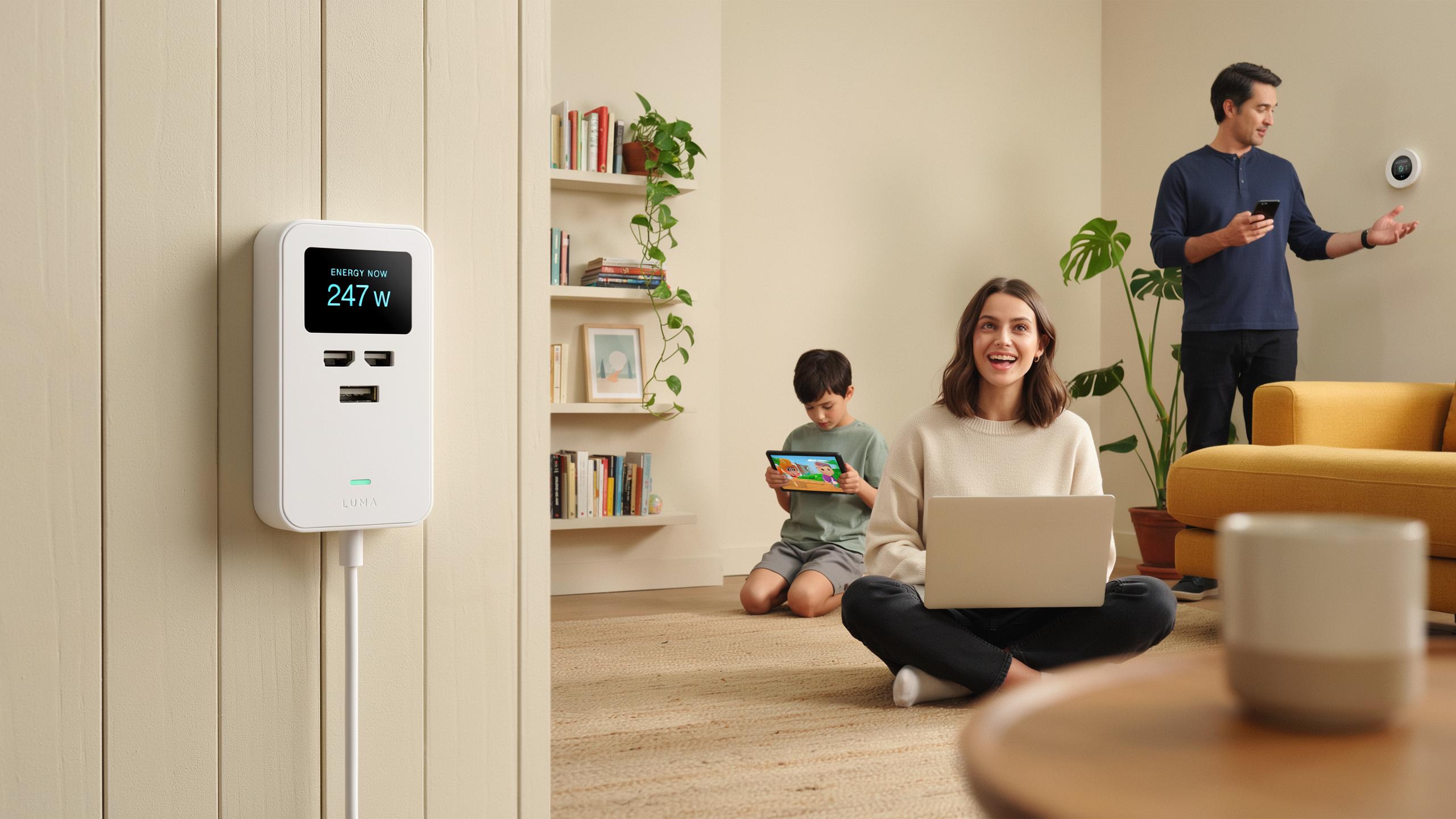
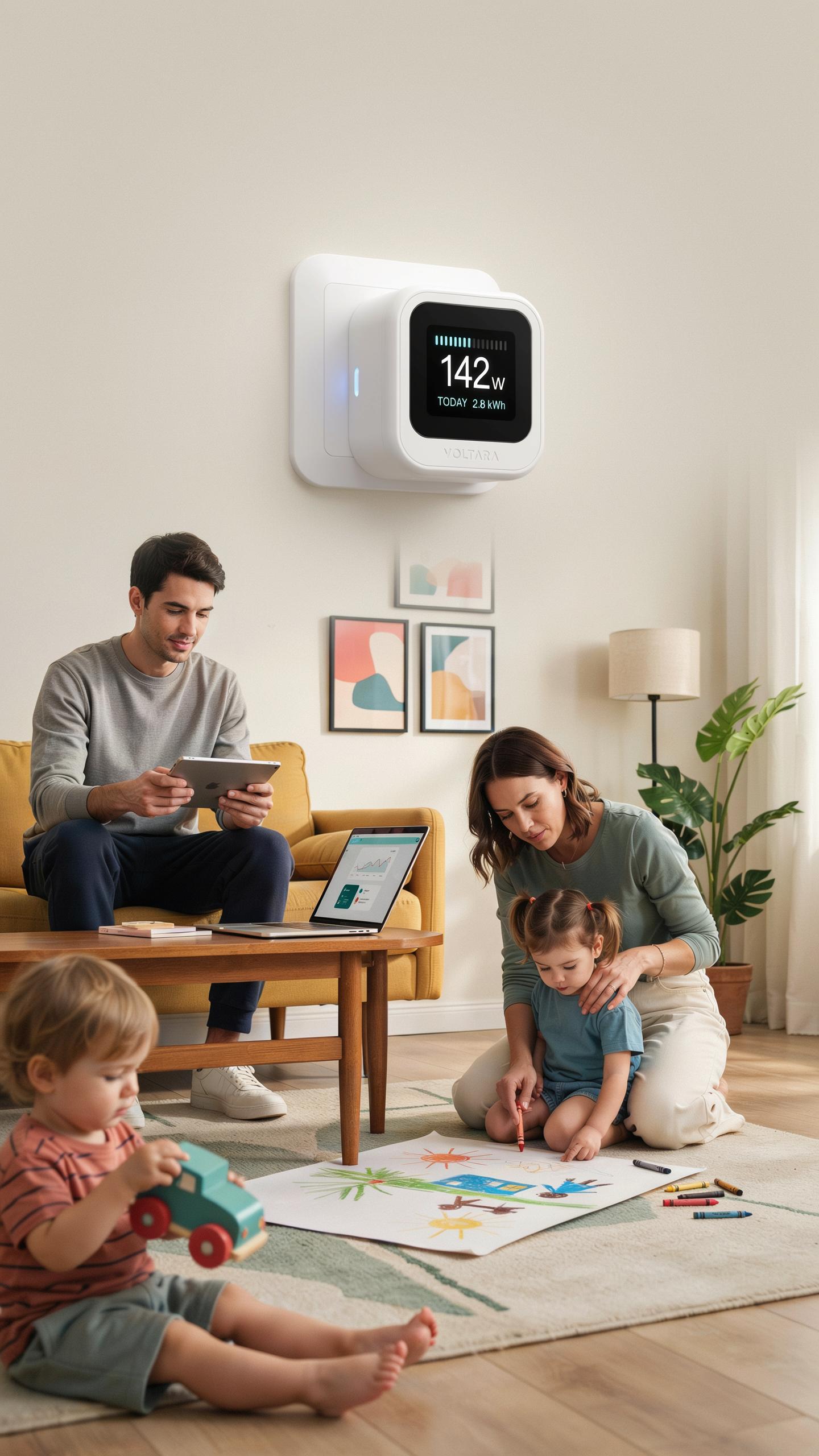
An energy monitoring smart outlet is a device that plugs into a standard electrical outlet and allows you to control power remotely while tracking real-time electricity consumption. The outlet receives commands through WiFi or Bluetooth from a smartphone app or voice assistant. It measures how much power your connected appliance uses and reports that data continuously to your phone or a cloud dashboard.
The core function combines two separate capabilities: power control and energy measurement. Power control lets you turn devices on and off remotely or set schedules. Energy measurement tracks voltage, current, and wattage to show exactly how much electricity each plugged-in device consumes. This combination gives you control over when devices run and visibility into what they cost to operate.
How It Differs From A Regular Smart Plug
A regular smart plug provides remote power control only. You can turn it on and off from your phone or automate schedules, but it tells you nothing about energy usage. An energy monitoring smart outlet does everything a regular smart plug does, plus it adds real-time power measurement and consumption tracking. This distinction matters because you cannot optimize energy spending without knowing what devices actually consume.
The energy monitoring component changes how you make decisions about appliance usage. Standard smart plugs work for convenience and automation. Energy monitoring outlets work for both convenience and cost reduction. You see exactly which devices drain the most power and when they use it, then adjust behavior or schedules accordingly. This data transforms a simple control device into a tool for lowering electricity bills and managing household energy more deliberately.

Benefits Of Using An Energy Monitoring Smart Outlet Save Energy
Reducing Phantom Load
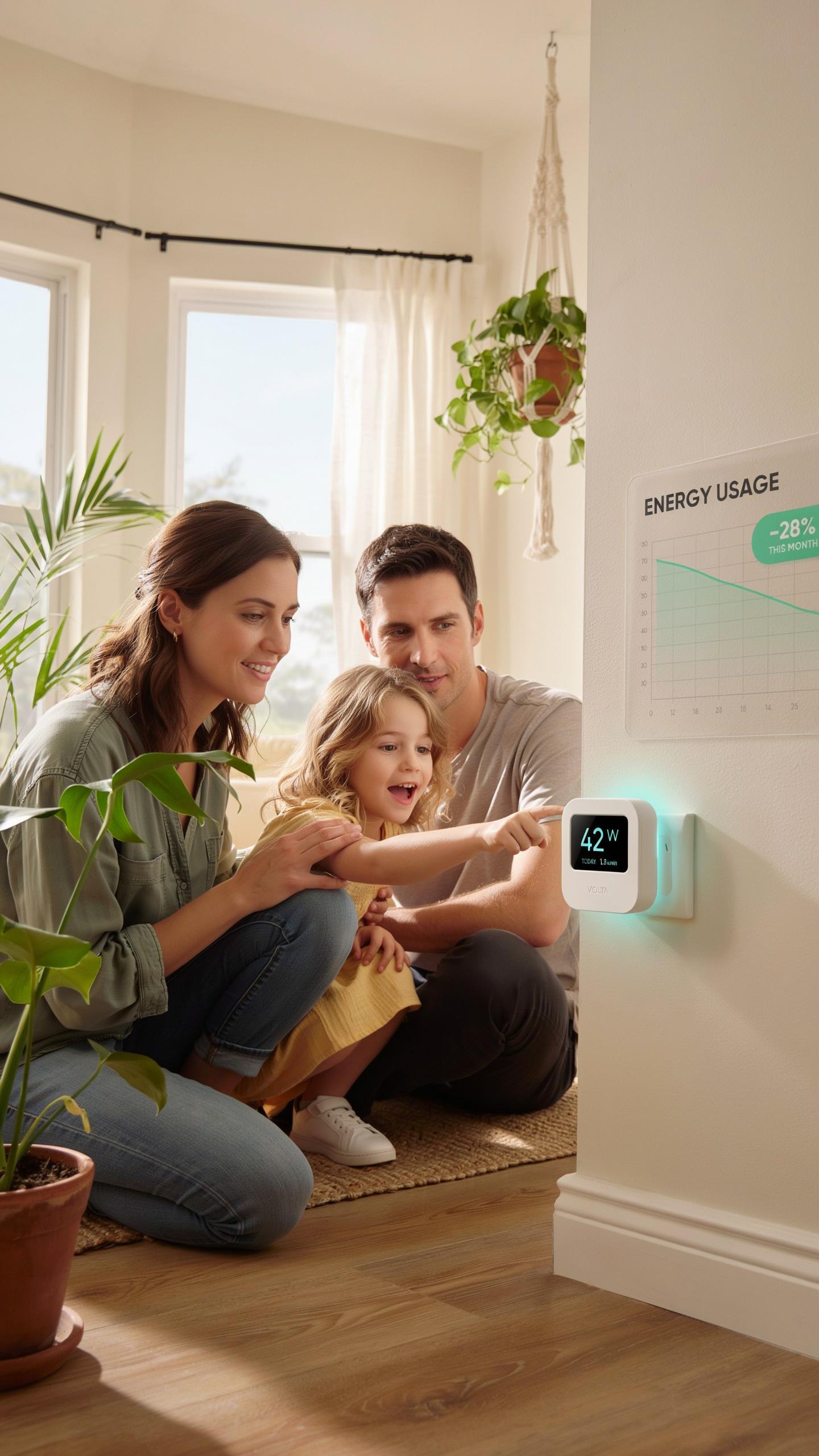
Phantom load, also called standby power consumption, accounts for 5 to 10 percent of residential electricity use. Energy monitoring smart outlets identify which devices drain power when off or idle. You see real time data on consumption and pinpoint the culprits wasting energy.
Once identified, you control these devices remotely or set schedules to cut power completely. Smart outlets eliminate phantom drain from chargers, printers, cable boxes, and entertainment systems. The result is measurable reduction in your electricity bill without sacrificing device functionality.
Optimizing Appliance Usage
Energy monitoring smart outlets reveal how much power each appliance actually consumes during operation. You gain visibility into peak usage times and seasonal patterns across your household devices. This data shows which appliances run inefficiently compared to their rated specifications.

Armed with usage patterns, you shift high consumption tasks to off peak hours when rates are lower. You identify aging appliances that consume more power than newer models, informing replacement decisions. Smart outlet monitoring transforms abstract electricity consumption into concrete, actionable information for household optimization.
Key Features To Look For In An Energy Monitoring Smart Outlet
Real Time Energy Tracking
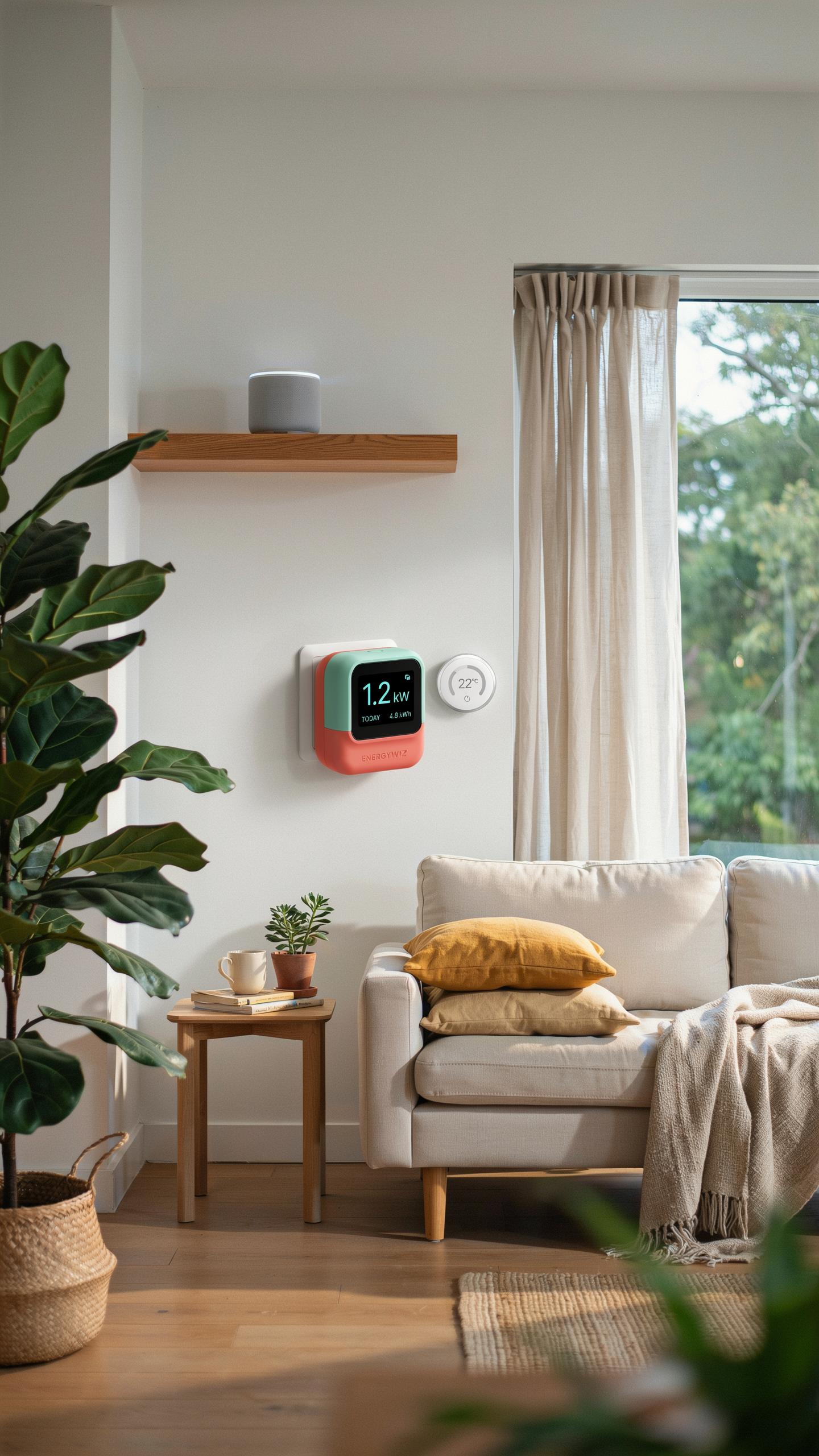
Real-time energy tracking gives you immediate visibility into what your devices consume. You see watts, voltage, and cumulative kilowatt-hours as they happen. This data matters because you spot power drains instantly. Without it, you operate blind to your actual consumption patterns and waste.
The accuracy of this data determines its tactical value. Most quality outlets measure within 2 to 5 percent of actual consumption. Poor accuracy wastes your time analyzing bad data. Verify the outlet’s measurement standards before purchase. Check manufacturer specifications for sampling rates and calibration methods.
Scheduling And Automation Capabilities
Scheduling lets you turn devices on and off at specific times without manual intervention. You set rules based on time of day, day of week, or custom intervals. This eliminates phantom power drain from devices left running overnight. Automation compounds savings by handling repetitive tasks consistently.

Advanced automation connects multiple outlets into workflows. Some outlets trigger actions based on other device states or external conditions. Integration with voice assistants and home automation platforms expands control options. Evaluate what platforms the outlet supports before committing to a brand ecosystem.
Integrating With Your Smart Home Ecosystem Home Automation
Compatibility With Smart Home Hubs
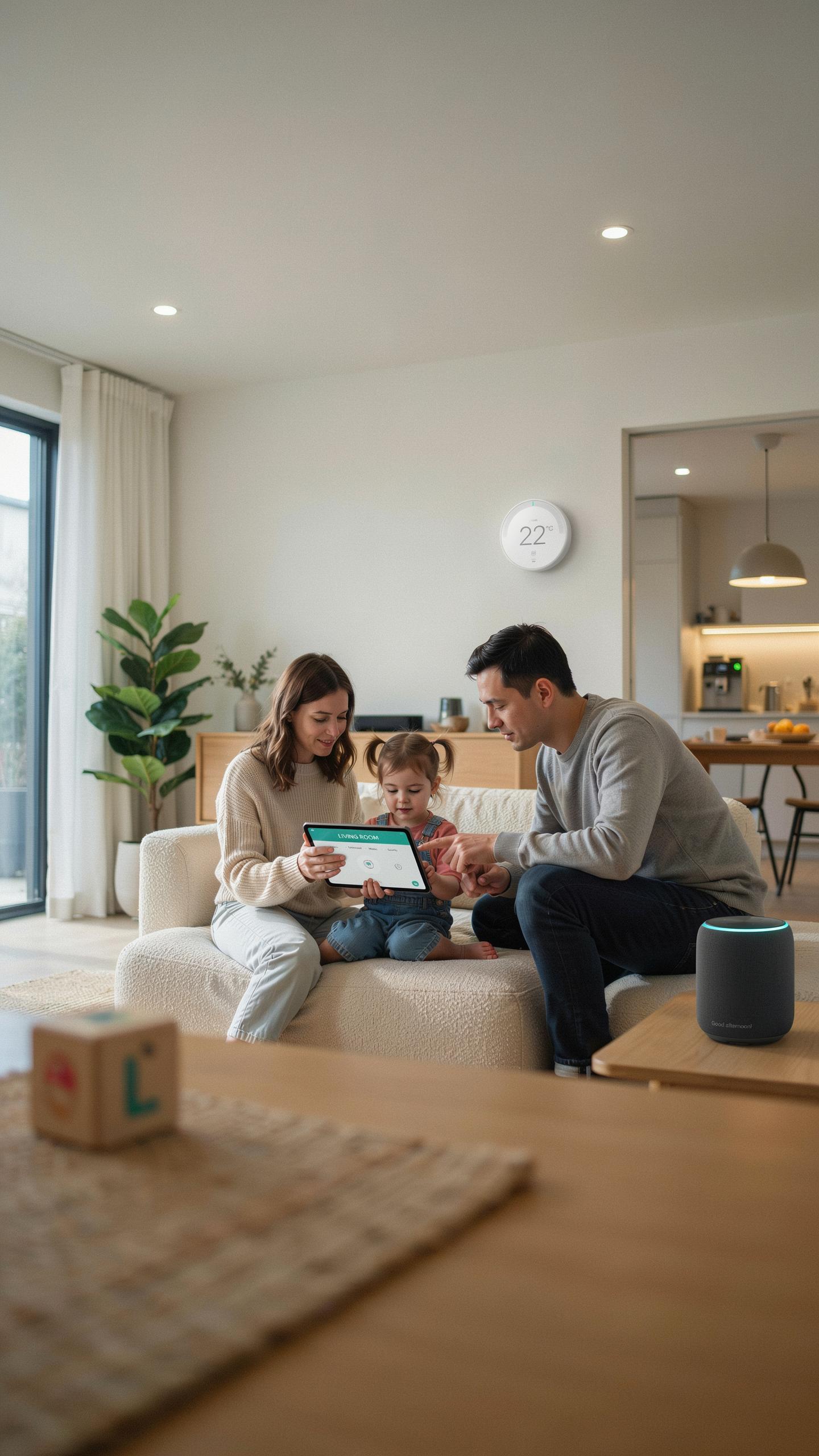
Energy monitoring smart outlets connect to major smart home platforms through wireless protocols. WiFi-based outlets work directly with most systems without requiring a hub. Zigbee and Z-Wave outlets need a compatible hub to communicate with your network. Check your outlet’s specifications against your existing hub before purchasing. Amazon Alexa, Google Home, Apple HomeKit, and Samsung SmartThings support most modern outlets. Some outlets work with multiple platforms simultaneously. Compatibility determines whether you can automate schedules and access real-time data remotely.
Your choice of hub affects which outlets you can use and what features unlock. WiFi outlets offer broad compatibility but consume more power and bandwidth. Zigbee outlets drain less battery but require a dedicated hub for communication. Z-Wave outlets deliver reliable range and work in larger homes with interference issues. Cross-platform compatibility matters if you plan to expand your smart home setup later. Research integration depth before committing to any platform to avoid dead-end purchases.
Voice Control Via Assistants Like Google Home
Smart outlets work with Google Assistant, Amazon Alexa, and Apple Siri through voice commands. You control power state by saying commands like “turn off the lamp” or “switch on the coffee maker.” Voice control requires internet connectivity and proper outlet setup within your assistant app. Real-time energy data access through voice commands depends on the outlet manufacturer’s integration level. Most outlets support basic on-off commands but not all provide consumption reporting through voice.

Energy monitoring data typically requires app access rather than voice commands for detailed information. Ask your assistant how much power a device uses, but expect limited accuracy or missing data. Some advanced outlets report usage through voice, but this feature remains uncommon. Voice control works best for simple power management rather than detailed consumption analysis. Set up automation routines that combine voice commands with energy monitoring for practical household management.
Installation And Setup Of Your New Smart Gadget
Step By Step Guide
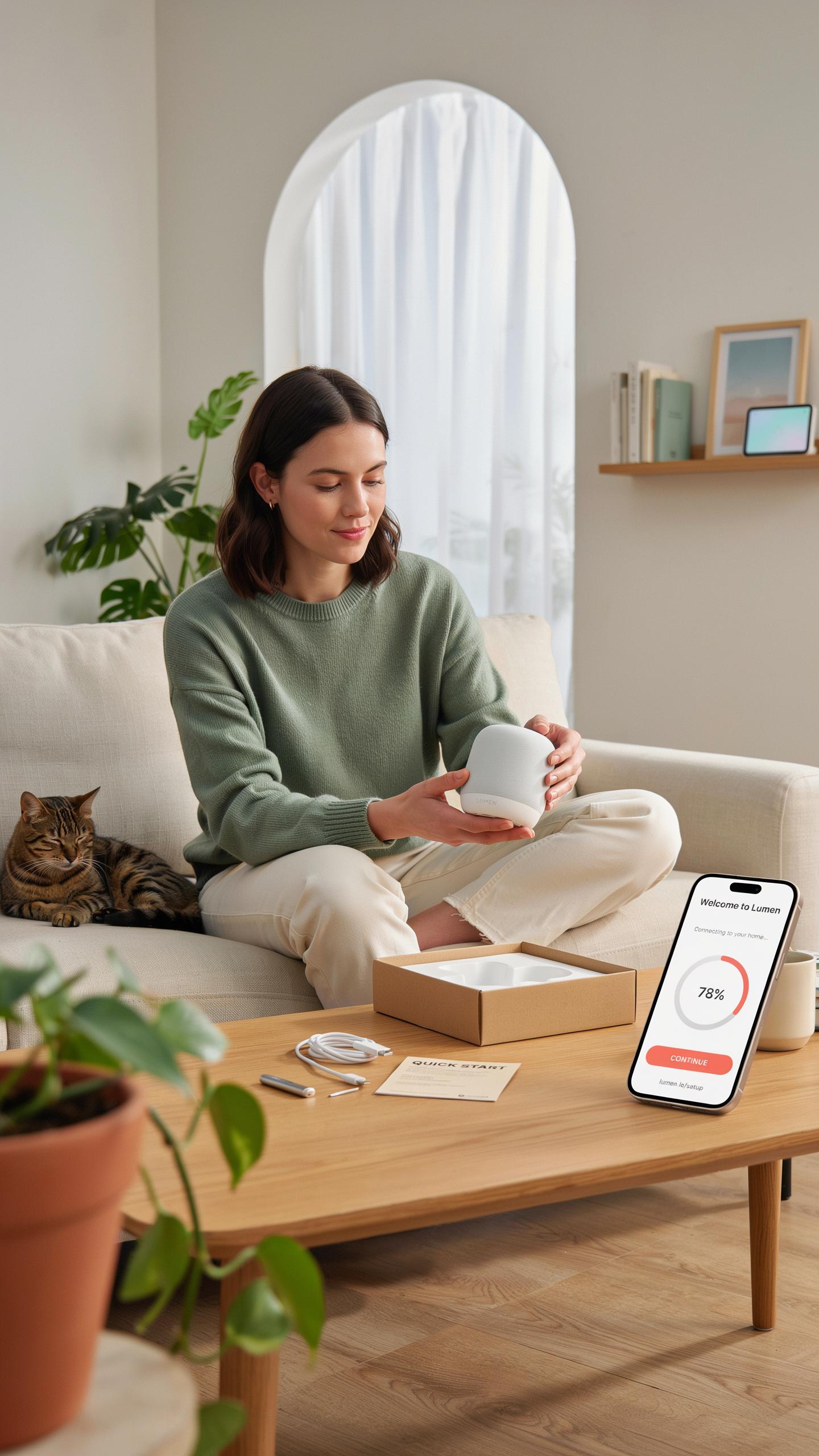
Most energy monitoring smart outlets follow the same basic installation sequence. You plug the device into a wall outlet, download the manufacturer’s app, and connect it to your Wi-Fi network. The app walks you through pairing the outlet to your home network. Configuration takes five to fifteen minutes depending on your setup complexity and internet stability.
- Plug into outlet: Insert the smart outlet into any standard wall socket. Ensure the outlet has power and the device powers on, typically indicated by an LED light turning on.
- Download the app: Find the manufacturer’s mobile application on your phone’s app store. Install the app on your smartphone or tablet to control and monitor the device.
- Create an account: Launch the app and register with an email address and password. Some brands require account verification through email confirmation links.
- Connect to Wi-Fi: Open the app’s pairing menu and select your home network from available Wi-Fi options. Enter your Wi-Fi password when prompted to establish connection.
- Name your device: Assign a descriptive name like “Living Room Coffee Maker” or “Bedroom Lamp” for easy identification. Clear naming prevents confusion when managing multiple outlets.
- Verify data display: Check that the app shows real-time power consumption and voltage readings. Confirm the outlet responds to on-off commands through the app before regular use.
After verification, your outlet transmits energy data to the app in real-time. Most devices update consumption readings every few seconds to one minute depending on the model. You can now set schedules, create alerts, and track your energy usage patterns through the dashboard.
Troubleshooting Common Issues
Wi-Fi connectivity problems occur most often during setup. The outlet may fail to detect your network if you use a 5GHz band instead of 2.4GHz. Smart outlets typically only support 2.4GHz connections. Switch your router to broadcast 2.4GHz, place the outlet closer to the router, or disable any VPN software on your phone during pairing.

App crashes or delayed data updates usually stem from outdated software. Update both the manufacturer’s app and your phone’s operating system to their latest versions. If problems persist, uninstall and reinstall the app completely. Clear your phone’s cache files before reinstalling. Contact manufacturer support with your device serial number if the issue continues after these steps.
Choosing The Best Smart Home Energy Monitoring Solution
Comparing Different Brands And Models
The market offers distinct categories of energy monitoring smart outlets. Brands like TP Link Kasa, Meross, and Wemo focus on plug and play simplicity with real time power consumption tracking. Other manufacturers like Shelly and Sonoff target technical users who need integration with custom automation systems. Each brand operates through different cloud platforms or local network options, affecting data accessibility and privacy considerations.
Feature differentiation matters operationally. Some outlets provide only on/off switching with basic wattage reporting. Others track voltage, current, and power factor data suitable for diagnosing electrical problems or identifying phantom loads. Premium models integrate with broader smart home ecosystems like Amazon Alexa, Google Home, or Apple HomeKit. Your outlet selection determines which automation rules you can build and which voice commands function reliably.
Factors Influencing Purchase Decisions
Price ranges from fifteen dollars for basic outlets to over one hundred dollars for specialized industrial models. Budget constraints typically eliminate options, but the cheapest outlet often costs more operationally if it lacks accuracy or app reliability. Mid range outlets between twenty five and sixty dollars deliver practical energy tracking without premium ecosystem lock in. Assess total ownership cost, not just purchase price, when evaluating options.

Ecosystem compatibility directly impacts usability. Outlets work best when they match your existing smart home platform. If your home runs Google Home, purchasing Apple HomeKit exclusive outlets creates frustration and redundant apps. Network type matters critically too. WiFi outlets work anywhere but consume more power. Zigbee and Z Wave outlets need hub devices but offer better battery efficiency for wireless models. Evaluate your current infrastructure before purchasing to avoid costly additions.
Advanced Uses And Applications For Smart Tech
Monitoring Energy In Specific Rooms Or Zones
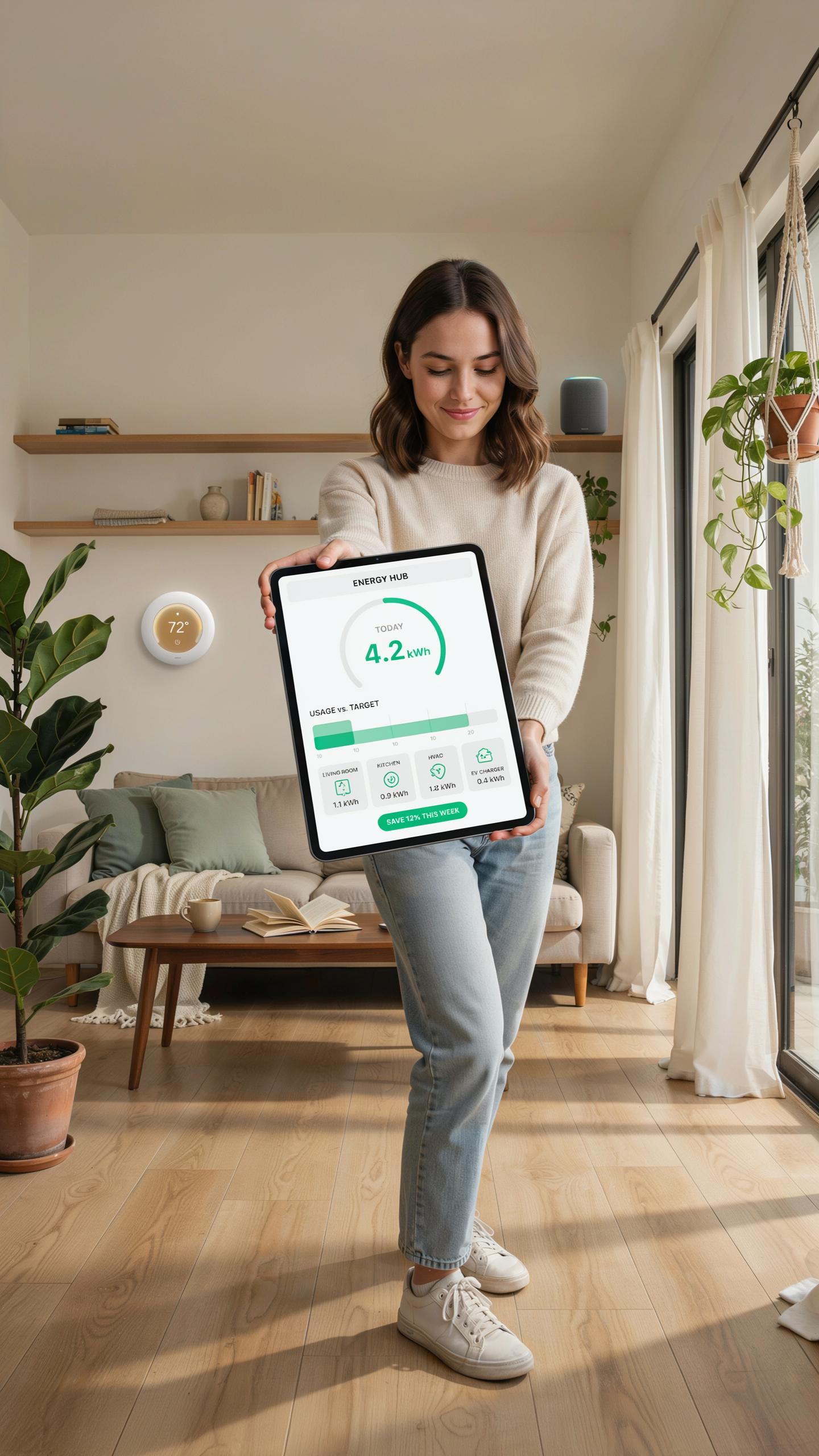
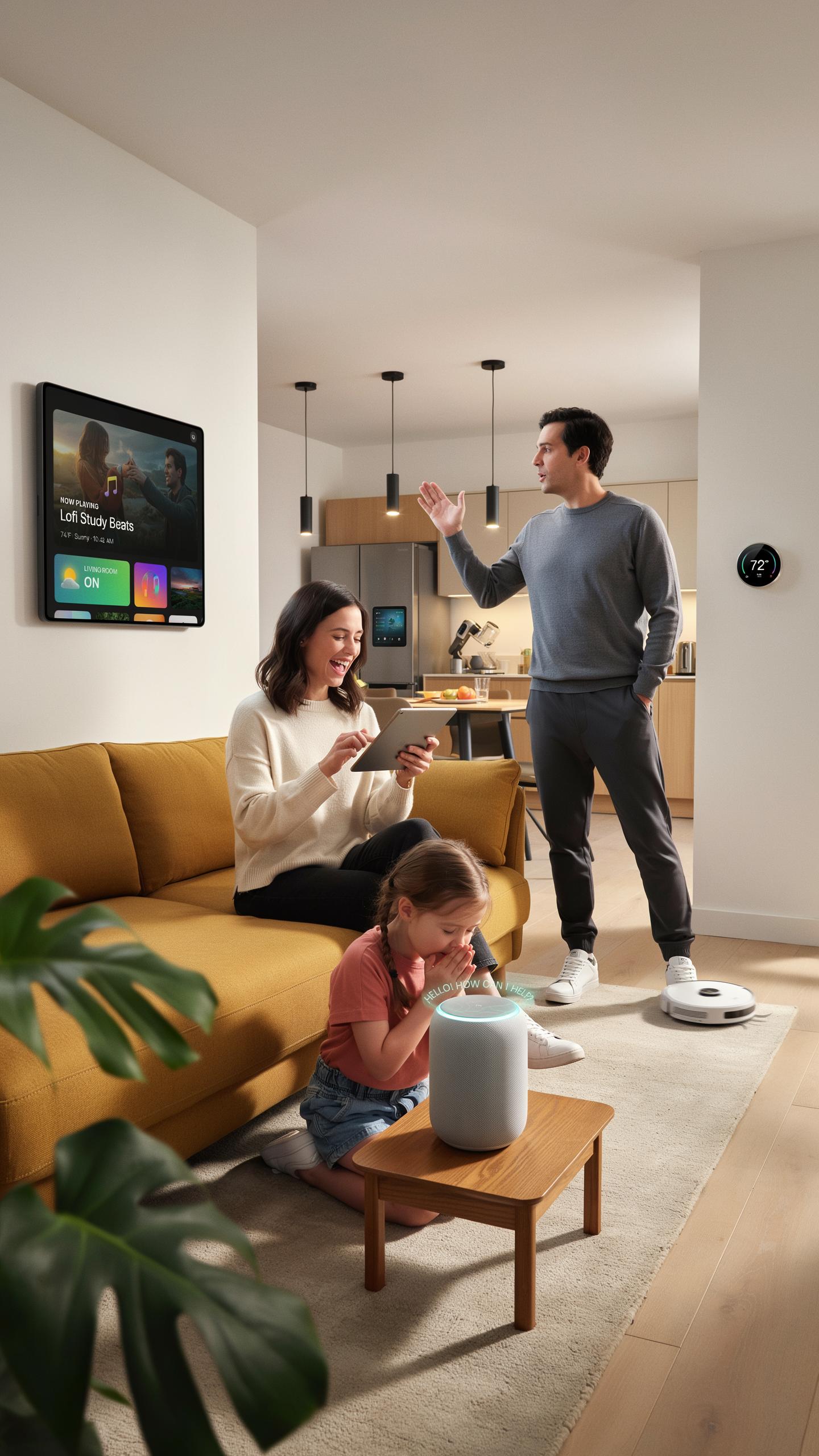
Multiple smart outlets deployed across your home create granular energy consumption data by room and zone. Place outlets on major appliances, lighting circuits, and device clusters to identify which areas consume the most power. This approach reveals patterns invisible to whole-home monitoring alone. Kitchen circuits typically draw more power than bedrooms. Tracking individual zones helps you spot inefficiencies and prioritize upgrades where they matter most.
Most smart outlet systems allow you to create custom groups or rooms within their apps or connected platforms. Assign outlets to specific locations, then view consumption dashboards organized by zone. This functionality transforms raw data into actionable insights about your home’s energy behavior. You can compare energy use between rooms across days, weeks, or months. Zoned monitoring enables targeted interventions like scheduling high-draw appliances during off-peak hours in specific areas.
When we open our homes to the wisdom of energy monitoring, we don’t just save a little; we rediscover the quiet beauty of mindful living, a warmth that reminds us of days gone by, now made smarter.
Integrating With Renewable Energy Systems
Smart outlets work with solar panel systems by monitoring consumption patterns that inform battery storage decisions and grid export timing. When paired with a solar inverter or energy management system, outlets report real-time demand data. You can time high-power tasks to coincide with peak solar generation, reducing grid dependence. Smart outlets don’t directly control solar equipment but provide the consumption visibility needed for optimization. This data integration helps maximize the return on renewable energy investments.

Households with battery storage systems benefit most from smart outlet integration. Real-time consumption data from outlets feeds into energy management algorithms that charge batteries during low-rate periods and discharge during high-demand windows. Some advanced systems use outlet data to predict consumption patterns and preposition battery charge accordingly. Wind-powered homes can similarly align outlet-monitored loads with generation forecasts. Smart outlet data serves as the input layer for sophisticated renewable energy orchestration.
Impact On Modern Living And Kit Homes Smart Plug

Enhancing Convenience And Control
Smart plugs eliminate manual engagement with appliances. Users control devices remotely through smartphones, tablets, or voice assistants from any location with internet access. Scheduling features automate power cycles for coffee makers, heaters, and entertainment systems without user intervention. This eliminates trips to flip switches and reduces forgotten appliances running unnecessarily.
Remote monitoring creates accountability over energy use. Households track which devices consume power in real time. Users detect malfunctioning equipment through abnormal consumption patterns. This visibility drives behavioral change faster than estimated bills arrive. Smart plugs transform abstract energy waste into concrete, actionable data.
Contribution To Sustainable Living
Energy monitoring smart outlets expose consumption patterns that drive reduction decisions. Homeowners see exact wattage for each appliance, then eliminate phantom loads from devices in standby mode. This direct feedback creates stronger environmental commitment than general efficiency advice. Quantified savings motivate continued behavior modification more effectively than abstract sustainability goals.

Lower energy consumption directly reduces carbon emissions tied to household electricity use. Fewer peak demand periods reduce strain on power grids, decreasing reliance on peak-load fossil fuel plants. Widespread adoption across households creates measurable grid-level impact. These outlets provide the mechanism for individual choices to compound into infrastructure-level environmental benefit.
Future Trends In Energy Monitoring Smart Home Devices
AI And Machine Learning Integration
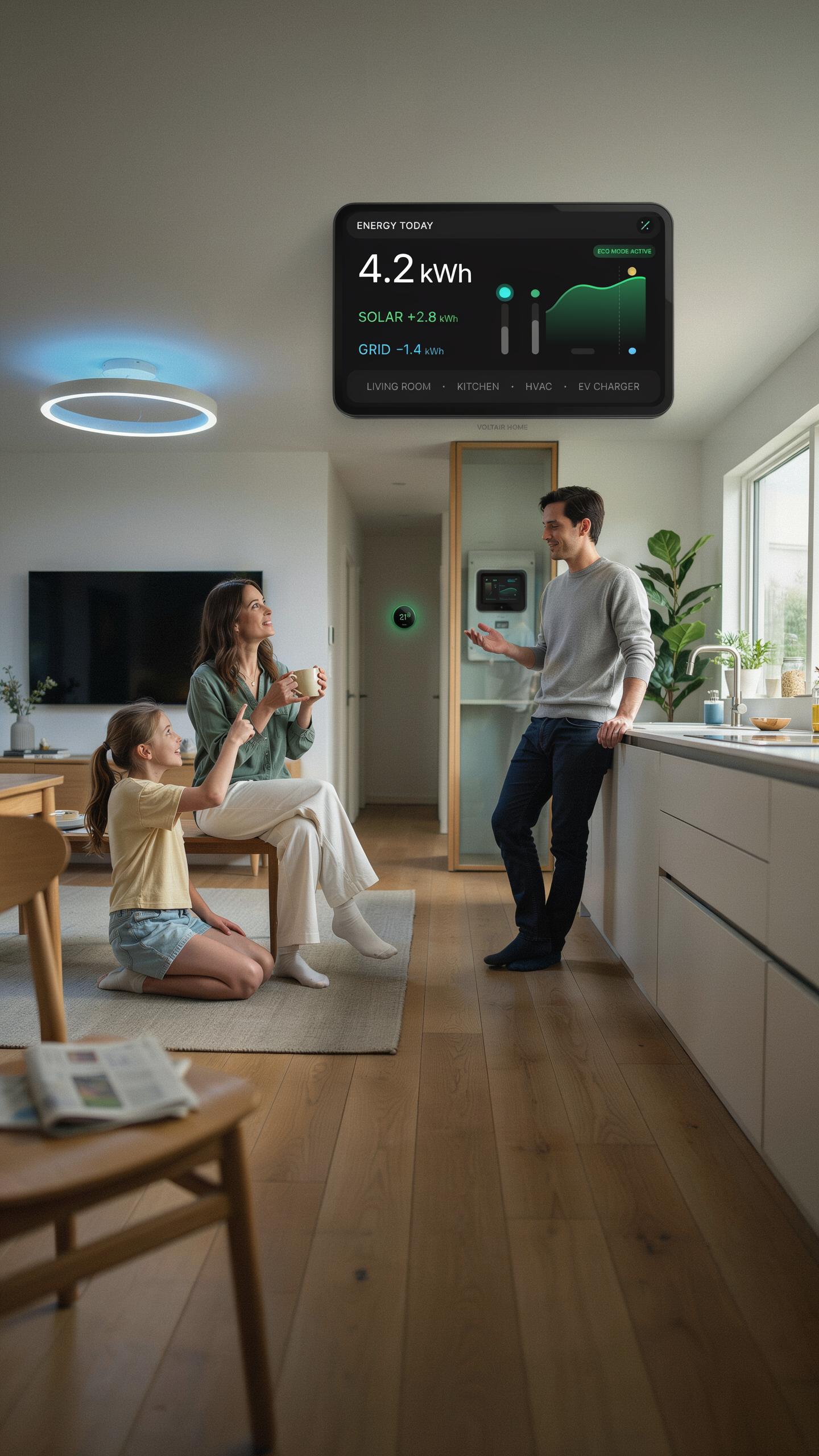
Machine learning algorithms will analyze your energy consumption patterns to predict demand before it happens. These systems learn your habits over time and identify anomalies that signal equipment failures or inefficiency. The technology shifts from passive reporting to active prediction, catching problems before they waste money or damage appliances.
Current implementations already show this capability in commercial settings where AI reduces energy waste by 10-15 percent through behavioral optimization. Home devices will adopt this same approach, automatically adjusting consumption based on utility pricing, weather forecasts, and your schedule. The AI handles the optimization without requiring manual intervention, making energy management invisible to the user.
Enhanced Security And Data Privacy
Smart outlets collect granular data about when devices run, how much power they draw, and when you’re home or away. This information carries security risk because it reveals household patterns to potential attackers. Manufacturers are implementing end-to-end encryption and local processing to keep data on your device instead of uploading everything to cloud servers.
Regulatory pressure from data protection laws drives security evolution across the industry. New smart outlets now feature hardware-level security chips that prevent unauthorized firmware modifications and data interception. The shift toward privacy-by-design means future devices will default to minimal data collection, storing only what you need for energy insights while keeping sensitive behavioral data under your control.
Frequently Asked Questions

What exactly is an energy monitoring smart outlet and how does it work?
An energy monitoring smart outlet is a clever device that plugs into your existing wall socket, allowing you to control and track the power consumption of any appliance plugged into it. It connects to your home’s Wi-Fi, providing real-time data on energy use directly to your smartphone, helping you identify energy hogs and save on electricity bills.
How do I set up and start using my new energy monitoring smart outlet for the first time?
Setting up an energy monitoring smart outlet is typically quite straightforward. First, download the manufacturer’s app. Plug the smart outlet into a wall socket, open the app, and follow the on-screen instructions to connect it to your home Wi-Fi network. Once connected, simply plug your desired appliance into the smart outlet and begin tracking its energy usage!
Will an energy monitoring smart outlet work with my existing smart home system?
Most energy monitoring smart outlets are compatible with major platforms like Amazon Alexa, Google Home, and Apple HomeKit, but it’s worth checking the specific model before buying. Compatibility lets you view energy data alongside your other smart home devices and set voice commands for the connected appliance. If you’re already invested in one ecosystem, choosing an outlet built for that platform will give you the smoothest setup experience.