
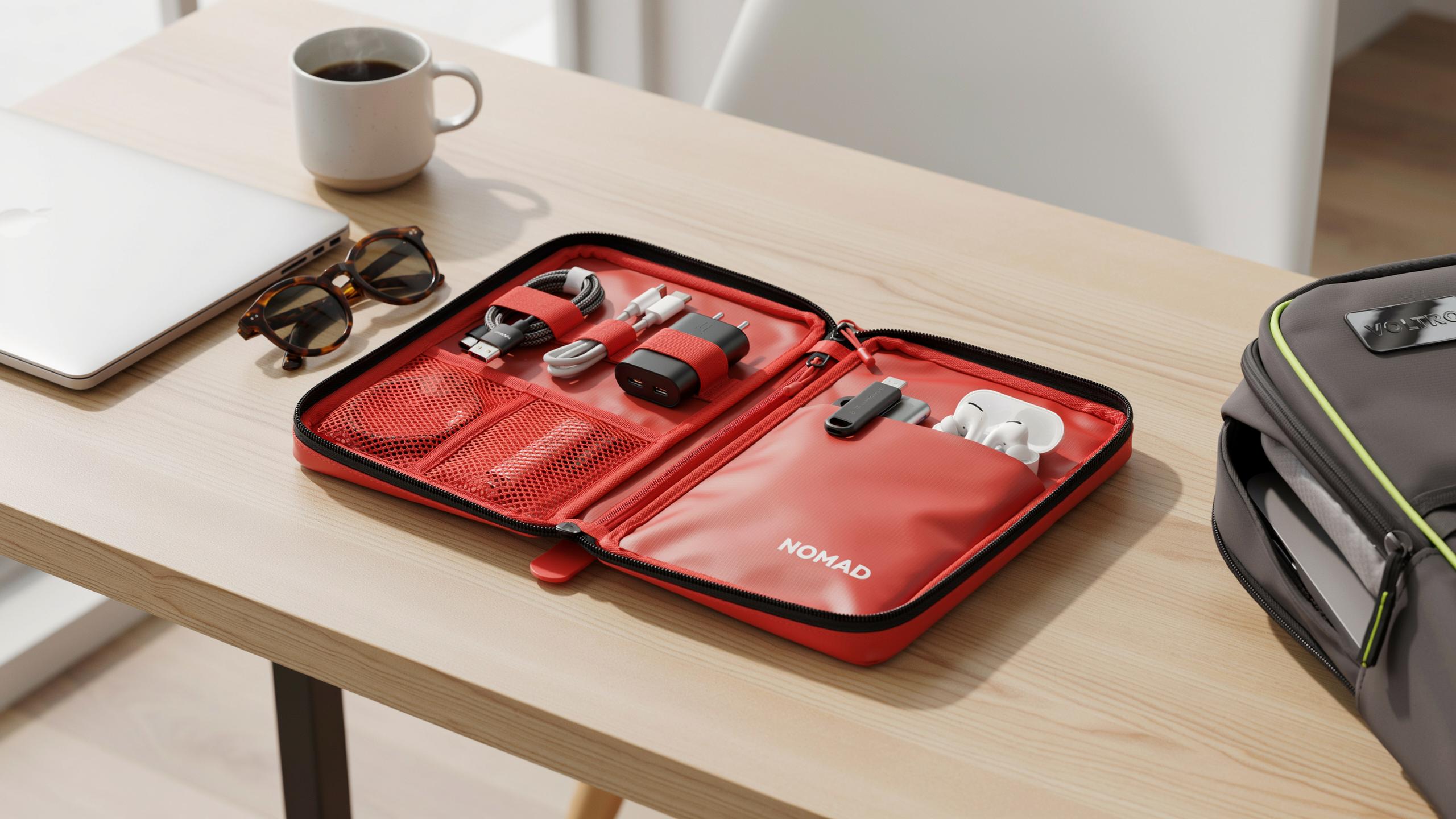
Why A Travel Cable Organizer Pouch Is Essential For Your Tech Bag
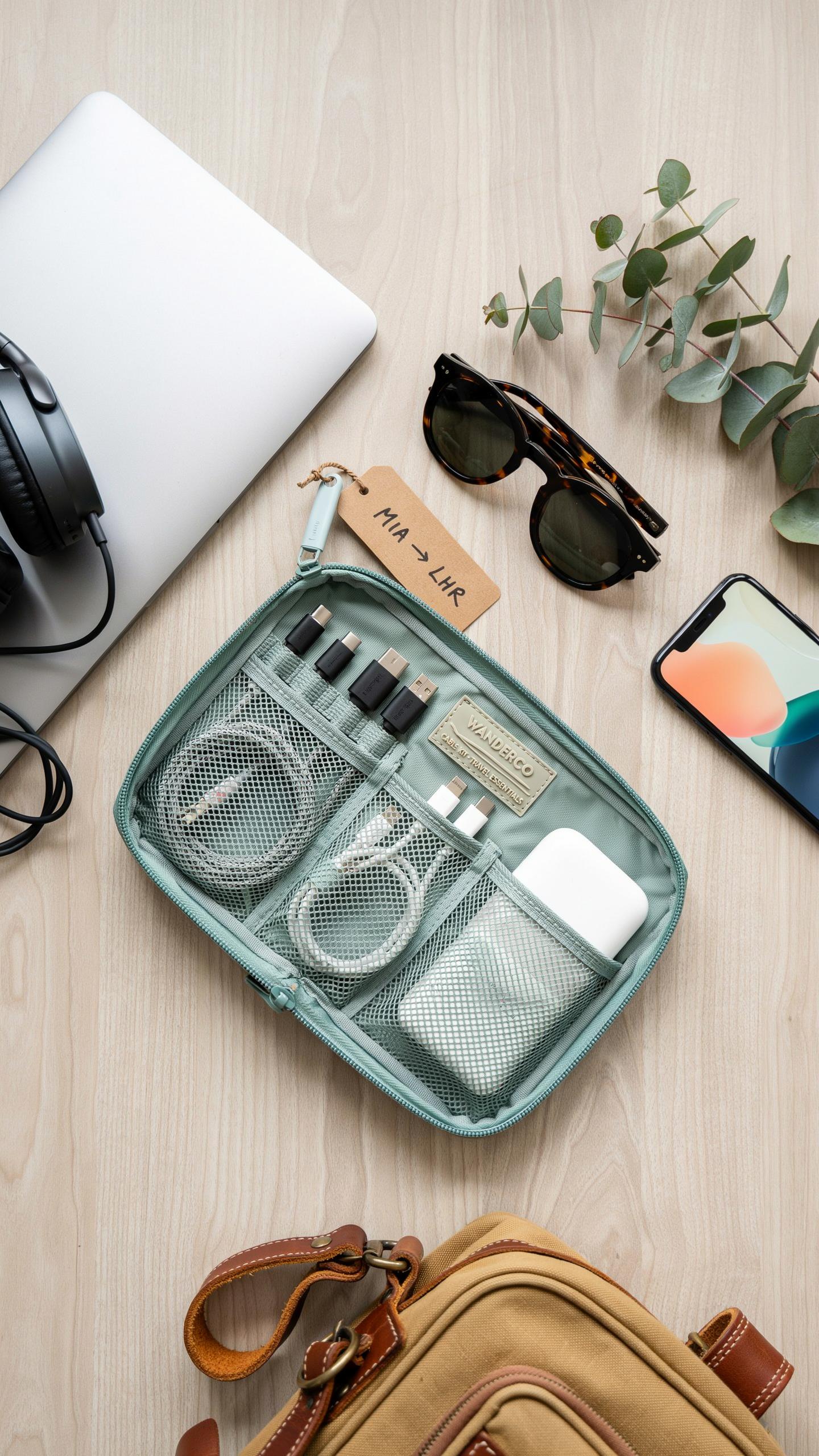
Protecting Your Valuables
Cables and connectors take damage from friction, pressure, and tangling during travel. A dedicated pouch isolates these items from your other gear, preventing bent ports, frayed wires, and crushed connectors. The compartments in a cable organizer spread weight evenly and prevent components from shifting inside your bag. This containment stops cables from wrapping around other electronics, which creates stress on connection points and insulation.
Devices and accessories stay functional longer when stored properly. Organized pouches use padding or foam dividers that absorb impact from drops and rough handling. This protection directly extends the lifespan of expensive cables like USB-C, Lightning, and HDMI connectors. You avoid costly replacements by investing in basic organizational infrastructure before damage occurs.
Eliminating Clutter And Frustration
A tangled mass of cables wastes time and creates frustration when you need a specific connector quickly. Cable organizer pouches use individual slots or elastic loops that keep each cable separate and ready to grab. You locate the right adapter in seconds instead of untangling a knot. This efficiency matters during travel when airport time is limited and connection demands change frequently.
Your tech bag becomes functional and predictable with a dedicated cable system. You know exactly where each item lives without digging through pockets or compartments. This organization reduces mental load during travel and keeps your setup reliable. A pouch transforms cable management from a recurring problem into a solved system you can depend on.

Understanding Different Types Of Tech Pouch Organizers
Compact Pouches For Minimalists
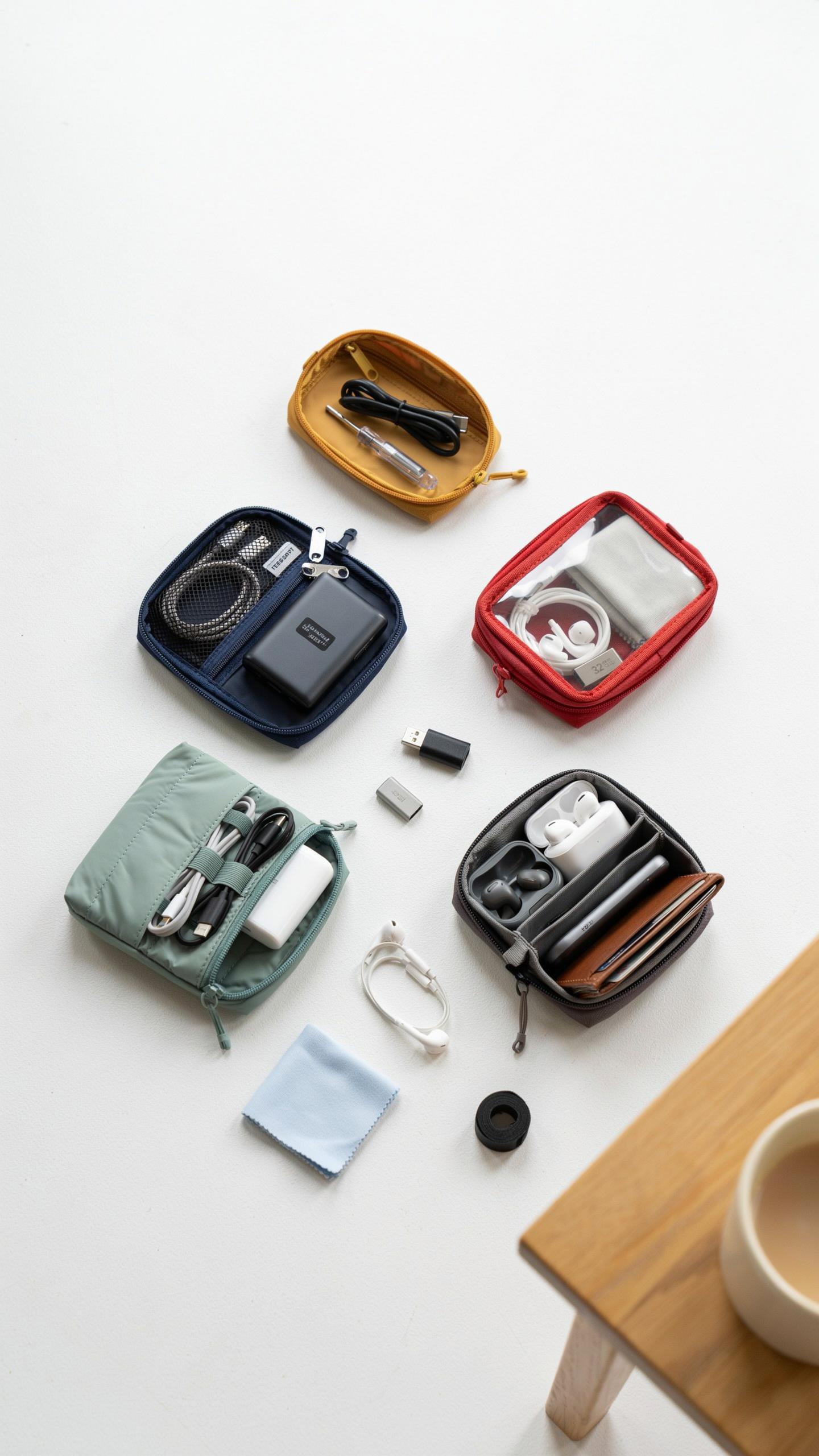
Compact pouches solve a real problem: carrying only what you need without bulk. These organizers typically measure 6 by 9 inches or smaller. They hold two to four cables, a charging brick, and maybe a USB hub. The design trades capacity for portability. You pick this size when your travel kit stays lean.
Compact pouches use elastic loops or elastic bands instead of compartments. This approach reduces weight and keeps the pouch flat in your bag. Materials matter here. Nylon or canvas construction resists punctures from cable ends. The tradeoff is simple: less storage space means easier packing and faster access during travel.
Larger Organizers For Extensive Gear
Larger organizers handle multiple devices, power adapters, and backup cables without compromise. These pouches measure 10 by 14 inches or bigger. They feature dedicated compartments for different cable types and adapter sizes. You use this size when you travel with laptops, tablets, multiple phones, or professional equipment.

Larger organizers employ multiple compartment designs with mesh panels for visibility. This layout prevents tangled cables and lets you find items fast. Reinforced stitching at stress points extends durability. The interior typically includes elastic slots, zippered pockets, and hard-sided backing options. Choose this option when your gear collection justifies the extra weight and space commitment.
Key Features To Look For In A Cable Organizer
Durable Materials And Construction
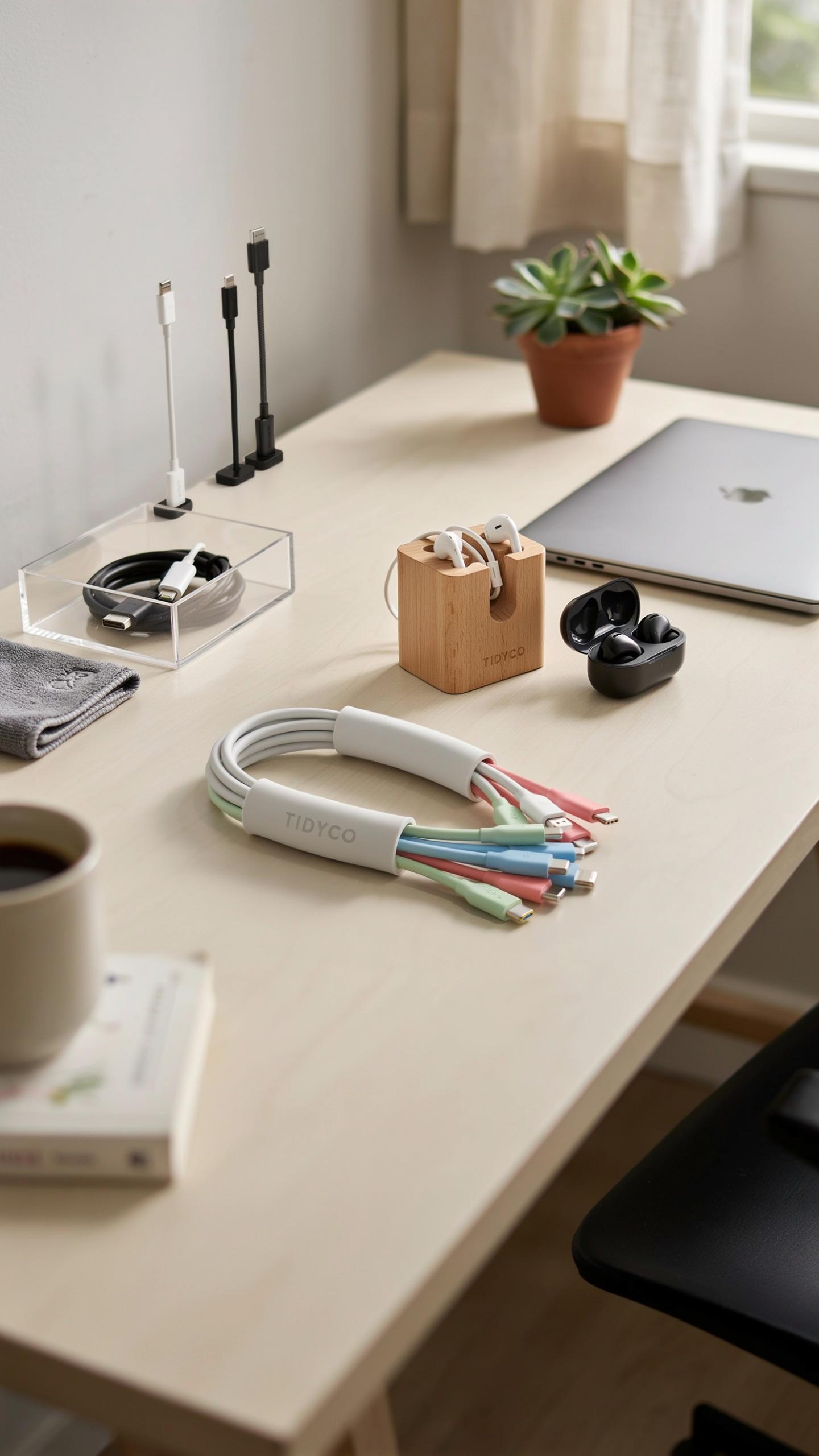
Quality fabrics determine how long your cable organizer survives daily travel wear. Nylon and polyester dominate the market because they resist abrasion, moisture, and punctures. These materials handle repeated packing and unpacking without degrading. The weave density matters more than the name. Tight weaves shed water and last longer than loose alternatives.
Zippers fail more often than fabric does. YKK zippers and comparable industrial-grade options withstand thousands of open-close cycles. Cheap zippers jam, split, and separate within months. Check the slider quality and the coil design. Metal zippers outperform plastic sliders for long-term reliability and load capacity.
Versatile Compartments And Pockets
Layout directly impacts how fast you find specific cables under pressure. Elastic loops keep cords from tangling while preventing them from shifting during transport. Mesh pockets let you see contents without opening every compartment. Zippered sections protect sensitive items from damage and accidental spills. The best organizers mix all three types rather than relying on one approach.

Compartment sizing determines what actually fits. Small pockets waste space for power adapters and larger chargers. Medium sections accommodate most charging cables and USB hubs. One large zippered area stores bulky items like external drives or headphone cases. Your cable organizer needs variety because tech gear comes in different shapes and weights.
Optimizing Your Electronic Organization For Travel

Categorizing Your Tech Accessories
Group cables by function and device type to reduce search time during travel. Keep phone chargers separate from laptop adapters. Store charging cables with their corresponding power blocks. Place USB cables together by connector type: USB-C, micro-USB, and Lightning. This method cuts retrieval time significantly and prevents fumbling through tangled cords.
Separate accessories by frequency of use. Daily items go in front compartments of your organizer pouch. Backup cables and adapters move to rear sections. Keep proprietary chargers for specialized devices in dedicated slots. This tiered approach means you grab what you need without disturbing unused items.
Space Saving Packing Techniques
Roll cables instead of coiling them to reduce bulk in your travel cable organizer pouch. Wrap smaller items like adapters around rolled cables to fill voids. Use cable organizers with dedicated slots to eliminate wasted space. Compress pouches with flat packing methods rather than stuffing. Measure your tech bag dimensions first to match organizer size exactly.

Stack flat items like charging blocks vertically rather than horizontally. This approach uses wall space efficiently in your larger tech bag. Pair heavy items with lighter ones to maintain even weight distribution. Check your organizer pouch capacity before adding items. Remove packaging from adapters and cables to maximize usable space.
The Advantage Of A Dedicated Travel Tech Organizer
Seamless Transitions Between Locations
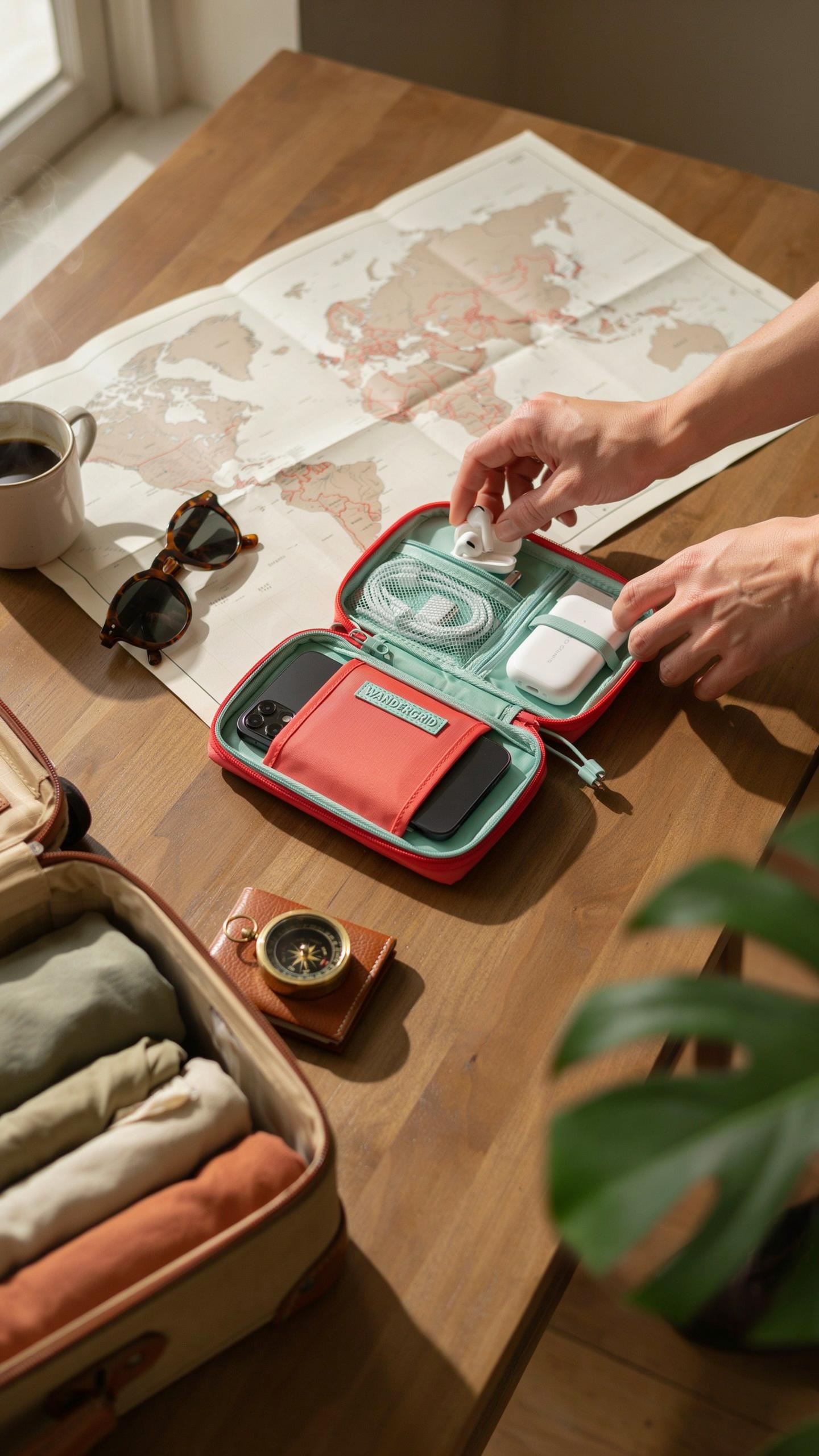
A dedicated travel cable organizer pouch eliminates setup friction at each destination. When you arrive at a hotel, airport lounge, or coworking space, you grab one pouch instead of searching through multiple compartments. Your cables, adapters, and chargers sit in the same location every time. This consistency cuts setup time from minutes to seconds. You know exactly where everything is without mental overhead.
Packing follows the same logic in reverse. Instead of hunting for scattered cables before checkout, you reverse the process you used unpacking. The pouch contains your complete tech kit in one grab. You drop it into your bag and move on. This system works identically across every trip, every hotel, every destination. Repetition builds speed and eliminates mistakes.
Reducing The Risk Of Lost Items
A single designated container keeps all essential tech accessories together in one place. Cables left on nightstands, adapters forgotten in outlet banks, and chargers misplaced in desk drawers become impossible when everything lives in one pouch. The pouch itself becomes a visual reminder to pack before you leave. You perform one final check on one item instead of mentally tracking six separate pieces of equipment.

Hotel housekeeping crews, airport security lines, and transport changes create multiple vulnerability points for loose items. Consolidated storage reduces these exposure points dramatically. Your cables never sit unattended on a desk or table during room cleaning. They remain secured in your tech bag throughout your stay. This containment strategy transforms your cable management from risky to reliable across all travel scenarios.
Integrating Your Pouch Organizer Into Your Tech Bag
Choosing The Right Size And Shape
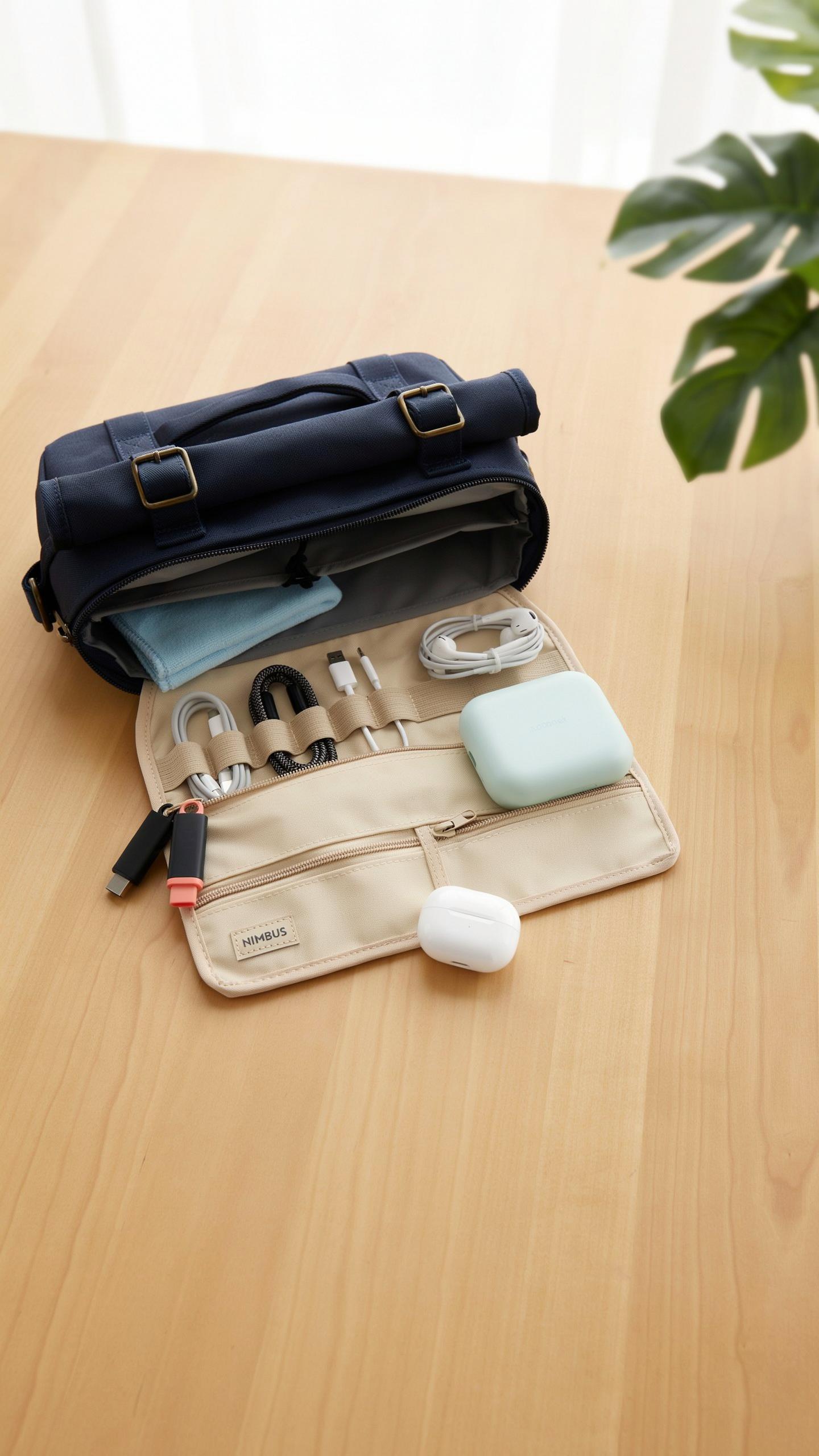
Measure your tech bag’s internal dimensions before purchasing a cable organizer pouch. Most bags have fixed compartments that limit pouch placement. A pouch that fills 60-75 percent of a dedicated pocket works best. Oversized pouches create wasted space. Undersized pouches shift around during travel and waste compartment potential. Match the pouch shape to your bag’s geometry, not the other way around.
Rectangular pouches fit standard tech bags and laptop backpacks most reliably. Square pouches work for smaller crossbody bags and camera cases. Cylindrical pouches suit messenger bags with vertical organization systems. Test fit before purchasing if possible. Some manufacturers offer dimension specifications that let you calculate compatibility. Wrong sizing creates frustration and defeats the pouch’s organizational purpose.
With every journey, may your tech essentials remain as neatly bundled as the cherished memories you collect along the way.
Accessibility And Quick Access Strategies
Position your cable organizer in the most reachable external pocket or top compartment. Items you access daily need front placement. Cables used occasionally can go deeper into your bag. External side pockets offer fastest retrieval during travel. Top-loading access beats bottom compartment storage for cables you grab frequently. This positioning principle reduces fumbling and speeds up setup time at your destination.
Keep your most-used cables in the outer compartment sections of the pouch itself. Position universal adapters and charging blocks in front slots. Rarely used specialty cables go to rear slots or backup pouches. This internal hierarchy mirrors your external placement strategy. Both tactics combine to eliminate dead time searching for the right connector or charger when you need it most.
Cable Management Best Practices On The Go

Coiling And Securing Cables Properly
The figure-eight coil method prevents kinks and damage to cable insulation. Start at one end and loop the cable back and forth, creating overlapping sections. This technique reduces stress on internal conductors and maintains cable integrity over time. Secure coiled cables with velcro straps or cable ties rather than rubber bands, which degrade and cut into wires.
Store coiled cables in dedicated compartments within your tech pouch to prevent tangling during transport. Cables left loose shift around and create knots that require force to untangle. Each tug at a tangled cable strains connection points and accelerates failure. Compartmentalization adds minimal weight but extends cable lifespan significantly through passive organization.
Labeling For Easy Identification
Color coding works fastest in high-stress travel scenarios. Apply colored tape, heat shrink tubing, or adhesive labels to cable ends to match device types or functions. Assign one color per device category: red for power, blue for data transfer, green for audio. This system lets you grab the right cable without reading or testing connections.

Physical labels provide backup identification when color schemes fail or become unclear. Write abbreviated device names directly on labels using a permanent marker. Include voltage or connector type for power cables to prevent damage from mismatched chargers. Store labels or marker pens in your pouch so you can update identifications during trips.
Choosing The Best Travel Tech Pouch For Your Needs
Assessing Your Tech Gear Inventory
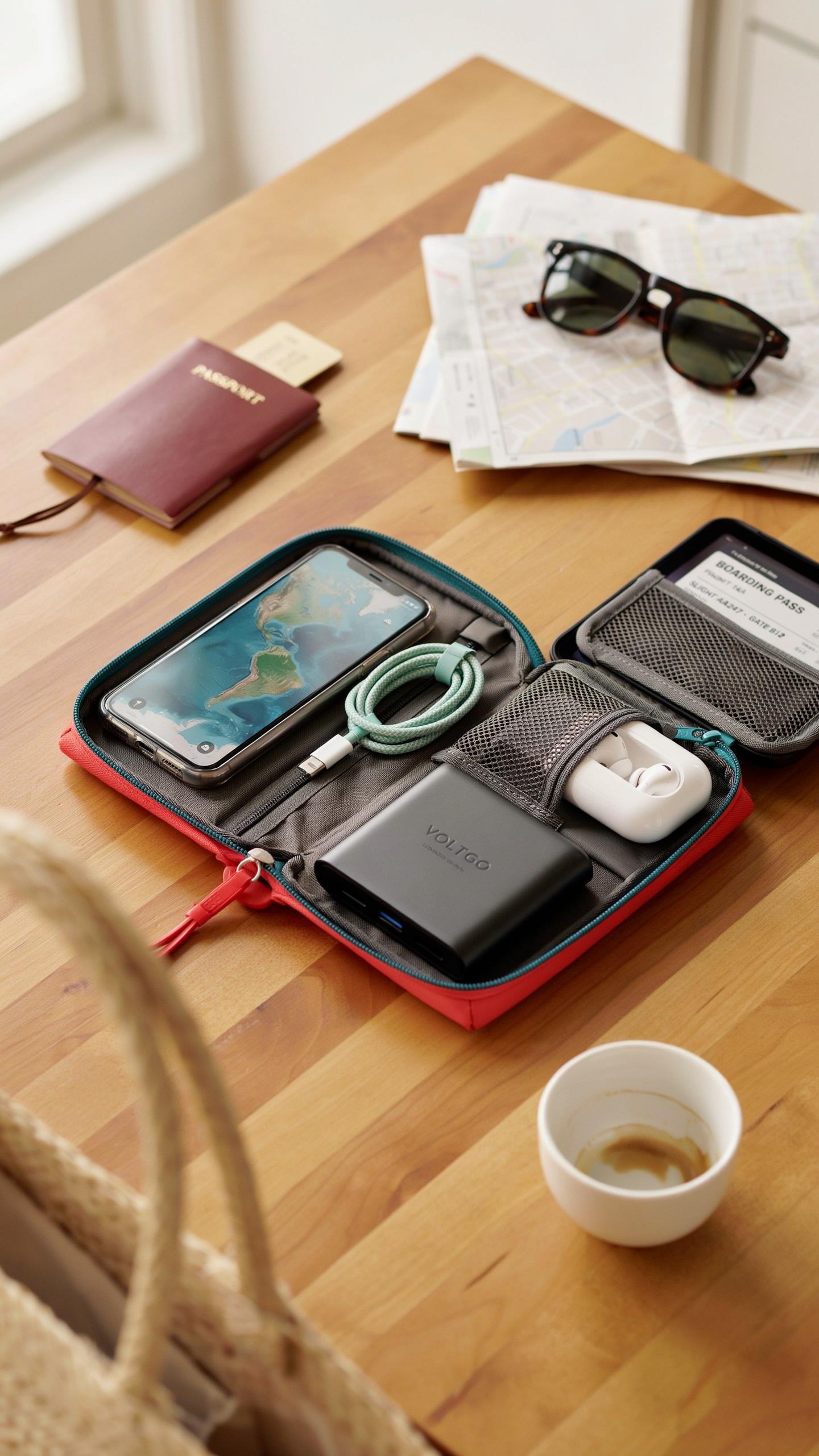
Inventory your cables and chargers before buying a pouch. Count USB-C cables, Lightning connectors, micro USB adapters, power banks, and wall chargers. Note the dimensions of your largest device. Check if you carry headphones, adapters, or specialty cables. This audit prevents buying a pouch too small or too large for your actual needs.
Match pouch capacity to what you actually travel with, not what you might need someday. A business traveler with one laptop and phone requires less space than someone carrying tablets and cameras. Overbuying organizer capacity wastes money and bag space. Underbuying forces you to leave essential cables behind or use a pouch that bulges at the seams.
Considering Your Travel Style
Business travelers need quick access and professional appearance. Your pouch must fit inside a work bag without adding bulk. Choose designs with separate compartments that let you grab one cable without dumping everything out. A compact, flat pouch works better for business trips than oversized organizers.

Leisure travelers have flexibility in pouch size and style. Weekend trips require fewer cables than month-long adventures. Consider how often you change locations. Frequent movers benefit from lightweight, compact pouches. Extended stays allow for larger organizers with better cable separation since you unpack once and stay put.
Beyond Cables What Else To Store In Your Tech Organization Pouch
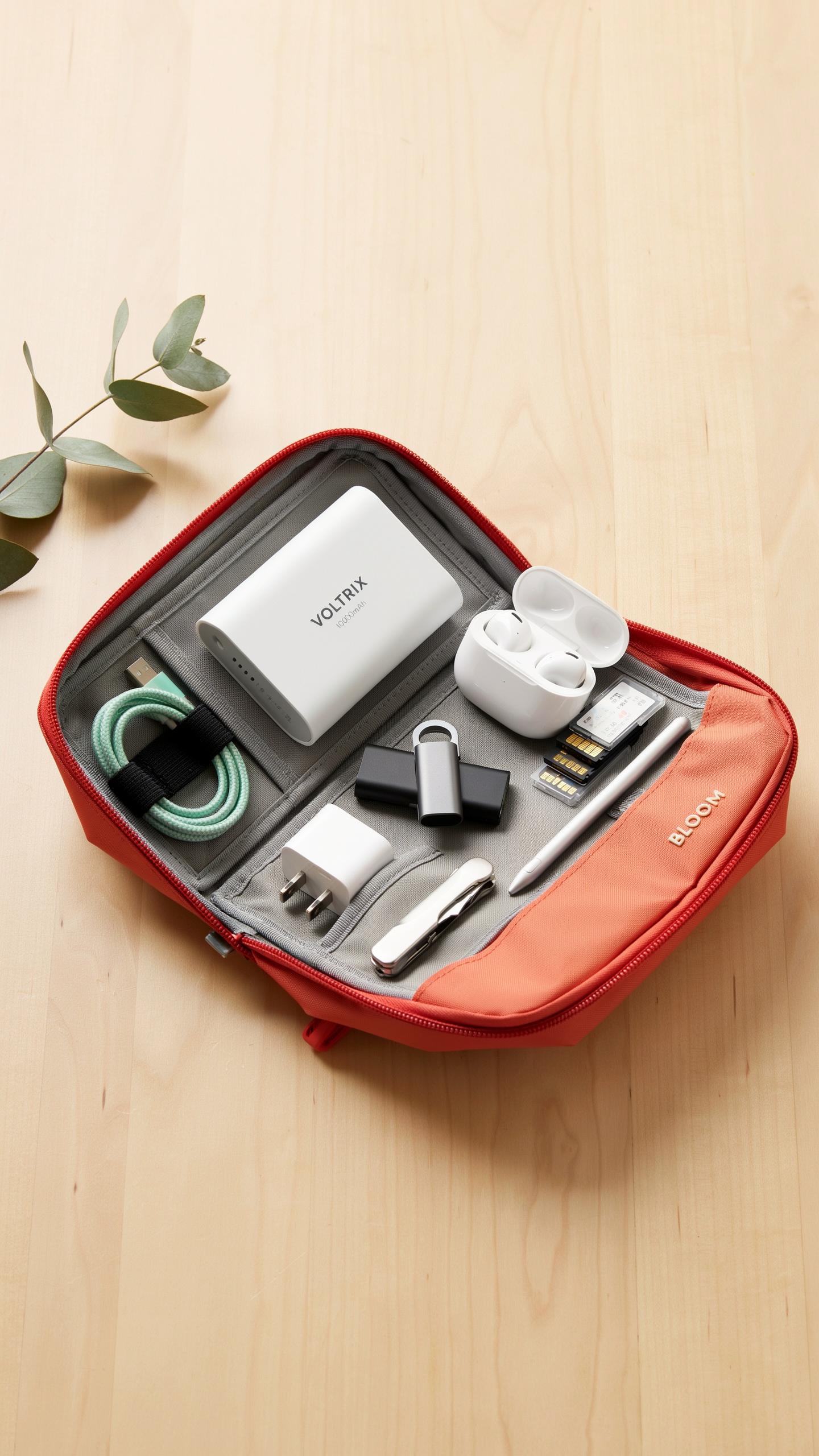
Memory Cards And USB Drives
Memory cards and USB drives demand protection from physical damage and data corruption. These devices store critical files, photos, and backups. A tech pouch keeps them separated from cables and moisture. Compartments prevent cards from bending or breaking during transit. The organized setup lets you locate specific storage devices without digging through tangled wires.
Environmental exposure damages memory cards and drives fast. Temperature swings, humidity, and static electricity degrade components over time. Dedicated pouches shield devices from these threats. Quality pouches use materials that repel moisture and dissipate static. Storing these items properly extends their lifespan and protects your data from loss.
Adapters, Power Banks, And Earbuds
Power banks, adapters, and earbuds complete your mobile tech kit. These items tangle easily and get lost without organization. A cable pouch consolidates everything you need for work or travel. Separate compartments prevent earbuds from tangling with cords. You grab one organized pouch instead of hunting for pieces across your bag.
Adapter compatibility varies by region and device type. USB-C, Lightning, and older connectors require different ports and cables. Grouping adapters together in one pouch eliminates confusion and saves setup time. Earbuds stay clean and functional when stored separately from other gear. Power banks charge safely away from moisture and sharp objects that might cause short circuits.
Maintaining Your Travel Cable Organizer For Longevity
Regular Cleaning And Inspection
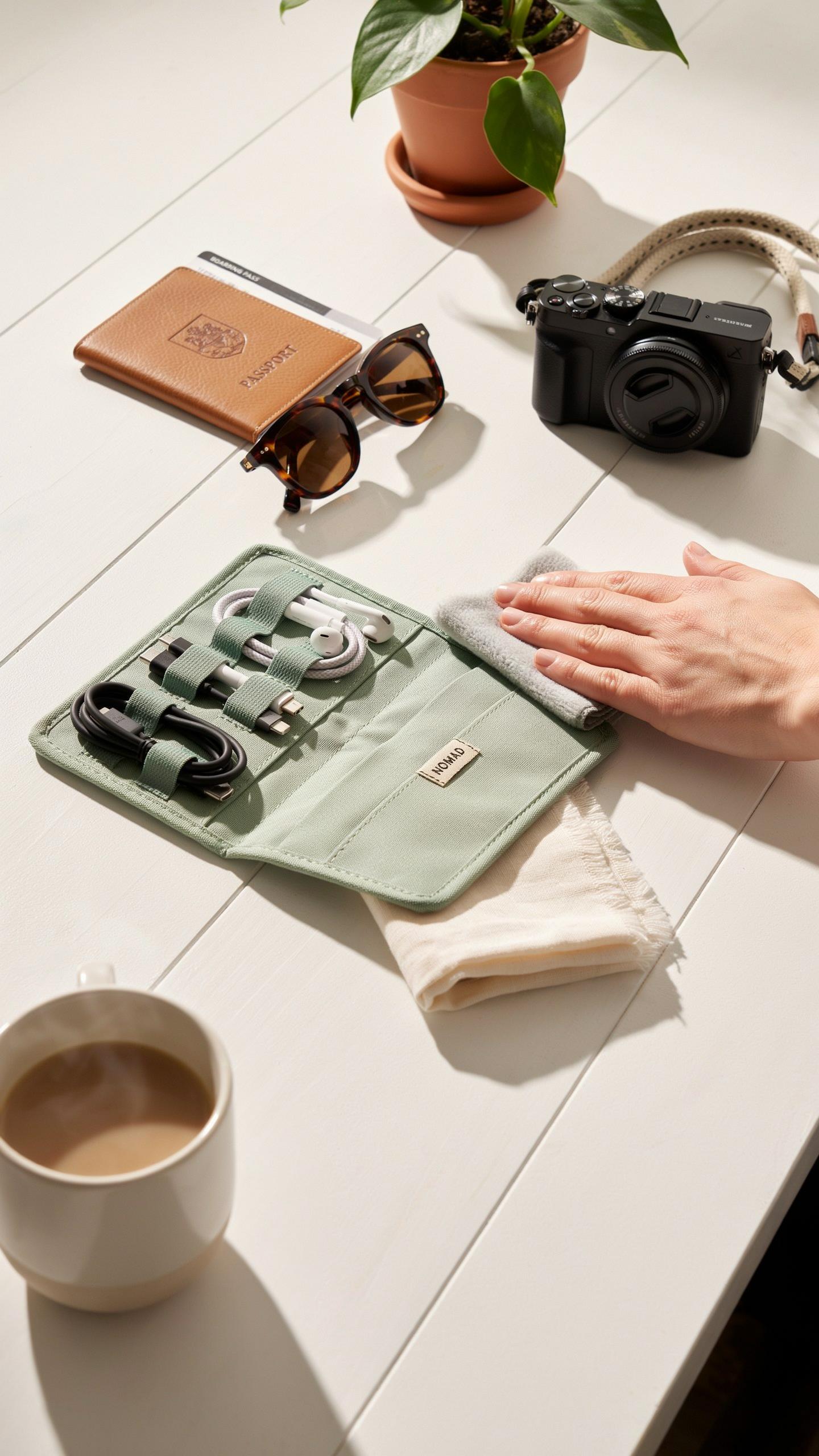
Dust and debris accumulate inside cable organizer pouches during travel. Wipe down the interior monthly with a dry microfiber cloth to prevent buildup on cables and connectors. Check seams, zippers, and compartments for wear. Inspect cable ends for fraying or damage that could spread to the pouch interior. Address issues immediately before they compound.
Clean the exterior based on material type. Nylon pouches respond to mild soap and water on a damp cloth. Leather or canvas requires targeted spot cleaning with appropriate cleaners for that material. Dry completely before storing to prevent mold or mildew. Keep the pouch in a cool, dry location between trips to maintain structural integrity.
Periodically Reviewing And Decluttering
Your pouch accumulates unnecessary items over time. Every three months, empty the entire organizer and assess what you actually use. Remove cables you no longer own corresponding devices for. Discard damaged adapters beyond repair. This practice reduces weight, saves space, and keeps your setup functional.
Reorganize after decluttering based on current travel patterns. Group cables by frequency of use. Place daily essentials in the most accessible compartments. Reserve deeper sections for rarely needed adapters. This strategic arrangement saves setup time and reduces frustration when you need specific gear quickly during travel.
Frequently Asked Questions

What exactly is a travel cable organizer pouch for tech bags and why would I need one?
A travel cable organizer pouch for tech bags is a compact, usually compartmentalized, case designed to neatly store and protect your various cables, chargers, power banks, and other small tech accessories. It prevents tangles and damage, making your gadgets easily accessible and your tech bag much more organized.
What are some effective ways to maximize the storage space within my travel cable organizer pouch?
To maximize space in your travel cable organizer pouch, strategically roll cables, utilize internal mesh pockets for smaller items like USB drives, and secure larger items with elastic loops. Think vertically and categorize your accessories, placing frequently used items within easy reach for convenience.
Are there affordable options for a quality travel cable organizer pouch, or are they typically expensive?
Absolutely! You can find many affordable and high-quality travel cable organizer pouch options. Prices vary based on material, brand, and features, but excellent functional pouches are available at various price points, ensuring everyone can keep their tech organized without breaking the bank.