
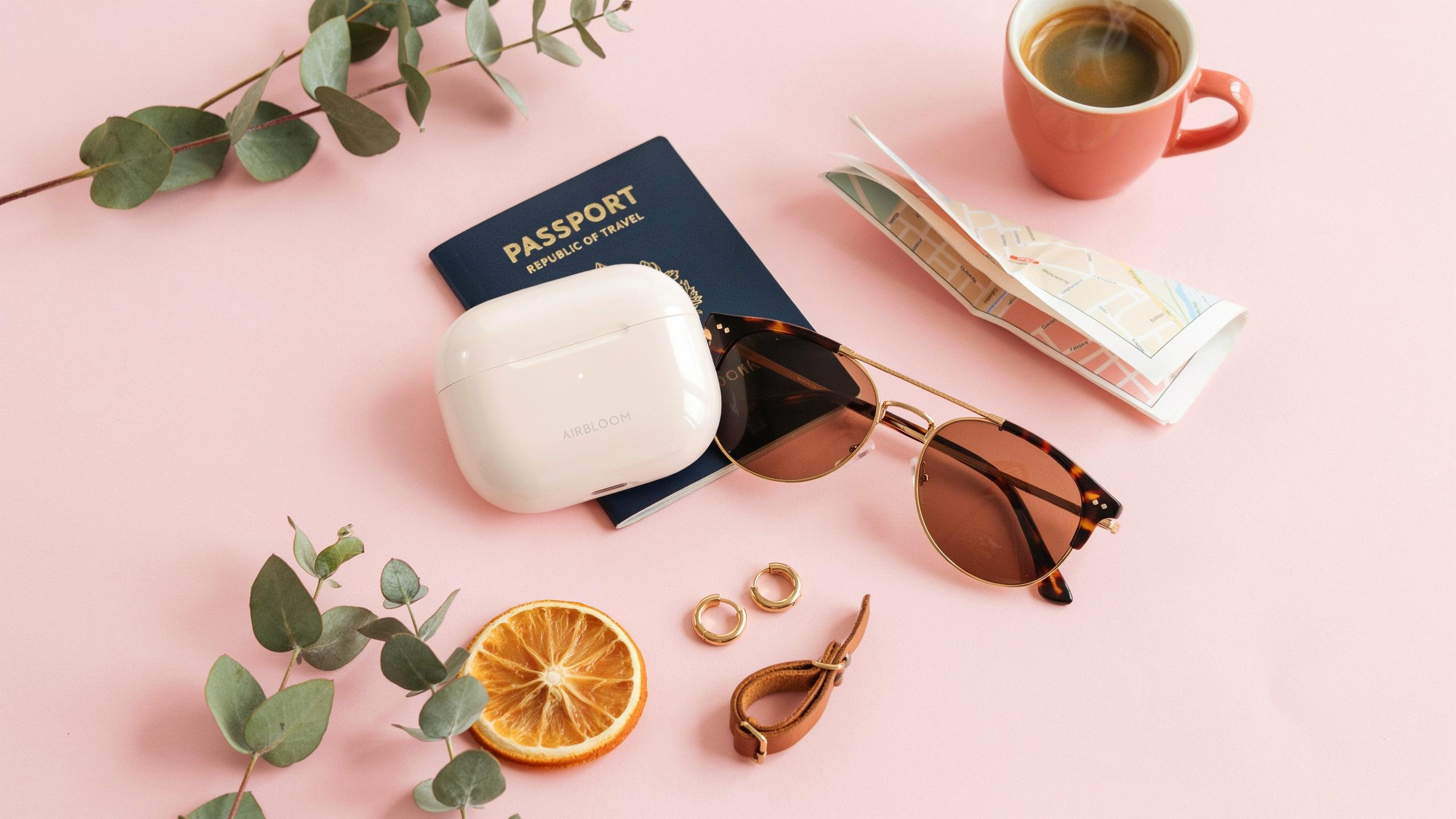
Why Compact Wireless Earbuds Cases Are A MinimalistS Best Friend
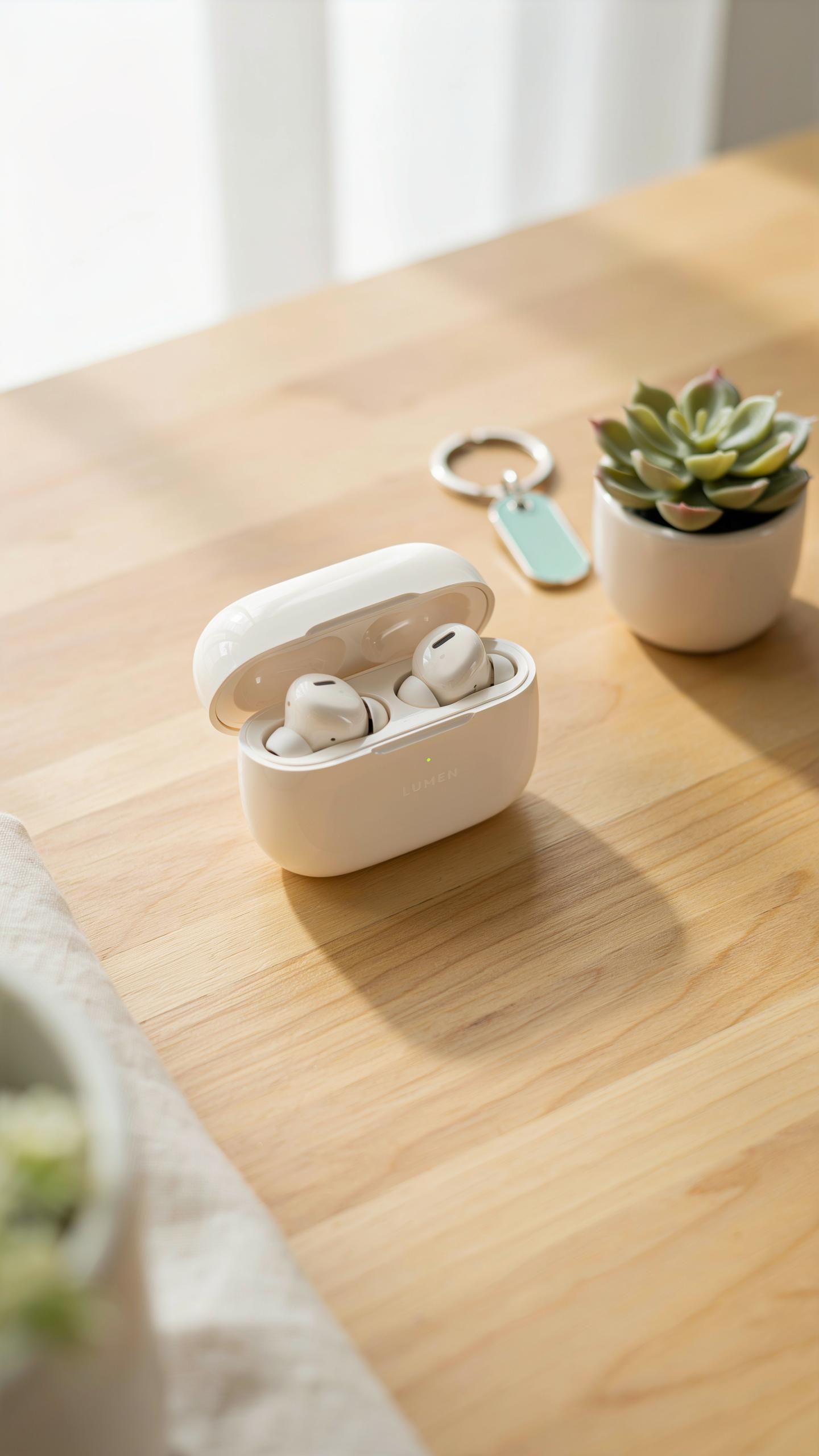
Space Saving
Minimalist travel demands every item justify its weight and dimensions. A compact wireless earbuds case eliminates the need for separate cable storage, adapter pouches, and bulky headphone holders. You consolidate multiple functions into one small object. The case itself typically measures under 3 inches across, fitting easily into jacket pockets or small bag compartments without creating noticeable bulk.
Standard over-ear headphone cases consume five to ten times more space than compact earbud cases. This size difference matters when you pack light. Minimalist travelers operate within strict luggage constraints, whether using carry-on only or backpack travel. A compact case preserves precious packing real estate for items that directly impact your trip’s purpose.
Protection
Wireless earbuds represent a significant financial investment, ranging from 100 to 300 dollars for quality models. Without proper protection, they suffer damage from pressure, moisture, and impacts during travel. A dedicated case absorbs shocks and keeps earbuds isolated from keys, coins, and other items that scratch or dent electronics.
The case maintains battery contacts in working condition. Dust and debris entering charging ports degrades connection quality and reduces charging efficiency over time. A protective case prevents this deterioration. Minimalists choose cases built from materials like rigid plastics or reinforced fabric that shield earbuds from typical travel hazards without adding excess weight.

Understanding The Design Philosophy Of Minimalist Earbud Cases

Form Meets Function
Minimalist earbud cases strip away decorative elements to solve a specific problem: protecting earbuds while taking up minimal space. The design philosophy comes from the broader minimalism movement, which emerged in the 1960s emphasizing essential elements only. A compact case that fits a shirt pocket serves travelers better than a bulky alternative. Every curve, every material choice, every compartment must justify its existence or disappear.
Simplicity in design directly improves usability. Users find items faster when cases contain only necessary components. A flat, thin profile slides into bags without creating awkward shapes. Minimalist cases eliminate wasted material that adds weight and bulk without functional benefit. The result is equipment that works harder by doing less.
Carry only what you love, and you’ll find every journey a treasure.
Material Choices
Lightweight materials dominate minimalist earbud cases because travelers count grams. Polycarbonate offers impact protection while remaining thin and light. Silicone provides cushioning without the thickness of foam alternatives. Aluminum frames add structural integrity without excessive weight compared to plastic alone. Material selection determines whether a case truly minimizes burden or simply looks minimal while remaining impractical.

Durability matters as much as weight for travel scenarios. Cases must withstand repeated packing, unpacking, and compression in luggage. TPU (thermoplastic polyurethane) resists damage from moisture and temperature changes without degrading. High-grade plastics engineered for impact absorption protect earbuds through years of travel. The best minimalist cases combine lightweight construction with material science that prevents premature failure.
Key Features Of An Ideal Compact Wireless Earbuds Case
Size And Weight
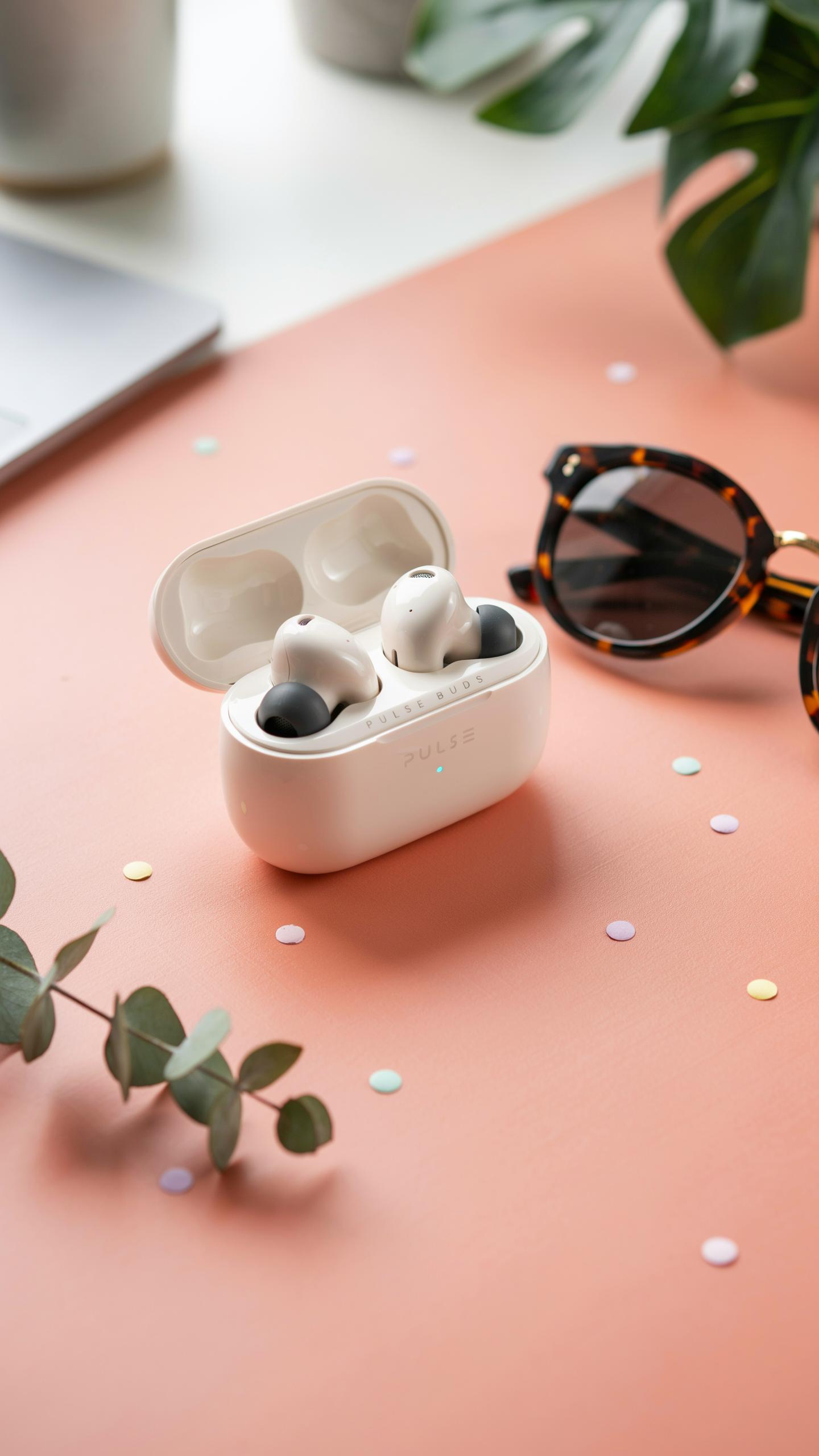
A minimalist case measures under 3 inches in any dimension and weighs between 0.5 to 1.5 ounces. This size constraint forces designers to prioritize core functions. The case must hold two earbuds plus a charging battery without excess material. Anything larger defeats the minimalist purpose and creates pack burden during travel.
Material selection directly impacts weight and durability. Hard plastic shells offer protection but add mass. Soft fabric cases reduce weight but compromise drop protection. Most minimalist cases use thin polycarbonate or TPE blends that balance both factors. These materials weigh less than metal alternatives while still absorbing impact.
Secure Closure
Magnetic closures dominate minimalist earbud cases because they require no moving parts or latches. The magnetic mechanism seals the lid with single-motion simplicity. There are no hinges to break or latches to malfunction. This design approach removes failure points entirely.

Snap-fit closures offer an alternative that works well for minimalist designs. These cases use precision-molded tabs that click into place with firm, audible engagement. Snap fits provide tactile feedback confirming proper closure. They add minimal weight and require no batteries or magnets to function reliably.
Integrating Your Earbuds Case Into Your Travel Kit
Packing Efficiency
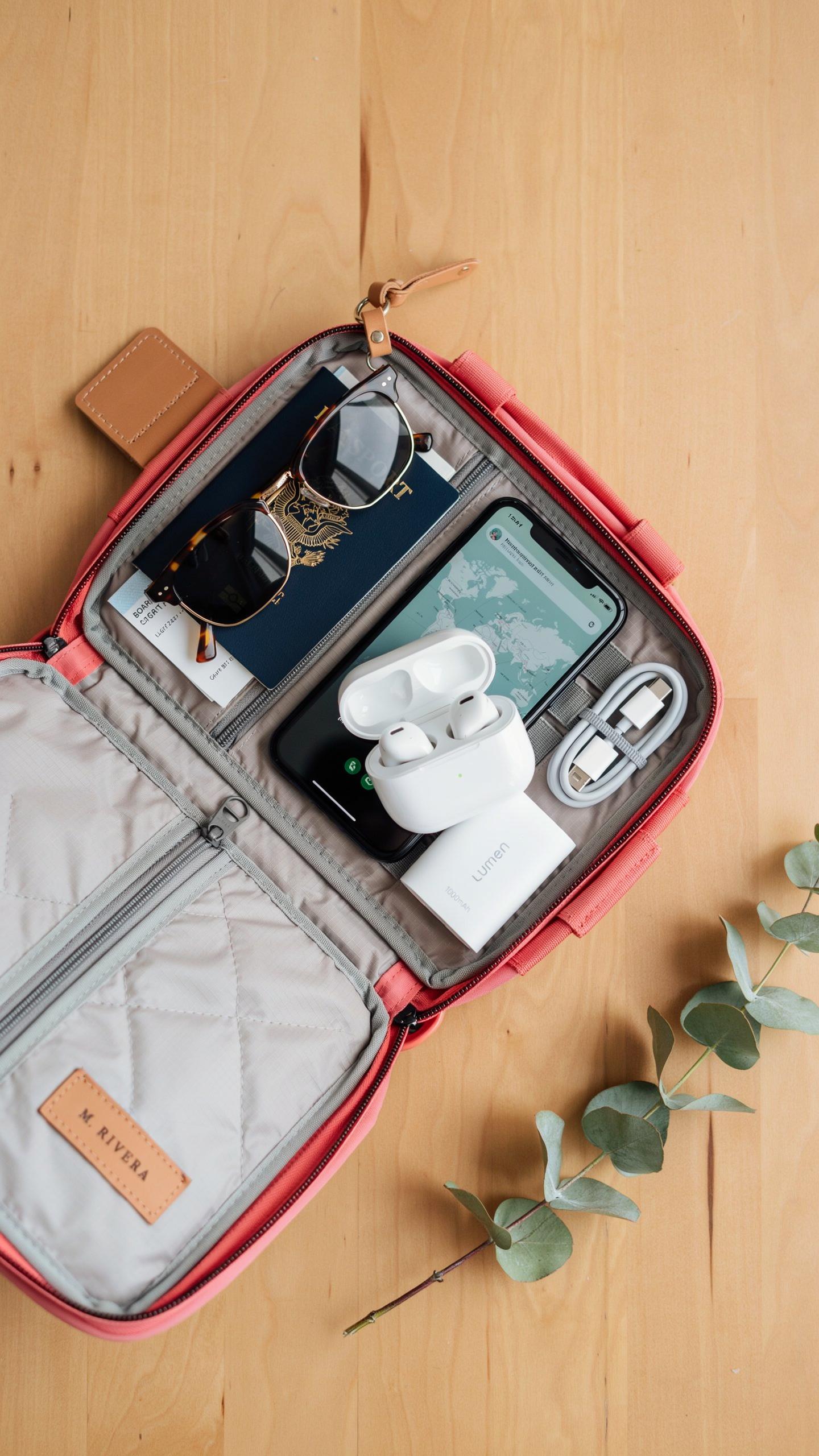
A compact earbuds case occupies roughly the same footprint as a credit card when measured by length and width. Most cases measure between 2.5 to 3.5 inches long, making them fit into dedicated tech pouches or shirt pockets without displacing other gear. The depth typically ranges from 0.75 to 1.25 inches, so you nest them into gaps between larger items like cables or adapters.
Store your case in the same compartment as your phone charger and cables. This creates a designated tech zone that you check before leaving any location. The case protects your earbuds from dust and impact damage during transit, which means you avoid carrying replacement pairs. Position it where you can access it without unpacking your entire bag.
Accessibility
Keep your earbuds case in your personal item or day pack rather than checked luggage. This ensures you can use them on flights, trains, or during layovers without waiting for baggage. Access becomes critical during transitions between transportation methods when you need quick audio setup. Place the case on top of other items in your pack, not buried underneath.

Designate a specific pocket or pouch as your earbuds zone and return the case there immediately after use. This habit prevents you from searching through your bag when you need them. Your brain learns the location, so retrieval becomes automatic. Consistency reduces the mental load of managing small items during travel.
Beyond Protection Cases With Added Functionality And Battery Backup
Charging On The Go
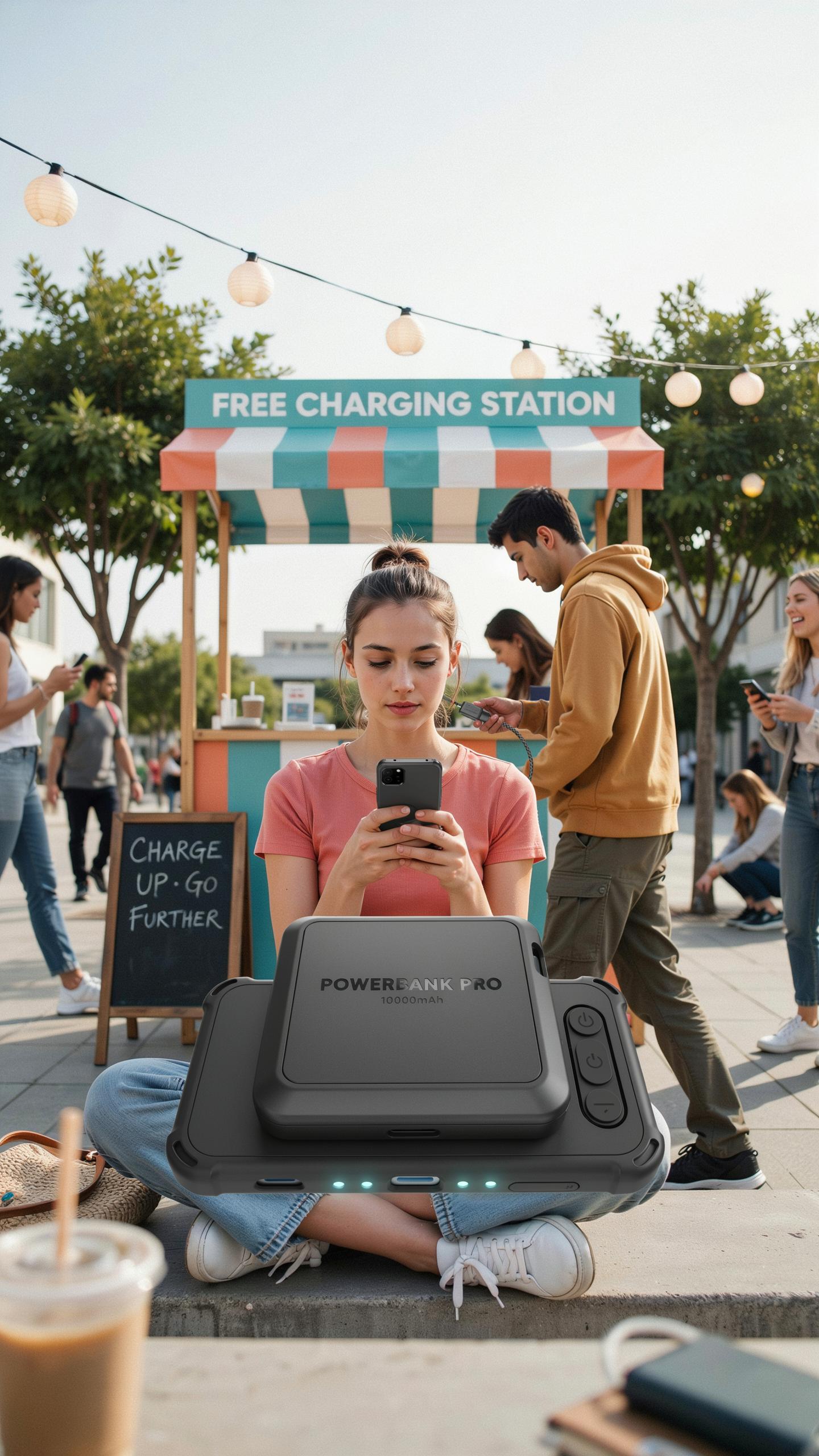
Battery capacity in earbud cases ranges from 300mAh to 1000mAh depending on the model. Cases with integrated power banks extend listening time by 1 to 3 additional charges. This eliminates the need for a separate portable charger, reducing what you carry. The trade-off is weight and size, which minimalists must evaluate against convenience gains.
Cases with power bank functionality use fast-charging technology to replenish earbuds in 15 to 30 minutes. Most modern designs charge via USB-C or Lightning connectors, matching your phone infrastructure. Battery degradation occurs naturally over time, typically retaining 80 percent capacity after 500 charge cycles. Plan for replacement every two to three years if you use this feature daily.
Multi Purpose Design
Cases designed for dual functionality combine storage with cable organization or card slots. Some models include earphone stand capabilities or serve as small charging pads for compatible devices. Minimalists benefit by consolidating travel gear into one item rather than purchasing separate accessories. This approach reduces inventory but requires finding a case that genuinely fits your specific needs.

Material selection affects multi-purpose performance significantly. Leather cases age well and develop character, making them useful beyond one trip. Silicone cases offer water resistance and grip but require regular cleaning. Aluminum frames provide durability for frequent travelers but add weight. Choose materials that serve your actual travel patterns and climate conditions.
Choosing The Right Case For Your Specific Earbud Headphones
Universal Vs Custom Fit
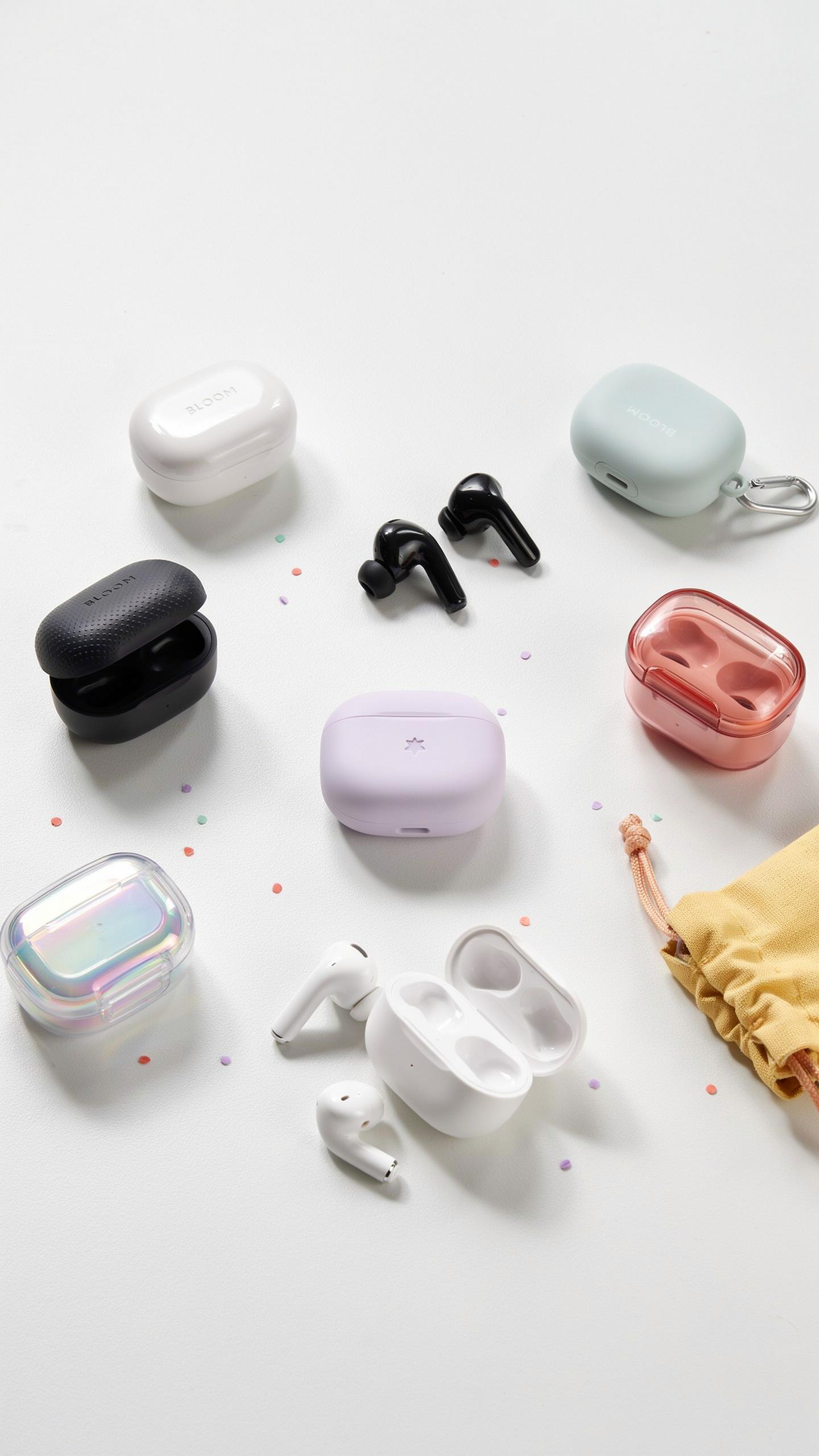
Universal cases offer flexibility across multiple earbud models. They use adjustable compartments, foam inserts, or elastic retention systems that accommodate various sizes and shapes. This approach works when you switch earbuds frequently or own multiple pairs. The trade-off is security. Universal designs never hold specific models as snugly as purpose-built cases, creating movement during transport and potential damage risk.
Custom-fit cases are engineered for one earbud model. They feature molded compartments matching exact dimensions and charging port locations. This precision eliminates movement and maximizes protection. However, custom cases become obsolete when you upgrade earbuds. For minimalists with one trusted pair, custom fit delivers superior security and compactness. For those who rotate devices, universal cases provide practical versatility despite lower protection standards.
Brand Compatibility
Verify charging port location before purchasing any case. Earbud charging contacts vary significantly between manufacturers. Some brands position ports on the rear, others on the front or side. A misaligned case blocks access or prevents proper charging connection. Check the specific earbud model number and cross-reference it against the case manufacturer’s compatibility chart. This step takes two minutes and prevents purchasing a useless product.

Contact case manufacturers directly if compatibility information is unclear. Most companies respond within 24 hours with definitive answers. Request confirmation that the case fits your exact earbud generation, not just the brand name. Model numbers matter because manufacturers frequently update designs. Confirm the case accommodates your charging cable type and any accessories you carry, such as replacement ear tips or cleaning cloths.
Maintaining Your Compact Earbuds Case For Longevity
Cleaning And Care
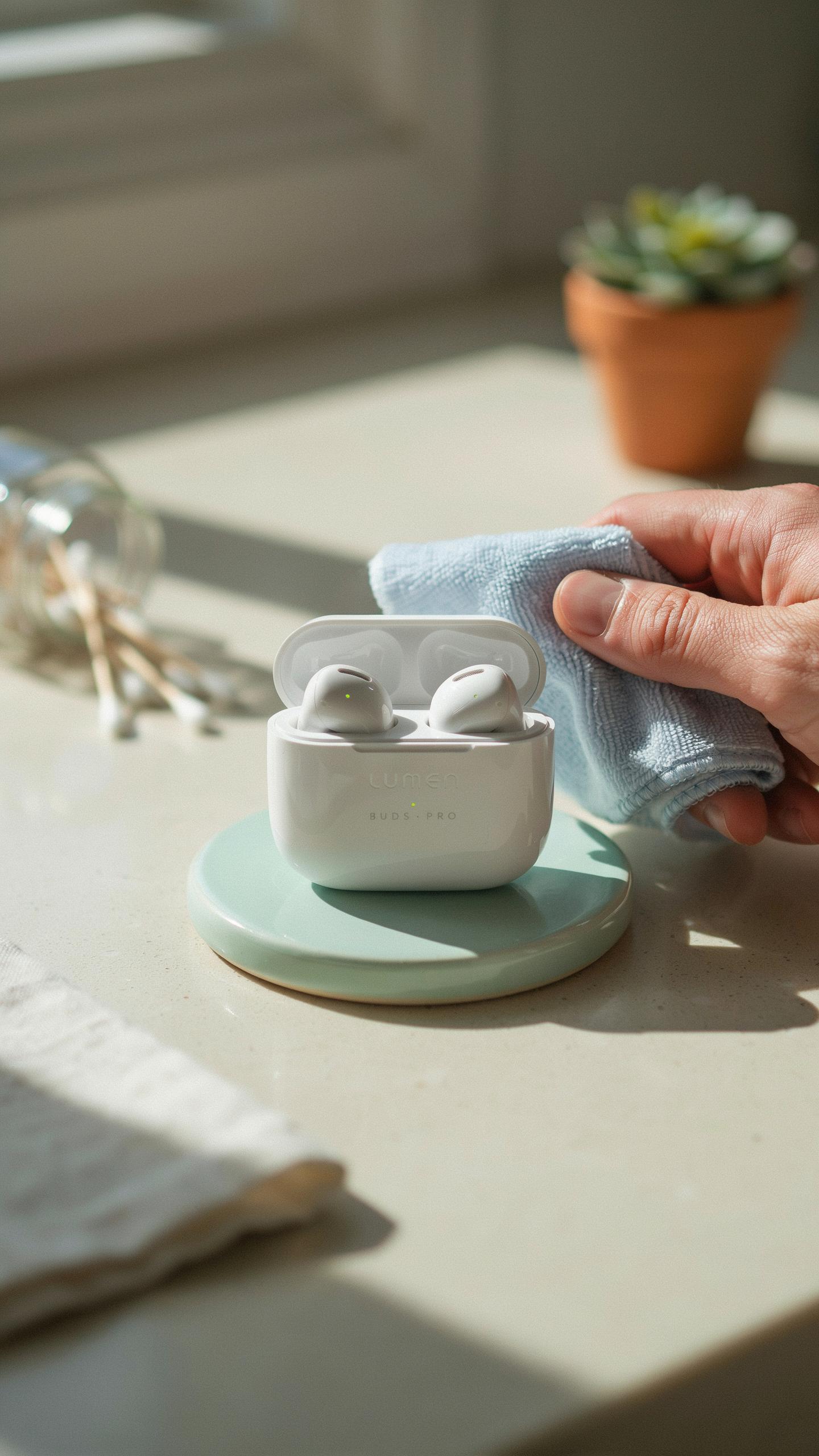
Dust accumulates inside compact cases faster than you expect. Use a dry microfiber cloth weekly to wipe the exterior and interior surfaces. For crevices, a soft-bristled brush works better than compressed air, which can force debris deeper into charging ports. Never use liquids on the case itself. Clean the charging contacts with a dry cotton swab to prevent corrosion and ensure reliable power transfer to your earbuds.
Most compact cases use plastic or aluminum exteriors that resist damage when handled correctly. Avoid abrasive cleaners and rough cloths that scratch surfaces. If your case has a fabric interior lining, brush it gently to remove lint. Inspect the charging cable regularly for fraying or damage. Replace cables before they fail to prevent case malfunction during travel.
Storage Tips
Store your case in a cool, dry location away from direct sunlight and heat sources. Extreme temperatures degrade battery performance and weaken plastic components over time. Keep the case in a dedicated pocket of your travel bag rather than loose in a drawer where it collects dust and debris. Always store with the lid closed to protect internal components from exposure.

Remove earbuds from the case if you plan extended storage beyond two weeks. Continuous charging cycles when not in use drain battery capacity prematurely. Store the case at room temperature between 50 and 80 degrees Fahrenheit for optimal longevity. Keep the case away from moisture and humidity. A small silica gel packet in your storage location helps control moisture in humid climates.
Where To Find The Best Compact Wireless Earbuds Cases
Online Retailers
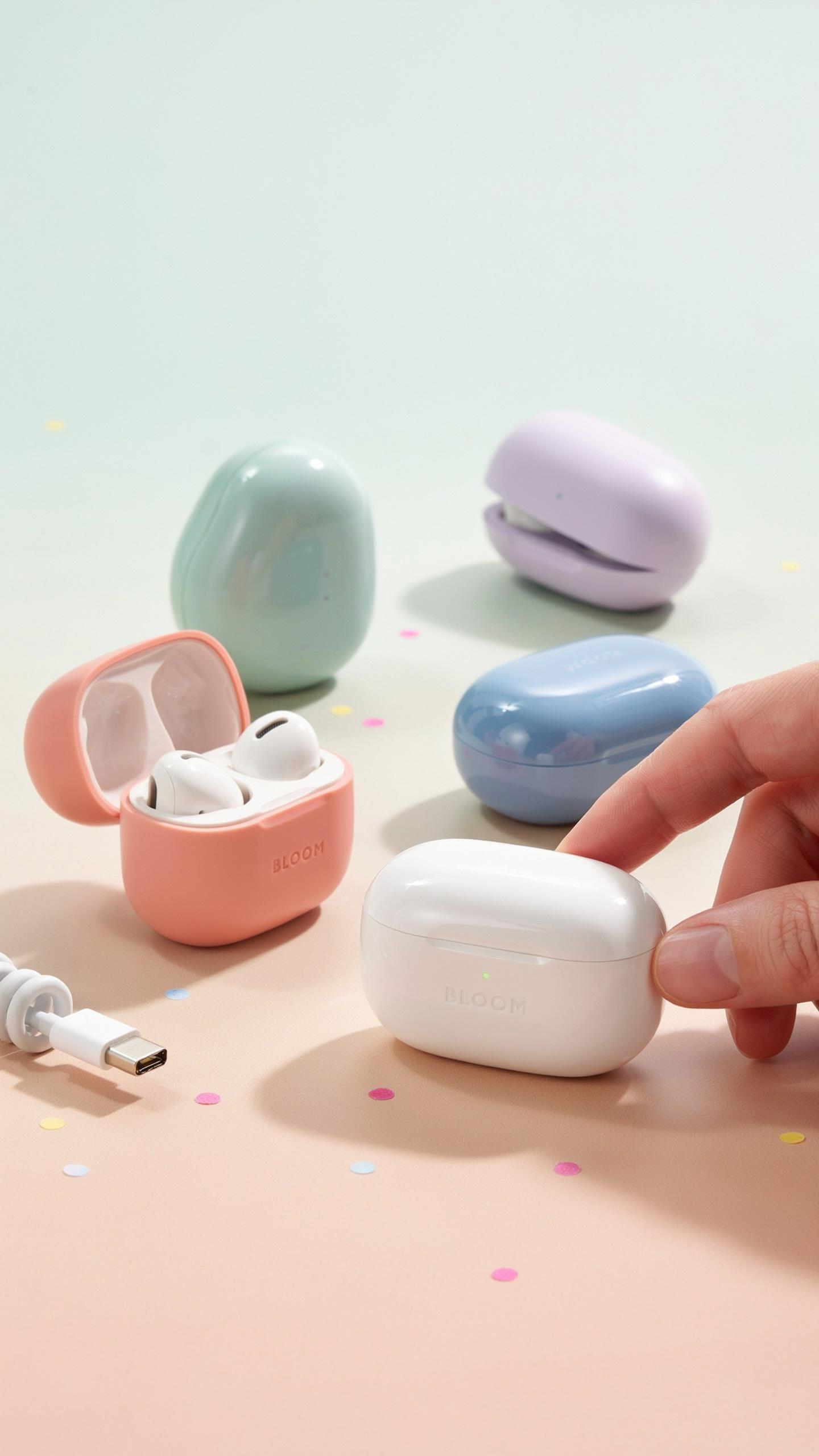
Amazon, eBay, and Etsy stock thousands of third-party minimalist cases. These platforms let you filter by material, size, and design. Read customer reviews carefully. Fake products exist on these sites. Check seller ratings before purchasing anything. Return policies vary significantly between sellers.
Specialized retailers like Casetify, Spigen, and Bellroy focus on minimalist design. These companies maintain quality control better than marketplace platforms. Their cases often cost more but deliver consistent durability. Shipping speed depends on your location and their warehouse proximity. Most offer 30-day return windows on defective products.
Brand Specific Options
Apple, Sony, Bose, and Samsung sell official cases for their earbuds directly. These cases guarantee perfect fit and full compatibility with charging ports. Official cases use identical materials to the earbuds themselves. Pricing runs higher than third-party alternatives. Warranty coverage applies to manufacturing defects.

Manufacturer websites often bundle cases with earbud purchases. Some brands offer free cases with specific product tiers. Direct purchase eliminates shipping delays from third-party warehouses. Return processes streamline when buying from brand websites. Limited color options restrict customization compared to aftermarket solutions.
The Future Of Wireless Earbuds And Minimalist Travel Accessories
Innovations In Design
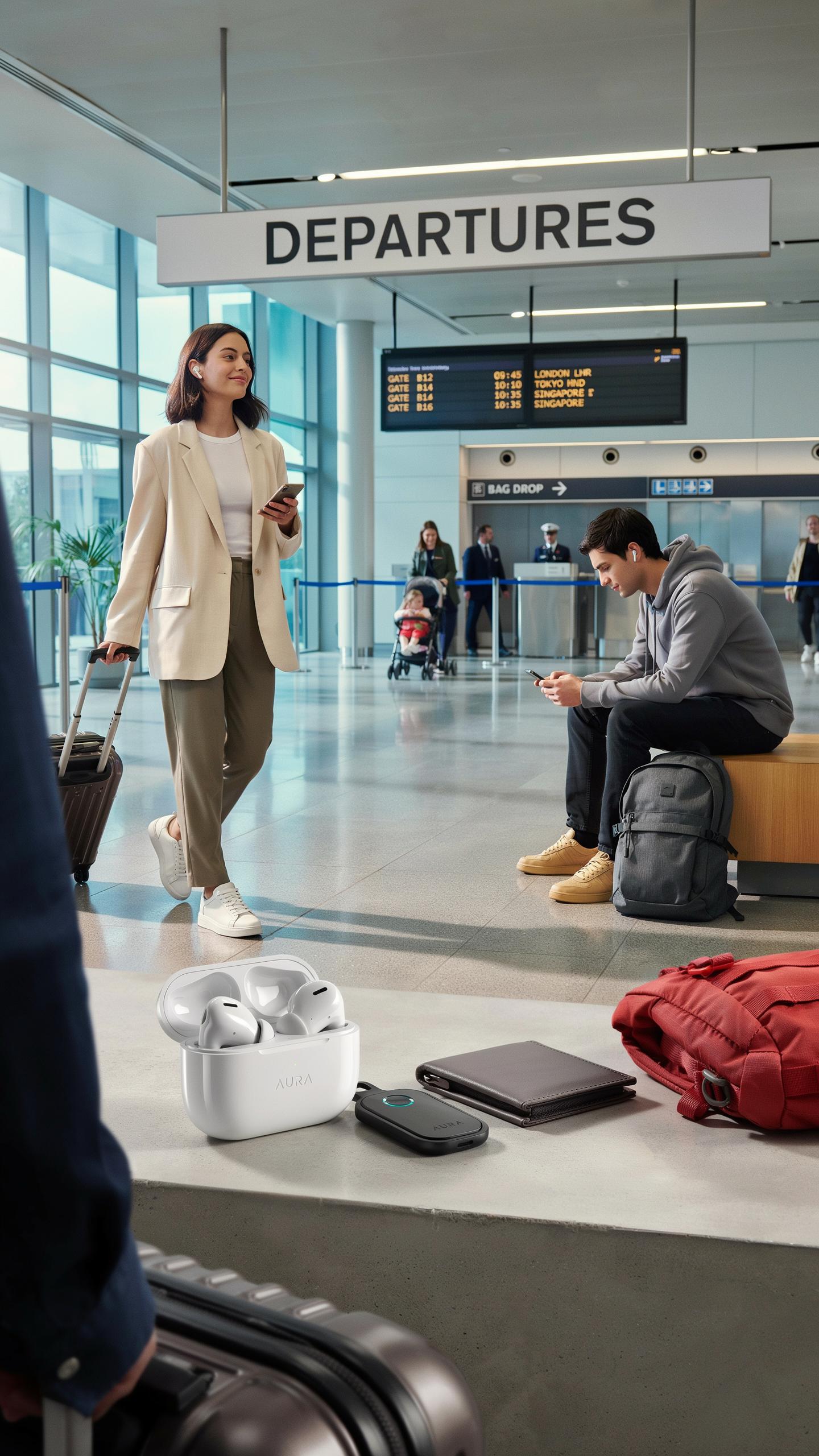
Manufacturers are moving toward modular case designs that serve multiple functions. Cases now integrate cable organizers, charging indicators, and compact form factors under 50 grams. This shift responds to minimalist travelers who reject redundant gear. Design teams prioritize edge-to-edge material usage and eliminate wasted internal space. The trend reflects demand for cases that pack efficiently without sacrificing protection or durability.
Material engineering drives case innovation forward. Brands test titanium alloys, reinforced polymers, and composite materials to reduce weight while increasing drop protection. Cases thinner than 15mm now withstand standard impact testing. Design sprints focus on single-material construction to simplify manufacturing and recyclability. Minimalists benefit directly as cases become harder to justify replacing, extending product lifecycles.
Sustainable Materials
Recycled plastics dominate earbud case production now. Manufacturers source ocean-bound or post-consumer polyethylene to create casings with performance matching virgin materials. This approach cuts manufacturing emissions by 30 to 40 percent compared to traditional production. Minimalists align with this shift since durable cases reduce replacement frequency. The economics work because recycled feedstock costs less than virgin alternatives at scale.
Bioplastics and plant-based materials enter mainstream production pipelines. Companies develop cases from mycelium leather, cork composites, and cellulose derivatives. These materials degrade in industrial composters within months rather than decades. Premium brands now market cases with verified carbon-neutral certifications. Minimalist consumers recognize that sustainable material choices reduce environmental impact over a product’s full lifecycle.
Frequently Asked Questions

Why should I consider a compact wireless earbuds case if I’m a minimalist traveler?
A compact wireless earbuds case is essential for minimalists because it streamlines your tech essentials. It protects your earbuds while taking up minimal space in your luggage or pocket, perfectly aligning with a “less is more” travel philosophy. This small accessory helps maintain an organized and clutter-free travel experience, ensuring your focus remains on your journey.
How do I choose the best compact wireless earbuds case for my specific earbuds model?
To choose the best compact wireless earbuds case, first identify your earbuds’ exact model. Then, look for cases specifically designed for that model to ensure a snug fit and proper charging access. Consider durable materials like silicone or hard-shell plastic for protection, and prioritize features like carabiner clips for easy attachment to your bag, enhancing convenience for a minimalist traveler.
Are there affordable yet durable options for a compact wireless earbuds case that won’t break the bank?
Absolutely! Many budget-friendly options for a compact wireless earbuds case offer excellent durability without compromising on minimalist design. Look for cases made from silicone, which is both protective and inexpensive, or generic hard-shell cases that accommodate various earbud sizes. Online retailers and tech accessory stores often have a wide selection that fits a minimalist’s budget while still offering robust protection.