

Why An All In One Travel Adapter And Power Bank Is A Travel Essential
The Hassle Of Multiple Devices
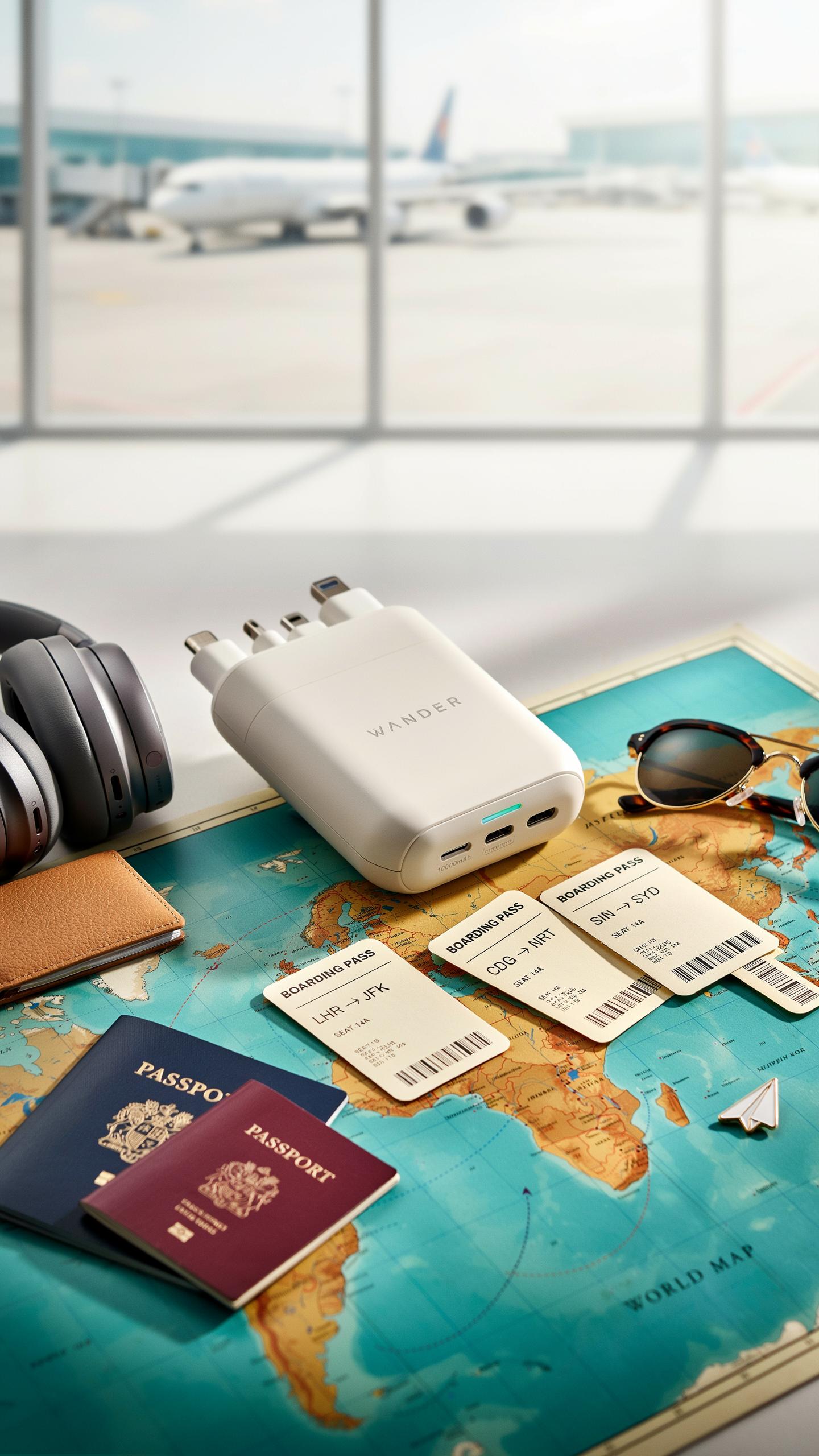
Travelers typically carry three separate items: a universal power adapter, a regional plug converter, and a portable power bank. Each device demands its own cable, charger, and storage space in your luggage. This setup creates redundancy and wastes weight. You end up packing items you may not use, depending on your destination. The accumulated bulk forces you to choose between carrying essentials or leaving devices behind.
Forgetting items happens easily when you manage multiple gadgets. You pack the power bank but leave the adapter at your hotel. You grab the adapter but forget the charging cable. Each item represents another opportunity to make a mistake. The cognitive load of tracking separate devices distracts you from actual travel preparation. Multiplying your gear means multiplying your failure points.
The Convenience Of Consolidation For Travel Tech
An all in one travel adapter and power bank eliminates redundancy by merging functionality into a single unit. One device handles both outlet conversion and battery backup. You pack one item instead of three. You charge one device instead of managing multiple charging cycles. This consolidation directly reduces the weight in your bag and the mental effort required to prepare for trips.
A combined device forces discipline into your packing routine. You check one box instead of three. You have one item to account for before leaving your accommodation. One charging cable services both functions. This simplification reduces the variables that lead to forgotten gear. Fewer items mean fewer decisions and fewer mistakes when traveling between locations.

Understanding The Core Components Of These Travel Gadgets

Universal Adapter Functionality
A universal adapter converts plug shapes and electrical standards between countries. It physically accepts different prong configurations and routes power through a single output. The device doesn’t convert voltage or frequency, so you still need a separate step-down transformer for high-wattage appliances in countries with different electrical standards. Most universal adapters handle Type A, B, C, G, and I plugs, which cover roughly 150 countries. The mechanism uses sliding or rotating pins that extend or retract to match the target outlet configuration.
Universal adapters work through mechanical design, not electronics. When you select a country or plug type, physical components shift into position to match that outlet’s shape. This approach means the adapter has no active circuitry and requires no batteries for basic operation. You plug your device into the adapter’s standardized input, and the adapter bridges the gap between your device’s plug and the foreign outlet. This simplicity makes universal adapters reliable and long-lasting compared to electronic alternatives.
Integrated Power Bank Technology
Integrated power banks use lithium-ion or lithium-polymer battery cells to store electrical charge. Battery capacity gets measured in milliampere-hours (mAh), ranging from 5000 mAh to 30000 mAh in combined adapter units. A 10000 mAh battery typically charges a smartphone once to full capacity. Higher mAh ratings add weight and bulk, so manufacturers balance charging power with portability. The battery connects to internal circuitry that regulates power output and prevents overcharging or damage to connected devices.

The power bank circuitry manages voltage and current flow to your devices through USB-A, USB-C, or Lightning ports. Most units include a charging controller that stops delivering power once your phone reaches full capacity. Battery cells degrade over time and lose capacity after 300 to 500 complete charge cycles. Quality matters significantly here, as cheap cells fail faster and pose fire risks. Reputable manufacturers use tested cells from established suppliers and include safety certifications like CE or FCC marks on their units.
Key Features To Look For In An All In One Travel Adapter

USB Ports And Fast Charging Capabilities
Multiple USB ports determine how many devices you charge simultaneously. USB-A ports remain standard on most older devices and accessories. USB-C ports handle modern smartphones, tablets, and laptops. Power Delivery (PD) technology enables rapid charging by delivering higher wattage, reducing charge time from hours to minutes for compatible devices.
Quality adapters include at least two USB-A and one USB-C port. This configuration covers most traveler needs without compromise. PD support matters most for laptops and tablets requiring 30W or higher. Check the total wattage output across ports to ensure simultaneous charging doesn’t throttle individual device speeds. An adapter rated 65W or higher handles multiple devices charging concurrently without performance drops.
Safety Certifications And Surge Protection For Your Tech Gadgets
CE, FCC, and RoHS certifications verify that manufacturers tested adapters against international safety standards. CE marking confirms European Union compliance. FCC approval indicates compliance with United States electrical safety requirements. RoHS certification proves the adapter contains no hazardous substances like lead or mercury in components.

Built in surge protection guards against voltage spikes from unstable power grids common in developing regions. Surge protection diverts excess voltage away from your devices, preventing permanent damage to circuits and batteries. Reputable adapters use metal components and internal fuses that disconnect power during dangerous surges. Never buy adapters without these certifications, as counterfeit products lack proper protection and create fire hazards. Your device warranty often voids if damage occurs from non certified accessories.
Optimizing For Light Packing Design And Portability

Compact And Lightweight Construction
All in one travel adapters and power banks succeed because they eliminate redundancy. Traditional travel setups require separate devices for charging and power conversion. Combined units consolidate two functions into a single form factor, reducing total weight and occupied luggage space. Most models weigh between 200 to 500 grams, compared to carrying individual adapters and power banks separately.
The engineering behind compact design focuses on component density. Manufacturers stack circuits and batteries vertically rather than horizontally. This approach minimizes the device footprint without sacrificing capacity. A typical combined unit fits inside a small toiletry bag or laptop compartment, making it accessible during transit and not requiring dedicated luggage real estate.
Durable Materials And Build Quality For Travel
Travel-grade materials determine how long these devices survive repeated use. Aluminum casings and reinforced plastics withstand impact from dropping and pressure from packing. Quality devices use shock-absorbent internal frames that protect internal components during transport. The connector joints experience the most stress, so manufacturers reinforce these areas with additional material or metal shields.

Build quality directly impacts reliability in foreign locations where replacement options don’t exist. Sealed seams prevent dust and moisture infiltration in humid climates. Premium units feature flame-retardant internal components that meet international safety certifications like FCC and CE standards. These specifications aren’t marketing claims, they’re functional requirements that prevent device failure during critical travel moments.
Benefits Of Using An All In One Solution For Tech Organization

Reduced Cable Clutter
A single all-in-one travel adapter and power bank eliminates the need to pack separate devices for each function. Instead of carrying individual wall adapters, USB cables, and power banks, you consolidate everything into one unit. This directly reduces the physical volume in your bag and removes the tangled mess of cables that typically accumulates during travel. Fewer items mean fewer things to lose, forget, or damage during transit.
The organization benefit extends beyond just space savings. You spend less time at your destination hunting for the right cable or adapter to charge a specific device. Everything you need sits in one place, making your packing checklist shorter and your travel routine faster. This simplicity matters when you’re moving between hotels, flights, or accommodations where time is limited.
Streamlined Charging Experience
Charging multiple devices at once from a single power bank eliminates the frustration of sequential charging cycles. Modern all-in-one solutions include multiple ports—typically USB-A, USB-C, and sometimes Lightning connections—allowing you to power a phone, tablet, and laptop simultaneously. You no longer need to choose which device gets priority or wait for one to finish before starting another. This parallel charging approach saves hours over a multi-day trip.

The built-in adapter component removes the need to hunt for wall outlets that support your device plugs. You plug the all-in-one unit directly into local outlets anywhere in the world, then charge all your devices from the internal battery. This two-step process beats finding multiple outlets and managing separate adapters for each region you visit. The efficiency compounds when traveling with family or colleagues who need charging solutions.
Choosing The Right All In One For Your Travel Style

Capacity Needs For Different Travelers
Battery capacity directly determines how many times you can charge your devices. A 10,000mAh unit charges most smartphones twice. A 20,000mAh unit charges phones three to four times or a tablet once. Trip duration matters. Weekend trips require less capacity than two-week journeys. Device count matters too. Charging one phone differs from charging a phone, tablet, and laptop simultaneously.
Calculate your actual needs before buying. Count your devices and their battery sizes. Most smartphones hold 3,000 to 4,000mAh. Tablets hold 7,000 to 10,000mAh. Laptops hold 40,000 to 100,000mAh. Match capacity to your trip length and device count. Oversizing adds weight. Undersizing forces daily wall outlet hunting.
Compatibility With Various Devices And Wall Charger Standards
USB-A ports charge older phones and accessories. USB-C ports charge newer phones, tablets, and laptops. Lightning ports charge iPhones and iPads. Not all all-in-one adapters include every port type. Verify port availability before purchase. Input voltage matters. Your adapter must handle both 110V and 220V standards. Most modern all-in-one units handle this automatically, but verify specifications before traveling internationally.

Wattage determines charging speed for larger devices. Laptops need 45W to 100W to charge properly. Phones need 5W to 30W. Tablets need 10W to 50W. An all-in-one lacking sufficient wattage will charge slowly or not at all on demanding devices. Check the device specifications against adapter wattage ratings. Some all-in-one units prioritize portability over power delivery, sacrificing laptop charging capability.
Practical Usage Tips For Your All In One Travel Tech Gadgets

Maximizing Battery Life And Efficiency
Charge your power bank before travel, not during layovers. Most all-in-one devices use lithium-ion batteries that degrade faster with partial charges and heat exposure. Keep the device in a cool pocket, not direct sunlight or near laptop vents. Avoid draining the battery completely before recharging, as this stresses the cells and reduces total lifespan over months of use.
Enable airplane mode on connected devices when using the power bank. This cuts power draw significantly because wireless radios consume more energy than processing. Turn off Bluetooth and location services during charging sessions. Charge devices one at a time rather than simultaneously if your adapter supports multiple outputs, since split power delivery reduces overall efficiency and heat management capacity.
Troubleshooting Common Issues
Slow charging usually stems from incompatible cable quality or outdated device firmware. Replace frayed cables immediately and check manufacturer websites for firmware updates on both the adapter and your devices. Low-quality cables create resistance that generates heat and reduces amp delivery. Test with different cables before assuming the adapter failed. Most charging problems resolve through cable replacement or firmware installation.

Compatibility issues arise when devices demand more power than the adapter supplies. Check your device specifications against the adapter’s output ratings before purchasing. Some phones require specific voltage protocols that generic adapters do not support. Install device manufacturer apps that verify power delivery compatibility. If problems persist, contact the adapter manufacturer with your device model and serial number for direct technical support rather than guessing solutions.
Top Brands And Recommended Models For All In One Solutions

Overview Of Reputable Manufacturers
Anker dominates the combined adapter and power bank space through consistent engineering and affordable pricing. The company manufactures products across multiple tiers, serving budget and premium segments. Their design focus centers on compact form factors and multi-outlet configurations that reduce baggage weight for frequent travelers.
Belkin competes primarily in the premium segment with higher-end materials and certification standards. Their products target business travelers who prioritize durability over cost. Belkin emphasizes compatibility across USB standards and socket types, making their units viable across diverse travel destinations.
Comparing Features Of Popular All In One Travel Adapters
Capacity ranges from 10,000mAh to 25,000mAh across mainstream models, directly impacting how many device charges you get per unit. Higher capacity units weigh more and occupy additional luggage space, creating a trade-off between convenience and portability. Most travel-focused users find 10,000mAh to 15,000mAh ranges sufficient for two to four phone charges during typical trips.

Output port configuration varies significantly between models. Single USB-A designs cost less but force sequential charging. Dual USB or USB-C combinations enable simultaneous charging but increase weight and price by fifteen to thirty percent. Wall socket designs differ by region, with universal models commanding premiums of twenty to forty dollars over region-specific variants. Real-world user reviews consistently highlight that compact form factors often sacrifice charging speed, delivering five to ten watts instead of standard eighteen to twenty-five watt outputs.
The Future Of Travel Essentials And Integrated Power

Emerging Technologies In Travel Adapters And Power Banks
Manufacturers are shrinking form factors while increasing capacity. Gallium nitride (GaN) technology enables smaller chargers to handle higher wattage output. Current models fit in a pocket while delivering 65W to 140W of power. Wireless charging integration into adapters and power banks remains limited but expanding. The trajectory points toward single devices handling multiple simultaneous charging tasks without size trade-offs.
Battery density improvements drive capacity increases. Lithium polymer and lithium ion formulations now support 25000mAh to 40000mAh banks in standard travel sizes. Fast charging protocols like USB-C Power Delivery and proprietary standards accelerate full recharge cycles from four hours to ninety minutes. Next generation solid state batteries will further compress size while maintaining or exceeding current capacity levels.
Remember those distant shores you dreamed of? With your trusty adapter and power bank, every journey becomes a treasured memory, light and free.
Sustainability And Eco Friendly Travel Tech
Companies are shifting toward recycled materials and modular designs. Aluminum chassis from recycled sources replace virgin plastic in premium models. Modular port systems let users replace damaged components instead of discarding entire units. Packaging now emphasizes minimal plastic, using cardboard and paper alternatives. Extended warranties support longer product lifecycles, reducing e-waste and repeat purchases within five to seven years.
Manufacturers prioritize responsible sourcing of battery components and rare earth elements. Supply chain transparency documentation becomes standard with reputable brands. Energy efficient manufacturing processes lower carbon footprints during production. Take back programs establish recycling pathways for old adapters and banks. Third party certifications like Carbon Trust and B Corp validate sustainability claims beyond marketing statements.
Making The Switch Your Ultimate Travel Companion

A Checklist For Choosing Your All In One Device
Selecting the right all-in-one travel adapter and power bank requires matching specifications to your actual needs, not marketing promises. Start by identifying which countries and regions you visit most. This determines which plug types you need. Next, calculate your daily device charging demand by counting phones, tablets, and laptops you carry. Battery capacity measured in milliampere-hours (mAh) directly affects how many full charges you get between wall outlets.
- Plug Type Compatibility: Verify the device supports outlets in your destination countries. Most quality units cover US, EU, UK, and Australian standards. Check product specifications against official country voltage and plug type databases before purchase.
- Power Output and Wattage: Match the device’s wattage to your fastest-charging devices. Laptops typically need 45W or higher, while phones charge on 18W or less. Insufficient wattage means slower charging and reduced functionality.
- Battery Capacity in mAh: Higher capacity means more charges between wall outlets. A 20,000 mAh unit fully charges most smartphones twice. Calculate whether this matches your charging schedule and trip length.
- USB Port Types and Quantity: Confirm you have the correct ports for your devices. Modern units include USB-C, USB-A, and sometimes USB-C Power Delivery. Count your devices to ensure enough simultaneous charging capability.
- Weight and Size Constraints: Carry weight matters on extended trips. Most quality units weigh between 400 to 800 grams. Compare dimensions against your packing space and daily bag capacity.
- Safety Certifications: Look for FCC, CE, and RoHS certifications. These indicate the device passed safety and emissions testing. Skip uncertified units regardless of price.
Testing a device before departure reveals real-world performance gaps that specifications hide. Read verified user reviews from people who traveled to your specific destinations. Pay attention to complaints about charging speed, heat generation, and durability over time.
Embracing Seamless And Efficient Journeys
An all-in-one travel adapter and power bank eliminates the choice between carrying multiple devices or managing constant battery anxiety. You pack less weight, occupy less bag space, and reduce the number of items you can lose or damage. This simplicity directly improves trip quality by removing logistical friction from your day.
The practical benefit compounds across each travel day. You charge devices once at night rather than hunting for outlets throughout the city. Airport layovers and transportation delays no longer create charging emergencies. Your devices stay powered when you need them most, whether navigating unfamiliar streets or capturing important moments. This reliability transforms how you experience travel.
Frequently Asked Questions

What exactly is an all-in-one travel adapter and power bank, and why should I consider one?
An all-in-one travel adapter and power bank combines universal power outlets with a portable battery charger. It eliminates the need for multiple devices, saving space and weight in your luggage. This convenient gadget ensures your electronics are always charged, no matter where your adventures take you, making it perfect for light packing.
How do I choose the best all-in-one travel adapter and power bank for my specific travel needs?
Consider the countries you’ll visit to ensure universal plug compatibility. Look for a power bank capacity (mAh) suitable for your devices’ charging requirements and the number of ports you’ll need. Features like fast charging and safety certifications are also important. Finding the right all in one travel adapter and power bank depends on your itinerary and tech.
Are all-in-one travel adapters and power banks affordable, or are they a significant investment for light packers?
You can find all-in-one travel adapter and power bank options across a wide price range, making them accessible for various budgets. While premium models offer more features and higher capacity, many affordable options provide excellent functionality for the average traveler. It’s a cost-effective solution compared to buying separate units.