

What Is Red Light Therapy
Understanding Light Therapy
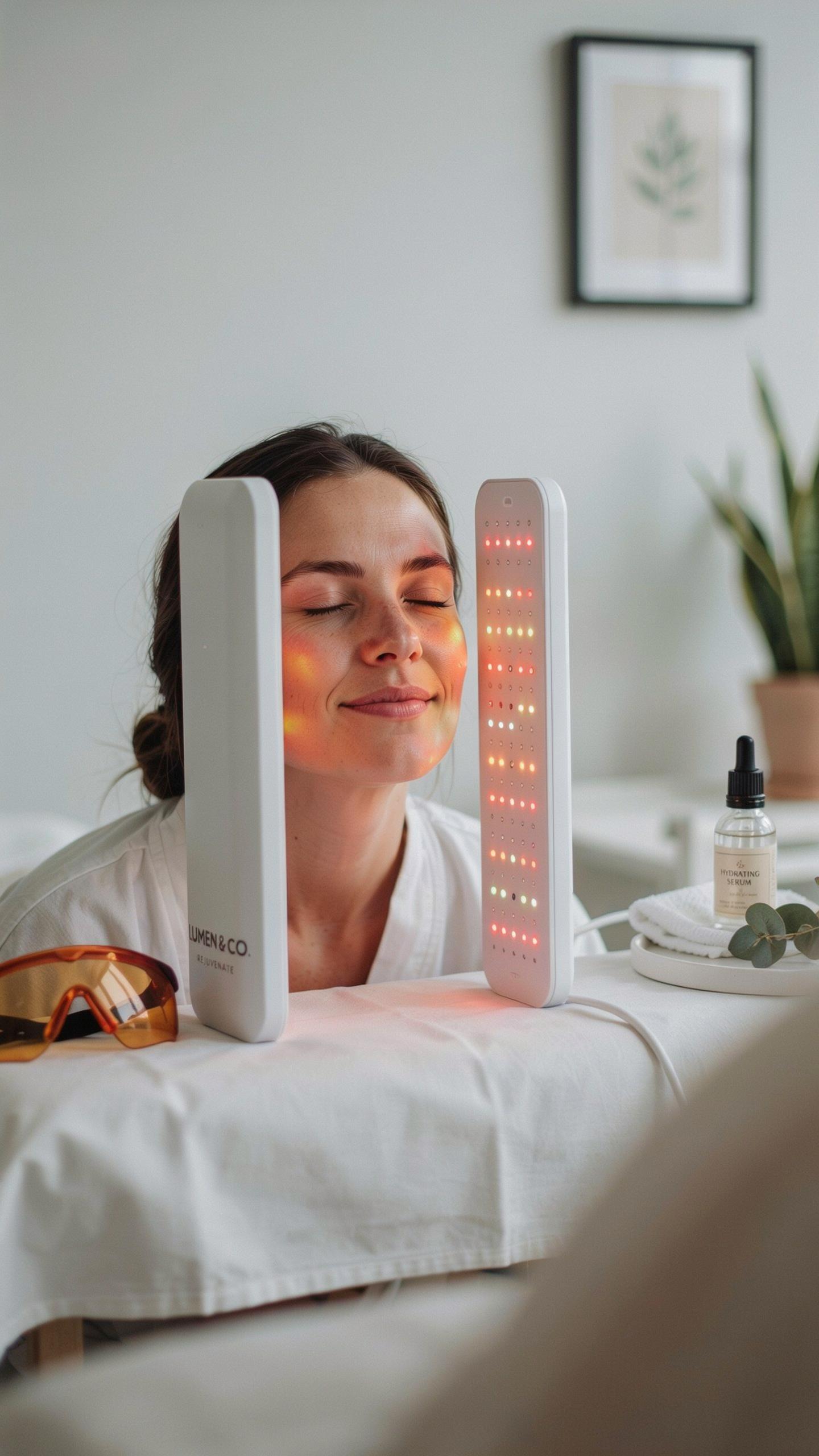
Light therapy uses specific wavelengths of electromagnetic radiation to produce biological effects in human tissue. The practice emerged from research into how different light frequencies interact with cellular processes. Scientists identified that certain wavelengths penetrate skin and reach deeper tissue layers without causing thermal damage. Light therapy encompasses multiple wavelength ranges, each producing distinct physiological responses. Red light therapy represents one category within this broader therapeutic application.
Different light wavelengths produce different outcomes in the body. Blue light affects circadian rhythm regulation and mood. Infrared light generates heat and affects deeper tissue. Red light occupies a specific wavelength range that balances penetration depth with cellular interaction. Researchers selected red light wavelengths based on their ability to reach mitochondrial structures while remaining safe for skin exposure. This specificity makes red light therapy distinct from general light exposure.
The Science Behind Red Light Therapy Benefits
Red light therapy operates through interaction with chromophores in cellular mitochondria. Chromophores are molecules that absorb light at specific wavelengths. Cytochrome c oxidase, located in the inner mitochondrial membrane, absorbs red light wavelengths between 600 and 700 nanometers. This absorption triggers increased ATP production, the energy currency cells use for function. This mechanism forms the foundation for reported therapeutic effects across multiple tissue types.
When cells absorb red light photons, energy transfer occurs within the electron transport chain. This process enhances oxidative phosphorylation efficiency. Improved ATP production enables cells to repair damage, reduce inflammation, and improve metabolic function. Wavelengths below 600 nanometers lack sufficient penetration depth. Wavelengths above 1100 nanometers fall outside the absorption spectrum of relevant chromophores. The specific red and near-infrared window between 600 and 1000 nanometers represents the optimal therapeutic range for tissue penetration and cellular response.

Why Choose A Portable Red Light Therapy Device
Convenience And Flexibility Of Red Light Therapy At Home
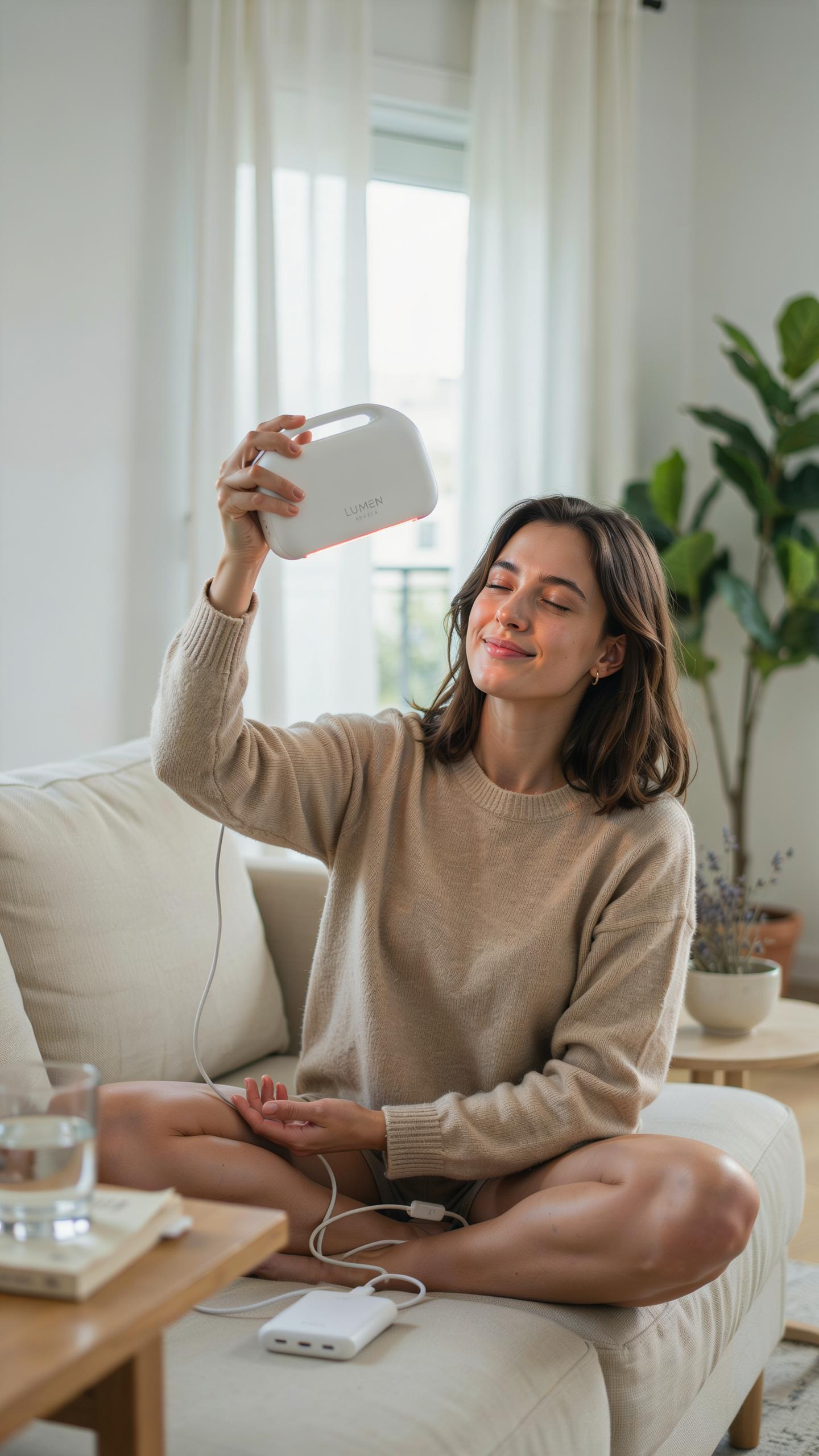
Portable red light therapy devices let you treat yourself on your schedule. You control when sessions happen, how long they last, and where you use them. No appointments. No commute. No waiting rooms. You integrate treatment into existing routines at home, work, or travel without disrupting your day.
Home-based devices eliminate friction from the treatment process. You start therapy immediately after purchase without coordination with clinics or practitioners. Consistent use becomes easier when devices sit on your nightstand or bathroom counter. Accessibility drives adherence. People who treat themselves regularly see better results than those who skip sessions due to logistics.
Comparing Portable Vs Professional Red Light Therapy
Portable devices cost significantly less than professional clinic sessions. A single professional treatment ranges from 30 to 100 dollars depending on location and provider. Home devices typically cost between 50 and 500 dollars upfront, then deliver unlimited treatments. The math favors home ownership for anyone planning more than a few sessions yearly.

Professional clinics offer higher wattage and specialized wavelength combinations that portable devices cannot match. Clinical equipment delivers more power over larger body areas in shorter timeframes. However, portable devices provide sufficient intensity for targeted areas like face, hands, and joints. Home solutions trade absolute power output for practical accessibility and long-term cost efficiency. Most users find the tradeoff worthwhile for maintenance and preventive care rather than clinical intervention.
Key Features To Look For In A Portable Red Light Therapy Device
Wavelengths And Irradiance Optimizing Light Red Effectiveness
Red light therapy devices operate in the 600 to 700 nanometer wavelength range, with near-infrared light extending to 1100 nanometers. These specific wavelengths penetrate skin tissue and reach mitochondria, where they interact with cytochrome c oxidase in the electron transport chain. Clinical studies show that wavelengths between 630 and 680 nanometers produce measurable biological responses in human tissue.
Irradiance, measured in milliwatts per square centimeter, determines treatment intensity and duration. Effective devices deliver between 10 and 50 mW/cm² at the treatment surface. Lower irradiance requires longer session times, while higher irradiance reduces treatment duration. Manufacturers must balance irradiance levels against heat output and user safety to prevent skin damage or discomfort during use.
Design Durability And Ease Of Use
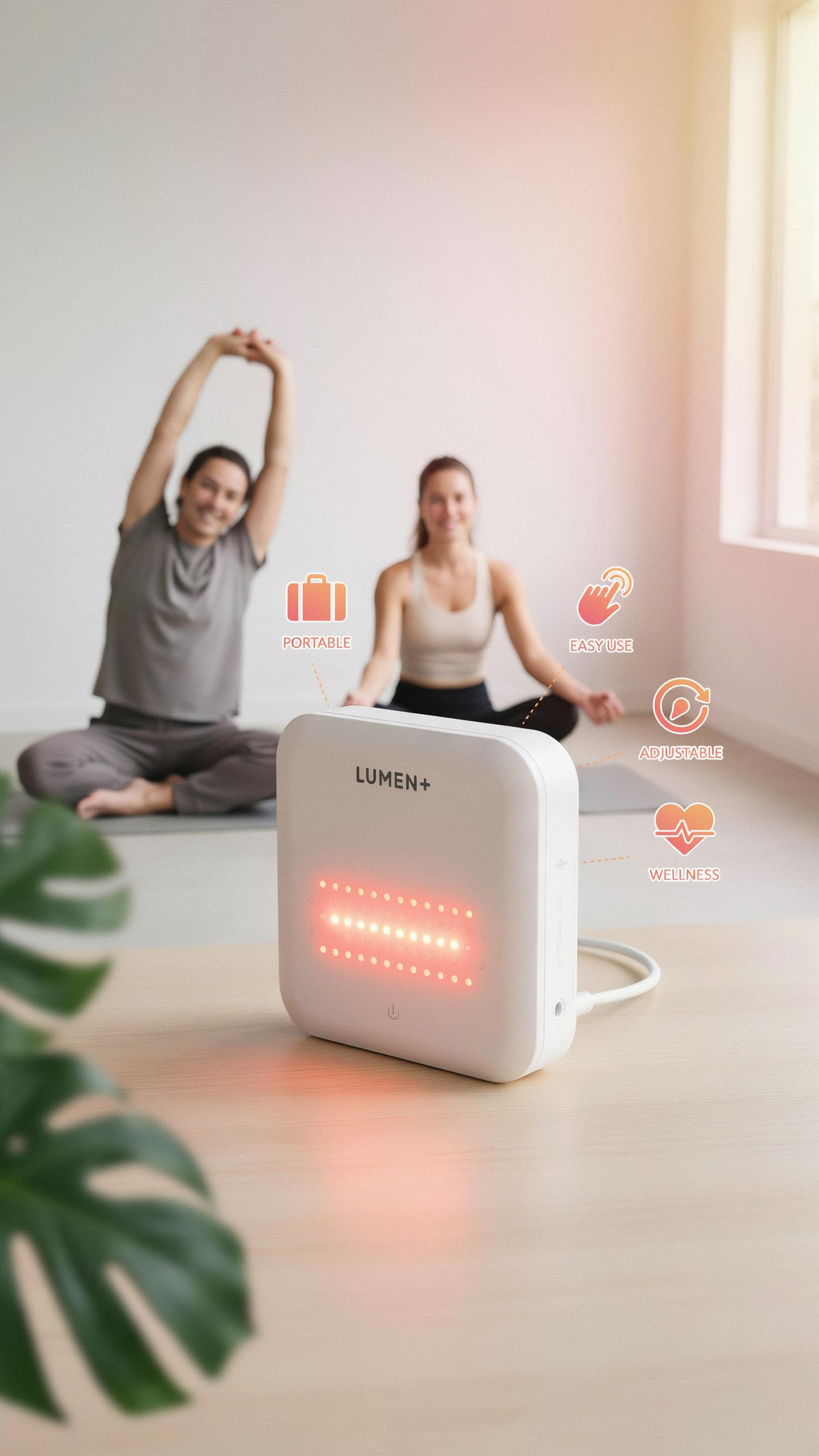
Portable red light therapy devices come in panel, handheld, and wearable formats. Panel devices offer broad coverage but require mounting or handheld operation. Handheld devices provide targeted treatment but demand consistent user positioning. Wearable formats allow hands-free treatment during daily activities but cover smaller areas. Device weight, grip design, and control placement directly affect user compliance and treatment consistency over time.

Durability depends on LED quality, heat dissipation design, and connector robustness. Devices with aluminum heat sinks manage thermal load more effectively than plastic housings. Power cables and connectors fail frequently with portable devices due to repeated flexing and transport. Look for reinforced cable entry points, sealed connectors, and devices with warranty coverage for electrical components to ensure long-term reliability.
Red Light Therapy Benefits For Skin Care
Addressing Wrinkles And Fine Lines With LED Red Light Therapy Skin Care
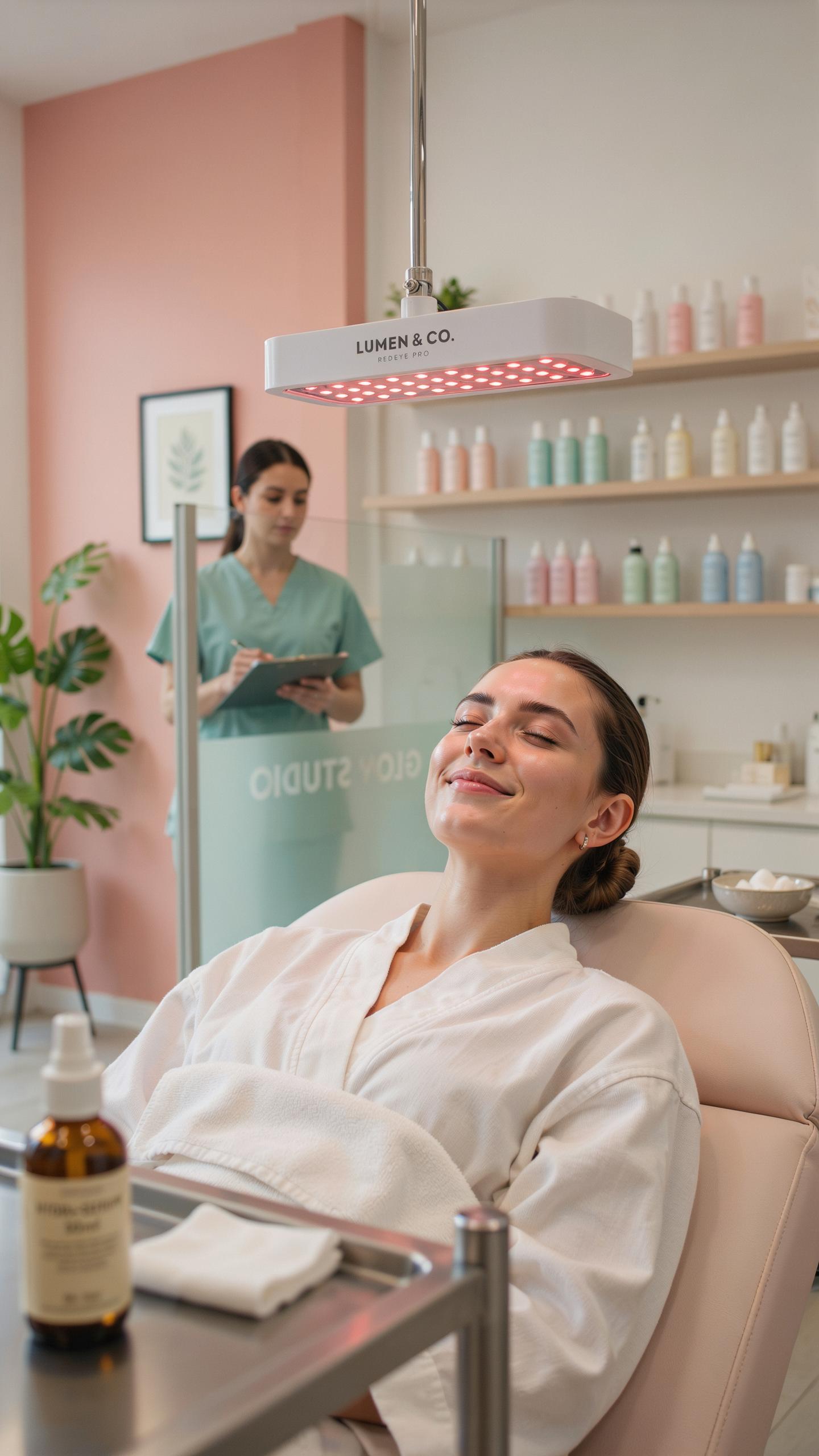
Red light wavelengths between 600 and 700 nanometers penetrate the skin’s dermis layer. This penetration triggers fibroblasts to increase collagen and elastin production. More collagen means thicker skin with improved structural support. The result is reduced visibility of fine lines and wrinkles over consistent use periods.
Studies show red light therapy works through cellular energy production. Mitochondria absorb red light photons and convert them to ATP energy. This energy boost enables skin cells to repair damage and regenerate faster. Users typically see changes in skin texture and firmness after weeks of regular treatment sessions.
Treating Acne And Inflammation
Red light reduces acne through two mechanisms: decreased sebum production and bacterial suppression. The wavelengths activate immune responses that target acne causing bacteria like Propionibacterium acnes. Simultaneously, red light calms inflammatory pathways that create redness and swelling around blemishes.

Inflammation responds directly to red light exposure because the wavelengths reduce cytokine levels. Cytokines drive inflammatory responses in skin tissue. Lower cytokine activity means less redness and faster healing of existing lesions. Portable devices deliver this benefit consistently when users maintain regular treatment schedules at home.
Beyond Skin Other Applications Of LED Light Therapy
Muscle Recovery And Pain Relief
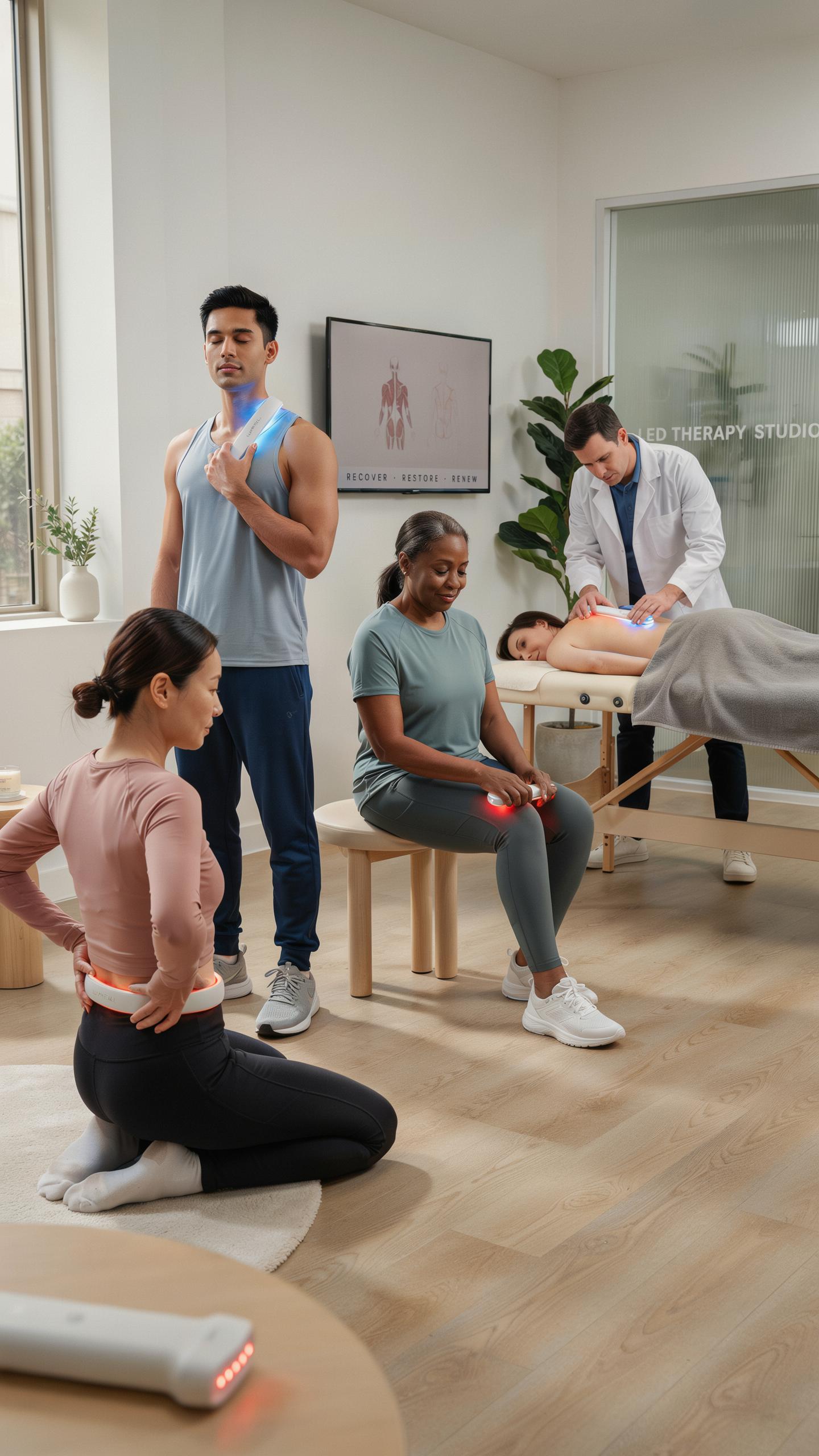
Red light wavelengths between 600 and 700 nanometers penetrate muscle tissue and stimulate mitochondrial function. This process increases ATP production, the energy currency cells use for repair. Athletes use portable devices post-workout to reduce soreness and accelerate recovery. Research supports red light’s role in decreasing inflammation markers in muscle tissue after intense exercise.
Chronic pain conditions respond to consistent red light exposure because the therapy reduces inflammatory cytokines. Individuals with arthritis, lower back pain, and tendon injuries report decreased pain levels with regular device use. Treatment frequency matters more than intensity. Most users see results after two to four weeks of daily ten to twenty minute sessions on affected areas.
Improving Sleep And Mood
Red light exposure in the evening does not suppress melatonin like blue light does. The wavelengths fall outside the circadian-disrupting spectrum, making red light safe for nighttime use. Some portable devices emit red wavelengths specifically to support natural sleep onset. However, timing and duration matter. Using red light too close to bedtime may still trigger alertness in sensitive individuals.

Low mood and seasonal affective patterns correlate with light exposure quality. Red light therapy does not replace sunlight but supports circadian alignment when natural light exposure is limited. Regular morning use of portable red light devices helps regulate sleep-wake cycles. Consistent circadian rhythm management improves mood stability and energy levels throughout the day.
How To Use Your Portable Red Light Therapy Device
Setting Up Your Device For Optimal Results
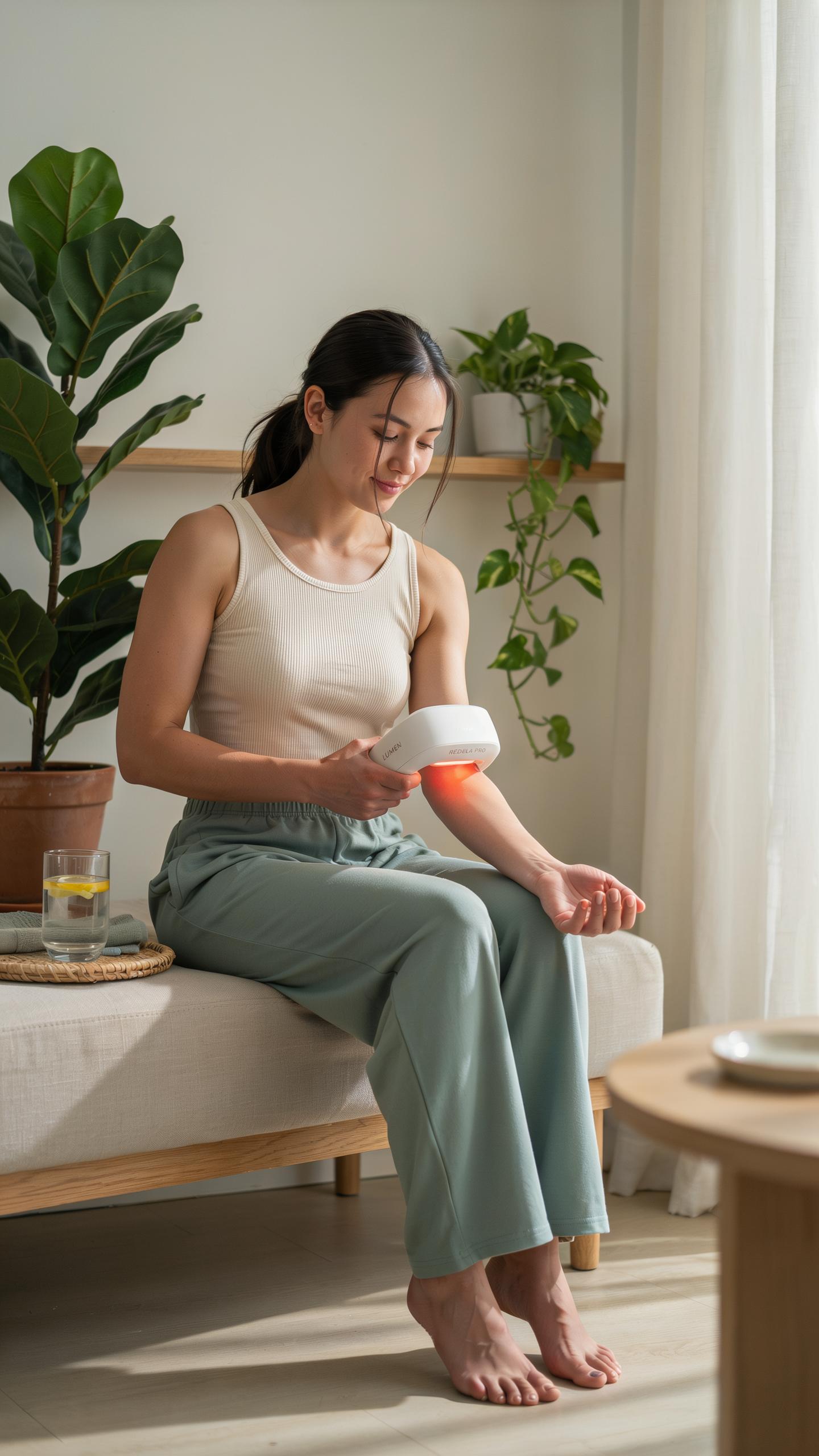
Position your device perpendicular to the skin area you target. Most portable red light therapy devices work best at distances between 6 and 12 inches from your skin. Check your device manual for the manufacturer’s recommended distance, as wavelength output affects optimal positioning. Consistency matters more than intensity.
Start with 10 to 20 minute sessions. Most users see results after four to twelve weeks of regular use. Session duration depends on your device’s power output and your skin goals. Increase session length gradually if your skin tolerates the treatment well. Never exceed manufacturer guidelines for daily exposure.
Safety Precautions And Best Practices
Red light therapy carries minimal risk, but improper use creates problems. Eye exposure requires caution since concentrated light can damage retinal tissue. Some medications increase photosensitivity and create adverse reactions. Consult your doctor before starting if you take photosensitizing medications or have light-sensitive conditions.
- Avoid Direct Eye Exposure: Never look directly into the device. Red light wavelengths penetrate tissue deeply, and direct eye contact risks retinal damage regardless of perceived heat.
- Test Your Skin Response: Start with shorter sessions to check for irritation or sensitivity reactions. Some skin types react to concentrated light exposure with temporary redness or heat sensation.
- Follow Device Specifications: Respect maximum daily exposure limits set by the manufacturer. Exceeding recommended wattage or duration doesn’t accelerate results and increases adverse reaction risk.
- Maintain Consistent Distance: Changing distance alters light intensity at your skin surface. Consistent positioning ensures predictable results and prevents accidental overexposure to concentrated beams.
- Track Your Sessions: Record dates, times, and skin responses in a simple log. Documentation helps identify patterns and proves useful if you need to adjust your protocol or report results to a healthcare provider.

Treat your device as you would any medical tool: with respect and precision. Portable red light therapy works through consistent, measured application. Erratic use or pushing beyond guidelines undermines effectiveness and creates unnecessary risk.
Achieving Results Red Light Therapy Before And After
Realistic Expectations And Timelines
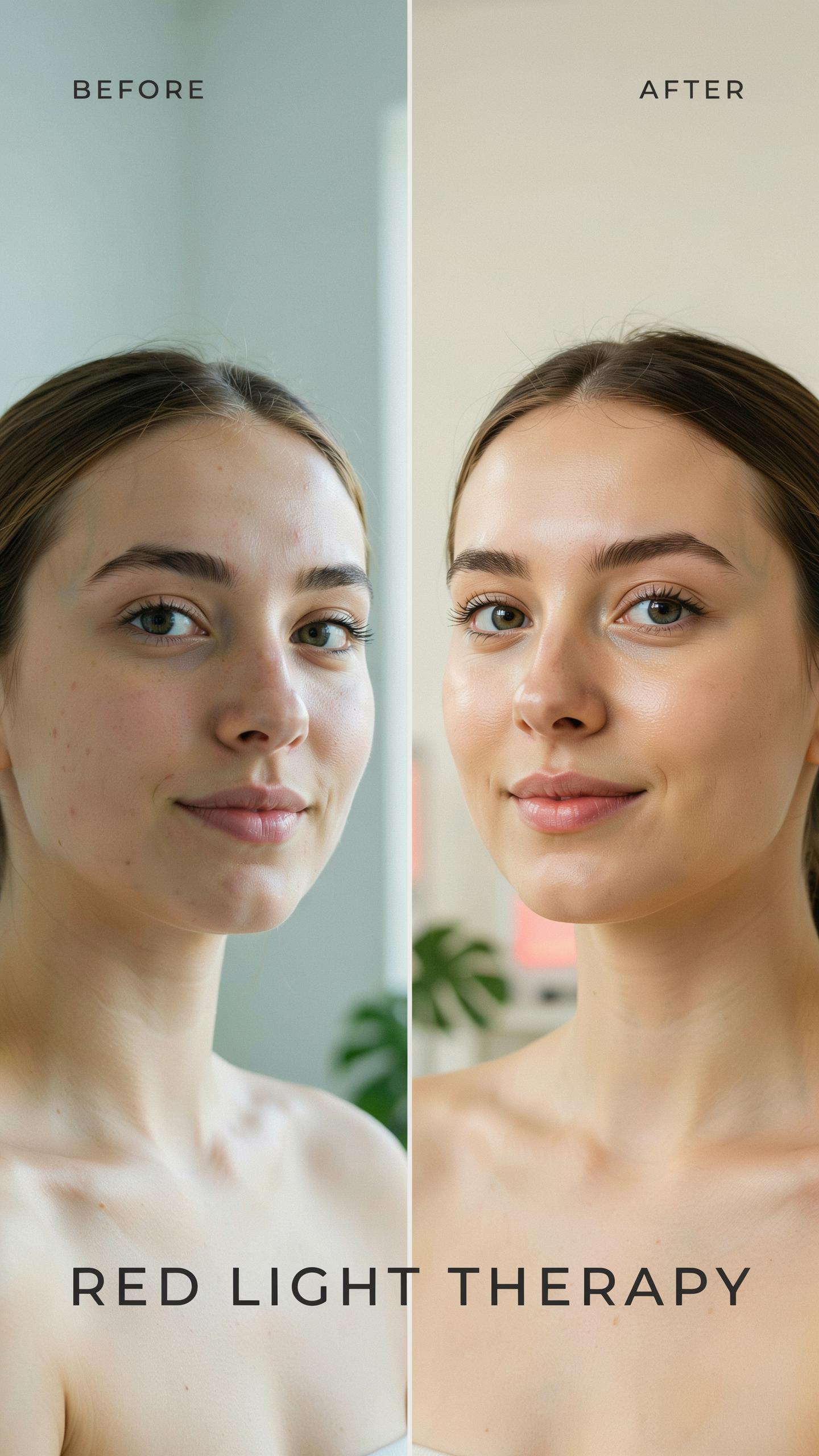
Most users see no visible changes in the first two weeks of red light therapy use. Skin improvements typically emerge between weeks three and eight, depending on the condition being treated. Muscle recovery benefits often appear sooner, within days of consistent use. The device works gradually because red light stimulates cellular processes that require time to compound. Your commitment matters more than the device itself. Using the device inconsistently produces inconsistent results.
Research on red light therapy shows effects plateau after consistent use for several months. Maintenance requires ongoing treatment to sustain improvements. Skip sessions and you lose ground. Most people need three to five weekly sessions to maintain results. Expectations must align with biology, not marketing claims. Red light therapy is not a quick fix. It is a tool that requires disciplined application over time.
Remember those gentle rays of sunshine on a Sunday morning? Now imagine that soothing glow, a comforting touch for your skin, available right in your own home.
Documenting Your Progress
Track results by taking dated photos from the same angle and lighting conditions every two weeks. Write down specific observations like skin texture changes, redness reduction, or muscle soreness levels. Measurable data beats memory. Use a simple spreadsheet to record session frequency, duration, and any correlating changes you notice. Photos reveal progress your eyes might miss due to daily exposure. Consistency in documentation proves whether the device actually works for your situation.

Keep baseline measurements before starting treatment. Record skin condition, pain levels, or sleep quality in simple terms. After eight weeks, compare early notes to current observations. This direct comparison cuts through placebo effects. Some changes feel subjective until you review your own recorded data. Document what matters to you specifically, not what marketing materials claim matters. Your data is the only evidence that counts for your specific needs.
Finding The Best Red Light Therapy Device For You
Factors To Consider Budget Brand And Warranty
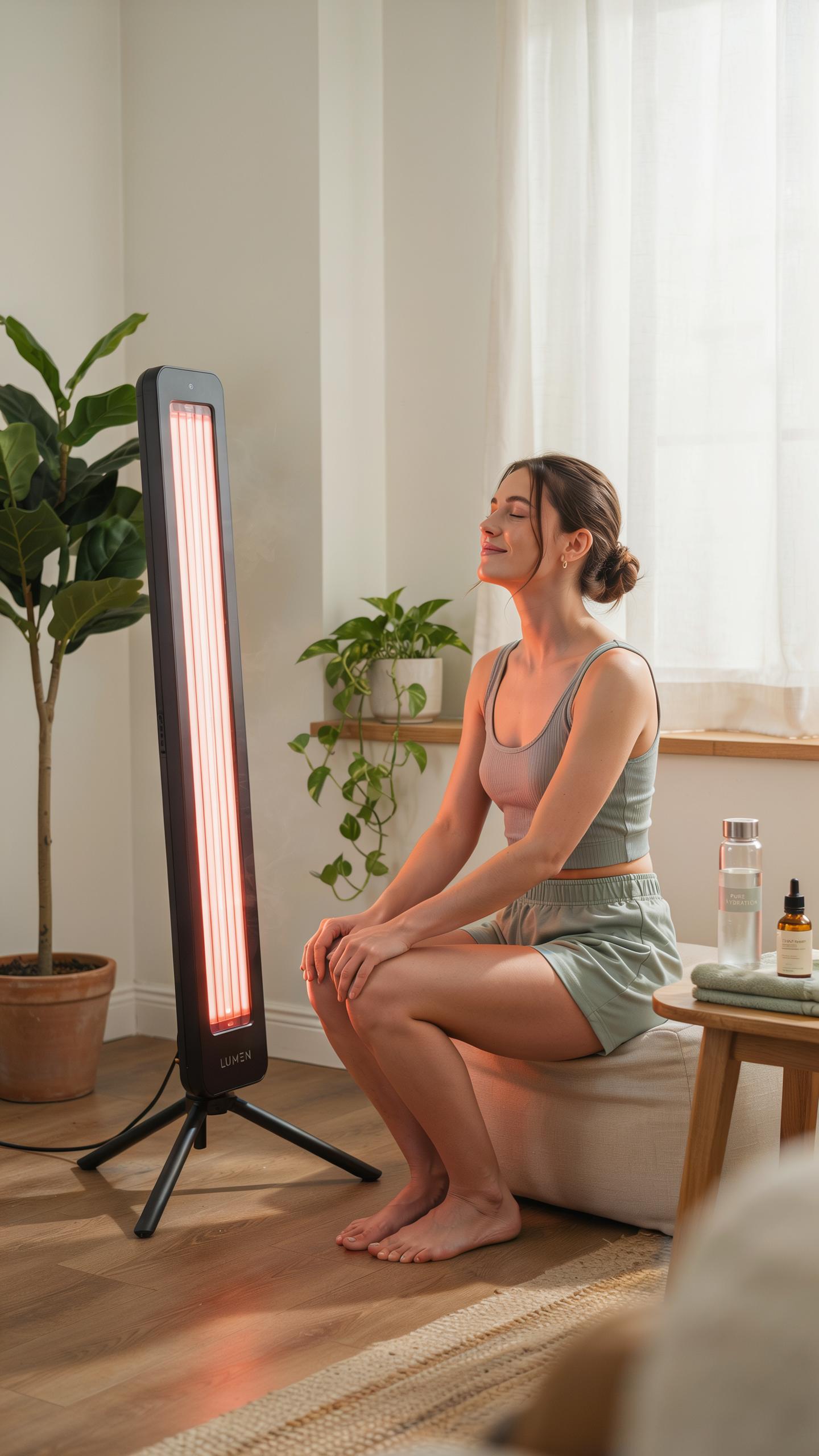
Price ranges for portable red light therapy devices span from under $50 to over $500. Your budget determines wavelength quality, coverage area, and build durability. Entry-level devices work for targeted treatment. Mid-range units offer better irradiance and larger treatment zones. Premium devices include advanced features like adjustable wavelengths or app connectivity. Match your budget to your specific treatment goals and usage frequency.
Brand reputation reflects research investment and quality control standards. Established manufacturers provide documented specifications and transparent clinical backing. Warranty length signals manufacturer confidence in device longevity. Standard warranties run one to three years. Check what failures the warranty covers and whether repairs or replacements apply. A strong warranty protects your investment and indicates the company stands behind its product.
Customer Reviews And Expert Recommendations
Third-party reviews reveal real-world performance beyond marketing claims. Look for reviews discussing treatment results, build quality, and customer service responsiveness. Expert recommendations come from dermatologists, physical therapists, and research institutions. These sources evaluate devices based on clinical evidence and technical specifications. Verify that reviewers disclose whether they received compensation or devices for free. Independent testing provides more reliable guidance than vendor testimonials alone.

Combine multiple review sources to identify consistent patterns. If numerous users report the same issue, treat it as factual. Professional organizations sometimes publish device comparisons based on measured output and safety standards. Read recent reviews since manufacturers update devices regularly. Older reviews may reference discontinued models or outdated specifications. Prioritize feedback from users with similar treatment goals and skin types to yours.
Maximizing Your Investment Red Light Therapy Lamp Benefits And Maintenance
Caring For Your Device For Longevity
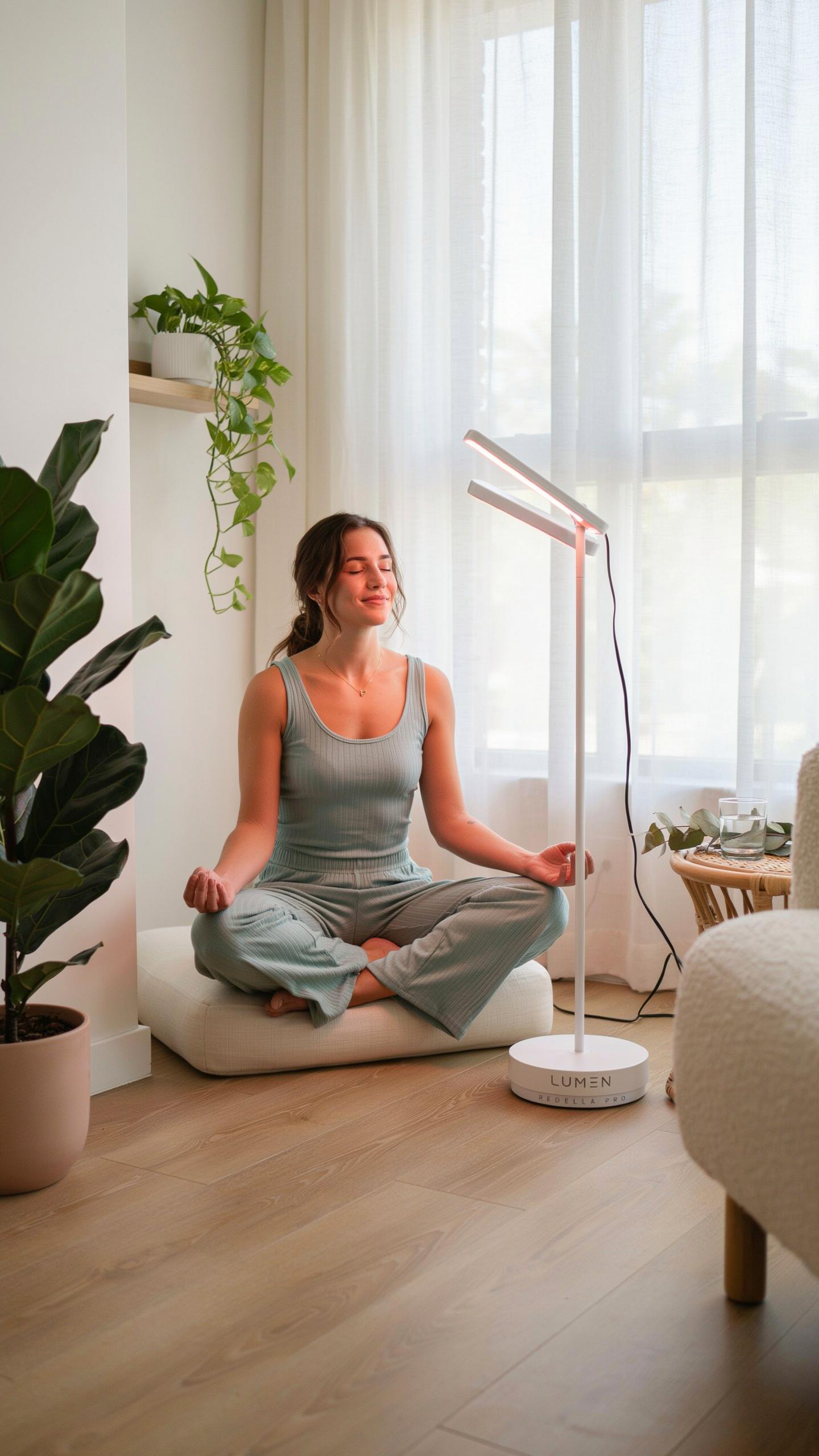
Red light therapy devices require minimal maintenance to operate at peak performance. Dust accumulates on LED panels and reduces light output. Wipe the treatment surface with a soft, dry cloth weekly. Store your device in a cool, dry location away from direct moisture and extreme temperatures. Keep the power cord intact and avoid kinking it during storage.
Common issues include reduced brightness and power failures. Reduced brightness typically signals dust buildup rather than LED degradation. Clean the device thoroughly before assuming malfunction. If power issues occur, check your electrical outlet with another device to rule out power source problems. Most portable units operate reliably for years with basic care.
Integrating Red Light Therapy Into A Holistic Wellness Routine
Red light therapy works best alongside consistent sleep, nutrition, and exercise habits. Using your device at the same time daily establishes routine and increases compliance. Morning sessions may support alertness and recovery, while evening use should stop two hours before bed to avoid sleep disruption. Combine your sessions with stretching or light activity for synergistic benefits.
Stack red light therapy with other evidence-based practices for compound results. If you use topical skincare products, apply them before your session to maximize absorption. Combine sessions with consistent hydration and adequate protein intake for muscle recovery support. Track your usage patterns and outcomes in a simple log to identify which practices produce your best results.
Common Misconceptions And FAQs About Red Light Therapy
Separating Fact From Fiction: Addressing Popular Myths
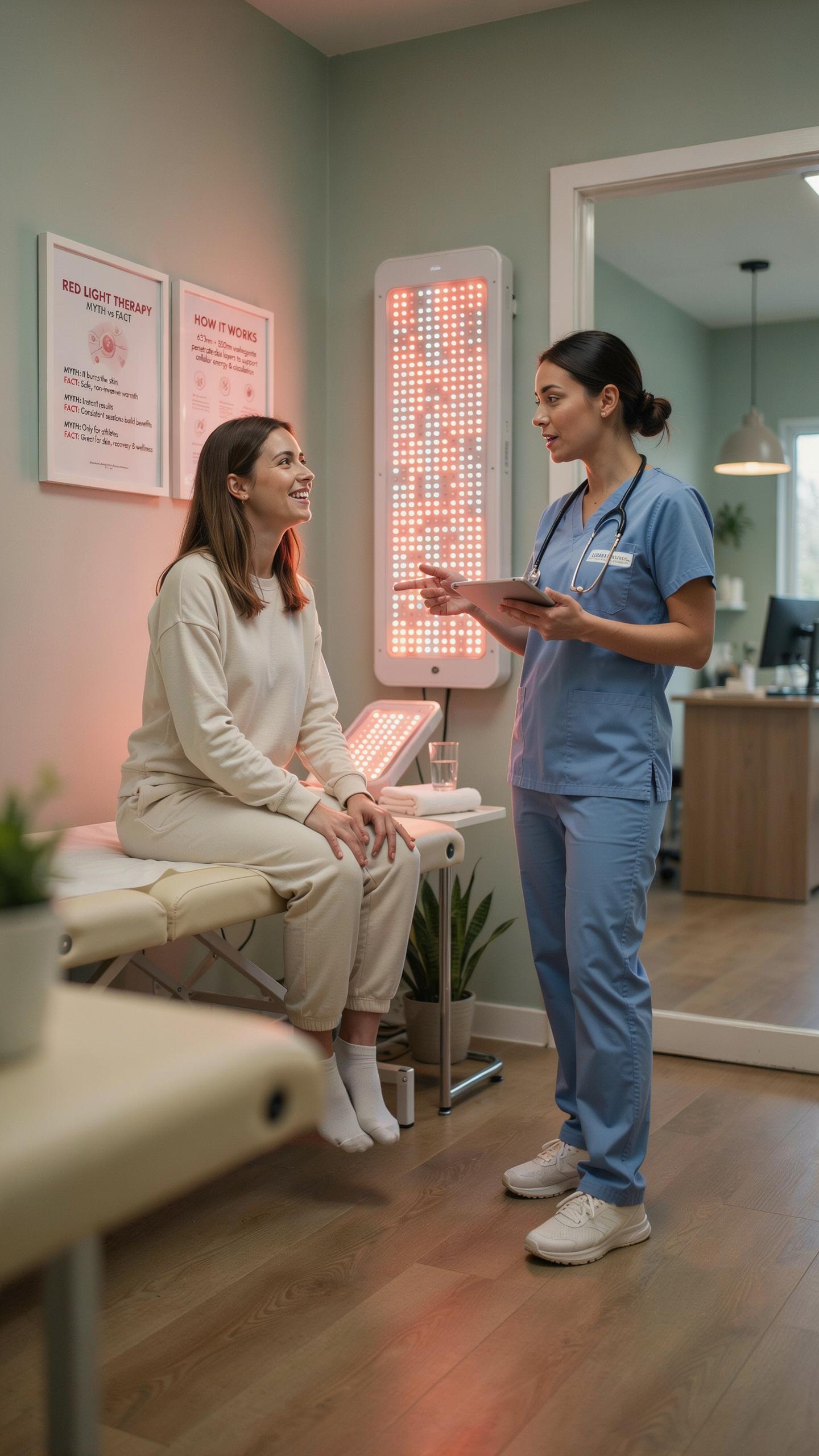
Red light therapy will not replace medical treatment for serious conditions. The research supports use as a complementary tool for specific applications like wound healing and muscle recovery. Clinical studies show measurable effects on cellular function, but these devices work within defined parameters. Marketing often overstates results. Portable devices deliver lower power outputs than clinical systems, which affects penetration depth and treatment scope significantly.
Red light therapy does not work instantly. Results require consistent use over weeks or months depending on the condition and device specifications. Individual variation matters. Skin tone, body composition, and the specific wavelength all influence effectiveness. Some people see changes faster than others. Expecting overnight transformation sets unrealistic expectations and leads to abandonment of actual beneficial protocols.
Expert Answers To Your Pressing Questions
Safety concerns center on eye exposure and overuse. Direct eye contact with red light devices can cause discomfort and potential retinal damage with certain wavelengths. Manufacturers include safety guidelines for this reason. Most portable devices operate safely at recommended distances and durations. Follow the specifications provided. Skin irritation rarely occurs, but photosensitizing medications increase risk during treatment.
Users ask whether home devices match clinical results. Portable units cannot replicate professional-grade systems in power output or treatment area coverage. Clinical devices run 100 watts or higher while home models typically reach 10 to 50 watts. This limitation means longer treatment times for home use. The science remains consistent, but scale and intensity differ substantially. Home devices still provide measurable benefits within realistic expectations for their power class.
Frequently Asked Questions

What exactly is red light therapy, and how can a portable device benefit me at home?
Red light therapy uses specific wavelengths of light to penetrate the skin, stimulating cellular repair and regeneration. A portable red light therapy device allows you to enjoy these benefits, like reduced inflammation and improved skin tone, conveniently from your couch, fitting seamlessly into your home wellness routine without needing clinic visits.
How often should I use my portable red light therapy device for optimal results?
For most portable red light therapy devices, it’s recommended to start with sessions of 10-20 minutes, 3-5 times a week. Consistency is key! Always refer to your specific device’s instructions, as treatment duration and frequency can vary based on the device’s intensity and the area being treated.
Are portable red light therapy devices expensive, and are there affordable options for home use?
While some high-end portable red light therapy devices can be an investment, there are many affordable and effective options available for home use. Prices vary based on features, power, and brand, but you can certainly find reliable devices suitable for different budgets to start your red light therapy journey.