
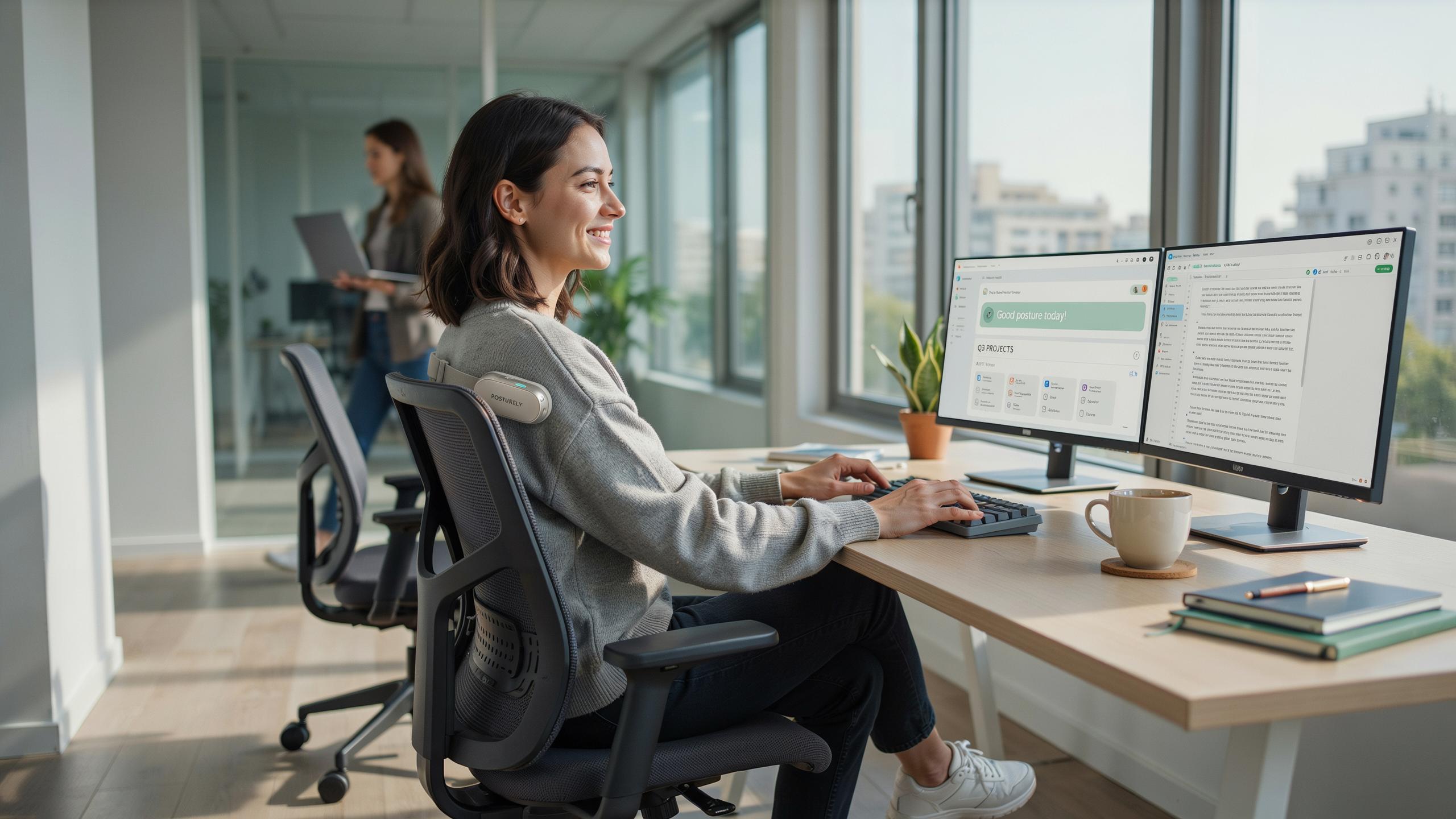
The Silent Epidemic Understanding Poor Posture And Its Impact

The Modern Desk Worker’S Dilemma: Why Posture Suffers
Desk workers spend six to eight hours daily in seated positions. Most workstations lack ergonomic setup. Monitors sit too high or too low. Chairs offer minimal lumbar support. This environment forces the spine into unnatural angles. The body adapts by rounding the shoulders forward and dropping the head. Over weeks and months, these positions become the default state. Muscles tighten. Joints compress. The postural shift happens gradually and goes unnoticed until pain signals arrive.
Technology compounds the problem. Smartphones and laptops pull attention downward. Workers hunch to see screens better. They lean into their desks during focus work. No feedback mechanism alerts them to these shifts in real time. The brain doesn’t register postural drift as a problem until dysfunction occurs. By then, muscular imbalances have already developed. Correcting poor posture requires conscious effort and external monitoring. Most workers lack both the awareness and the tools to make this correction happen consistently throughout the workday.
Beyond The Ache: Long Term Health Consequences Of Bad Posture
Chronic poor posture triggers a cascade of physical problems. Forward head posture increases strain on cervical vertebrae. This compression accelerates disc degeneration. Thoracic kyphosis tightens chest muscles and weakens upper back stabilizers. Lower back pain develops when lumbar discs absorb excessive load. Nerve compression can follow. These conditions don’t resolve on their own. They worsen without intervention. Treatment becomes expensive and time consuming. Prevention through early detection and correction costs far less than managing established dysfunction.
Poor posture impacts systems beyond the spine. Rounded shoulders restrict lung capacity. Hunched positions compress organs and reduce digestive efficiency. Forward head posture increases tension in neck muscles and can trigger tension headaches and migraines. Blood flow to the brain decreases slightly with compromised posture. Muscle fatigue accumulates faster when stabilizer muscles work inefficiently. Workers experience declining productivity and increased fatigue by mid afternoon. The compounding effects over years create substantial health debt that manifests as chronic pain, reduced mobility, and accelerated aging of spinal structures.

Introducing The Posture Tracking Wearable Your Personal Posture Corrector

What Is A Posture Tracking Wearable And How Does It Work?
A posture tracking wearable is a device worn on your body that detects spinal alignment and movement patterns throughout the day. Most models use accelerometers and gyroscopes to measure angles of your spine, shoulders, and neck. When you slouch or lean forward past a set threshold, the device alerts you through vibration or an app notification. You wear these devices as clips, vests, or patches typically positioned on your upper back or spine.
The mechanics are straightforward. Sensors track your body’s position relative to gravity. Software establishes your baseline posture, then flags deviations in real time. Some devices sync with smartphones to log posture data over weeks and months. This creates a record showing your worst times of day and most common bad habits. The goal is simple: make you aware of slouching before it becomes automatic.
Remember those sturdy wooden desks from school, where good posture felt as natural as a morning sunbeam? This little wearable is like a gentle nudge back to that mindful alignment, for the comfort and vitality you deserve.
The Science Behind The Solution: Biofeedback And Habit Formation
Biofeedback works by giving you immediate sensory information about your body state. When you slouch and feel a vibration, your brain receives direct feedback linking that position to a consequence. Research on habit formation shows repeated feedback loops strengthen neural pathways that reinforce new behaviors. Over time, your brain begins to self-correct posture without waiting for the alert.

The practical outcome depends on consistent use and individual response. Biofeedback devices work best when you wear them daily for several weeks. Your nervous system needs repetition to establish new postural habits. Some users report significant improvement in three to four weeks, while others need longer. The device is a tool that accelerates awareness, but discipline and consistency determine actual results.
Fix Your Posture How Wearables Guide You To Better Alignment
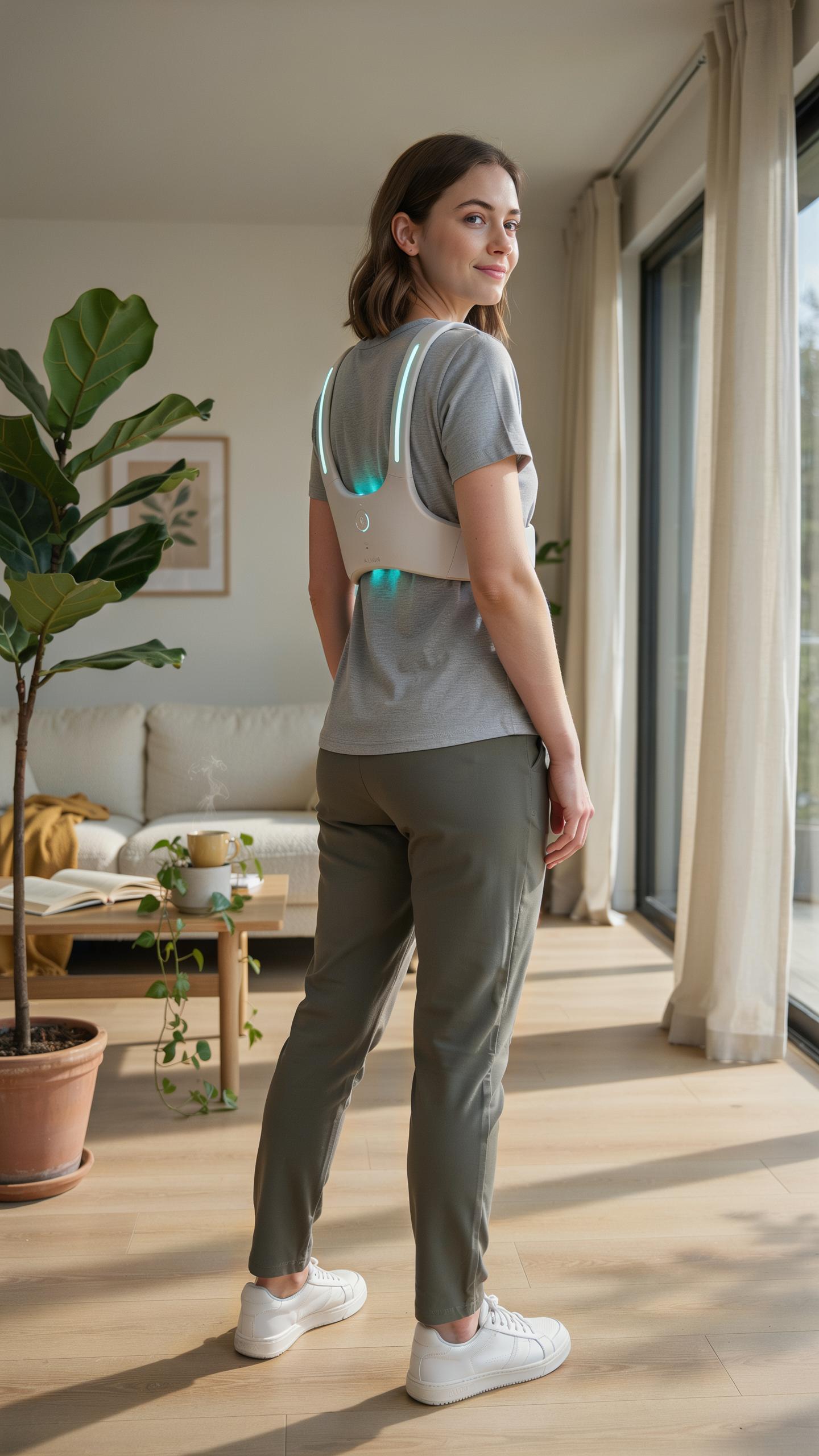
Real Time Feedback: Gentle Reminders For Instant Correction
Posture tracking wearables detect spine angle and shoulder position in real time. When you slouch or round forward, the device triggers an alert through vibration or app notification. This immediate feedback creates a direct connection between your body position and conscious awareness. You correct posture within seconds rather than hours of accumulated strain. The device acts as an external monitor that catches deviations before they become habits.
Most wearables use accelerometers and gyroscopes to measure torso tilt relative to vertical alignment. The technology flags deviation thresholds you set during initial calibration. Some devices deliver subtle vibrations that stop once you return to target posture. Others send app notifications with your current angle reading. This feedback loop trains your nervous system to recognize bad posture automatically, reducing your dependency on constant device alerts over time.
Personalized Training: Adapting To Your Unique Posture Needs
Every desk worker has different baseline posture patterns and physical limitations. Wearables collect data on your specific slouching habits, timing, and triggers throughout the workday. They identify whether you collapse forward, shift asymmetrically, or round your shoulders. This data reveals your pattern, not generic posture rules. The device calibrates its feedback and targets the exact corrections your body needs. Training becomes specific to your problem rather than applying blanket posture advice to everyone.

Personalization extends to adjustment sensitivity and reminder frequency based on your progress. Some systems reduce alert frequency as your posture improves, preventing alert fatigue. Others increase sensitivity in high-risk hours when you naturally drift worse. You control correction intensity to match your tolerance and work demands. The wearable adapts its coaching strategy as your posture strengthens, preventing the system from becoming white noise that you ignore.
Exploring The Design Different Types Of Posture Improvement Device

From Discreet Sensors To The Posture Shirt: Form Factors Explored
Posture tracking wearables come in three primary form factors. Clip-on sensors attach to clothing or belts and use accelerometers to detect spinal angle. Strap-based devices wrap around the torso or shoulders, measuring deviation from neutral spine position. Shirt-integrated systems embed sensors directly into fabric, offering seamless integration without separate devices.
Each form factor trades off portability against accuracy. Clip sensors are cheap and travel easily but give unreliable readings from loose clothing. Straps provide consistent contact with skin, delivering better data continuity. Integrated shirts eliminate adjustment issues entirely but require replacing your entire garment instead of just wearing one device across multiple outfits.
Comfort And Wearability: Choosing The Right Design For You
Comfort determines whether you actually wear the device or abandon it within weeks. Weight matters for all-day wear. Most effective sensors weigh under 50 grams. Skin contact material directly impacts acceptability. Breathable fabrics prevent moisture buildup during eight-hour work sessions.

Strap placement affects daily function. Shoulder-mounted designs pull upward constantly and create visible bulk under fitted shirts. Back-mounted straps stay hidden but can shift during movement. Shirt systems eliminate visible hardware entirely but lock you into one garment. Test real devices during your actual workday before committing to any option.
Beyond Just Correction The Benefits Of A Slouching Device

Preventing Neck Pain And Back Discomfort: A Proactive Approach
Desk workers spend six to eight hours daily in seated positions. Poor posture compresses spinal discs and strains neck muscles over time. Posture tracking wearables alert users before pain develops. Early intervention stops minor muscle tension from becoming chronic conditions. Prevention beats treatment in both cost and downtime.
Neck pain and lower back pain rank among the top workplace complaints. These conditions stem from sustained forward head positioning and rounded shoulders. A posture wearable corrects alignment before damage accumulates. Users adjust position immediately upon receiving feedback. Consistent correction rebuilds proper muscle memory and reduces pain incidents.
Increased Productivity And Focus: The Cognitive Advantages Of Good Posture
Upright posture improves oxygen flow to the brain. Better breathing capacity increases mental clarity and sustained attention. Studies on occupational health show posture directly impacts work output. Desk workers with correct alignment report fewer mental fatigue episodes. Physical alignment removes barriers to cognitive performance.

When spinal alignment improves, users experience less distraction from physical discomfort. Pain and tension break concentration and drain mental energy. A posture wearable eliminates these interruptions throughout the workday. Workers maintain focus longer without shifting positions constantly. Sustained focus translates directly into completed tasks and reduced errors.
Key Features To Look For In A Posture Improvement Device

Accuracy And Sensor Technology What Makes A Good Tracker
Posture trackers rely on accelerometers and gyroscopes to measure spine alignment and movement patterns. These sensors detect deviation from neutral spine position by monitoring angular changes in real time. The accuracy threshold matters because poor sensor calibration produces false alerts that users ignore. Look for devices that specify sensor precision in degrees rather than vague marketing claims about effectiveness.
Most quality trackers use nine-axis motion sensing, combining accelerometer, gyroscope, and magnetometer data. This approach filters out environmental noise and isolates actual posture shifts from normal movement. Devices positioned at the upper back or between shoulder blades capture the critical thoracic spine region where desk workers develop the most structural problems. Validation testing against motion capture systems separates legitimate products from mediocre alternatives.
Connectivity And App Integration Tracking Progress And Setting Goals
Bluetooth connectivity enables real time communication between the wearable and your phone or computer. The app becomes your feedback loop, displaying posture data immediately so you correct slouching before it becomes habitual. Battery efficiency determines whether you charge daily or weekly, affecting practical usability in work environments. Direct integration with calendar apps helps align posture reminders with your meeting schedule.

Goal setting functionality must allow custom thresholds rather than forcing one-size-fits-all parameters. Effective apps track posture duration metrics like cumulative slouching time and improvement trends over weeks. Data export capabilities let you share results with physical therapists or occupational health consultants for personalized intervention. The backend infrastructure determines whether your data stays private or gets sold to third parties.
Making The Switch Integrating A Wearable Into Your Workday

Setting Up Your Device: Tips For Optimal Performance
Start with sensor placement. Most posture tracking wearables use accelerometers and gyroscopes to detect spinal alignment. Position the device on your upper back, between shoulder blades, where it captures trunk movement accurately. Follow manufacturer specifications for strap tension. Loose straps create signal drift. Tight straps cause discomfort and users abandon the device.
Calibrate your baseline posture during setup. Stand naturally and let the device learn your neutral position. Many wearables require a two to three minute calibration period. Perform this in your actual work environment, seated at your desk in your normal position. This step matters because everyone’s anatomy differs. Calibration done in a gym differs from your office chair setup.
Consistency Is Key: Building Lasting Posture Habits
Wear the device every workday for minimum two weeks before judging results. Your nervous system needs time to integrate corrective feedback. Most desk workers see meaningful habit shifts between weeks three and six. Remove the wearable only during lunch breaks or workouts. Continuous wear trains muscle memory faster than sporadic use.

Check app feedback daily but avoid obsessing over metrics. The goal is behavioral change, not perfect daily scores. Notice which times of day your posture degrades. Afternoon slumps and end of day slouching are normal. Adjust your desk setup, monitor height, or chair support based on when poor posture occurs. This targeted approach works better than generic reminder notifications.
Real World Impact Testimonials And Success Stories Of Posture Correction

From Chronic Pain To Comfort: Users Share Their Experiences
Desk workers wearing posture trackers report measurable reductions in neck and lower back pain within weeks of consistent use. The devices provide real-time feedback when users slouch, creating immediate awareness of harmful positioning. Users typically describe the correction process as gradual but noticeable. Pain levels decrease as muscles strengthen and spinal alignment improves over sustained periods.
One consistent pattern emerges: users who engage with feedback daily see faster results than intermittent users. Many report sleeping better after correcting daytime posture habits. The feedback loop creates behavioral change without requiring conscious effort after the initial adjustment period. Users stop thinking about posture correction and simply maintain better positioning naturally.
Transforming Work Habits: How Wearables Change Lives
Posture wearables eliminate guesswork from ergonomic improvement. Workers know exactly when they deviate from neutral spine position instead of relying on intuition or pain signals. This data-driven approach removes the human tendency to ignore discomfort until it becomes severe. Behavioral change accelerates when users see tangible metrics tied to their actions.

Productivity metrics shift as workers experience less fatigue and fewer pain interruptions throughout the day. Better posture increases oxygen flow and reduces muscle tension, both of which affect mental clarity and focus. Workers report completing tasks faster with fewer breaks needed for pain management. The cumulative effect creates sustainable work habits that persist beyond the wearable usage period.
Choosing Your Ideal Posture Tracking Wearable For Desk Workers

Factors To Consider Budget Features And Personal Preferences
Budget determines your entry point into posture tracking. Devices range from under 50 dollars for basic clip-on sensors to over 300 dollars for advanced wearables with AI integration. Your spending threshold shapes which features you access and how long the device remains viable before needing replacement.
- Price Range: Entry level devices cost 30 to 80 dollars. Mid range options run 80 to 200 dollars. Premium wearables exceed 200 dollars with advanced analytics.
- Battery Life: Check how often you charge. Some devices last three days. Others require daily charging. This affects daily workflow and convenience.
- Real Time Feedback: Vibration alerts notify you immediately of slouching. Some devices use app notifications instead. Immediate feedback drives faster habit correction.
- Compatibility: Verify the device syncs with your phone operating system. Check if it integrates with existing fitness apps. Platform compatibility determines usability in your tech ecosystem.
- Comfort And Design: Wearables must stay on during eight hour workdays. Lightweight materials matter. Adjustable straps prevent skin irritation and ensure consistent wear.
- Data Privacy: Understand where your posture data stores. Some devices keep data locally. Others upload to cloud servers. Review privacy policies before purchase.
Your personal workflow and work environment matter. Consider whether you need mobile tracking or desk only monitoring. Test devices before committing. Trial periods reveal whether the wearable fits your actual routine rather than ideal scenarios.
The Future Of Posture Tech Innovations On The Horizon
Posture technology moves toward integration with broader workplace health systems. Companies now embed posture tracking into ergonomic management platforms alongside break reminders and activity logging. This convergence creates comprehensive occupational health ecosystems rather than standalone devices.
Artificial intelligence drives the next evolution in posture devices. Machine learning algorithms distinguish between intentional position changes and poor posture patterns. Future wearables will adapt feedback intensity based on individual response patterns, delivering personalized correction strategies instead of generic alerts. This shift improves compliance and outcomes for desk workers.
Frequently Asked Questions

What exactly is a posture tracking wearable for desk workers and how does it help?
A posture tracking wearable for desk workers is a discreet device that gently reminds you when your posture is slouching. It typically uses sensors to monitor your spinal alignment and provides real-time feedback, often through vibrations or app notifications. This encourages you to correct your position and build healthier sitting habits throughout your workday.
How do I choose the best posture tracking wearable for my specific needs as a desk worker?
Consider factors like comfort, battery life, and the type of feedback you prefer (e.g., gentle vibration, app alerts). Look for models with adjustable sensitivity and good user reviews regarding accuracy and ease of use. Some devices also offer advanced features like progress tracking and personalized coaching within their accompanying apps.
Are there affordable options for a posture tracking wearable for desk workers, or are they all very expensive?
Absolutely! While some high-end models exist, you can find effective posture tracking wearables for desk workers across various price points. Many reputable brands offer entry-level devices that provide excellent core functionality without a hefty price tag, making good posture accessible to more people.