
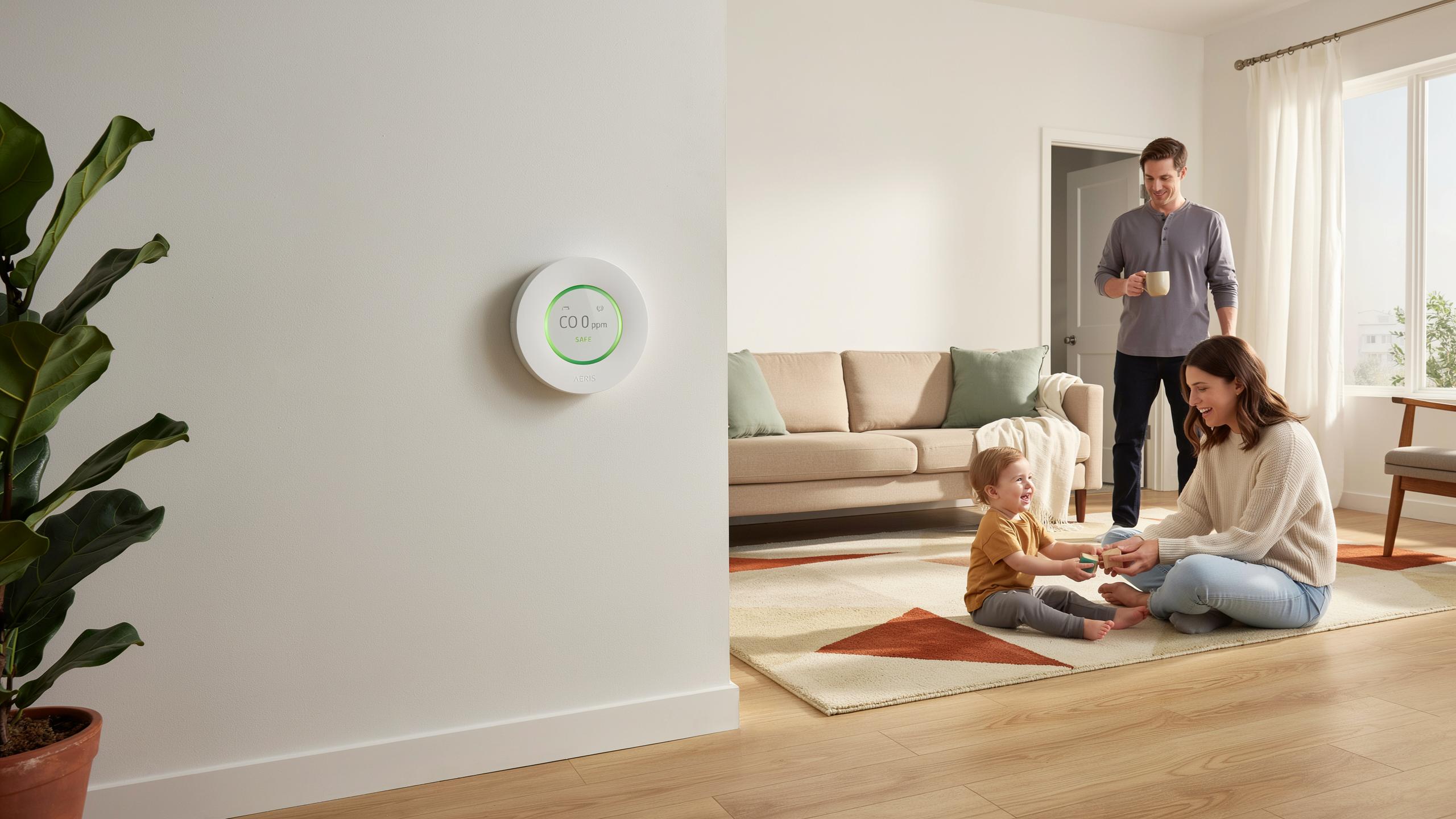
What Is A Smart Carbon Monoxide Detector
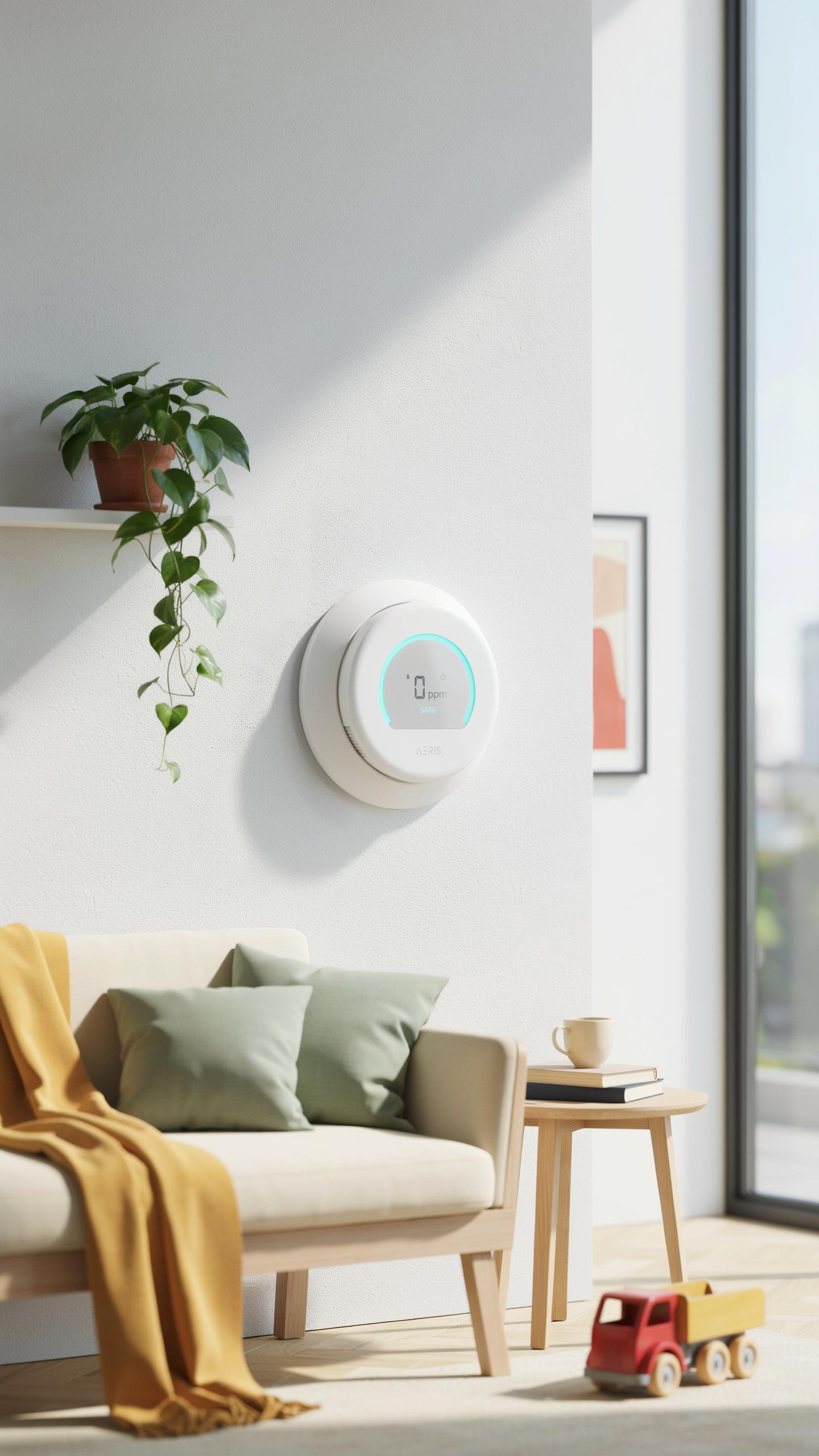
Understanding The Basics Of A Gas Detector
A carbon monoxide detector is a device that identifies the presence of carbon monoxide gas in your home. Carbon monoxide is odorless, colorless, and tasteless, making detection impossible without a device. Traditional detectors sound an alarm when CO levels reach dangerous concentrations. Smart carbon monoxide detectors perform this same core function while adding connectivity to your home network and mobile devices.
Smart CO detectors maintain all standard detection capabilities while introducing networked features. They communicate with your smartphone, home automation systems, and other connected devices. This integration allows real-time monitoring from anywhere and enables automated responses when dangerous gas levels are detected. The fundamental detection mechanism remains unchanged, but the information flow expands significantly.
How Smart Features Enhance Protection
Smart CO detectors deliver alerts directly to your phone instead of relying solely on audible alarms. You receive notifications immediately when dangerous gas levels are detected, even when you are away from home. Remote monitoring means you can check your detector status at any time through a dedicated app. This capability is critical for people who travel frequently or manage multiple properties.
Integration with smart home systems creates layered protection through automation. When a smart CO detector identifies dangerous levels, it can trigger other devices like smart thermostats to shut off heating systems or unlock doors for faster evacuation. Connection to security systems allows CO events to be logged and potentially alert emergency services. These interconnected responses reduce response time and provide multiple layers of warning and protection beyond traditional standalone detectors.

The Importance Of A Residential Carbon Monoxide Detector
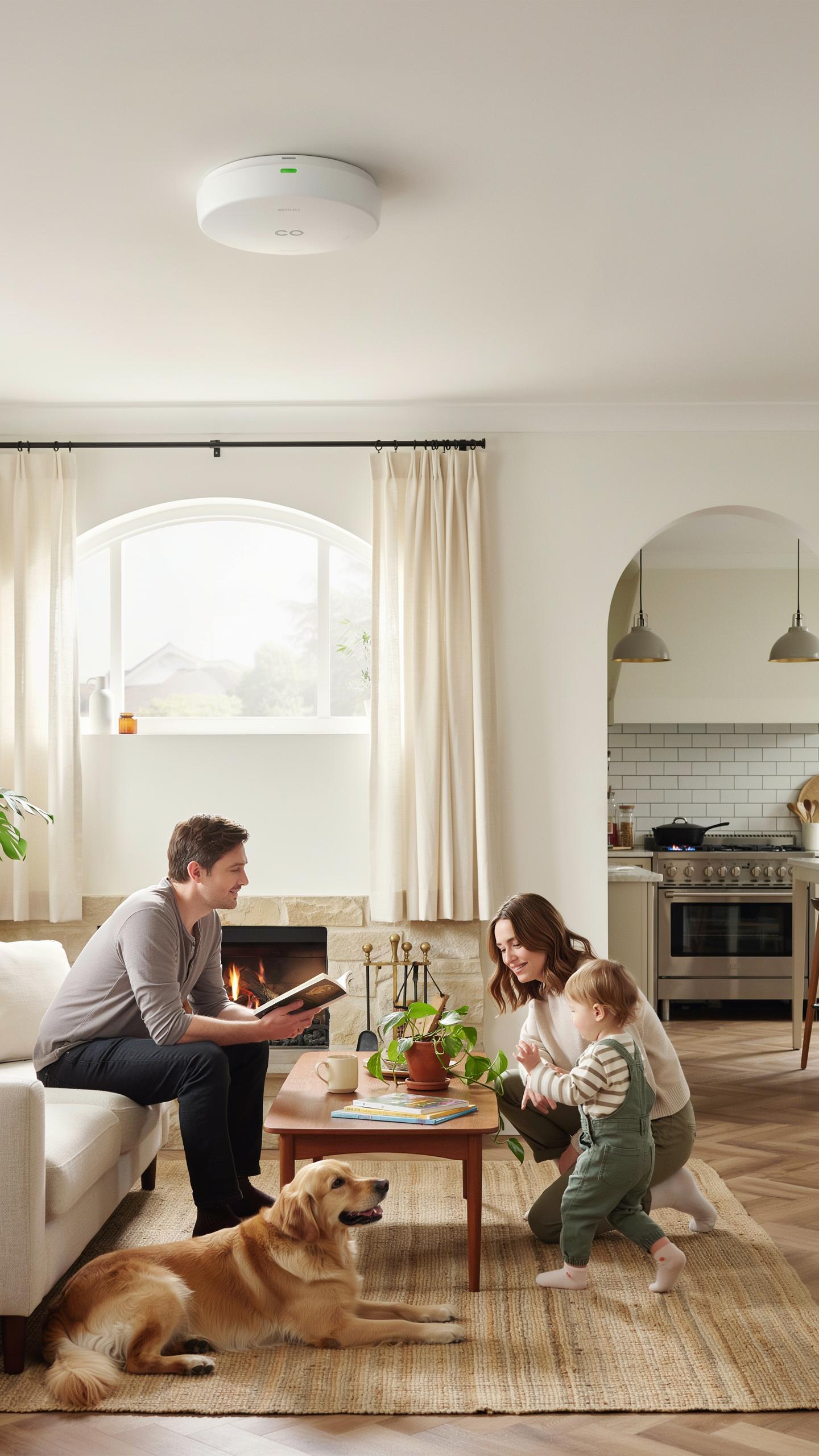
Why Every Home Needs CO Detection
Carbon monoxide is a byproduct of incomplete combustion. Furnaces, water heaters, stoves, fireplaces, and car engines all produce CO when fuel burns improperly. Without detection, this colorless and odorless gas accumulates in your home to dangerous levels. Most homes have at least one CO source operating regularly.
CO poisoning causes permanent brain damage or death at high concentrations. The gas binds to hemoglobin in your blood, preventing oxygen transport to vital organs. Even low-level exposure over time creates health problems. A detector catches dangerous accumulation before it becomes life threatening.
The Silent Killer Recognizing The Danger
CO poisoning symptoms mirror the flu: headache, dizziness, weakness, nausea, and confusion. This similarity causes people to misdiagnose the problem or miss it entirely. Multiple family members may experience symptoms simultaneously, which is a red flag. Without a detector, you lose critical early warning time.

A detector alerts you before symptoms become severe. You evacuate immediately and call emergency services for medical evaluation. Early detection prevents organ damage and saves lives. Smart detectors notify you even when you are away from home.
Key Features To Look For In A Smart Carbon Monoxide Detector
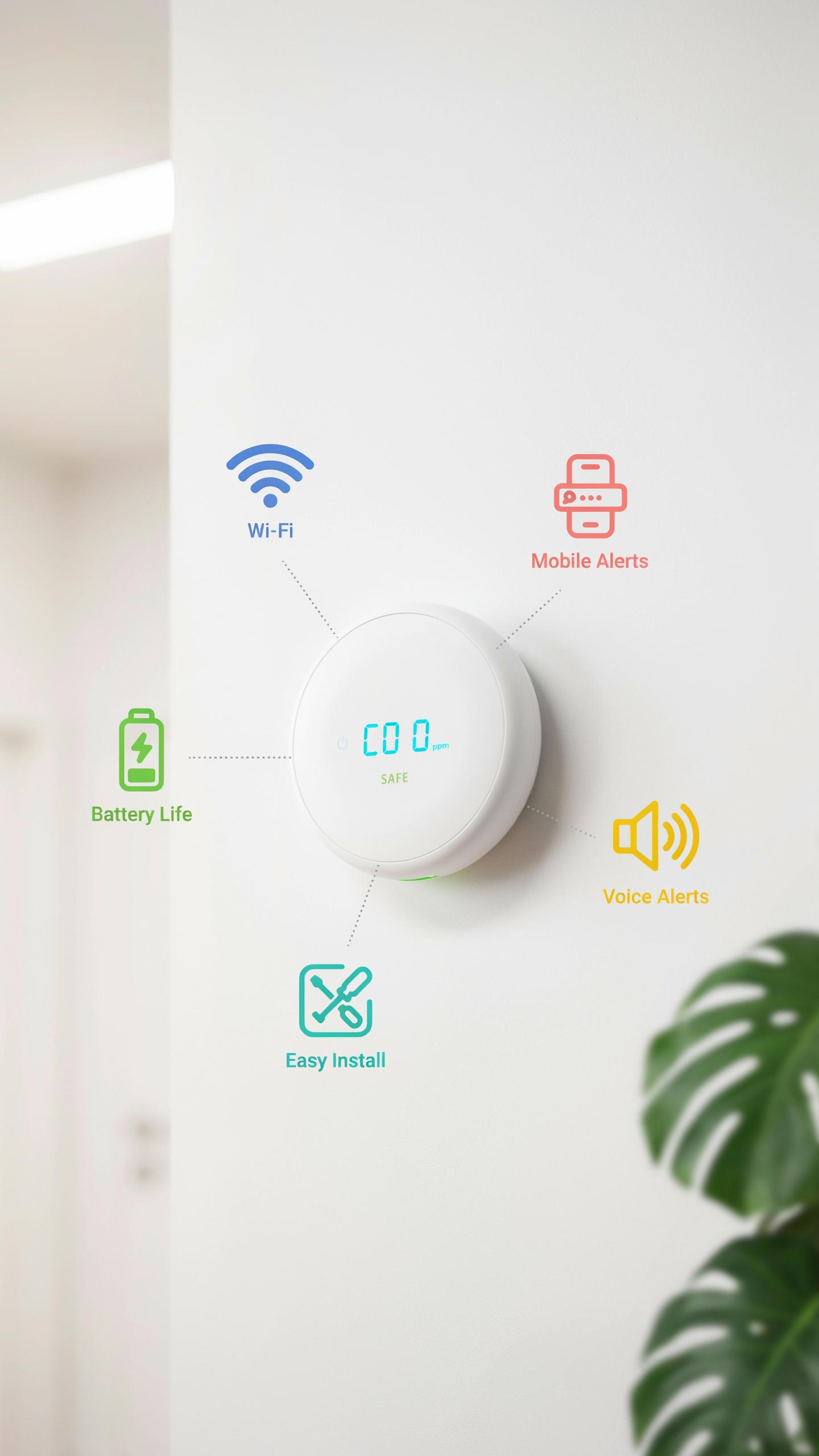
Connectivity And Integration Capabilities
Smart detectors connect via Wi-Fi or Bluetooth to send alerts directly to your phone. This remote notification system works whether you’re home or away. Integration with platforms like Amazon Alexa, Google Home, or Apple HomeKit lets you control alerts through existing smart home systems. You receive real-time data on CO levels without checking the device physically.
Integration capability determines how useful the detector becomes in your daily life. Some models work standalone while others require a hub to function. Check compatibility with your current smart home platform before buying. A detector that matches your ecosystem prevents frustration and ensures consistent operation across all devices.
Battery Life And Power Options
Wired detectors draw power directly from your home’s electrical system with battery backup during outages. Battery-powered models require regular replacement or recharging. Most quality smart detectors last between two to five years on batteries depending on usage patterns. Continuous power from wiring eliminates the risk of a dead battery leaving your home unprotected.

Battery backup serves as insurance against sudden power loss. Test backup systems quarterly to confirm they activate when main power fails. Some models alert you when battery levels run low, preventing gaps in protection. Verify the detector meets your home’s power infrastructure before installation to avoid compatibility issues.
Smart Carbon Monoxide Detector Installation Guide
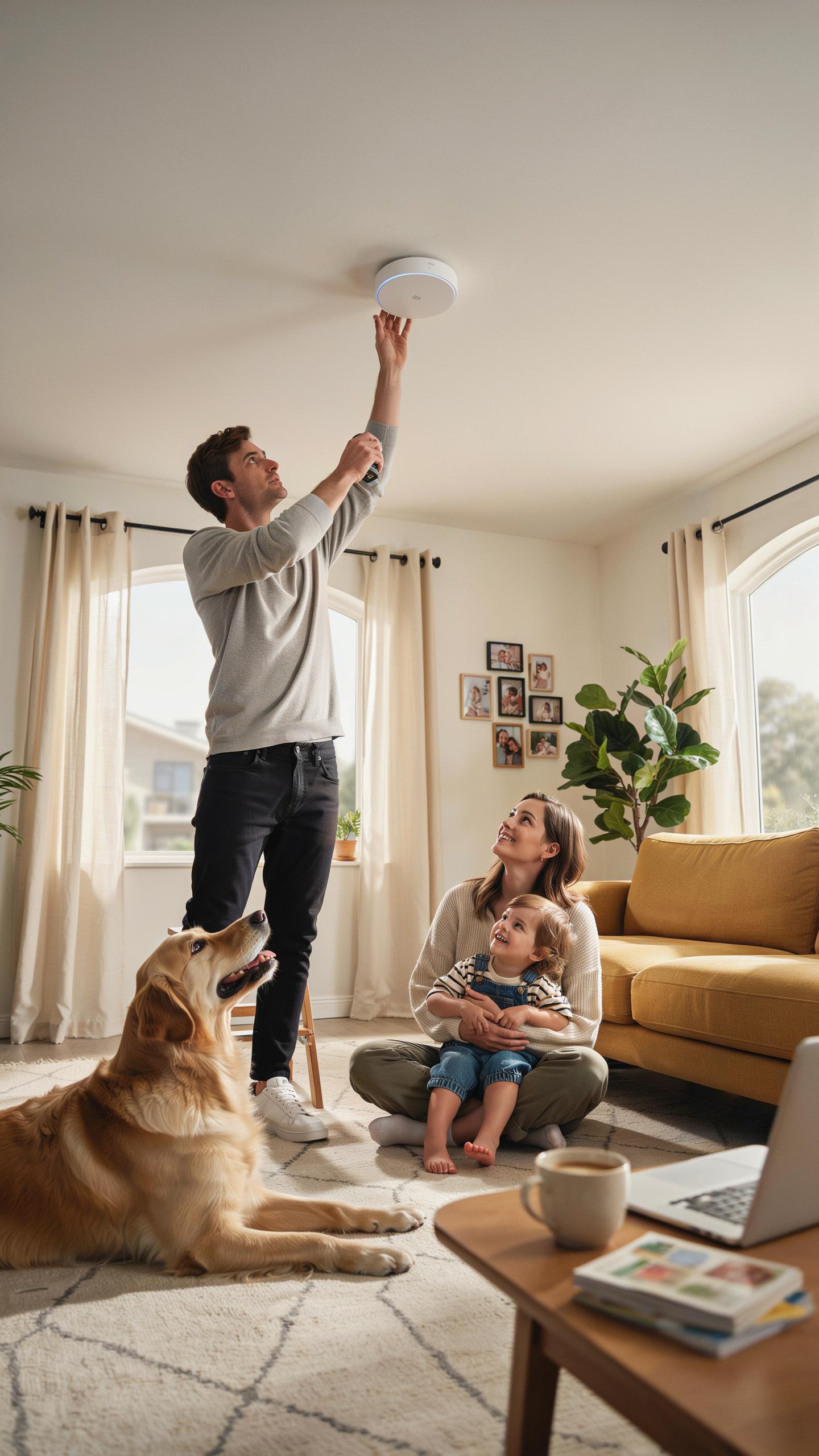
Optimal Placement For Maximum Safety
Install CO detectors on every level of your home, particularly in bedrooms and hallways where occupants sleep. Place units near potential CO sources like attached garages, furnaces, and water heaters. Detectors need to reach the breathing zone during sleep when people are most vulnerable to CO poisoning effects.
Avoid placing detectors directly above fuel-burning appliances, in kitchens near cooking equipment, or in direct sunlight. Heat and cooking fumes trigger false alarms and reduce detector reliability. Position units at least 15 feet away from furnaces and appliances to prevent nuisance alerts while maintaining effective coverage of living spaces.
DIY Vs Professional Installation
Most smart carbon monoxide detectors mount easily on walls or ceilings using included hardware and basic tools. Manufacturers provide clear installation instructions with step-by-step diagrams. Battery-powered or plug-in models require minimal setup, making DIY installation practical for most homeowners without technical experience or specialized knowledge.

Consider professional installation for hardwired systems integrated with home security networks or when your home has complex layouts. Professionals ensure proper placement, correct wiring for hardwired units, and seamless integration with existing smart home systems. This investment pays off by confirming detectors function correctly and meet local building codes from day one.
Advanced Features Temperature And Humidity Monitoring

Beyond CO: Additional Environmental Sensing
Some advanced smart CO detectors integrate temperature and humidity sensors into a single device. These dual or triple sensor units give you readings on indoor air conditions alongside carbon monoxide detection. The sensors work independently, so temperature and humidity data doesn’t interfere with CO detection accuracy. This consolidation reduces clutter by replacing multiple devices with one.
The market offers various models with these combined sensors. Brands like First Alert and Eve include environmental monitoring on their smart platforms. These units transmit data to your phone, letting you check conditions remotely. The added sensors cost more upfront but eliminate the need to buy separate monitoring devices.
How Environmental Data Enhances Home Safety
Temperature fluctuations signal HVAC problems that can trap CO indoors. When your heating or cooling system fails, air circulation stops, allowing CO to accumulate in dead zones. Humidity spikes often indicate moisture issues that create conditions for mold growth and poor ventilation. Catching these problems early prevents situations where CO becomes a secondary hazard tied to failing systems.

Monitoring both metrics creates a safety net beyond CO detection alone. High humidity combined with low temperature suggests inadequate ventilation, a condition that worsens CO risk. You receive alerts when temperature drops unexpectedly, prompting you to check your furnace before CO levels spike. This proactive approach turns your detector into an early warning system for multiple home hazards at once.
Protecting Your Home With Smart Alerts And Notifications

Real Time Alerts To Your Smartphone
Smart CO detectors transmit notifications directly to your phone when carbon monoxide levels exceed safe thresholds. You receive alerts regardless of your location, whether at work, traveling, or sleeping. This immediate notification system lets you respond faster than traditional detectors that only sound an alarm. The delay between detection and your awareness shrinks dramatically with smartphone integration.
Most smart detectors use WiFi or cellular connectivity to push alerts through dedicated mobile apps. You can configure notification settings to send messages to multiple household members simultaneously. Some models allow you to customize alert thresholds for different sensitivity levels. This setup ensures you catch CO problems before they become dangerous emergencies.
A smart carbon monoxide detector, a little guardian in your home, offers peace of mind that truly feels like a warm, protective embrace from the future. It’s a small investment for a lifetime of security, and that’s a comfort that never goes out of style.
Integration With Emergency Services
Advanced smart detectors can automatically contact emergency services when CO levels reach critical thresholds. This feature eliminates the step of manually calling 911, reducing response time during dangerous situations. The detector transmits your address and alert information directly to dispatch, streamlining the emergency process. Not all models offer this capability, so verify it before purchasing.
Detectors with emergency service integration typically work through monitoring services or direct 911 connections. Some require a subscription to a professional monitoring company that dispatches help on your behalf. Others connect through voice assistant platforms that can trigger emergency contacts. This automation provides protection even when you cannot respond immediately to alerts yourself.
Understanding Carbon Monoxide Detector Lifespan
When To Replace Your Detector
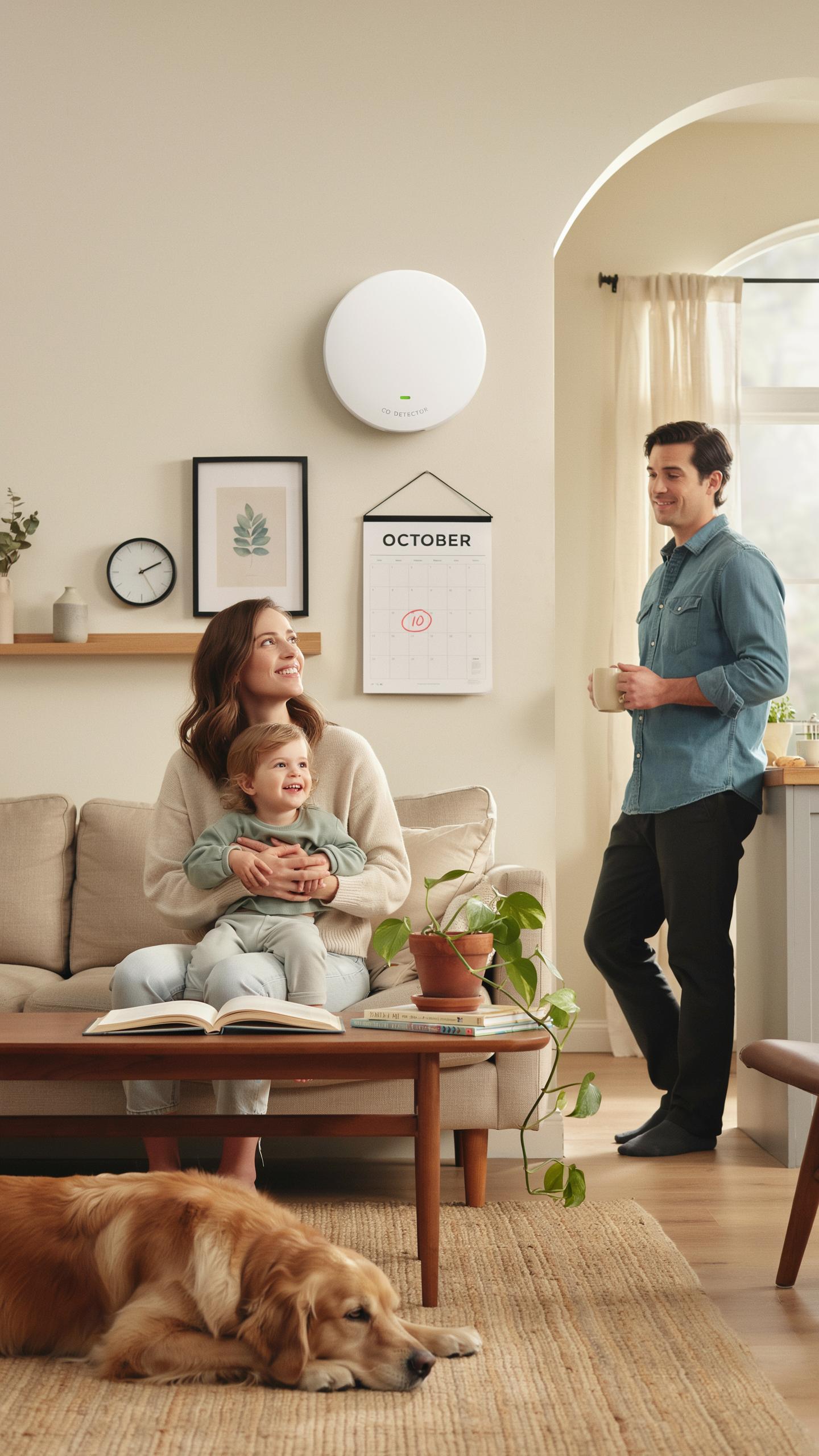
Carbon monoxide detectors expire. Manufacturers typically rate them between 5 to 10 years of effective operation. After this period, the electrochemical sensors degrade and lose accuracy. Check your detector’s manual for the exact expiration date. Mark your calendar and replace units before they fail.
The replacement timeline varies by brand and model type. Some detectors display the manufacture date on the back or inside the battery compartment. Write the replacement date directly on your detector with a permanent marker. Set phone reminders for replacement dates to avoid missing the window.
End Of Life Indicators And Testing
Most detectors emit a specific chirping sound when they reach end-of-life. This warning differs from the alarm that signals carbon monoxide detection. The chirp typically happens once every 30 to 60 seconds. Don’t ignore this signal. Replace the detector immediately when you hear it.

Test your detector monthly by pressing the test button for several seconds. The alarm should sound within 10 seconds. If it doesn’t, replace the batteries first. If the alarm still doesn’t sound after new batteries, replace the entire unit. Monthly testing catches problems before they become dangerous.
Top Smart Carbon Monoxide Detector Tips For Buyers
Compatibility With Your Smart Home Ecosystem
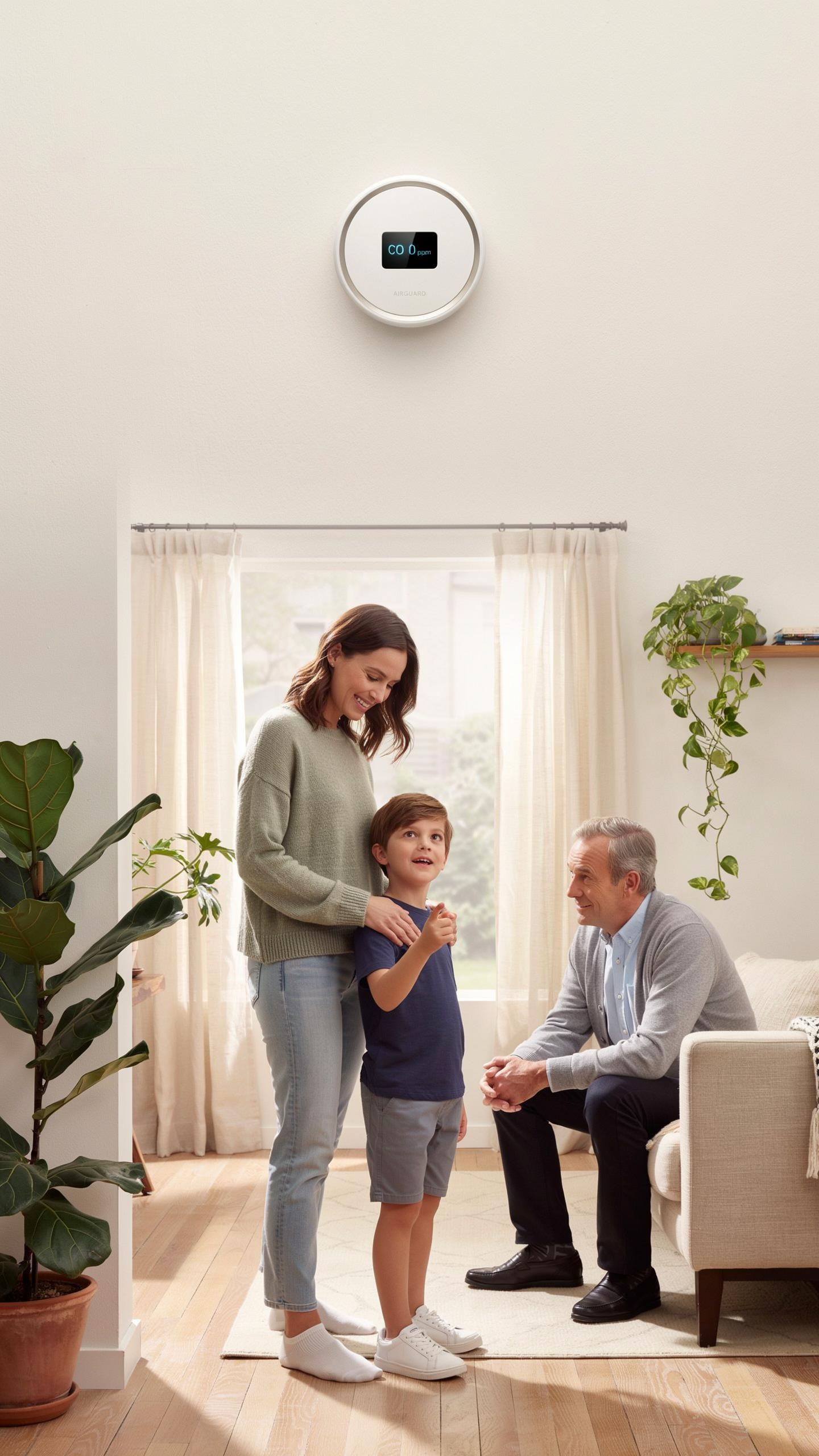
Check your existing smart home platform before buying. Most smart CO detectors work with Google Home, Amazon Alexa, or Apple HomeKit. A detector that doesn’t match your system creates friction and wastes money. Integration determines whether you get notifications on your phone and control through voice commands.
Mismatched ecosystems mean you cannot automate responses or receive alerts through your preferred devices. Some detectors work across multiple platforms, but this is not universal. Verify the manufacturer’s specifications match your exact setup. Test compatibility claims before committing to purchase, as return policies vary by retailer.
Certifications And Safety Standards
CO detectors must meet strict safety standards to function reliably. Look for UL certification from Underwriters Laboratories, which tests detectors for accuracy and durability. Other certifications include CSA in Canada and similar bodies in different regions. These certifications ensure the detector actually detects CO at dangerous levels.
- UL 2034: Standard for household CO detectors. Tests alarm activation at specific CO concentrations and timeframes. Required for detectors sold in the United States.
- UL 2075: Standard for commercial and industrial CO detectors. Different threshold requirements than household models. Applicable for business or large facility installations.
- CSA 6.19: Canadian standard for CO detector performance. Similar requirements to UL 2034. Required for detectors sold in Canada.
- EN 50291: European standard for CO detectors. Sets alarm levels and testing procedures. Applies to detectors in EU markets.
- NFPA 720: National Fire Protection Association guideline. Recommends placement, maintenance, and replacement schedules. Referenced by building codes in many jurisdictions.

Uncertified detectors cannot guarantee they will alarm when CO reaches lethal levels. A detector may appear to work but fail at critical moments. Always verify certifications on the product packaging or manufacturer website. Certified models cost more but provide essential protection that cheap alternatives cannot match.
Comparing Leading Smart Carbon Monoxide Detector Brands
Features And Price Point Analysis
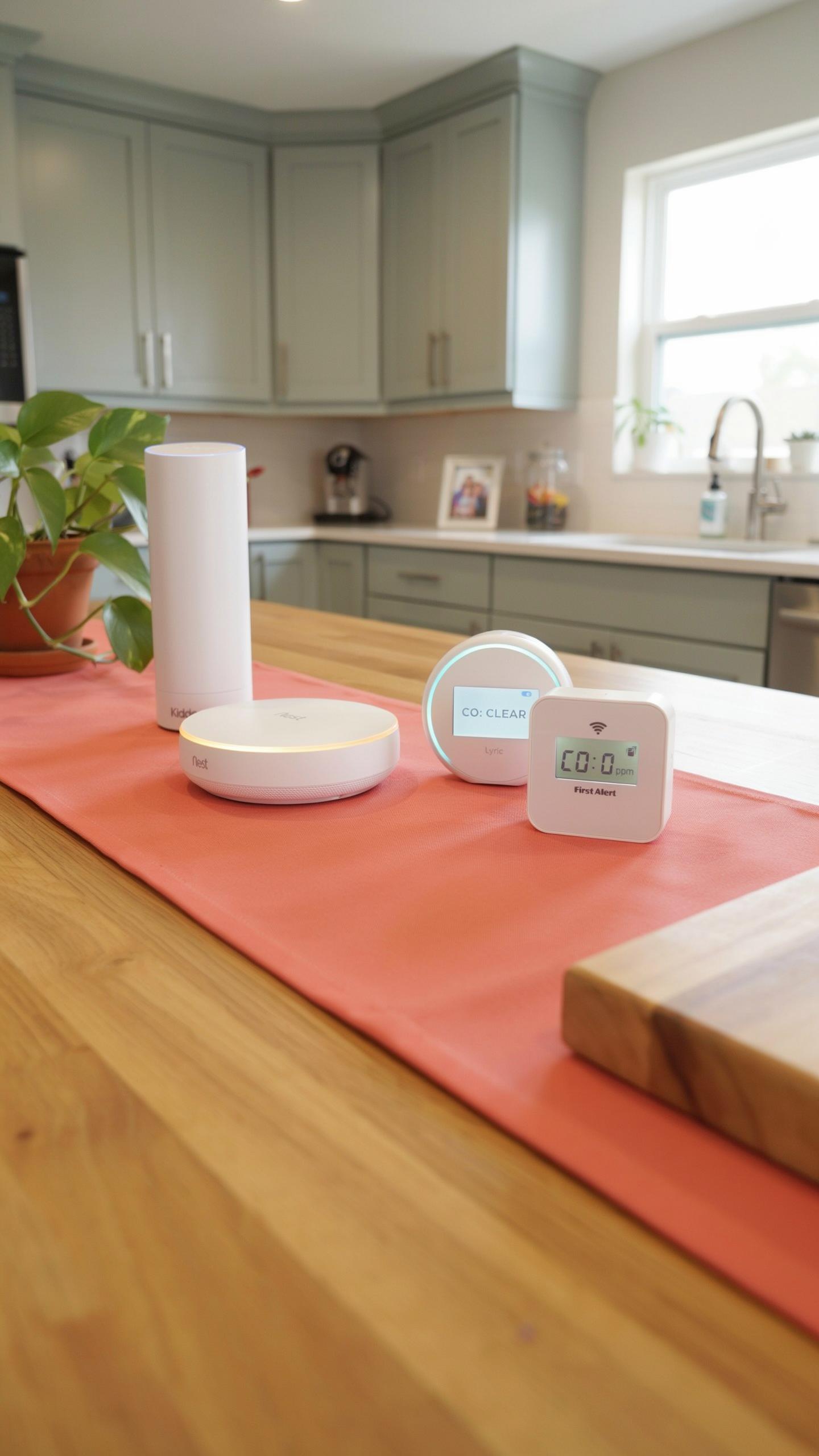
Smart CO detectors vary significantly in connectivity options and core functionality. WiFi-enabled models cost between 40 and 150 dollars, while basic smart detectors with app alerts range from 30 to 80 dollars. Battery life differs across brands, with some lasting three to five years before replacement. Evaluate whether you need voice alerts, smartphone notifications, or integration with existing smart home systems before purchasing.
Price correlates directly with feature density, not detection accuracy. All detectors meeting UL 2075 standards perform equally at detecting carbon monoxide. The premium you pay covers app functionality, voice announcements, and ecosystem compatibility. Choose based on your actual needs rather than brand reputation or extra features you won’t use.
User Reviews And Reliability
Real-world performance data comes from user reviews on retail platforms and independent lab testing by organizations like Underwriters Laboratories. Customers consistently report issues with false alarms from certain brands, while others maintain strong reliability records over multiple years. Read recent reviews specifically, as manufacturers update designs frequently and past complaints may not reflect current products.
Independent testing matters more than marketing claims. UL certification ensures detectors meet minimum detection standards, but customer satisfaction varies by model. Check Amazon, Best Buy, and manufacturer websites for patterns in user feedback. Look for complaints about app crashes, false alarms, or sensor failures rather than minor inconveniences.
The Future Of Carbon Monoxide Detection

Emerging Technologies In Gas Detection
Gas detection technology advances through incremental sensor improvements and data processing refinement. Manufacturers develop electrochemical sensors with lower false alarm rates and faster response times. Machine learning algorithms analyze detection patterns to distinguish between genuine CO events and environmental anomalies. Enhanced connectivity allows detectors to report data to cloud platforms, enabling trend analysis and predictive maintenance alerts.
Research focuses on dual-sensor configurations that measure CO alongside related gases, improving detection reliability. Wireless mesh networks expand signal range in large homes without creating dead zones. Some manufacturers experiment with AI that learns household patterns to adapt sensitivity thresholds automatically. These developments reduce response delays from minutes to seconds, directly improving occupant safety outcomes.
Integrating With Holistic Home Safety Systems
Smart CO detectors now connect with fire alarms, security systems, and smart home hubs through standardized protocols. This integration enables automated responses like triggering ventilation fans or unlocking doors during emergencies. Homeowners receive unified alerts across multiple devices rather than fragmented notifications from separate systems. Centralized dashboards display the status of all safety devices simultaneously, eliminating gaps in monitoring coverage.
Future systems will likely coordinate with HVAC controls to increase air exchange rates when CO is detected. Security cameras may activate recording during alerts to document conditions for first responders. Insurance companies already offer premium discounts for homes with integrated safety systems. This convergence transforms passive detection into active protection that reduces exposure time and severity before emergency services arrive.
Frequently Asked Questions

What exactly makes a carbon monoxide detector “smart” compared to a traditional one?
A “smart” carbon monoxide detector offers connectivity features like Wi-Fi or Bluetooth, allowing it to send alerts to your phone, integrate with smart home systems, and often perform self-checks. This means enhanced peace of mind, as you’re instantly notified of potential dangers even when away from home.
How do I know where to place a smart carbon monoxide detector for optimal safety in my home?
For optimal safety, install a smart carbon monoxide detector on every level of your home, especially near sleeping areas and any attached garages. Avoid placing them near fuel-burning appliances or vents, which can cause false alarms. Always refer to the manufacturer’s specific placement guidelines for your smart carbon monoxide detector review.
Are smart carbon monoxide detectors significantly more expensive than basic models, and are there affordable options?
While smart carbon monoxide detectors can be pricier than basic models due to their advanced features, many affordable options are available. Brands like Google Nest and First Alert offer reliable smart detectors at various price points. Investing in a quality smart carbon monoxide detector review is a small price for enhanced home safety.