
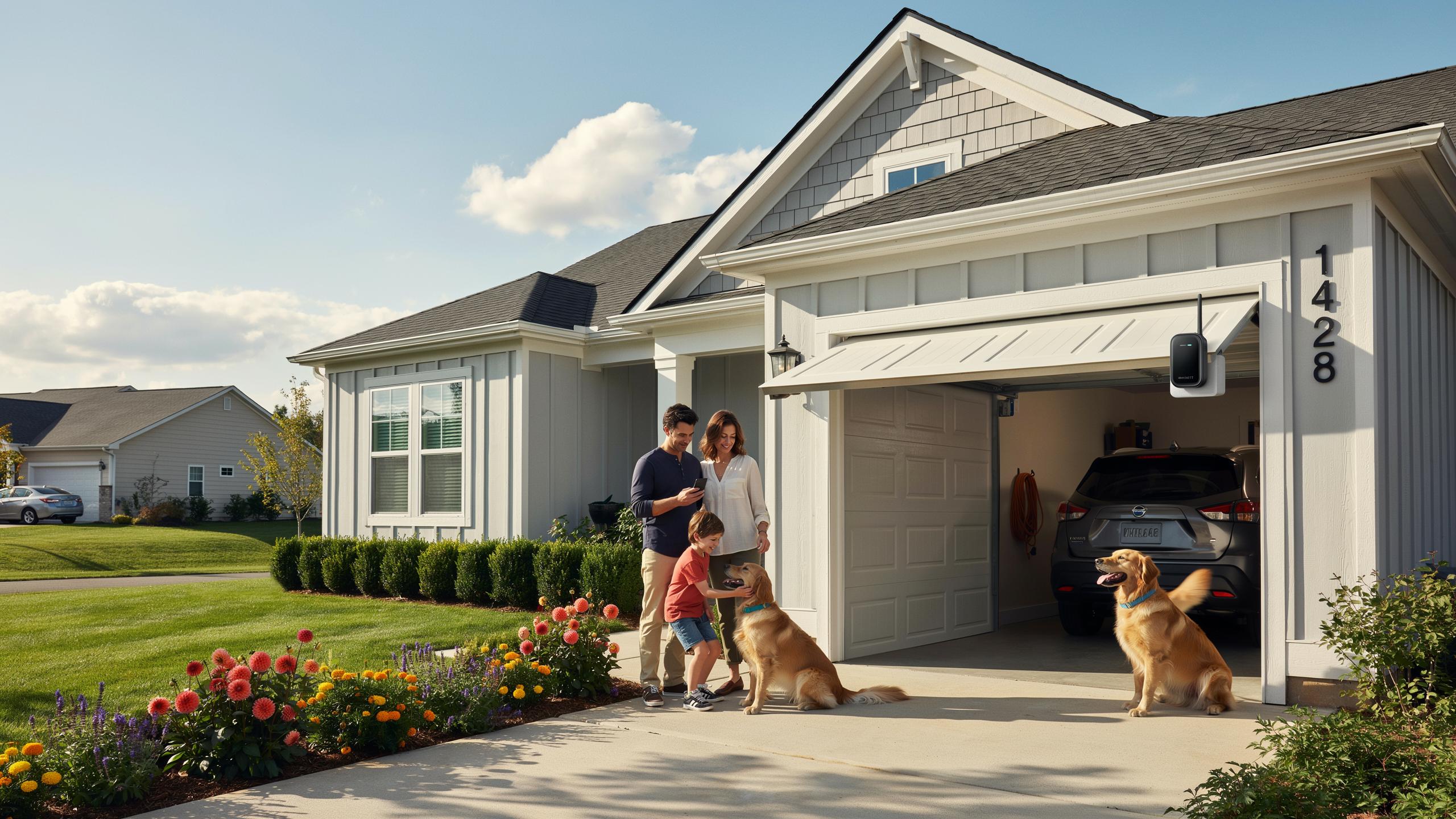
The Evolution Of The Garage Door Opener
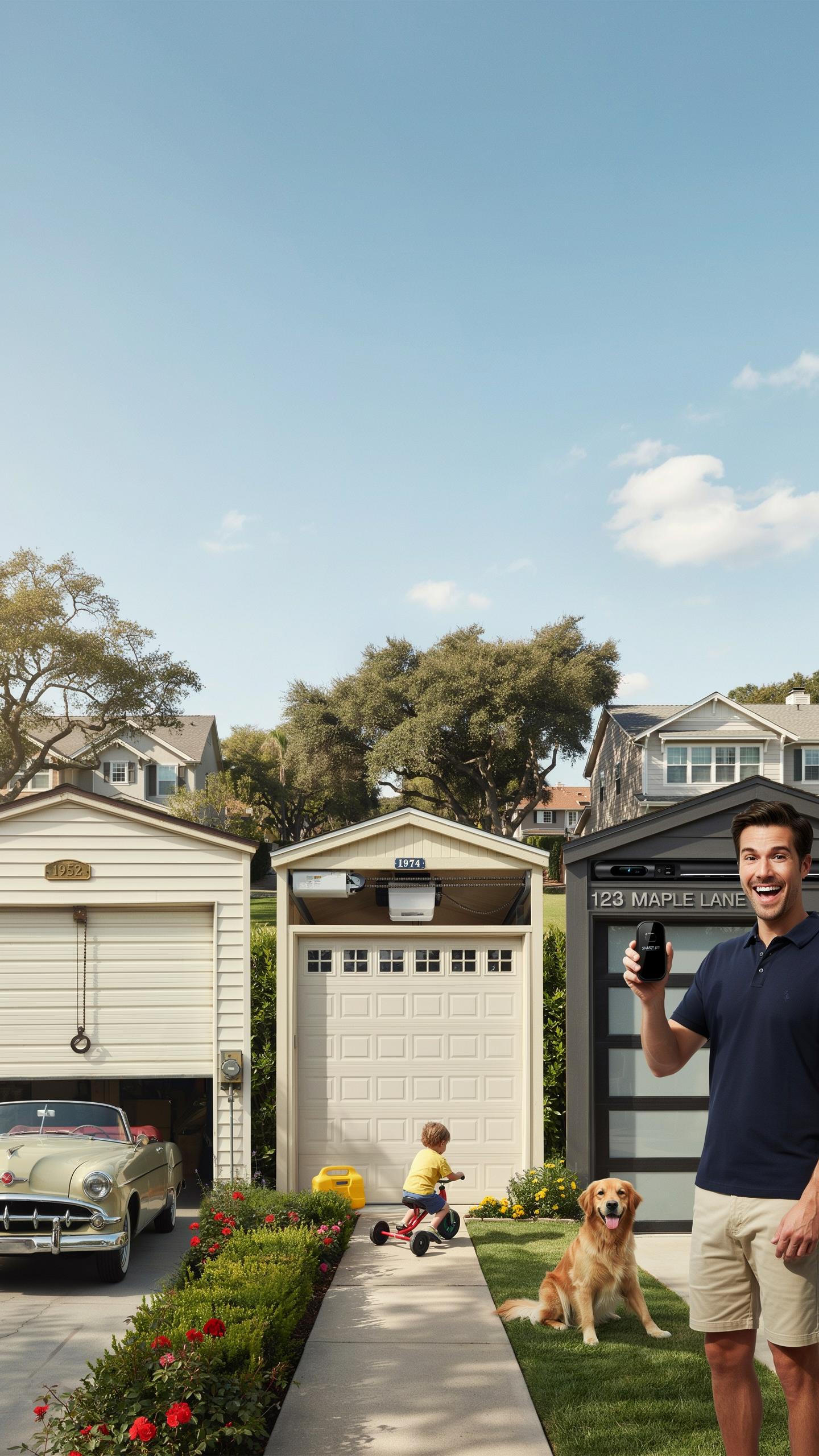
From Manual To Motorized: A Brief History
Garage doors started as simple wooden panels that homeowners operated by hand. In the early 1900s, people lifted these doors manually or used pulley systems to reduce effort. The first electric garage door opener appeared in the 1920s, using chain drives to automate the lifting process. This invention eliminated the need for manual labor and made garage access faster and safer for homeowners.
The 1950s and 1960s brought significant improvements to opener technology. Manufacturers introduced safer designs with better brake systems and emergency manual releases. Radio remote controls became standard, allowing drivers to open doors from their vehicles. These innovations transformed the garage door opener from a novelty into an essential home feature that homeowners expected in new construction and renovations.
Understanding Traditional Garage Door Opener Mechanics
Traditional garage door openers use three main drive systems: chain drives, belt drives, and screw drives. Chain drives operate like bicycle chains, pulling the garage door up and down along a rail mounted to the garage ceiling. They remain the most common and affordable option in residential applications today. Belt drives use rubber belts instead of chains, offering quieter operation but typically at a higher cost.
Screw drives work differently by using a threaded rod that rotates to move the door along its track. All three systems rely on electric motors powered by standard household current, usually 110 to 120 volts. Each drive type has tradeoffs between noise, durability, maintenance requirements, and initial installation cost. Understanding these mechanics helps homeowners choose openers that match their specific needs and budget constraints.
Why Upgrade To A Smart Garage Door Opener
Enhanced Convenience And Remote Access
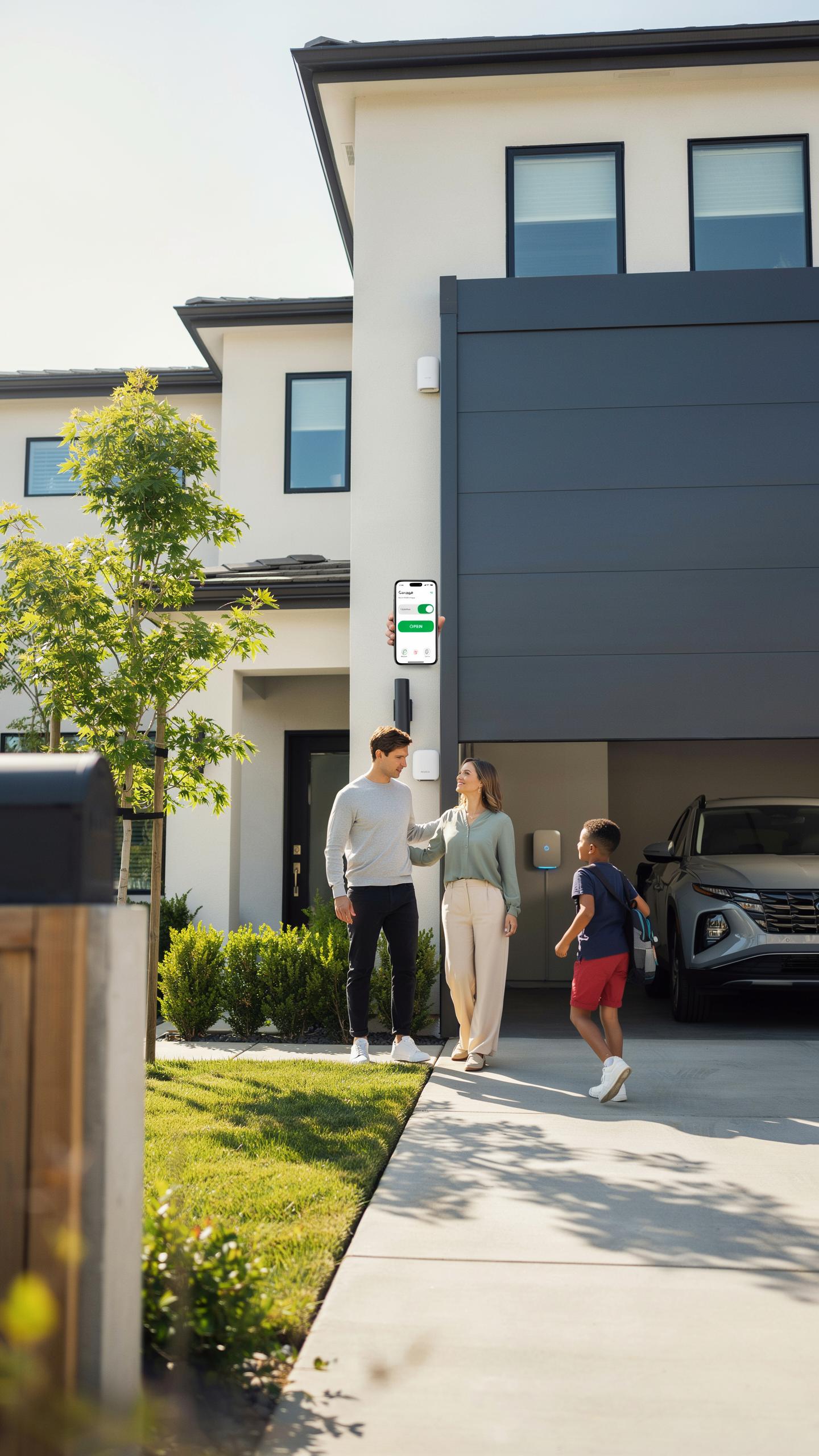
Smart garage door openers let you open and close your garage from your phone, regardless of location. You control the door through a mobile app or web interface. This eliminates the need to carry a remote or wait until you arrive home. Real-time notifications alert you when the door opens or closes, giving you visibility into garage activity.
The core benefit is operational flexibility. You can grant temporary access to contractors or delivery services without being present. If you forget to close the door before leaving, you fix it remotely. Battery backup ensures the system functions during power outages. Integration with voice assistants like Alexa or Google Home adds hands-free control through simple voice commands.
Integrating With Your Smart Home Ecosystem
Smart garage door openers connect directly to your home automation platform. They work alongside smart locks, security cameras, and lighting systems to create coordinated responses. For example, opening the garage can trigger hallway lights automatically. Your security system recognizes the garage door state and adjusts alarm settings accordingly.

This integration reduces the number of apps and remotes you manage. One platform controls multiple devices with unified scheduling and automation rules. You create routines that execute multiple actions with a single command. Data from the garage door feeds into your overall home security picture, helping you identify unusual activity patterns or unauthorized access attempts.
Smart Garage Door Sensor The Key To Garage Security
Real Time Monitoring And Alerts
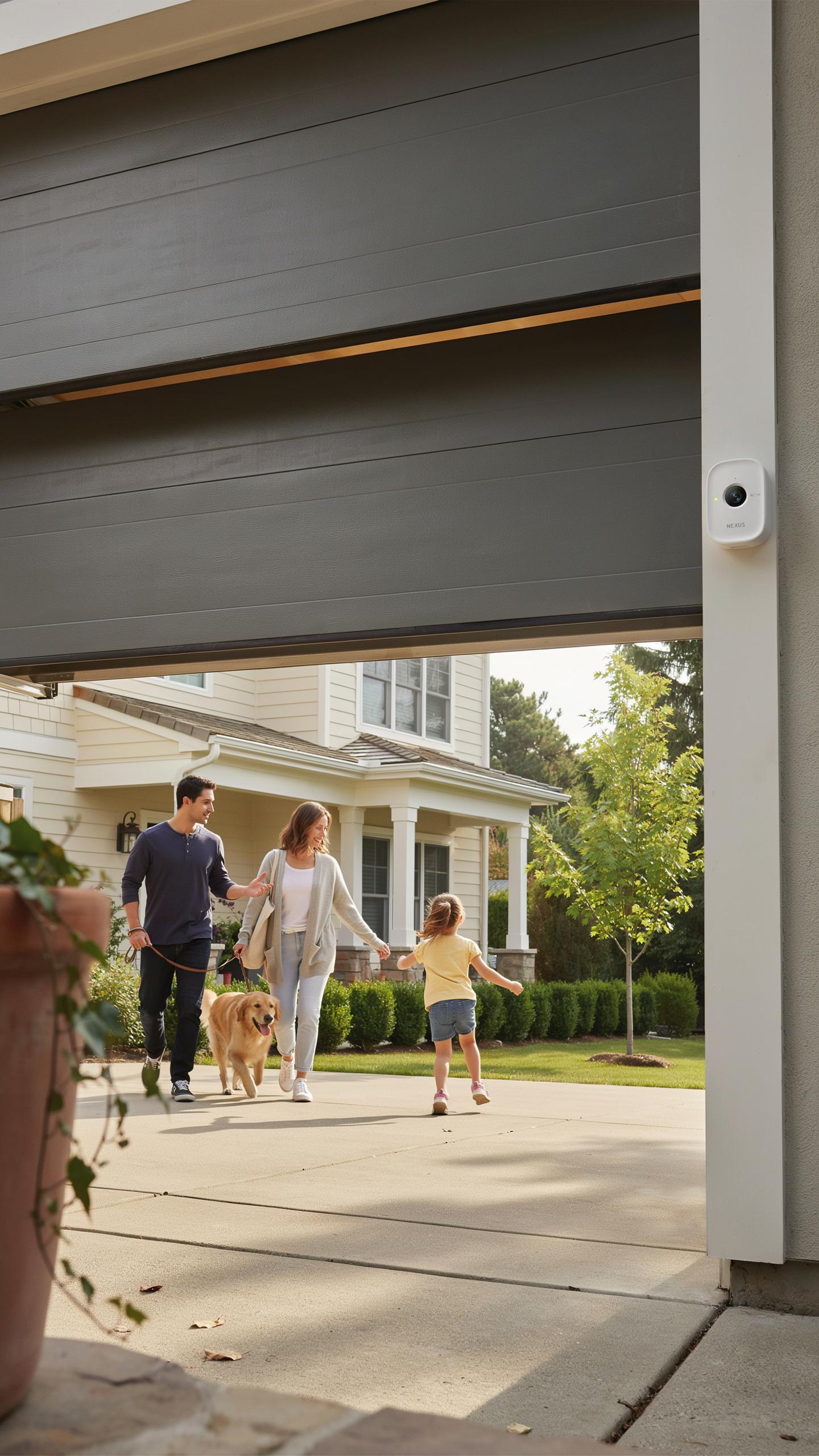
Smart garage door sensors detect the position of your door in real time. These devices use magnetic reed switches or tilt sensors to track whether the door is open or closed. When you pair the sensor with a connected hub or app, you receive instant notifications on your phone. This means you know your garage status from anywhere, whether you’re at work, on vacation, or across town. The sensor transmits data wirelessly to your system, eliminating blind spots about your garage security.
Immediate alerts prevent security gaps. If someone opens your garage door without permission, you get notified instantly. You can then take action, check security cameras, or contact authorities. Some systems allow you to close the door remotely if it was left open by accident. This real time feedback loop turns passive garage doors into active security assets that demand your attention only when necessary.
Preventing Unwanted Intrusions And Accidents
Smart sensors block a common entry point for burglars. Garage doors are frequent targets because many homeowners neglect them in their security planning. A sensor tied to your smart home system alerts you immediately to unauthorized entry attempts. You can set automations to lock interior doors when the garage opens unexpectedly. This layered defense makes your garage a harder target, forcing intruders to move on to easier alternatives.

Accidental closures cause injuries and property damage. Smart sensors prevent your door from closing on vehicles, bikes, or people underneath. The sensor triggers a reversal if an obstruction blocks the path. For families with children or pets, this safety feature is critical. You also avoid the costly damage that occurs when a car gets trapped under a closing door. The sensor essentially adds a safety net to your garage operations.
Top Features To Look For In A Smart Garage Door Opener
Connectivity Wi Fi Bluetooth And Beyond
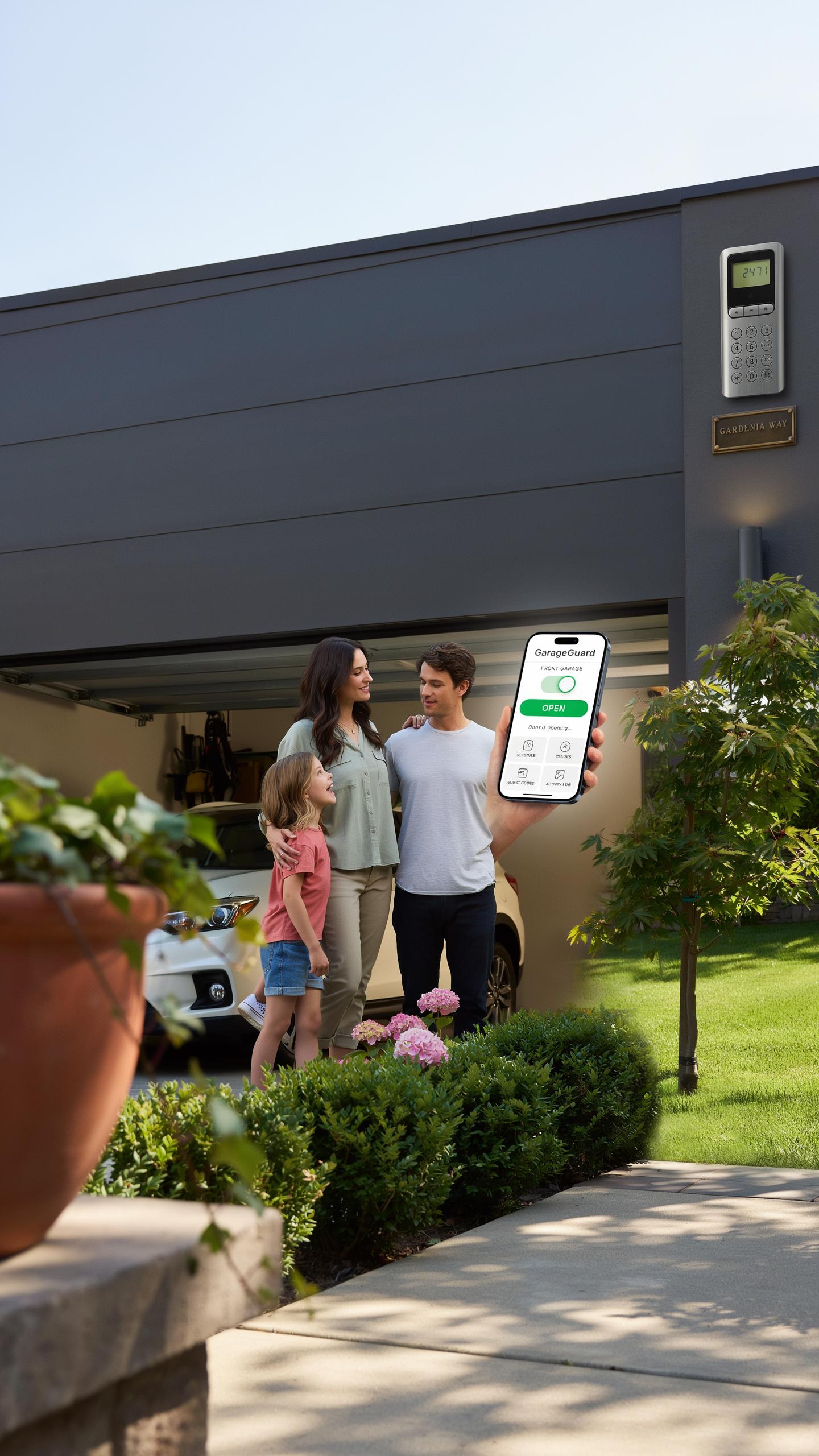
Wi-Fi connectivity enables remote access to your garage door opener from anywhere with internet. Most modern smart openers use 2.4GHz Wi-Fi bands, which penetrate walls better than 5GHz alternatives. Your smartphone connects through your home network or cloud servers to send open and close commands. This eliminates the need to be physically present or rely on traditional remote controls.
Bluetooth serves as a secondary connectivity option for devices within close range of your garage. Some openers combine both Wi-Fi and Bluetooth, allowing local control via Bluetooth when your internet fails. Zigbee and Z-Wave protocols appear in certain smart home ecosystems but remain less common for garage door applications. Redundant connectivity options protect against single points of failure that could lock you out of your garage.
Security Protocols And Encryption
AES-128 encryption represents the industry standard for protecting communication between your phone and the garage door opener. This encryption secures the data traveling across your Wi-Fi network and through cloud servers. Manufacturers implement rolling code technology to prevent replay attacks, where hackers reuse captured commands to open your door. Each command generates a unique code, making it nearly impossible to duplicate previous instructions.

Two-factor authentication adds a second verification layer beyond your password. Some systems require you to confirm commands through a secondary device or method before executing them. Cloud-based openers store authentication tokens on secure servers rather than on your home network. Regular firmware updates patch vulnerabilities before hackers can exploit them, so enable automatic updates on your specific device.
Installation And Compatibility What You Need To Know

DIY Vs. Professional Installation
DIY installation works if you have mechanical aptitude and follow manufacturer instructions precisely. Most smart openers bolt onto your existing door mechanism in under two hours. You save labor costs, typically $200 to $500. The trade-off: you handle troubleshooting alone if something fails, and you void warranties on some units if installation errors occur.
Professional installation costs more upfront but eliminates installation errors and provides warranty protection. Technicians identify compatibility issues before they become problems. They handle electrical connections safely, which matters because improper wiring causes fire hazards and device failure. Choose this route if your door has an older or non-standard system.
Ensuring Compatibility With Your Existing Garage Door
Compatibility hinges on three factors: door weight, opener type, and wall switch configuration. Most smart openers support doors weighing up to 500 pounds. Check your door’s weight specification or manufacturer documentation. Standard residential openers like chain-drive, belt-drive, and screw-drive systems work with most smart retrofits. Older residential openers manufactured before 2000 may lack the electrical connections needed for smart integration.

Verify your wall switch setup before purchasing. Smart openers need a dry contact switch input or existing smart-ready terminals. If your garage has a hardwired switch, confirm it connects to compatible terminals on your current opener. Some newer smart openers offer wireless button compatibility, eliminating switch concerns entirely. Request technical specifications from manufacturers to confirm your door’s exact model works with your chosen smart system.
Battery Backup Essential For Uninterrupted Access
The Importance Of Power Outage Protection
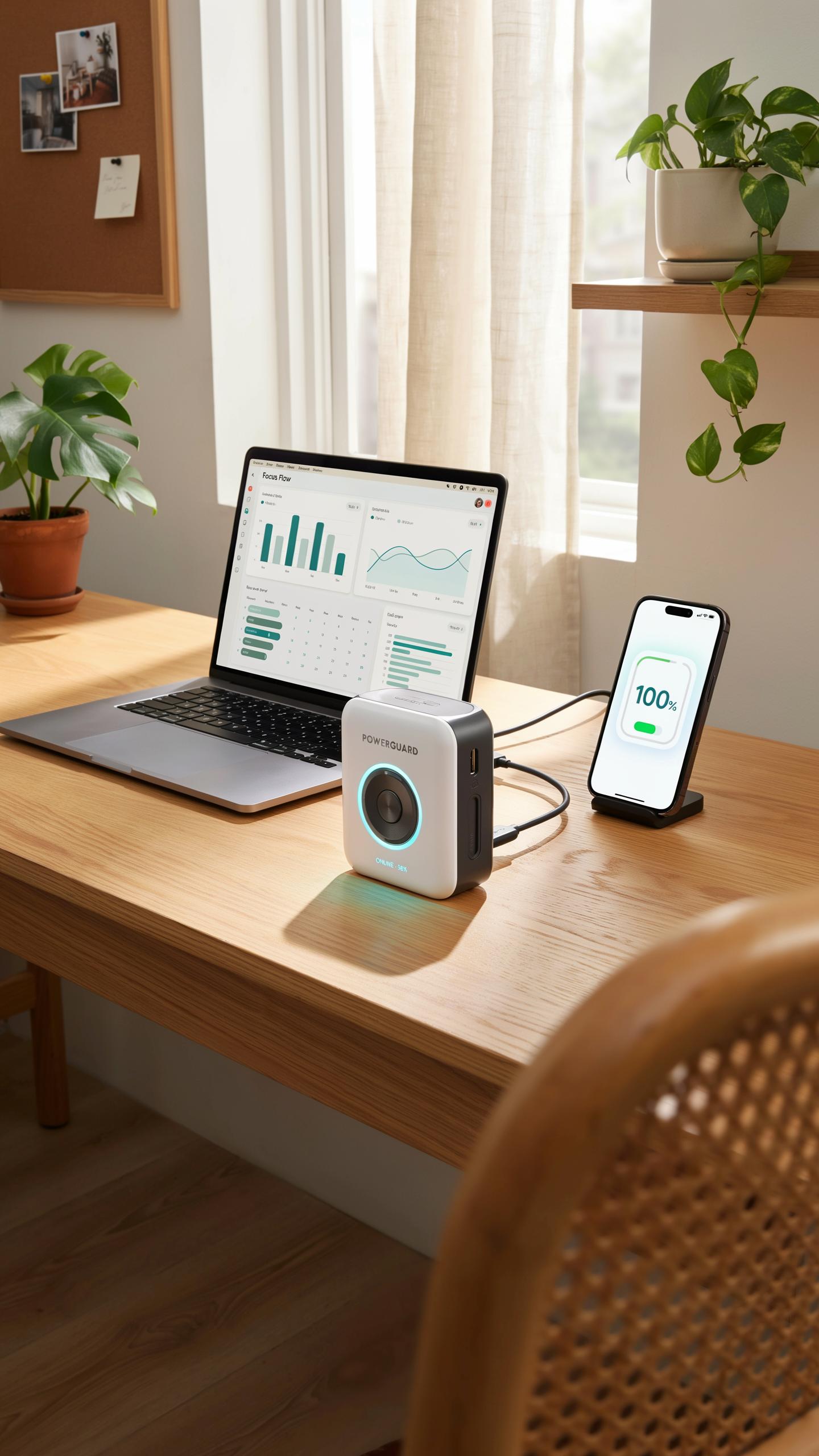
Power outages cut off your garage door opener from electricity. Without backup power, you lose access to your garage and cannot open or close the door manually through the smart system. Battery backup systems keep your opener functional during outages. This matters for security, vehicle access, and emergency situations. Most modern smart garage door openers rely on electricity to operate their motors and control mechanisms.
Battery backup ensures you maintain basic door operation when the grid fails. You can open the door to retrieve your vehicle or close it to secure your home. The backup power typically runs the opener long enough to cycle the door several times. This prevents you from being trapped without access to your garage. Extended outages without backup power leave you without emergency egress through the garage.
Types Of Battery Backup Systems
Smart garage door openers use different battery backup approaches. Integrated rechargeable batteries sit inside the opener unit itself. These batteries charge while power runs normally and discharge when outages occur. External battery backup systems connect to the opener through dedicated wiring. Uninterruptible Power Supply units provide sustained backup to multiple home devices simultaneously.
Integrated systems offer convenience since no extra installation is required beyond the opener itself. Most provide enough power for 10 to 20 door cycles during an outage. External systems give you expandable capacity and longer runtime if needed. UPS units protect your opener plus other devices like security cameras or routers. Choose based on your outage frequency, desired runtime, and whether you need protection for other equipment.
Smart Garage Door Opener Reviews Making An Informed Decision
Key Metrics For Evaluating Performance
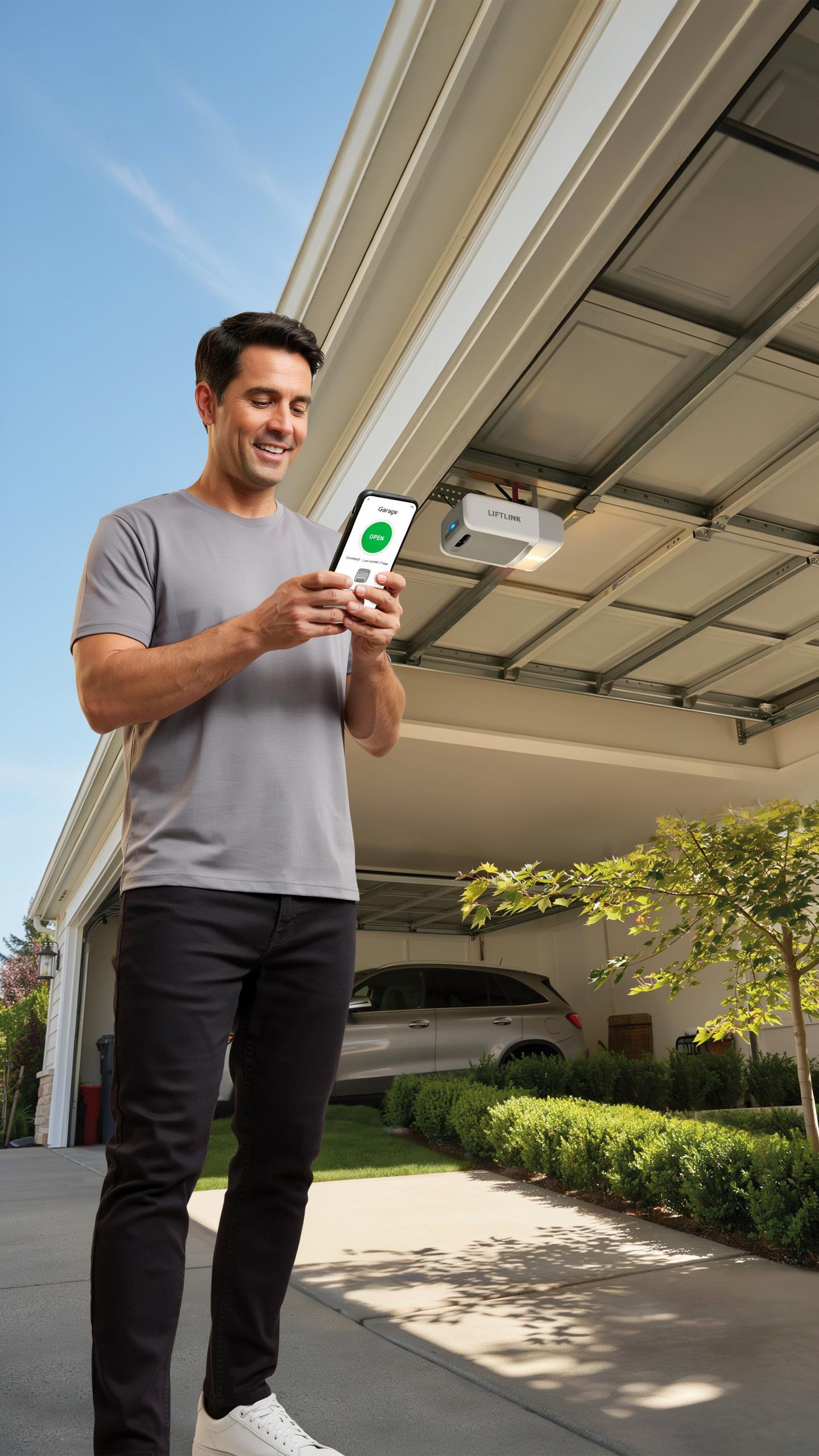
Reliability matters most. Look at failure rates, motor durability, and how often units require repairs within the first three years. Check whether the opener handles your door weight consistently. Verify connectivity uptime from user reports. Speed of operation, noise levels, and backup battery performance during power outages directly impact daily usability. Read reviews that specify these details rather than general praise or complaints.
Feature sets vary significantly across models. Evaluate whether the opener integrates with your existing smart home ecosystem like Google Home or Amazon Alexa. Check if it offers real time alerts, scheduling capabilities, and video monitoring options. Assess whether the app functions smoothly and updates reliably. User experience reviews revealing app crashes, lag times, or setup difficulties reveal operational problems that matter in practice.
Remember those days of fumbling with keys in the dark? With smart garage tech, your home’s embrace is always just a touch away, a feeling of security reminiscent of coming home to a warm, familiar light.
Comparing Brands And Models
Start by identifying your door type and weight capacity. Heavier doors need stronger motors with higher torque ratings. Research whether the opener fits your existing door opener rail system or requires replacement parts. Compare installation complexity since some models demand professional setup while others mount directly. Examine warranty terms and support availability. Brands offering local customer service typically resolve issues faster than those with overseas support centers.

Read verified customer reviews from multiple sources rather than single platforms. Compare price against features and warranty length. Calculate total cost including installation expenses and necessary accessories like sensors or additional controllers. Identify which models users report having longevity beyond five years of regular use. Check whether spare parts remain available and reasonably priced for future maintenance needs.
Maintaining Your Smart Garage Door System
Routine Checks For Optimal Performance
Test your door’s auto-reverse feature monthly. Place an object in the door’s path and activate the opener. The door must reverse immediately upon contact. This safety mechanism protects people and vehicles from damage. Failure to reverse indicates a sensor misalignment or opener malfunction requiring immediate repair.
Clean your sensors every three months. Dust and debris block the infrared beam between sensor units. Use a soft, dry cloth to wipe both the transmitter and receiver lenses. Dirty sensors trigger false obstruction signals and prevent door closure. Keep the sensor lens areas free from spider webs and buildup to maintain reliable operation.
Troubleshooting Common Issues
Your door fails to close when you press the button but opens normally. Check both sensors for alignment and cleanliness first. If sensors are clean and aligned, the safety circuit in your opener detects an obstruction. Reset the opener by unplugging it for 30 seconds, then plug it back in. If the problem persists, have a technician inspect the safety sensors and wiring.

The door moves slowly or makes grinding sounds during operation. These symptoms indicate worn rollers, hinges, or lubricant buildup. Lubricate the track with a silicone-based spray, not oil-based products. Apply lubricant sparingly to avoid attracting dirt. If grinding continues after lubrication, the door likely needs professional inspection for worn components requiring replacement.
The Future Of Garage Security And Smart Homes
Emerging Technologies In Garage Door Automation
AI-powered systems now analyze usage patterns to detect unauthorized access attempts. Machine learning algorithms identify anomalies in opening and closing behavior. LiDAR sensors provide obstacle detection without traditional photo eyes. Edge computing processes sensor data locally, reducing latency and cloud dependency. These advancements move garage security from reactive to predictive, stopping threats before they materialize.
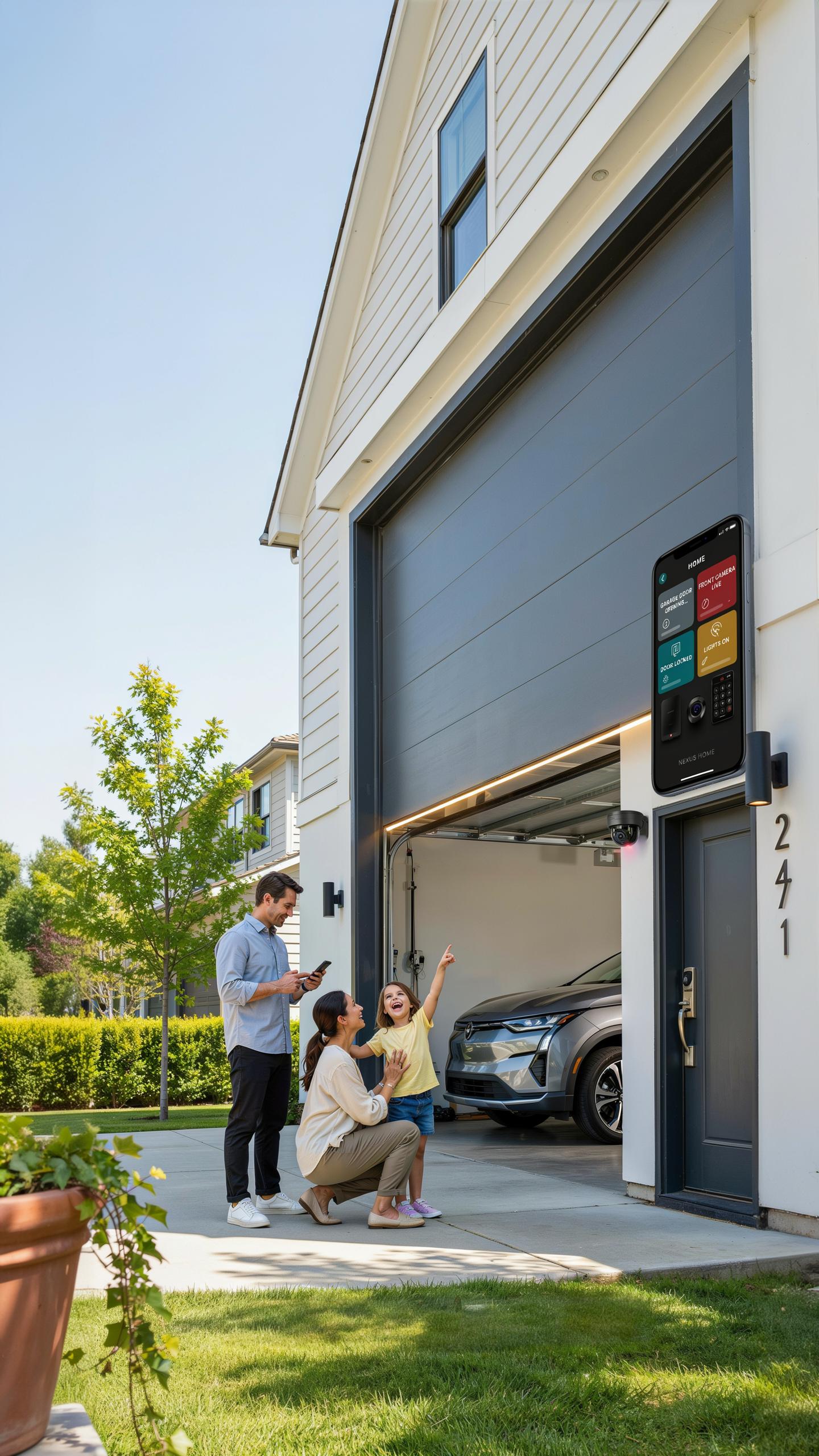
Integration with broader home automation ecosystems is becoming standard. Voice assistants now control garage doors through encrypted protocols. Vehicle recognition technology identifies authorized cars and opens doors automatically. Blockchain-based access logs create tamper-proof records of all door operations. Future systems will communicate directly with smart locks, lighting, and alarm networks for seamless home protection.
How Smart Garages Enhance Overall Home Value
Real estate buyers prioritize smart garage systems as a security feature, not a luxury. Properties with integrated smart door systems command higher asking prices in competitive markets. Insurance companies offer premium discounts for homes with verified smart security systems. Appraisers recognize automated garage systems as functional upgrades that increase property marketability. Smart garage integration signals to buyers that a home meets modern security standards.
Resale appeal extends beyond security metrics. Buyers expect convenience features like remote access and automation in new purchases. Properties without smart garage capability face longer market times. The technology attracts tech-forward buyers willing to pay premiums for integrated systems. Smart garage infrastructure reduces buyer hesitation about security vulnerabilities during the sales process.
Frequently Asked Questions

What exactly is a smart garage door sensor and opener, and how does it benefit my home security?
A smart garage door sensor and opener connects your garage door to your smartphone or smart home system, allowing you to monitor and control it remotely. This enhances home security by letting you check if it’s closed, open it for deliveries, or receive alerts for unexpected activity, ensuring peace of mind even when you’re away.
How difficult is it to install a smart garage door sensor and opener myself, or should I hire a professional?
Most smart garage door sensor and opener kits are designed for DIY installation, often involving simple wiring and adhesive mounting. Many brands offer clear instructions and online tutorials. However, if you’re uncomfortable with basic electrical work or complex setup, a professional installation ensures optimal performance and security.
Are there affordable options for a smart garage door sensor and opener, or is this a high-end security upgrade?
Absolutely! You can find a wide range of affordable smart garage door sensor and opener options, from basic monitoring kits to more advanced systems with integrated cameras. Many brands offer budget-friendly entry-level models, making this an accessible and impactful home security upgrade for various price points.