
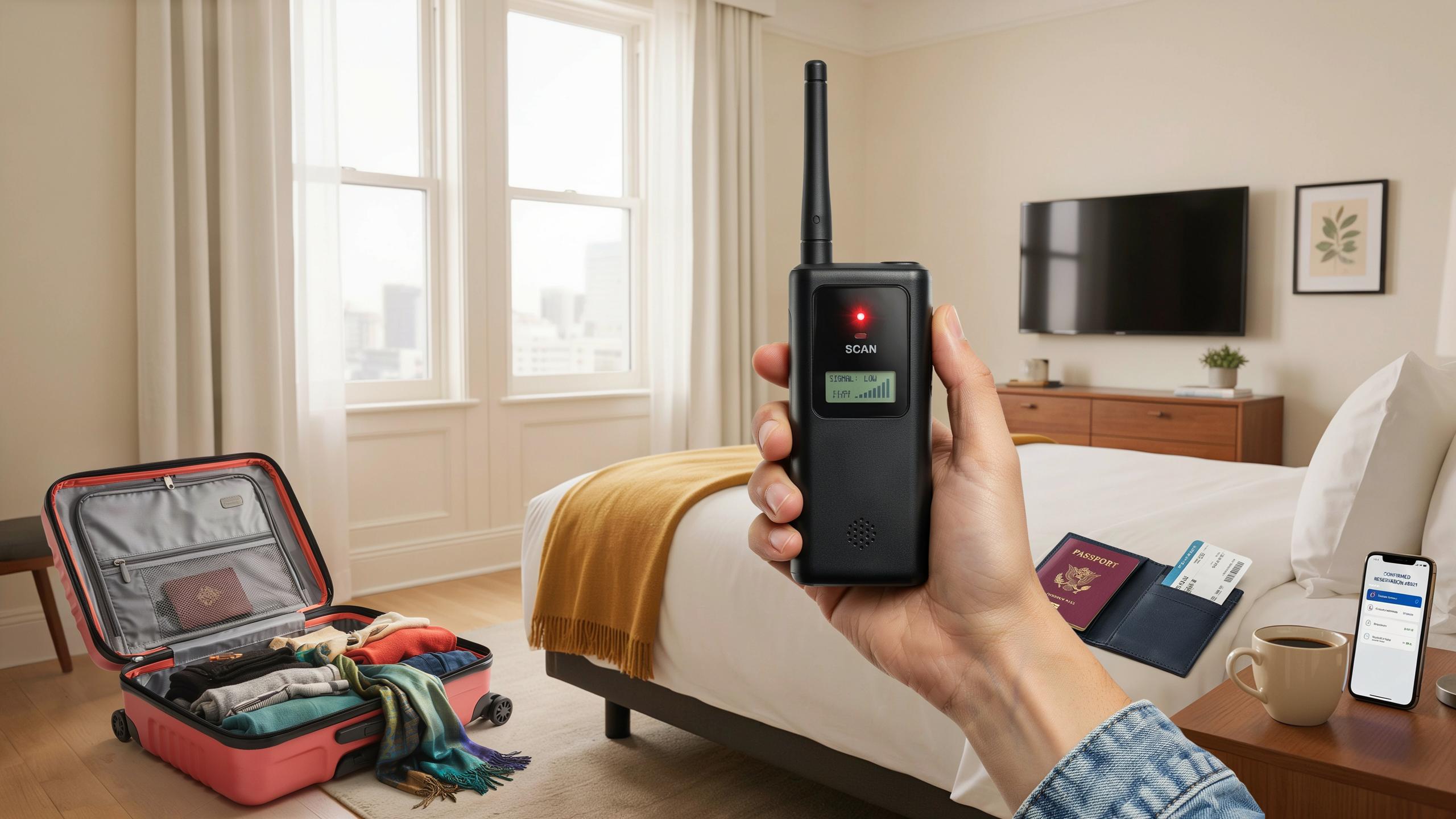
Understanding The Threat Of Hidden Camera

The Growing Concern Of Spy Camera Devices In Accommodations
Hidden camera incidents in hotels, Airbnbs, and rental properties have increased visibility due to media coverage and social media reporting. Guests face real risks when staying in unfamiliar spaces. Owners and operators sometimes install cameras without consent to monitor rooms, hallways, or bathrooms. This violates privacy laws in most jurisdictions and exposes travelers to criminal activity.
The market for small recording devices has grown substantially. Technology manufacturers produce increasingly compact cameras that blend into everyday objects. Travelers now actively seek detection methods before settling into temporary accommodations. Privacy violations during travel create legal liability for property owners and genuine safety concerns for guests.
Common Places Where Hidden Cameras Are Installed
Bathrooms and bedrooms remain primary targets because occupants expect privacy in these spaces. Cameras hide in shower heads, ventilation grates, alarm clocks, and smoke detectors. Intruders choose these locations to capture sensitive moments. Detection becomes critical in these high-risk areas.
Living areas and entryways also warrant inspection. Cameras mount behind picture frames, inside tissue box dispensers, or within decorative plants. Hallways outside rooms capture guests entering and leaving. Systematic inspection of these zones uncovers most common placements before privacy violations occur.
What Is A Hidden Camera Detector And How It Works
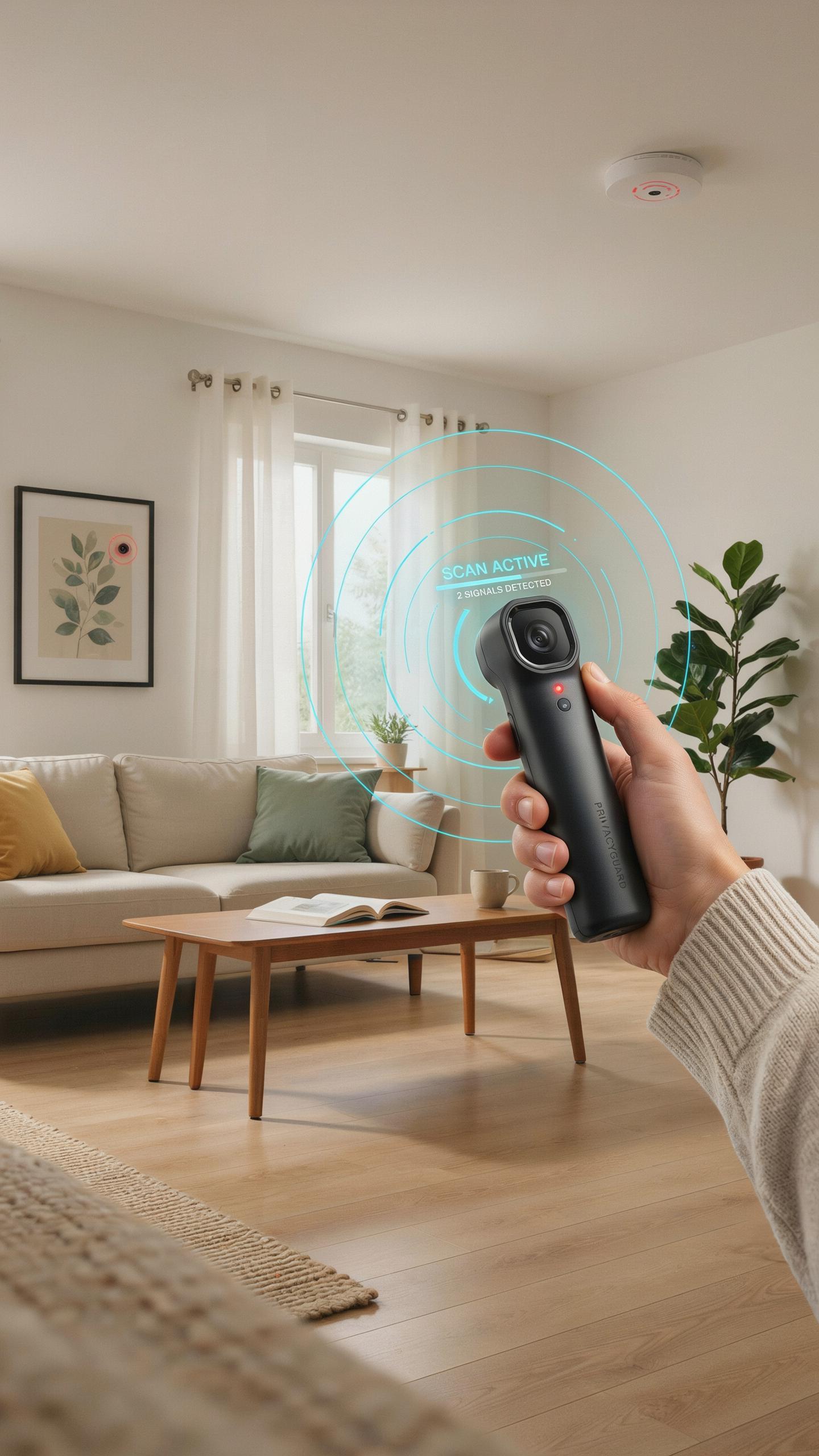
The Technology Behind A Camera Detector
Hidden camera detectors work by identifying the physical components that cameras require to function. Most detectors target infrared light, radio frequency signals, or lens reflections. Infrared detectors sense the invisible light that many hidden cameras emit for night vision capability. Radio frequency detectors pick up wireless transmission signals that spy cameras broadcast to receivers or storage devices. Lens detection uses light reflection to spot glass optics in tight spaces.
The effectiveness of each detection method depends on the camera type and transmission method. Wired cameras produce no RF signals, making them invisible to radio frequency detectors but potentially visible to infrared or lens detection tools. Wireless cameras broadcast constantly, making them easier targets for RF detection. No single detector catches all camera types, which is why comprehensive detection requires multiple technologies working together.
Types Of Hidden Camera Detectors Available
Standalone RF detectors identify wireless camera signals through spectrum analysis. These handheld devices alert users when they encounter radio frequencies in the 1 to 6 GHz range where most hidden cameras operate. They range from basic models that only alert to frequency presence to advanced units displaying signal strength and frequency specifics. RF detectors work best in areas with minimal background wireless noise.

Infrared detectors locate heat and light sources that hidden cameras emit during operation. Lens detectors use LED light to reveal reflective surfaces of camera glass in confined spaces like smoke detectors or wall outlets. Combination devices merge multiple detection methods into single units, increasing detection odds across different camera types. Smartphone apps claim detection capability but rely on phone sensors with significant accuracy limitations compared to dedicated hardware detectors.
Key Features To Look For In A Spy Detector

Infrared Scanners And RF Signal Detection
Infrared scanners detect thermal emissions from camera lenses and electronic components. Most hidden cameras emit infrared light during operation. A detector with an infrared scanner identifies these emissions by scanning room surfaces. This method catches active cameras quickly. RF signal detection picks up radio frequencies transmitted by wireless cameras. Detectors that monitor both 2.4 GHz and 5 GHz frequencies cover most modern surveillance devices.
RF detection works because wireless cameras broadcast signals to receivers or the internet. A quality detector alerts you when it picks up these transmissions. The strength of the signal tells you the camera’s distance and location. Infrared and RF detection together cover the two main spy camera technologies. Combining both methods increases your detection success rate significantly.
In a world of wanderlust and new horizons, your peace of mind is a cherished companion. A little vigilance helps preserve the sweet solitude of your personal space.
Ease Of Use And Portability For Travelers
Handheld detectors weigh between 150 and 300 grams, fitting easily into carry-on luggage. Simple one-button operation means you need no training to scan a hotel room. Clear audio or visual alerts notify you immediately when threats appear. Battery life should last at least four to six hours per charge. USB charging capability works in any country with standard outlets.
Screen displays must show signal strength and detection frequency clearly. Compact designs let you sweep rooms quickly without drawing attention. Lightweight construction matters when you carry the device daily during travel. Fast scanning speed covers a standard hotel room in under five minutes. Durable cases protect the detector during transport and frequent use.
Choosing The Best Hidden Camera Detector Device For Your Needs
Comparing Different Models And Brands
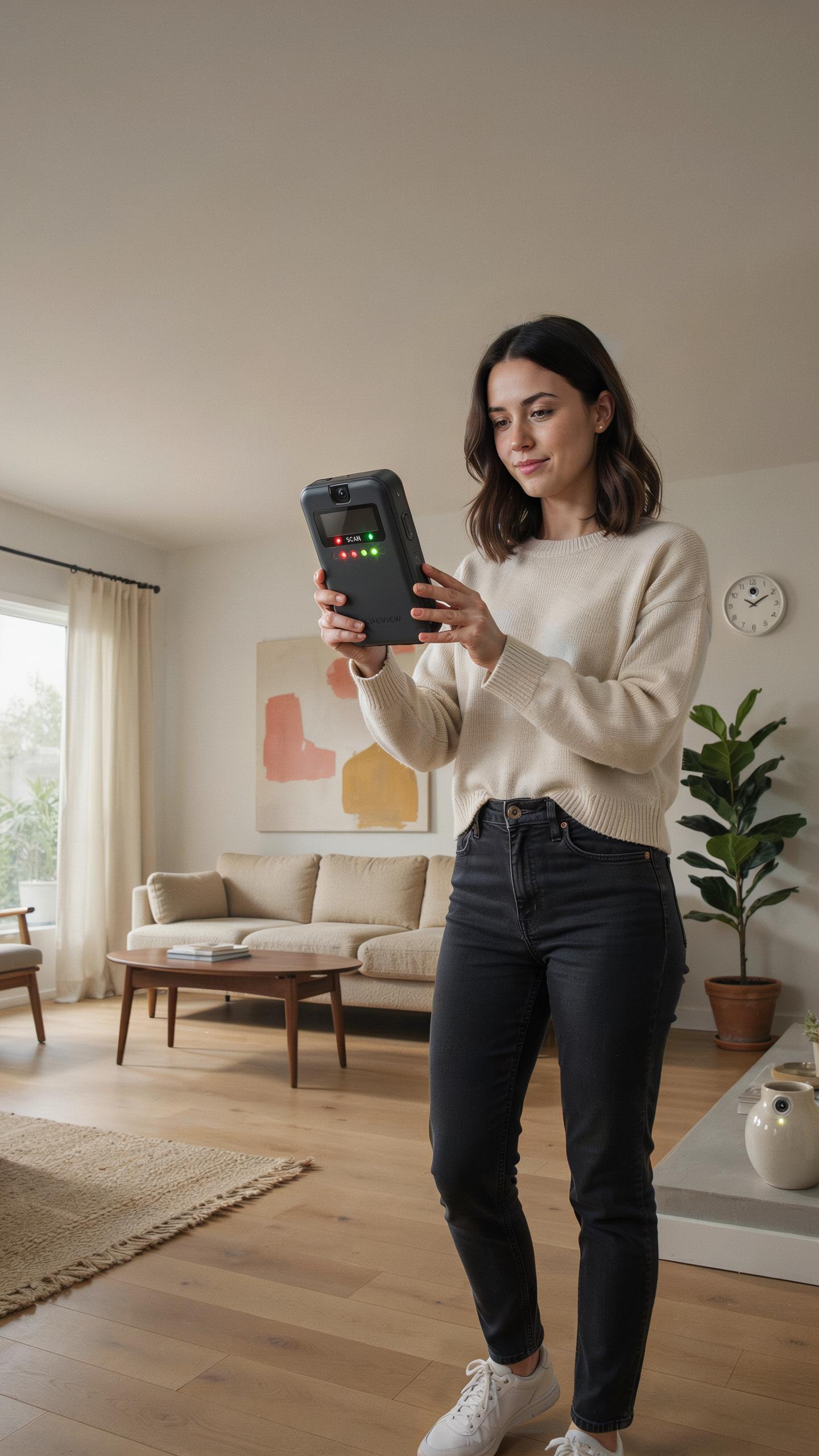
Hidden camera detectors fall into three core categories: RF detection, lens detection, and thermal imaging. RF detectors sense radio frequencies emitted by wireless cameras. Lens detectors use LED lights to identify reflective surfaces from camera optics. Thermal imaging identifies heat signatures from camera components. Each method has distinct strengths and limitations based on camera type and environment.
Price ranges span from 50 dollars to over 500 dollars. Budget models typically detect RF signals only and miss hardwired or non-transmitting devices. Mid-range detectors combine RF and lens detection for broader coverage. High-end models add thermal imaging and offer faster scan speeds. Your choice depends on threat level and specific camera types you expect to encounter.
User Reviews And Ratings For Top Hidden Camera Detectors
Real users consistently report that RF detectors work well against wireless cameras but fail with wired systems. Lens detection users praise portability and ease of use across hotel rooms and rental properties. Thermal imaging gets mixed reviews due to high cost and steep learning curve. User satisfaction correlates directly with matching detector type to actual threats in your environment.

Reviews highlight false positives as a major frustration. Electronic devices like phones, routers, and microwaves trigger RF detectors. Poor quality detectors generate constant alerts that reduce reliability during travel. Experienced users recommend cross-referencing detector alerts with physical inspection before taking action. Brand reputation matters less than understanding detector limitations and your specific security needs.
Practical Guide To Using Your Hidden Camera Detector Effectively
Step By Step Scan For Hidden Cameras
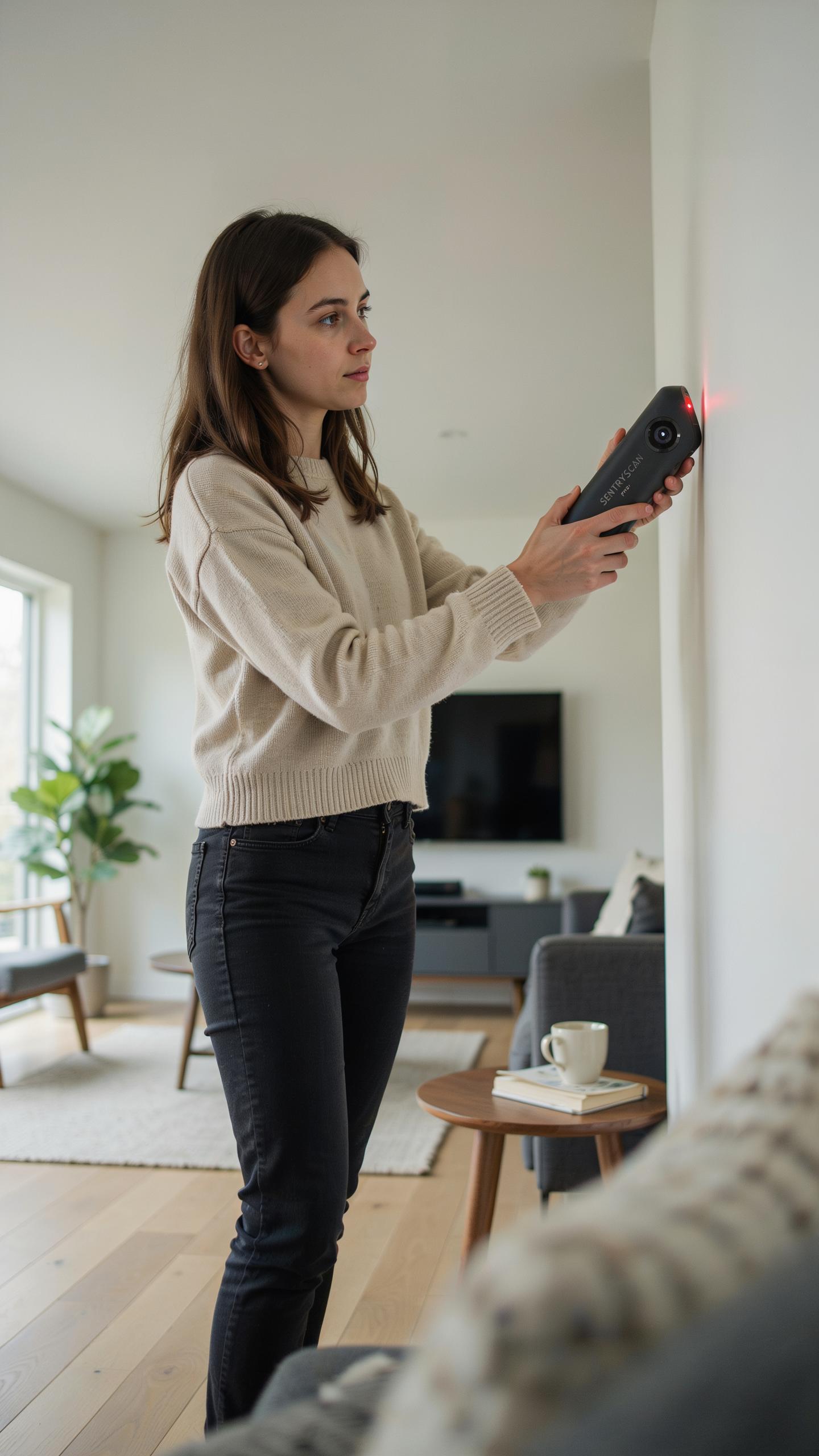
Start by powering on your detector and letting it calibrate for 10 to 15 seconds. Move slowly through the room at a steady pace. Scan common hiding spots first: smoke detectors, alarm clocks, picture frames, and charging adapters. Detectors work by identifying infrared light emissions or radio frequencies that hidden cameras transmit. Work methodically from one corner to the opposite corner. Document any alerts you receive before investigating further.
- Bathroom and bedroom areas: Prioritize these rooms first since they carry the highest privacy risk. Scan mirrors, ventilation grills, and light fixtures with particular attention.
- Electronics and furniture: Check behind TVs, inside desk lamps, under bed frames, and within decorative items. These locations conceal cameras effectively while maintaining power access.
- Entry points and high vantage areas: Examine door frames, ceiling corners, and shelving units. Cameras positioned here capture maximum room coverage and foot traffic.
- Walls and outlets: Move the detector across walls systematically. Scan electrical outlets, light switches, and any visible holes or gaps in wall surfaces.
- Close-range inspection: Hold the detector 3 to 6 inches from suspected objects. Many detectors emit audible alerts when proximity increases, signaling a find.
After completing the initial sweep, repeat the process in areas that showed weak signals or ambiguous readings. This second pass confirms whether an alert indicates an actual threat or environmental interference. Take your time. A thorough scan takes 15 to 30 minutes depending on room size. Rushing creates blind spots that compromise your security.
Interpreting Detector Signals And What They Mean
Your detector sends different signals based on what it detects. Some models use beeping patterns that increase in speed and volume as you approach an emission source. Others display visual indicators like lights or meter readings. Learn your specific device’s signal language before you travel. Reference the manual for what each alert type means. Not all signals indicate hidden cameras.

Radio frequency detectors pick up wireless transmissions from cameras, but they also detect Wi-Fi routers, cell phone signals, and Bluetooth devices. Infrared detectors identify thermal emissions from camera lenses and LEDs. A strong infrared signal in an unexpected location warrants investigation. False positives happen frequently in modern hotel rooms with multiple electronic devices. Cross reference signals from multiple detection methods before concluding you found a threat. Use your phone’s camera to look for the characteristic red or purple glint of an infrared LED if you suspect a positive hit.
Beyond Detection Hidden Camera Security Tips For Travelers
Best Practices For Maintaining Privacy In Unfamiliar Places
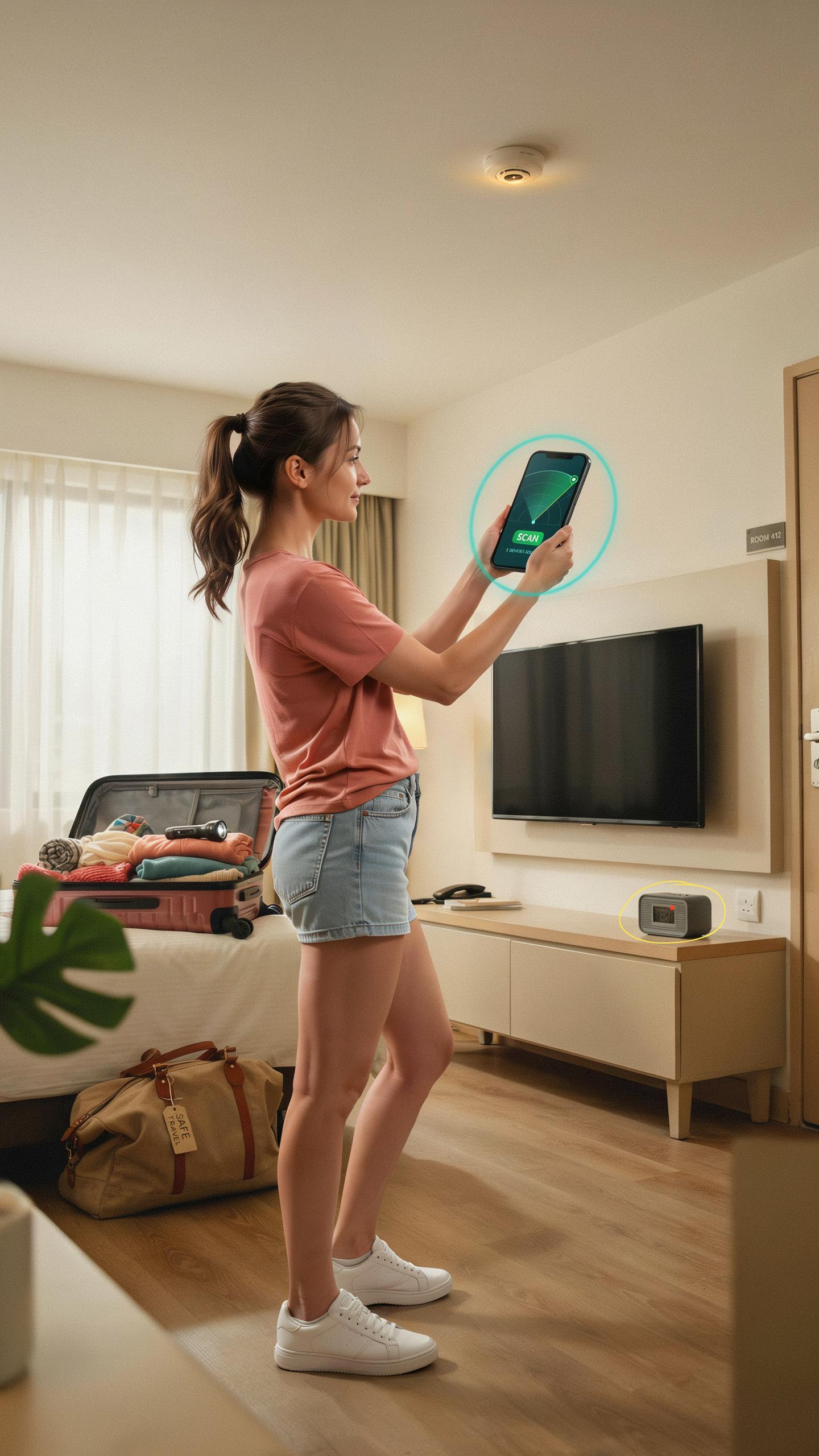
Start with physical inspection before unpacking. Check smoke detectors, clocks, and picture frames in your room. Look for lens reflections using your phone’s camera in dark mode. Scan areas with sightlines to bathrooms and beds. Move objects to confirm they’re functional. This takes five minutes and eliminates most obvious placements.
Control what you expose during your stay. Keep curtains or blinds closed when changing clothes. Angle your body away from windows and potential vantage points. Use do not disturb signs to limit housekeeping access. Store valuables in hotel safes rather than on surfaces. These habits work regardless of whether a detector finds anything.
Legal Aspects Of Hidden Cameras And Your Rights
Recording someone in private spaces without consent violates laws in most jurisdictions. Bathrooms, changing rooms, and bedrooms receive the strongest legal protection. Recording laws vary by country and state, but the expectation of privacy remains consistent across developed nations. Your right to sue or report depends on local statutes. Document evidence immediately if you discover a camera and contact local law enforcement.

You can pursue civil claims for invasion of privacy in many places. Criminal charges often apply to the person who installed the device. Hospitality businesses face significant liability for cameras in guest areas. Check your location’s specific laws before traveling. Report findings to police rather than confronting anyone, as this protects your safety and preserves evidence.
Exploring Advanced Options Spyfinder Pro Hidden Camera Detector And More
High End Features For Enhanced Security
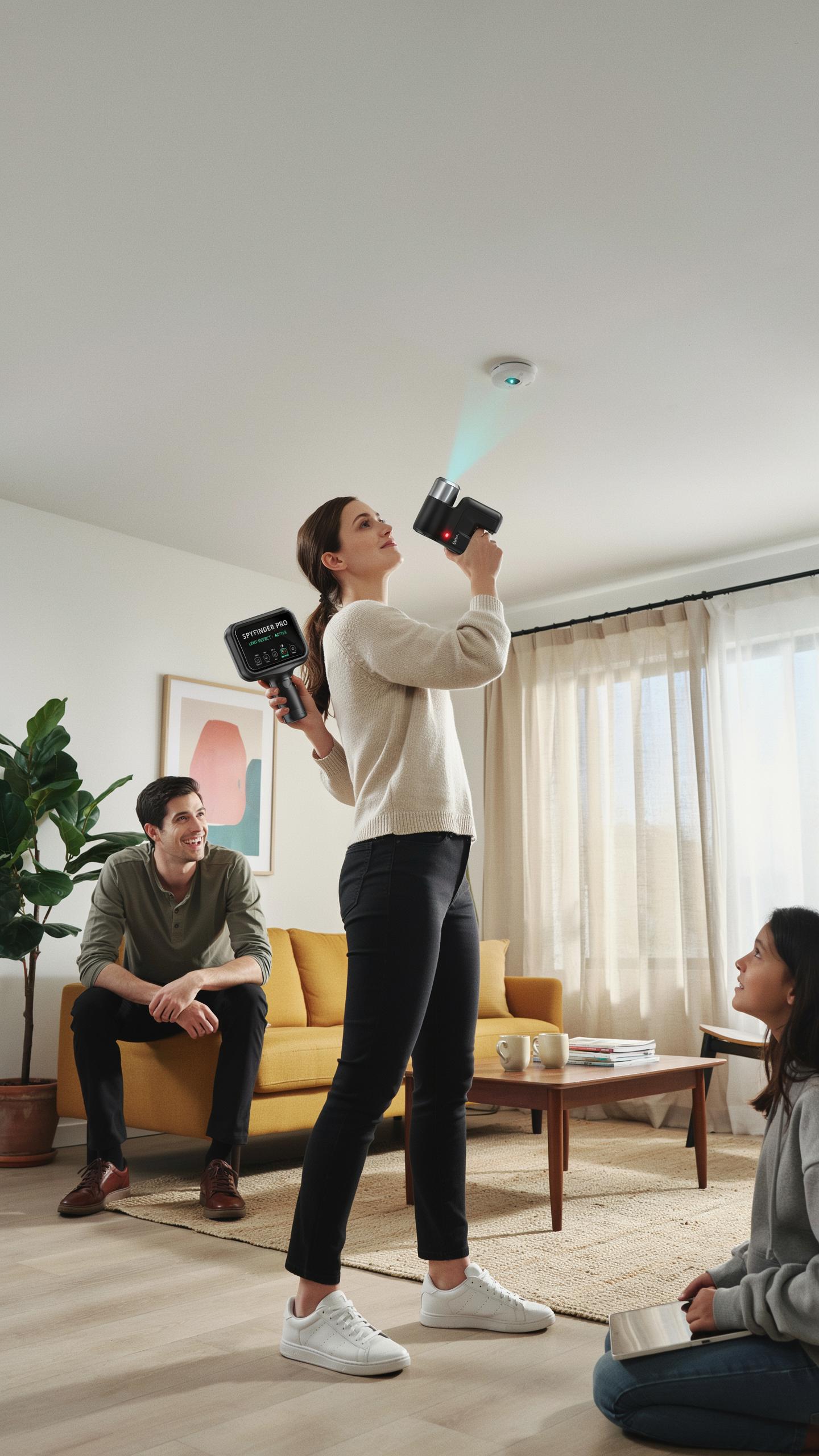
The Spyfinder Pro operates on infrared detection technology. It identifies camera lenses by their reflective properties when exposed to infrared light. The device scans rooms systematically and alerts users to suspicious reflections. Most high-end detectors include both audio and visual alerts. Battery life typically ranges from 4 to 8 hours per charge. Detection range varies by model but generally covers 15 to 30 feet.
Advanced detectors incorporate RF (radio frequency) scanning capabilities. This function identifies wireless transmission signals from hidden cameras. Many models include adjustable sensitivity settings for different environments. Premium versions offer data logging to document detection events. Some units feature smartphone compatibility for remote monitoring. These features add cost but provide comprehensive coverage across multiple detection methods.
Where To Find Reliable Hidden Camera Detector Ebay Listings And Retailers
eBay hosts numerous listings for hidden camera detectors from multiple sellers. Verify seller ratings before purchasing to avoid counterfeit products. Check product photos and specifications carefully against manufacturer claims. Read buyer reviews for real world performance feedback. Filter listings by condition, price, and shipping location. Compare warranties and return policies across different sellers.

Authorized retailers offer better protection than third party marketplaces. Contact manufacturers directly for approved distributor information. Major electronics retailers stock popular models with return guarantees. Specialized security equipment stores provide expert product guidance. Purchase directly from company websites when possible to ensure authenticity. Avoid suspiciously discounted listings that deviate significantly from standard pricing.
Maintaining Your Privacy A Continuous Effort

Regular Scans For Peace Of Mind
Treat detector use as routine maintenance, not a one-time event. Scan your accommodation on arrival, before undressing, and before sensitive conversations. Most hidden cameras sit in predictable locations: smoke detectors, clocks, charging adapters, and picture frames. A methodical sweep takes fifteen minutes and covers ninety percent of typical threat vectors. Consistency beats intensity here. You catch problems early when you scan regularly.
Detection devices work best when you know how to use them. Infrared detectors find lens reflections. RF detectors catch wireless transmission signals. Lens finders use magnification to spot optical glass. Use multiple detection methods in sequence rather than relying on one tool alone. This layered approach catches devices that single-method scanning misses. Your device is a tool that requires proper technique to deliver results.
Staying Informed About New Threats And Technologies
Surveillance technology evolves constantly. Cameras get smaller. Wireless systems improve. Detection methods improve alongside them. Read reports from security researchers and privacy organizations that track emerging surveillance tools. Understand that device capabilities expand annually. What detects modern cameras may miss next year’s innovations. Stay current on detection technology updates and firmware releases for your specific device.

Threat awareness works with detection tools, not against them. Learn how hidden cameras appear in travel settings. Hotel staff occasionally report unauthorized devices in guest rooms. Airlines and transportation hubs occasionally find contraband recording devices. News coverage of these discoveries shows you real threat patterns. Apply these patterns to your own risk assessment. Knowledge about actual threats transforms your detector from a gadget into an effective security tool.
Frequently Asked Questions

What exactly is a hidden camera detector device and why would I need one for travel?
A hidden camera detector device is a small gadget designed to find covert cameras by identifying their lenses or wireless signals. You’d need one for travel to ensure your privacy in rented accommodations like Airbnbs or hotel rooms, protecting yourself from unauthorized surveillance.
How do I effectively use a hidden camera detector device to check my hotel room?
When using a hidden camera detector device, start by scanning suspicious areas like smoke detectors, alarm clocks, and power outlets. Move slowly, looking for bright reflections (for lens detectors) or signal spikes (for RF detectors). A thorough sweep of the room, including behind mirrors, provides peace of mind.
Are there affordable hidden camera detector devices that are still effective for travelers on a budget?
Absolutely! Many effective hidden camera detector devices are available at budget-friendly price points. You can find reliable lens-finder models or basic RF signal detectors for under $50. While advanced features may be absent, these devices still offer crucial protection for your privacy while traveling.