
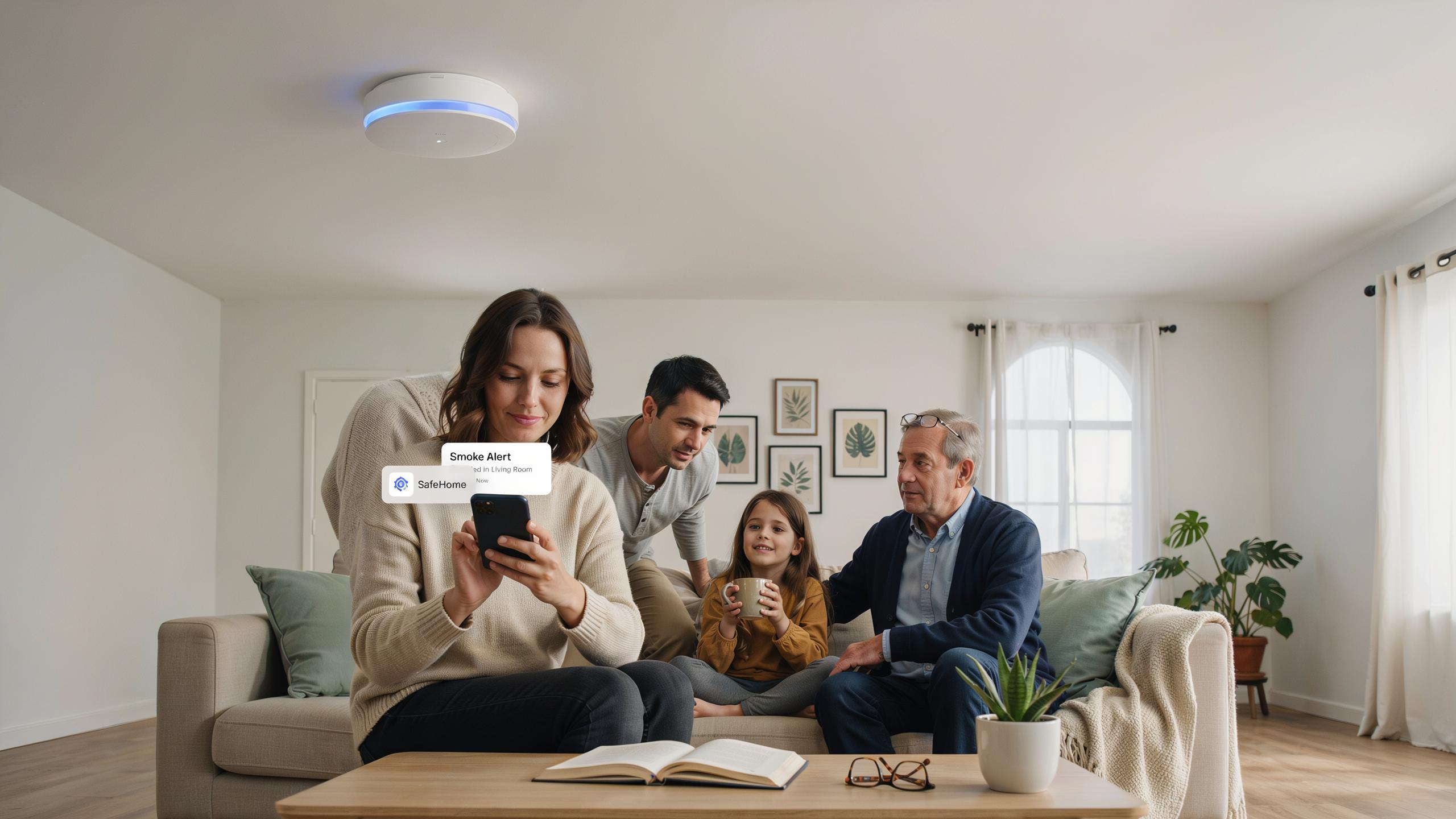
Understanding Smart Smoke Detectors And Phone Alerts
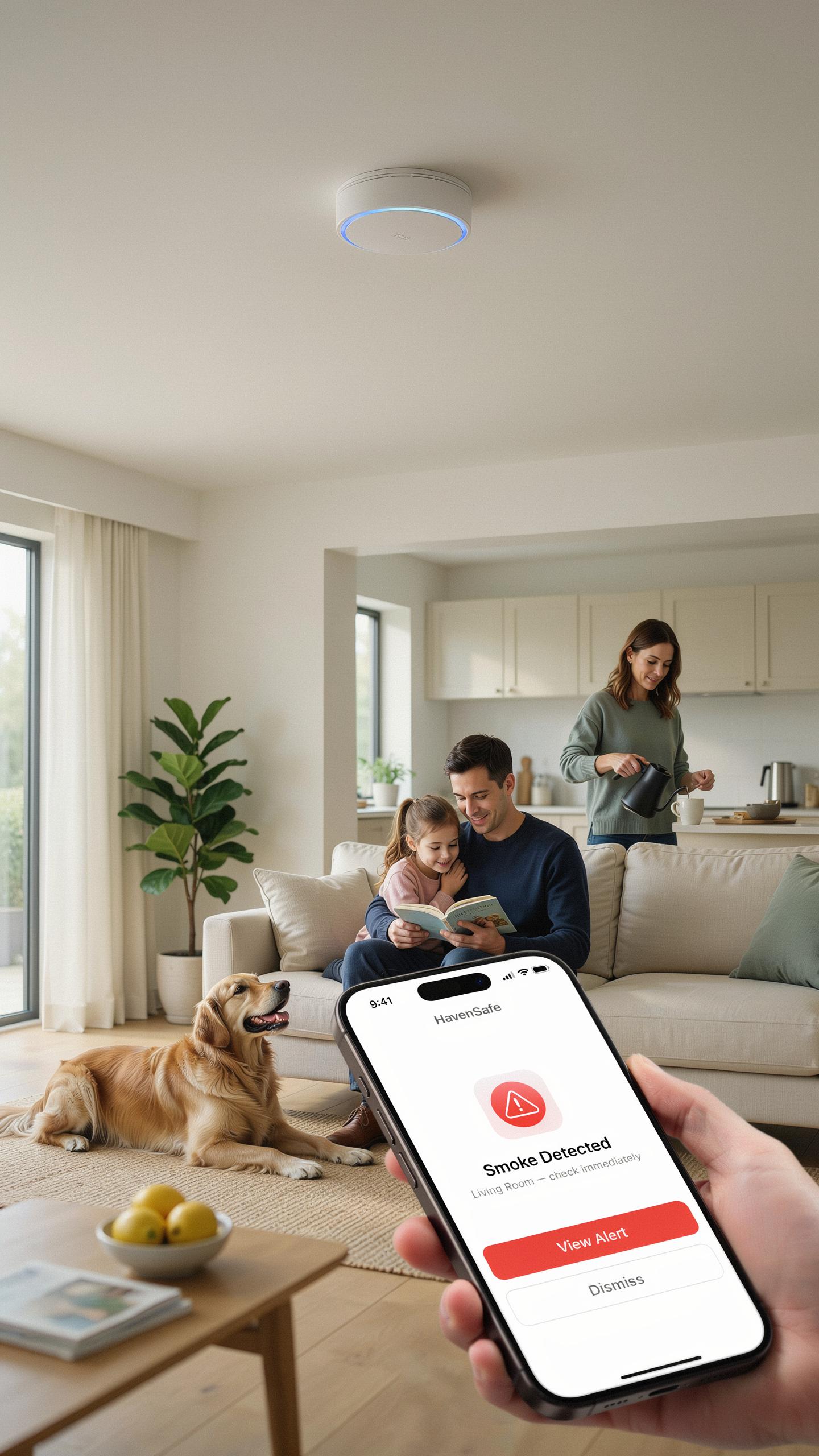
How Traditional Smoke Detectors Fall Short
Traditional smoke alarms detect fire and sound an audible alarm. They work reliably within earshot of the device. The problem emerges when you’re asleep, in another room, or away from home entirely. You miss the alarm completely. No notification reaches your phone. No alert travels to your family members elsewhere. This gap creates real danger during critical moments when seconds matter most.
The core limitation is simple: traditional detectors have zero connectivity. They cannot communicate beyond their built-in speaker. If a fire starts while you shower or sleep, the alarm may sound uselessly to an empty house. You only learn about the fire after significant damage occurs or a neighbor alerts you. Modern life demands that safety systems match your actual living patterns, not outdated assumptions about where you spend your time.
The Power Of Real Time Phone Notifications
Smart smoke detectors close this critical gap by transmitting alerts directly to your smartphone the instant they detect smoke or heat. You receive a push notification wherever you are, whether at work, asleep, or across the country. This immediate awareness lets you take action fast. You can call emergency services before fire spreads. You can instruct family members to evacuate. Response time shrinks from unknown to instantaneous.
The tactical advantage is clear: information reaches you in real time, not delayed. You control your response rather than hoping someone hears an alarm. Multiple family members receive alerts simultaneously through the same app. Smart detectors integrate with home automation systems, triggering lights or unlocking doors for faster escape. This connectivity transforms smoke detection from a passive fire alarm into an active safety system that protects you regardless of your location.

Why Smart Smoke Detector With Phone Alerts Is Essential For Modern Homes
Beyond The Beep: Enhanced Awareness And Control
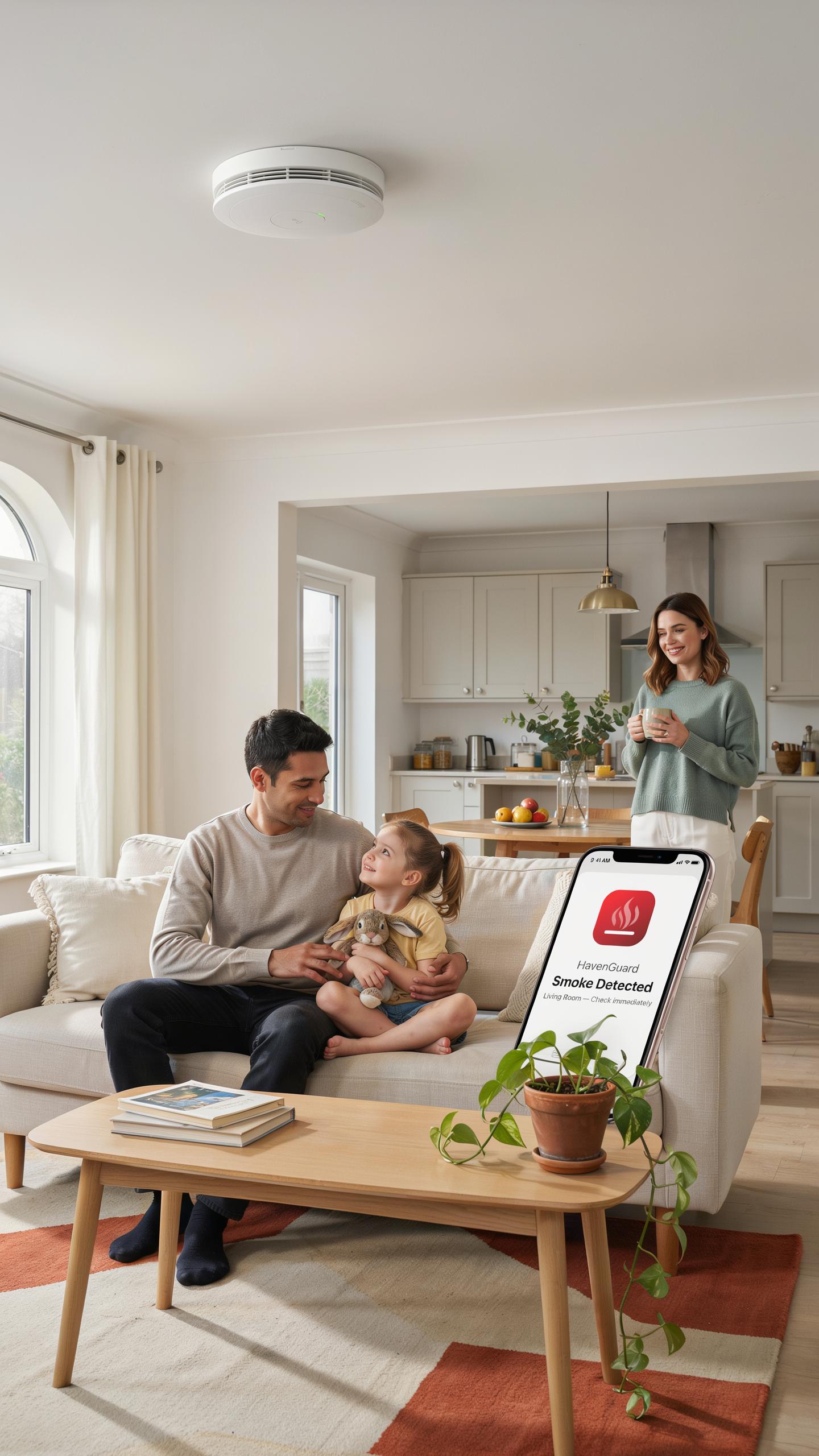
Traditional smoke detectors alert you only when you’re home and within earshot. Smart smoke detectors push notifications to your phone, whether you’re at work, asleep, or away. You get real-time alerts on your smartphone the moment smoke is detected. This shift from audio-only warnings to instant digital notifications changes how quickly you can respond to fire threats.
Remote silencing eliminates false alarm frustration. You can dismiss notifications caused by cooking steam or burnt toast from your phone without rushing home. The device sends you detailed information about which room detected the smoke and the alert timestamp. You maintain full awareness of your home’s status without constant guesswork or wasted trips.
Protecting Your Loved Ones And Valuables 24 Or 7
Smart smoke detectors work around the clock while you sleep. Alerts reach your phone instantly, giving you precious minutes to wake family members, call emergency services, or escape danger. This continuous monitoring means threats never go unnoticed, even at 3 AM when traditional alarms might go unheard in another part of your home.

Integration with your phone means emergency responders can reach you faster with critical information. You can confirm a fire threat immediately rather than waiting for neighbors to report smoke. The data trail from smart detectors also helps insurance companies and fire investigators understand exactly when and where fires started. This real-time responsiveness directly reduces injury risk and property damage.
Integrating Carbon Monoxide Detector Capabilities For Comprehensive Protection
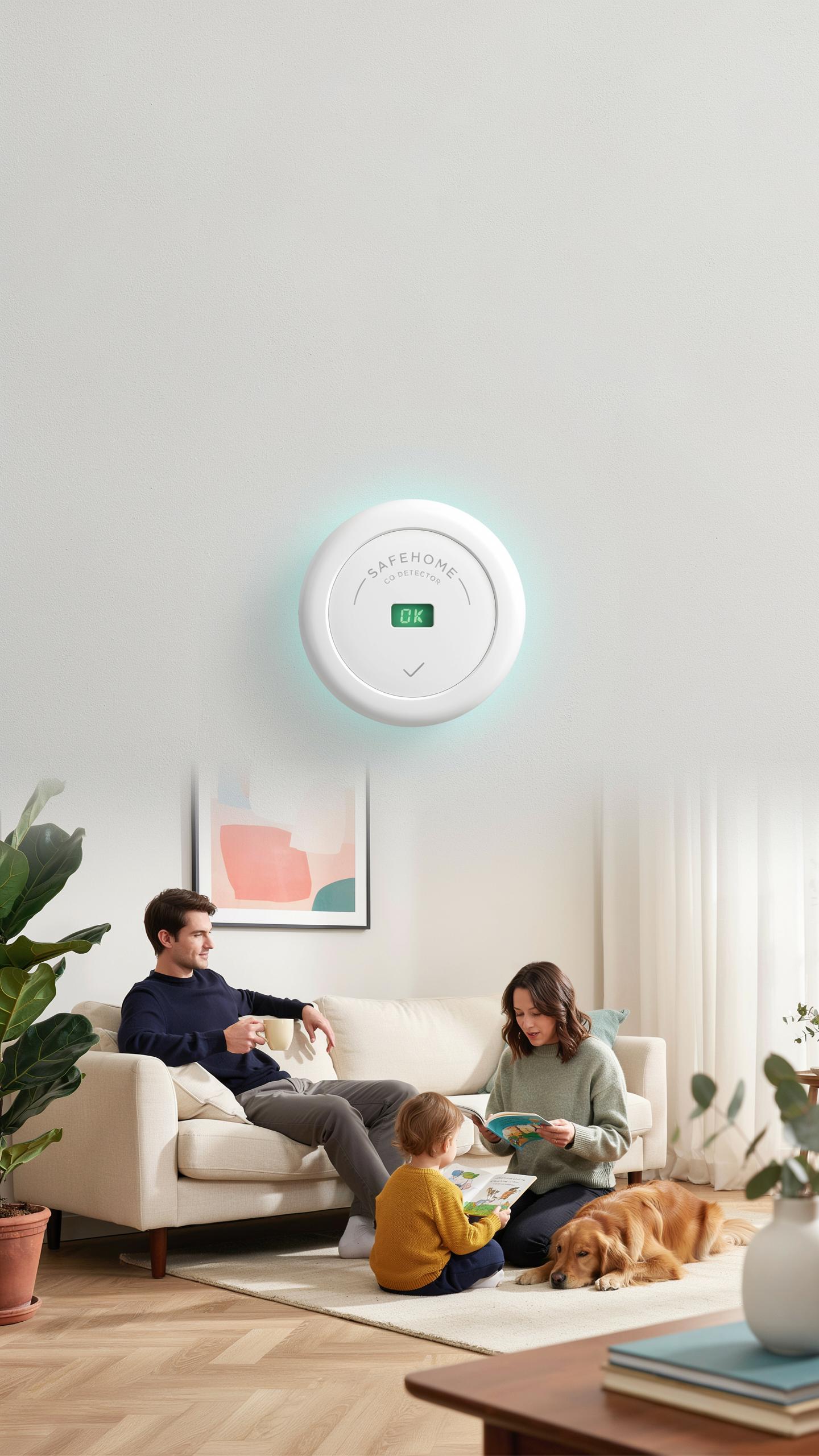
The Silent Killer: The Importance Of CO Detection
Carbon monoxide is an odorless, colorless, and tasteless gas produced by incomplete combustion of fuels. Furnaces, water heaters, fireplaces, and car exhaust all generate CO. Your body absorbs CO through breathing, and it binds to hemoglobin faster than oxygen does, starving your cells of oxygen and causing poisoning or death within hours at high concentrations.
Smart smoke detectors with integrated CO sensors detect this gas before it reaches lethal levels in your home. The detector triggers an alarm and sends notifications to your phone instantly. This dual capability means you get alerts for both fire smoke and carbon monoxide threats through one device, eliminating blind spots in your home safety system.
Dual Sensors For Ultimate Home Safety
Combination smoke and CO detectors use two separate sensing technologies operating independently. The smoke sensor typically uses photoelectric or ionization methods to detect particles. The CO sensor uses an electrochemical cell that reacts to carbon monoxide gas and triggers an alert when levels exceed safe thresholds, usually between 35 and 1200 parts per million depending on exposure time.

Installing one combination device instead of two separate units reduces installation complexity and maintenance burden. You manage fewer batteries, perform fewer tests, and receive alerts from a single source on your phone. This streamlined approach ensures comprehensive coverage without creating management overhead or missed detection opportunities in your home.
Making Your Home A Smart Home With Advanced Fire Safety
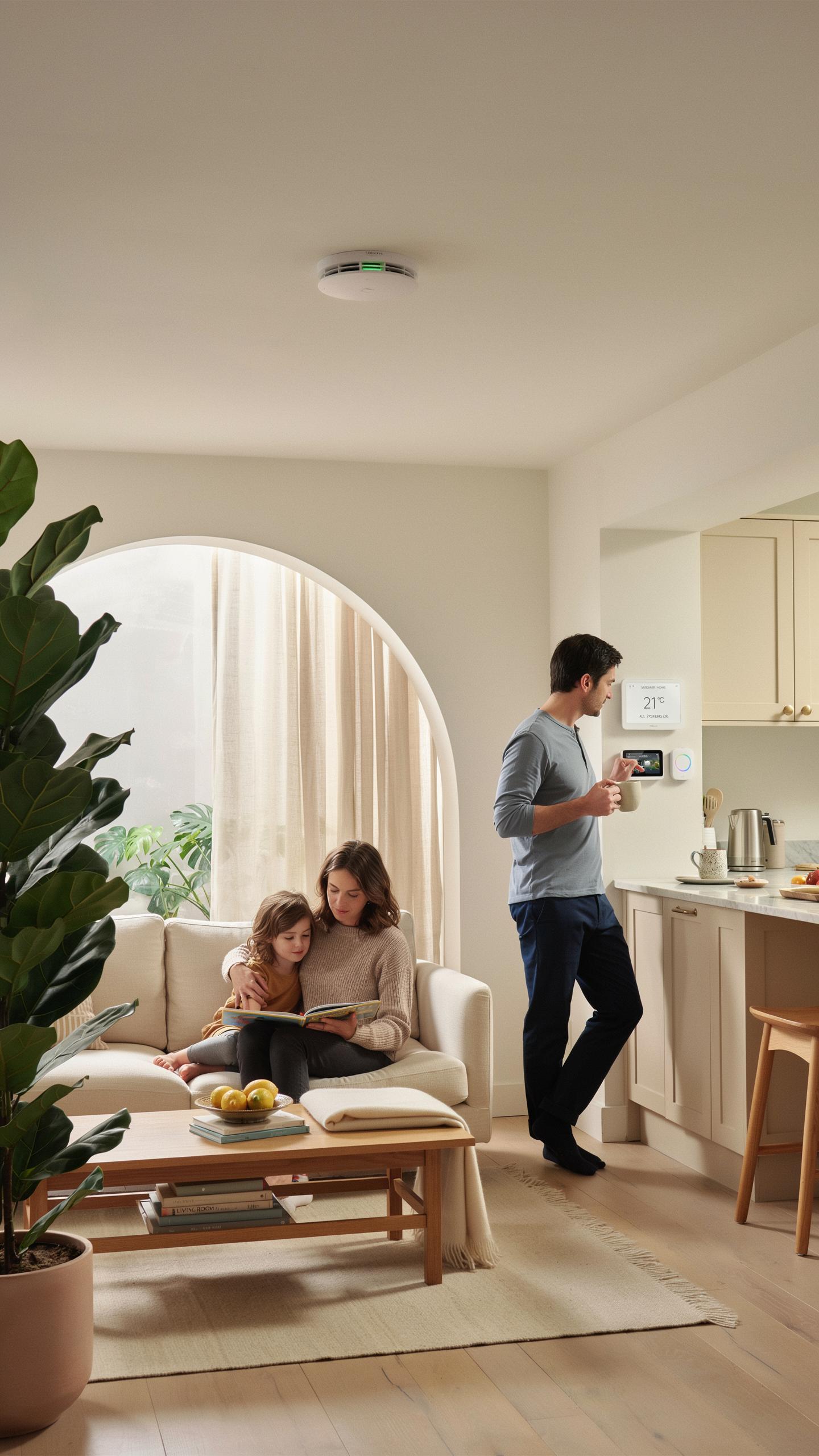
Seamless Integration With Your Smart Home Ecosystem
Smart smoke detectors connect to platforms like Amazon Alexa, Google Home, and Apple HomeKit. This integration lets your fire safety system communicate with other smart devices in your home. Your smoke detector becomes part of a coordinated network rather than an isolated device.
When a smoke detector connects to your smart home hub, it shares real time fire alerts across all your connected devices. Smart lights can flash. Thermostats can receive commands. Security cameras can start recording. This unified approach means your entire home responds to fire threats as one system instead of individual pieces working independently.
Automated Responses For Enhanced Protection
Smart smoke detectors trigger automated actions that activate without your intervention. When smoke is detected, your system can unlock doors for faster evacuation routes. Lights turn on automatically to guide occupants toward exits. These responses happen in seconds, not minutes.

Some smart systems shut down HVAC units when smoke detection occurs. This prevents the ventilation system from pushing smoke through your home. Garage doors can open for emergency vehicle access. Notifications go to your phone and emergency contacts simultaneously. The system prioritizes life safety by removing barriers and alerting everyone who needs to know.
Choosing The Right Smart Device For Your Fire Safety Needs
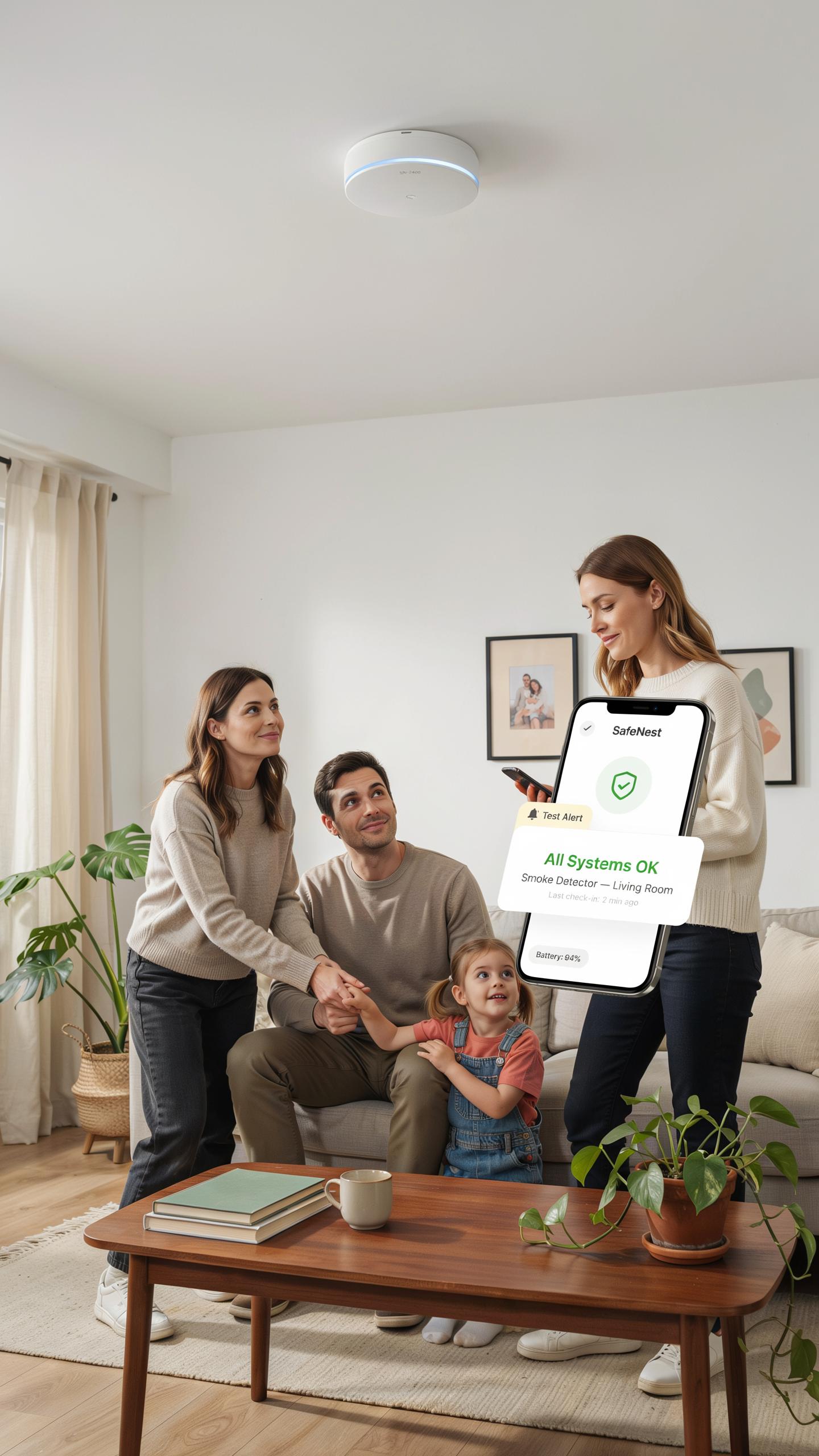
Key Features To Look For In A Smart Smoke Detector
Wi-Fi connectivity forms the backbone of any smart smoke detector system. Your detector must connect reliably to your home network to send phone alerts when smoke is detected. Battery life matters because wireless models need sufficient power between replacements. Check for detectors lasting at least one year on a single battery set. Interoperability with your existing smart home ecosystem saves money and simplifies management.
Phone alert clarity determines whether you actually respond to a fire threat. Test notifications before purchasing to ensure they reach your phone consistently. Look for UL or ETL certification marks on packaging and product documentation. These certifications mean the device meets safety standards. Read customer reviews focusing on false alarm rates and alert delivery speed rather than marketing claims.
Wireless Vs Plug In Carbon Monoxide Alarm Options
Battery-powered wireless smoke detectors offer installation flexibility since they require no electrical wiring. You can place them anywhere in your home based on layout and fire risk zones. Most wireless models include battery backup as a redundancy feature. Plug-in models connect directly to wall outlets for continuous power. They eliminate battery replacement schedules but limit placement to rooms with convenient outlets.

Your home layout determines which option works best. Open floor plans may need fewer detectors than multi-story homes with enclosed spaces. Wireless models suit older homes where running new wiring is impractical. Plug-in options work well in kitchens and bedrooms with readily available outlets. Consider mixing both types to optimize coverage while managing installation costs and maintenance requirements.
Installation And Maintenance For Optimal Home Safety And Fire Safety
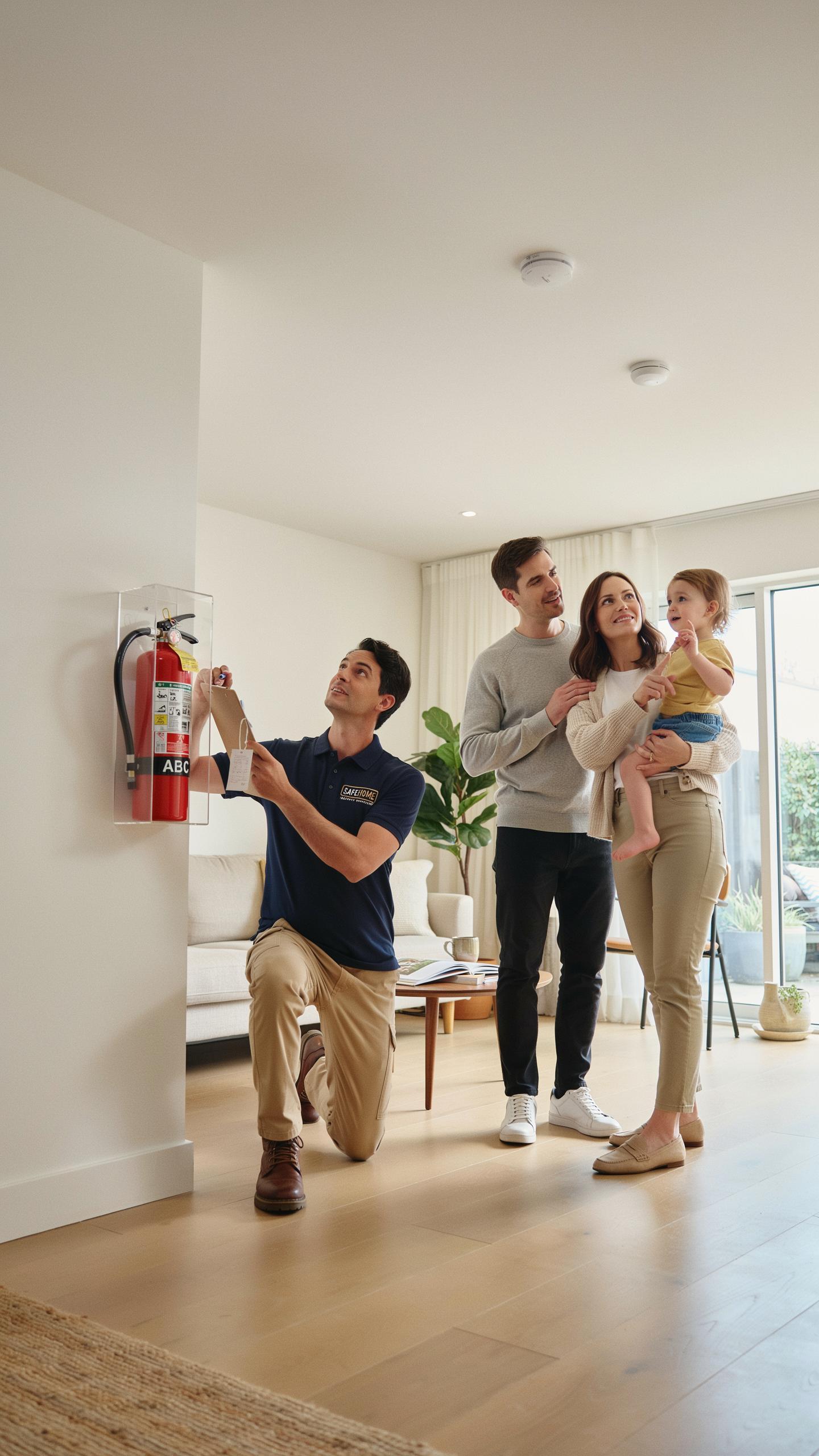
Strategic Placement For Maximum Coverage
Install smart smoke detectors on every level of your home. Place them inside bedrooms, outside sleeping areas, and in hallways. The kitchen needs one positioned away from cooking appliances to avoid false alarms. Laundry rooms require coverage due to dryer fire risks. Mount detectors on ceilings or high on walls where smoke rises naturally.
Avoid corners and dead air spaces where smoke doesn’t circulate freely. Keep detectors at least ten feet from cooking appliances and bathrooms. Test placement by walking through your home and identifying high-risk zones like furnace rooms and attached garages. Adjust positions based on your home’s layout and fire hazard areas.
Regular Testing And Battery Replacement
Test each smart smoke detector monthly using the built-in test button. Hold it for three to five seconds until the alarm sounds. Replace batteries at least once per year or when the device signals low battery status. Mark replacement dates on your calendar to maintain consistency across all units.

Check your manufacturer’s documentation for specific battery types and replacement procedures. Some models use standard 9-volt batteries while others use AA or AAA variants. Replace all batteries simultaneously during daylight hours to simplify tracking. Verify the device reconnects to your smartphone app after battery replacement to confirm continued alert functionality.
The Smart Life Advantage Convenience And Peace Of Mind
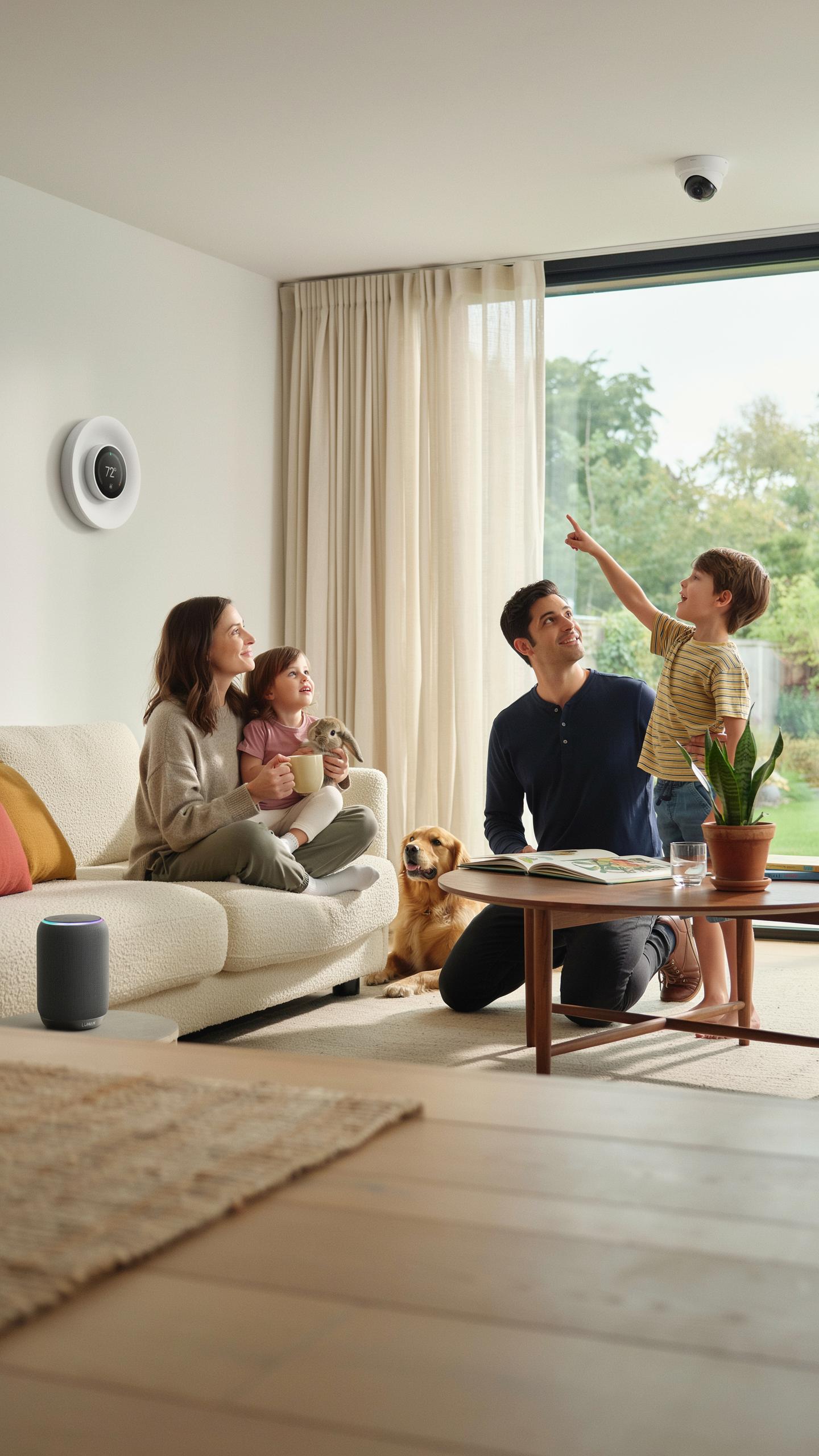
Remote Monitoring And Control From Anywhere
Smart smoke detectors connect to your home network and send alerts directly to your phone. You receive notifications the moment a detector triggers, regardless of your location. This means you know about fire threats while at work, traveling, or anywhere with internet access. The app typically shows which room detected smoke and the alert timestamp, giving you actionable information fast.
You can also silence false alarms remotely in many models, stopping unnecessary disruption without returning home. Some systems let you test detectors from your phone to verify they function properly. Integration with home automation platforms means you can trigger other responses, like unlocking doors for emergency exit or turning on lights. This capability transforms detection from passive monitoring into active safety management you control.
Home isn’t just a place; it’s a feeling of comfort and security. Knowing your home is watched over, even when you’re far away, brings a peace that warms the heart, like the familiar scent of Grandma’s baking.
Reduced False Alarms With Advanced Sensing Technology
Smart detectors use multiple sensors working together to identify actual fire threats versus cooking smoke or steam. They employ algorithms that analyze sensor data patterns over time, distinguishing between sustained smoke signatures and temporary vapor. This multi-sensor approach cuts down nuisance alerts that plague traditional detectors. Fewer false alarms mean residents stop ignoring alerts, which keeps the system’s credibility and effectiveness intact.

Manufacturers design these systems to learn from your home’s environment and adjust sensitivity accordingly. Some models use heat and smoke combination sensing to confirm fire conditions before alerting you. This verification step reduces alert fatigue while maintaining detection of genuine emergencies. The result is notification reliability that matches actual danger levels in your specific space.
Best Carbon Monoxide Detector Reviews What To Consider
Key Factors In Top Rated CO Detectors
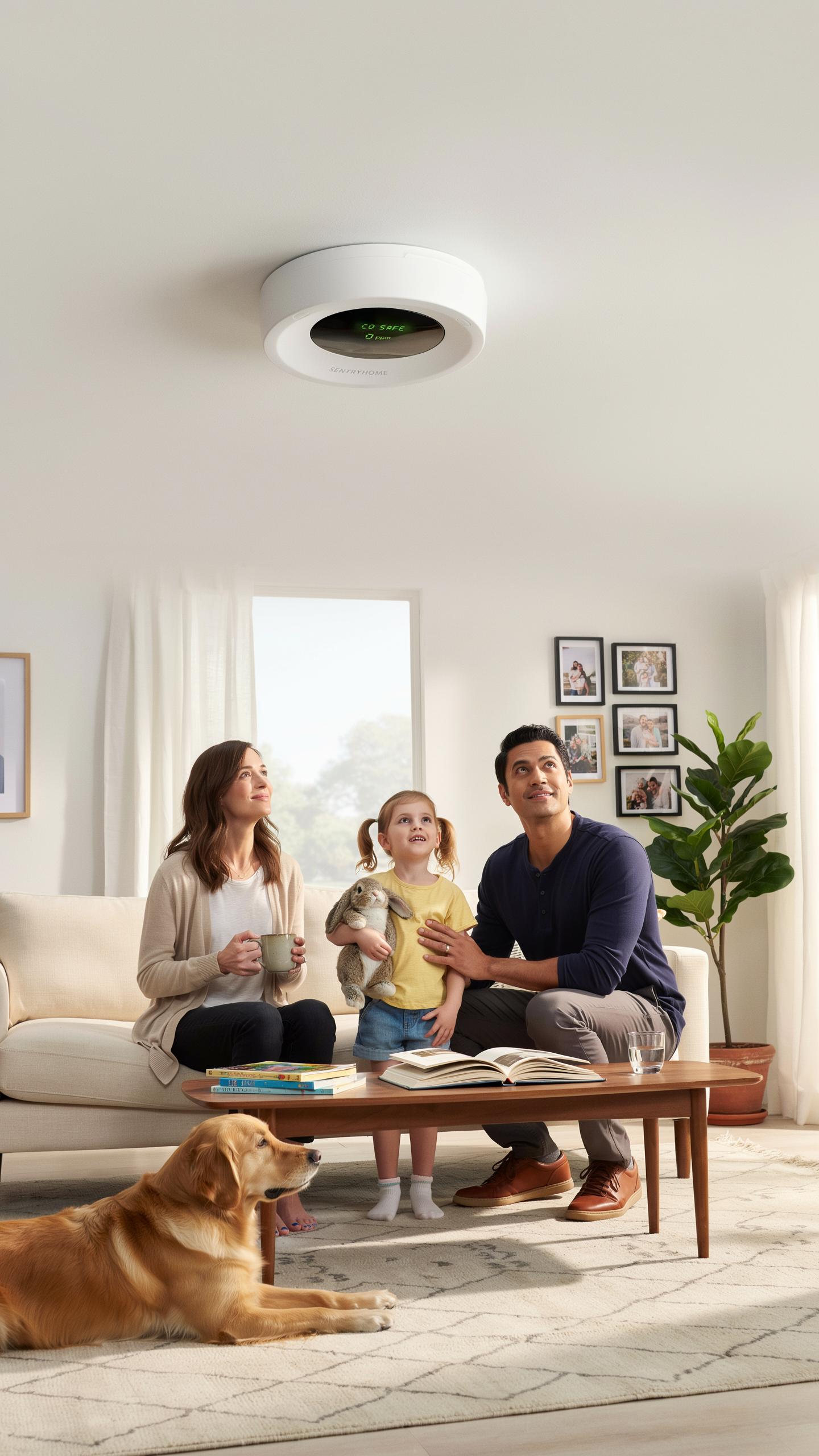
Electrochemical sensors form the backbone of reliable carbon monoxide detection. These sensors change electrical properties when exposed to CO, triggering accurate readings across varying concentrations. Digital displays provide immediate readouts so you know CO levels without guessing. End-of-life warnings notify you when the sensor stops functioning, preventing detection gaps that leave your home unprotected.
Smart home integration transforms CO detectors into networked safety systems. Models that connect to your phone send alerts directly to your device when CO reaches dangerous levels. This capability matters most when you’re away from home or asleep. Choose detectors that work with major platforms like WiFi or existing smart home hubs for seamless operation.
User Experiences And Reliability Ratings
Real world testing through user reviews reveals which detectors perform consistently over time. Look for patterns in feedback about false alarms, battery life, and sensor accuracy. Independent testing labs publish reliability data that cuts through marketing claims. Customer support responsiveness matters when you have questions about functionality or need technical help troubleshooting alerts.

Durability ratings show which models withstand years of operation without degradation. Users report on how well detectors maintain accuracy after months and years of service. Check how manufacturers handle warranty claims and sensor replacements. Detectors praised for reliability typically have consistent positive feedback across multiple platforms and timeframes.
Exploring The Best Co Detectors For Safety Features And Recommendations
Advanced Features For Superior CO Safety
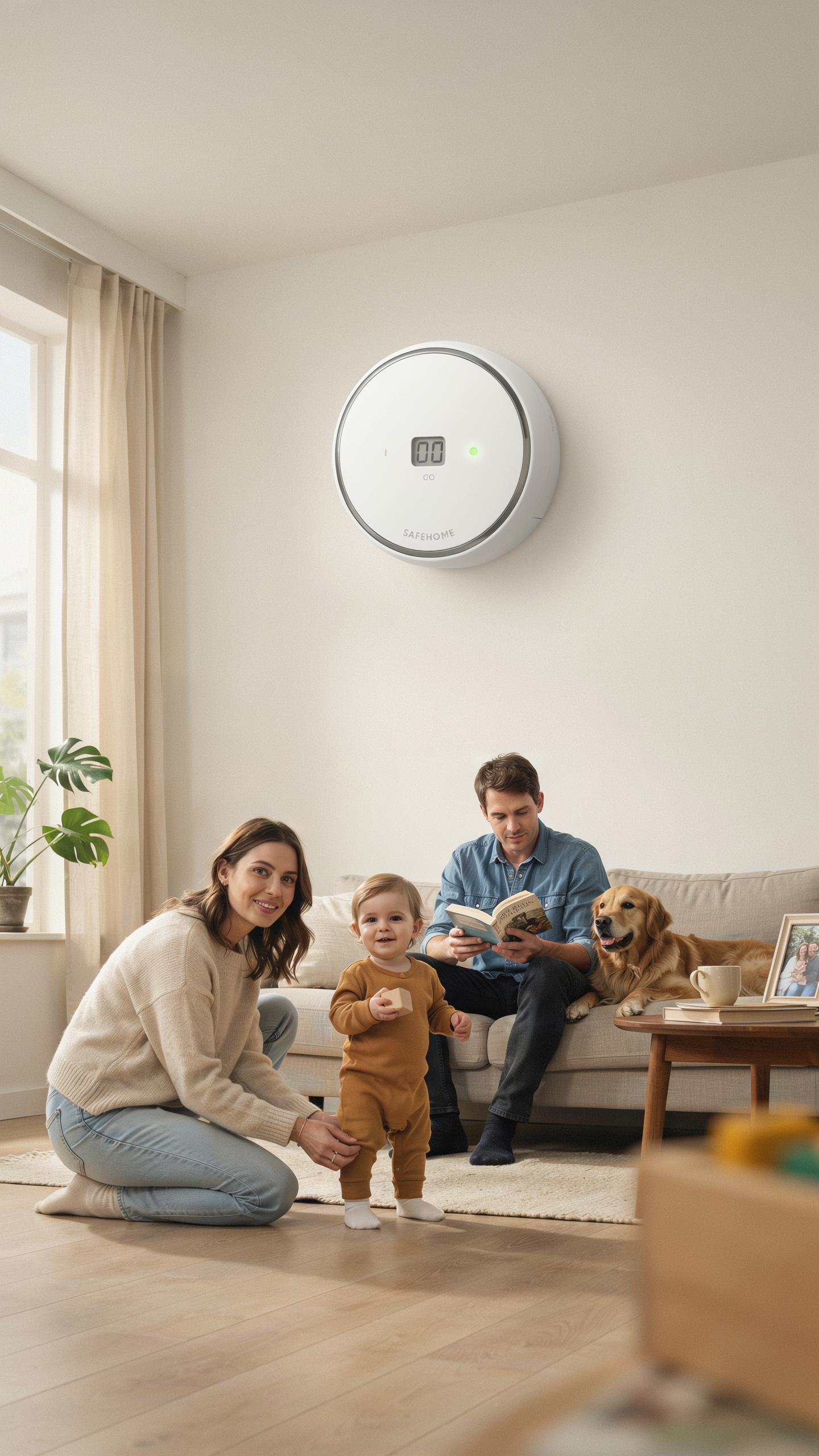
The best CO detectors combine multiple detection methods with user notification systems that reach you wherever you are. Voice alerts announce the threat level and location. Peak level memory records the highest CO concentration detected, helping you understand exposure severity. Smart app integration sends real-time alerts to your phone, enabling remote monitoring of your property.
These features matter because they eliminate response delays. You receive immediate notification of dangerous conditions without being home. Peak memory data helps emergency responders understand what happened. Smart connectivity allows you to verify false alarms before calling authorities, saving time and preventing unnecessary emergency dispatch.
Top Picks And What Makes Them Stand Out
Reputable safety brands like First Alert, Kidde, and Nest manufacture CO detectors with proven performance records. These manufacturers test devices against industry standards and provide transparent specifications about detection capabilities. Look for models that combine reliable sensors with straightforward interfaces to ensure family members can operate them.
The strongest performers balance sensitivity with false alarm prevention. They offer clear display screens showing CO levels in real time. Backup battery systems keep detection active during power outages. Brands with established customer support networks provide faster assistance when you need troubleshooting or replacement units.
The Future Of Safety AI And Predictive Analytics In Smart Detectors
Leveraging AI For Proactive Threat Detection
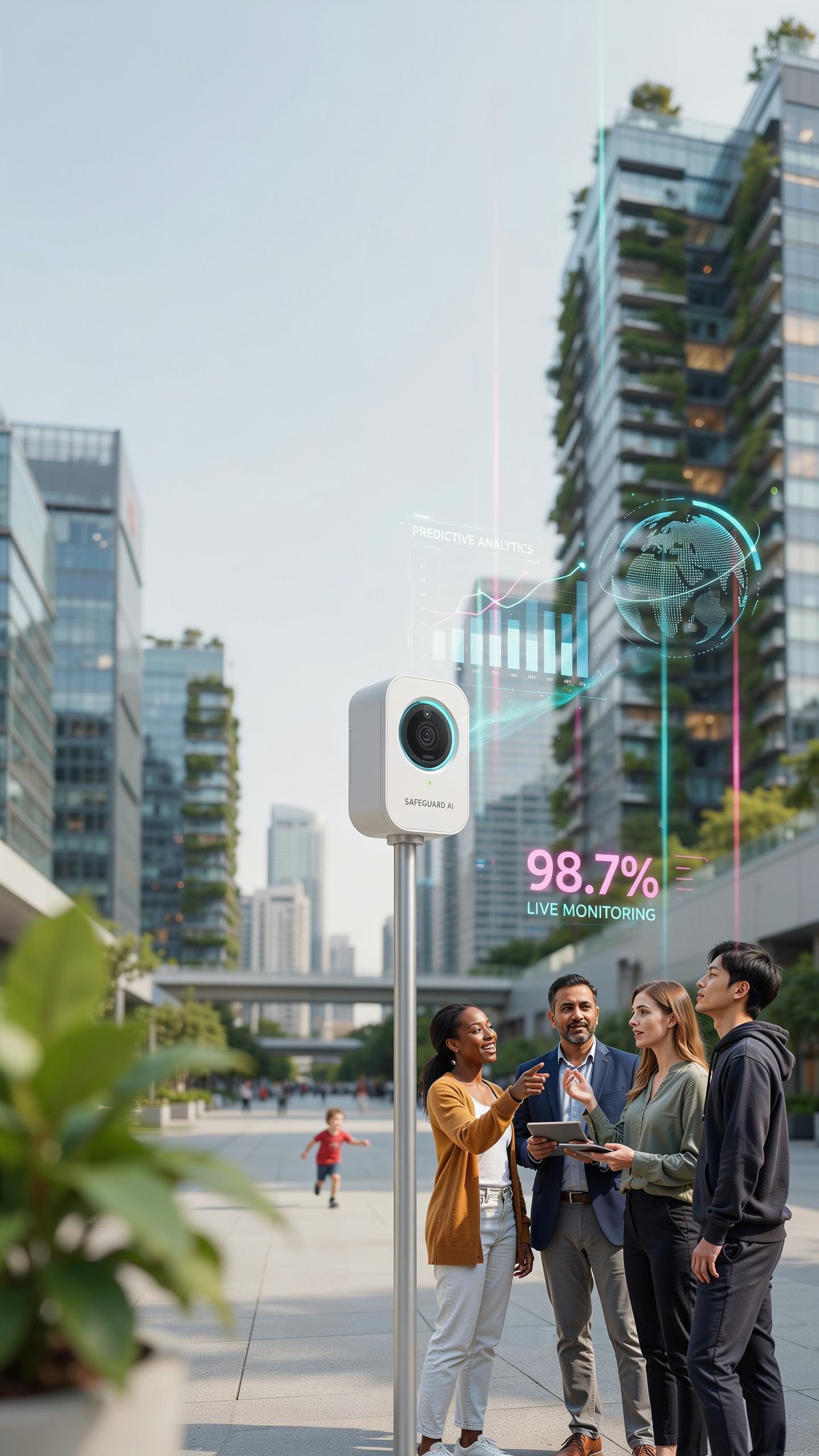
Machine learning algorithms in next generation smart detectors analyze household patterns to identify fire risks before they escalate. These systems track temperature fluctuations, humidity levels, and occupancy patterns to flag anomalies that precede fires. AI learns what normal looks like in your specific home, then alerts you when conditions deviate from baseline parameters.
Current smart detectors already integrate with cloud platforms that process sensor data. Future versions will use this data more intelligently by cross referencing environmental patterns with historical fire incident data. This approach shifts protection from reactive response to active prevention by catching dangerous conditions early and sending targeted alerts to your phone before smoke even develops.
Evolving Technology For Unparalleled Home Security
Battery technology improvements now extend smart detector runtimes to five years or longer without replacement. Manufacturers are developing sensors that detect multiple threats simultaneously including smoke, carbon monoxide, and dangerous temperature spikes. Integration with emergency dispatch systems means your detector can automatically notify fire departments with your location data when triggered.
Future iterations will connect seamlessly with broader smart home ecosystems and municipal emergency networks. Better sensor accuracy reduces false alarms that plague older models. Enhanced wireless protocols ensure consistent connectivity even in homes with weak signals. These advances make smart detectors central to comprehensive home safety infrastructure rather than standalone devices.
Frequently Asked Questions

What exactly is a smart smoke detector with phone alerts and how does it differ from a traditional smoke detector?
A smart smoke detector with phone alerts is an advanced safety device that not only sounds an alarm locally but also sends notifications directly to your smartphone. This means you’ll be alerted to potential fire or smoke issues even when you’re away from home, offering an invaluable layer of remote monitoring and peace of mind beyond what traditional detectors provide.
How do I install and set up my smart smoke detector to ensure I receive phone alerts effectively?
Most smart smoke detectors are designed for easy DIY installation, often involving mounting to a ceiling or wall and connecting to your home’s Wi-Fi network. You’ll then download the manufacturer’s app, which guides you through pairing the device and configuring settings to ensure your smart smoke detector with phone alerts is fully operational.
Are there affordable options for a smart smoke detector with phone alerts, or are they typically very expensive?
While some advanced models can be pricier, the market offers a good range of smart smoke detector with phone alerts at various price points. Many reputable brands now provide budget-friendly options that still deliver essential features like reliable detection and smartphone notifications, making enhanced home safety more accessible for everyone.