

The Evolution Of Hearing Aids From Bulky To Cool Hearing Aid
A Brief History Of Hearing Aid Technology
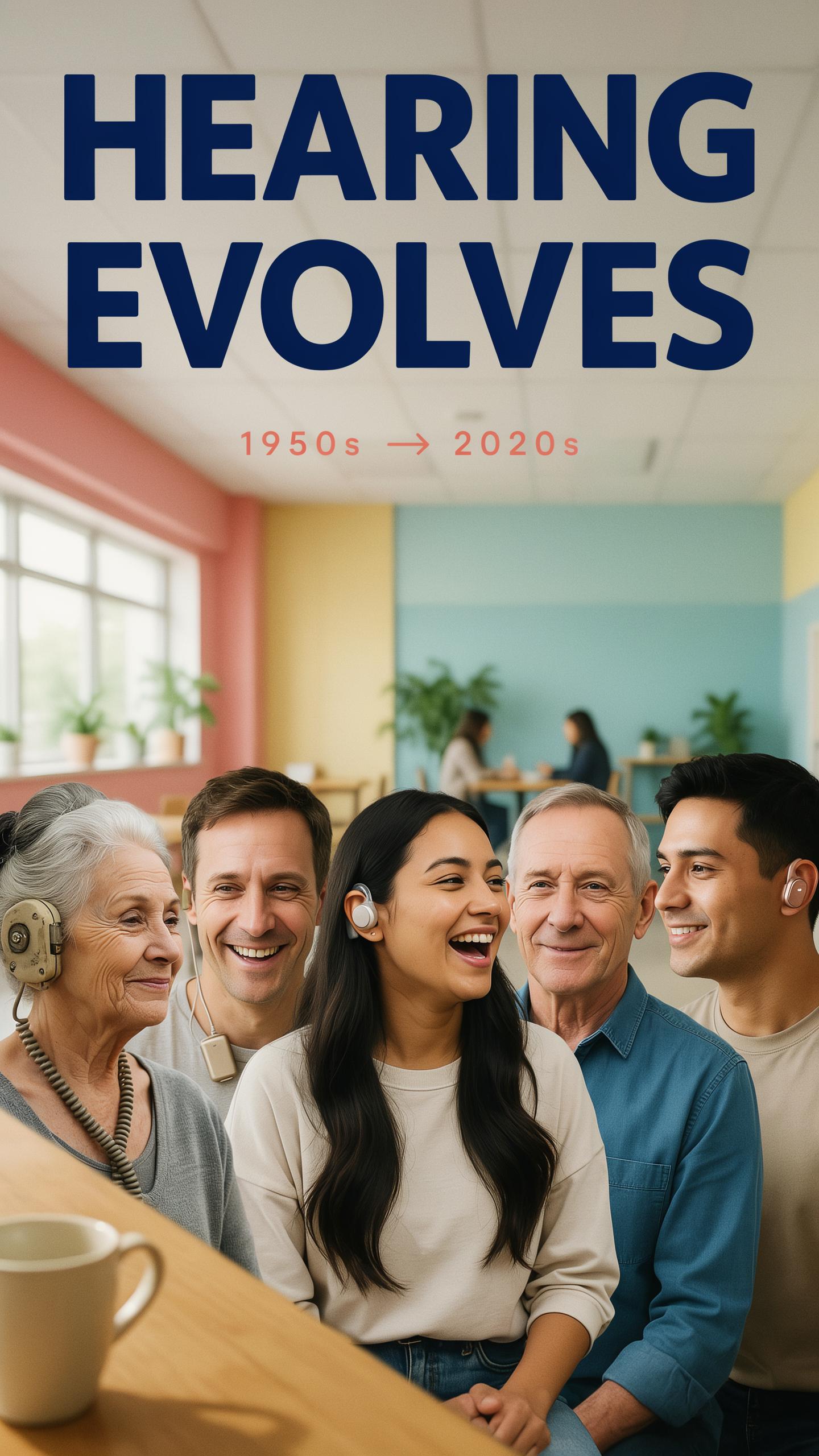
Hearing aid technology emerged in the late 1800s with acoustic horns that simply funneled sound into the ear. These devices offered no amplification. Electric hearing aids arrived in the early 1900s, using vacuum tubes to amplify sound. They were large, required external batteries, and remained impractical for daily use. The transistor invention in 1947 changed everything. Devices shrank dramatically. By the 1960s and 1970s, behind-the-ear and in-the-ear models became standard. Miniaturization accelerated with digital processing in the 1990s.
Digital hearing aids introduced programmable sound processing and noise reduction. They adapted to environments automatically. Bluetooth connectivity emerged in the 2000s, linking devices to phones and televisions. Modern hearing aids now process sound in real time, filtering background noise while amplifying speech. Battery technology improved significantly, extending daily usage. Rechargeable options eliminated the constant need for replacements. Today’s devices pack sophisticated processors into packages smaller than traditional earbuds. Performance and practicality reached levels unimaginable thirty years ago.
The Rise Of Stylish Hearing Aid Technology
Hearing aid stigma drove demand for inconspicuous designs. Manufacturers recognized that appearance directly influenced adoption rates. Completely-in-canal and invisible-in-canal models addressed this need by sitting deep inside the ear. Color options expanded beyond flesh tones. Materials evolved from basic plastics to premium finishes. Design became competitive. Brands partnered with fashion consultants and audiologists to create devices that users actually wanted to wear. This shift transformed hearing aids from medical necessities into personal tech products.
The smart hearing aid alternative earbud category emerged from this design revolution. Devices now resemble standard wireless earbuds, eliminating visual distinction entirely. Consumers wear them for hearing assistance, music, calls, and communication without drawing attention. Manufacturers integrated hearing technology into form factors people already trusted. This approach normalized hearing support for younger demographics experiencing early hearing loss. The category disrupted traditional hearing aid markets by offering fashion-forward solutions. Mainstream tech companies and specialized audio brands now compete aggressively in this space.

Understanding Smart Hearing Aid Alternative Earbuds
What Defines A Smart Hearing Aid Alternative
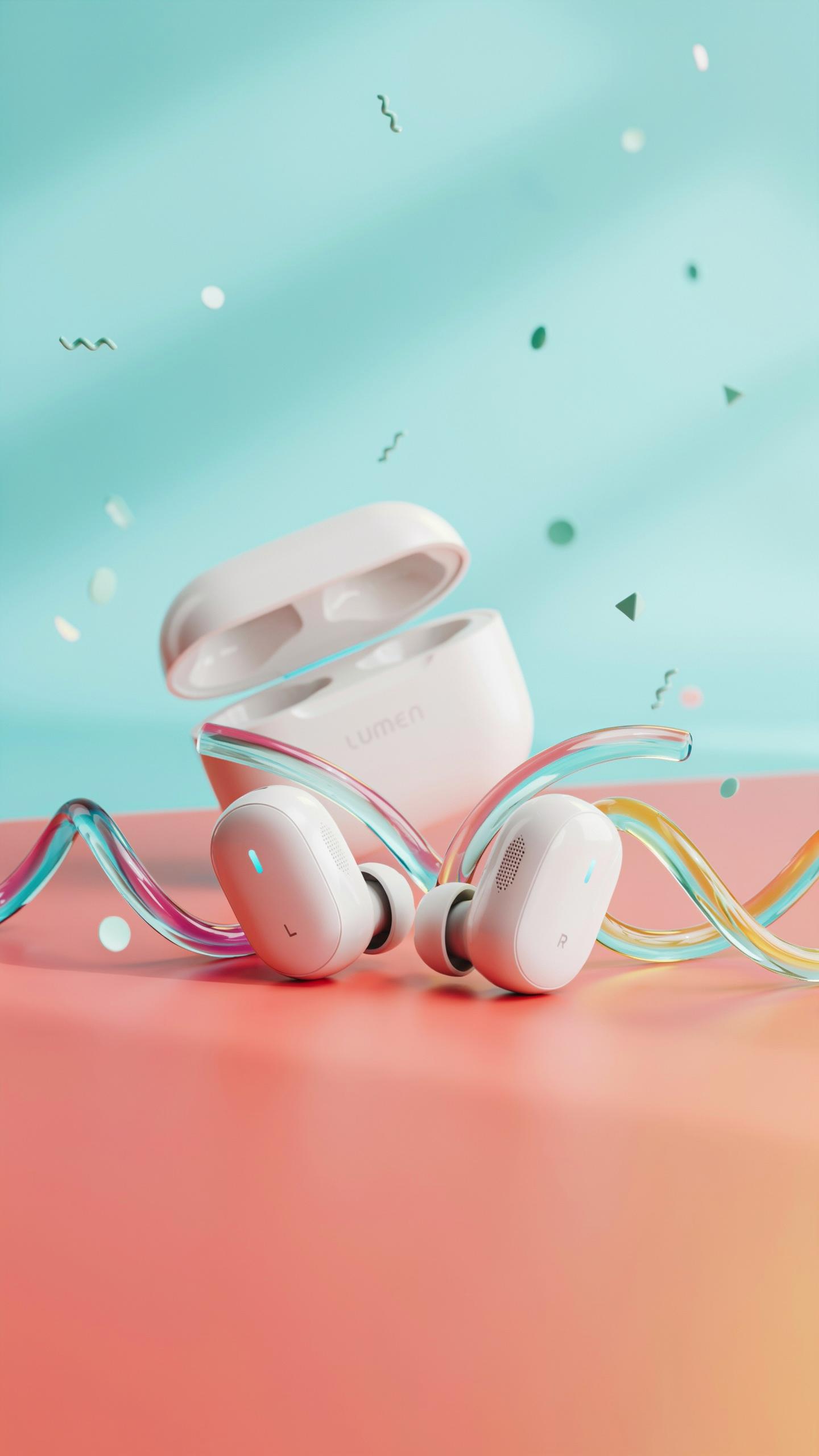
Smart hearing aid alternative earbuds amplify sound without requiring a prescription or audiologist fitting. They work as personal sound amplification products (PSAPs) designed for everyday users who experience mild to moderate hearing difficulty. These devices sit in the ear canal or outer ear and use microphones to capture ambient sound, process it through digital chips, then deliver amplified audio directly to your ear. They function differently from medical hearing aids, which are regulated devices prescribed after clinical testing.
The core distinction lies in regulatory classification and intended use. Smart hearing aid alternatives target people who want better hearing clarity during conversations, at restaurants, or in noisy environments without medical diagnosis. Traditional hearing aids require audiologist involvement and cost substantially more. Smart alternatives offer accessible entry points for sound amplification at lower price points. Users control settings through smartphone apps or manual buttons. This flexibility appeals to those hesitant about formal hearing aid adoption or seeking supplemental amplification alongside existing devices.
Remember the joy of hearing every whisper of life, every forgotten melody? These wondrous little companions bring that cherished clarity back, making every day feel like a sweet song once more.
Key Features And Technologies
Digital signal processing sits at the core of modern smart hearing aid alternatives. These chips analyze incoming sound in real time, distinguishing speech from background noise. Advanced models filter wind noise, reduce feedback, and adjust volume automatically based on environment changes. Directional microphones focus on sound sources in front of the wearer while reducing noise from behind. Battery technology determines practical use duration, with options ranging from rechargeable lithium ion lasting full days to disposable batteries lasting weeks.

Connectivity features expand functionality beyond basic amplification. Bluetooth links devices to smartphones, allowing remote adjustments and direct audio streaming from calls or apps. Some models offer preset programs for different environments like restaurants, offices, or outdoors. Noise reduction algorithms process multiple frequency bands independently. Feedback suppression prevents the squealing that occurs when amplified sound re-enters microphones. These technical capabilities target specific hearing challenges users encounter during typical daily activities rather than comprehensive medical correction.
Compact Hearing Aid Design Aesthetics Meet Functionality
The Importance Of Discrete Design For Everyday Wear
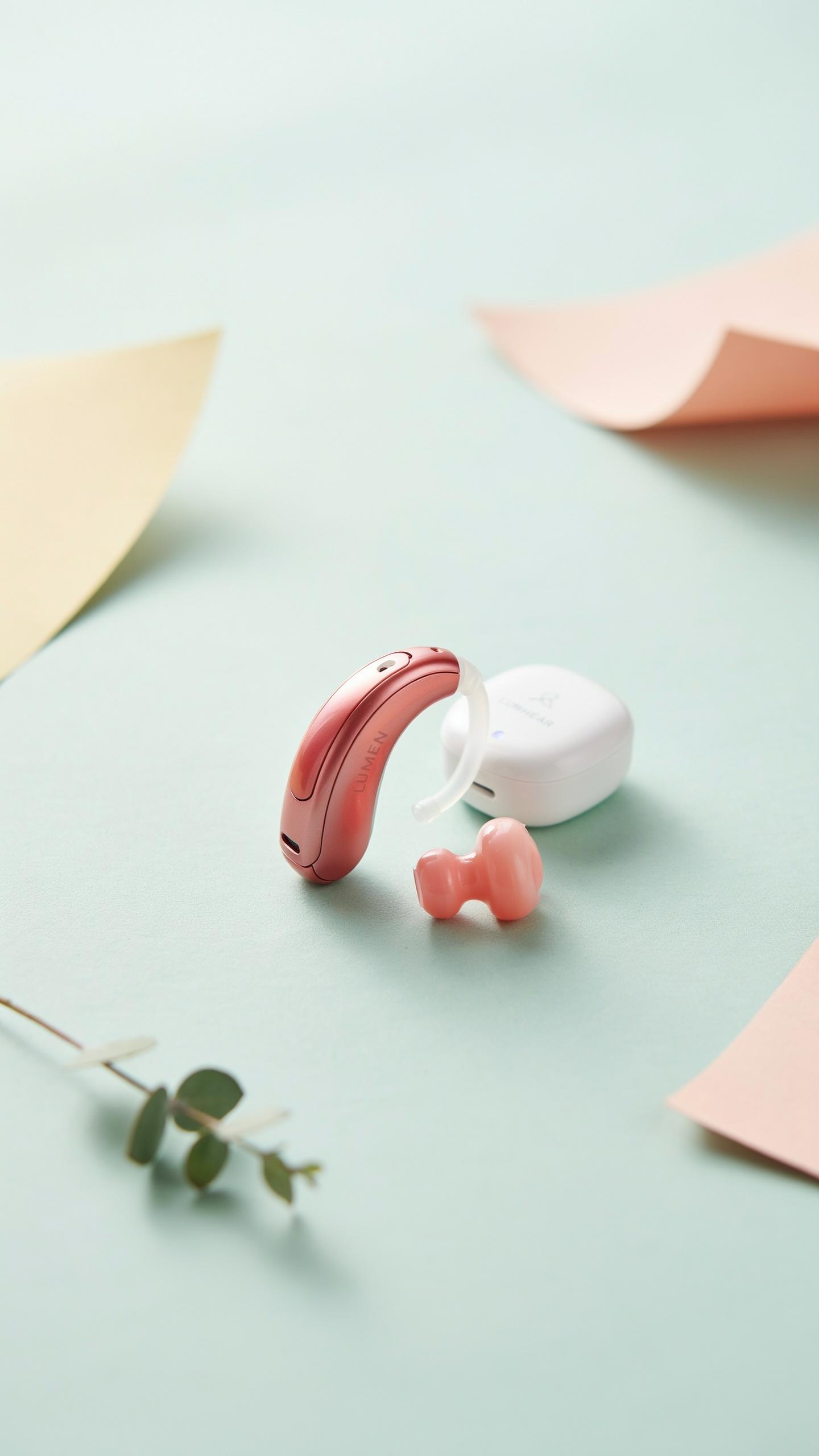
Discretion drives adoption. Users reject devices that broadcast their condition. Smart hearing aid alternative earbuds solve this by mimicking standard wireless earbuds in size and appearance. Nobody can distinguish them from consumer electronics during daily use. This design choice removes social friction and encourages consistent wear, which directly impacts hearing outcomes.
The compact form factor serves a practical function beyond vanity. Smaller devices fit deeper in the ear canal, reducing wind noise and feedback problems. They deliver better audio clarity because sound travels a shorter path. Users experience fewer adjustment periods when switching between earbuds and hearing aids. The discrete profile also means less ear fatigue from prolonged contact.
How Modern Hearing Aid Design Enhances User Experience
Modern hearing aid design prioritizes accessibility through simplified controls. Touch surfaces replace physical buttons that require dexterity many users lack. App-based adjustment puts fine-tuning in users’ hands without touching the device itself. Battery compartments designed for arthritis-friendly handling reduce daily frustration. These changes shift the burden from the user’s body to the interface itself.
Material selection impacts comfort during extended wear. Soft silicone ear tips replace rigid plastic that caused soreness. Lightweight construction reduces ear canal pressure over eight or more hours. Ventilation designs prevent moisture buildup that previously caused bacterial growth. Manufacturers now test devices for twelve-hour wear comfort, a standard that didn’t exist ten years ago.
Comparing Smart Earbuds To Traditional Hearing Aids

Advantages Of Smart Earbuds For Mild To Moderate Hearing Loss
Smart earbuds cost significantly less than prescription hearing aids. A pair ranges from 100 to 500 dollars, while traditional hearing aids run 1,000 to 6,000 dollars per pair. You buy them without appointments or fittings. The lower barrier to entry means more people can access sound amplification immediately without insurance or audiologist involvement.
Smart earbuds work as everyday devices. You wear them for music, calls, and notifications alongside amplification features. Traditional hearing aids serve one purpose. This dual functionality appeals to people who resist the stigma of wearing medical devices. The seamless integration into daily tech use removes the psychological friction many face with conventional hearing aid adoption.
Limitations And When Traditional Hearing Aids Are Still Necessary
Smart earbuds lack the clinical precision of prescription hearing aids. Audiologists customize traditional hearing aids to your specific audiogram results. Smart earbuds use generic amplification algorithms. They cannot address particular frequency losses or complex hearing patterns. For significant hearing loss beyond moderate ranges, this limitation becomes a critical gap in functionality.

Traditional hearing aids offer features smart earbuds cannot match. They provide directional microphones that isolate speech in noisy environments. They connect wirelessly to telephones with dedicated protocols. They produce longer battery life through specialized power management. For severe to profound hearing loss, prescription devices remain medically necessary. Smart earbuds complement normal hearing or address mild challenges. They do not replace clinical intervention for serious auditory impairment.
Modern Hearing Aids Vs Smart Earbuds A Feature Showdown
Connectivity And Smart Features
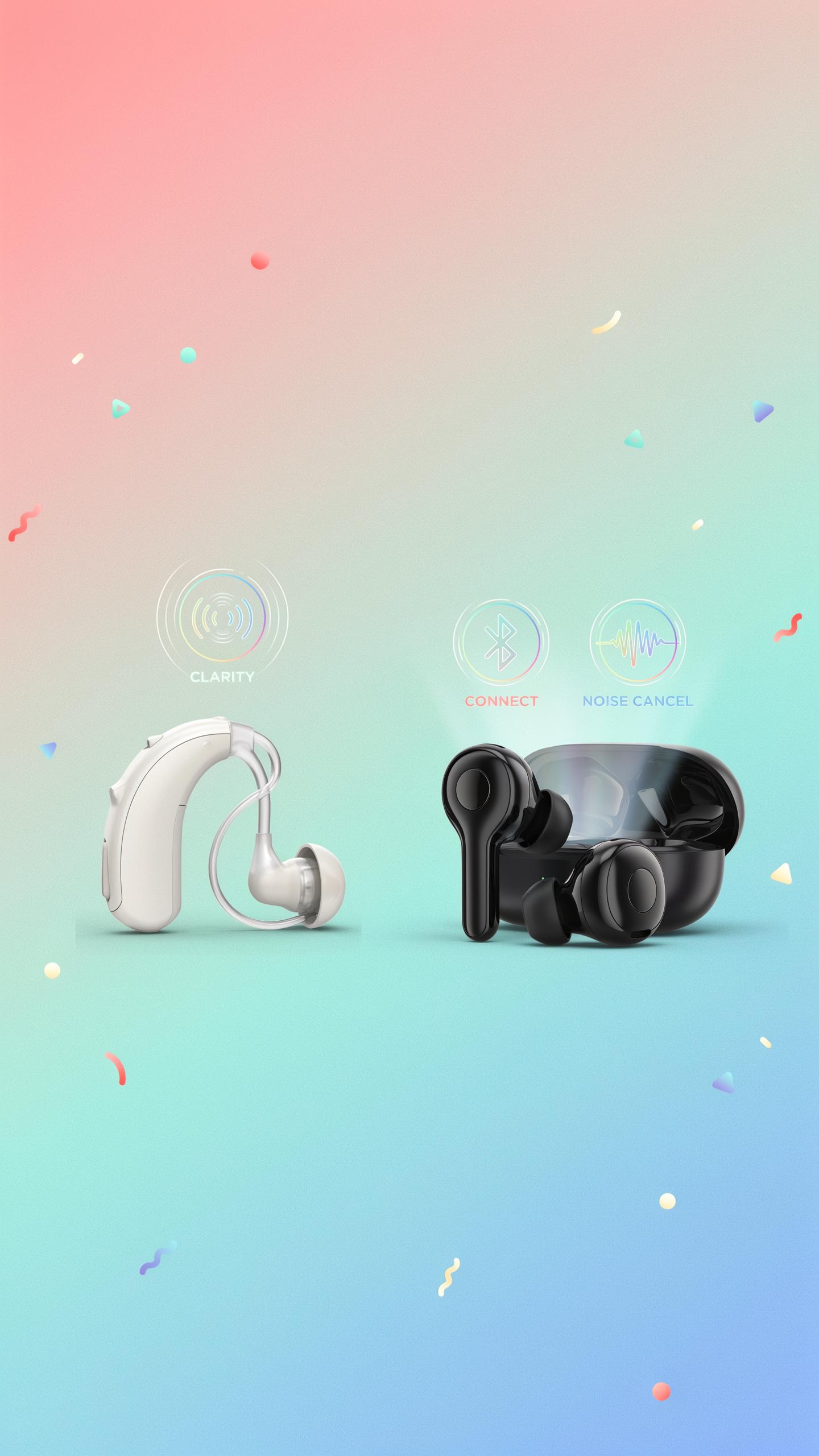
Traditional hearing aids connect through proprietary wireless protocols designed for medical-grade reliability. Smart earbuds use Bluetooth, Wi-Fi, and app ecosystems built for consumer electronics. Hearing aids prioritize battery life and stability over feature expansion. Smart earbuds add features through software updates but drain batteries faster due to connectivity demands.
Hearing aids stream audio directly from phones through manufacturer apps with limited customization. Smart earbuds integrate with multiple platforms and offer broader app compatibility. Hearing aids function independently without smartphone pairing in many cases. Smart earbuds require active phone connection for full functionality, though some operate standalone with limited controls.
Sound Customization And Personalization
Hearing aids use audiologist-fitted profiles based on hearing tests and real-ear measurements. Smart earbuds rely on user-adjusted EQ settings and generic presets without professional assessment. Hearing aids adapt automatically to environment changes through multiple microphones and feedback suppression. Smart earbuds require manual switching between preset modes or manual EQ adjustment for different settings.

Hearing aids store multiple programs tailored to specific situations like restaurants or phone calls. Smart earbuds offer preset options but lack the clinical calibration that hearing aids provide. Hearing aids adjust amplification across frequency ranges based on individual hearing loss patterns. Smart earbuds boost or cut frequencies uniformly without accounting for personalized audiological data from testing.
Kavenir The Personal Assistant On Your Ear A Glimpse Into The Future
Integrating AI And Personal Assistance
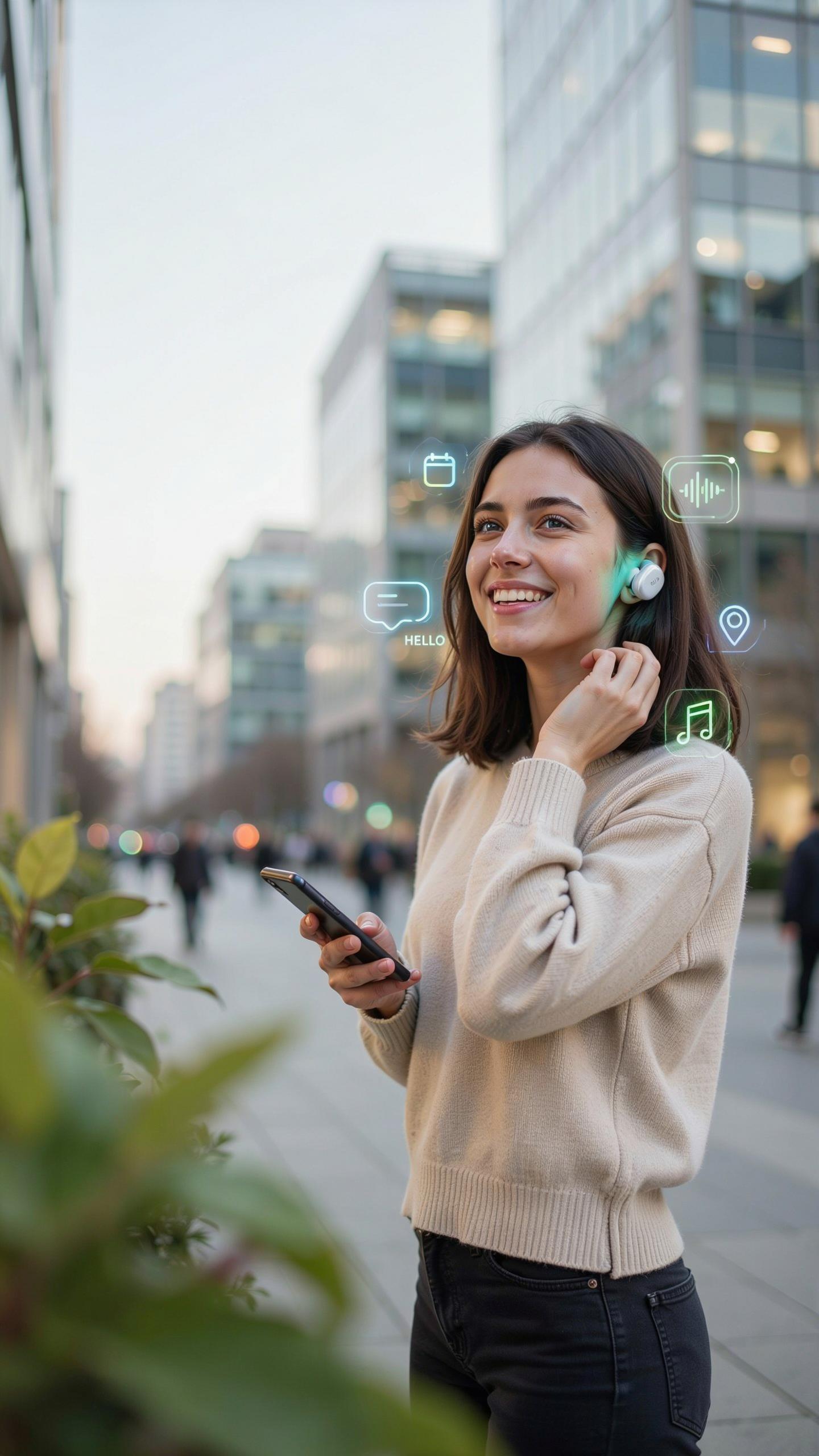
AI integration in modern earbuds enables real-time audio processing without constant cloud dependency. Kavenir and similar devices use on-device machine learning to identify speech patterns, adjust amplification dynamically, and filter background noise. This approach reduces latency and improves privacy by processing sensitive audio locally rather than uploading it to external servers.
The practical advantage centers on responsiveness. When you move from a quiet room to a noisy restaurant, the earbud adjusts amplification within milliseconds. Voice commands trigger actions without noticeable delays. Users retain control over their audio experience without waiting for cloud servers to process requests. This speed matters for real-world usability.
Beyond Hearing: Multifunctional Earbud Capabilities
Smart hearing aid alternative earbuds now bundle translation, call screening, and health monitoring into single devices. Kavenir-style products detect heart rate variations through bone conduction and provide real-time language translation during conversations. These capabilities extend beyond hearing assistance into broader personal health and communication tools.

The integration works because all sensors occupy the same physical space. Microphones pick up ambient sound for hearing enhancement and conversation translation simultaneously. Accelerometers and proximity sensors contribute to health metrics without additional wearables. Users get comprehensive functionality from one device rather than juggling multiple tools, which streamlines daily workflows and reduces decision fatigue around what to wear or carry.
Choosing The Right Device Factors To Consider

Assessing Your Hearing Needs
Start with a baseline. Know your hearing loss type and severity before shopping. Audiometric testing gives you concrete data on frequency ranges where you struggle. This determines which devices offer the amplification profile you actually need, not what marketing claims sound good.
Device capabilities must match your specific loss pattern. Mild high-frequency loss requires different technology than moderate across-the-board loss. Some earbuds excel at speech clarity in noise. Others prioritize volume without distortion. Your audiogram tells you which feature set solves your problem.
Budget, Lifestyle, And Aesthetic Preferences
Your spending limit shapes what’s actually available to you. Smart hearing aid alternative earbuds range from under 300 dollars to over 3000 dollars. Entry-level models handle basic amplification. Premium options add environmental processing and connectivity features. Calculate total cost including batteries, replacements, and maintenance over three years.
- Physical Activity Level: Sweat and moisture damage earbuds. Gym-heavy users need IPX rating of at least IPX4 for reliable performance during workouts and outdoor use.
- Work Environment: Office settings tolerate visible earbuds differently than client-facing roles. Discrete designs matter for professional contexts where appearance influences credibility.
- Social Situations: Some users prioritize appearance over function. Others accept larger form factors for better sound quality and longer battery life.
- Ear Anatomy: Canal size, shape, and sensitivity vary. Fit issues cause discomfort and poor amplification. Test fit before committing to a purchase.
- Tech Integration: Your phone ecosystem matters. Android users need different compatibility considerations than iPhone users. Check native app support before buying.
- Battery Expectations: Daily charge cycles add friction. Multi-day battery life reduces management burden. Evaluate your tolerance for charging frequency.

Align device features with how you actually live. A gym enthusiast needs durability over aesthetics. A professional needs discretion over raw power. Mismatch between device capability and lifestyle creates buyer regret and wasted spending.
The Future Of Hearing Modern Hearing Aid Technology And Beyond

Advancements In Sound Processing And Miniaturization
Digital signal processors now handle complex audio tasks in chips smaller than previous generations. Modern hearing aid alternative earbuds use algorithms that isolate speech from background noise in real time. Battery technology has improved, extending runtime while components shrink. Manufacturers pack more processing power into devices weighing under 5 grams per unit.
Acoustic feedback cancellation works faster and more effectively than older analog methods. Users get clearer sound without the whistling that plagued earlier devices. Directional microphones focus on sounds in front of the wearer while suppressing noise from behind. These technical improvements make daily use practical for extended periods without discomfort or performance degradation.
The Convergence Of Consumer Electronics And Medical Devices
Smart earbuds now bridge the gap between personal audio devices and health tools. Traditional hearing aids operate under strict FDA medical device regulations. Consumer tech companies integrate hearing assistance features into mainstream products, reaching broader markets. This shift accelerates innovation because consumer electronics budgets dwarf medical device spending in research and development.

The regulatory landscape remains split between two paths: medical-grade devices requiring clinical validation and consumer products with fewer restrictions. Both approaches coexist because they serve different user needs and price points. Manufacturers leverage smartphone apps to deliver customization that rivals clinical fitting appointments. This dual market structure drives competition and forces both sectors to improve functionality and user experience simultaneously.
Frequently Asked Questions

What exactly are smart hearing aid alternative earbuds and how do they differ from traditional earbuds?
Smart hearing aid alternative earbuds are designed to enhance sound for individuals with mild to moderate hearing loss, going beyond simple audio playback. Unlike regular earbuds, these devices often feature advanced sound processing, directional microphones, and personalization apps, acting as a discrete and stylish option for improving daily auditory experiences without the stigma of traditional hearing aids.
How do I choose the right smart hearing aid alternative earbuds for my specific hearing needs, and can I adjust them myself?
Selecting the right smart hearing aid alternative earbuds involves understanding your hearing profile, often with an in-app hearing test. Most models offer user-friendly apps that allow you to personalize sound amplification, noise reduction, and various listening modes to suit different environments, giving you control over your auditory experience.
Are smart hearing aid alternative earbuds a more affordable option compared to traditional hearing aids?
Generally, yes, smart hearing aid alternative earbuds offer a significantly more accessible and budget-friendly entry point to addressing hearing challenges. While not a direct substitute for medical-grade hearing aids for severe loss, they provide an effective and often more stylish solution for many, bridging the gap between conventional earbuds and expensive auditory devices.