
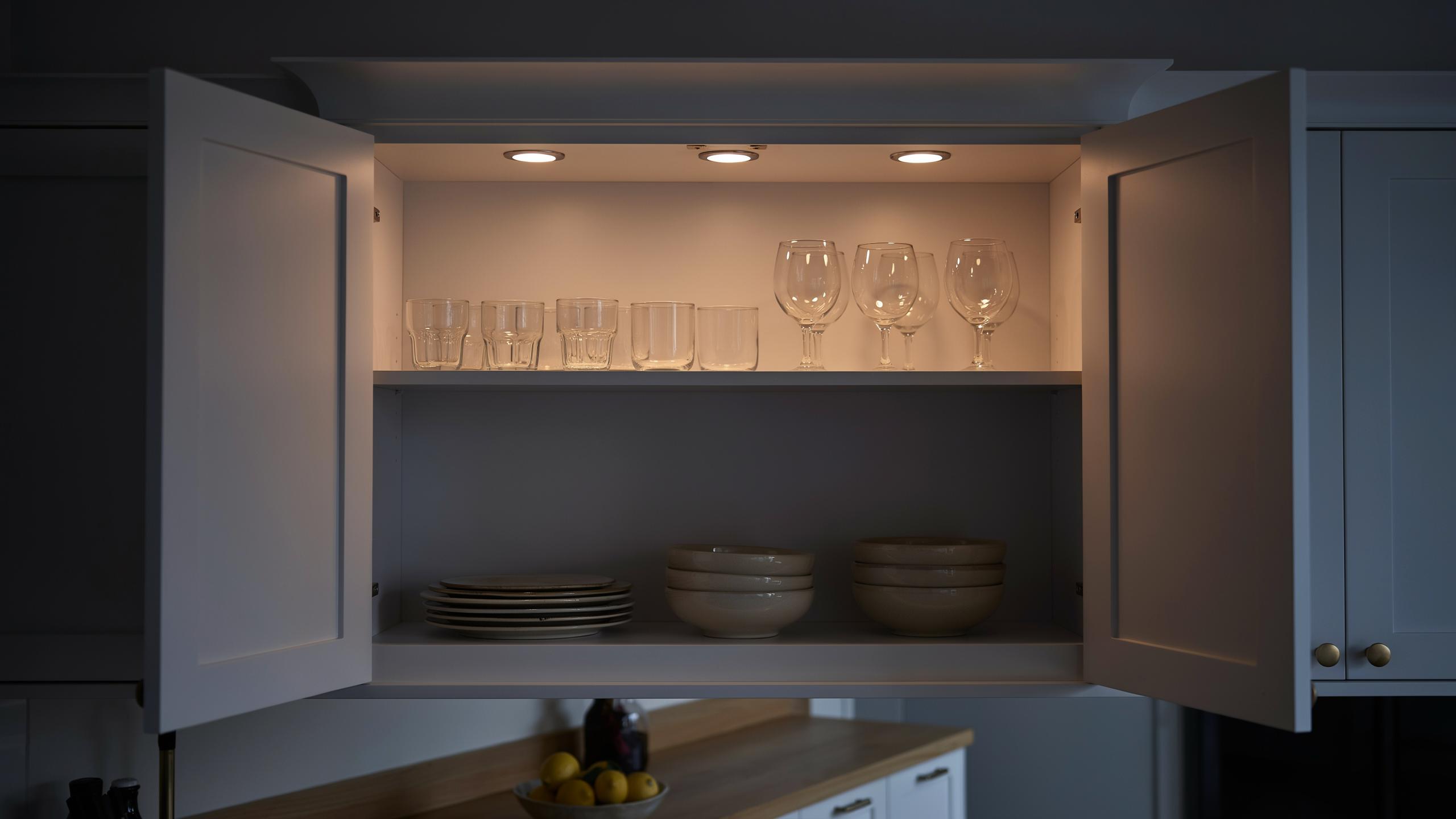
The Allure Of Battery Operated Led Puck Lights
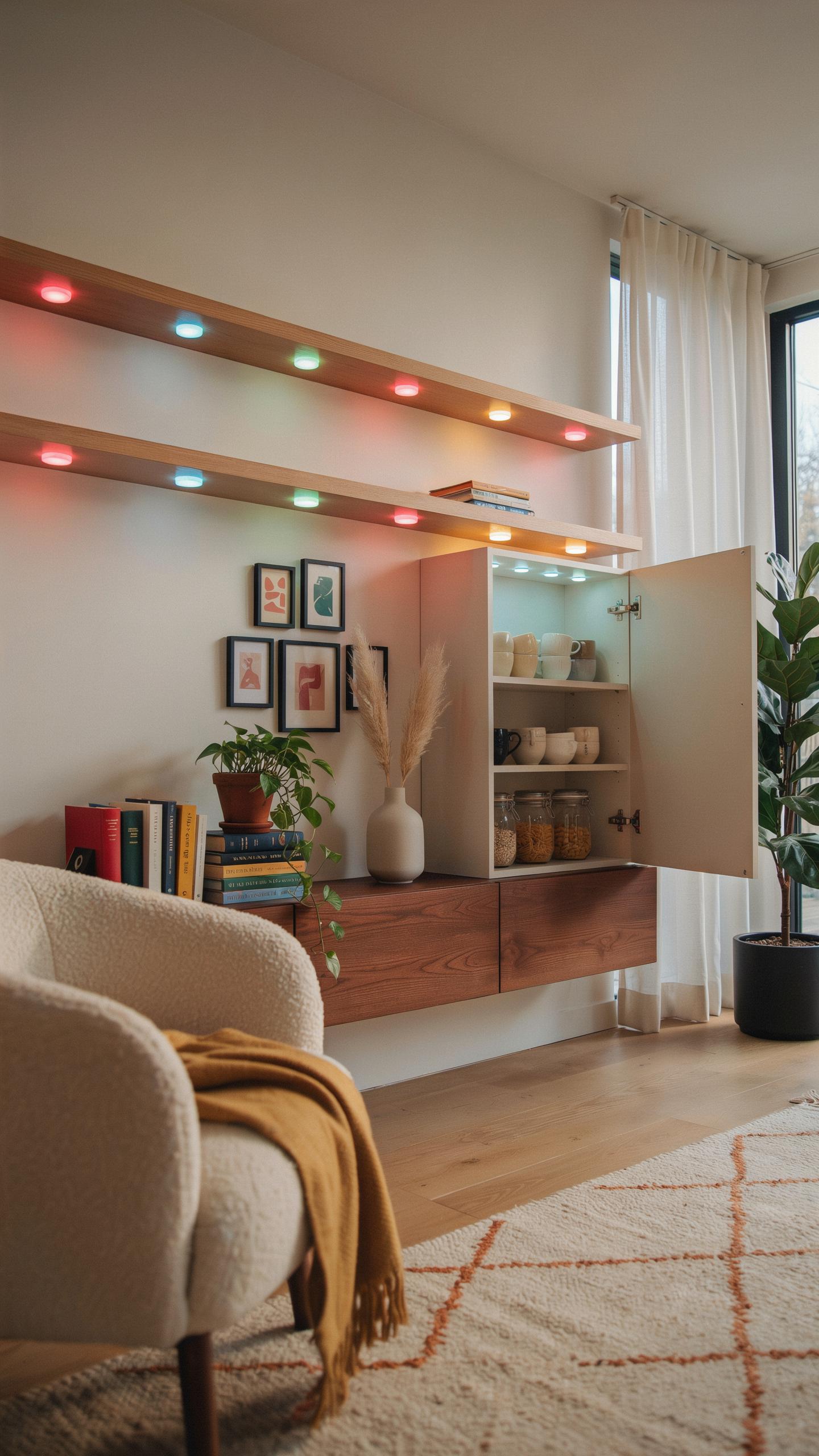
Why Wireless Is The Way To Go For Under Cabinet Lighting
Wireless puck lights eliminate installation headaches. You avoid running electrical wiring through cabinets, drilling holes in walls, and hiring electricians. Battery power means you mount lights anywhere without being tethered to outlet locations. This flexibility matters in rental spaces where permanent wiring isn’t an option. Setup takes minutes, not hours.
Battery operated units let you adjust placement without rewiring. Move lights as your cabinet layout changes or as your needs shift. You control brightness levels independently on each puck. No circuit breakers to manage. No ongoing electricity costs eating into your budget. The upfront investment in batteries covers months of operation at minimal expense.
Beyond The Kitchen Versatile Uses For Puck Lights
Puck lights work inside closets, garages, and storage sheds where electrical access is limited. Install them in glass display cabinets to highlight collectibles or artwork. Retail environments use puck lights to illuminate product shelves without visible wiring. Rv interiors benefit from battery powered options that require zero hard wiring. The form factor fits tight spaces where traditional fixtures don’t.
Living spaces use puck lights for task lighting in home offices and reading nooks. Basement storage areas gain visibility without running extension cords. Bathroom vanity cabinets benefit from supplemental light that reveals product details. Workshop tool storage gets brighter with strategic puck light placement. Camping enthusiasts mount them inside tents for reliable light without generators or camping lanterns.
Installation Simplified No Wiring No Hassle With Under Cabinet Puck Lights
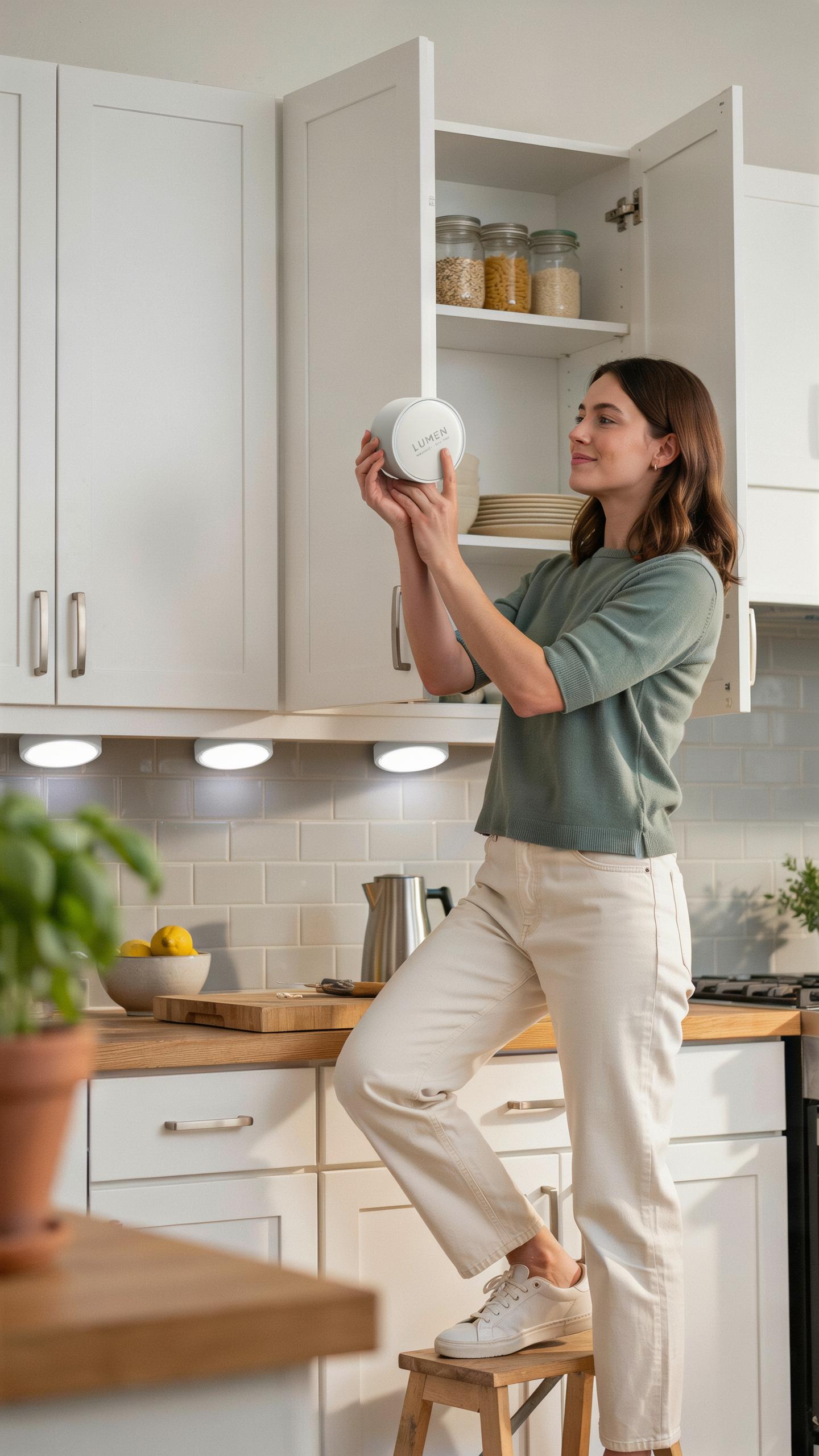
A Step By Step Guide To Mounting Your Led Puck Lights
Start by cleaning the cabinet surface where you’ll mount the puck light. Use a dry cloth to remove dust and debris. This step matters because adhesive backing requires a clean surface for proper contact. Most battery operated puck lights come with either adhesive strips or screw mounting options. Choose your method based on your cabinet material and whether you want permanent or removable installation.
For adhesive mounting, peel back the backing and press the puck light firmly into place for several seconds. Apply steady pressure across the entire base. If using screws, drill pilot holes first to prevent cracking wood or laminate surfaces. Position the light so the beam points downward into the cabinet space where you need visibility most. Check that the light sits flush against the surface with no gaps underneath.
Optimal Placement For Maximum Illumination Effect
Position puck lights along the front edge of upper cabinets, about 6 to 12 inches from the cabinet opening. This placement directs light downward onto countertops and work surfaces below. The distance depends on your ceiling height and cabinet depth. Spacing multiple lights 12 to 18 inches apart across a cabinet run prevents dark spots and creates even illumination across the entire work area.
Avoid placing lights directly above where you’ll stand or work, as this creates harsh shadows. Instead, angle lights toward the back wall of the cabinet interior or position them to reflect off surfaces. Test the light placement before finalizing mounting by holding the puck light in different positions and observing the coverage. Adjust height and angle until you achieve the brightness distribution that serves your specific task lighting needs.
Powering Your Puck Lights Battery Life And Efficiency
Understanding Different Battery Types For Your Under Cabinet Lighting Wireless
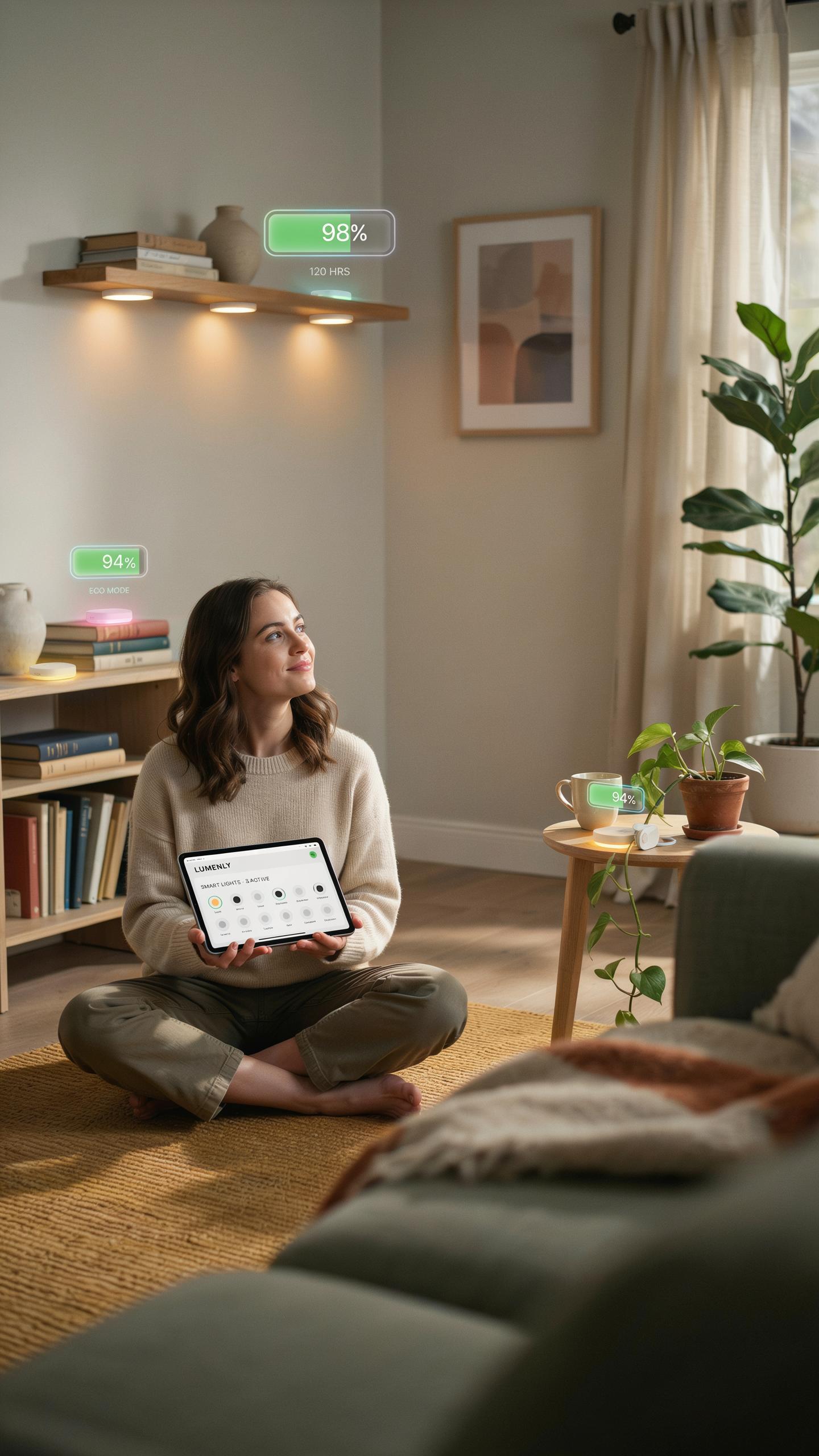
Battery operated puck lights run on three main battery types: alkaline, rechargeable lithium-ion, and rechargeable NiMH. Alkaline batteries offer convenience and work immediately out of the package but deplete faster and cost more over time. Lithium-ion batteries last longer per charge and handle frequent use better. NiMH batteries fall between the two in performance and cost.
Your choice depends on usage frequency and budget. High-use cabinets benefit from rechargeable options despite upfront costs. Alkaline batteries suit occasional use in guest areas or seasonal lighting. Most puck lights use AA or AAA batteries, so check your specific model before purchasing. Buy in bulk if you go alkaline to reduce per-unit costs.
Tips For Extending The Lifespan Of Your Battery Powered Light
Remove batteries during extended storage periods. Batteries drain even when lights sit unused, particularly alkaline types. Store puck lights in cool, dry locations away from heat and moisture. Temperature fluctuations accelerate battery drain and reduce overall lifespan significantly.

Use your puck lights strategically to preserve battery life. Avoid continuous operation when natural light covers your space. Turn lights off when cabinets sit empty or closed. For rechargeable batteries, charge them before they fully deplete. Frequent partial recharges outlast deep discharge cycles and extend usable life by months.
Illuminating Creativity Design Ideas With Under Counter Lighting
Creating Ambiance: Using Puck Lights For Accent Lighting
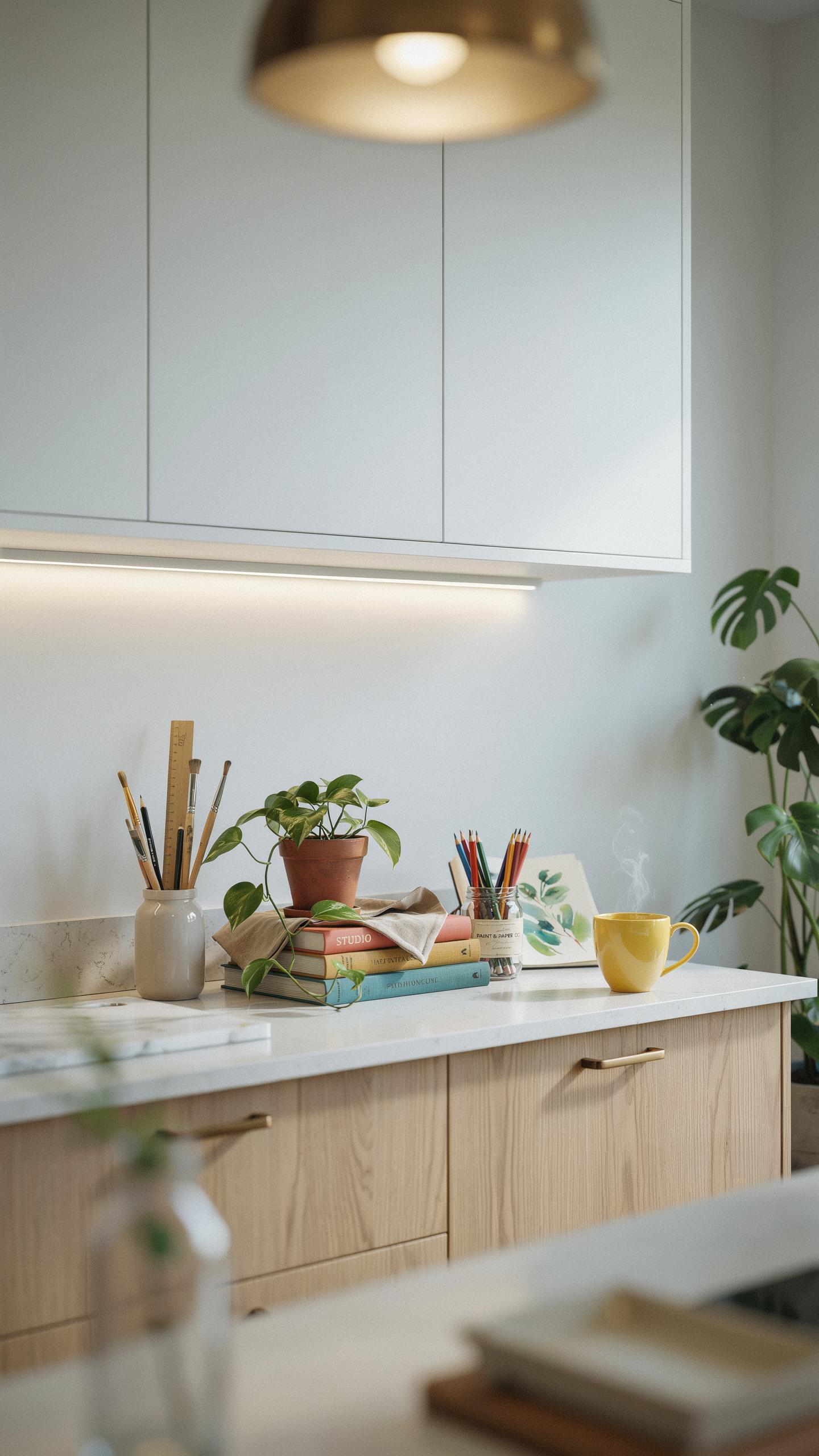
Battery operated LED puck lights create focal points in dark cabinet spaces. Place them to highlight specific items rather than flood entire areas with light. This targeted approach draws attention to what matters while keeping surrounding zones dim. Warm white LEDs around 2700K color temperature produce inviting atmospheres in kitchens and bars. Cool white around 4000K works better for display cabinets and retail environments where you need clarity.
Spacing determines ambiance quality. Position lights 12 to 18 inches apart in linear arrangements for even coverage without hot spots. Stagger placement on alternating shelves to avoid harsh shadows on displayed items. Test positioning before committing to permanent placement. Battery powered units give you flexibility to experiment and adjust without electrical work holding you back.
There is no need for darkness in our cherished nooks; a little light can always bring back the warmth of a forgotten memory.
Highlighting Features With Strategically Placed Led Puck Lights
Strategic placement emphasizes what you want viewers to see first. Install lights directly above decorative items or collectibles rather than spreading illumination evenly across shelves. This creates visual hierarchy and draws eyes to premium products or family heirlooms. Corner placement casts light across entire cabinet faces when positioned at 45 degree angles. Edge mounting along cabinet trim illuminates without creating visible light sources.
Match light placement to traffic patterns and natural sightlines. Put brighter areas where people naturally look when approaching displays. Reserve dimmer zones for background support. Battery operated puck lights eliminate concerns about cord placement limiting your options. You can position units exactly where they generate maximum impact regardless of outlet locations.
Smart Features The Evolution Of Under Cabinet Puck Lights
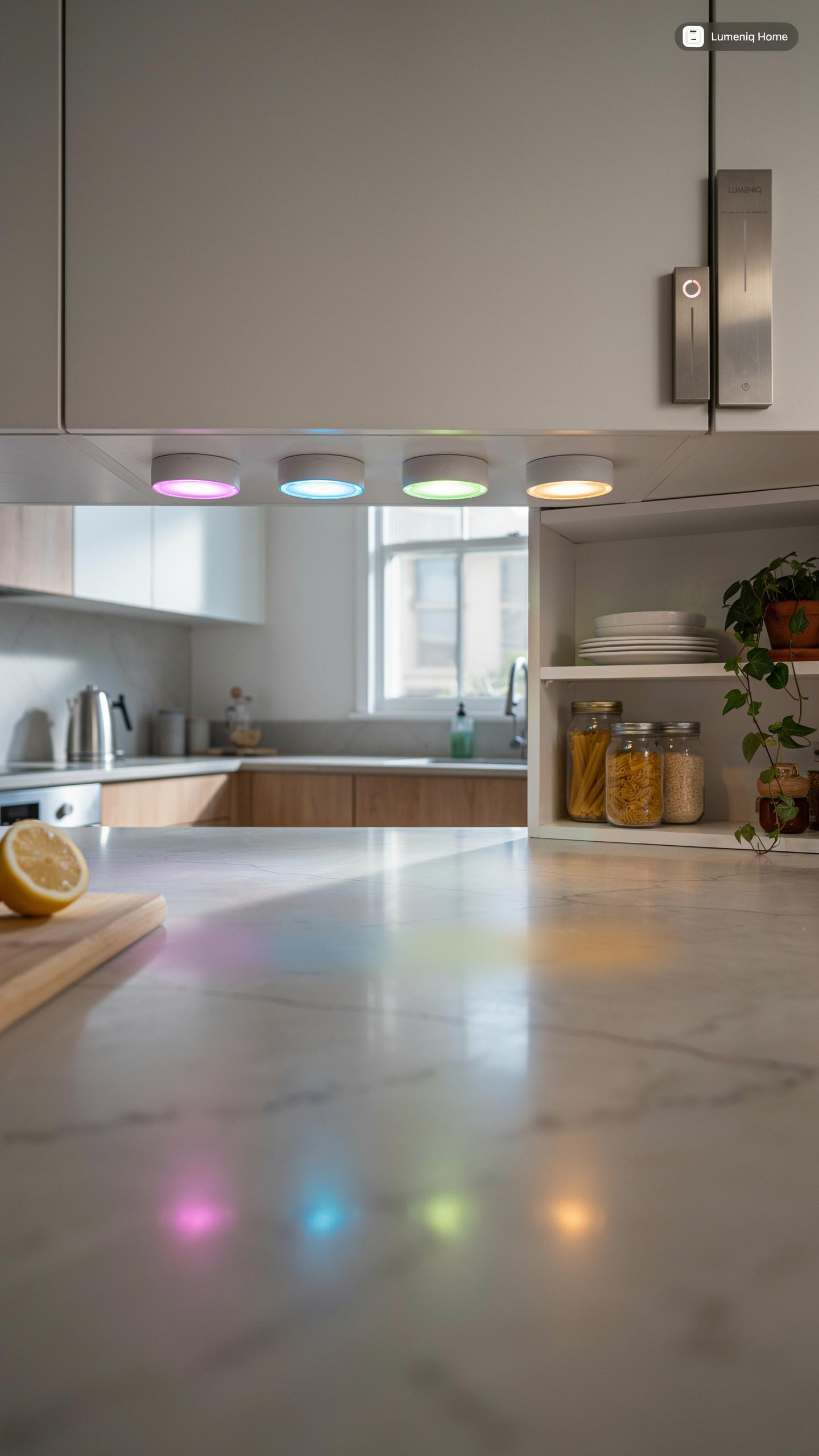
Motion Sensors And Remote Controls: Convenience At Your Fingertips
Motion sensors on battery operated LED puck lights detect movement within a defined range, typically 6 to 10 feet depending on the model. When movement stops, the light turns off automatically after a preset delay, usually 30 seconds to several minutes. This feature cuts energy waste in cabinets you access intermittently.
Remote controls add another layer of control by letting you turn lights on or off from across the room. Some remotes operate on radio frequency, while others use infrared technology. The practical advantage is simple: you avoid fumbling with manual switches or reaching into dark spaces to access physical buttons on the fixtures themselves.
Dimming And Color Temperature Options For Personalized Lighting
Dimming capability lets you adjust brightness levels from 10 percent to 100 percent on many models. This matters tactically because bright light works for task-oriented areas like kitchen counters, while softer light suits display cabinets or wine racks. Lower brightness settings also extend battery life significantly, reducing replacement frequency and maintenance costs.

Color temperature options typically range from warm white around 3000K to cool white at 5000K or higher. Warm tones work better in dining areas and living spaces, creating a comfortable atmosphere. Cool white suits kitchens and work zones where visibility and task performance take priority. Most modern units let you switch between these settings without replacing hardware or fixtures.
Comparing Your Options What To Look For In Led Puck Lights
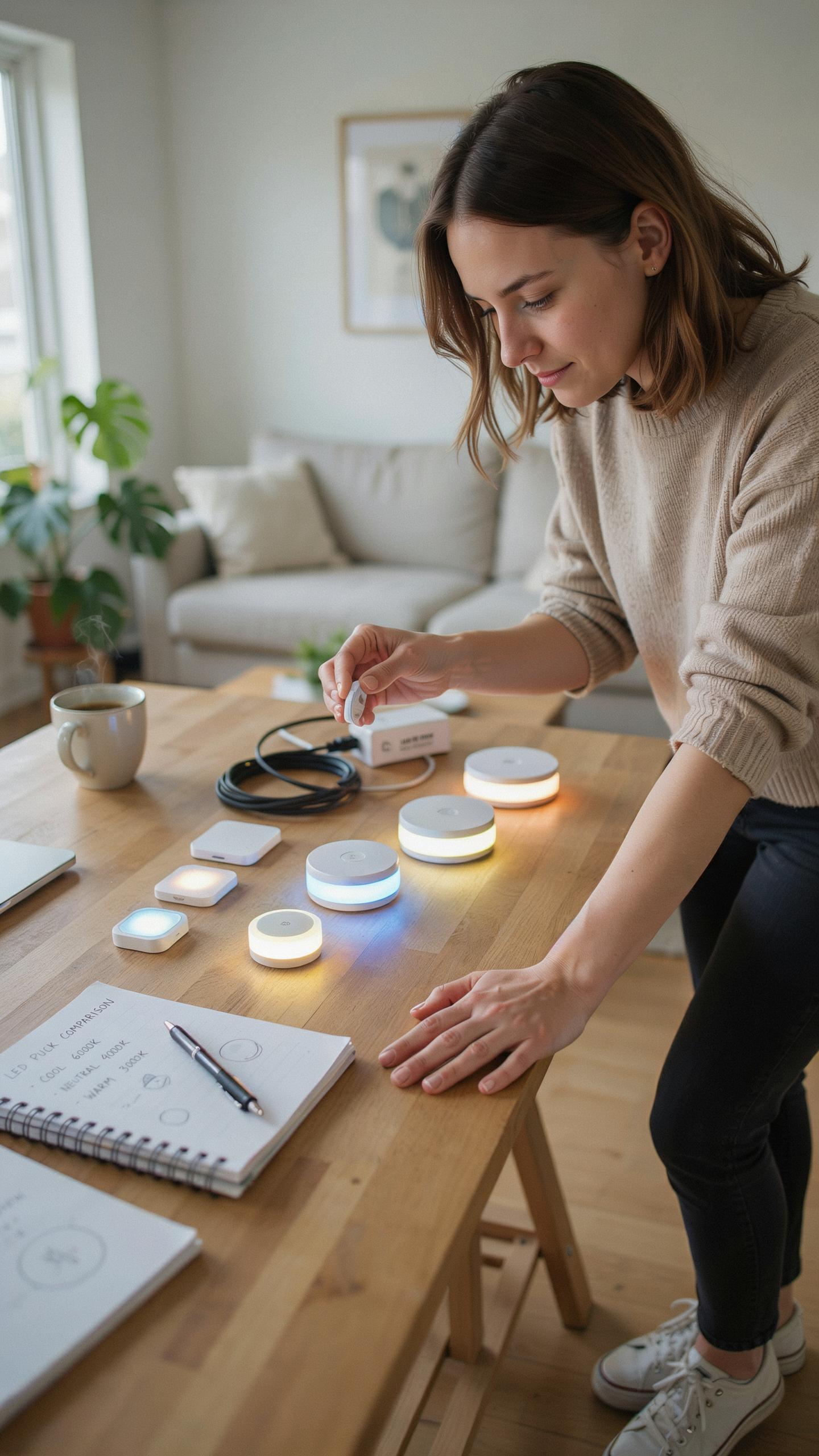
Brightness And Light Output: Lumens Explained
Lumens measure the total light a puck light emits. Higher lumens mean brighter output. Most cabinet puck lights range from 100 to 300 lumens. A 100-lumen puck works for accent lighting in glass cabinets. A 200-lumen puck handles task lighting over countertops and work surfaces. Choose based on your cabinet depth and desired brightness level.
Color temperature affects perceived brightness and mood. Warm white light measures 2700K to 3000K. Cool white light measures 4000K to 5000K. Warm white flatters food and creates relaxed environments. Cool white enhances visibility for detailed work. Check the lumen output on product specifications before purchase, not marketing claims about brightness.
Durability And Material Quality Of Under Cabinet Lighting
Aluminum housings outperform plastic for puck lights. Aluminum dissipates heat better and resists warping over time. Plastic housings cost less but degrade under cabinet heat and humidity. Check the lens material too. Glass lenses scratch but resist fogging. Polycarbonate lenses resist breakage but yellow with age and heat exposure.

Battery compartments require sealed construction to prevent corrosion. Look for stainless steel springs and contacts inside. Low-quality battery contacts oxidize quickly and create poor connections. Switch mechanisms must handle repeated on-off cycles without failing. Test the switch feel before buying. A solid click indicates quality construction. Cheap switches feel loose and wear out within months.
Beyond Cabinets Closet Lighting And Other Applications
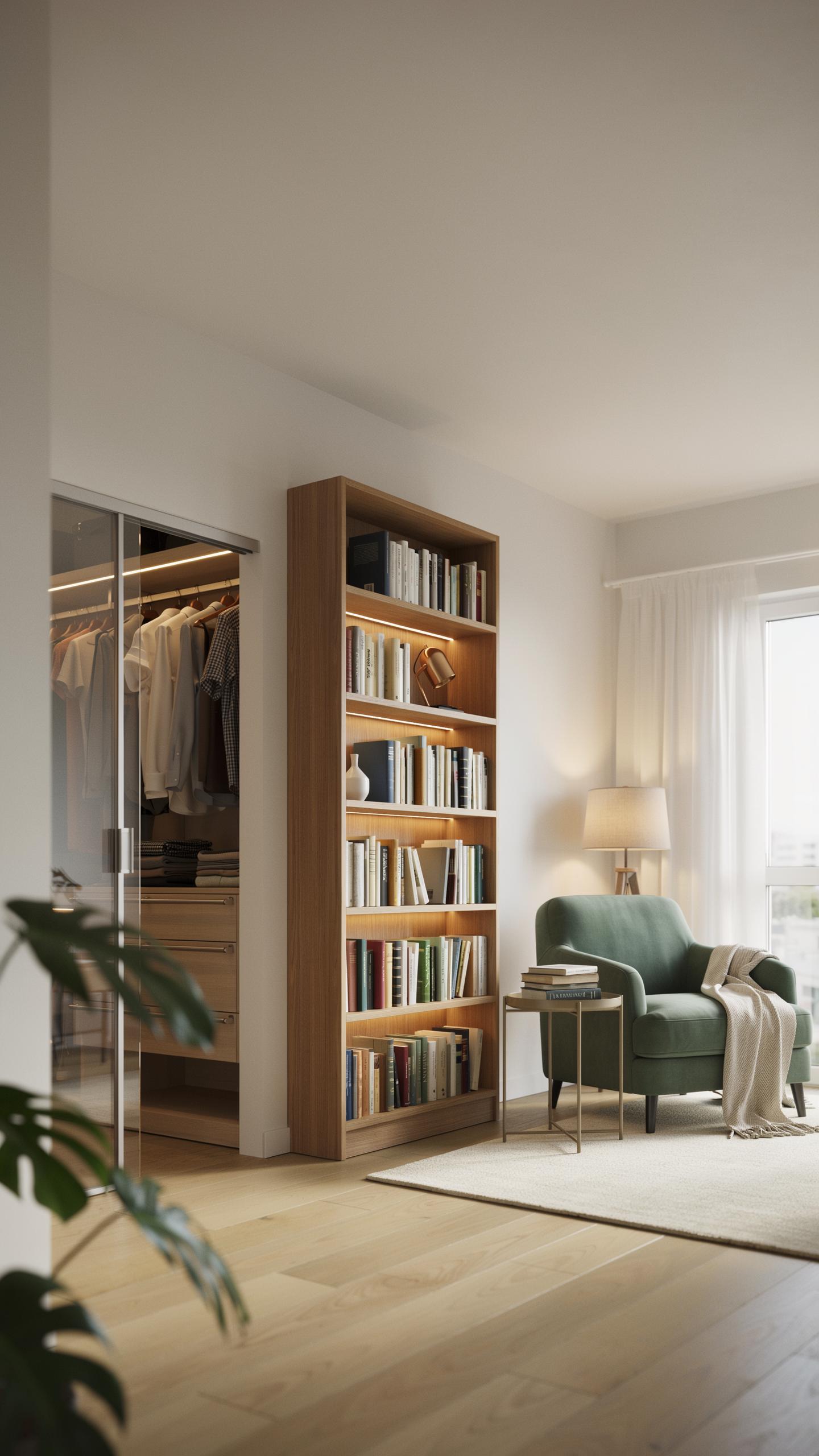
Illuminating Dark Corners: Practical Uses In Closets And Pantries
Closets lack natural light and overhead fixtures. Battery operated LED puck lights solve this problem without running electrical wiring. Mount them on shelves, rods, or walls to target specific zones. The adhesive backing secures units in minutes. No installation labor means you deploy lights immediately.
Pantries present the same challenge as closets. Items stored on upper shelves stay hidden in shadow. Puck lights eliminate guesswork when searching for products. Motion sensor models activate only when you open the door, extending battery life significantly. This approach cuts energy waste compared to permanent overhead lighting.
Creative Solutions For Display Cases And Shelving
Display cases require focused lighting without heat output. LED puck lights deliver both. Museums and retail environments use them because they illuminate without damaging merchandise. Battery operation prevents cord clutter inside glass enclosures. You position lights exactly where you need them.
- Museum Display Cases: LED lights protect artifacts from heat damage while providing even illumination across shelves and wall-mounted pieces without visible wiring.
- Retail Shelving: Spotlighting merchandise increases perceived value and draws customer attention to specific products during shopping.
- Home Bar Shelving: Backlighting bottles and glassware creates depth perception on shelves while remaining cordless and maintenance free.
- Bookcase Accent Lighting: Illuminating book spines or decorative objects on shelves enhances room aesthetics without permanent fixture installation.
- Collectible Display Units: Rotating collections require flexible lighting placement that battery pucks provide without rewiring or relocating electrical outlets.

Shelving applications expand beyond aesthetics into functionality. Businesses stock inventory more efficiently with proper sight lines. Homeowners maintain collections without hardware installation. Battery operation removes constraints that wired systems impose. You move lights as needs change.
Maintaining Your Battery Powered Light Investment

Simple Steps For Cleaning And Care Of Your Puck Lights
Dust accumulates on puck light lenses and reduces brightness output. Wipe the lens with a dry microfiber cloth monthly. For stubborn residue, use a slightly dampened cloth with distilled water. Never spray liquid directly on the light. Allow any moisture to evaporate completely before switching the light on.
Battery contacts corrode over time, especially in humid cabinet environments. Remove batteries quarterly and inspect the contact points for white or green oxidation. Clean corroded contacts with a pencil eraser or dry cloth. Replace batteries annually regardless of performance to prevent leakage inside the housing. Store extra batteries in a cool, dry location away from metal objects.
Troubleshooting Common Issues With Under Counter Lighting
Lights that flicker or dim indicate weak batteries or loose connections. Replace batteries with fresh ones first. If flickering persists, remove and reinsert batteries to ensure proper contact. Check that the on/off switch moves smoothly without resistance. A stuck switch prevents consistent power flow to the LED.

Non responsive lights require systematic testing. Confirm the batteries are installed with correct polarity matching the plus and minus markings inside the battery compartment. Try new batteries from a different package to rule out a defective batch. If lights still fail, the internal circuit or LED element may be damaged and replacement is necessary. Most units cannot be repaired economically.
Frequently Asked Questions

What exactly are battery operated LED puck lights for cabinets, and why should I consider them?
Battery operated LED puck lights for cabinets are small, self-contained lighting units that use batteries for power, eliminating the need for wiring. They’re fantastic for adding instant illumination to dark cabinet interiors, display cases, or shelves, enhancing visibility and adding a touch of ambiance without permanent installation or an electrician.
How do I install battery operated LED puck lights in my cabinets?
Installation is incredibly simple! Most battery operated LED puck lights for cabinets come with adhesive backing or small screws for mounting. Simply clean the desired surface inside your cabinet, peel off the adhesive, and firmly press the light into place. For a more permanent fix, use the included screws.
Are battery operated LED puck lights an affordable way to upgrade my kitchen or display areas?
Absolutely! Battery operated LED puck lights offer a highly cost-effective and accessible solution for illuminating cabinets. They require no professional installation, come in various price points to fit any budget, and their energy-efficient LED technology ensures long-lasting battery life, making them an economical choice for enhancing your home decor.