
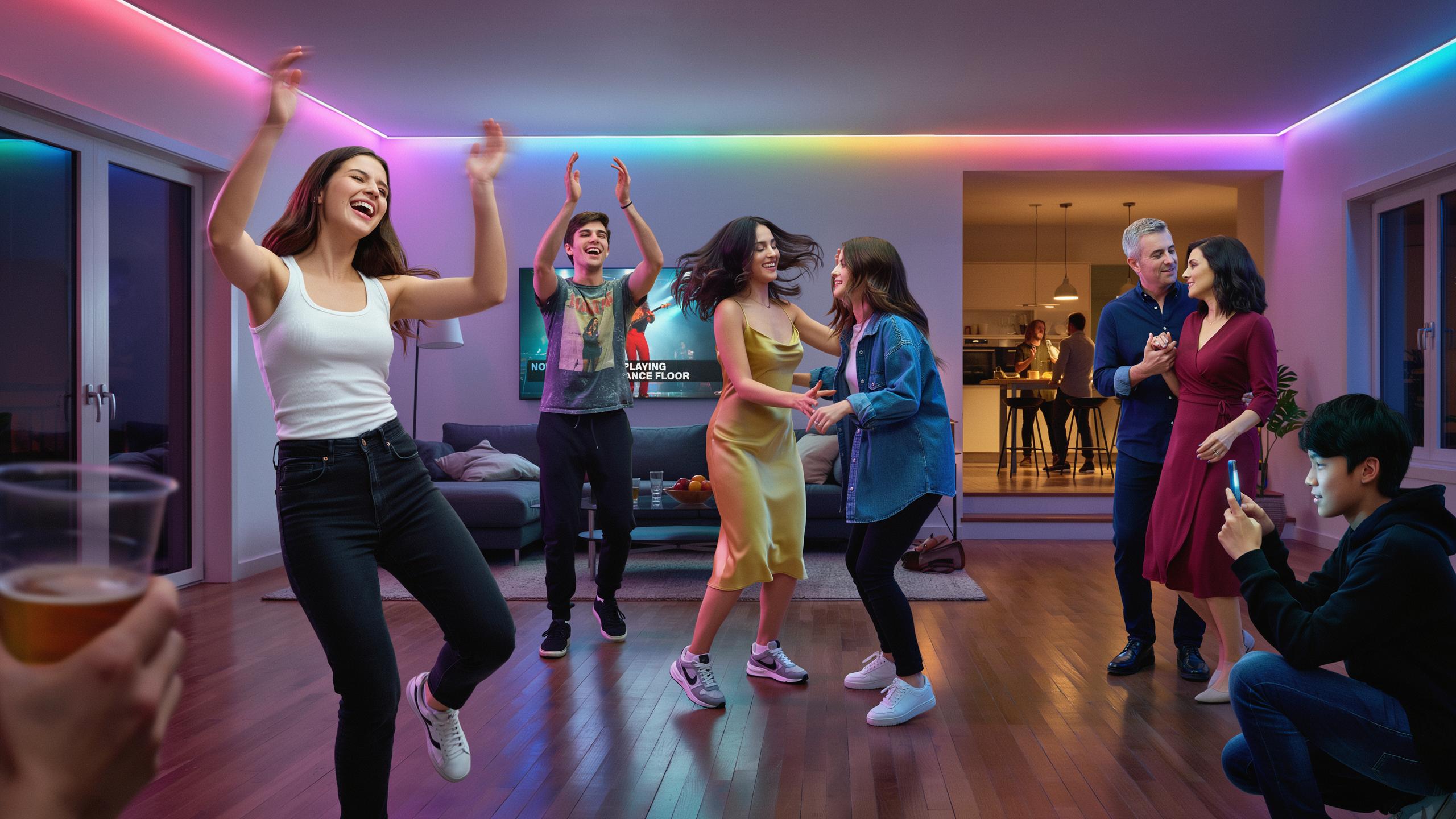
Unleash The Party What Are LED Strip Lights With Music Sync
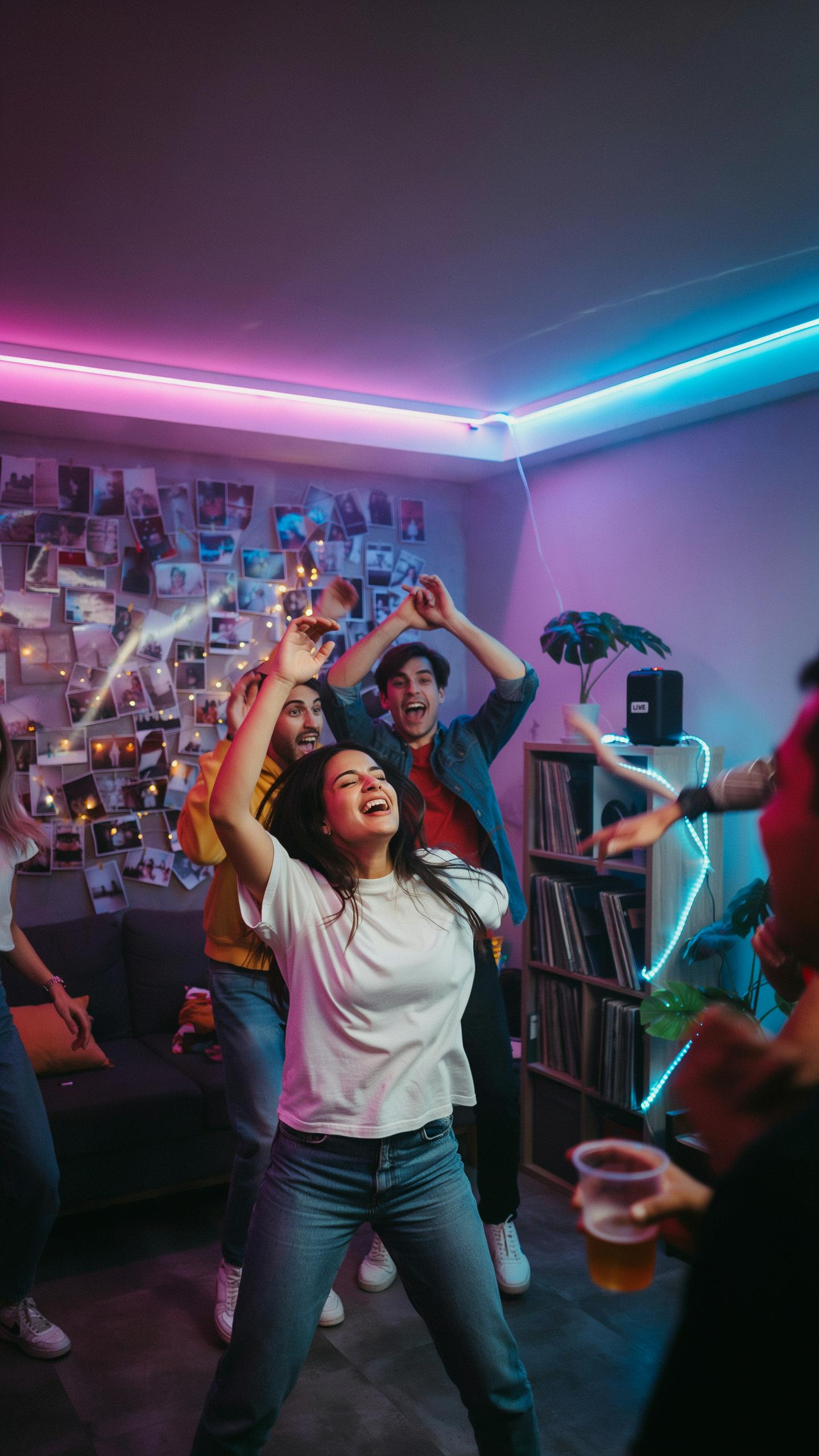
Understanding The Magic Of Sound Activation
LED strip lights with music sync use built-in microphones or audio input connections to detect sound waves from your music. The microphone captures ambient audio and converts it into electrical signals. A processor analyzes the signal to identify beat frequency, intensity, and rhythm patterns. This data triggers preprogrammed color changes and brightness adjustments that align with the music in real time.
The synchronization works through a straightforward mechanical process. Sound waves hit the microphone, which measures decibel levels and frequency ranges. The controller compares incoming audio against stored patterns to determine which light sequence fits best. Most units offer multiple sync modes that respond to bass, treble, or full spectrum audio. This means different music genres trigger different lighting responses based on their unique sound characteristics.
Beyond Basic Lighting: The Party Room Advantage
Music sync LED strips transform rooms from static environments into dynamic spaces where light moves with sound. Traditional ceiling lights and lamps serve one function: illumination. Music reactive strips add a second layer that engages guests through visual feedback tied directly to entertainment. The lights become part of the experience rather than background support. Guests see their music translated into color and movement, creating a cohesive sensory experience that standard lighting cannot match.
This technology eliminates the need for manual lighting adjustments during parties. You do not need to change colors or brightness between songs or moments. The system responds automatically, allowing you to focus on guests and entertainment. The reactive nature keeps energy high by constantly delivering visual stimulus synchronized to what people hear. This automation makes hosting easier while simultaneously making the environment more immersive than traditional party setups.
Why Choose RGB LED Strip Lights For Your Entertainment Space
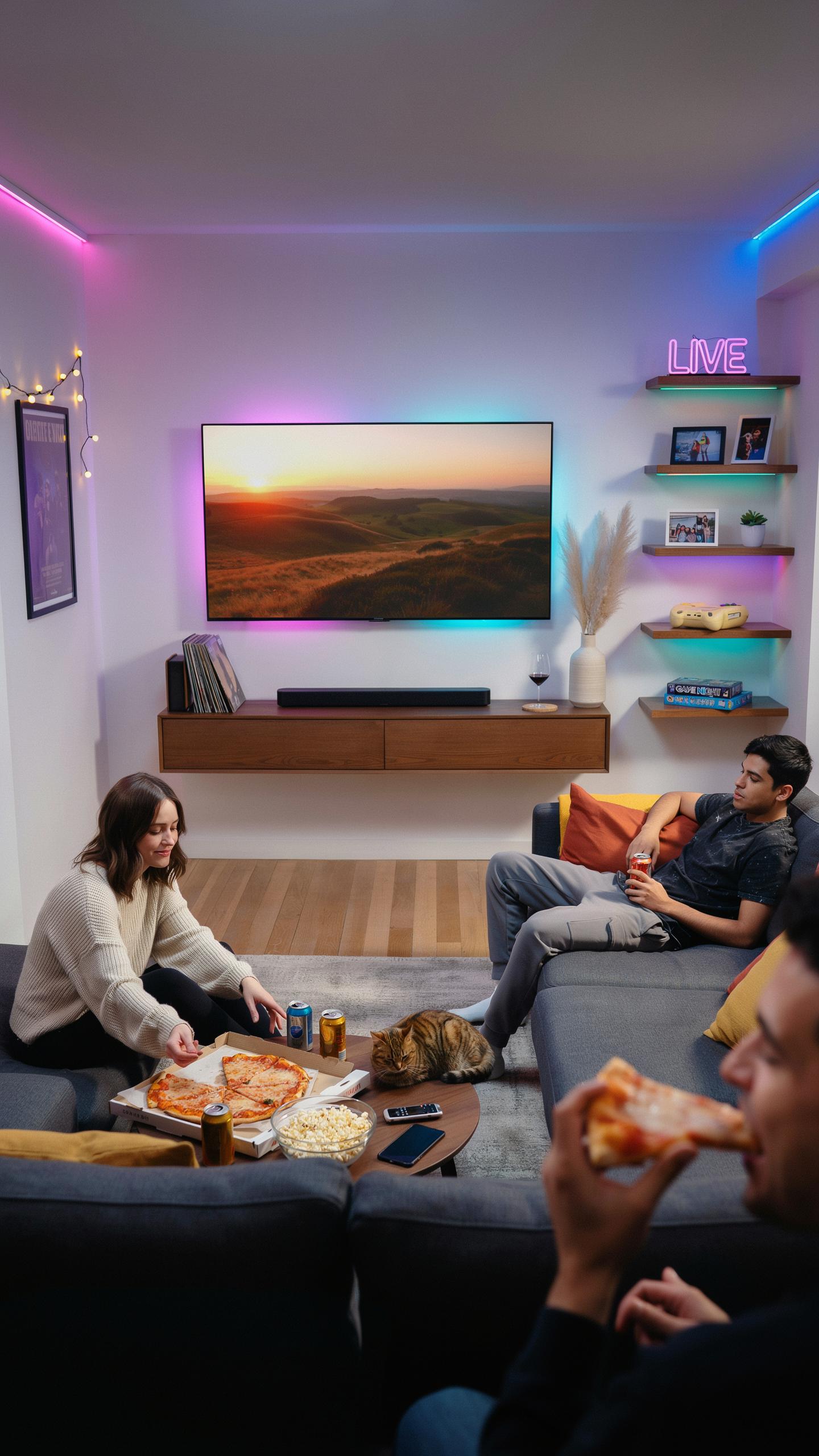
A Spectrum Of Colors At Your Fingertips
RGB LED strip lights produce color through three diodes: red, green, and blue. These diodes combine at different brightness levels to generate millions of distinct hues. This system creates every color your eyes can perceive. You control the output directly through apps or remote controls, shifting between colors instantly without physical adjustments.
The practical advantage is flexibility. A single strip adapts to any party theme or mood shift. You switch from cool blues to warm reds in seconds. This eliminates the need for multiple lighting fixtures or manual color gel changes. One investment replaces several traditional lighting solutions, saving money and setup time.
Turn the music up, let the lights dance, and remember the joy of moments like these, where every beat paints the air with color. Life is a celebration waiting for its perfect glow.
Enhance Mood And Energy With Dynamic Lighting
Color influences psychological response. Research in environmental psychology confirms that warm colors increase energy and social interaction, while cool colors promote calm and focus. RGB lighting lets you manipulate these responses intentionally. A red-dominant setup energizes crowds during peak party hours. Transitioning to blue or purple tones later signals a shift to a relaxed atmosphere.
Music sync capabilities amplify this effect. When lights pulse with bass frequencies or flash on beat drops, your brain processes light and sound as unified stimuli. This strengthens the emotional impact beyond what either element creates alone. You’re not just lighting a space—you’re orchestrating a sensory experience that intensifies engagement and enjoyment for everyone present.
Setting The Scene Installing Your LED Strip Lighting
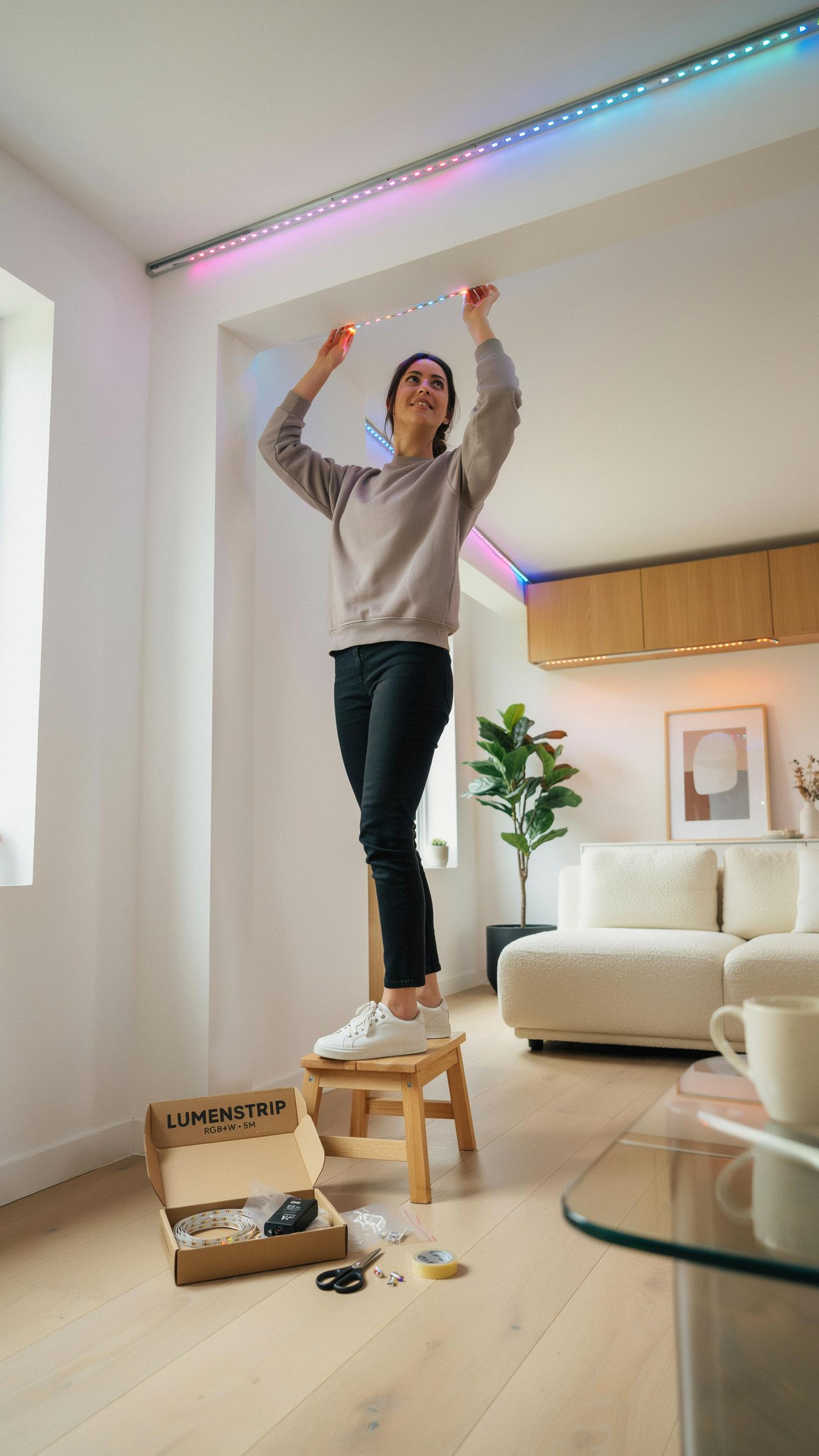
Simple Setup: Where To Place Your Led Strip
Ceiling placement works best for broad light coverage across your entire party space. Run strips along the perimeter where the ceiling meets the wall, or mount them directly to the ceiling in lines. This position creates ambient lighting that reaches the whole room without casting shadows on people’s faces. Cove lighting, where you install strips in the corner where walls meet ceiling, produces indirect light that bounces off surfaces for softer effects.
Behind furniture and along baseboards adds depth to your room’s lighting design. Place strips behind couches, entertainment centers, or bar counters to create accent lighting that highlights architectural features. This approach works particularly well in corners or recessed areas. Keep strips at least two inches from heat sources and away from water to protect the components. Mount strips on clean, dry surfaces using the adhesive backing or mounting brackets for secure placement.
Powering Up: Connecting Your Strip To The Beat
Most LED strip lights ship with plug-and-play power adapters that connect directly to standard wall outlets. The adapter converts AC power to the DC power your strips need to operate safely. Ensure your outlet can handle the total wattage of all connected strips, typically between 5 and 25 watts per meter depending on brightness and color capability. Keep power adapters away from moisture and positioned where they won’t become tripping hazards during your event.
Music sync capability requires either a wireless connection or direct cable link between your power adapter and audio input source. Bluetooth-enabled strips connect to your phone or speaker without additional wiring. Wired connections use a 3.5mm audio jack to pull sound data directly from your music device or audio system. Test all connections before guests arrive to confirm your strips respond to music beats and frequency changes properly.
Take Control Mastering App Control And Remote Features
Seamless Control From Your Smartphone: App Control
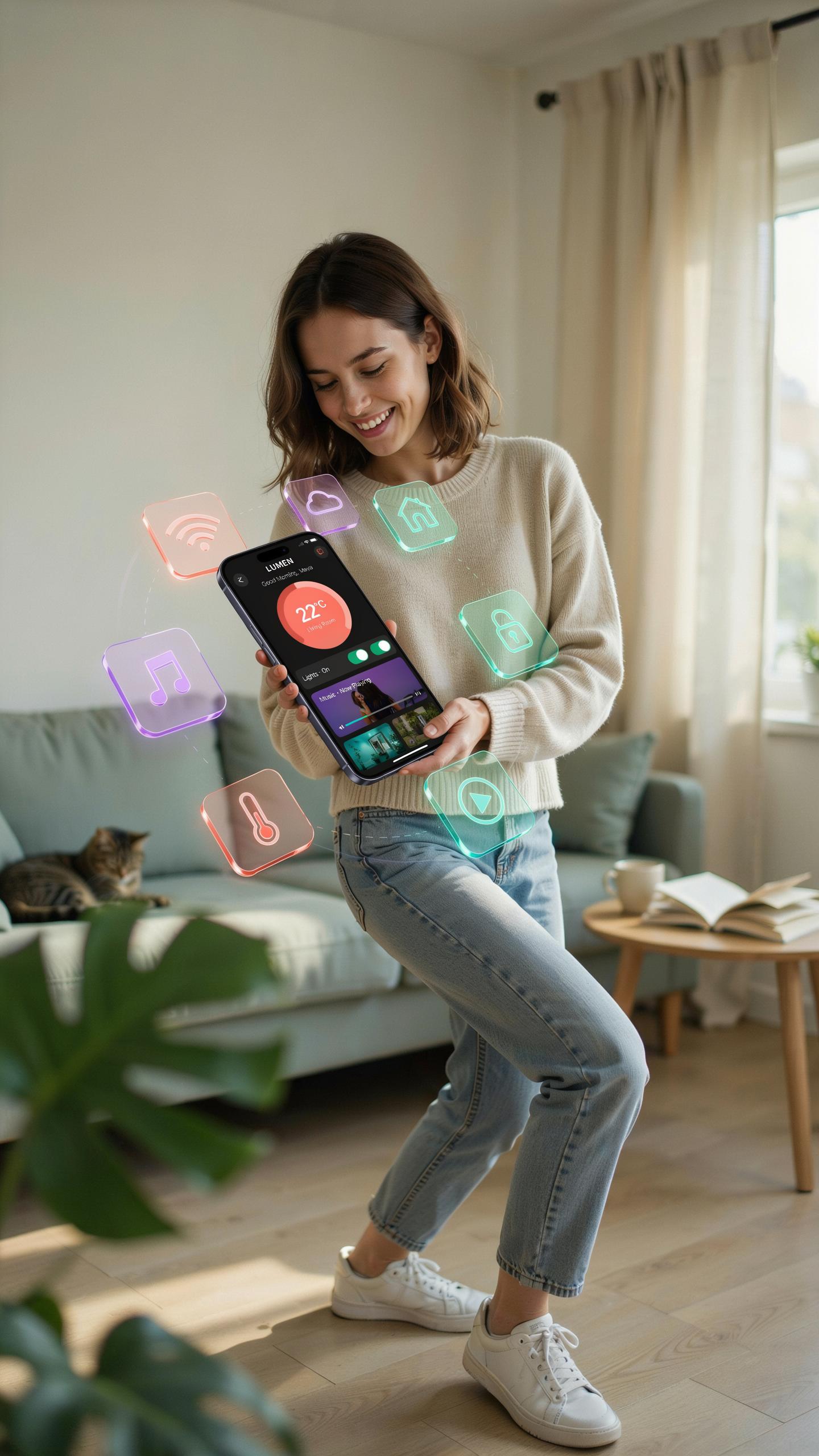
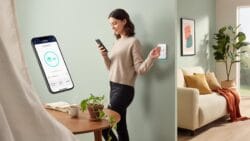
Most LED strip lights with music sync ship with dedicated mobile applications for iOS and Android. These apps connect via Bluetooth or WiFi, letting you adjust colors, brightness, and speed without touching physical hardware. You control everything from your phone: select specific colors, create custom patterns, adjust brightness in real time, and toggle music sync on or off.
The app interface typically displays a color wheel or preset color options alongside brightness sliders. Music sync modes activate directly through the app, allowing you to switch between beat detection, frequency response, and rhythm matching. You can save custom settings as presets and recall them instantly at future parties. This eliminates the need to reconfigure settings each time you use the lights.
Beyond The App: Exploring Remote And Voice Control Options
Physical remotes come standard with most LED strip kits and operate independently of smartphones. These handheld controllers use infrared or radio frequency signals to command the lights from across the room. Button layouts typically mirror app functions: color selection, brightness control, mode switching, and power toggles. Remote controls work when your phone battery dies and require no internet connection.
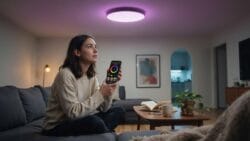
Voice control integrates with major platforms like Amazon Alexa and Google Assistant through compatible LED strips. You issue commands like “turn on party mode” or “set brightness to 50 percent” without touching any device. Voice control demands initial setup connecting your lights to your smart home ecosystem. This option works best when your lights support WiFi rather than Bluetooth only.
Gaming Setup Glow Up Integrating LED Strips For Immersive Experiences
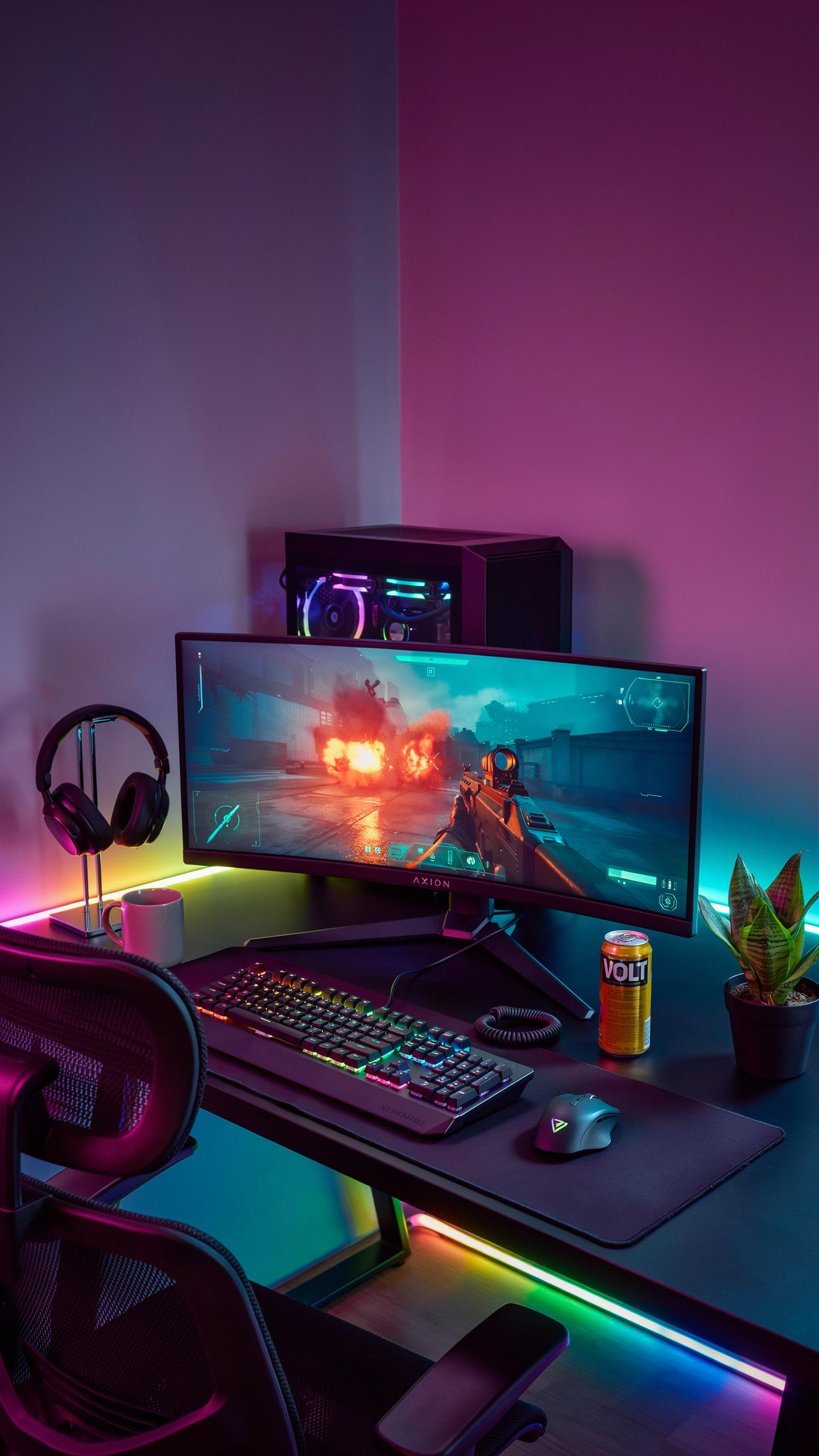
Level Up Your Game Room Decor With Reactive Lighting
LED strip lights with music sync respond to audio frequencies detected through built in microphones or direct audio input connections. The strips analyze sound data in real time and translate it into color changes and brightness shifts. This creates immediate visual feedback that matches whatever audio plays through your gaming setup, whether in game soundtracks or background music during streams.
Gaming sessions demand more from lighting than passive decoration. Music reactive strips transform your monitor surround, desk edges, and wall spaces into dynamic elements that pulse with gameplay audio. The synchronization happens instantly, creating sensory alignment that deepens immersion and reduces the cognitive distance between what you hear and what you see on screen.
Beyond The Screen: Enhancing Your Gaming Environment
Position LED strips behind your monitor as a primary placement point. This creates a bias light effect that reduces eye strain while the reactive elements respond to game audio. Direct the strips backward toward walls rather than toward your eyes to avoid direct glare that interferes with screen visibility during extended gaming sessions.
Mount strips along desk edges to frame your peripheral vision without obstructing equipment or cable management. Run strips up monitor stands or around PC tower cases to create cohesive visual zones. The key is layering multiple placement points so reactive lighting surrounds you without cluttering functional desk space or creating cable management nightmares that compromise your setup.
Creative Applications Beyond The Party Room
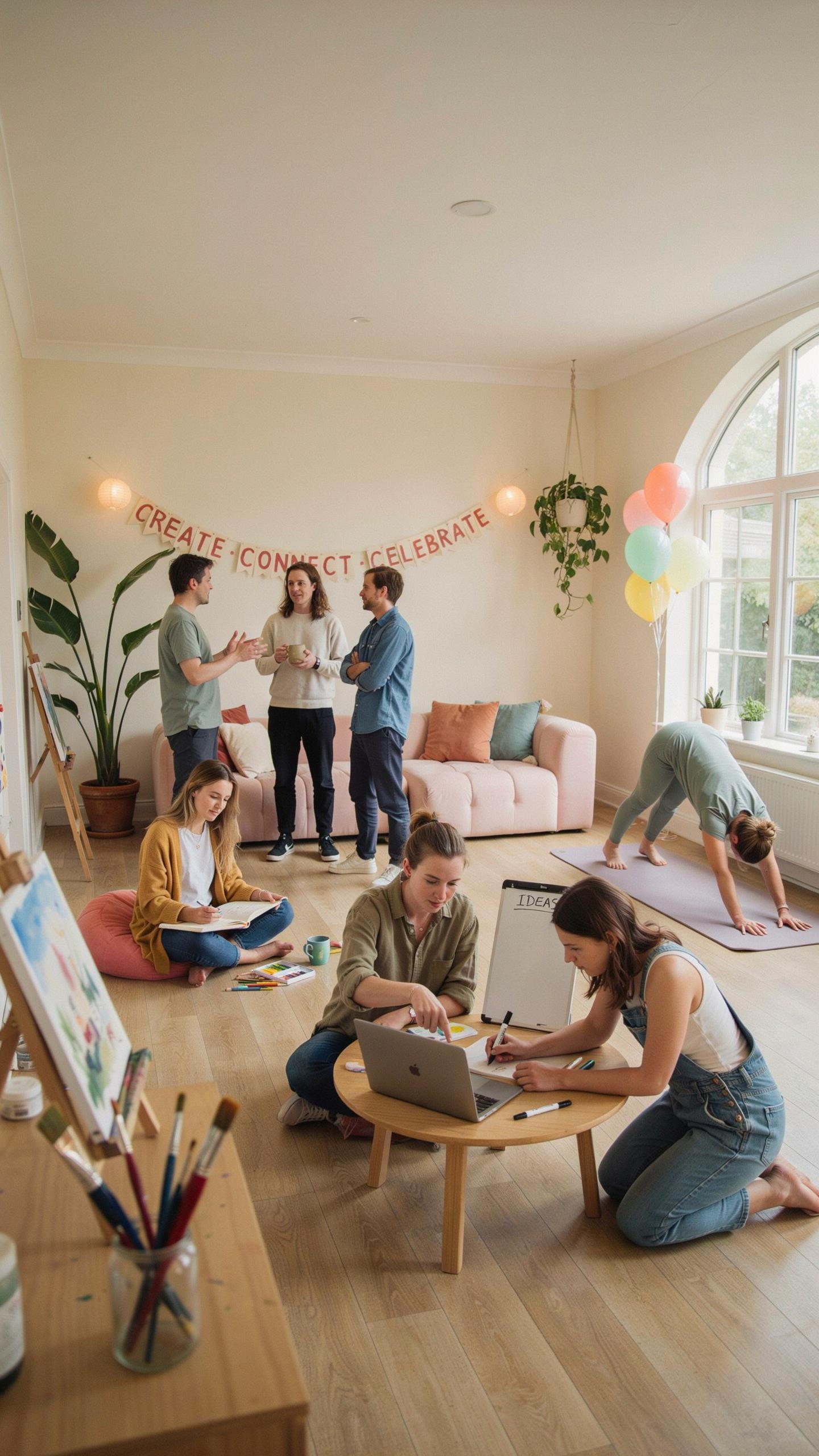
Transforming Your Living Space Versatile Strip Lighting
LED strip lights work in any room where you need controlled ambient lighting. Bedrooms benefit from warm color temperatures that support sleep cycles. Kitchens use strips under cabinets to eliminate shadow areas on countertops. Living rooms gain accent lighting that highlights architectural features. The music sync feature remains functional in these spaces, though you’ll use it differently than in party settings. Dimming capability lets you adjust brightness for different times of day and activities.
Hallways and bathrooms gain practical lighting from strips installed along baseboards or mirror edges. Strips produce no heat, making them safe in enclosed spaces. They consume minimal power compared to traditional fixtures. Color-changing strips in bedrooms support mood adjustment without switching fixtures. The adhesive backing installs in minutes on clean surfaces. This versatility makes strips a retrofit solution for homes where rewiring isn’t feasible.
Unique Lighting Ideas From Under Cabinets To Shelves
Under cabinet kitchen strips eliminate shadows where you prep food and cook. Strips mount to cabinet undersides using adhesive or brackets. Light reaches the countertop directly, improving visibility and reducing eye strain. Display shelves gain accent lighting that showcases collectibles, books, or decor items. Strips positioned along shelf edges create layered lighting in living rooms and home offices. This approach combines function with visual interest without cluttering wall space.

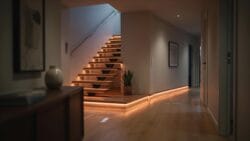
Artwork benefits from strips mounted above frames or along picture rails. Strips highlight texture and color in paintings and photographs. Staircase lighting improves safety when strips line step edges or walls. This placement helps movement through the space while adding design depth. Behind television sets, strips reduce eye fatigue from screen brightness contrast. Floating shelves appear to hover when strips mount underneath, creating modern minimalist aesthetics without visible hardware.
Choosing The Best Led Strip For Your Musical Soiree
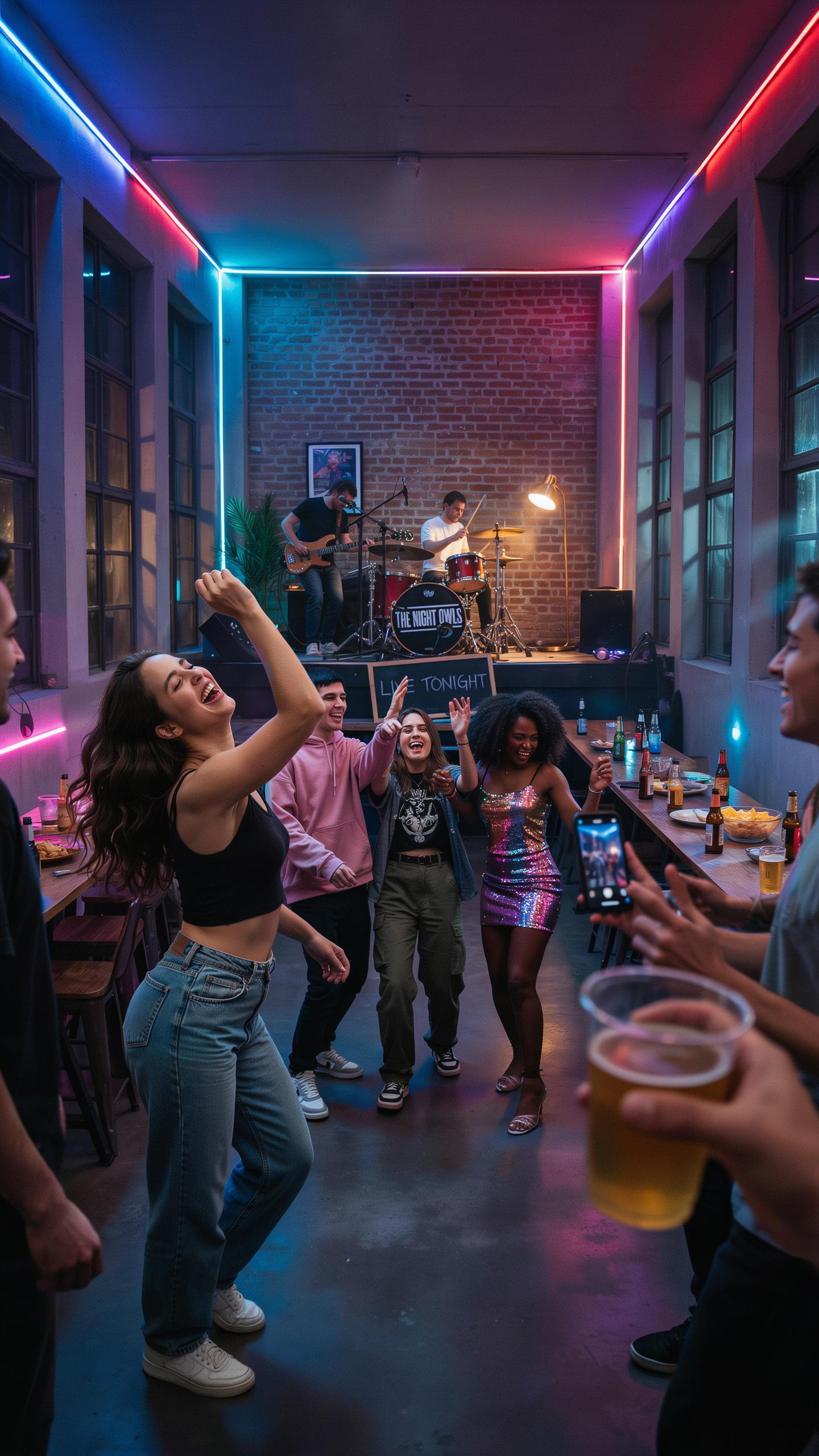
Factors To Consider Brightness Length And Durability
Brightness matters because it determines visibility in your venue. Measure brightness in lumens, not watts. A 300 to 500 lumen strip works for most indoor spaces under 20 feet. Outdoor events or large rooms need 800 to 1200 lumens. Check the manufacturer’s lumen rating before purchasing.
Length requirements depend on your layout. Most strips come in 16.4 feet, 32.8 feet, or 50 feet segments. Measure your installation area first. Strips connect end to end, so buy extensions if needed. Durability indicators include IP rating and construction materials. IP65 rated strips handle moisture and dust. IP67 strips work in wet conditions. Check the warranty period for your selected product.
Smart Features Wi Fi Bluetooth And Compatibility
Bluetooth strips connect directly to your phone without a router. They work instantly and require minimal setup. Bluetooth strips have limited range, typically 30 to 50 feet. Wi-Fi strips connect through your home network. They offer remote control from anywhere. Wi-Fi connectivity enables voice command integration with Alexa or Google Home ecosystems.

Music sync technology uses either Bluetooth or Wi-Fi to detect sound frequencies. The strip pulses with beats detected by a built-in microphone. Compatibility varies by brand and app. Test the app on your device before buying. Some strips sync across multiple platforms. Others lock you into proprietary ecosystems. Check which platforms your smartphone runs before committing to a brand.
Creating A Cohesive Game Room Design With Accent Lighting
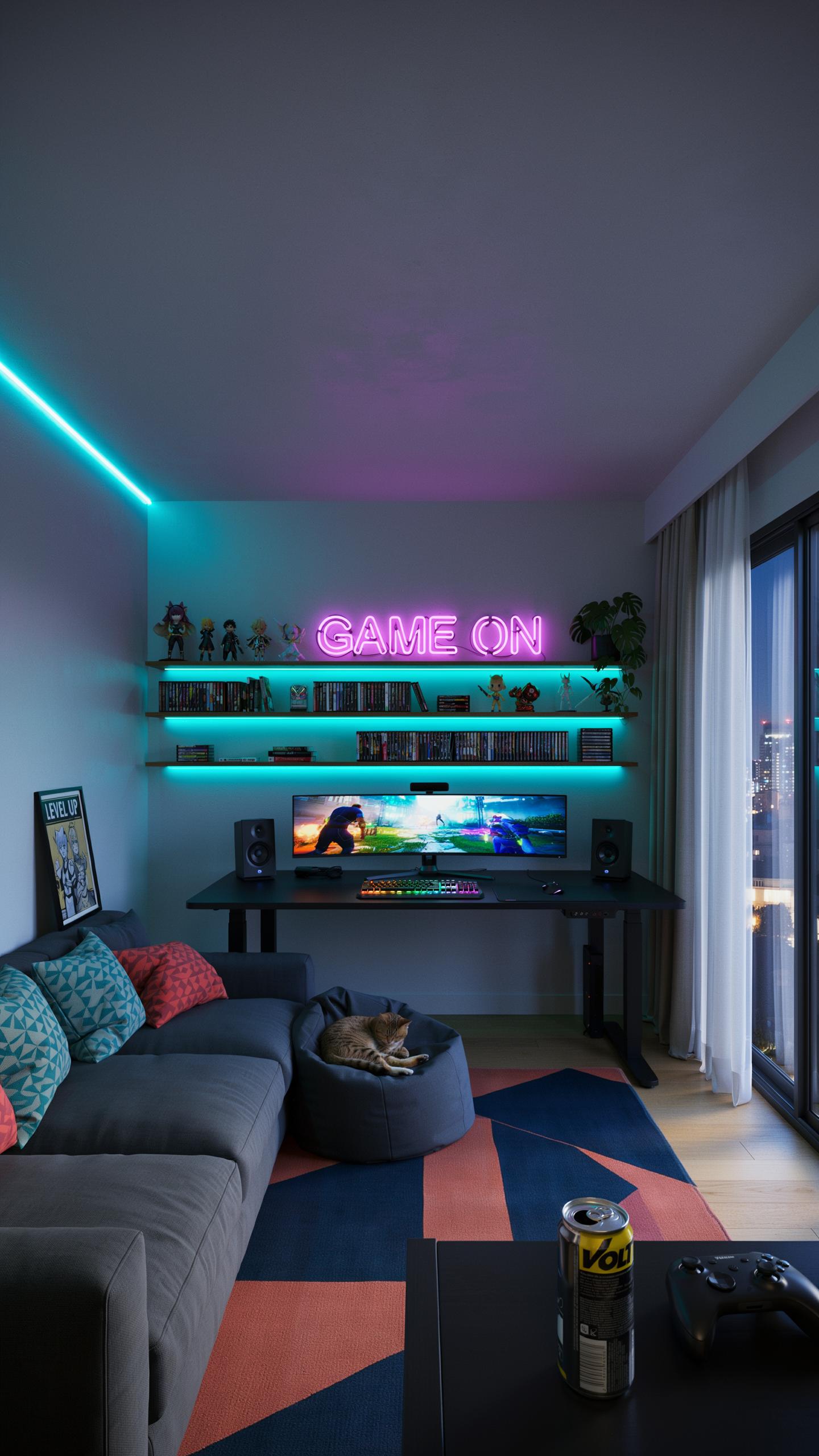
Synergy In Design: Integrating LED Strips Into Your Game Room
LED strips work as accent lighting because they follow architectural lines rather than compete with them. Mount strips behind monitor stands, along shelving edges, and under desk surfaces. This approach frames your gaming setup without creating visual clutter. The key is placement that enhances existing furniture geometry. Use strips to highlight focal points like your main gaming chair or entertainment center. Matching strip color temperature to your room’s existing lighting prevents harsh transitions between different light sources.
Game rooms typically contain multiple competing visual elements: screens, consoles, posters, and equipment. LED strips create visual flow by connecting these disparate elements through light. Position strips to guide the eye toward your primary gaming station. Strips mounted vertically along corners create depth without taking up floor or wall space. Choose mounting locations that complement your room’s traffic flow and sightlines. This prevents the lighting from feeling random or afterthought.
Beyond Gaming: Multi Purpose Game Room Lighting
Music synced LED strips transform during different activities throughout your day. During competitive gaming sessions, strips pulse with on screen action and soundtrack beats. When friends visit for casual hangouts, you dial back intensity and switch to steady color modes. This flexibility eliminates the need for separate lighting systems. One strip installation serves gaming, streaming, watching movies, and social gatherings. The same hardware adapts to whatever activity dominates your space.

Practical game rooms need lighting that responds to changing needs without manual adjustment. Quality music sync strips detect audio frequency ranges and map them to color changes automatically. This means your lighting reacts to dialogue during movies, beat drops during music, and explosions during games. You control intensity through your phone or controller. The result is a room that feels alive during high energy moments and calm during downtime. Your lighting investment pays for itself through versatility.
Beyond The Walls Enhancing Your TV Backlight Experience
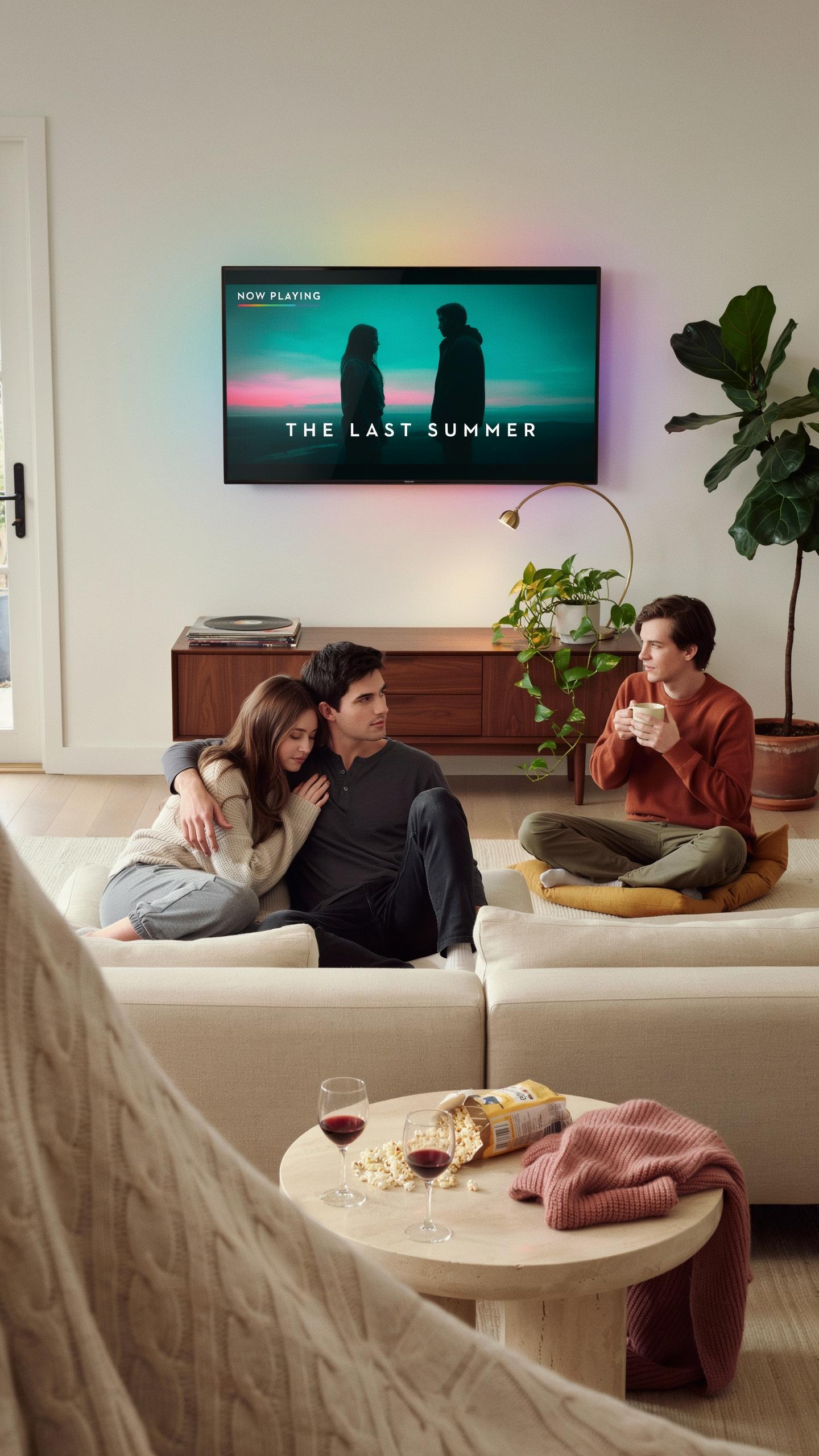
Dimming The Lights: The Benefits Of TV Backlight Led Strips
TV backlight LED strips reduce eye strain by filling the dark space behind your display with ambient light. Your eyes work harder when they shift between a bright screen and a dark room. The contrast forces your pupils to constantly adjust, causing fatigue during extended viewing sessions. Backlight strips soften this transition and stabilize the light your eyes receive throughout the room.
These strips also enhance perceived contrast on your screen. When ambient light matches your display’s color temperature, your brain processes images with better depth and definition. Movies and games feel sharper because your eyes don’t compete with harsh darkness around the TV. The result is a more immersive viewing experience that reduces strain and improves image quality without changing your TV’s actual settings.
Installation Tips For An Immersive Home Theater
Start by measuring your TV’s dimensions to determine strip length. Most standard TVs require between 8 to 16 feet of LED strip depending on size. Mount the strip 2 to 3 inches behind the TV using the adhesive backing on clean, dry surfaces. Position strips along the top and sides first, then run them down the back. This placement ensures even light distribution across your wall without visible gaps.
Cable management keeps your setup clean and prevents interference with other devices. Route power cables and audio jacks down the back of your TV stand using cable clips or sleeves. Keep cables away from your TV’s power supply and any HDMI connections. Use the shortest cable paths possible to reduce clutter and maintain clear sightlines. Secure excess cable length with velcro straps behind the stand for quick adjustments if needed.
Maintenance And Troubleshooting Keeping Your Party Lights Shining
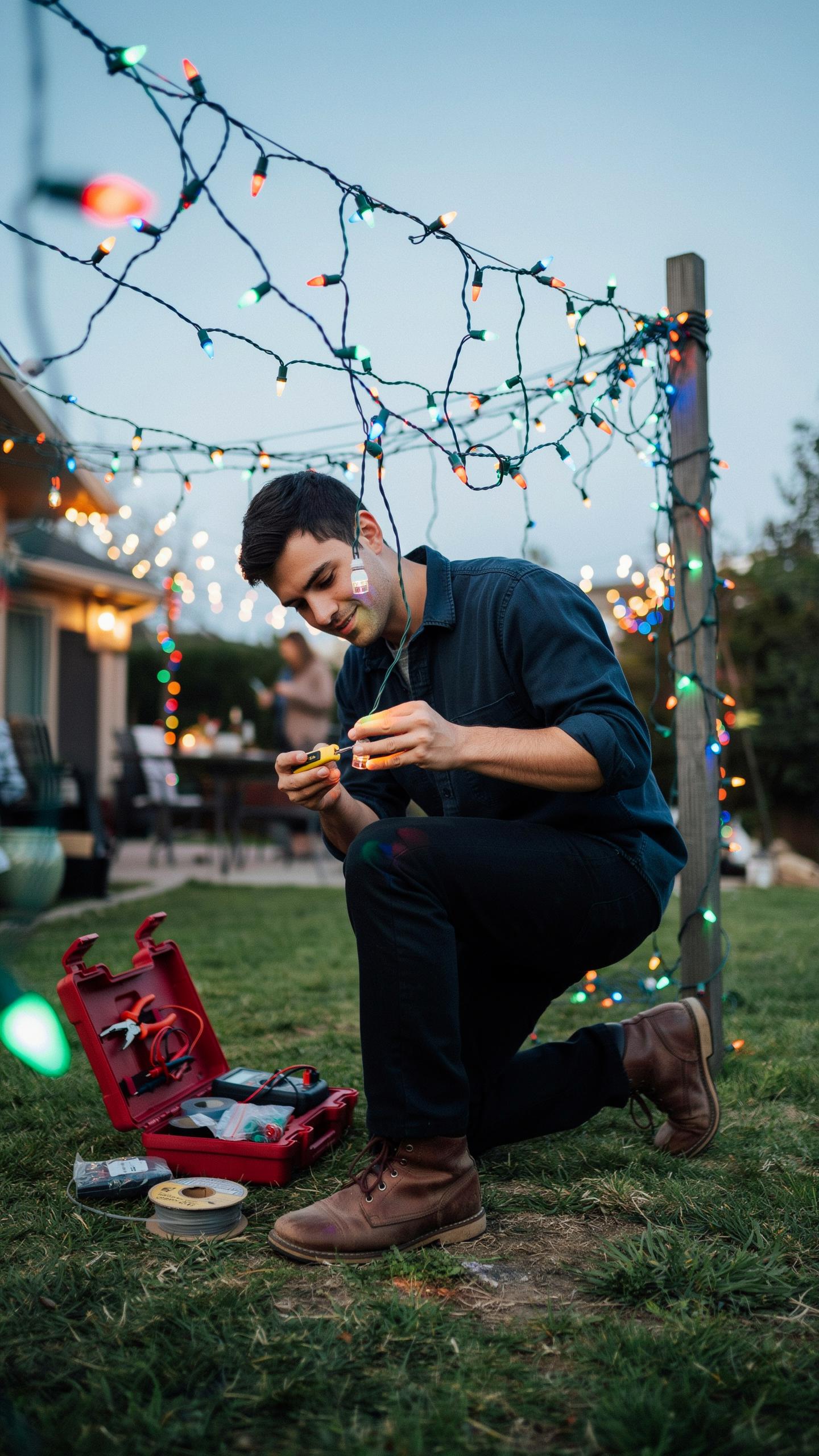
Simple Care For Lasting Brilliance
Dust accumulates on LED strip lights and reduces light output over time. Use a dry microfiber cloth to wipe strips monthly. For stubborn buildup, lightly dampen the cloth with distilled water and wipe gently. Never spray liquid directly on the strips. Avoid touching the LED elements themselves, as oils from your skin degrade performance.
Check adhesive backing every three months, especially in high-humidity environments or areas with temperature swings. If strips begin peeling at corners or edges, clean the surface thoroughly with isopropyl alcohol and allow it to dry completely before reapplying. Replace adhesive backing tape if the original strip loses grip. Store spare strips in a cool, dry place away from direct sunlight when not in use.
Common Issues And Quick Fixes For Your Led Strip Lighting
Flickering indicates a loose power connection or insufficient power supply capacity. Inspect all connectors and reseat them firmly into place. If the issue persists, measure your strip length and verify your power supply wattage matches the total wattage requirement. Underpowered supplies cause dimming and flickering across longer installations.
Music sync failures typically stem from Bluetooth connectivity problems or app permissions. Restart both your LED controller and mobile device. Verify your device’s Bluetooth is enabled and the app has permission to access it in your phone settings. If the strip pairs but doesn’t respond to music, reinstall the manufacturer’s app and reconnect the device. Check that your speaker or audio source is outputting sufficient volume for the microphone sensor to detect sound frequencies properly.
Frequently Asked Questions

What exactly are LED strip lights with music sync, and how do they work for parties?
LED strip lights with music sync are flexible lighting strips that react to ambient sound or audio input, creating dynamic light shows. They typically have a built-in microphone or connect to an app, allowing the lights’ color and patterns to pulse, fade, or change in rhythm with your party music, transforming any space into an instant dance floor.
How do I install led strip lights with music sync to achieve the best party ambiance?
For optimal party ambiance, plan your layout first. Ensure surfaces are clean and dry for secure adhesion. Peel the backing and press firmly. For music sync, place the control box near your sound source or connect via Bluetooth to your app. Experiment with placement along ceilings, behind furniture, or under counters to highlight architectural features and create captivating effects.
Are LED strip lights with music sync an expensive investment, or are there budget-friendly options available?
No, LED strip lights with music sync are surprisingly affordable! While feature-rich premium brands exist, many budget-friendly options offer excellent performance. You can find quality kits online or at major retailers for under $30-$50, making them an accessible and impactful upgrade for any party or home decor project.