
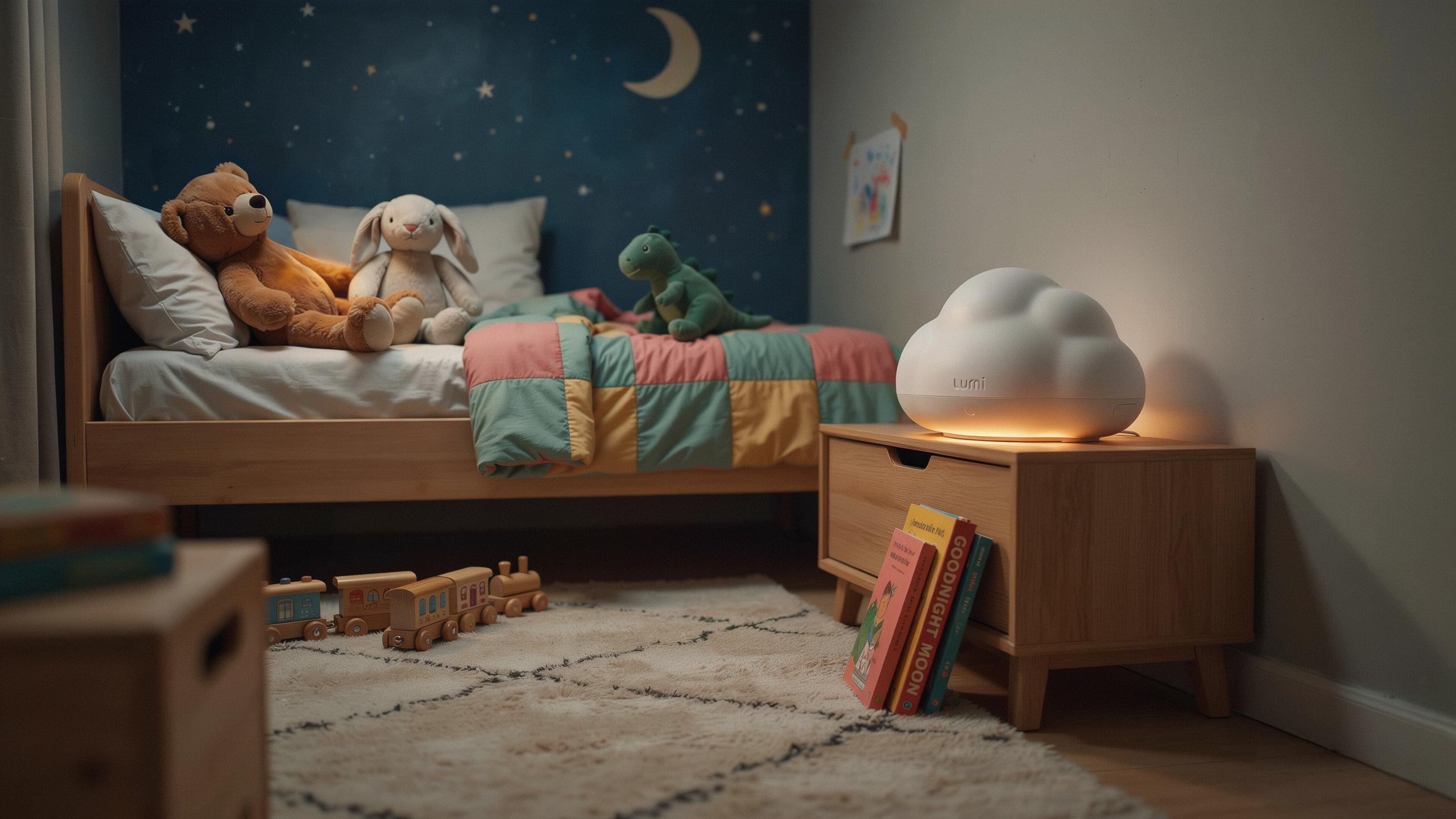
The Benefits Of A Smart Nightlight For Children
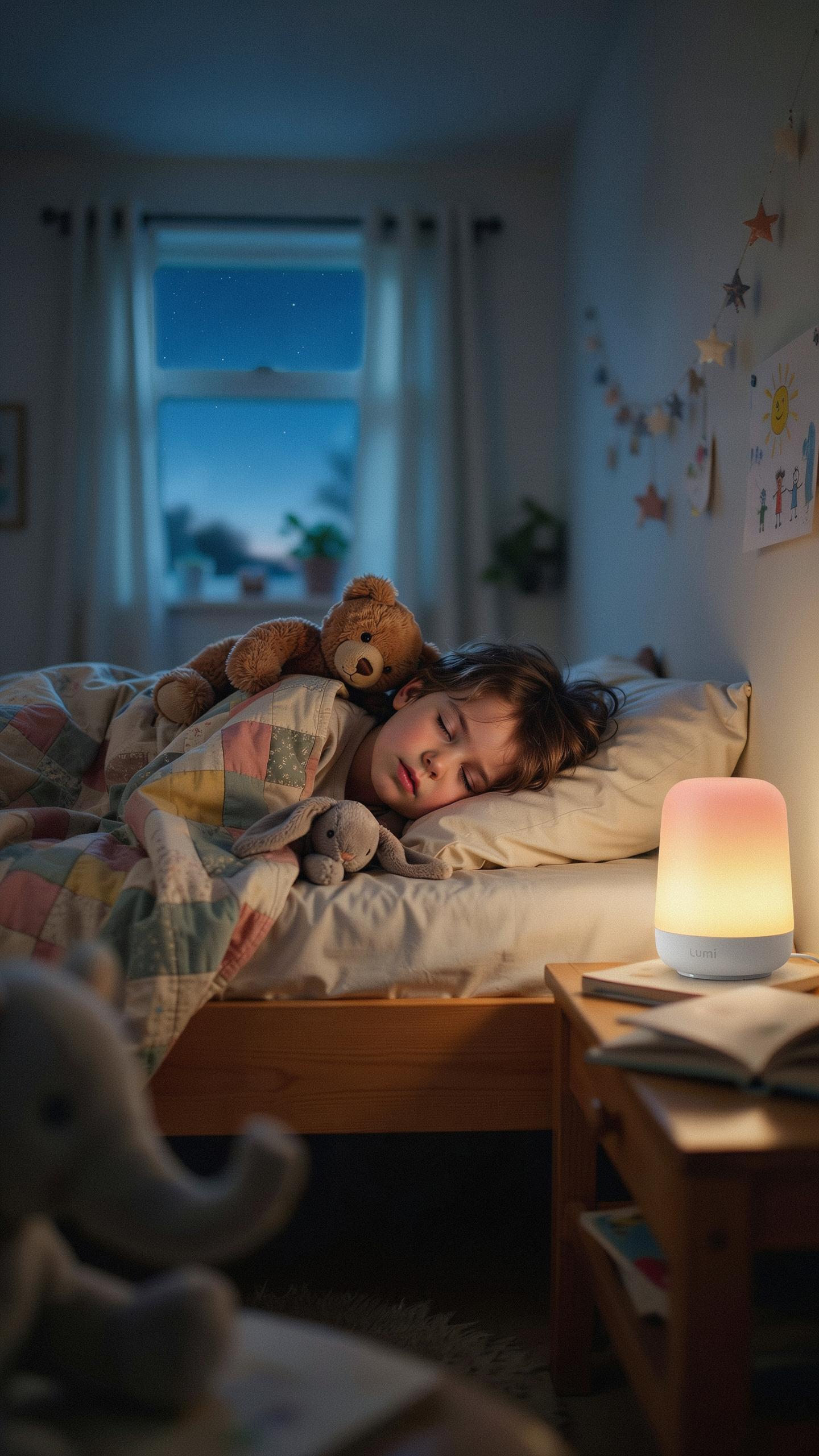
Promoting Better Sleep Patterns
A smart nightlight with adjustable brightness lets you control light output to match your child’s circadian rhythm. Dim settings in the evening trigger melatonin production, the hormone that signals sleep time. Consistent light levels each night train the body to expect rest at the same time, establishing predictable sleep routines that stick.
Smart nightlights eliminate sudden darkness, which disrupts sleep cycles in children. Gradual dimming mimics natural sunset, preparing the brain for sleep without shock. Adjustable settings let you reduce intensity as your child falls asleep, then maintain low light throughout the night for uninterrupted rest.
Enhancing Safety And Comfort In The Dark
Children navigate bedrooms and hallways at night without full visibility. A smart nightlight provides enough illumination to prevent trips, falls, and collisions with furniture. The light stays low enough to avoid waking the child while bright enough to show clear pathways and room layouts.
Fear of darkness decreases when children can see their surroundings clearly. Soft, consistent light reduces anxiety about unknown shapes and shadows in the room. Adjustable brightness lets you find the perfect balance between comfort and darkness tolerance, giving your child control and confidence during nighttime hours.
Understanding Adjustable Brightness
Customizing Light Intensity For Different Needs
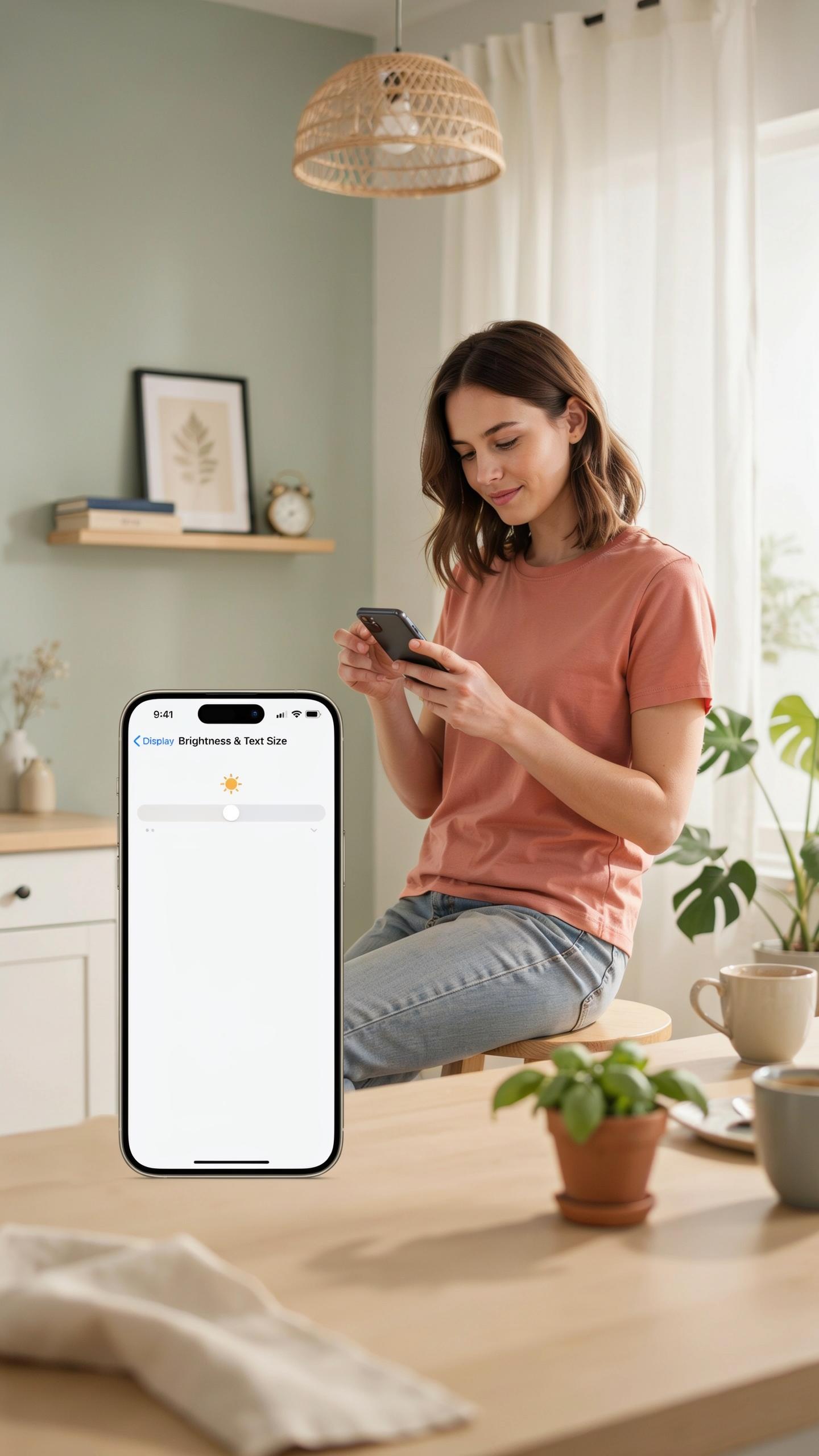
A smart nightlight with adjustable brightness lets you control light output based on what your child needs at any moment. Dim settings work for sleep, while brighter modes support reading or getting dressed. This flexibility eliminates the need for multiple fixtures. You adjust intensity through apps, voice commands, or physical controls on the device itself.
Different times of night demand different light levels. Early evening preparation requires more visibility. Middle-of-the-night bathroom trips need just enough light to navigate safely. Pre-dawn hours benefit from gradual brightening that mimics natural sunrise. Adjustable brightness handles all these scenarios without waking your child fully or disrupting their sleep cycle.
The Impact Of Light On Child Development
Light exposure directly influences children’s circadian rhythms, which regulate sleep and wake cycles. Excessive bright light in evening hours delays melatonin production, making sleep harder. Dim lighting in the bedroom supports natural sleep onset. Smart nightlights with adjustable brightness let you control this exposure deliberately rather than relying on fixed light sources.
Vision development in children requires appropriate lighting conditions. Too-dim environments strain growing eyes during reading or play. Overly bright light causes discomfort and eye fatigue. Adjustable brightness allows you to match lighting to your child’s activity. Proper light levels support healthy visual development while preventing unnecessary strain during critical growing years.
Sensor Night Lights Convenience And Efficiency
Automatic Illumination With Dusk To Dawn Sensors
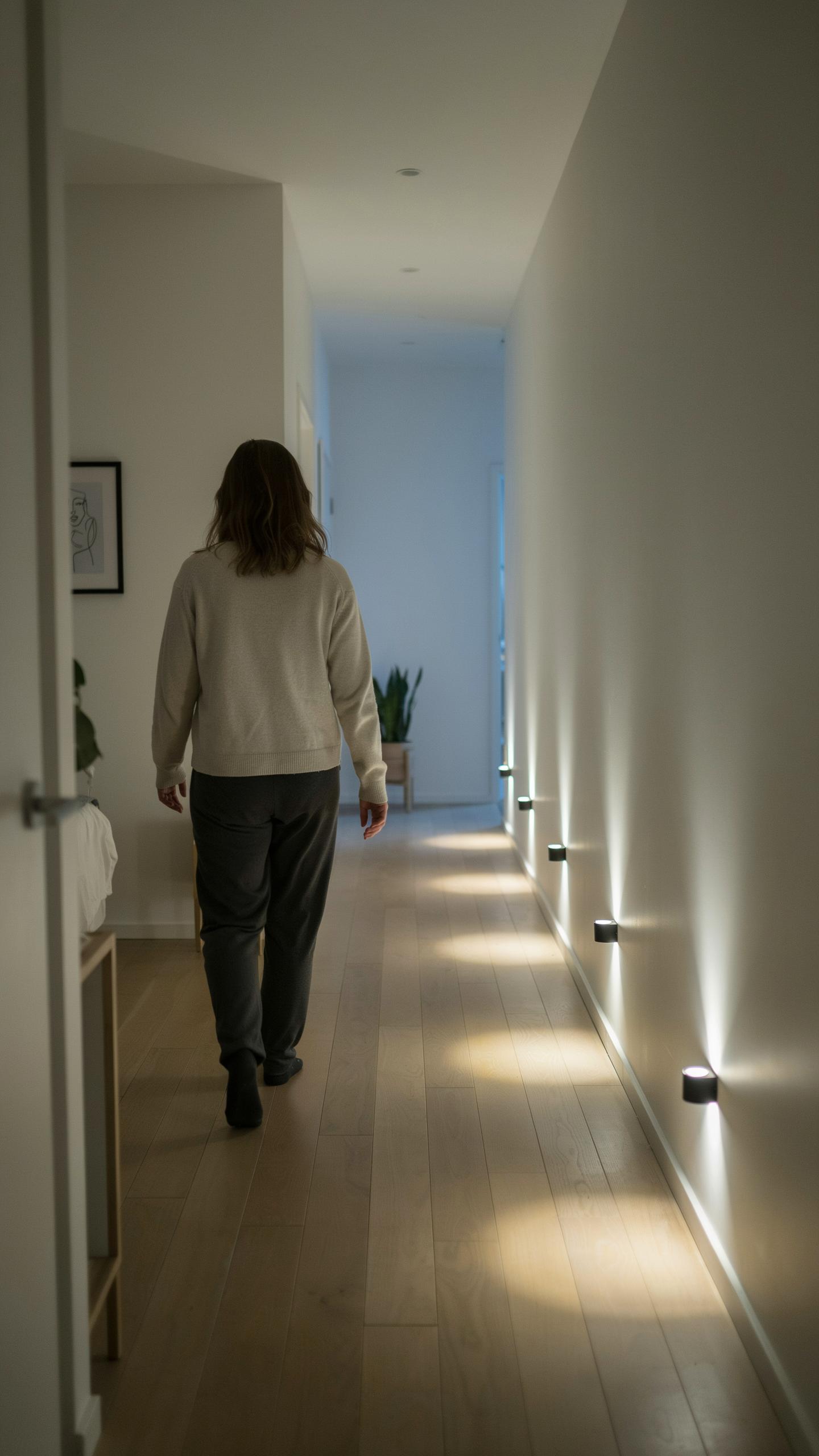
Dusk to dawn sensors detect ambient light levels using photoresistor or photodiode technology. When ambient light drops below a programmed threshold, typically between 10 to 50 lux, the sensor triggers the nightlight to activate automatically. The device monitors light conditions continuously throughout the night and deactivates when dawn arrives and natural light increases above the threshold again.
This automation eliminates the need for manual switching. Parents no longer turn lights on and off manually each evening and morning. The nightlight responds to actual environmental conditions rather than fixed schedules, adapting to seasonal changes in sunrise and sunset times without user intervention or reprogramming.
Energy Savings And Longevity
Automatic operation reduces energy waste by ensuring the nightlight only runs when darkness actually occurs. No accidental all-day operation happens, and no forgotten lights drain power through the night. Families see measurable reductions in electricity consumption because the device operates only during necessary hours, translating directly to lower monthly utility bills.

Reduced operating hours directly extend device lifespan. LED components in smart nightlights degrade gradually with use, and limiting runtime proportionally delays this degradation. Fewer hours of operation mean fewer charge cycles on rechargeable models and extended functional life for all internal components, reducing replacement costs over years of use.
Motion Sensor Lights For Added Security
Reacting To Movement In The Room
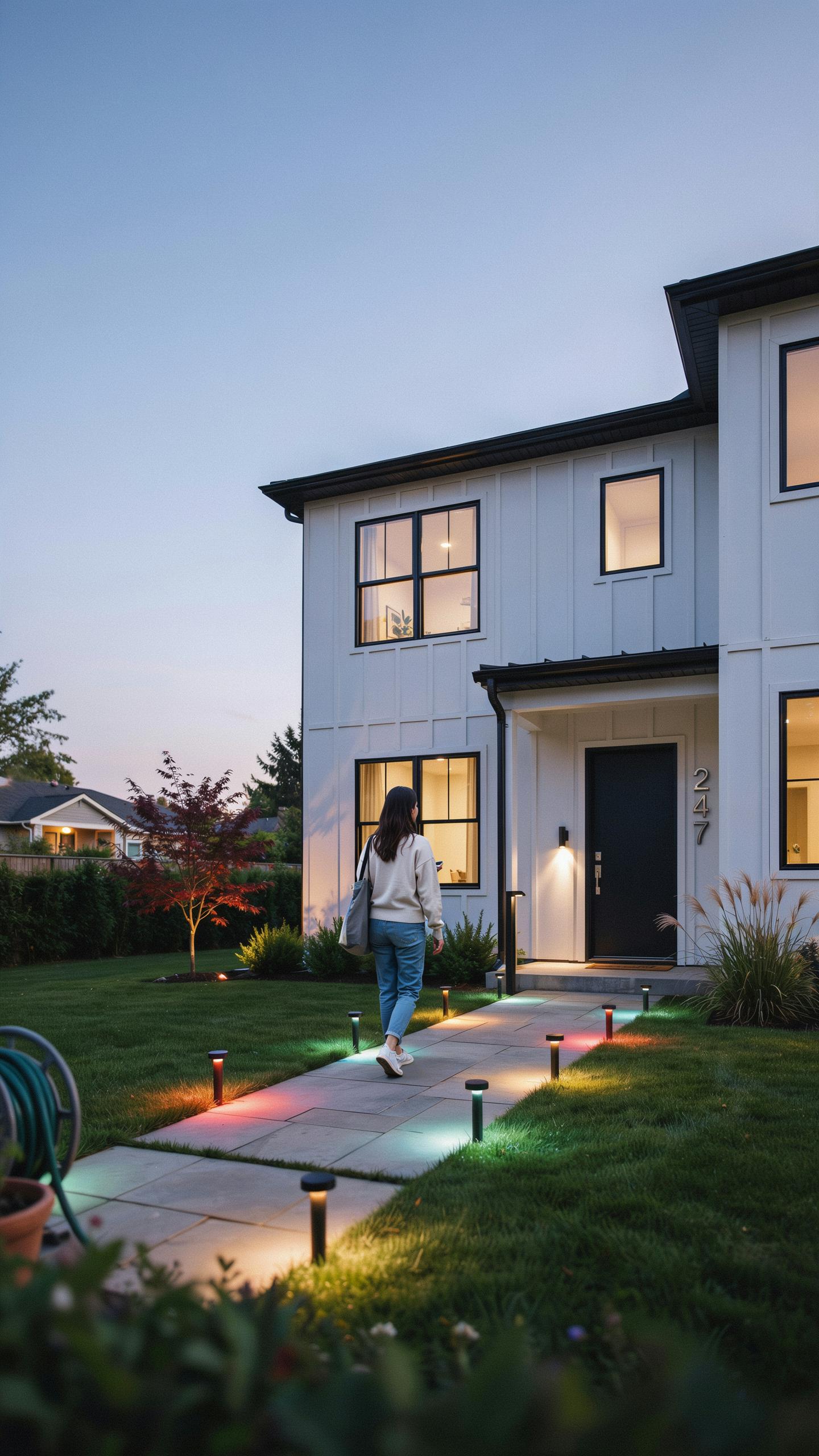
Motion sensors in smart nightlights detect infrared heat signatures from moving bodies. When a child enters the room or moves past the sensor, the light activates automatically. The sensor then keeps the light on for a preset duration, typically ranging from 30 seconds to several minutes. You adjust this timing through the app or physical controls. Most units let you set sensitivity levels to prevent false triggers from pets or drafts.
The motion activation feature works independently from scheduled timers and brightness settings. This means your child gets immediate illumination without reaching for a switch or waiting for voice commands to register. The light responds within milliseconds of detected movement. You can program the nightlight to turn off after no motion occurs for your chosen interval. This reduces energy consumption while maintaining the security benefit of automatic activation.
May their dreams be as softly illuminated and gently guided as the glow in their nursery, adjusting
— Unknown
Guiding Children In The Dark Safely
Motion activated nightlights eliminate the risk of children navigating dark rooms without light. When your child gets out of bed for a bathroom trip, the sensor triggers the light instantly. This prevents stumbling over toys, furniture, or other obstacles on the floor. The immediate illumination gives their eyes a moment to adjust before they take their first steps. Hallways and doorways become clearly visible within the light’s effective range.
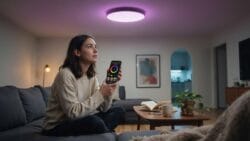
Consistent low level lighting from motion sensors reduces fall hazards significantly. Your child learns to trust that light will appear when they move, creating predictable navigation patterns. The adjustable brightness settings let you calibrate the output to prevent disorientation from sudden bright light at night. This balance between visibility and gentle illumination supports safe independent movement through your home. Parents report fewer nighttime incidents when motion sensors activate reliable ambient lighting.
LED Night Light Technology
Energy Efficiency Of LED Bulbs
LED bulbs consume 75 to 80 percent less energy than incandescent bulbs. A smart nightlight with adjustable brightness uses even less power because dimming reduces current draw further. Most LED nightlights operate on 0.5 to 2 watts at full brightness. This low consumption means parents can leave them on all night without impacting electricity bills or household energy usage.
LED bulbs last 25,000 to 50,000 hours or longer depending on quality and usage patterns. Smart nightlights with adjustable brightness extend bulb life by preventing constant maximum output. Replacing a nightlight bulb once every 5 to 10 years beats traditional bulbs that need replacement every 6 to 12 months. Lower replacement frequency cuts maintenance work and keeps costs down over the product’s lifespan.
Variety Of Colors And Effects
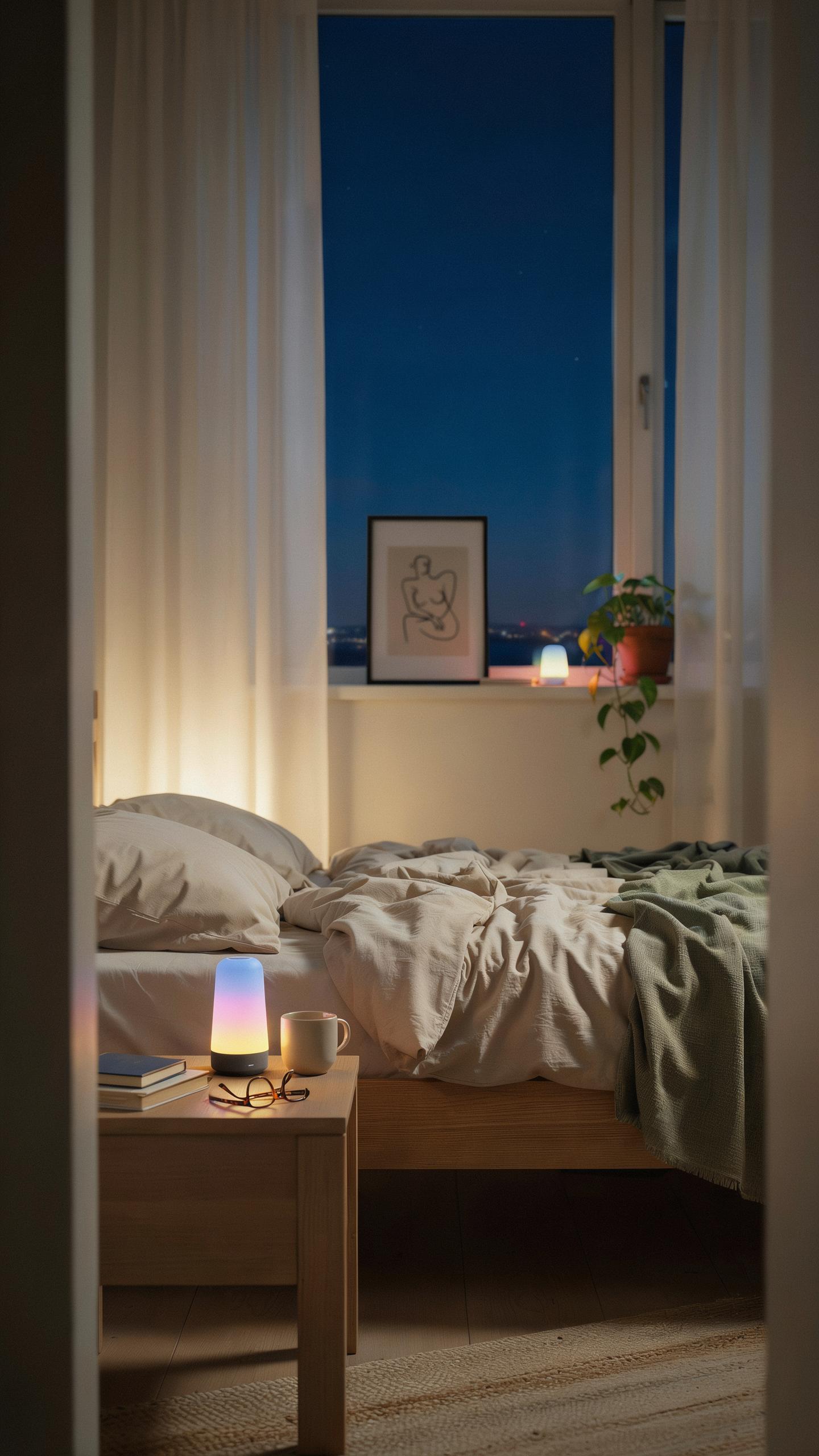
Smart nightlights offer color-changing capability through RGB LED technology. Parents select single colors or cycle through multiple hues to match room décor or create calming environments. Some models include preset modes like sunrise simulation or gentle color transitions. These features give flexibility without requiring different physical products for different moods or times of night.

Color variety impacts child behavior and sleep patterns based on clinical research about light wavelengths. Blue and cool white tones suppress melatonin production and work during active play or reading. Red and amber tones promote melatonin release and support wind-down periods before sleep. Smart brightness adjustment paired with color control lets parents optimize lighting for each situation without replacing hardware.
Smart Features And Connectivity
Smartphone Control And Scheduling
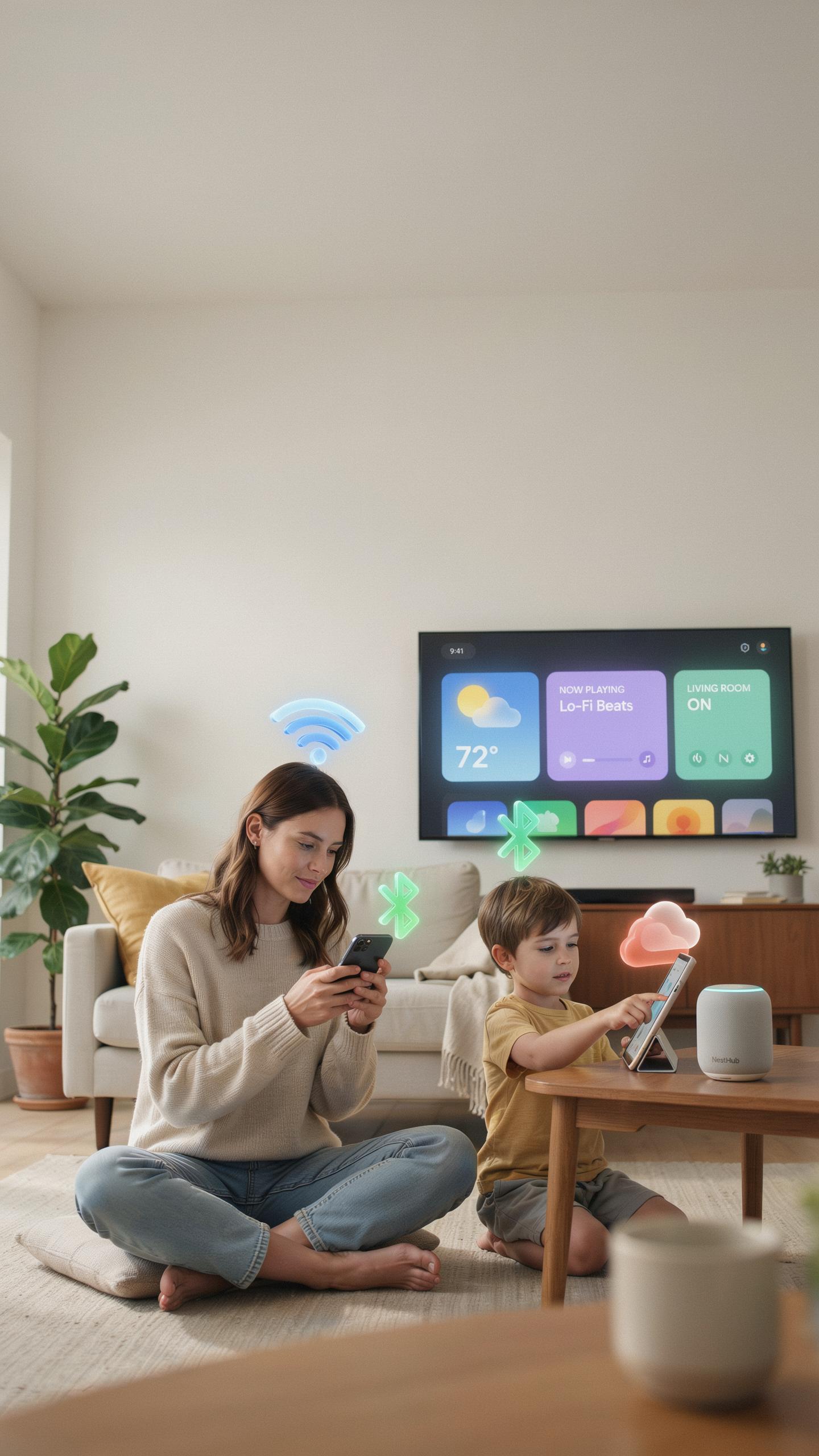
Mobile apps give parents direct control over nightlight brightness from anywhere in the home. Users adjust light intensity in real time without touching the physical device. Most apps offer preset brightness levels or custom sliders for precise control. Scheduling features let you set automatic brightness changes at specific times. The device dims gradually at bedtime and brightens during morning hours. Color temperature adjustments shift from warm to cool tones based on your schedule.
Timer functions turn lights off automatically after set durations. Parents stop midnight brightness adjustments by programming the nightlight in advance. App notifications alert you if the device disconnects or experiences issues. Some platforms store usage data showing when children actually sleep versus when they need light. This information helps optimize brightness schedules over time. Remote access means you manage settings even when traveling or away from the bedroom.
Integration With Smart Home Systems
Smart nightlights connect to major platforms like Amazon Alexa, Google Assistant, and Apple HomeKit. Voice commands let kids request brightness changes without leaving bed. Integration triggers automation routines that coordinate lighting across multiple rooms. When motion sensors activate in the hallway, the nightlight can brighten automatically. These devices communicate with security systems to provide light during nighttime emergencies. Compatibility with existing smart home hubs eliminates the need for additional hardware.

Unified control through a single app simplifies managing your entire smart home ecosystem. You adjust nightlight brightness alongside thermostats, cameras, and door locks in one place. Scenes combine nightlight settings with other smart devices for consistent routines. The nightlight responds to triggers from other devices, such as dimming when the security system arms at bedtime. Scheduling syncs across your smart home so all devices follow the same timeline. This integration reduces setup complexity and makes adjustments faster for busy parents.
Placement And Versatility Beyond The Bedside Lamp
Optimal Locations In A Child’S Room
The nightlight placement directly impacts its effectiveness. Position it where it provides ambient light without shining directly into your child’s eyes. Placing it on a dresser, shelf, or corner outlet keeps the light diffused and reduces sleep disruption. Distance from the bed matters: 4 to 6 feet away creates gentle illumination for navigation without overstimulation. Avoid placing it behind furniture where shadows form or in direct line with sleep zones.
Wall outlets near doorways work well for pathway lighting through the room. This placement helps children move safely without triggering overhead lights. Low-level positioning, roughly 2 to 3 feet from the floor, prevents light from bouncing off ceilings and creating harsh reflections. Test different locations to find where your child sleeps best and still has safe movement options when needed.
Creative Uses For Closet Lighting And Play Areas
Smart nightlights extend beyond bedtime functionality into daytime room use. Install one in the closet to help children locate clothing and items without opening the main lights. The adjustable brightness feature works here: set it lower during early morning hours when kids dress themselves. Closet lighting reduces morning conflicts by giving children independence and visibility without waking the entire household.

Play areas benefit from this placement strategy during afternoon quiet time. A smart nightlight in the corner of a reading nook or play zone provides focused task lighting without feeling bright. Use the dimming feature to create a calm environment during wind-down periods before bed. This dual-purpose approach maximizes your investment by using one device across multiple room functions throughout the day.
Choosing The Best Smart Nightlight With Adjustable Brightness
Key Features To Consider For Kids Safety
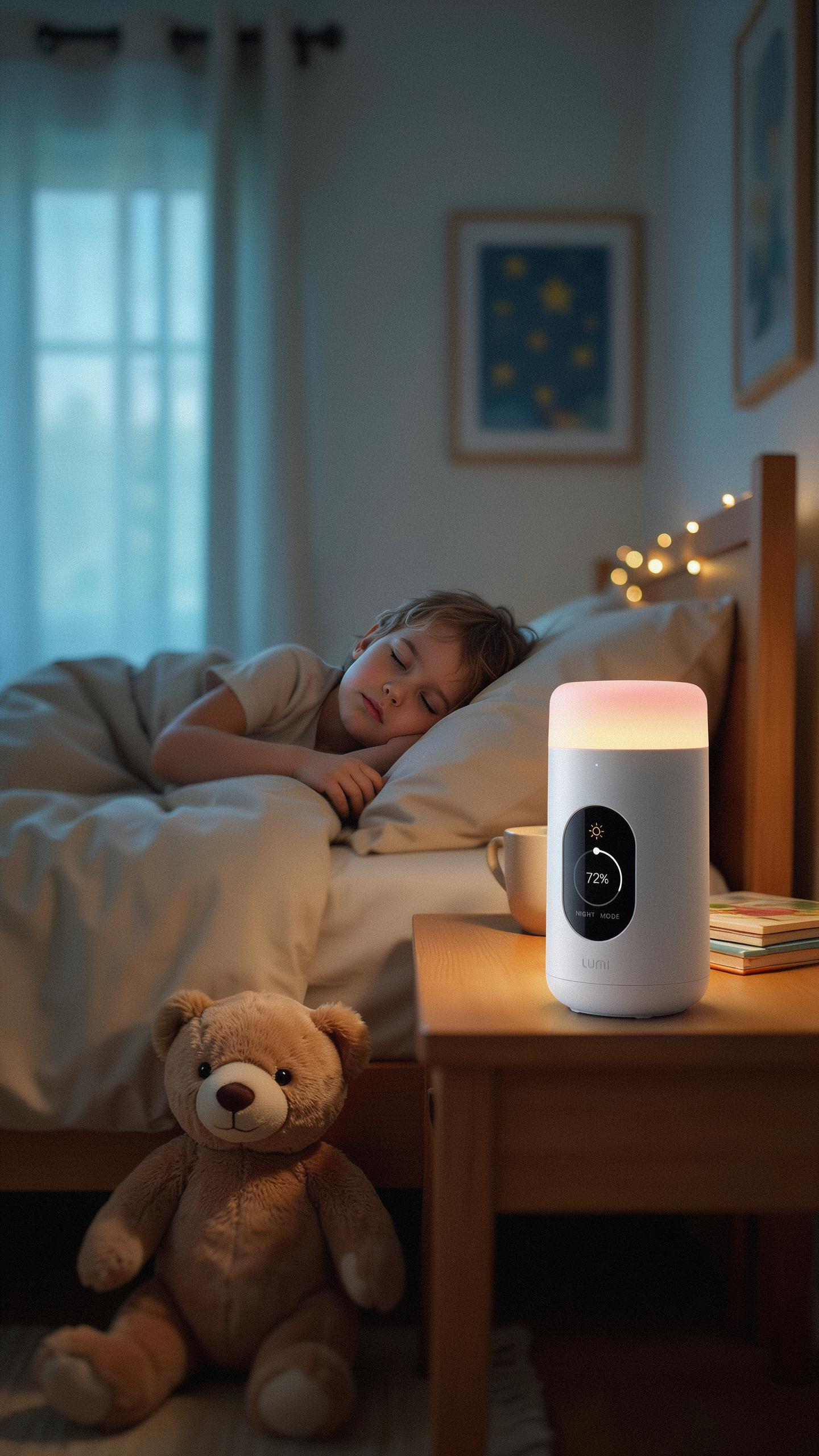
Manufacturers design child nightlights around three core safety principles: material composition, heat management, and structural integrity. You need products made from non-toxic plastics or silicone that won’t off-gas harmful chemicals. Cool-touch surfaces prevent burns during extended contact. Secure bases or wall mounts stop devices from falling onto sleeping children.
- Non-toxic Materials: Verify products use BPA-free, phthalate-free plastics or food-grade silicone that meet ASTM safety standards for children’s products.
- Cool-Touch Design: Units should maintain surface temperatures below 110 degrees Fahrenheit to prevent accidental burns during nighttime handling by children.
- Secure Mounting: Choose models with weighted bases, adhesive backing, or wall brackets that prevent tipping or falling hazards in active children’s rooms.
- Cord Safety: Opt for cordless battery-powered options or secured wall-mounted units to eliminate strangulation risks from dangling power cables.
- Low Voltage Operation: Confirm devices run on standard USB power or AA batteries rather than high-voltage mains electricity for shock protection.
Check for certification marks from recognized testing organizations. Products passing UL, FCC, or CE testing have undergone third-party safety verification. This documentation matters when making purchase decisions for items in your child’s sleeping environment.
Reading Reviews And User Experiences
Parent feedback reveals real-world performance beyond marketing claims. Focus on reviews discussing brightness range, dimming responsiveness, and battery longevity. Users highlight whether adjustability actually works as advertised or if brightness levels feel limited or poorly spaced.

Experienced parents note which models survive accidental drops or water exposure from spilled drinks. They report on whether color-changing features distract children or help them sleep. Pay attention to complaints about overheating, flickering, or units that stop functioning after weeks of use.
Installation And Maintenance Tips

Simple Setup Guide
Most smart nightlights connect to your home WiFi network during initial setup. Download the manufacturer’s app on your smartphone, then follow the pairing instructions specific to your model. Power the device using the included USB cable or batteries. The app walks you through connecting to your WiFi and creating user profiles for brightness control and scheduling.
Once connected, test all brightness levels and color options before placing the nightlight in your child’s room. Verify that the app responds quickly to commands and that the device maintains its connection overnight. Position the nightlight away from direct water exposure and extreme heat sources. This foundation ensures reliable operation throughout the device’s lifespan.
Cleaning And Troubleshooting Common Issues
Dust accumulation reduces light output and affects sensor performance on smart nightlights. Use a soft, dry cloth to wipe the exterior weekly. Avoid harsh chemicals or excess moisture that can damage internal circuitry. For hard-to-reach areas, use a small brush or compressed air to remove debris without scratching the lens or housing.
Connection drops occur when the nightlight moves too far from your router or encounters interference from other devices. Move the router closer to the nightlight or eliminate competing signals on the same frequency band. If the brightness becomes unresponsive, restart the device by unplugging it for thirty seconds, then reconnecting power. Reset the app connection if problems persist after restarting the physical device.
Frequently Asked Questions

What exactly is a smart nightlight with adjustable brightness for kids’ rooms?
A smart nightlight with adjustable brightness is an innovative device designed for children’s spaces. It connects to your home’s Wi-Fi, allowing you to control its color, brightness, and even set schedules remotely via an app or voice assistant. This provides optimal lighting for sleep, play, and comfort, adapting throughout the night.
How do I set the perfect brightness level for my child’s smart nightlight?
Most smart nightlights with adjustable brightness offer app control. Start by experimenting with different levels in the evening. A dim, warm glow is often ideal for sleeping, while a slightly brighter, still soft light might be better for late-night feeds or comfort. Observe your child’s reaction and adjust for their individual preference.
Are there affordable options for a smart nightlight with adjustable brightness for parents on a budget?
Absolutely! While some smart nightlights can be premium, many brands offer excellent options at various price points. Look for models with essential features like app control and brightness adjustment, rather than extensive soundscapes or complex patterns, to find a budget-friendly smart nightlight with adjustable brightness that meets your needs.