

What Is An Inflatable Solar Powered Lantern

Description
An inflatable solar powered lantern combines a collapsible fabric structure with integrated solar cells and rechargeable battery storage. The device charges during daylight hours through photovoltaic panels embedded in or attached to its surface. When inflated, it expands to create a diffuser that spreads light evenly. Deflating it reduces volume for transport and storage, making it practical for camping, emergency preparedness, and outdoor use.
Solar powered inflatable lanterns use LED bulbs paired with lithium ion or similar rechargeable batteries. The solar panels convert sunlight into electrical current, charging the internal battery throughout the day. At night or in low light, users activate the LED to draw power from the stored charge. Most models include on off switches and some feature brightness adjustment or multiple lighting modes for extended runtime.
Benefits
Inflatable solar lanterns eliminate dependency on disposable batteries or electrical outlets. The collapsible design reduces pack weight and volume compared to rigid lighting alternatives. Solar charging occurs passively during normal outdoor activity, requiring no action beyond positioning in sunlight. This makes them cost effective over extended use since fuel costs are zero.
The durability of modern materials means these lanterns withstand repeated inflation and deflation cycles without degradation. LED bulbs generate minimal heat, making the lanterns safe to handle during operation or when packed. The waterproof construction on quality models allows use in wet conditions or near water sources. Emergency situations benefit from a light source that requires only sunlight rather than pre positioned fuel reserves.

The Rise Of Solar Lanterns In Outdoor Gear

History
Portable lighting evolved from open flames to kerosene lamps, then to battery-powered flashlights in the early 1900s. Each shift reduced weight and improved reliability for outdoor users. Solar technology emerged in the 1950s, but remained expensive and inefficient until the 1990s brought affordable photovoltaic cells and improved battery storage systems.
The inflatable solar powered lantern combines two proven technologies: LED efficiency from the 1990s and compact solar panels from the 2000s. Manufacturers integrated these components into collapsible designs around the 2010s, targeting the camping and emergency preparedness markets. This convergence solved a core problem: delivering reliable light without fuel or frequent battery replacement.
Popularity
Campers, hikers, and survivalists adopt inflatable solar powered lanterns because they eliminate fuel dependency and reduce pack weight. These lanterns charge during the day passively and operate through the night. Users value the self-sufficiency factor in remote locations where resupplying batteries or fuel becomes impractical or impossible.

Emergency preparedness drives adoption across urban and rural demographics. Natural disasters, power outages, and grid failures create demand for backup lighting that requires no external resources. The lanterns also appeal to budget-conscious outdoor enthusiasts who calculate long-term cost savings against disposable battery systems or fuel-dependent alternatives.
Key Features Of A Collapsible Solar Powered Lamp
Design Elements
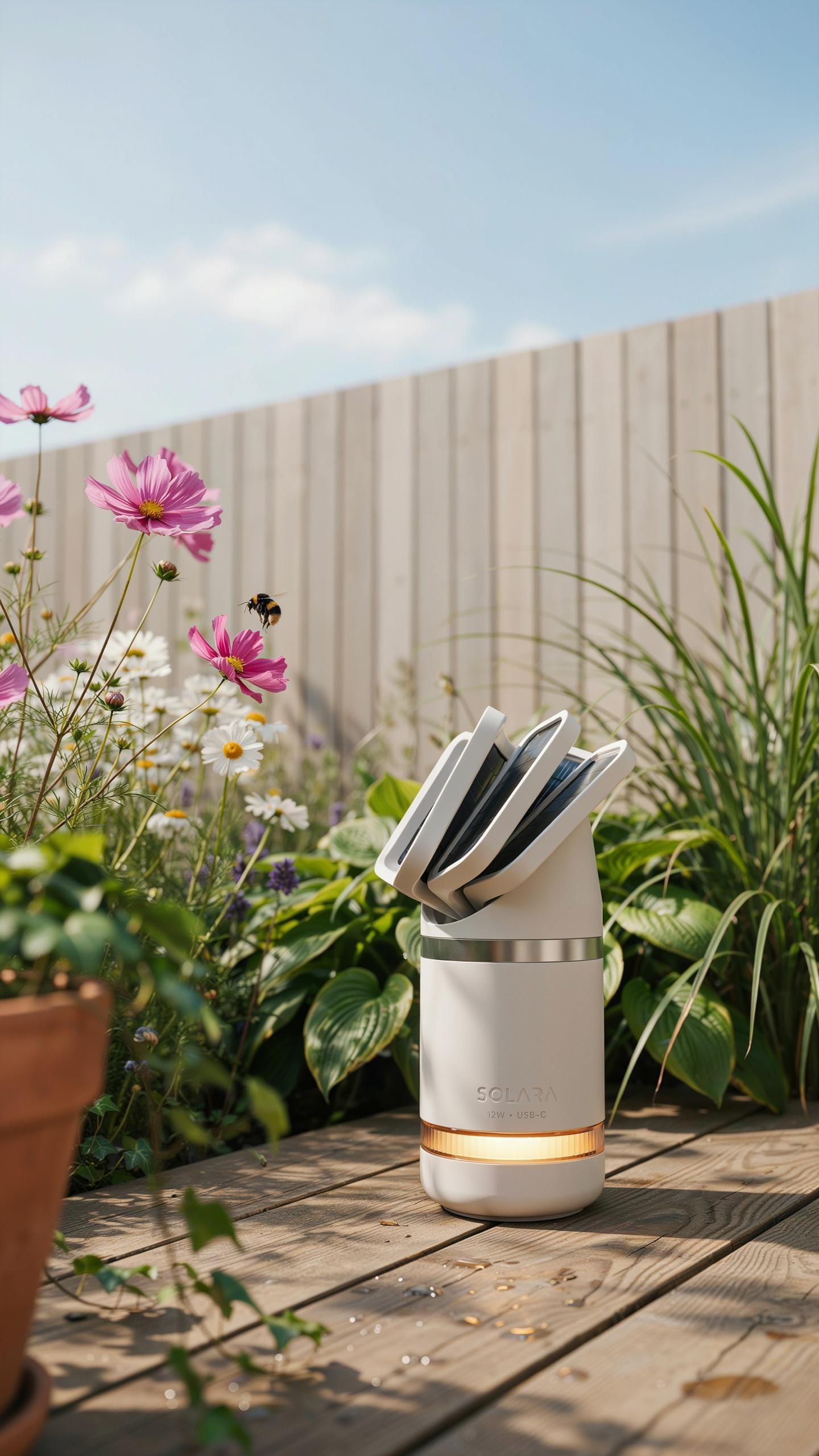
Inflatable solar powered lanterns use a simple structural principle: air chambers replace rigid frames. The lamp body deflates completely, compressing to roughly one tenth of its inflated size. This design eliminates the need for hinges, joints, or folding mechanisms that complicate traditional camping lights. A valve allows users to inflate the lantern by mouth or pump within seconds. The inflatable structure distributes weight evenly across the fabric surface, reducing stress points that cause failure in rigid designs.
The lamp typically features a removable or integrated solar panel mounted on top or integrated into the exterior surface. This positioning maximizes sun exposure during the day while keeping the panel accessible for cleaning. The internal cavity houses the battery, LED circuit, and charging components. Most designs incorporate a simple on off switch accessible from the exterior. This streamlined approach cuts assembly time and eliminates user confusion during setup or storage.
Durability Materials
Manufacturers construct inflatable solar lanterns from PVC or TPU plastic compounds that resist punctures and UV degradation. PVC offers cost effectiveness and proven longevity in outdoor applications. TPU provides superior flexibility and maintains performance in cold temperatures better than PVC. Both materials bond to fabric reinforcement layers that prevent catastrophic failure from small punctures. The fabric backing typically uses nylon or polyester because these fibers withstand tension without stretching excessively.

Seams receive sealed treatment through heat welding or adhesive application to eliminate water ingress points. The valve components use stainless steel or anodized aluminum to prevent corrosion from repeated inflation cycles and moisture exposure. Solar panels integrate using silicone sealants rated for outdoor use and temperature fluctuation. These material choices prioritize field durability over aesthetic appeal, ensuring the lantern survives multiple seasons of rough handling and exposure to rain, UV rays, and temperature extremes without requiring replacement.
Inflatable Solar Lantern Ideal For Solar Camping

Portability
Inflatable solar powered lanterns deflate to pack flat, taking up minimal space in a backpack or gear bag. This design directly solves the weight and volume problem that traditional lanterns create. You inflate them on site in seconds, then deploy them immediately. Backpackers benefit most because they eliminate the choice between light and pack space.
The collapsible structure means you carry virtually nothing until you need illumination. Weight typically ranges from eight to sixteen ounces for standard models. This matters on multi-day treks where every ounce adds fatigue. Minimal camping setups rely on this efficiency because gear consolidation extends trip duration without requiring larger packs.
There’s a certain magic in harnessing the sun’s gentle glow, letting it rekindle the simple joys of a starlit evening, even in the most remote corners of our world.
Eco Friendly
Solar powered lanterns generate electricity through photovoltaic cells during daylight hours and store energy in rechargeable batteries. This eliminates fuel consumption entirely. You need no batteries, lighter fluid, or propane refills. The renewable energy cycle repeats daily without depletion.

Manufacturing impact remains the primary environmental consideration since production requires energy and materials. However, the operational lifespan of five to ten years typically offsets initial production costs through avoided disposable battery waste. Each night of use prevents one to four single-use batteries from entering landfills. Over extended camping seasons, solar lanterns create measurable waste reduction compared to conventional alternatives.
Choosing The Best Solar Powered Inflatable Light

Factors To Consider
Battery capacity determines how long your lantern operates after sunset. Measure this in milliamp hours or mAh. Higher capacity means extended runtime on a single charge. Check the manufacturer’s specifications for claimed hours of operation per full charge.
- Battery Capacity: Measured in mAh, directly impacts runtime. Lanterns range from 1000mAh to 5000mAh. Higher capacity provides 8 to 20 hours of operation depending on brightness settings.
- Brightness Output: Measured in lumens. Most inflatable solar lanterns produce 50 to 200 lumens. Higher lumens work better for larger outdoor spaces and tasks requiring visibility.
- Solar Panel Efficiency: Panel size and quality affect charging speed. Larger panels with higher wattage charge faster in sunlight. Quality panels maintain efficiency even on cloudy days.
- Inflation Material: Look for PVC or vinyl construction. Durable materials withstand repeated inflation and outdoor conditions. Check seams and valve quality for leak resistance.
- Water Resistance Rating: Most offer IP44 to IPX7 ratings. Higher ratings protect against rain and splashes. Confirm the lantern’s specific rating before use near water.
- Charging Time: Solar-only models take 6 to 12 hours in direct sunlight. Some include USB charging ports for faster backup charging. Dual charging options provide flexibility in various conditions.
Brightness settings and adjustable modes affect both usability and battery drain. Dimmable lanterns extend runtime by reducing power consumption. Select models that offer multiple brightness levels to match your specific needs.
Top Brands
Several manufacturers produce inflatable solar lanterns with consistent quality standards. Brands like Goal Zero, Coleman, and Lepro maintain market presence through reliable solar products. These companies focus on durable construction and standardized performance specifications.

Established outdoor gear companies invest in solar technology development. They conduct testing for weather resistance and battery longevity. Choose brands that publish detailed specifications and offer customer support for technical questions.
Luminaid Solar Lantern Manual Understanding Your Device

Charging Instructions
Place your lantern in direct sunlight with the solar panel facing the sun. The panel charges an internal battery that powers the LED lights. Optimal charging occurs between 10 a.m. and 4 p.m. when solar intensity peaks. A full charge typically takes six to eight hours of direct sunlight. Cloudy conditions slow charging significantly, so plan for longer exposure times during overcast weather.
Charge your lantern regularly even when not in use to maintain battery health. Most models hold a charge for several days without additional sunlight exposure. Temperature affects charging speed. Cold weather reduces efficiency while heat accelerates the process. Store the lantern in a cool, dry location when not charging to preserve battery longevity.
Maintenance Tips
Inspect the solar panel monthly for dirt, dust, or debris that blocks sunlight. Clean the panel with a soft cloth and mild soap solution. Avoid abrasive scrubbers that scratch the surface. Check the air valve for leaks by applying soapy water and watching for bubbles. Repair small punctures with a vinyl patch kit designed for inflatable products.

Keep the lantern partially inflated when storing long term to prevent material stress. Never overinflate beyond the manufacturer’s recommended pressure. Replace batteries if the light dims despite adequate charging time. Store away from sharp objects and extreme temperatures. Inspect the seams and material regularly for wear or degradation.
Beyond Camping Lanterns Other Uses

Emergency Preparedness
Inflatable solar powered lanterns serve a practical function in emergency kits. During power outages, they provide light without requiring batteries or fuel. The inflation feature makes them compact for storage until needed. Solar charging means you can prepare them during daylight hours before an outage occurs. They work in situations where traditional power sources fail.
These lanterns address the core need for reliable lighting during emergencies. You don’t depend on fuel supplies or battery availability. The solar panel charges during the day, storing energy for nighttime use. In extended outages, this independence from external resources matters. A fully charged unit provides hours of usable light for navigation and essential tasks.
Home Garden Decor
Inflatable solar lanterns work as outdoor lighting for patios, decks, and garden spaces. You position them around seating areas or walkways for practical illumination. The soft glow they emit differs from harsh artificial lighting. They integrate into existing landscape designs without requiring electrical wiring or installation labor. During evening hours, they activate automatically based on ambient light levels.

These lanterns offer flexibility for seasonal decoration and event setup. You move them between locations without permanent installation. The inflatable design allows storage when not in use, taking minimal space indoors. Weather resistance varies by model, so placement in covered areas extends durability. They work for parties, gatherings, or daily outdoor ambiance throughout warmer months.
Luminaid Solar Lantern Instructions Getting Started
First Time Use
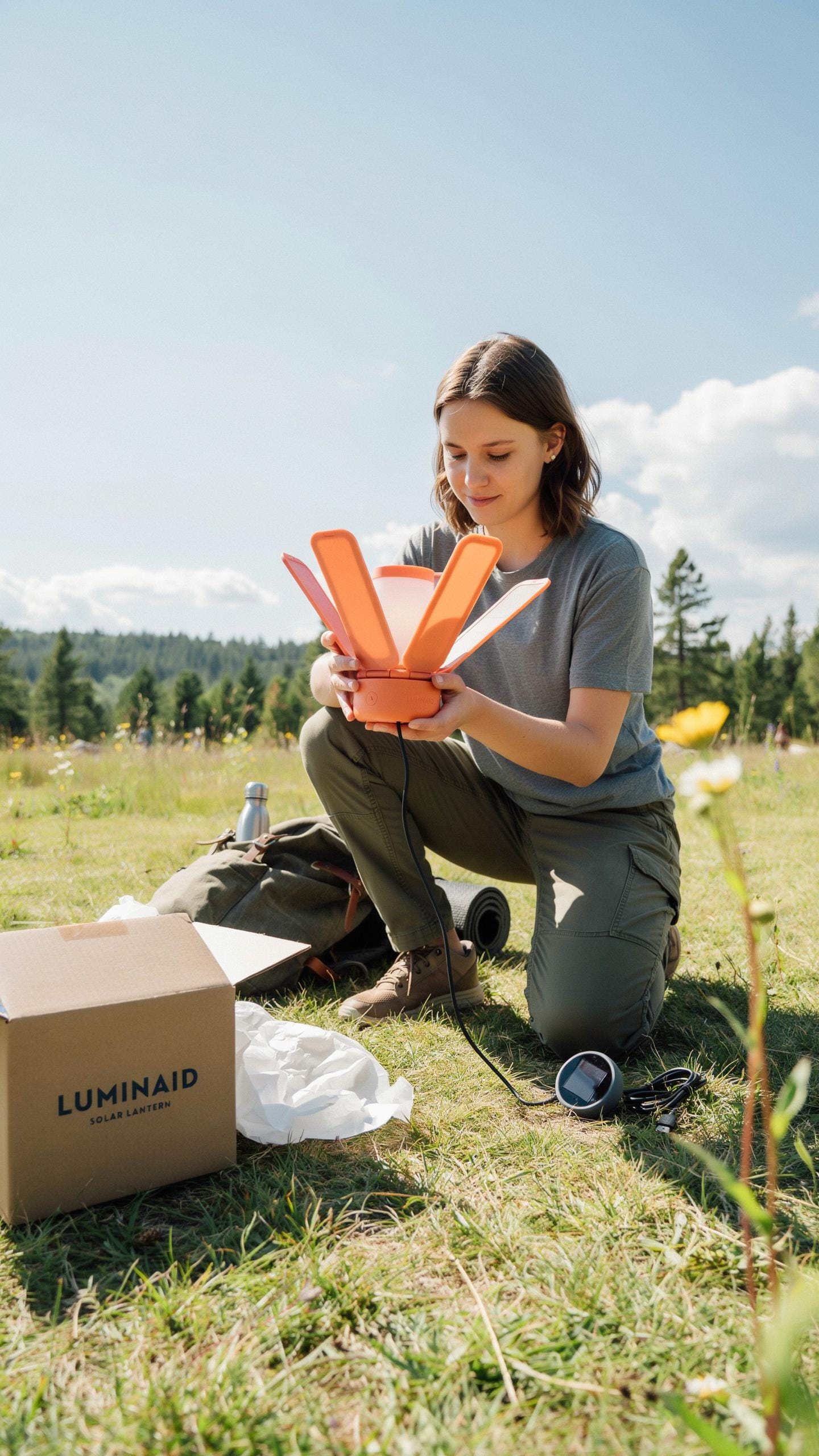
Remove the lantern from its packaging and inspect for damage. Check that the solar panel sits on top and the inflatable body shows no tears or defects. Locate the air valve at the base of the lantern. Open it by turning counterclockwise. Blow air into the valve until the lantern reaches full firmness. The body should feel rigid but not overstuffed. This process takes two to three minutes with moderate lung effort.
Once inflated, place the lantern in direct sunlight for at least four to six hours before first use. This charges the internal battery fully. Position the lantern outdoors or near a window with the solar panel facing the sun. Flip the power switch, typically located on the bottom, to activate the light. The LED will illuminate once the sun sets and the battery discharges through the circuit.
Troubleshooting
If the light fails to turn on, check that the power switch is in the ON position. Verify the lantern received adequate sunlight during the day. Cloudy conditions reduce charging speed significantly. If still dark, leave the lantern in direct sun for another full day cycle. Some units require extended charging before first activation. Test the switch by flipping it off and on several times to ensure proper contact.

If the lantern deflates after inflation, locate the leak by applying soapy water around the valve and seams. Bubbles form at leak points. Dry the area completely, then apply a vinyl repair patch kit to small holes. For valve leaks, tighten the valve counterclockwise. If the lantern loses air through the valve stem itself, the valve may require replacement or professional repair.
The Impact Of Shark Tank On Inflatable Solar Lanterns
Brand Exposure
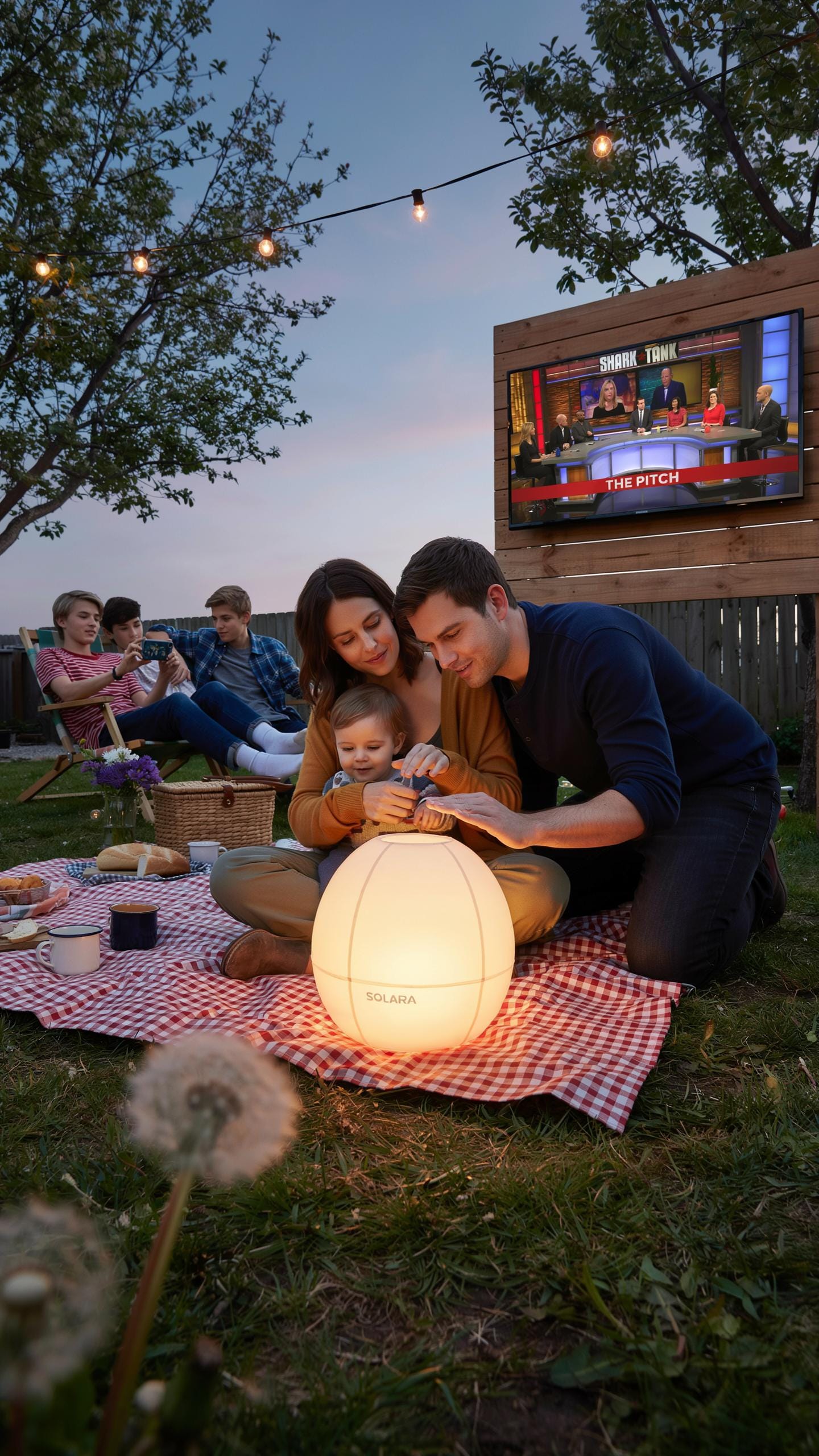
Television platforms like Shark Tank create direct access to millions of viewers in a single episode. When entrepreneurs pitch inflatable solar powered lanterns on such shows, they reach potential customers, investors, and retailers simultaneously. This exposure bypasses traditional marketing channels and establishes credibility through competitive vetting. The visual demonstration of product functionality on air proves the concept works, eliminating buyer skepticism before purchase consideration begins.
Media coverage extends beyond the broadcast itself. News outlets, blogs, and social media amplify appearances on investment shows. Retailers take notice when products gain viewer attention. Search volume for specific inflatable solar lantern brands spikes after aired episodes. This organic amplification costs the company nothing compared to paid advertising campaigns that deliver similar reach.
Market Growth
Investment show appearances accelerate market adoption by validating solar lantern technology as viable and investable. When judges fund inflatable solar lantern companies, it signals the market has genuine demand and profit potential. New competitors enter the space after seeing successful pitches. Retailers stock more solar lantern options to meet growing consumer interest sparked by televised demonstrations.
Production scaling follows increased demand generated by media exposure. Companies secure capital from investor interest to expand manufacturing and distribution. Consumer awareness of inflatable solar powered lanterns grows beyond early adopters into mainstream segments. This momentum pushes established outdoor lighting brands to develop competing products, further legitimizing the category and driving total market size upward.
The Future Of Inflatable Solar Powered Lantern Technology

Upcoming Innovations
Battery technology will drive the next phase of inflatable solar lantern development. Lithium ion cells currently dominate the market, but solid state batteries are entering production phases. These batteries offer higher energy density and faster charging cycles. Manufacturers will integrate them into lanterns to extend runtime and reduce recharge time. Brightness improvements will come from LED efficiency gains, not wattage increases. Current models produce 50 to 200 lumens. Next generation units will deliver equivalent light output using less power draw.
Additional features will focus on practical user needs rather than unnecessary complexity. Charging ports will expand to include USB-C standards for universal compatibility. Waterproofing ratings will improve to IP67 or higher for reliability in harsh conditions. Some manufacturers are testing integrated Bluetooth connectivity for remote brightness adjustment. Weight reduction remains a priority, with new materials replacing traditional PVC to lower overall mass without sacrificing durability.
Sustainability Outlook
Inflatable solar powered lanterns address the core problem of energy access in off grid locations. Approximately 770 million people lack reliable electricity according to international energy data. These lanterns eliminate fuel costs and carbon emissions compared to kerosene alternatives. Manufacturing emissions remain significant, but recyclable materials are gradually replacing single use plastics. The product category will expand as demand grows from developing regions and emergency preparedness markets.
The environmental calculus shifts further in favor of solar lanterns as grid electricity sources diversify. Renewable energy adoption rates continue climbing globally. This means lanterns charged on solar infrastructure reduce overall carbon impact at the system level. Product lifespan extension through repair programs and replaceable components will become standard industry practice. End of life material recovery processes are developing to capture valuable components and reduce landfill waste.
Frequently Asked Questions

What exactly is an inflatable solar powered lantern and how does it work?
An inflatable solar powered lantern is a lightweight, collapsible lighting solution that uses a built-in solar panel to charge an internal battery during the day. When inflated, typically with a simple blow valve, it transforms into a diffusion globe, emitting soft, ambient light in the evening. They’re incredibly portable and user-friendly, perfect for home decor accents or outdoor adventures.
How do I properly charge and maintain my inflatable solar powered lantern for optimal performance?
To properly charge your inflatable solar powered lantern, simply place the solar panel in direct sunlight for 6-8 hours. For maintenance, keep the solar panel clean from dirt and debris. When not in use for extended periods, store your deflated lantern in a cool, dry place. Avoid over-inflating, as this can stress the material over time.
Are inflatable solar powered lanterns an affordable and eco-friendly lighting option compared to traditional lanterns?
Absolutely! Inflatable solar powered lanterns are remarkably affordable, with many models costing significantly less than battery-operated or fuel-based lanterns. Their reliance on renewable solar energy makes them an excellent eco-friendly choice, reducing your carbon footprint and eliminating the need for disposable batteries, offering sustainable illumination for any setting.