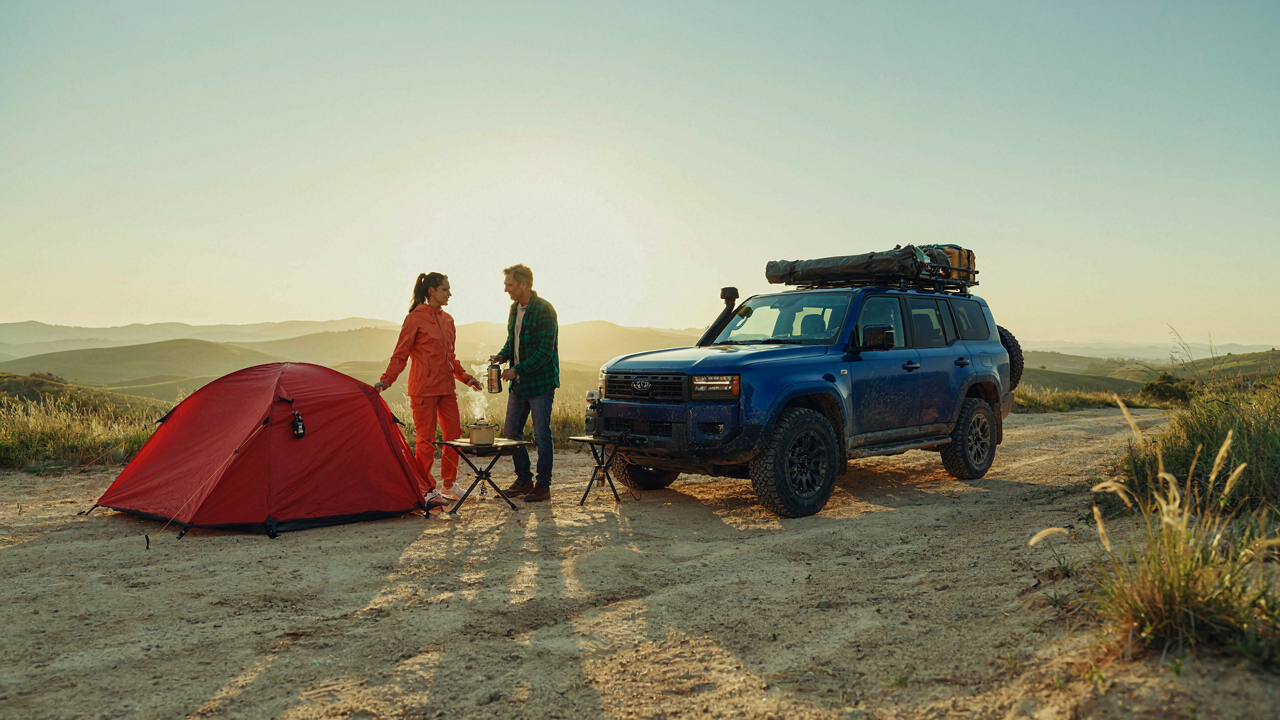
The Illusion Of Essential: Why More Gear Means Less Freedom
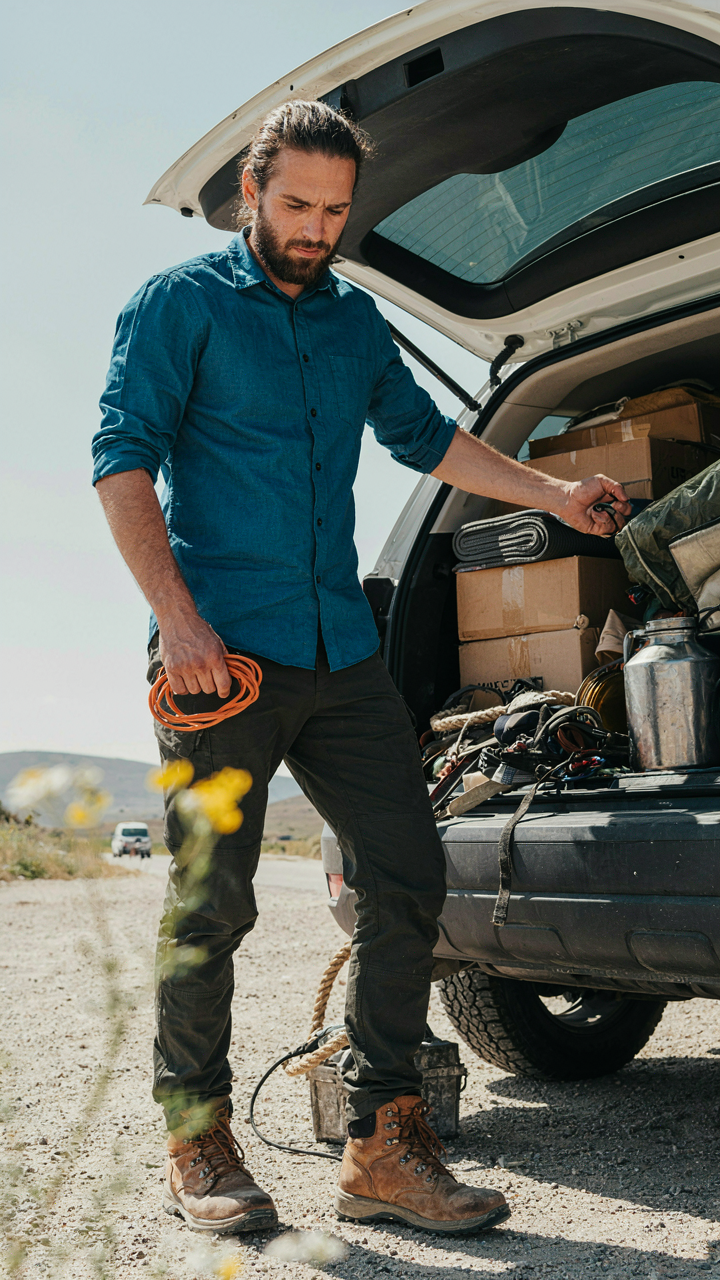
The Gear That Betrays You
You want to feel prepared because feeling unprepared terrifies you. The mechanism is simple: your brain mistakes quantity of options for quality of readiness. More items feel like more control, but they do the opposite. Every piece of gear you pack creates a decision tax. You must find it, maintain it, protect it, organize it around it. A weekend trip isn’t a gear showcase. It’s a movement problem. The items that sound essential—the backup charger, the multi-tool, the emergency repair kit nobody has trained for—they anchor you to weight without anchoring you to actual outcomes.
The common advice here is broken. Outdoor media markets gear, not restraint. They’ll tell you a full kit prevents disasters. What actually prevents disasters is knowing what you’ll actually use. Most weekend overlanders pack for scenarios that never materialize while neglecting the three things that do. You’ll eat. You’ll sleep. You’ll drive. Everything else is noise you’re financing with weight, money, and mental friction. Strip the pack down to what you’ve used on your last three trips. If it wasn’t touched, it doesn’t go next time.
The Hidden Tax On Your Attention
Economics calls this the cost of complexity. Overland packing suffers from it worse than most domains because you’re managing items across three environments: your vehicle, your campsite, your body. Each item you own creates a cognitive load before you even leave. Where’s the cooler? Is the water filter accessible? Did you pack the camp stove fuel in the right vehicle compartment? This overhead compounds. A 40-item pack demands constant mental sorting. A 15-item pack gets managed in your sleep.
The real cost shows up in trip satisfaction, not bank statements. You stop relaxing around hour four because you’re managing inventory instead of managing the landscape. You second-guess kit decisions instead of reading the terrain. Complexity steals the one resource a weekend trip actually offers: attention. The protocol is ruthless. Before your next trip, document every moment you spent thinking about gear rather than experiencing the trip. Calculate that time in dollars. That’s what your extra items actually cost you.
The 3 Tiered Overlanding Decimation Protocol

Water, Shelter, Navigation Non Negotiables
You want this section because you’re terrified of being unprepared, and you think a longer packing list proves competence. It doesn’t. The mechanism is triage: survival operates like a hierarchy of needs in military strategy, where you eliminate items that don’t directly prevent death. Water, shelter, and navigation form the base. Everything else is optional until these three lock in.
A weekend overland trip fails not because you forgot a luxury item but because you miscalculated water capacity, brought inadequate shelter for weather shift, or lost directional certainty. Water intake depends on activity level, temperature, and terrain difficulty, not emotion. Shelter must match the season’s low temperature and worst-case weather, not your optimistic forecast. Navigation requires redundancy: map, compass, GPS unit, and actual route knowledge before departure.
Comfort Multipliers With Real Friction Reduction
The common advice here is generic: “pack extra socks” and “bring a good pillow.” Wrong framing. Comfort multipliers solve friction points that degrade decision-making when you’re fatigued. A person operating on poor sleep or physical pain makes navigation mistakes, stops moving, or second-guesses shelter setups. Strategic additions target energy conservation.
Identify your specific friction point from past trips: Was it back pain stopping your movement? Pack a lumber support pad. Was it cold hands affecting grip and morale? Bring hand warmers and gloves rated for your lowest expected temperature. Was it foot hotspots causing blister formation mid-trip? Add blister prevention tape before departure. The addition must solve a named problem, not a hypothetical one. Test every comfort addition on a single-night trip before a weekend run.
Beyond The Vehicle: Your Overlanding Chassis (You)
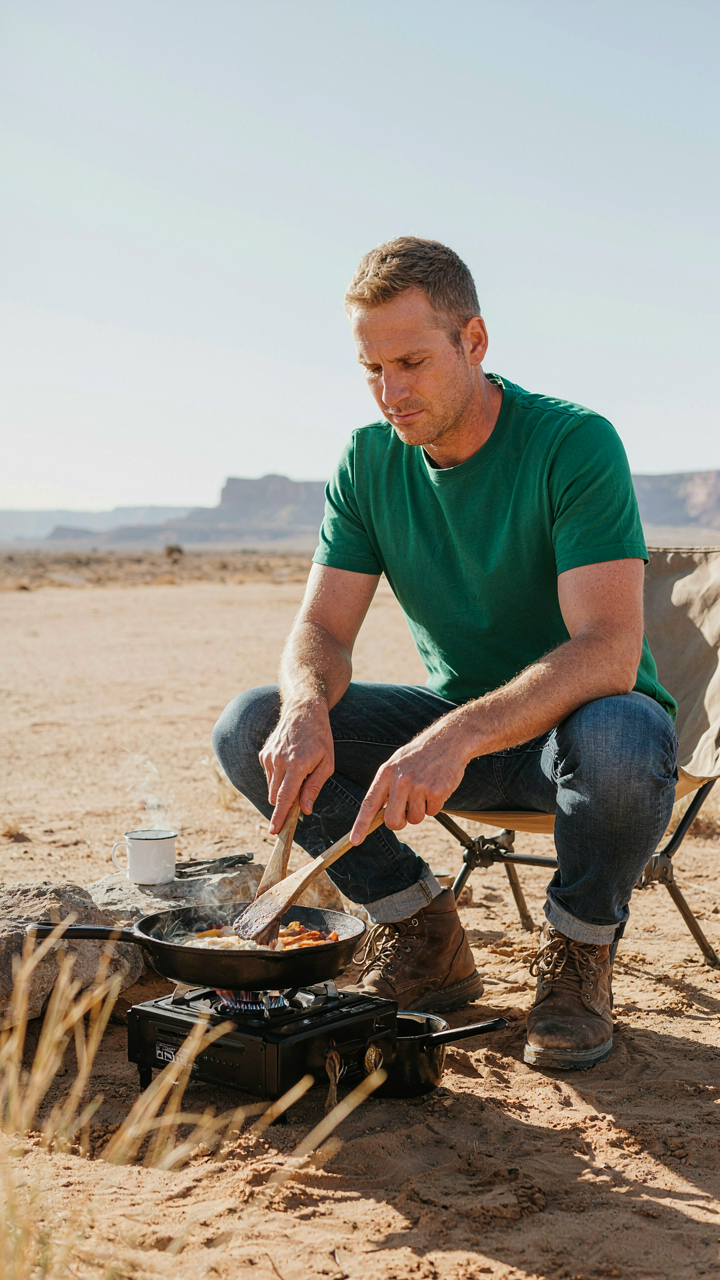
Physical Resilience As Your Primary Foundation
You want this section because you think gear compensates for weakness. It doesn’t. Your body is the actual load-bearing system. In structural engineering, we call this “load path”—the route stress travels through a system. Your load path starts with your feet, moves through your core, and ends in your decision-making capability. A blister on day one isn’t a minor inconvenience. It’s a fracture in your ability to execute the plan.

Weekend overland trips demand specific physical preparation. You need hip mobility to crouch at camp stoves, ankle stability for uneven terrain, and grip strength for recovery tasks. Three weeks of targeted work beats zero weeks of hoping. Your conditioning directly determines what you can actually pack and how long you remain effective in the field.
Mental Fortitude Under Uncertainty
Discomfort is information, not failure. Most overland trip abandonment happens not from broken vehicles but from degraded mental state. You pack gear for problems you anticipate. Discomfort shows you what you didn’t anticipate. The difference between someone who finishes a weekend trip and someone who cuts it short is rarely physical capacity. It’s the ability to sit with unfamiliar situations without manufacturing an escape narrative.
Prepare your mind by normalizing friction beforehand. Cold showers, solo meals, extended periods without your phone—these aren’t character-building clichés. They’re calibration work. They teach your nervous system that discomfort doesn’t require immediate solutions. When your camp stove fails at dusk or your water filter clogs, you’ll respond with protocol, not panic. That response capability is what you’re actually packing when you prepare mentally.
The Africa Travel Essentials Fallacy: Overspecifying For General Use
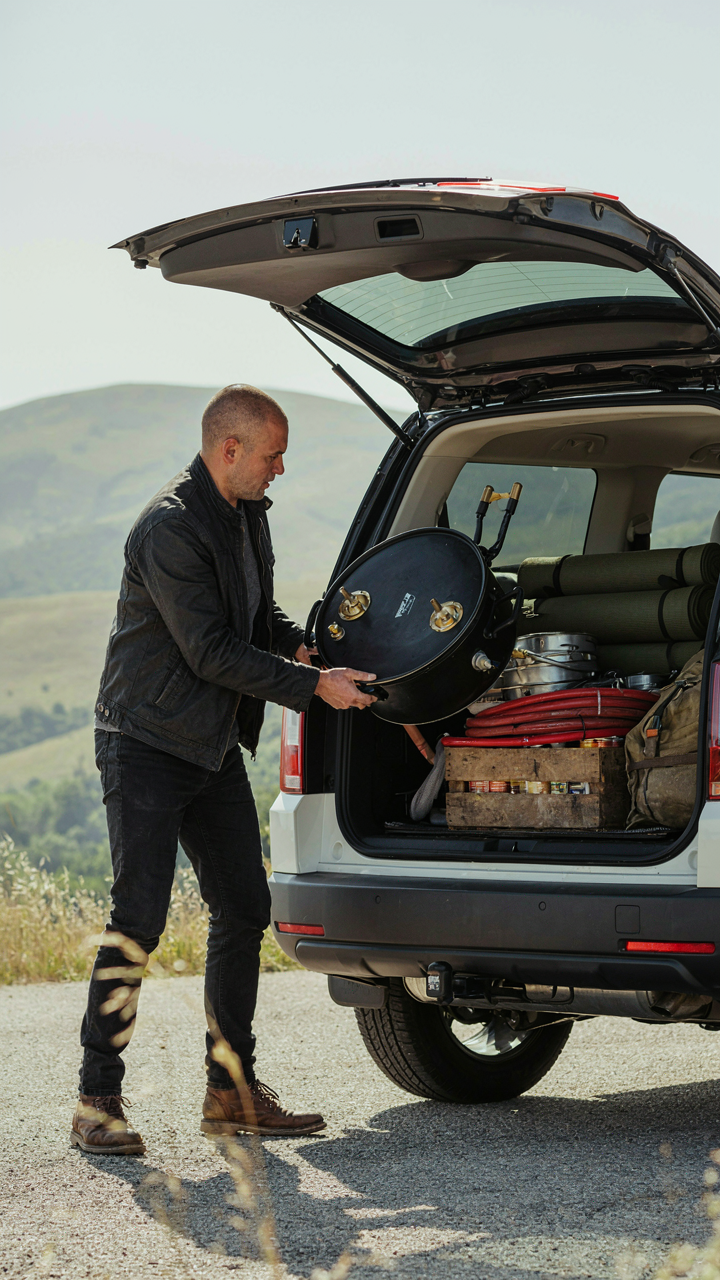
Niche Lists Create Blind Spots
You want the list that covers everything so you don’t look unprepared when something goes wrong. The real mechanism here is constraint collapse: when you treat a weekend trip the same way you’d treat a three-month expedition, you end up carrying gear for scenarios that won’t happen while missing what actually matters for your specific terrain. Africa-specific packing advice works fine for Africa. It works nowhere else and creates decision paralysis for the 80% of weekend overland trips that happen on known roads with cell service nearby.
The problem with niche lists isn’t that they’re wrong. It’s that they train you to think in categories instead of conditions. A satellite communicator makes sense in remote Namibian backcountry. It’s dead weight for a weekend loop through Colorado that stays within 50 miles of resupply. The gap between these two trips is massive, but generic advice collapses them into one. You end up overpacking because you’re mentally still in the expedition mindset, not the weekend mindset.
Adaptability Over Specialization
Systems thinking teaches you to build for variables, not for fixed states. Your packing approach should operate the same way: design for the constraints you actually face, not the ones that sound impressive in a forum post. A weekend trip’s real variables are terrain type, weather window, distance from help, and resupply access. Everything in your pack either addresses one of these or it doesn’t.
Specialization fails because conditions change faster than you can swap gear. You build a desert kit, then the trip moves to mountains. You pack for summer, then autumn weather arrives three weeks in. Adaptability means choosing pieces that work across multiple conditions instead of picking the optimal tool for one scenario. This isn’t about compromise. It’s about ruthless efficiency: every item performs multiple functions, handles a range of conditions, or stays home. That’s the protocol. Before packing anything, name the two conditions it handles. If you can’t name two, it doesn’t go.
The “Camping For Beginners” Trap: Overcomplicating Simplicity
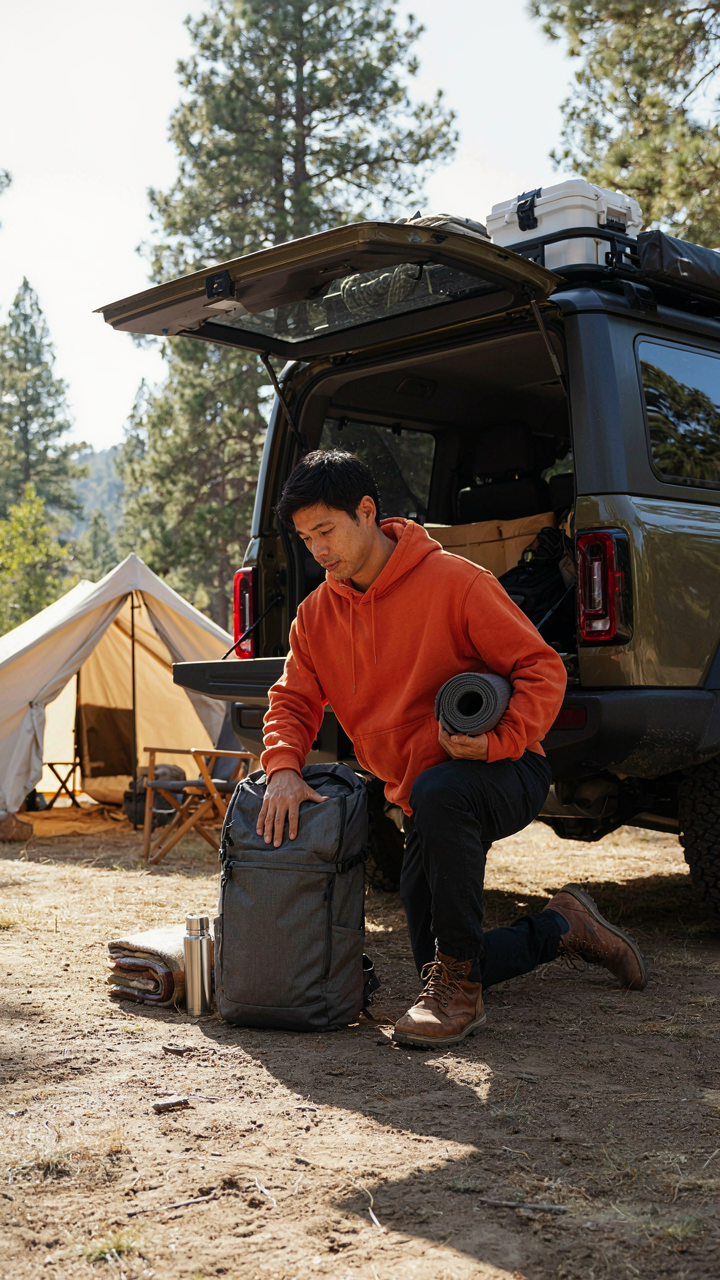
What You Actually Need Versus What Sells
You’re afraid you’ll look unprepared or get caught without something critical, so you buy everything you see on gear lists. Here’s the mechanism: consumer culture weaponizes incomplete information. A weekend trip is fundamentally different from extended expedition packing. Your basic needs are shelter, sleep system, water, food, and fire. Everything else is either comfort or insurance against unlikely scenarios. The gap between necessity and what gear companies market is where most weekend packers waste weight and money.
For a two-night overland trip, your shelter is one item—not a tent plus a backup plus ground tarps nobody uses. Your sleep system is a bag rated for the season’s low temperature, a pad, and that’s the set. Water comes from a bottle and a filter, not a hydration bladder plus backup containers plus purification tablets. Food is prepped meals and snacks, not a portable stove with three fuel types. The trap closes when you realize you packed for worst-case scenarios that won’t happen on a weekend in established terrain.
Fewer Items Means More Trail Time
Using economic terms, you’re optimizing for diminishing returns. Each additional item you add costs weight and setup friction, but returns diminishing utility after a certain threshold. A lean pack cuts setup time by 40 to 60 percent because you’re not managing excess gear. You spend less time arranging camp and more time actually moving or resting. This isn’t minimalism as ideology—it’s operational efficiency.
The real cost isn’t what you carry, it’s the mental load of managing it. Extra items demand decisions: Where does this go? Do I need this today? Should I swap it out? These micro-decisions drain focus before you even leave the parking lot. Strip your pack down to items with clear, single purposes. Your multifunction tool stays home; your knife and pliers do one thing each. This discipline forces you to test what you genuinely use, then build from that verified baseline on future trips.
The Antifragile Packing System: Thriving On Imperfection

Redundancy Versus Versatility
You want permission to overpack because you’re afraid of looking unprepared. Here’s the mechanism from cybernetics that actually matters: redundancy and versatility operate as inverse forces. In systems theory, redundancy means backup copies of the same function. Versatility means one tool serving multiple functions. Most people pack redundantly—two knives, three ways to start fire, backup shelter. That’s not antifragile. That’s just heavy.
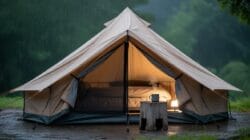
The real move is strategic redundancy paired with radical versatility. Pack one primary shelter system. Pack one primary water filter. Then pack tools that do double and triple duty. A quality tarp works as ground cover, rain protection, and emergency cordage anchor. A knife handles food prep, gear repair, and fire building. The system doesn’t break because one item fails—it adapts because each remaining piece solves multiple problems.
Designing For Disruption Not Ideal Conditions
Everyone plans for the trip that doesn’t happen. Clear skies. No gear failure. No bad decisions at mile eight. That’s planning for fantasy. The actual weekend overland trip includes mud, torn seams, forgotten items, and improvisation under fatigue.
Build your pack around the friction points that always occur, not the smooth run that rarely does. Pack repair materials before luxury items. Choose fabrics that dry fast and don’t require perfect conditions to function. Test every piece in actual weather, not your living room. When disruption happens—and it will—your system either scales down gracefully or collapses. The pack that survives isn’t the one with perfect gear. It’s the one designed to function when something breaks.
Overland Vehicle Checklist PDF: The Digital Deception
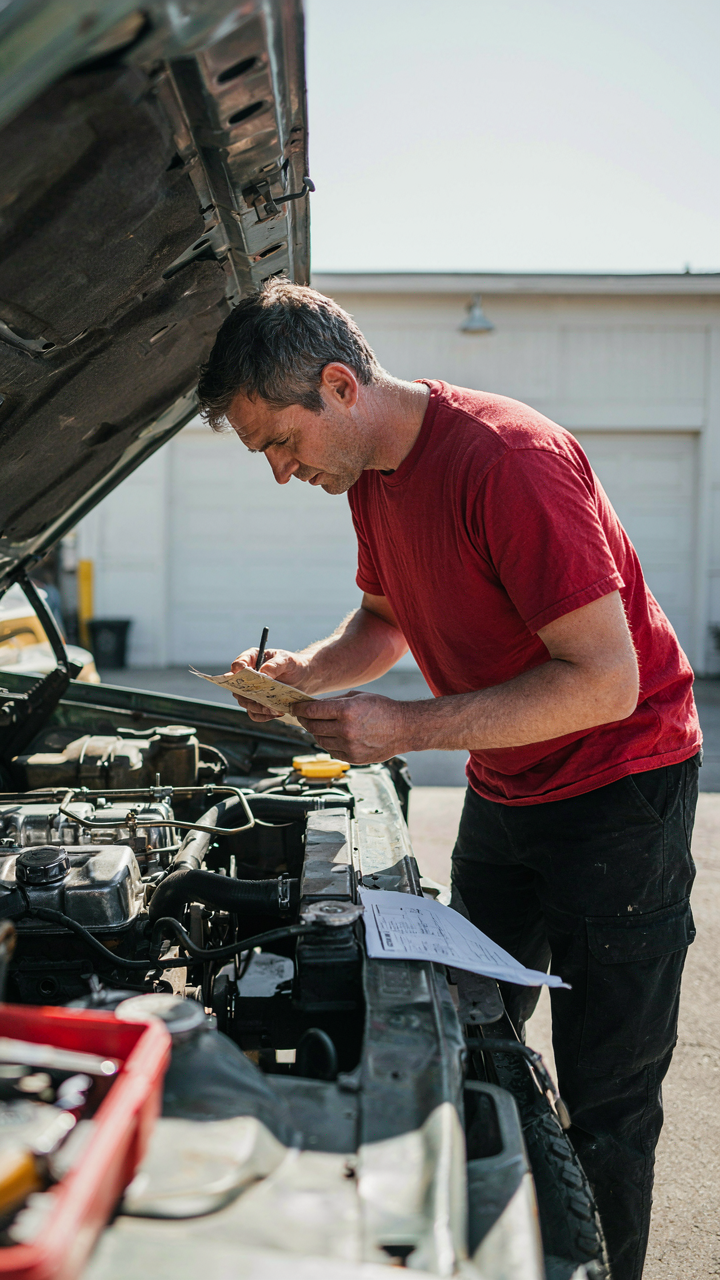
Why Generic Checklists Fail You
You want the checklist because it promises to remove doubt. The mechanism here is borrowed from systems design: most PDFs treat your vehicle like a standardized unit on an assembly line, when it’s actually a unique system with your specific failure points and priorities. A checklist built for someone else’s truck, terrain, and risk tolerance becomes security theater. You follow it, feel prepared, and remain unprepared for what actually breaks.

The real problem is delegation without interrogation. You download a PDF, check boxes, and assume coverage. But a 2005 Tacoma in the Mojave needs different failure anticipation than a 2020 4Runner in the Rockies. Vehicle age, suspension type, fuel system, electrical architecture, and your personal mechanical skill all shift what matters. Generic checklists compress these variables into one flat document. That’s not preparation. That’s compliance cosplay.
Build Your Own Minimalist Vehicle Audit
Stop collecting. Start mapping. Your audit begins by identifying the three systems that fail most on your specific vehicle: cooling, fuel delivery, and electrical. Track what actually went wrong on your last five overland trips or daily drives. Not what could go wrong. What did. This creates a factual baseline instead of fear-based speculation.
The audit then becomes a decision tree, not a list. For each critical system, you document: the failure symptom, the tools required to diagnose it, the repair solution, and the prevention protocol. Write this down in a format you’ll actually use in the field, not a pristine PDF you’ll never reference. A weatherproof notecard beats a perfectly organized digital file you can’t access when your engine overheats and your phone dies.
The True Overland Gear List: What You Actually Need (and Don’t)
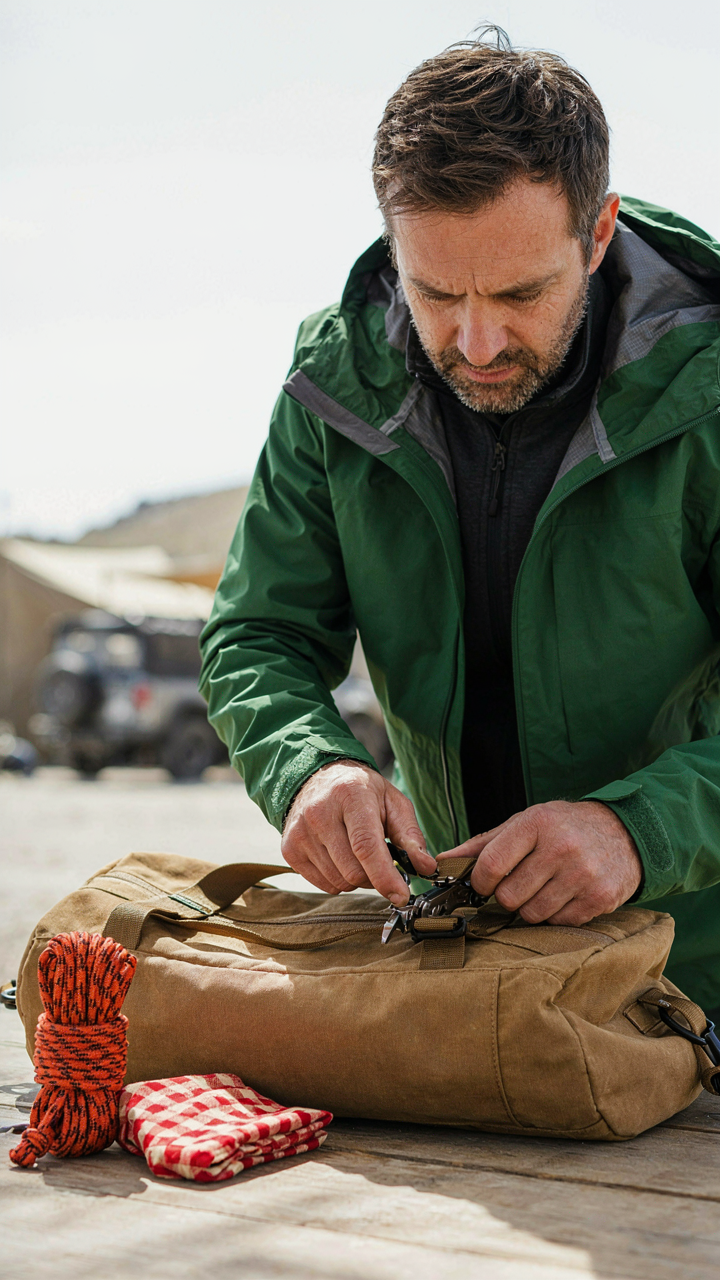
Gear That Pulls Double Duty
You want to feel prepared without looking like you’re compensating for something. The real mechanism is constraint: limited space forces ruthless prioritization, and ruthless prioritization separates people who actually go from people who buy gear and stay home. Every item must justify its weight by solving multiple problems or you’re just hauling ego.
- Multitool with pliers: Handles gear repairs, fire management, and camp tasks. Lighter than carrying specialized tools separately. Leatherman or Gerber models prove durable across miles.
- Bandana or lightweight scarf: Sun protection, dust filter, pot holder, emergency bandage, water strainer, and camp cleanup. Cotton works, but merino wool regulates temperature better.
- Paracord 50 feet: Secures loads, creates shade structures, serves as emergency cordage, and can be partially unraveled for fishing or repairs without losing the entire length.
- Aluminum foil: Cookware extension, heat reflector for fires, makeshift repair material, and container for melting wax or small items. Weighs almost nothing.
- Headlamp with extra batteries: Hands-free light for camp setup and navigation. Doubles as emergency signaling device. Carry spares because dead batteries kill utility fast.

The constraint forces you to think like an engineer instead of a consumer. You stop asking “what if I need this” and start asking “does this solve multiple real problems I’ll actually face.” That shift cuts your pack weight by 30 percent without cutting capability. Test each item against weekend weather and terrain before you leave, not after.
Recovery And Safety Gear You Cannot Skip
Most overland advice treats safety gear like insurance you’ll never use. That’s backwards. Think in terms of failure cascade from mechanical engineering: one small system failure triggers the next unless you interrupt the chain early. Your gear list needs to interrupt failure chains, not just react to disasters.
- Full-size spare tire or plug kit: Blowouts end trips. Carry what matches your vehicle. Plug kits work for sidewall punctures you can’t patch; full spares cover sidewall damage plug kits cannot.
- Jump cables or portable jump starter: Dead batteries happen in cold or after heavy accessory use. Portable starters work solo; cables require another vehicle. Both weigh little and resolve the most common mechanical failure.
- Basic medical kit with blister treatment: Blisters disable you faster than major injuries in backcountry. Include blister-specific items: moleskin, athletic tape, and antibiotic ointment. Generic first aid kits skip the prevention layer.
- Fire extinguisher 2-5 lb: Underbody fires from fuel leaks or mechanical failure happen. Mount one visible and accessible. Check pressure before every trip because discharged units fail silently.
- Winch or recovery strap rated for your vehicle weight: Bogging down costs your weekend. Recovery straps are lighter than winches but require another vehicle or anchor point. Winches work solo and justify the weight immediately on hard terrain.
Interrupt the cascade before it accelerates. When you get stuck or injured or break down, the item that stops the problem from spiraling saves not just your weekend but your safety margin. Carry redundancy for critical systems: two ways to start the vehicle, two ways to address injury, two paths to recovery if you bog. Pack what prevents the first failure, not what handles the tenth.
The Weekend Warrior’s Manifesto: Overlanding Must Haves Are Few
Discomfort Is The Packing Curriculum
You want a list because you’re afraid of looking unprepared. Here’s what nobody tells you: the gear doesn’t build competence. Exposure does. Think of comfort as a variable in systems design—the more you engineer it away, the less you learn about what actually matters. A weekend trip with minimal gear forces you to problem-solve in real time. You discover which discomforts matter and which ones you invented.
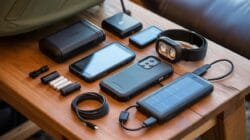
Every trip teaches you something your pack list cannot. Cold nights reveal which sleep system actually works for your body. Long drives expose seat support failures. Dust shows you what ventilation requires. The gear that survives your second trip wasn’t on your first list. You don’t pack your way to competence. You travel your way there, then update the list.
Experience Rewrites The List Every Time
Most packing advice treats the list like doctrine. It isn’t. The real system is feedback. You pack, you go, you return with information. That information becomes your next packing decision. No amount of research collapses this loop. You can read about water capacity, but only your actual thirst in your climate tells you the number. Only your sweat rate on your terrain determines your clothing load. Only your sleep quality on your chosen surface settles the bedding question.
The experienced overlander doesn’t follow a list. He uses a framework and adjusts it based on last weekend’s data. Temperature, duration, terrain, water availability, vehicle space—these variables change every trip. Your packing protocol should be: document what worked, document what failed, change one variable per trip. After three or four weekends, you’ll have a personal system that beats any generic article. That system is the only list worth keeping.
The Obstacle Isn’t The Trail; It’s Your Attachment To Excess
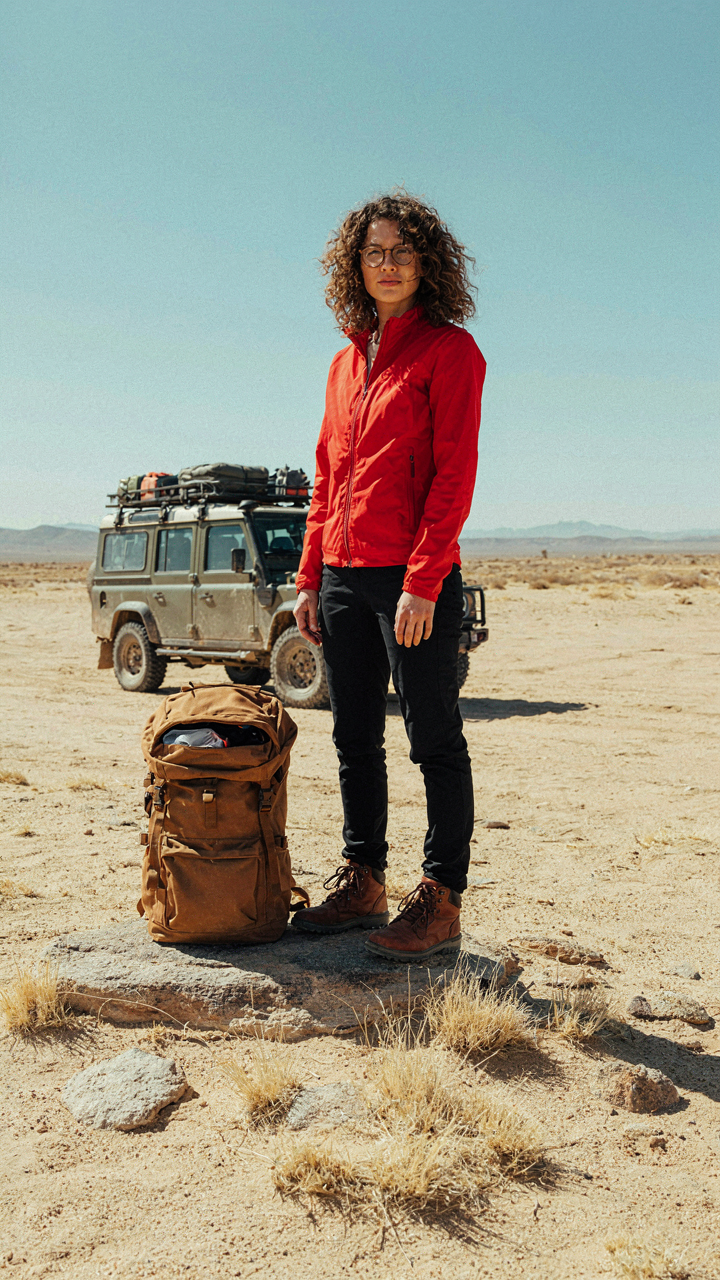
Most people don’t fail at overland trips because they packed wrong. They fail because they never actually packed at all, paralyzed by the fear of forgetting something. Your overland packing list isn’t a security blanket. It’s permission to move. Stop scrolling gear reviews and build your list today. Pick five non-negotiables, commit to them, and leave tomorrow. The best packing list is the one you actually use.