
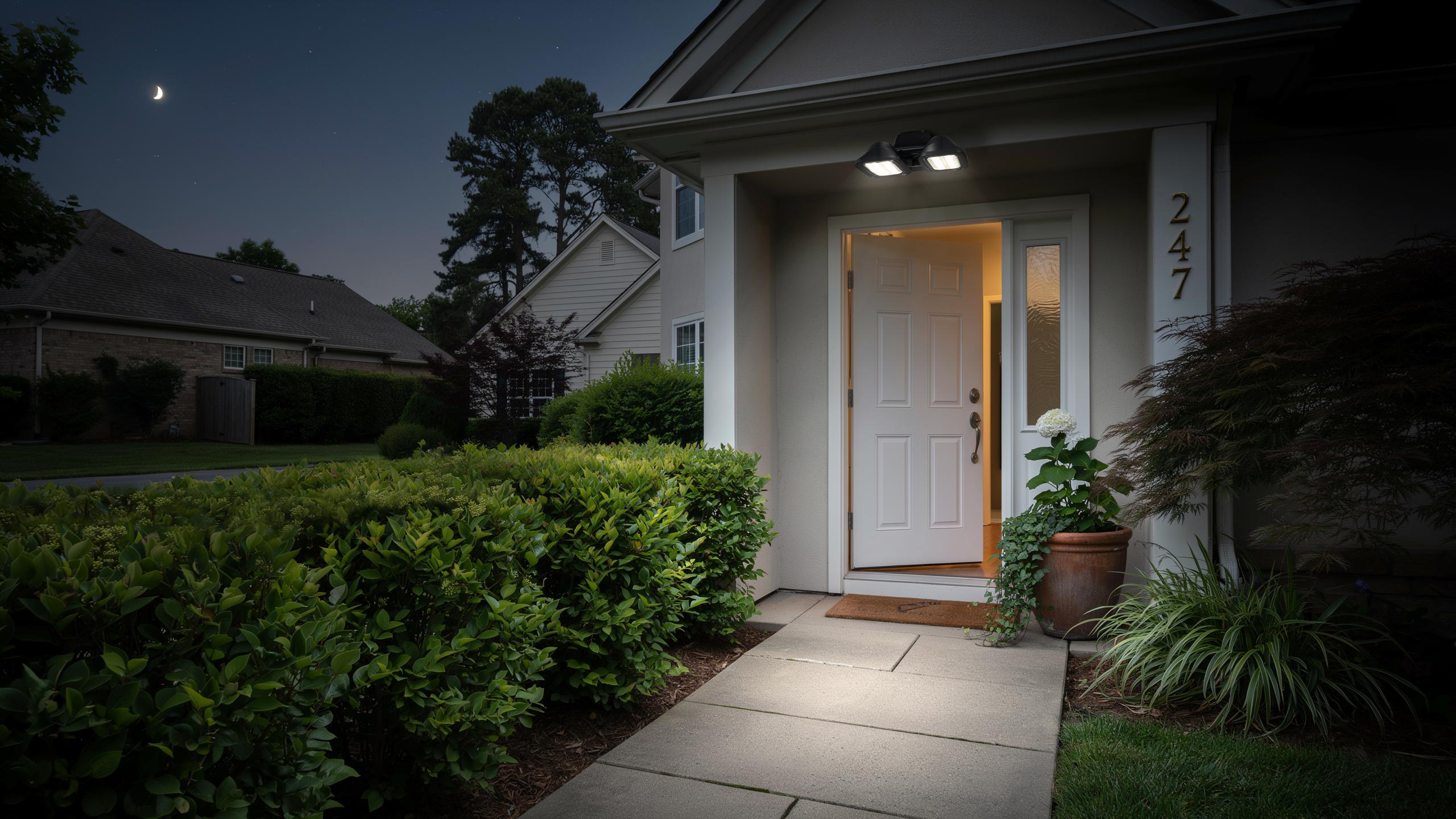
Understanding Motion Activated Outdoor Security Light Technology
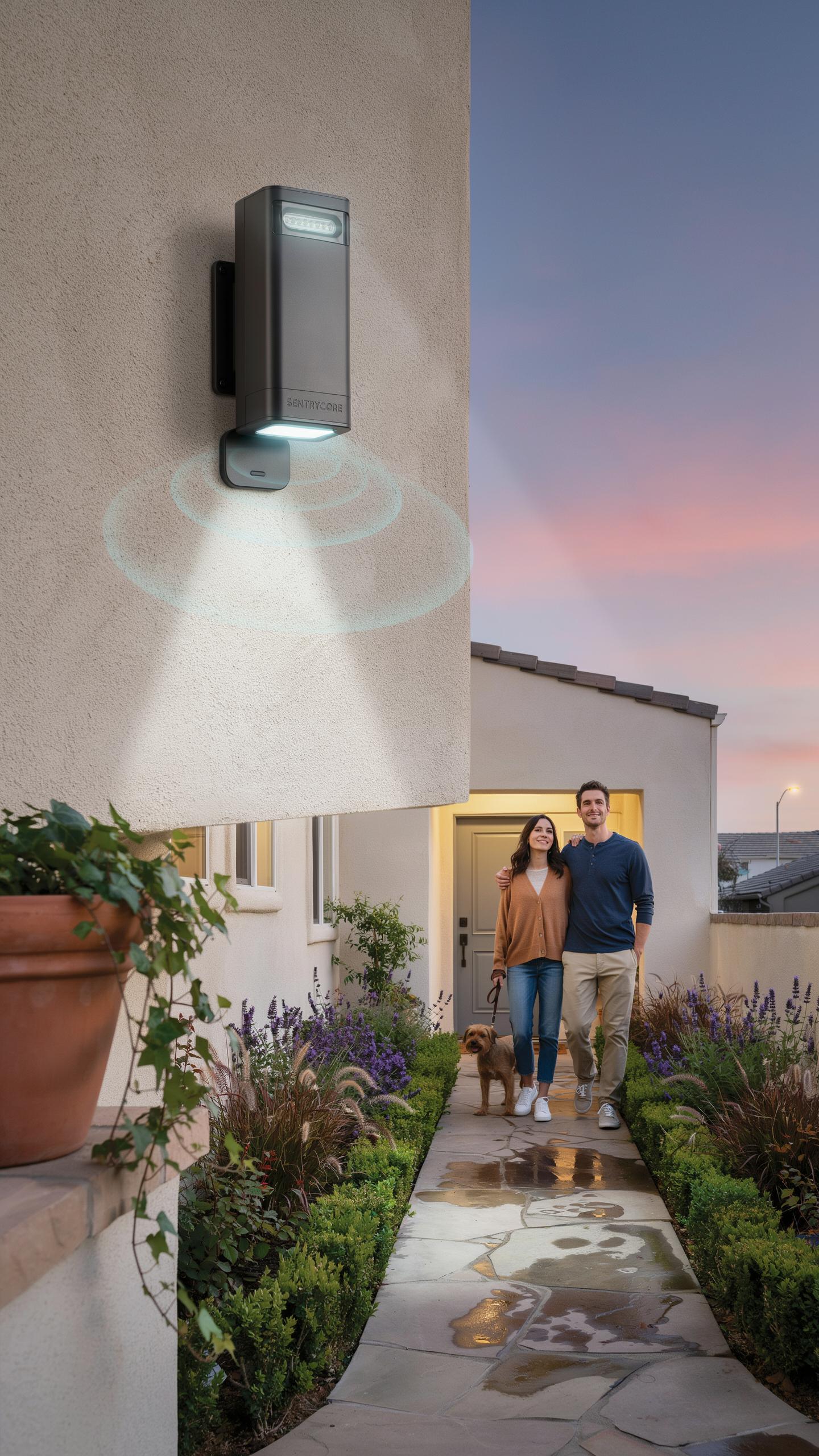
How Motion Sensor Lights Work
Motion sensor lights detect movement through sensors that trigger electrical switches. When motion enters the sensor’s detection zone, the sensor sends a signal to activate the light fixture. The light stays on for a set duration, then automatically shuts off when no motion is detected. This cycle repeats as needed, eliminating the need for manual switches or constant power draw.
The sensor measures changes in its environment to identify movement. Most outdoor security lights use one of two core detection methods. These methods differ in how they sense activity but achieve the same goal of turning lights on during movement. Understanding the detection method helps you choose the right fixture for your specific entryway needs.
Types Of Motion Sensors Used In Outdoor Security Lighting
Passive infrared sensors detect heat energy radiating from moving objects. When a warm object like a person or animal moves through the detection zone, the PIR sensor measures the heat signature change. This triggers the light to activate. PIR sensors consume minimal power and perform reliably in most outdoor conditions without sending out signals themselves.
Microwave sensors emit microwave pulses and measure the reflections that bounce back. Movement disrupts these reflections, signaling the sensor to activate the light. Microwave sensors detect motion through some barriers like thin walls or windows. They cover wider areas than PIR sensors but use more power and can trigger false activations from moving objects outside your property line.
Benefits Of Motion Activated Outdoor Security Lights For Your Home Security
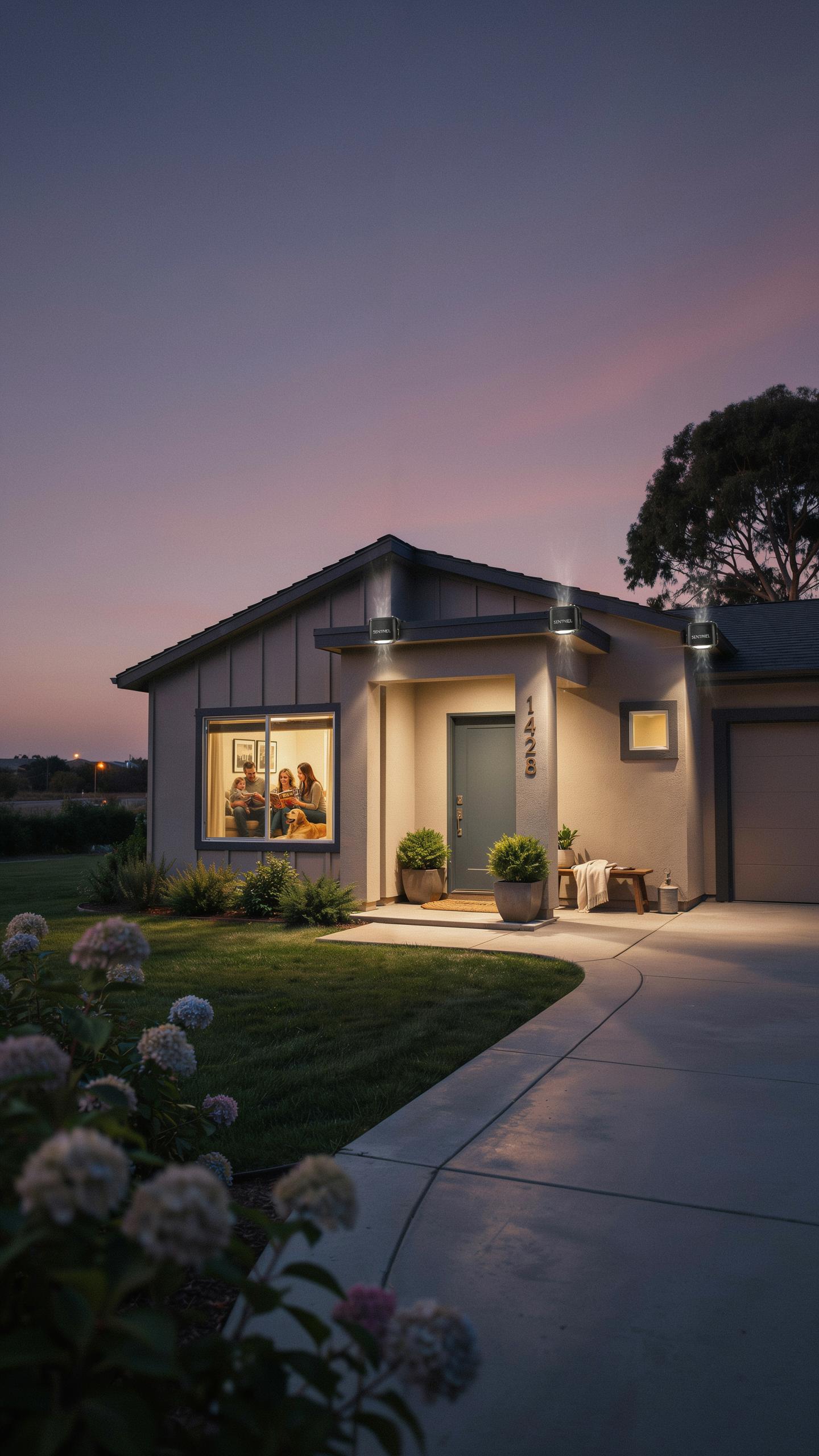
Deterring Intruders With Bright Illumination
Motion activated outdoor security lights work by detecting movement and flooding an area with light instantly. Criminals avoid well lit spaces because visibility increases their risk of detection. The sudden brightness makes them targets for neighbors, cameras, and passersby. This immediate response to motion creates uncertainty for potential intruders about whether someone is home or watching.
The deterrent effect operates on basic criminal logic. Burglars target properties where they can work unobserved. A motion activated light removes that advantage by eliminating darkness. Research on crime prevention consistently shows that improved lighting reduces property crime in residential areas. The light itself acts as a visible security measure that signals an occupied, monitored property.
Enhancing Safety And Visibility In Dark Entryways
Motion activated outdoor security lights eliminate trip hazards by illuminating stairs, walkways, and entry areas automatically. Homeowners and guests no longer stumble through darkness to reach doors or navigate uneven surfaces. The instant activation means you get light exactly when you need it, with no delay searching for switches. This prevents falls that cause injuries requiring emergency care.

Dark entryways create safety problems beyond falls. Poor visibility makes it difficult to locate keys, see who is approaching, or identify obstacles. Motion activated lights solve this by providing consistent illumination whenever movement triggers the sensor. The lights remain on long enough for you to safely enter or exit your home. This practical benefit applies every single time you use your entry during evening or night hours.
Key Features To Look For In Outdoor Security Lights
Adjustable Sensitivity And Detection Range
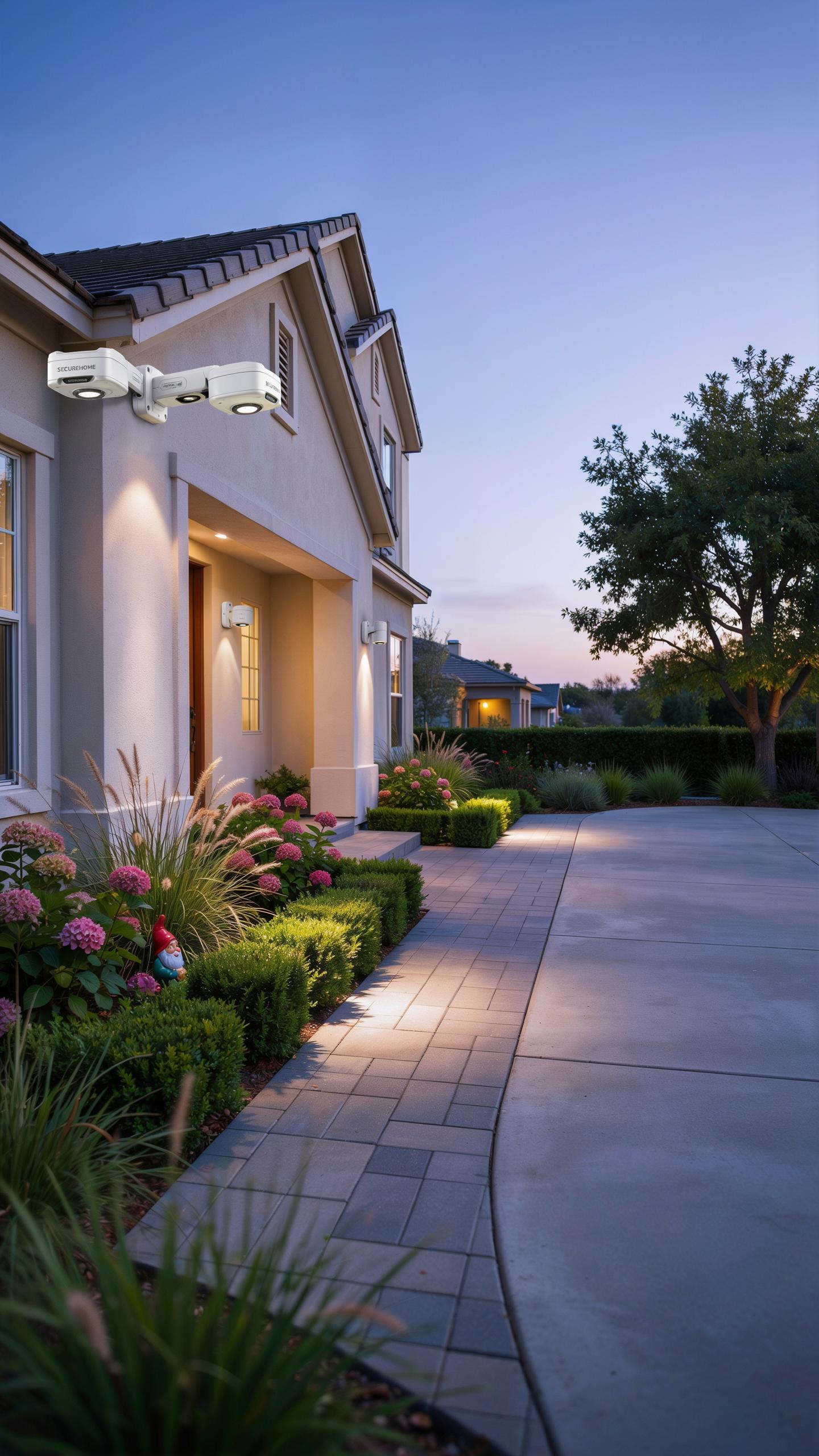
Motion sensors on outdoor security lights detect movement within a specific distance. Most models offer adjustable sensitivity settings that let you control how far the sensor reaches, typically between 20 and 70 feet. Adjusting this range prevents false triggers from passing cars, animals, or wind-blown debris. Lower sensitivity settings work better for lights near busy streets. Higher settings suit isolated entryways where you need maximum coverage.
Detection range adjustment directly impacts your light’s effectiveness and your electricity costs. A sensor set too high triggers constantly and wastes energy. Set too low, it misses genuine threats or visitors approaching your home. Test your settings over several nights in different weather conditions. Most quality lights include straightforward dial or button controls for these adjustments without requiring tools or technical knowledge.
As the evening shadows deepen, let a gentle beam guide your way home, illuminating forgotten paths with a touch of magic.
Weather Resistance And Durability For Outdoor Use
Outdoor security lights face constant exposure to rain, snow, temperature swings, and UV radiation. Quality models use aluminum or stainless steel housings that resist corrosion better than plastic. Look for lights rated IP65 or higher, which guarantees protection against water jets from any direction. Gasket seals around electrical connections prevent moisture from reaching internal components. These materials cost more upfront but eliminate premature failures from weather damage.
Construction quality determines how many seasons your light survives before requiring replacement. Cheap lights often fail within one to two years when exposed to harsh climates. Premium models maintain functionality for five years or longer with minimal maintenance. Check the manufacturer’s warranty period as an indicator of durability confidence. Quality seams, reinforced lens covers, and corrosion resistant hardware indicate a light built to withstand outdoor conditions.
Exploring Different Power Sources For Motion Sensor Lights
Hardwired Vs. Battery Powered Options
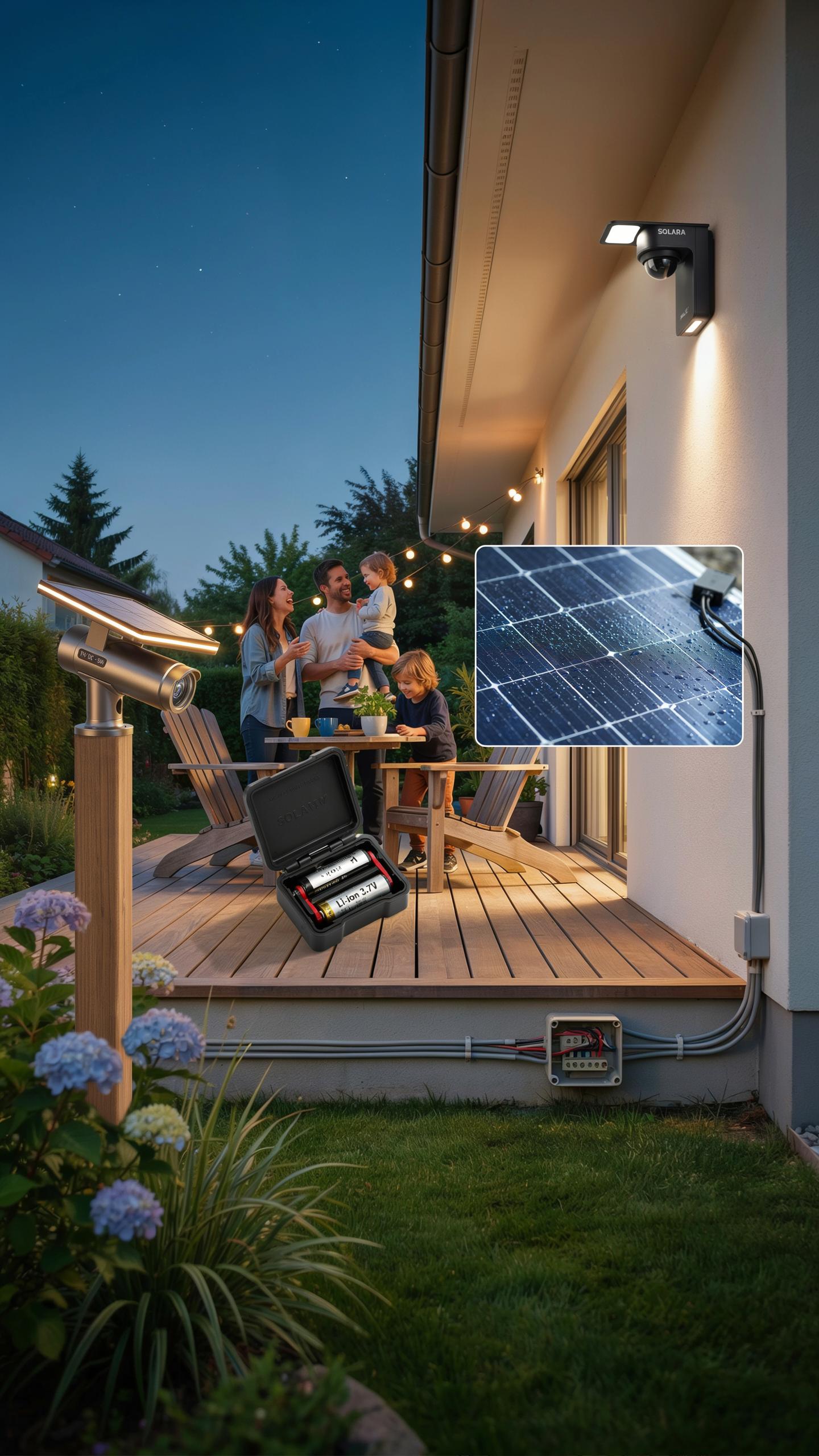
Hardwired motion activated outdoor security lights connect directly to your home’s electrical system. This approach eliminates battery replacement cycles and provides consistent power regardless of weather conditions. Installation requires running electrical conduit to your entryway, which demands professional work and permits in most jurisdictions. The upfront cost is higher, but operating expenses drop to near zero after installation.
Battery-powered motion sensor lights offer flexibility without electrical work. You mount them anywhere on your entryway within minutes using basic tools. Batteries drain over time, typically lasting three to twelve months depending on motion frequency and temperature. This power source works best for temporary installations or rental properties where permanent wiring isn’t an option.
The Rise Of Outdoor Solar Lights For Eco Friendly Solutions
Solar-powered motion activated outdoor security lights charge during daylight hours and activate at night. They require zero electrical infrastructure and produce no ongoing energy costs. Solar panels perform best in direct sunlight, so position them away from shade cast by trees, walls, or other structures. Performance drops significantly in regions with limited sunlight or during winter months.

Solar lights eliminate the need for batteries or hardwiring, making them the fastest installation option. You simply mount the fixture and let it charge. Real-world runtime varies from four to ten hours depending on solar panel size, battery capacity, and seasonal conditions. These lights work well for dark entryways in sunny climates where consistent performance matters less than convenience and cost savings.
Installation Tips For Optimal Placement Of Motion Sensors
Strategic Positioning To Maximize Coverage
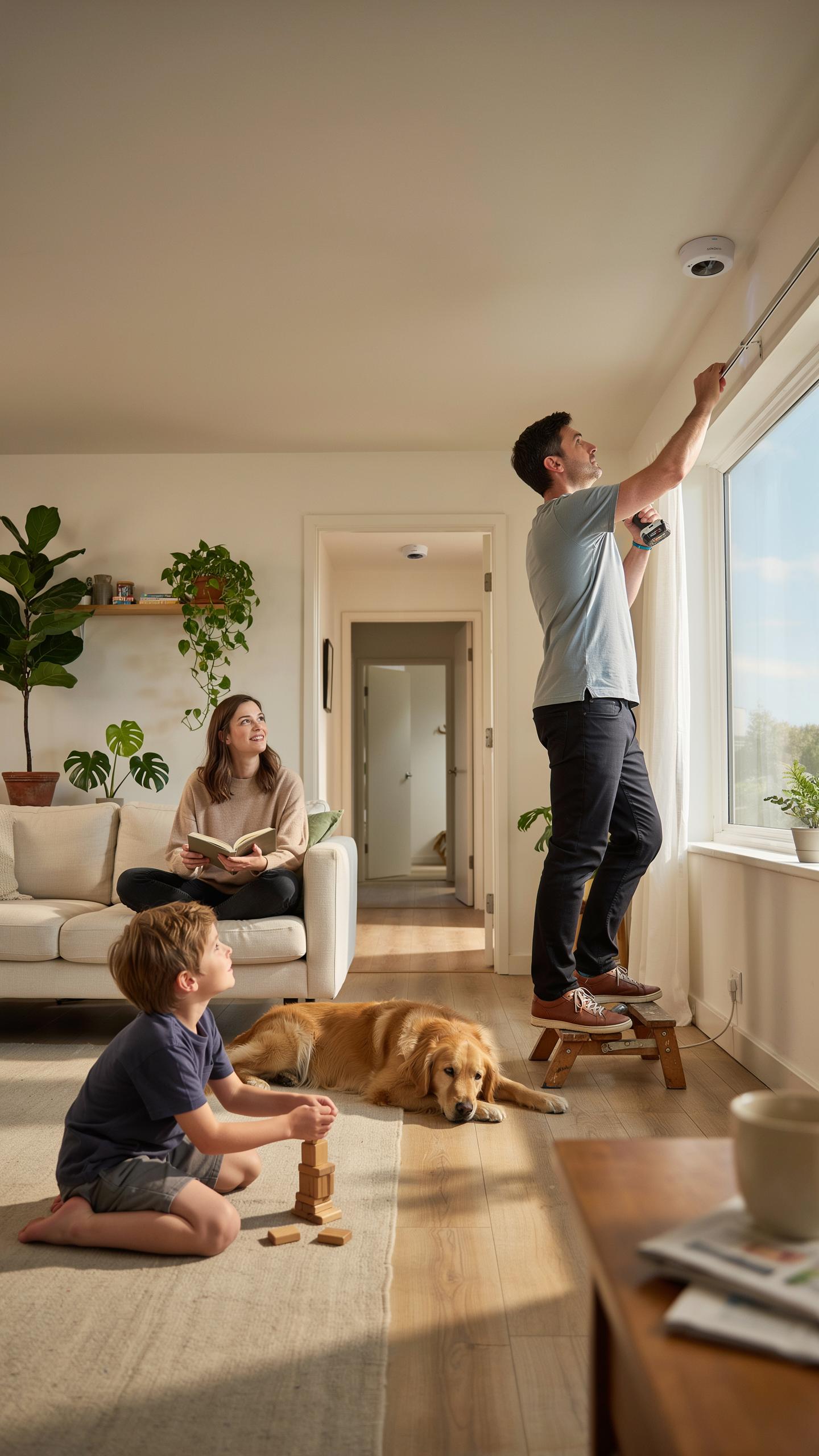
Motion sensors detect movement through infrared technology that reads heat signatures. You need to understand detection range and angle to place lights effectively. Most sensors detect motion 20 to 40 feet away at a 110 to 180 degree angle. Position lights where they capture the areas you need monitored without wasting coverage on empty space.
- Entry doors and gates: Mount at 6 to 8 feet high, directly above or beside the entryway to catch approaching visitors and intruders before they reach your home.
- Driveway approaches: Place lights 10 to 12 feet high on poles or eaves to illuminate the full width of vehicle paths and walking routes.
- Corner angles: Position sensors at building corners to overlap coverage zones and eliminate blind spots between multiple light fixtures.
- Walkway perimeters: Install lights along fence lines and property edges at consistent intervals to create continuous illumination when motion occurs.
- Second story coverage: Mount lights on upper eaves to monitor rooflines and prevent climbing access to upper level windows and entries.
Heat signatures from nearby objects interfere with sensor accuracy. Trees, pavement, and metal surfaces retain warmth and trigger false alarms. Test your placement by walking the perimeter at night to confirm lights activate when you move and stay off during wind or animal activity. Adjust mounting height and angle based on what actually happens during real conditions.
Avoiding Common Installation Mistakes
Most installers mount lights too high or too low, breaking the sensor’s detection zone. Mounting above 12 feet reduces sensitivity to ground level movement. Mounting below 6 feet creates dead zones directly above the light. Install at 6 to 10 feet for consistent detection across your target area.
Pointing sensors directly at reflective surfaces causes problems. Garage doors, windows, and metal siding bounce infrared signals and trigger false activations. Aim sensors toward open ground and pathways instead. Keep the detection lens clean from dust and debris that block heat signature detection. These mistakes waste battery power and undermine your security system’s reliability.
Integrating Motion Activated Lights With Smart Home Security Systems
Connecting Your Security Lights For Centralized Control
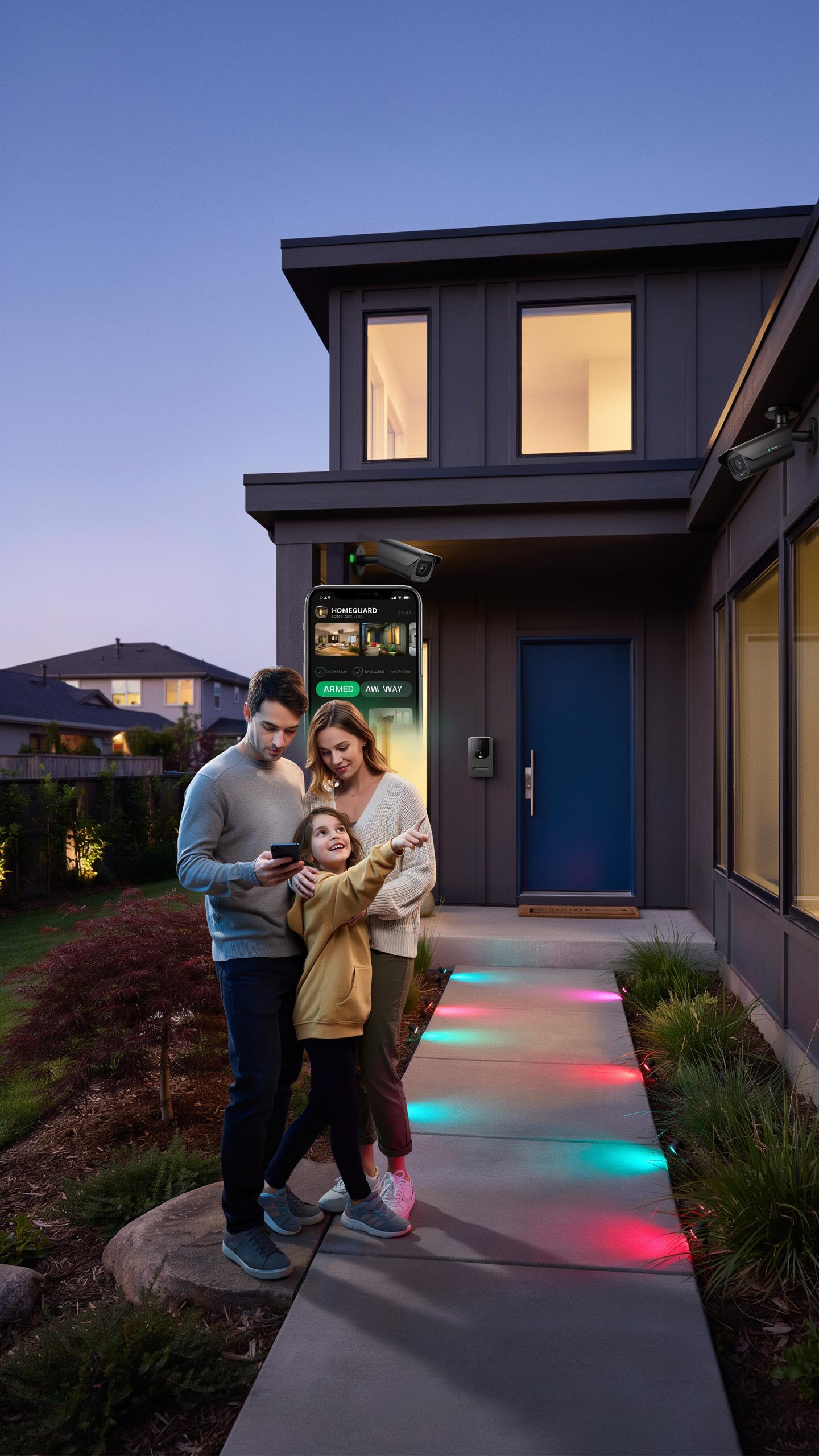
Motion activated security lights connect to smart home platforms through WiFi or Zigbee protocols. Most modern units pair directly with systems like Amazon Alexa, Google Home, or Apple HomeKit. Integration lets you control multiple lights from one app and create automated routines based on time or events.
Connecting lights centrally reduces manual management across your property. You schedule activation times, adjust sensitivity settings, and group lights by zone from your phone. The system eliminates inconsistent control methods and ensures all outdoor lighting follows your security strategy.
Receiving Alerts And Notifications On Your Devices
Real time notifications alert you when motion triggers any outdoor light. Your phone receives instant push notifications showing which zone detected activity and the exact timestamp. This immediate feedback tells you what’s happening at your entryway without checking security cameras.
Notifications create accountability for who approaches your property and when. You can respond to alerts by checking cameras, contacting authorities, or adjusting your schedule based on patterns. The data also helps you refine motion sensor placement and sensitivity to reduce false triggers from animals or passing traffic.
Maintaining Your Outdoor Security Lights For Longevity
Routine Cleaning And Inspection Of Sensors And Fixtures
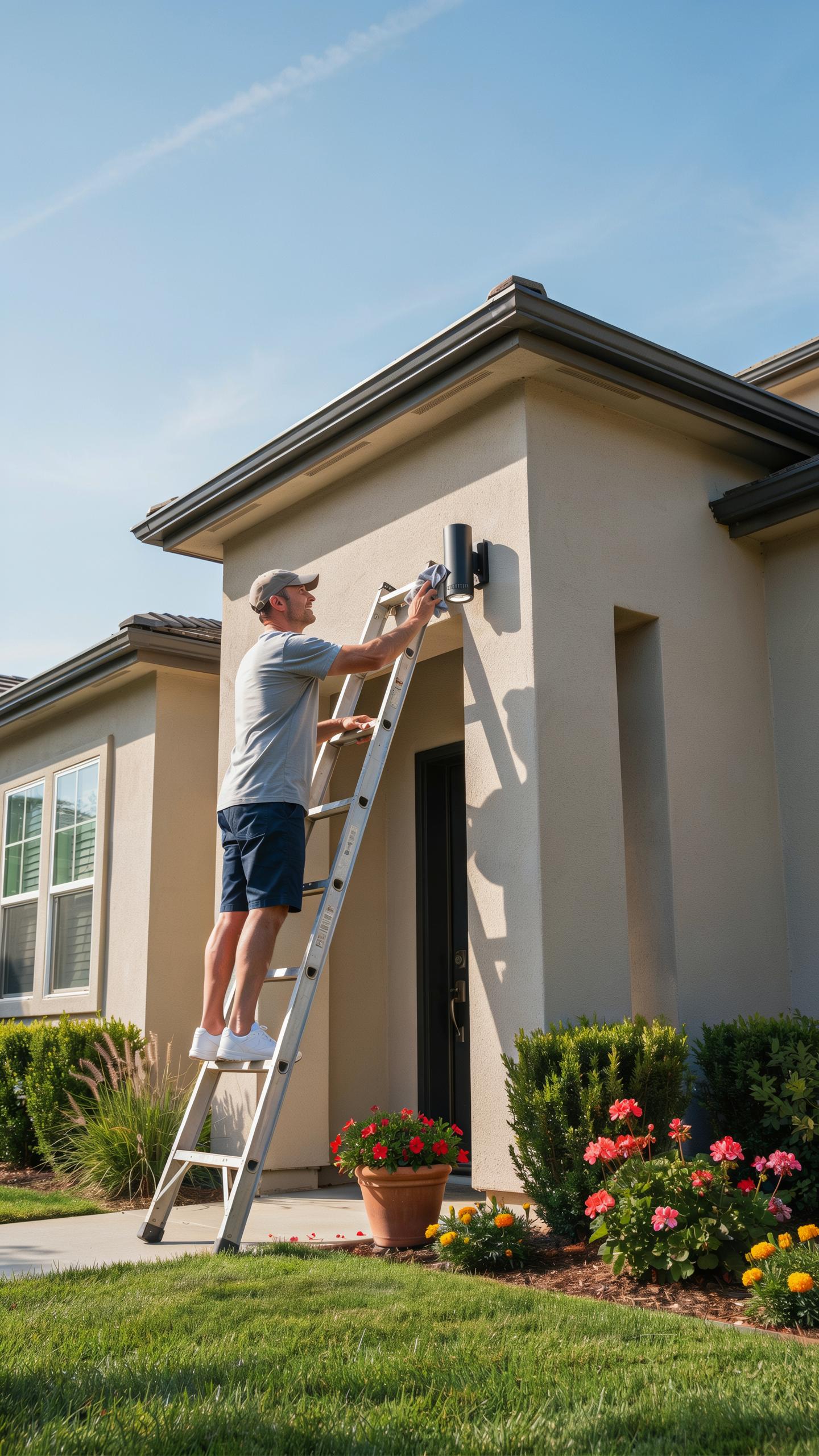
Dirt and debris block light output and degrade sensor performance. Clean your fixture lens every two to four weeks using a soft cloth and mild soap. Remove leaves, spider webs, and dust buildup from sensor windows. Rain and environmental exposure gradually reduce light transmission, so this task directly impacts effectiveness and detection range.
Check mounting hardware quarterly for corrosion and looseness. Verify that the fixture sits level and points toward your target entry area. Inspect caulking around mounting seams for cracks that allow water penetration. Replace corroded bolts immediately, as they weaken structural integrity and create safety hazards during storms or high winds.
Troubleshooting Common Issues With Motion Sensors
Sensors trigger constantly when bushes or tree branches obstruct the detection zone. Trim vegetation to restore proper coverage and prevent false activations. Reposition the fixture if it faces direct sunlight or reflects off water surfaces, which causes sensor malfunction. Test sensitivity settings after adjustments to ensure the light activates only when necessary.

Lights fail to activate when sensors malfunction or batteries die. Replace batteries annually, even if lights still operate, since weakened power reduces sensor reliability. Check wiring connections at the fixture and power source for loose or corroded terminals. If problems persist after these steps, the motion sensor requires replacement rather than repair.
Choosing The Right Aesthetic Styles Of Outdoor Security Lighting
Matching Lighting To Your Home’S Architectural Style
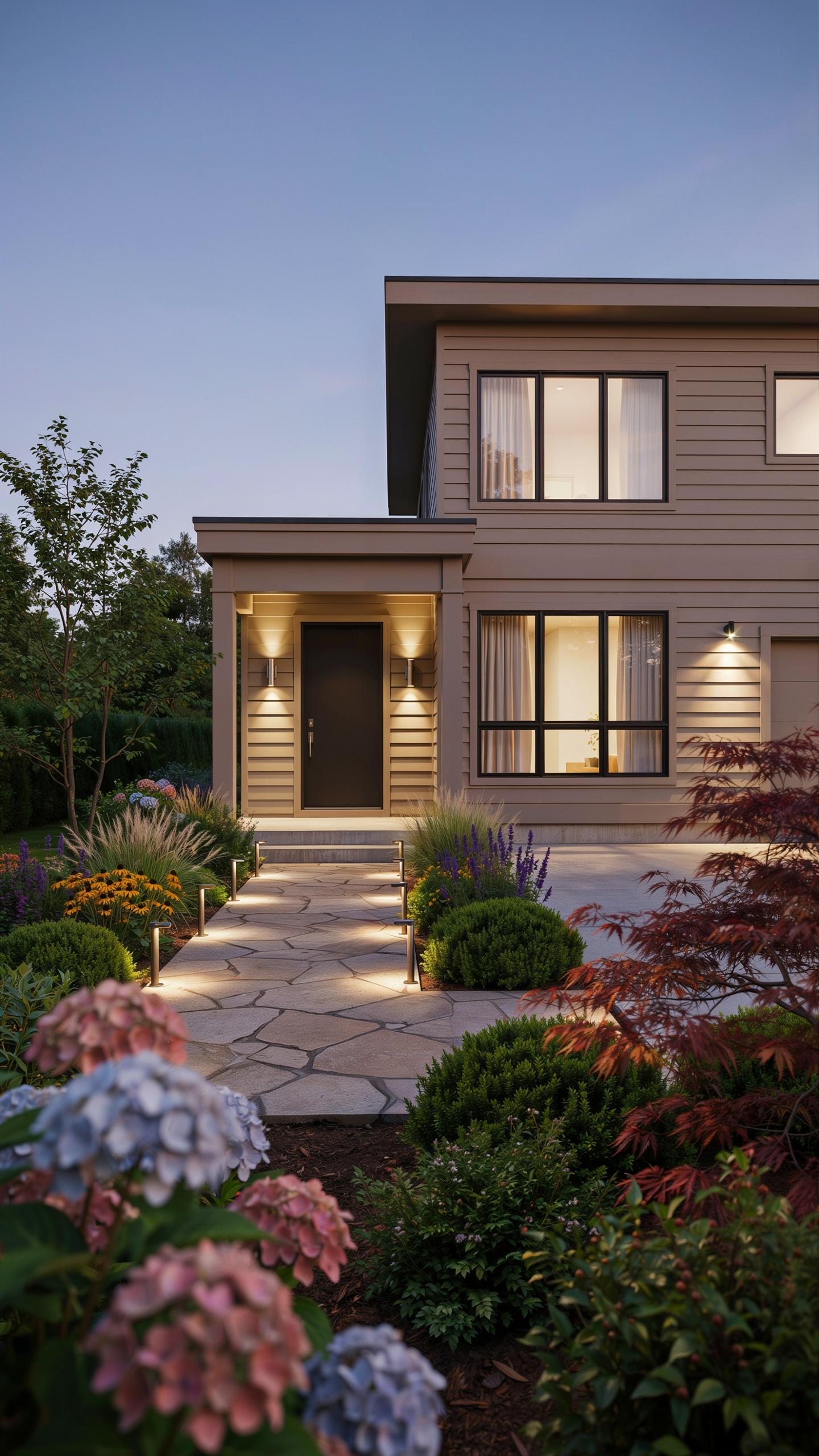
Your home’s exterior dictates what fixture design works. Modern homes benefit from clean-lined, minimalist fixtures with flat panels or geometric shapes. Traditional homes pair well with lantern-style or coach-light designs that echo period architecture. Craftsman homes work with fixtures featuring natural materials and visible structural details. Match the metal finish to existing hardware: brushed nickel complements contemporary designs, oil-rubbed bronze suits traditional homes, and matte black works across most styles.
Mismatched fixtures create visual noise and dilute curb appeal. Choose finishes that appear elsewhere on your exterior like door hardware, gutter systems, or roof trim. Consistency across fixtures matters more than individual quality. If your home has mixed architectural elements, select neutral finishes that don’t compete with your design features. Test fixtures against your entryway before installation to verify they align with your home’s proportions and visual weight.
The Impact Of Light Temperature On Ambiance And Visibility
Light temperature directly affects both security function and perceived space quality. Warm white light between 2700K and 3000K creates inviting ambiance but reduces visibility range by roughly 15 to 20 percent compared to cooler temperatures. Cool white light at 4000K to 5000K maximizes visibility and alertness, making it ideal for security-focused entryways where threat detection matters most. Daylight white above 5000K feels clinical and harsh, creating unflattering shadows that actually reduce perceived safety.

Choose temperature based on your primary goal. Security entryways prioritize 4000K to 5000K for optimal motion detection performance and clear visibility of faces and details. Welcoming entryways work at 2700K to 3000K where ambiance matters equally to function. Motion activated lights often operate at 4000K since security is the default driver. Your choice between warm and cool directly influences how guests perceive your home’s character while managing the technical requirements of detection and visibility.
Advanced Features In Modern Motion Sensors And Outdoor Solar
Dusk To Dawn Technology For Automated Lighting
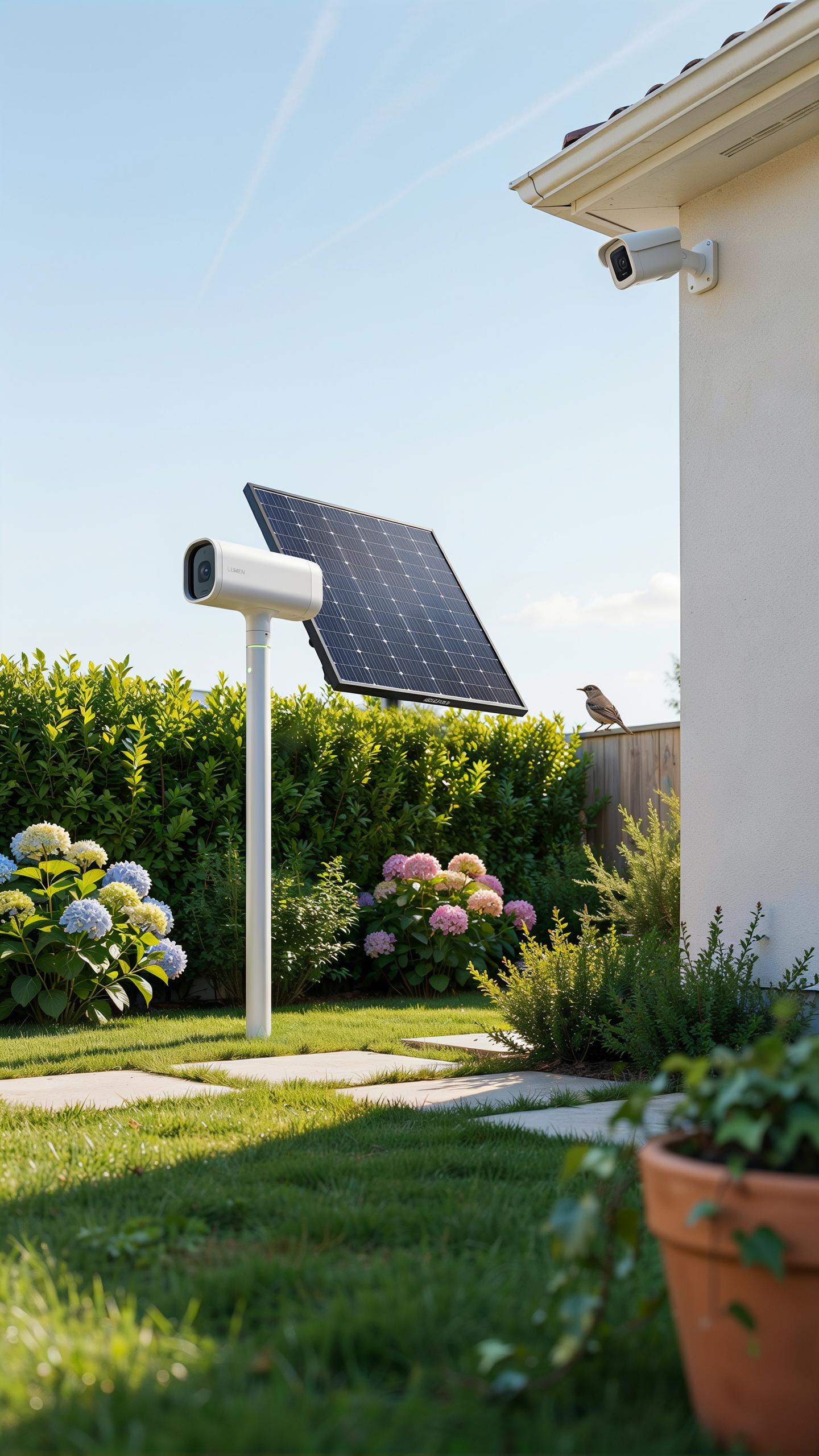
Dusk to dawn sensors use photocells to detect ambient light levels and trigger automatic operation. When light falls below a set threshold around dusk, the light activates. At dawn, when ambient light returns, the light shuts off. This eliminates manual switching and prevents lights from running during daylight hours, cutting energy waste significantly.
The technology relies on light-dependent resistors or photodiodes that measure incoming light. Homeowners set sensitivity levels to match their environment and preferences. Geographic location affects timing since sunset and sunrise times change seasonally. This automation removes guesswork from outdoor lighting schedules and reduces electricity consumption compared to lights left on continuously.
Integrated Cameras And Two Way Audio For Enhanced Home Security
Some motion activated outdoor security lights now include built in cameras that record video when motion triggers the system. Two way audio allows homeowners to communicate through the light unit itself. This combination creates a deterrent by letting property owners speak to visitors or intruders remotely, regardless of location.
These integrated systems transmit footage to smartphones or cloud storage for review. Resolution quality varies by model, typically ranging from standard definition to high definition options. Two way audio uses speakers and microphones within the light housing to enable real time conversation. The motion activation ensures recording and communication occur only when needed, preserving storage space and battery life on solar powered units.
Making The Final Decision Selecting The Best Motion Activated Outdoor Security Light
Considering Your Budget And Specific Security Needs
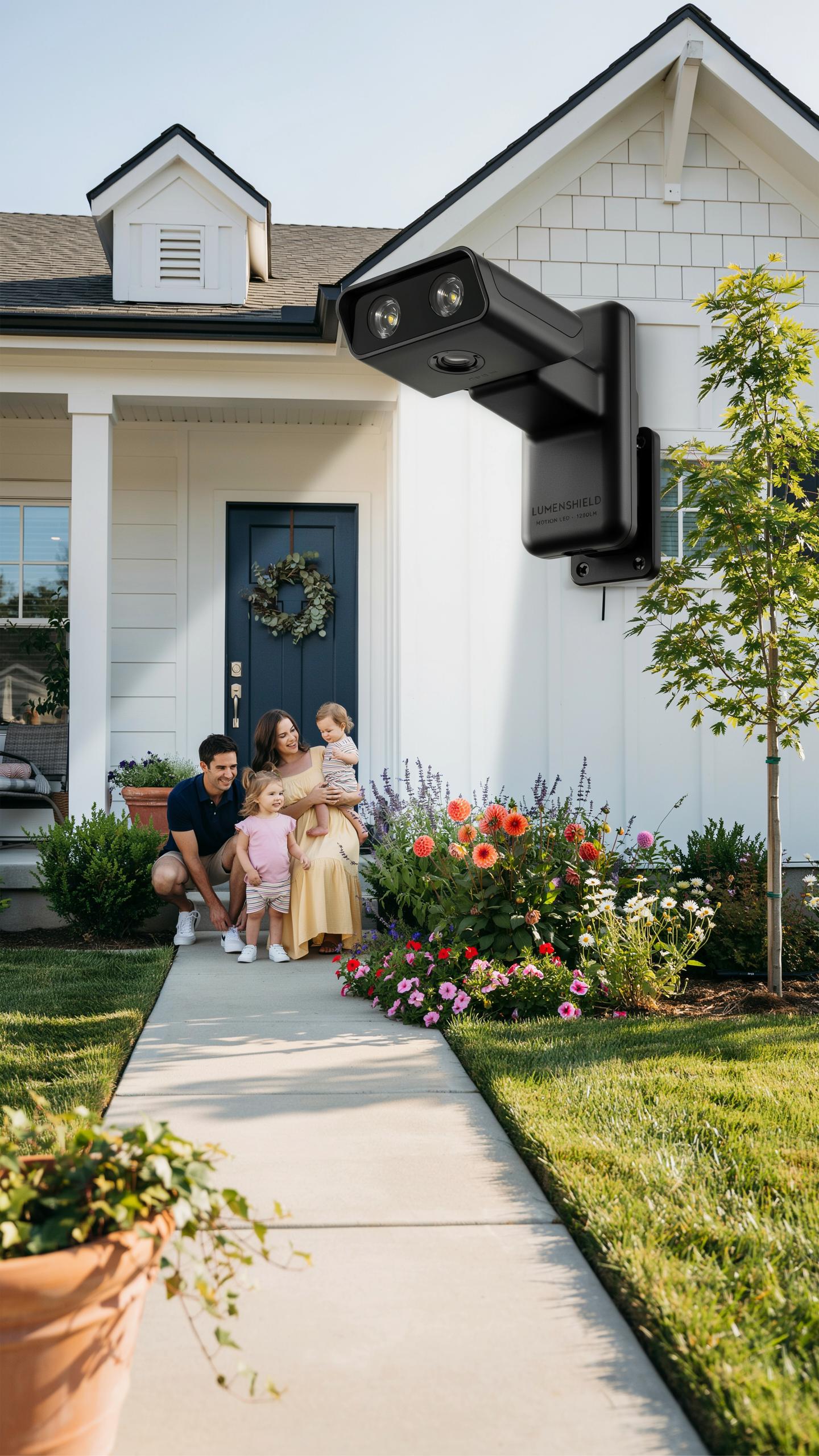
Start by defining what you actually need the light to do. Are you securing an entryway, driveway, or perimeter? The answer determines which features matter and which ones drain your budget unnecessarily. A basic motion sensor light costs between 20 and 50 dollars. Premium models with smart home integration run 100 to 300 dollars. Match your spending to your actual security gaps, not marketing hype.
Evaluate detection range and brightness output against your specific layout. A 30-foot detection range works fine for a small porch but fails for a long driveway. Similarly, 500 lumens suffices for accent lighting while 1500 lumens handles full area illumination. Calculate the square footage you need to cover, then cross-reference that with product specifications. This prevents overpaying for capacity you don’t use or underpaying for coverage that leaves gaps.
Reading Reviews And Expert Recommendations For Informed Choices
Ignore review counts and focus on detailed user feedback addressing your exact scenario. A light praised for reliability in Arizona’s dry heat may fail in coastal humidity. Read what customers say about motion sensitivity, false trigger rates, and durability after six months of actual use. These specifics reveal real performance, not manufacturer claims tested under ideal lab conditions.
Check independent testing sources and security professional forums before purchasing. Organizations that test outdoor lighting equipment provide standardized comparisons across brands. These reports show which models maintain brightness output over time and which ones degrade quickly. Cross-reference professional recommendations with user reviews that match your climate and installation type. This combination removes guesswork and points you directly toward products that deliver measurable results in conditions matching yours.
Frequently Asked Questions

What exactly is a motion activated outdoor security light and why is it beneficial for my home?
A motion activated outdoor security light is a fixture that illuminates automatically when it detects movement in its vicinity. This provides an instant deterrent to potential intruders, enhances safety by lighting up dark paths, and adds convenience when you’re arriving home with groceries. It’s an excellent first step in securing any entryway.
How difficult is it to install a motion activated outdoor security light if I’m not very handy?
Many motion activated outdoor security lights are surprisingly easy to install, especially battery-powered or solar models that require no electrical wiring. For hardwired options, it’s generally a straightforward process if you’re comfortable with basic electrical work, but hiring a professional electrician ensures safety and optimal performance.
Can I find a reliable motion activated outdoor security light without spending a lot of money?
Absolutely! There are many affordable and effective motion activated outdoor security light options available. Look for models with good reviews, often solar-powered or battery-operated, which can offer excellent illumination and durability without a high price tag. Value doesn’t always mean sacrificing quality when it comes to home security.