

The Allure Of Minimalist Smartwatch Design
Why Simplicity Reigns In Modern Wearable Tech
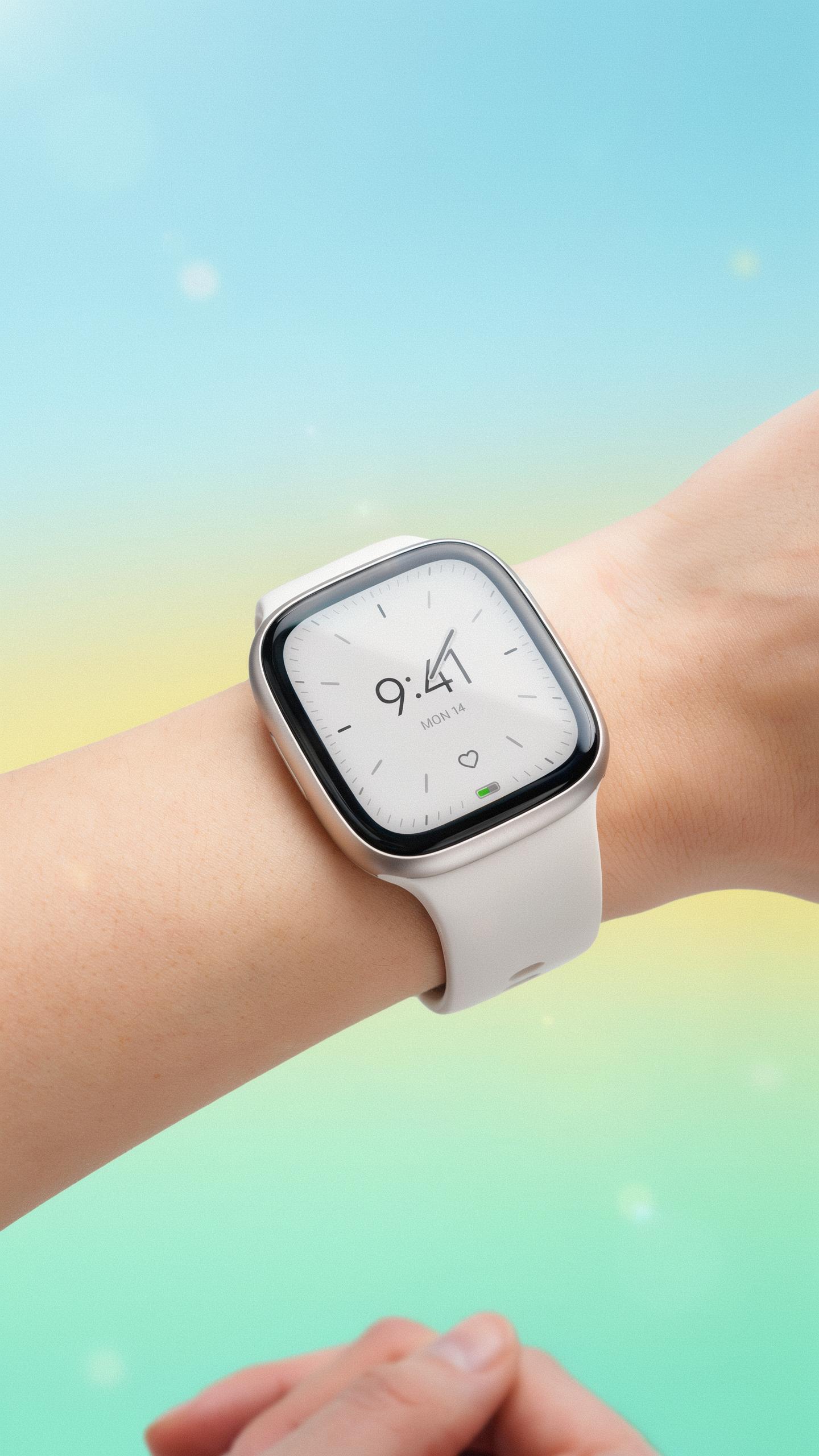
Consumers reject smartwatches that demand constant attention. Feature bloat creates friction. Users wear devices that blend into daily life, not devices that scream for interaction. Minimalist smartwatches solve this problem by delivering essential information without the distraction. Battery life extends significantly when displays stay simple. Processing demands drop. The device becomes reliable rather than demanding.
Simplicity improves usability at a fundamental level. Complex menus and nested settings frustrate users in real time. A straightforward interface reduces cognitive load. Glancing at a minimal display takes one second, not five. This speed matters during workouts, commutes, and meetings. Wearables succeed when they fade into background utility. Minimalist design achieves this by respecting the user’s attention as a finite resource.
Key Characteristics Of A Simple Display Smartwatch
Monochrome or two-color displays define this category. These use e-ink or basic LCD technology. Touchscreens either don’t exist or operate with basic swipe navigation. Physical buttons handle most interactions. Refresh rates stay low to preserve power. No animations or transitions clutter the interface. Information appears in readable text and basic icons. The display updates only when necessary, not constantly.
Navigation relies on efficiency over visual appeal. Users reach any function within two to three taps. Data presentation uses numbers and symbols rather than graphs or visualizations. Font sizes remain large enough for quick reading. Screen real estate gets used strategically, not wastefully. These constraints force designers to prioritize ruthlessly. Every pixel serves a purpose. This approach creates watches that work, not watches that impress in marketing photos.

Smart Watch Features That Matter And Those That DonT
Core Functionality Vs. Over Complication
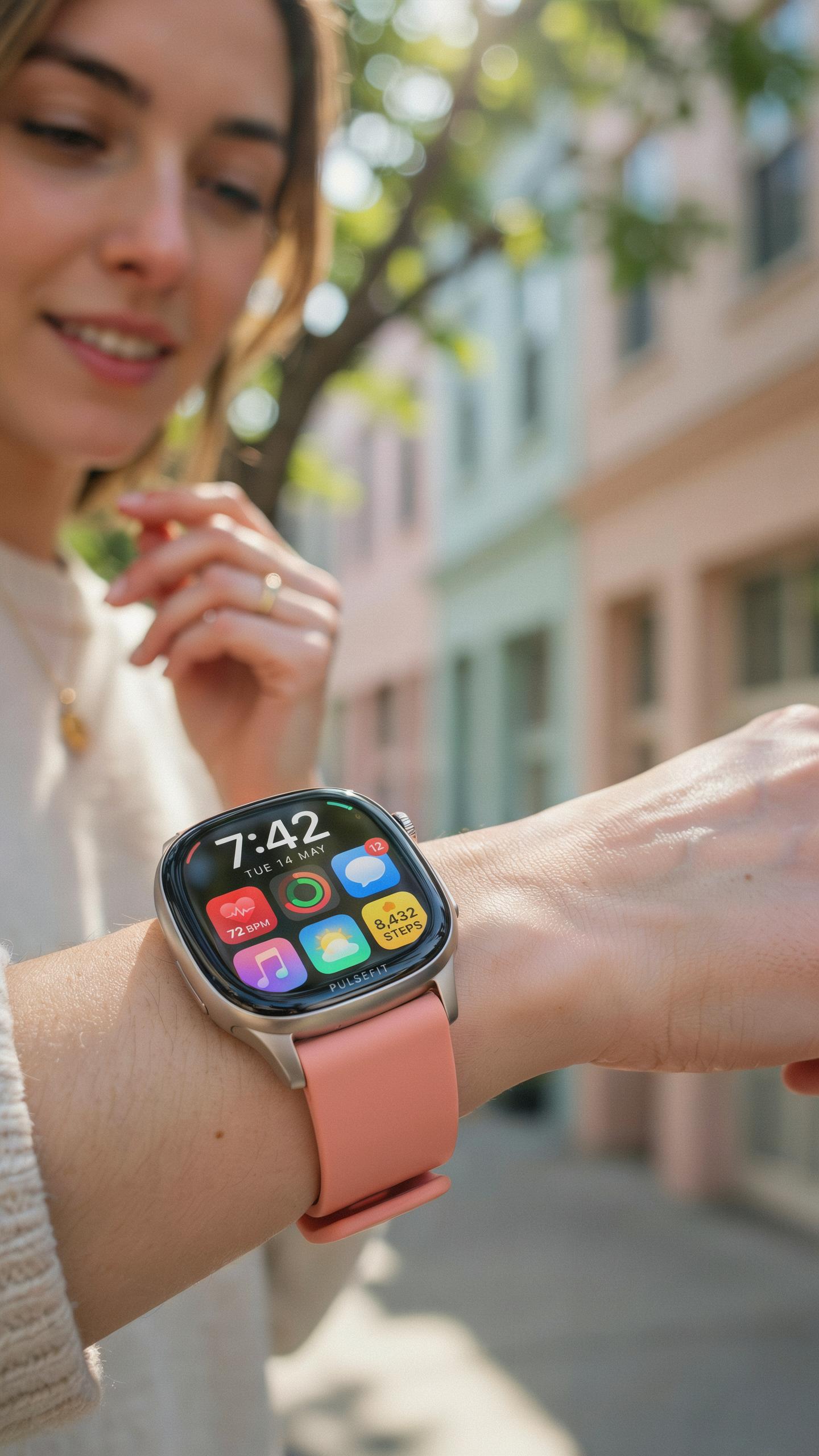
A minimalist smartwatch delivers what you actually use daily. Most users check time, see notifications, and track basic activity. Everything beyond these functions creates visual clutter and drains battery faster. The difference between a practical device and an oversized gadget comes down to ruthless elimination of extras.
Manufacturers load features to justify price points, not because users need them. Heart rate variability tracking, sleep staging, and blood oxygen monitoring sound impressive but sit unused for most people. A simple display paired with essential functions keeps the interface clean and keeps you focused. Strip the unnecessary and you get a tool that works.
Prioritizing Practicality In Your Smart Watch
Practical smartwatches prioritize durability and readability over feature count. You need a display visible in sunlight without toggling settings. You need buttons that work reliably after two years of daily wear. You need a strap that doesn’t break or cause skin irritation.

Real-world practicality means choosing watches built to last, not built to impress. Materials matter. Corning Gorilla Glass survives drops. Stainless steel or aluminum bodies resist dents. Replaceable straps outlast proprietary designs. Battery life measured in days, not hours, means you actually wear the watch. Function follows form in minimalist design because form exists to serve function.
Stylish Smartwatch Design Beyond The Bezel
Material Choices And Their Impact On Aesthetics
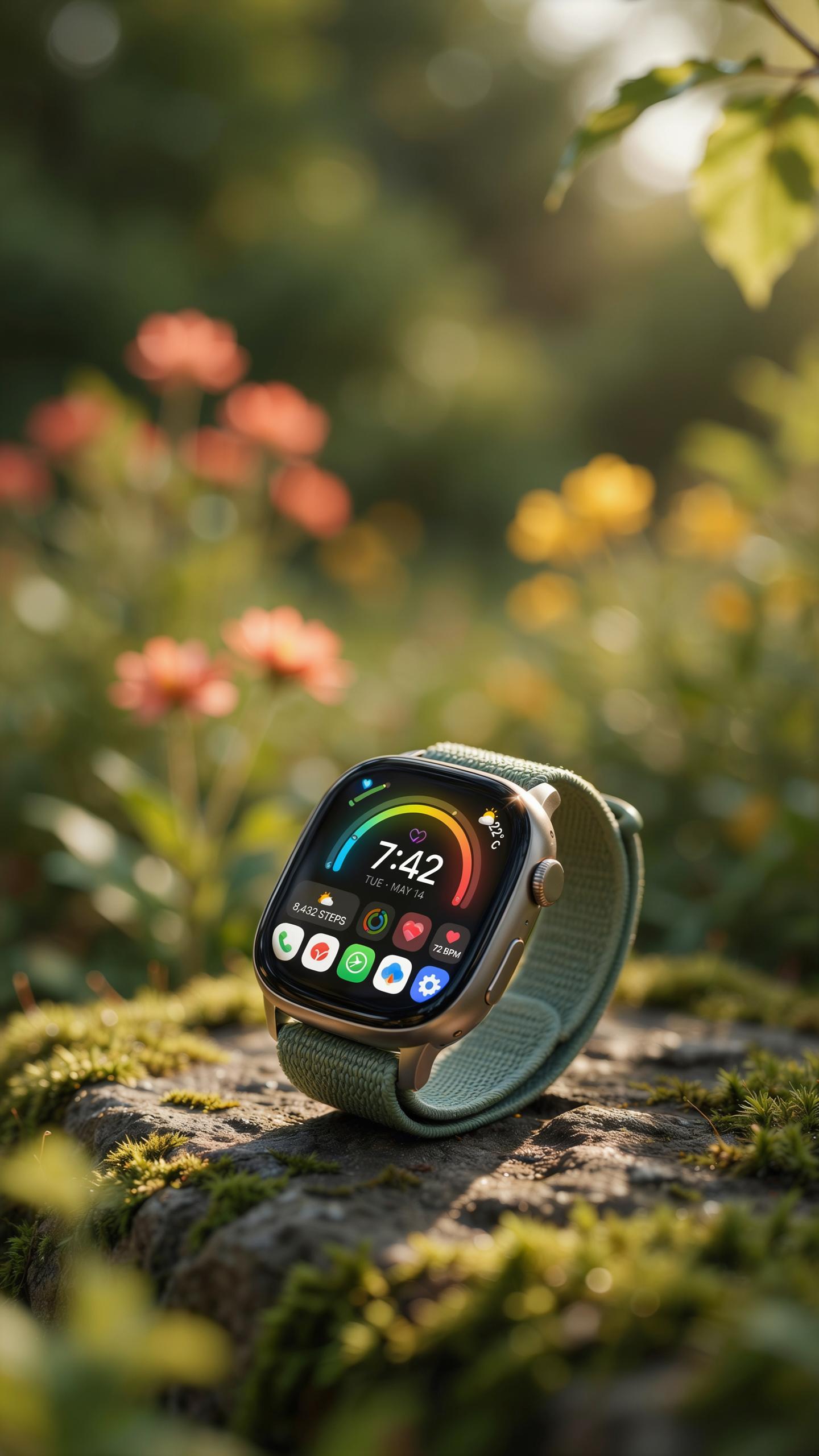
Minimalist smartwatch design relies on material selection to achieve visual restraint. Stainless steel offers durability and a refined appearance without drawing attention. Aluminum reduces weight while maintaining structural integrity. Titanium provides strength with minimal bulk. Each material communicates a specific approach to form. The choice directly affects how the watch integrates with daily wear.
Material impacts more than looks. It determines scratch resistance, weight distribution, and long-term appearance. Stainless steel develops a patina over time, adding character without deterioration. Aluminum remains lightweight but shows wear faster. Titanium resists corrosion in varied environments. A minimalist design amplifies material choices because fewer elements exist to distract from surface quality.
Interchangeable Straps For Personalized Style
Interchangeable straps expand a minimalist smartwatch’s versatility without adding complexity. Quick-release mechanisms allow users to swap bands in seconds. This approach separates the display unit from aesthetic customization. A single watch body works across professional and casual contexts. Band choices shift the device’s visual tone without replacing the core unit.

Strap materials dictate practical use and appearance. Leather creates formal presentation. Silicone handles moisture and athletic activity. Fabric blends offer breathability. Minimalist design emphasizes this modularity as a core feature. Users control their watch’s personality through strap selection while maintaining the same refined display and interface underneath.
Fitness Tracker Essentials In A Minimalist Package
Tracking Your Activity Without Distraction
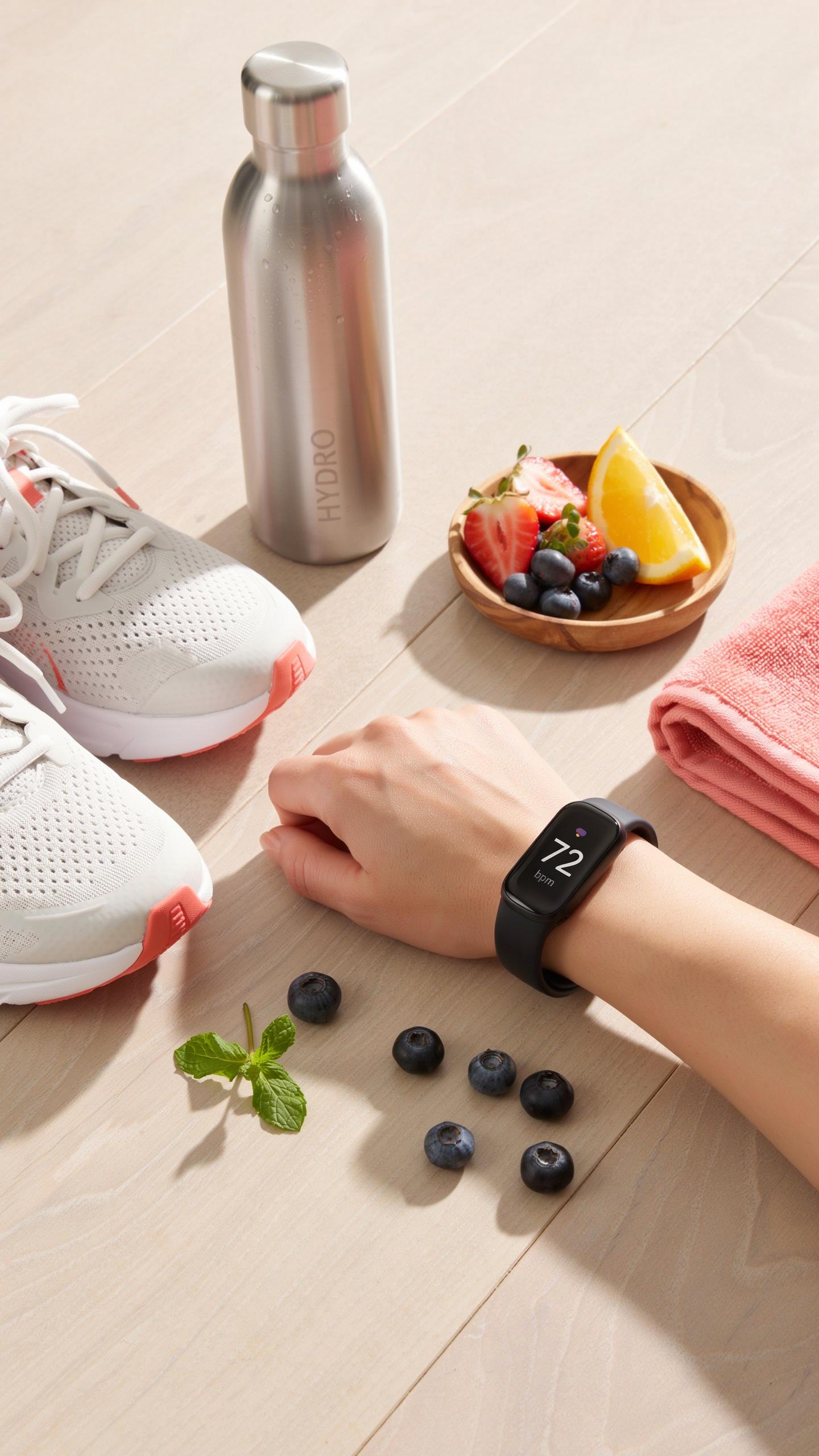
A minimalist smartwatch strips fitness tracking to core metrics. Step count, distance, and calories burned represent the functional baseline. These three data points drive most user decisions about daily movement. Complex algorithms hidden behind the scenes process sensor data. The display shows only what matters in the moment, eliminating menu diving and app navigation that pulls attention away from your day.
The sensor hardware inside remains identical to feature-heavy competitors. Accelerometers detect motion patterns. Algorithms calculate steps and distance using stride analysis. Battery life extends precisely because the screen stays dark and simple. You get accurate activity data without the visual noise. The trade-off is intentional and strategic.
Understanding Basic Health Metrics On A Simple Display
A simple display forces prioritization of health data. Heart rate appears as a number, not a graph. Sleep duration shows total hours, not stage breakdowns. Calorie expenditure displays as a single figure without weekly trends. This constraint eliminates decision paralysis. Users know exactly what their body did without interpretation layers. The information density stays low. Comprehension happens instantly.
Accuracy remains consistent across minimalist and advanced smartwatches because sensors measure the same biological signals. Optical heart rate sensors read blood flow the same way. Motion sensors capture activity identically. The difference lies purely in how data gets presented and stored. A minimalist display trades historical data visualization for clarity in the present moment. Real-time metrics receive your full cognitive focus.
Modern Smartwatch Features For Everyday Convenience
Smart Notifications Done Right
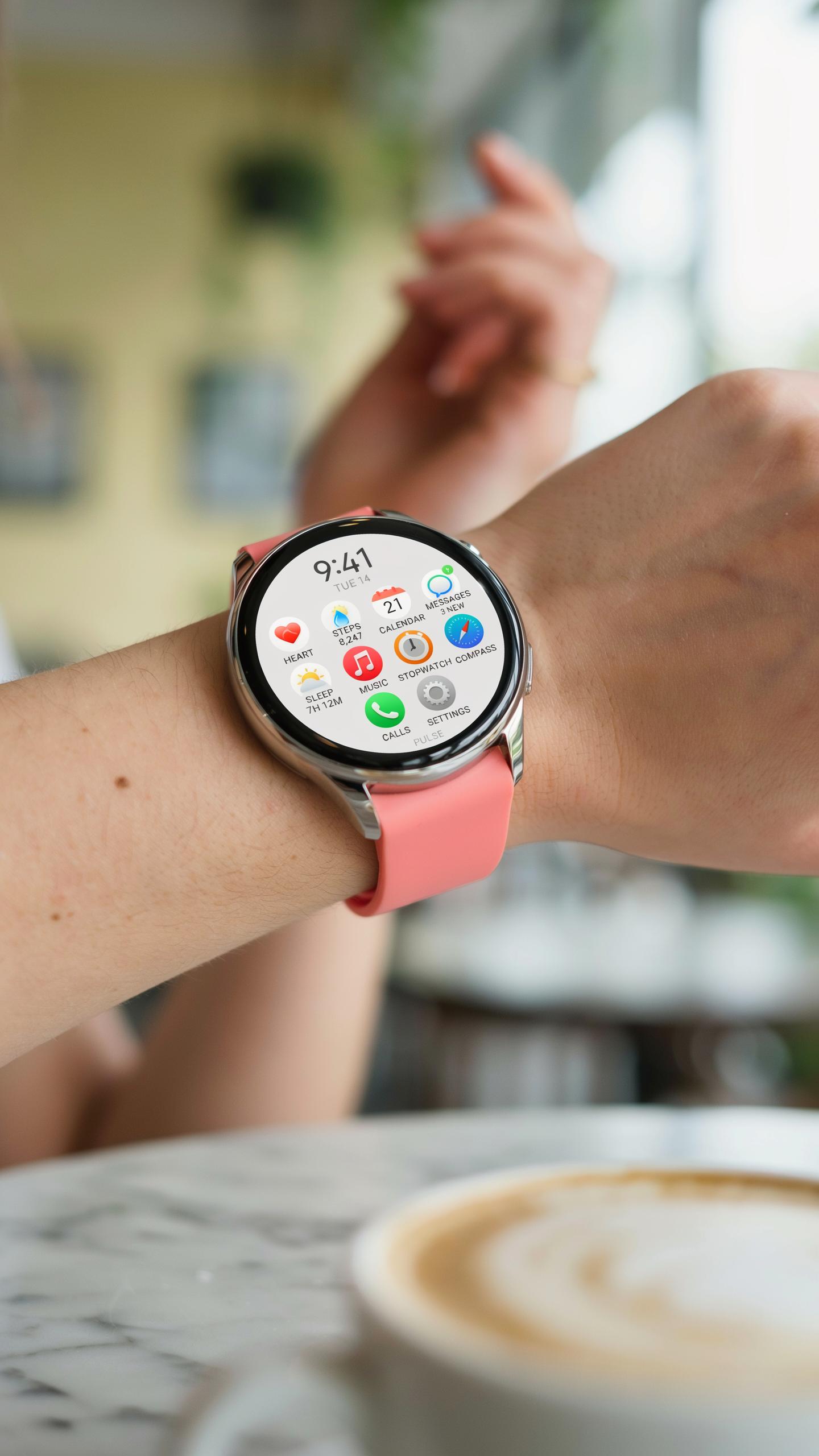
Minimalist smartwatches strip notifications down to what matters. You get alerts for calls, texts, and calendar events without the bloat. The display shows only essential information. Tapping or swiping reveals details when you need them. This approach keeps your attention on the real world instead of a screen.
Most minimalist smartwatches use vibration feedback over visual noise. Your wrist taps gently when something arrives. You decide whether to look. This eliminates the constant ping of typical smartphones. The result is reduced distraction throughout your day while staying connected to urgent matters.
Long Lasting Battery Life A Minimalist Priority
Battery life directly reflects design philosophy in minimalist smartwatches. Simple displays consume far less power than full color screens. Many models run five to fourteen days on a single charge. This eliminates the daily charging ritual that drains your motivation and wallet.

Processing power stays lean in minimalist designs. Limited features mean the processor handles less work. Fewer animations and transitions preserve battery reserves. You trade screen complexity for reliable performance over extended periods. This trade-off defines the minimalist smartwatch category and separates it from feature-heavy alternatives.
Choosing Your Minimalist Smartwatch What To Look For
Screen Technology And Readability
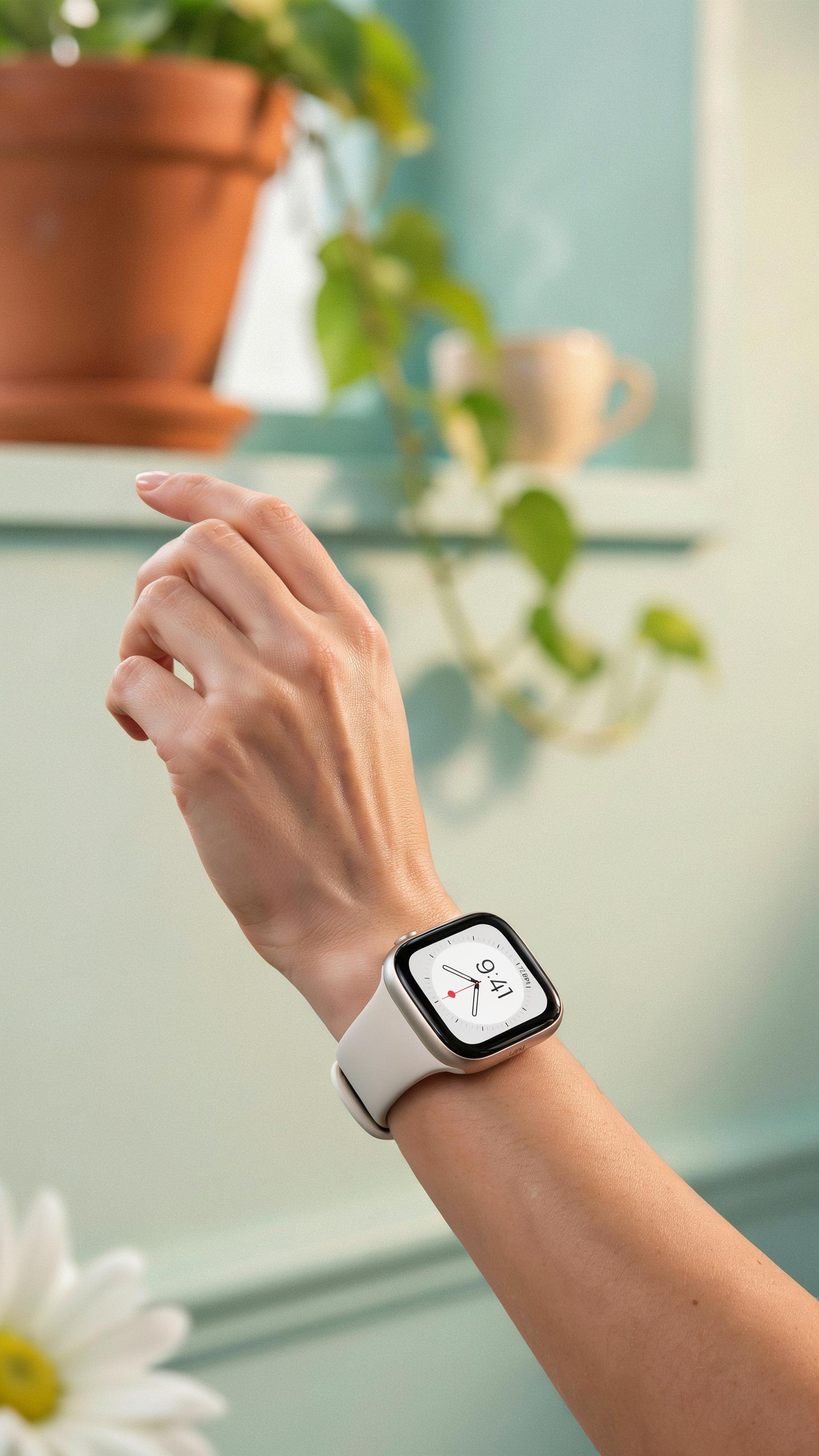
E Ink and LCD screens dominate minimalist smartwatches because they prioritize battery life and clarity over flashy graphics. E Ink displays consume minimal power and remain readable in direct sunlight without backlight drain. LCD screens offer faster refresh rates but burn through batteries faster. OLED screens look vibrant but contradict minimalism’s core principle of restraint and efficiency. Choose based on your actual usage patterns, not marketing promises about what you might need.
Always test readability before committing to a purchase. Fonts must be legible at arm’s length without straining. Contrast ratios matter more than screen size for minimalist designs. A 1.3-inch E Ink display with high contrast outperforms a 1.8-inch LCD with poor contrast. Brightness settings should allow comfortable viewing during morning runs and office work without constant adjustment.
Operating System Simplicity And User Experience
Minimalist smartwatches run proprietary operating systems, Wear OS, watchOS, or Android-based platforms. Each approach trades off flexibility for simplicity differently. Proprietary systems limit features but reduce cognitive load. Wear OS and watchOS offer app ecosystems but complicate navigation. Android-based systems vary wildly depending on manufacturer implementation. Your choice determines long-term software support and update frequency.
- Proprietary Systems: Limited app availability reduces decision fatigue. Updates depend on manufacturer commitment. Examples include Garmin’s Connect IQ and Fitbit’s ecosystem.
- Wear OS: Google-powered platform with broad app support but steeper learning curve than proprietary alternatives.
- watchOS: Apple’s closed ecosystem requires iPhone ownership. Seamless integration compensates for restricted customization options.
- Tizen and Custom Android: Samsung and Chinese manufacturers use these platforms. Performance varies by implementation quality and software optimization.
- Firmware Update Frequency: Check manufacturer history before purchasing. Inconsistent updates indicate abandonment risk and security vulnerabilities.

Menu navigation speed matters more than feature count on minimalist watches. Deep nested menus defeat the purpose of wearing a simple device. Test the interface in-store or through video reviews to confirm responsiveness. Swipe versus button controls affect daily usability. Your choice here determines whether the watch feels intuitive or frustrating after six months of ownership.
The Intersection Of Luxury Watch Aesthetics And Smart Tech
Bridging Traditional Craftsmanship With Modern Innovation
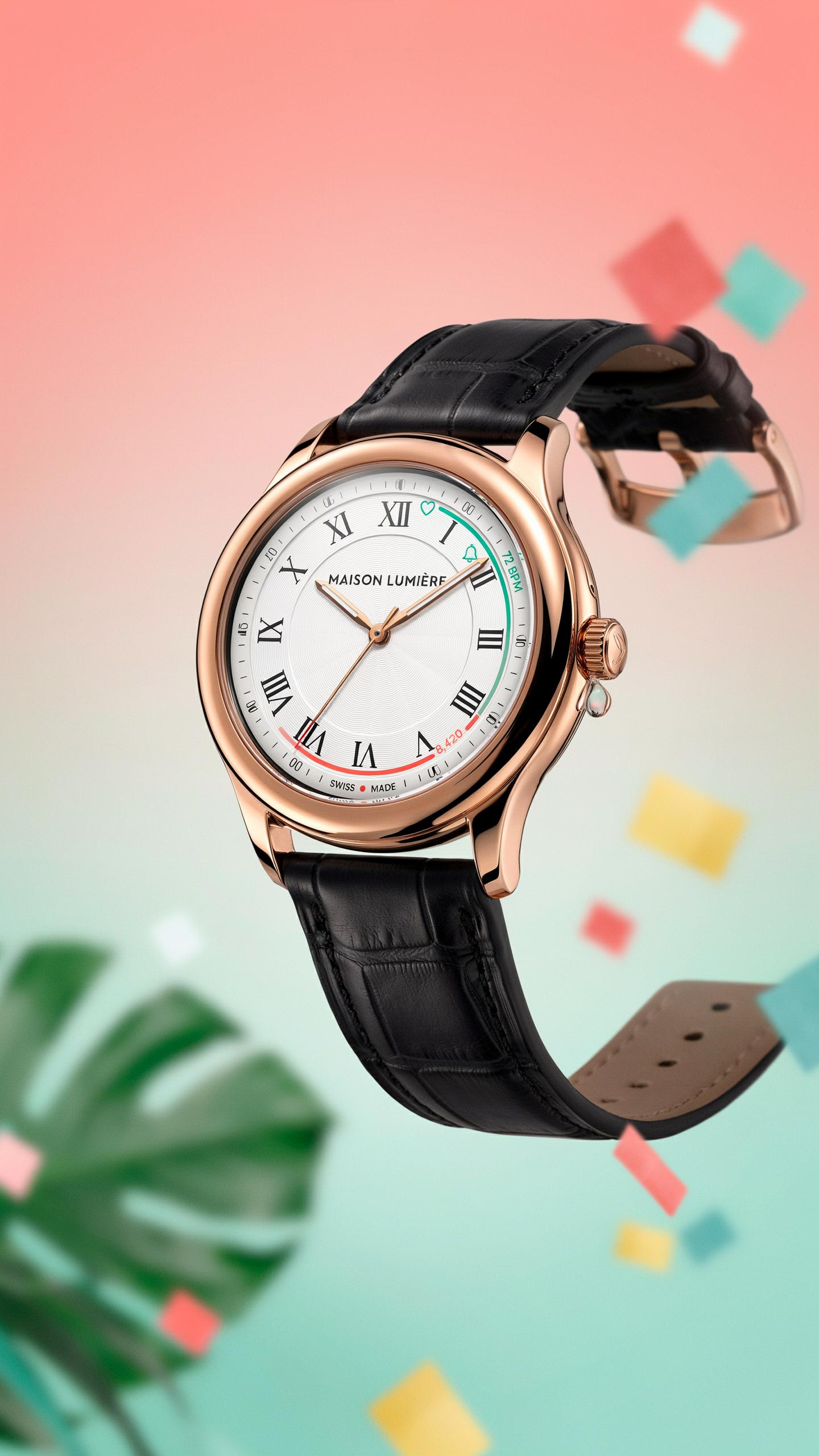
Traditional watchmaking relied on mechanical precision, hand assembly, and material selection to build devices that lasted decades. Minimalist smartwatches adopt this philosophy by prioritizing build quality and restraint in design. They strip away unnecessary features and focus on core functions, mirroring how luxury watchmakers eliminate decoration to highlight essential elements and movement.
The gap between luxury watches and smart devices narrows when smartwatches embrace durability and understatement. A minimalist display uses e-ink or low-power LCD screens that respect the wearer’s space rather than compete for attention. This approach honors traditional watchmaking values while delivering modern connectivity. Brands that succeed here treat software updates like watchmakers treat calibration: systematic improvements that enhance reliability without altering core identity.
In an age of endless notifications, remember that the purest form of timekeeping is often the most profound. Let your simple smartwatch be a gentle whisper, guiding you through each cherished moment.
Investment In Timeless Design
Minimalist smartwatches hold value because they avoid trend-dependent aesthetics. A watch with a simple face and neutral materials remains relevant across five, ten, or fifteen years. Luxury timepieces maintain their appeal through this same principle. Buyers invest in devices that transcend seasonal design cycles and continue functioning after software support ends.

The economics favor restraint. Watches with excessive customization options or complex interfaces age poorly as software becomes obsolete. Minimalist models sidestep this problem by keeping interaction patterns simple and interfaces straightforward. A basic e-ink display and fundamental health tracking outlast feature-heavy alternatives. Resale markets confirm this: stripped-down smartwatches command stronger secondary prices because they appeal to buyers seeking reliability over novelty.
Smart Watch Product Photography Highlighting Minimalist Beauty
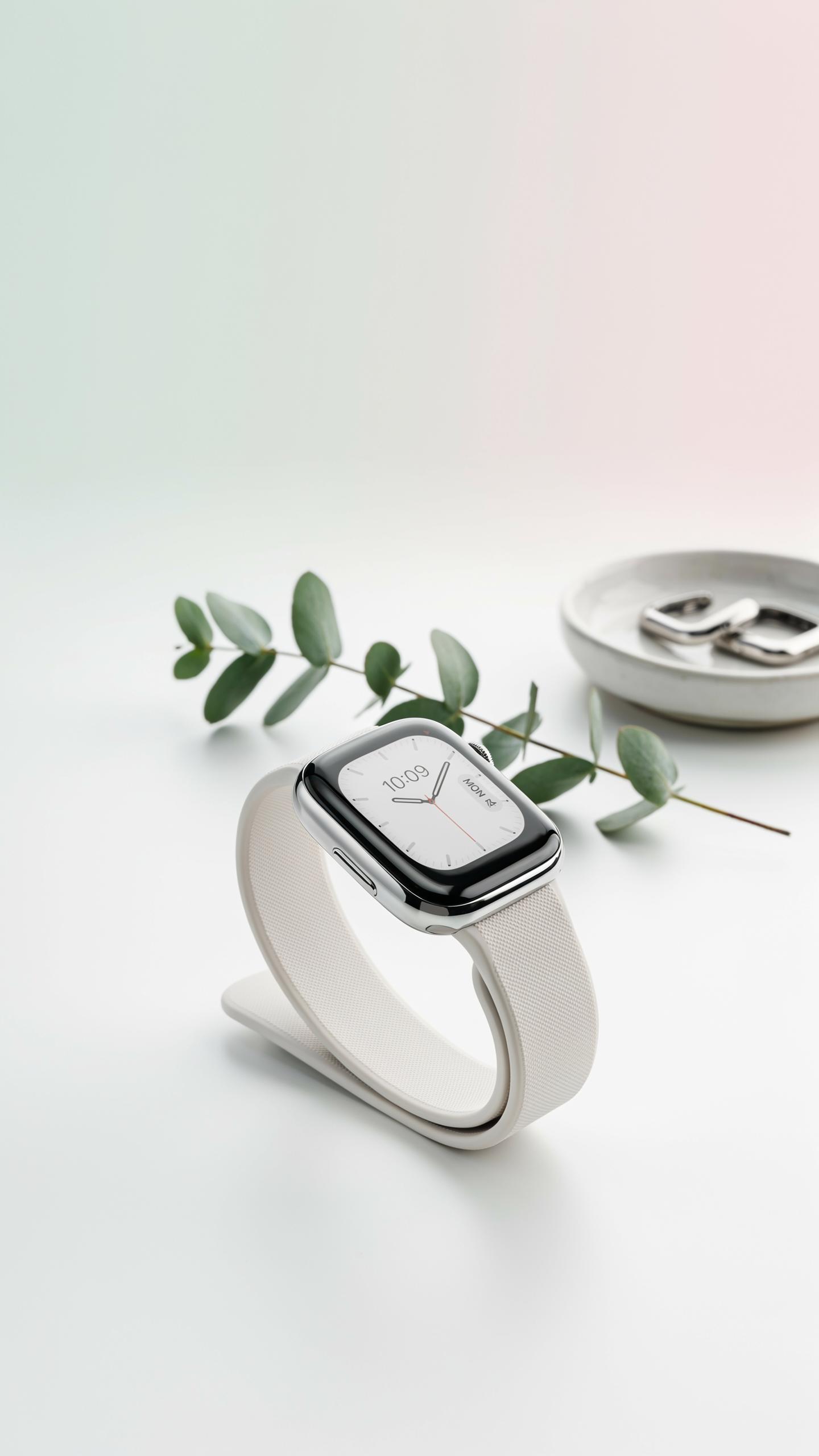
Showcasing Elegance Through Visuals
Minimalist smartwatches need photography that lets the design speak. Use clean backgrounds. Shoot against white, gray, or neutral surfaces. Position the watch to show the case profile, band attachment points, and screen bezel ratio. Avoid clutter that distracts from the product itself. Lighting matters more than styling. Use directional light to reveal surface texture and material quality without creating harsh shadows that obscure details.
Product angles require strategy. Capture the front face at 45 degrees to show the display and case depth simultaneously. Take overhead shots to display the band design and case proportions. Include wrist shots to demonstrate real-world scale and how the watch sits on skin. These angles prove the minimalist design works in actual use, not just on a studio table.
Capturing The Essence Of A Simple Display
Simple displays demand close-up photography that highlights readability. Shoot the screen showing time, date, or metrics clearly visible. Use photography that shows the contrast between display elements and the screen background. Avoid extreme angles that create glare or reflection that obscures what the screen actually shows. The photo must prove the display serves its purpose without unnecessary visual complexity.

Screen resolution and pixel density show through photography. Capture detail shots at actual size to display text sharpness and icon clarity. Include photos with the display active and inactive to show design consistency. The camera work must communicate that the simple interface reduces cognitive load during daily wear, not that it cuts corners on functionality.
Frequently Asked Questions

What exactly is a minimalist smartwatch, and why should I consider one?
A minimalist smartwatch focuses on core functionalities and a clean, uncluttered interface, unlike feature-heavy traditional smartwatches. It’s ideal for those seeking essential notifications, fitness tracking, and timekeeping without overwhelming digital distractions, perfectly blending tech with a simple aesthetic for everyday wear.
How do I choose the right minimalist smartwatch with a simple display for my needs?
When selecting a minimalist smartwatch with a simple display, consider key features like battery life, water resistance, and the types of notifications you truly need. Prioritize a display that’s easy to read in various lighting and a design that complements your personal style for seamless integration into your daily routine.
Are minimalist smartwatches generally more affordable than their feature-rich counterparts?
Often, yes! Because a minimalist smartwatch with a simple display focuses on essential functions rather than extensive, complex features, they tend to be more budget-friendly. This makes them an accessible option for those wanting smart tech without a hefty price tag or unnecessary complexity.