
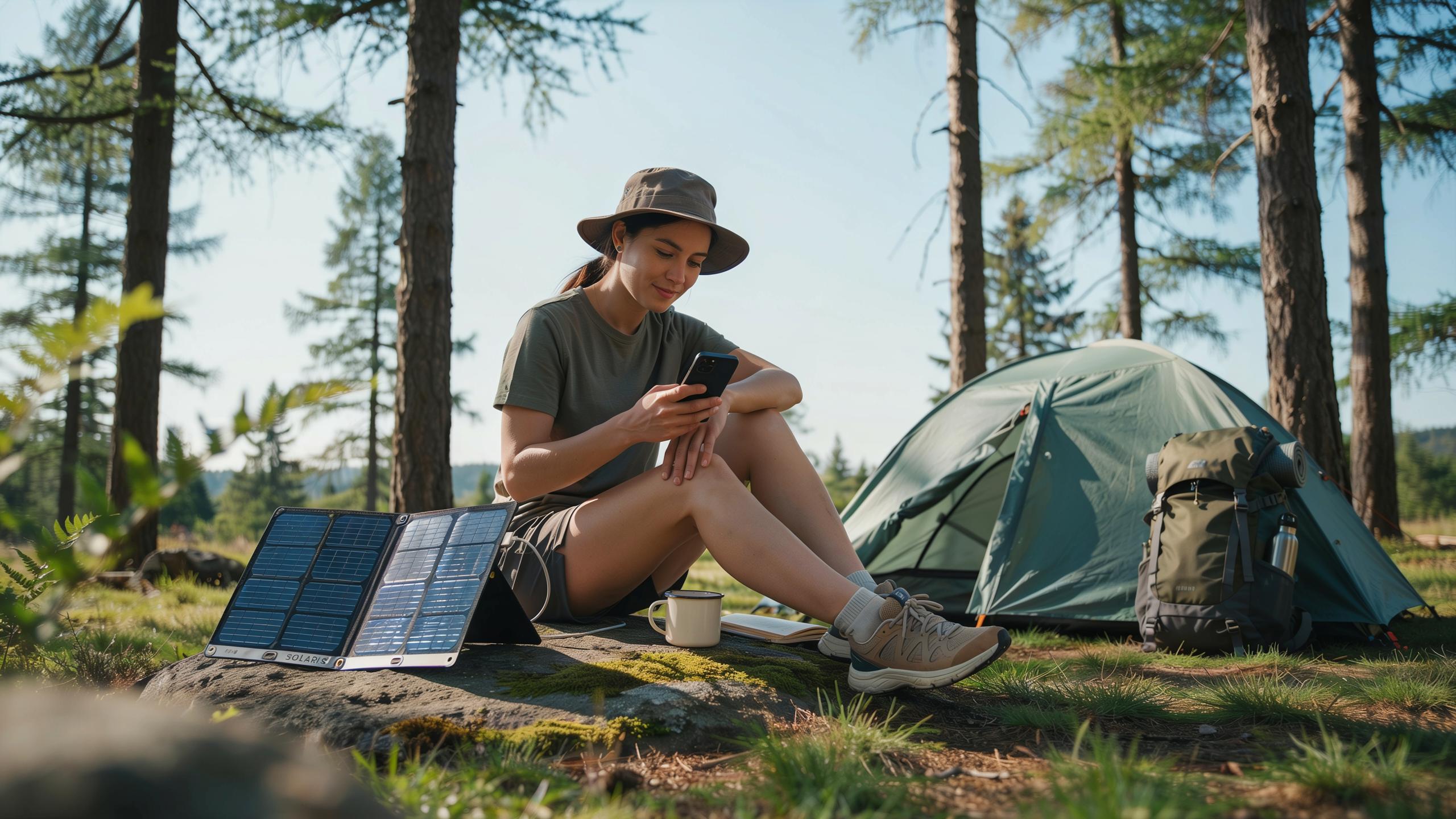
Why Minimalist Campers Need Portable Solar Panels
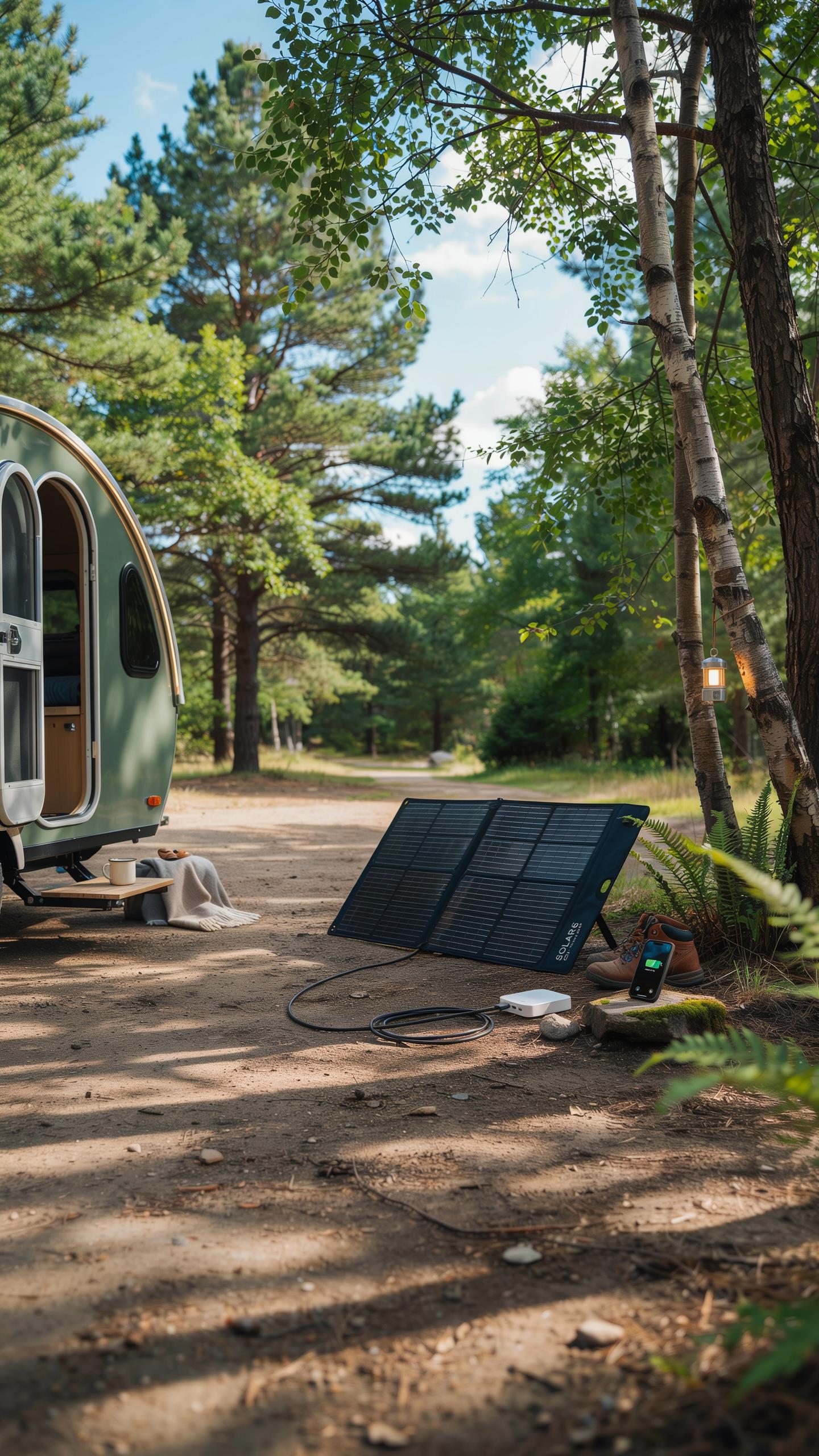
The Appeal Of Minimalist Camping And Energy Needs
Minimalist camping strips away unnecessary gear to reduce weight, bulk, and cost. Campers carrying their shelter, sleep system, and supplies must cut weight ruthlessly. Modern camping still requires power for navigation, communication, and safety devices. Smartphones, GPS units, and headlamps need charging. Traditional fuel-based generators create noise, require storage space, and demand regular refueling. Solar panels eliminate these constraints by converting sunlight directly into usable electricity.
Foldable solar panels solve the core energy problem for minimalist campers without adding significant bulk. A quality foldable panel weighs between one and four pounds, depending on wattage. When folded, panels compress to briefcase or backpack size. They attach to external pack surfaces or deploy quickly at camp. This efficiency makes solar the logical power source for campers prioritizing mobility over stationary comfort.
Benefits Of Off Grid Power For Campers
Off-grid power independence removes dependency on campground infrastructure and vehicle batteries. Campers can establish camp anywhere without searching for electrical hookups. Extended trips become feasible because solar generates power continuously during daylight hours. Battery systems charged by solar panels store electricity for evening and cloudy days. This combination creates genuine self-sufficiency for weeks or months in remote locations.
Foldable solar panels deliver practical advantages beyond energy generation. They produce no noise, no emissions, and require no fuel storage or maintenance. Setup takes five to ten minutes. Panels generate power while stationary, allowing campers to rest, cook, or explore while charging devices. This passive energy generation integrates seamlessly into minimalist camping workflows, making off-grid trips viable for anyone willing to plan appropriately.

Understanding Foldable Solar Panel Technology
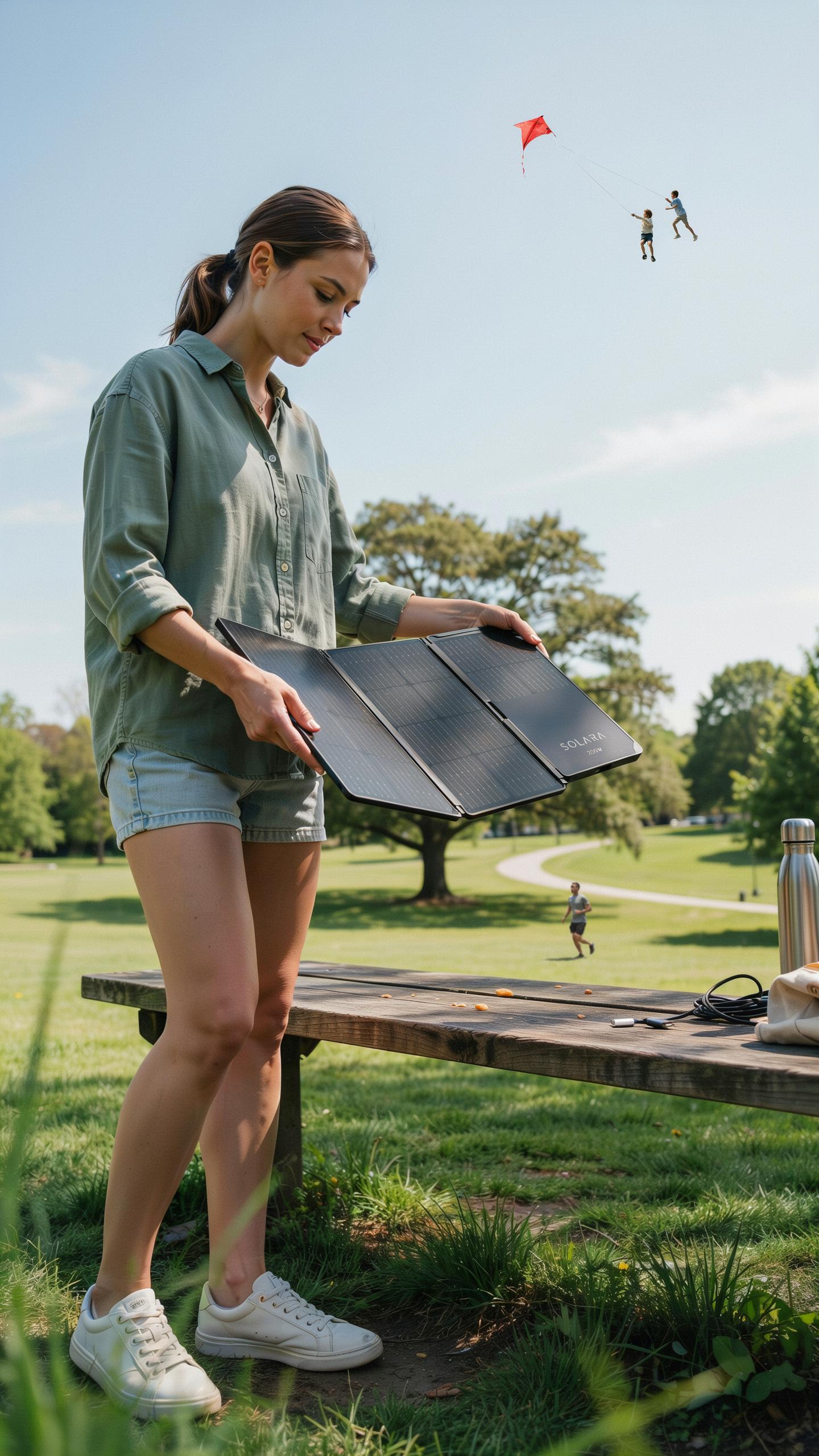
How Solar Cells Convert Sunlight Into Electricity
Solar cells operate on the photovoltaic effect, a principle discovered in 1839. When photons from sunlight strike the cell’s semiconductor material, they transfer energy to electrons. This energy causes electrons to break free from their atoms, creating an electric current that flows through an external circuit to power your devices.
The semiconductor material, typically silicon, has a specially designed junction between two layers with different electrical properties. One layer has excess electrons, the other has electron deficiencies. Photons energize electrons to cross this junction, establishing a one-way flow of electricity. This directional movement is what produces usable power for minimalist camping equipment.
Types Of Photovoltaic Cells Used In Folding Solar Panels
Monocrystalline silicon cells dominate the foldable solar panel market for camping. These cells are cut from single crystal structures, delivering efficiency rates between 15 and 22 percent. They perform well in low-light conditions and occupy minimal space, making them ideal for minimalist setups where weight and pack size matter.

Polycrystalline silicon cells offer a cost-effective alternative with slightly lower efficiency at 13 to 16 percent. Multiple crystal structures within each cell reduce manufacturing complexity and price. Some foldable panels combine both cell types or use thin-film technologies like CIGS or amorphous silicon for specific weight or flexibility requirements that suit ultralight camping applications.
Key Features Of Foldable Solar Panel For Camping
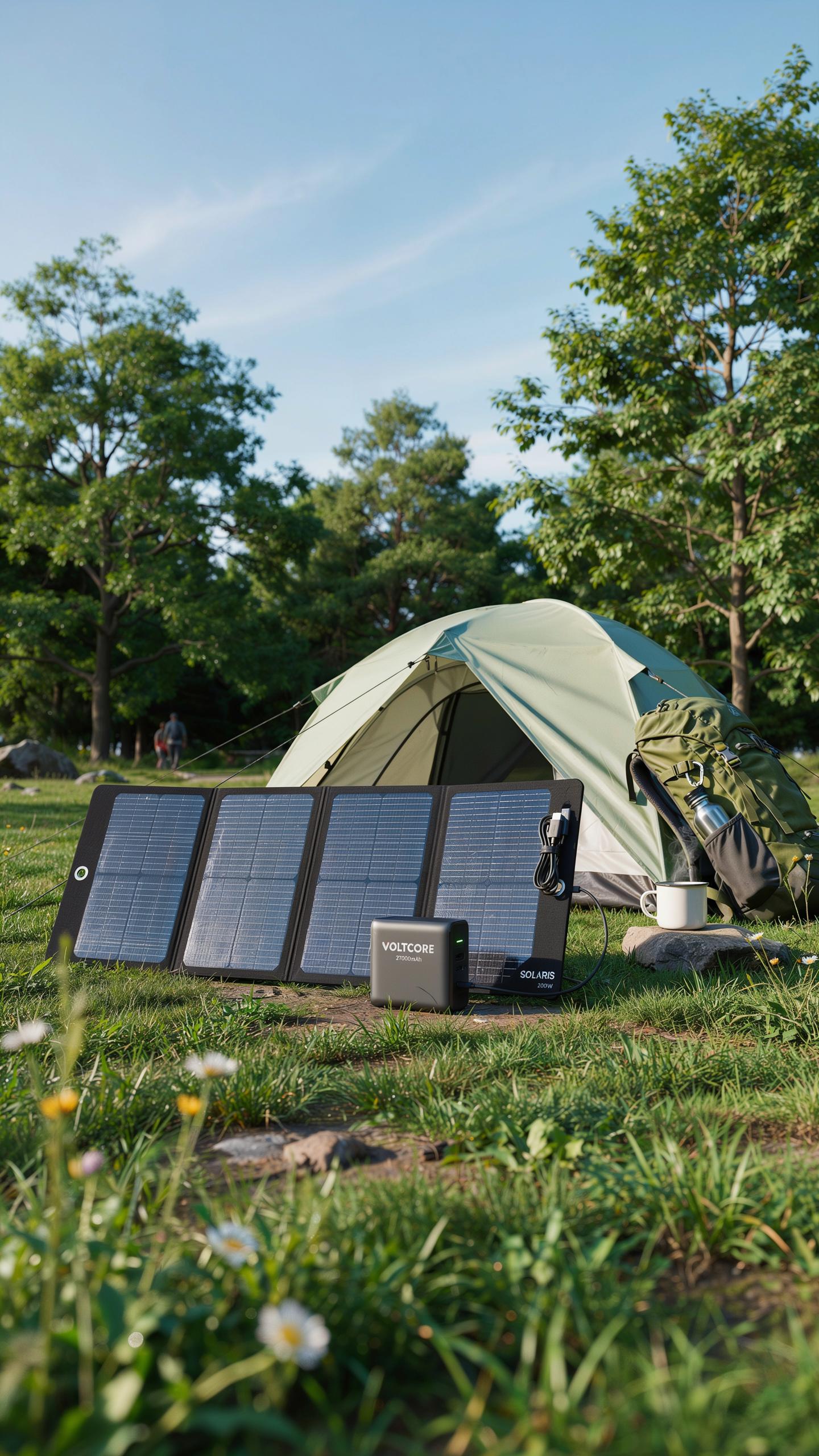
Portability And Compact Design Considerations
Foldable solar panels weigh between 2 to 8 pounds depending on wattage output. Most models fold into briefcase or envelope shapes, fitting inside backpacks or panniers without added bulk. Standard dimensions when folded range from 20×10 inches for 50-watt panels to 40×20 inches for 200-watt systems. The hinge mechanisms use aluminum frames that handle repeated opening and closing cycles over years of use.
Panel count and size determine portability. A 100-watt foldable panel typically measures 40×22 inches when deployed and weighs around 5 pounds. Minimalist campers prioritize wattage-to-weight ratios rather than pure output. Monocrystalline cells deliver better efficiency in compact form than older polycrystalline alternatives, meaning you carry less weight for equivalent solar generation.
Durability And Weather Resistance For Outdoor Use
Foldable panels use tempered glass faces that resist impacts from rocks, branches, and equipment contact during transport. The backing layer typically consists of fiberglass or polyester fabric with IP67 waterproof ratings, meaning the electrical connections handle submersion and heavy rain without damage. Frame materials use anodized aluminum or stainless steel to prevent rust and corrosion from moisture exposure.

Temperature swings from freezing nights to hot days degrade solar cells over time. Quality foldable panels maintain 80 to 90 percent efficiency after five years of regular camping use. The folding hinges endure thousands of open-close cycles without failure when constructed with reinforced aluminum joints. Seals around connector ports prevent water ingress that causes internal short circuits and reduced output capacity.
Choosing The Right Foldable Solar Panel What To Look For
Wattage And Efficiency Ratings For Optimal Charging
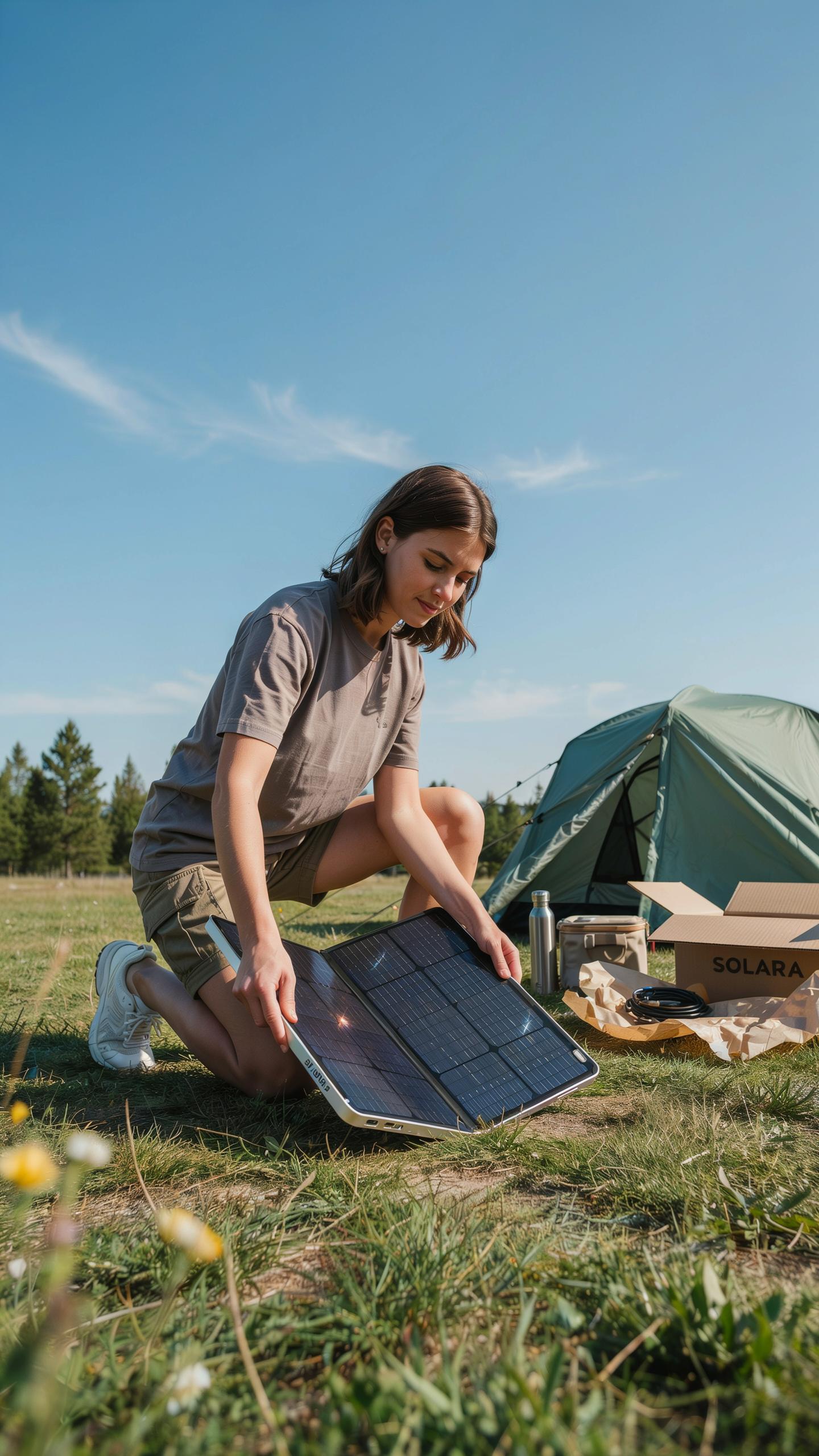
Wattage determines how much power a panel produces under ideal conditions. Most foldable camping panels range from 50 watts to 200 watts. Higher wattage panels charge devices faster but add weight and bulk. Match wattage to your actual power needs, not theoretical maximums. A 100-watt panel charges a phone and small battery bank efficiently. Calculate your daily consumption first, then select accordingly.
Efficiency ratings tell you how much sunlight converts to usable electricity. Most modern monocrystalline panels achieve 18 to 22 percent efficiency. Polycrystalline panels typically deliver 15 to 17 percent efficiency. Real world performance drops in clouds, shade, and indirect sunlight. Efficiency matters more than wattage when space and weight are limited. Check manufacturer specifications for performance in low light conditions.
Connectivity And Compatibility With Camping Devices
USB outputs provide direct charging for phones, tablets, and small devices. USB-C and USB-A ports should deliver appropriate amperage for fast charging. Multiple USB ports let you charge several devices simultaneously. Some panels include USB 3.0 ports for data transfer during charging. Verify output current matches your device requirements before purchasing.
DC connectors like Anderson PowerPole or XT60 connect to battery banks and solar controllers. These connectors handle higher power flow than USB ports. Compatibility depends on your existing camping power system. Check connector types on your batteries and charge controllers. Mismatched connectors require adapters, adding complexity and potential power loss.
Foldable Solar Panel For Vanlife And RV Adventures
Integrating Solar Power Into Van And RV Setups
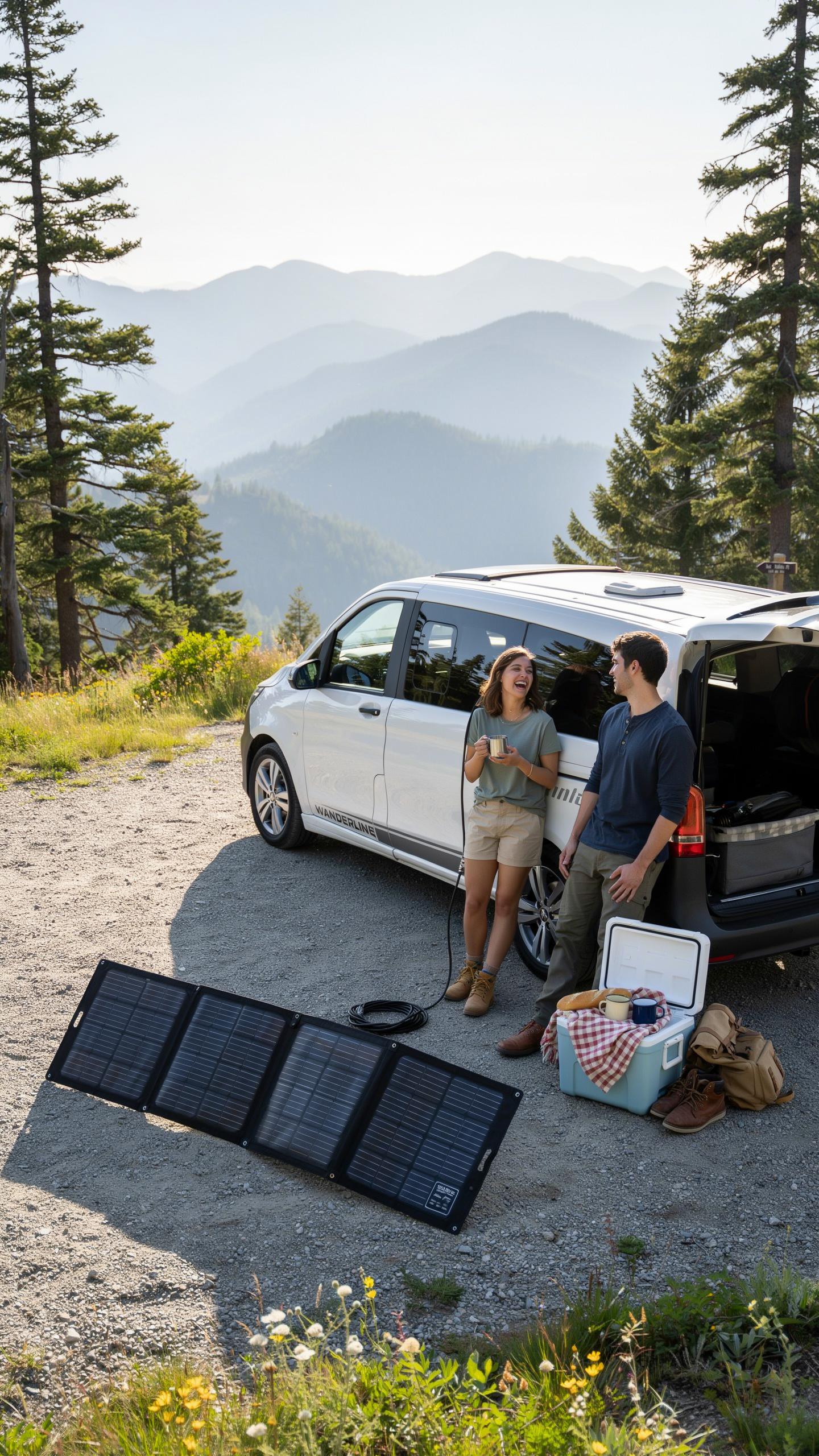
Van and RV electrical systems demand consistent power generation. Foldable solar panels integrate into existing setups without permanent roof modifications. They connect directly to charge controllers, batteries, and inverters through standard MC4 connectors. Most minimalist van builds run 100 to 400 watts of solar capacity depending on appliance load and climate zone.
Battery chemistry dictates charging speed and system compatibility. Lithium batteries accept faster charge rates than lead acid alternatives. A 100-watt foldable panel charges a 100Ah lithium battery fully in eight to twelve hours under peak sun conditions. Calculate your daily energy consumption first, then size your solar capacity accordingly.
In the quiet hum of the wild, our foldable solar panel keeps the spirit of adventure glowing, a gentle reminder of simpler times under the vast, open sky. It’s about carrying less and experiencing more, just as we always dreamt.
Mounting Options And Flexible Solar Panels For Vehicles
Foldable panels deploy on flat surfaces during stationary camp periods. Ground mounting uses simple stakes or weighted stands to angle panels toward the sun. This approach preserves vehicle roofing and allows panel repositioning throughout the day for maximum solar gain.

Roof mounting requires permanent installation using aluminum frames and L-brackets. Semi-flexible panels adhere directly to curved roof surfaces with marine-grade adhesive. Fixed roof panels generate consistent power during travel but cannot track the sun. Choose between daily repositioning flexibility or permanent passive generation based on your travel frequency and camp duration patterns.
Setting Up Your Folding Solar Panel Design
Optimal Panel Placement For Maximum Sun Exposure
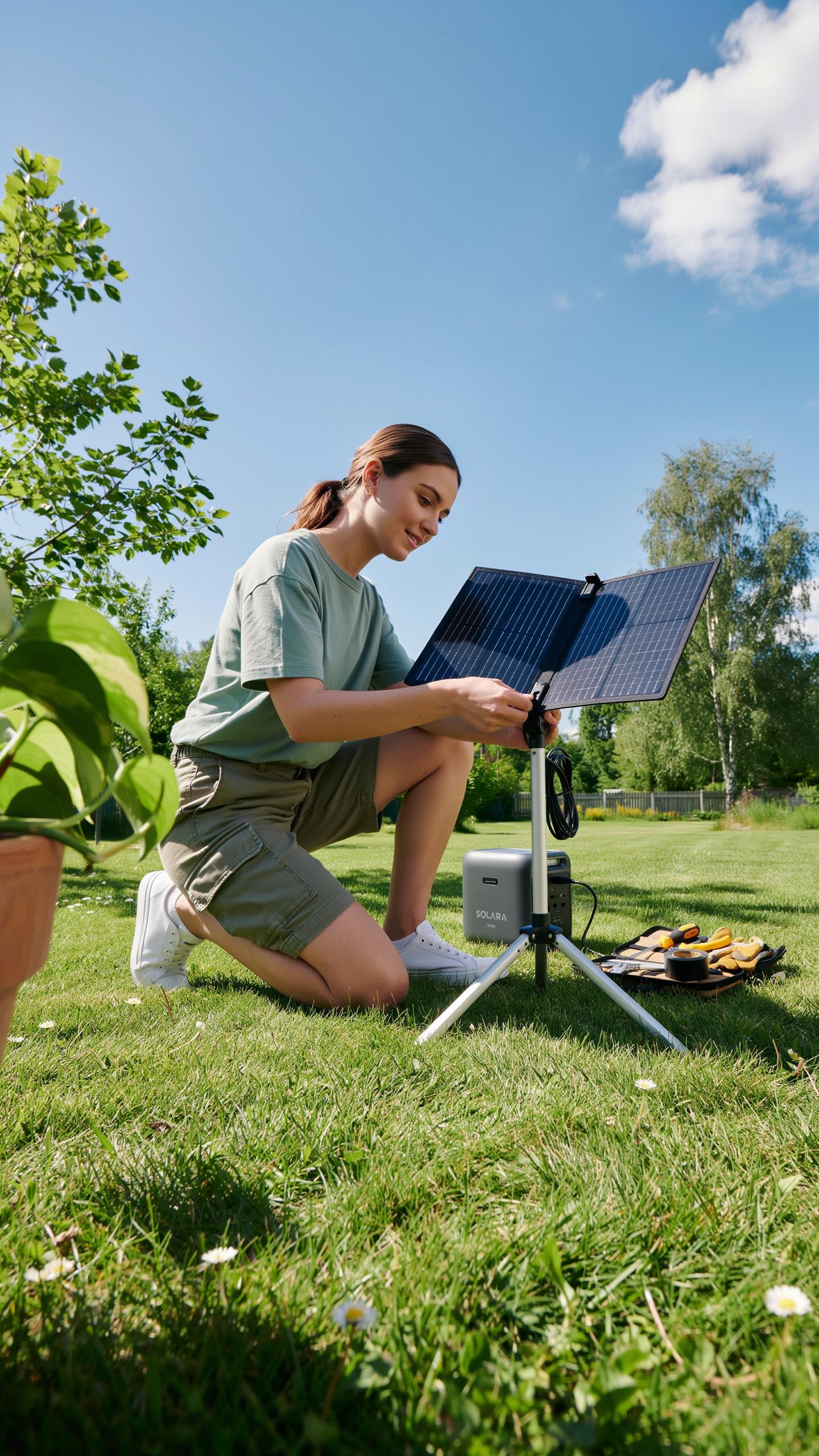
Sun angle determines your power output. Position panels perpendicular to incoming sunlight for peak efficiency. During midday, this means tilting panels toward the sun’s current position rather than laying them flat. Adjust angle every few hours to track the sun’s movement across the sky and capture maximum radiation throughout the day.
Obstructions kill performance faster than poor angle. Scout your campsite for shadows cast by trees, tent structures, and terrain features. Even partial shade reduces output significantly. Place panels on the south-facing side of your camp in the Northern Hemisphere and north-facing in the Southern Hemisphere. Distance panels at least 10 feet from your tent to avoid heat reflection affecting interior temperature.
Connecting To Power Stations And Battery Banks
Most modern foldable panels output between 100 watts and 400 watts through USB C, USB A, or MC4 connectors. Check your power station’s input specifications first. Most accept either MPPT controllers or direct solar input. Connect the panel’s positive and negative leads to matching terminals on your power station. Reverse polarity damages both the panel and battery bank instantly, so verify connector orientation before connecting anything.

Cable length matters for voltage drop. Keep connections under 25 feet when possible. Thicker gauge wires reduce energy loss over distance. Secure all connections with weatherproof covers to prevent corrosion and water damage. Use the power station’s built in solar charging monitor to verify current flow. A healthy 200 watt panel should show 10 to 15 amps on a clear day.
Maximizing Efficiency Of Your Solar Panels
Understanding Charge Controllers And Their Role
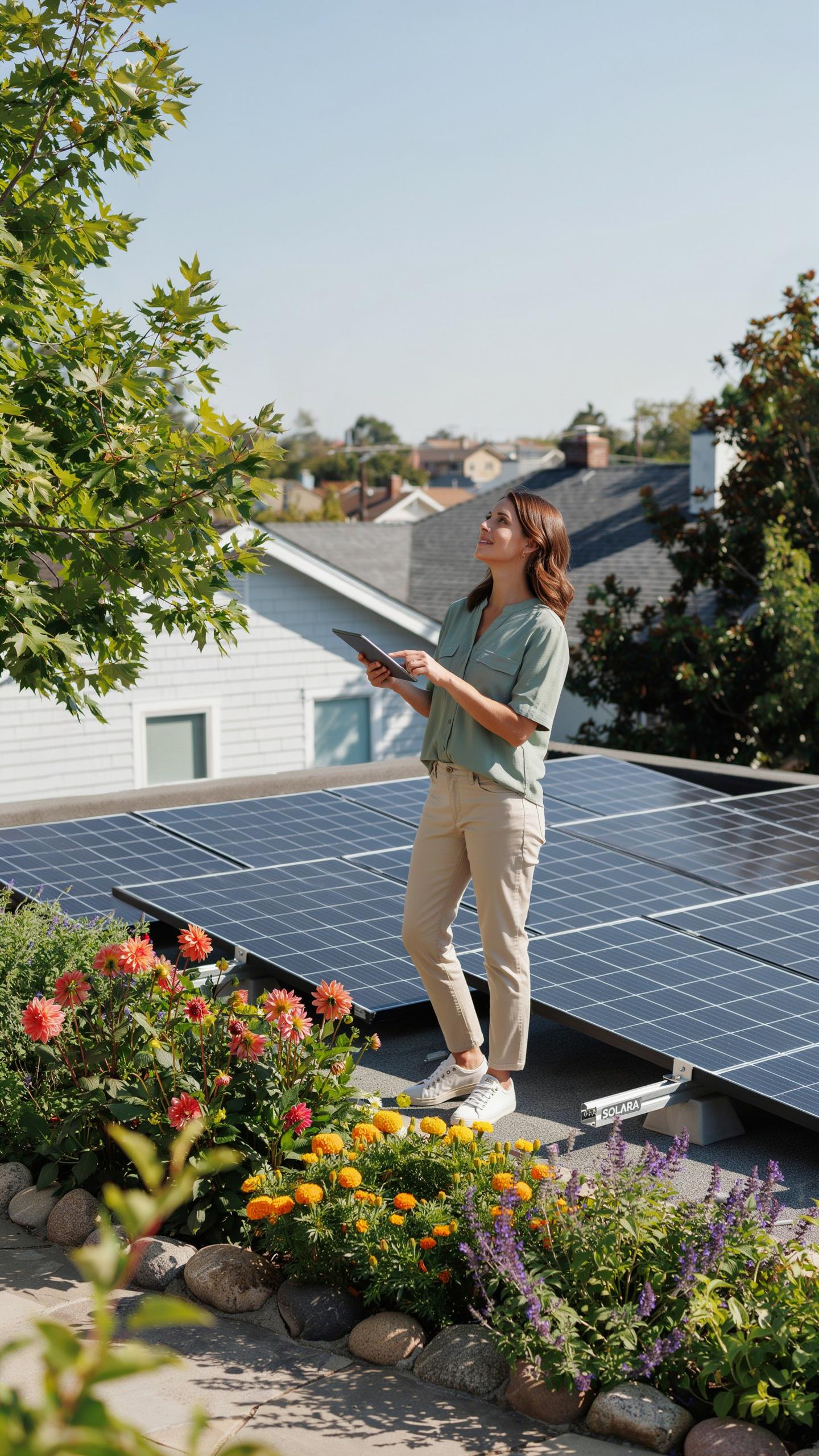
A charge controller sits between your solar panel and battery. It regulates voltage and current flowing into your battery to prevent overcharging and damage. Without a controller, excess power destroys battery cells and shortens lifespan significantly. Controllers also protect panels from back current when sun disappears.
Two main types exist: PWM and MPPT. PWM controllers cost less but waste energy as heat. MPPT controllers track the maximum power point your panel produces, converting roughly 25 percent more power into usable energy. For minimalist campers with limited panels, MPPT delivers better performance despite higher upfront cost.
Tips For All Weather Performance And Maintenance
Dirt, dust, and pollen reduce panel output by 15 to 25 percent. Clean your panels every two weeks during dry seasons using soft cloths and distilled water. Avoid harsh chemicals that scratch glass surfaces. Check connections for corrosion monthly, especially in coastal or humid environments.
- Temperature Management: Keep panels cool by ensuring airflow underneath. Hot panels lose efficiency faster than cool ones. Mount panels slightly elevated to allow ventilation underneath the surface.
- Rain and Snow: Rain actually helps clean panels naturally. Snow reduces output completely, so brush it off when accumulation exceeds half an inch on the surface.
- Cable Protection: Inspect wiring for cracks and UV damage quarterly. Replace damaged cables immediately to prevent shorts. Use marine grade connectors that resist corrosion from moisture.
- Battery Terminal Inspection: Corroded terminals block power transfer and waste energy. Clean terminals with a wire brush if white or blue buildup appears. Tighten all connections to eliminate voltage drops.
- Seasonal Storage: Disconnect panels if storing equipment long term. Store in cool, dry conditions away from direct sunlight to prevent premature degradation of internal components.

Weather extremes demand attention to maximize lifespan and output. Monitor your system weekly during heavy rain or temperature swings. Test battery voltage regularly to catch problems before they escalate. Consistent maintenance prevents expensive replacements during camping trips.
Foldable Solar Panel Uses Beyond Camping
Emergency Preparedness And Home Backup Power
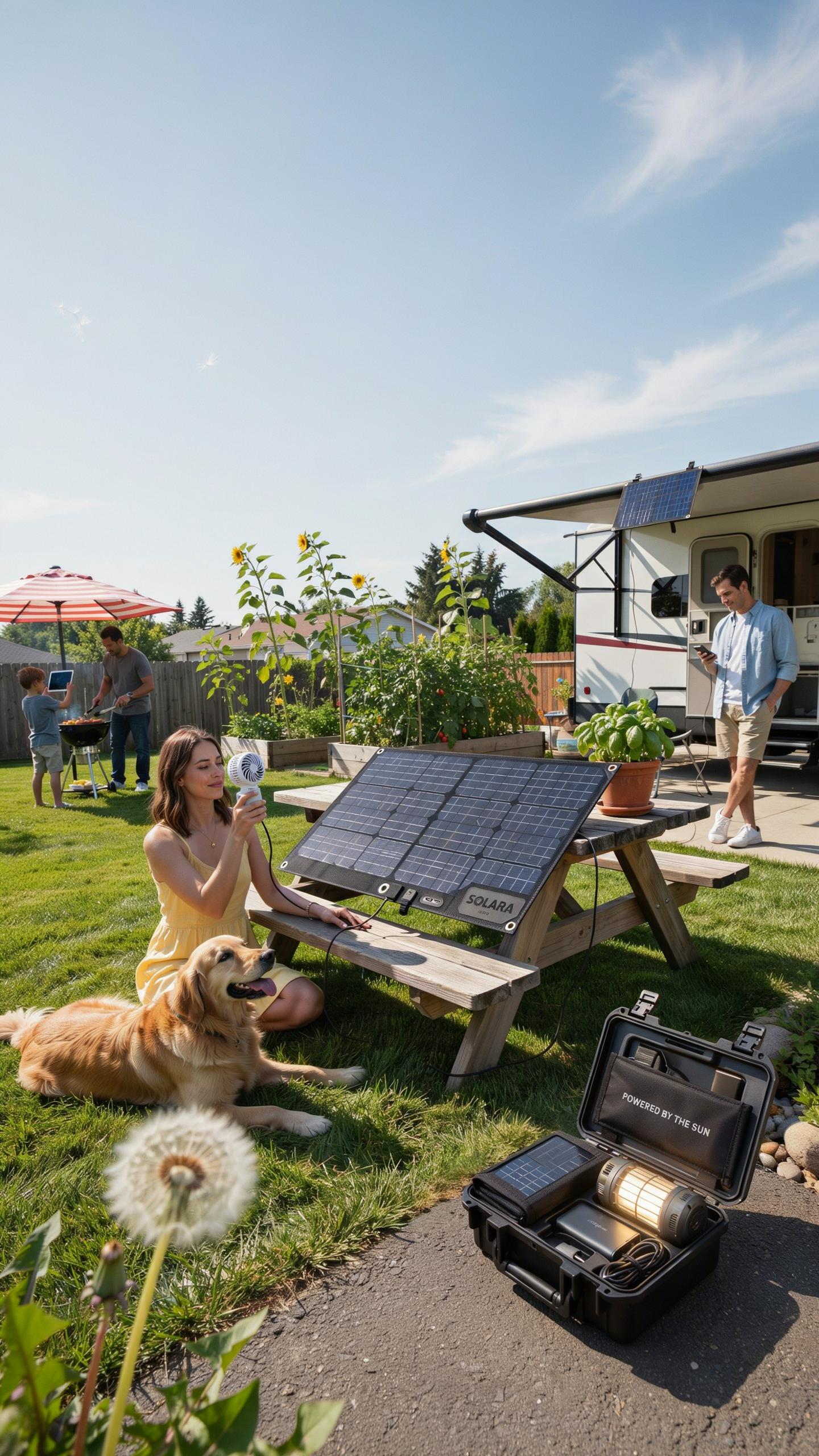
Foldable solar panels serve as practical backup power during grid outages. They charge batteries, power communication devices, and run essential appliances when the electrical grid fails. Most foldable panels generate 100 to 400 watts, enough to run medical equipment or charge multiple devices simultaneously. Households store them compactly until emergencies demand their use.
Disaster scenarios make foldable panels valuable assets. Hurricanes, ice storms, and wildfires create extended power loss. Panels paired with battery systems provide days of off-grid electricity. Users avoid fuel dependency and generator noise. The investment pays dividends when conventional power vanishes for weeks.
Powering Remote Workstations And Outdoor Hobbies
Professionals working remotely from outdoor locations depend on foldable solar panels for reliable energy. Digital nomads, consultants, and freelancers set up workstations in remote cabins or national parks. A 100-watt panel charges laptops, monitors, and communication devices throughout daylight hours. Battery systems store excess power for evening work sessions.

Outdoor hobbies require consistent power. Photography, drone operation, and field research demand charged batteries. Foldable panels eliminate the need for gas generators or frequent trips to civilization for charging. Users extend their time outdoors while maintaining operational independence. This approach reduces weight and cost compared to alternative power solutions.
Comparing Portable Solar Panels With Other Power Sources
Solar Vs Generators Noise Fuel And Environmental Impact
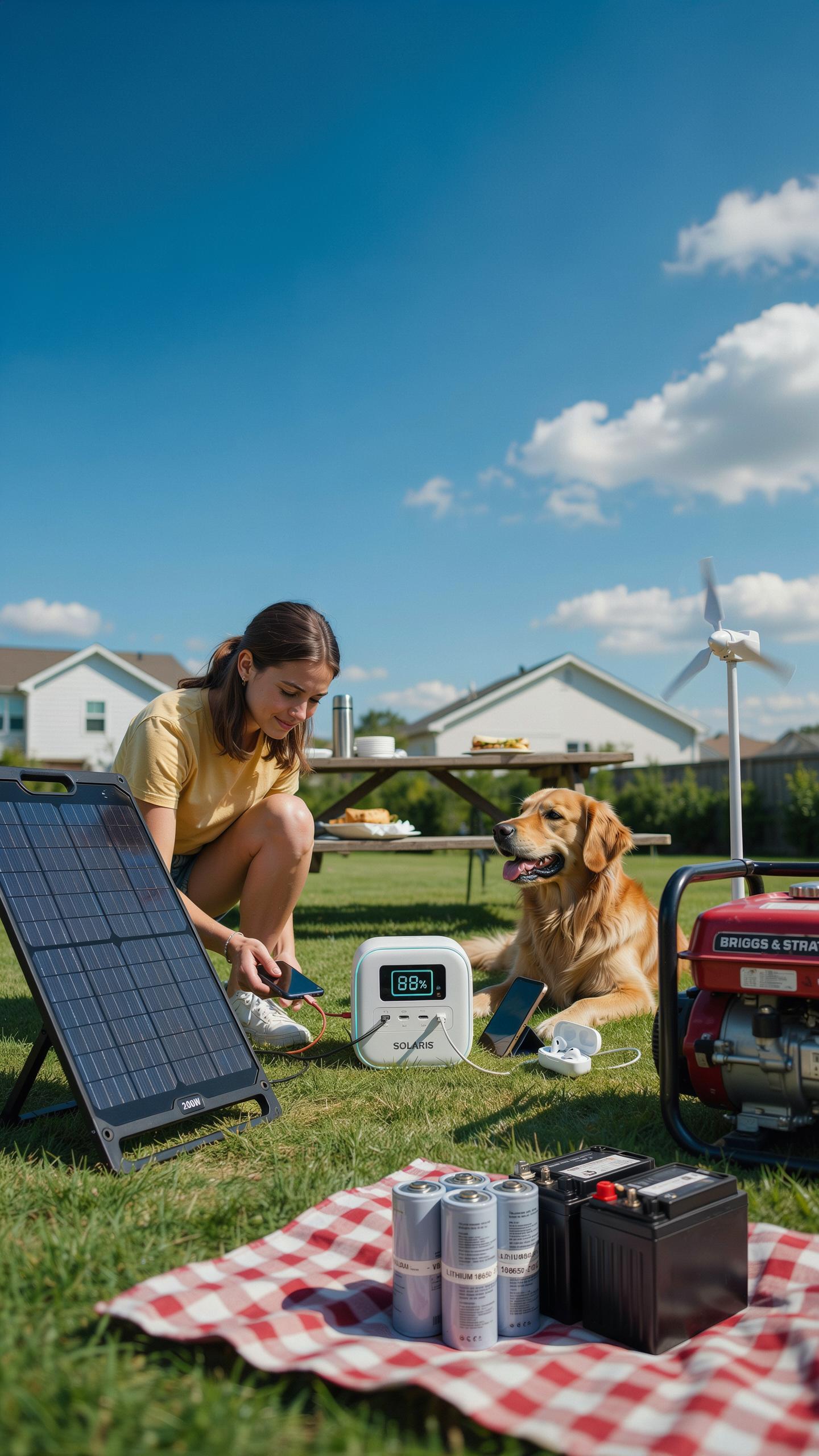
Generators produce noise between 80 and 100 decibels, which disrupts wildlife and other campers. Solar panels operate silently. Generators require fuel you must carry and purchase regularly, adding weight and cost to trips. Solar panels need only sunlight, which is free and available everywhere you camp.
Generators emit carbon dioxide and other pollutants during operation. Solar panels produce zero emissions during use. The manufacturing impact of solar panels exists upfront, but they offset this through decades of emission free operation. Generators accumulate environmental damage with every hour of runtime.
Battery Banks And Solar Panel Synergy
Battery banks store solar energy for use at night or during cloudy periods. This combination eliminates dependency on generators entirely. A 100 watt solar panel paired with a 200 amp hour battery bank powers essential devices continuously. The solar panel charges the battery during daylight while devices draw power as needed.
Minimalist campers benefit from this setup because one portable solar panel handles daytime charging while the battery covers evening use. You avoid carrying heavy fuel or running loud equipment. The system scales easily. Add more panels or batteries only when your power needs increase, not before.
Future Trends In Solar Panels For Outdoor Enthusiasts

Advancements In Flexible Solar Panel Technology
Perovskite solar cells represent the next efficiency frontier for portable panels. These materials achieve 20-25% efficiency in lab conditions while maintaining flexibility that rigid silicon cannot match. Manufacturers are moving from prototype stages to scaled production. The real advantage: lighter weight and true foldability without compromising power output per square inch.
Current flexible panels use thin film technology and amorphous silicon as their baseline. These hit 15-18% efficiency realistically in field conditions. Perovskite development targets cost reduction and durability first. Campers will see viable perovskite options within the next 3-5 years as manufacturing scales and longevity data proves reliable.
Sustainable Camping The Role Of Evolving Solar Solutions
Solar panel recycling infrastructure is building now, not later. Manufacturers must address end-of-life panels as regulatory pressure increases globally. This directly impacts minimalist campers through cost reduction as recycled materials lower production expenses. Standardized connector systems and modular designs emerging now will dominate future markets.
Battery integration with solar panels eliminates separate charging devices for many campers. Solid state batteries are entering commercial production and pair well with flexible solar technology. Expect integrated solar battery units within two years. These units reduce pack weight and simplify camp logistics while maintaining power reliability for essential devices and safety equipment.
Frequently Asked Questions

What exactly is a foldable solar panel for minimalist campers, and why is it beneficial?
A foldable solar panel for minimalist campers is a compact, portable device that converts sunlight into electricity, perfect for charging devices off-grid. Its main benefit is providing a sustainable power source without bulky equipment, allowing you to maintain a minimalist setup while enjoying modern conveniences like phone charging or lighting during your adventures.
How do I connect a foldable solar panel to charge my devices while camping?
Connecting your foldable solar panel is typically straightforward. Most models come with a USB port or a DC output cable. Simply unfold the panel, position it towards the sun, and plug your device’s charging cable directly into the panel’s output or connect it to a compatible power bank for later use.
Are foldable solar panels for camping expensive, or are there affordable options for beginners?
While some high-end models can be an investment, there are definitely affordable and effective foldable solar panels for minimalist campers suitable for beginners. Prices vary based on wattage and features, but you can find reliable entry-level options that are perfect for basic charging needs without breaking the bank.