
Understanding The Need For Personal Safety Alarms

The Growing Importance Of Self Defense In Modern Life
Personal safety concerns drive demand for accessible defense tools. Crime statistics and public incidents create legitimate reasons for individuals to take proactive measures. People recognize that waiting for help creates risk. A personal safety alarm keychain gadget addresses this gap by offering something individuals control themselves rather than depending solely on external response.
The psychological benefit of carrying a safety device matters as much as its physical function. Individuals report reduced anxiety when they possess a tool designed for emergencies. This confidence translates to behavioral changes like increased willingness to travel alone or work late shifts. The device serves as a tangible reminder that the carrier has prepared for potential threats.
How A Personal Safety Alarm Keychain Gadget Provides Immediate Protection
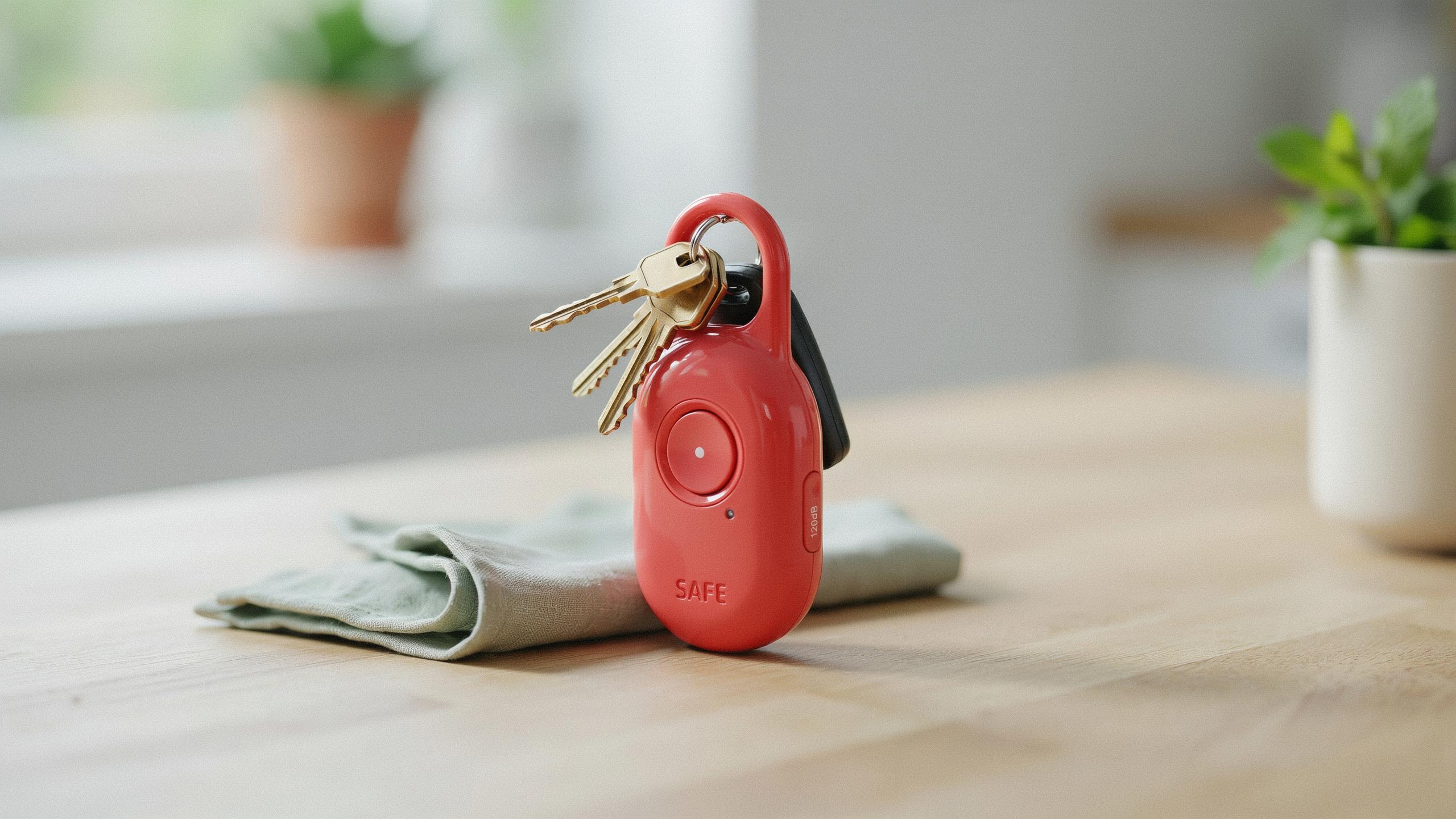
Personal safety alarm keychain gadgets work through simple mechanics. When activated, they emit a loud noise ranging from 80 to 130 decibels. This sound startles attackers and alerts nearby people to the emergency. The alarm creates an immediate distraction that allows the user to escape or draw assistance from bystanders.
The deterrent effect happens before physical contact occurs. Most potential threats seek easy targets. Knowing someone carries a device that produces extreme noise makes them a harder target. The attacker’s risk calculation changes. They move to find someone without defenses. The alarm becomes a first line of defense by making confrontation less attractive to the threat.

What Is A Personal Safety Alarm And How Does It Work

Defining The Personal Safety Alarm Beyond Just A Whistle
A personal safety alarm is a compact electronic device that emits a loud sound when activated. Most models produce between 120 and 130 decibels, which matches the noise level of a chainsaw or motorcycle. This volume disrupts potential threats and alerts nearby people to an emergency. Modern alarms use battery-powered speakers rather than mechanical whistles, making them more reliable and consistent.
The device activates through one of two methods: a pull-pin mechanism or a button press. Pull-pin models require users to remove a safety pin, which triggers sound immediately. Button-activated alarms respond to a single press and offer faster deployment. Both designs prioritize speed, as users in distress need to sound an alarm within seconds, not minutes.
The Mechanics Behind Personal Safety Alarms On Keychains
Keychain alarms operate on simple battery technology, typically using CR2032 coin cells or AAA batteries. These power a small circuit board connected to a speaker. When activated, the circuit completes and delivers voltage to the speaker, producing continuous sound until the battery depletes or the user stops the alarm. Most devices run continuously for 30 seconds to several minutes per activation.

Many models include additional features beyond sound. LED lights provide visibility in dark environments and can disorient an attacker. Some designs add strobe functions that flash rapidly. Reflective materials on the housing increase visibility when carried on bags or worn on clothing. These supplementary features enhance effectiveness without adding significant weight or complexity to the core alarm mechanism.
Benefits Of Carrying A Self Defense Keychain

Enhanced Awareness And Deterrence Of Threats
Carrying a personal safety alarm keychain changes your threat posture. Attackers target people who appear unaware or unprepared. A visible safety device signals that you take precautions. This alone reduces your likelihood of selection as a target. The psychological factor matters in threat assessment and criminal decision-making.
The alarm itself serves a tactical function beyond awareness. When activated, it produces 120 to 140 decibels of sound. This level disrupts an attacker’s ability to think and act. Bystanders hear the noise and understand an emergency exists. The device forces immediate attention to your location and situation.
Accessibility And Ease Of Use In Emergency Situations
A keychain alarm stays with you at all times. You carry it everywhere your keys go. No fumbling through bags or pockets wastes critical seconds. Most models activate with a single button press or pull. Some designs require minimal hand strength or coordination to trigger.

Design priorities focus on speed under stress. Your fine motor skills degrade during threats. Buttons are oversized. Pull mechanisms work even with shaking hands. The device operates without unlocking sequences or complex steps. You deploy it within one second of recognition that danger exists.
Exploring Different Types Of Safety Gadgets And Features
Beyond Alarms: Other Features Of Modern Personal Safety Devices
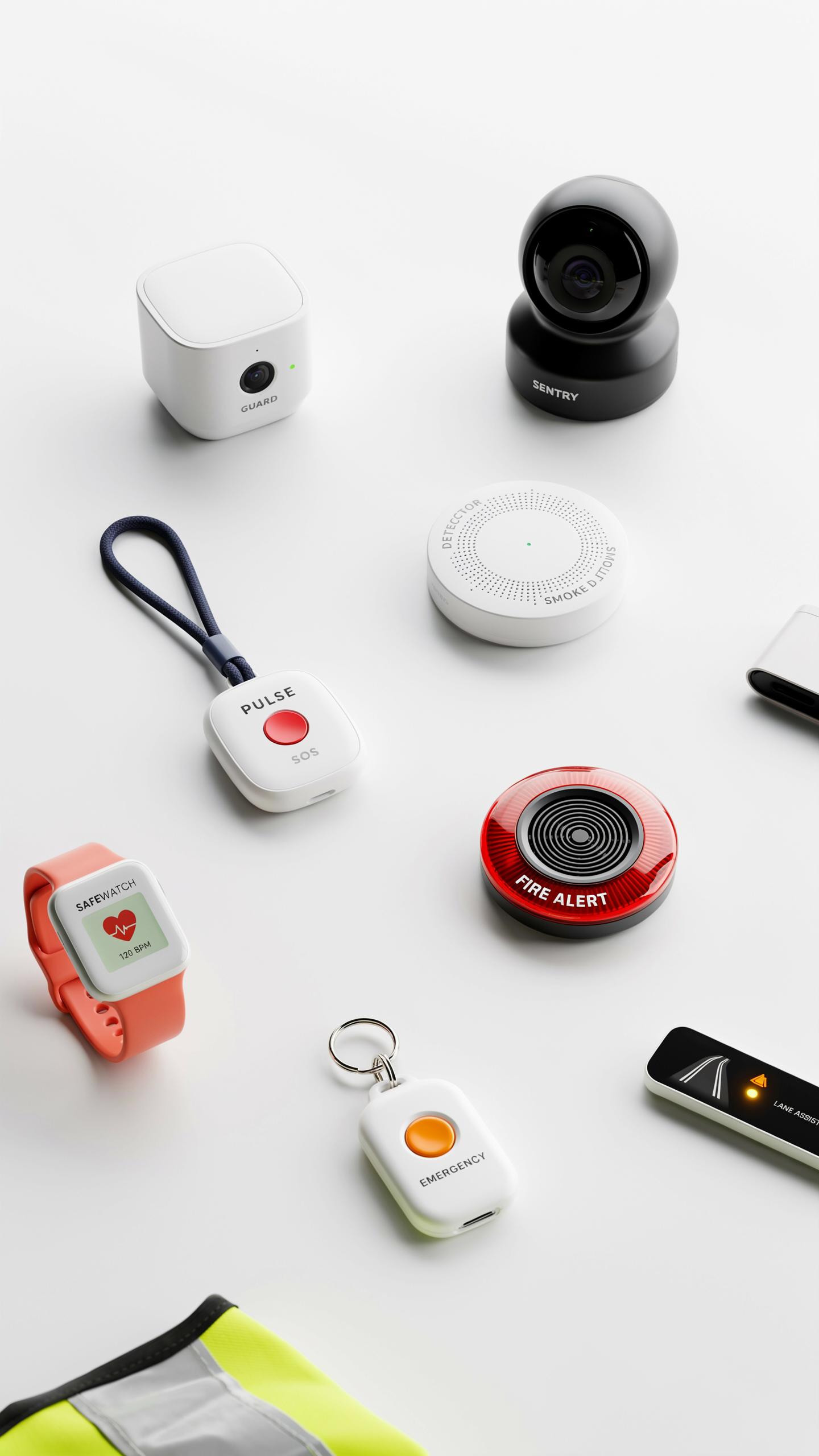
Modern personal safety alarm keychain gadgets pack more than just sound. Manufacturers integrate LED flashlights to illuminate dark environments, helping you see threats clearly. Strobe light modes disorient attackers and draw attention from bystanders. Some models include GPS tracking, which transmits your location to contacts or emergency services when activated. These features work together to increase your survival odds in dangerous situations.
- LED Flashlight: Provides illumination in dark spaces and can temporarily blind attackers by directing light at their eyes.
- Strobe Mode: Flashing lights confuse attackers and signal distress to people nearby who can help.
- GPS Tracking: Sends real time location data to emergency contacts or authorities when the alarm activates.
- Panic Button: Triggers the alarm and alerts without requiring sustained pressure or activation sequences.
- Sound Level Options: Allows you to choose between startling attackers with maximum volume or discreet alerts in specific situations.
The combination of audio and visual elements creates a multi sensory response that increases effectiveness. GPS models appeal to people who want location verification without relying on bystanders to call for help. Choose devices matching your specific threat environment and mobility needs.
Choosing The Right Personal Safety Alarm Pink Or Other Stylish Options
Personal safety alarm keychain gadgets come in multiple colors and designs. Pink models gained popularity because they encourage consistent carrying, unlike devices people hide or forget. Manufacturers now offer various aesthetic options without sacrificing durability or functionality. Your willingness to carry the device daily directly impacts its protective value.

Aesthetics influence behavior. A keychain you like using gets carried everywhere. A bulky or unattractive model stays home. Style options let you match your device to your lifestyle, bag, or clothing preferences. Functionality remains identical across color variants, so choose based on what you will actually carry consistently.
Introducing The Birdie Personal Safety Alarm And Similar Innovations

The Shes Birdie Personal Safety Alarm: A Case Study In Design And Function
Birdie designed their personal safety alarm as a small, golf ball shaped device that produces a 130-decibel alarm when activated. The product targets users who want discreet protection without bulky equipment. The keychain form factor makes it accessible on everyday carry items. Users activate it through a simple pull mechanism that requires no training or complex steps.
The device gained market traction because it addressed a specific gap in personal safety tools. Its bright color options increase visibility, helping users locate it quickly in bags or pockets. The alarm volume meets or exceeds most competitor offerings. Birdie’s marketing emphasized simplicity and reliability as core differentiators from existing products on the market.
In the pocket of life’s grand adventure, a small alarm can be a comforting whisper, a promise that you are always watched over. It’s a tiny beacon, reminding us of the enduring love and care that surrounds us.
Comparative Analysis Of Popular Personal Safety Alarm Brands
Several brands compete in the personal safety alarm space with different mechanical and design approaches. SafetyLink, JisuLife, and SLFORCE all produce keychain alarms with decibel outputs ranging from 120 to 140 decibels. Each brand uses pull pins, buttons, or combination triggers for activation. Price points vary between 10 and 40 dollars depending on features and materials.

Material construction differs significantly across brands, affecting durability and weather resistance. Some models use hard plastic casings while others employ aluminum or rubber coatings. Battery life varies between models, with some requiring replacement annually and others lasting multiple years. Warranty coverage ranges from limited lifetime guarantees to one-year standard protection plans across the industry.
Real Life Scenarios When A Personal Safety Alarm Is Crucial

Effectively Using Your Personal Safety Alarm In Various Situations
A personal safety alarm serves one function: creating loud noise to draw attention. Deploy it when you sense immediate danger, not during minor discomfort. Walking alone at night, you hear footsteps following you. Press the button. The alarm reaches 120 decibels, forcing nearby people to notice. This noise disrupts an attacker’s plan and brings witnesses into your space within seconds.
Suspicious individuals approaching you require immediate activation. Someone blocks your path or acts aggressively. Activate the alarm now, not later. The device works because attackers avoid attention and noise. Your alarm transforms a private threat into a public incident. Bystanders call police. The attacker leaves. You gain critical minutes to escape or move to a safe location.
Testimonials And Stories: Impact Of Personal Safety Alarms On Individuals
People who carry personal safety alarms report reduced anxiety during commutes and evening walks. A college student used hers when a stranger followed her to her car in a parking garage. She pressed the button at her vehicle door. The noise startled the man, and he fled immediately. Campus security responded within two minutes. She credits the device with preventing a worse outcome that night.
A jogger encountered an aggressive dog on her morning route. The alarm’s 120 decibel output scared the animal away before any contact occurred. She continues running the same path because the device sits on her keychain. Another user activated her alarm during a home break in attempt. The noise alerted neighbors who called police. The intruder fled before entering. These accounts show the device works as a deterrent across different threat types.
Choosing And Maintaining Your Personal Safety Alarm Keychain Gadget
Factors To Consider When Purchasing A Personal Safety Alarm
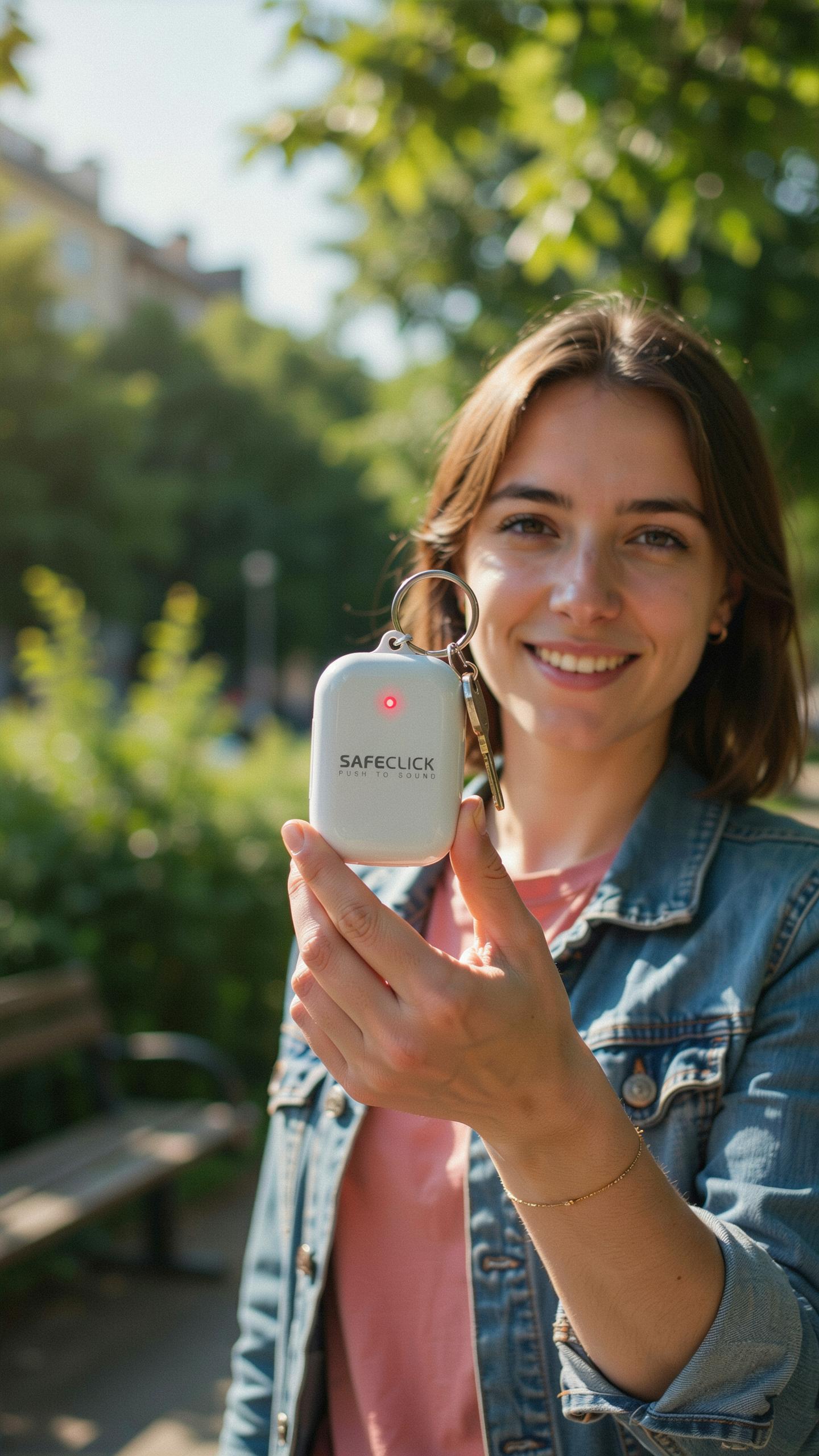
Alarm loudness matters most. Standard personal safety alarms range from 120 to 130 decibels. At this volume, the sound travels effectively in crowded spaces and draws attention from bystanders. Battery life determines reliability. Look for devices offering six months to one year of standby time. A dead battery renders your alarm useless when you need it. Durability affects long-term value. Choose alarms with impact-resistant casing and water-resistant seals to withstand daily keychain wear.
Attachment method impacts accessibility. Keychain alarms require secure clips or rings that release quickly without tangling. Test the activation mechanism before purchasing. Some use pull pins while others have buttons. You need a design you can operate under stress with one hand. Size and weight factor into convenience. A bulky alarm discourages regular carrying. Compact models stay on your keys without becoming a burden during daily activities.
Ensuring Longevity: Care And Testing For Your Safety Device
Battery replacement keeps your alarm functional. Replace batteries annually even if the device hasn’t been used. Store replacement batteries separately in a cool, dry place. Mark your calendar to prevent forgetting. Testing monthly ensures the alarm still works when activated. Activate it in a safe location away from others. Listen for full volume and consistent sound quality. A weakening tone signals battery depletion.

Proper storage protects against environmental damage. Keep your alarm in a temperature-controlled environment away from extreme heat or cold. Excessive moisture causes corrosion in the battery compartment and speaker. Clean the device occasionally with a dry cloth to remove dust and debris. Inspect the casing for cracks or damage that could allow water infiltration. Store unused alarms in a dry container with silica packets to absorb moisture.
The Future Of Personal Safety Innovations And Trends

Emerging Technologies In Self Defense And Personal Protection
Personal safety alarms are moving toward connectivity. Modern devices now integrate with smartphone apps, allowing users to alert contacts instantly and share location data in real time. GPS capabilities have improved significantly, enabling precise tracking during emergencies. Manufacturers are embedding these features into smaller form factors without sacrificing battery life or sound output.
Discreet wearables represent the next evolution. Devices disguised as jewelry, keychains, or everyday objects reduce social stigma while maintaining effectiveness. Some models now include dual-function capabilities, combining alarm systems with legitimate tools like flashlights or pepper spray dispensers. The trend focuses on accessibility and seamless integration into daily routines rather than obvious safety gear.
Integrating Personal Safety Alarms Into A Holistic Safety Strategy
A personal safety alarm keychain gadget works best as part of a comprehensive approach. Situational awareness remains the foundation. Users must learn to identify threats early, trust instincts, and understand their environment. The alarm becomes a backup when prevention fails, not a primary defense mechanism.

Effective personal safety combines multiple layers. Community initiatives, self-defense training, and established emergency protocols strengthen individual protection. Personal safety alarms fit into this ecosystem by providing audible deterrence and rapid response capability. Organizations and neighborhoods benefit when residents use these tools consistently, creating awareness that safety is a shared responsibility across multiple systems and strategies.
Frequently Asked Questions

What exactly is a personal safety alarm keychain gadget and how does it work?
A personal safety alarm keychain gadget is a small, portable device designed to emit a loud, piercing sound when activated. Its primary purpose is to startle potential attackers, draw attention to your situation, and deter threats. You typically activate it by pulling a pin or pressing a button, and it’s easily attachable to your keys or bag for quick access.
How do I properly activate and use my personal safety alarm keychain gadget in an emergency?
In an emergency, simply pull the pin or press the designated button on your personal safety alarm keychain gadget firmly. The alarm will sound instantly. Aim to point it towards the threat or in a direction that maximizes sound dispersion. Once safe, replace the pin or press the button again to deactivate the alarm.
Are there affordable options for a personal safety alarm keychain gadget, and where can I find them?
Absolutely! Many personal safety alarm keychain gadgets are quite affordable, often ranging from $10 to $30. You can find them at major online retailers like Amazon, Walmart, or Target, as well as in dedicated safety or outdoor supply stores. Consider reading reviews to find a reliable and budget-friendly option that suits your needs.