
The Daily Commute And Your Allergies

The Invisible Threat: Allergens In Your Car
Your car’s cabin traps allergens regardless of window position. Pollen enters through the ventilation system and air intake. Dust accumulates on surfaces and circulates through cabin air. Pet dander settles in upholstery and floor mats. Mold spores grow in moisture-rich areas like AC condensation pans. These particles concentrate in the enclosed space, creating a hostile environment for allergy sufferers during every drive.
The car’s recirculation mode actually worsens the problem. When you close windows and activate recirculation, you cycle the same contaminated air repeatedly. Outside air entering through vents brings additional pollen and exhaust particles. Factory cabin air filters catch some particles but miss ultrafine allergens. Over time, a clogged filter reduces airflow and allows bypass contamination. Your commute becomes a continuous exposure cycle with nowhere to escape.
Impact On Health And Driving Experience
Allergies trigger immediate physical responses that compromise your ability to drive safely. Sneezing attacks divert your attention from the road. Watery eyes reduce visibility and reaction time. Nasal congestion forces mouth breathing, reducing oxygen intake to your brain. Itchy ears and throat cause fidgeting and distraction. These symptoms peak during high pollen seasons, turning routine commutes into hazardous situations where your focus fragments at critical moments.
Chronic car allergies create cumulative fatigue that extends beyond your drive. Your immune system works overtime fighting allergen exposure daily. This exhaustion reduces alertness and decision-making speed. Congestion disrupts sleep quality the night before your commute. Over months, this cycle compounds stress on your respiratory system. The result is a deteriorating driving experience and declining overall health from repeated daily allergen exposure.
What Is A Car Air Purifier And How Does It Work
Understanding The Basic Function Of An Air Cleaner
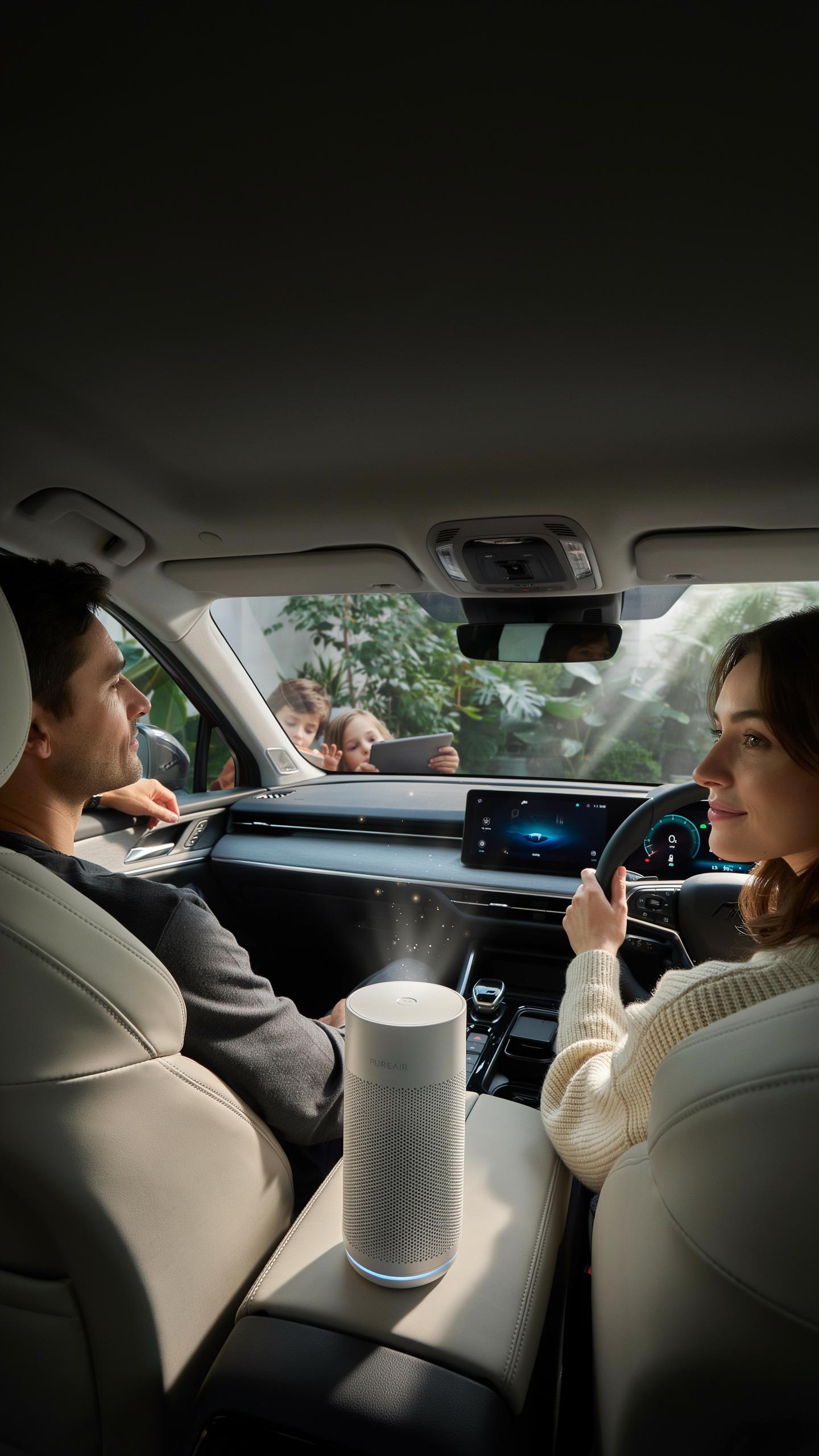
A car air purifier removes contaminants from the air inside your vehicle. These devices pull air through filtration systems or electronic mechanisms that trap particles. The goal is straightforward: reduce allergens, dust, and pollutants circulating in your cabin. This directly improves air quality and reduces allergy symptoms for occupants during drives.
Your vehicle’s cabin recirculates air constantly. Without active purification, allergens accumulate and concentrate over time. A car air purifier interrupts this cycle by continuously filtering incoming and existing air. The device works whether you’re driving or parked, addressing the reality that your car is a confined space where air quality degrades fast.
Common Purification Technologies Explained
Car air purifiers rely on three primary mechanisms: mechanical filtration, ionization, and activated carbon absorption. Mechanical filters trap particles physically. Ionization releases charged particles that neutralize pollutants. Activated carbon absorbs odors and chemical compounds. Most effective units combine multiple technologies rather than relying on a single method.
HEPA filters represent the mechanical standard in car air purifiers. These filters capture 99.97 percent of particles 0.3 micrometers and larger, including pollen and dust mites. Activated carbon layers handle volatile organic compounds and odors. Ionizers supplement filtration by charging particles so they cling to surfaces rather than staying airborne. Understanding which technologies your unit uses determines its actual performance against specific allergens.
Key Features Of The Best Air Purifiers For Vehicles
HEPA Air Purifier: The Gold Standard For Allergy Sufferers
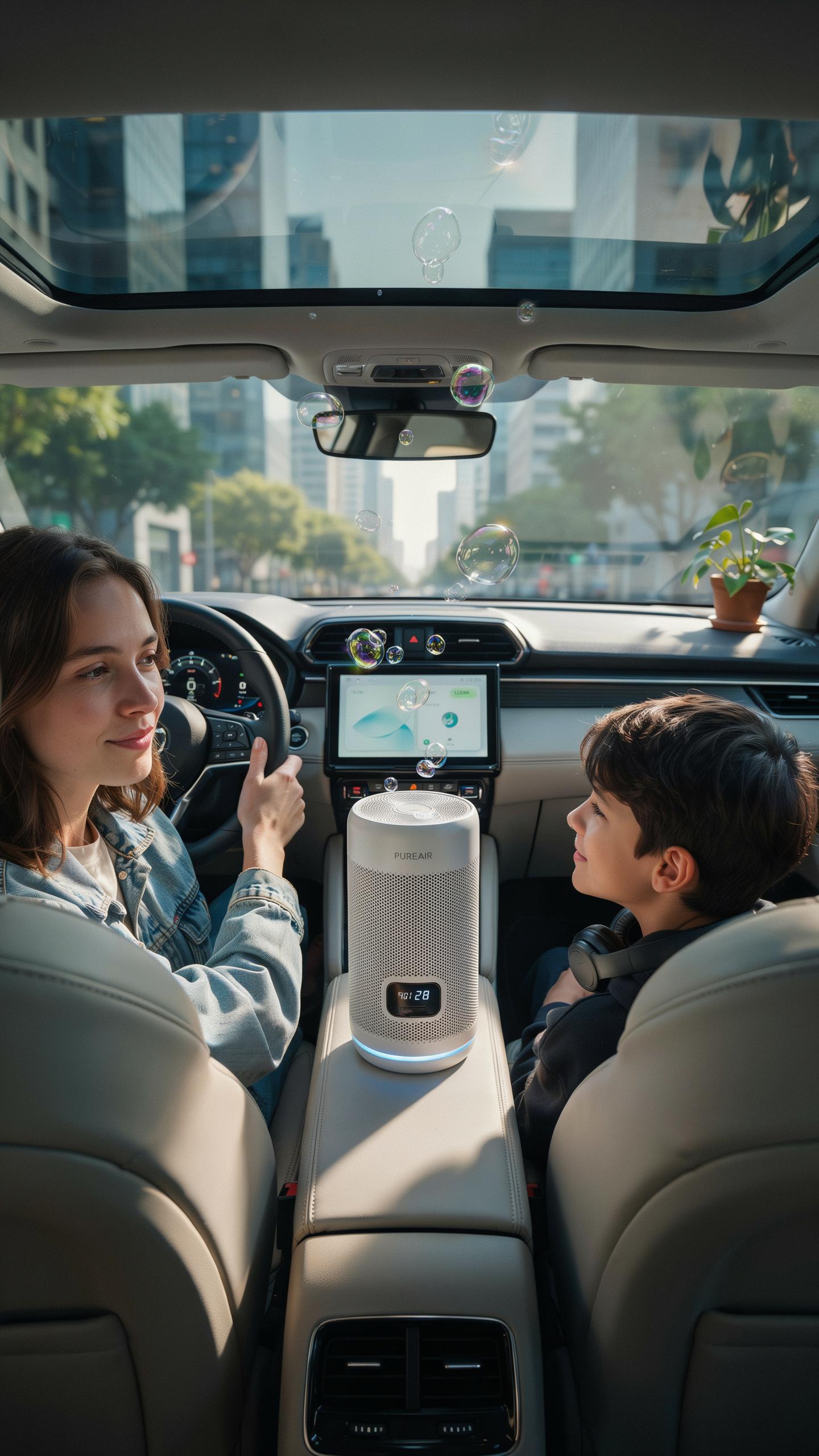
HEPA filters capture particles as small as 0.3 microns with 99.97% efficiency. This matters because pollen, dust mites, and mold spores fall within this size range. When air passes through a HEPA filter, these allergens get trapped in the dense fiber network and never recirculate into your cabin. Your lungs stop processing these irritants.
HEPA technology emerged from nuclear research in the 1940s and moved into commercial use decades later. Car manufacturers and aftermarket purifier brands now use this proven standard because it works. No gimmicks. If you have allergies, a HEPA filter removes the actual problem. Check that your purifier uses true HEPA certification, not “HEPA-type,” which captures fewer particles.
Additional Filtration And Ionization Benefits
Activated carbon filters remove odors, smoke, and volatile organic compounds that HEPA alone cannot tackle. These materials absorb gases at a molecular level. If you drive near traffic or have passengers who smoke, activated carbon stops these irritants before they reach your respiratory system. Combined with HEPA, this two-stage approach addresses both particle and gas pollution.

Ionizers release negatively charged ions that cluster around airborne particles, making them heavy enough to fall or stick to surfaces instead of floating into your lungs. This technology works on ultrafine particles smaller than some HEPA can catch. Use ionizers cautiously in smaller vehicle spaces. Some models produce ozone as a byproduct, which irritates airways. Verify that your ionizer produces negligible ozone before purchase.
Portable Air Purifier Convenience On The Go

Advantages Of A Compact And Portable Design
Portable air purifiers fit into tight car spaces without taking up dashboard or seat room. You move them between vehicles when you switch cars or take them into your home during downtime. This flexibility works for people who share vehicles, use rental cars occasionally, or want filtration in multiple locations without buying separate units.
Compact designs typically weigh between two and six pounds, making them easy to relocate. Most models feature handles or mounting brackets that secure to vents or cup holders. The smaller footprint means they pull allergens from a confined area effectively, which matches how air circulates in a car cabin better than oversized units designed for large rooms.
Power Up Air Purifier: Charging And Battery Life Considerations
USB charging and 12-volt car adapters power most portable models, with battery-only options ranging from two to eight hours per charge depending on fan speed and battery capacity. Direct car adapter connections eliminate battery drain concerns during long commutes. USB models need external power sources like laptops, power banks, or wall outlets when not driving, requiring planning for continuous use.
Battery life decreases faster on highest fan settings, so running at medium speed extends runtime significantly. Some models charge fully in two to four hours, while others need six or more hours. Cordless options suit occasional drivers, but frequent commuters benefit from continuous AC power through car adapters to avoid daily charging routines and performance drops from depleted batteries.
Car Air Purifier For Pollen And Other Airborne Allergens
Targeting Seasonal Allergies: Pollen And Grass
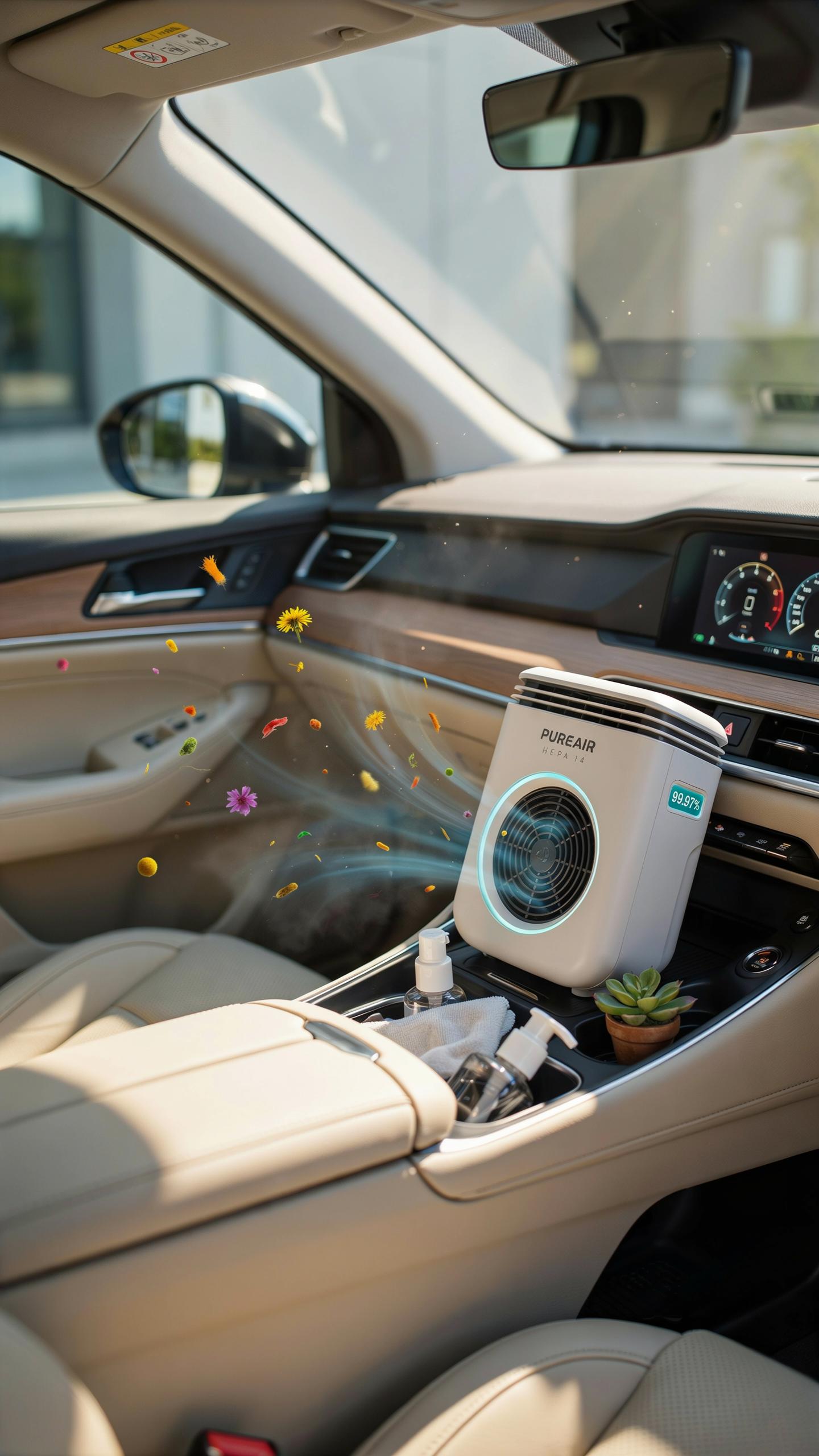
Pollen enters your car through ventilation systems and open windows. A HEPA filter traps pollen particles before they reach your cabin air. During spring and fall, pollen counts spike outdoors. Running your car purifier keeps indoor air cleaner than outside air. This reduces the allergen load you breathe while driving.
Pollen particles range from 10 to 100 microns. HEPA filters capture particles as small as 0.3 microns. Activated carbon layers neutralize odors associated with pollen-heavy air. Seal your cabin and run the purifier on high during peak allergy season. This approach cuts pollen exposure significantly compared to driving with windows open.
Remember those clear, summer days, windows down, when every breath felt like freedom? A car air purifier can bring that unburdened feeling back, making every journey a breath of fresh air.
Beyond Pollen: Dust, Pet Dander, And Mold Spores
Dust and pet dander remain in your car year-round. These allergens accumulate on seats, carpets, and ventilation ducts. Mold spores thrive in damp areas, particularly near air conditioning units. A multi-stage purifier addresses all three allergen types simultaneously. This protects you across seasons, not just during pollen peaks.
Pet dander particles measure 0.5 to 10 microns. Dust mites and their waste products trigger reactions in sensitive individuals. Mold spores develop in moisture-prone cabin environments. Running your purifier continuously removes these allergens before they concentrate. Regular filter replacement prevents saturation and maintains purification effectiveness throughout the year.
Choosing The Best Air Purifier For Rideshare Drivers
Maintaining A Clean And Welcoming Environment For Passengers
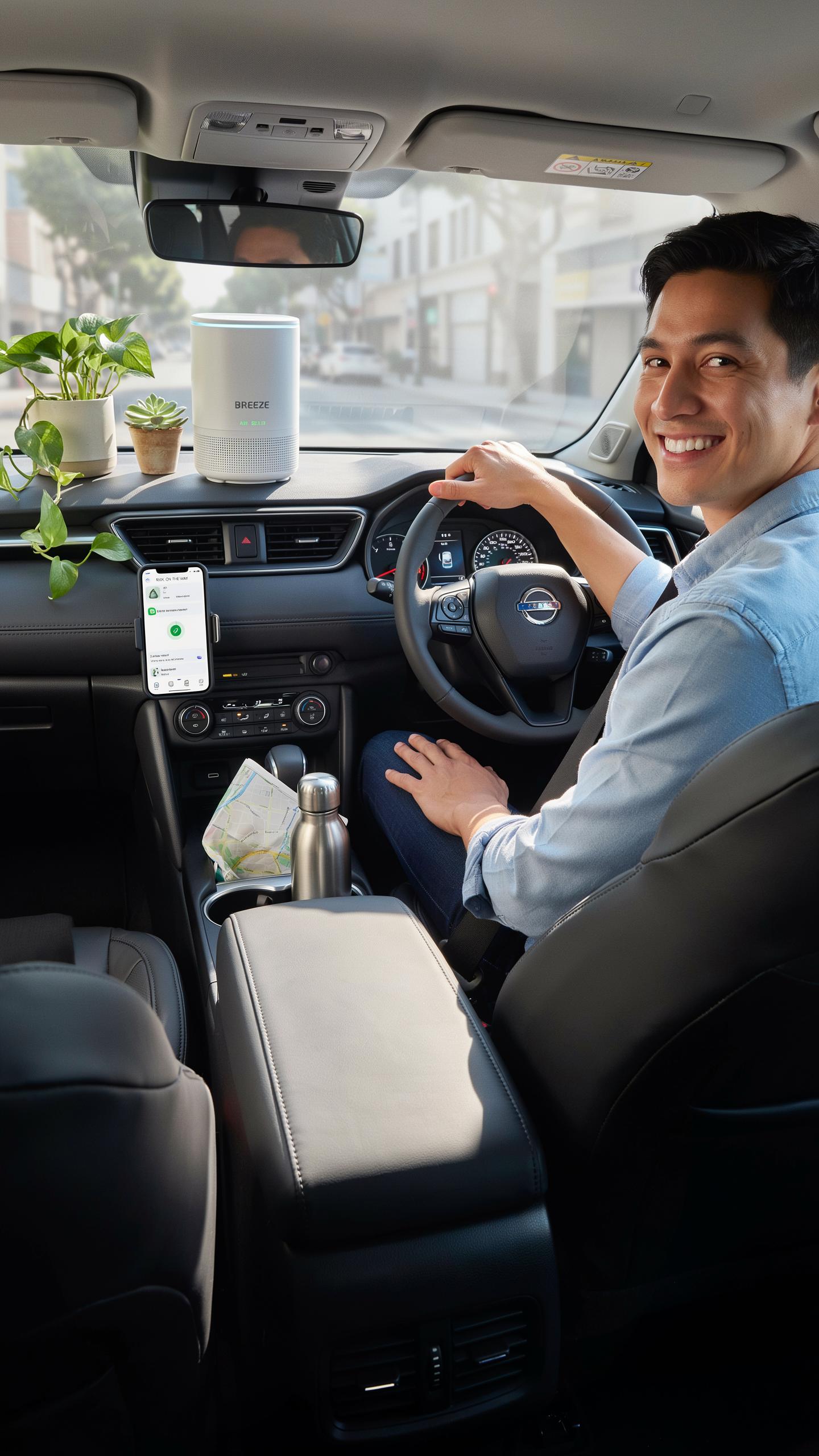
Rideshare passengers notice cabin air quality immediately. Allergens like pollen, dust, and pet dander accumulate quickly in vehicles with multiple daily occupants. An air purifier tackles these contaminants before they irritate passengers. This directly improves ratings and repeat bookings. Drivers who maintain cleaner cabins see tangible business benefits through customer feedback.
HEPA filters capture 99.97 percent of particles at 0.3 microns or larger. This performance standard applies across all quality air purifier models. Activated carbon layers neutralize odors that develop from frequent use. Passengers with allergies specifically mention air quality in reviews when it exceeds expectations. Investment in purification technology pays returns through reputation management.
Durability And Ease Of Maintenance For Frequent Use
Rideshare vehicles run 12 to 16 hours daily, demanding equipment built for continuous operation. Standard consumer purifiers designed for home use fail under this workload. Look for models rated for 24/7 operation with durable motor construction. Check that the manufacturer specifies runtime hours before performance degrades. Downtime costs money, so equipment reliability directly impacts your bottom line.
Filter replacement costs and frequency determine long-term ownership expenses. Easily accessible filter compartments save installation time during shift changes. Many rideshare drivers prefer purifiers where filters slot in without tools or complex procedures. Order replacement filters online before current ones expire to maintain uninterrupted service. Budget filter replacements as a recurring operational expense like fuel or maintenance.
Air Purifier Design And Placement In Your Vehicle
Optimal Placement For Maximum Airflow And Effectiveness
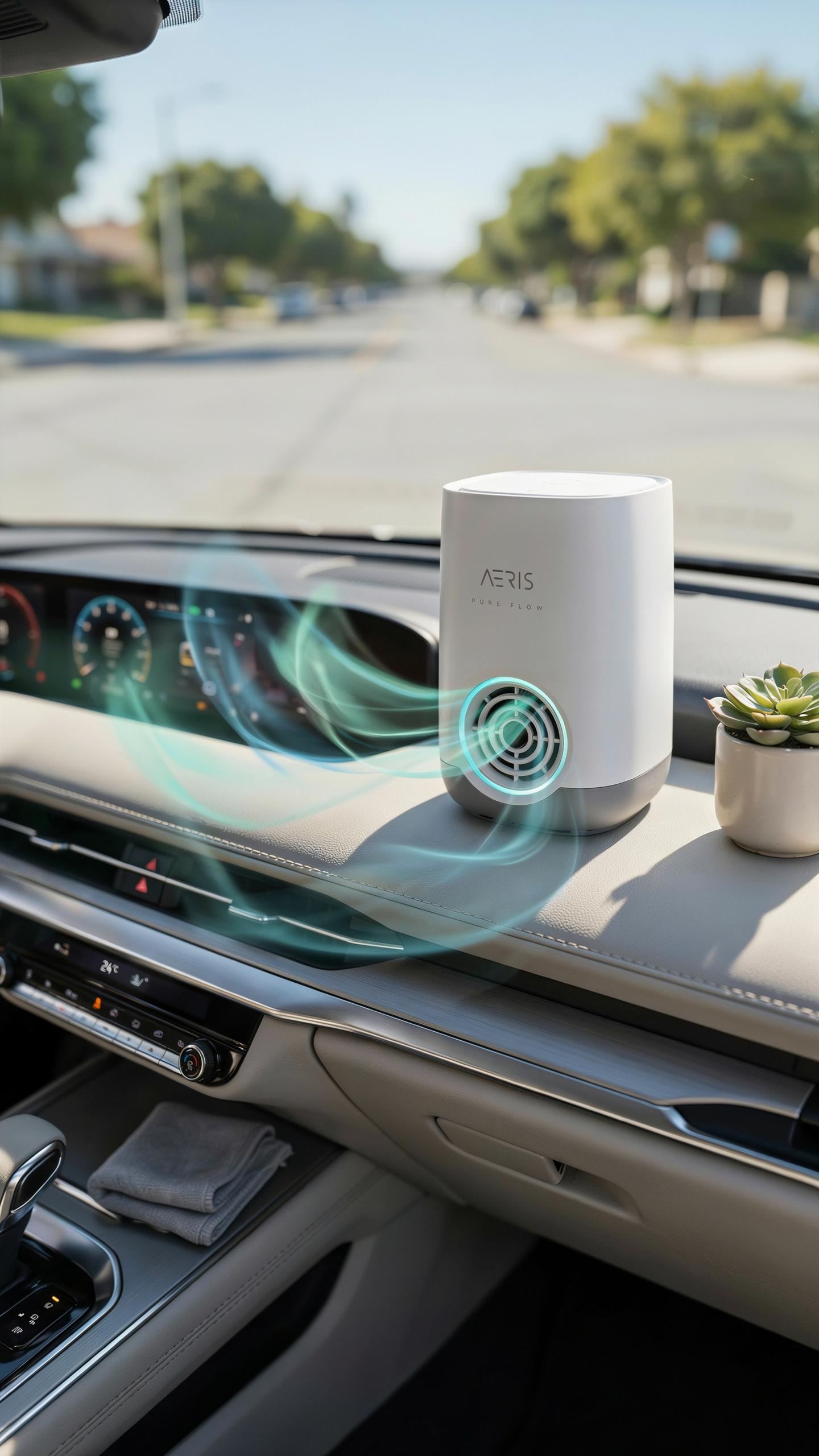
Dashboard and center console placement puts the purifier where cabin air naturally circulates. Your vehicle’s HVAC system draws air through these zones, allowing the purifier to capture particles before they spread. This positioning maximizes the unit’s ability to filter allergens like pollen, dust, and pet dander from incoming air.
Avoid placing purifiers in rear seat areas or enclosed compartments. These locations restrict airflow patterns and reduce filtration efficiency. Mount the device where it receives steady air movement from your ventilation system. Distance from air vents matters. A purifier positioned too close to vents experiences turbulent airflow that decreases capture rates. Aim for placement that intercepts cabin air without fighting against vent pressure.
Aesthetics And Integration With Car Interior
Select a purifier design that fits your dashboard or console without blocking climate controls or the instrument cluster. Modern car air purifiers come in compact sizes specifically engineered for automotive environments. Check your vehicle’s interior dimensions before purchasing. A unit that clashes with your cabin’s color scheme or style creates visual distraction while driving.
Mount purifiers securely to prevent movement during acceleration or braking. Use the adhesive pads or clips provided by manufacturers. Ensure the placement does not obstruct your steering wheel, pedals, or visibility through windows. Cables and power cords must remain clear of driver controls. Test the setup before committing to ensure nothing blocks critical driving functions.
Maintenance And Longevity Of Your Car Air Purifier
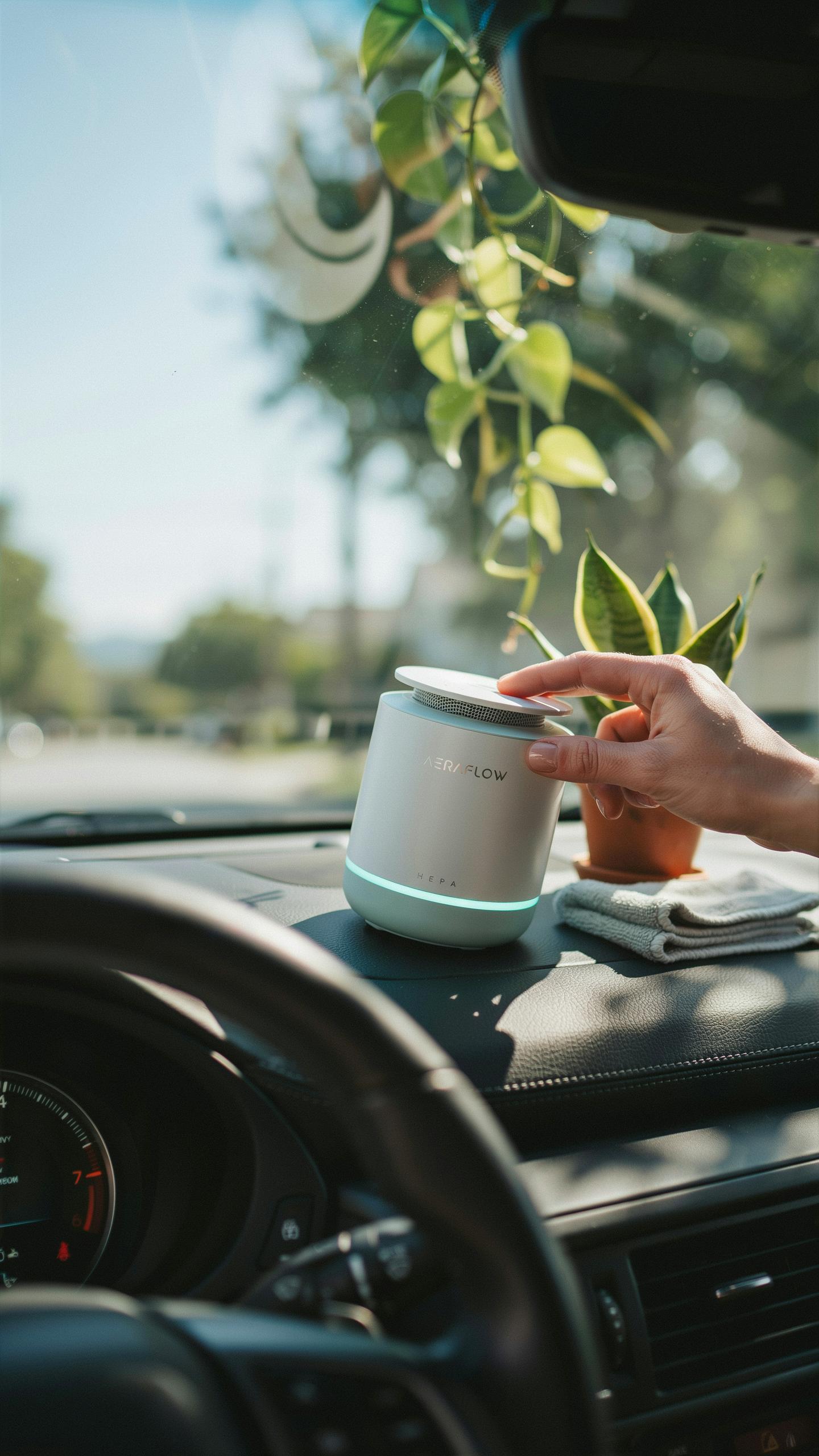
Regular Filter Replacement: A Crucial Step For Performance
Filter replacement directly impacts purification effectiveness. Most manufacturers recommend changing filters every three to six months, depending on usage and air quality in your area. Ignoring this schedule allows dust, pollen, and allergen buildup to reduce airflow and force the motor to work harder, draining battery life faster.
- Check manufacturer guidelines first: Your device manual specifies exact replacement intervals. Follow these timelines to maintain warranty coverage and optimal performance standards.
- Monitor usage conditions: Heavy traffic or high pollen seasons require more frequent replacements than light use in clean air environments.
- Track replacement dates: Mark calendar reminders or log filter changes to prevent accidental overuse beyond safe performance levels.
- Purchase genuine filters: Aftermarket filters often fail to meet original specifications and reduce allergen capture efficiency significantly.
- Stock backup filters: Keep spare filters in your vehicle to prevent extended use with a compromised filter during peak allergy seasons.
- Inspect before replacing: Visually check filter condition to confirm discoloration and debris accumulation warrants immediate replacement.
Consistent filter replacement prevents allergen recirculation and maintains clean air output. A clogged filter forces untreated air back into your cabin, negating the purifier’s core function when allergy symptoms spike.
Troubleshooting Common Issues And Extending Device Lifespan
Reduced airflow signals a clogged filter or blocked intake vents. Stop using the device immediately and inspect both the filter and air intake areas for debris. Clean intake vents with a dry cloth and replace the filter if cleaning does not restore normal airflow within minutes.

Unusual noises like rattling or grinding indicate motor stress or loose internal components. Power down the unit and check for loose parts or foreign objects inside the chamber. If noises persist after inspection, the motor may require professional service or device replacement to prevent complete failure.
Frequently Asked Questions

What exactly is a car air purifier and how does it help with allergies?
A car air purifier is a device that filters out airborne contaminants like pollen, dust mites, pet dander, and mold spores from your vehicle’s cabin. For allergy sufferers, this means a significant reduction in irritants, leading to clearer breathing and fewer allergy symptoms during drives. It effectively cleans the air you breathe while commuting.
How do I properly install and maintain a car air purifier for allergies to ensure it’s effective?
Installation is typically straightforward, often involving plugging into your car’s 12V outlet or USB. For optimal performance, place it where it won’t obstruct your view but can circulate air well. Regular maintenance, like replacing filters according to the manufacturer’s guidelines, is crucial to keep your car air purifier for allergies working efficiently.
Are there affordable car air purifier options that are still effective for allergy relief?
Absolutely! Many effective car air purifier models designed for allergy relief are available across various price points. While some advanced units offer extra features, you can find reliable and budget-friendly options that utilize HEPA filters to capture common allergens without breaking the bank. Always check reviews for efficacy.