
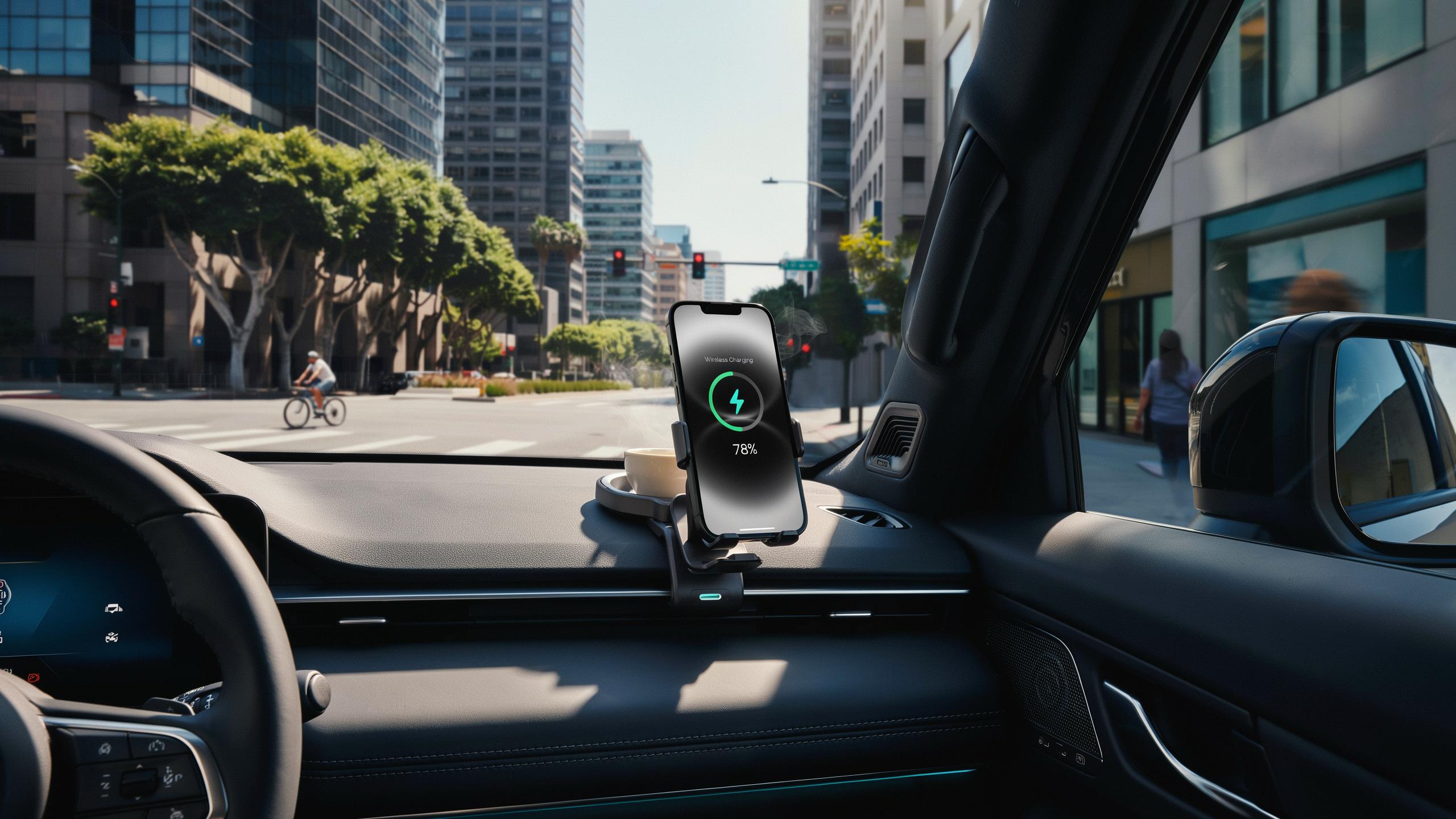
The Evolution Of In Car Connectivity Why Wireless Car Phone Mounts Matter
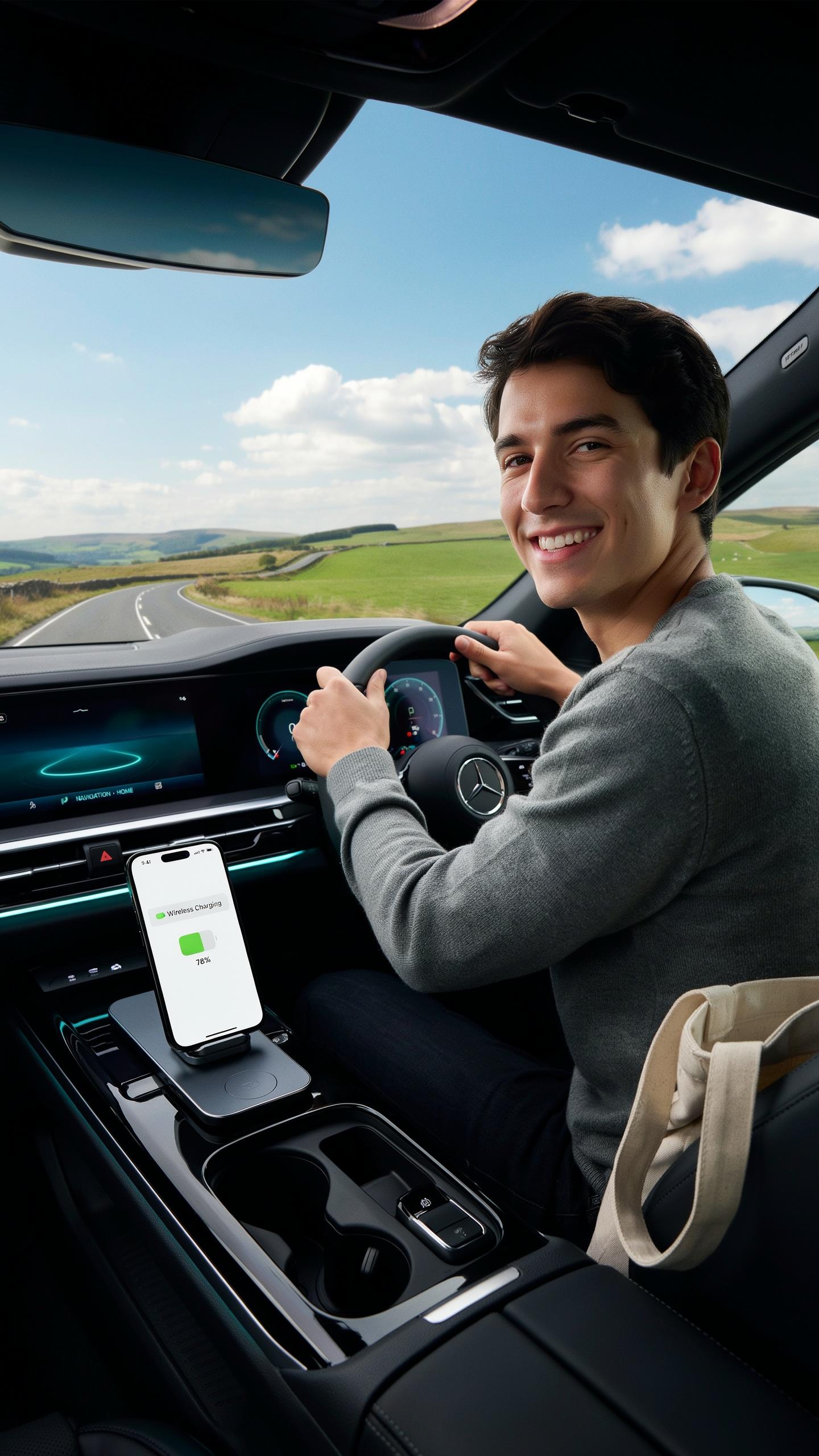
Convenience Meets Technology
Wireless car phone mounts with charging solve a core problem: drivers need phones accessible and powered without managing cables. The technology combines a secure mounting bracket with inductive charging pads that transfer power when the phone contacts the mount. This eliminates the need for Lightning cables, USB-C connectors, or micro-USB adapters cluttering your dashboard. One device handles two functions simultaneously, reducing the hardware footprint in your vehicle.
The integration works because most modern smartphones support wireless charging standards like Qi. Your phone charges while mounted, meaning you arrive at destinations with a fuller battery than before. This removes the decision point of choosing between mounting and charging. Users simply place their phone on the mount and both functions activate immediately without manual setup or connection steps.
Safety And Focus On The Road
A mounted phone that charges wirelessly eliminates dangerous behaviors like reaching for loose devices or fumbling with charging cables while driving. Your phone stays in your line of sight at a fixed position, reducing head movement and attention shifts. The secure mounting prevents your device from sliding across the dashboard during turns or hard stops. This stability matters for navigation, hands-free calling, and emergency access to your phone when needed.
Charging wirelessly removes the cognitive load of managing power levels and finding outlets between trips. You finish your commute with consistent battery percentages rather than watching your phone drain during navigation use. This reliability prevents scenarios where drivers reach for their phone to check battery status, creating additional distraction. The combination of secure positioning and continuous charging creates the conditions for safer driving patterns.

Understanding Wireless Charging Technology In Your Car Phone Holder
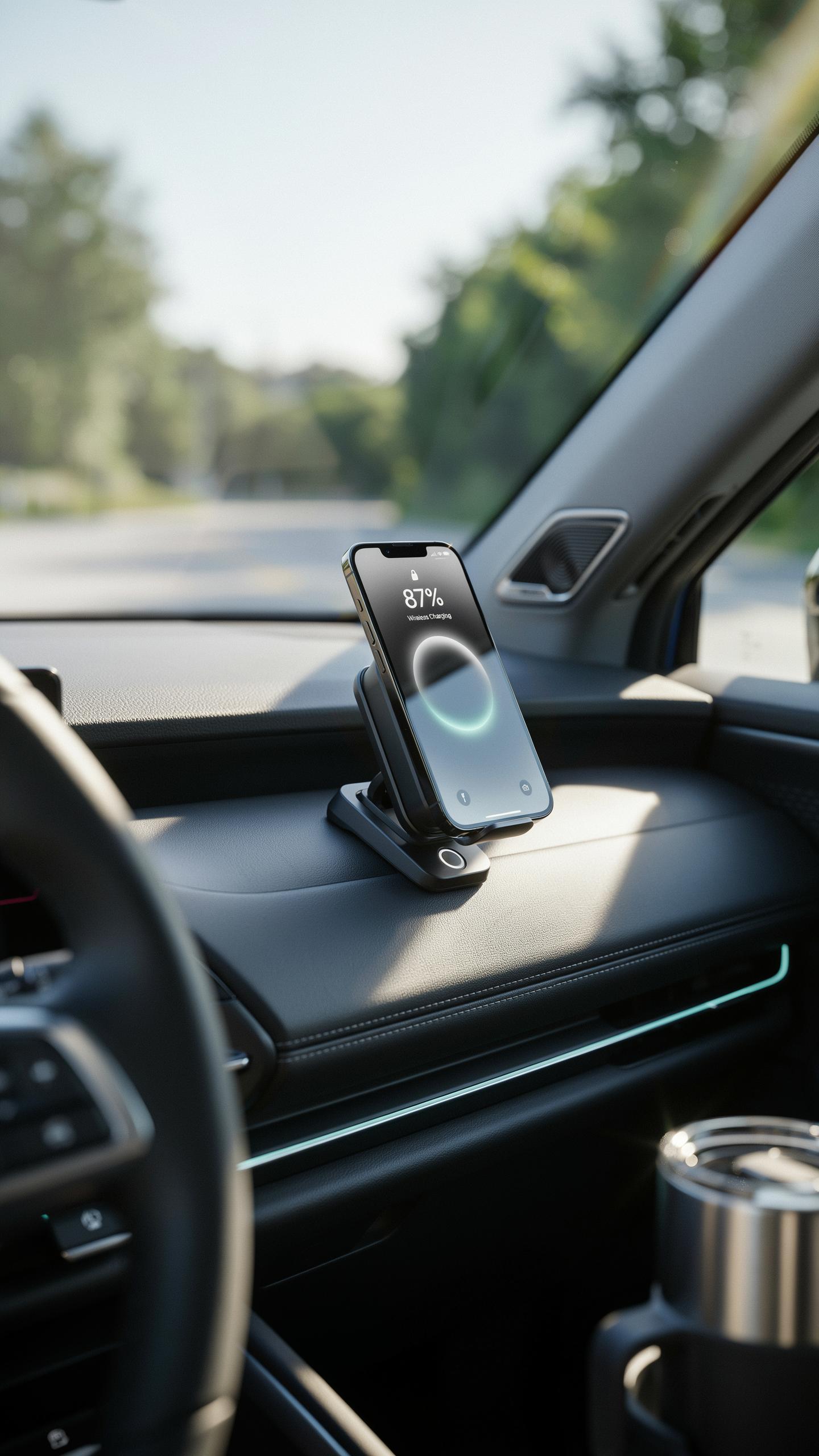
Qi Standard Explained
The Qi standard is the dominant wireless charging protocol used in car phone mounts today. The Wireless Power Consortium established this standard to create compatibility across devices and chargers. Qi transmits power through electromagnetic induction, where a coil in the mount generates a magnetic field that transfers energy to a receiver coil in your phone. This eliminates the need for physical charging cables while your device sits in the mount.
Your phone must have a built-in Qi receiver to work with wireless car mounts. Most flagship smartphones from Apple, Samsung, Google, and other manufacturers include this technology. The mount itself contains a transmitter coil powered by your car’s 12V outlet or USB port. When your phone aligns properly with the mount’s coil, charging begins automatically without any physical contact between components.
Fast Charging Capabilities
Modern wireless car phone mounts support charging speeds between 5W and 15W for compatible devices. Standard Qi charging delivers 5W, which is adequate for maintaining battery levels during commutes. Higher-end mounts reach 10W or 15W, cutting charge time significantly compared to basic wireless options. Your phone’s charging speed depends on both the mount’s output and your device’s fast-charging support.

Fast-charging wireless mounts require proper heat management to prevent battery degradation. Quality mounts include thermal regulators that monitor temperature and adjust power delivery automatically. Your phone should never feel hot during charging. Position your device centered on the mount’s charging area to maximize power transfer efficiency and achieve the fastest possible charging speed for your specific smartphone model.
Key Features To Look For In A Wireless Car Phone Mount
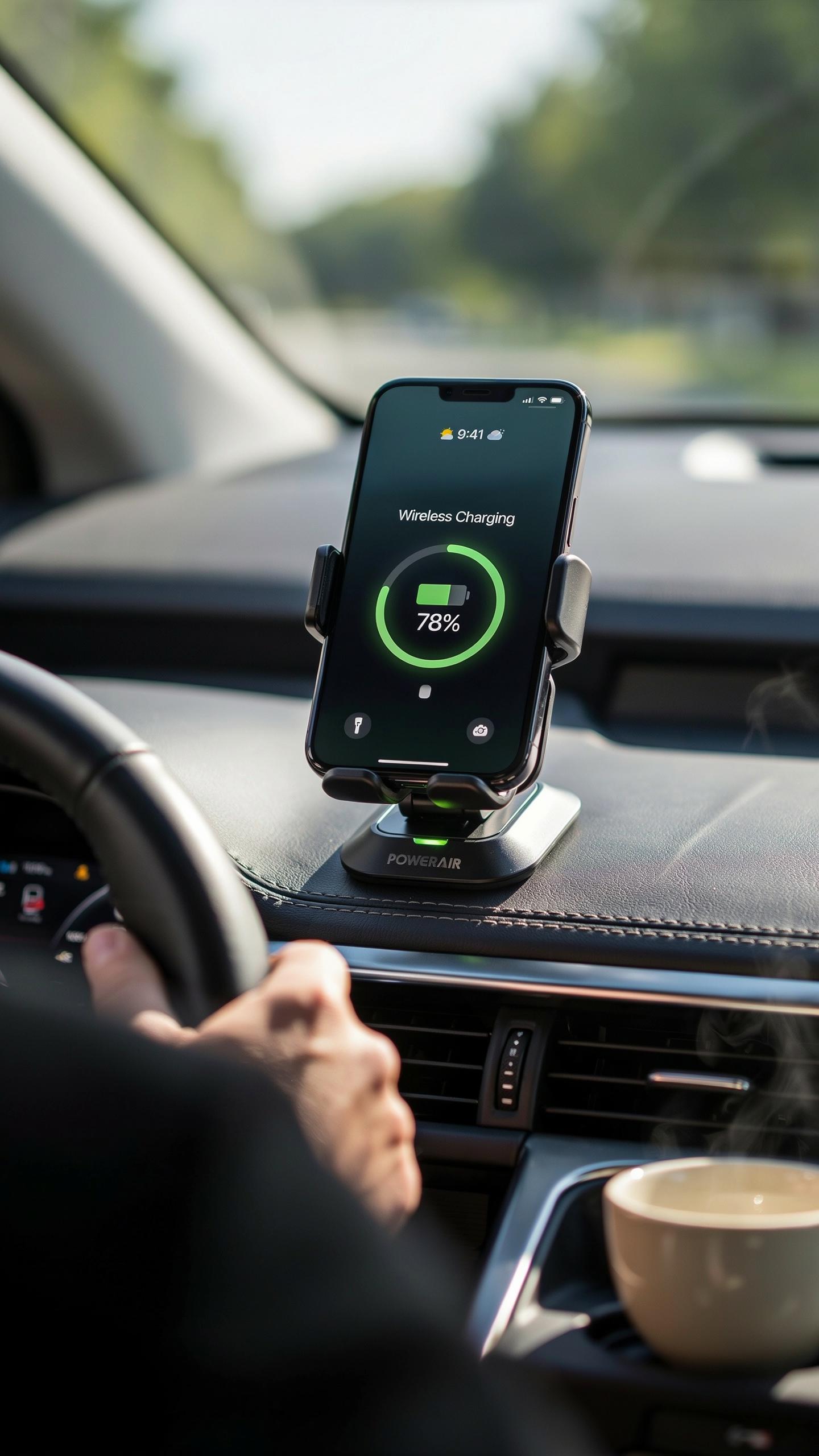
Mounting Options Air Vent Dashboard Windshield
Air vent mounts grip the slats between your climate control fins. They require no adhesive or suction cups, making them damage-free and removable. Dashboard mounts use adhesive pads and attach to flat surfaces. Windshield mounts employ suction cups for a forward-facing position. Each method trades stability for installation difficulty and reversibility.
Air vent mounts work best in cars with horizontal vents and standard spacing. Dashboard mounts provide the most secure hold but leave residue if removed. Windshield mounts offer optimal visibility but can obstruct your line of sight. Choose based on your vehicle’s interior layout and your viewing preference during daily commutes.
Automatic Clamping And Secure Grip
Automatic clamping mechanisms use springs or motorized arms to grip your phone without manual adjustment. They reduce fumbling while driving and work with various phone sizes and cases. The clamp pads should have rubber or silicone coating to prevent scratching your device. Quality clamping systems distribute pressure evenly across your phone’s edges.
Test the grip strength before purchasing by checking if the mount holds phones securely during acceleration and turns. Weak clamping causes your phone to shift or fall during sudden movements. Inspect pad material thickness and condition regularly since they wear over time. Replace pads when they show visible compression or loss of grip performance.
Benefits Of Integrating A Wireless Charger Car Into Your Daily Commute
Cable Free Convenience
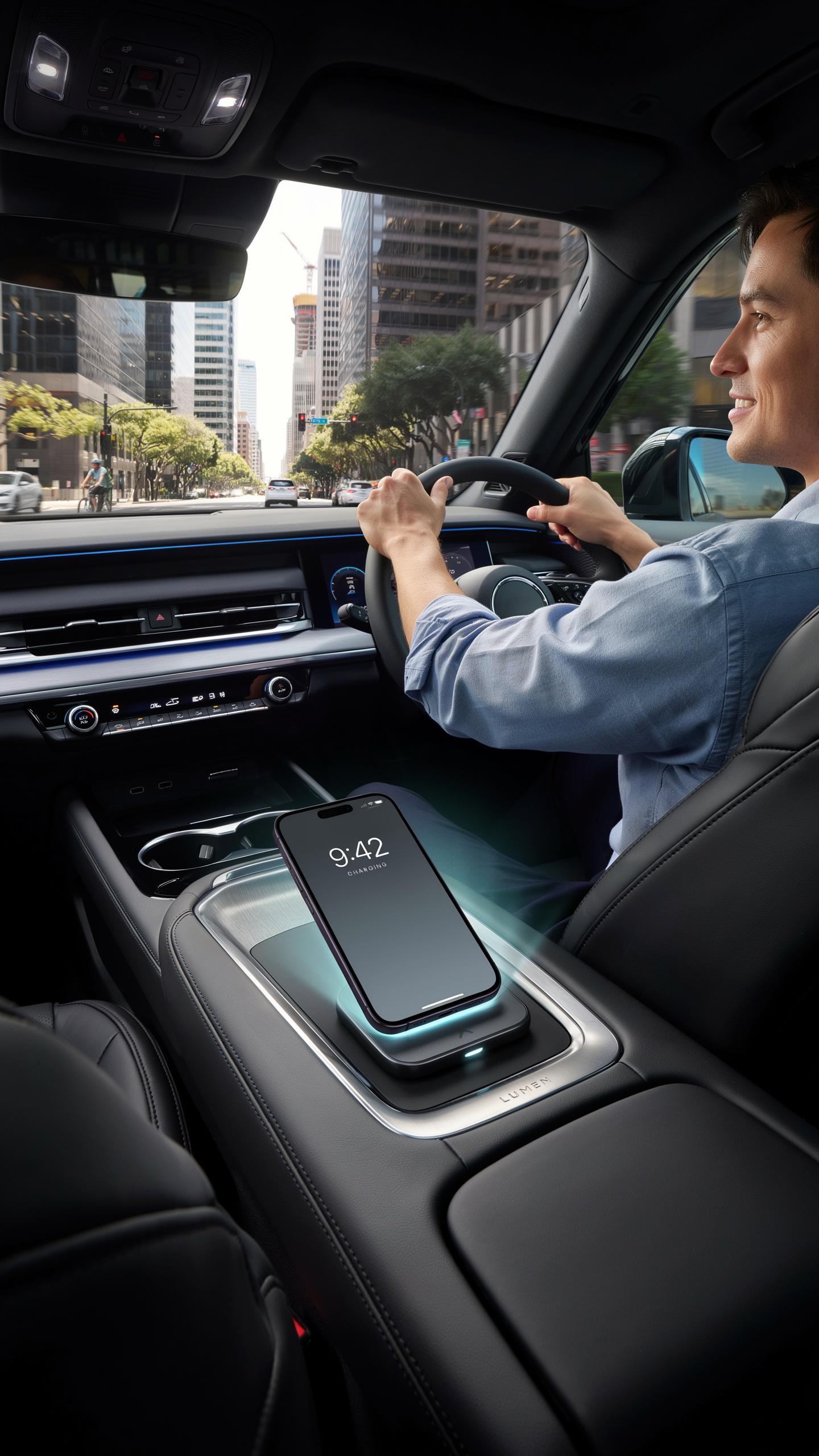
Wireless charging eliminates cable clutter in your vehicle. You place your phone on the mount and charging begins automatically. No fumbling with connectors or untangling wires during your drive. Your dashboard stays clean and organized. This approach removes a daily friction point that wastes time and creates visual chaos inside your car.
The mounting system works with most phone sizes and cases. You don’t need specific adapters or proprietary cables. Your car interior maintains a professional appearance without dangling cords or cable management solutions. The reduction in physical clutter directly translates to a calmer driving environment and faster phone setup when you enter the vehicle.
Enhanced Accessibility And Navigation
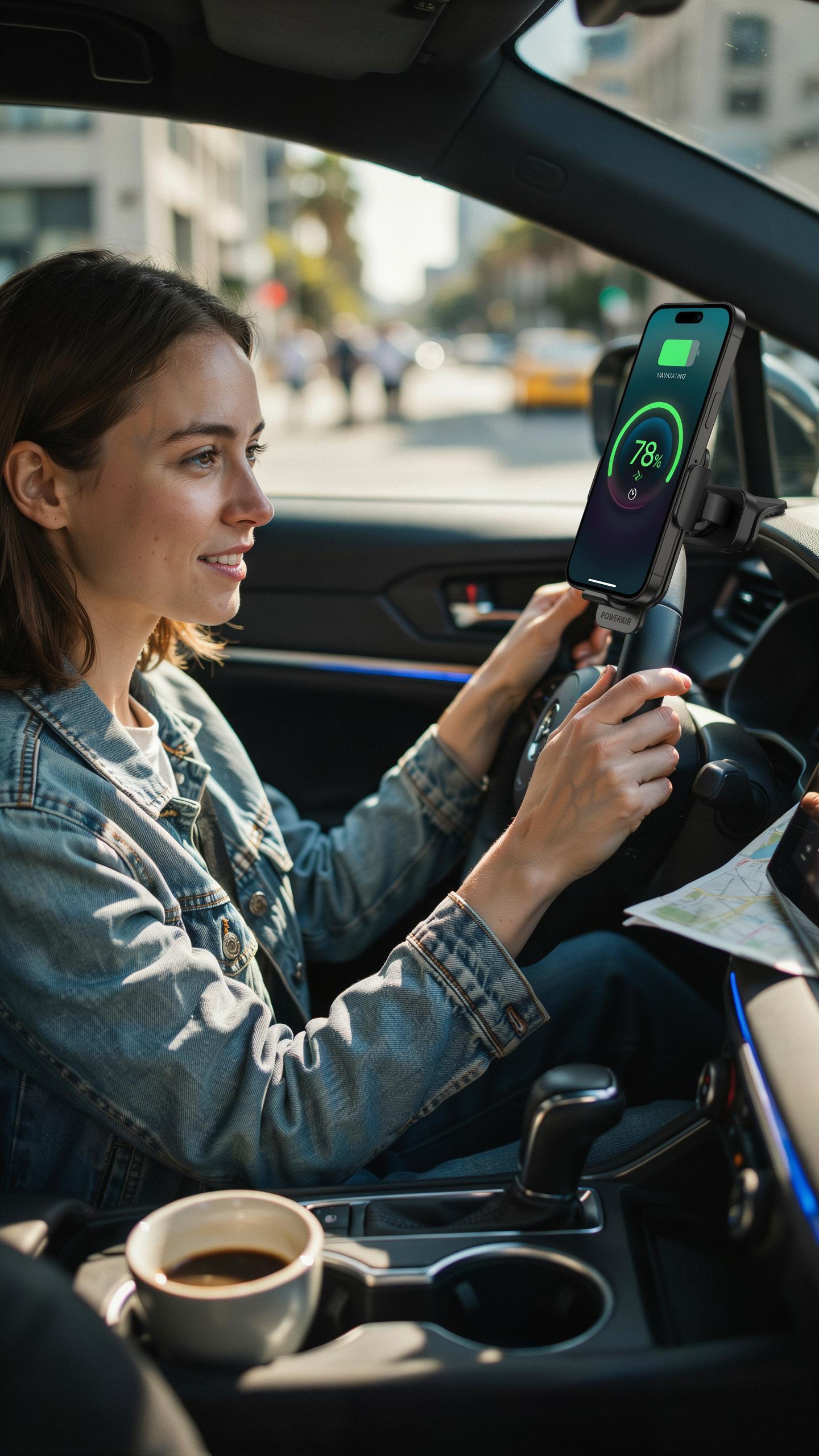
A mounted charging phone keeps your device at eye level and within reach. Navigation apps remain visible throughout your commute without holding your phone. You access turn-by-turn directions instantly. Hands-free communication works seamlessly when your phone sits on the mount. This setup supports safer driving by reducing the need to look away from the road.
Battery drain stops being a commute concern. Your phone charges during the entire drive, guaranteeing sufficient power for navigation, calls, and music streaming. You arrive at your destination with a fully charged device. This reliability removes the stress of managing battery life during your journey, allowing you to focus on driving instead.
Top Wireless Car Phone Mounts For Different Car Interiors And Needs
Compact Designs For Minimalist Interiors
Minimalist car interiors demand mounts that occupy minimal dashboard or windshield real estate. Compact wireless charging mounts typically measure under 3 inches in width and feature slim profiles that don’t obstruct driver sightlines. These designs use single-arm construction or narrow charging pads that align with modern automotive aesthetics. Materials like matte black plastic or brushed aluminum finishes integrate seamlessly with contemporary dashboards. The charging coils remain embedded within the compact frame, eliminating bulky external components that would disrupt clean interior lines.
Compact mounts prioritize function over form without sacrificing either. They deliver standard 10W wireless charging speeds while maintaining portability and ease of installation. Vent clips and adhesive mounts allow flexibility for different placement preferences. The reduced footprint means less visual clutter and no interference with climate controls or infotainment screens. These mounts work best with phones under 6.5 inches since larger devices would extend beyond the compact base.
Heavy Duty Mounts For Robust Stability
Heavy-duty mounts use reinforced clamps, multiple contact points, and weighted bases to prevent phone movement on uneven terrain. These models feature rubberized gripping surfaces that maintain contact with phone edges even during acceleration, braking, or off-road conditions. Wider mounting bases distribute weight more effectively than compact alternatives. The reinforced arms withstand repeated expansion and contraction from temperature fluctuations. Charging components integrate within durable frames designed to handle devices weighing over 300 grams without flexing.

Heavy-duty wireless car phone mounts with charging perform consistently on rough roads and with larger flagship phones. They typically offer 15W charging output with multi-coil technology for faster energy transfer. The robust construction adds minimal weight while maximizing structural integrity. Installation typically requires permanent mounting via dashboard adhesive or vent integration rather than magnetic systems. These mounts sacrifice compactness for reliability when commuting on poor road conditions or transporting oversized devices.
Installation And Setup Of Your New Car Phone Holder And Wireless Charger
Simple Steps For Optimal Placement
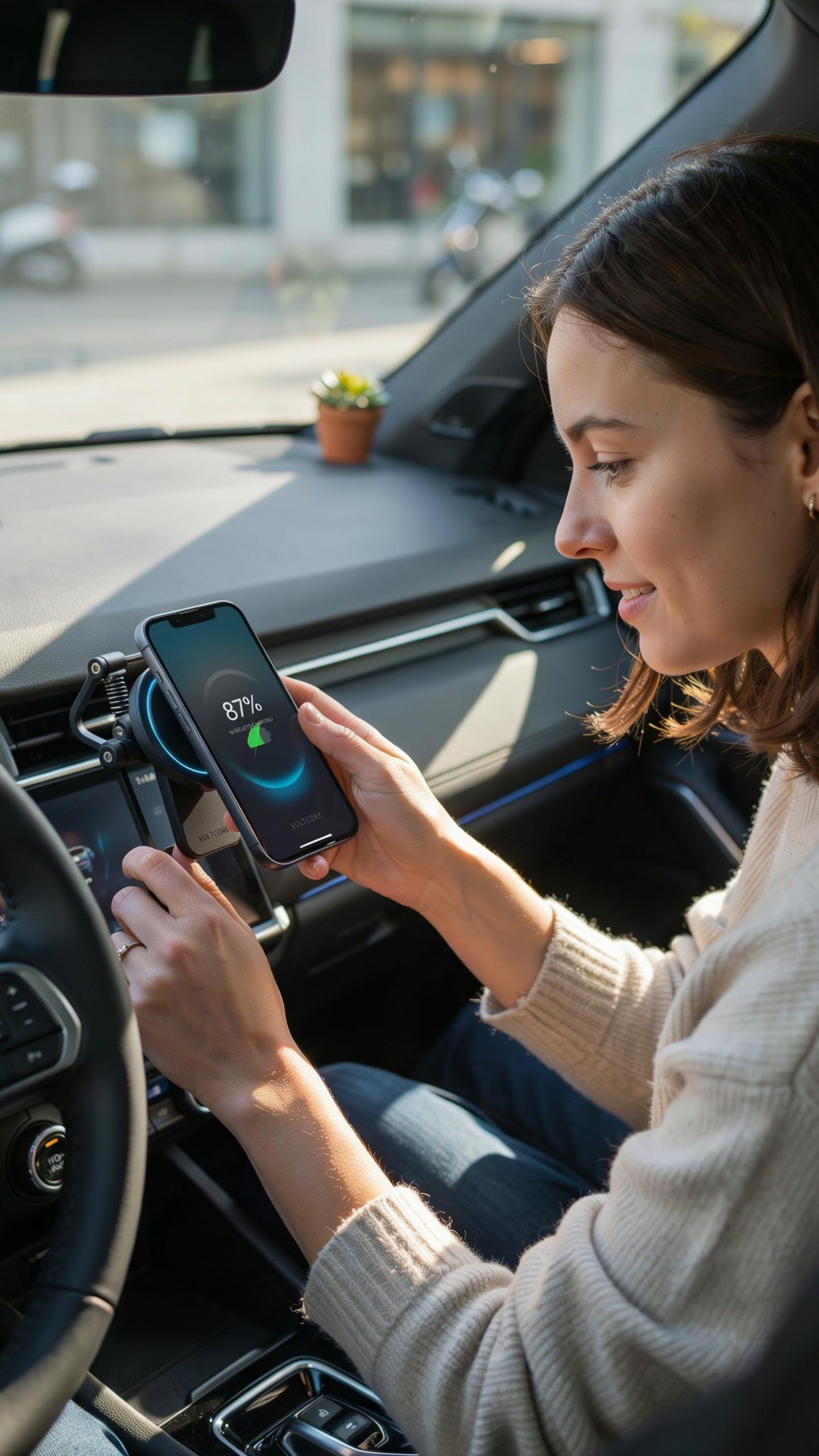
Mount placement determines both viewing angles and charging performance. Position your wireless car phone mount with charging where you see the screen without turning your head excessively. The dashboard, windshield, or air vent are standard locations. Higher placement reduces neck strain. Ensure the mount sits level to maximize charging contact between your phone and the charging coils.
- Dashboard mounts: Attach to flat surfaces using adhesive pads or suction cups. Position near the center for visibility without blocking gauges or controls.
- Windshield mounts: Place on the upper portion of the windshield for optimal sightlines. Avoid positions that obstruct the driver’s view of traffic.
- Air vent mounts: Clip directly to horizontal vents for secure positioning. Ensure airflow isn’t completely blocked if your mount covers multiple vent slats.
- Magnetic mounts: Use metal plates attached to your phone case. Position the mount base securely before attaching the phone for stable charging contact.
- Gravity mvent mounts: Rely on gravity and vent tension for grip. Test stability before trusting the mount with your phone during driving.
Clean the mounting surface with isopropyl alcohol before installation. Remove dust and debris so adhesive pads or suction cups bond properly. Allow adhesive to cure for the recommended time before placing your phone in the mount. Test the hold by gently tugging the mount to confirm stability.
Powering Your Wireless Car Gadget
Most wireless car phone mounts with charging connect through your vehicle’s USB port or 12-volt power outlet. Locate your car’s USB ports first. Many modern vehicles have multiple ports on the dashboard or center console. If your car lacks USB ports, use a cigarette lighter adapter to convert the 12-volt outlet into a powered USB hub.

Connect the power cable from your wireless car phone mount to your chosen power source. Route the cable along the dashboard edge or through existing cable management channels to avoid obstruction. For cigarette lighter adapters, insert firmly until you hear a click. Test power delivery by checking for LED indicators on the mount before placing your phone on the charging surface. Verify the phone charges by checking your device battery status after five minutes of contact with the mount.
Troubleshooting Common Issues With Wireless Charging Car Accessories
Addressing Slow Charging Or Intermittent Connection
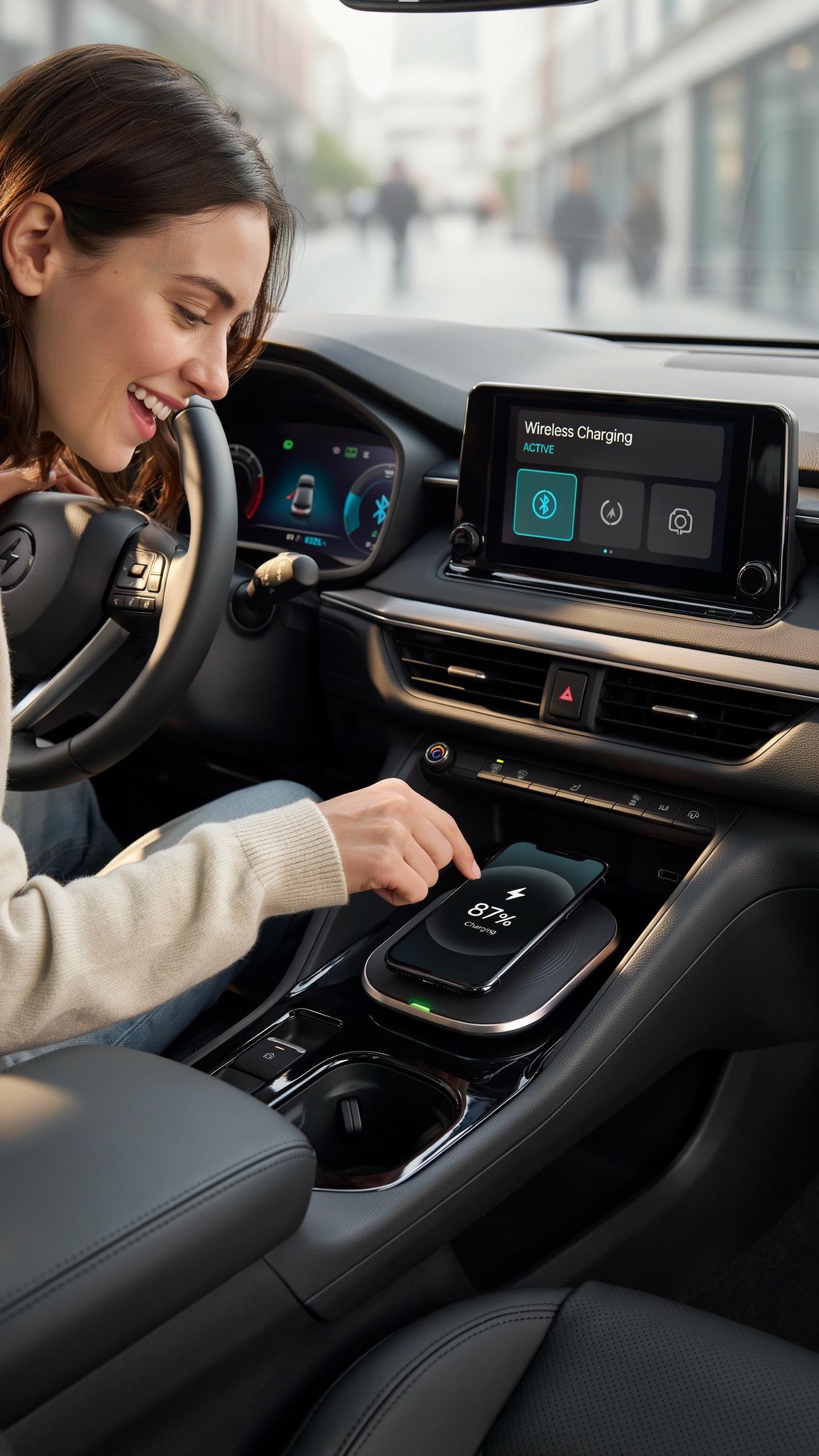
Slow charging in car mounts happens for three reasons: misalignment, electromagnetic interference, or inadequate power delivery. Check that your phone sits centered on the charging coil. Move the mount away from metal objects, dashboard electronics, and high-amperage devices. Verify your car charger outputs at least 15 watts for standard wireless charging or 30 watts for faster protocols. A loose connection between the charger and your vehicle’s power port also reduces output significantly.
Intermittent connections stem from coil positioning issues or debris buildup. Ensure your phone makes full contact with the mount’s charging surface without gaps. Clean both the phone’s back and the mount’s charging plate with a dry cloth monthly. If problems persist, test the mount with another compatible phone to isolate whether the issue lies with your device or the accessory. Replace the mount if the problem continues across multiple phones.
Compatibility Checks And Case Considerations
Most wireless charging mounts work with phones that support the Qi standard, which covers iPhones from the 8 series onward and most Android flagships from 2017 forward. Check your phone’s specifications directly from the manufacturer. Some budget Android phones lack wireless charging entirely, so verification prevents wasted purchases. Confirm the mount’s wattage matches your phone’s maximum charging capacity to avoid underpowered setups.

Phone cases reduce charging efficiency because they create distance between the coil and your device’s receiver. Cases thicker than 3mm impede charging significantly. Metal components in cases, reinforced corners with embedded plates, and magnetic attachments block wireless signals entirely. Use thin silicone cases or remove the case during charging sessions. If you require case protection, choose magnetic-free, non-metallic cases under 2mm thickness to maintain reliable charging performance.
The Future Of Car Gadgets Beyond Basic Wireless Charging
Integrated Smart Features
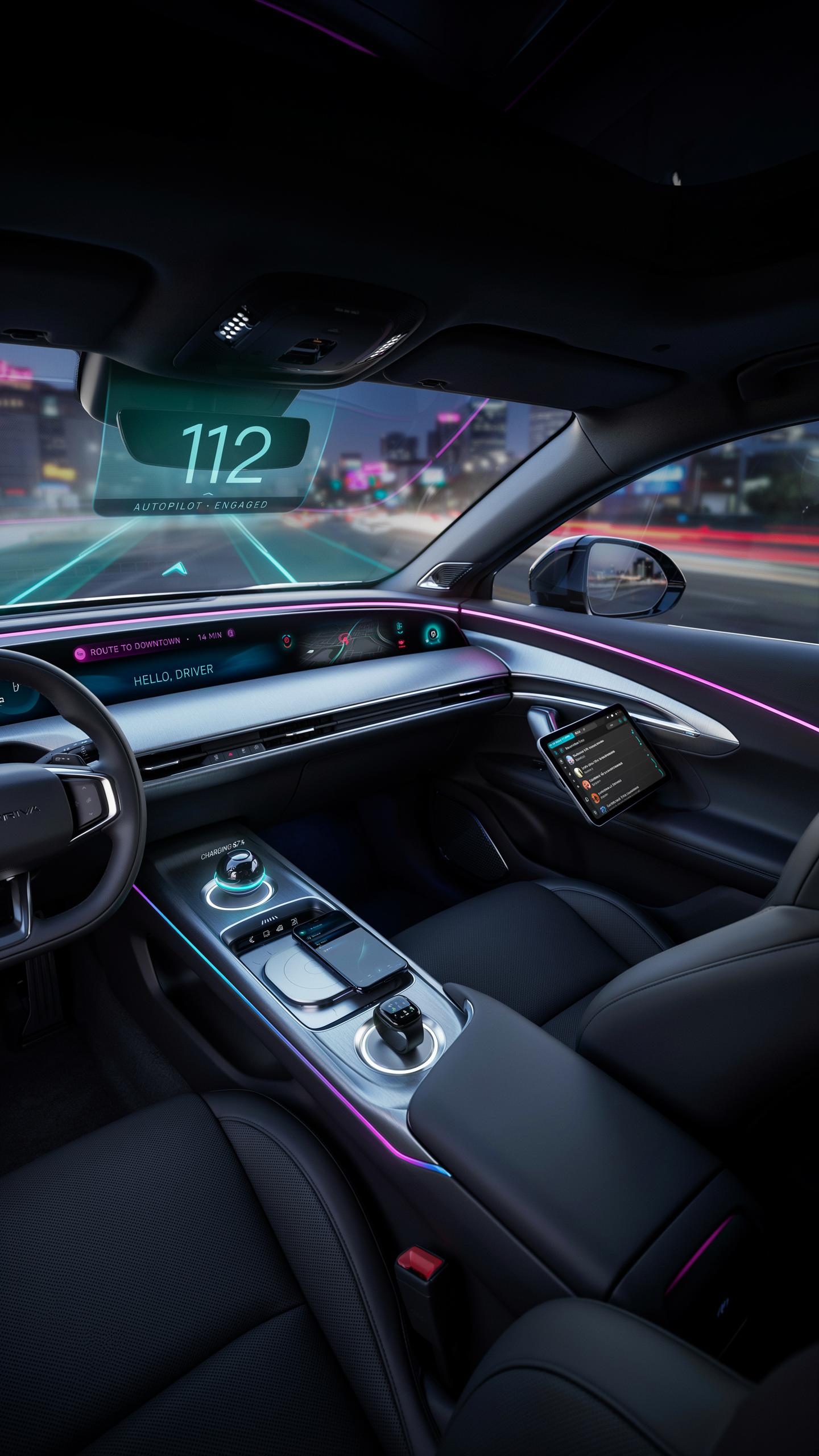
Car mounts now move beyond passive holding. Manufacturers embed sensors that detect phone placement and adjust charging output automatically. Voice assistant integration lets drivers control navigation and calls without touching the device. Temperature sensors prevent overcharging in hot vehicles. These features reduce battery degradation and improve safety by keeping hands on the wheel.
Future mounts will connect directly to vehicle systems through standardized protocols. Real-time data sharing between phone and car enables predictive charging based on drive time. Haptic feedback alerts drivers to incoming calls or navigation changes without screen distraction. This integration eliminates the need for multiple wires and separate accessories cluttering dashboards.
Remember those long drives, fumbling for your phone and charger? Now, your daily commute flows effortlessly, powered and connected, just like the open road ahead.
Sustainable And Durable Car Mount Designs
Manufacturers increasingly use recycled aluminum and reinforced polymers instead of virgin plastics. These materials withstand temperature swings from freezing winters to hot summers without cracking or warping. Aluminum frames dissipate heat better than plastic, extending component lifespan. The shift cuts production waste while delivering mounts that survive five to seven years of daily use.

Modular designs now dominate the market. Replaceable pads and charging coils mean users swap worn parts instead of discarding entire units. This approach reduces landfill impact and cuts long-term costs for consumers. Companies source materials from certified suppliers, ensuring ethical production and traceable supply chains.
Why A Wireless Car Mount Is A Must Have For Modern Drivers
Enhancing The Commute Experience
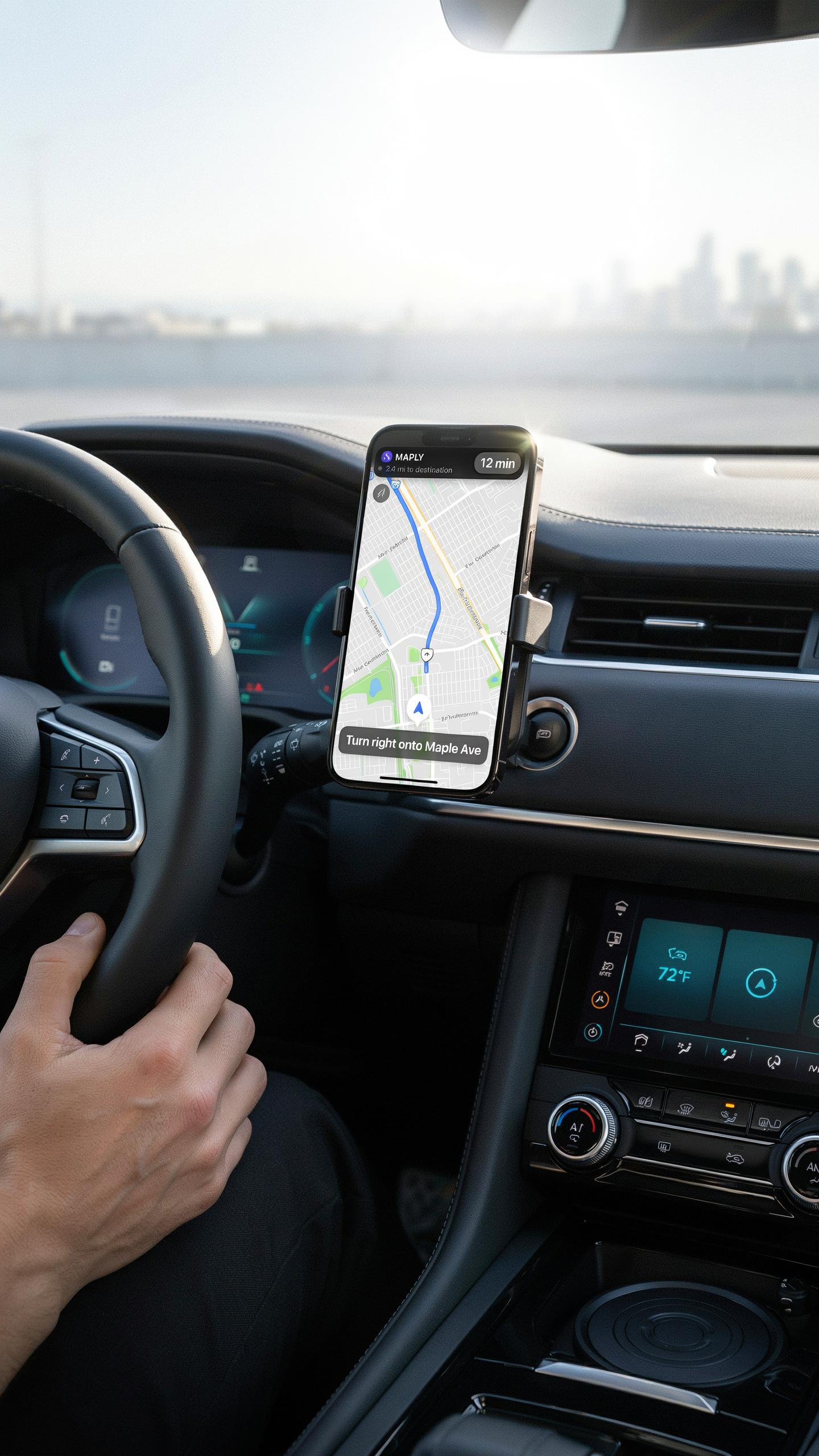
A wireless car phone mount with charging keeps your device accessible and powered throughout your commute. You eliminate cable clutter and fumbling with cords while driving. The mount holds your phone at eye level for navigation, calls, and music control. Your hands stay on the wheel and your attention stays forward. Battery drain becomes irrelevant since charging happens during your drive.
The mount reduces distraction by eliminating the need to search for your phone or manage tangled cables. You grab your device, place it on the mount, and start charging immediately. GPS navigation displays clearly without requiring you to hold the phone. Incoming notifications reach you through your car’s audio system or screen. Your commute becomes smoother because your setup works the same way every single day.
Increased Resale Value For Tech Integrated Vehicles
Buyers evaluate modern vehicles based on tech integration and convenience features. A wireless charging mount demonstrates that the previous owner maintained the vehicle with current technology standards. This accessory signals attention to detail and proper car care. Vehicles equipped with practical tech upgrades attract buyers willing to pay premium prices. The mount shows the car received upgrades beyond basic factory equipment.
Dealers and private sellers use tech accessories as selling points during negotiations. A well maintained wireless charging mount adds perceived value to the overall package. Buyers see a vehicle that accommodates modern smartphone use without aftermarket hacks. The setup appeals to commuters and business professionals who prioritize convenience. Including this accessory in your vehicle’s profile can influence buyer perception and final offer amounts.
Choosing The Right Wireless Charger For Your Vehicle And Lifestyle

Factors To Consider Before Purchase
Your phone model determines compatibility. Not all phones support wireless charging. Check your device specifications first. Most flagships from Apple, Samsung, and Google support Qi wireless charging standard. Older models and budget phones may lack this feature entirely. This single factor eliminates entire product categories from consideration.
- Phone Qi Compatibility: Verify your device supports Qi wireless charging. iPhones from iPhone 8 onward include this capability. Most Android flagships support Qi, but budget models often do not. Check manufacturer specifications before purchasing any mount.
- Dashboard Vs Windshield Mounting: Dashboard mounts offer stability and easier access. Windshield mounts provide better sightlines but may obstruct view during turns. Test both positions in your specific vehicle to determine which works better.
- Charging Speed Requirements: Standard Qi chargers deliver 5W to 10W output. Fast charging models reach 15W or higher. Identify whether your phone supports fast wireless charging to avoid overpaying for unused features.
- Vehicle Dashboard Layout: Curved dashboards require different mounting solutions than flat surfaces. Center console placement offers better hand positioning than far left or right. Measure your dashboard and test fitment before final purchase decisions.
- Heat Management Capability: Phones generate heat during wireless charging. Quality mounts include airflow design or cooling features. Poor heat dissipation reduces battery lifespan and charging efficiency over time.
- Cable Routing And Power Source: Identify where your car’s 12V outlet or USB-C port sits. Plan cable routing to avoid driver sight lines and airbag deployment zones. Concealed routing looks cleaner and prevents cable snagging.
Your vehicle’s interior design and power availability directly impact which mount works best. Trucks with simpler dashboards accept different mounts than luxury sedans with curved panels. Test multiple positions before committing to permanent adhesive or suction cup placement.
Maximizing Your Investment In Car Tech
Proper placement prevents phone damage and maintains safe driving. Position the mount where you can glance at it without moving your head significantly. Avoid locations near air vents that blast heat onto your device during charging cycles.
Clean your dashboard or windshield thoroughly before mounting. Dust and residue reduce suction cup grip strength dramatically. Reposition your mount every few months to prevent permanent adhesive failure. Replace suction cups or adhesive pads annually to maintain secure holding force.
Frequently Asked Questions

What exactly is a wireless car phone mount with charging, and why should I consider one for my daily commute?
A wireless car phone mount with charging combines two essential functions: securely holding your smartphone and wirelessly charging it simultaneously. This eliminates tangled cords and ensures your device is always powered, making navigation, calls, and music playback safer and more convenient during your daily drives. It’s a fantastic upgrade for a clutter-free car interior.
How do I properly install a wireless car phone mount with charging in my vehicle for optimal use?
Installation typically involves choosing a suitable surface like the dashboard, windshield, or air vent. Clean the surface thoroughly, then attach the mount firmly according to its specific instructions – usually via suction cup, adhesive, or vent clip. Finally, plug the mount’s power cable into your car’s USB port or cigarette lighter adapter to activate the wireless charging function.
Are there affordable options available for a reliable wireless car phone mount with charging?
Absolutely! You don’t need to break the bank to find a quality wireless car phone mount with charging. Many reputable brands offer excellent models at various price points, often starting from around $20-$30. Look for options with good reviews that are compatible with your phone and car setup to ensure you get the best value for your commute.