
Understanding The Need For Teen Driver Safety

Risks Faced By Teen Drivers
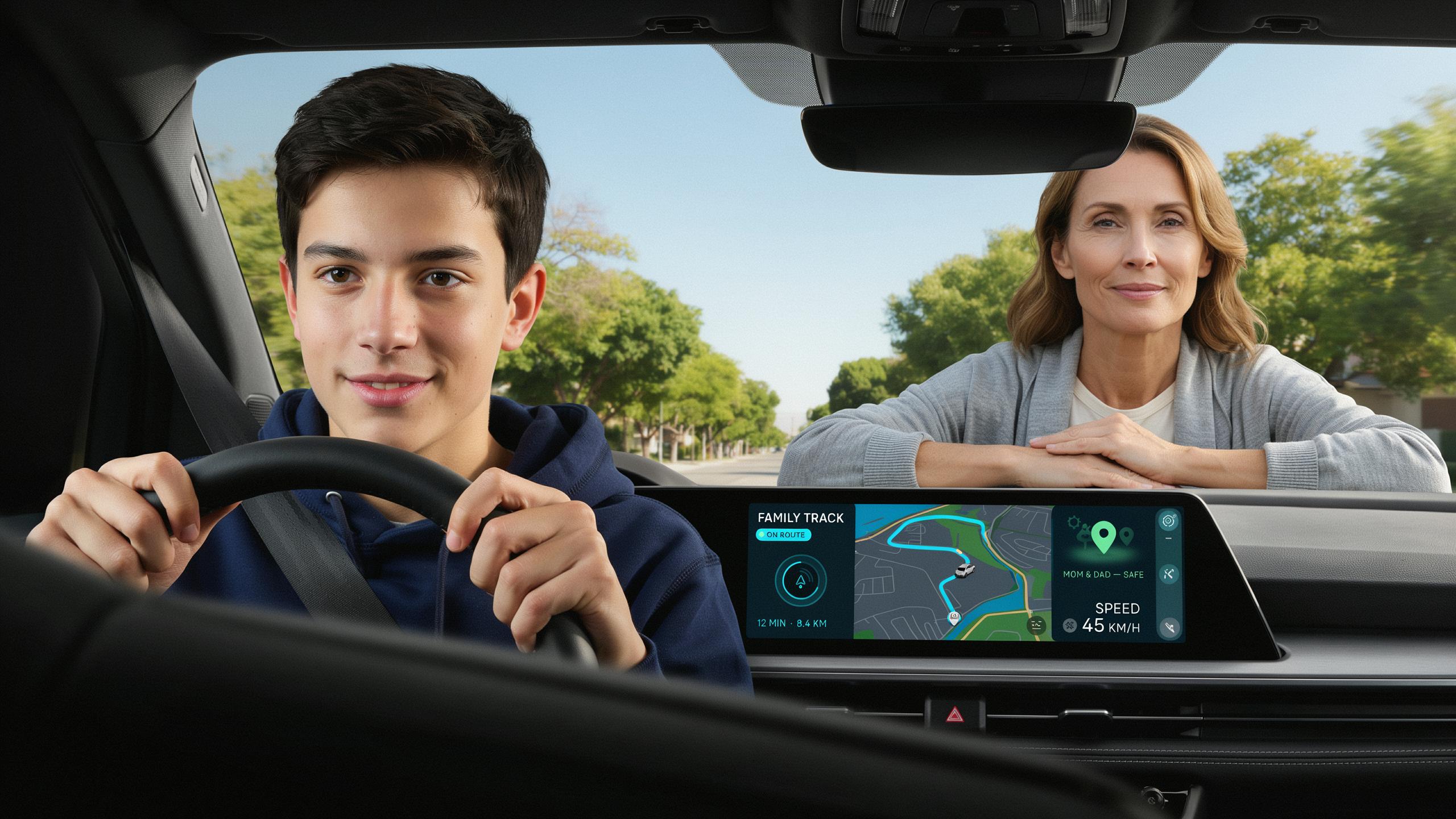
Teen drivers face documented hazards that set them apart from experienced drivers. Drivers aged 16 to 19 have crash rates three times higher than drivers aged 20 and older, according to the National Highway Traffic Safety Administration. This gap stems from limited experience, underdeveloped risk assessment, and higher rates of distraction behind the wheel.
Specific risk factors compound these statistics. Nighttime driving increases crash risk for teens. Passengers in the vehicle create distraction. Speeding and failure to wear seatbelts occur more frequently among teen drivers than other age groups. Weather conditions and unfamiliar roads amplify these vulnerabilities during the first months of driving.
Parental Concerns And Responsibilities
Parents recognize that their teen’s safety depends partly on monitoring and feedback during early driving years. The responsibility extends beyond teaching basic driving skills to establishing accountability for decision-making on the road. Parents need visibility into driving patterns, location, and behavior to intervene when necessary.
This parental role creates a practical need for real-time information. Parents cannot ride along on every trip their teen takes. They cannot observe driving habits constantly. GPS tracking devices bridge this gap by providing data about where teens drive, when they drive, and how fast they travel. This information enables parents to have informed conversations about safety and address concerning behaviors before accidents occur.

What Is A GPS Tracker And How Does It Work
Basics Of GPS Tracking
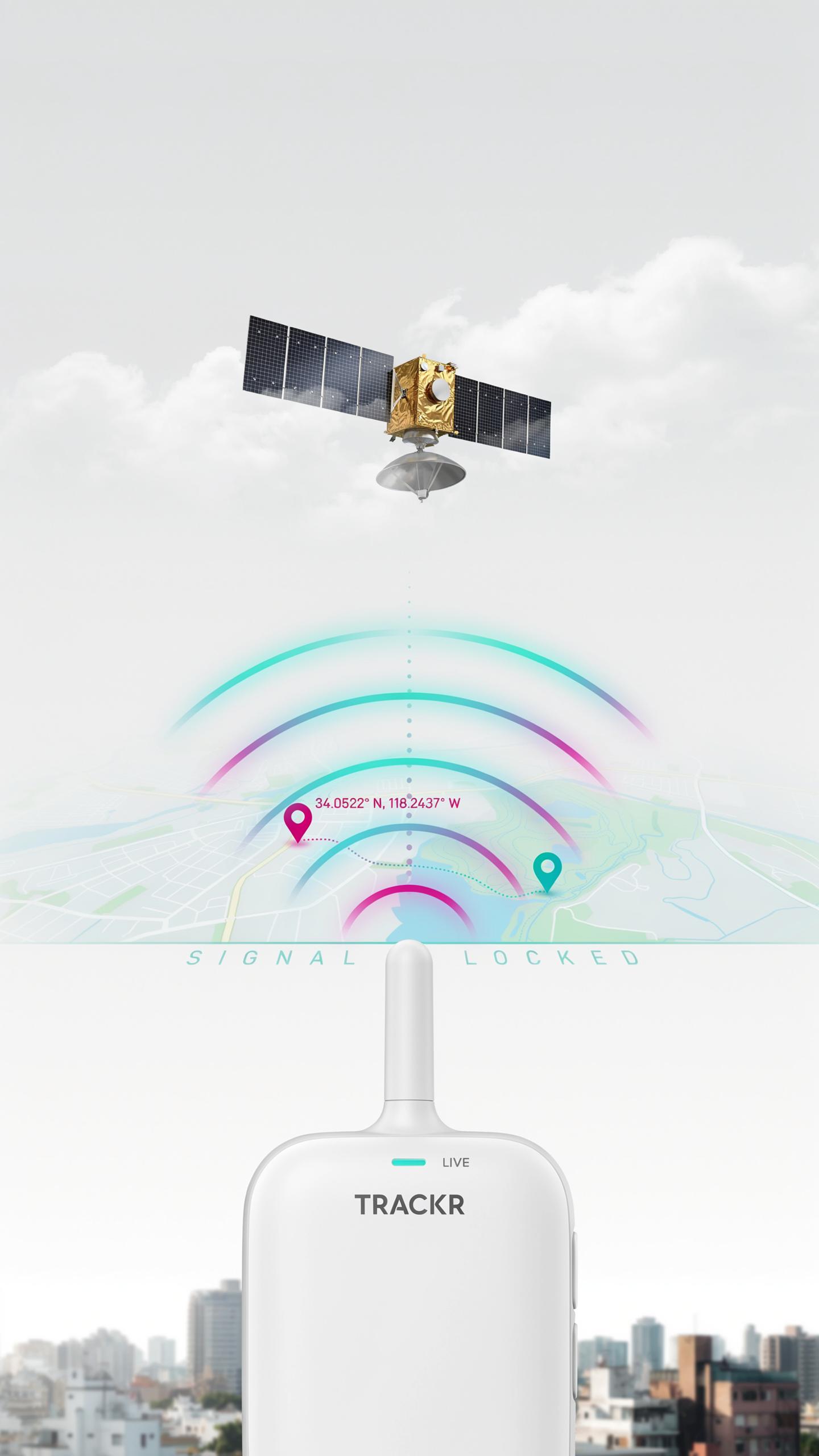
GPS trackers receive signals from satellites orbiting Earth to determine precise location coordinates. The Global Positioning System operates through a network of at least 24 satellites maintained by the U.S. Department of Defense. A GPS receiver calculates its position by measuring the time signals take to arrive from multiple satellites, then transmits that location data to a server or mobile app for viewing.
The tracker sends location updates at intervals you set, typically ranging from every few seconds to every few minutes. Accuracy depends on signal strength and environmental factors like buildings or dense tree cover. Most consumer GPS trackers maintain accuracy within 5 to 30 feet under normal conditions. The device requires a power source and cellular or data connection to transmit information to your phone or computer.
Knowing my child is safe on the road, even when I’m not with them, brings a quiet peace to my heart, a modern echo of watching them take their first steps.
Types Of GPS Tracking Devices
Plug-in trackers connect directly to a vehicle’s OBD-II port, a standardized diagnostic connector found under the dashboard in most cars manufactured after 1996. These devices draw power from the vehicle’s electrical system and start tracking automatically when the engine runs. They’re simple to install and remove without tools or technical knowledge. The main limitation is that they only work when the vehicle is in use.

Hardwired trackers connect permanently to the vehicle’s battery and electrical system, providing continuous tracking whether the car runs or not. Professional installers typically handle hardwired installation to ensure proper connection and prevent electrical issues. Portable trackers operate independently with built-in batteries and cellular connectivity, allowing you to track a teen’s phone or attach the device to their bag. Portable options offer flexibility but require regular charging and may have higher subscription costs than vehicle-based alternatives.
Key GPS Car Tracker Features For Teen Driver Monitoring
Real Time Location Tracking
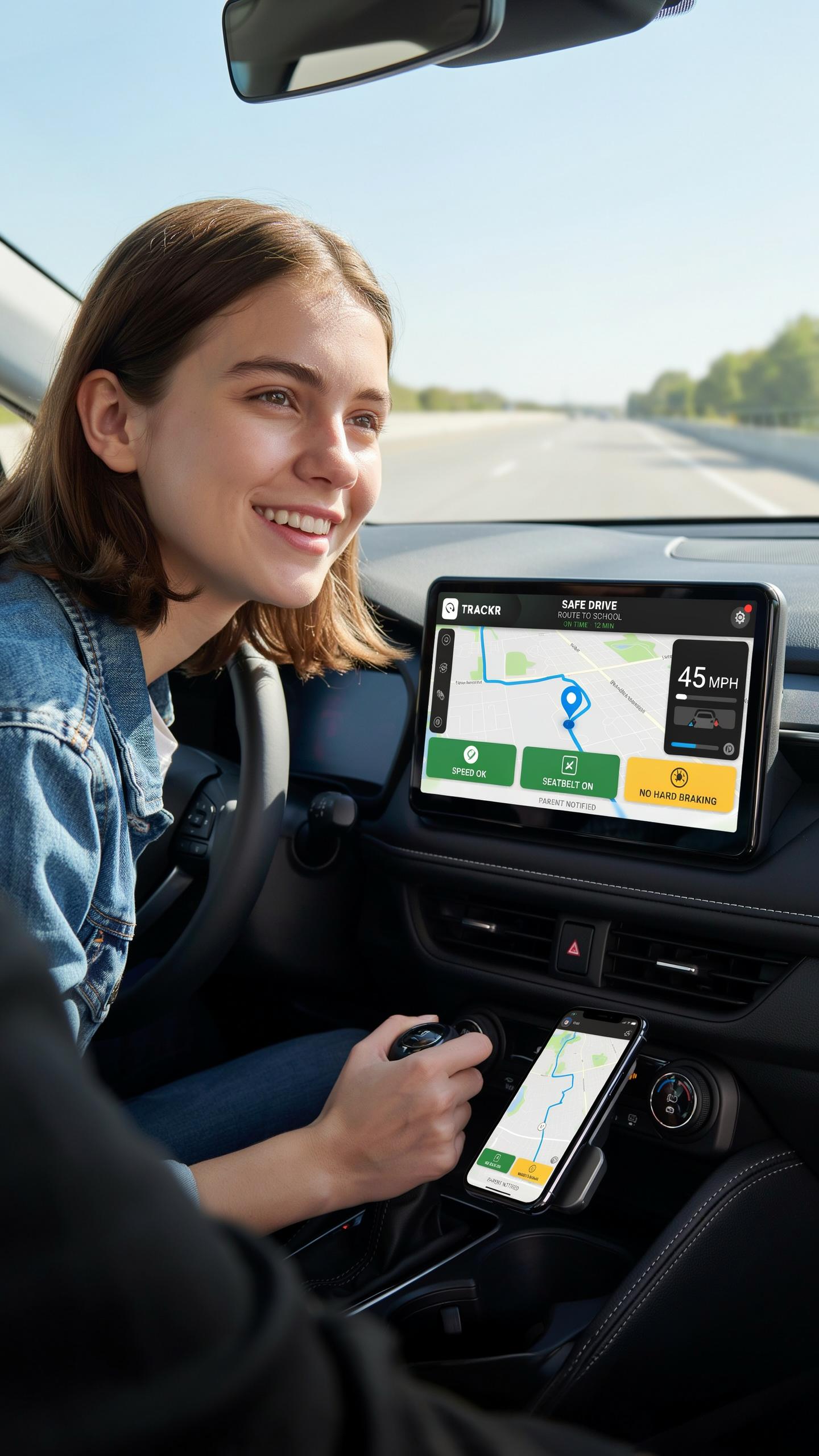
Parents access a mobile app or web dashboard to see their teen’s vehicle location updated at regular intervals, typically every few seconds to a few minutes depending on the device. The tracker pulls GPS data from satellites and displays it on a digital map. This allows parents to know exactly where their teen is driving at any moment without requiring constant phone calls or texts.
Real time tracking serves a practical purpose beyond surveillance. Parents respond faster in emergencies when they know the exact vehicle location. If a teen breaks down on an unfamiliar road, parents have immediate coordinates for rescue. If a vehicle is stolen, law enforcement receives precise location data to aid recovery efforts.
Geofencing And Boundary Alerts
Geofencing creates virtual boundaries around specific locations like school, work, or home. Parents set these zones in the tracking app. When the teen’s vehicle enters or exits a geofenced area, the parent receives an instant alert via app notification or text message. This confirms the teen reached their destination or left a location unexpectedly.

Parents use geofencing to establish basic accountability without constant monitoring. A teen heading to soccer practice triggers an alert when entering the field parking lot. An unscheduled detour from the usual route home generates an alert, prompting a conversation about the deviation. This feature creates clear expectations while reducing the need for intrusive check ins throughout the day.
Advanced Vehicle Tracking Capabilities For Enhanced Safety

Speeding And Harsh Driving Alerts
GPS tracking devices monitor vehicle speed in real time and compare it against posted limits for the road the teen is driving on. When a teen exceeds the speed limit or brakes hard suddenly, the system sends an alert to the parent’s phone or email. This immediate notification lets parents intervene quickly, either through conversation or by addressing the behavior pattern before it escalates into a dangerous habit or accident.
The alert system works because GPS receivers calculate speed by measuring position changes across precise time intervals. Parents receive notifications within seconds of the event occurring. This timing matters because it allows for prompt feedback when the behavior is still fresh in the teen’s mind, making the learning opportunity more effective than reviewing data days later.
Driving History And Reporting
GPS tracking systems store detailed records of every trip including routes taken, times of day, duration, and speed data throughout the journey. Parents access these reports through mobile apps or web dashboards to review patterns over weeks or months. This historical data reveals whether speeding happens only on certain roads, during specific times, or represents a consistent behavior that needs direct intervention and conversation.
Comprehensive driving reports highlight improvement areas by showing trends rather than isolated incidents. A parent can see if a teen’s harsh braking decreases after feedback, if nighttime driving speeds improve, or if routes change to avoid high traffic areas. This factual approach to reviewing driving data removes emotion from the conversation and focuses both parent and teen on measurable progress toward safer driving habits.
Benefits Of GPS Tracking For Parents And Teen Driver
Increased Peace Of Mind For Parents
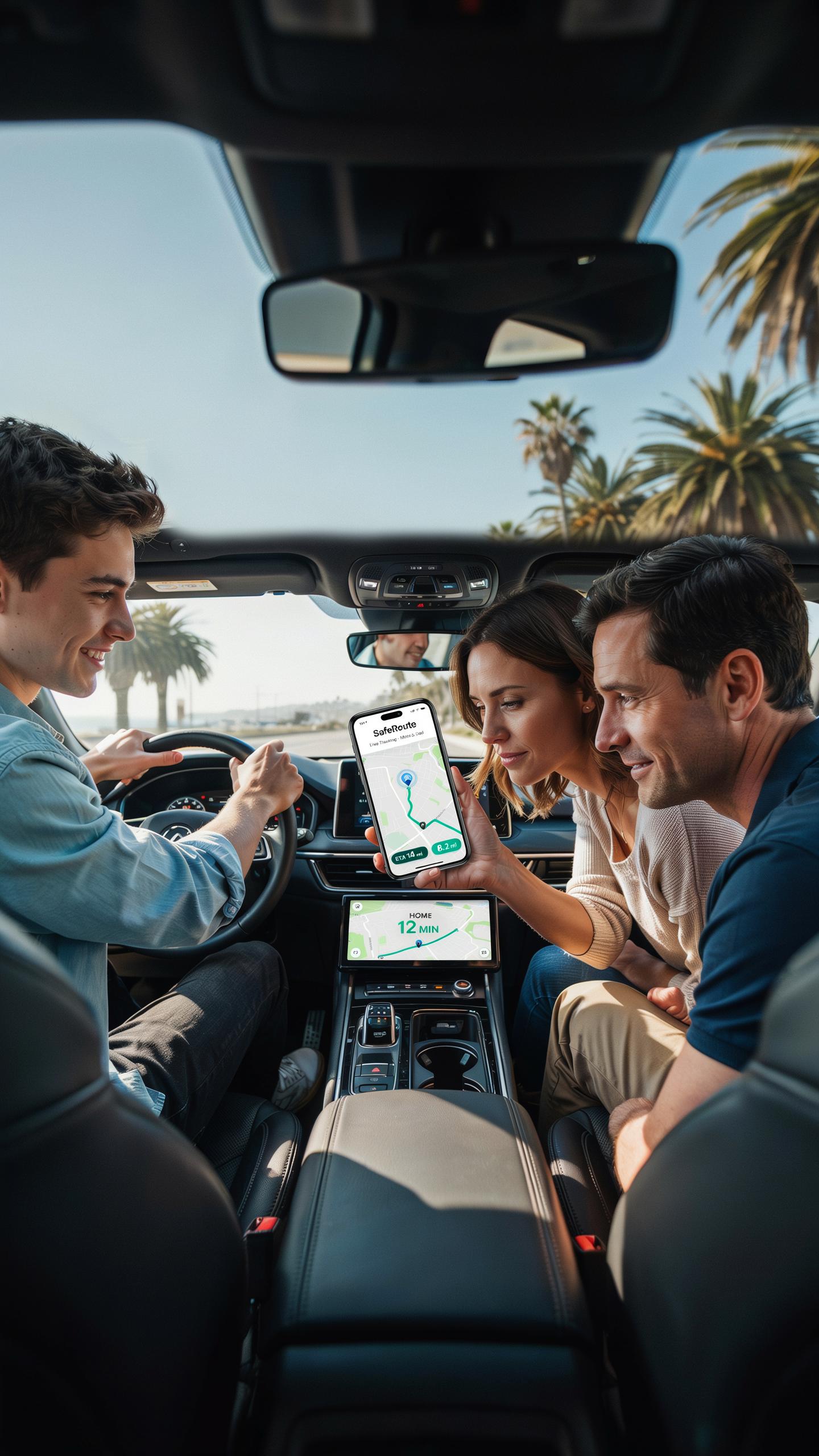
GPS tracking gives parents real-time location data on their teen’s vehicle. Parents know where their child is and can verify they arrived at stated destinations. This reduces anxiety about safety and provides concrete information instead of assumptions. The tracking data also helps parents respond faster if an emergency occurs.
When accidents or breakdowns happen, parents can locate their teen immediately. Emergency services can reach the vehicle faster when parents provide accurate coordinates. Parents can also review driving routes after trips to ensure their teen took safe paths. The ability to access this information eliminates guesswork during stressful situations.
Promoting Responsible Driving Habits In Teens
Teens aware of GPS monitoring tend to follow traffic laws more consistently. The presence of a tracking device serves as a behavioral reminder without constant nagging. Teens know their driving patterns are visible, which encourages them to avoid risky behaviors like speeding or reckless maneuvers. This accountability creates natural motivation for safer driving choices.

GPS data showing speed, braking patterns, and route choices gives parents concrete evidence of driving behavior. Parents can discuss specific incidents based on actual data rather than assumptions. Teens who understand their parents monitor their driving adjust their habits to demonstrate responsibility. This creates measurable improvement in driving conduct over time.
Choosing The Right GPS Tracking Device Factors To Consider

Battery Life And Power Options
GPS trackers drain power quickly because they transmit location data continuously. Most hardwired trackers connect directly to your vehicle’s power system and eliminate battery concerns entirely. This approach works best for permanent installation in a teen’s regular vehicle.
Portable trackers rely on built-in batteries and typically last between three to seven days per charge depending on usage intensity. High-frequency tracking drains batteries faster than periodic check-ins. Choose hardwired options for daily monitoring or portable units if you need flexibility across multiple vehicles.
Subscription Costs And Data Plans
Monthly subscription fees range from ten to fifty dollars depending on features and carrier networks. Basic plans track location every few minutes, while premium tiers add real-time alerts, speed notifications, and geofencing capabilities. Compare total annual costs before committing to any service.

Data plans factor into overall expenses since trackers consume cellular bandwidth to transmit coordinates. Some services bundle unlimited tracking into flat monthly rates, while others charge per data transmission. Calculate your actual needs: occasional location checks cost less than real-time continuous monitoring over twelve months.
How To Install Car GPS Tracker A Step By Step Guide
Installation For OBD II Devices
OBD-II trackers plug directly into your vehicle’s diagnostic port, located beneath the steering column or dashboard. Find the port, insert the device firmly until it clicks, and download the accompanying mobile app. Power comes from the vehicle’s electrical system, so no battery or wiring work is required. The tracker activates within minutes. Most devices pair with your phone via Bluetooth or connect through cellular networks automatically.
Once installed, the app walks you through account setup and preferences. You immediately gain access to real-time location data, speed alerts, and driving reports. No technician visit is necessary. The entire process takes under five minutes for most users. Removal is equally simple if you need to switch devices or sell the vehicle.
Installation For Hardwired And Portable Trackers
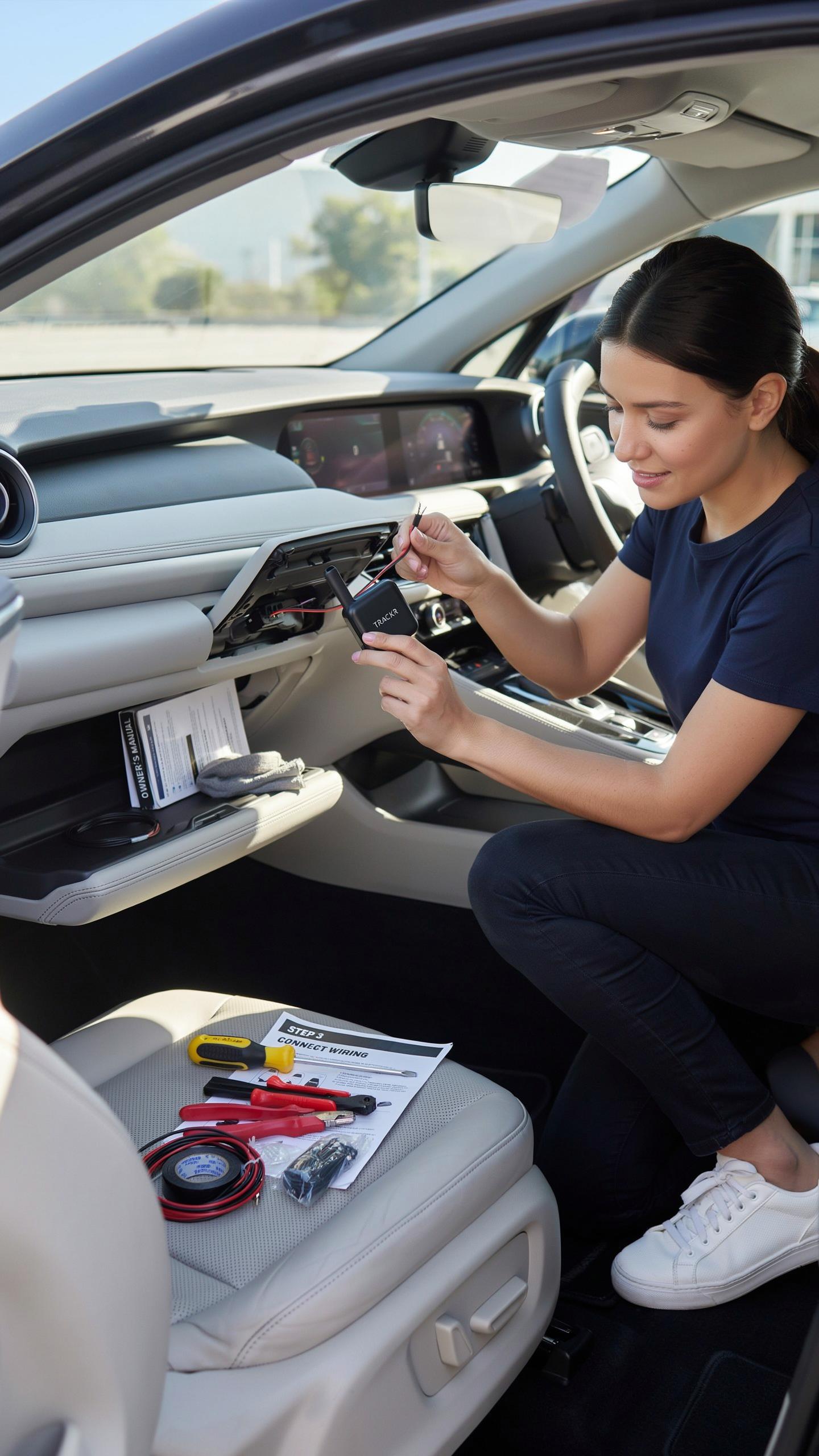
Hardwired trackers require connection to your vehicle’s electrical system, typically behind the dashboard or under the hood near the battery. This installation demands basic automotive knowledge or professional help from a technician. The device draws power directly from your car’s battery, eliminating the need for device charging. Installation takes one to two hours depending on your vehicle’s layout and the tracker’s design specifications.

Portable trackers offer the opposite approach. These battery powered devices sit on the dashboard or under a seat with no installation required. You charge them via USB and place them in the vehicle. They work immediately without any wiring or technical setup. Portability means you can move the tracker between vehicles, but battery life typically lasts three to seven days before needing a recharge.
Addressing Privacy Concerns With GPS Tracking
Open Communication With Teen Drivers
Teens resist tracking when they don’t understand why it exists. Tell them the GPS tracker monitors driving behavior to keep them safe, not to spy on their social life. Frame it as a tool that protects them from accidents and helps you respond quickly if something goes wrong. This conversation builds trust instead of resentment.
Set clear boundaries about what you monitor. Explain that you track location and driving patterns, not text messages or app usage. Teens accept monitoring when they know the rules upfront. Transparency about monitoring scope prevents feelings of invasion and reduces backlash. Regular check-ins about the tracker show you respect their input as they mature.
Legal And Ethical Considerations
GPS tracking on a vehicle your teen drives is legal in most U.S. states if you own the vehicle. Parents have the right to monitor minor children in their care. However, state laws vary on consent requirements and surveillance limits. Check your state’s specific regulations before installation to avoid legal complications.

The ethical line exists between safety oversight and control. You monitor driving to prevent crashes and dangerous behavior, not to track social activities or friendships. This distinction matters because excessive surveillance damages the parent-teen relationship and can push teens toward secrecy. Use tracking for its intended purpose: vehicle safety and accident response. Respect privacy outside the driving context to maintain trust as your teen moves toward independence.
Integrating GPS Tracking With Parental Control Strategies
Combining With Driving Contracts
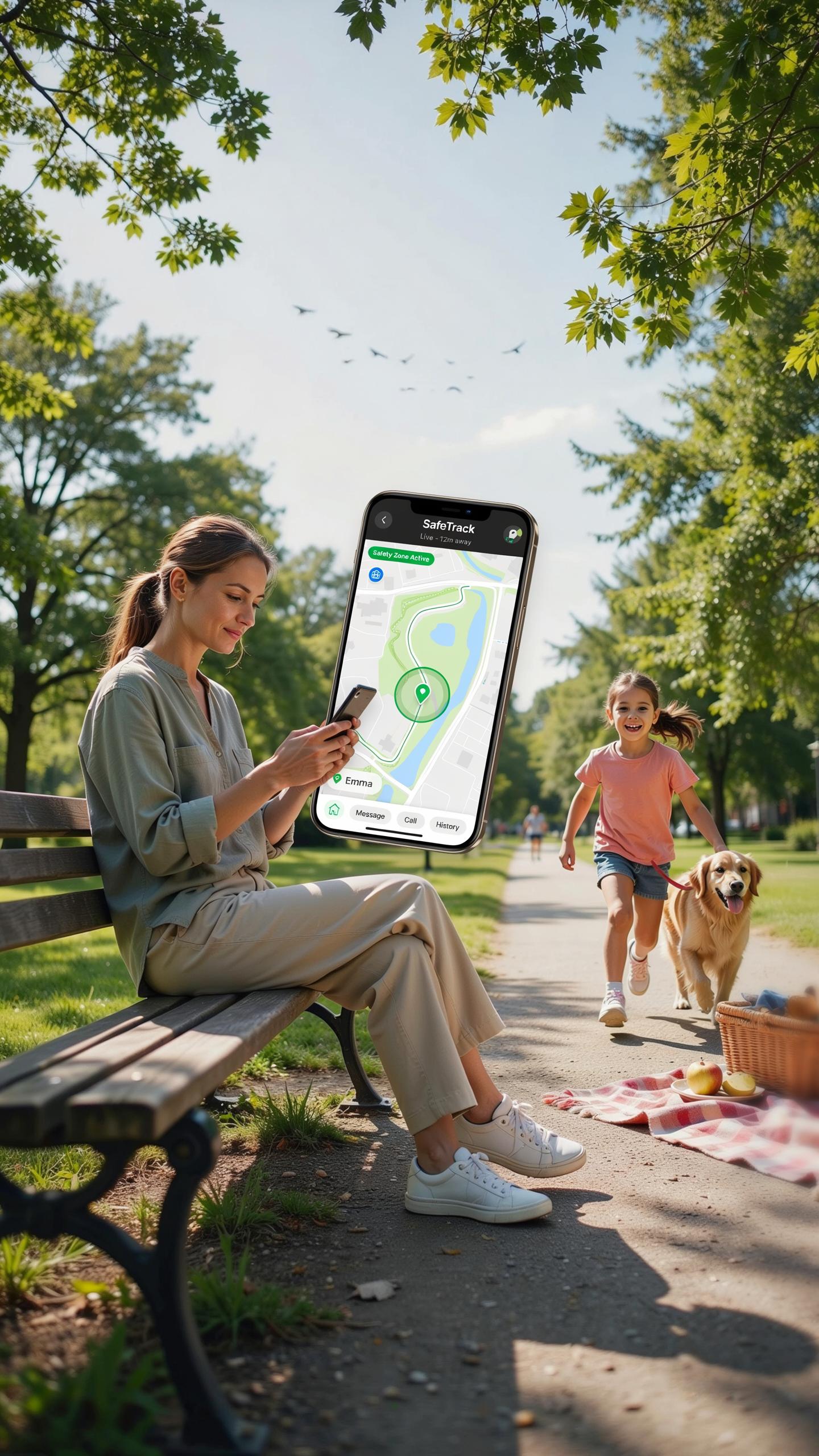
A driving contract establishes clear rules and consequences before your teen gets behind the wheel. GPS tracking data becomes the enforcement mechanism that validates whether your teen followed the agreement. When you set specific boundaries in the contract like speed limits, curfews, or restricted zones, the tracker documents compliance or violations in real time.
GPS data transforms a contract from theoretical to measurable. Your teen knows you can verify their route, arrival time, and driving speed. This accountability creates incentive to follow the contract terms. When violations occur, you have factual data to reference during discussions rather than relying on what your teen reports about their driving session.
Educational Opportunities From Data
GPS tracking generates driving patterns you can review with your teen to identify specific improvement areas. If data shows they regularly speed on certain roads, you address that behavior directly. If they take inefficient routes, you discuss navigation choices. The data becomes objective feedback for teaching better decision making behind the wheel.
Review sessions with GPS data teach teens how their choices appear to an observer. They see their exact speed at problem intersections, how sharply they turned, and how long they spent driving. This visual feedback helps teens recognize dangerous habits they might not notice while driving. Over time, teens who review their data tend to self correct because they understand the specific behaviors that put them at risk.
The Future Of GPS Tracking And Teen Driver Safety
Emerging Technologies In Vehicle Tracking
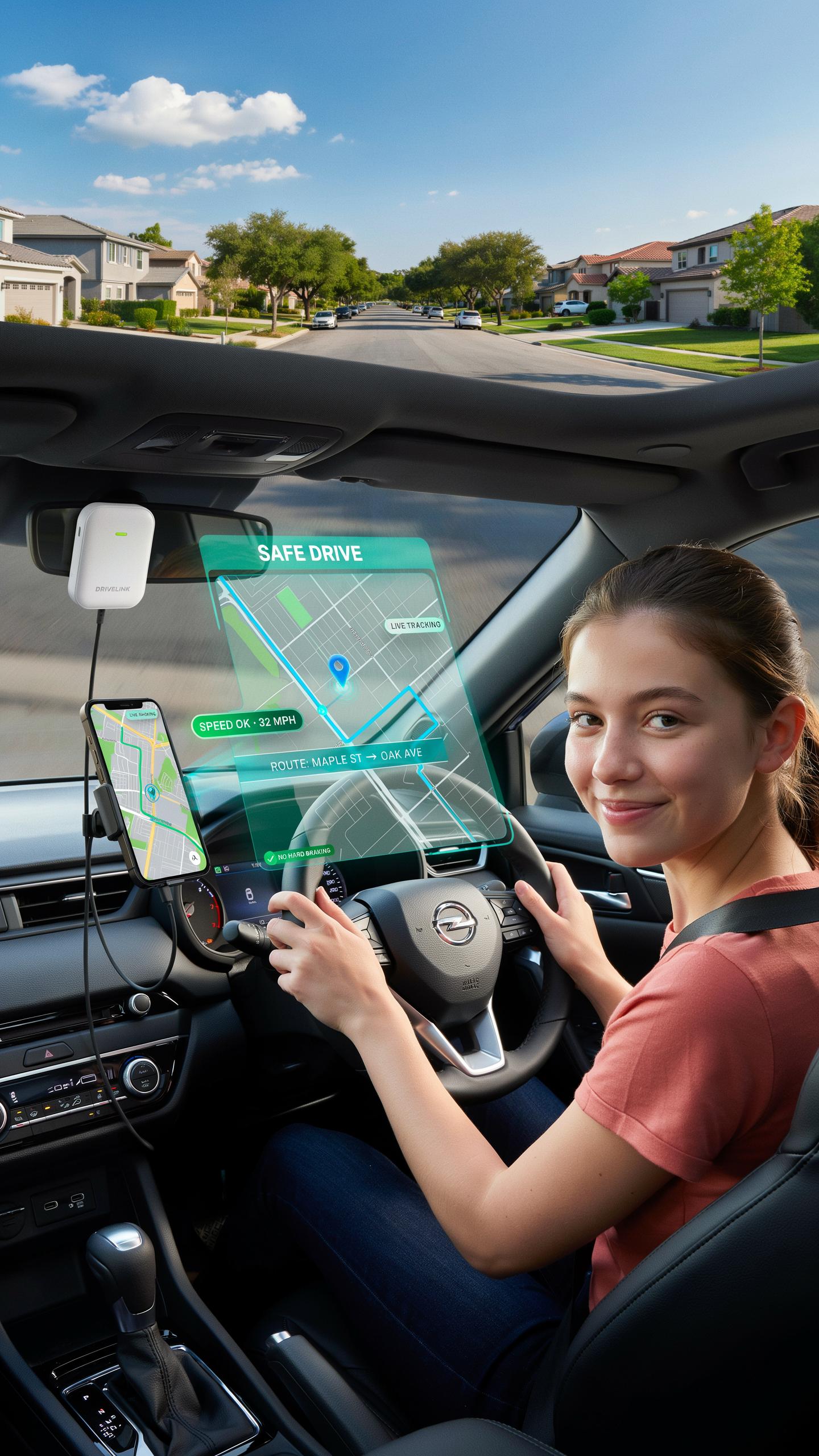
GPS technology continues to evolve beyond basic location mapping. Modern systems integrate real-time data collection, predictive analytics, and machine learning algorithms that identify dangerous driving patterns before accidents occur. These advancements move tracking from passive monitoring to active risk prevention, giving parents actionable intelligence rather than just location data.
Integration with vehicle systems represents the next phase. Future GPS trackers will connect directly to engine diagnostics, brake sensors, and acceleration data. This creates a complete picture of driving behavior at the granular level. Insurance companies and manufacturers already use this approach to reward safe drivers and identify mechanical failures before they cause crashes.
Long Term Impact On Driving Behavior
Consistent use of GPS tracking during the critical teen driving years establishes safety habits that persist into adulthood. Research on behavior modification shows that awareness of monitoring influences decision-making, particularly among younger drivers whose brains are still developing judgment capabilities. Teens tracked during their first two years behind the wheel show measurable improvements in speed regulation and distraction avoidance that carry forward.
The generational effect compounds over time as tracked teens become parents themselves. They understand the safety benefits firsthand and normalize monitoring technology within family transportation culture. This creates a feedback loop where younger generations accept accountability measures as standard practice rather than intrusive oversight, fundamentally shifting how society approaches vehicle safety management.
Frequently Asked Questions

What exactly is a GPS tracker for teen driver safety, and how does it work?
A GPS tracker for teen driver safety is a small device installed in a vehicle that uses satellite technology to pinpoint its location in real-time. It communicates this data to your smartphone or computer, allowing parents to monitor their teen’s driving habits, speed, and location. This provides an extra layer of security and peace of mind.
How do I install a GPS tracker in my teen’s car, and what’s the easiest method?
Most modern GPS trackers for teen driver safety are incredibly easy to install. Many simply plug directly into the car’s OBD-II port, typically located under the dashboard. This plug-and-play method requires no tools or complex wiring, making it the most straightforward option for busy parents.
Are there affordable GPS tracking options available, or are they all expensive?
Absolutely! You’ll find a wide range of GPS tracking options to fit various budgets. While premium models exist, there are many reputable and effective GPS trackers available at very reasonable price points, often with subscription plans that are also quite affordable. It’s an accessible tool for many families.