
Understanding The Dash Cam With Parking Mode Feature
Definition And Core Functionality
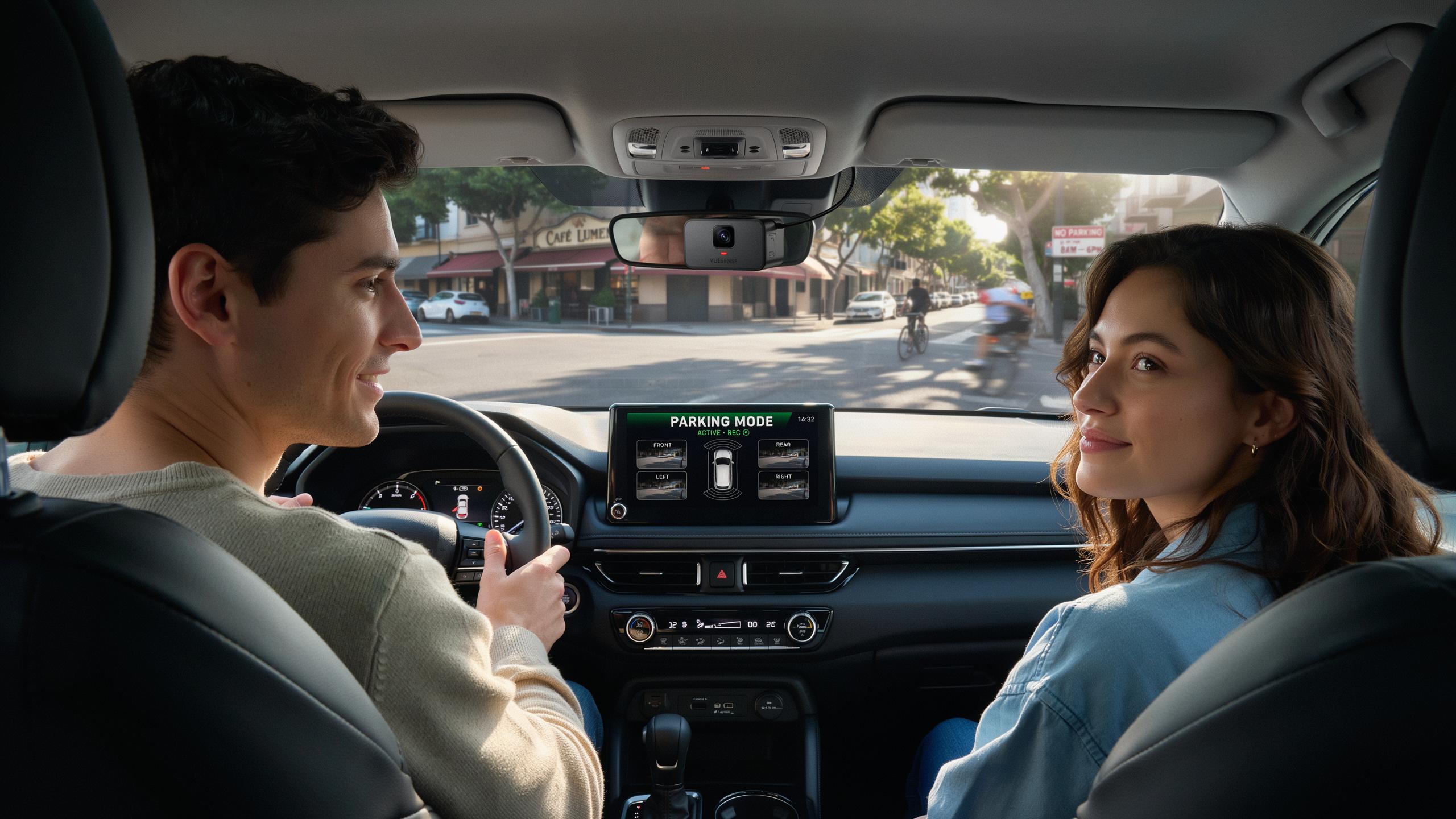
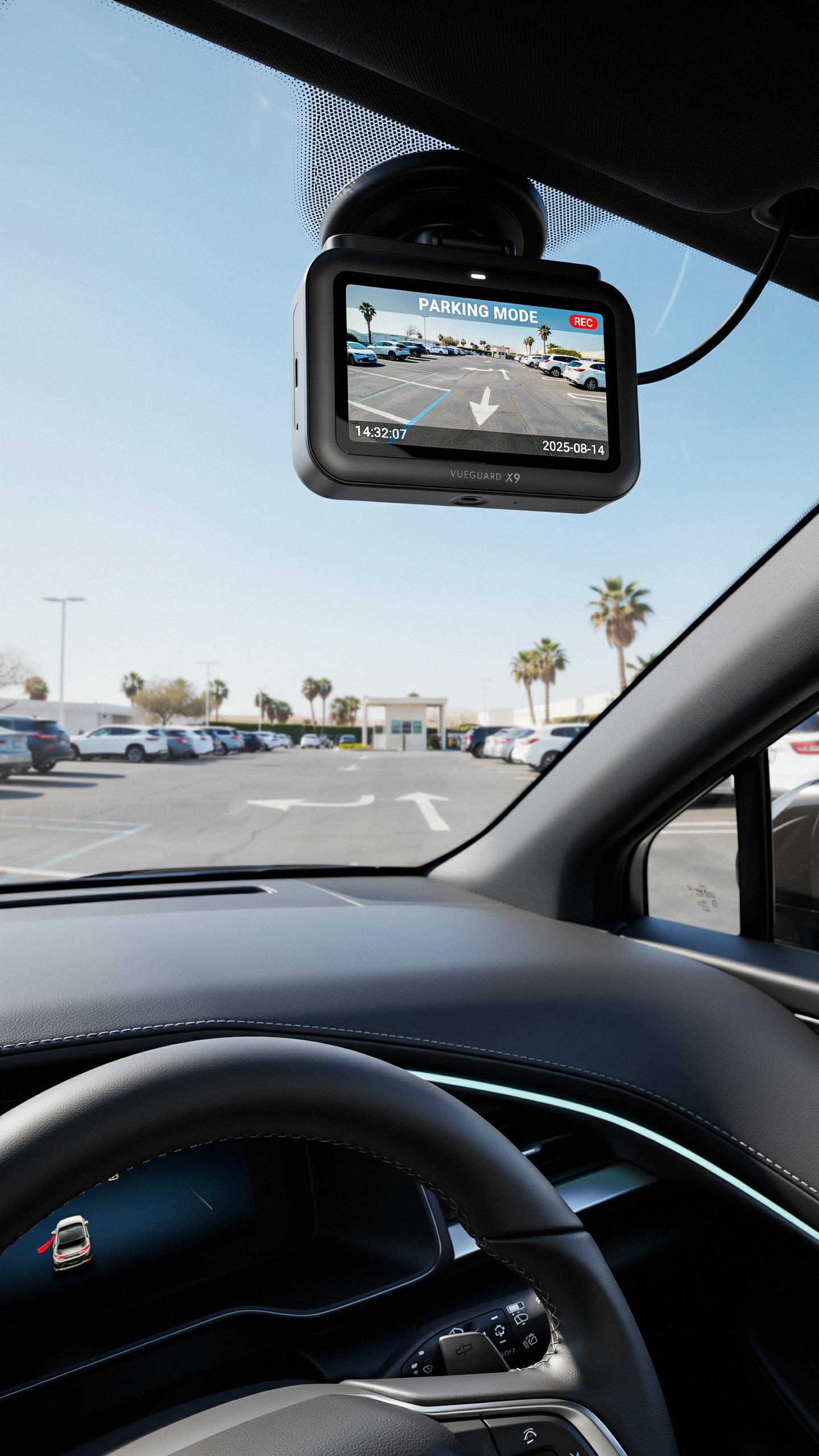
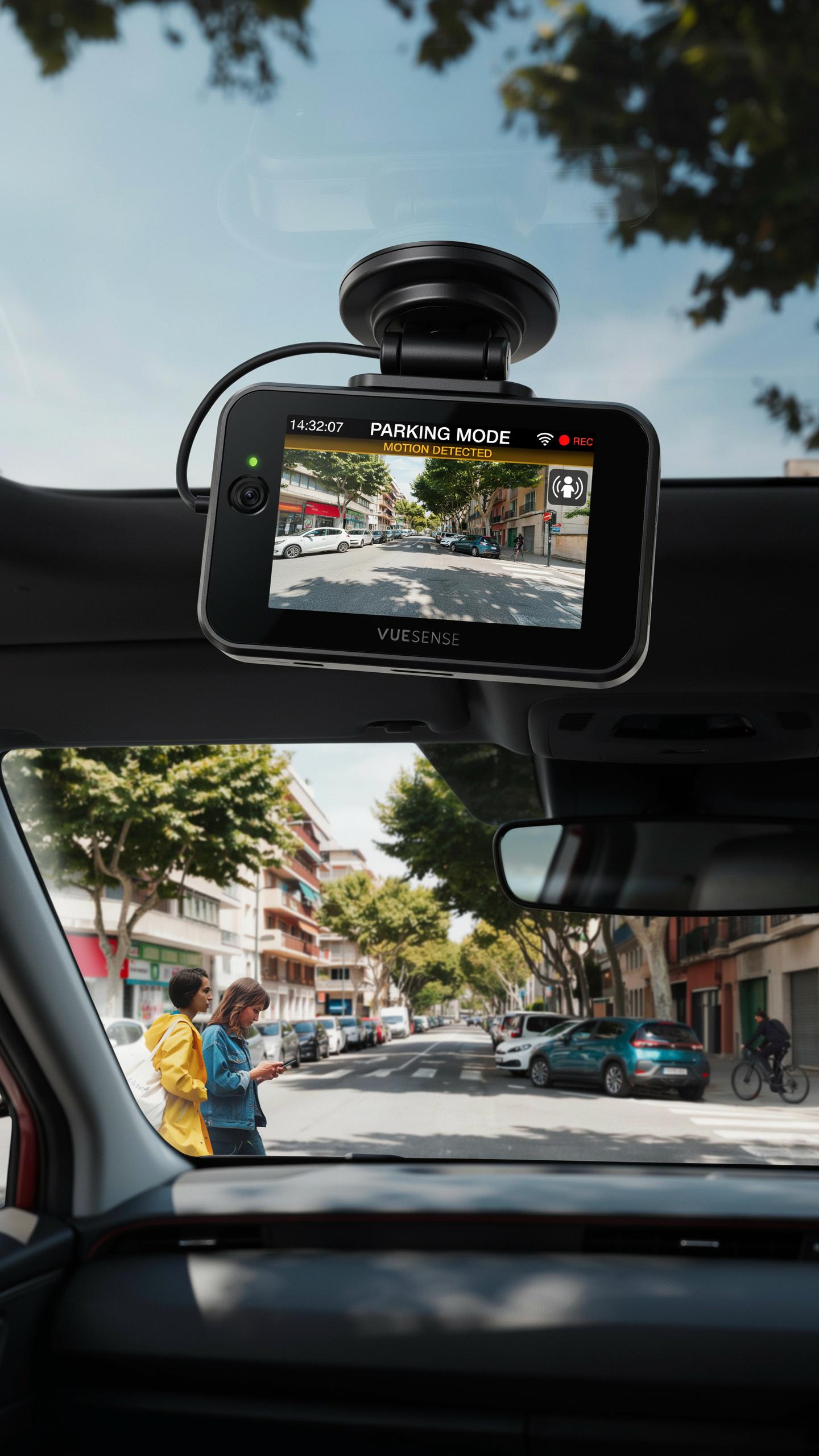
A dash cam with parking mode is a camera system that records video while your vehicle sits parked and powered off. The camera activates based on triggers like motion detection, impact sensors, or manual scheduling. It captures footage of your vehicle’s surroundings to document theft, vandalism, hit-and-run incidents, and break-ins. Power comes from the car battery through hardwired installation or auxiliary battery packs built into the camera.
Parking mode solves a critical gap in vehicle protection. Standard dash cams only record while the engine runs. Without parking mode, criminals act freely against parked vehicles since owners have no video evidence. The feature provides continuous security across 24 hours, transforming your vehicle into a monitored asset whether you’re at home, work, or traveling. This capability justifies the upgrade for most vehicle owners.
Types Of Parking Mode
Buffered parking mode records continuously to a small rolling buffer in the camera’s memory. When motion or impact occurs, the system locks the footage around that event and saves it permanently. The camera cycles through older recordings once the buffer fills, preserving only recent data or flagged events. This approach minimizes storage demands and battery drain compared to constant recording.
Time-lapse parking mode captures single frames at set intervals, typically one frame every five to thirty seconds. The camera stitches these frames into video that plays at normal speed, compressing hours of parking time into minutes. This method drastically reduces file sizes and battery consumption while maintaining visual coverage. Time-lapse works best for detecting break-ins, theft, and vandalism that occur over extended periods.
Motion detection parking mode activates recording only when the camera senses movement near your vehicle. The system stays dormant to conserve battery until a trigger occurs, then records continuously or in bursts. Advanced versions distinguish between relevant motion and false triggers like wind-blown leaves or passing pedestrians. This selective approach delivers the longest battery life while capturing the events that matter most.
Why Parking Mode Is Essential For Car Safety
Protection Against Hit And Runs
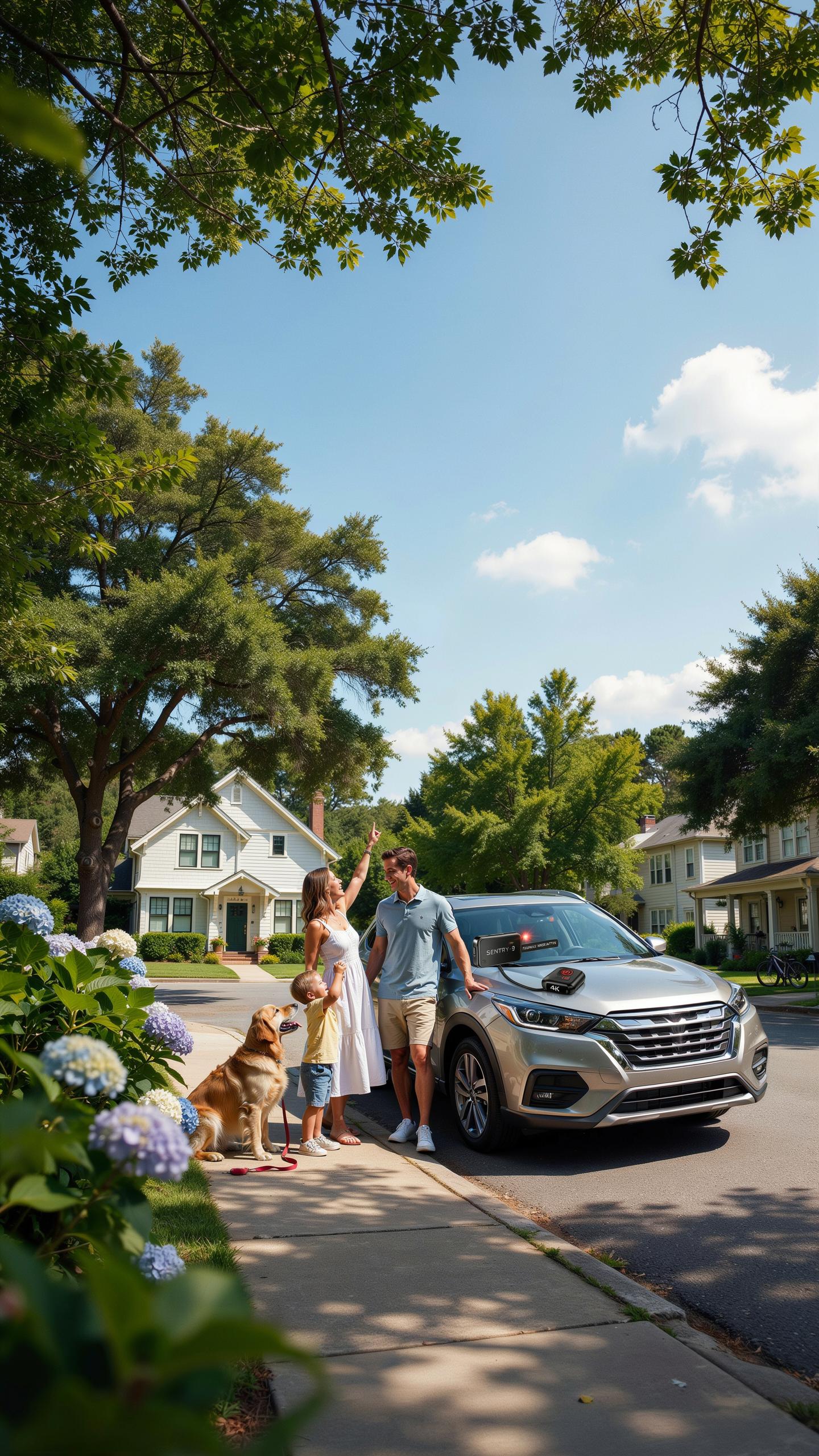
Parking mode records footage while your car sits parked and unattended. When another vehicle hits your car and leaves, parking mode captures the incident. You get the other driver’s license plate, vehicle description, and collision details. This evidence identifies the responsible party and supports insurance claims or police reports. Without parking mode footage, hit-and-run cases often go unsolved, leaving you to cover damages out of pocket.
Parking mode operates on motion or impact detection. The camera activates when it senses movement or a collision near your vehicle. It records a set duration before and after the trigger event. This footage becomes your legal proof of what happened while you were away. Law enforcement and insurance companies use this evidence to hold the other driver accountable.
Deterring Vandalism And Theft Attempts
A visible dash cam signals that your vehicle has surveillance. Potential vandals and thieves see the camera and move to easier targets. Criminals prefer vehicles without recording devices because they increase risk of identification. The presence alone changes their cost-benefit calculation. They seek out unprotected cars instead of dealing with documented evidence.
Parking mode creates a continuous security presence. Your car stays monitored even at night or in remote parking areas. The camera records anyone approaching, tampering with, or attempting to steal from your vehicle. This documentation deters criminal activity before it starts. Thieves know their actions are captured, making your car a poor choice for illegal activity.
Key Features Of A Good Dash Camera Car Camera
High Resolution And Wide Angle Lens
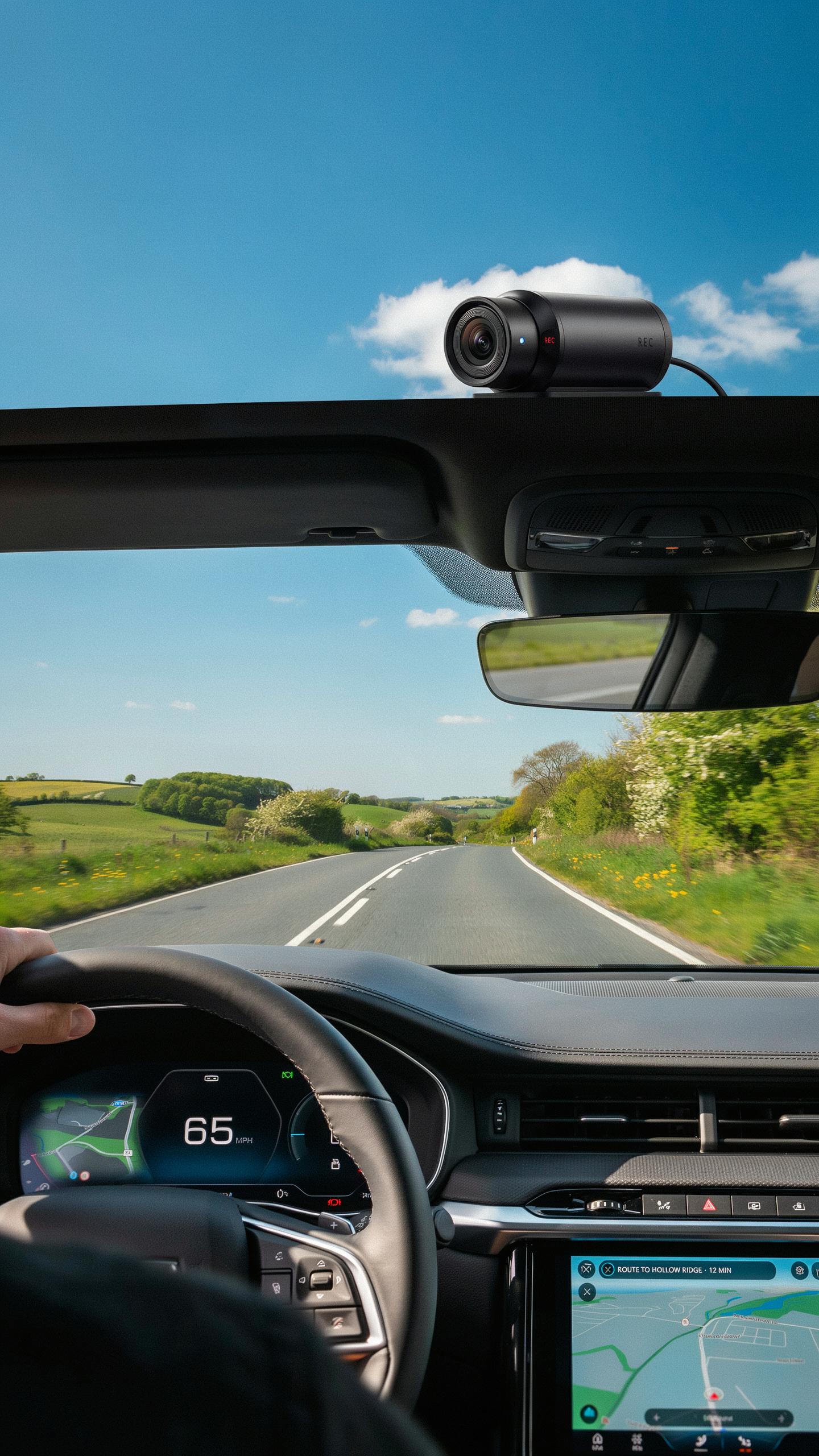
Clear video footage solves the primary problem dash cameras exist to handle. You need resolution high enough to capture license plates and facial details during incidents. Most modern dash cameras shoot at 1080p minimum, with many offering 1440p or 2K. Resolution directly determines whether your footage holds up in insurance claims or legal disputes.
Wide-angle lenses expand your field of view to catch events happening around your vehicle. A 140-170 degree lens captures what happens to your sides and slightly behind you. Narrow angles miss critical moments. The tradeoff is that extreme wide angles distort the image at edges, which you’ll notice but rarely matters for incident documentation.
Reliable Power Management For Extended Surveillance
Hardwiring kits connect your dash camera directly to your vehicle’s electrical system instead of relying on USB ports. This matters because parking mode surveillance drains battery fast. A hardwired setup lets your camera record continuously or on motion detection while parked, as long as your battery has charge. Professional installers run wires through your headliner and behind panels to keep things clean.

Low-voltage protection cuts power automatically when your battery drops below a safe threshold. Without this feature, parking mode recording will drain your car battery completely, leaving you stranded. Your vehicle needs reserve power to start the engine. Good dash cameras with parking mode include voltage cutoff settings that you adjust based on your battery type and how much reserve power you want to maintain.
Night Vision Capabilities For Enhanced Surveillance
Infrared And WDR Technology
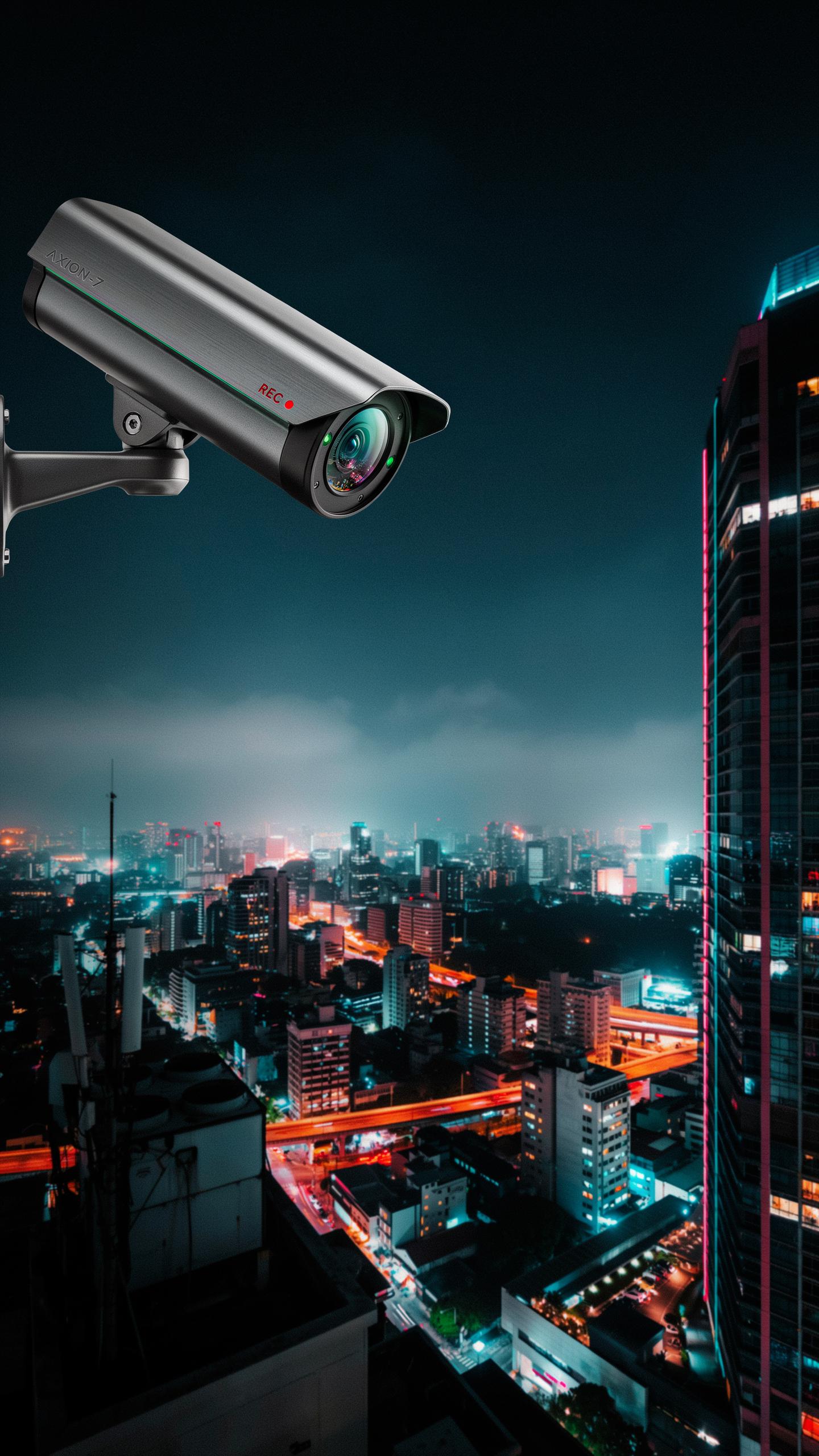
Infrared technology detects heat signatures and converts them into visible images. Most dash cams use infrared LEDs positioned around the lens to illuminate dark scenes. WDR, or Wide Dynamic Range, processes bright and dark areas separately, then combines them. This prevents overexposure and underexposure in the same frame. Together, these technologies work in parking mode to capture license plates and vehicle details at night.
Infrared has limitations. It works best at close range, typically 15 to 30 feet. Beyond that distance, image quality drops significantly. WDR requires more processing power, which increases battery drain during parking mode recording. The trade-off is manageable for most users, especially when parking near lights or in urban areas where ambient light exists.
Clarity In Dark Environments
Night vision footage matters because it captures identifiable details when incidents occur. Clear footage shows license plates, vehicle colors, and damage patterns. Poor night footage becomes useless in insurance claims or police reports. Dash cams with strong infrared and WDR produce usable evidence, not blurry shadows.
Parking mode recording at night removes guesswork from vehicle protection. You get timestamps, vehicle identification, and collision evidence. Blurry or dark footage creates doubt in liability disputes. Clarity transforms parking mode from a safety feature into a tactical defense tool for your vehicle.
Smart Car Gadgets App Control And GPS Tracking
Remote Access And Notifications Via App
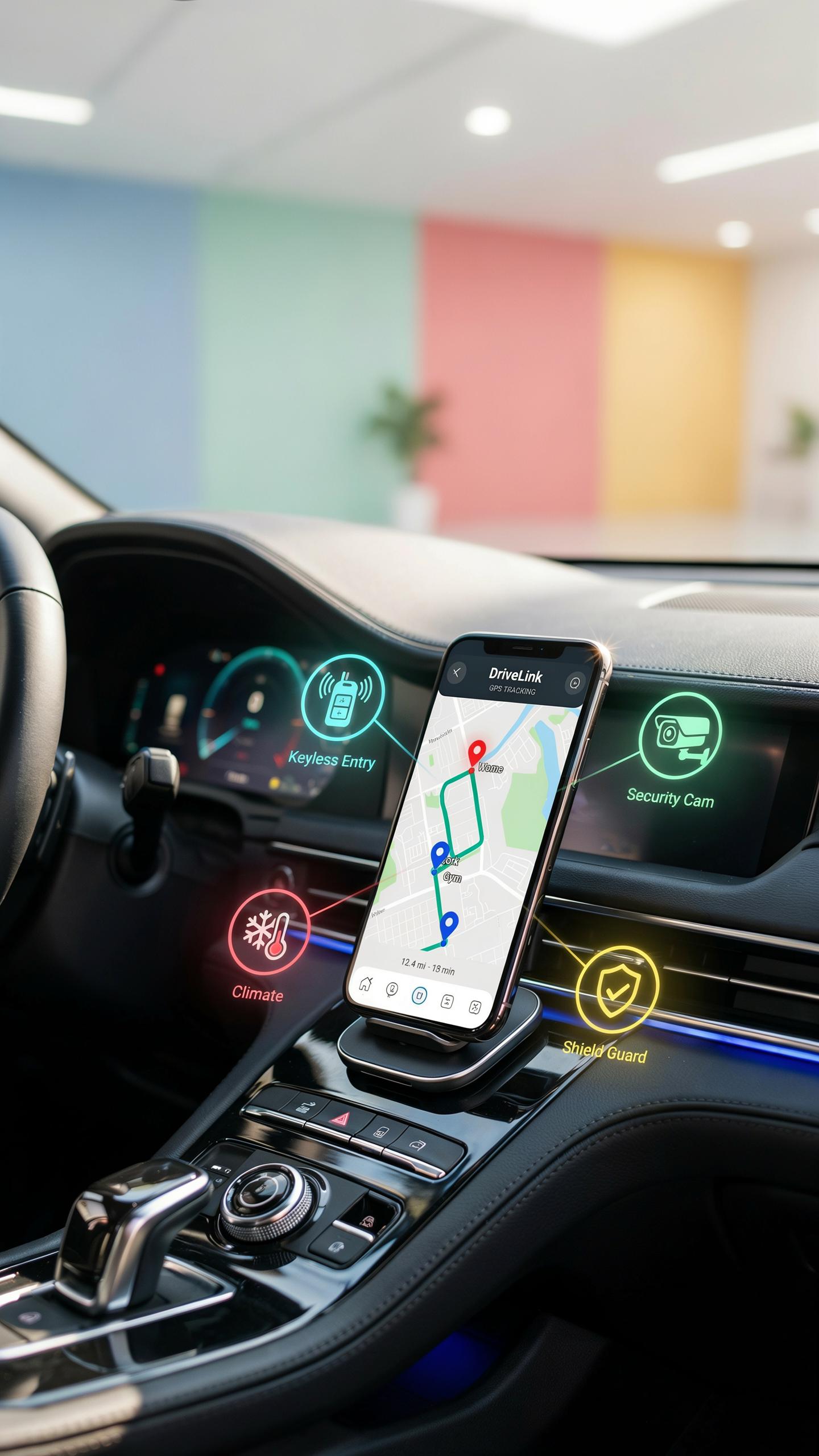
Most dash cams with parking mode now include mobile apps that let you check your vehicle remotely. You receive instant alerts when the camera detects motion, impact, or unusual activity while parked. This eliminates the need to physically check footage after every incident. The app shows you live or recorded video directly on your phone, wherever you are.
These notifications serve a tactical purpose: early warning. If someone hits your car, you know immediately instead of discovering damage hours later. You can document the scene in real time and contact authorities with fresh information. Some apps timestamp all alerts, creating a verifiable record for insurance claims and liability disputes.
Location Tracking And Route History
GPS tracking records your vehicle’s exact location during every drive and parking session. Route history maps where you traveled, at what times, and for how long. This data helps reconstruct incident timelines if accidents occur on the road or parking lots. Insurance companies and law enforcement use this information to verify claims and establish facts.
For parking mode specifically, GPS confirms your vehicle’s stationary coordinates when damage happens. You can prove where your car was parked and when it remained there. This eliminates disputes about accident location and timing. The data also supports theft recovery efforts by showing your vehicle’s last known position before it disappeared.
Installation And Setup Of Your Car Dash Cam
DIY Vs. Professional Installation
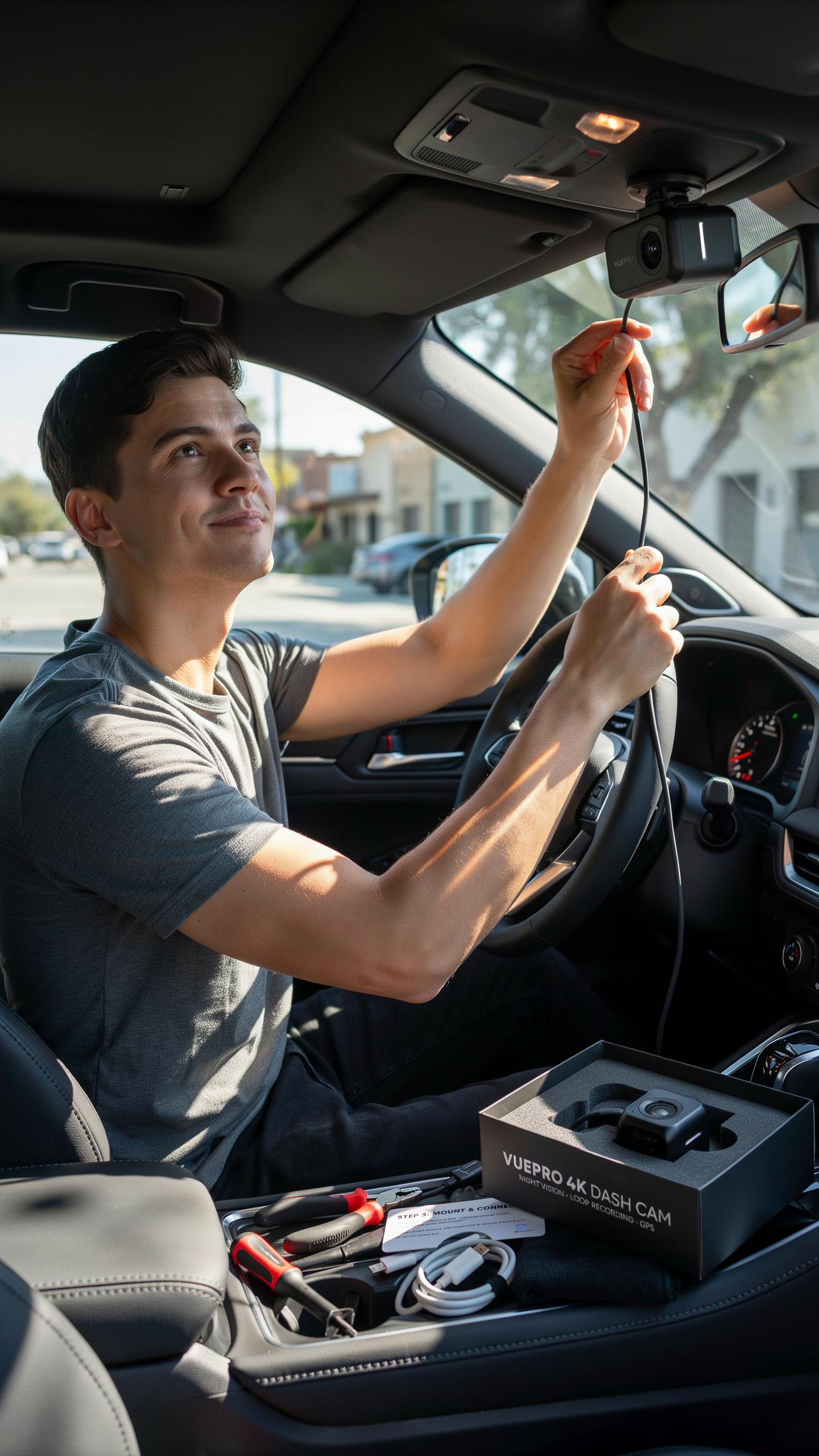
Most dash cams mount directly to your windshield with adhesive or suction cups. You handle the power cable routing yourself, threading it along the headliner to the 12V outlet or hardwiring it to your vehicle’s fuse box. DIY takes 30 minutes to two hours depending on your comfort level and cable routing complexity.
Professional installation costs between 50 and 150 dollars but guarantees clean cable concealment and proper hardwiring for parking mode. Technicians know vehicle-specific routing paths and avoid airbag sensors. Choose professional installation if you value time, want hardwiring for continuous parking mode power, or lack comfort working inside your vehicle’s electrical systems.
Remember those fleeting moments of worry, wondering if your parked car was safe? With a dash cam’s parking mode, peace of mind becomes a beautiful, constant companion, like a beloved old tune.
Optimal Placement For Maximum Coverage
Position your dash cam behind the rearview mirror, centered on the windshield. This placement captures the front road, reduces glare reflection, and stays out of your line of sight. The camera should angle slightly downward to catch license plates of vehicles ahead, typically at a 10 to 15 degree tilt from horizontal.
- Windshield height: Mount at least 7 inches below the top edge to avoid recording mostly sky and to stay within legal visibility zones in most states.
- Avoid direct sun exposure: Position the camera to prevent sunlight from hitting the lens directly, which causes washed out footage and reduces video quality.
- Clear line of sight: Ensure no dashboard objects, vents, or trim pieces obstruct the camera lens or create blind spots in your recording.
- Mirror positioning: If using a rear camera for parking mode, mount it on the rear window centered and angled to capture your vehicle’s rear 170 degrees or wider.
- Cable routing: Run power cables along the headliner edges and down the A-pillar, keeping them hidden and preventing distraction or tangling with controls.
Test your positioning by recording 30 seconds of footage before final mounting. Review playback to confirm you capture license plates clearly at highway distances and that your viewing angle matches your driving needs. Reposition if you see excessive sky, hood obstruction, or blind spots on either side.
Legal Implications And Insurance Benefits Of A Dashboard Camera
Using Dash Cam Footage As Evidence
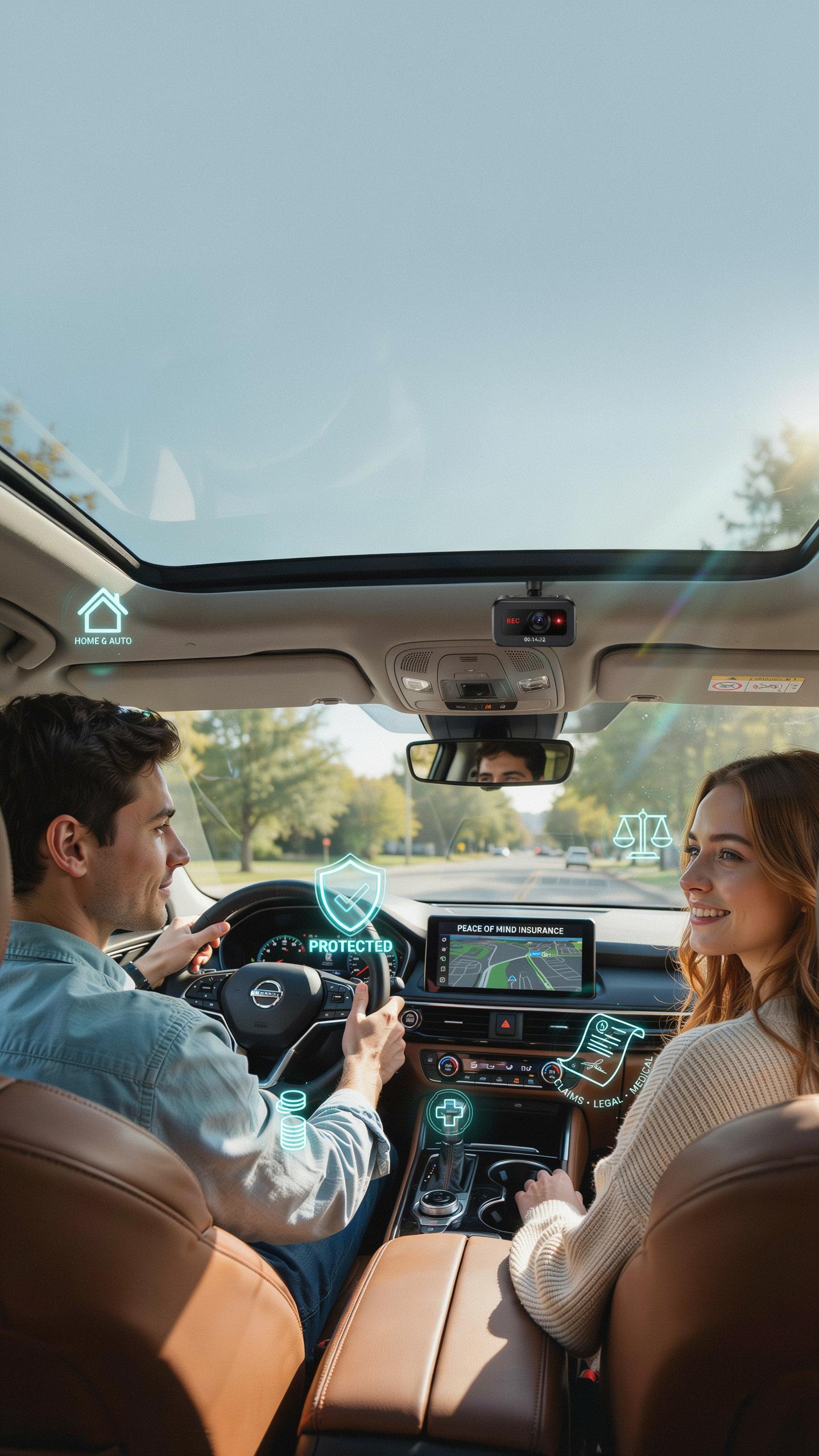
Dash cam footage holds legal weight in most jurisdictions when courts evaluate accident claims. Recordings provide objective documentation of road conditions, vehicle positions, and driver behavior at the moment of impact. Insurance companies and police departments use this footage to establish fault and liability without relying solely on witness accounts or driver statements.
Courts admit dash cam evidence under established rules for recorded data. The footage must show actual events without manipulation or editing. Timestamped recordings prove particularly valuable because they establish sequence and timing. Admissibility varies by state and country, so local laws determine whether your specific footage can be used as evidence in legal proceedings or insurance disputes.
Potential Insurance Premium Reductions
Insurance carriers recognize dash cams as risk mitigation tools and offer premium discounts to policyholders who install them. Discounts typically range from five to ten percent annually, though carriers vary on specific amounts. Some insurers require proof of installation or ongoing recording capability. The discount reflects reduced claims processing costs and fewer fraudulent claims when objective video evidence exists.

Parking mode footage strengthens your position during hit and run incidents or parking lot damage claims. Video proof of how damage occurred eliminates ambiguity and speeds claim resolution. Insurers value this capability because it reduces investigation time and fraud risk. Contact your insurance agent to confirm eligibility for discounts and specific documentation requirements before installation.
Choosing The Right Dash Cam With Parking Mode Feature
Factors To Consider Before Purchase
Your budget determines what features you actually get. Entry level models cost between 100 and 200 dollars and record basic video. Mid range options run 200 to 400 dollars with better sensors and larger storage. Premium models exceed 400 dollars and add features like dual channel recording or higher resolution output. Know your spending limit before comparing specific models.
Parking mode draws power from your car battery, so verify your vehicle supports hardwiring. Some dash cams require professional installation while others use simple 12 volt connections. Check the manufacturer’s specifications for your car model. Storage capacity matters because parking mode records continuously. A 256GB card holds roughly 40 to 50 hours of 1080p footage depending on compression settings. Calculate how long you need footage retention before buying.
Brand reputation predicts reliability and customer support quality. Established manufacturers like Viofo, Blackvue, and Thinkware have proven track records with warranty claims and firmware updates. Read owner reports on reliability issues and failure rates. Avoid brands with no verifiable customer service channels or excessive complaints about defective units within the first year of operation.
Top Recommendations For Various Needs
Budget conscious buyers should examine the Viofo A119 Mini or Blackvue DR500GW series. These models deliver reliable parking mode recording and basic motion detection without premium pricing. They require hardwiring for power but function well in most climates. The trade off involves lower resolution recording and smaller storage options compared to expensive alternatives.
Users needing reliability in extreme weather should consider Blackvue DR900S or Thinkware U1000. These handle temperature fluctuations without shutting down unexpectedly. Extended warranty coverage becomes essential for this price tier. Verify parking mode performance ratings in your specific climate zone since battery drain accelerates in cold temperatures.
Customers wanting maximum recording capability and dual channel coverage benefit from Viofo A229 Duo or Blackvue DR970X. These capture front and interior simultaneously during parking events. Higher resolution and larger storage mean more detailed footage for insurance claims. Budget 400 to 600 dollars for these systems plus professional installation if needed.
Fleet managers and commercial operators require models with cloud connectivity and remote viewing. Blackvue Cloud and Thinkware Cloud platforms enable live monitoring from mobile devices. These systems cost more upfront but reduce response time to incidents. Check data plan fees and storage subscription costs before committing to cloud connected devices.
Maintaining Your Dash Camera For Longevity
Regular Firmware Updates And SD Card Maintenance
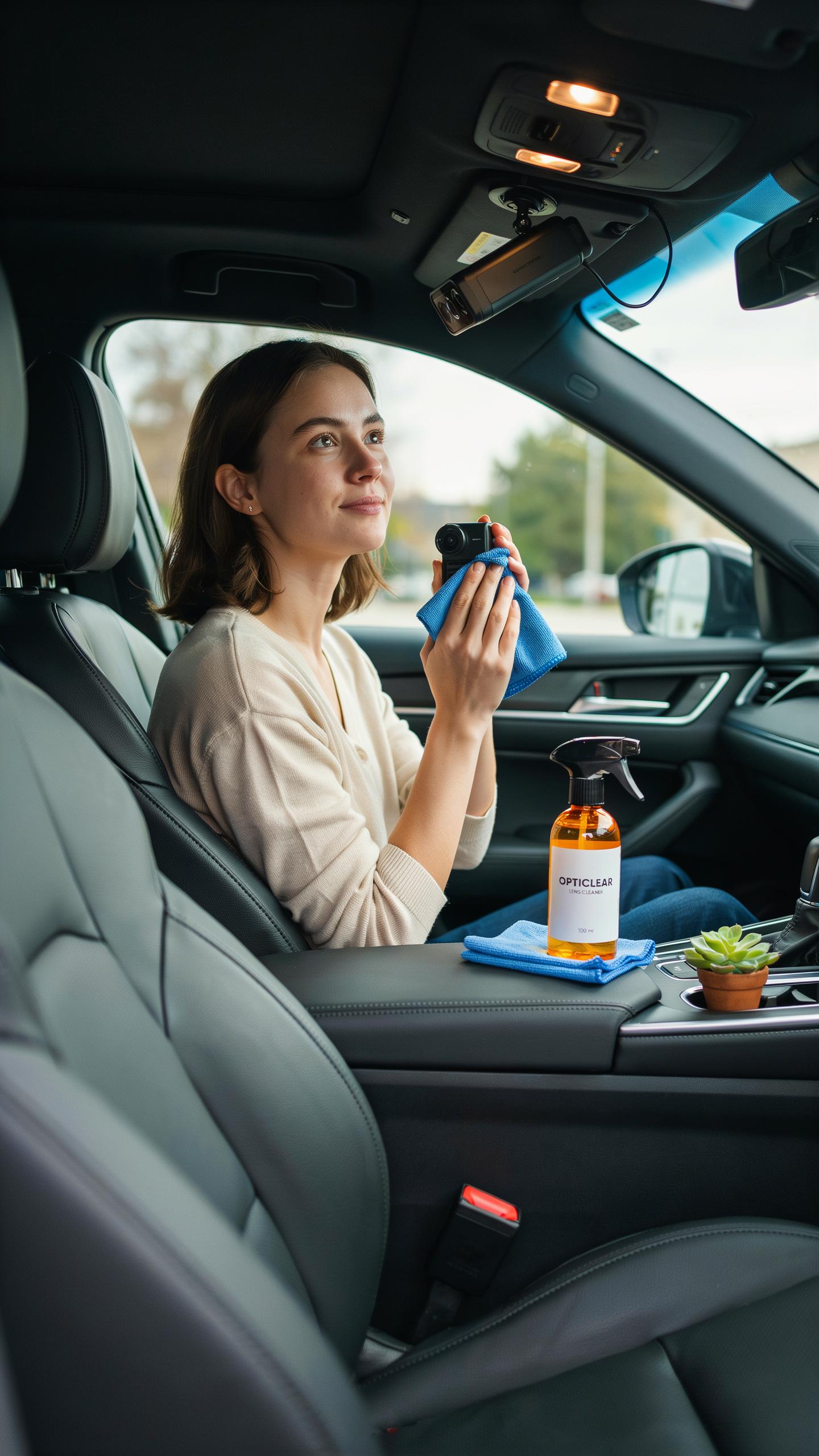
Manufacturers release firmware updates to fix bugs, improve parking mode reliability, and enhance video quality. Check your dash cam’s app or website monthly for new versions. Install updates when your vehicle is parked and the battery is fully charged. Interrupting an update can corrupt your device and disable parking mode functionality.
SD cards fail without warning. Replace your card every 12 to 24 months depending on usage intensity. Use cards rated for continuous video recording, typically Class 10 or higher. Format cards in your dash cam itself, not on your computer. This ensures compatibility and prevents file system errors that disable parking mode recording.
Troubleshooting Common Parking Mode Issues
Parking mode drains your vehicle battery if your dash cam lacks a hardwire kit or capacitor. Install a hardwire kit that cuts power when your battery voltage drops below a safe threshold. Without this protection, you risk a dead battery and an expensive jump start. Verify your installation connects to the correct fuse and ground point for your vehicle model.
Your dash cam may miss parking incidents if the motion detection sensitivity is set too low. Adjust sensitivity in settings to capture minor bumps and approaches. Test adjustments by walking past your parked vehicle to confirm detection works. If parking mode stops recording unexpectedly, check that your SD card has free space and is not corrupted by reformatting it in the device.
Frequently Asked Questions

What exactly is a dash cam with parking mode, and why is it important for my car?
A dash cam with parking mode continues to record even when your car is turned off, providing surveillance against theft, vandalism, or hit-and-runs in parking lots. It’s an invaluable security measure, offering peace of mind by capturing incidents you might otherwise miss. This smart feature acts as a silent guardian for your parked vehicle.
How do I install and ensure my dash cam’s parking mode is always active and working correctly?
Most dash cams with parking mode require a hardwire kit to connect directly to your car’s fuse box, ensuring continuous power without draining your main battery. This specialized installation allows the dash cam to monitor your vehicle 24/7. Always check your dash cam’s specific instructions for the most accurate installation guide.
Are there affordable options for a dash cam with parking mode, or is this feature usually found on high-end models?
Absolutely! While premium models exist, you can find a reliable dash cam with parking mode feature across various price points. Many reputable brands offer excellent entry-level and mid-range options that include this crucial security function, making it accessible for a wide range of budgets.