
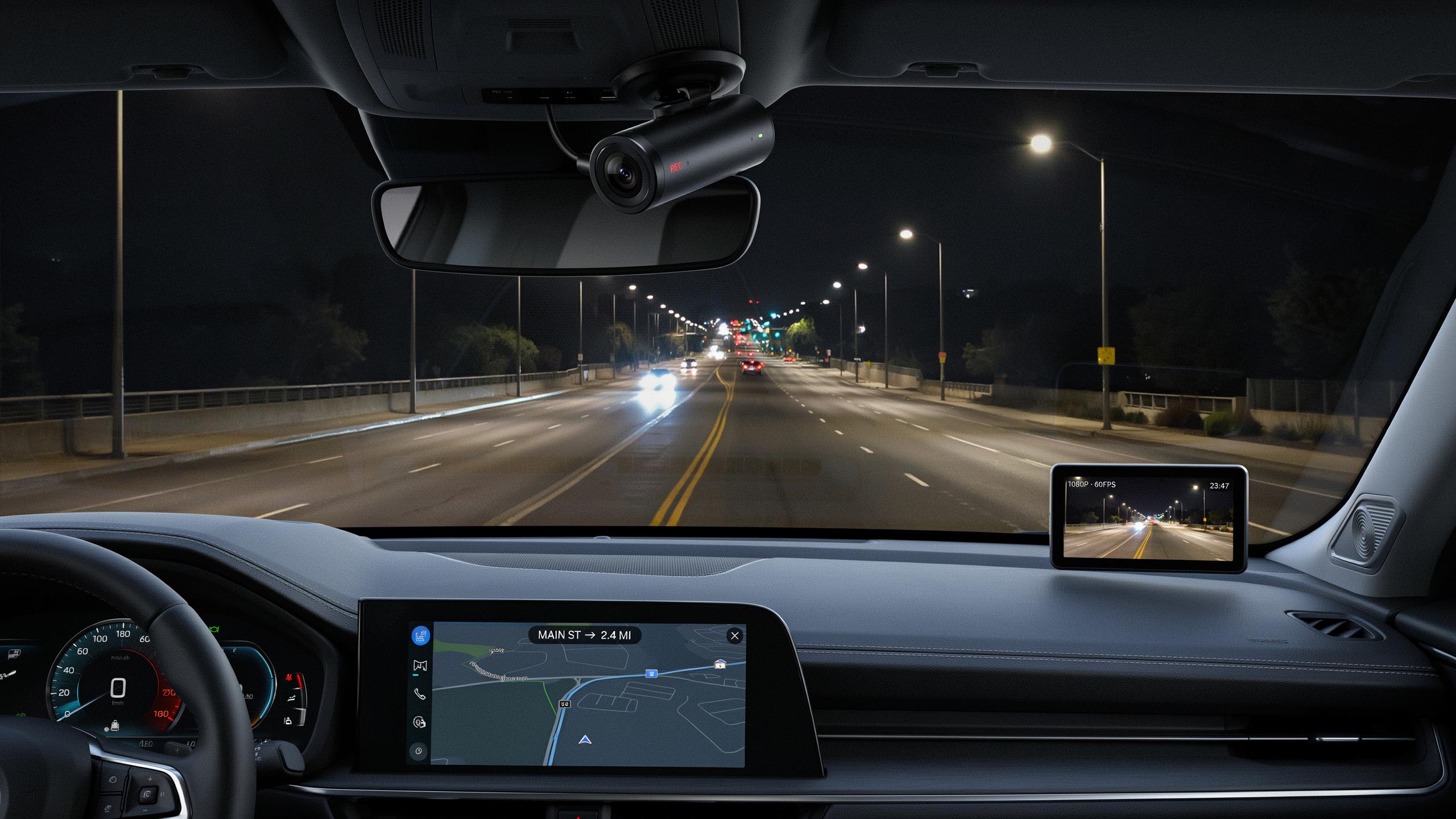
The Importance Of A Dash Cam For Car With Night Vision
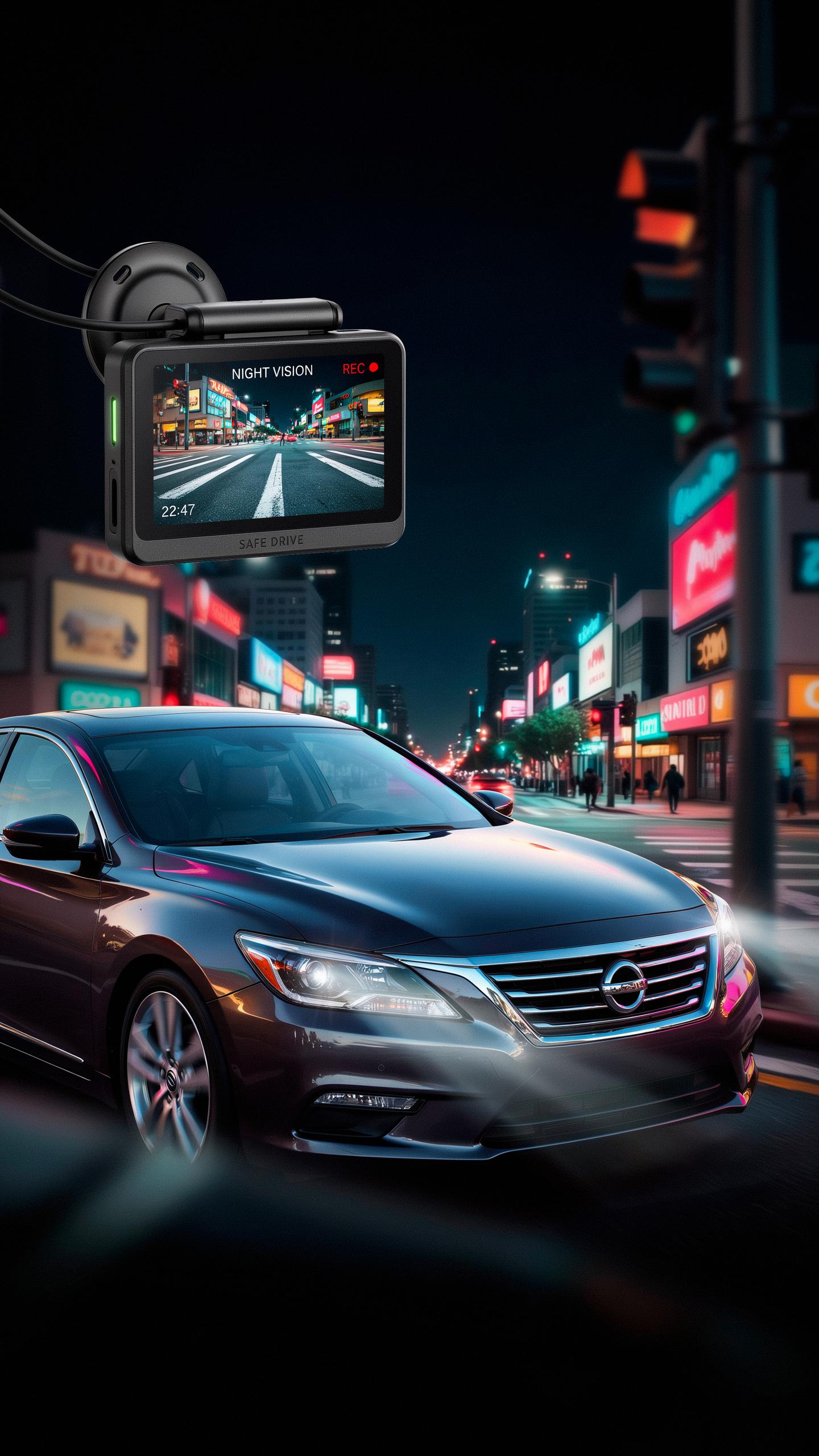
Why Night Vision Matters
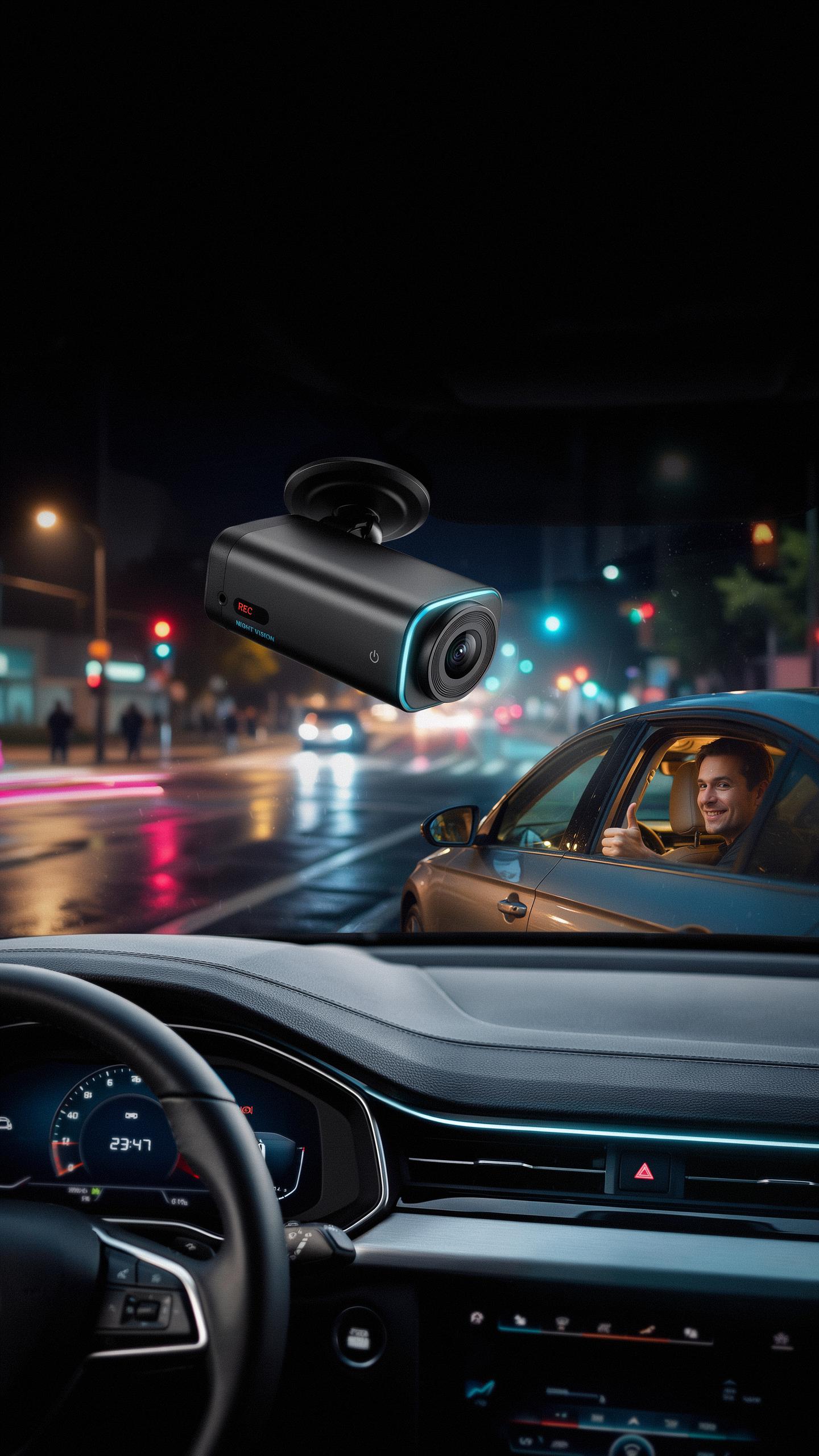
Night driving presents measurable hazards that daytime driving does not. Reduced visibility limits reaction time. Oncoming headlights create glare that impairs depth perception. Other drivers operate at fatigue levels higher than daytime. Night vision dash cams capture detail in low light conditions where standard cameras produce black or grainy footage, creating an accurate record of incidents when visibility fails.
Insurance claims and accident disputes hinge on video evidence. Standard dash cams fail in darkness because sensors cannot gather enough light data. Night vision technology uses infrared sensors or enhanced image processing to record license plates, road conditions, and vehicle positions during night hours. This capability directly protects your liability position when accidents occur after sunset.
Beyond Basic Recording
A night vision dash cam shifts from optional accessory to essential safety tool across all driving scenarios. Standard cameras document daytime incidents effectively. Night vision cameras document nighttime incidents with equal clarity. This means consistent evidence collection whether you drive at noon or midnight. The device becomes genuinely useful rather than conditionally useful.
Night vision dash cams detect hazards that impact your driving decisions in real time. You see pedestrians earlier. You identify stopped vehicles sooner. You track lane positions more accurately on unlit roads. The same infrared or low light technology that records incidents also allows you to perceive threats faster, enabling earlier braking and steering corrections that prevent accidents before they happen.
Understanding Night Vision Technology In Car Camera
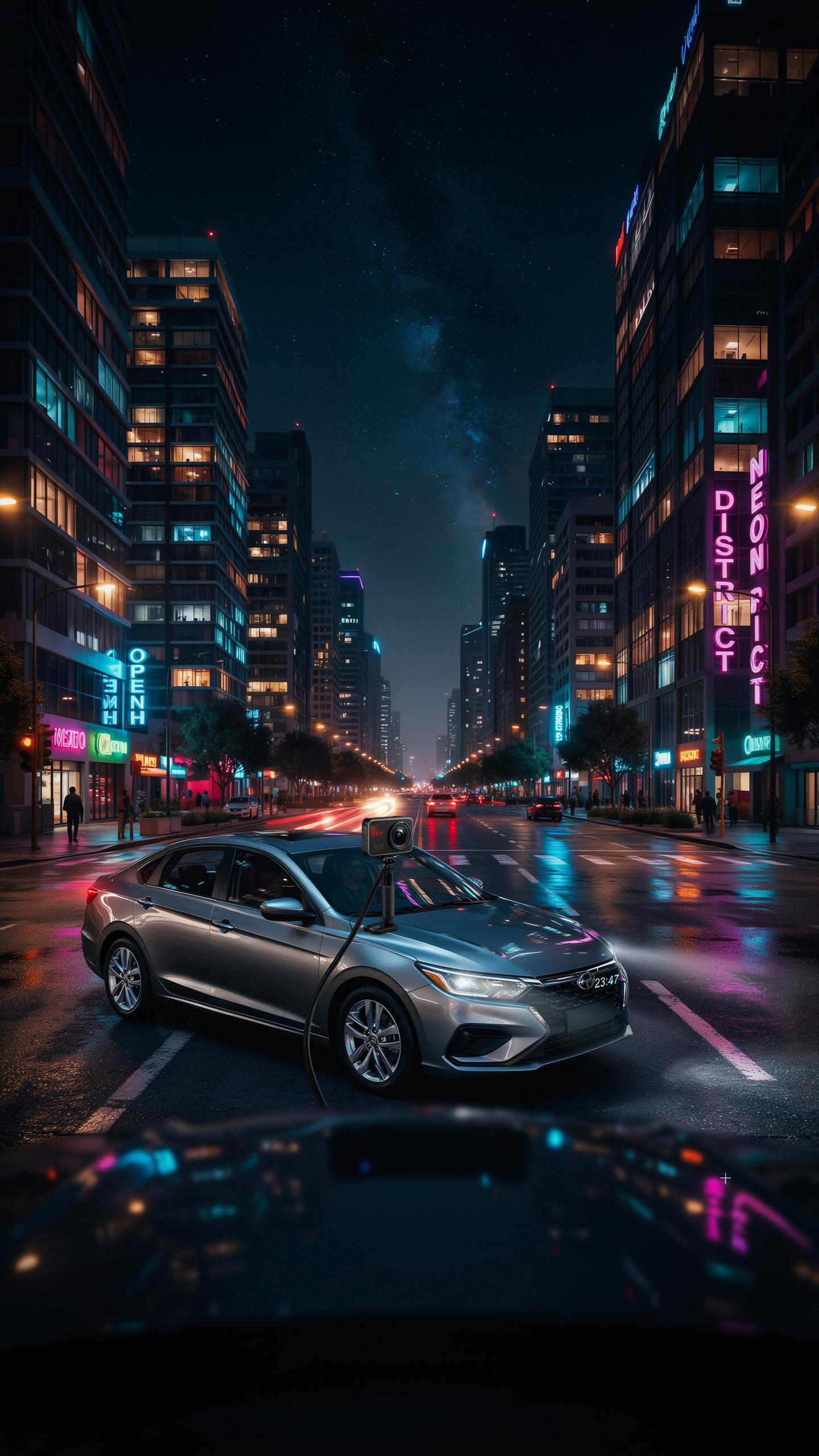
Infrared Vs. Starlight Sensors
Passive infrared technology detects heat radiation emitted by objects rather than visible light. Dash cams using IR illuminators emit infrared light invisible to the human eye, then capture its reflection. This approach works in complete darkness but produces grayscale footage. IR sensors struggle with reflective surfaces like rain or wet pavement, which bounce light back unpredictably and degrade image quality.
Starlight sensors use ultra-sensitive CMOS chips that amplify ambient light from streetlamps, moonlight, or distant headlights. These low-light sensors preserve color information and work without active illumination. Starlight technology requires some existing light to function effectively. In truly pitch-black conditions with zero ambient light, starlight sensors fail while IR systems continue recording, though with reduced detail.
In the gentle glow of night vision, every journey becomes a quiet reassurance, a soft remembrance that even in darkness, we are seen and protected.
Image Quality In Low Light
Infrared recording trades color fidelity for visibility in absolute darkness. The resulting video appears in black and white with reduced depth perception. Detail capture depends on IR illuminator power and sensor sensitivity. Reflective obstacles create bright halos that obscure license plates and facial features. IR footage excels for identifying vehicle shapes and movements but struggles with fine details.

Starlight sensors maintain color saturation and spatial detail when ambient light exists. Video clarity depends on available light levels and sensor megapixel count. These sensors preserve more usable information for accident reconstruction and dispute resolution. In low-light urban environments with streetlamps, starlight consistently outperforms IR for evidential value. Hybrid systems combining both technologies adapt to varying light conditions for optimal performance across scenarios.
Key Features Of A Top Dash Cam Camera Device With Night Vision
Resolution And Frame Rate
Higher resolution directly impacts your ability to read license plates and identify details in low-light conditions. A 1080p dash cam captures 1920 by 1080 pixels, providing adequate clarity for most accident documentation. 4K models deliver 3840 by 2160 pixels, offering substantially more detail when you need to zoom into footage or extract specific information from night recordings.
Frame rate determines how smoothly motion appears in your footage. Most dash cams operate at 30 frames per second, which captures standard vehicle movement adequately. Higher frame rates like 60fps reduce motion blur during fast movements or when vehicles pass quickly through the camera view, making night footage clearer and more useful for legal purposes.
Wide Angle Lens Benefits
A wide-angle lens between 140 and 170 degrees captures more of your surroundings without requiring pan or zoom functions. This expanded field of view prevents blind spots and records multiple lanes of traffic simultaneously, which proves critical when documenting multi-vehicle incidents at night. Wider angles compensate for the reduced visibility that darkness naturally creates.
The tradeoff with wider lenses is some edge distortion, but this sacrifice gains you coverage of hazards approaching from the side. Night incidents happen fast, and a 170-degree lens records what happens beside and behind you, not just ahead. This comprehensive view becomes your strongest evidence if another vehicle causes damage in low-light conditions where visibility already favors the other driver’s account.
Installation And Setup Of Your Dashboard Camera
Mounting Options And Placement
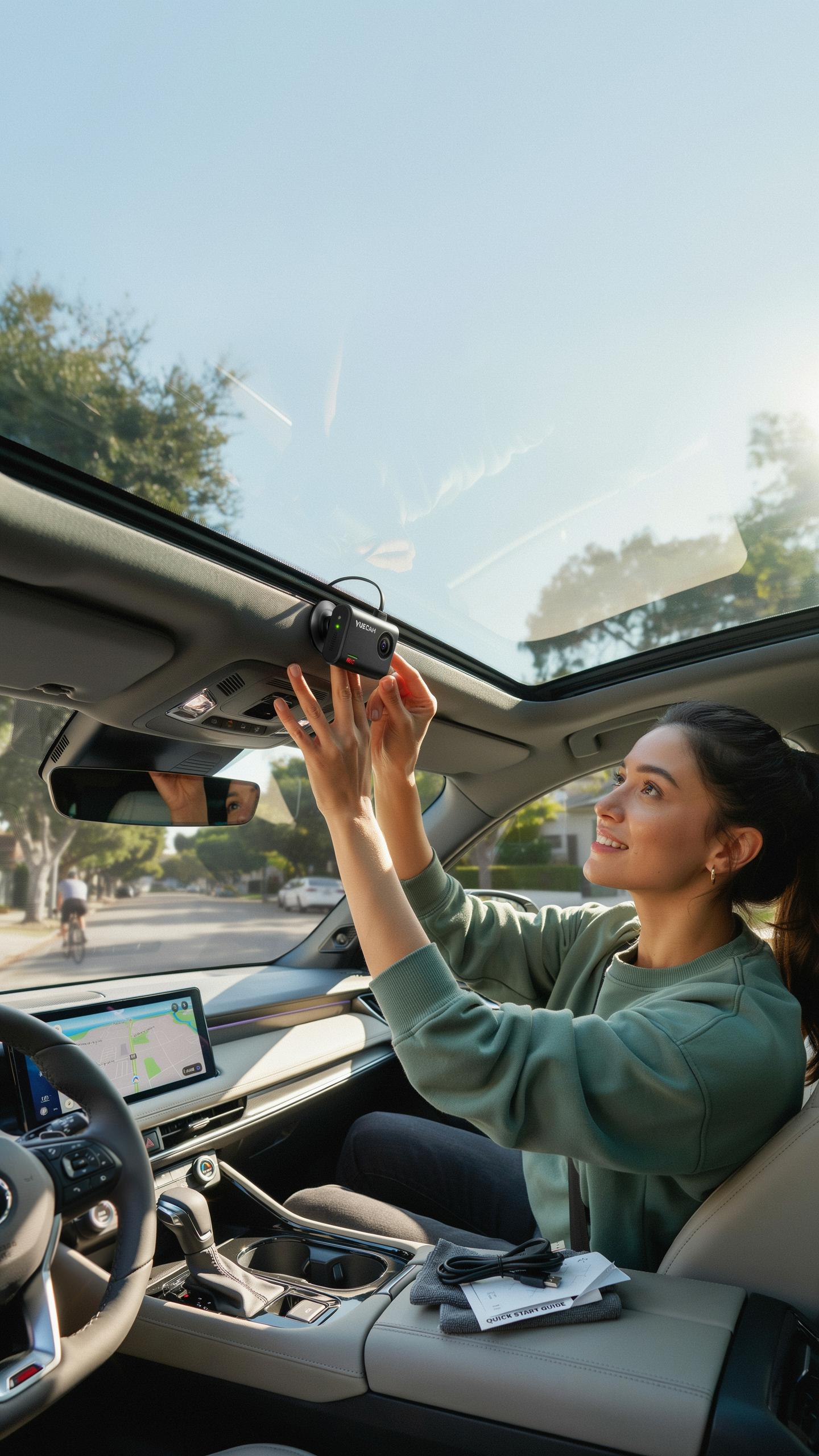
Position your dash cam on the windshield behind the rearview mirror. This placement keeps the camera out of your direct line of sight and captures the road ahead clearly. For night vision effectiveness, ensure the lens faces forward without obstruction from sun shades or window tinting. Mount the camera level with the horizon to avoid skewed footage that makes night details harder to identify.
Height matters for night recording. Place the camera at least six inches below the roofline to reduce glare from interior lights reflecting off the windshield at night. Angle it slightly downward to capture lane markings and road hazards in low light. Avoid mounting on the dashboard itself, as vibration degrades image stability and night vision performance suffers when the camera shifts during driving.
Powering Your Dash Cam
Cigarette lighter outlets provide convenient power but cut off when you turn off the engine. This limits continuous recording to active driving only. Use this method if you park in well-lit areas or don’t need footage while stationary. The connection is simple and requires no modification to your vehicle’s electrical system.
Hardwiring connects directly to your vehicle’s fuse box or battery, enabling continuous recording even when parked. This captures hit-and-run incidents and vandalism during overnight hours. Hardwiring requires running cables through door frames and headliners, adding installation complexity. Consider professional installation to avoid damaging your vehicle’s interior or creating electrical issues that affect night vision power stability.
Advanced Features GPS Tracking And Parking Monitoring
GPS Tracking For Incident Documentation
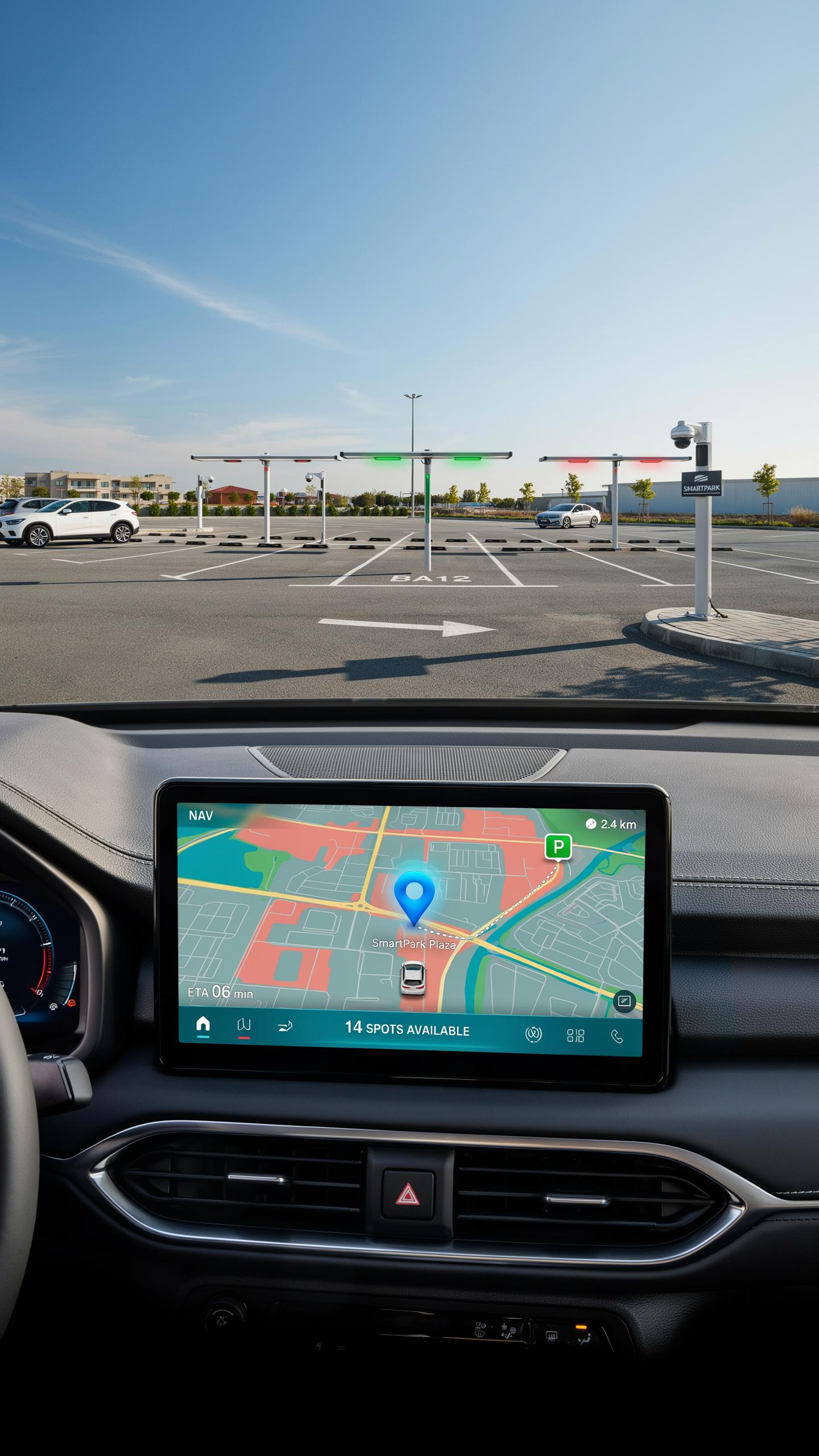
GPS tracking records your vehicle’s exact location, speed, and timestamp during every drive. This data becomes critical evidence if you’re involved in an accident or dispute. Insurance companies and law enforcement use this information to verify claims and establish fault. The GPS data creates an objective record that protects you against false accusations or conflicting witness statements.
Most dash cams with night vision include built-in GPS modules that log coordinates automatically. You access this data through the camera’s companion app or by reviewing footage on a computer. The timestamped location data correlates directly with your video, creating a complete incident record. This combination eliminates ambiguity about where and when an event occurred.
24/7 Parking Surveillance
Parking mode activates when your vehicle stops and the engine turns off. The camera enters a low-power state and records only when motion or impact triggers it. This feature protects against hit-and-runs, vandalism, and theft while conserving battery power. Night vision capability ensures the camera captures clear footage even in dark parking lots or garages.
Motion detection sensitivity adjusts to ignore minor vibrations from passing traffic while capturing meaningful activity around your vehicle. The camera records a few seconds before the trigger event and continues until motion stops. You can review parking mode footage separately from drive recordings. This dedicated monitoring provides evidence of damage or incidents that occur when you’re away from your vehicle.
Evaluating Performance A Dash Cam With Night Vision Review
Real World Night Footage Analysis
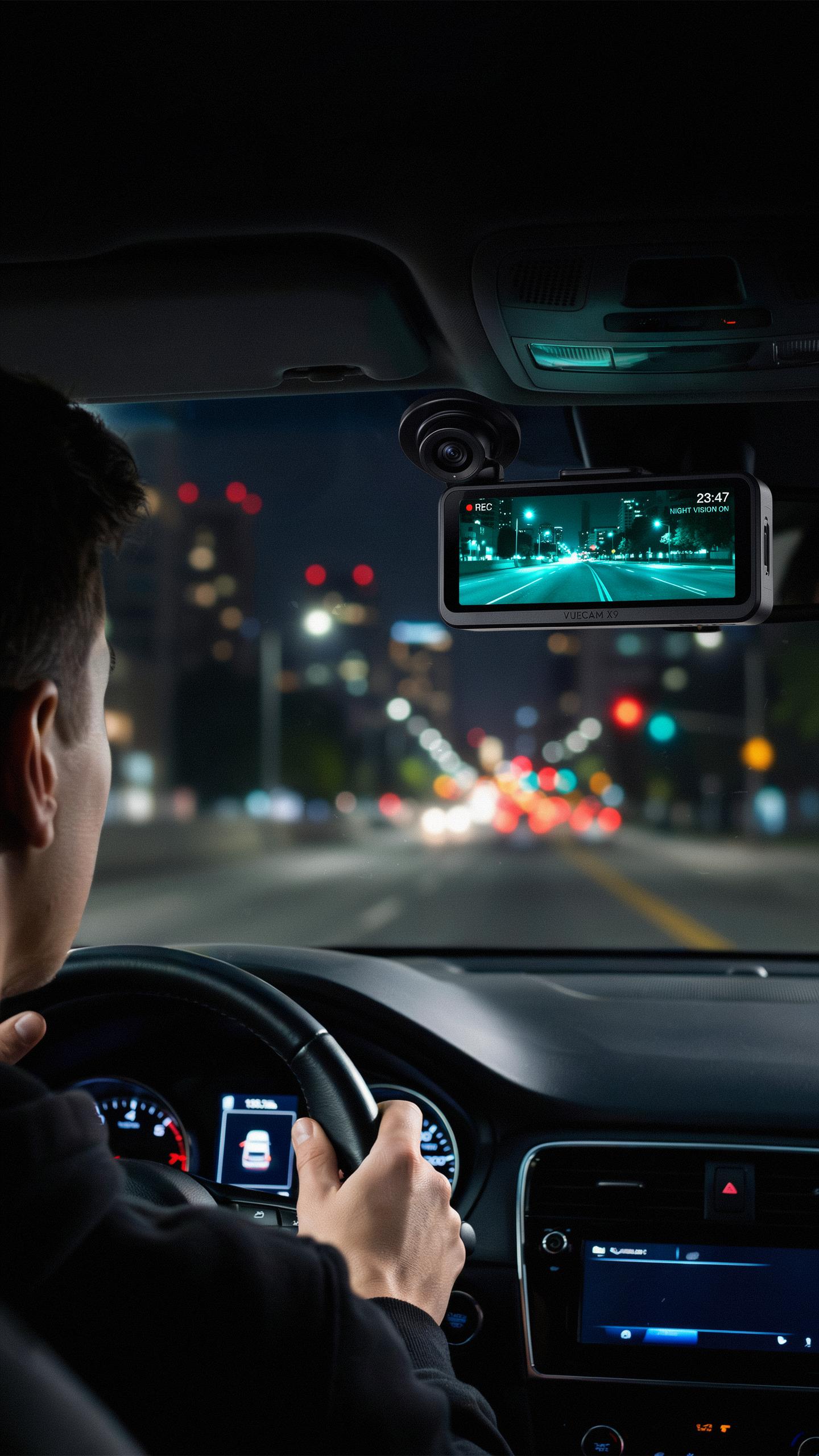
License plate legibility determines whether footage serves as evidence. Test footage should show readable characters from at least 25 feet away. Many budget models fail this test, producing blurry plates that courts reject. Check sample videos for character sharpness, not just brightness. Manufacturers often publish misleading clips shot under optimal conditions. Request unedited footage before purchase to verify actual performance.
Facial recognition capability matters for hit and run cases. Night vision cameras capture faces clearly only within 15 to 20 feet. Beyond that distance, features blur into general shapes. Look for side-angle footage showing facial structure and distinguishing marks. Test samples should display skin tone variation and eye detail. Poor night sensors wash out facial features, rendering them useless for identification.
User Experience And Reliability
Menu navigation affects your ability to manage footage during drives. Poor interfaces force you to take eyes off the road to adjust settings. Quality models use physical buttons and logical menu structures. Responsiveness matters when powering on, changing modes, or reviewing files. Sluggish systems frustrate users and create safety hazards. Test the interface yourself before committing to a purchase.

Consistent performance across temperature ranges and weather conditions separates reliable units from unreliable ones. Cameras fail in extreme cold, often losing night vision capability below freezing. Heavy rain or fog reduces infrared effectiveness significantly. Moisture intrusion into lens housings causes permanent sensor damage. Durable models use proper sealing and temperature-rated components. Check warranty policies regarding weather damage before buying.
Legal Considerations And Data Storage For Car Gadgets
Legality Of Dash Cams
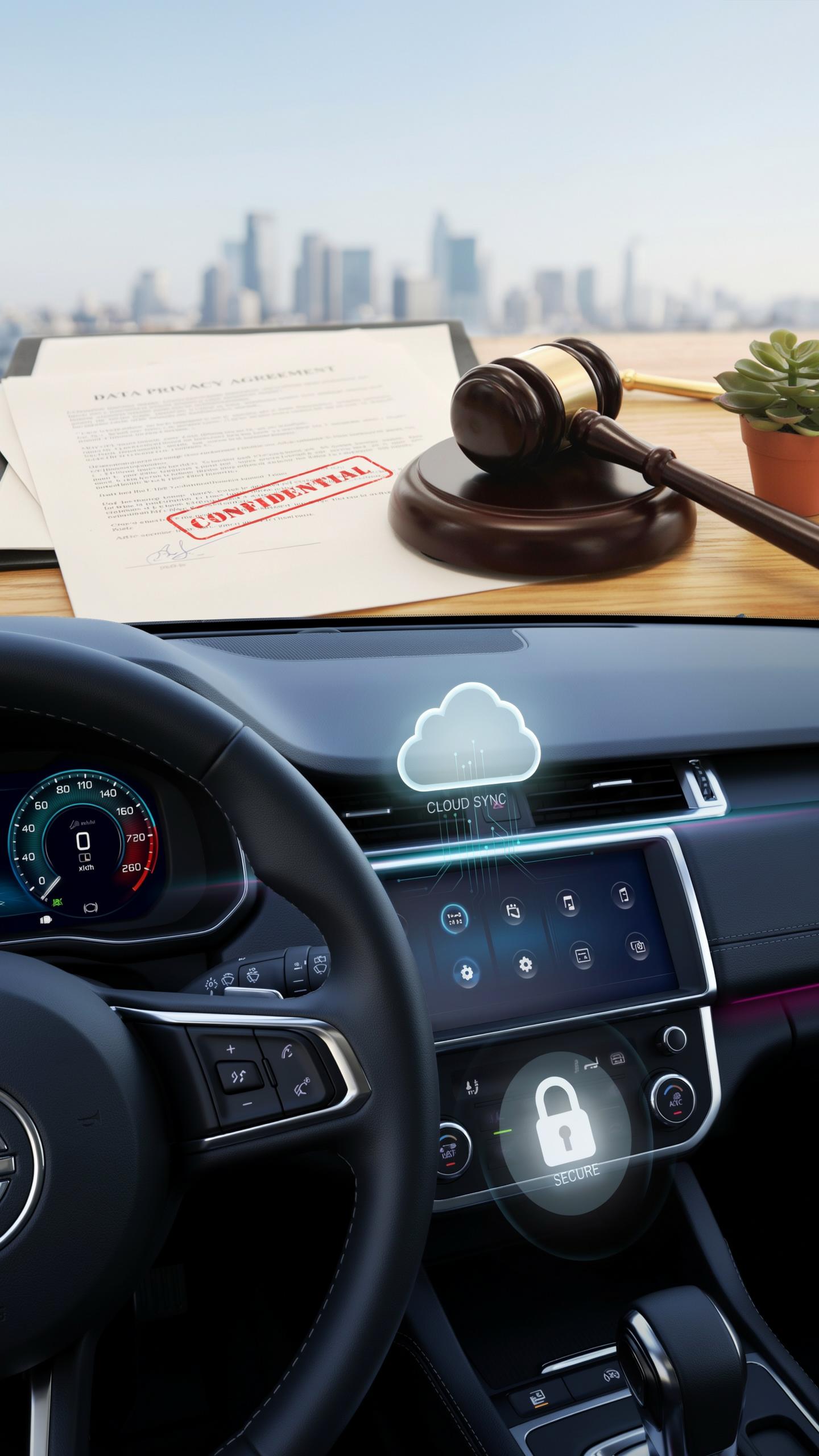
Dash cam legality varies by jurisdiction. Most U.S. states and European countries permit dash cams for personal use. Recording audio requires explicit consent in two-party consent states like California and Florida. Check local regulations before installation. Traffic courts accept dash cam footage as evidence in many regions.
Privacy laws differ across territories. Some countries restrict how you store and share dash cam footage. Dashboard placement matters legally in certain areas. Windshield obstruction rules apply in most states. Never use footage to harass or threaten others, as this violates harassment and defamation laws.
Memory Card Requirements And Loop Recording
High-capacity microSD cards work best for dash cams with night vision. Use cards rated U3 or V30 to handle continuous 1080p or 4K recording. Minimum 64GB capacity supports 4 to 8 hours of footage before needing replacement. Dash cams write data constantly, so durability matters more than speed.
- U3 Speed Class Rating: Guarantees minimum write speed of 30 MB/s, essential for uninterrupted video without dropped frames or corruption during recording.
- V30 Video Speed Class: Ensures sustained performance for high-bitrate video files, preventing buffer issues during continuous night vision recording sessions.
- Loop Recording Function: Automatically overwrites oldest footage when storage fills, eliminating manual deletion and ensuring your dash cam always records without stopping.
- Card Lifespan Management: High-quality cards last 3 to 5 years with constant writing. Budget for replacement before failure causes data loss during critical incidents.
- Temperature Tolerance: Choose cards rated for 0 to 60 degrees Celsius to survive dashboard heat in summer and cold winter conditions without performance degradation.
Loop recording simplifies storage management. Your dash cam writes new footage over old files automatically. This prevents storage overflow and keeps your system running without intervention. Test your memory card in your specific dash cam model before committing to long trips.
Comparing Leading Dash Camera Models With Night Vision
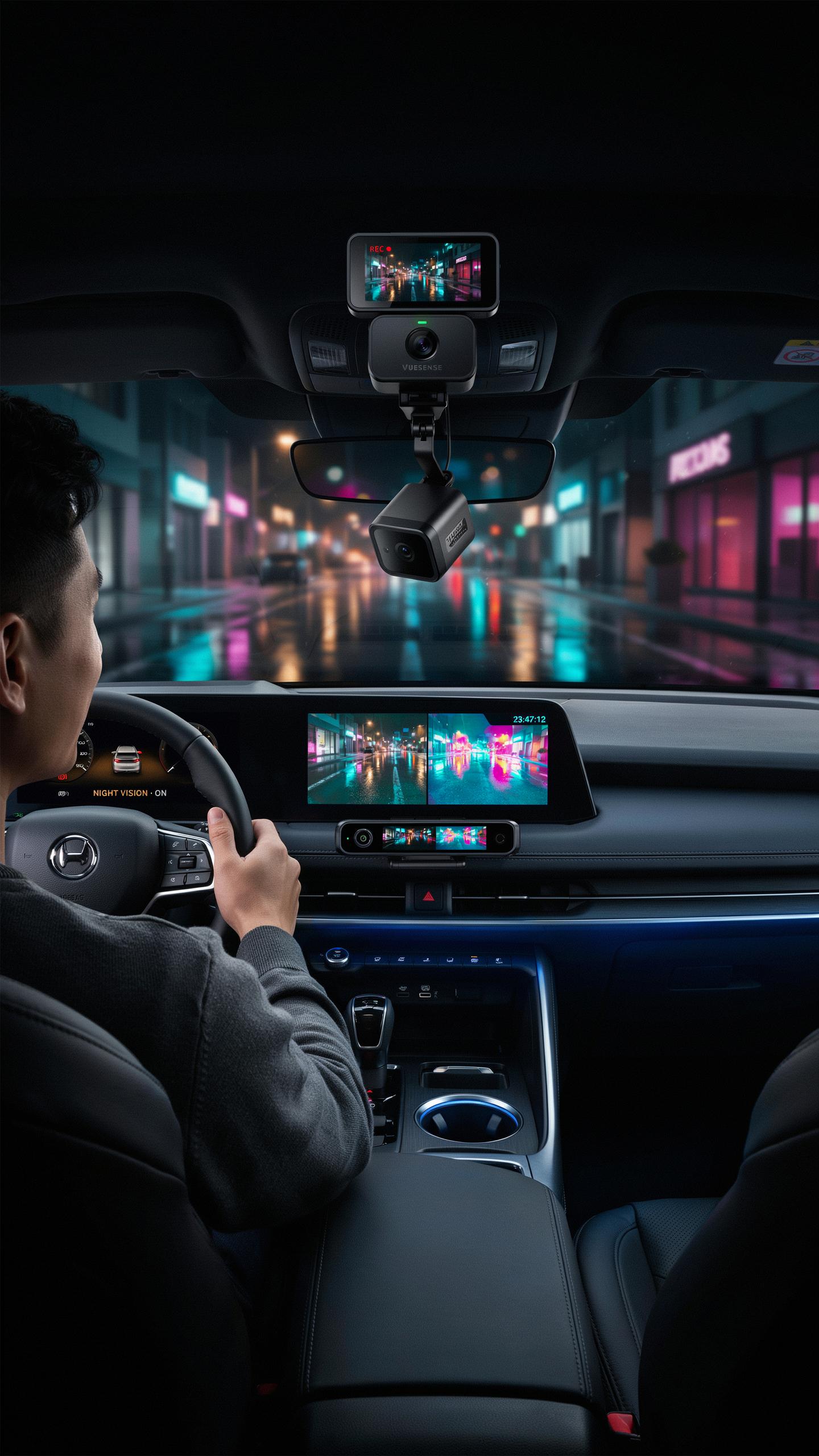
Top Picks For Different Budgets
Budget dash cams under $150 deliver basic night vision through infrared LED supplementation. Models in this range capture license plates and vehicle outlines during low-light conditions. They sacrifice resolution and frame rates compared to premium options. Entry-level units work for liability documentation without advanced features.
Mid-range cameras between $150 and $300 offer superior image processing and larger sensors. These models produce clearer nighttime footage with better color retention. They include features like loop recording and parking mode. This price tier balances performance with reasonable cost for most drivers.
Premium dash cams above $300 feature advanced sensors, dual channels, and AI-assisted night vision. High-end units deliver 4K resolution with effective low-light performance. They incorporate cloud connectivity and real-time alerts. These cameras justify higher costs through durability and comprehensive feature sets.
Features To Prioritize When Buying
Night vision effectiveness depends on sensor size and infrared capability. Larger CMOS sensors capture more light than smaller alternatives. Infrared LED arrays supplement ambient light during complete darkness. Some models use hybrid approaches combining both technologies for optimal results.
- Infrared LED Strength: Look for models specifying LED wattage. Higher wattage extends illumination range. Verify the coverage area matches your vehicle’s typical driving environment for night operations.
- Sensor Specifications: Check CMOS sensor size measured in inches. Larger sensors like 1/1.8 inch perform better than 1/2.7 inch in low light. Sensor size directly impacts image clarity during nighttime recording.
- Frame Rate Options: Prioritize cameras supporting 30fps or higher at night. Lower frame rates create choppy footage. Higher rates capture details during quick vehicle movements and accidents.
- Dynamic Range Processing: Evaluate how the camera handles headlights and streetlights. Good dynamic range prevents overexposure from bright lights. This feature preserves details in both lit and dark road areas.
- Storage Reliability: Confirm the camera uses high-speed microSD cards rated V30 or faster. Slow cards cause recording failures during critical moments. Fast storage prevents data loss on rough roads.
- Loop Recording Function: Ensure the model supports continuous loop recording. This feature automatically overwrites oldest files when storage fills. You avoid manual file management during regular use.
Recording quality matters less if the camera fails when you need it. Prioritize reliability over extra features you rarely use. Test the camera on your regular routes before fully committing to purchase.
Maximizing The Lifespan And Performance Of Your Dash Camera
Maintenance Tips For Optimal Functionality
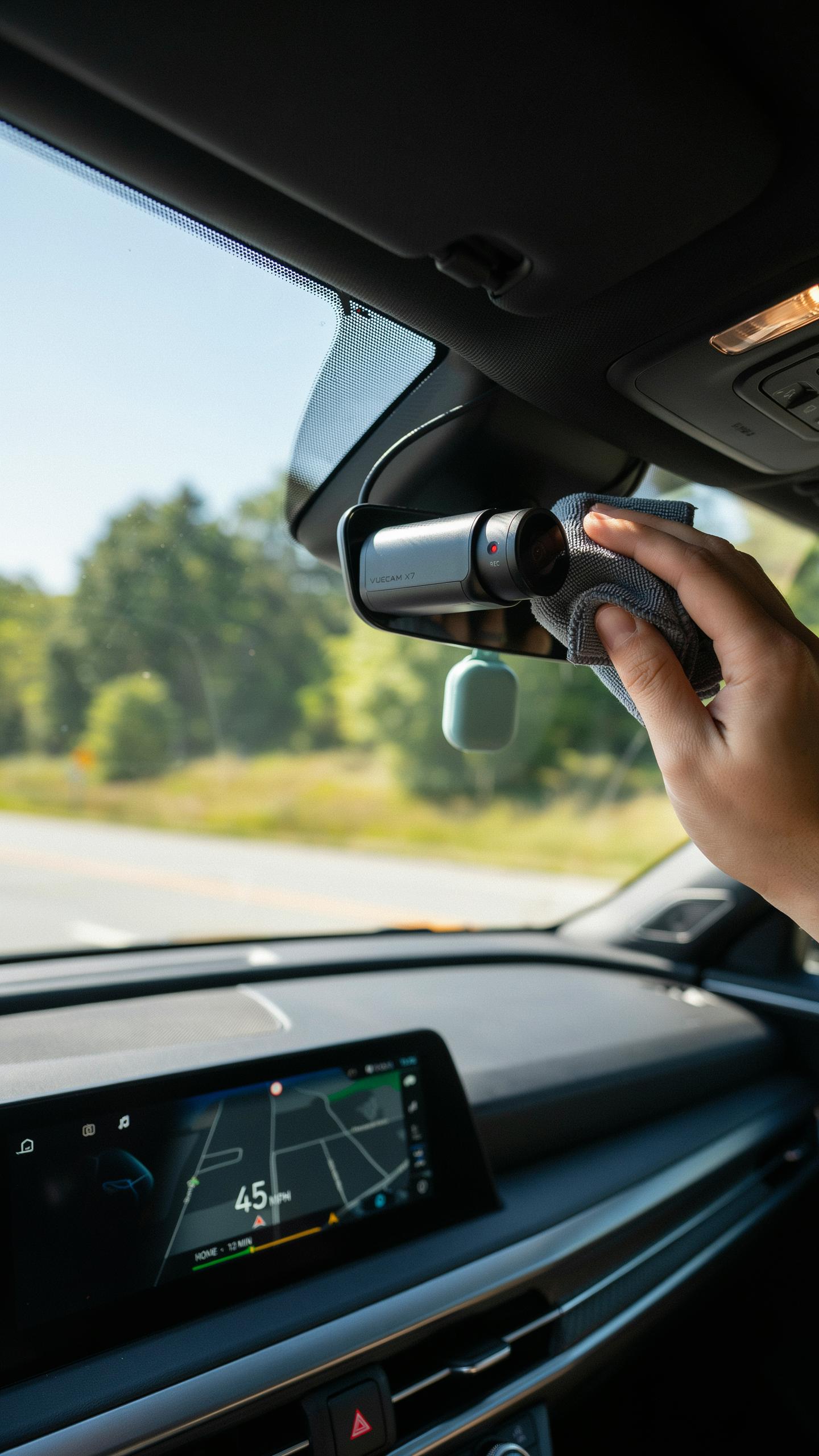
Clean your lens every two weeks using a microfiber cloth and isopropyl alcohol. Dust and dirt accumulate quickly on dash cams, especially on windshields exposed to traffic and weather. A dirty lens degrades video quality and ruins night vision performance. Wipe gently in circular motions to avoid scratching the glass or sensor coating.
Check your camera’s firmware monthly on the manufacturer’s website. Updates fix bugs, improve night vision algorithms, and enhance overall performance. Connect to a computer, download the latest version, and follow installation instructions carefully. Secure your mounting bracket firmly to prevent vibration during drives. Loose mounts cause blurry footage and sensor misalignment that worsens over time.
Troubleshooting Common Night Vision Issues
If your night vision produces grainy or washed out footage, reduce your camera’s exposure settings. Most dash cams offer manual adjustment through their menu or companion app. Overexposure creates blown out highlights and reduces contrast in low light. Underexposure introduces digital noise but preserves detail in streetlights and oncoming headlights.
Check your lens for condensation if footage suddenly becomes foggy at night. Temperature changes between your car and garage cause moisture buildup inside the lens. Remove the camera and let it sit in a warm, dry area for several hours. If condensation persists, the lens seal may be damaged and requires professional replacement or unit warranty service.
Frequently Asked Questions

What exactly is night vision on a dash cam and why is it important?
Night vision on a dash cam allows the device to record clear, detailed video even in low-light or complete darkness. This is crucial for capturing vital evidence during nighttime accidents or incidents, where standard dash cams might struggle to produce usable footage. It significantly enhances safety and accountability for night drivers.
How do I choose the best dash cam with night vision for my vehicle?
When selecting a dash cam with night vision, prioritize models with high-quality sensors (like Sony STARVIS), a wide dynamic range (WDR), or infrared (IR) capabilities for optimal low-light performance. Read a comprehensive dash cam with night vision review to compare features, video resolution, and ease of installation, ensuring it meets your specific driving needs.
Are dash cams with night vision expensive, and are there affordable options that still perform well?
While some premium dash cams with night vision can be an investment, there are indeed many affordable options that offer impressive night recording capabilities. Look for brands known for good value, and focus on essential features like IR illumination or strong low-light sensors. A thorough dash cam with night vision review can help you find a budget-friendly model that doesn’t compromise on safety.