
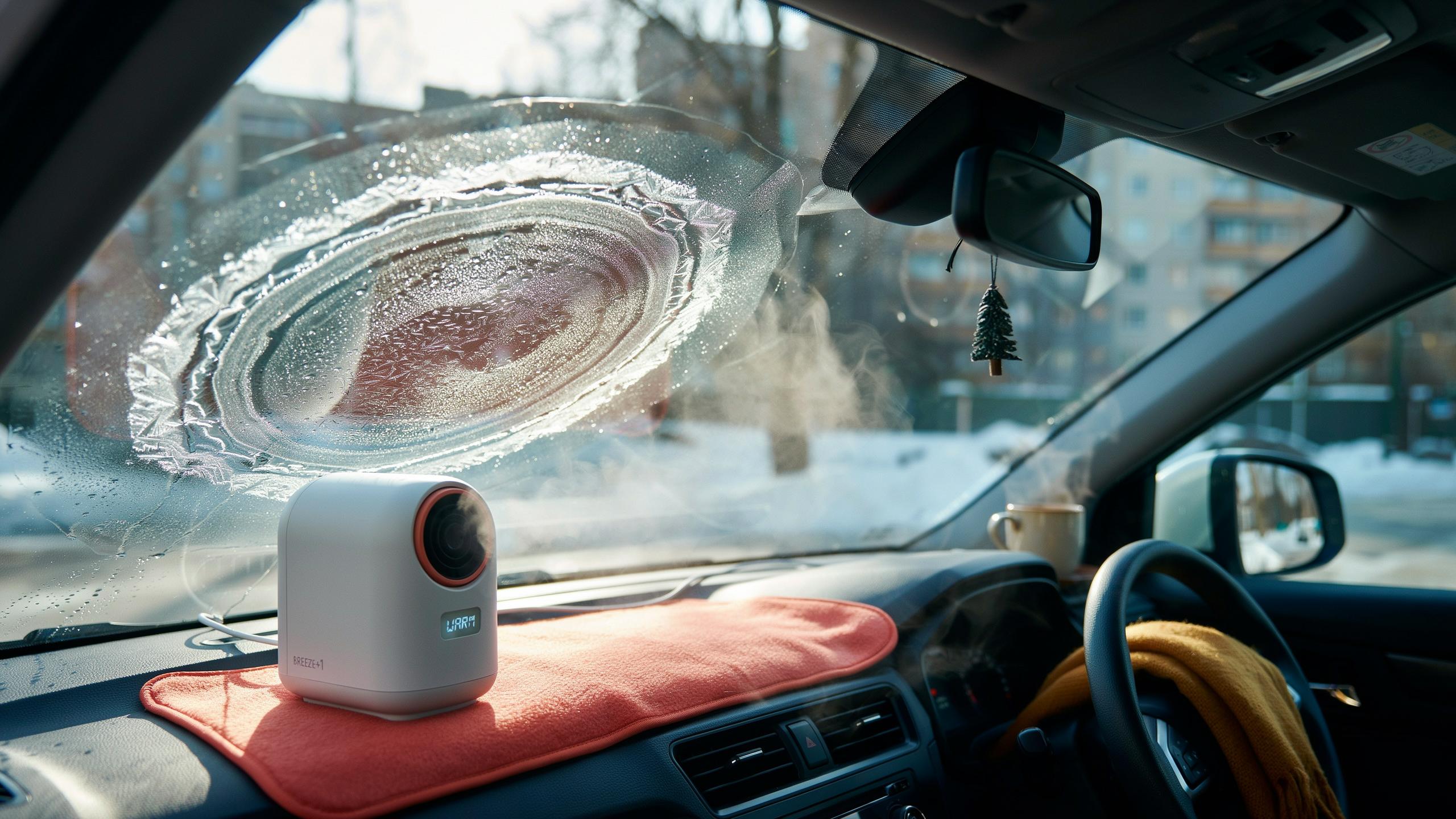
Why A Portable Car Heater Is A Winter Essential
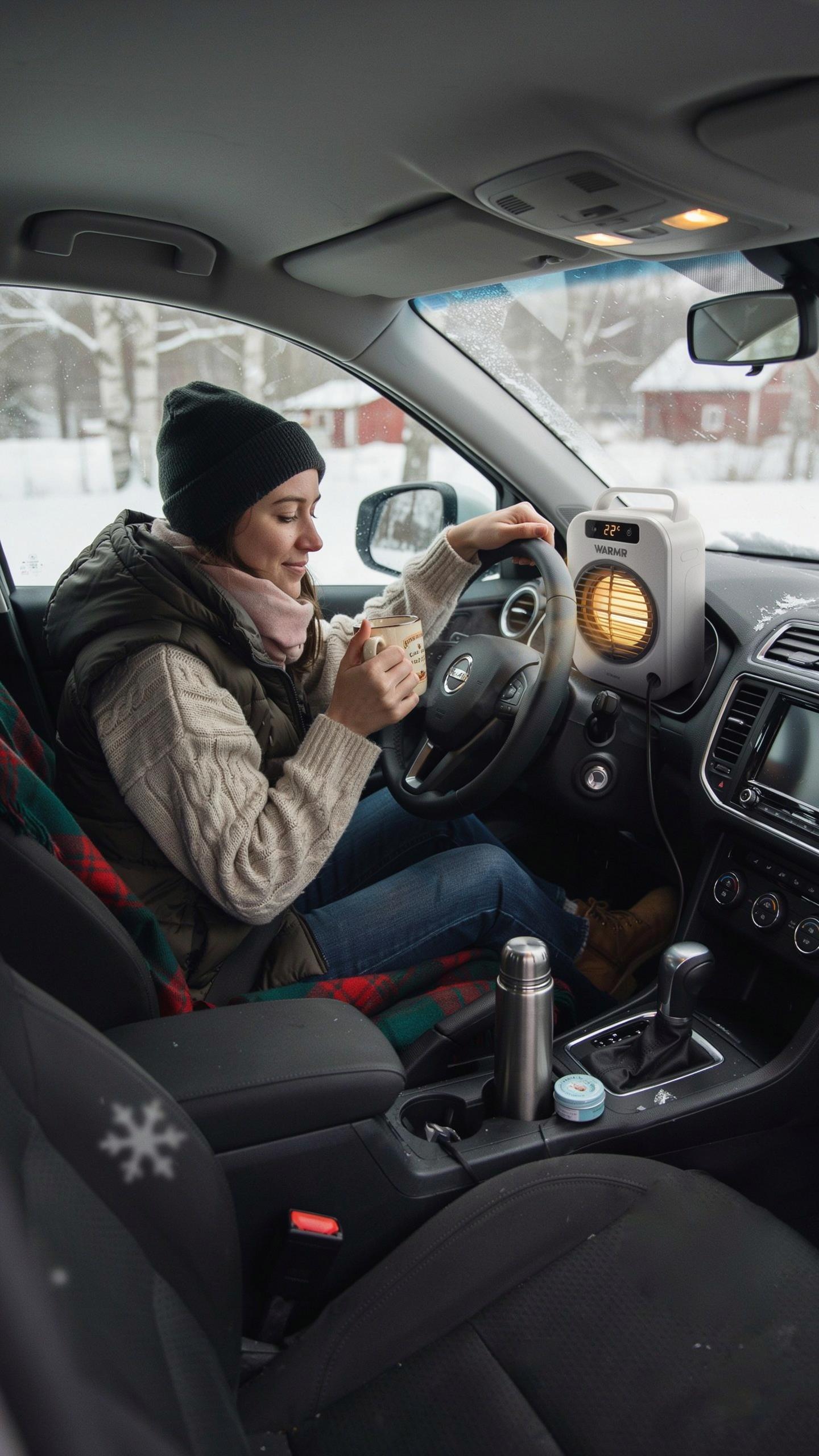
The Challenge Of Cold Starts
Freezing temperatures force your engine to work harder during startup. Cold air thickens engine oil, making it flow slower through critical components. Your battery loses power in cold weather, reducing its cranking ability by up to 50 percent. Interior temperatures drop rapidly, and your factory heater takes time to generate warm air, leaving you uncomfortable during those crucial first minutes.
A portable car heater addresses this gap directly. It warms the cabin immediately while your engine heats up. You avoid sitting in a freezing car waiting for the factory system to kick in. This device delivers targeted warmth fast, making cold mornings tolerable and reducing the stress on both your body and vehicle systems.
Beyond Factory Heating Limitations
Standard car heating systems rely on engine coolant to generate heat. In extremely cold climates, this process takes 5 to 15 minutes before you feel substantial warmth. Older vehicles with inefficient heaters perform even worse. Additionally, many people spend several minutes defrosting windows before driving, wasting time and fuel while sitting idle.
Portable car heaters bypass these limitations entirely. They operate independently of engine temperature, delivering heat the moment you turn them on. This matters for older vehicles with worn heating cores, for people with health conditions sensitive to cold, and for anyone driving in regions where temperatures regularly drop below freezing. These gadgets provide a practical backup system your factory heater cannot match.
Understanding Portable Heater Technology

Types Of Portable Car Heaters
Ceramic heaters dominate the portable car heater market because they heat quickly and distribute warmth efficiently. A ceramic element resists electrical current, converting that resistance into heat. This technology reaches operating temperature within seconds, not minutes. Most ceramic car heaters use a fan to push warm air into the cabin, accelerating heat distribution across the windshield and interior space.
Fan-based heaters without ceramic elements exist but perform poorly in vehicles. These rely on a simple heating coil and blower motor. They take longer to warm up and consume more power for equivalent heat output. Ceramic models outperform them on both metrics, which explains why manufacturers favor ceramic construction for portable car defroster gadgets.
That little gadget, humming its morning song, reminds us that even the chilliest starts can bloom into a warm and clear journey. It’s like a whispered promise of comfort, one cup of coffee at a time.
Power Sources And Efficiency
Most portable car heaters draw power from the 12-volt cigarette lighter outlet, also called the auxiliary power socket. A 12V heater typically draws between 10 to 15 amps, pulling roughly 120 to 180 watts continuously. This power draw matters because it stresses the vehicle’s electrical system, especially in older cars or when other accessories run simultaneously. The 12V design prioritizes convenience over raw heating capacity.

USB-powered and battery-powered alternatives exist but deliver limited heating output. A standard USB port provides 5 watts maximum, producing minimal heat. Rechargeable battery heaters offer portability but require frequent charging and provide shorter runtime than 12V models. For consistent performance during cold mornings, the 12V cigarette lighter remains the most practical power source for portable car heater and defroster gadgets because it ties directly to the vehicle’s battery system.
Key Features Of The Best Car Heaters For Cold Weather
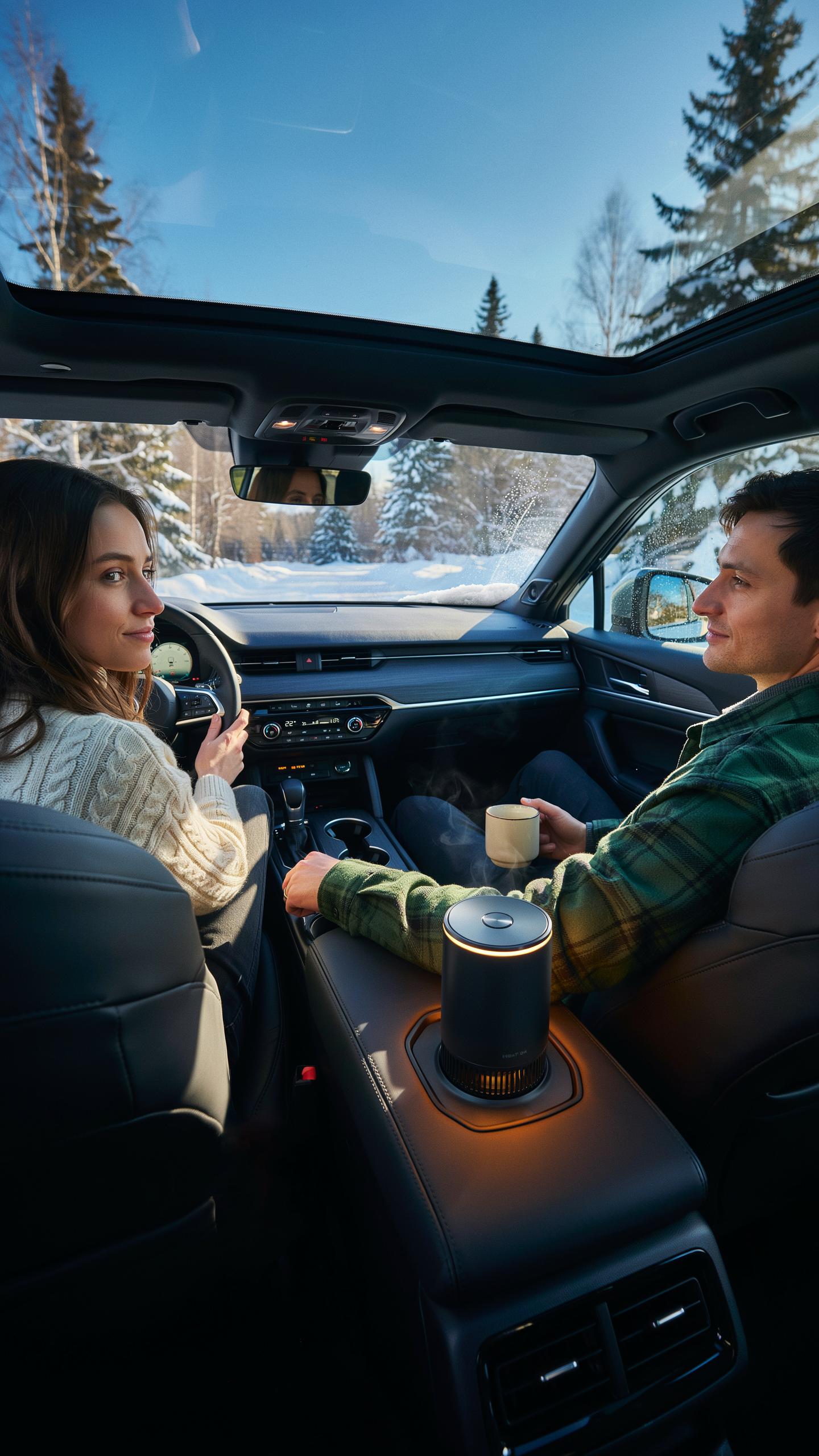
Fast Defrosting Capabilities
Portable car heaters reach operational temperature within seconds to minutes. Most units deliver concentrated warm air directly onto windshields, cutting defrost time from 10-15 minutes down to 2-5 minutes. This speed matters because visibility hazards create accident risk. The heating element and fan design determine defrosting efficiency.
Quality units use ceramic or PTC heating elements paired with focused air nozzles. These combinations push warm air at high velocity across glass surfaces. The nozzle design concentrates heat rather than dispersing it broadly. Results depend on ambient temperature and the heater’s wattage output.
Safety First: Overheat Protection And Auto Shutoff
Overheat protection prevents fires and electrical failures. Most reliable portable car heaters include thermal cutoff switches that stop operation when internal temperatures exceed safe limits. Auto-shutoff timers turn units off after set intervals, typically 30-60 minutes. These features eliminate user error and reduce fire hazards significantly.

Secondary safety mechanisms include tip-over switches that shut off power if the unit tips sideways. Grounded power cords and insulated handles prevent electrical shock. Durable housings resist melting from sustained heat exposure. These layered protections make the difference between a useful tool and a liability in your vehicle.
Choosing Your Portable Heater Considerations
Size And Portability For Your Car
Physical dimensions matter because compact units fit under seats, in door pockets, or trunk storage without consuming cabin space. Most portable car heaters range from 6 to 12 inches in length and weigh between 2 to 5 pounds. Check your vehicle’s interior layout before purchasing to confirm the gadget fits your target storage location without blocking ventilation or emergency equipment access.
Weight distribution affects how easily you move the unit between vehicles or from storage to installation. Lightweight models under 3 pounds handle repeated repositioning without fatigue. Verify that mounting brackets or stands don’t require permanent installation that damages your car’s interior trim, as this limits portability if you swap vehicles or lease cars.
Installation And Placement Options
Dashboard mounting positions the portable car heater and defroster gadget directly in your line of sight and airflow path. Secure mounting brackets to flat dashboard surfaces using adhesive backing or suction cups. Position units at a 45 degree angle toward windshield areas prone to frost accumulation for maximum defroster effectiveness.
Floor placement beneath the driver or passenger seat routes warm air toward feet and legs while keeping the unit out of sight. Ensure power cord length reaches your 12V outlet or USB port without stretching across walking paths where occupants trip or disconnect cables. Test airflow direction from your chosen spot during installation to confirm the heater doesn’t create cold spots or uneven cabin temperature distribution.
Beyond Just Heat The Versatility Of Car Gadgets
Heating And Cooling Functions
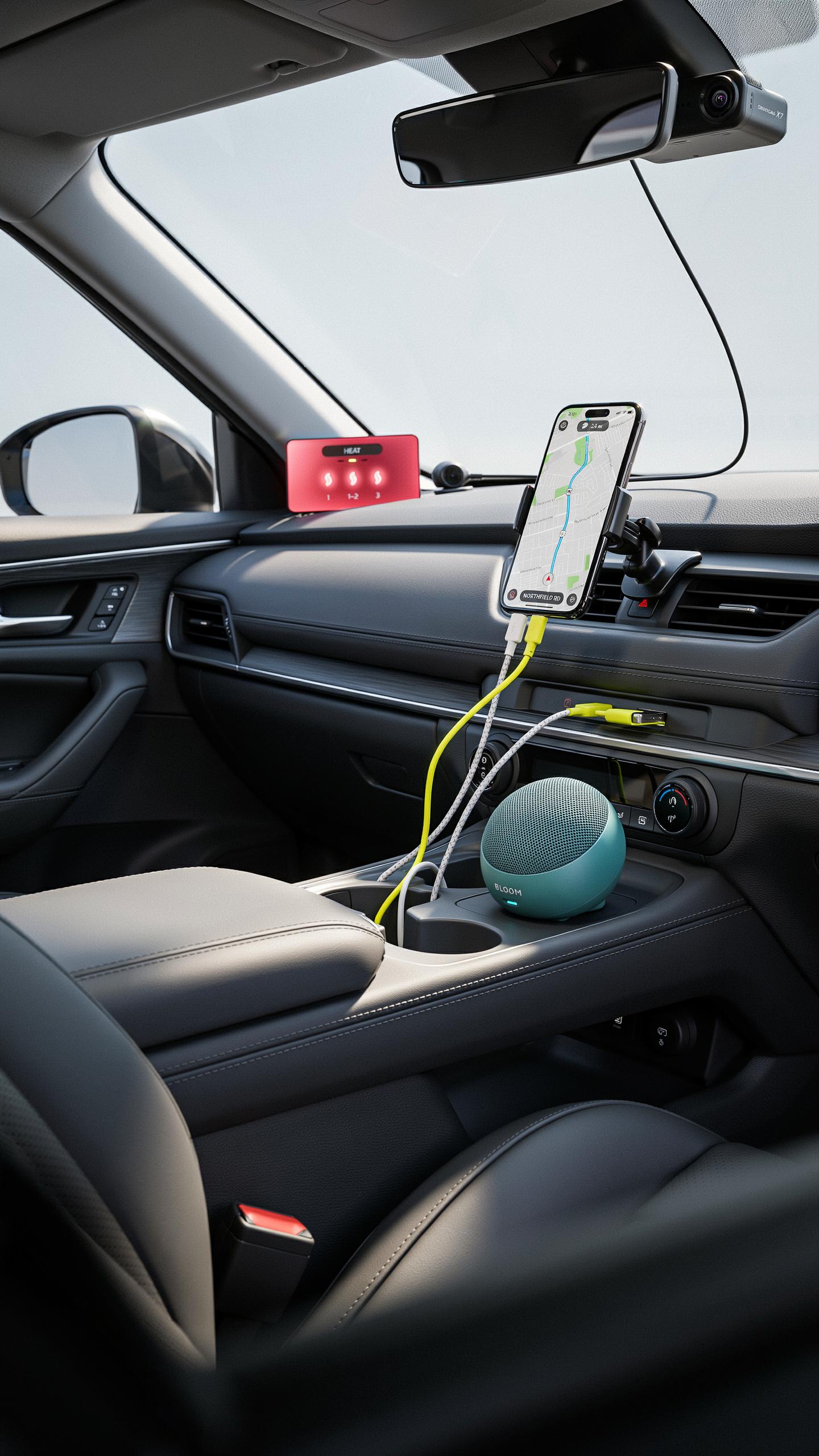
Most portable car heater and defroster gadgets operate on 12-volt DC power from your vehicle’s cigarette lighter or USB port. They generate heat through ceramic or metal heating elements that warm air quickly. Some models include a cooling mode that pushes ambient air through the unit, providing basic ventilation during warmer months without generating additional heat.
The heating cycle typically reaches operational temperature within 30 seconds to 2 minutes depending on wattage. Units with 500 to 750 watts deliver faster warmth than lower-wattage alternatives. Cooling functions serve as backup climate control when your main air conditioning fails or during transitional seasons when full AC feels excessive.
Additional Features For Enhanced Comfort
Modern portable car heater and defroster gadgets integrate features beyond basic temperature control. Air purification through HEPA or activated charcoal filters removes dust and allergens from cabin air. Oscillating fan heads distribute warm or cool air more evenly across the windshield and cabin space, eliminating cold spots that create driver discomfort.
Some units include built-in ionizers that neutralize odors in enclosed vehicle spaces. Others add humidity control mechanisms to prevent windshield fogging during winter months. These additions increase device value by addressing multiple climate challenges simultaneously rather than solving a single problem.
DIY Car Heater Solutions Vs Ready Made Gadgets
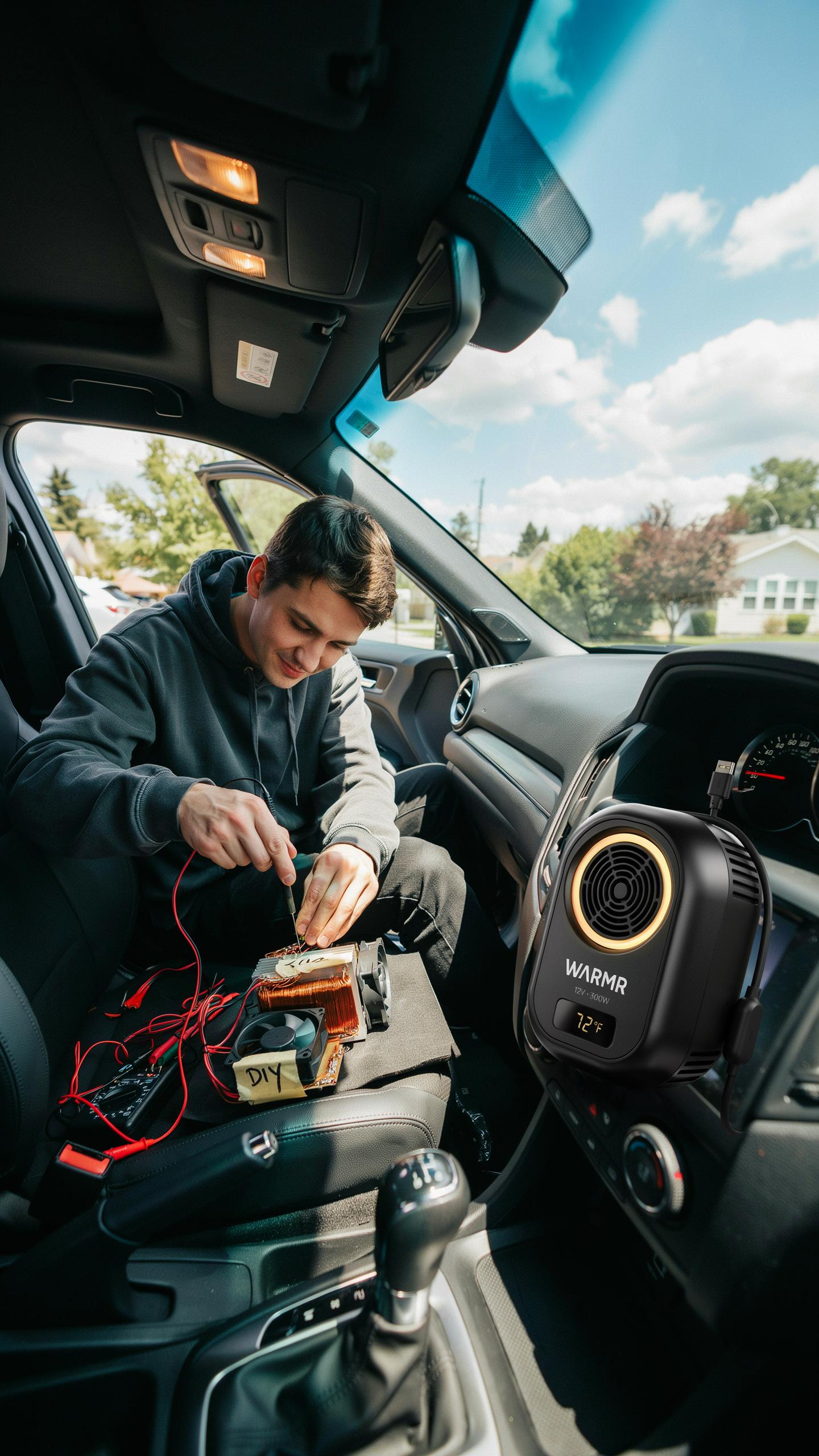
The Appeal Of DIY Car Heater Solutions
DIY car heating attempts attract people for one reason: cost. Building a makeshift heater from spare parts or household items costs less upfront than purchasing a commercial unit. However, this savings disappears fast when you factor in time, trial and error, and potential damage to your vehicle’s electrical system. Most DIY solutions lack proper thermostat controls, creating fire hazards or battery drain issues that compound over time.
The reality of DIY heating is harsh. You cannot match the engineering standards that manufacturers build into commercial heaters. Homemade solutions often overheat components, damage wiring, or fail to distribute warmth evenly. Troubleshooting problems becomes your responsibility. When your vehicle won’t start in January because a DIY heater drained your battery, the initial savings vanish and you face repair costs that exceed what a proper gadget would have cost.
Benefits Of Purpose Built Portable Heaters
Commercial portable car heaters deliver reliability because they undergo safety testing before reaching market. Manufacturers design these units with thermal cutoff switches, overheat protection, and properly regulated power draws. They integrate fan systems that distribute warm air efficiently throughout your cabin. These features work together to prevent electrical fires, battery failure, and component damage that plague DIY approaches.
Purpose built heaters save time in the morning. You plug in a unit designed for your vehicle’s power system and it operates as intended. No troubleshooting. No surprises. The gadgets come with warranties, manuals, and customer support when issues arise. This reliability matters when outdoor temperatures drop and you need your vehicle ready for the road without delay or risk to your car’s systems.
Maintaining Your Portable Car Heater And Defroster
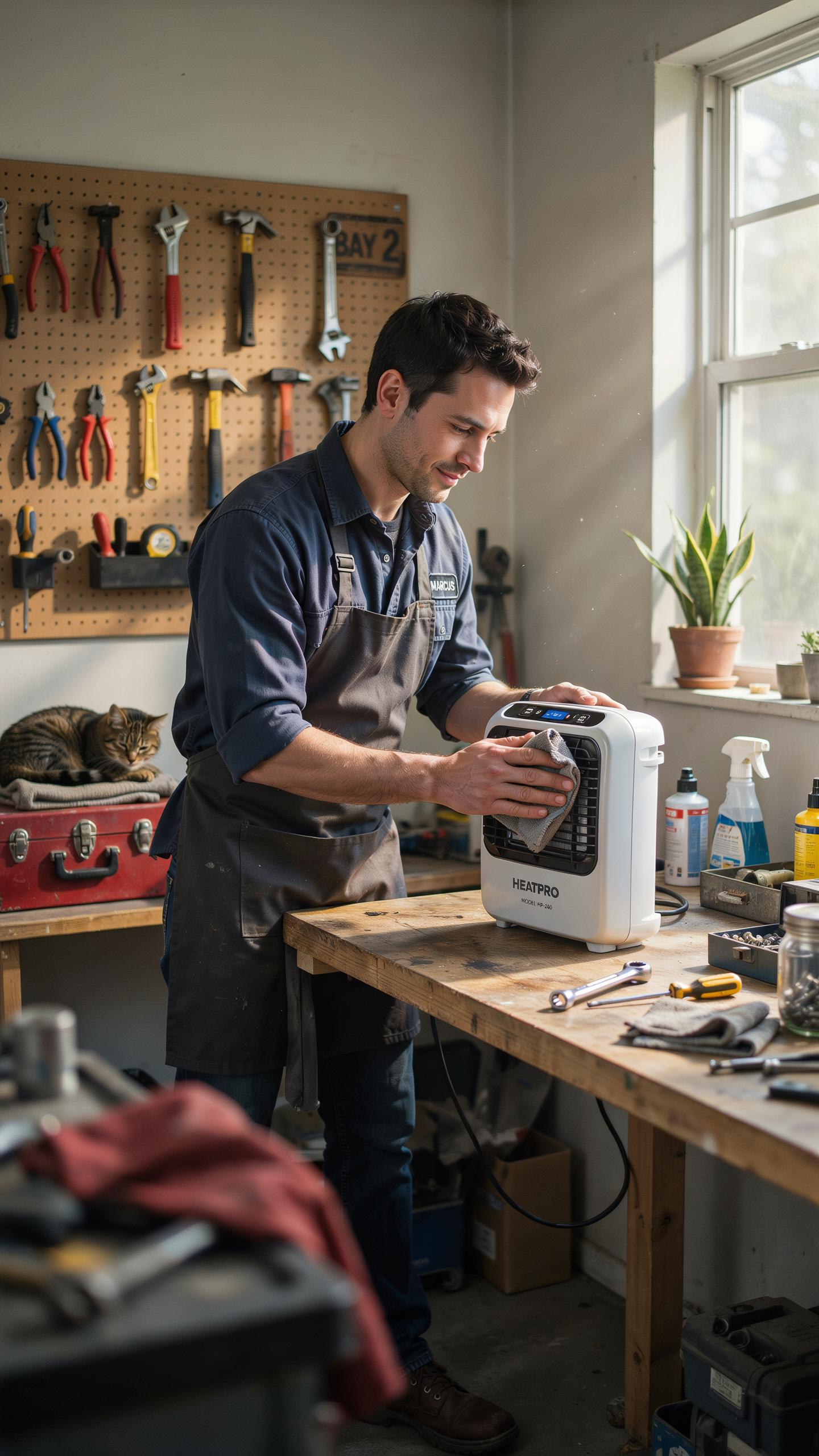
Cleaning And Storage Best Practices
Dust and debris accumulate inside your portable car heater during use. Remove the unit from your vehicle after winter ends. Wipe exterior surfaces with a dry cloth to remove dust buildup. Never use water or harsh chemicals on electrical components. Store the heater in a cool, dry location away from moisture and extreme temperatures.
Inspect the power cord for cracks or damage before storing your unit. Coil the cord loosely to prevent kinks that degrade wire integrity over time. Keep the heater in its original box or a protective case during off season storage. Store it indoors where temperatures stay between 50 and 80 degrees Fahrenheit. Check connections periodically during storage to catch corrosion early.
Troubleshooting Common Issues
Your portable car heater may fail to turn on if the power outlet lacks sufficient current. Test the outlet with another device to confirm it works properly. Check that the vehicle’s electrical system has adequate battery charge. Verify the power cord shows no visible damage. Reset any tripped circuit breakers in your vehicle’s electrical panel if applicable.
Weak heating output often stems from clogged air vents or motor strain. Remove dust buildup from intake and exhaust vents using a soft brush. Ensure the unit has proper ventilation inside your car. Replace any internal filters according to manufacturer specifications if your model includes them. If problems persist after cleaning, the heating element may need professional replacement.
The Future Of Winter Car Comfort And Car Air Heater With Four Outlets
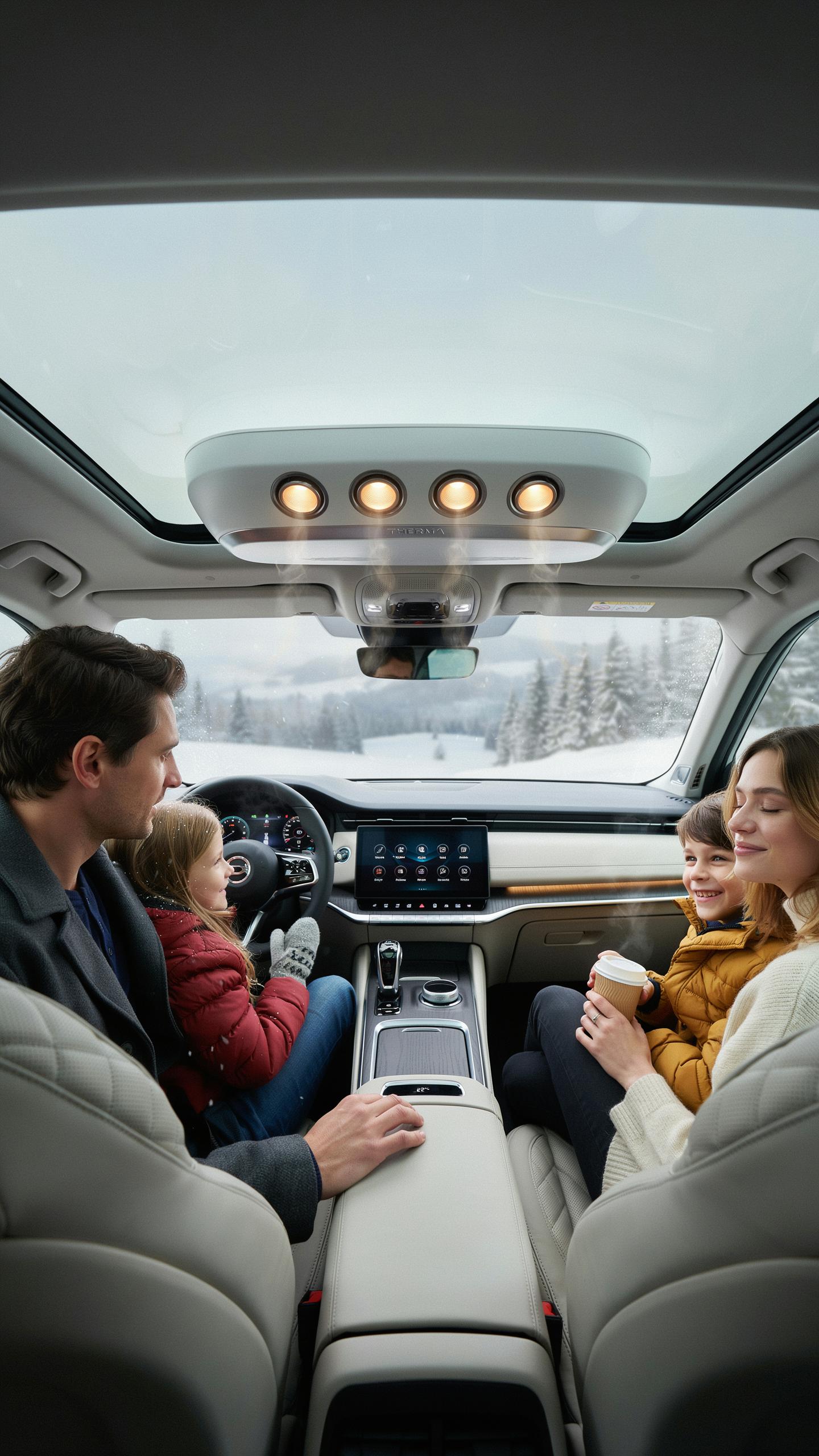
Innovations In Portable Heating Technology
Portable car heaters are moving toward faster heat delivery and lower power consumption. Manufacturers focus on ceramic heating elements because they warm up in seconds rather than minutes. Custom-fit designs now target specific car models, allowing heaters to mount in dash vents or cup holders without blocking driver sight lines. Battery technology improvements mean longer runtime on lighter weight units.
Companies develop dual-mode heaters that switch between heating and defrosting without manual adjustment. Some models now use thermostat controls instead of simple on-off switches. This reduces energy waste by maintaining target temperatures rather than running constantly. Materials shift toward aluminum housings that dissipate heat more effectively while lasting longer than plastic alternatives.
Integrated Systems And Smart Car Gadgets
Smart portable heaters now connect to vehicle electrical systems through cigarette lighter ports or USB-C connections for reliable, consistent power. Models with built-in sensors detect cabin temperature and adjust output automatically. Phone apps allow drivers to preheat cabins before entering vehicles on extremely cold mornings. This eliminates the need for manual temperature adjustments during commutes.

Integration with vehicle diagnostics means future heaters alert drivers when cabin air filters need cleaning or when battery voltage drops too low. Some advanced units coordinate with defrost cycles to prevent window fogging while heating. Wireless controls eliminate tangled cords that obstruct movement inside cabins. These systems reduce driver distraction by requiring fewer manual interventions during cold weather operation.
Frequently Asked Questions

What exactly is a portable car heater and defroster gadget and how does it work?
A portable car heater and defroster gadget is a compact device designed to provide supplemental heat and aid in defrosting your car’s windshield. It typically plugs into your vehicle’s 12V cigarette lighter socket, drawing power to generate warm air, helping to clear fog and ice, and making your car cabin more comfortable on cold mornings.
How do I safely install and use a portable car heater and defroster gadget in my vehicle?
Installation is usually straightforward. First, ensure your car’s 12V outlet is clean. Plug the portable car heater and defroster gadget firmly into the socket. Position the unit on your dashboard or console, aiming the airflow towards the windshield for defrosting or into the cabin for warmth. Always follow the manufacturer’s instructions for optimal and safe operation.
Are these gadgets affordable and suitable for all car types?
Yes, portable car heater and defroster gadgets are generally very affordable, offering a cost-effective solution for extra warmth. Most are designed to be universally compatible with standard 12V outlets found in nearly all cars, trucks, and SUVs, making them accessible to a wide range of vehicle owners seeking comfort on chilly drives.