

The Rise Of The Smart Temperature Patch For Babies

Evolution Of Baby Thermometers From Rectal To Remote
Parents once relied on rectal thermometers as the gold standard for infant temperature measurement. These devices delivered accurate readings but required physical contact and caused discomfort. The process demanded time, patience, and created stress for both parent and child. Mercury thermometers dominated until safety concerns shifted the market toward digital alternatives.
Digital thermometers improved speed and reduced mercury exposure risks. Ear thermometers emerged next, offering faster readings without rectal insertion. Forehead infrared scanners followed, providing non-contact measurement. Each innovation reduced contact time and parental anxiety. Smart patches represent the next logical step: continuous monitoring without repeated physical handling or device manipulation.
Understanding The Technology Behind Smart Patches
Smart temperature patches use thin, flexible sensors embedded in adhesive material that adheres directly to skin. The patch collects temperature data continuously and transmits readings wirelessly to a connected app on a parent’s smartphone. Sensors detect skin temperature changes within minutes of fever onset. Real-time monitoring eliminates guesswork and repeated measurement attempts.
The patches employ Bluetooth or similar wireless protocols to send alerts when temperatures exceed preset thresholds. Battery life typically spans several days to a week per patch. The technology stores historical data, allowing parents and pediatricians to track fever patterns over time. This continuous data stream provides clinical information that point-in-time measurements cannot capture.

What Is A Smarttemp Infant Thermometer
Key Features And Functionality
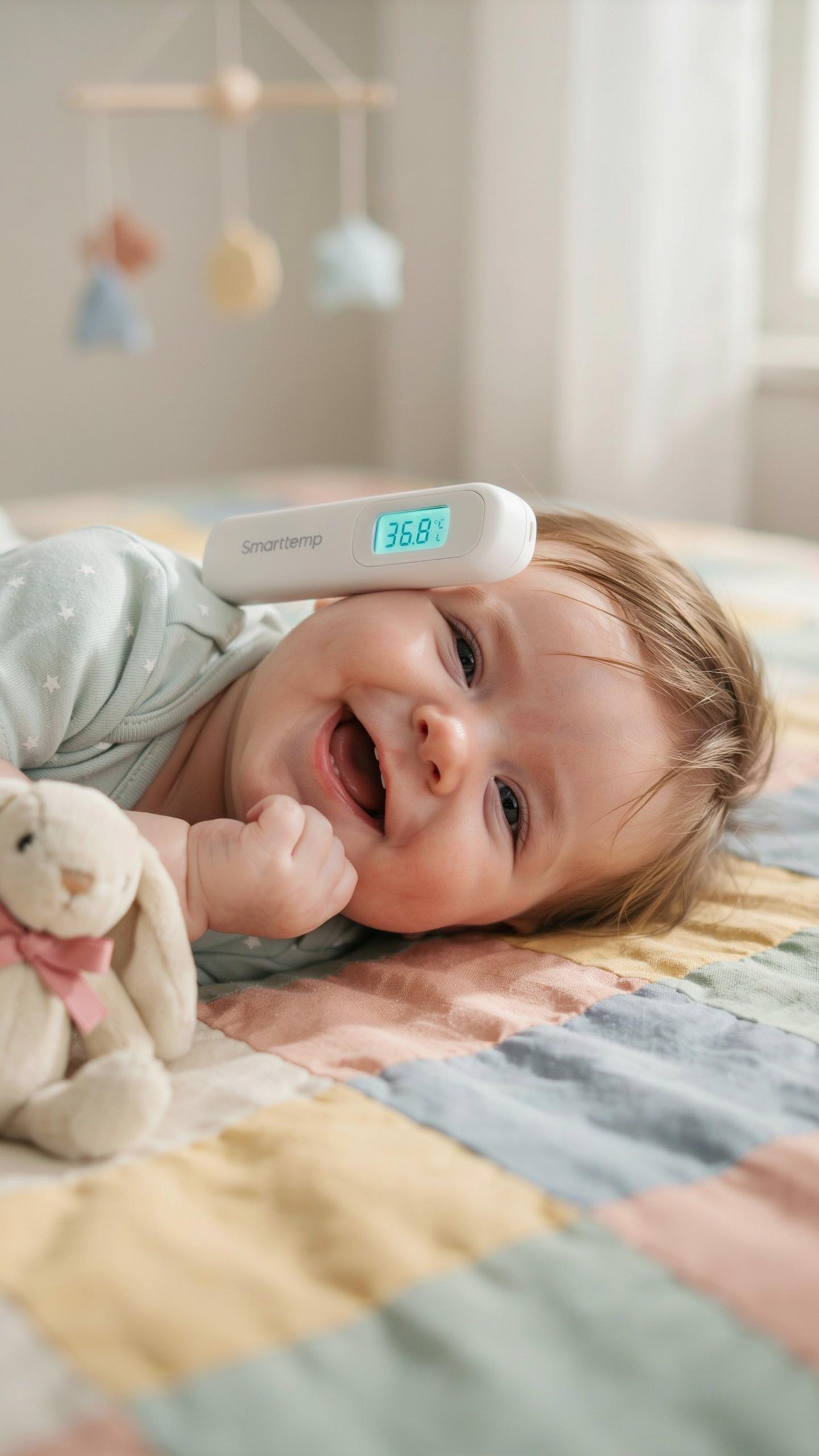
Smart temperature patches for infants are wearable adhesive devices that measure skin temperature continuously. They attach directly to the baby’s skin, typically on the chest or arm, and transmit data wirelessly to a connected app on a parent’s smartphone. The patch itself is thin, flexible, and designed to stay in place for several days without causing irritation.
These devices include temperature sensors that detect changes in real time. Parents receive alerts if the baby’s temperature rises above or falls below set thresholds. The patches do not require batteries in most designs, using passive wireless technology instead. Data syncs automatically to cloud platforms, creating a temperature history that parents and pediatricians can review.
How It Provides Continuous Monitoring
Continuous monitoring happens because the patch remains on the baby’s skin throughout the day and night without removal. Traditional thermometers require manual temperature checks at specific moments, capturing only snapshots of data. Smart patches eliminate this gap by recording temperature readings at regular intervals, typically every five to fifteen minutes, depending on the device.

Parents access this data remotely through their smartphones, allowing them to track temperature trends without disturbing a sleeping infant. The system alerts caregivers immediately when abnormal readings occur, enabling faster response to potential illness. This approach is especially useful for newborns and infants under one year old, where fever monitoring is critical for early intervention and peace of mind during night hours.
Benefits Of Using A Baby Thermometer Sticker

Peace Of Mind For Parents
Smart temperature patches eliminate guesswork about your baby’s body heat. Traditional thermometers require physical contact and frequent checks, disrupting sleep and creating stress. A patch provides continuous monitoring without waking your child. Parents receive real-time alerts on their phones when temperature changes occur. This constant surveillance removes anxiety about undetected fever spikes during critical nighttime hours.
The patch design means you stop hovering over your baby or checking repeatedly with other devices. You gain actionable data instead of assumptions. Most patches send notifications only when thresholds are crossed, reducing false alarms. This targeted approach lets parents sleep while maintaining protective oversight. You respond to genuine concerns rather than reacting to every minor fluctuation.
Early Detection Of Fevers
Fever detection speed matters because infections progress rapidly in infants. Smart patches track temperature continuously and alert parents immediately when readings exceed preset limits. This early warning system enables faster intervention with medical professionals. Delayed fever detection can allow conditions to worsen before treatment begins. Real-time data gives doctors accurate information about fever onset timing and progression patterns.
Continuous monitoring catches fever trends that spot checks miss. A baby’s temperature fluctuates throughout the day, and single readings provide incomplete information. Patches document sustained temperature elevation, which indicates genuine infection rather than normal variation. Parents share this data with healthcare providers during consultations. Medical professionals make better decisions with comprehensive temperature history instead of isolated measurements.
Tapp Thermometer Review A Look At The Leading Options
Comparative Analysis Of Popular Smart Patches
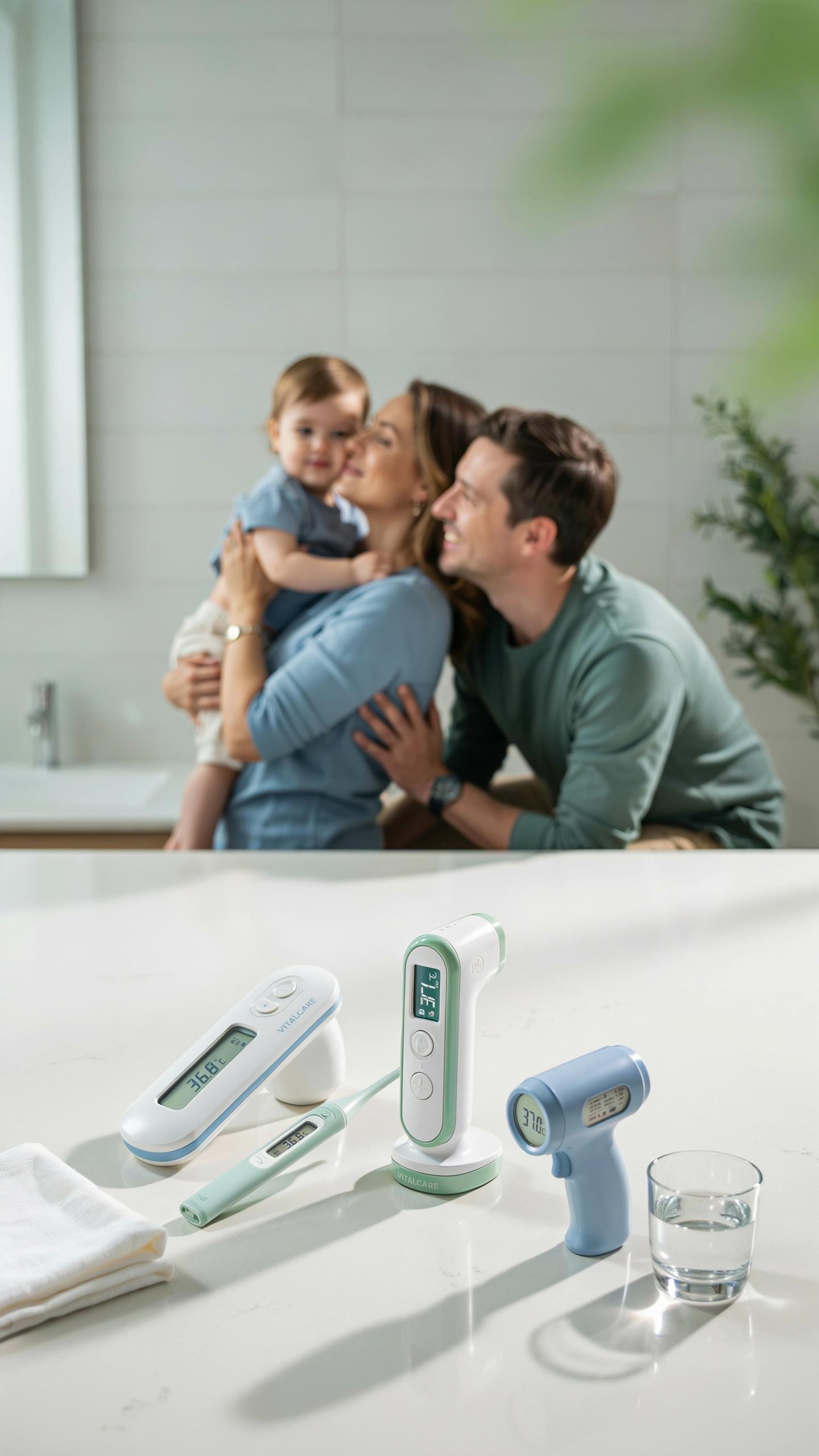
The smart temperature patch market for infants includes several key players that approach continuous monitoring differently. Tapp, Fever Scout, and similar devices use adhesive patches with wireless connectivity to track skin temperature in real time. Each option varies in battery life, accuracy standards, and app integration features. Parents need to understand what separates these devices functionally rather than relying on marketing claims.
- Tapp: Adhesive patch design with continuous monitoring capability. Sends alerts to smartphones when temperature exceeds set thresholds. Battery life ranges from multiple days to a week depending on model.
- Fever Scout: Competitors offer similar patch technology with varying accuracy rates. Some use Bluetooth connectivity while others employ different wireless protocols for data transmission to parent apps.
- Accuracy Standards: Most smart patches measure skin temperature, not core body temperature. Clinical validation varies by manufacturer and regulatory approval status in different regions.
- Data Storage: Devices track temperature history for pattern recognition. Apps typically store data in cloud systems or local device memory depending on privacy settings and manufacturer infrastructure.
- Alert Customization: Parents set temperature thresholds and notification preferences. Response time from patch detection to app alert typically occurs within seconds to minutes.
- Adhesive Duration: Patches require replacement after several days of continuous wear. Adhesive quality and skin sensitivity determine actual wear time before replacement becomes necessary.
Real users report mixed results with accuracy and app reliability. Temperature readings sometimes fluctuate based on patch placement, room temperature, and individual skin conditions. App crashes and false alerts occur across different brands, making backup thermometers essential.
In every gentle beep guiding us through the night, we find reassurance, a love letter written in silent warmth for our little ones.
User Experiences And Feedback
Parents using smart temperature patches consistently mention ease of application as a primary benefit. Patches stick to skin without bulky equipment or disturbing sleep patterns. However, accuracy concerns emerge when comparing readings to traditional rectal or ear thermometers during actual fever episodes.

Frustration points include app crashes during critical moments and false alerts that trigger unnecessary worry. Some users report adhesive irritation after continuous wear on sensitive infant skin. Battery drain on parent smartphones varies widely based on app design and Bluetooth implementation across different brands.
Choosing The Best Digital Thermometer For Babies
1 Factors To Consider Accuracy Comfort And Connectivity
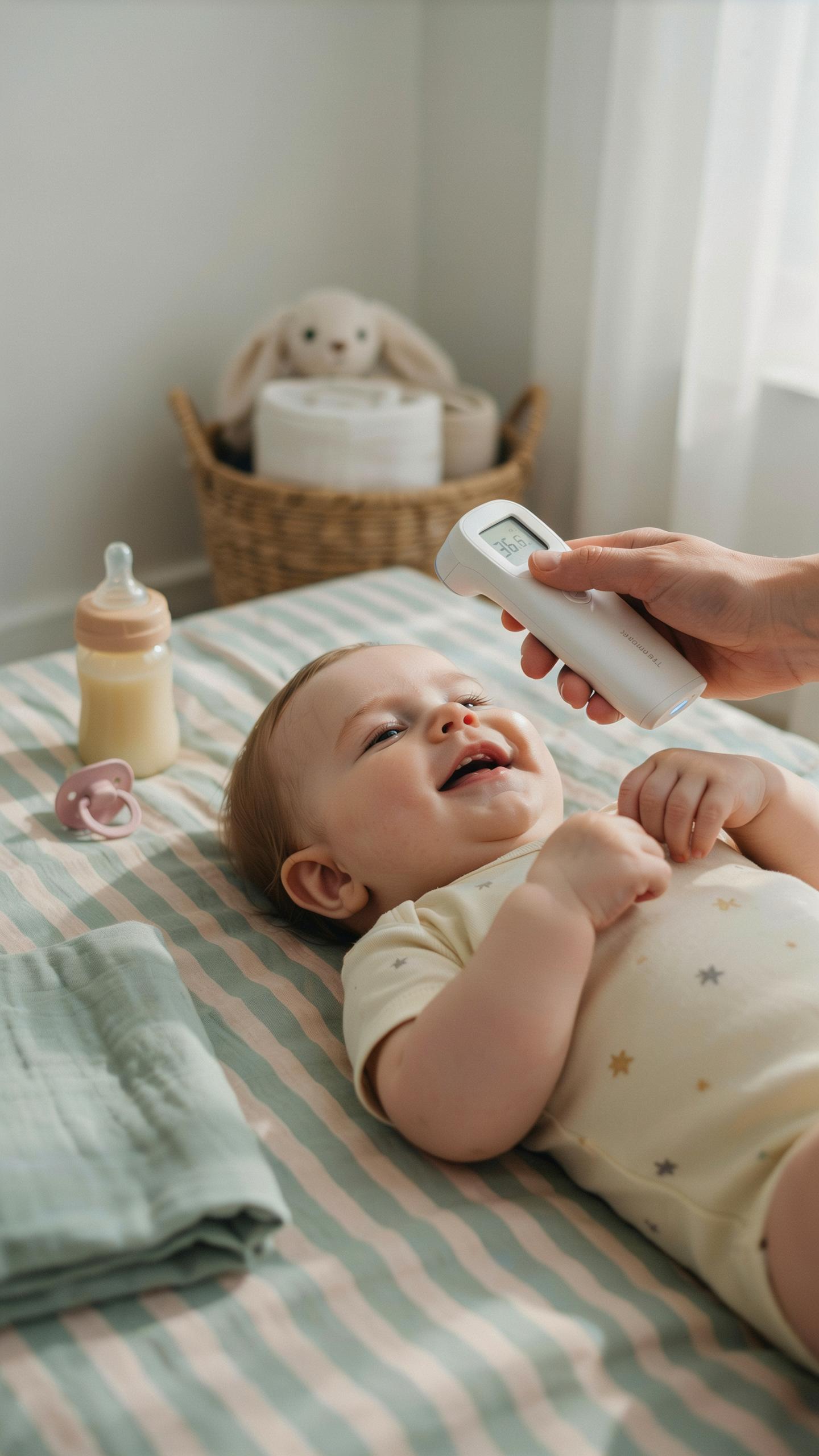
Accuracy matters most. Thermometers for babies need to read within 0.5 degrees Fahrenheit of actual body temperature. Contact thermometers, including patches, provide direct readings from skin. Non-contact options introduce more variables. Wearable patches eliminate the stress of a struggling infant during temperature checks. Connectivity features let you track temperature trends over time instead of relying on single readings.
Choose patches that stay secure for 12 to 24 hours without shifting or peeling. Material quality determines adhesive performance and skin irritation risk. Connectivity should sync to your phone reliably without frequent disconnections. Battery life in wireless patches should last the full wear period. Read actual user feedback about accuracy and adhesive durability before purchasing.
2 Safety Standards For Newborn Thermometers
FDA clearance indicates a thermometer meets safety and accuracy standards for medical use on infants. Biocompatibility testing ensures materials won’t cause skin reactions on sensitive newborn skin. Temperature patches use adhesive rated safe for extended skin contact in babies. Hypoallergenic adhesive formulations reduce irritation risk. Check that the device design prevents choking hazards and has no sharp edges.

Regulatory approval varies by country. Devices sold in the United States must meet FDA requirements. European markets require CE marking compliance. Always verify the specific regulatory status of any patch before using it on a newborn. Contact your pediatrician if your baby develops any skin reaction after applying a temperature patch.
How A Clothing Thermometer Enhances Convenience

Seamless Integration With Baby’S Attire
Smart temperature patches attach directly to baby clothing or skin using adhesive backing. The patch sits flat against fabric without creating bulk or discomfort. Parents simply apply the patch to a onesie, shirt, or the baby’s chest area. The device stays in place during normal movement and daily activities. No special equipment or harnesses are required. The patch communicates temperature data wirelessly to a connected app on a parent’s phone.
Babies wear clothing throughout the day anyway. Smart patches leverage existing attire instead of requiring additional devices or wearables. Parents avoid the hassle of strapping on separate monitors or temperature guns. The patch integrates into the baby’s routine without modification to how they dress or move. This design eliminates the friction that makes parents abandon monitoring tools.
Practicality For On The Go Parents
Parents who travel, run errands, or manage multiple children benefit from continuous monitoring without active effort. The patch transmits temperature data in real time as the parent moves through their day. No need to undress the baby to check temperature or find a thermometer. The parent receives alerts on their phone if temperature spikes occur. This setup works at home, in the car, at daycare, or anywhere the parent goes.

Battery life typically extends for days on a single charge. The patch requires minimal maintenance compared to traditional thermometers. Parents don’t fumble with devices or remember to carry equipment. Real time alerts mean parents catch fever changes early without checking manually. This approach saves time during busy schedules and high stress moments when quick information matters most.
Digital Stick Thermometer Vs Smart Patch A Comparison
Advantages Of Continuous Tracking Thermometers
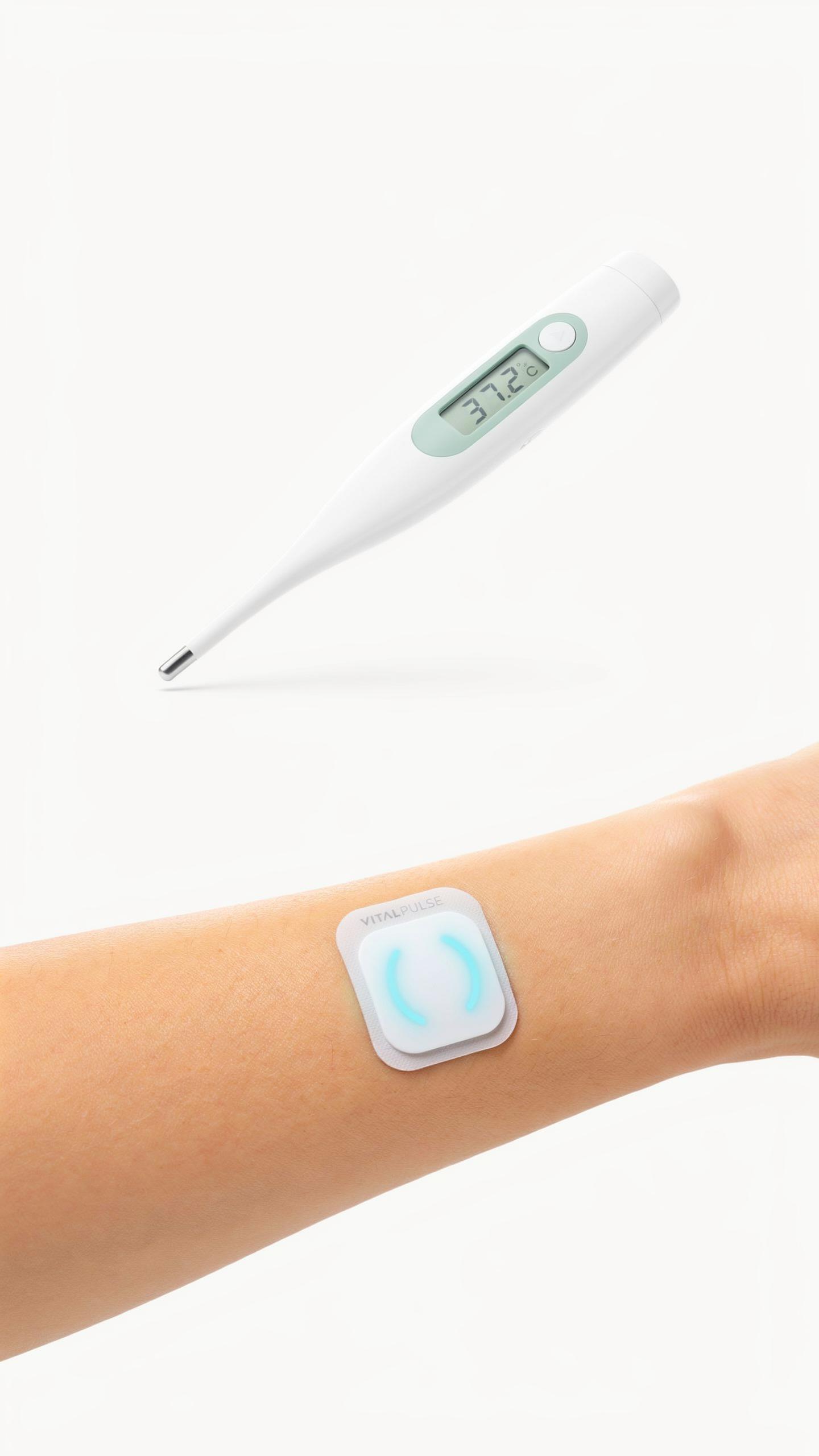
Digital stick thermometers require active measurement. A parent places the device under the arm, in the ear, or rectally for 30 seconds to three minutes. The thermometer displays a single temperature reading at that moment. This snapshot approach works when you need immediate data. It demands no batteries beyond initial setup and creates no ongoing connectivity requirements.
Smart patches continuously monitor skin temperature without requiring action. The device adheres to the baby’s skin and transmits data to a smartphone app. Parents receive alerts if temperature rises above preset thresholds. This automation eliminates the need to wake a sleeping infant for manual checks. The continuous stream of data reveals temperature trends rather than isolated readings.
Situational Utility Of Each Type
Digital stick thermometers serve specific scenarios where one-time measurement suffices. Use them when you suspect illness and need quick confirmation. They work during routine checkups or when transitioning between environments.
- Rapid Assessment: Digital sticks deliver results in seconds, making them ideal for busy situations when you need immediate temperature confirmation without delay.
- No Connectivity: These devices operate completely offline, requiring no internet, Bluetooth, or app pairing for basic function and temperature display.
- Lower Cost Entry: Digital thermometers cost between 10 and 30 dollars compared to smart patches at 50 to 200 dollars, making them budget friendly.
- No Skin Contact Duration: Stick thermometers measure quickly and separate from skin, avoiding prolonged adhesion concerns some parents have with patches.
- Travel Portability: Compact design means you pack them easily in diaper bags without worrying about battery drain or lost connectivity during trips.
- Backup Verification: Many parents use digital sticks to verify smart patch readings when they question the data accuracy during suspected fever events.

Smart patches excel when parents need hands off monitoring during sleep or continuous observation periods. The patch works while your baby sleeps undisturbed. It sends alerts automatically if fever develops, eliminating hourly manual checks. This approach serves extended monitoring when illness persists beyond one day.
Setting Up Your Smart Patch For Temperature Monitoring

Step By Step Installation Guide
Start by cleaning the skin on your baby’s upper arm or behind the ear with a dry cloth. Remove any lotion, oil, or moisture from the area. Peel back the adhesive backing on the patch carefully without touching the sensor surface. Press the patch firmly onto the skin for three to five seconds to ensure full contact. The adhesive needs complete surface contact to transmit temperature data accurately to your connected device.
After application, open your smartphone and navigate to the companion app store. Search for the patch manufacturer’s official app and download it to your phone. Follow the in app prompts to create an account or log in to your existing profile. The app will guide you through a pairing process using Bluetooth connectivity. Keep your phone within ten to fifteen feet of the patch during setup to establish a strong initial connection.
Understanding The Accompanying Mobile App
The app dashboard displays your baby’s current temperature reading with a clear numeric display and color coded status indicator. Green indicates normal temperature range, yellow signals elevated readings, and red alerts you to high fever conditions. You can view historical temperature data in graph form spanning hours, days, or weeks depending on how long the patch remains active. The app stores this information locally on your device and in cloud backup if you enable that feature during setup.

Notification settings allow you to customize temperature thresholds that trigger alerts on your phone. You can set your own fever threshold rather than accepting default settings if your pediatrician recommends different parameters. Multiple caregivers can access the same baby’s data by adding their accounts through the app’s sharing function. Battery status for the patch appears on the main screen so you know when replacement is necessary, typically after five to fourteen days depending on the specific model.
Ensuring Accuracy And Reliability Tips For Parents

Proper Placement And Maintenance
Placement directly impacts reading accuracy. Position the patch on clean, dry skin on the baby’s chest or upper back. Avoid areas with folds, creases, or where moisture accumulates. The patch needs direct skin contact to measure temperature effectively. Replace the adhesive backing if it loses grip. Check the patch daily for signs of peeling or displacement. A loose patch generates false readings and defeats the monitoring purpose.
Battery life and app synchronization require routine attention. Check your app weekly to confirm the patch connects properly and transmits data. Replace batteries according to the manufacturer timeline, typically every seven to fourteen days depending on model. Update the app when prompted to maintain compatibility. Poor connection often stems from outdated software rather than hardware failure. Keep your phone within the recommended distance range from the patch during sync cycles.
Troubleshooting Common Issues
False temperature alerts often result from environmental factors or patch positioning problems. Remove the patch and reapply it if readings seem inconsistent with your baby’s behavior. Verify the patch sits flat against skin without wrinkles or air pockets underneath. Room temperature extremes can affect sensors, so ensure the baby stays in stable environments. Test the patch on yourself first to confirm it functions correctly before assuming a malfunction.
Connection drops require systematic resolution. Restart the app completely rather than just closing it. Clear the app cache through your phone settings if pairing repeatedly fails. Ensure your phone’s Bluetooth remains enabled and the patch battery isn’t depleted. Some models need manual re-pairing after updates. Contact customer support if these steps fail, as the patch may need replacement if the sensor itself is defective.
Frequently Asked Questions

What exactly is a smart temperature patch for babies and how does it work?
A smart temperature patch for babies is a wearable device that continuously monitors your infant’s body temperature. It typically adheres gently to their skin and transmits real-time temperature data via Bluetooth to a smartphone app, immediately alerting parents to any significant changes so you can respond quickly if a fever develops, even while your baby is sleeping in another room.
Is it safe to leave a smart temperature patch on my baby’s skin for extended periods?
Most smart temperature patches are designed with hypoallergenic, skin-safe adhesive specifically formulated for infant skin, and manufacturers typically recommend replacing the patch every 24 to 48 hours. Check for any redness or irritation when you change the patch, and discontinue use if your baby shows signs of sensitivity. As with any wearable device, consult your pediatrician if your baby has particularly sensitive skin or existing skin conditions.
How far can I be from my baby and still receive alerts from the temperature patch?
Range depends on the model, but most smart temperature patches use Bluetooth Low Energy, which typically covers 30 to 100 feet depending on walls and interference. Many apps also offer a Wi-Fi bridge accessory that extends monitoring range throughout your entire home, so you can receive alerts from any room. Check the specific range rating before buying if you plan to monitor from a different floor of the house.