
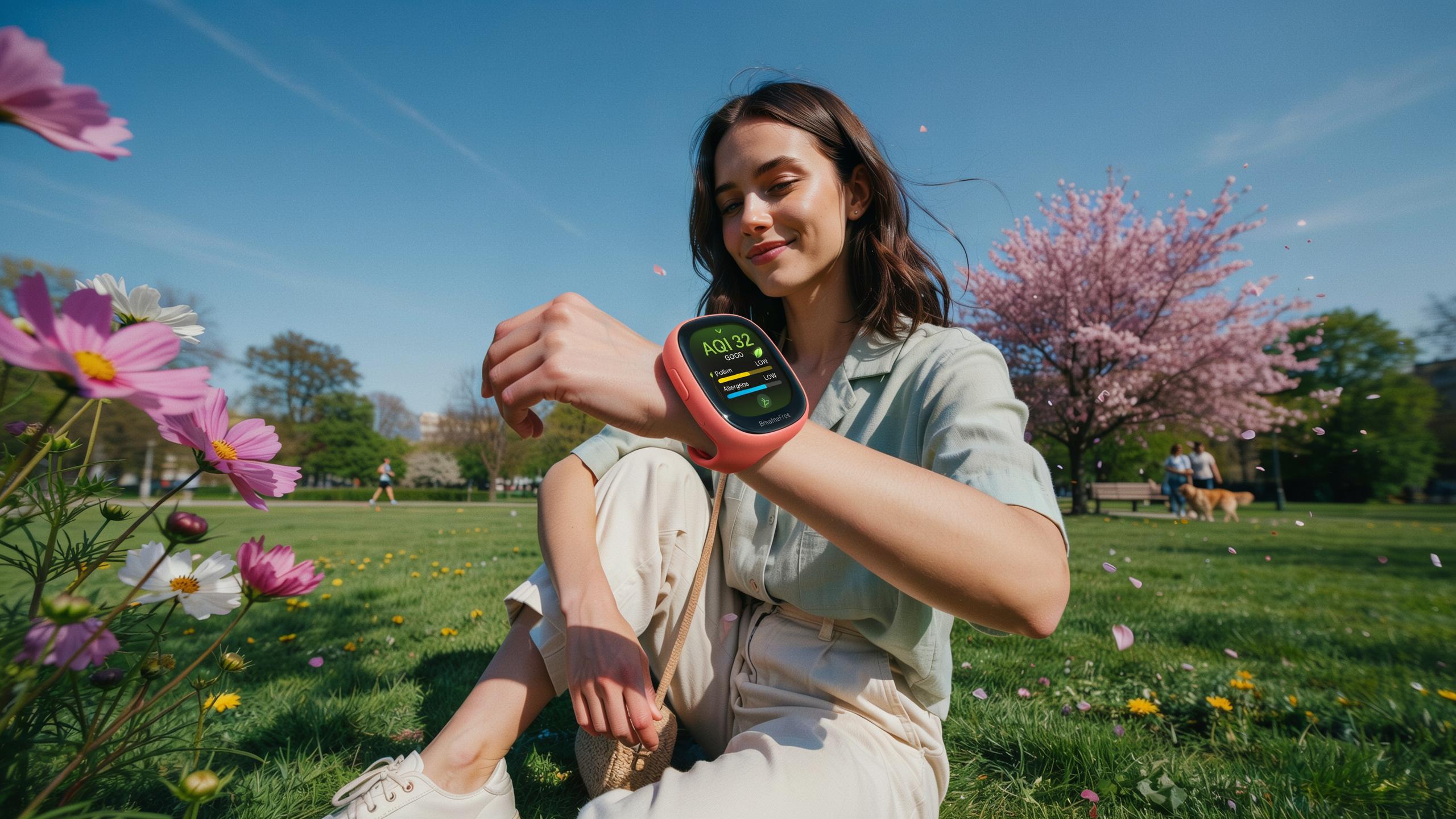
Understanding Air Quality And Allergies With A Portable Air Quality Meter
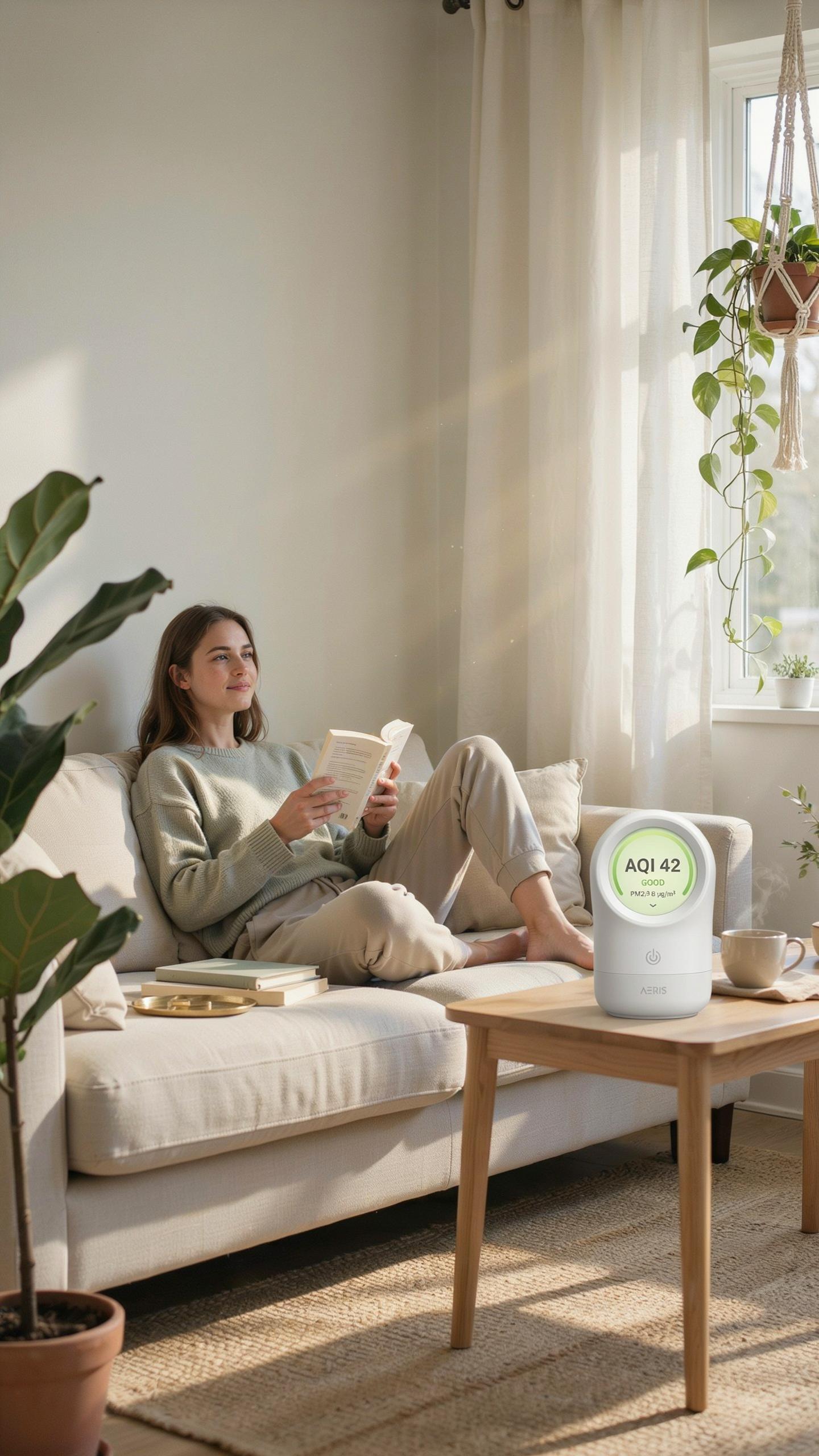
The Link Between Air Quality And Allergic Reactions
Air quality directly affects allergy symptoms. Pollutants like particulate matter, nitrogen dioxide, and ozone irritate airways and nasal passages. Allergens including pollen, mold spores, and dust mites travel through air and trigger immune responses. When air quality drops, these particles concentrate and compound allergic reactions. People with allergies experience worsening symptoms during poor air quality events.
Environmental factors amplify allergen impact. Temperature inversions trap pollutants near ground level. High humidity promotes mold growth and dust mite reproduction. Wind patterns carry pollen across distances. Indoor air can trap allergens at higher concentrations than outdoor air. Understanding these connections helps allergy sufferers anticipate flare-ups and take preventive action.
Why A Portable Air Quality Meter Is Crucial For Allergy Sufferers
Real-time air quality data enables informed decisions about movement and medication timing. A portable air quality meter measures specific pollutants and allergen indicators in your immediate environment. This information reveals patterns between air conditions and symptom onset. Data from wearable monitors helps identify which locations and times trigger worse reactions. Armed with this knowledge, sufferers avoid problematic environments or prepare with medication beforehand.
Wearable air quality monitors shift control to the individual. Rather than guessing about outdoor conditions, users access objective measurements. This data informs decisions about exercise timing, commute routes, and indoor versus outdoor activities. Predictive capabilities develop as sufferers track their personal response patterns. Portable monitors eliminate reactive management and enable proactive strategy based on measurable environmental data.
What Is A Wearable Air Quality Monitor Device
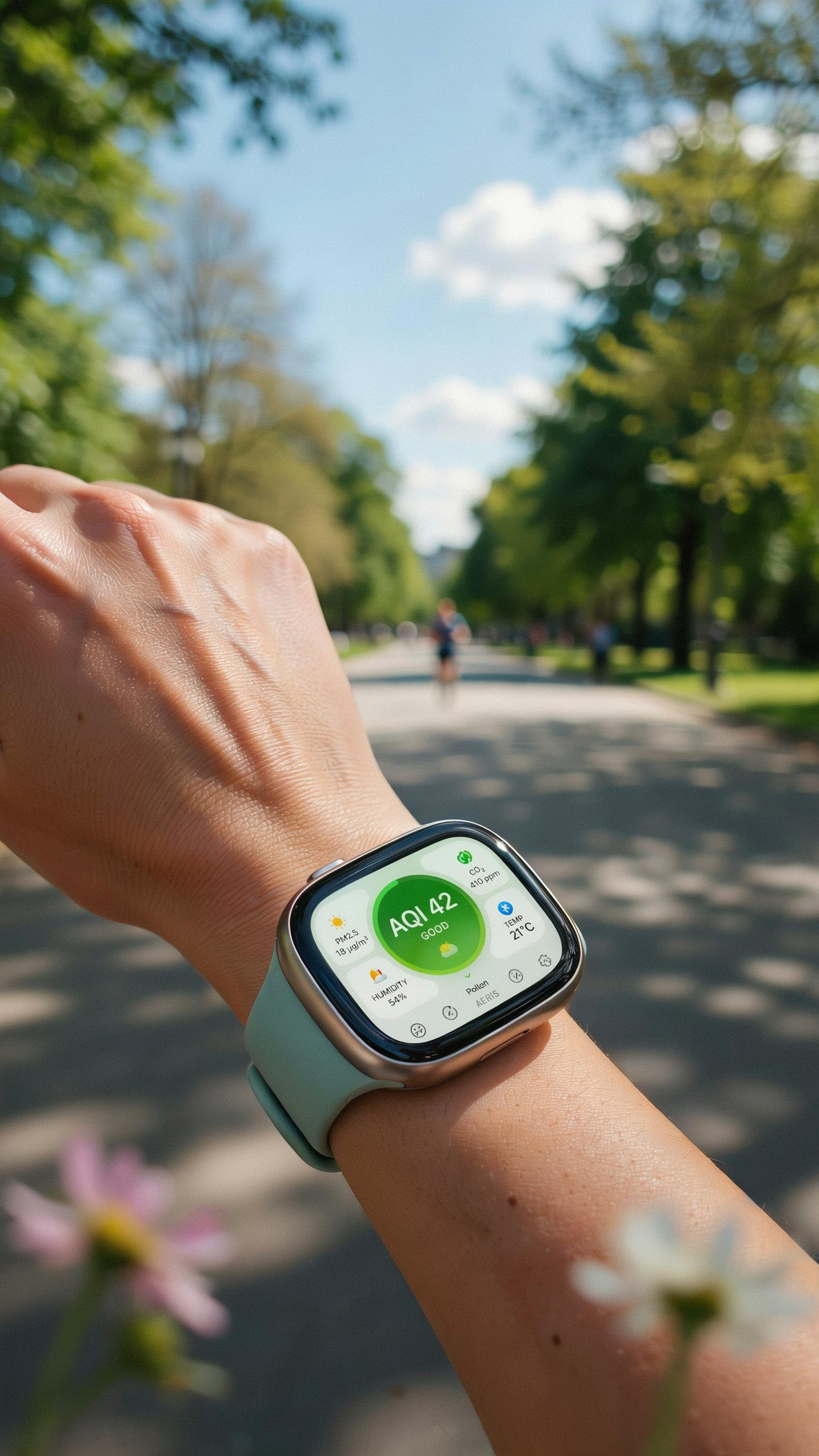
Defining Wearable Air Quality Technology
A wearable air quality monitor is a portable device you wear on your body or carry to measure pollutants in your immediate breathing zone. These devices detect particulate matter, gases, and other airborne contaminants in real time. Sensors analyze air samples and transmit data to a connected app or display. Unlike stationary monitors, wearables follow your movement throughout the day, capturing exposure data specific to your location and activities.
Wearable air quality monitors use multiple sensor types to detect different pollutants. Optical sensors count particulate matter like dust and pollen. Electrochemical sensors measure gases such as nitrogen dioxide and ozone. Some devices include temperature and humidity sensors to provide environmental context. The sensor combination determines what pollutants the device can track and how accurately it reports exposure levels.
Key Features Of An Effective Air Quality Monitor Device
Real time data display is non negotiable for practical use. The device must show current air quality readings instantly so you can make immediate decisions about your environment or activities. Accuracy matters because poor sensor calibration wastes time and creates false alarms. A quality monitor samples air frequently enough to catch rapid pollution changes and alert you before exposure becomes significant.

Data logging capability stores historical readings so you can identify pollution patterns over time and days. Connectivity options like Bluetooth or WiFi enable automatic syncing to your smartphone, creating a comprehensive exposure record. Battery life determines usability, with most devices requiring daily charging. Look for devices with replaceable sensor cartridges since sensor degradation is inevitable with continuous monitoring.
Daily Air Pollution Monitoring Benefits For Allergy Management
Proactive Allergy Management Through Continuous Data
A wearable air quality monitor tracks pollutant levels in real time throughout your day. This data lets you see patterns between pollution exposure and your symptoms. You adjust your schedule before reactions happen, not after. Outdoor activities shift to low-pollution windows. Indoor air filtration runs when needed. You stop reacting and start preventing.
Real-time alerts from your device give you actionable intelligence. You know when particulate matter spikes in your location. You know when pollen counts climb. This removes guesswork from allergy management. Instead of suffering through unpredictable flare-ups, you make informed decisions about when to be outside and when to stay indoors.
Identifying Personal Allergen Triggers
Wearable monitors record specific pollutants like PM2.5, PM10, nitrogen dioxide, and ozone. You compare your symptom logs against these measurements over weeks and months. Patterns emerge. Perhaps PM2.5 triggers your symptoms within two hours. Maybe ozone affects you differently. This personalized data reveals your unique triggers that generic allergy forecasts miss.
Your monitor becomes a diagnostic tool. Data shows whether grass pollen or vehicle emissions hit you harder. You learn if morning or evening pollution poses greater risk. This specificity changes how you prepare and respond. You stop treating all air quality warnings the same and instead target your actual vulnerabilities based on evidence you collected yourself.
Choosing The Best Air Quality Monitor For Sensitive Allergies
Factors To Consider When Selecting An Air Quality Monitor
Accuracy determines whether a monitor gives you actionable data or noise. Look for devices that measure specific allergens relevant to your condition, not just general air quality indexes. Real-time measurements matter because air quality changes rapidly indoors and outdoors. You need sensors that detect what triggers your symptoms, whether that’s particulate matter, pollen, or volatile organic compounds.
- Sensor Specificity: Verify the monitor detects your primary allergens. PM2.5 and PM10 particles trigger most allergy sufferers, but pollen-specific sensors offer precision for seasonal allergies.
- Real Time Data: Devices displaying continuous measurements let you respond immediately to air quality changes rather than waiting for delayed readings or daily reports.
- Battery Life: Portable monitors drain quickly with constant operation. Prioritize devices lasting 8+ hours on a single charge for all-day monitoring during high-allergy periods.
- Portability: Weight and size affect whether you’ll actually carry the monitor daily. Lightweight devices under 200 grams integrate into your routine without burden.
- Display Readability: Clear screens with large text and color coding eliminate confusion during real-time use. Avoid monitors requiring constant phone app checks when quick decisions matter.
Battery performance and portability separate devices you use consistently from ones gathering dust. Allergy sufferers need monitors that travel with them, not stationary units. User interface design directly impacts whether you’ll check readings enough times daily to make informed decisions about medication timing, outdoor activity, and air filtration needs.
Comparing Leading Air Quality Meters On The Market
The Awair Element and Foobot dominate the consumer wearable air quality space for allergy management. Awair Element measures VOCs, CO2, humidity, temperature, and particulates starting around $200. Foobot tracks similar metrics at comparable pricing. Both connect to smartphones and provide historical data, but neither specializes in pollen detection specifically.

The IQAir AirVisual Pro offers professional-grade accuracy at higher cost, roughly $300 to $400, detecting PM1, PM2.5, and PM10 with greater precision than consumer models. This accuracy appeals to severe allergy sufferers needing exact readings for medication decisions. The Plume Labs Flow takes a different approach, focusing on ultra-fine particles and VOCs with wearable-first design under $200. Selecting between these comes down to whether you prioritize pollen-specific data, overall particulate accuracy, or price point.
How To Use Air Quality Monitor For Optimal Allergy Relief
Step By Step Guide To Operating Your Wearable Monitor
Most wearable air quality monitors require initial setup through a companion app. Download the manufacturer’s app, create an account, and connect the device via Bluetooth. Wear the monitor on your wrist or clip it to your clothing near your breathing zone. The device calibrates automatically during the first 24 hours of use. Keep the sensor clean and replace any filters according to manufacturer specifications, typically every three to six months depending on your environment’s pollution levels.
Daily operation is straightforward. Turn on the device each morning before leaving home. The monitor continuously reads particle concentrations, gases, and humidity levels around you. Check your app periodically throughout the day to track real time data. Consistency matters. Wearing your monitor at the same location daily produces reliable comparisons. Remove the device only for charging, which most models require every two to three days.
Interpreting Data And Taking Action
Wearable monitors display air quality data through standardized indexes like AQI or proprietary scales. Lower numbers indicate cleaner air and fewer potential allergen triggers. Your device shows specific pollutants including PM2.5, PM10, ozone, and nitrogen dioxide. Match these readings to your allergy symptoms. If PM2.5 spikes coincide with your congestion or itching, you have identified your primary trigger. Document these correlations in your app’s notes feature for pattern recognition over time.

Transform raw data into behavior changes that reduce allergy exposure. When your monitor detects high pollution, close windows and activate HEPA filtration at home. Plan outdoor activities during low pollution windows, typically early morning before traffic peaks. Share your data with your allergist. Many specialists use this information to refine treatment plans and validate environmental triggers. Use weekly trend reports to adjust medication timing around predictably poor air quality days.
Smart Air Quality Meter Integration And Beyond
Connecting Your Monitor To Smart Home Ecosystems And Apps
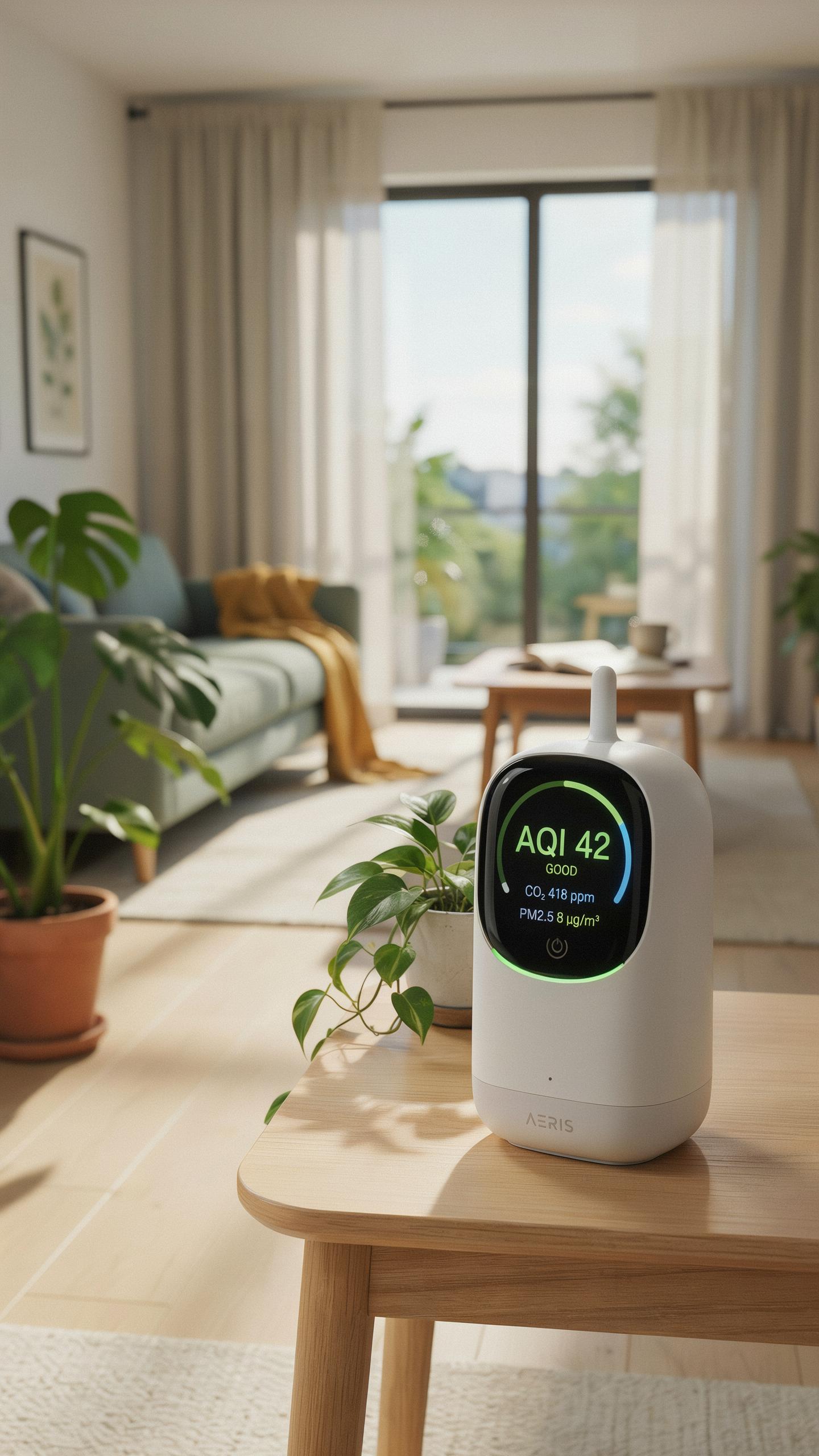
Wearable air quality monitors connect to smartphones through Bluetooth or WiFi, sending real-time data to companion apps. These apps display pollutant levels, trigger alerts when thresholds exceed safe ranges, and log historical trends. Integration with smart home platforms like Apple HomeKit, Google Home, and Amazon Alexa enables automation. Your monitor data triggers air purifiers, HVAC systems, and humidifiers to activate when pollution spikes. This coordination creates responsive environments without manual intervention.
Data from wearable monitors flows into broader smart home ecosystems to optimize air management across multiple spaces. Some systems integrate with weather data to predict pollution events before they occur. Connected devices communicate pollution readings to family members through shared dashboards. This transparency helps households coordinate responses when air quality degrades. The infrastructure exists today through standard connectivity protocols that most modern wearables and home devices support.
Remember that summer day’s carefree breath before pollen counted? Our wearable is a gentle whisper to reclaim those moments, breathing easy and reliving joy.
Leveraging Data For Long Term Health Improvements
Wearable monitors generate exposure patterns over weeks and months, revealing when and where allergy symptoms correlate with pollution spikes. Export this data as reports to share with allergists or pulmonologists during appointments. Healthcare providers use these records to identify triggers, adjust medications, or recommend behavioral changes. The documentation provides objective evidence rather than memory-based symptom descriptions. This tactical approach transforms raw sensor data into clinical decisions.

Sustained health improvements require action on the patterns your monitor reveals. If data shows morning pollution peaks affecting symptoms, doctors may adjust allergy medication timing or recommend indoor activities during those hours. Seasonal trends help predict flare up periods and enable preventive measures. Families use historical data to justify air purifier purchases or HVAC upgrades. Over months, consistent monitoring and adjustment based on data leads to measurable reductions in symptom severity and medication dependence.
Best Tools For Air Monitoring Beyond Wearables
Complementary Air Monitoring Solutions
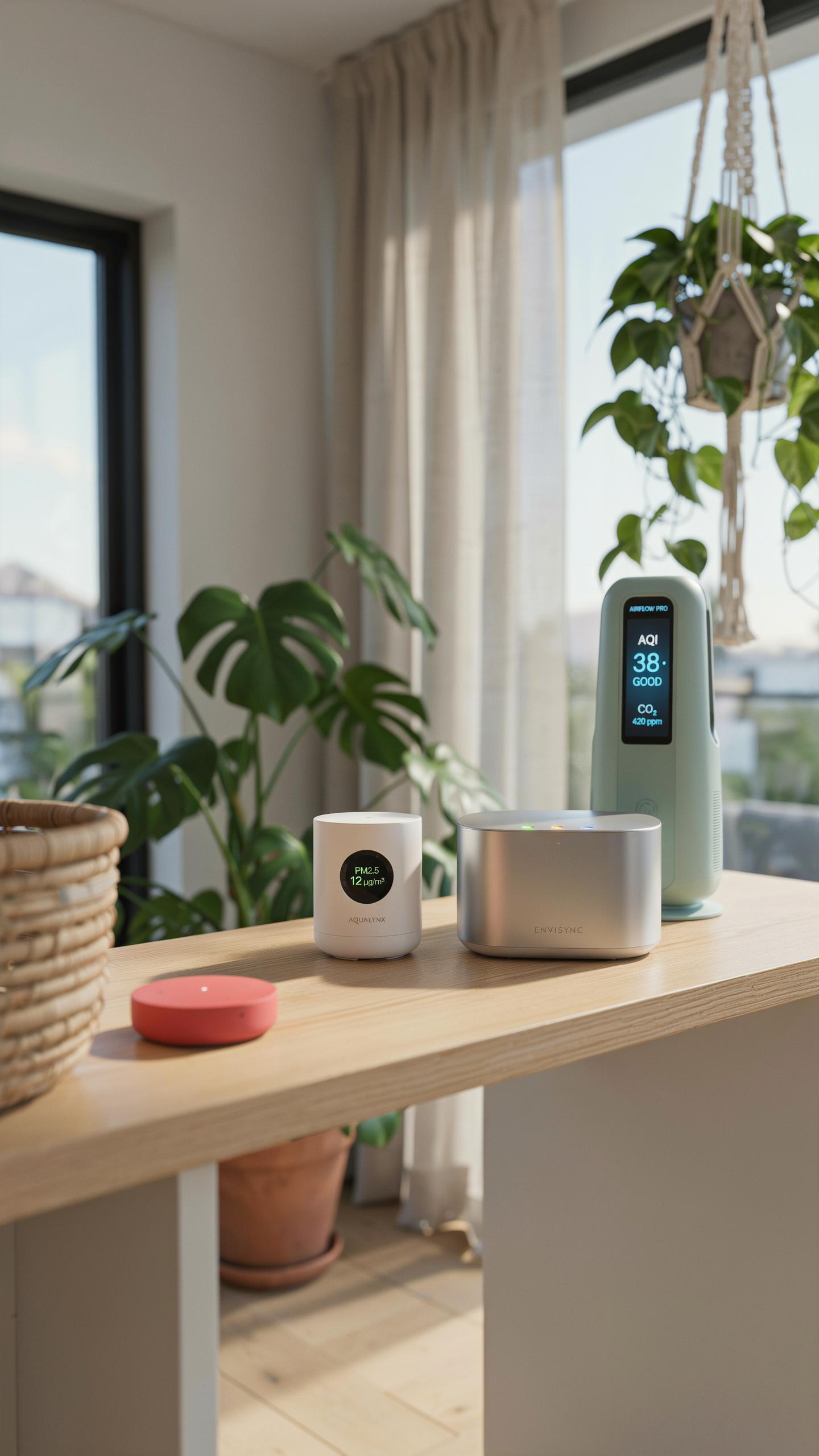
Wearable air quality monitors track pollution where you go, but they don’t control your environment. Stationary indoor sensors placed in your home or office measure air quality in fixed locations. These devices use the same sensors as wearables but provide continuous readings for specific spaces. Combined with a wearable, stationary sensors let you understand pollution patterns in places you spend the most time.
HEPA air purifiers and activated carbon filters remove particles and gases from indoor air. They work independently of monitoring devices but become more effective when paired with real-time data from sensors. You adjust purifier settings based on what your wearable detects outside or what stationary sensors report indoors. This approach reduces allergen exposure by targeting problem areas with precision rather than guessing.
Creating A Comprehensive Air Quality Strategy
Layer your tools to build an effective allergy management system. Start with a wearable to track outdoor pollution and plan when to go outside or stay in. Add stationary sensors in your bedroom and work area to measure indoor air quality throughout the day. Use this data to inform when you run air purifiers and how long you keep them operating.

Combine monitoring data with your allergy medication schedule and symptom tracking. Record when allergen levels spike and correlate that information with your allergic reactions. Adjust your outdoor activities, window opening habits, and purifier usage based on these patterns. Over time, this creates a personalized strategy that reduces exposure rather than relying on generic recommendations or guessing about air quality conditions.
Air Quality Monitor USA Regulations And Resources
Understanding US Air Quality Standards And Guidelines
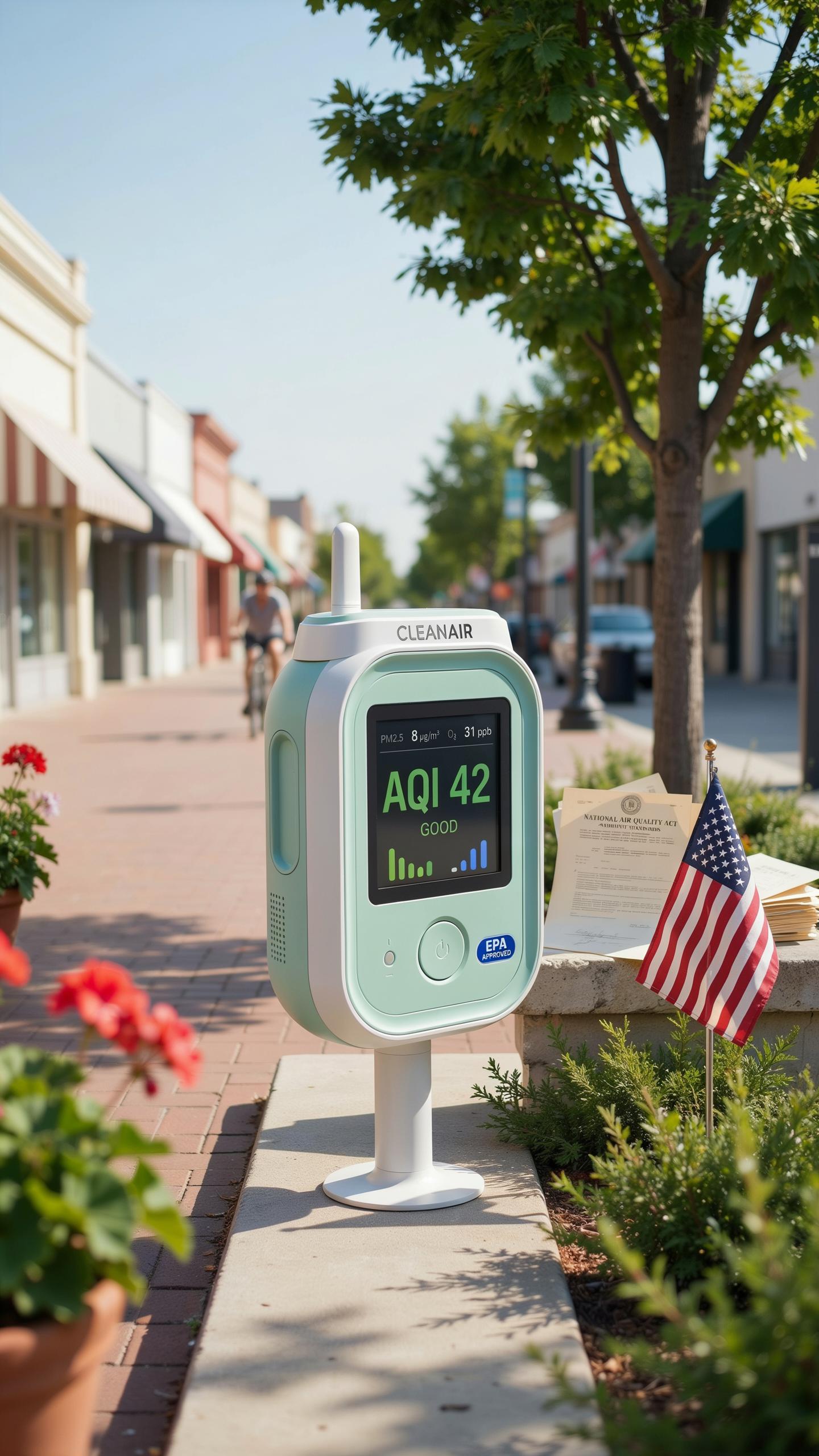
The EPA sets National Ambient Air Quality Standards (NAAQS) for six major pollutants: ozone, nitrogen dioxide, sulfur dioxide, particulate matter, carbon monoxide, and lead. These standards define safe exposure levels to protect public health. State and local agencies enforce these standards and establish their own regulations. For allergy sufferers, particulate matter and ozone are the most relevant pollutants since they trigger respiratory reactions and worsen allergic symptoms.
The Air Quality Index (AQI) translates EPA data into a 0-500 scale that tells you pollution levels daily. An AQI of 0-50 means good air quality. An AQI above 100 signals unhealthy conditions for sensitive groups, including people with allergies. Wearable air quality monitors track real-time AQI data and alert users when pollution reaches dangerous levels, helping allergy sufferers plan outdoor activities accordingly.
Finding Reputable Air Quality Resources And Support
The EPA’s website provides official AQI forecasts for your ZIP code through AirNow.gov. This free tool updates hourly and shows pollution breakdowns by pollutant type. State environmental agencies publish local air quality reports specific to your region. The American Lung Association offers state-by-state air quality ratings and educational resources tailored for people managing respiratory conditions and allergies.
Organizations like the National Allergy Bureau (NAB) operate pollen monitoring networks across the USA and track pollen counts in real time. NAB publishes daily pollen reports for specific locations. Local allergists often subscribe to these alerts and recommend them to patients. Search for your city name plus “air quality forecast” or “pollen forecast” to find localized resources that support your specific allergy management needs.
Frequently Asked Questions

What exactly is a wearable air quality monitor and why is it helpful for allergy sufferers?
A wearable air quality monitor is a compact device you carry or wear, designed to sense and report airborne allergens and pollutants in your immediate environment. For allergy sufferers, it provides real-time data on triggers like pollen, dust mites, or pet dander, empowering you to avoid high-risk areas and manage your symptoms more effectively.
How do I interpret the data displayed on my wearable air quality monitor to make informed decisions?
Most wearable air quality monitors display data through a connected app, showing levels of various pollutants with color-coded alerts (green for good, red for bad). Pay close attention to spikes in particulate matter (PM2.5, PM10) or specific allergen counts relevant to you. This helps you decide when to take medication, close windows, or modify outdoor plans.
How often should I calibrate or replace sensors on a wearable air quality monitor?
Most wearable air quality sensors maintain accuracy for 12 to 24 months before gradual drift affects readings, though this varies by manufacturer and sensor type. Check your device’s app for a calibration reminder feature, since some models support periodic recalibration against a known clean-air baseline. If your monitor uses replaceable sensor cartridges, follow the manufacturer’s replacement schedule rather than waiting for a noticeable drop in accuracy.