Why A GPS Running Watch Is Essential For Beginner Runners
Tracking Progress And Setting Goals
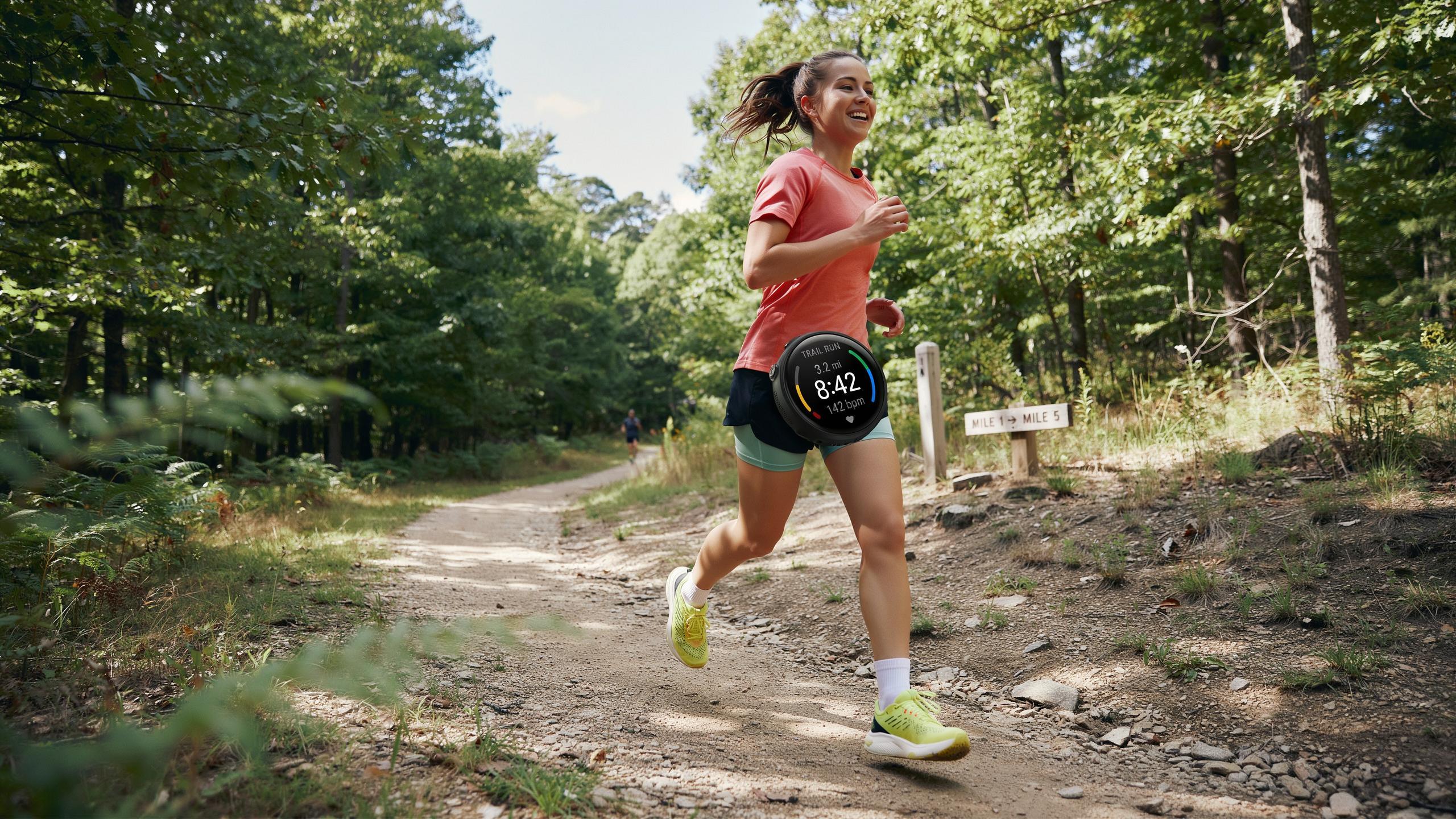
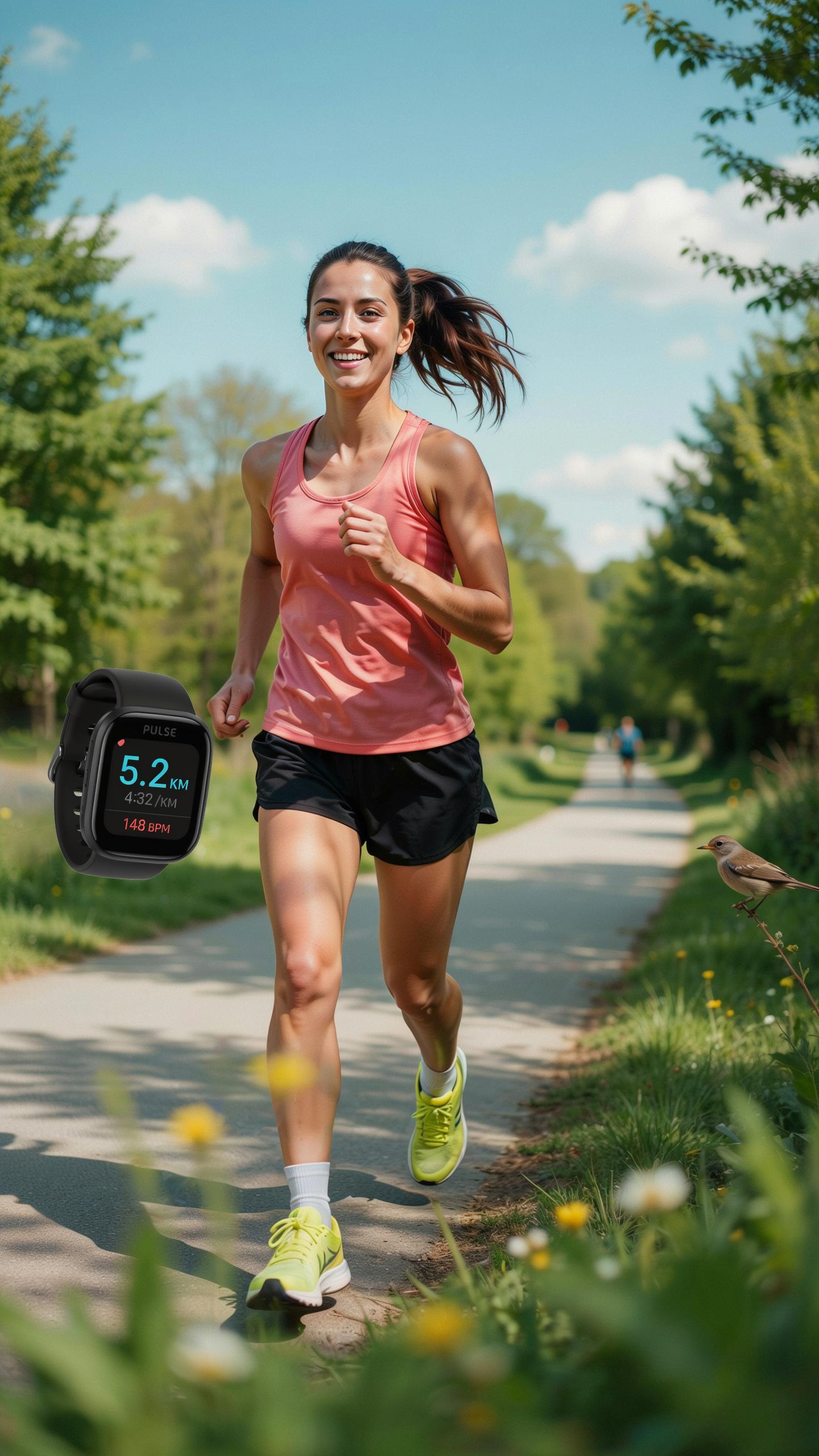
A GPS running watch captures concrete data that matters for training. Distance, pace, elevation, and heart rate numbers replace guesswork. Beginners need this feedback to understand their current fitness level and build realistic training plans. Without data, you cannot measure improvement or adjust workouts when they are not working.
GPS watches create accountability through numbers. You see exactly how far you ran, your average pace per mile, and how your splits changed week to week. This data reveals patterns. You might discover that you run faster on certain routes or slower on hilly terrain. Armed with this information, you build training plans that target your weaknesses and capitalize on your strengths.
Motivation And Consistency
Measurable progress drives motivation. When you complete a run and see your watch display real numbers, you have proof of effort. This proof matters psychologically. A beginner who ran 3 miles today knows they can attempt 3.1 miles next week. Small, visible gains compound into larger accomplishments over months.
GPS watches remove the friction from showing up consistently. You know exactly what you did last week, so you know what to attempt this week. This removes decision fatigue and guesswork from training. The watch becomes your training partner. It remembers your workouts, holds you accountable to patterns, and makes skipping runs feel like breaking a commitment to yourself.
Key Features To Look For In A Beginner Friendly GPS Running Watch
Accuracy Of GPS And Heart Rate Monitoring
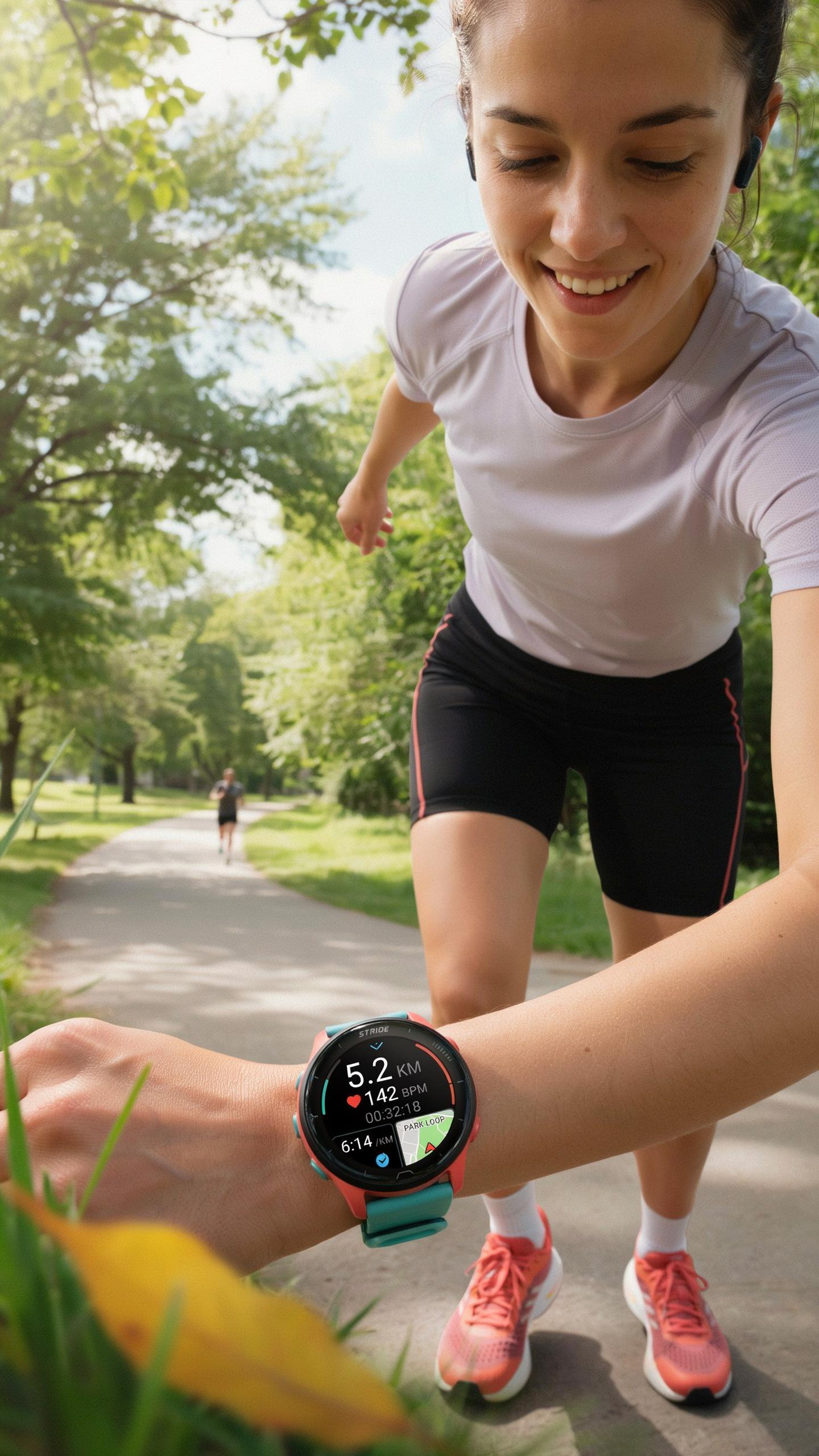
GPS accuracy directly impacts your training data. Watches use satellite signals to calculate distance and pace. A watch with poor GPS locks onto signals slowly or drifts during runs, feeding you false mileage numbers. This ruins your ability to track progress and pace your race properly. Multi-band GPS technology improves accuracy, especially under tree cover or in urban areas.
Heart rate monitoring reveals which effort zone you’re training in. Your watch needs a reliable sensor to track beats per minute accurately. Optical heart rate sensors read blood flow through your wrist. Some watches pair with external chest straps for more stable readings during intense efforts. Beginners benefit from knowing whether they’re building aerobic capacity or pushing too hard too soon.
Your journey begins with that first guided step, mapping memories on every mile towards your first finish line. Every beep and blink is a story in the making.
User Friendly Interface And Battery Life
A cluttered menu system kills motivation fast. Beginners need watches that display key metrics on the main screen without digging through menus. Large text, simple button navigation, and intuitive touchscreens matter. The watch should show your current pace, distance, and time without confusion. Complexity doesn’t equal better performance.

Battery life determines whether your watch survives your training cycle. Most beginner watches last five to fourteen days in normal mode. GPS mode drains faster, typically lasting six to twenty five hours depending on the model. Check whether the watch charges via USB or proprietary cables. A dead watch mid training block creates gaps in your data and breaks momentum heading into race week.
Understanding Basic Running Metrics With Your Watch
Pace, Distance, And Cadence Explained
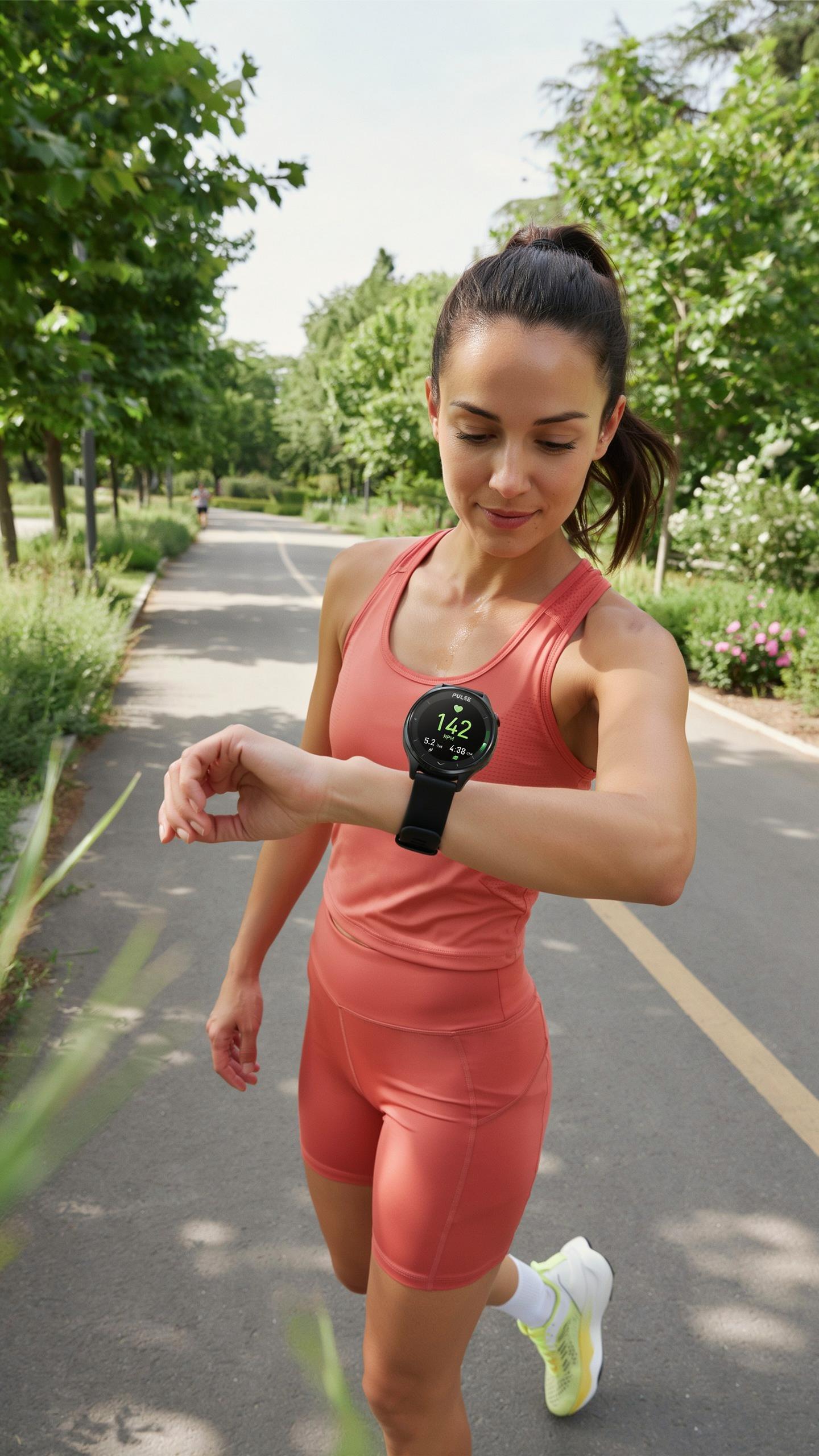
Your GPS watch tracks three metrics that matter most for race training: pace, distance, and cadence. Pace measures how fast you run per mile or kilometer. Distance shows total ground covered. Cadence counts your foot strikes per minute. These three numbers tell you if you’re running at the right effort level and staying consistent with your training plan.
Beginners often obsess over pace and ignore cadence. That’s a mistake. Cadence reveals injury risk. Most runners should aim for 170 to 180 steps per minute. Running slower with higher cadence beats running faster with low cadence. Your watch displays all three metrics in real time, so you adjust during the run instead of after.
Using Heart Rate Zones For Effective Training
Heart rate zones divide training intensity into five levels based on your maximum heart rate. Your GPS watch calculates zones automatically once you enter your age. Training in the right zone prevents burnout and builds aerobic fitness without overexertion. Beginners spend too much time running too hard, which leads to injury and fatigue. Zones keep you honest about effort.
Zone 2 is your baseline zone, roughly 60 to 70 percent of maximum heart rate. Most of your weekly running happens here. This zone builds endurance without stress. Your watch alerts you if you drift above or below your target zone. Learning to run easy in Zone 2 separates beginners who finish races from those who struggle.
Popular GPS Running Watch Brands For Beginners
Garmin: A Leader In GPS Running Technology
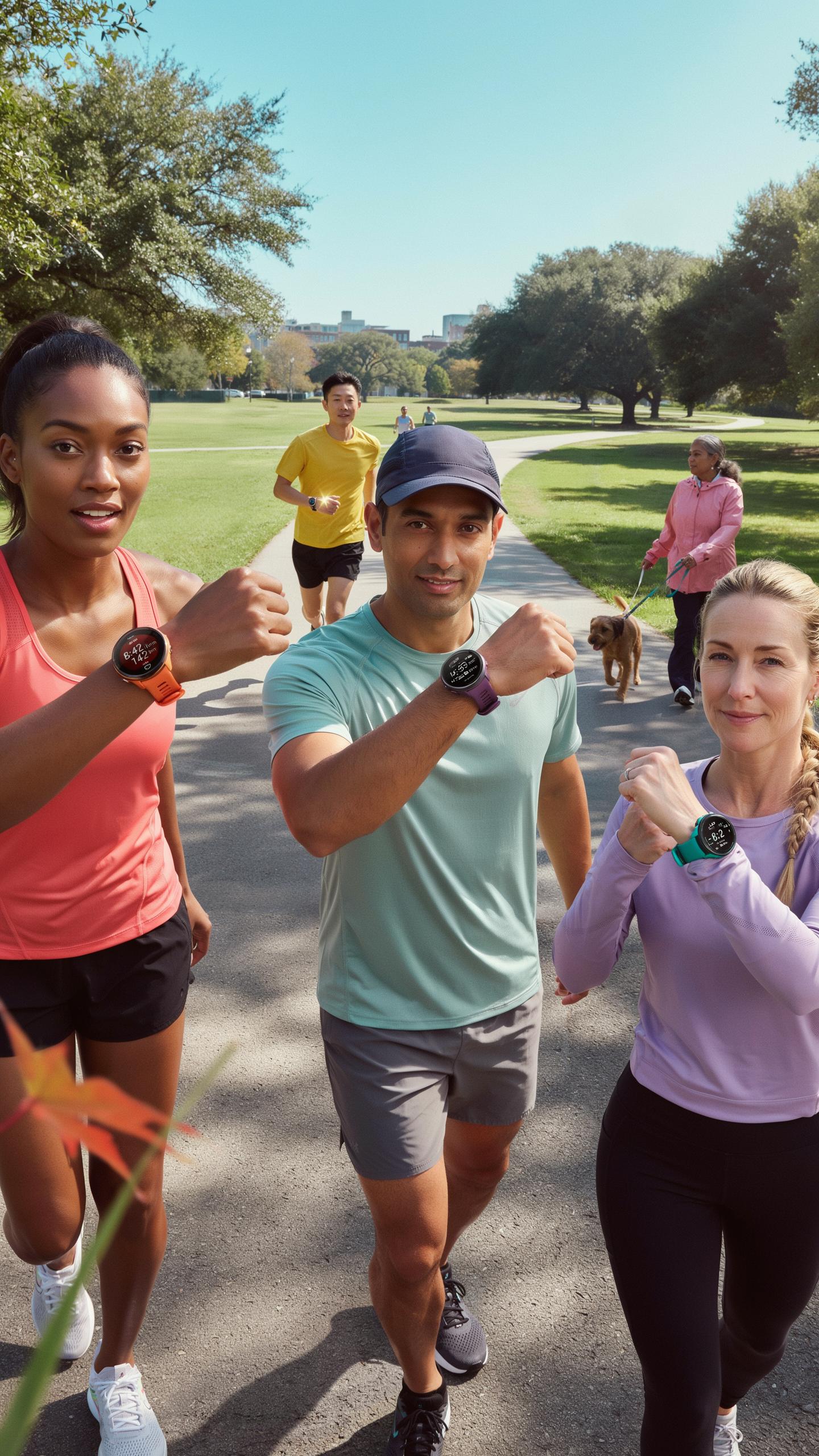
Garmin dominates the running watch market because they focus on accurate GPS tracking and straightforward interfaces. Their beginner models like the Forerunner 45 and 55 deliver core features without overwhelming new runners. These watches track distance, pace, and heart rate reliably. Battery life ranges from 7 to 14 days depending on the model. Price points start around 150 dollars, making them accessible for first-time buyers testing the category.
Garmin’s strength lies in training plans built directly into their watches. Beginners receive structured workouts tailored to their fitness level and race goals. The display updates quickly and responds to touch or button inputs without lag. Integration with Garmin Connect lets runners analyze data on their phones immediately after workouts. This ecosystem approach removes friction from the training process for newcomers.
Coros And Polar: Other Strong Contenders
Coros offers competitive GPS watches with exceptional battery life and lightweight designs. Their Pace 2 model costs less than comparable Garmin options while delivering solid tracking accuracy. Coros focuses on trail running and marathon training, though beginners benefit from the simpler menu structure. The brand attracts runners who want fewer features but faster performance. Their watches appeal to those prioritizing minimalism over complexity.

Polar specializes in heart rate monitoring and training load analysis. Their entry level watches include built-in coaching features that adjust based on recovery data. Polar excels at helping beginners understand training intensity and avoid overtraining. The brand integrates well with popular running apps like Strava and TrainingPeaks. Beginners benefit from Polar’s emphasis on data interpretation rather than data collection alone.
Integrating Your GPS Watch Into A Training Plan
Structuring Your Runs With Watch Data
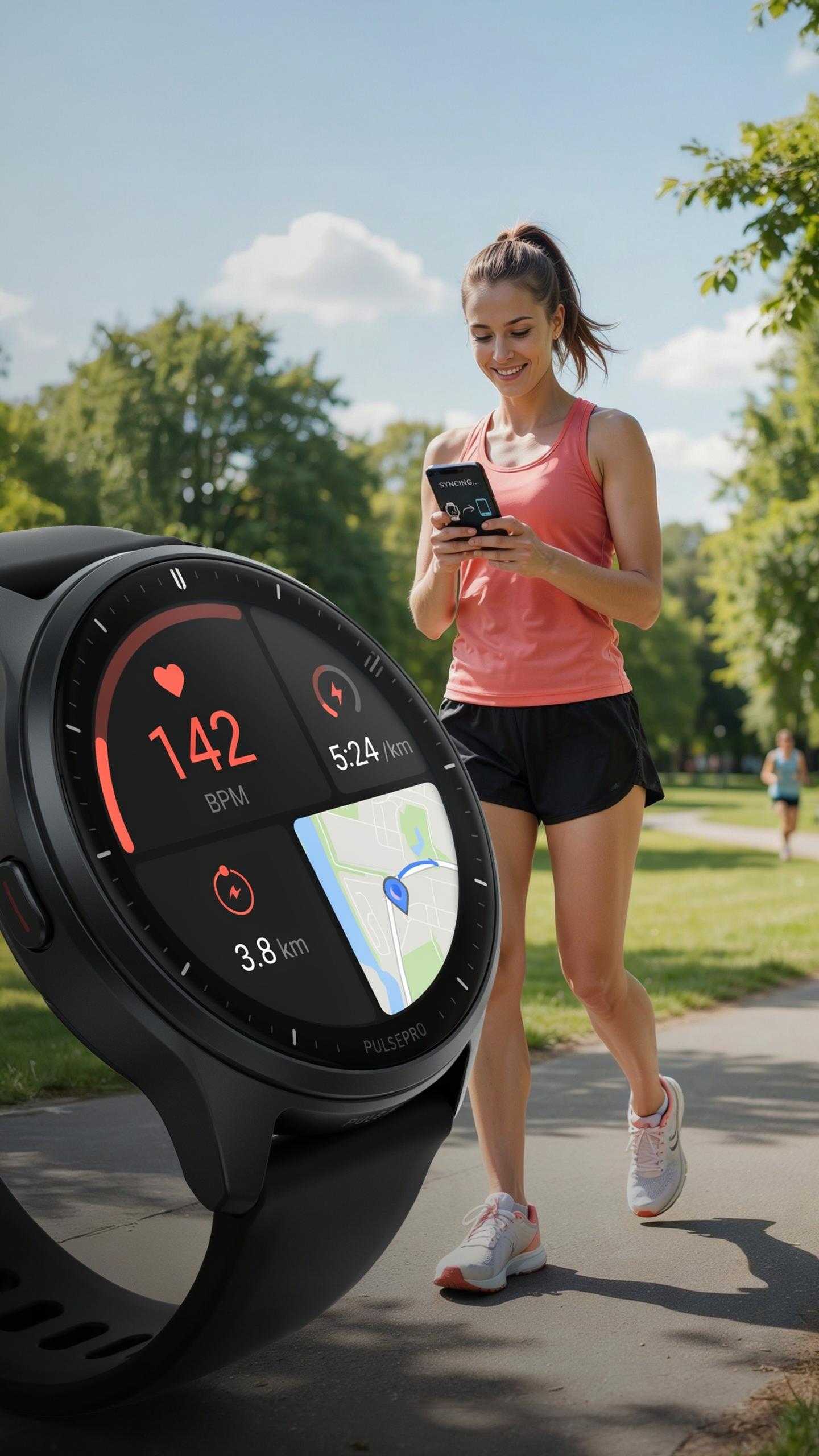
Your GPS watch gives you the ability to execute specific workout types with precision. Interval training requires you to alternate between faster and slower running segments. Set your watch to alert you when you hit target pace zones. Tempo runs demand sustained effort at a comfortably hard intensity. Use your watch’s lap feature to mark each segment and review splits immediately after finishing. This real-time feedback shows whether you hit your goals or need adjustment.
Structured workouts prevent guessing and build fitness faster than easy runs alone. Your watch displays current pace, allowing you to stay within prescribed zones without overthinking effort level. Long runs benefit from pace data that keeps you from running too fast early on. Recovery runs require discipline to stay slow, and your watch enforces this by showing pace numbers. Training with data eliminates excuses and creates accountability for the work you are actually doing.
Monitoring Recovery And Preventing Injury
GPS watches track metrics that reveal whether your body is ready for hard efforts. Heart rate data shows if you are recovering properly between sessions. Resting heart rate trends tell you when fatigue is accumulating. Many watches calculate recovery time, suggesting how many hours you need before your next workout. This prevents the beginner mistake of running hard every day. Respect these recommendations because overtraining causes injury faster than any single workout can build fitness.

Rest days matter as much as training days do. Your watch should show drastically lower activity on these days. Some runners ignore this and injure themselves pushing through fatigue signals. Injuries derail training more severely than strategic recovery ever will. Use your watch to confirm you are taking genuine rest, not just jogging slowly. The data proves that structured rest accelerates race-day performance compared to constant running.
Beyond Running Exploring Other Features Best Fitness Trackers For Runners
Activity Tracking And Sleep Monitoring
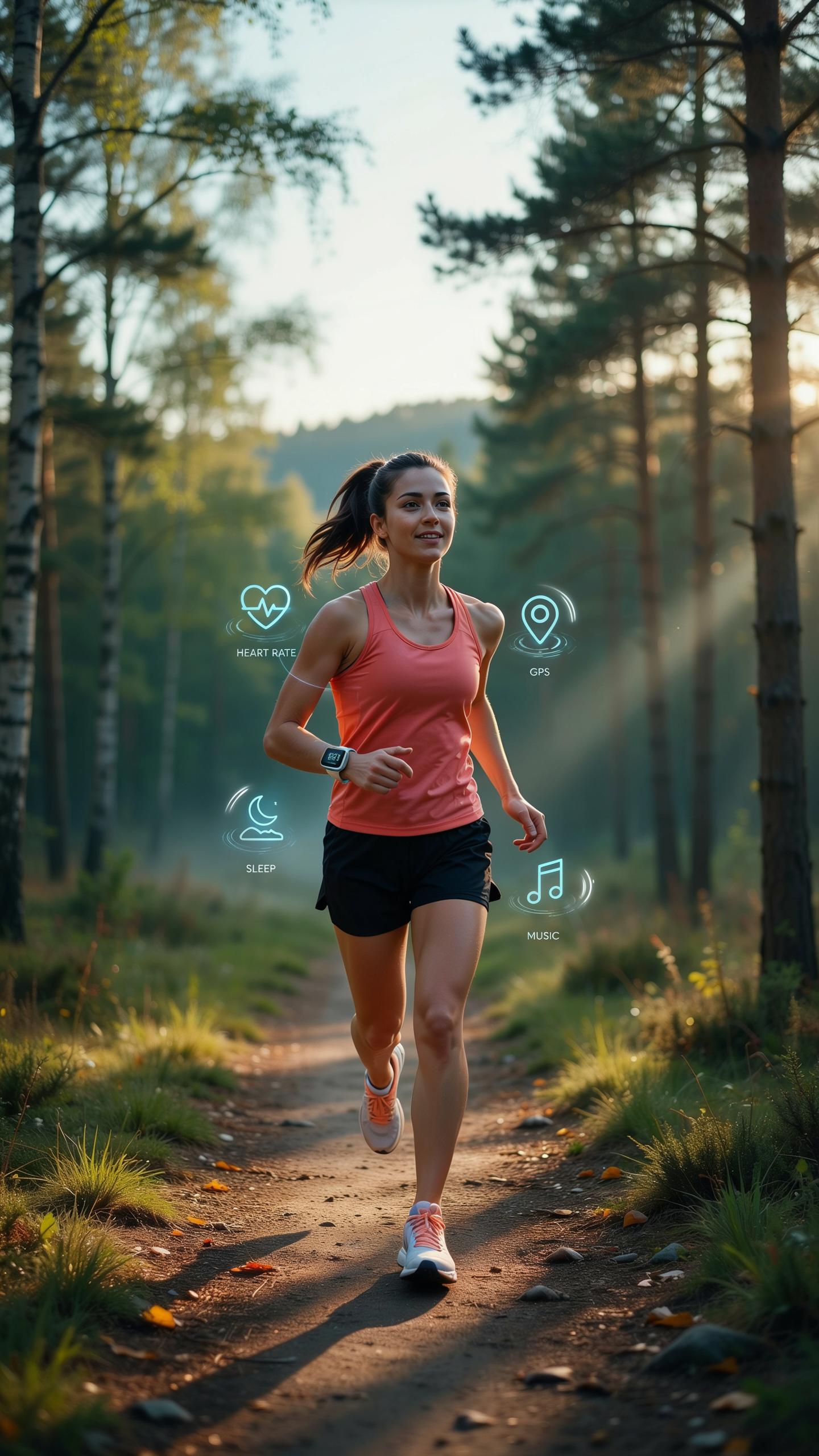
GPS running watches track more than just running metrics. They monitor daily steps, calories burned, and movement patterns throughout your entire day. This data builds a complete picture of your overall activity level. Most beginner runners benefit from seeing how their training fits into their total daily movement. The watch becomes a tool for understanding baseline fitness, not just race preparation.
Sleep tracking on these devices measures how long you sleep and estimates sleep stages like light, deep, and REM sleep. Better sleep directly impacts running performance and recovery. Your watch alerts you when you’re not getting enough rest, which matters for injury prevention. Beginners often overlook recovery until they hit a wall. Tracking sleep data forces the issue early, helping you prioritize rest alongside training.
Smart Notifications And Music Playback
Smart notifications let your watch display calls, texts, and app alerts without pulling out your phone. During runs, you stay connected without breaking stride. You can reject calls or reply to messages from your wrist. This keeps distractions manageable while maintaining communication. For beginners juggling training with work and life, this convenience reduces friction.

Music playback on GPS watches means you can store and play songs directly from the device. You connect wireless earbuds to your watch instead of your phone. This eliminates the need to carry a phone during runs. Some watches store hundreds of songs, enough for long training sessions. Beginners who rely on music for pacing or motivation gain freedom and simplicity with this feature.
Troubleshooting Common GPS Watch Issues
Ensuring Accurate GPS Signal Acquisition
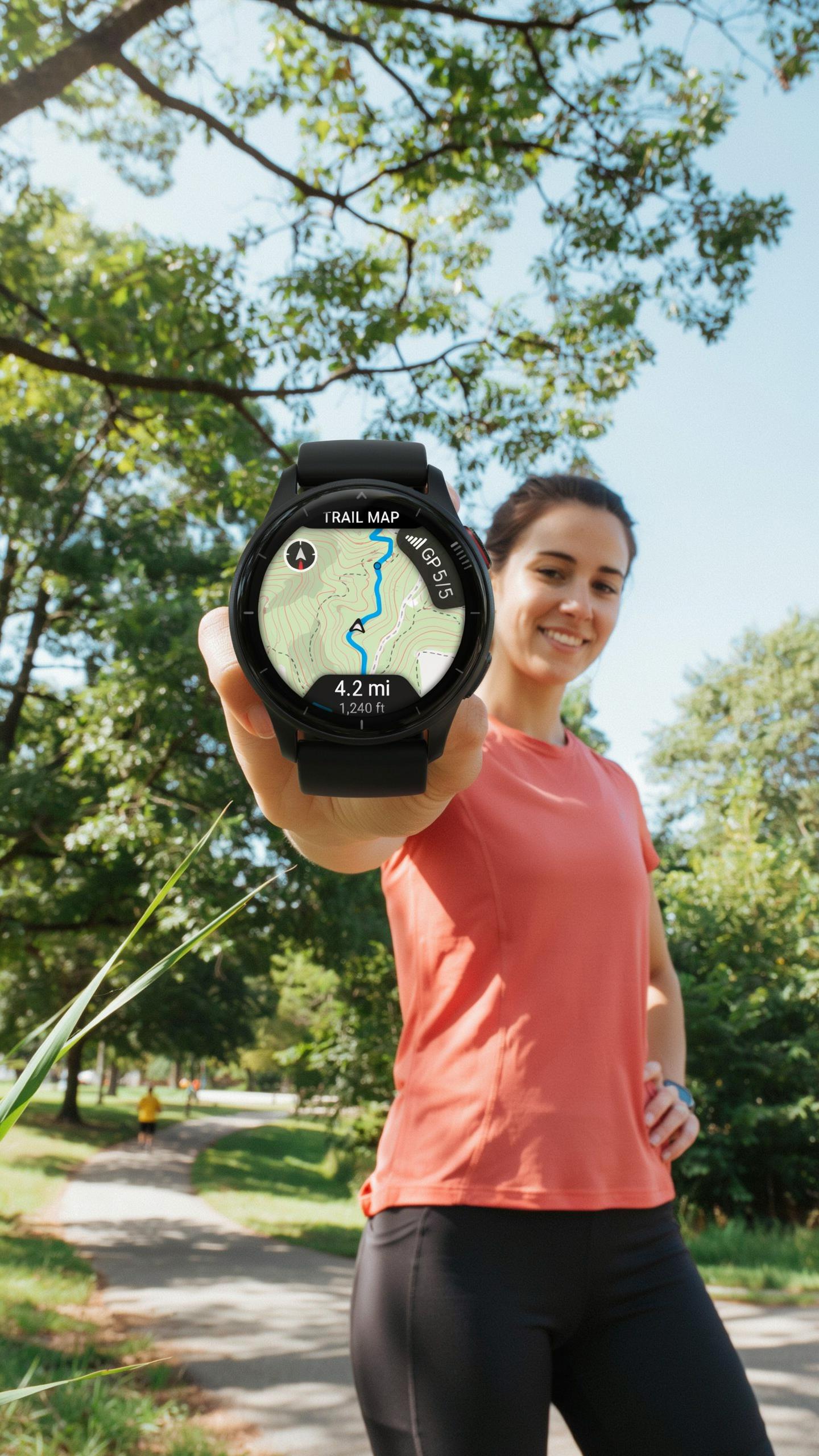
GPS watches need a clear view of the sky to lock onto satellites. Start your watch outdoors at least two minutes before running. This initialization time lets the receiver connect to enough satellites for accurate positioning. Buildings, dense trees, and tunnels block signals. If your watch struggles to acquire GPS, move to open ground away from obstacles. Cold starts take longer than warm starts, so allow extra time after long periods without use.
Satellite geometry affects accuracy as much as signal strength does. Your watch performs best when satellites spread across the sky rather than clustered in one direction. Urban canyons between tall buildings reflect signals and create false readings. Use your watch in open areas when possible. If you must run in cities, accept reduced accuracy during those segments. Most GPS watches show signal strength in their settings menu, so check this before dismissing poor performance as a device failure.
Maintaining Battery Health And Software Updates
Battery drain accelerates with continuous GPS use. Most beginner watches last five to ten hours on a single charge with GPS active. Turn off GPS indoors since it consumes power without providing value. Charge your watch weekly even if you do not run daily. Leaving batteries completely dead for extended periods damages the cells permanently. Store your watch in cool, dry conditions when not in use. Extreme heat degrades battery capacity faster than normal conditions.

Manufacturers release software updates to fix GPS accuracy issues and improve battery efficiency. Check for updates monthly through your watch’s official app or companion software. Updates often patch signal acquisition bugs that slow down initial lock time. Plug your watch into power before updating since interrupted updates can brick the device. Some updates add new features, but stability improvements matter most for beginners. Always back up your workout data before updating in case something goes wrong during the process.
Upgrading Your Watch When And Why Running Watches
Signs You Might Need A More Advanced Model
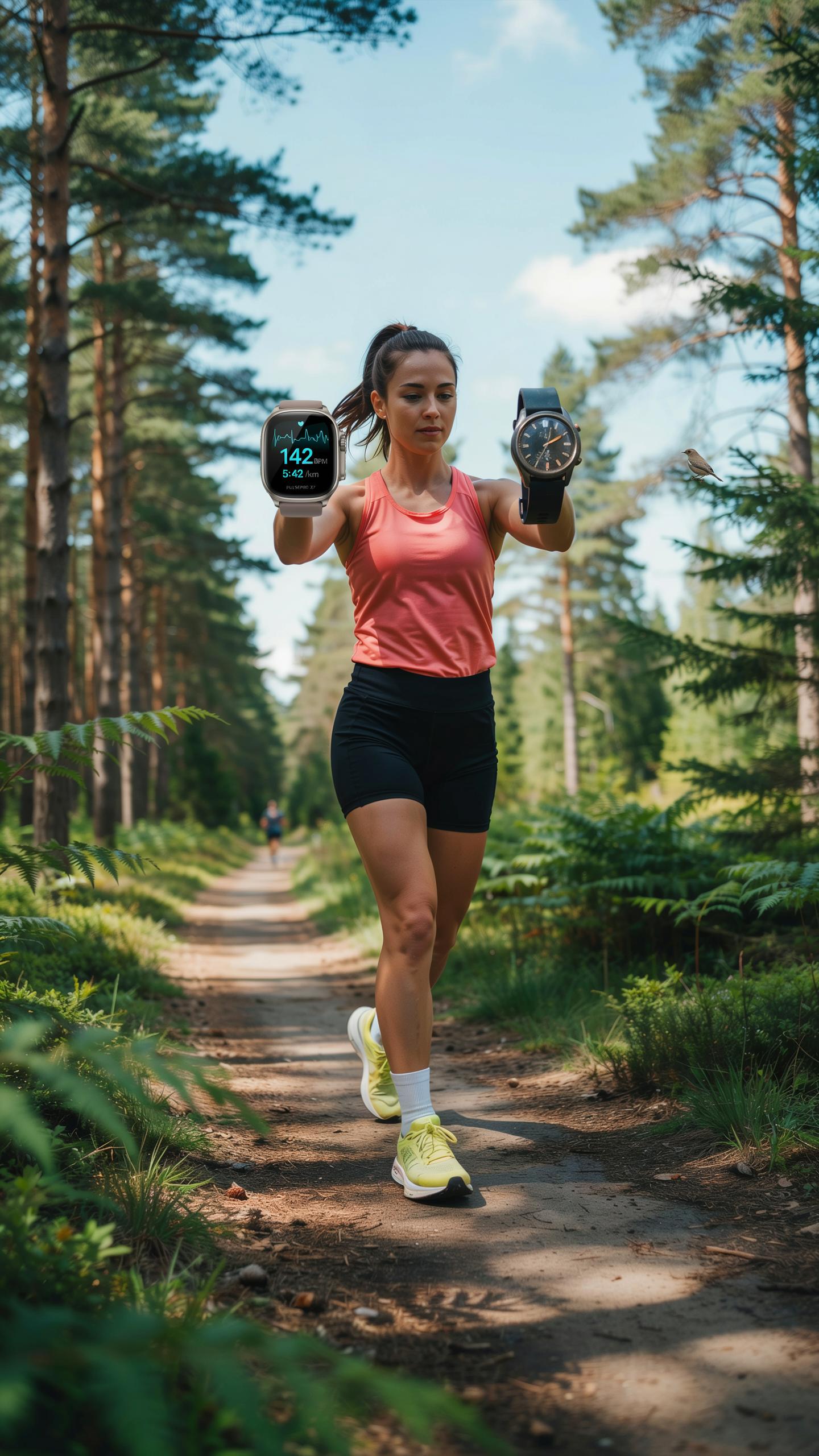
Your entry-level GPS watch served its purpose. Now you’re logging consistent weekly mileage, completing races regularly, and analyzing training data more critically. You’ve hit the limits of basic metrics. Your watch struggles with satellite acquisition in urban canyons or dense tree cover. Battery life drains faster than expected during long training runs.
You want data your current watch cannot provide. Advanced metrics like ground contact time, vertical oscillation, and stride length reveal biomechanical efficiency. Training load calculations help you balance hard efforts with recovery. Your watch lacks barometric altitude for accurate elevation gain tracking. Temperature sensors and weather integration no longer feel like luxuries but necessities for serious training.
Features To Look For In Advanced Running Watches
Navigation capabilities matter when you run unfamiliar routes. Turn-by-turn directions prevent wrong turns that derail workouts. Elevation profiles let you prepare mentally for hill climbs. Multi-GNSS support uses GPS, GLONASS, and Galileo simultaneously for faster lock-on and accuracy in challenging environments.

Running dynamics go beyond pace and distance. Look for cadence optimization, which tracks your steps per minute to identify efficiency improvements. Ground contact balance shows left-to-right symmetry, catching form problems that cause injury. Training effect metrics quantify how workouts stress your aerobic and anaerobic systems. Recovery time suggestions prevent overtraining by recommending rest days based on accumulated fatigue, not guesswork.
Making The Most Of Your GPS Running Watch
Utilizing Companion Apps For Data Analysis
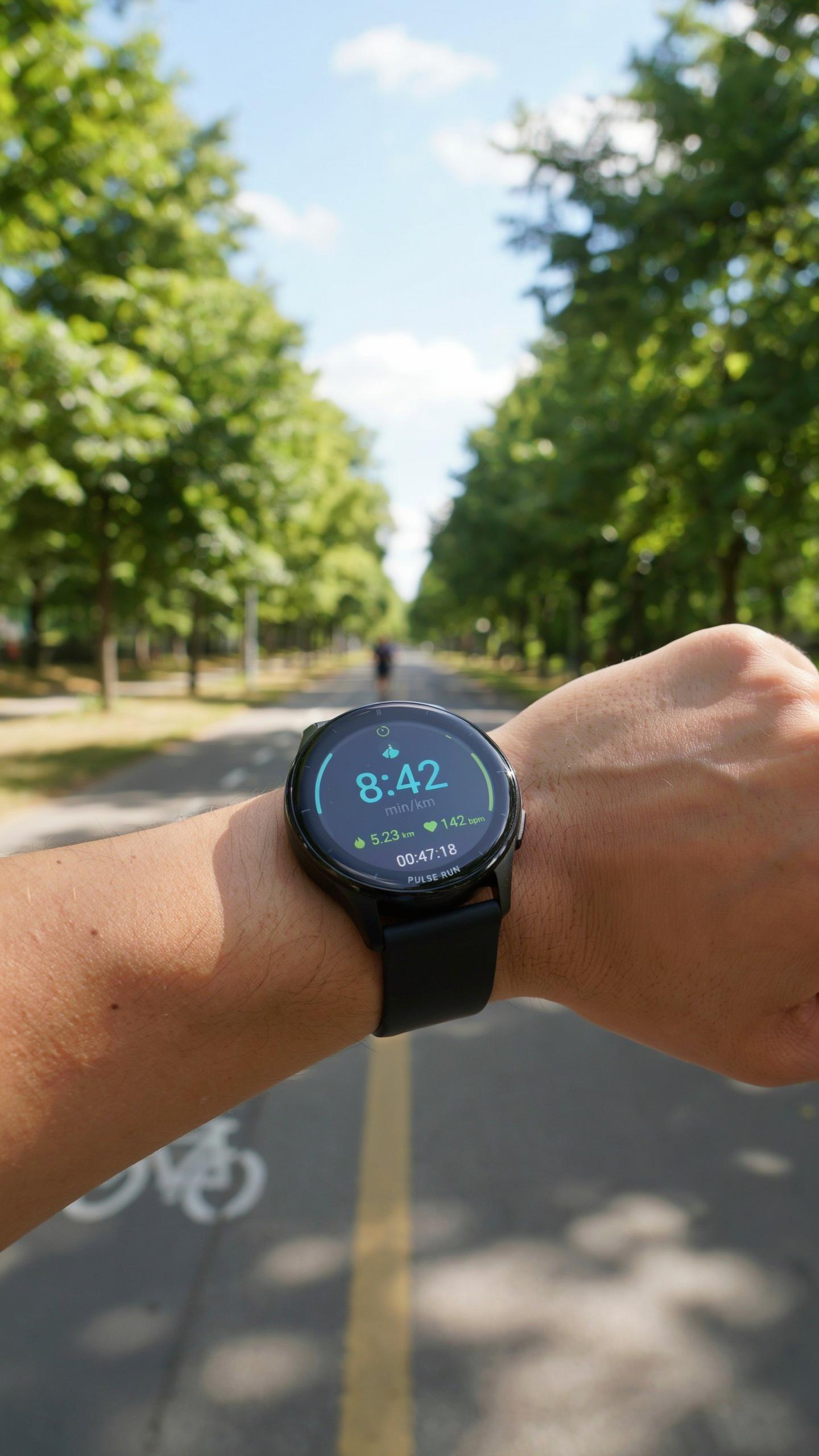
Your GPS watch stores raw data. The companion app transforms this data into actionable insights. Most manufacturers provide free apps that sync automatically via Bluetooth. These apps display pace, distance, elevation, and heart rate metrics. They show splits, which reveal whether you ran evenly or faded late. Apps also track weekly mileage, helping you build training volume safely.
Long-term progress tracking requires consistency. Apps maintain historical records spanning months and years. You spot trends in your speed, recovery patterns, and injury risk. Comparing runs across seasons reveals whether your fitness improved. Export functions let you save data or share specific workouts. This record becomes your training blueprint for race preparation.
Joining Online Communities For Support And Tips
Running communities provide accountability and practical knowledge from experienced runners. Online forums, social media groups, and dedicated apps connect beginners with mentors who answer questions. Sharing your training progress motivates you during difficult weeks. You learn race strategies, watch maintenance tips, and common mistakes to avoid. Communities normalize the training process and reduce isolation during long preparation cycles.
- Strava: The largest platform for runners and cyclists to log workouts, compare segments, and follow other athletes in real time with social features.
- Reddit Running Communities: Subreddits like r/running and r/C25K provide free advice, race reports, and training feedback from thousands of active members.
- Facebook Running Groups: Local and interest-specific groups connect runners by geography, pace, or race type for targeted support and meetup opportunities.
- Brand Specific Forums: Garmin, Apple, and Coros host official forums where users share watch settings, app features, and troubleshooting solutions.
- Running Clubs: Local clubs organize group runs and training plans that complement your GPS watch data with social accountability and structured coaching.
Communities accelerate your learning curve. Beginners avoid repeating common mistakes. You find training partners at your pace level. Shared experiences build confidence before race day. Active participation transforms a solo effort into a supported journey.
Frequently Asked Questions

Why should I even consider a GPS running watch for beginners if I’m just starting out?
A GPS running watch for beginners offers incredible benefits! It accurately tracks your pace, distance, and time, helping you monitor progress toward your first race goal without relying on guesswork. Built-in training plans and workout reminders keep you accountable, and post-run summaries help you understand whether you’re improving week over week.
How much battery life should I expect from a GPS running watch for beginners?
Entry-level GPS running watches typically last five to seven days in regular smartwatch mode, dropping to around 10-20 hours with continuous GPS tracking active during runs. If you’re training for a longer race like a half marathon, check the continuous GPS battery rating specifically, since that’s what matters most during your actual runs. Charge your watch after each long run rather than waiting until it’s nearly dead.
What features actually matter for someone training for their first race?
Focus on accurate GPS tracking, pace alerts, and basic heart rate monitoring rather than getting distracted by advanced metrics you won’t use yet. A simple training plan feature that adjusts to your progress is more valuable than dozens of sport modes you’ll never open. Save the premium features like VO2 max estimates and recovery advisors for after you’ve completed a few races and know what you actually want to track.