

The Rise Of Smart Earbuds Beyond Audio
Evolution From Basic Earphones To Smart Wearables
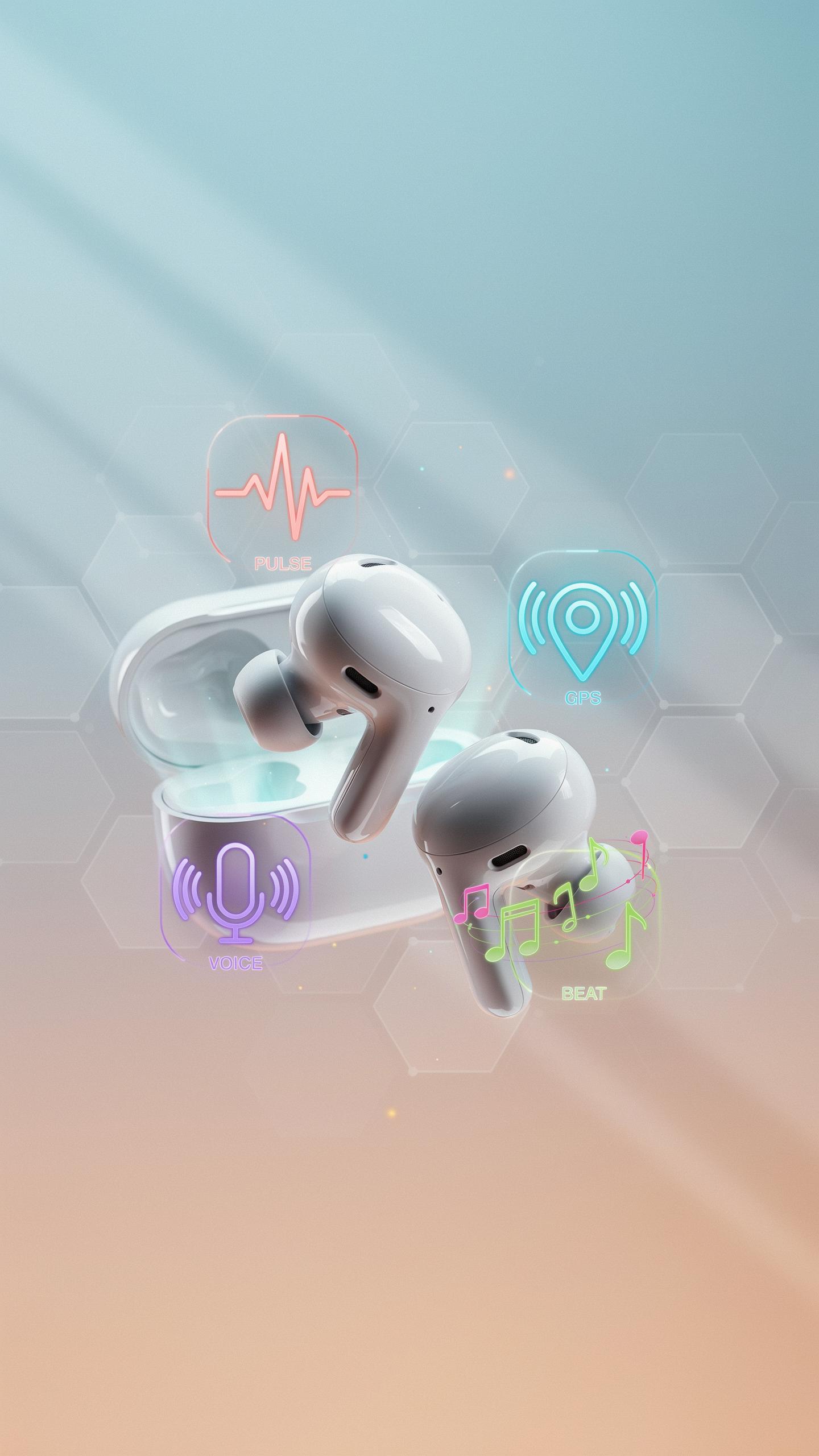
Earbuds started as simple audio delivery devices. Wired models dominated until Bluetooth technology made wireless listening viable in the mid-2000s. Early wireless earbuds prioritized battery life and connection stability over features. Manufacturers then recognized an opportunity. The form factor was already in ears, positioned near the body. Adding sensors made sense. Heart rate monitoring emerged as the logical first biometric to integrate into earbuds because the ear provides reliable pulse detection through blood flow near the surface.
The shift from audio-only to sensor-enabled happened gradually. Companies like Apple, Samsung, and Jabra began embedding accelerometers, gyroscopes, and optical sensors into earbud designs around the late 2010s. This wasn’t cosmetic change. It required rethinking power management, miniaturization, and data processing. Earbuds became wearable computers rather than passive speakers. The transition solved a real problem for fitness users who wanted workout tracking without carrying additional devices.
Integrating Technology For Enhanced User Experience
Smart earbuds now handle multiple functions simultaneously. They process audio, track heart rate, detect movement patterns, and transmit data to paired devices. This integration demands careful engineering. Manufacturers balance sensor accuracy against battery drain. They optimize antenna placement within cramped earbud shells. Each component competes for limited space and power resources. The user experience depends entirely on whether developers prioritize performance trade-offs correctly.
Real value comes from data utility. Heart rate sensors alone mean nothing without software that interprets the information correctly. Smart earbuds connect to fitness apps, health platforms, and wearable ecosystems. The sensor data flows into algorithms that calculate training zones, recovery status, and workout intensity. Users gain actionable insights about their exercise. This closed loop, from sensor to analysis to feedback, transforms earbuds from accessories into training tools that inform decision-making.
Heart Rate Monitoring A New Dimension For Earbud Headphones

How Optical Heart Rate Sensors Work In Earbuds
Optical heart rate sensors in earbuds use LEDs to detect blood flow through the skin. The sensor emits light, usually green or red wavelengths, into the ear canal tissue. Blood absorbs this light differently than surrounding tissue. A photodiode on the sensor reads the reflected light and measures changes in absorption as the heart pumps blood through capillaries.
The earbud must maintain consistent contact with the ear canal for the sensor to work effectively. Movement or poor fit degrades signal quality and introduces errors. The processor inside the earbud analyzes the light absorption patterns to calculate heart rate in beats per minute. This same technology powers wrist-worn heart rate monitors but faces unique challenges in the ear due to motion and variable positioning during workouts.
Accuracy And Reliability Of In Ear Heart Rate Tracking
In-ear heart rate sensors typically achieve accuracy within 5 to 10 beats per minute of medical-grade ECG devices during stationary activities. Accuracy degrades significantly during high-intensity exercise due to increased motion and sweat. Factors like skin tone, ear canal shape, and blood perfusion affect sensor performance across different users.

Consistency matters more than absolute accuracy for workout tracking. Users benefit from reliable trend data showing heart rate zones and recovery patterns rather than millisecond-perfect readings. Earbuds with heart rate sensors work best for steady-state cardio like running or cycling. For sprint intervals or rapid intensity changes, expect reduced reliability as the sensor struggles to distinguish motion artifacts from genuine heart rate fluctuations.
Workout Benefits Smart Earbuds For Optimal Performance

Real Time Feedback For Intensity Zones And Training
Heart rate data from earbuds feeds directly to your screen during workouts. You see your current zone in real time, not after the session ends. This lets you adjust effort immediately. Push harder in zones you need to hit. Back off when you’re going too hard. You control intensity precisely instead of guessing based on how you feel.
Training with zone data changes how you build fitness. Base training stays aerobic. High intensity intervals stay truly hard. Recovery runs stay easy. Most runners and cyclists miss zones without live feedback and waste training time. Earbuds eliminate that waste. You get better results per hour spent because every session targets the right physiological stress.
Data Synchronization With Fitness Apps And Devices
Earbuds transmit heart rate data to apps like Strava, Apple Health, and Garmin Connect automatically. The data syncs during or after your workout via Bluetooth. Your phone stores it. The app processes it. You get split times, zone breakdowns, and calorie estimates without manual entry.
Synchronization creates a complete training record across all your gear. Your smartwatch receives the same data. Your computer pulls it for analysis. You spot trends over weeks and months that single workouts hide. This continuous data flow helps you identify when fitness improves, when you’re overtraining, and when to increase volume.
Active Noise Cancellation And Wireless Freedom

Minimizing Distractions With Advanced Noise Cancelling Technology
Active noise cancellation in smart earbuds works by generating sound waves that oppose ambient noise frequencies. The microphones detect incoming sound, and the processor creates inverse waves that cancel out background noise. This matters for workouts because environmental distractions break focus and interrupt heart rate monitoring accuracy during training sessions.
Most fitness earbuds use either feedforward or feedback noise cancellation. Feedforward microphones sit on the outer surface to catch noise before it enters your ear. Feedback microphones detect noise inside the ear canal. The best workout earbuds combine both methods to handle gym noise, traffic, and wind without draining battery performance excessively.
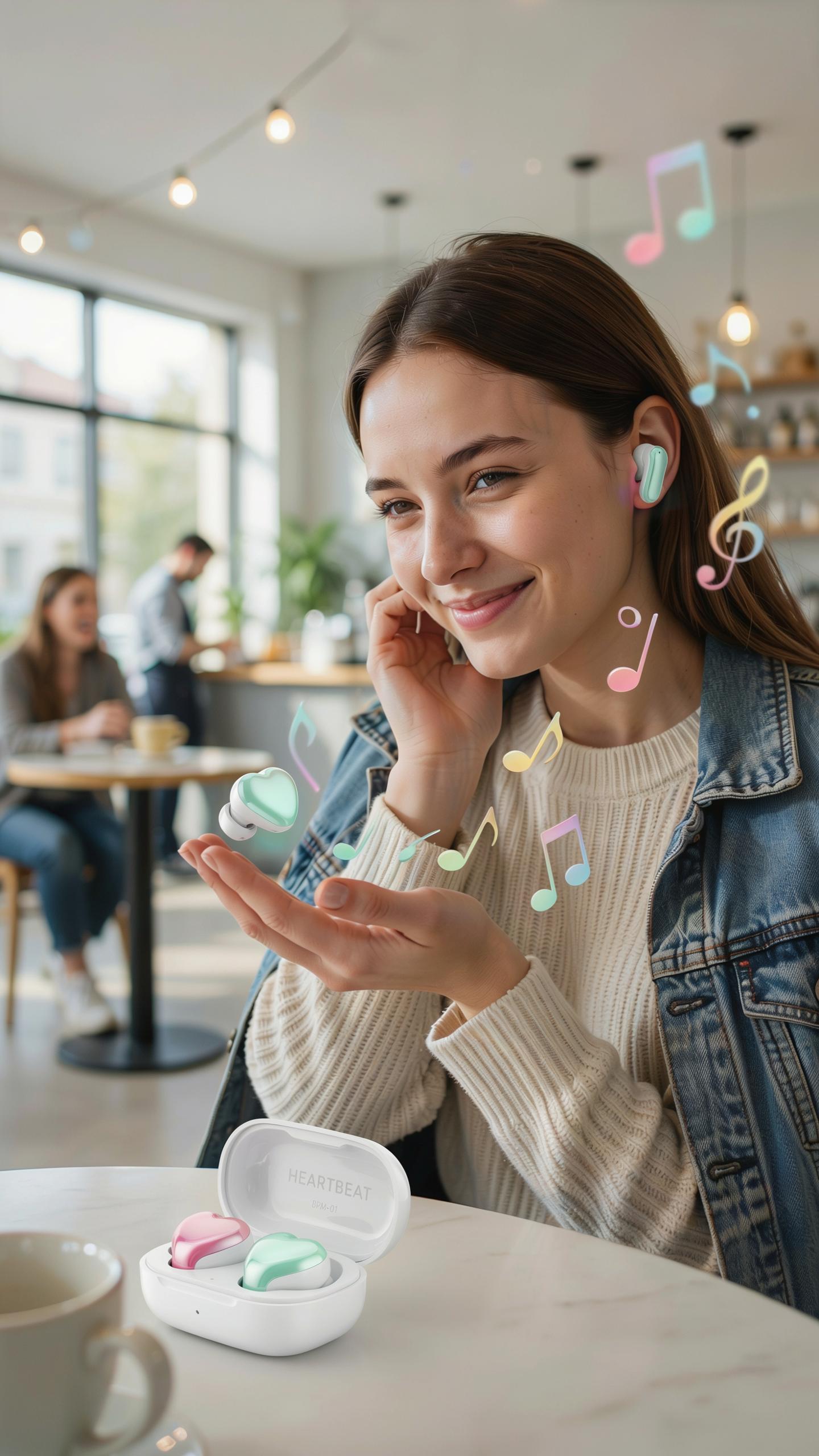
Remember those old mixtapes that fueled your runs? Now, these clever earbuds guide your heart, ensuring every beat carries you further on your journey.
The Convenience Of Bluetooth Earbuds Wireless Connectivity
Bluetooth connectivity eliminates cables that catch on equipment and limit movement during exercise. Most sport earbuds use Bluetooth 5.0 or newer, which provides stable connections up to 30 feet from your phone. This range covers gym floors, running paths, and indoor training spaces without signal drops that interrupt heart rate data transmission.

Wireless freedom means you move without tethering to a device. Your earbuds communicate with your phone in real time, streaming biometric data continuously. Battery life varies by model, ranging from 6 to 8 hours on a single charge, with charging cases adding 20 to 32 total hours. This matters because longer battery life means fewer interruptions during your training cycle.
Designing Future Earbuds Innovation In Form And Function

Ergonomics And Comfort For Extended Wear During Workouts
Earbud fit determines whether you finish your workout or stop halfway through. Manufacturers use ear canal anatomy data to shape earpieces that nest securely without pressure points. Multiple ear tip sizes address the biological reality that ear canals vary significantly across individuals. Weight distribution matters too. Heavier earbuds pull downward, creating fatigue. Smart earbuds with heart rate sensors typically weigh between 5 to 7 grams each, keeping mass minimal for sustained comfort.
Contact surface material directly impacts wear duration. Silicone provides both grip and cushioning, allowing extended use without irritation. Hard plastic alternatives work poorly for workouts because they create pressure spots that trigger discomfort within 30 to 60 minutes. Flexible materials conform to individual ear geometry rather than forcing ears to adapt. This design principle separates workout-grade earbuds from standard consumer models. Athletes demand the difference during two-hour training sessions.
Durability And Sweat Resistance For Active Lifestyles
Sweat and moisture destroy electronics through corrosion and short circuits. Manufacturers address this with IP54 to IP67 ratings. These ratings measure dust and liquid protection on standardized scales. IP54 means limited dust ingress and splash protection. IP67 means full dust protection and temporary immersion capability. Most workout earbuds with heart rate sensors fall between IP54 and IP67, handling sweat but not lap swimming.

Nano coatings protect circuit components from moisture damage. These ultra thin layers repel water while allowing normal airflow for cooling. Stainless steel and titanium contacts replace standard copper parts to resist corrosion. The charging case design matters equally. Poor sealing allows sweat to accumulate inside, corroding battery contacts over weeks. Quality cases feature tight gaskets and drainage holes that prevent moisture pooling. These specific design choices determine whether earbuds last one season or multiple years.
Smart Earbuds Concept Beyond Workout Tracking
Potential For Biosensor Integration And Health Insights
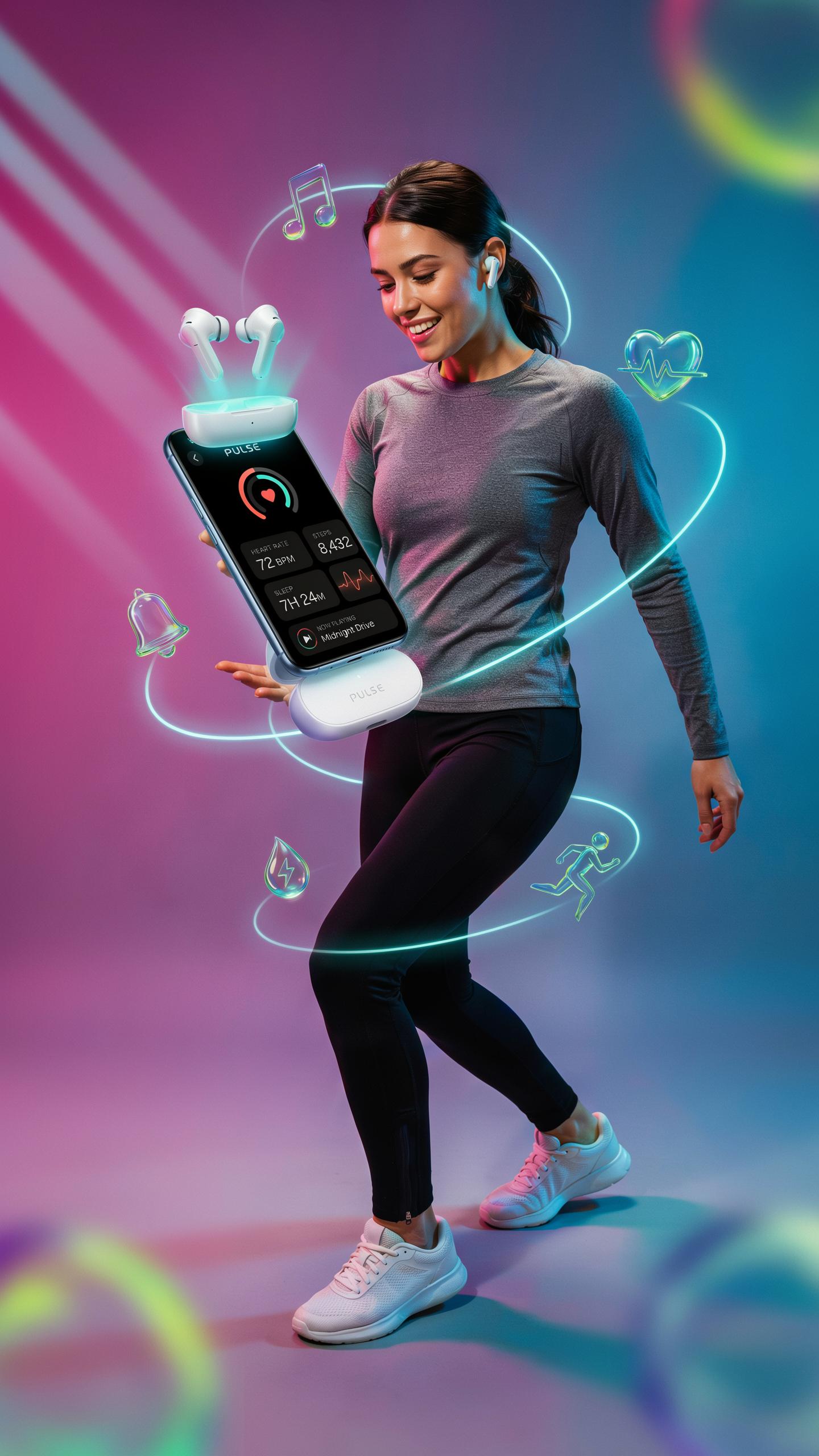
Smart earbuds with heart rate sensors create a foundation for expanded health monitoring. Manufacturers can integrate additional biosensors to track blood oxygen, skin temperature, and stress levels. The ear canal provides consistent contact with blood vessels, making it an ideal location for accurate readings. This proximity enables real-time data collection without user intervention.
Expanding biosensor capabilities opens pathways for preventive health applications. Users receive alerts about irregular heart rhythms, elevated stress markers, or oxygen drops. Insurance companies and healthcare providers increasingly view wearable data as valuable input for risk assessment. Earbuds become tools for early detection rather than just fitness gadgets.
Voice Assistants And Smart Features For Everyday Use
Voice assistants integrated into heart rate sensing earbuds streamline daily interactions. Users control music, answer calls, and access navigation without touching their phones. The heart rate data informs smart responses, such as suggesting breaks when stress levels spike. Voice commands trigger actions directly from the ear canal.

Smart features extend utility beyond workouts into productivity and wellness. Calendar reminders sync with biometric data to suggest optimal meeting times based on energy levels. Notifications filter based on heart rate, delivering urgent messages during calm states only. These integrated features justify the premium pricing over standard earbuds.
Choosing Your Heart Earbuds What To Look For
Key Features And Specifications For Smart Earbuds With HR Sensors
Heart rate accuracy depends on sensor type and placement. Optical sensors dominate the market because they detect blood flow through LED light reflection. Wrist-based sensors work differently than earbud sensors, so expect variations in readings. Check if the device uses PPG (photoplethysmography) technology, which is the standard for optical heart rate detection. Real-world accuracy ranges from 90 to 95 percent during steady-state exercise but drops during high-intensity intervals.
- Sensor Type: Optical sensors using PPG technology provide the most reliable heart rate data for earbuds. Ensure the model specifies optical or PPG rather than vague claims about heart monitoring.
- Battery Life: Most quality models deliver 6 to 8 hours of continuous wear with heart rate tracking enabled. Always verify battery specs against your workout duration to avoid mid-session drops.
- Water Resistance Rating: Look for IPX4 or higher ratings for sweat and rain protection. IPX5 and above guarantee durability through intense workouts and sweat exposure.
- Bluetooth Connectivity: Version 5.0 or newer ensures stable connections to smartphones and fitness apps. Older Bluetooth versions cause dropouts and data sync delays during workouts.
- Companion App Functionality: The app must display real-time heart rate data and store historical records. Verify the app works on both iOS and Android before purchasing.
- Fit and Comfort: Proper fit determines sensor accuracy and wearing comfort. Test the earbud before committing to ensure stable placement during movement.
Codec support matters for audio quality but doesn’t affect heart rate tracking. SBC is standard across all Bluetooth devices, while LDAC and aptX codecs enhance music playback only. Prioritize sensor reliability and fit over codec specifications for workout-focused use.
Comparing Top Models And Brands In The Market
Apple AirPods Pro lack native heart rate sensors, though new models may change this. Samsung Galaxy Buds Plus and later versions include heart rate monitoring through their wearable ecosystem. Jabra Elite Sport offered early heart rate tracking but Samsung has dominated this feature since 2020. Polar Earbuds M460 specifically targets runners with optical heart rate sensors. Each brand ties heart rate data to proprietary apps and fitness platforms differently.

Accuracy comparison shows optical sensors within 5 to 10 beats per minute of medical-grade devices during steady effort. Samsung’s implementation works reliably during running but underperforms during strength training with variable arm movement. Polar targets endurance athletes with solid data continuity for cardio workouts. Price ranges from 150 to 300 dollars for models with genuine heart rate capability. Cheaper alternatives sacrifice accuracy and battery life despite claiming heart rate features.
Maximizing Your Workout With Smart Earbuds

Tips For Integrating Smart Earbuds Into Your Fitness Routine
Start by syncing your earbuds to your phone before workouts. Most models connect via Bluetooth and store heart rate data in companion apps. Verify the fit is secure by performing a quick shake test. Proper placement ensures accurate sensor contact with your ear canal and reliable heart rate readings during movement.
Establish baseline metrics by recording resting heart rate data over several days. Use this foundation to set realistic training zones tied to your fitness goals. Monitor trends across workouts rather than obsessing over single session numbers. Adjust intensity based on heart rate response patterns, not isolated data points from one exercise session.
Troubleshooting Common Issues And Maintenance
Clean sensor contacts weekly with a dry, lint-free cloth to maintain accuracy. Sweat and earwax accumulate on the optical sensors, degrading signal quality. Store earbuds in their case when not in use to protect components. Replace ear tip sizes if readings become inconsistent, as poor fit prevents proper sensor contact with skin.

Reset your earbuds through the companion app if heart rate data stops appearing. Most models require you to forget the device on your phone and re-pair from scratch. Update firmware regularly through the app to fix sensor calibration bugs. Check battery levels before long workouts, as depleted batteries cause sensor malfunction and data loss during training sessions.
Frequently Asked Questions

What exactly are smart earbuds with a heart rate sensor, and why would I need them for my workouts?
Smart earbuds with a heart rate sensor integrate fitness tracking directly into your audio experience. They use advanced optical sensors to monitor your pulse from your ear, providing real-time heart rate data to your fitness apps. This allows you to optimize workout intensity, track progress, and stay in your target zones without needing a separate chest strap or wrist device.
How do I connect and use my smart earbuds with heart rate sensor with my favorite fitness app?
Connecting your smart earbuds with a heart rate sensor is typically straightforward! Most models pair via Bluetooth to your smartphone or smartwatch. Once connected, open your preferred fitness app (like Strava, MyFitnessPal, or the manufacturer’s own app) and select your earbuds as the heart rate monitor. The data will then stream directly, enhancing your workout tracking.
Are there affordable options for smart earbuds with a heart rate sensor, or are they generally quite expensive?
While some premium models can be an investment, the market for smart earbuds with heart rate sensors has expanded significantly. You can find excellent options across various price points. Many reputable brands now offer mid-range models that provide reliable heart rate tracking and great audio quality without breaking the bank, making them accessible for most budgets.