

Smart Glasses A New Era Of Wearable Tech

Evolution Of Wearables
Wearable technology started with basic fitness trackers that monitored heart rate and step count. These devices established the foundation for on-body computing. Manufacturers proved consumers would wear tech if it delivered measurable value. The success of fitness wearables opened the door for more complex devices. Companies invested in miniaturization and battery efficiency to enable broader applications beyond simple activity tracking.
Smart glasses represent the natural progression of wearable evolution. They move computing from the wrist to the head, positioning technology where users already direct their attention. Built-in speakers eliminate the need for separate audio devices. This integration reduces friction between the user and the information they need. Smart glasses with built-in speakers consolidate multiple gadgets into a single wearable form factor.
Integration Of Tech And Fashion
Smart glasses manufacturers design frames using materials like acetate, titanium, and stainless steel to balance durability with weight. Industrial design teams work to keep units under 150 grams so users tolerate all-day wear. Frame geometry follows eyewear conventions to maintain social acceptability. Lens options include prescription inserts and tinted variants for different use cases. The physical design must accommodate internal speakers, processors, cameras, and batteries without appearing bulky.
Audio integration requires speaker placement inside the frame arm or temple area to direct sound toward the wearer’s ear. Bone conduction and micro-speaker technologies reduce the need for visible audio components. This approach maintains the aesthetic of conventional eyewear while delivering the functionality of smart glasses with built-in speakers. Design teams prioritize inconspicuousness so users wear these devices in professional and social settings without drawing unnecessary attention.

Built In Speakers The Heart Of The Experience

Discreet Audio Delivery
Smart glasses with built in speakers transmit sound through bone conduction or directed speaker arrays positioned near the ears. Bone conduction technology vibrates against the skull to transmit audio directly to the inner ear, bypassing the need for earbuds or over-ear headphones. This approach keeps hands free and maintains situational awareness since ear canals remain open to ambient sound.
Directed speaker arrays use small drivers mounted inside the frame to project sound toward the wearer’s ear. The placement within the frame allows audio to reach the listener without broadcasting to everyone nearby. This design keeps conversations private while eliminating the bulk of traditional audio accessories, making the glasses function as a complete communication device without external components.
Audio Quality And Innovation
Speaker miniaturization remains the core technical challenge in smart glasses audio. Manufacturers embed drivers measuring millimeters across into frames that weigh under 100 grams. Modern designs achieve acceptable voice clarity and notification tones through precision tuning and acoustic chamber design that maximizes output from minimal physical space.

Recent developments focus on directional audio that prevents sound leakage to bystanders. Some models use speaker positioning that channels sound toward the wearer’s ear canal while dampening outward projection. This balance between personal audio privacy and situational awareness drives ongoing refinement in speaker placement, wattage, and acoustic engineering within the constraints of wearable form factors.
Hands Free Communication With Voice Assistant And Voice Control

Seamless Call Management
Smart glasses with built-in speakers route audio directly to your ears without touching your phone. You initiate calls by speaking contact names or numbers to the voice assistant. The device processes your command and connects the call within seconds. Incoming calls trigger audio alerts through the speakers, allowing you to accept or reject them verbally. This eliminates fumbling for devices during meetings, driving, or other situations where your hands are occupied.
Current smart glasses models use bone conduction or directional speakers to deliver call audio privately. Multiple microphones capture your voice while filtering background noise. The glasses maintain connection through your paired smartphone via Bluetooth. Call quality depends on microphone placement and noise cancellation algorithms. Real-world performance varies based on environmental conditions and the quality of your internet connection.
Voice Control Beyond Calls
Smart glasses voice assistants handle navigation, messaging, and information retrieval without manual input. You request directions, send texts, or ask questions while keeping your hands free and eyes focused on your surroundings. The device responds with audio feedback through its built-in speakers. Voice commands trigger actions on connected devices including your phone, home automation systems, or workplace applications. This functionality extends smart glasses beyond communication into productivity and convenience.
Voice control accuracy improves when you speak clearly and minimize background noise interference. Different manufacturers implement varying voice recognition systems with different command structures and compatibility requirements. Some glasses integrate with major assistants like Google Assistant or Siri, while others use proprietary systems. Response time typically ranges from one to three seconds depending on processing power and internet latency. Continuous updates from manufacturers expand available commands and improve recognition reliability over time.
The Benefits Of Bluetooth Speakers In Smart Glasses

Wireless Connectivity Advantages
Bluetooth eliminates the need for physical cables between smart glasses and audio sources. Users move freely without managing wires or charging separate speaker devices. The technology operates on the 2.4 GHz frequency band, the same standard used across millions of consumer devices worldwide. This frees hands for actual tasks while maintaining constant audio connection.
Battery drain matters in real-world use. Bluetooth consumes less power than WiFi or cellular connections, extending how long smart glasses stay functional during a workday. Users can handle documents, tools, or other objects without audio interruption. The connection remains stable within typical indoor ranges of 30 to 100 feet depending on environmental obstacles and the specific Bluetooth version the device uses.
Remember when we dreamed of talking across oceans effortlessly, a whisper carried on an invisible breeze? Soon, our very gaze will bridge those distances, making every connection immediate and deeply personal, just like we always imagined.
Compatibility With Devices
Smart glasses with built in speakers connect to smartphones, tablets, and laptops through standard Bluetooth pairing. Most modern devices support Bluetooth 5.0 or earlier versions, ensuring broad compatibility. Users initiate pairing once, then the glasses reconnect automatically when powered on near the phone. This works across iOS and Android ecosystems without requiring special apps or configurations.

Peripheral connection extends beyond phones. Smart glasses connect to laptops for video calls, smartwatches for notifications, and automotive infotainment systems. Desktop computers with Bluetooth adapters also support this connection method. The standardized nature of Bluetooth means users switch between devices seamlessly, making smart glasses functional across their existing tech ecosystem without hardware modification.
Futuristic Technology What To Expect Next

Augmented Reality Integration
AR overlays on smart glasses create direct visual information delivery without requiring users to look at separate screens. Current devices like Microsoft HoloLens and Meta Quest Pro demonstrate how digital content layers onto the physical world. This capability transforms how users access navigation, notifications, and contextual data in real time during daily tasks.
The practical advantage centers on eliminating context switching. Users maintain focus on their environment while receiving information exactly where they need it. Built-in speakers amplify this value by delivering audio cues that sync with visual elements, creating cohesive communication without dividing attention between multiple devices.
Advancements In Battery Life
Battery efficiency remains the primary engineering challenge for smart glasses with built-in speakers. Current devices operate between two to eight hours depending on usage intensity and speaker volume levels. Manufacturers prioritize power consumption optimization because extended battery life directly determines practical adoption rates in professional and consumer markets.

Recent improvements focus on reducing processor load and speaker power draw through software optimization and efficient chipset design. Qualcomm and other semiconductor makers continue developing lower-power processors specifically for wearable audio applications. These advances move the industry toward all-day operation, which represents the minimum threshold for replacing traditional communication devices in everyday use.
Smart Glasses For Different Lifestyles

Professional Use Cases
Smart glasses with built-in speakers solve real problems in work environments. Hands remain free for tasks while audio delivers critical information directly. Workers in field services, manufacturing, and logistics benefit from voice commands and real-time data access. Audio feedback confirms actions without requiring workers to look at screens or hold devices.
- Field Service Technicians: Access repair manuals and receive voice instructions while hands stay on equipment. Speakers deliver step-by-step guidance without interrupting workflow or requiring device handling.
- Manufacturing and Warehouse Workers: Receive pick lists and inventory updates through audio. Built-in speakers enable communication with team members across noisy environments without radios.
- Healthcare Professionals: Monitor patient data and receive alerts through audio cues during procedures. Speakers allow hands-free consultation with other medical staff in sterile environments.
- Construction Site Managers: Track project timelines and safety alerts in real time. Audio notifications keep managers informed while they move between work zones and assess progress.
- Remote Consultants: Deliver services with visual context while clients hear explanations through built-in speakers. This approach combines visual demonstration with clear audio communication in real time.
Smart glasses speakers reduce the need for separate communication tools and headsets. Teams operate faster when audio information flows directly to users without additional equipment cluttering work areas.
Leisure And Personal Use
Smart glasses with built-in speakers let users enjoy audio content during daily activities without holding devices. Listening to music, podcasts, or taking calls happens naturally while walking, cooking, or commuting. Users avoid the isolation of earbuds while maintaining awareness of their surroundings and conversations with others nearby.

Casual users appreciate the convenience of audio without dedicated earpieces. Phone calls arrive with sound coming directly from the glasses, making it clear to nearby people that you’re in a conversation. Music playback during workouts or home tasks removes the need to carry phones or manage separate audio devices. The integrated approach simplifies carrying fewer items while keeping hands available for other activities.
Choosing Your Sleek Smart Glasses

Design And Comfort
Smart glasses with built in speakers demand a fit that works for hours without fatigue. Weight matters most. Devices ranging from 70 to 150 grams create different pressure points on your nose and temples. Frame geometry directly impacts comfort during extended use. Test the actual device before committing. Poor fit kills adoption faster than any missing feature.
Material choice affects both comfort and durability. Titanium frames weigh less than plastic but cost more. Nose pads deteriorate with sweat and oils over time, requiring replacement. Adjustable arms accommodate different head shapes. Your glasses sit on your face all day. They must feel like you forgot you were wearing them.
Key Features To Consider
Speaker quality determines whether you’ll use these glasses for calls and navigation or leave them in a drawer. Bone conduction speakers vibrate against your skull, keeping ears open to ambient sound. Traditional micro speakers fit inside frames but isolate you from surroundings. Each approach trades off awareness for audio clarity. Your use case dictates which matters more. Test audio in noisy environments since marketing demos happen in quiet rooms.

Battery life ranges from two to eight hours depending on speaker volume and processor load. Constant Bluetooth connectivity drains power faster than intermittent use. Processing power affects what the device can do. Consider whether you need full computing capability or just audio passthrough. Real-world battery life underperforms lab numbers by 20 to 30 percent. Budget for daily charging unless you only wear them part-time.
Addressing Privacy Concerns And The Voice
Data Security Measures
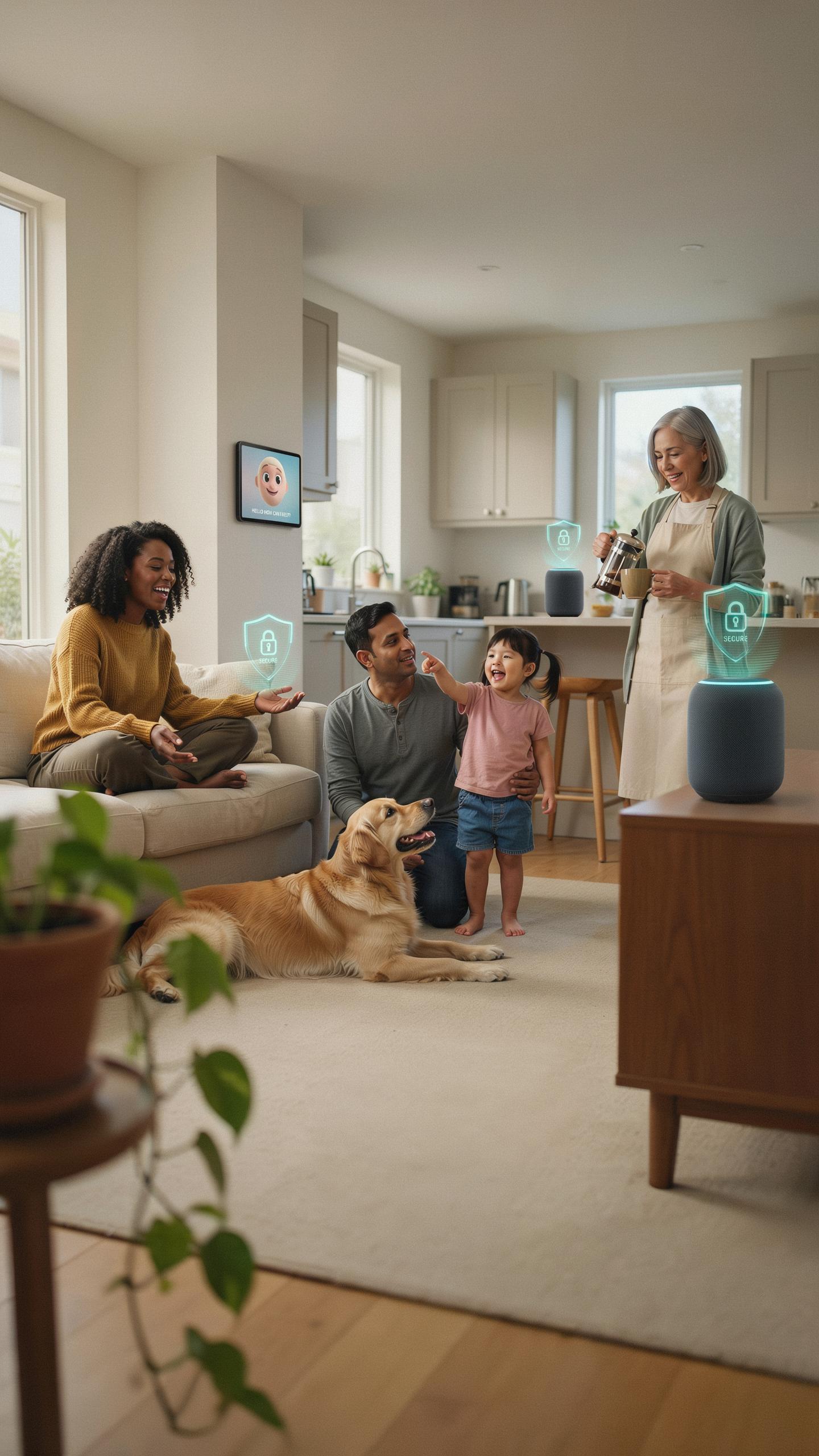
Smart glasses with built in speakers process voice commands and audio data that companies store on servers. Manufacturers implement encryption protocols to protect this information during transmission and storage. End-to-end encryption ensures that only the user and intended recipient access voice communications. Companies deploy authentication systems to verify user identity before accessing stored audio files. Regular security audits identify vulnerabilities before hackers exploit them.
Device-level security matters as much as network protection. Smart glasses manufacturers use secure processors that isolate sensitive data from general system operations. Users control which permissions apps access through permission management interfaces. Local processing of voice commands reduces data transmission, limiting exposure points. Companies that process audio locally rather than in the cloud reduce interception risks significantly.
Public Perception And Acceptance
Smart glasses with built in speakers trigger hesitation because they combine cameras with audio recording capability. People worry about being recorded without consent in public spaces. This concern stems from real incidents where recording devices captured individuals unaware. Social acceptance depends on visible indicators that signal when recording occurs. Red lights, audible tones, or vibrations alert nearby people to active recording status.

Workplace adoption faces resistance due to privacy expectations in professional environments. Employees question whether employers monitor conversations or activities through these devices. Clear policies and transparency about what companies record and how they use data build trust. Industries with strict privacy regulations like healthcare and finance move cautiously toward adoption. Public spaces like transit systems and retail environments will require regulatory frameworks before widespread acceptance occurs.
The Impact Of Smart Glasses On Daily Life
Improving Accessibility
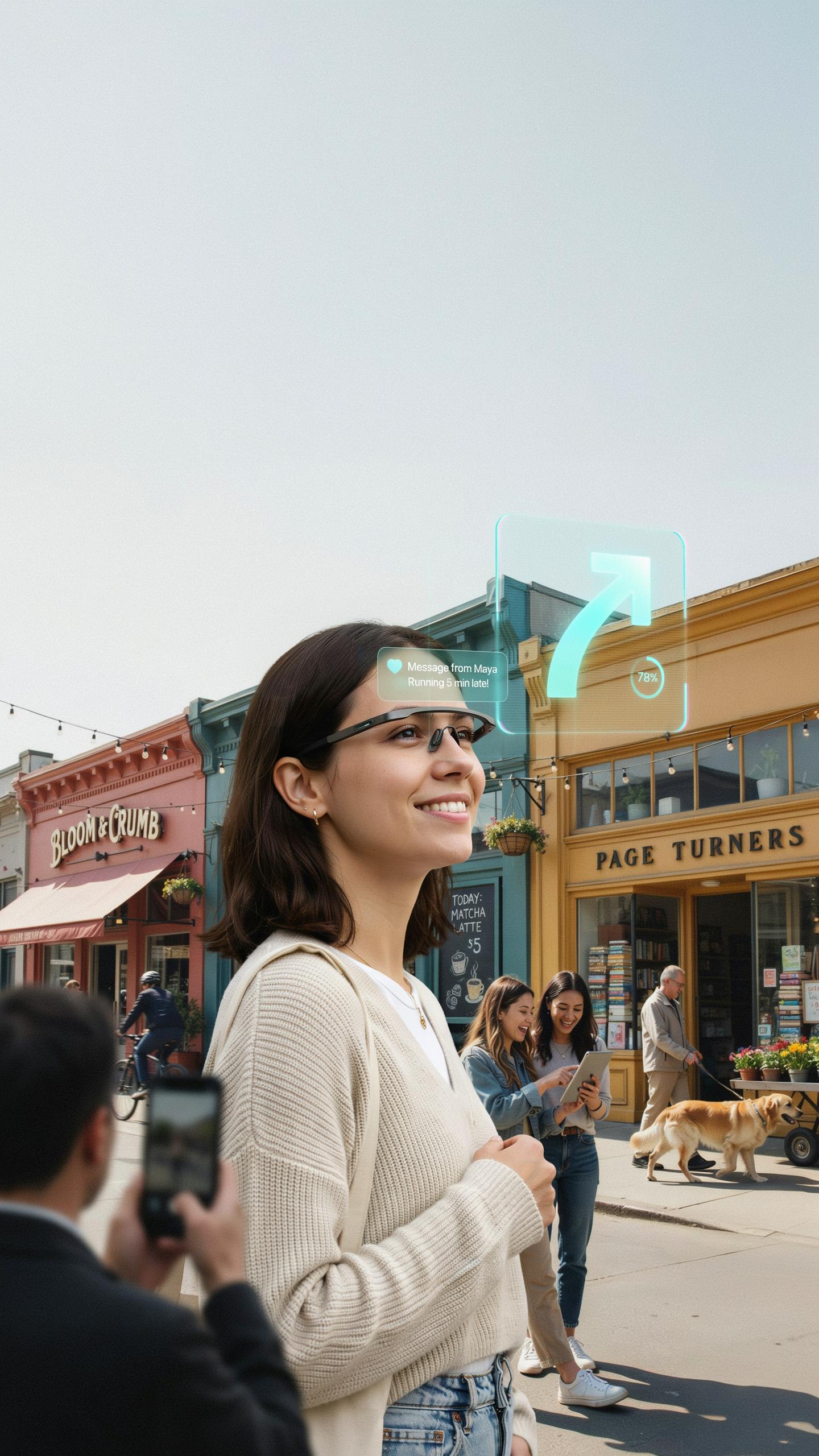
Smart glasses with built-in speakers remove barriers for people with mobility constraints. Users control devices through voice commands without reaching for phones or keyboards. This matters for individuals with arthritis, paralysis, or repetitive strain injuries. Navigation and communication become possible without hand movement or precise motor control.
Audio output through integrated speakers eliminates the need for headphones or external devices. People with hearing aids benefit from direct audio routing to their ears. Visually impaired users access information through audio descriptions paired with haptic feedback. The combination reduces dependency on multiple assistive devices and simplifies daily routines.
Redefining Multitasking
Smart glasses merge communication with real-world tasks in real time. Workers reference instructions while keeping hands free for assembly or repair work. Surgeons view patient data during procedures. Warehouse staff locate items while communicating with managers through voice commands and audio responses.
The built-in speaker model eliminates context switching costs. Users stay focused on immediate tasks instead of checking separate devices. Information flows directly to ears without interrupting visual attention on work. This approach reduces errors and increases task completion speed across professional and personal environments.
Frequently Asked Questions

What exactly are smart glasses, and how do they differ from regular eyeglasses?
Smart glasses are wearable tech that integrate digital displays and often audio capabilities directly into eyewear frames. Unlike regular glasses, which only correct vision or offer sun protection, smart glasses can display information, answer calls, and even play music, transforming how you interact with the digital world hands-free.
How do smart glasses with built-in speakers deliver audio without needing separate headphones?
Smart glasses with built-in speakers typically use bone conduction technology or tiny directional speakers embedded in the temples. This innovative design allows sound to be transmitted directly to your inner ear or focused towards it, providing clear audio for calls, music, or navigation instructions discreetly without external earbuds.
Are there affordable options for smart glasses, or are they generally very expensive?
While some high-end smart glasses can be quite pricey, the market is expanding to include more budget-friendly options. You can find smart glasses with built-in speakers at various price points, offering a range of features from basic audio and notification delivery to more advanced augmented reality capabilities, making them increasingly accessible.