
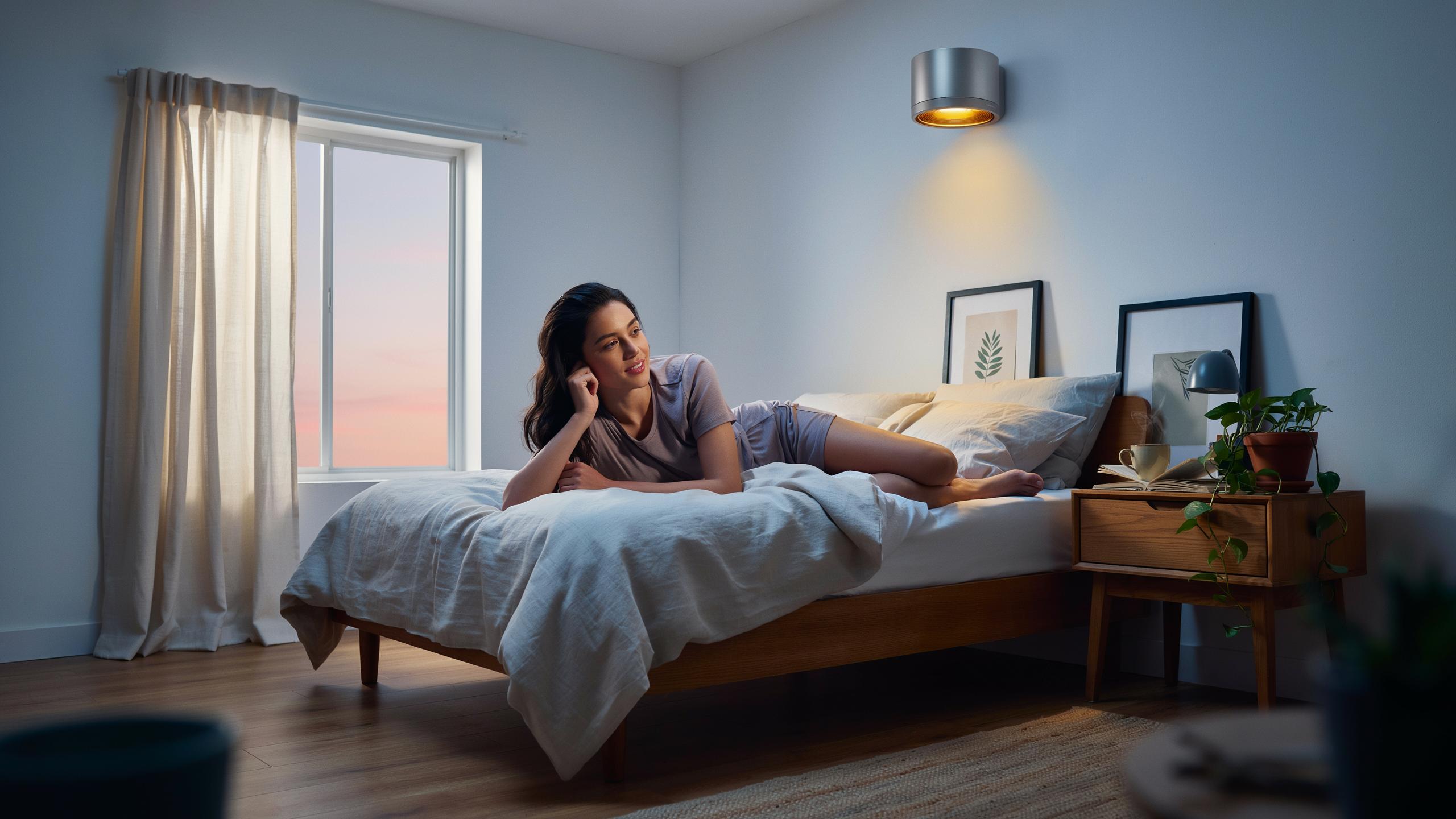
The Science Of Sleep And Wake Up
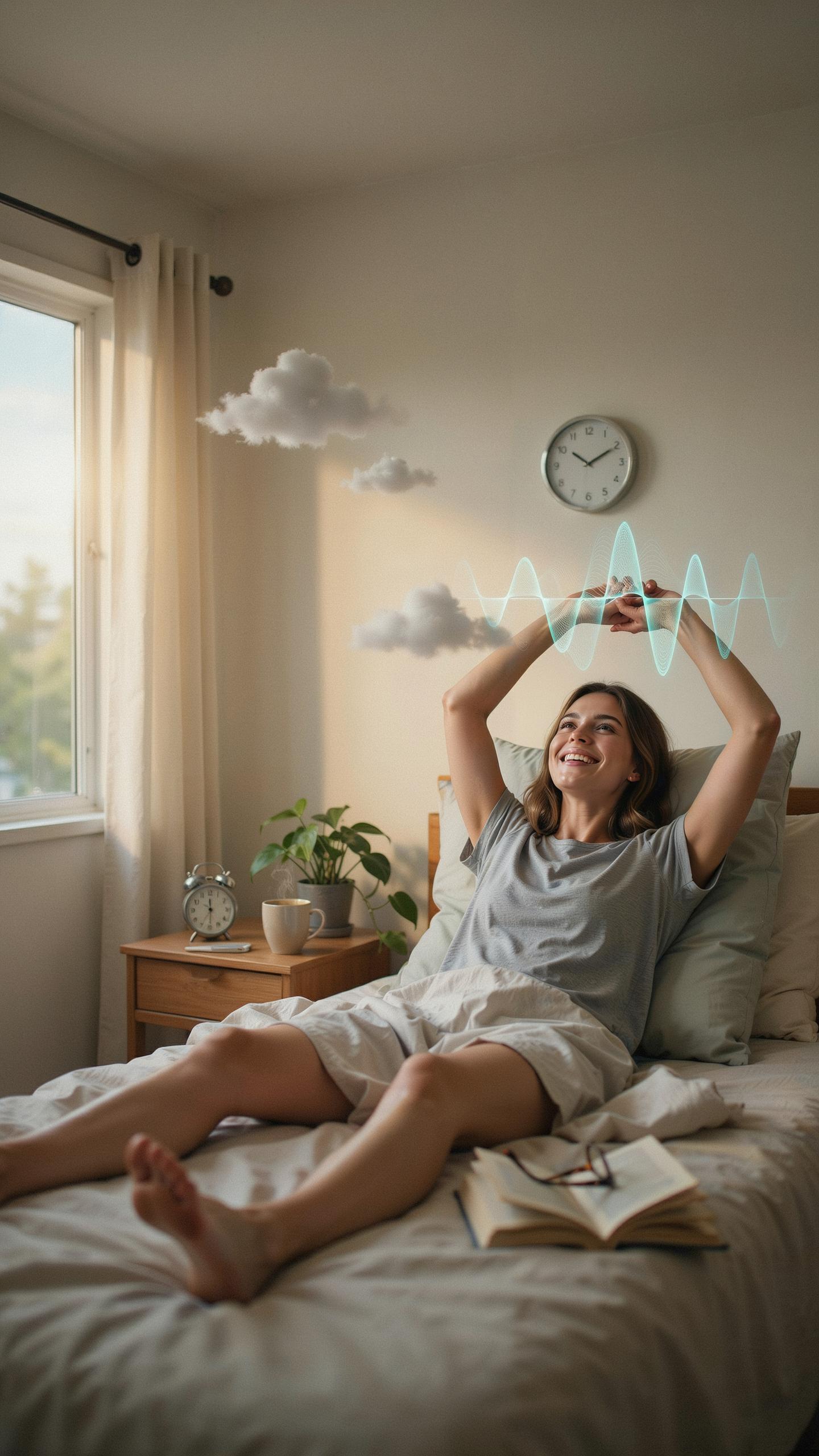
Understanding Circadian Rhythms
Your body runs on a roughly 24-hour internal clock called the circadian rhythm. This biological timer controls when you feel alert and when you feel tired. Light exposure is the primary signal that resets this clock each day. Without consistent light signals, your rhythm drifts and sleep quality suffers.
The suprachiasmatic nucleus in your brain houses this clock and responds directly to light intensity and wavelength. Morning light, particularly blue wavelengths between 460 and 480 nanometers, signals your body to reduce melatonin production and increase cortisol. This shift prepares you physically for wakefulness. Smart sunrise bulbs replicate this exact light progression to anchor your rhythm.
The Impact Of Light On Sleep
Light exposure timing determines sleep onset and wake quality more than any other single factor. Dim, warm light in the evening signals melatonin production and sleep readiness. Bright, cool light in the morning suppresses melatonin and triggers wakefulness within minutes of exposure.
Traditional alarm clocks jolt you awake while melatonin remains elevated in your system. This chemical state creates grogginess and impairs cognitive function for hours. Gradual light exposure through sunrise simulation allows melatonin to decline naturally before you wake. Your body transitions smoothly from sleep to alertness, matching how humans woke for millennia before artificial lighting existed.
What Is A Smart Bulb That Mimics Sunrise Wake Up
How Sunrise Alarm Clocks Work
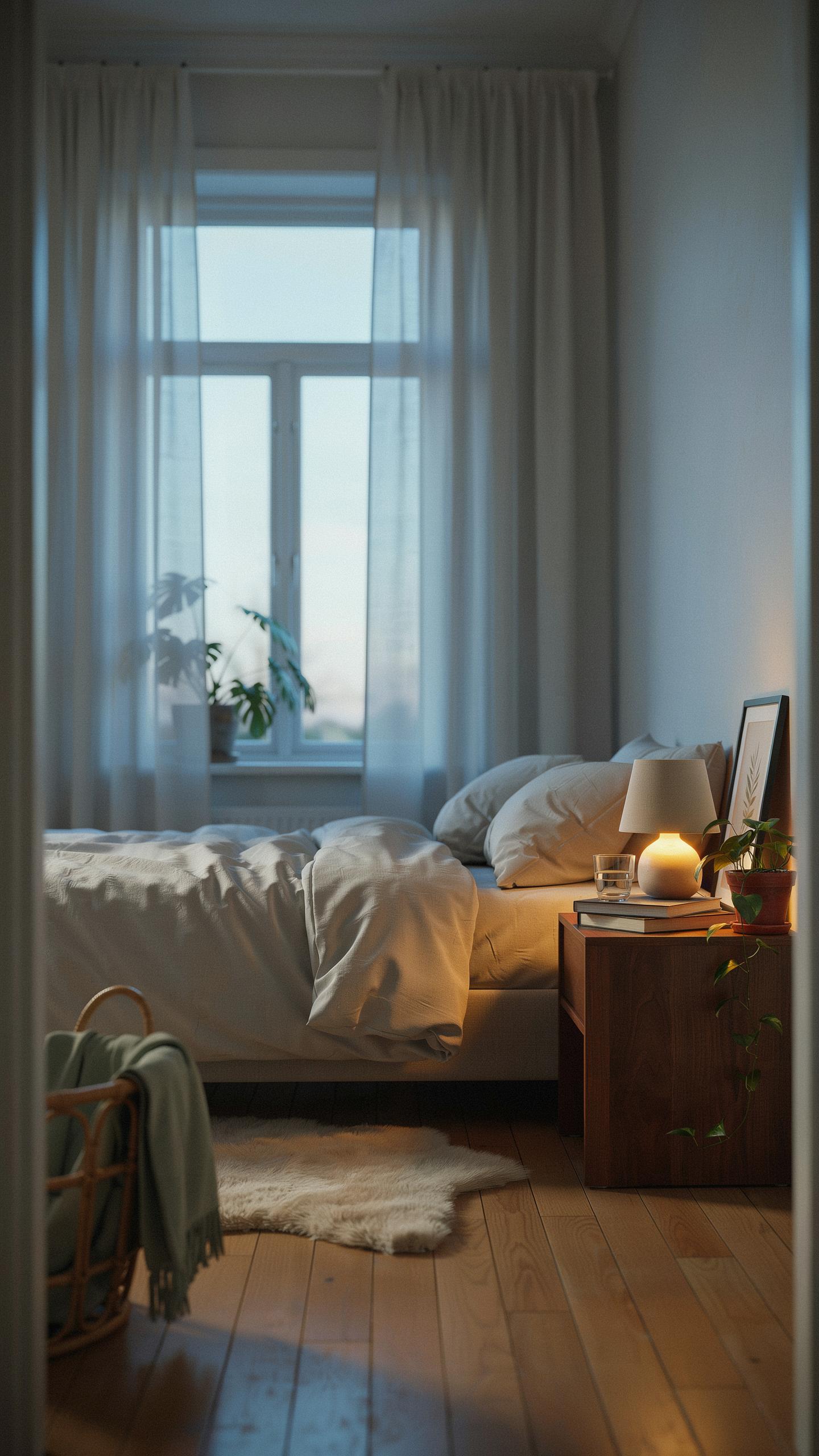
Sunrise alarm clocks gradually increase light intensity over a set period, typically 20 to 40 minutes before your target wake time. The bulb starts at low brightness and ramps up to full intensity. This mimics the natural sunrise process. Your body responds to increasing light by reducing melatonin production and raising cortisol levels, which triggers wakefulness without the jarring shock of traditional alarms.
Smart bulbs connect to your home network and use apps or voice commands for control. You set your desired wake time, and the system automatically triggers the light sequence. Some models integrate with other smart home devices to coordinate actions like opening blinds or starting coffee makers. The gradual light exposure activates your circadian rhythm naturally, making the transition from sleep to wakefulness smoother and more aligned with your body’s biology.
Key Features Of Smart Bulbs
Most smart bulbs offer color temperature adjustment, shifting from warm orange tones to cooler blue-white light as they brighten. This color progression matches natural sunrise patterns. You can customize brightness levels, duration of the light ramp, and specific wake times for different days. Many models support multiple alarms and allow scheduling for weekdays versus weekends. Compatibility with major smart home platforms like Amazon Alexa or Google Home expands functionality beyond wake-up lighting.

Energy efficiency defines modern smart bulbs. LED technology reduces power consumption compared to traditional incandescent bulbs. Many smart models include dimming capabilities that let you use the same bulb for evening relaxation or daytime tasks. Voice control features allow hands-free operation. Real-world models from major manufacturers like Philips Hue, LIFX, and Wyze deliver these core features with varying price points and app interfaces.
Benefits Of A Sunrise Alarm Clock Experience
Improved Mood And Energy Levels
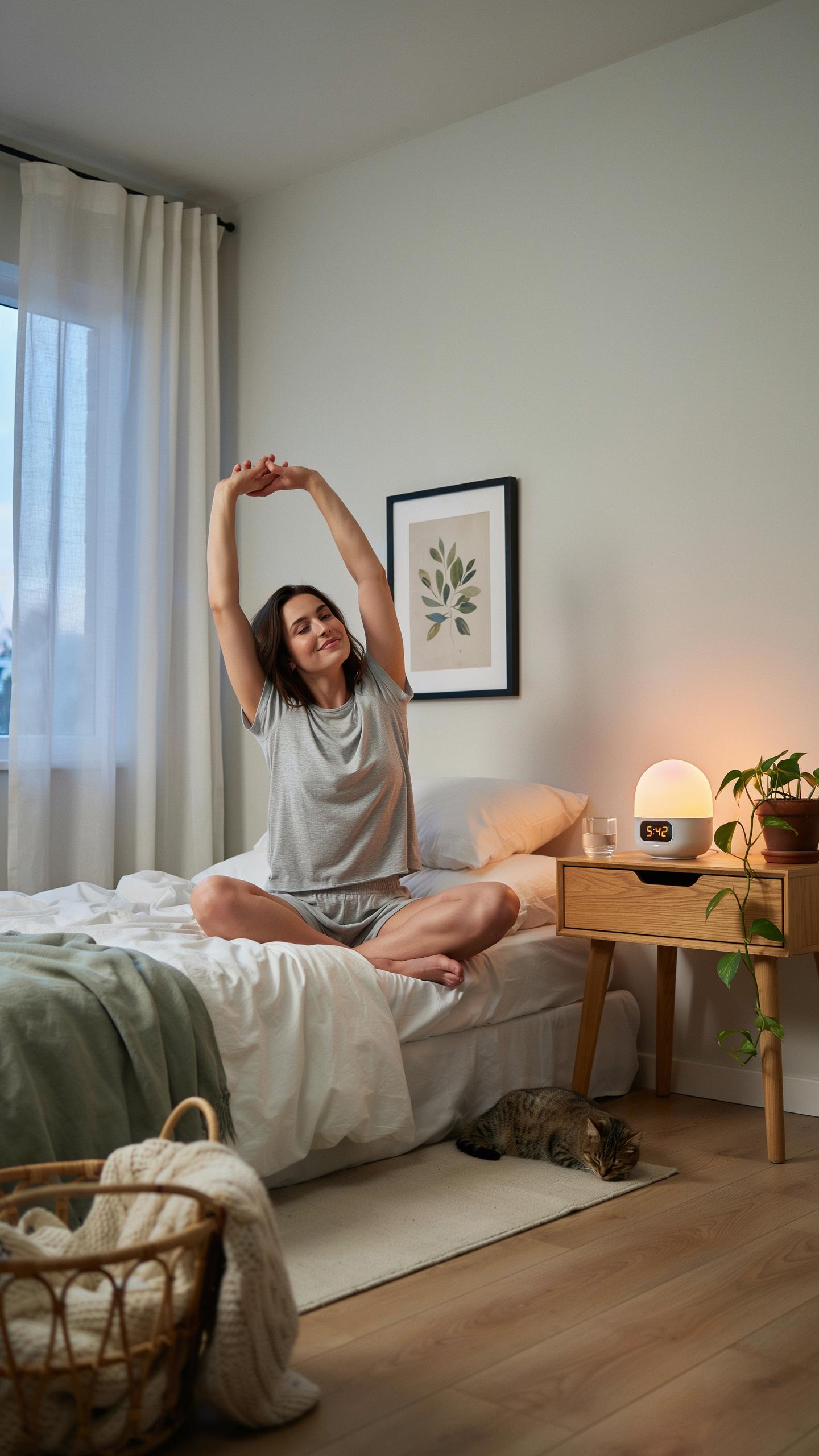
Light exposure triggers your brain to reduce melatonin production and increase cortisol release. This biological shift happens gradually when a smart bulb mimics sunrise, preparing your body to wake naturally. Your circadian rhythm aligns with the light progression rather than fighting against it, which directly impacts how you feel upon waking.
Studies on light therapy show that morning light exposure improves mood regulation throughout the day. When your eyes detect increasing light intensity, your brain activates the systems that control alertness and motivation. A sunrise-mimicking bulb delivers this stimulus without the shock of an alarm clock, allowing your body to transition smoothly into wakefulness.
Reduced Morning Grogginess
Sleep inertia is the disoriented feeling you experience immediately after waking. Sudden bright light or loud alarms trigger a jarring transition that leaves you groggy for hours. A smart bulb that mimics sunrise prevents this by gradually increasing light over 20 to 40 minutes, giving your body time to shift from sleep to alertness.

Your body’s natural wake-up response includes gradual changes in body temperature, heart rate, and hormone levels. A sunrise-mimicking bulb supports this process instead of interrupting it. The result is faster mental clarity, better physical coordination, and the ability to function effectively immediately after waking rather than needing extended time to shake off grogginess.
Seamless Integration Smart Light Bulbs And Your Smart Home
Connecting To Smart Home Hubs
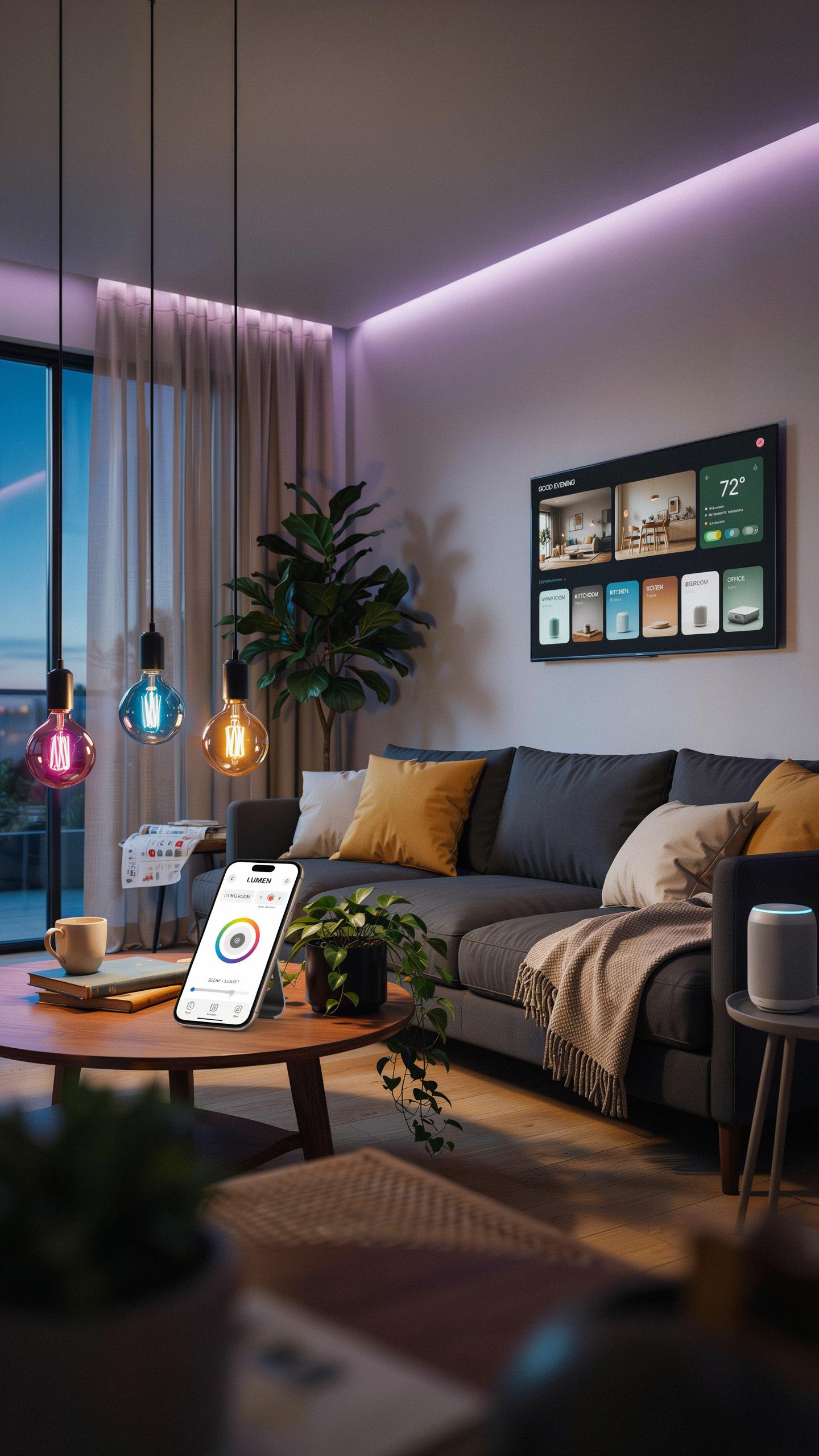
Smart bulbs that mimic sunrise require a hub or bridge to function. Most models connect through established platforms like Philips Hue, LIFX, or Wyze ecosystems. The hub acts as the central command center, translating your wake-up schedule into light progression. Direct connection to your home network occurs through the hub, not the bulb itself in most cases. Setup takes minutes and involves downloading the manufacturer’s app, creating an account, and adding your bulb through the pairing process.
The hub placement matters for signal strength and reliability. Position it centrally in your home, away from metal objects and walls. A strong connection ensures your sunrise simulation triggers exactly when scheduled. Most hubs use WiFi or Zigbee standards. Check your router’s compatibility before purchasing. Poor connectivity creates missed wake-ups or unpredictable light behavior, defeating the purpose of automation.
App Control And Customization
App control gives you precise command over light intensity, color temperature, and timing. You set wake-up duration from five to sixty minutes, controlling how gradually the light increases. Temperature adjustments range from warm orange tones to neutral white, matching natural sunrise progression. The app stores multiple schedules for weekdays, weekends, and custom dates. Real-time adjustments happen instantly without rescheduling the device.
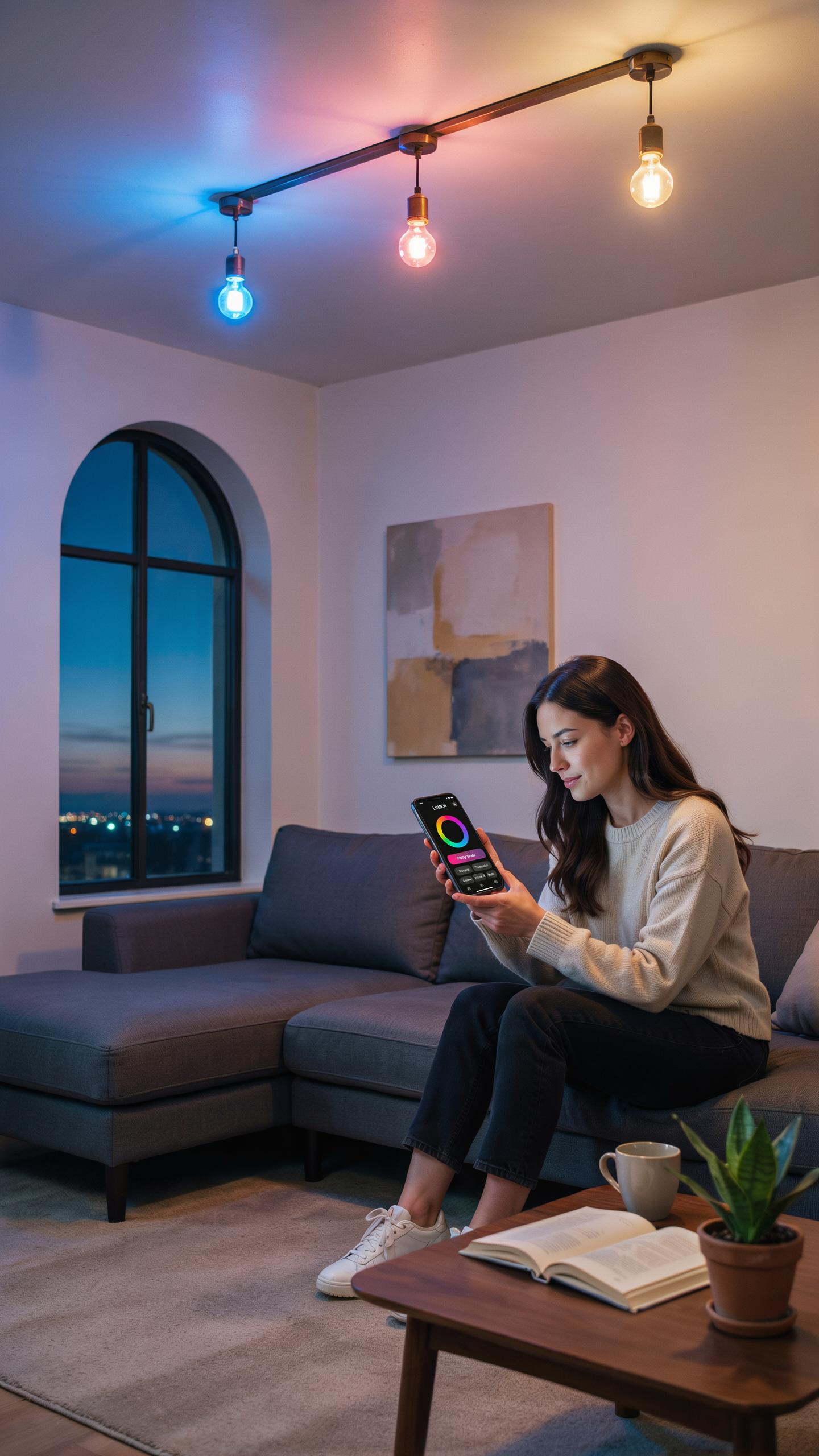
Advanced customization includes integrating your sunrise bulb with other smart home routines. Link it to coffee makers, thermostats, or audio systems for complete morning automation. Some apps offer geofencing, triggering wake-up sequences when you leave work to prepare your bedroom before arrival. Voice control through Alexa or Google Home adds hands-free operation. These integrations eliminate manual triggers and create genuinely responsive morning environments.
Beyond Wake Up The Versatility Of Smart Bulbs
Sunset Alarm Clock Functionality For Better Sleep
Smart bulbs reverse their sunrise function to support sleep cycles. They gradually dim and shift toward red wavelengths in the evening, signaling your body to produce melatonin. This sunset simulation prepares your nervous system for sleep without the abruptness of standard lights. The process typically spans 30 to 60 minutes before your target bedtime, allowing gradual physiological adjustment rather than sudden darkness.
Research on circadian rhythms shows that exposure to blue light suppresses melatonin production, while red light does not. Smart bulbs capitalize on this by filtering out blue wavelengths as evening progresses. Users control the timing and intensity through companion apps or preset schedules. This approach addresses the core problem most people face: artificial lighting that fights their natural sleep drive.
Ambiance And Mood Lighting
Smart bulbs deliver on-demand lighting adjustments for different activities and times of day. You select color temperature and brightness to match your task, whether reading, working, or relaxing. A single bulb switches from cool white for focus to warm tones for wind-down without touching a switch. This eliminates the friction of manual adjustments and delivers consistent environmental support for your intended activity.
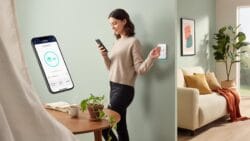
Businesses and homes alike use this capability to optimize spaces beyond sleep management. Restaurants apply warmer tones to encourage relaxation and longer visits. Offices boost cool white light during peak work hours to maintain alertness. Smart bulbs make these environment shifts automatic and precise, removing guesswork from lighting design and delivering measurable impacts on user behavior and comfort.
Considering A Phillips Wake Up Light Alternative
Comparing Dedicated Devices Vs Smart Bulbs
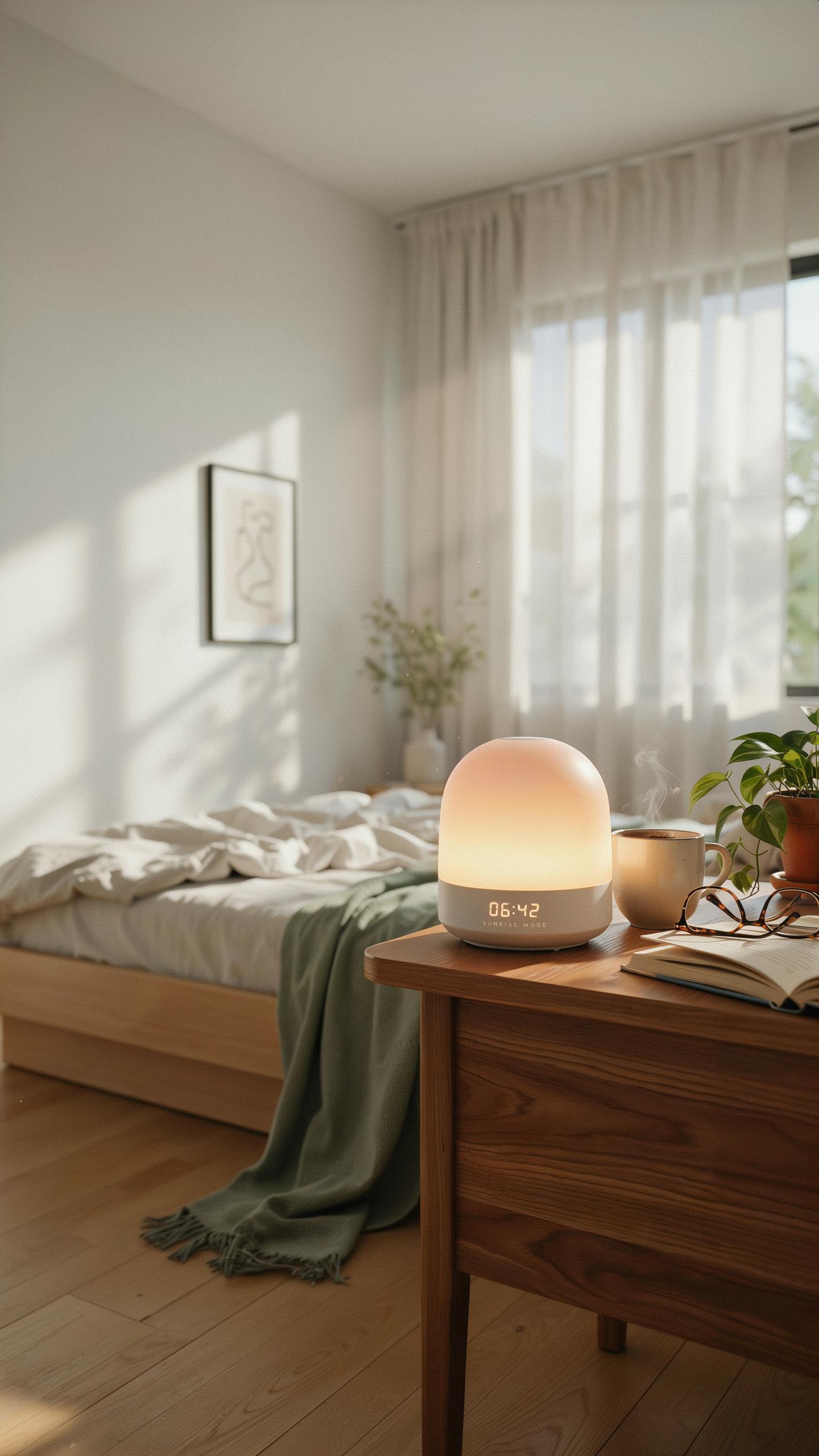
Dedicated wake-up light devices like the Philips HF3500 deliver light therapy through engineered fixtures designed specifically for sleep cycles. These units sit on nightstands and produce calibrated light output at set brightness levels. Smart bulbs fit into existing lamps and light fixtures, requiring no new hardware purchase. The trade-off is control: dedicated devices offer preset programs optimized for sleep science, while smart bulbs depend on your app settings and automation rules.
Dedicated devices typically include built-in sounds, radio, or nature sounds to accompany the light simulation. Smart bulbs require separate speakers or smart home integration to add audio components. Dedicated units work standalone without WiFi or smartphone dependency. Smart bulbs demand network connectivity and app access to function fully. For reliability during power outages or connectivity issues, dedicated devices perform better.
Cost Effectiveness And Features
A basic smart bulb costs between 15 and 40 dollars per unit. Philips Hue bulbs run higher at 40 to 50 dollars each, but offer advanced color control and integration with voice assistants. Dedicated wake-up lights range from 80 to 150 dollars for quality models. The math shifts when you already own smart home infrastructure: smart bulbs integrate seamlessly without additional investment. If starting from zero, dedicated devices cost more upfront but require less ecosystem spending.

Smart bulbs handle multiple functions beyond sunrise simulation: ambient lighting, accent colors, and scheduling for entire rooms. Dedicated wake-up lights do one job well and do it reliably. Feature creep in smart systems means more complexity and more failure points. Dedicated devices offer simplicity that appeals to users who want predictable performance without troubleshooting app issues or connectivity problems.
Enhancing Your Morning Routine With White Noise
The Role Of White Noise Sound In Waking Up
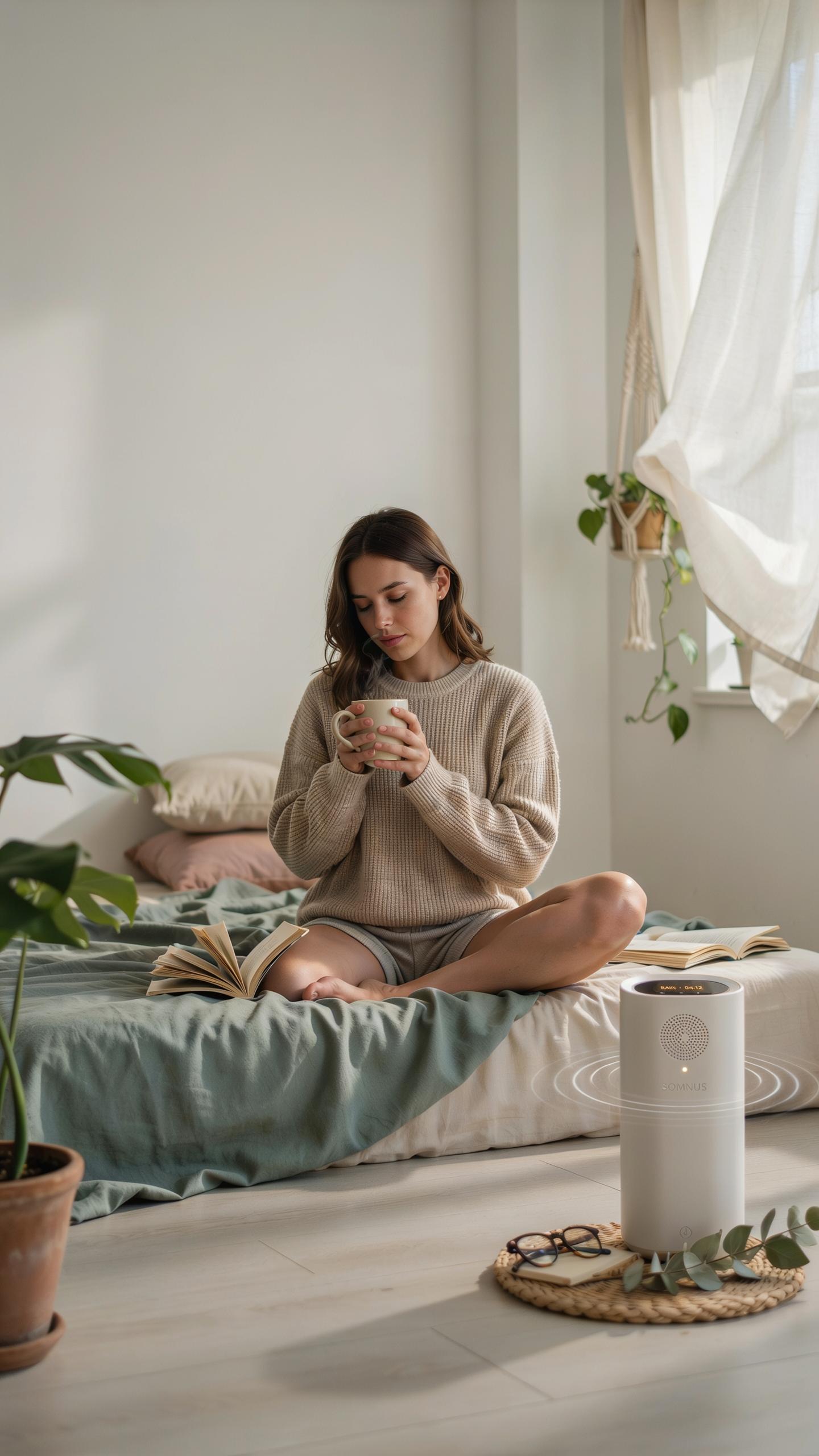
White noise masks environmental sounds that disrupt sleep and waking transitions. Your brain processes sudden noises during the wake-up phase, which can jolt you awake abruptly. White noise creates a consistent audio environment that prevents these jarring interruptions. This steady sound layer allows your body to transition from sleep to wakefulness more smoothly and predictably.
Sleep researchers have documented that consistent background sound reduces the impact of sudden environmental changes. When you combine white noise with gradual light from a smart bulb, your nervous system receives aligned signals to wake up. The dual-sensory approach addresses both visual and auditory pathways. This coordination produces more natural awakening compared to either stimulus working alone.
Integrating White Noise With Your Smart Bulb Alarm
Smart bulbs work best when paired with sound-producing devices that operate on the same schedule. Set your white noise machine or speaker to start five to ten minutes before your light gradually brightens. This timing ensures sound begins as your body processes the earliest light changes. The sequence mimics natural dawn conditions where ambient sounds increase alongside sunrise.

Most modern smart home systems allow you to synchronize multiple devices through a single app or voice assistant. Program your white noise to run for the full duration of your light’s sunrise simulation. Adjust volume to a level that masks disruptive sounds without jolting you awake. This integrated approach reduces dependency on loud alarm sounds that trigger stress responses in your body.
Choosing The Best Smart Bulb That Mimics Sunrise Wake Up

Factors To Consider When Buying Smart Bulbs
Color temperature range matters most. You need bulbs that shift from deep red or orange at the start to bright white light. Look for products that specify Kelvin ratings, ideally starting at 1800K and reaching 6500K or higher. This range determines how effectively the bulb mimics actual sunrise progression and triggers your body’s natural wake response.
- Brightness Output: Measure in lumens. Bedroom bulbs need 400 to 800 lumens to simulate sunrise without jarring your eyes. Higher lumens deliver faster light intensity increases.
- Compatibility: Check if the bulb works with your existing smart home system. Ensure it supports WiFi, Bluetooth, or your preferred protocol before purchasing.
- Scheduling Accuracy: The bulb’s app or system must allow precise timing. You need customizable start times and duration lengths that align with your wake schedule.
- Dimmability Range: Full-range dimmability from 1% to 100% gives you control over gradual intensity increases. Limited ranges compromise the sunrise simulation effect.
- Lifespan and Warranty: Smart bulbs typically last 15000 to 25000 hours. Verify the manufacturer’s warranty covers defects within the first two years.
- Price Point: Budget models start around 15 to 25 dollars. Premium options with advanced features reach 60 to 100 dollars. Match features to your actual needs.
Installation and app usability determine long-term satisfaction. The bulb must fit your existing lamp or fixture without adapters. The accompanying app should require minimal setup steps and offer straightforward scheduling without excessive menus or confusing settings.
Let the gentle glow of your smart bulb sunrise paint a tranquil awakening, like a digital dawn whispering you into a new day. A beautiful start, indeed.
Top Smart Bulb Brands For Sunrise Simulation
Philips Hue dominates the premium segment with extensive color range and reliable scheduling. Their bulbs deliver consistent color temperature transitions and integrate with major smart home platforms. The app interface handles complex routines, though entry-level pricing runs higher than competitors. Hue bulbs maintain steady performance across multiple wake schedules without firmware issues.

LIFX offers competitive pricing with solid functionality for sunrise simulation. Their bulbs connect directly to WiFi without requiring a separate hub. The scheduling features work reliably, and the app provides straightforward controls. LIFX bulbs perform well in standard bedroom setups, delivering adequate brightness and color transitions for typical users seeking affordable options.
Setting Up Your Smart Bulb Sunrise Alarm Clock
Step By Step Installation And Configuration
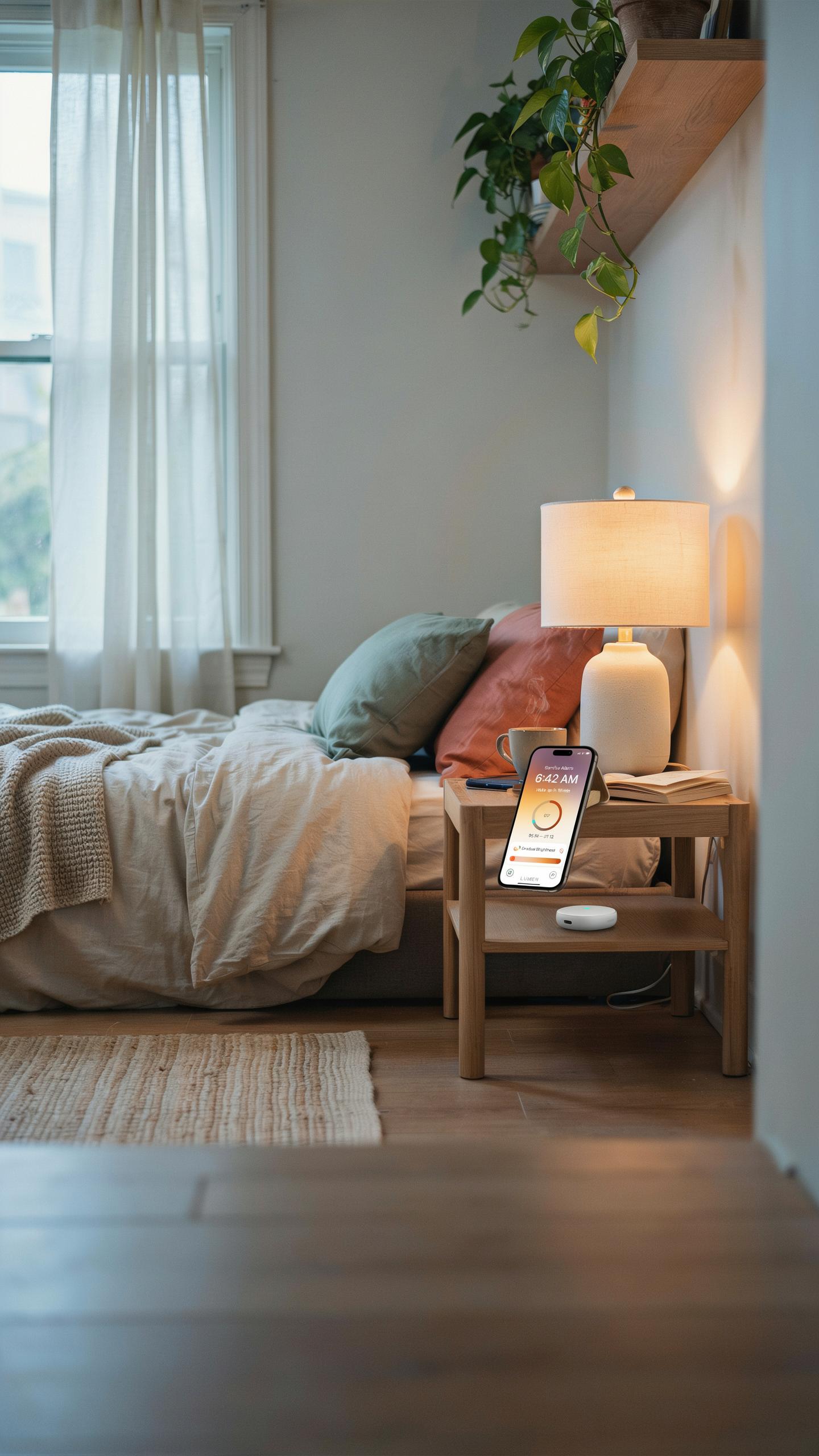
Start by choosing a smart bulb compatible with your existing smart home system or ecosystem. Most models connect via WiFi or Bluetooth. Screw the bulb into a lamp or fixture positioned near your bed or within your line of sight when lying down. Download the manufacturer’s app and create an account. Connect the bulb following the app’s pairing instructions, which typically involve holding the bulb steady while it searches for your network.
Once paired, open the app’s alarm settings and create a new wake up routine. Set your desired wake time and select the sunrise simulation duration, typically ranging from fifteen to sixty minutes. Choose your light color progression, starting from deep red or amber and transitioning to bright white. Most apps let you customize the intensity curve and final brightness level. Save these settings and test the routine at least once before relying on it for actual wake ups.
Optimizing Your Wake Up Experience
Position your light source at eye level or slightly above when you are lying in bed. This placement ensures the gradually brightening light reaches your eyes naturally as you sleep. Avoid placing the bulb too far away or behind obstacles, which reduces its effectiveness. The distance between your eyes and the bulb should be no more than three to five feet for optimal circadian rhythm stimulation. Test different positions over several mornings to find what works best for your sleep position.
Adjust your simulation duration based on how deeply you sleep and how gently you prefer to wake. Light sleepers may need only fifteen to twenty minutes of gradual brightening. Heavier sleepers benefit from thirty to sixty minute progressions that build brightness incrementally. Pair your light routine with consistent wake times, even on weekends, to strengthen your body’s circadian response. Dim the bulb slightly on mornings when you need a gentler wake or increase its peak brightness for mornings when you sleep through early light changes.
Frequently Asked Questions

What exactly is a “sunrise alarm” smart bulb and how does it work to help me wake up?
A smart bulb that mimics sunrise wake up gradually brightens, starting with a soft, warm glow and slowly increasing in intensity and color temperature over a set period, typically 20-40 minutes before your alarm. This gentle light exposure signals your body to decrease melatonin production, making your natural waking process smoother and more refreshing than an abrupt alarm.
How do I set up and program a smart bulb to create a sunrise wake-up effect?
Most smart bulbs connect via Wi-Fi or Bluetooth to a dedicated app on your smartphone. Within the app, you’ll find “Scenes” or “Routines” where you can select a sunrise effect, choose your desired wake-up time, and specify the duration of the gradual brightening. It’s often intuitive, guiding you through the steps to customize your personal sunrise.
Are there affordable options for a smart bulb that mimics sunrise wake up, or are they all high-end devices?
Absolutely! While premium brands offer advanced features, you can find many budget-friendly smart bulbs that provide an excellent sunrise simulation experience. Look for general smart bulb brands on popular online retailers. Many entry-level smart bulbs offer the core “sunrise” functionality without breaking the bank, making natural waking accessible to more people.