
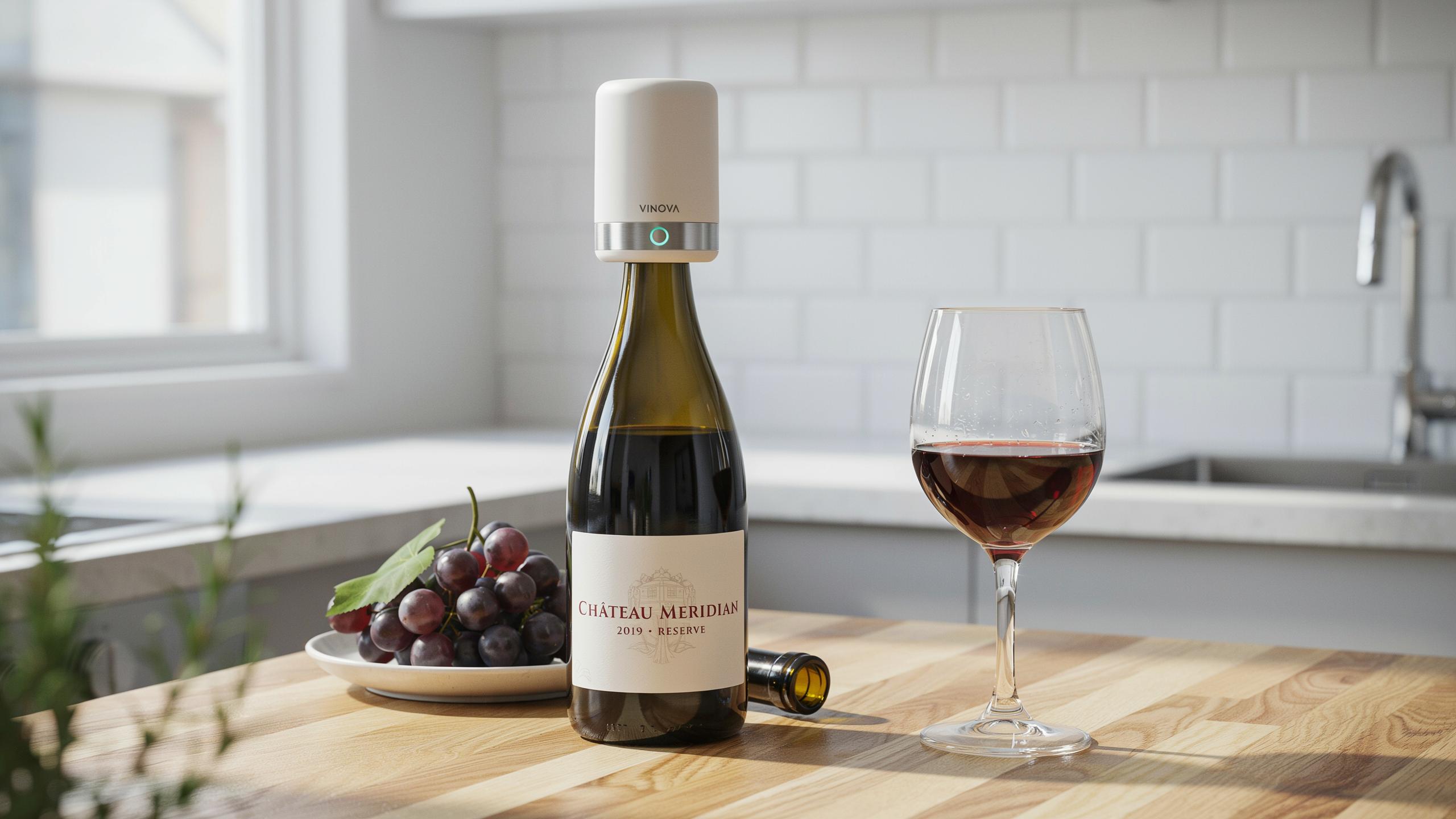
The Challenge Of Wine Preservation
Why Opened Wine Spoils Understanding Oxidation
Oxidation destroys wine the moment air enters the bottle. Oxygen reacts with wine’s compounds, breaking down flavors and aromas. This chemical process accelerates immediately after opening. Within hours, most wines lose their intended taste profile. Red wines typically degrade faster than whites due to their chemical structure. The longer the bottle sits open, the more pronounced the damage becomes.
Wine’s color shifts as oxidation progresses. Reds turn brownish. Whites turn amber or gold. Vinegar bacteria thrive in oxidized wine, creating sour flavors. These changes are irreversible. Once oxidation reaches a certain point, no method restores the wine to its original state. Temperature and light exposure speed up this process significantly.
Traditional Methods And Their Limitations
Cork replacements and rubber stoppers slow oxidation but do not stop it. Air still seeps around the seal over time. Glass stoppers work better than rubber but require precise fits. Standard bottle caps leave gaps that allow oxygen penetration. None of these methods create airtight seals. Even refrigeration only delays spoilage rather than preventing it entirely.
Wine drinkers have relied on these basic solutions for centuries because alternatives did not exist. The seal quality depends on the stopper’s fit and material composition. Humidity, temperature fluctuations, and bottle position all affect how long traditional stoppers work. Most opened bottles stored with conventional methods last only three to five days before noticeable quality decline occurs.

Introducing The Electric Wine Preserver Gadget
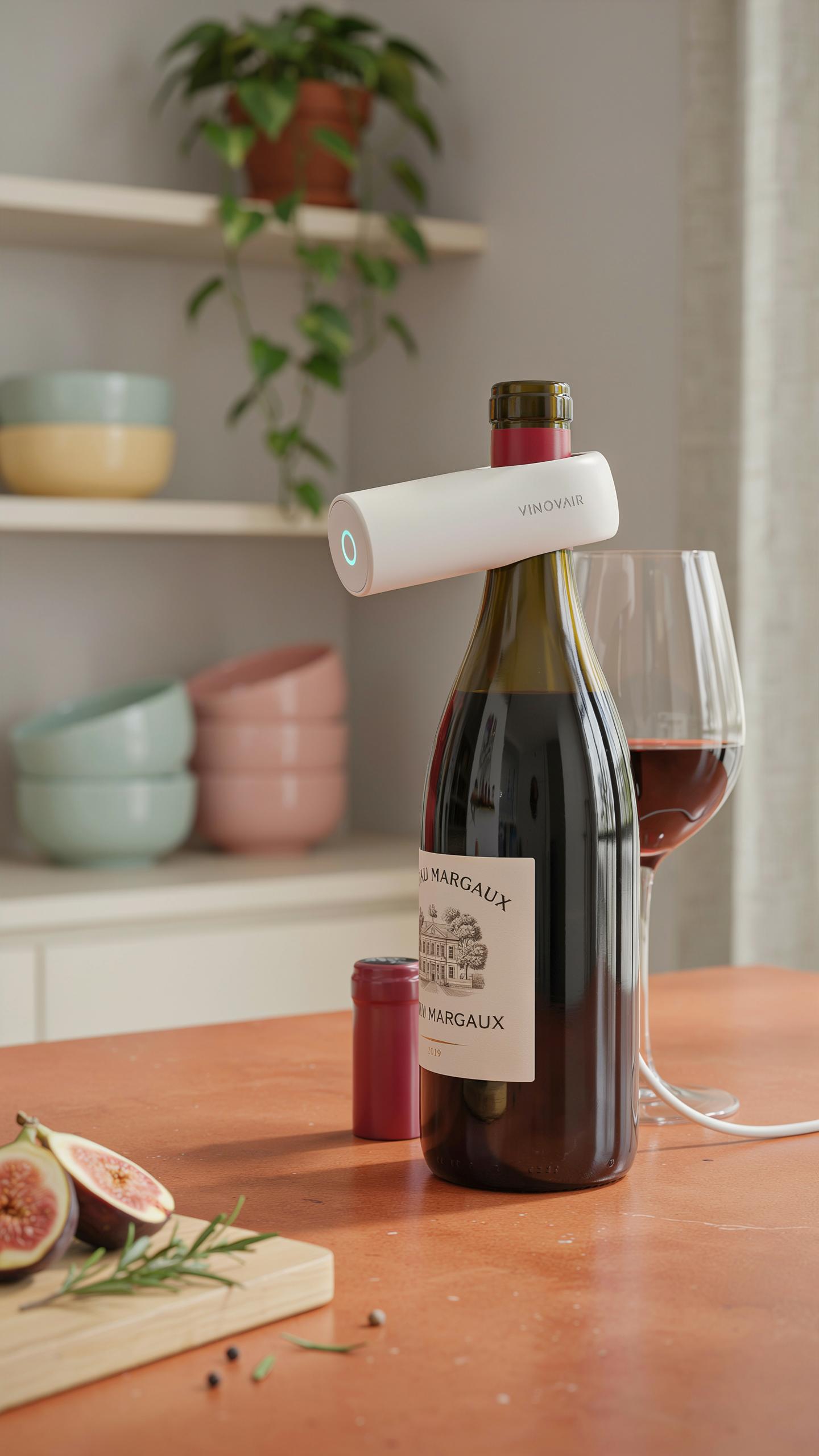
What Is An Electric Wine Preserver And How Does It Work
An electric wine preserver gadget uses inert gas, typically argon or nitrogen, to replace oxygen inside an opened wine bottle. You insert a thin tube through the bottle’s cork or stopper, and the device releases gas that displaces air. This stops oxidation, which degrades wine quality over time. The gas creates a barrier between the wine and oxygen in the bottle’s headspace.
Most electric wine preservers run on batteries or rechargeable power sources. You activate the device, it dispenses gas for a few seconds, then you remove the tube. The cork or stopper remains in place to seal the bottle. Some models feature automatic shut-off timers to prevent over-pressurization. The entire process takes under one minute per bottle.
Key Benefits Over Manual Preservation Methods
Electric wine preservers outperform manual methods like rubber stoppers or plastic wrap because they eliminate oxygen contact entirely. Manual sealing leaves air pockets and doesn’t prevent gradual oxidation. Electric systems maintain wine quality for weeks or months, while manual methods slow deterioration for days only. The gas barrier does the actual work of preservation, not hope or guesswork.

Electric preservers require minimal effort compared to manual alternatives like transferring wine to smaller bottles or using vacuum pumps. You don’t wrestle with equipment or risk cork damage. The device handles preservation automatically without user skill or technique. This consistency means reliable results every time you use it, regardless of your experience level with wine storage.
Types Of Electric Wine Preservers
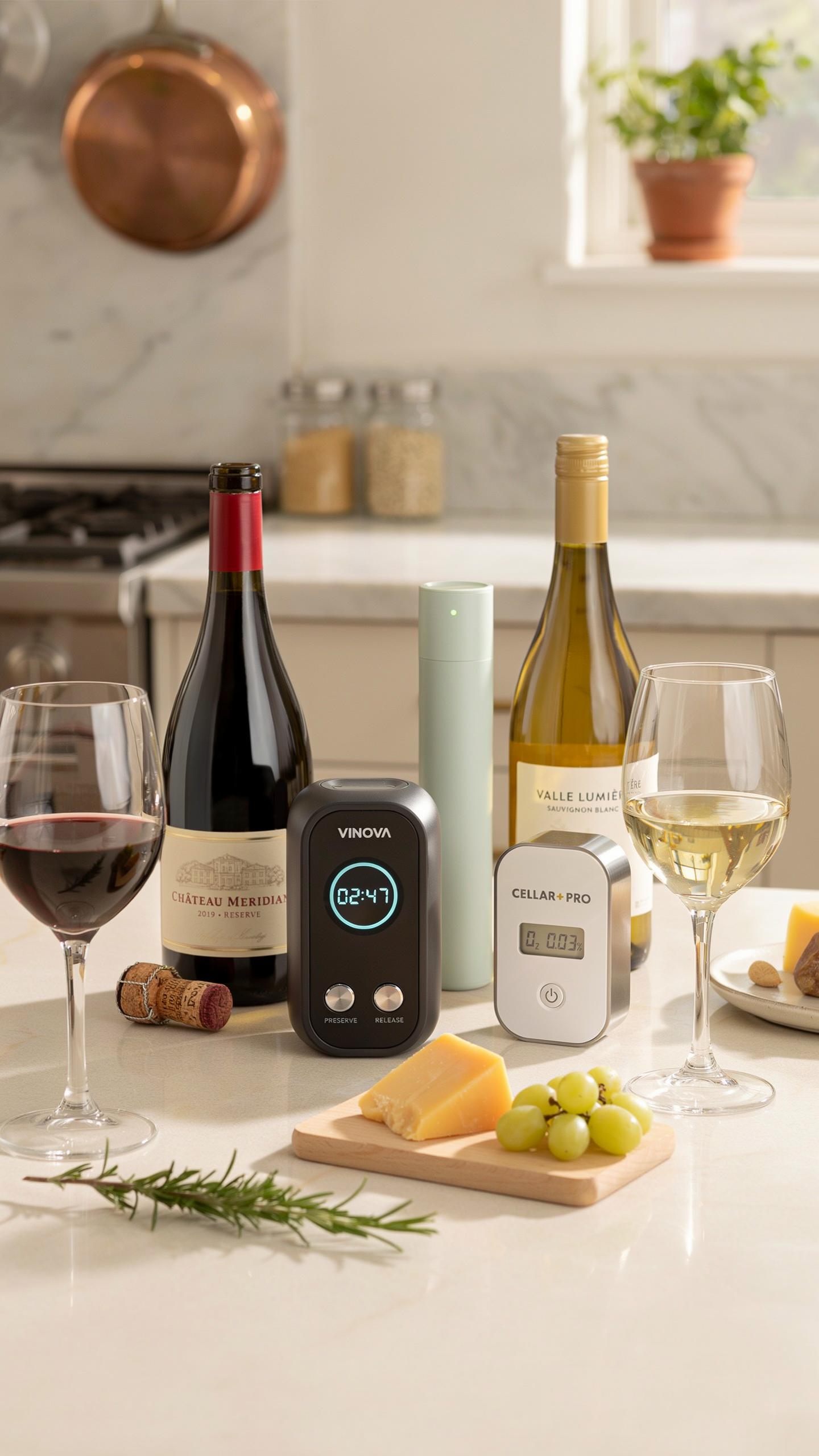
Vacuum Sealers Removing Air To Prevent Oxidation
Vacuum sealers work by extracting oxygen from the bottle’s headspace after you pour a glass. Wine oxidizes when exposed to air, which breaks down its flavor compounds and structure over time. Removing that air stops the chemical reaction cold. You seal the bottle with a rubber stopper that connects to a pump mechanism.
The pump creates negative pressure inside the bottle, pulling the stopper tight against the opening. This method costs less than gas systems and requires no refills. However, vacuum sealing cannot remove oxygen already dissolved in the wine itself. The technique works best for preserving wine for days to a few weeks rather than months.
There’s a quiet joy in knowing a cherished bottle, like a fond memory, can be revisited, its spirit undiminished. These preservers ensure every sip is as lovely as the first pour.
Inert Gas Systems Replacing Air With Protective Gas Mixtures
Inert gas systems displace oxygen with nitrogen, argon, or carbon dioxide blends. These gases do not react with wine, so they create a protective barrier on the bottle’s surface. You spray the gas into the bottle through a thin tube, then stopper it. The gas layer prevents oxygen from entering and attacking the wine.

These systems preserve wine longer than vacuum methods because they address both headspace and potential air leakage. You need to purchase replacement canisters regularly, making this option more expensive over time. Gas systems work well for serious collectors who open bottles frequently and want reliable preservation for weeks or months.
Comparing With Other Wine Gadgets Wine Opener Electric Wine Opener
Electric Wine Preserver Vs Electric Wine Opener Distinct Functions
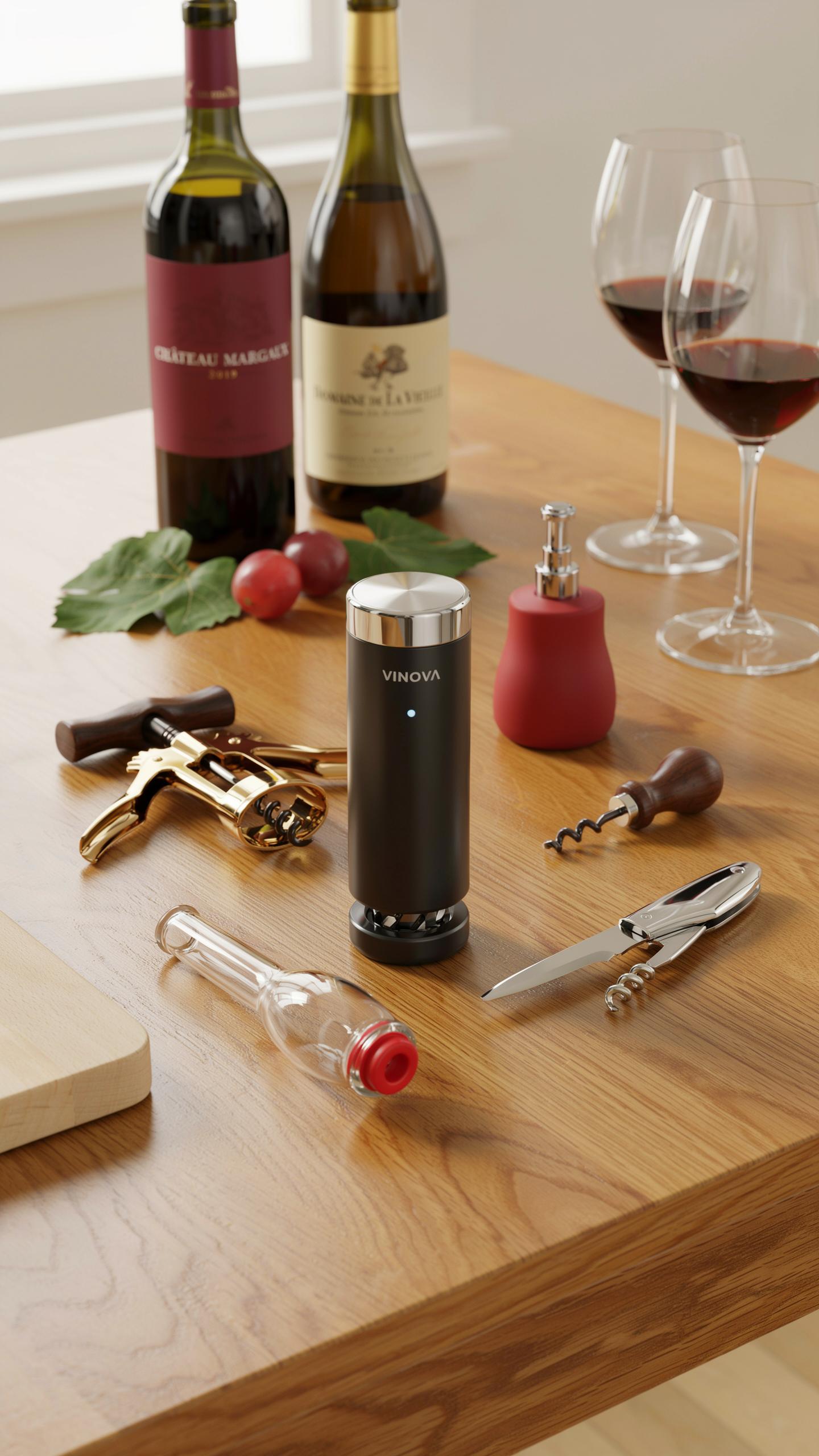
An electric wine preserver and an electric wine opener solve different problems. A wine opener removes corks quickly and efficiently. A wine preserver extends the life of opened bottles by replacing oxygen with inert gas, typically argon or nitrogen. One gadget handles access to wine. The other manages what happens after you open it. Both serve the wine drinker, but at different stages of the process.
Electric wine openers came to market to reduce the physical effort required to pull corks from bottles. They work through motorized corkscrew mechanisms that turn and extract the cork automatically. Wine preservers emerged later as a response to a specific problem: oxidation. Once you open a bottle and expose the wine to air, deterioration begins. These gadgets counteract that decay. Understanding what each does prevents confusion when shopping for wine tools.
Synergy How These Gadgets Complement Each Other For A Complete Wine Experience
A complete wine experience integrates both tools into your routine. You use the electric opener to access the bottle without wrestling with a traditional corkscrew. Then you deploy the preserver immediately after pouring your first glass. This combination minimizes the time wine sits exposed to oxygen. You get convenience at the point of opening and protection during storage. Neither tool works against the other.

Smart wine drinkers treat these gadgets as part of a system rather than standalone products. The opener enables faster, easier access to more bottles without fatigue. The preserver justifies keeping multiple bottles open simultaneously without rushing through them. Together they remove friction from the wine drinking experience. One prioritizes convenience in the present moment. The other protects your investment for future enjoyment.
Aiding The Tasting Experience Wine Aerator
The Role Of Aeration Enhancing Flavors And Aromas In Young Wines
Aeration exposes wine to oxygen, which opens up tightly bound compounds in young wines. This process accelerates the natural aging that would take months in a bottle. The result is improved flavor clarity and stronger aromatic release. Aeration works best on wines with high tannin content or complex structure. Older wines benefit less since oxidation already occurred during storage.
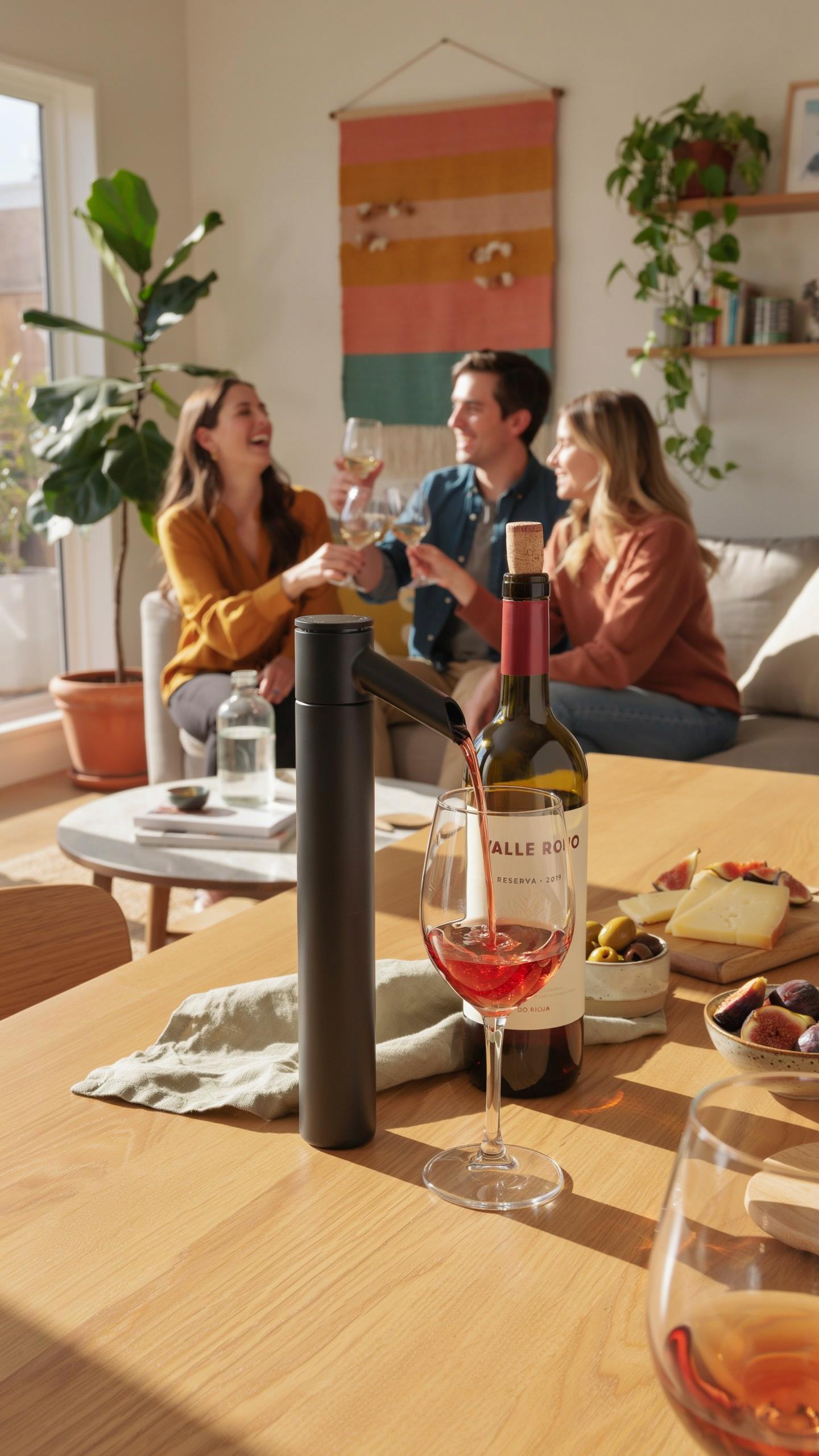
Electric wine preservers with aerator functions use motorized systems to rapidly introduce air into wine. Some models include a separate aerating spout that channels wine through an oxygen-rich chamber. This controlled exposure differs from traditional decanting, which relies on gravity and time. The aerator function adds tactical value to a preservation device by serving multiple purposes in one gadget. Users gain flexibility to either preserve or aerate depending on the bottle and tasting goals.
When To Aerate And When To Preserve A Balanced Approach
Preservation mode protects opened bottles by removing oxygen and replacing it with inert gas like argon. Use preservation when you want to drink the same bottle over several days without degradation. Aeration mode introduces oxygen deliberately to accelerate flavor development in a single tasting session. Choose aeration for young reds with structure, like Cabernet Sauvignon or Bordeaux blends. Choose preservation for delicate wines or bottles you plan to finish slowly.

Electric wine preservers solve the aeration versus preservation dilemma by offering both functions in one device. Toggle between modes based on your immediate tasting plan and timeline. A young wine benefits from aeration today and preservation tomorrow if half the bottle remains. This flexibility makes electric preservers more tactical than single-function tools. Understanding when each function serves your purpose prevents wasted wine and maximizes tasting quality.
Ease Of Use Rechargeable Electric Wine Opener Automatic Wine Opener
User Friendly Design: Simplifying The Wine Opening And Preservation Process
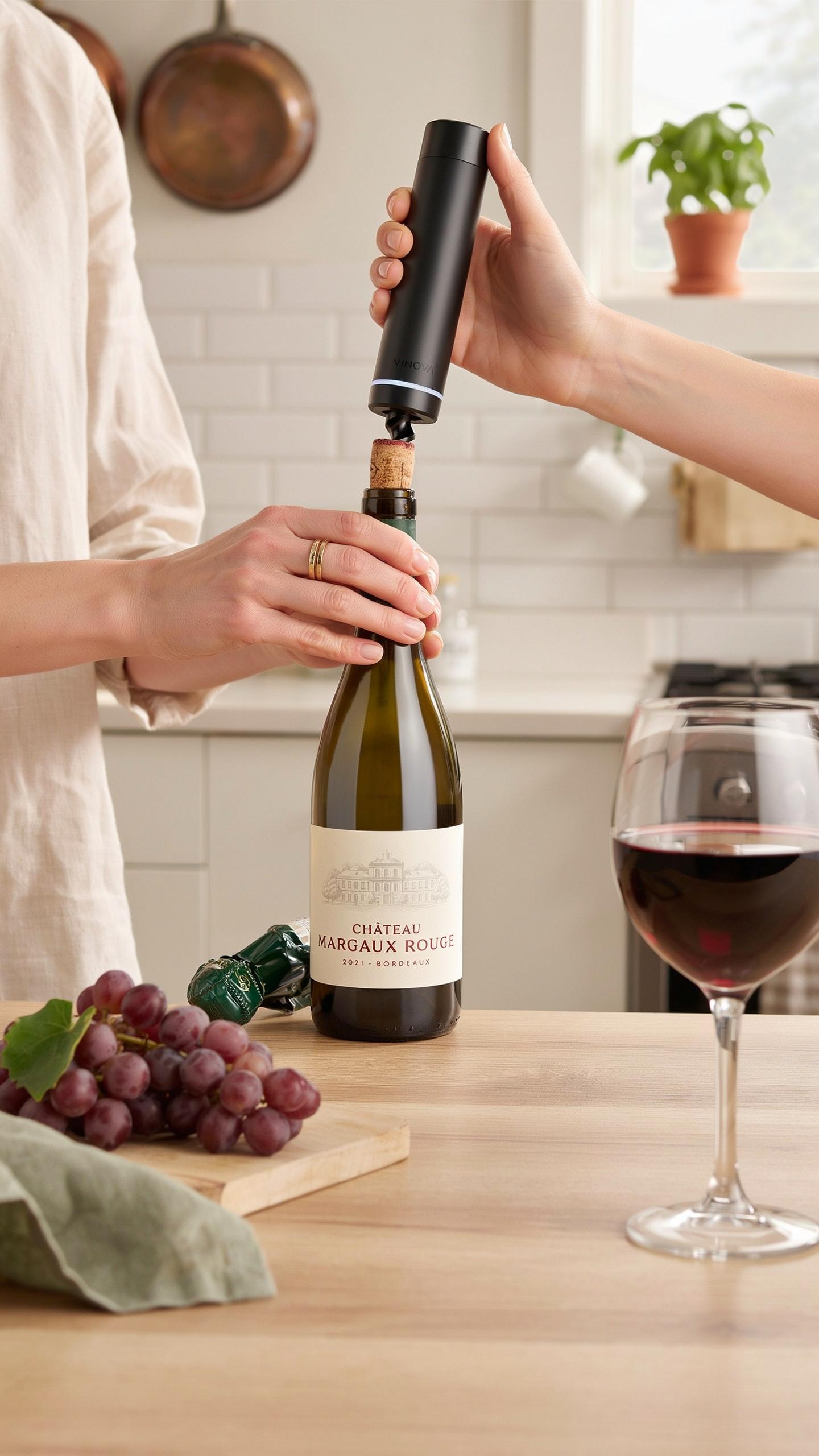
Electric wine preserver gadgets combine the opener and preservation functions into single units that eliminate multiple steps. You charge the device once, then operate it with one button press to remove the cork and activate preservation. The charging mechanism typically uses USB or rechargeable batteries that last 20 to 50 uses per charge. Most models weigh under one pound and fit standard wine bottle openings without adapters. This design consolidates tools that wine drinkers would otherwise purchase separately.
The preservation component activates automatically after opening or manually on already opened bottles. You position the stopper on the bottle neck and press the activation button. The device releases inert gas or creates a seal that stops oxidation. Setup takes seconds. No calibration or complex settings exist. Manufacturers engineered these gadgets for immediate use without reading instructions or troubleshooting problems.
Maintenance And Care For Your Electric Wine Preserver
Clean the cork removal mechanism after every use by wiping the metal spiral with a damp cloth. Dry it immediately to prevent corrosion. Check the battery level monthly and charge when the indicator shows low power. Store the device upright in a cool, dry location away from direct sunlight. Never submerge the motor housing or charging port in water.

Replace the rubber seal or stopper annually if it cracks or loses elasticity. Most manufacturers sell replacement parts for 5 to 15 dollars. Inspect the charging cable for damage before each use. If the device fails to charge or opens bottles weakly, contact the manufacturer’s support team. Proper maintenance extends the device life to three to five years of regular use.
Factors To Consider When Buying An Electric Wine Preserver
Key Features And Specifications To Look For
Electric wine preservers use inert gas or vacuum systems to remove oxygen from open bottles. The core mechanism determines how well the device actually works. You need to understand what technology the gadget employs before making a purchase decision.
- Inert Gas Type: Most systems use argon or nitrogen gas. Argon is heavier than air and creates a protective barrier. Nitrogen offers similar protection with slightly different pressure dynamics. Check which gas the unit requires and factor replacement costs into your budget.
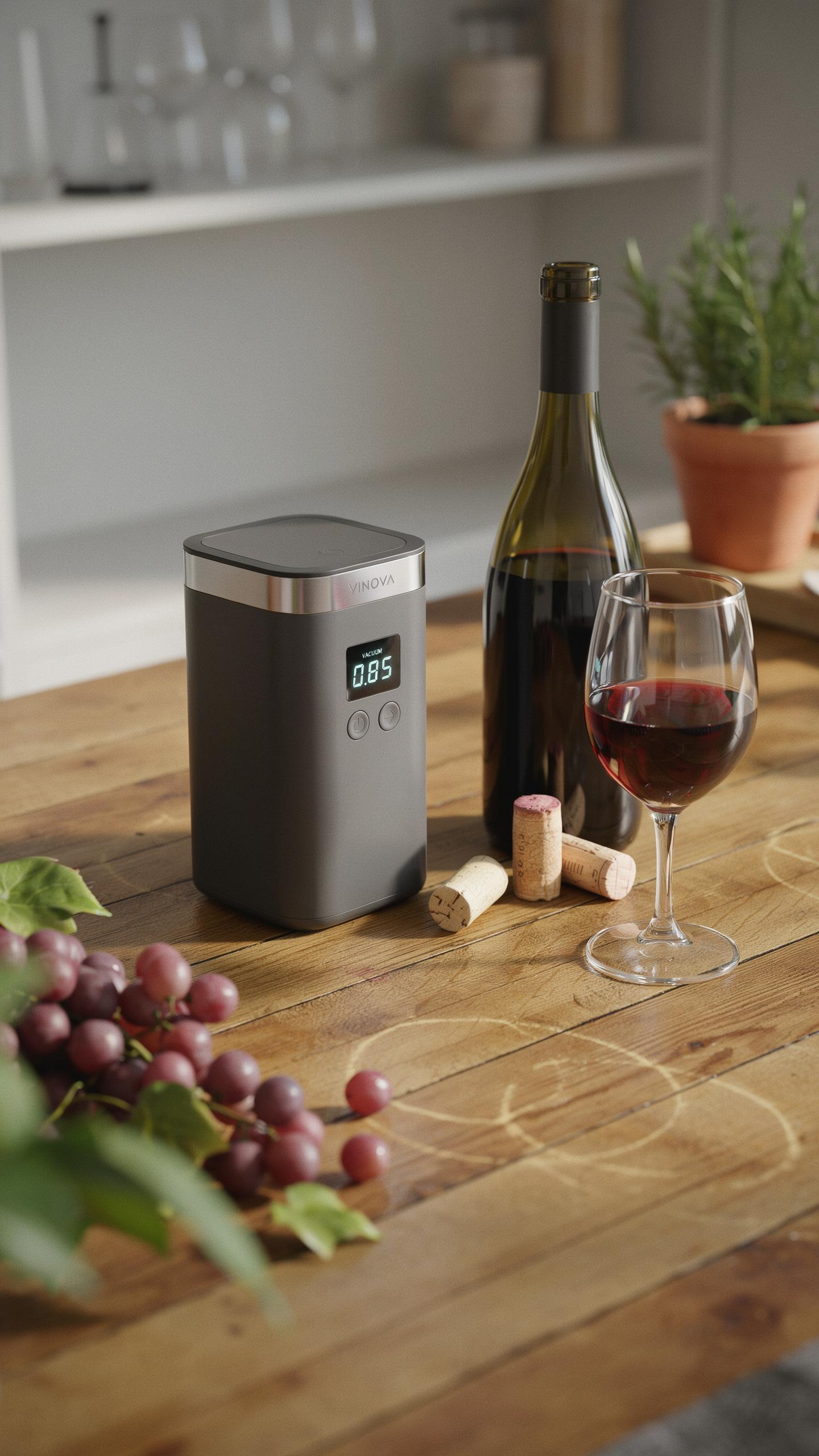
- Vacuum Sealing Power: Measured in millibars, stronger vacuum ratings remove more oxygen. Units rated between 80 to 95 millibars perform adequately for most home use. Higher ratings extend preservation time but cost more upfront.
- Bottle Compatibility: Some preservers work with standard wine bottles only. Others accommodate champagne, spirits, or irregularly shaped bottles. Verify the device fits your bottle types before buying.
- Power Source: Battery operated units offer portability but require regular charging. Plug in models deliver consistent power without maintenance. Consider where you’ll use the preserver most often.
- Indicator Display: LED screens or gauges show remaining gas or vacuum levels. Digital displays track how many preserves remain before refilling. Basic models lack this feedback and require guesswork.
Size and portability matter less than functionality. A bulky unit that works reliably beats a compact gadget that fails. Prioritize performance specifications over form factor when deciding between competing models.
Reading Reviews And Understanding Warranty Options
Customer reviews reveal real world failure rates that manufacturers won’t advertise. Look for reviews mentioning long term use beyond the first month. Short term reviews don’t expose mechanical failures or gas leakage issues that surface later.

Warranty coverage separates accountable manufacturers from those cutting corners. Most electric preservers offer one to two year warranties on defects. Some companies provide lifetime warranties on specific components like the sealing mechanism. Check if the warranty covers both parts and labor or parts only. A two year parts warranty costs you money if repairs require technician service. Read the fine print regarding what qualifies as manufacturer defect versus user damage.
Maximizing The Lifespan Of Your Opened Wine
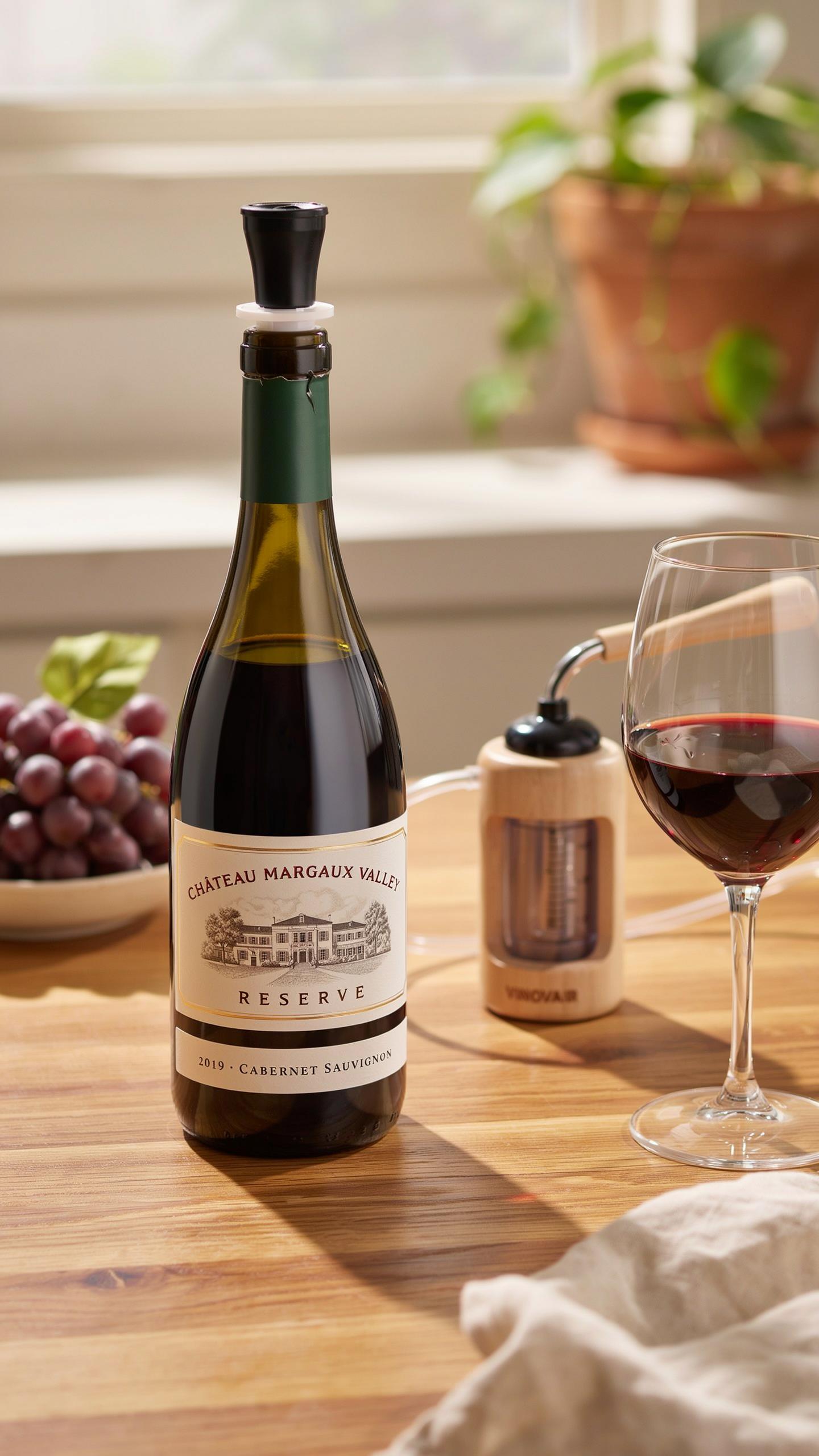
Best Practices For Storing Opened Wine With An Electric Preserver
Store your opened bottle upright in a cool location between 45 and 65 degrees Fahrenheit. Electric preservers work by replacing oxygen with inert gas, typically argon or nitrogen. Position the preservation system’s nozzle into the bottle’s opening and activate it according to the manufacturer’s instructions. Keep the bottle away from direct sunlight and heat sources, which degrade wine regardless of preservation method used.
After using the electric preserver, seal the bottle firmly and place it in a wine refrigerator or standard fridge if one isn’t available. Most electric preservers can extend opened wine life from three to five days up to two weeks, depending on wine type and storage conditions. Red wines typically last longer than whites after opening. Check the bottle periodically for signs of oxidation, including browning or vinegar smell, which indicates the preservation system has failed.
Beyond Preservation Other Tips For Enjoying Wine At Its Peak
Consume opened wine in the order you opened it rather than jumping between bottles. Wine oxidizes progressively once exposed to air, so drinking within the optimal window matters more than waiting for the perfect moment. Finish lighter wines and whites before full bodied reds, as they deteriorate faster. Transfer wine to a smaller container if you’ve consumed half the bottle, reducing air exposure and slowing oxidation.

Serve wine at the correct temperature for its type to enhance flavor perception and mask any oxidation that has occurred. Temperature control during storage outweighs most other preservation factors. Keep records of when you opened each bottle so you can track consumption windows and adjust your drinking schedule accordingly. Avoid repeatedly opening and closing the same bottle, as each exposure to air compounds oxidation damage over time.
Frequently Asked Questions

What exactly is an electric wine preserver and why would I need one?
An electric wine preserver gadget is a device designed to extend the life of an open bottle of wine. It works by removing oxygen from the bottle, which prevents oxidation – the main culprit behind wine spoiling. If you frequently open bottles but don’t finish them in one sitting, this gadget is perfect for maintaining flavor and freshness.
How do I properly use an electric wine preserver to maximize my wine’s freshness?
To effectively use your electric wine preserver, simply insert the stopper into the opened bottle. Then, place the preserver over the stopper and activate it. The device will automatically create a vacuum, signaling when the process is complete. Always ensure a tight seal and store the bottle upright in a cool, dark place for optimal results.
Are electric wine preservers affordable, or are they a luxury item?
The good news is that electric wine preservers are increasingly accessible across various price points. While some high-end models offer advanced features, you can find many effective and affordable options. Considering how much wine they can save from spoiling, an electric wine preserver gadget is often a cost-effective investment for wine lovers of all budgets.