
What Is A Vacuum Sealer And How Does It Work
Understanding The Basics Of Food Spoilage
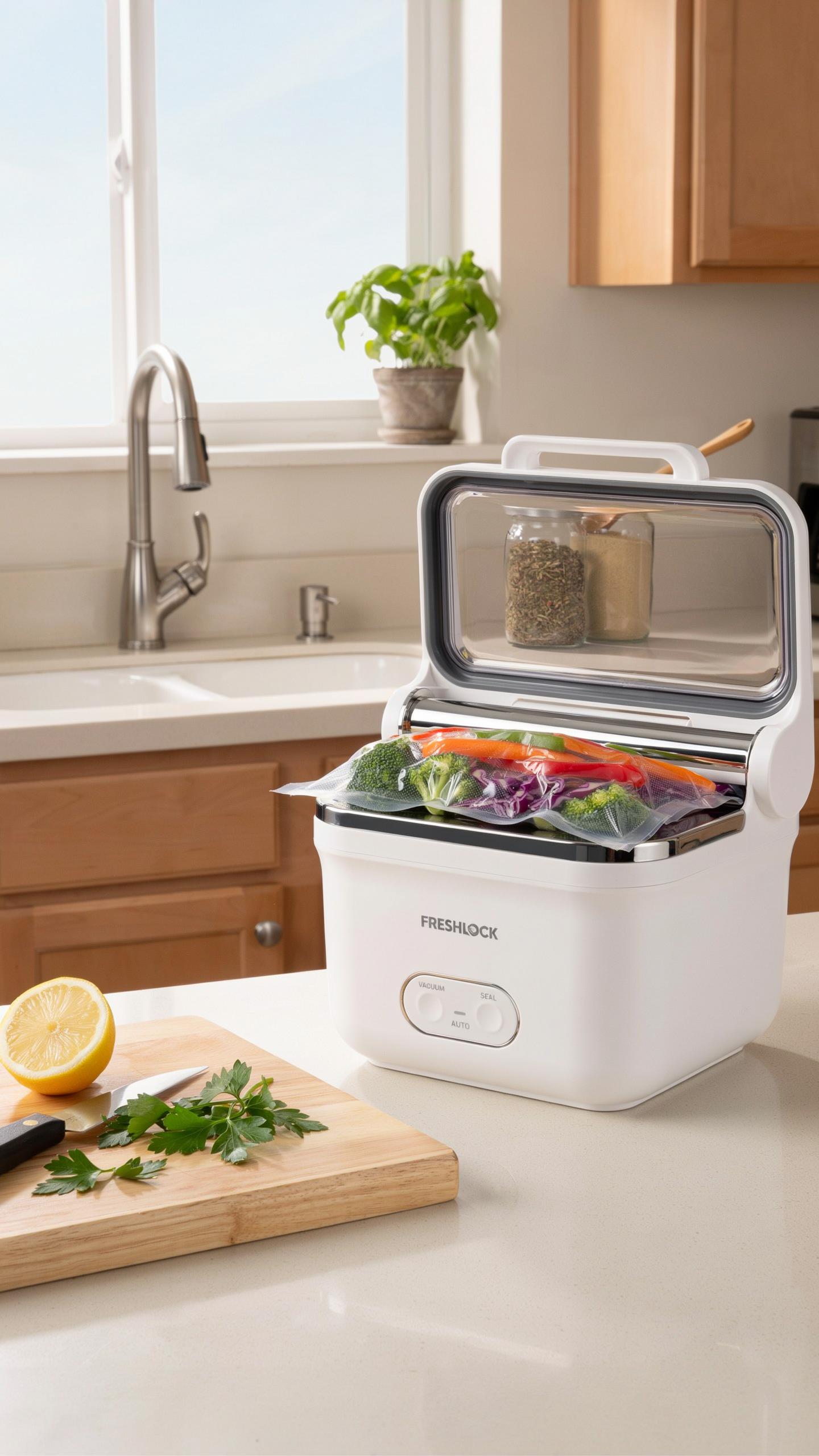
Food spoils when bacteria, mold, and yeast multiply on the surface and inside the food. These microorganisms need oxygen to thrive and reproduce. Removing air from the storage environment slows microbial growth dramatically. This is why vacuum sealing works. It creates an oxygen-free zone that halts the decay process before it accelerates.
Enzymatic reactions also cause food to degrade. Enzymes break down fats, proteins, and carbohydrates over time, creating off-flavors and texture changes. Removing oxygen slows these chemical reactions. Freezing vacuum-sealed food compounds this benefit by stopping enzymatic activity almost completely. This combination extends shelf life far beyond standard storage methods.
The Mechanics Of A Vacuum Sealer
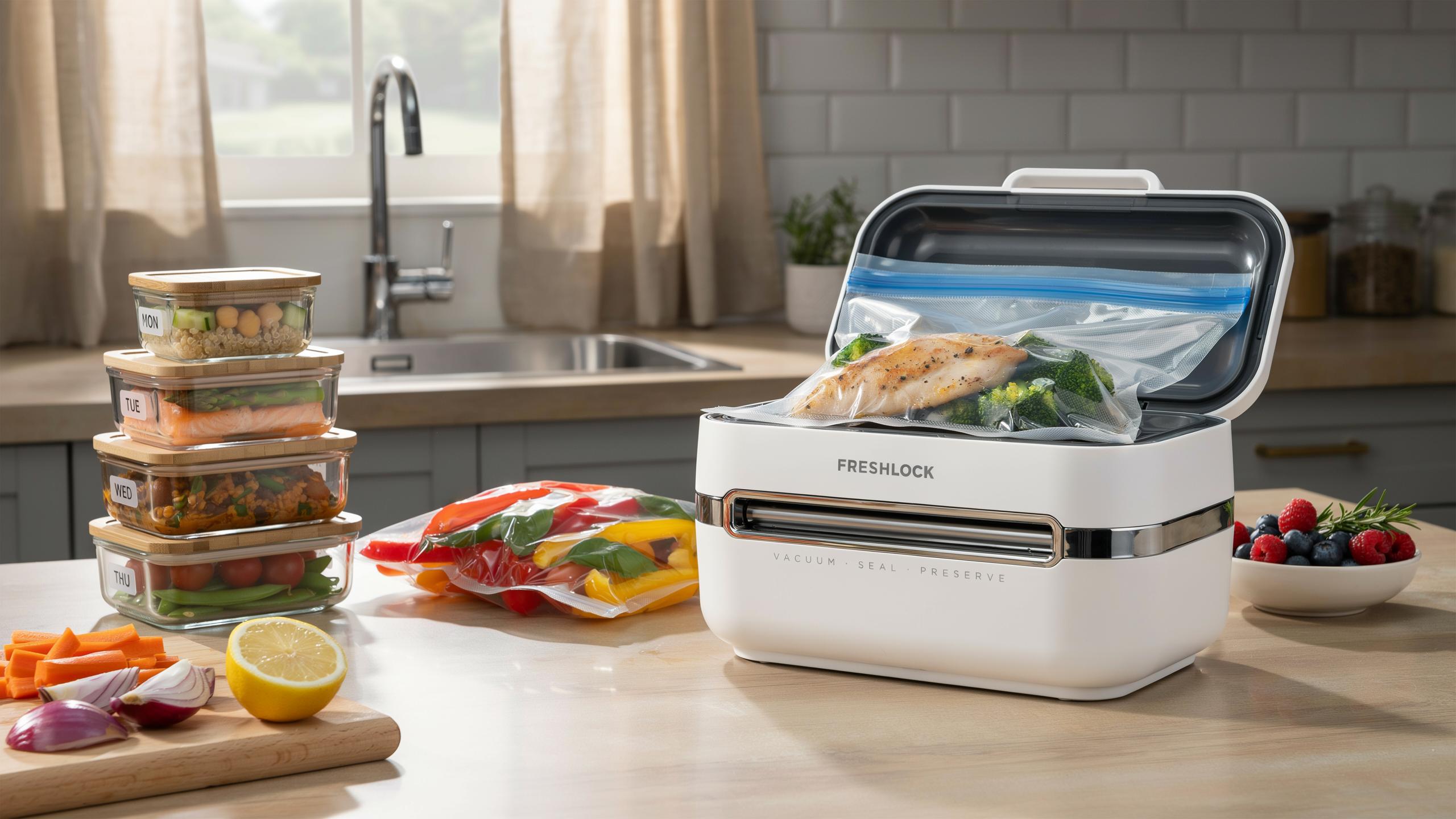
A vacuum sealer operates in three stages: extraction, sealing, and cooling. First, the machine pulls air out of the bag through a channel in the sealing strip. Once the air reaches a preset low pressure level, the sealer heats the strip to melt the plastic layers together. Finally, cooling solidifies the seal before the cycle completes.
Two main types dominate the market: external sealers and channel sealers. External sealers pull air from a bag placed against an external opening. Channel sealers use bags with built-in channels that guide air directly into the machine. Channel sealers work faster and cost more. External sealers offer flexibility but require compatible vacuum bags. Both methods achieve the same result: an airtight barrier that stops oxygen infiltration.

Why Every Kitchen Needs A Vacuum Sealer For Meal Prep
Extending Food Freshness And Shelf Life
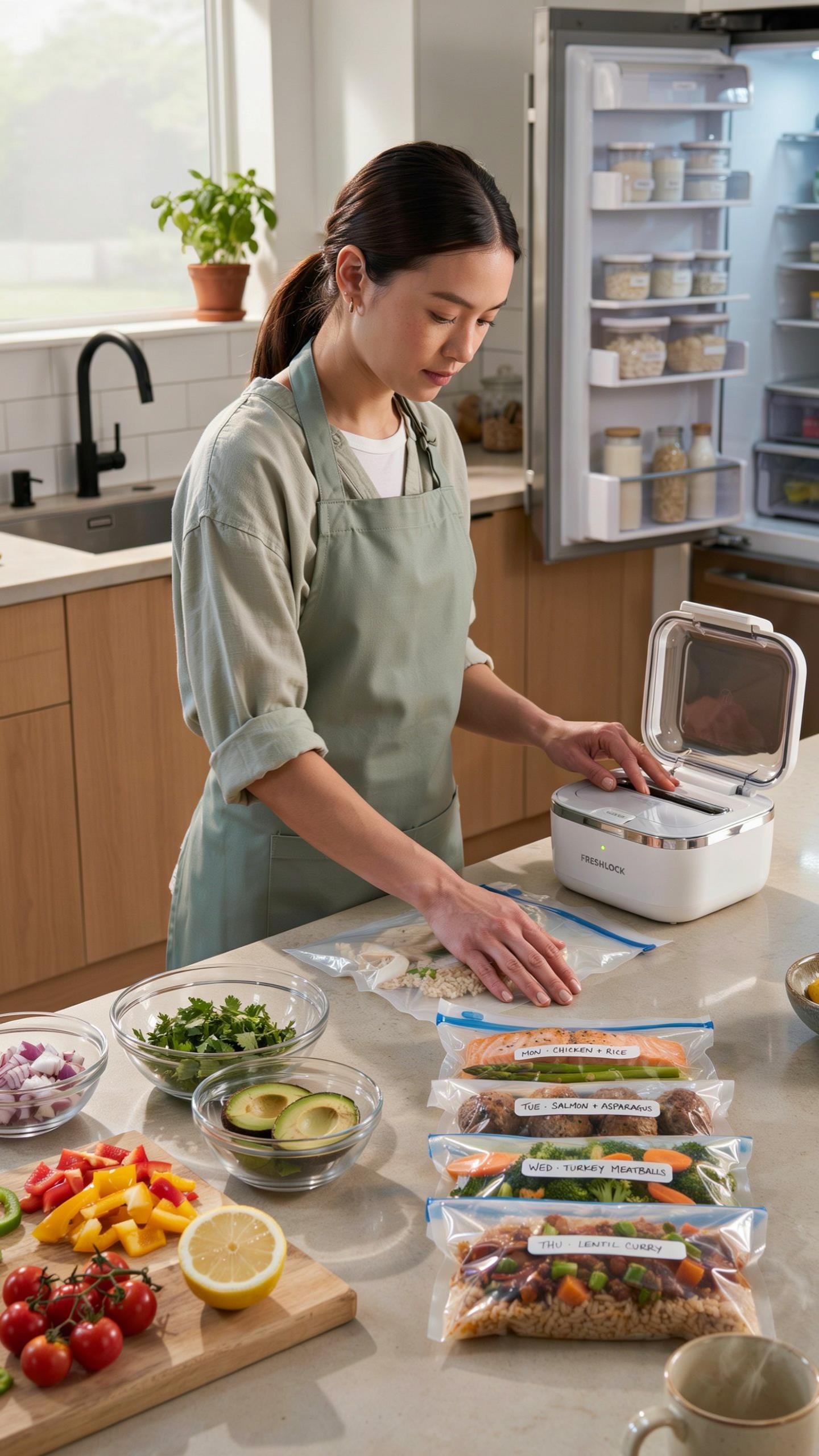
Vacuum sealing removes oxygen from storage containers. Oxygen accelerates spoilage by promoting bacterial growth and oxidation. Without oxygen, food lasts significantly longer. Raw meat stays fresh for weeks instead of days. Cooked meals remain safe for months in the freezer instead of weeks. Vegetables retain texture and nutrients longer without freezer burn. This extended shelf life applies across all food types, making vacuum sealing a practical tool for any kitchen.
The mechanism is straightforward. The machine pulls air out and seals the bag shut. This creates an anaerobic environment where microorganisms cannot thrive. Vacuum-sealed items show measurable preservation benefits compared to standard storage methods. A vacuum sealer transforms your refrigerator and freezer into efficient storage systems. You gain control over when food spoils rather than racing against the clock.
Combatting Food Waste And Saving Money
Food waste directly impacts your grocery budget. Americans throw away significant amounts of food annually due to spoilage. Vacuum sealing prevents this waste by keeping food viable longer. You buy what you need and consume it on your timeline. Bulk purchases become practical because you can store items safely for extended periods. This shifts your purchasing strategy from buying small quantities frequently to strategic bulk buying at lower unit costs.

The math is simple. Less waste equals lower grocery expenses. Vacuum sealing lets you take advantage of sales without fear of spoilage. You preserve expensive proteins, produce, and prepared meals. Over months, the savings accumulate substantially. A vacuum sealer pays for itself through reduced food waste and decreased need for replacement purchases. This efficiency compounds when you meal prep consistently.
Choosing The Best Vacuum Sealer Key Features To Consider
Types Of Vacuum Sealers: External Vs. Chamber
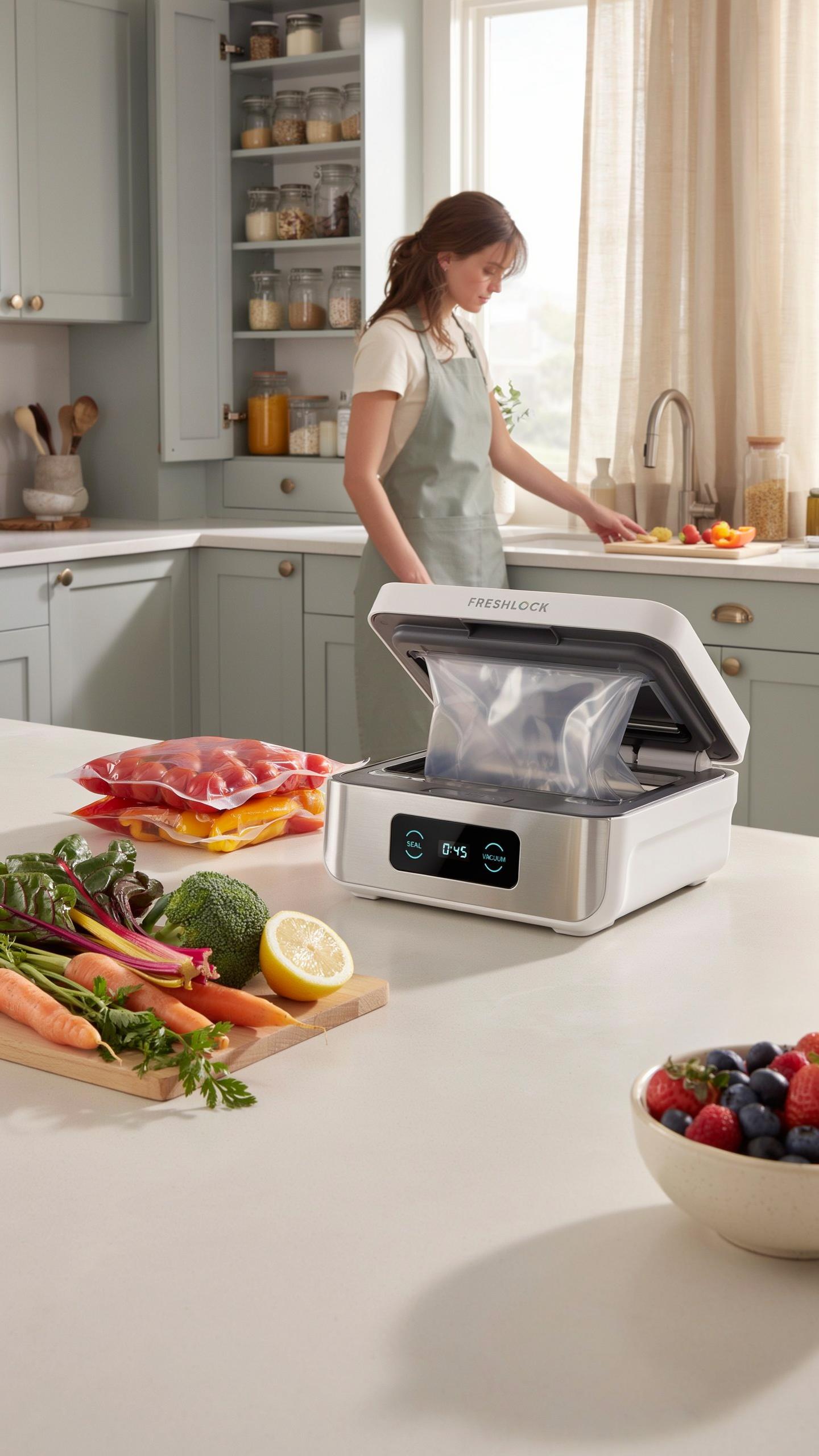
External vacuum sealers dominate home kitchens because they cost less and take up minimal counter space. The machine pulls air from a bag, then seals it shut. This design works well for dry foods, cooked proteins, and vegetables. External sealers struggle with liquids because moisture gets sucked into the machine, which damages the sealing mechanism over time.
Chamber vacuum sealers work differently. The entire bag sits inside a sealed chamber. When you close the lid, the chamber removes air around the bag, then seals it. This method handles liquids, marinades, and soups without harming the machine. Chamber models cost significantly more and require more storage space. For high volume meal prep with wet foods, they deliver better results and longer machine life.
Important Features: Suction Power, Seal Bar, And Modes
Suction power determines how effectively the machine removes air. Higher suction measured in kilopascals (kPa) pulls air faster and creates tighter seals. Most home external sealers range from 60 to 86 kPa. Stronger suction matters most when sealing thick-walled bags or foods that release moisture during storage. Check manufacturer specifications rather than vague marketing claims about power.

Seal bar width and heat settings directly impact seal strength and durability. Wider seal bars create longer, stronger seals that resist punctures and leaks. Adjustable heat and suction modes let you customize settings for different foods. Moist mode reduces suction to prevent liquid extraction. Delicate mode uses lower heat for soft items like bread or fresh fish. Matching the right mode to your food type prevents bag damage and extends storage life.
The Essential Role Of Vacuum Sealer Bags And Rolls
Understanding Different Types Of Bags And Their Uses
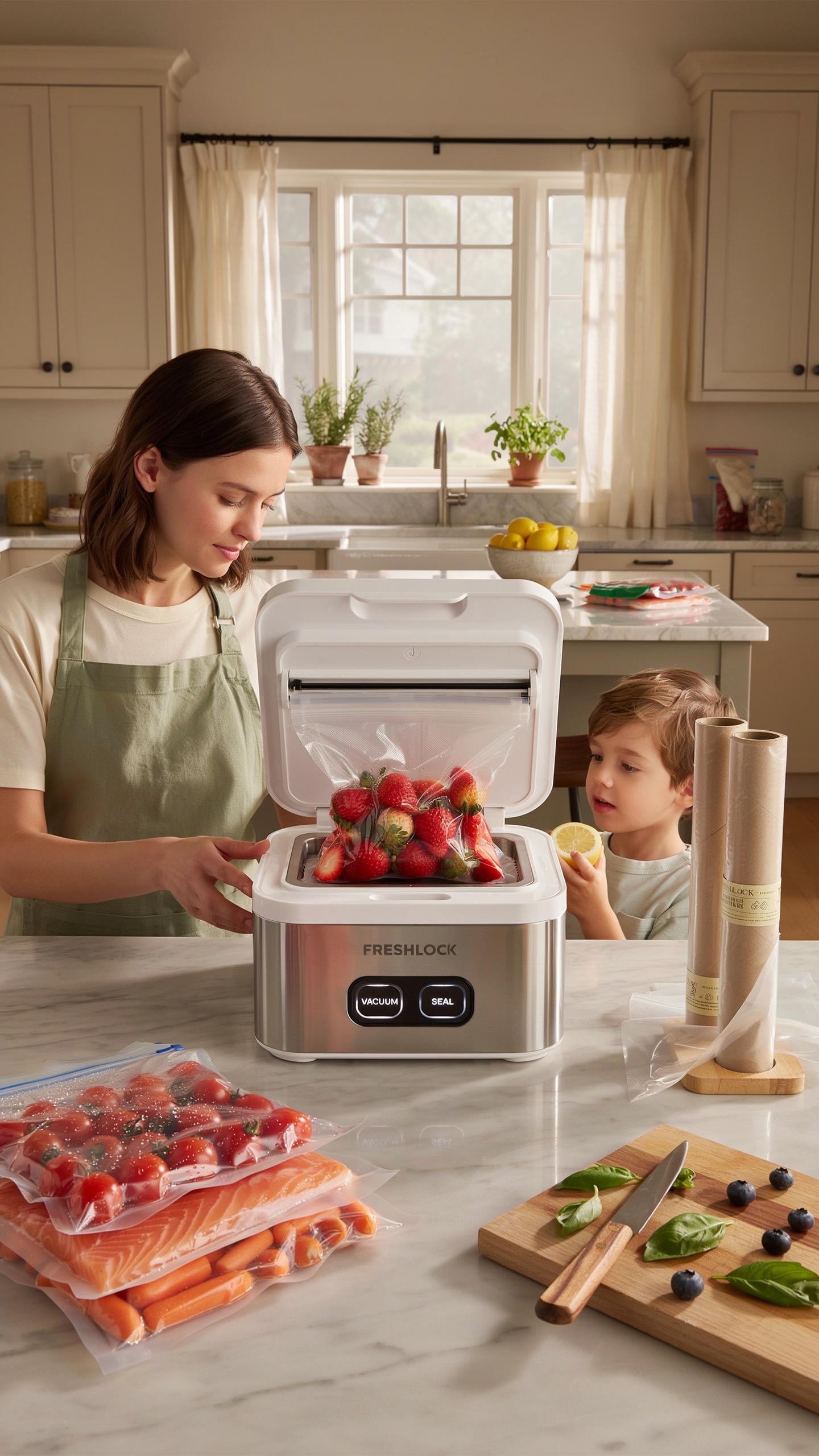
Vacuum sealer bags come in three primary formats: pre-cut bags, rolls, and specialized designs for specific foods. Pre-cut bags offer convenience and speed for meal prep. They come in standard sizes like quart and gallon, eliminating the need to measure and cut. Rolls provide flexibility and cost efficiency since you cut them to your exact dimensions and waste less material.
Rolls work best for batch prepping when you seal multiple portions. You control the bag size, which reduces excess plastic and storage space. Specialized bags address specific challenges. Gusseted bags accommodate thicker items like marinated meats. Textured bags grip delicate foods like fish without crushing them. Channel bags feature ridged patterns that guide the seal and prevent punctures from sharp bones or edges.
Selecting BPA Free And Food Safe Materials
Bag material composition directly impacts food safety and storage longevity. Quality vacuum sealer bags use multi-layer construction: an outer polyethylene layer for durability and an inner polypropylene layer for food contact. This design prevents leaching and contamination. Confirm that bags carry BPA-free certification and meet FDA food contact standards before purchase.
Temperature compatibility matters for your storage method. Some bags withstand freezer temperatures to negative 40 degrees Fahrenheit without brittleness. Others tolerate boiling water or microwave reheating. Check the manufacturer specifications for your intended use. Bags designed for sous vide cooking require thicker construction and higher heat ratings. Always verify the bag meets food safety standards in your region before committing to a brand for regular meal prep use.
Mastering Meal Prep With Your Vacuum Sealer
Batch Cooking And Portion Control Made Easy
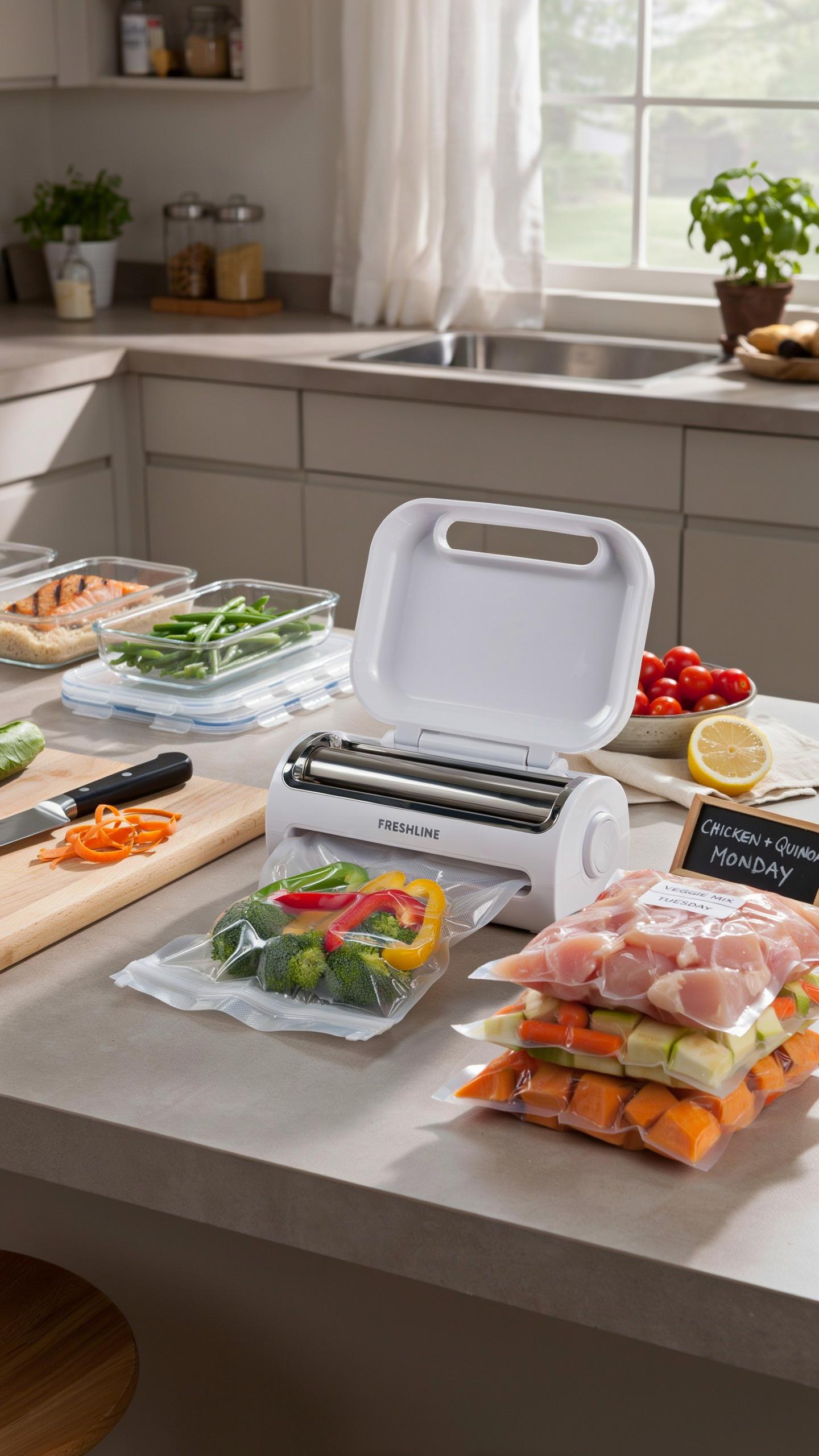
Vacuum sealing cuts your meal prep time by eliminating air exposure that degrades food quality. You cook large batches, divide them into exact portions, and seal each one individually. This removes guesswork from calorie tracking and nutrition goals. Uniform portions also cook faster during reheating since they thaw and warm evenly. You gain consistency across every meal.
The sealed portions stack efficiently in your freezer, creating more usable space than traditional containers. You see exactly what you have stored without opening packages. Labels stick better to vacuum-sealed bags than loose containers. Grab what you need without thawing everything else. Your prep work translates directly into time saved during busy weekdays.
Safe Storage Practices For Refrigerated And Frozen Foods
Vacuum sealing removes oxygen that bacteria need to multiply, extending refrigerator life from three to five days to two to three weeks for most foods. Temperature control matters more than the seal itself. Keep your refrigerator at 40 degrees Fahrenheit or below. Sealed raw proteins need more caution than cooked foods since bacteria populations differ. Never stack heavy items on sealed bags to prevent punctures that compromise the seal.

Freezer burn occurs when moisture leaves food and ice crystals form on the surface. Vacuum sealing prevents this by blocking air circulation around your food. Set your freezer to zero degrees Fahrenheit or below for maximum storage duration. Most vacuum-sealed cooked foods last three to six months frozen. Thaw sealed bags in your refrigerator overnight rather than at room temperature to maintain food safety standards.
Beyond Meal Prep Other Creative Uses For Your Food Saver
Sous Vide Cooking: Elevating Your Culinary Skills
Vacuum sealing is mandatory for sous vide cooking. The method requires airtight bags to prevent water from entering food while it cooks in precisely controlled water temperatures. Without a proper seal, water infiltrates the bag and ruins the dish. A vacuum sealer removes air completely, ensuring the bag stays submerged and heat distributes evenly across the protein or vegetable.
Sous vide produces consistent results because vacuum-sealed food cooks uniformly from edge to center. The technique locks in moisture and flavor compounds that traditional cooking methods lose. High-end restaurants adopted sous vide decades ago for this reason. Your vacuum sealer transforms home cooking into restaurant-quality output by enabling this advanced technique with basic equipment.
Protecting Non Food Items From Moisture And Oxidation
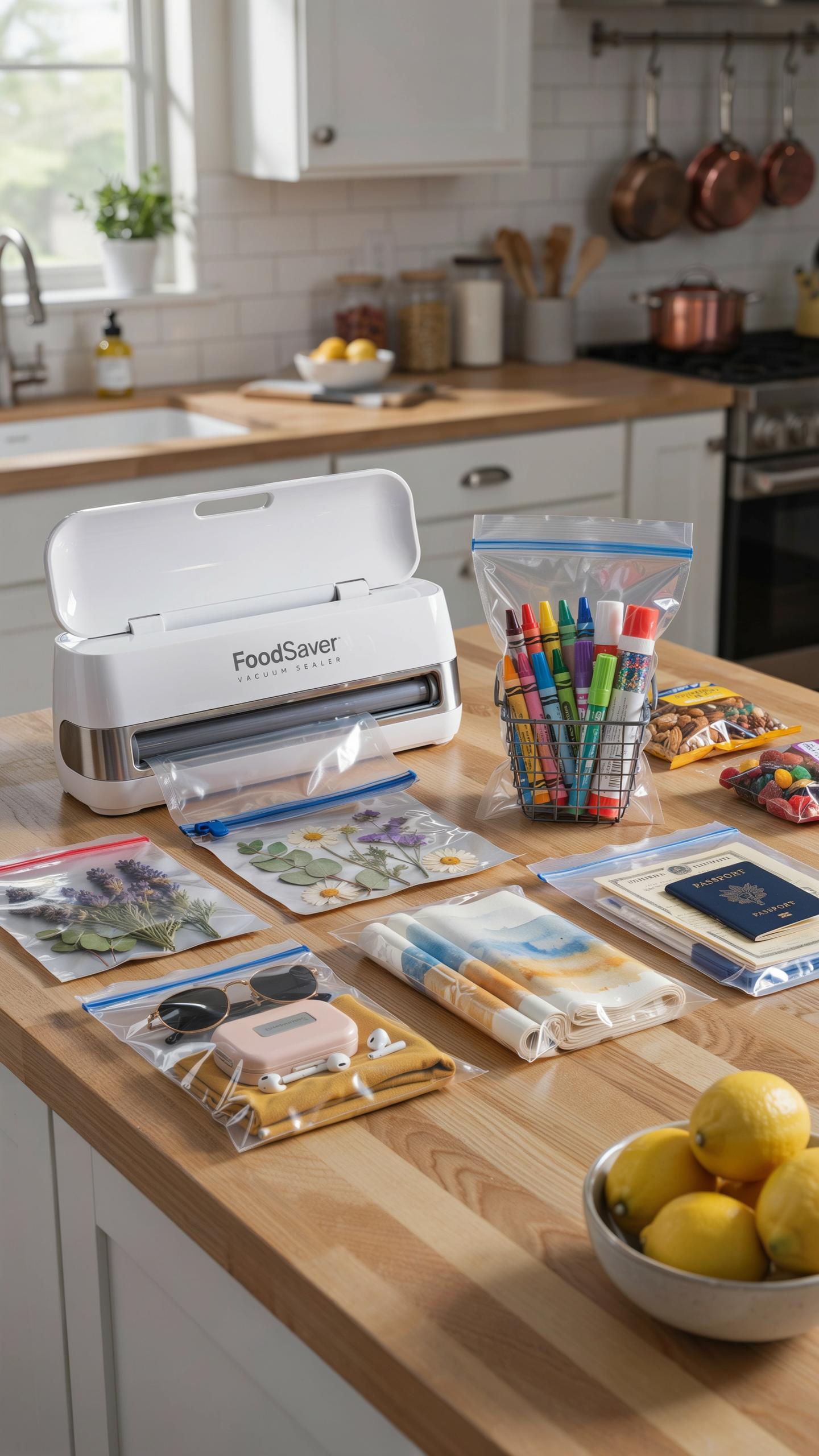
Vacuum sealers work on any item that needs protection from air and moisture. Electronics, important documents, jewelry, and photographs all benefit from airtight storage. Humidity and oxygen cause rust, mold, and deterioration. Sealing these items in bags stops both elements from reaching contents, extending storage life significantly.

Camping and outdoor gear stays dry and compact when vacuum sealed. Ammunition, leather goods, and metal tools resist corrosion in sealed bags. Preppers use vacuum sealers to protect survival supplies and medications from degradation. The application extends far beyond food because the core principle remains unchanged: removing air preserves whatever sits inside the bag.
Preventing Freezer Burn And Maximizing Freezer Storage
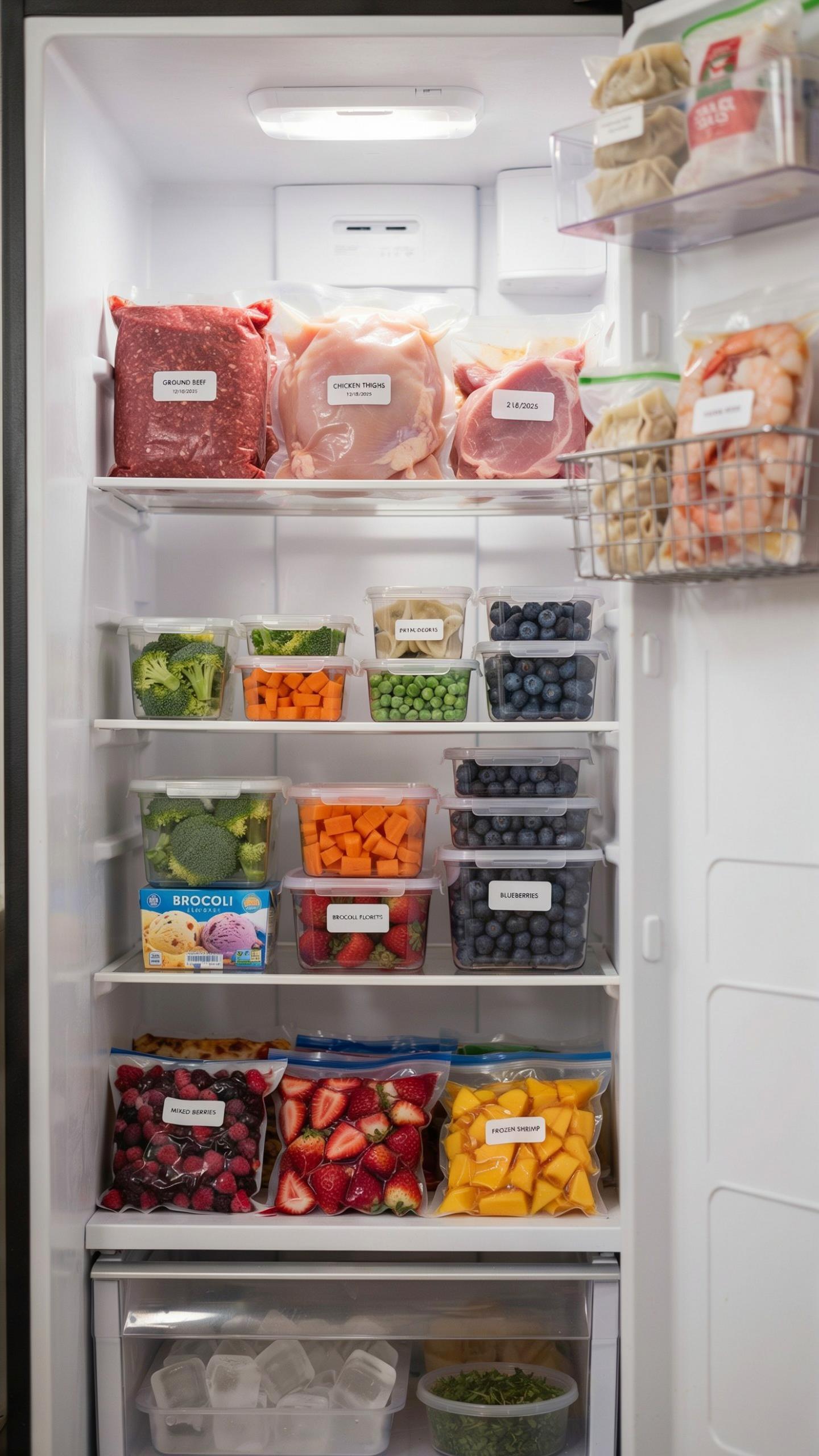
The Science Behind Freezer Burn And Its Impact
Freezer burn occurs when water molecules in food migrate to the surface and evaporate into the freezer environment. This happens because air exposes frozen food to temperature fluctuations and low humidity levels inside your freezer. The result is dehydration that creates ice crystals, discoloration, and texture breakdown in your meals.
Freezer burn degrades taste and nutritional value. Meat becomes tough and stringy. Vegetables lose crispness and develop off-flavors. Fruits turn mushy when thawed. While freezer burned food remains safe to eat, meal prep becomes pointless when your prepped meals taste worse than fresh alternatives. You waste time and ingredients on food that fails to deliver quality.
Preserving flavors is a gift to our future selves, a gentle reminder of cherished meals and simpler times.
Vacuum Sealing As The Ultimate Defense Against Spoilage
Vacuum sealing removes air before freezing, eliminating the primary condition that causes freezer burn. By extracting oxygen and sealing food in an airtight barrier, you prevent moisture migration to the freezer environment. This protection extends freezer storage life from months to years for most prepared meals.
The airtight seal also blocks freezer odors from penetrating your food and prevents cross contamination between items. Vacuum sealed meals maintain their original texture, flavor, and nutritional content through extended storage periods. This direct relationship between air removal and preservation quality makes vacuum sealing the most effective freezer storage method available for meal prep.
Maintenance And Troubleshooting Your Vacuum Sealer
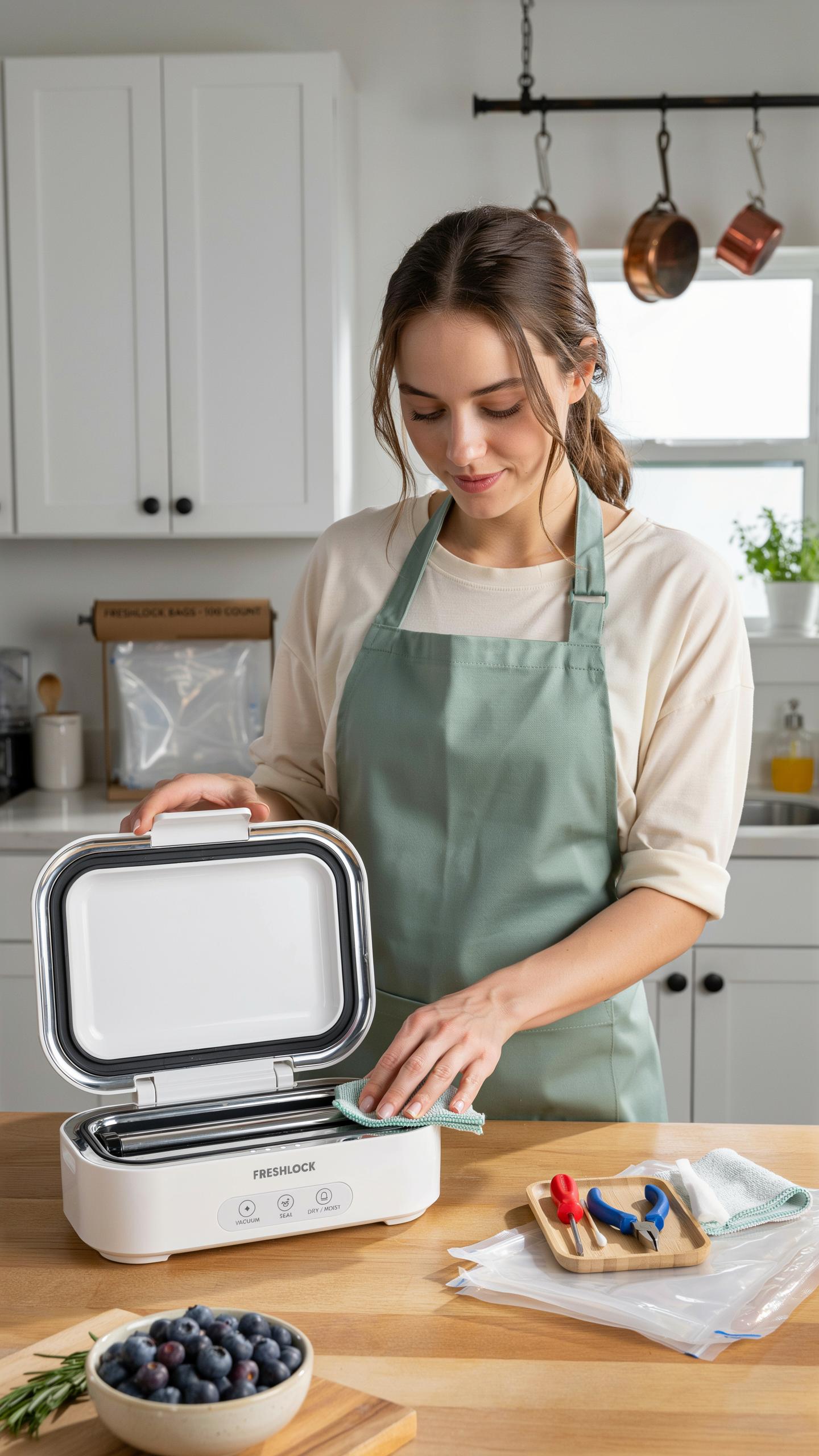
Practical Tips For Cleaning And Care
Clean the sealing strip after every use. Food particles and moisture accumulate in the heating element and degrade seal quality over time. Wipe the strip with a damp cloth while the machine is unplugged and cool. For stubborn residue, use a soft brush or old toothbrush to gently scrub along the sealing channel. Never submerge the vacuum sealer in water unless the manufacturer explicitly states it is waterproof.
Check the gasket and vacuum channel weekly during heavy meal prep periods. These areas trap moisture and food debris that weaken suction. Remove any visible particles by hand or with tweezers. Dry the channel thoroughly before closing the lid. Replace the gasket every 12 to 18 months depending on usage frequency, as worn gaskets allow air to escape and reduce vacuum strength significantly.
Common Issues And Simple Solutions
Weak or incomplete seals happen when the sealing strip temperature drops or the heating element needs cleaning. The strip loses heat efficiency with each use due to mineral buildup and dried food. Test the seal by running your finger along it after cooling completely. If it feels loose or uneven, clean the heating element immediately. Check that bags sit flat against the strip and that you are not overloading the vacuum chamber with too many bags.

Suction failure or the machine refusing to vacuum indicates a blocked air vent or broken gasket. Inspect the air vent opening for debris and clear it completely. Apply gentle pressure to the gasket with your finger to check for cracks or hardening. If the gasket is damaged, replace it before attempting another seal. If suction still fails after cleaning and gasket replacement, the vacuum pump may be failing and repair or replacement is necessary.
The Environmental And Economic Benefits Of Reducing Food Waste
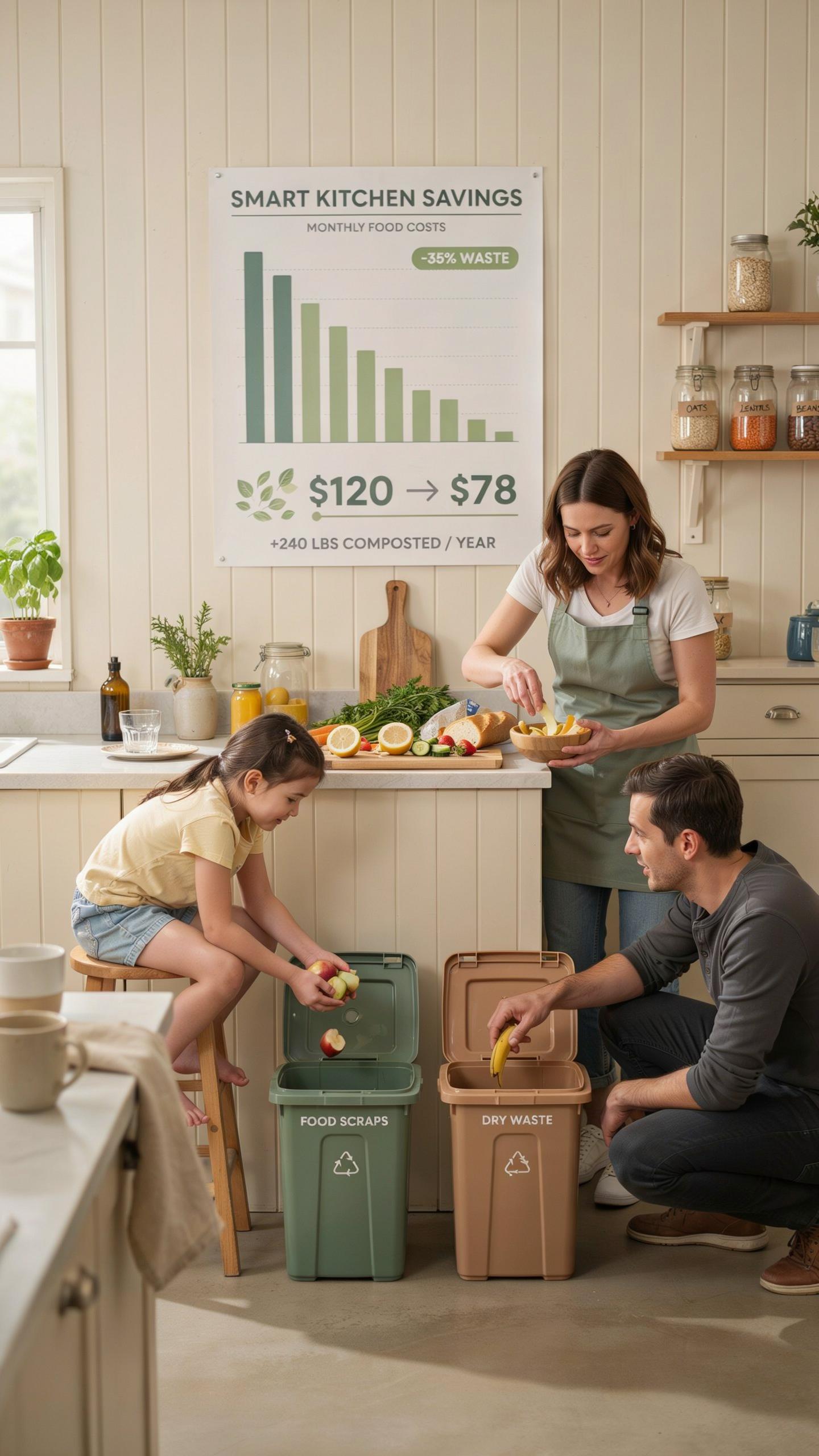
The Global Impact Of Food Waste And Sustainability
Food waste represents a significant environmental problem. The UN estimates that roughly one third of food produced globally goes to waste. This waste occurs across supply chains and in homes. When food decays in landfills, it produces methane, a greenhouse gas more potent than carbon dioxide. Vacuum sealing directly cuts household food waste by extending shelf life and preventing spoilage before consumption.
Using a vacuum sealer reduces the resources wasted on discarded food. Growing, transporting, and processing wasted food consumes water, fuel, and labor for no benefit. When you vacuum seal meals, you preserve that investment and lower your household’s environmental footprint. Meal prep with vacuum sealing aligns individual action with broader sustainability goals.
Long Term Savings And A More Efficient Kitchen
Vacuum sealing reduces your grocery budget by preventing spoilage. Food that stays fresh longer gets consumed instead of thrown away. Most households waste significant money monthly on uneaten perishables. A vacuum sealer pays for itself within months through reduced waste alone. This compounds over years as you buy less frequently and discard less often.
An organized kitchen runs on efficiency. Vacuum sealed portions stack neatly in freezers and refrigerators, creating visible inventory. You spend less time searching for ingredients and more time executing meal plans. Knowing exactly what you have stored prevents duplicate purchases and decision paralysis at meal time. This system saves both money and mental energy across your weekly routine.
Frequently Asked Questions

What exactly is a vacuum sealer and why should I consider one for my meal prep routine?
A vacuum sealer is a kitchen appliance that removes air from a bag or container and then seals it, creating an airtight environment. This significantly extends the shelf life of your food by preventing spoilage, freezer burn, and mold growth. It’s a game-changer for meal prep, helping you enjoy fresh ingredients longer and minimize waste.
How do I properly vacuum seal liquids or saucy foods without making a mess?
When using a vacuum sealer for meal prep with liquids or saucy items, it’s best to freeze them solid or semi-solid first. This prevents the liquid from being drawn into the machine. Alternatively, you can leave ample space at the top of the bag and seal slowly, or use the “moist” setting if your vacuum sealer has one.
Are there affordable vacuum sealer options available, or are they generally expensive?
Absolutely! There’s a wide range of vacuum sealer for meal prep options to fit various budgets. While high-end models offer advanced features, many reputable brands offer excellent, budget-friendly sealers that perform beautifully for everyday meal preparation and food preservation. It’s an accessible tool for anyone looking to reduce food waste.