
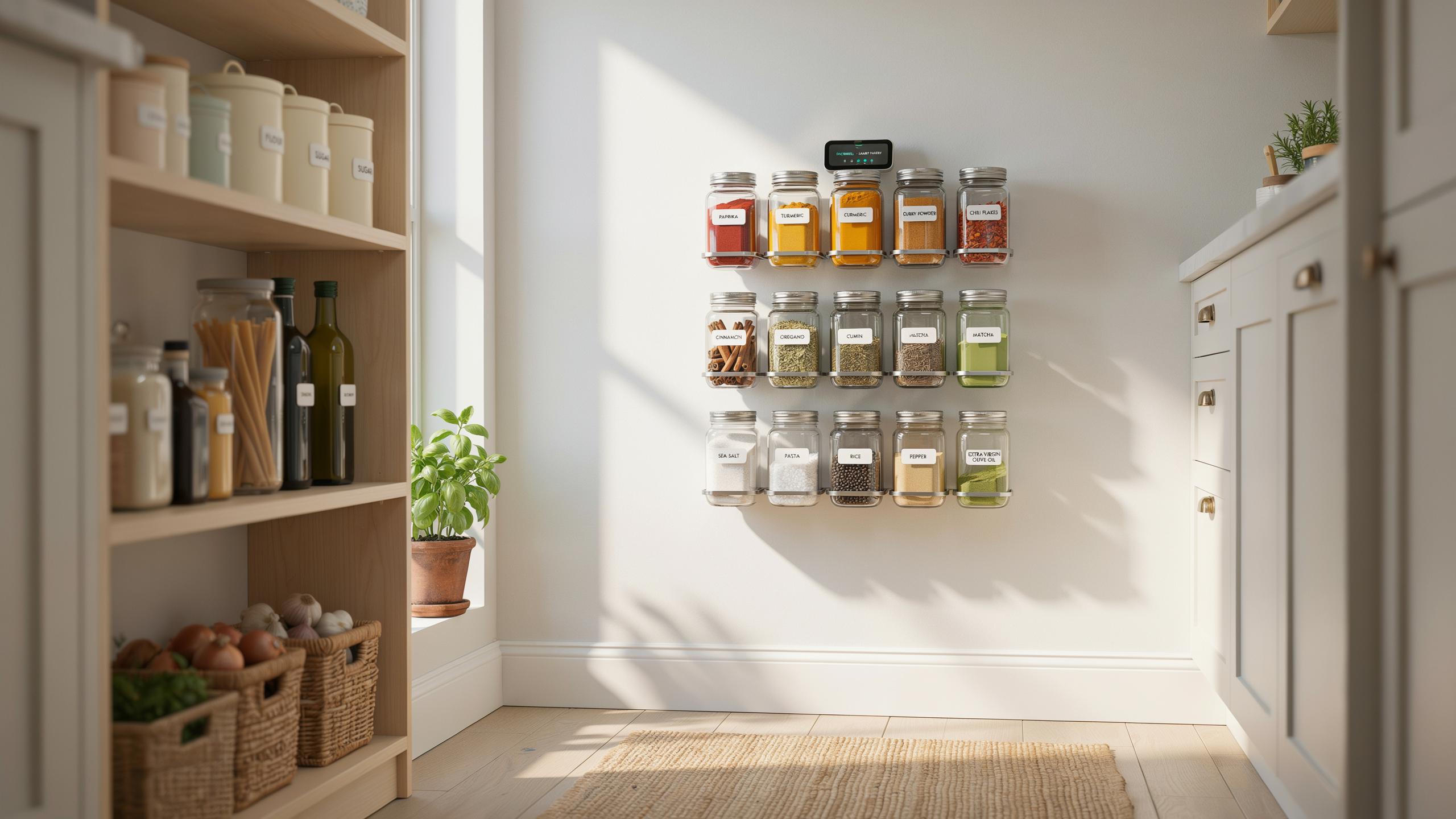
The Culinary Chaos Why Smart Spice Organization Matters
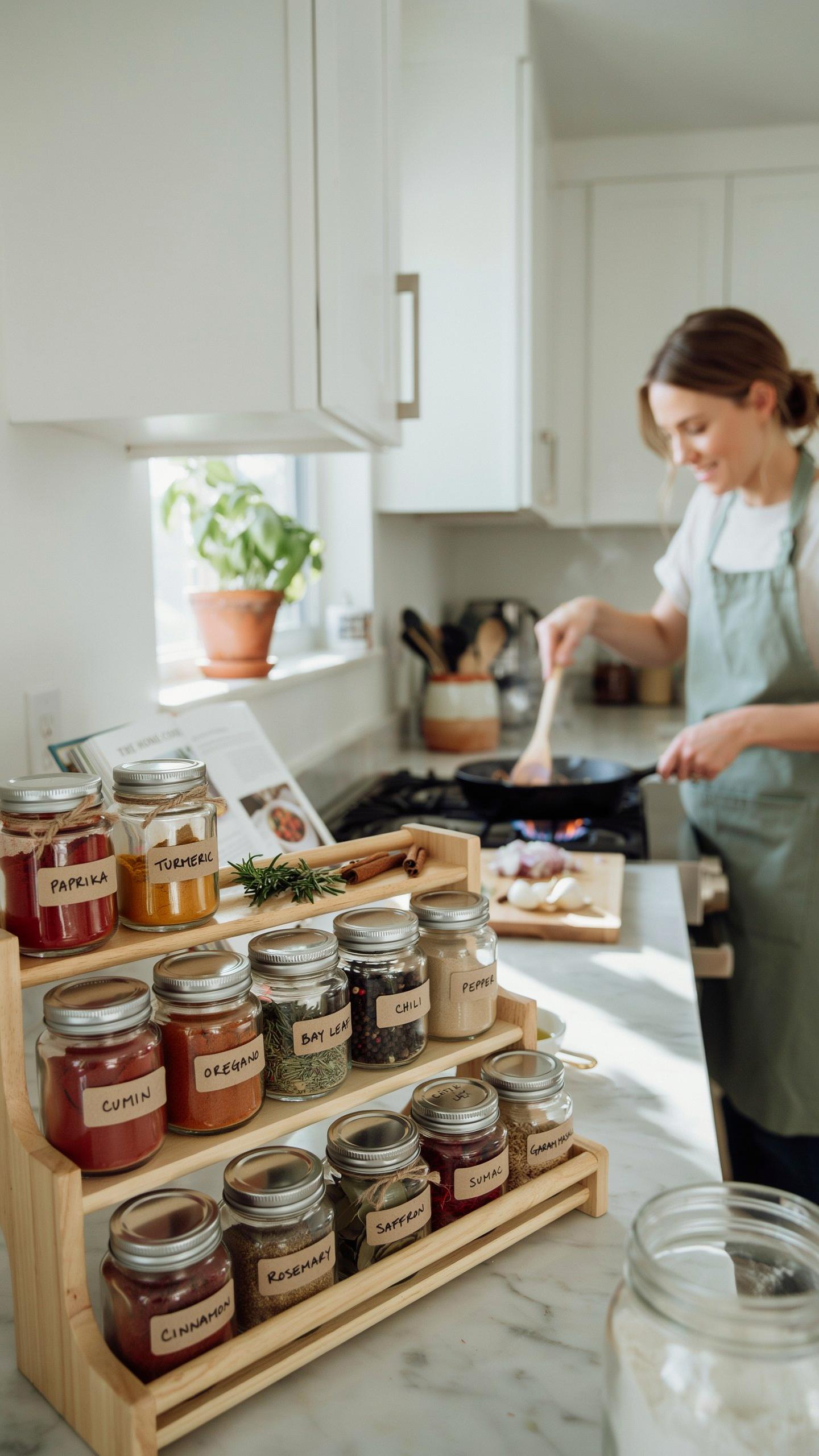
The Frustration Of Disorganized Spices
Most home cooks face real problems with scattered spice collections. You buy duplicates because you cannot find what you already own. Spices sit in dark cabinets for years, losing potency and flavor. You waste time searching through jars during meal prep. Expired spices end up in your food without your knowledge. This disorder directly impacts cooking quality and kitchen efficiency.
A disorganized spice rack forces you to stop mid-recipe and hunt for ingredients. Labels fade or disappear entirely, leaving mystery jars behind. You grab the wrong spice in poor lighting and damage a dish. Money gets wasted on replacements you did not need. The mental load of managing chaos takes energy away from actual cooking. Smart spice organization solves these problems with structure and visibility.
The Benefits Of An Organized Kitchen Pantry
A well organized spice collection cuts your cooking prep time significantly. You locate ingredients instantly instead of rummaging through cabinets. You see what you have at a glance, preventing duplicate purchases. Clear labels eliminate guesswork and prevent costly cooking mistakes. You store spices properly, which extends their shelf life and maintains flavor quality.
Smart organization reduces kitchen stress and makes cooking more enjoyable. You focus on technique and creativity instead of searching for supplies. Inventory management becomes automatic when everything has a visible place. Your workflow improves because ingredients are where you expect them. A functional pantry supports consistent cooking performance and better meal outcomes.

What Defines A Smart Spice Rack
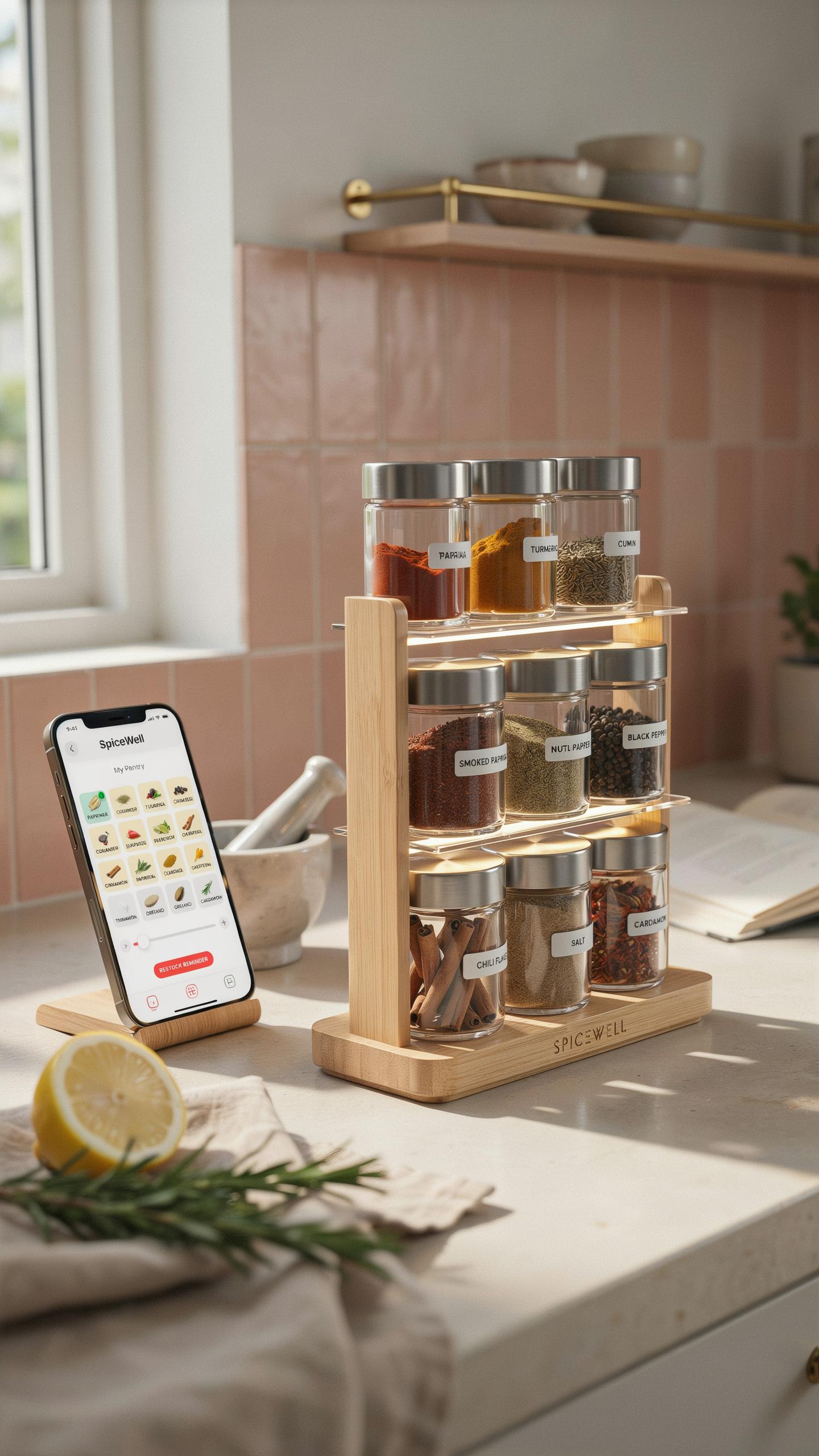
Beyond Basic Spice Storage: Features Of A Smart Rack
A smart spice rack moves past simple wooden shelves. It combines accessible design with functional materials that handle moisture and temperature shifts in kitchens. Smart racks prioritize visibility and retrieval speed. They use vertical or tiered layouts that let you see every container without moving others. Durability matters because spices generate heat and humidity during storage and cooking.
The materials used in smart racks directly impact their performance. Stainless steel resists corrosion from moisture. Wood requires treatment to prevent warping. Plastic options offer lightweight storage but degrade faster than metal. The construction method determines stability and weight capacity. Smart racks also account for spice container sizes, typically accommodating standard jars while maintaining organized alignment and accessibility throughout the system.
The Role Of Labels In Smart Spice Organizers
Labels function as the operational backbone of a spice rack system. Without clear identification, you waste time searching for specific spices and risk using wrong ingredients during cooking. Labels must display legible text from standard reading distance, typically two to three feet. They prevent cross contamination between similar looking spices like cumin and coriander. Handwritten labels fade and smudge. Printed labels on durable materials maintain clarity over months of kitchen use and temperature fluctuations.

Smart label systems use consistent fonts and placement across all containers. This uniformity trains your eyes to locate spices faster and reduces cognitive load during meal preparation. Label positioning matters too. Top placement works for overhead racks. Front placement suits cabinet storage. Some systems use color coding alongside text to create multiple recognition layers. This multi-method approach accommodates different lighting conditions and personal identification preferences in various kitchen layouts.
Types Of Smart Spice Rack Solutions
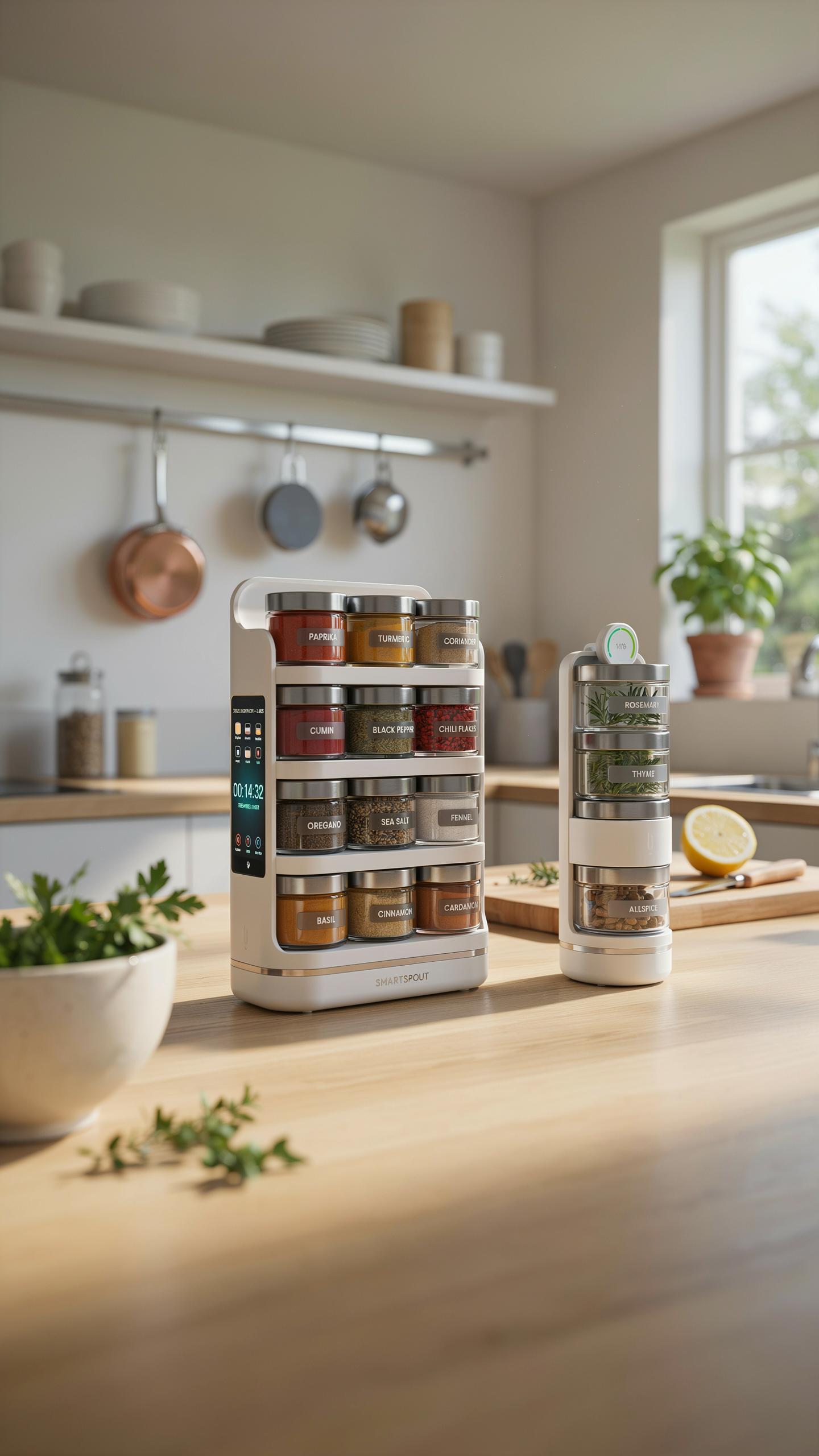
Drawer Spice Organizers: Maximizing Kitchen Drawer Space
Drawer organizers solve a core problem: spice bottles take up valuable counter and shelf real estate. In-drawer solutions use the dead space most kitchens already have. Expandable inserts adjust to different drawer widths, while tiered organizers stack bottles vertically to increase capacity. These systems keep spices hidden and protected from light exposure, which degrades flavor compounds over time.
The trade-off is accessibility. Reaching into a drawer takes more effort than grabbing from a shelf or counter. Labeling becomes critical in drawer systems since you cannot see bottle tops at a glance. Choose organizers with dividers that prevent bottles from shifting during drawer movement. Many modern versions feature adjustable compartments to accommodate various bottle sizes and shapes.
Wall Mounted And Countertop Spice Rack Options
Wall-mounted racks offer instant visual access to your entire spice collection. You see labels immediately and grab what you need without searching. These racks free up drawer and counter space while keeping spices at eye level during cooking. Installation requires wall space and proper anchoring to handle the weight of multiple glass bottles safely.

Countertop racks provide flexibility without permanent installation. You can relocate them or remove them when you need counter space. This approach works well for renters or those who rearrange kitchens frequently. The downside is reduced counter work area and exposure to heat, light, and moisture near cooking zones, all of which damage spice quality faster than protected storage.
Optimizing Your Spice Storage With Magnetic Spice Jars
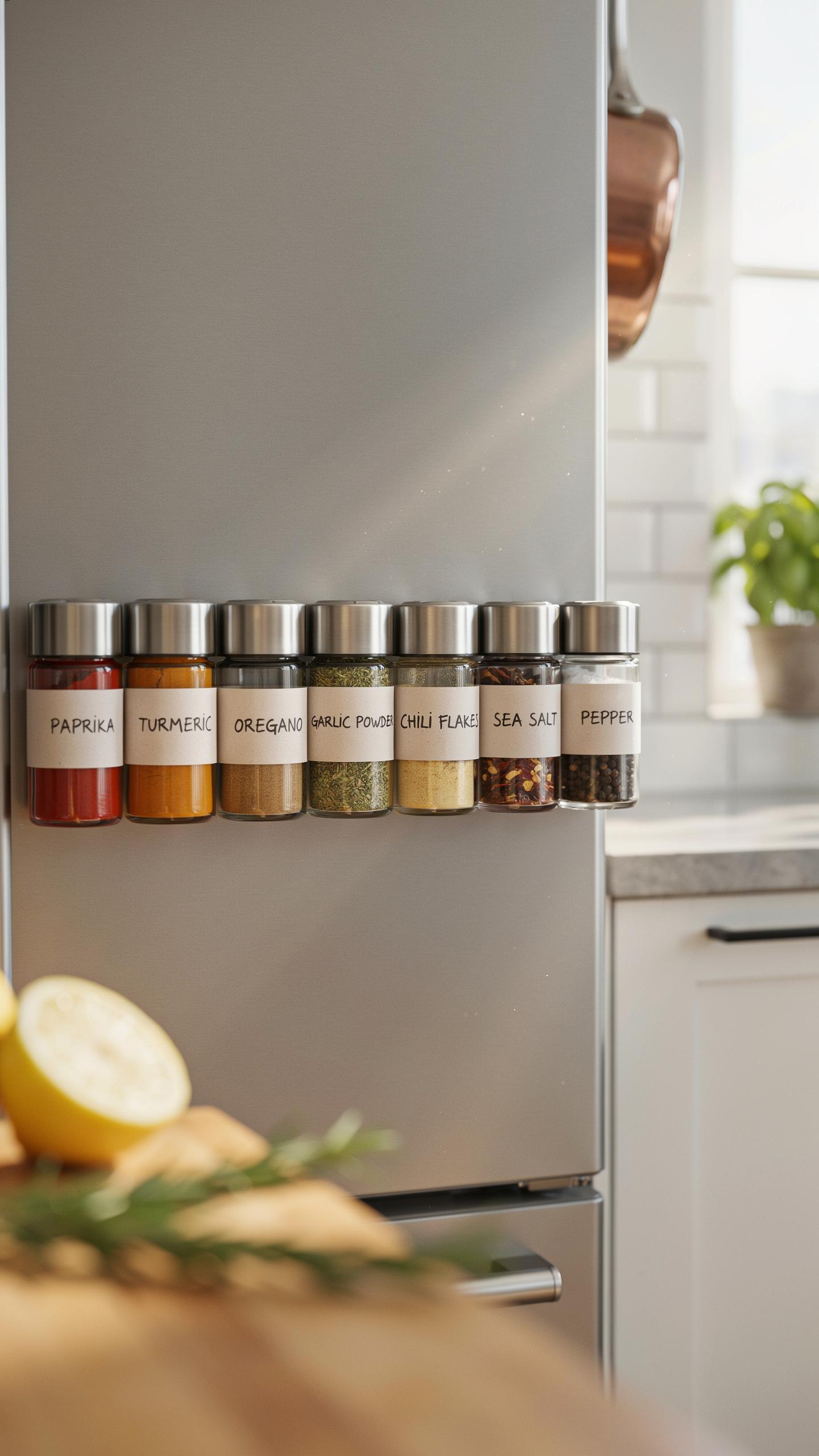
The Versatility Of Magnetic Spice Jars
Magnetic spice jars attach directly to metal surfaces, eliminating the need for shelving or additional storage furniture. This system works on refrigerators, magnetic strips, or steel-backed panels mounted inside cabinets. The jars hold standard spice quantities while keeping containers accessible without taking up counter or shelf space. You control the layout based on your kitchen’s dimensions and workflow.
Magnetic jars integrate seamlessly into smart spice rack systems by offering modular expansion. Add or remove jars as your spice collection grows without restructuring your entire storage setup. The magnetic connection holds jars securely during cabinet movement or kitchen vibrations. This flexibility makes magnetic storage practical for renters and homeowners who change kitchen layouts.
Placement And Accessibility With Magnetic Organizers
Arrange magnetic spice jars at eye level on a cabinet interior or refrigerator side for quick identification during cooking. Group jars by cooking category: baking spices together, savory spices grouped separately, and heat sources like chili powder in their own cluster. This organization reduces cooking time by eliminating the search for specific containers. Labels on each jar must face outward to ensure you read them without removing containers.
Position frequently used spices within arm’s reach of your primary cooking zone. Reserve lower positions for backup jars or spices you use occasionally. Magnetic strips on cabinet doors work well for this purpose since you open doors during meal prep anyway. The system keeps spices visible, prevents duplicates, and stops expired containers from hiding behind other jars.
DIY Smart Spice Rack Ideas For Personalization
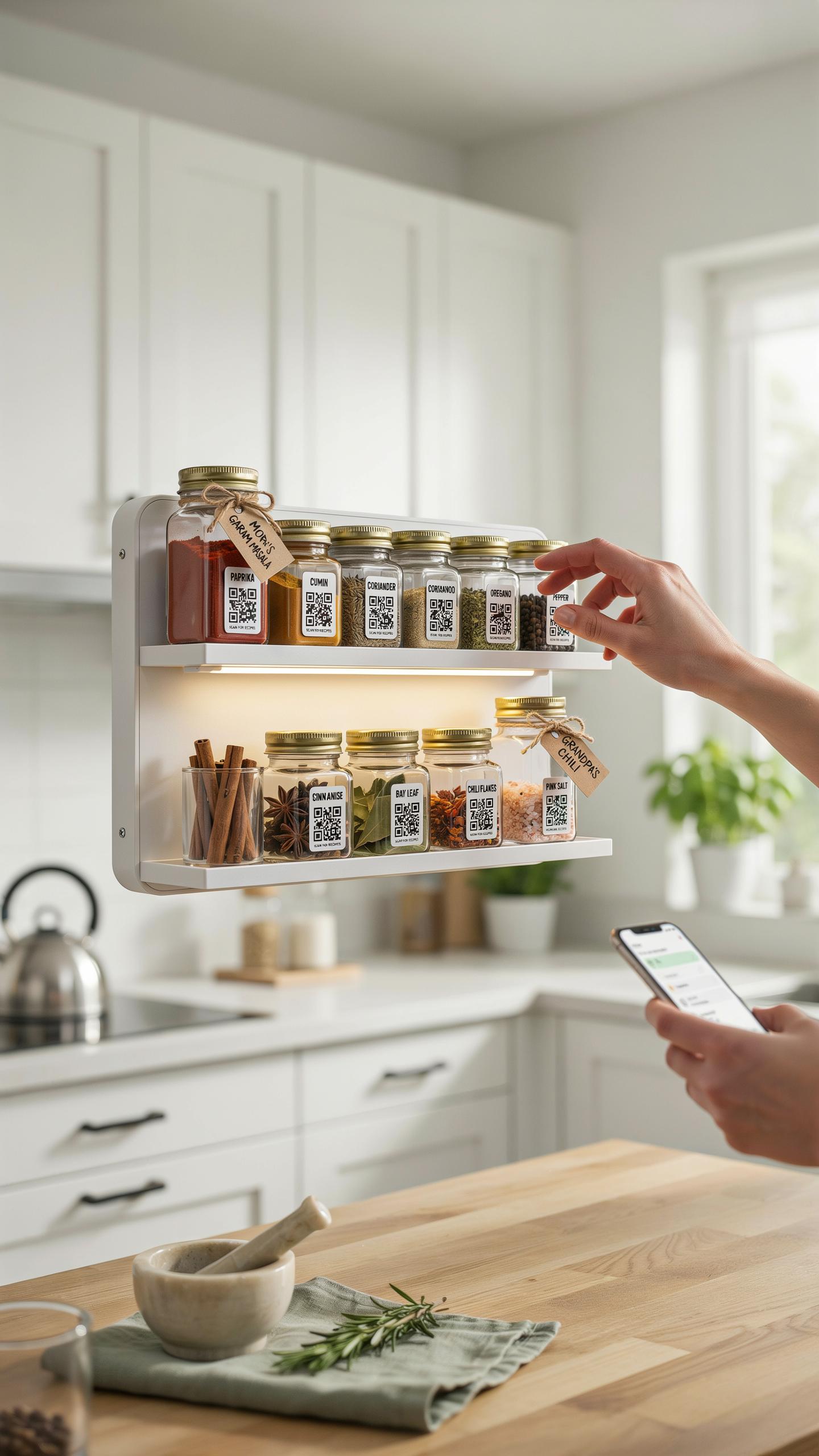
Creative Approaches To Building Your Own Spice Rack
Start with your kitchen layout and traffic patterns. Measure your wall space or cabinet depth before designing anything. Choose mounting options based on your walls: drywall anchors for standard walls, studs for heavy-duty racks, or adhesive strips for renters. Select materials that match your kitchen’s existing finishes. Wood, metal, and acrylic all work well. Prioritize accessibility by placing frequently used spices at eye level and arm’s reach.
Label placement matters for functionality. Apply labels horizontally on jar fronts or tops for quick identification while cooking. Use consistent label sizes and fonts across all containers. Consider label durability, especially near heat sources or steam-prone areas. Digital labeling systems with QR codes can link to recipes and expiration dates. Your custom rack succeeds when you can grab what you need in under five seconds without searching.
A well-loved pantry, neatly labeled and thoughtfully arranged, holds not just ingredients but memories of delicious meals shared. It’s a sweet testament to a home filled with flavor and care.
Budget Friendly Smart Storage Solutions
Repurpose existing materials from your home first. Glass jars from pasta sauce, honey, or bulk purchases work as spice containers when properly cleaned and dried. Cardboard dividers, old wooden crates, or plastic organizers from discount retailers create effective storage structures. Clear containers let you see spice levels at a glance without opening anything. Thrift stores stock affordable mason jars and vintage containers that function identically to expensive branded systems.

Print labels on standard paper, cardstock, or waterproof label sheets from office supply stores. These cost pennies compared to pre-made systems. Attach labels with tape, adhesive dots, or glue stick depending on your budget constraints. A basic labeling setup with marker and masking tape delivers the same organizational results as premium systems. The core advantage comes from visibility and accessibility, not product expense.
Best Spice Organization Practices For Lasting Order
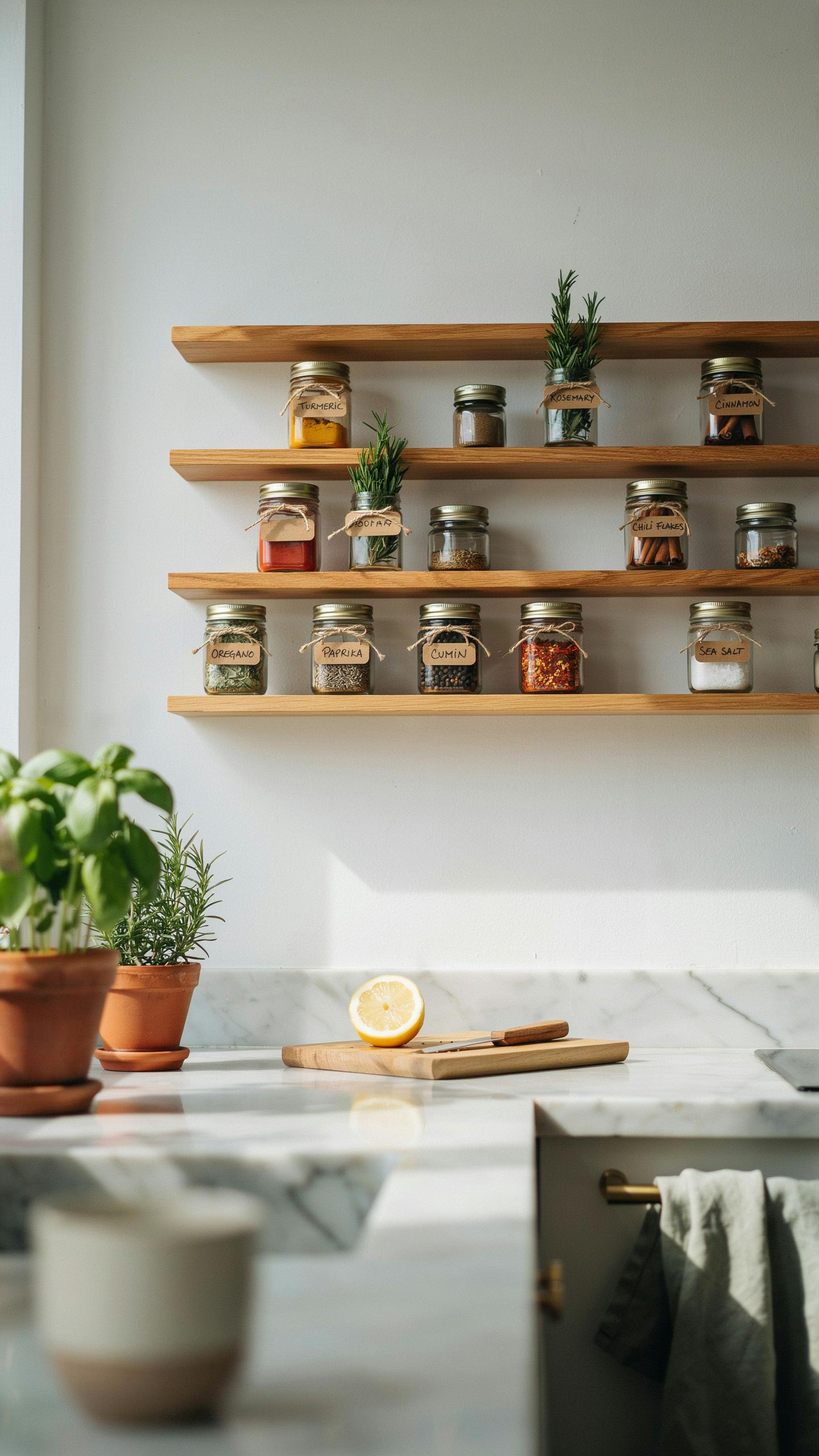
Maintaining Your Smart Spice Pantry: A Routine For Success
Set a monthly inventory check into your calendar. Review what spices you have, verify label accuracy on your smart rack, and note which containers run low. This prevents duplicates and ensures your system stays aligned with actual stock. Smart racks with digital labels make this task faster than traditional methods.
Restocking follows inventory checks. Buy replacements before spices run empty. Update labels immediately when you add new containers to the rack. This keeps your digital system current and prevents confusion during cooking. Consistency in timing prevents gaps in your spice supply and maintains the organization system’s effectiveness.
Tips For Storing Spices For Maximum Freshness And Flavor
Spice potency declines over time through exposure to light, heat, and moisture. Proper storage extends shelf life from one to three years depending on the spice type. Smart spice racks with sealed containers and opaque labels protect spices better than open storage. Temperature stability matters more than a specific cold temperature. Keep your rack away from direct sunlight, stovetops, and moisture sources like sinks.
- Airtight containers: Sealed containers block oxygen and moisture from degrading spice compounds. Glass or plastic options work equally well if they close completely and stay sealed between uses.
- Cool storage locations: Position your smart spice rack in pantries or cabinets away from appliances. Fluctuating temperatures damage spice quality faster than consistent room temperature storage.
- Dark storage conditions: Opaque or tinted containers protect spices from light exposure. Labels should be readable without opening containers unnecessarily, reducing air exposure each time.
- Low humidity environments: Moisture causes spices to clump and lose potency. Avoid areas above dishwashers or near water sources where humidity rises regularly.
- Proper dating system: Track purchase or opening dates on labels. This identifies which spices need replacement and prevents using expired stock in your cooking.

Replace spices annually or when flavor noticeably declines. Whole spices last longer than ground versions due to larger surface area exposure differences. Your smart rack’s label system should track replacement dates automatically if it includes digital features. Regular rotation prevents waste and maintains consistent flavor in your cooking.
Beyond The Rack Integrating Spice Organization With Your Pantry
Harmonizing Your Spice Rack With Overall Pantry Design
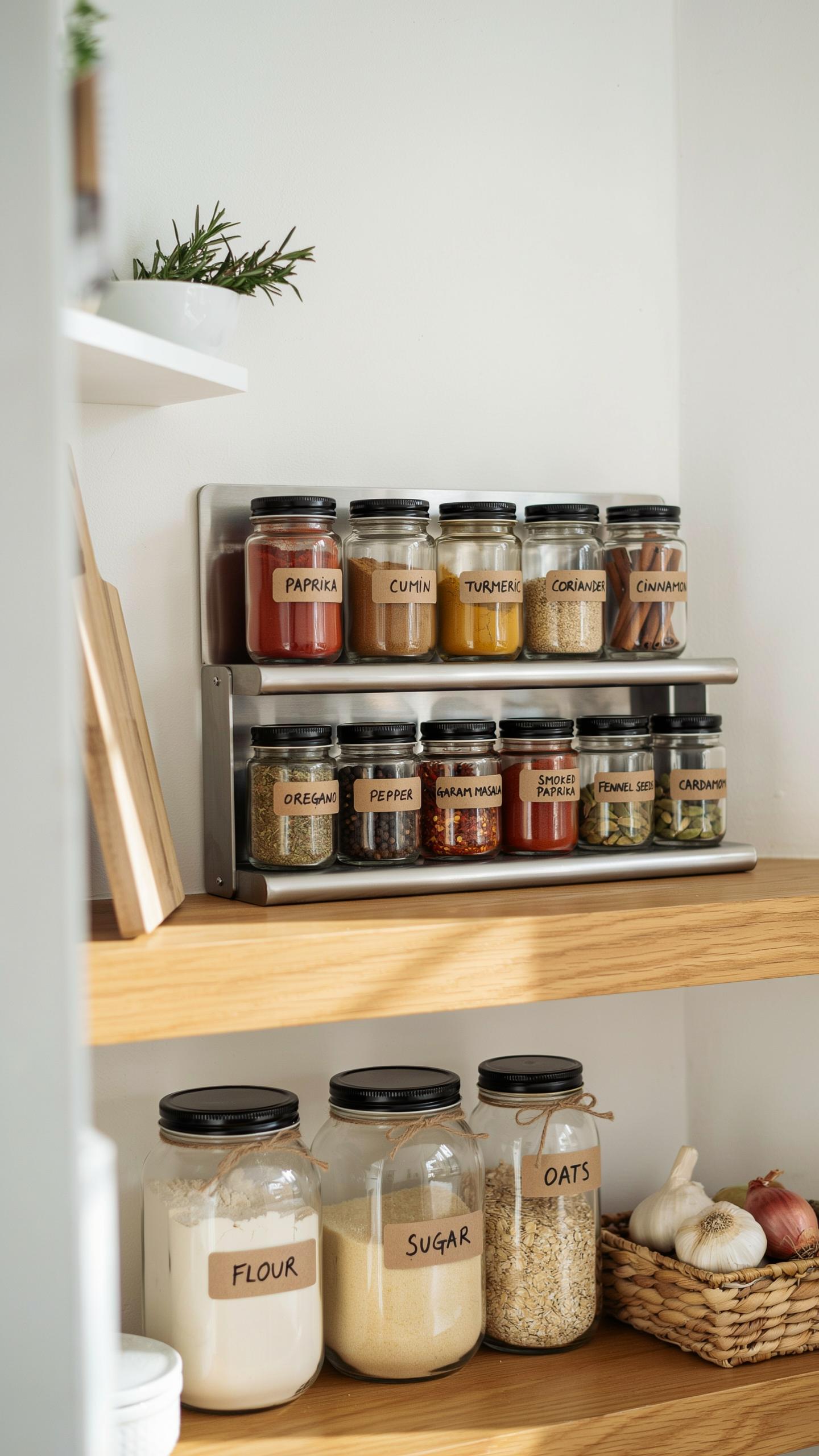
A smart spice rack with labels functions as a functional anchor point in your pantry layout. The rack’s placement and design should align with your existing storage infrastructure. Consider vertical wall space near your cooking prep area to reduce reach distance during meal preparation. The labeling system you select must match your pantry’s organizational logic and visual hierarchy. Material choices matter. Stainless steel racks complement modern kitchens while wood options work in traditional spaces. Your spice storage should not exist in isolation. It should reinforce the overall storage patterns you have established elsewhere in your pantry.
The aesthetic consistency of your spice rack influences how organized your entire pantry feels. A mismatched or cluttered spice section undermines the organization you have built in adjacent storage zones. Label size and font should echo the labeling style used on other containers and shelves throughout your pantry. This visual coherence signals to anyone using the kitchen that the space operates under a unified system. Your spice rack communicates order. When design elements repeat across your pantry, users understand the organizational intent faster and execute tasks with fewer mistakes.
Creating A Cohesive Smart Storage System
Your spice organization directly supports efficiency in adjacent pantry zones. Position your smart spice rack near baking supplies if you bake frequently, or near cooking oils and condiments if that suits your meal prep routine. The placement logic should reflect your actual cooking patterns, not theoretical ideals. Label consistency across spice containers and other pantry items creates a unified visual language. When baking containers, cereal boxes, and spice jars all share the same label format, users locate ingredients faster and spend less time searching.

Integration requires you to assess your entire workflow from entry to cooking surface. If you store dry goods separately from spices, your smart rack should bridge this gap visually and physically. Some systems use color coding on labels to separate spice categories from other food types, creating instant recognition zones. Others use matching label dimensions across all storage items. Your smart spice rack becomes part of a larger storage ecosystem. When every component works together, your pantry operates with measurable efficiency gains.
Smart Spice Rack Installation And Setup Guide

Step By Step For Setting Up Your New Spice Rack
Start by measuring your wall or shelf space before installation. Know the exact dimensions where your spice rack will go. Check for studs if wall-mounting. Gather all hardware, labels, and spices before beginning. This prevents delays and ensures a smooth process.
- Measure and Mark: Determine exact placement using a level and pencil. Mark mounting points clearly to avoid mistakes during installation.
- Install Hardware: Use appropriate anchors for your wall type. Drywall requires different fasteners than tile or brick. Tighten all bolts firmly.
- Arrange Spices by Category: Group similar spices together such as baking, savory, or ethnic cuisines. This saves time when cooking and prevents duplicate purchases.
- Label Each Container: Use legible labels with spice names and purchase dates. Place labels consistently on each jar for uniform appearance and quick scanning.
- Test Stability: Load spices gradually and check weight distribution. Verify the rack remains level and secure before adding all items.
Once installed, arrange spices in order of frequency of use. Put daily essentials at eye level for quick access. Store less-used spices on lower or higher shelves. Keep refill stock organized separately to maintain the display.
Choosing The Right Location For Optimal Accessibility
Position your spice rack near your primary cooking area. The ideal spot is between your stove and prep surface. This reduces movement during meal preparation and improves workflow efficiency. Avoid direct sunlight, which degrades spice quality and fades labels quickly.

Consider proximity to electrical outlets if you use a smart spice rack with connected features. Keep the rack away from steam and moisture sources like sinks or dishwashers. Heat exposure from the stove reduces spice shelf life. Choose a stable, secure location that supports frequent reaching and grabbing.
The Future Of Spice Storage And Smart Kitchens
Emerging Trends In Spice Organization Technology
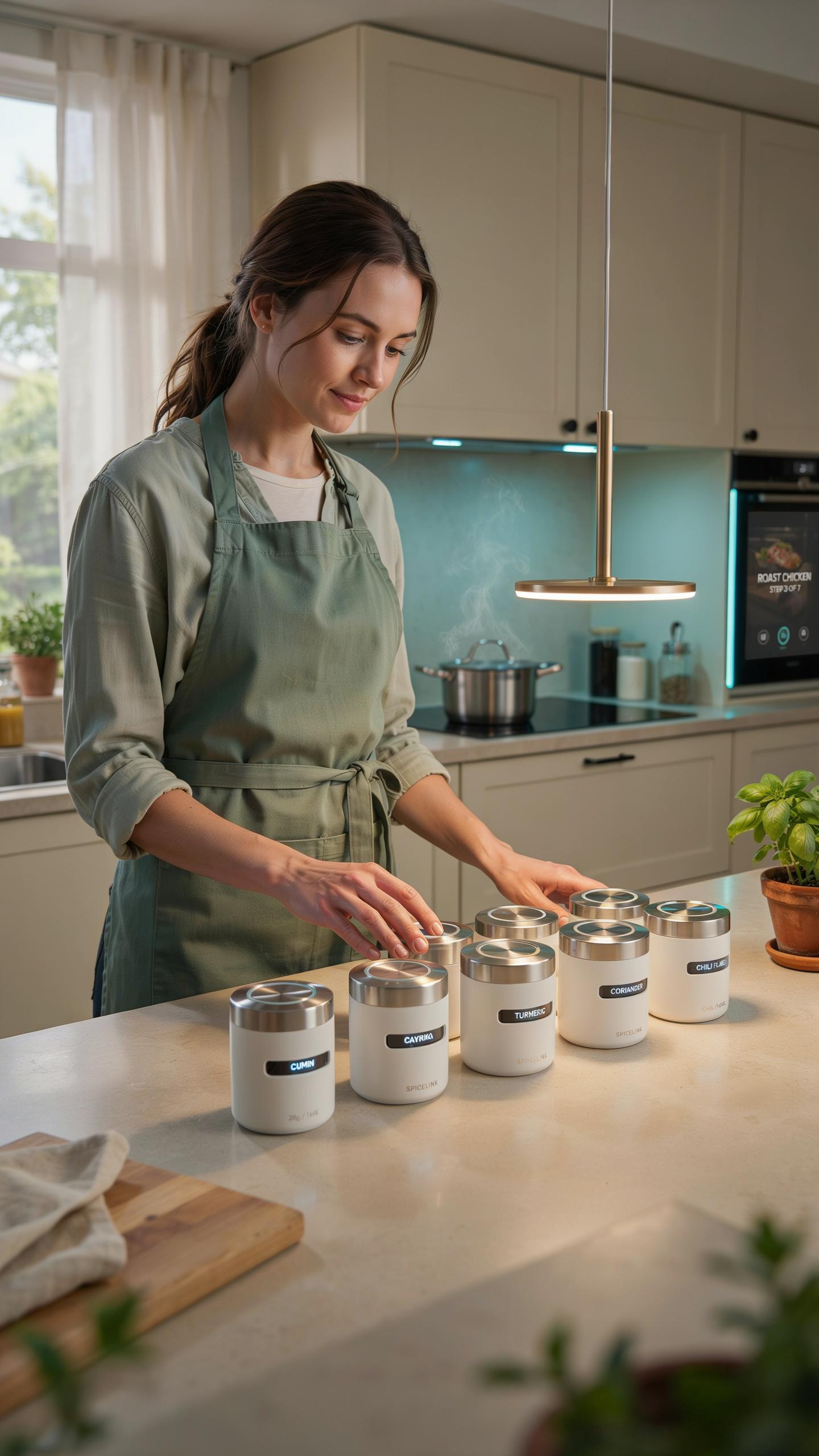
Current smart spice rack designs focus on RFID tracking, barcode scanning, and digital inventory systems. Manufacturers are developing racks that automatically alert users when stock runs low. Temperature and humidity sensors protect spice quality by monitoring storage conditions. Integration with recipe apps allows users to cross-reference available spices against meal plans in real time.
Future iterations will likely incorporate AI-powered expiration tracking and automated reordering capabilities. Some companies explore modular designs that scale with user needs. Voice control compatibility with existing smart home assistants represents a practical next step. These advancements address core pain points: forgotten inventory, expired stock, and meal planning friction.
The Role Of Smart Home Integration In Culinary Spaces
Smart spice racks connect to broader kitchen ecosystems through WiFi and Bluetooth protocols. Integration with smart appliances enables recipe synchronization across ovens, cooktops, and recipe displays. Users access spice inventory data from kitchen tablets, phones, or voice assistants without manual checking.
This connectivity streamlines workflow in functional kitchens. A smart refrigerator communicates with a smart spice rack to suggest meals based on available ingredients and seasonings. Smart lighting adjusts automatically when users access the spice storage area. These connections reduce decision fatigue and accelerate meal preparation by eliminating inventory searches and guesswork.
Frequently Asked Questions

What exactly is a smart spice rack with labels, and how can it help organize my kitchen?
A smart spice rack with labels is an integrated organization system that combines efficient storage with clear identification for your spices. It elevates your pantry organization by making every spice easily findable, reducing clutter and cooking time. This system helps keep your pantry beautifully ordered and functional.
How do I choose the right type of smart spice rack with labels for my pantry’s specific layout and my spice collection size?
Consider your pantry space first. Rotary racks are great for corners, while tiered shelves maximize cabinet height. Measure your available space and count your spices. Some smart spice rack with labels options are expandable, perfect for growing collections, ensuring a perfect fit and tidy storage.
Are there affordable options for a smart spice rack with labels, or are they typically expensive?
Absolutely! While high-end options exist, many affordable and effective smart spice rack with labels solutions are available. You can find budget-friendly plastic, bamboo, or even DIY options using simple shelves and label makers. Look for sets without pre-filled spices to save money.