
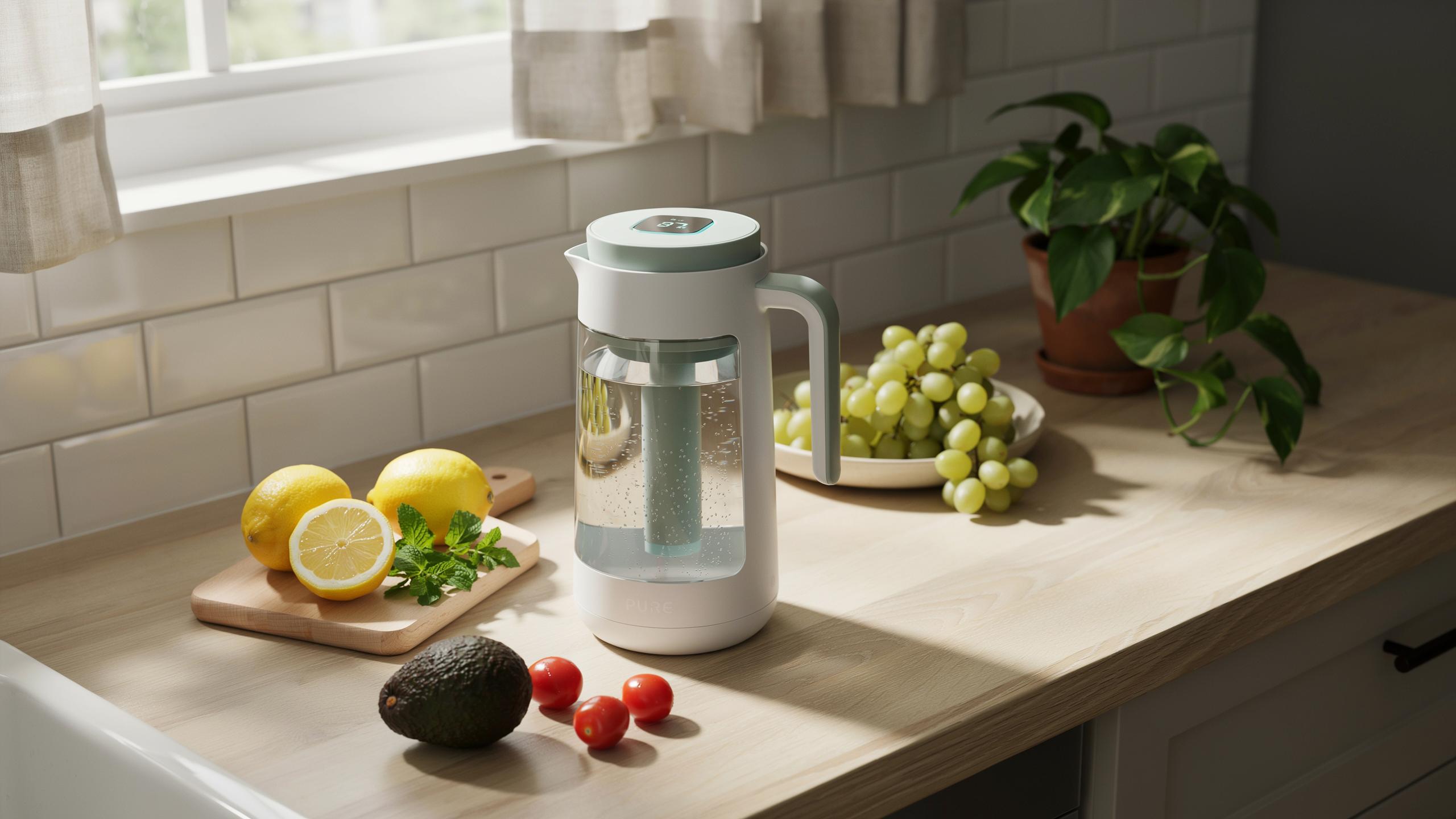
Why Choose A Smart Water Filter Pitcher With Indicator
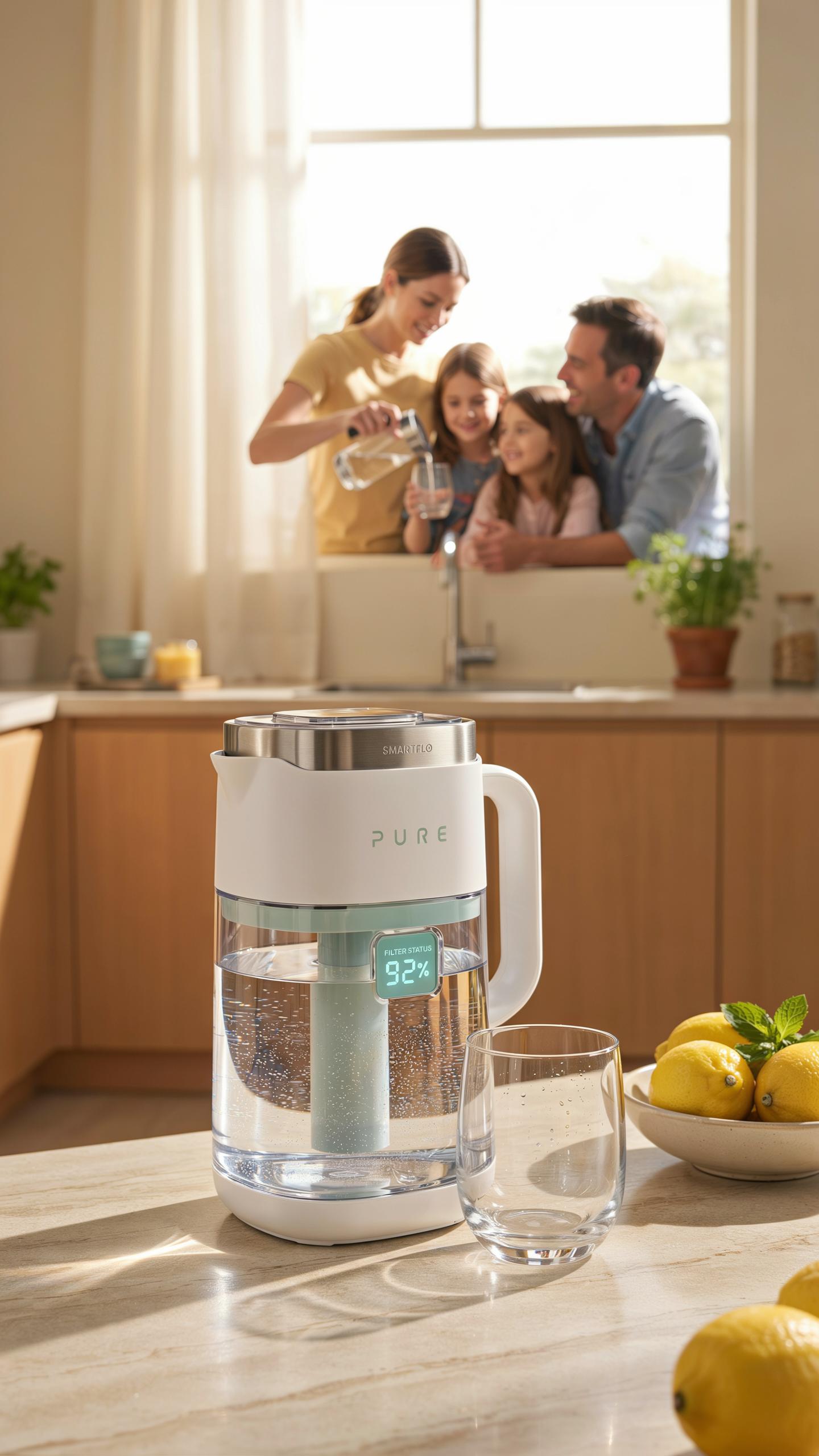
Understanding The Importance Of Filtered Water For Health And Well Being
Municipal water systems treat water with chemicals like chlorine and chloramines to kill pathogens. These chemicals remain in tap water and affect taste and odor. Additional contaminants enter water through aging pipes, including sediment, rust, and trace minerals. Filtration removes these unwanted substances, improving water quality at the point of use. Most households benefit from filtering water before consumption, especially in areas with older infrastructure.
Smart filter pitchers address this need by making filtration accessible and affordable. They sit on countertops or refrigerator shelves, requiring no installation. Users simply fill the pitcher and pour filtered water immediately. This convenience encourages people to drink more water instead of relying on bottled alternatives. Regular water consumption supports hydration, digestion, and overall bodily function without the expense or waste of bottled products.
How Indicator Technology Ensures Optimal Filter Performance
Filter indicators track cartridge saturation by monitoring water volume or time elapsed since installation. The indicator signals when a filter reaches its effective capacity and needs replacement. Without this signal, users continue filtering with exhausted cartridges that no longer remove contaminants effectively. Smart indicators eliminate guesswork and prevent water quality degradation from extended filter use. This technology ensures consistent performance over the filter’s lifespan.
Most indicators use one of two methods: mechanical counters that track gallons filtered or electronic sensors that monitor filtration cycles. Mechanical systems reset manually when users replace the cartridge. Electronic systems may display remaining filter life as a percentage or number of days. Both approaches give users clear data about filter status. Replacing cartridges at the right time maintains water safety and pitcher effectiveness.

Key Features Of A Smart Water Filter Pitcher
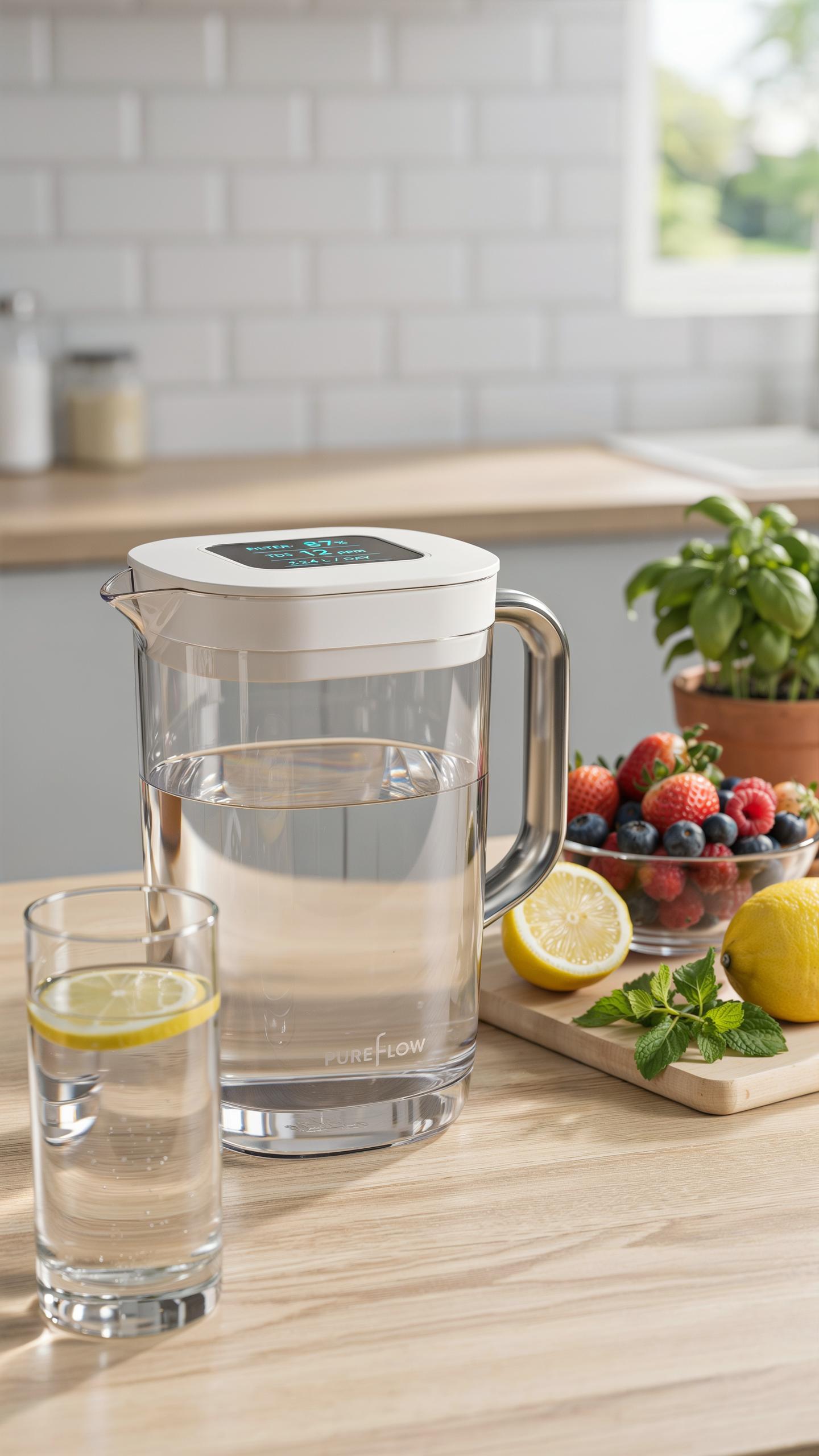
Advanced Filtration Technologies In Modern Pitchers
Modern water filter pitchers use layered filtration systems to remove contaminants. Most models combine activated carbon with ion exchange resin. Activated carbon absorbs chlorine, odors, and organic compounds. Ion exchange resin targets dissolved minerals and heavy metals. Some pitchers add a sediment layer to catch larger particles first. These layers work together to reduce multiple contaminant types in one pass.
The filtration speed depends on water pressure and filter density. Denser filters remove more contaminants but slow water flow. Manufacturers balance removal effectiveness against user convenience. Most pitchers filter one liter in two to four minutes. Replacement filters typically last two to three months with regular household use. The cartridge design allows easy swaps without tools or complicated steps.
The Role Of Smart Indicators In Maintaining Water Quality
Smart indicators track filter performance through electronic sensors or mechanical counters. Electronic models measure water volume dispensed and estimate remaining filter life. They display this data on digital screens or through mobile apps. Mechanical indicators use color changes or dial markers to signal replacement timing. Accurate indicators prevent using exhausted filters that no longer remove contaminants effectively.

Maintaining water quality depends on replacing filters before they saturate. Overused filters stop working but look unchanged to the naked eye. Smart indicators solve this by providing objective replacement schedules. Users avoid wasting money on ineffective filters or drinking inadequately filtered water. Regular filter changes maintain consistent taste and contaminant removal performance throughout the pitcher’s lifespan.
Comparing Smart Water Filter Pitchers Beyond The Brita Filter
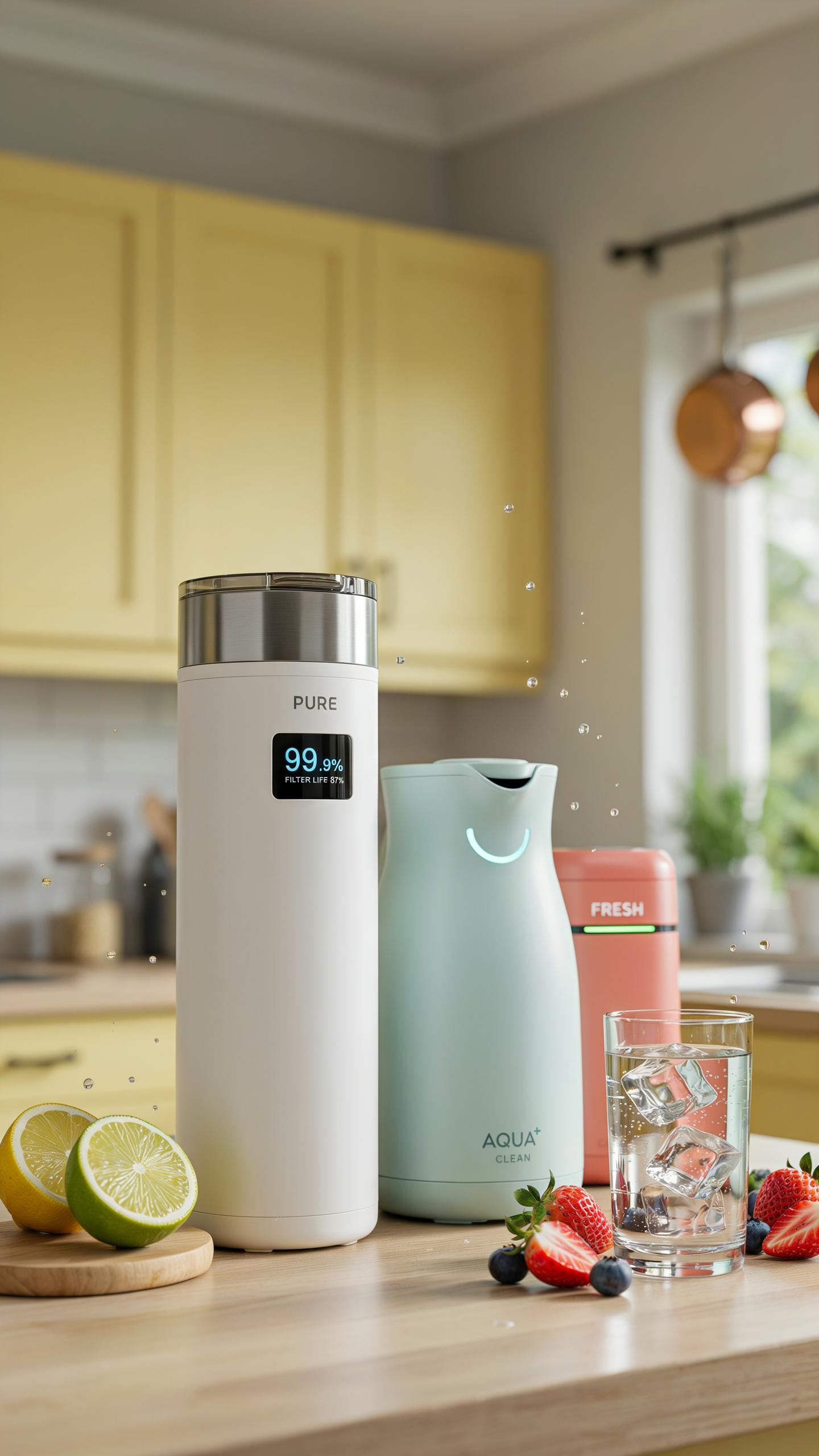
Key Brands And Their Unique Filtering Mechanisms
Brita dominates the pitcher filter market through ion exchange resins that reduce chlorine, lead, and copper. Their standard cartridges last two months and filter roughly forty gallons. PUR uses a dual-stage system combining activated carbon with ion exchange to target more contaminants than Brita alone. ZeroWater employs a five-stage process that removes total dissolved solids, producing water with zero parts per million TDS. Aquagear focuses on removing PFOA and PFOS chemicals alongside standard contaminants. Each brand trades cost against filtration depth and cartridge longevity.
Smart features vary significantly across manufacturers. Brita’s smart pitchers connect via app to track filter life and send replacement reminders. PUR offers similar connectivity with real-time water quality readings. ZeroWater provides digital meters showing TDS levels but limited app integration. The filtering mechanism choice drives performance, while smart features primarily handle maintenance notifications. Your water source determines which approach delivers actual value versus unnecessary technology.
Factors To Consider When Choosing The Best Smart Water Filter Pitcher For Your Needs
Start by testing your tap water. Know your local water quality report from your municipal water supplier. This identifies which contaminants exist in your supply. Lead, chlorine, and hardness require different removal approaches. Brita handles chlorine effectively. ZeroWater addresses high TDS content. PUR bridges both concerns. Testing first prevents buying unnecessary filtration power and wastes neither money nor resources.
Evaluate pitcher capacity against household size and usage patterns. Standard pitchers hold eight to ten cups. Larger households benefit from eleven-cup models requiring fewer refills. Filter lifespan matters equally. Brita cartridges cost five to eight dollars lasting two months. ZeroWater cartridges cost more but last longer in low-TDS areas. Monthly filtration expense combined with pitcher durability determines true cost per gallon. Smart connectivity provides convenience but shouldn’t drive your decision over actual water quality improvements.
The Benefits Of A Brita Pitcher With Smart Features
Examining Brita’S Innovative Designs And Filtration Effectiveness
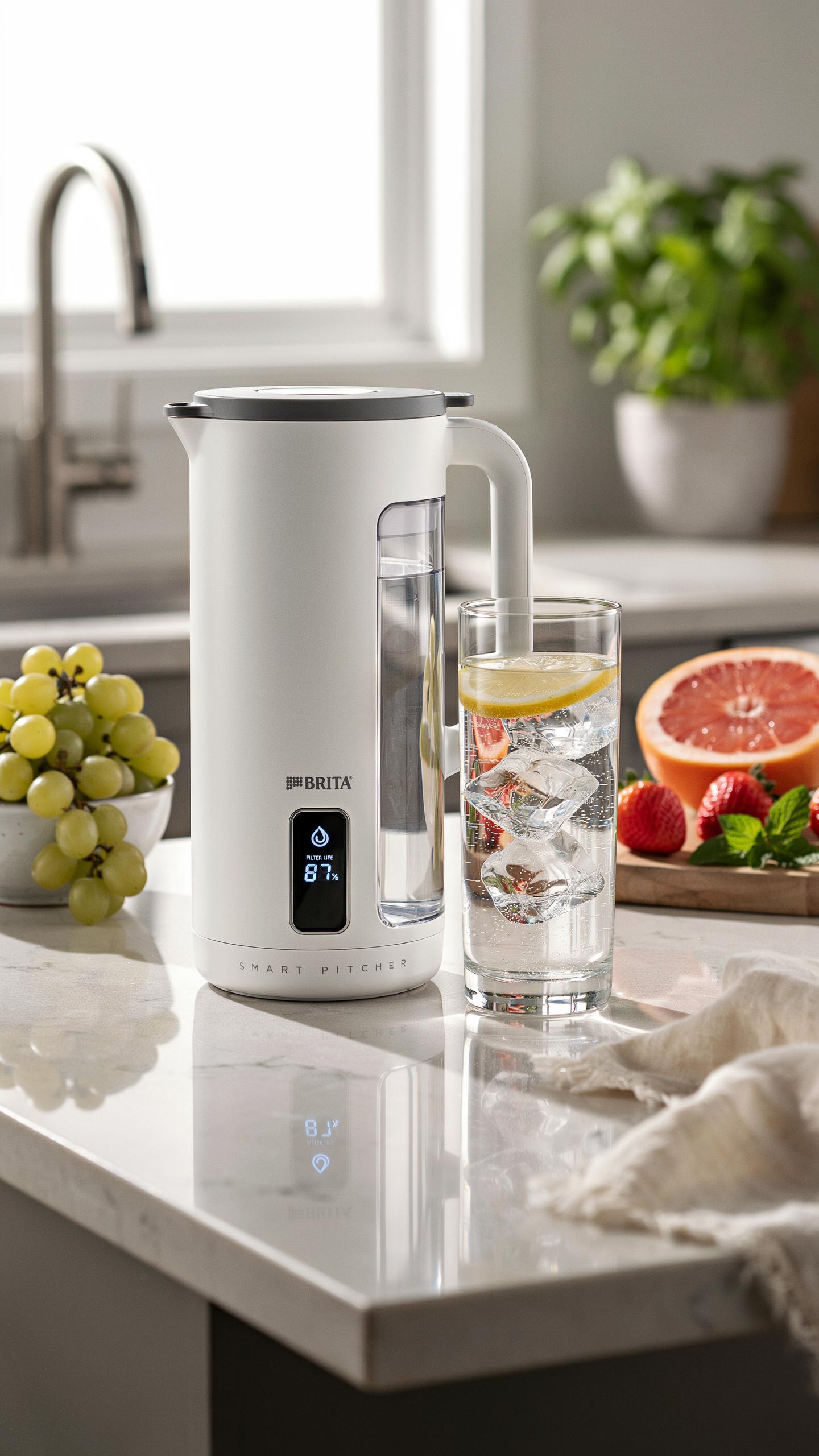
Brita pitchers use activated carbon and ion exchange resin to reduce chlorine, taste, and odor from tap water. The company has manufactured water filtration products since the 1970s and refined their designs over decades. Their standard filtration approach addresses common contaminants that affect water quality in most municipal supplies. The pitcher design allows gravity to pull water through the filter without requiring electricity or installation.
Smart-enabled Brita pitchers add digital indicators that track filter usage and remaining lifespan. These indicators use sensors or microchip technology to measure water volume passed through the filter. The system alerts users when replacement becomes necessary, preventing users from drinking water that passes through exhausted filters. This innovation combines basic filtration with practical tracking technology that removes guesswork from maintenance schedules.
How Brita Water Filter Indicators Enhance User Convenience And Water Safety
Smart indicators eliminate the need to remember when filters were installed or estimate their remaining effectiveness. Users receive clear notifications through digital displays or mobile app integration when filters require replacement. This prevents the common problem of people extending filter use beyond recommended limits. Consistent replacement schedules maintain filtration performance and ensure contaminant removal stays effective throughout the pitcher’s operation.
Indicator systems reduce water waste by preventing unnecessary filter changes before they reach end of life. Users trust the technology rather than making premature replacements based on appearance or smell. This approach balances cost savings with water safety by optimizing filter replacement timing. Smart indicators ultimately translate maintenance requirements into simple, actionable notifications that users can act on immediately.
Maintaining Your Smart Water Filter Pitcher
Tips For Proper Cleaning And Filter Replacement Schedules
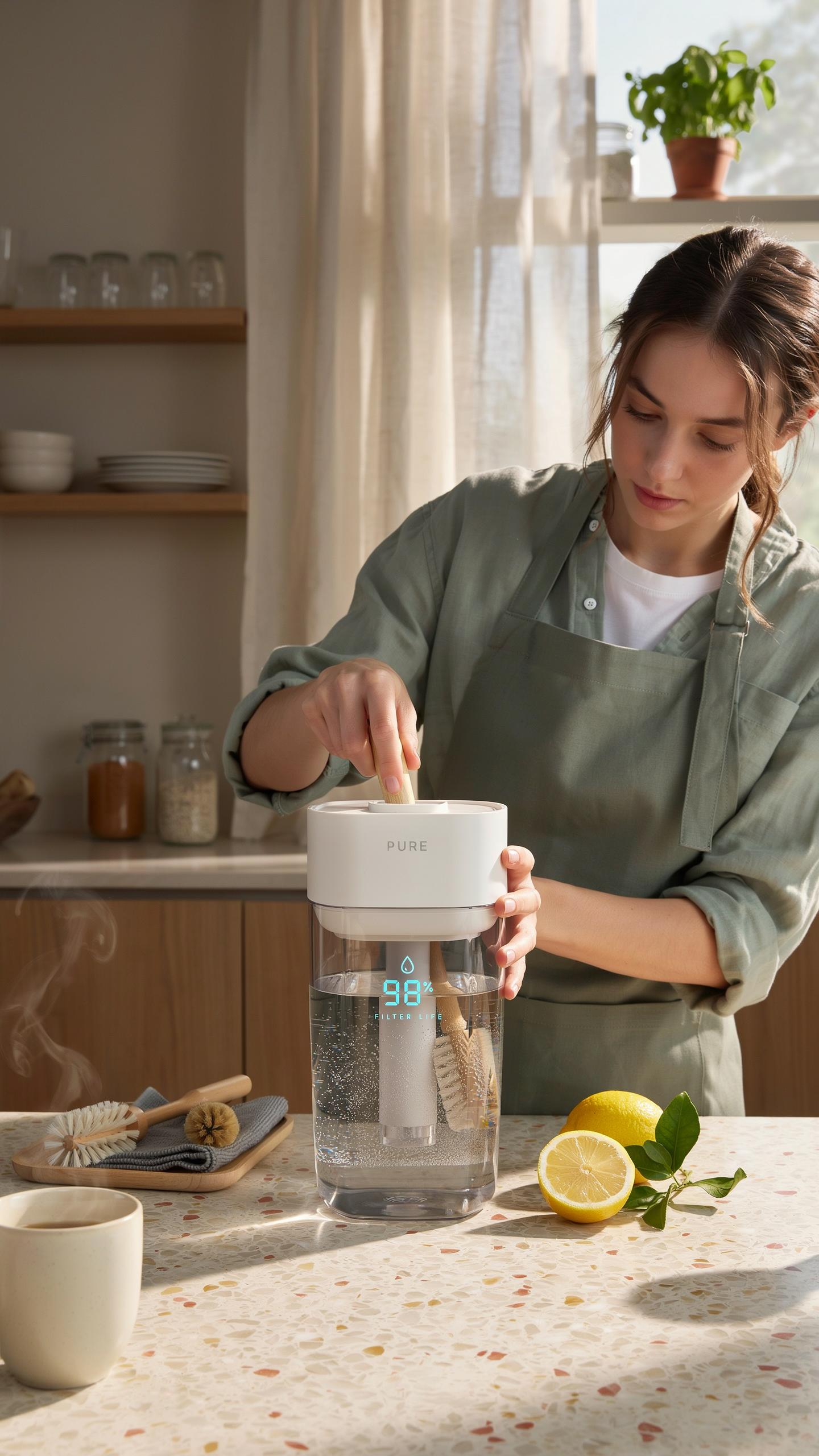
Clean the pitcher weekly with warm soapy water and a soft cloth. Rinse all components thoroughly before reassembly. Never submerge electronic components or the smart indicator base in water. Dry parts completely before reconnecting. This prevents mineral buildup and extends the pitcher’s lifespan.
- Weekly Exterior Cleaning: Wipe down the outer pitcher surface and lid with a damp cloth. Remove any dust or residue from the smart indicator display panel.
- Monthly Deep Clean: Disassemble the filter housing and rinse the upper chamber completely. Clean the water contact points where the filter sits inside the pitcher.
- Filter Replacement Timing: Replace filters according to manufacturer specifications, typically every 40 to 60 gallons filtered. Your smart indicator tracks usage and alerts you when replacement is due.
- Mineral Deposit Management: Run filtered water through the pitcher regularly to prevent sediment accumulation. If mineral deposits appear, soak the filter housing in a 1 part white vinegar to 5 parts water solution for one hour.
- Storage Protocol: Store unused pitchers in a cool, dry location away from direct sunlight. Keep replacement filters sealed in their original packaging until installation.
Follow the replacement schedule your smart indicator recommends without delay. Ignoring alerts reduces water quality and forces the indicator to recalibrate. Order replacement filters before current ones expire to avoid service gaps.
Troubleshooting Common Issues With Smart Filter Indicators
Smart indicators sometimes fail to register a new filter after replacement. Power cycle the pitcher by unplugging it for 30 seconds, then reconnecting. Check that the filter seated correctly and that metal contact points align properly with the pitcher base.

If the indicator displays incorrect flow rate or gallons remaining, calibration may be required. Most models reset through a specific button sequence detailed in your user manual. Consult manufacturer documentation or contact support if standard troubleshooting fails to resolve persistent display errors.
Beyond Pitchers Brita Dispensers And Water Bottles
Exploring Other Brita Products For Diverse Hydration Solutions
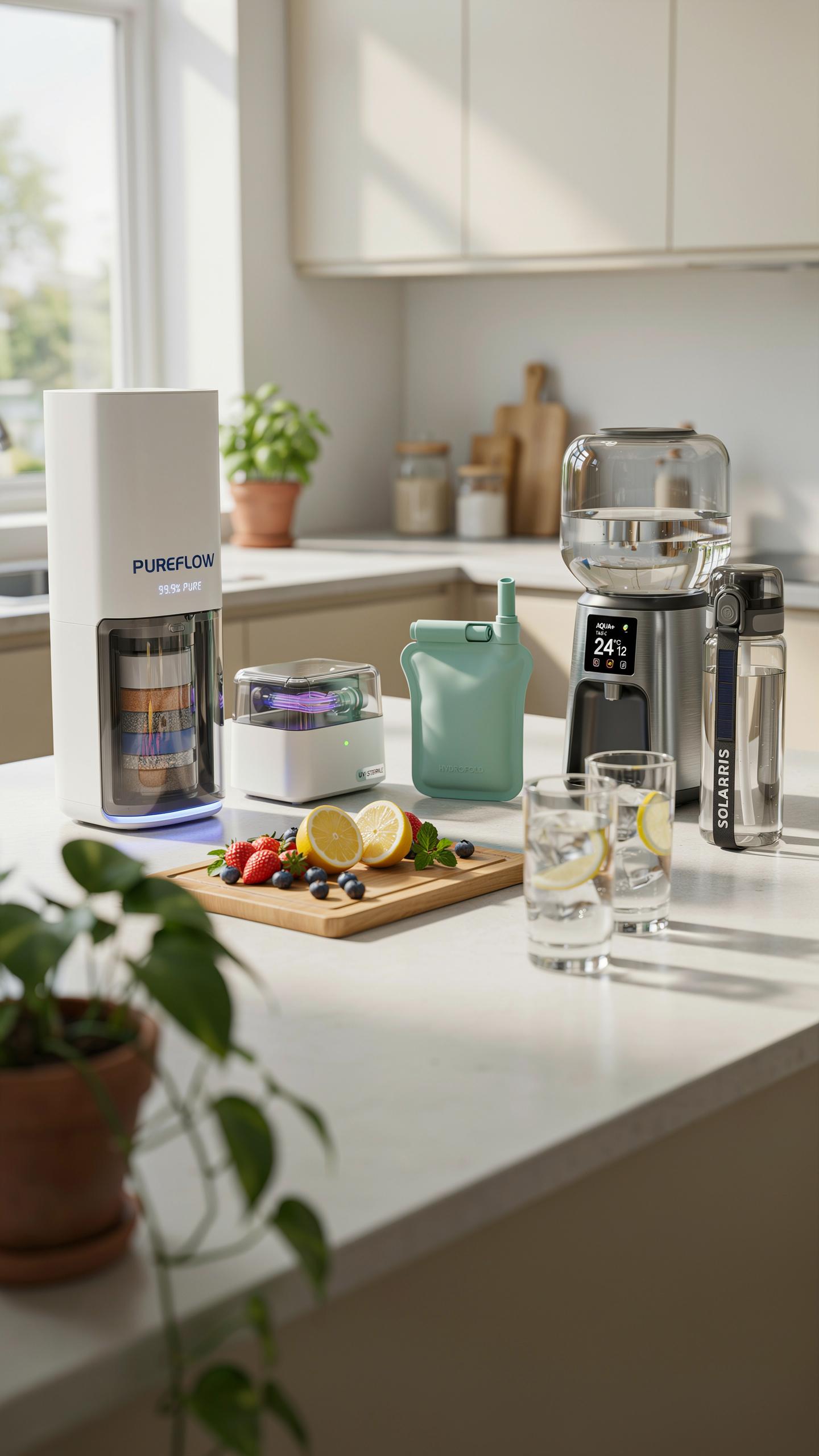
Brita expanded beyond pitchers into dispensers and water bottles to capture different use cases. Dispensers sit on refrigerator shelves or countertops, holding larger water volumes than pitchers. Water bottles offer filtration on the go, eliminating the need to refill from tap sources. Each product category maintains the same core filter technology but adjusts form factor based on location and usage patterns. This product range addresses kitchen storage, refrigerator integration, and portable hydration separately rather than forcing one solution to work everywhere.
Dispensers typically hold 18 to 27 liters, reducing refill frequency in high-use households. Water bottles range from 20 to 40 ounces, fitting standard cupholders and backpacks. The indicator systems on these products follow the same logic as pitchers, tracking filter life through color-coded windows or digital displays. This consistency means users already familiar with pitcher indicators require minimal learning curve when switching to other Brita formats. Product compatibility varies, so replacement filters are specific to each dispenser or bottle model.
The simplest things often remind us of life’s purest joys. That first, refreshing sip from a clear glass, made possible by thoughtful innovation, brings a touch of yesterday’s simple pleasures to today’s smart living.
The Advantages Of Portable Filtered Water Options
Portable filtered water bottles eliminate dependency on bottled water purchases during commutes, workouts, and travel. Users fill from any tap source and the built-in filter removes chlorine taste and odor within minutes. This approach reduces plastic waste and ongoing expenses compared to buying bottled water regularly. The indicator on portable bottles signals when the filter requires replacement, preventing degraded water quality mid-trip. Carrying filtered water becomes cheaper than purchasing beverages at retail locations or relying on single-use plastics.

Brita water bottles with indicators simplify hydration logistics in offices, gyms, and vehicles. The filtration capacity on portable models typically supports 40 to 100 gallons before needing replacement, depending on source water quality. Users avoid storing multiple cases of bottled water in homes or offices, freeing up storage space. The filter indicators ensure people replace cartridges before contamination occurs rather than guessing. This system creates measurable cost savings and convenience for anyone who drinks multiple cups of water daily outside the home.
The Brita Metro Water Filter Pitcher A Smart Choice
Key 1
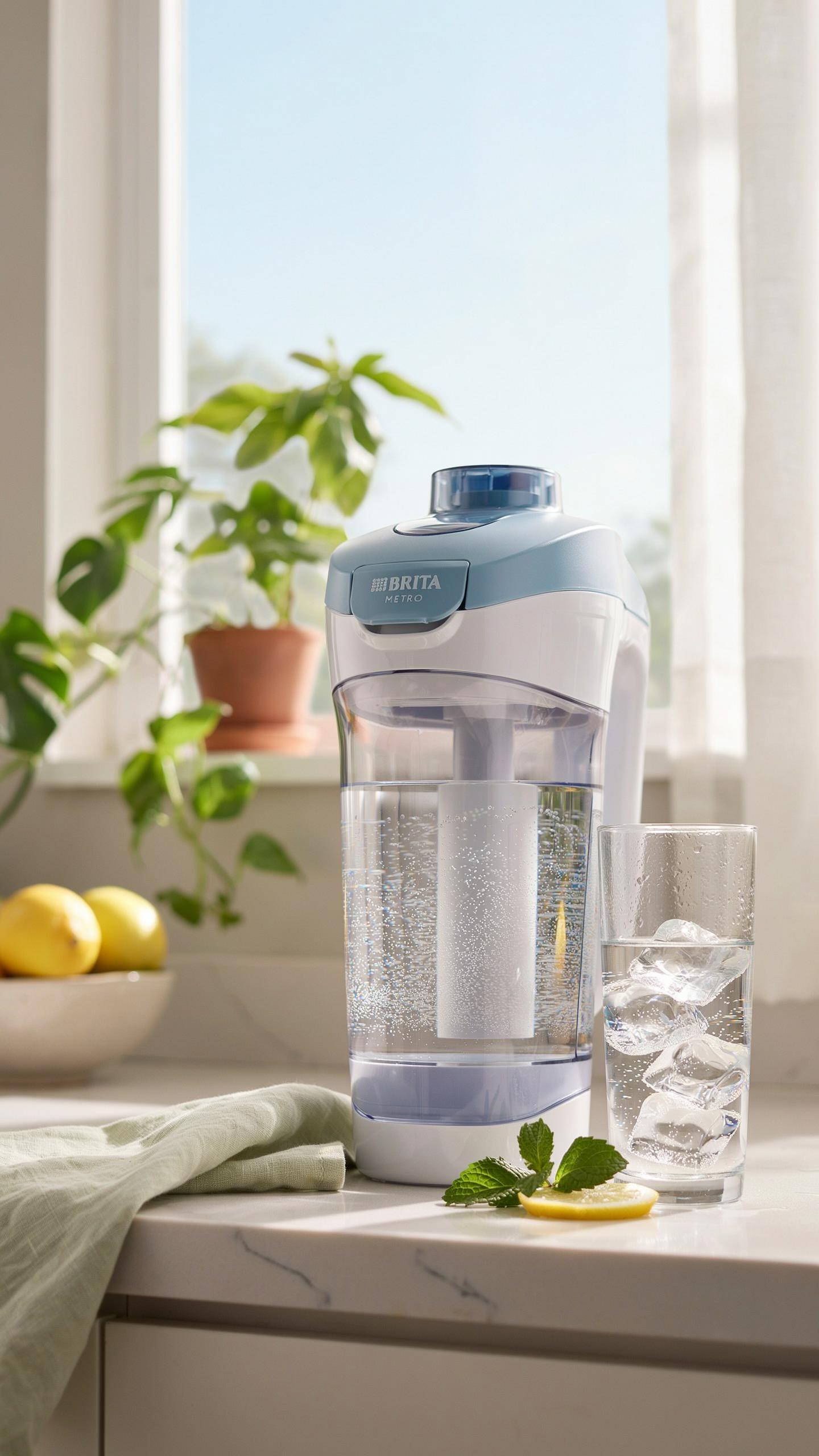
The Brita Metro delivers core filtration without unnecessary complexity. The pitcher holds ten cups of water and fits standard refrigerator doors. Its design prioritizes function over aesthetics. The filter cartridge reduces chlorine taste and odor while capturing sediment. Users refill and replace filters every two months depending on water quality and usage patterns.
The Metro’s construction uses durable plastic throughout. The pitcher weighs under two pounds when empty. Water flows through the filter zone in roughly fifteen seconds per pour. The spout design minimizes splashing during pouring. Users report straightforward assembly with no special tools required for setup or filter replacement.
Key 2
The Brita Metro includes an electronic indicator that tracks filter usage automatically. This digital display sits on top of the pitcher and shows remaining filter life as a percentage. The indicator accounts for water volume filtered rather than calendar days alone. Users reset the counter after installing a new cartridge. This approach provides accurate tracking for households with varying water consumption patterns.

The indicator uses light-based signals to alert users when replacement becomes necessary. Most models display green for healthy filters and red when cartridges require changing. Some versions offer LCD screens showing exact usage percentages. The system eliminates guesswork about filter effectiveness. Users know precisely when performance declines based on actual filtration volume rather than estimated timelines.
Smart Filtering Beyond Pitchers Countertop Water Filters
Comparing The Benefits Of Countertop Filters To Pitcher Systems
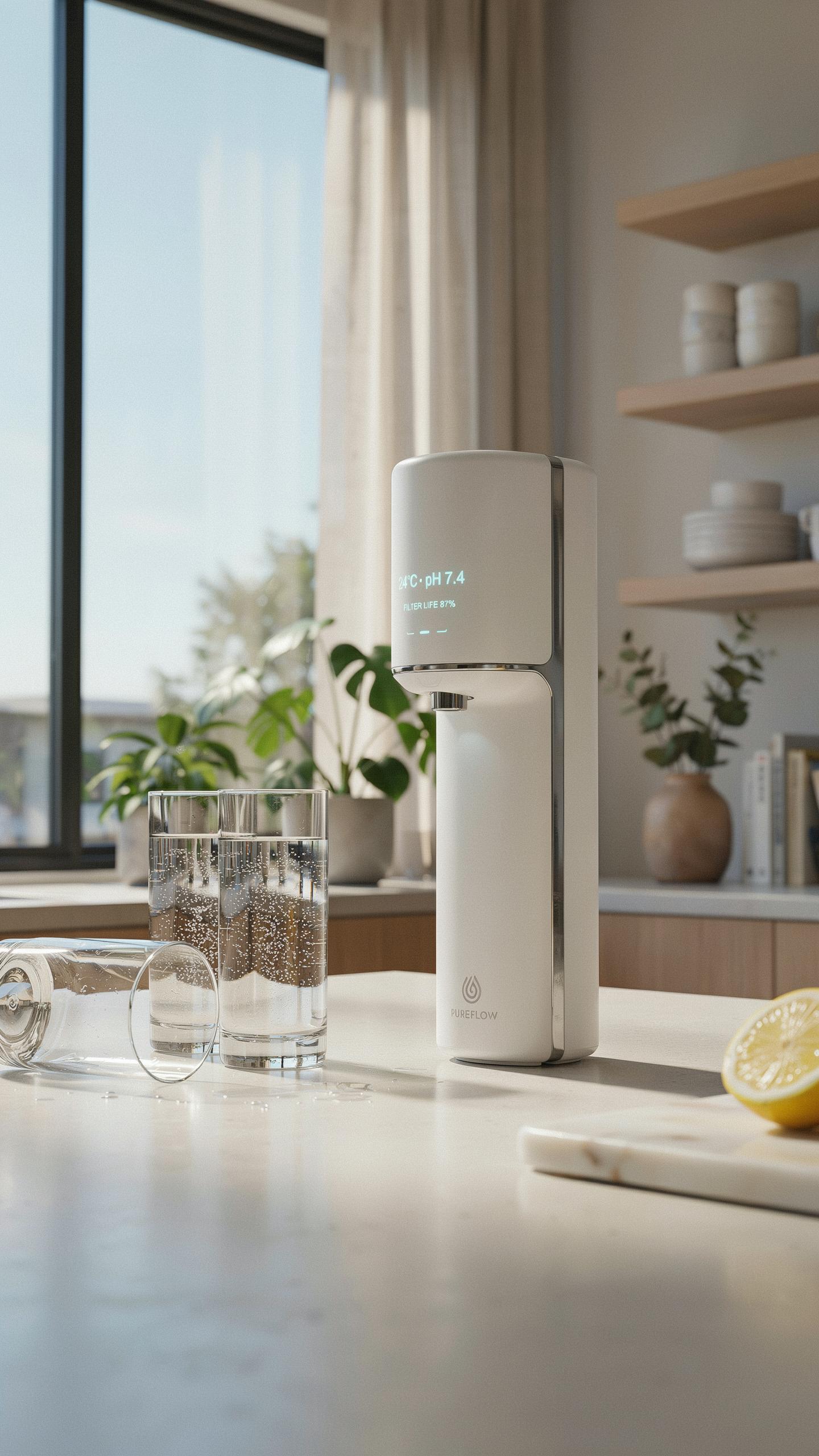
Countertop filters handle larger water volumes than pitchers. A pitcher holds two to three quarts maximum. Countertop units process water continuously, making them practical for households with high daily consumption. They require less frequent filter changes because they work on demand rather than storing pre-filtered water.
Countertop filters deliver faster filtration speeds. Pitchers rely on gravity, which takes time. Countertop systems use pressure or direct flow mechanisms to push water through filters more quickly. This matters when you need immediate access to filtered water. However, countertop filters occupy counter space and require installation, while pitchers need only a shelf and no setup.
When A Countertop Water Filter Might Be A Better Solution
Families with four or more people benefit from countertop filters. Pitcher systems require constant refilling to meet demand. A countertop unit provides unlimited filtered water throughout the day without interruption. This eliminates the frustration of waiting for pitchers to refill and the need to maintain multiple units simultaneously.
Countertop filters make sense if water quality issues are severe. Hard water, high chlorine content, or sediment problems require stronger filtration capacity than pitchers provide. Countertop systems use multi-stage filters that address multiple contaminants simultaneously. They also work well in rental situations where you cannot install permanent systems under sinks or modify plumbing directly.
Impact Of Smart Water Filters On Daily Life

Enhancing Taste And Purity For Cooking And Beverage Preparation
Smart water filter pitchers remove chlorine, sediment, and certain contaminants that affect water taste. This directly improves coffee, tea, and cooking results. Cleaner water means better flavor extraction in beverages and more consistent outcomes in recipes that rely on water quality. Home cooks notice the difference immediately when using filtered versus unfiltered tap water.
The indicator system tracks filter performance in real time. Users know exactly when filtration drops below optimal levels rather than guessing. This prevents situations where a degraded filter continues running while water quality declines. Replacement happens on schedule, maintaining consistent taste and purity standards throughout the pitcher’s use cycle.
The Environmental Benefits Of Reducing Single Use Plastic Bottles
Smart water filter pitchers cut household plastic bottle consumption significantly. One pitcher replaces hundreds of single-use bottles annually. This reduction lowers plastic waste entering landfills and oceans while eliminating the manufacturing and transportation emissions tied to bottled water production. The math is straightforward: fewer bottles produced means fewer environmental resources consumed.
Households switching to filtered pitchers reduce their carbon footprint without lifestyle changes. Water flows from the tap into the pitcher at home, eliminating supply chain emissions entirely. The filter itself requires replacement periodically, but the total plastic waste from one replaceable filter is far less than hundreds of disposable bottles. Long-term adoption compounds these environmental gains across entire communities.
Future Of Smart Filtration And Home Appliances
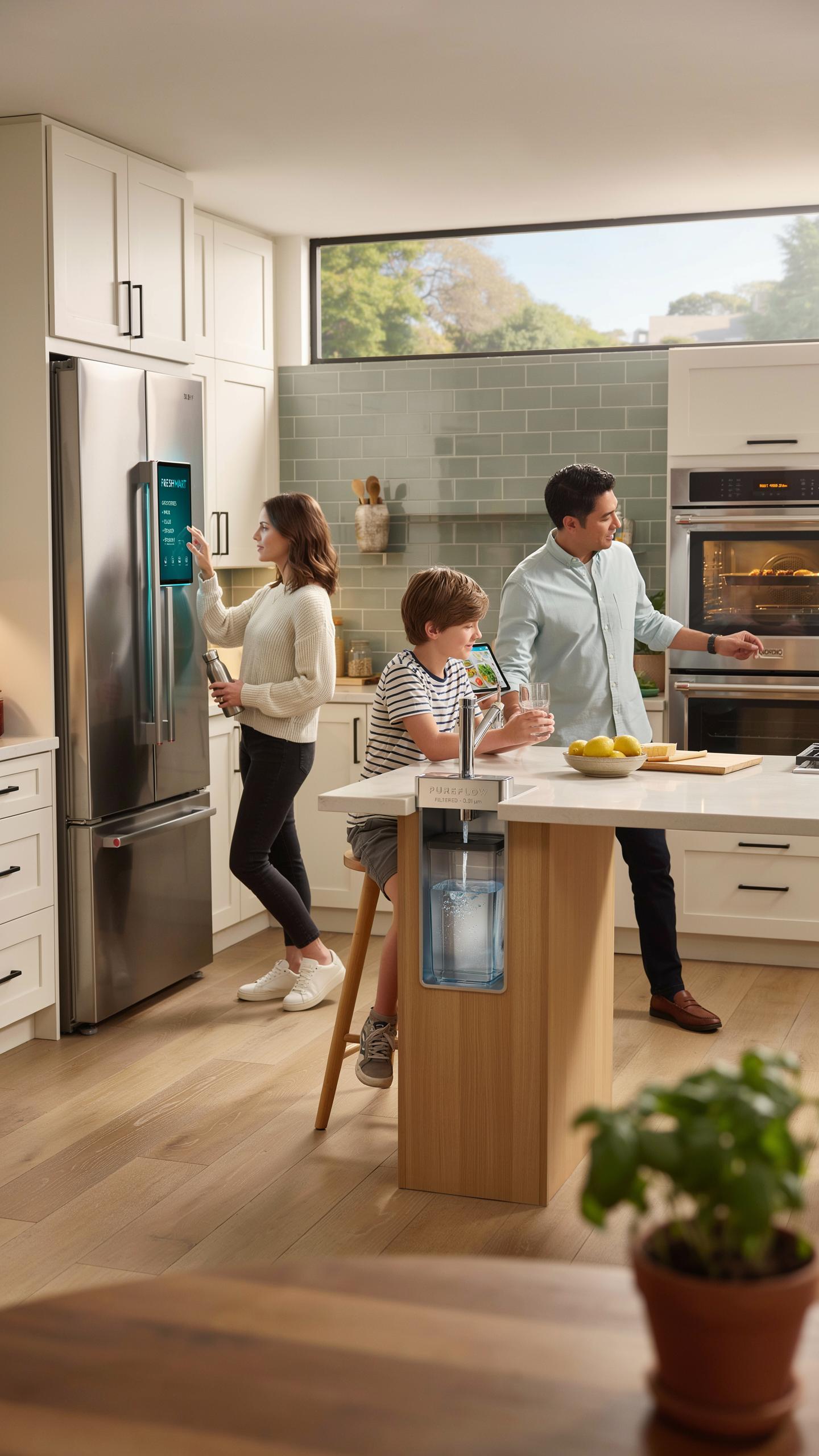
Emerging Technologies In Water Purification For The Home
Water filtration technology is advancing toward real-time contamination detection and automated filter replacement systems. Smart pitchers now use conductivity sensors and particle counters to measure water quality. These devices communicate data directly to your phone, eliminating guesswork about filter performance. The market is moving toward filters that self-report degradation rather than relying on time-based replacement schedules.
Manufacturers are developing multi-stage filtration that targets specific contaminants at different rates. Activated carbon, ion exchange resins, and sediment layers work together and report independently. This modular approach lets users customize filtration based on local water quality reports. Testing labs validate these systems against NSF standards before they reach consumers, ensuring accountability over marketing claims.
Integration Of Smart Filters With Other Smart Home Devices Like A Smart Air Conditioner
Smart water pitchers connect to home ecosystems through WiFi and Bluetooth, syncing with thermostats and air conditioning systems. This integration tracks household water usage patterns alongside climate control data. Your air conditioner adjusts humidity levels based on water consumption and quality readings. The system optimizes both filtration and cooling efficiency by sharing environmental data across devices.
Interconnected devices reduce manual monitoring and create automated routines that improve home performance. A smart pitcher can alert your air conditioner when humidity levels spike due to water quality changes. This two-way communication prevents equipment strain and extends system lifespan. Integration platforms like Amazon Alexa and Google Home enable voice control of water filters alongside climate management, creating unified home management without separate apps.
Frequently Asked Questions

What exactly is a smart water filter pitcher with an indicator, and why should I consider getting one?
A smart water filter pitcher with indicator is a convenient device that purifies tap water while also providing an intelligent way to know when to change the filter. These indicators, often digital or light-based, take the guesswork out of maintenance, ensuring you always have clean, great-tasting water without manual tracking.
How do I know when to replace the filter in my smart water filter pitcher with indicator?
Your smart water filter pitcher with indicator will alert you! Most models feature an electronic display that counts down filter life based on usage or time. When the indicator signals that it’s time, usually with a flashing light or message, simply replace the old filter with a new one according to the manufacturer’s instructions.
Are smart water filter pitchers an expensive investment compared to traditional pitchers?
While some smart water filter pitchers with indicators might have a slightly higher upfront cost than very basic models, they offer excellent value. The convenience of the indicator prevents premature filter changes or using expired filters. Plus, the ongoing cost of replacement filters is comparable, making them a wise choice for long-term purified water.