
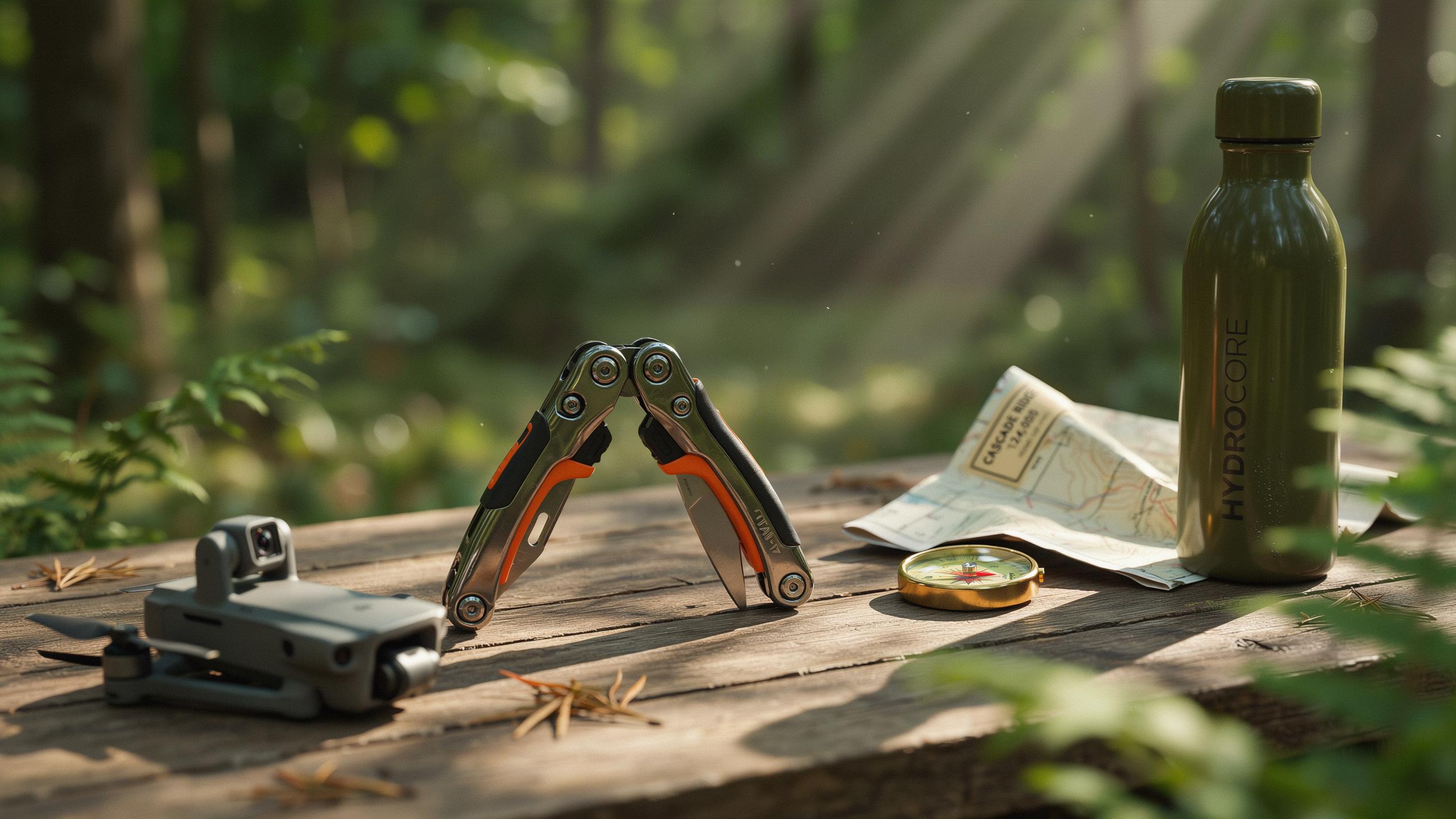
Why A Multi Tool Is Essential Overlanding Gear
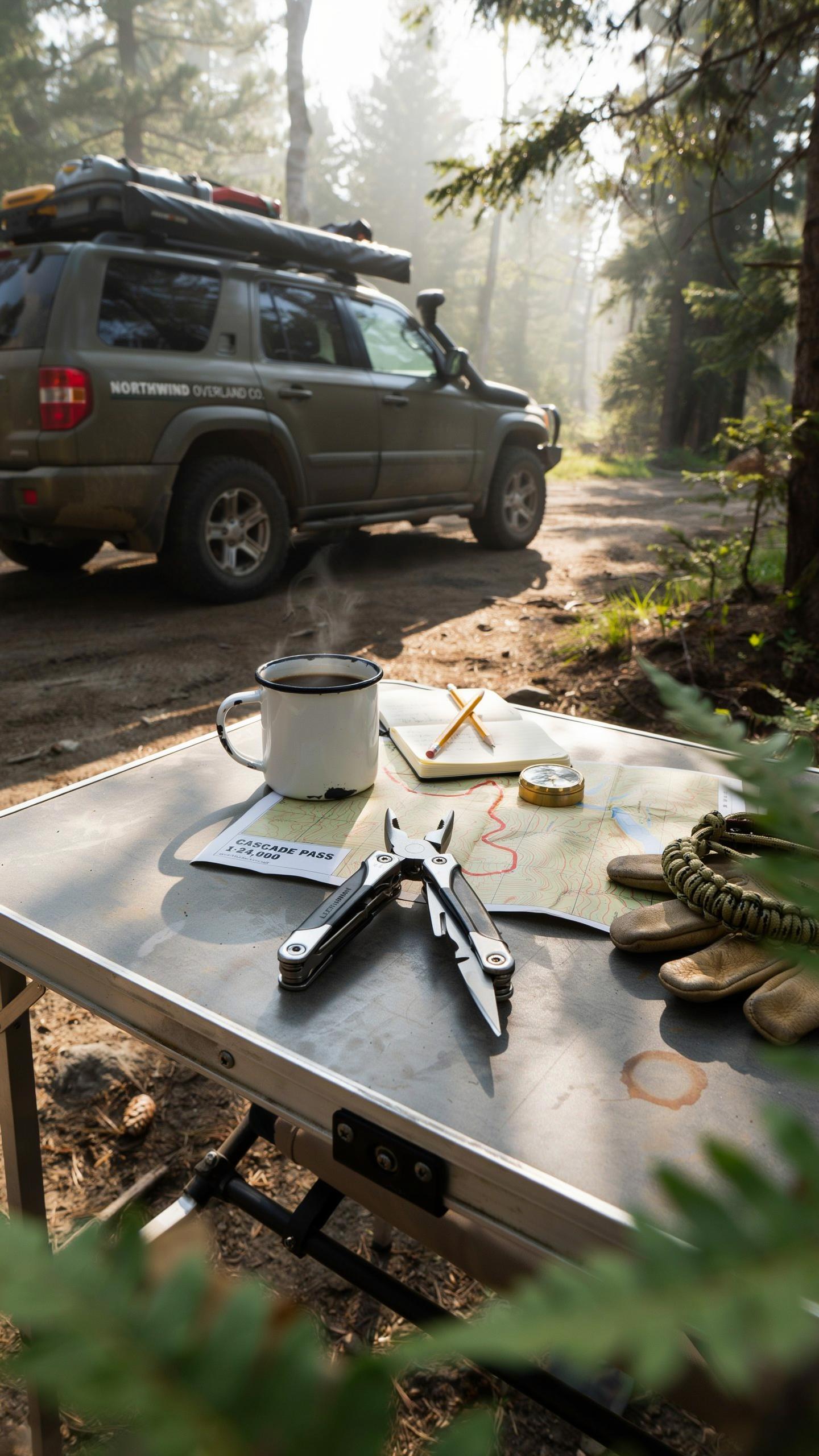
The Unexpected Demands Of The Trail
Overlanding removes you from infrastructure. You face mechanical failures, gear breakdowns, and structural damage miles from the nearest service station. A multi-tool handles the tasks that emerge without warning. You tighten loose bolts on your vehicle. You cut through gear straps or rope. You adjust equipment in real time. These moments define whether you continue forward or stall.
The trail breaks things constantly. Hinges fail. Fasteners loosen. Zippers jam. Camping equipment bends. Without proper tools, minor problems become trip-ending obstacles. A multi-tool addresses these issues immediately. You don’t wait for help. You solve the problem yourself and move forward.
Compactness And Versatility In Your Adventure Gear
A quality multi-tool consolidates ten to fifteen individual tools into a single unit weighing less than eight ounces. You eliminate the bulk and weight of carrying separate pliers, screwdrivers, knives, and files. Vehicle storage space stays open for fuel, water, and other survival essentials. Pack weight decreases. Accessibility improves. Your critical tools stay within arm’s reach every moment.
Overlanding demands efficiency. Every item in your vehicle must justify its space. A multi-tool serves multiple purposes, from vehicle maintenance to camp setup to emergency repairs. This functional density matters. You carry solutions instead of single-purpose tools. Your gear load stays manageable while your capability increases. This balance defines practical overlanding equipment selection.

Key Features To Look For In An EDC Multi Tool
Durability And Material Quality
Stainless steel and titanium dominate the multi-tool market for good reasons. Stainless steel resists corrosion in wet environments and costs less than titanium. Titanium weighs significantly less, matters when you carry gear for weeks. Both materials handle repeated use without degrading. Choose based on your tolerance for weight versus budget constraints.
Material quality directly impacts field performance. Cheap metals fail under load, leaving you without critical tools when you need them most. Examine handle construction and joint mechanisms before purchase. Poor rivets and loose hinges indicate shortcuts that compromise reliability. Verify that tools lock securely in both open and closed positions.
Essential Tool Selection For Off Road Tool Kit
Your multi-tool must address the problems you actually encounter on overland trips. Weight matters on extended journeys, so choose tools with real utility over novelty items. A quality knife blade handles camp tasks. Pliers extract broken fasteners and manage wire. Screwdrivers fix vehicle components and gear failures.
- Pliers: Crush fuel line clamps, bend wire, and grip stuck bolts. Essential for vehicle repairs and camp tasks on extended trips.
- Knife Blade: Cut rope, process food, and handle camp duties. Ensure the blade holds an edge and locks firmly in position.
- Flathead And Phillips Screwdrivers: Match fastener types on your vehicle and equipment. Most repairs require at least these two driver types.
- Saw Blade: Cut branches and smaller wood for camp needs. Compact saw blades prove useful without adding significant weight or bulk.
- Bottle And Can Openers: Handle food packaging and beverage containers. Lightweight additions that solve real problems during extended trips.

Redundancy in your tool kit matters less than having the right tools when failures happen. A multi-tool fills gaps between your primary toolset and emergency supplies. Test each function before departure to understand limitations and capabilities. This prevents surprises when you depend on those tools.
Choosing The Right Multi Tool For Your 4×4 Tool Kit
Considering Vehicle Specific Needs
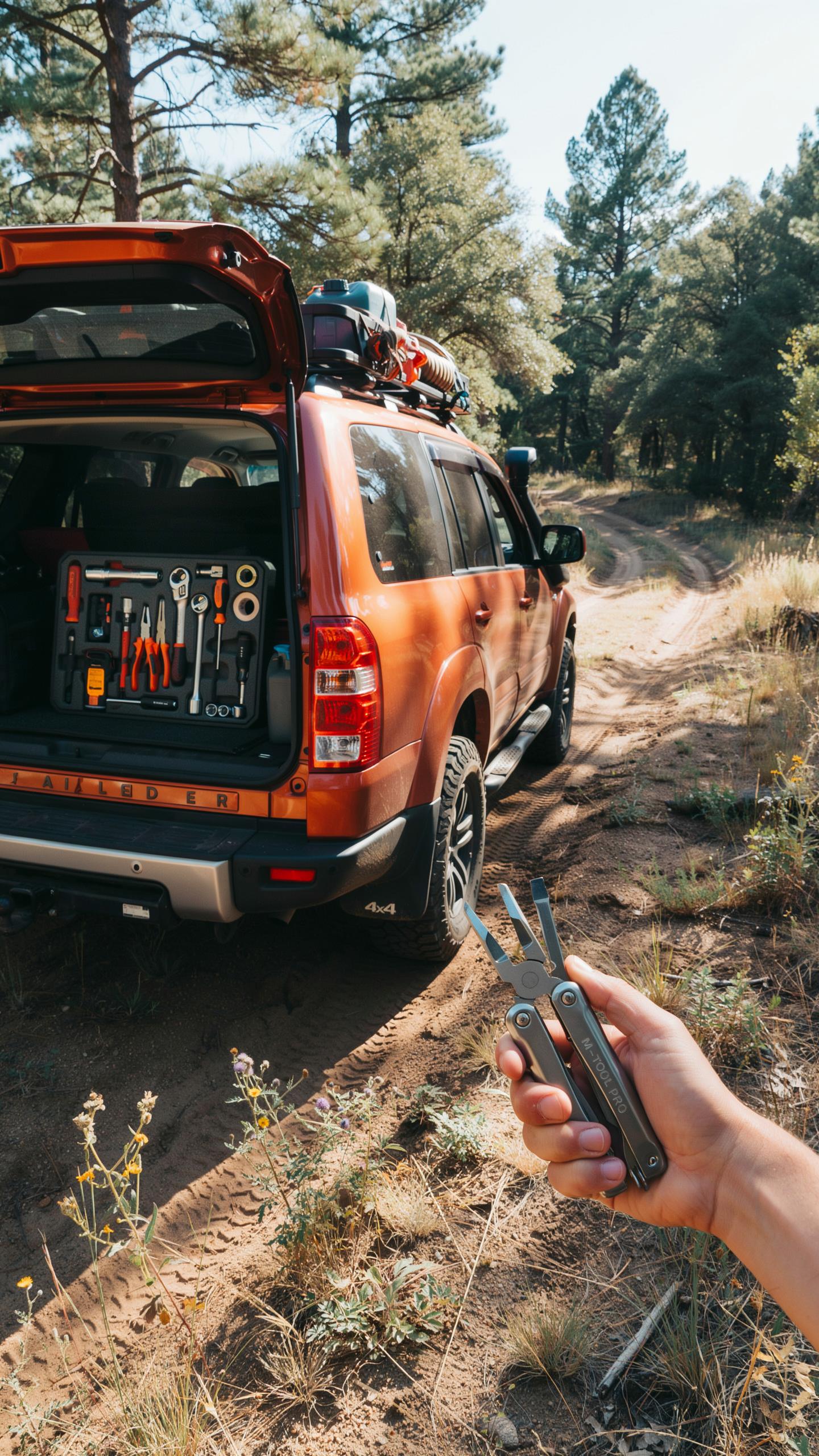
Your multi-tool must match the mechanical problems you’ll actually face on overland trips. Vehicles break down in remote locations where you can’t call a mechanic. A multi-tool with hex drivers, pliers, and wire cutters handles common field repairs. Flat tire patches, loose bolts, and cut battery cables all demand specific tool access. Select models that prioritize these functions over unnecessary extras that add bulk.
Different vehicle platforms have different failure points. A Land Rover needs different tools than a truck with a diesel engine. Research your specific 4×4’s common issues before buying. Check owner forums for what tools others carry for your model. Match your multi-tool selection to actual breakdowns you’re likely to encounter, not hypothetical scenarios.
Weight And Size For Easy Access
A comprehensive multi-tool means nothing if it stays buried in your cargo. Carrying something too heavy or awkward discourages you from grabbing it when needed. Your multi-tool should fit in a cargo pocket, glove box, or small pack pouch. You’ll reach for it more often if it weighs under one pound and measures under four inches closed.

Accessibility trumps comprehensiveness in real field conditions. A mid-sized multi-tool you actually use beats a large one left behind. Test the tool’s weight and size in your hands before purchasing. Think about how you’ll carry it during your trip. The best multi-tool is the one you have with you when something breaks.
Beyond The Basics Specialized Multi Tools
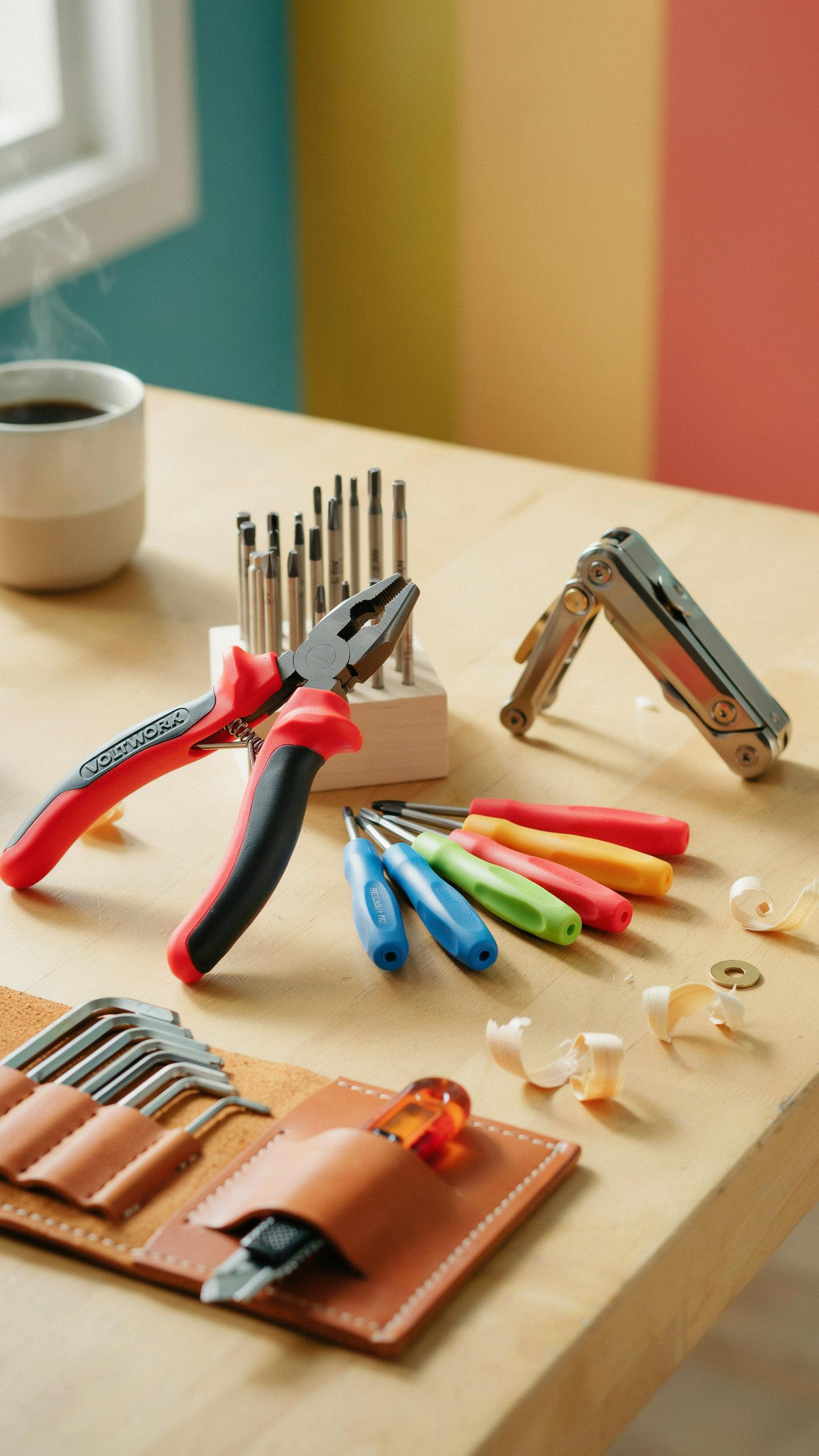
Multi Tools With Fire Starters And Whistles
Fire starters integrated into multi-tools serve a direct function on overland trips. Magnesium strikers work by scraping magnesium shavings onto tinder and igniting them with a striker rod. These components add minimal weight and bulk while providing reliable ignition in wet conditions where traditional matches fail. Ferrocerium rods, the actual technical name for most fire starters, generate sparks at 3000 degrees Celsius and function reliably at high altitude and extreme cold.
Emergency whistles embedded in multi-tool handles address signaling needs during navigation errors or vehicle breakdowns. A quality whistle produces sound output around 120 decibels, audible from significant distances across varied terrain. These features remain passive until needed, requiring no fuel or batteries. Tools like the Victorinox Swiss Army models and Leatherman Signal specifically combine fire starters with whistles for expedition use. The addition increases utility without sacrificing portability during multi-week overland campaigns.
The memories we make on the trail are often forged by the simple tools we carry, little heroes that fix and mend our way forward.
Knife Focused Vs Plier Focused Designs
Knife-focused multi-tools prioritize blade performance for cutting tasks like food prep, rope work, and equipment repair. Brands like Opinel and some Leatherman models feature thicker blade stock and superior edge geometry. These designs excel when cutting dominates your task list during trips. Plier-focused tools sacrifice blade thickness to maximize plier function, jaw leverage, and wire-cutting capability.

Plier-focused designs handle mechanical work on vehicles and equipment more effectively than knife-centric models. Heavy-duty pliers cut thicker gauge wire, compress hose clamps, and apply torque to fasteners. Your choice depends on which tasks consume most repair time during overland travel. Vehicle maintenance typically demands plier strength over knife versatility, making plier-focused multi-tools the practical choice for mechanical work in remote settings.
Maintaining Your EDC Pocket Multi Tool
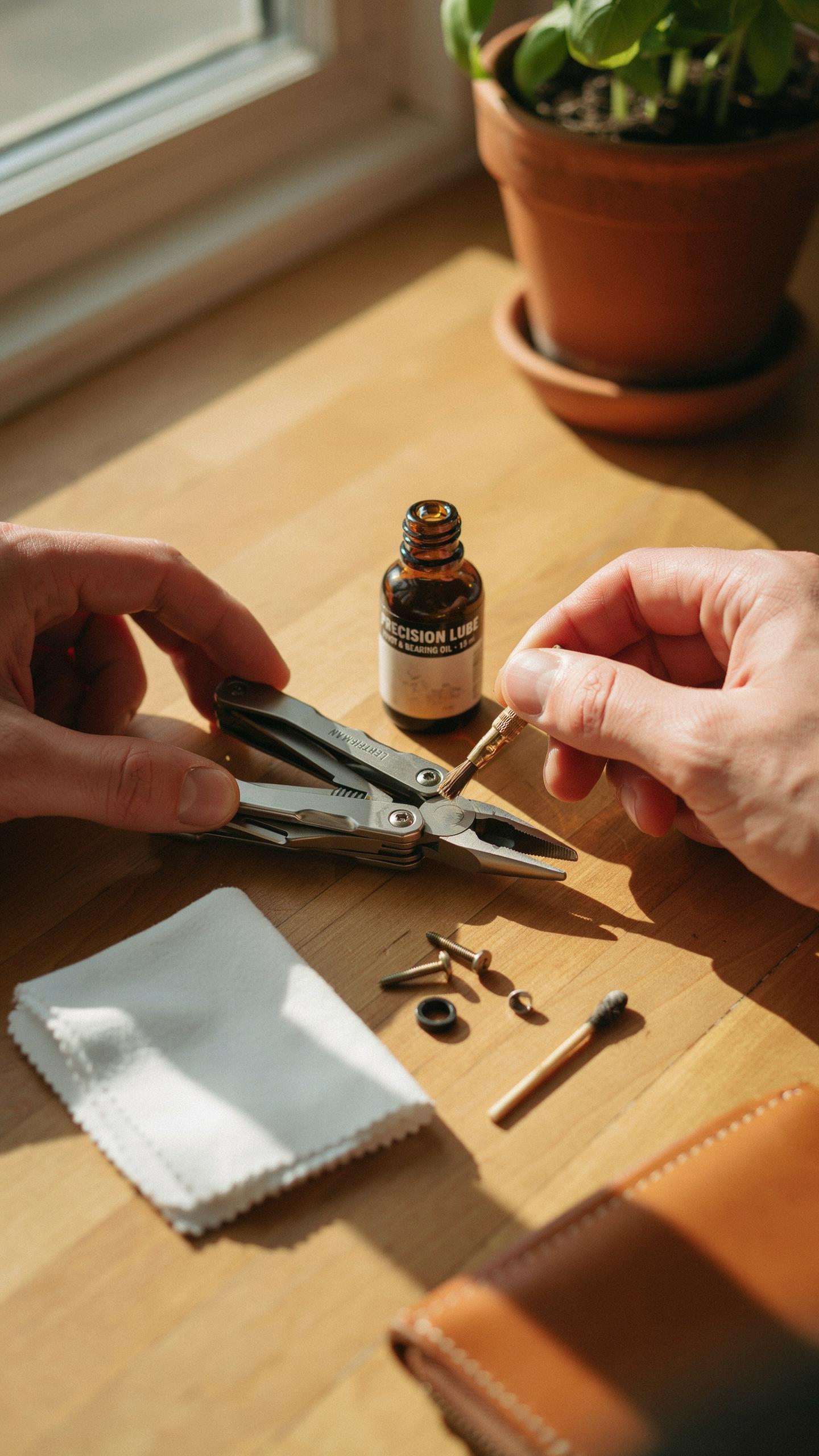
Cleaning And Lubrication For Longevity
Dirt and debris accumulate in the joints and pivot points of your multi-tool during overland trips. Field conditions introduce sand, mud, and salt that accelerate corrosion and wear. Clean your tool weekly by rinsing with fresh water and drying completely. Use a soft brush to remove particles from crevices where they lodge and cause friction.
Light lubrication prevents rust and keeps mechanisms moving freely. Apply a thin coat of oil to pivot points, springs, and blade hinges. Avoid over-lubricating, which attracts dirt and creates a sticky residue. A single application every two weeks during active use maintains performance without accumulating grit. This simple routine extends tool life by years and prevents failures when you need it most.
Sharpening Blades And Replacing Components
Dull blades require more force to cut, increasing slip risks and hand fatigue during critical tasks. Maintain your knife blade with a pocket sharpener or whetstone designed for field use. A 15-20 degree angle works for most multi-tool blades. Test sharpness by attempting to cut paper cleanly. A sharp blade cuts with minimal pressure and leaves clean edges on wood and cord.

Some multi-tool brands offer replacement components for worn or damaged parts. Check your tool’s manual for compatible replacements. Springs weaken, screwdriver tips strip, and bottle openers bend from misuse. Replacing specific components costs less than buying a new tool and keeps your existing tool reliable. Verify availability before purchasing, as not all manufacturers support long-term parts replacement.
Integrating Your Multi Tool Into Off Road Vehicle Organization
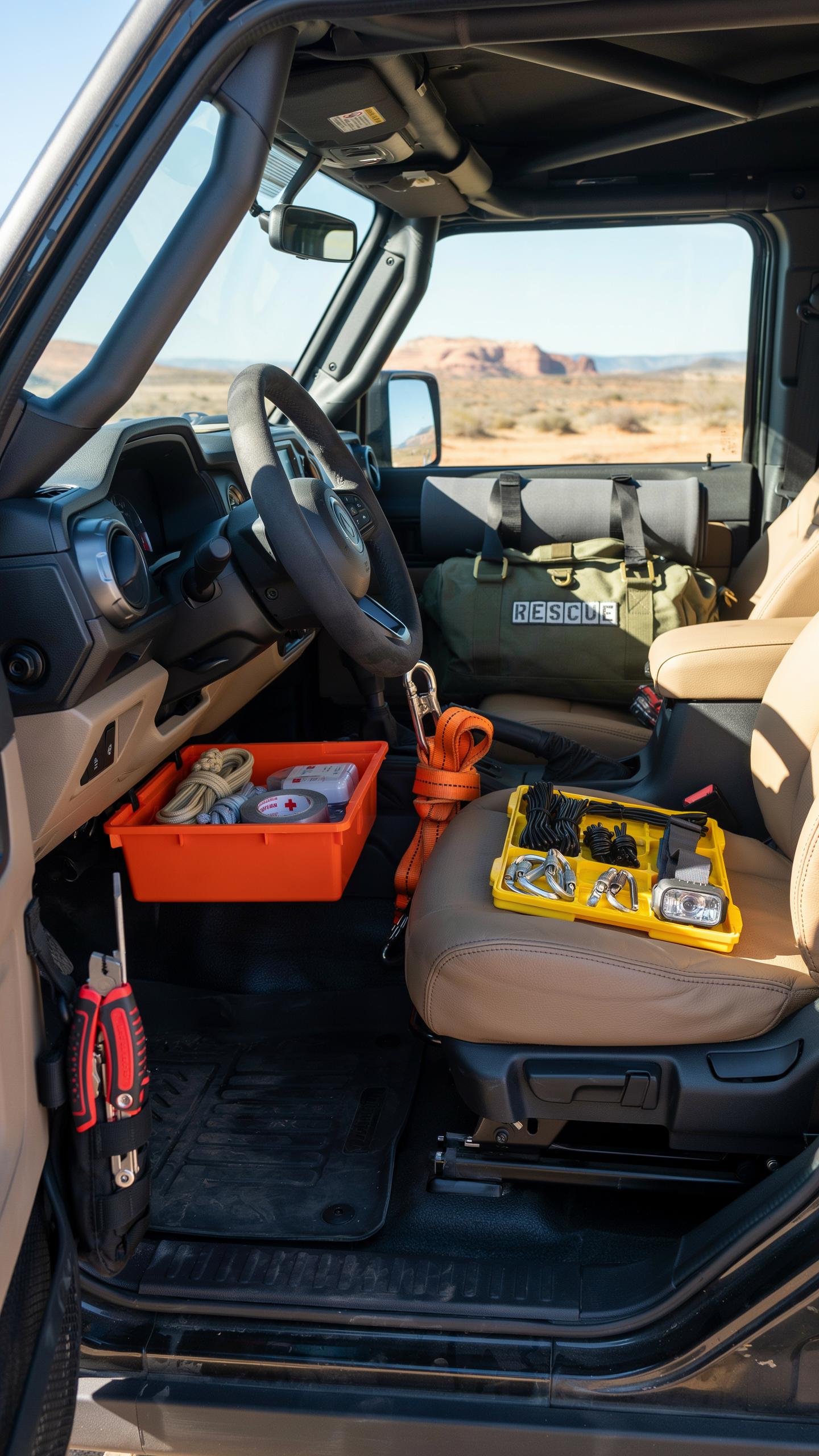
Accessible Storage Solutions
Your multi-tool must live where you can grab it in seconds. Mount it in your glove compartment for quick access during roadside repairs. A center console organizer or door pocket works equally well. The goal is eliminating search time when you need it. Speed matters in remote locations with limited daylight or deteriorating conditions.
Position your multi-tool where it won’t shift during rough terrain. Velcro strips or magnetic mounts keep it stable without bouncing loose. Avoid burying it under other gear where you forget it exists. Test your storage setup on a test drive over rough ground. If it moves, adjust the mounting immediately before hitting the trail.
Pairing With Other Essential Tools
A multi-tool handles quick fixes and minor adjustments. It does not replace dedicated wrenches, sockets, or specialized diagnostic equipment. Carry a separate basic tool kit with items your multi-tool cannot handle effectively. Identify your vehicle’s specific needs before departure. Different rigs require different support tools based on age, complexity, and common failure points.

Build your tool kit around your multi-tool, not instead of it. Include vehicle-specific items like spare belts, hoses, and fuses. Add jumper cables, a floor jack, and a tire repair kit. Your multi-tool becomes the secondary option for tasks your main tools cannot address. This redundancy keeps you moving when primary tools fail or get damaged.
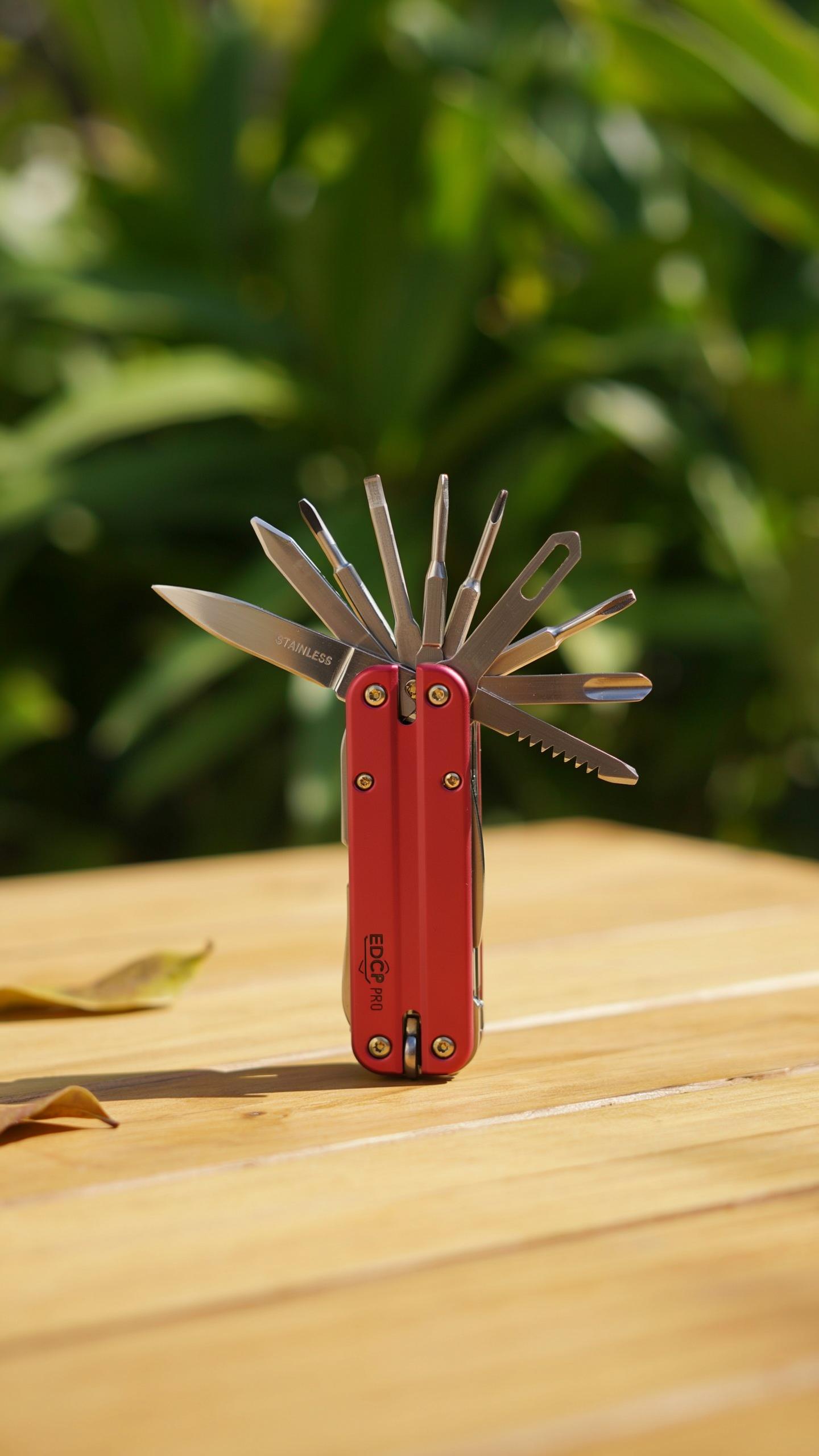
Multi Tool On Wooden Surface Craftsmanship And Design
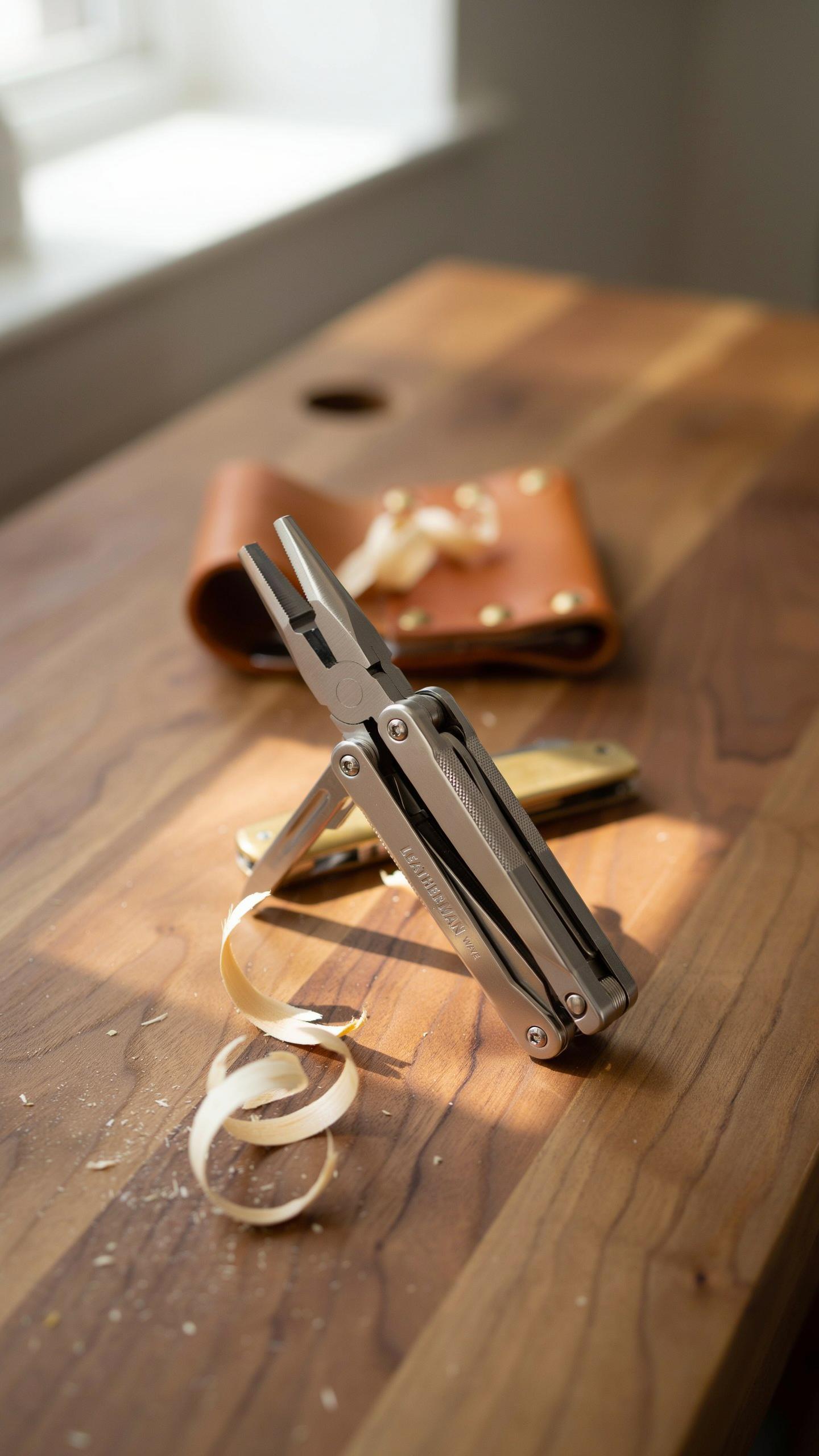
Aesthetic Appeal And Ergonomics
A multi-tool’s grip directly impacts performance in the field. Your hand endures repetitive motions, temperature swings, and extended hold times. Poor ergonomics cause fatigue and reduce precision when you need it most. Manufacturers test grip geometry against real use cases, not marketing concepts. Materials matter: rubberized handles provide control in wet conditions while metal scales offer durability and weight consistency.
Design choices reflect functional priorities. Tools with textured surfaces resist slipping during high-stress tasks. Weight distribution affects how quickly you tire during extended use. Handles sized too large or too small force awkward wrist angles. Overland trips demand tools that vanish into your hand rather than announce themselves through discomfort.
The Heritage Of Reliable Tools
Established multi-tool manufacturers built their reputations through decades of field testing and iteration. Victorinox, founded in 1884, refined pocket knife design across generations. Leatherman, established in 1983, pioneered modern multi-tool ergonomics based on real user feedback. These companies didn’t achieve longevity through trends. They refined what works and eliminated what fails in actual conditions.

Manufacturing heritage translates to material selection and assembly standards. Older brands source high-carbon stainless steel and titanium alloys from suppliers they’ve vetted for years. Their factories maintain tolerances that prevent blade wobble and tool jamming. Warranty programs reflect this confidence. When a brand stands behind products for decades, their design decisions earn trust through results, not marketing.
Overlanding Gear Accessories Beyond Just The Multi Tool
Carrying Solutions And Sheaths
A sheath or carrying case protects your multi-tool from damage and keeps it accessible. Leather sheaths offer durability and age well with use. Kydex sheaths provide lighter weight and moisture resistance. Belt loops or molle attachments determine where you carry the tool. Your choice depends on vehicle setup and personal access preference.
The right sheath prevents your multi-tool from rattling loose during rough terrain. It protects the blade and moving components from dirt and impact damage. Quick-draw designs let you access the tool without fumbling. Test your carrying solution on short trips before committing to longer expeditions. Poor carrying setup wastes time and risks losing your tool entirely.
Complementary Gear For Complete Preparedness
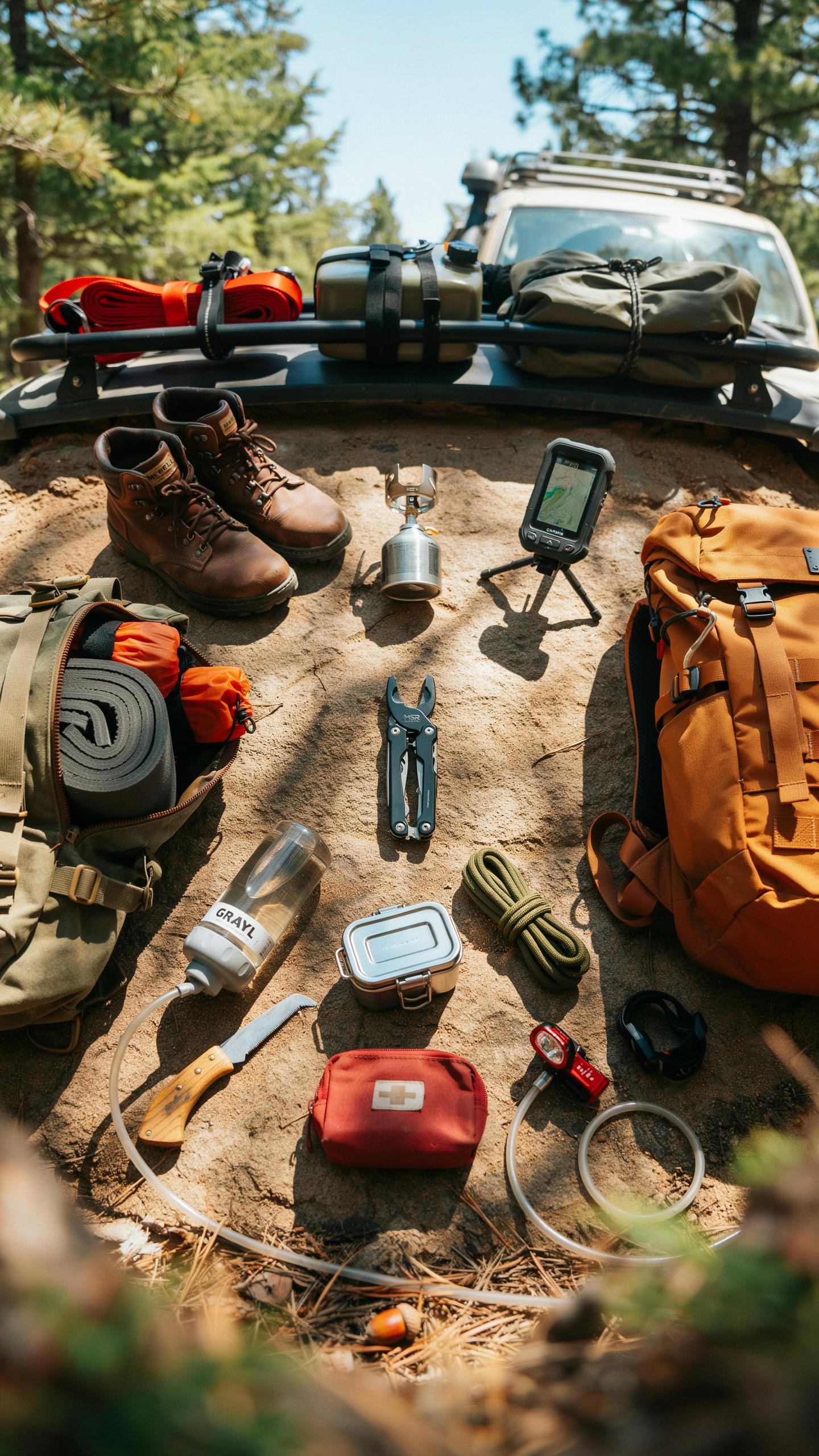
Your multi-tool handles specific tasks but cannot replace specialized equipment. Headlamps with adjustable beams enable hands-free work during night repairs or camp setup. First-aid kits address injuries that occur far from medical help. Communication devices like satellite messengers keep you connected when cell networks fail.

Recovery gear including traction boards, snatch blocks, and rated straps handles vehicle extraction situations. Tire repair kits, air compressors, and spare belts address common mechanical failures. Navigation tools like maps and GPS units prevent getting lost in remote areas. Building a complete kit means your multi-tool works within a system designed for self-sufficiency rather than standing alone.
Frequently Asked Questions

What exactly is a multi-tool gadget for overland trips and why do I need one?
A multi-tool gadget for overland trips is a compact device that combines several essential tools into one, like pliers, knives, screwdrivers, and saws. It’s crucial for overlanding because it saves space, reduces weight, and provides immediate solutions for unexpected repairs or tasks far from civilization. It’s an invaluable problem-solver on the trail.
How do I choose the best multi-tool gadget for my specific overlanding needs?
Consider the types of tasks you anticipate most: will you be cutting rope, tinkering with your vehicle, or preparing food? Look for durability, a comfortable grip, and specific tool sets that match your projected uses. Reading reviews from fellow overlanders can also help narrow down the ideal multi tool gadget for overland trips.
Are there affordable multi-tool options that are still reliable for overlanding?
Absolutely! While high-end multi-tools exist, many reputable brands offer excellent, durable options at mid-range prices. Focus on essential functions and good quality steel rather than overwhelming features you won’t use. Look for sales or consider slightly older models that still perform exceptionally well as a multi tool gadget for overland trips.