
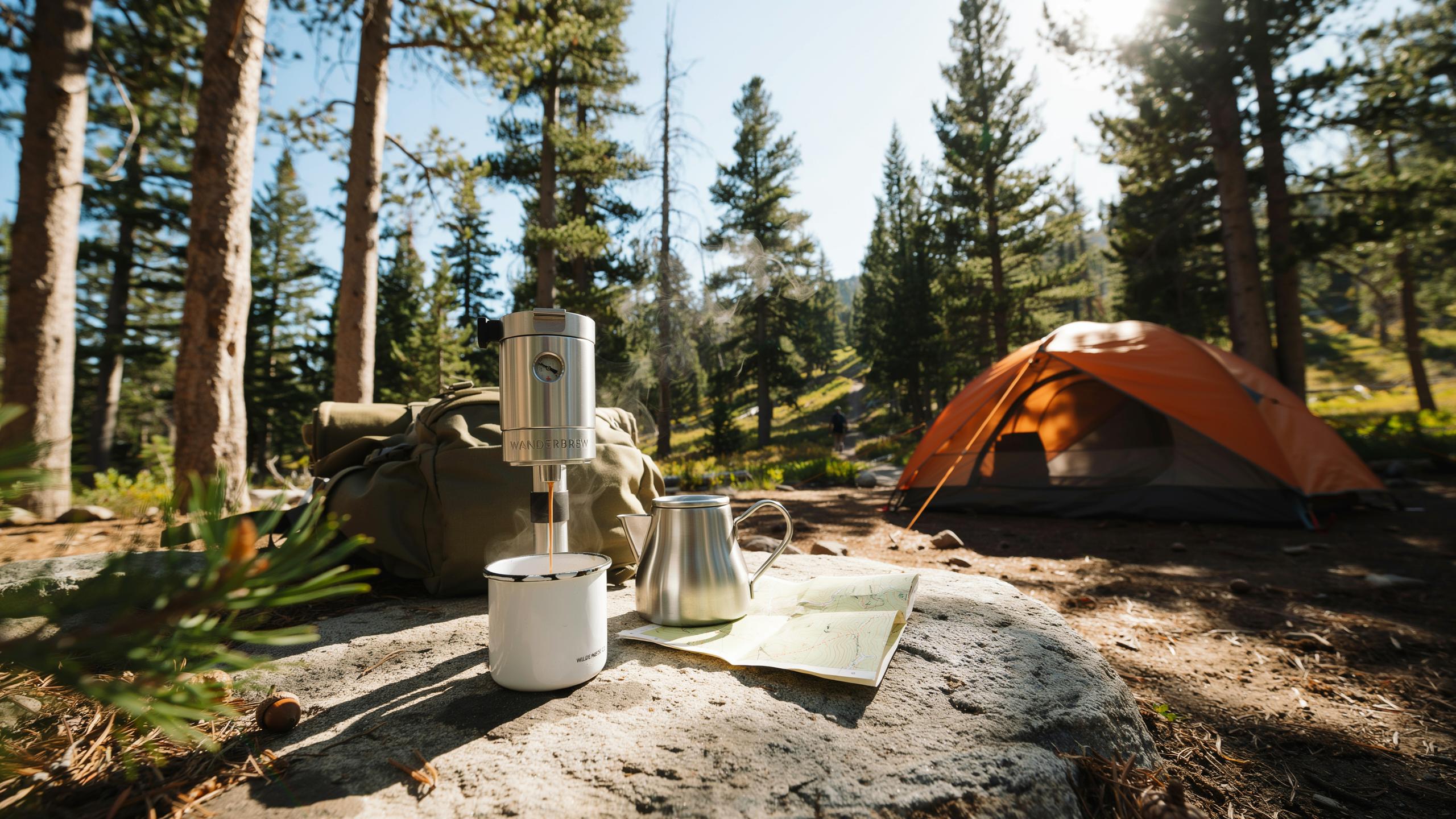
Why A Portable Espresso Maker Is Your Campsite Morning Essential
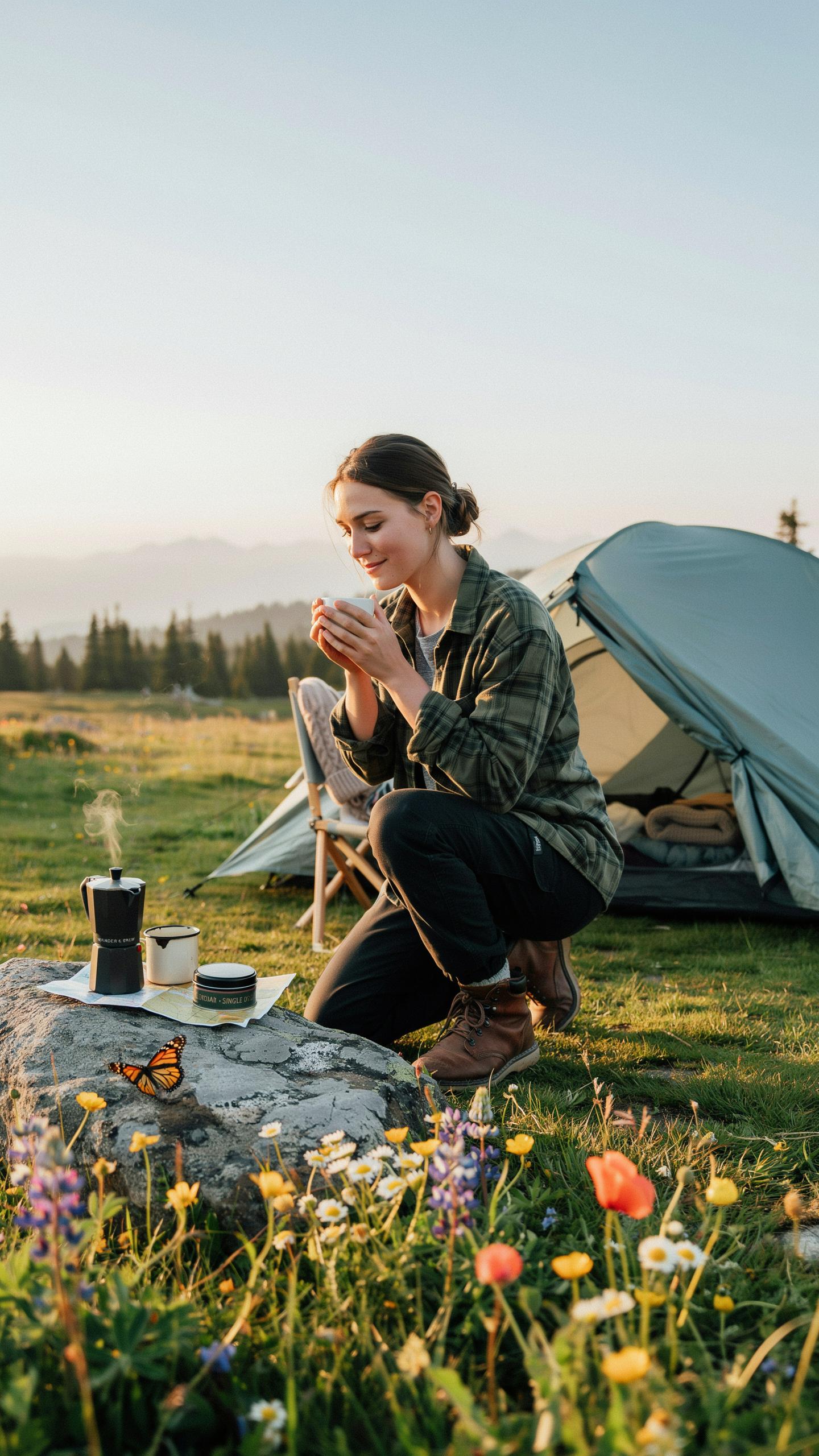
The Allure Of Fresh Espresso Amidst Nature
A portable espresso maker delivers hot, pressurized coffee within minutes of waking. You control the brew strength, water temperature, and extraction time. This beats reheating a thermos of yesterday’s coffee or waiting for a campfire to heat water. Fresh espresso tastes noticeably better than day-old brewed coffee. The ritual of making it adds structure to your morning routine in the backcountry.
Espresso contains more concentrated caffeine per ounce than standard drip coffee. A single shot delivers a faster energy boost when you need it most. You consume less liquid overall, which matters on camping trips where water is limited. The intensity of espresso satisfies experienced coffee drinkers who refuse to compromise on quality. Portability means you access this satisfaction whether you camp five miles from your car or fifty.
Beyond Instant Coffee: A Flavor Revolution On The Go
Instant coffee dissolves in hot water but lacks the chemical complexity of freshly extracted espresso. Espresso extraction pulls oils, acids, and flavor compounds from ground beans under pressure. This process creates depth that instant granules simply cannot replicate. Instant coffee tastes flat and one-dimensional by comparison. A portable espresso maker uses the same extraction method as permanent espresso machines, just at a smaller scale.
Ground coffee beans stay fresher longer than instant powder when stored in airtight containers. You can grind beans right before brewing for maximum flavor retention on your trip. Instant coffee loses volatile aromatic compounds during the spray-drying manufacturing process. The taste difference becomes obvious on your first sip of fresh portable espresso. Once you experience this contrast, returning to instant feels like a downgrade you no longer accept.

Understanding The Different Types Of Portable Espresso Makers
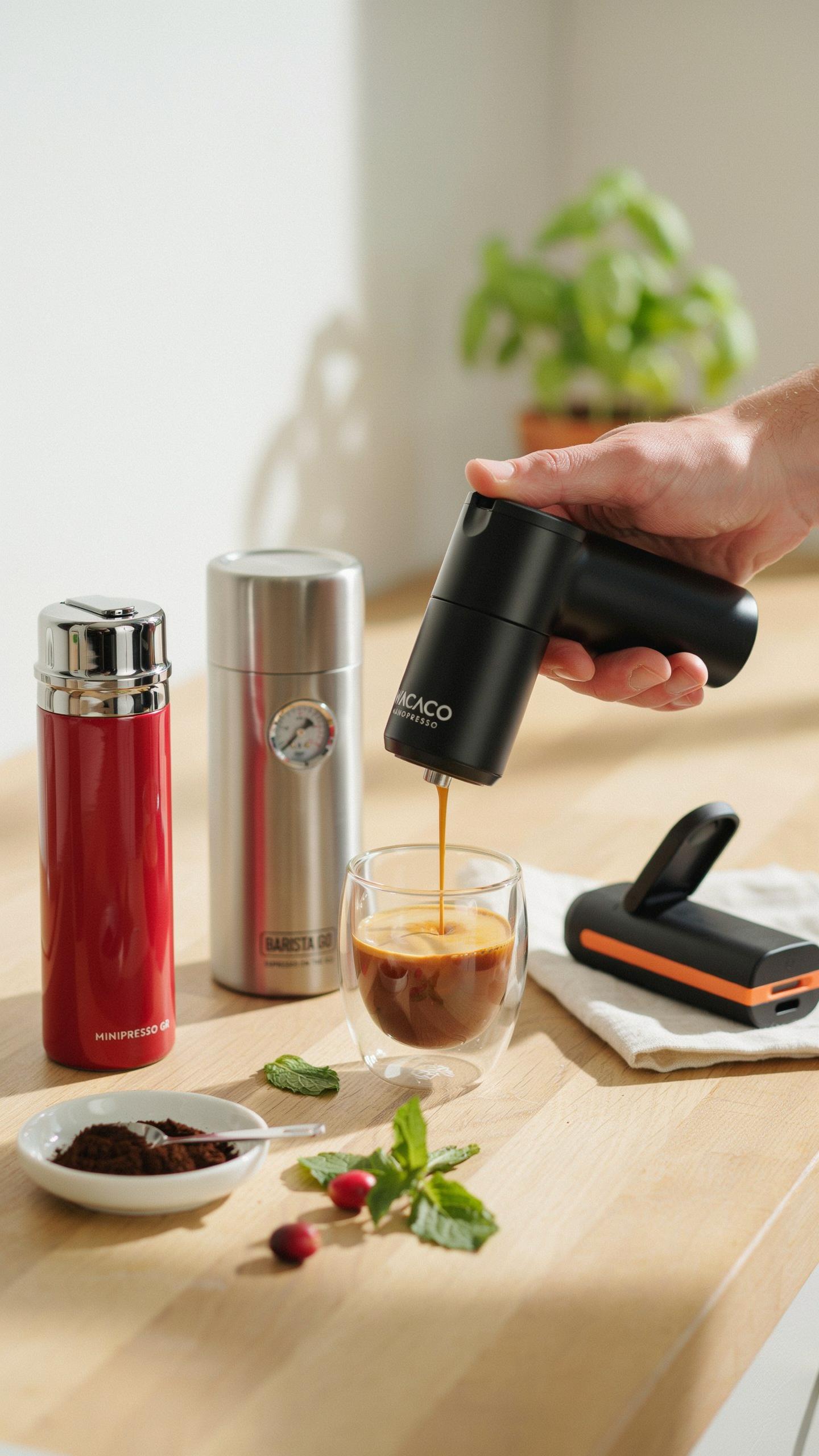
Manual Pump Espresso Makers: Simplicity And Control
Manual pump espresso makers operate through hand-operated pressure mechanisms. You push a lever or pump repeatedly to force hot water through ground coffee. These devices require no batteries, electricity, or fuel beyond heat. Common designs include the AeroPress, Flair, and traditional lever-style makers. They deliver genuine espresso extraction through mechanical pressure rather than relying on electrical components.
Manual makers give you direct control over extraction variables. You adjust pump speed, pressure intensity, and dwell time based on feel and experience. This hands-on approach appeals to users who want consistency without electronic dependency. Weight ranges from 8 to 16 ounces for most models. Setup involves heating water separately using a camp stove or fire before brewing.
Battery Operated And USB Powered Options
Battery and USB-powered espresso makers automate the pressure generation process. Electric motors pump water at consistent PSI levels without manual effort. These models brew faster than manual alternatives and require less physical exertion. Examples include the Wacaco Nanopresso and various cordless units on the market. USB charging allows you to power these makers from portable batteries or solar panels.

Electric portables sacrifice some control for convenience and repeatability. You load coffee and water, press a button, and the machine handles extraction. Most models achieve 8 to 9 bars of pressure reliably. Battery runtime typically supports 40 to 80 brewing cycles per charge depending on capacity. Weight increases to 1 to 2 pounds due to motor and battery components.
Key Features To Look For In A Portable Espresso Machine
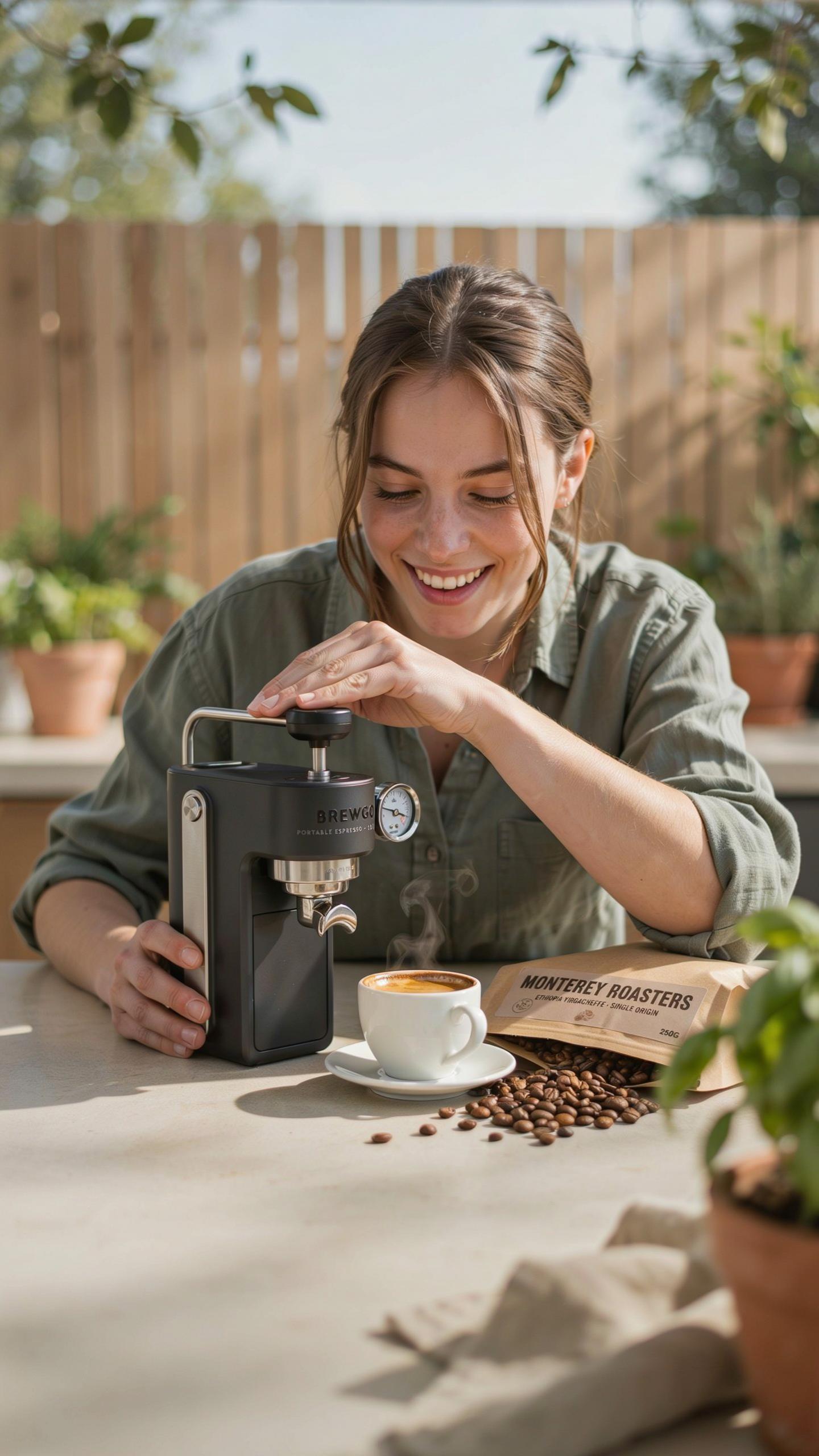
Portability And Durability: Built For The Trail
Weight matters on the trail. Most portable espresso makers range from 0.5 to 2 pounds. Lighter models use aluminum or stainless steel frames. Heavier units offer more stability during brewing. Your pack weight determines what works for your trips. Prioritize machines under 1.5 pounds for day hikes and multi-day treks.
Durability determines how long your machine survives camp conditions. Metal construction withstands drops and rough handling better than plastic. Sealed joints prevent dirt and water infiltration. Check that the gaskets and seals are replaceable parts you can source later. Machines designed for outdoor use have reinforced handles and non-slip grips for wet hands.
Brewing Capacity And Efficiency
Most portable espresso makers produce one to two shots per brew cycle. Shot volume typically ranges from 1 to 2 ounces. Brewing time varies from two to five minutes depending on the machine type. Manual models take longer but require no power source. Semi-automatic machines deliver faster results when you have camping stove access.
Efficiency relates to water usage and heat retention. Compact machines heat water faster with less fuel consumption. Single-chamber designs brew quicker than models requiring separate heating steps. Consider how many morning doses you need before refilling water. For solo campers, one or two shots suffice. Group camping trips benefit from machines handling back-to-back brews without cooling down between cycles.
Preparing Your Coffee Grounds For The Best Portable Espresso Maker Experience
Grind Size Matters: Achieving The Perfect Extraction
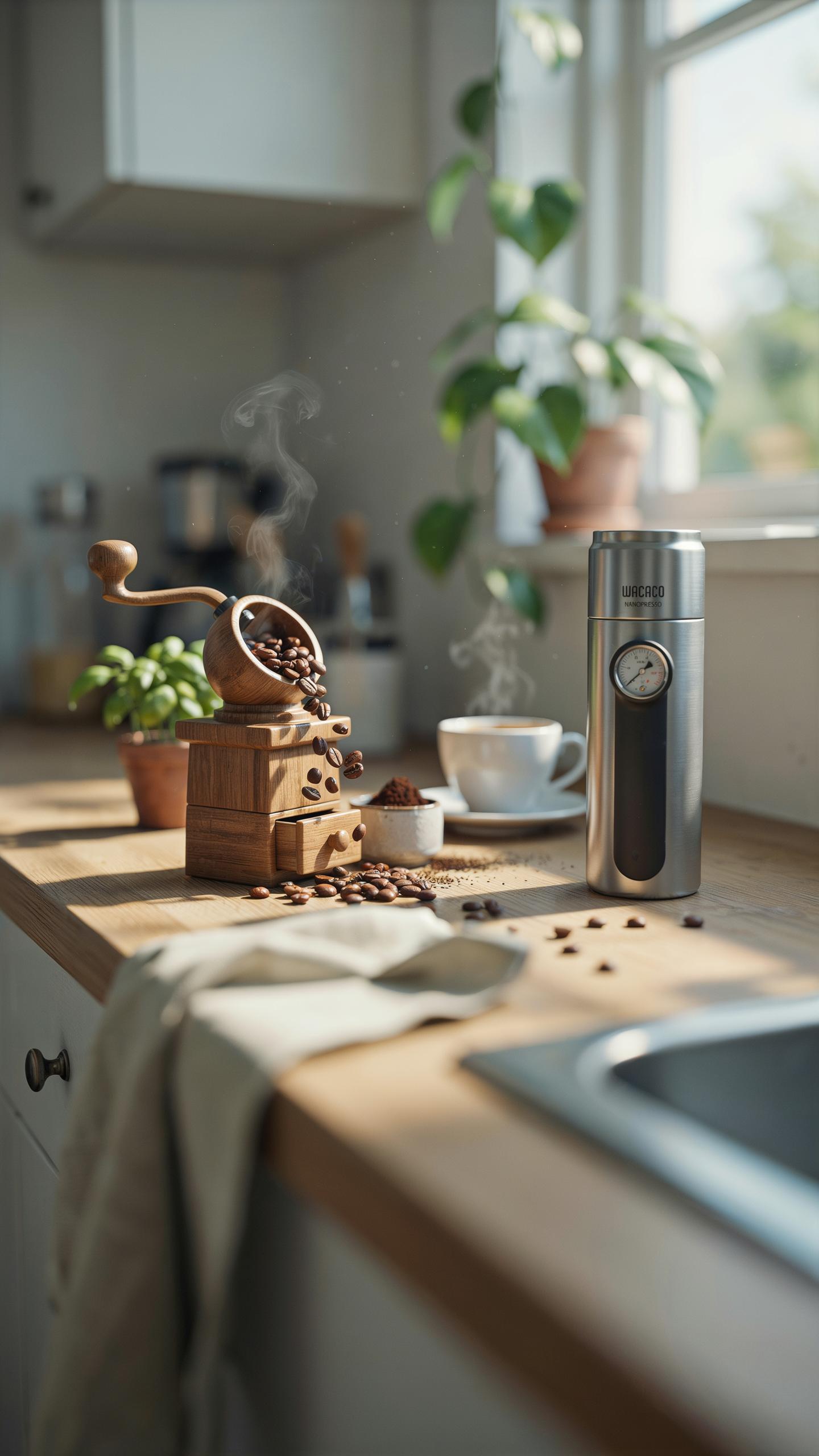
Portable espresso makers require a medium-fine grind. This consistency lets water pass through grounds in 25 to 30 seconds, extracting flavor without over-extraction. Too coarse and you get weak coffee. Too fine and the maker clogs or produces bitter shots. Consistency matters more than perfection on the trail.
The grind size directly impacts pressure and flow rate in hand-operated or stovetop portable espresso makers. Water needs resistance to build pressure. Uniform particles ensure even extraction across all grounds. Invest 30 seconds to grind your coffee properly before brewing. This single step determines whether you get decent espresso or regrettable sludge.
Pre Ground Vs On Demand Grinding On The Trail
Pre-ground coffee saves time and weight. Buy finely ground espresso coffee before your trip and store it in an airtight container. Grounds stay fresh for 2 to 3 weeks in sealed bags. The trade-off is flavor degradation once exposed to air. Ground coffee loses volatile compounds faster than whole beans do.
On-demand grinding with a portable hand grinder gives you fresher shots but costs time and effort. Hand grinders designed for camping weigh 5 to 8 ounces and produce medium-fine grinds in 2 to 3 minutes. Choose pre-ground if convenience and weight matter more. Choose on-demand grinding if you prioritize flavor and camp for multiple days.
Step By Step Guide Brewing With Your Portable Espresso Maker
Setting Up Your Portable Espresso Maker And Water
Fill your water reservoir with clean water before you start. Use filtered or boiled water when possible to avoid mineral buildup inside the device. Check that all seals are tight and the portafilter sits flush in the group head. Place your grinder and tamper within arm’s reach so you stay organized.
Heat water to 195 to 205 degrees Fahrenheit for optimal extraction. Use a camping stove, fire, or portable kettle to reach this temperature range. Pour heated water into the reservoir chamber according to your device’s capacity. Allow the water to settle for 30 seconds before you begin the brewing process.
The Art Of The Pull: Achieving A Rich Espresso Shot
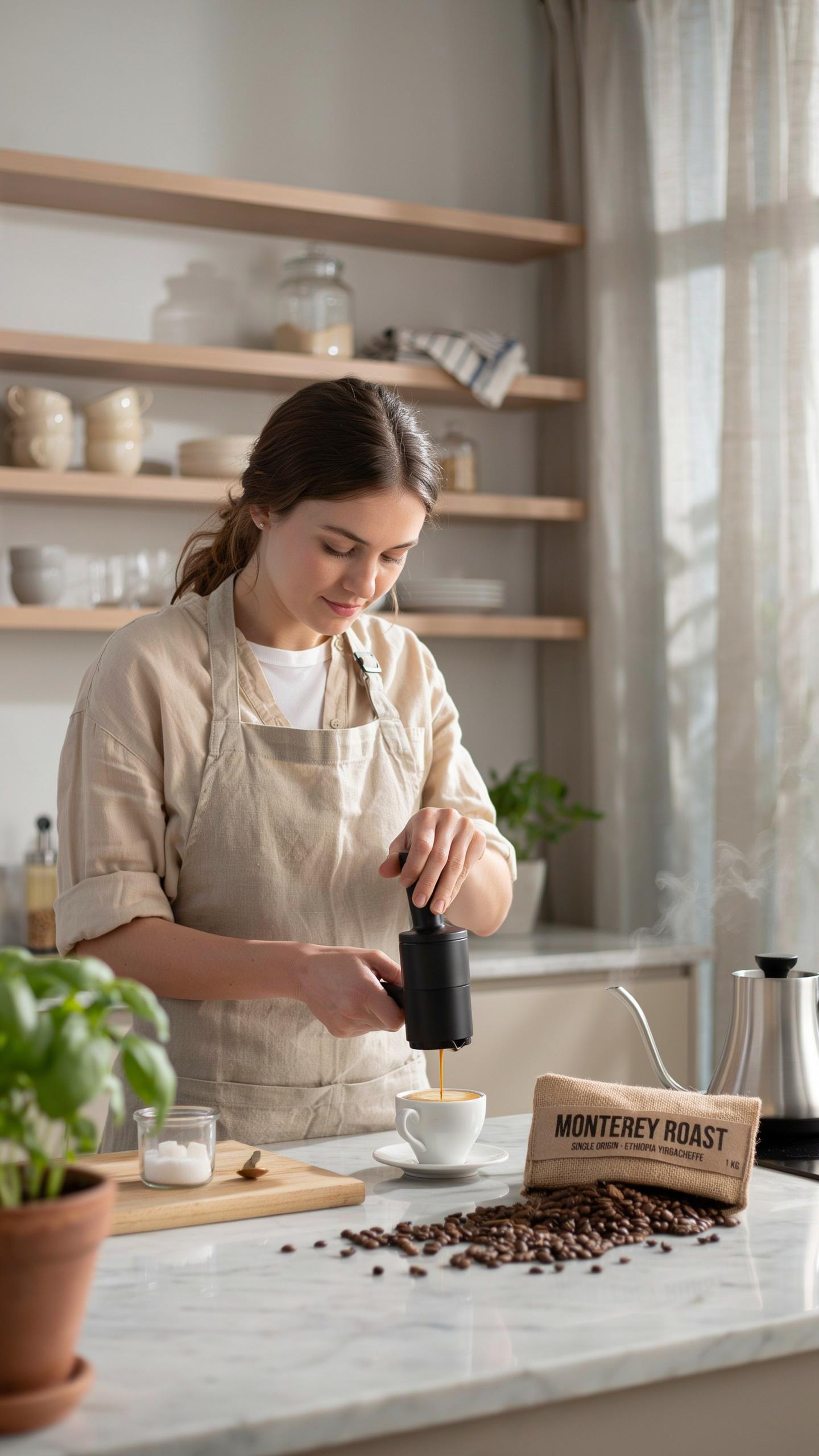
Grind your beans to a consistency resembling table salt, slightly finer than drip coffee. Distribute the grounds evenly in the portafilter basket without gaps or clumps. Tamp the grounds with firm, downward pressure using between 30 to 40 pounds of force. A level, consistent tamp ensures water flows through the coffee uniformly during extraction.

Insert the filled portafilter into the group head and lock it at a 90 degree angle. Apply steady downward pressure on the lever while pulling toward your body for manual models. Maintain consistent pressure throughout the pull to extract for 25 to 30 seconds. Your shot is complete when you stop seeing coffee flow from the spout.
Popular Portable Espresso Maker Brands For Outdoor Enthusiasts
Handpresso Portable Espresso Maker: A User Favorite
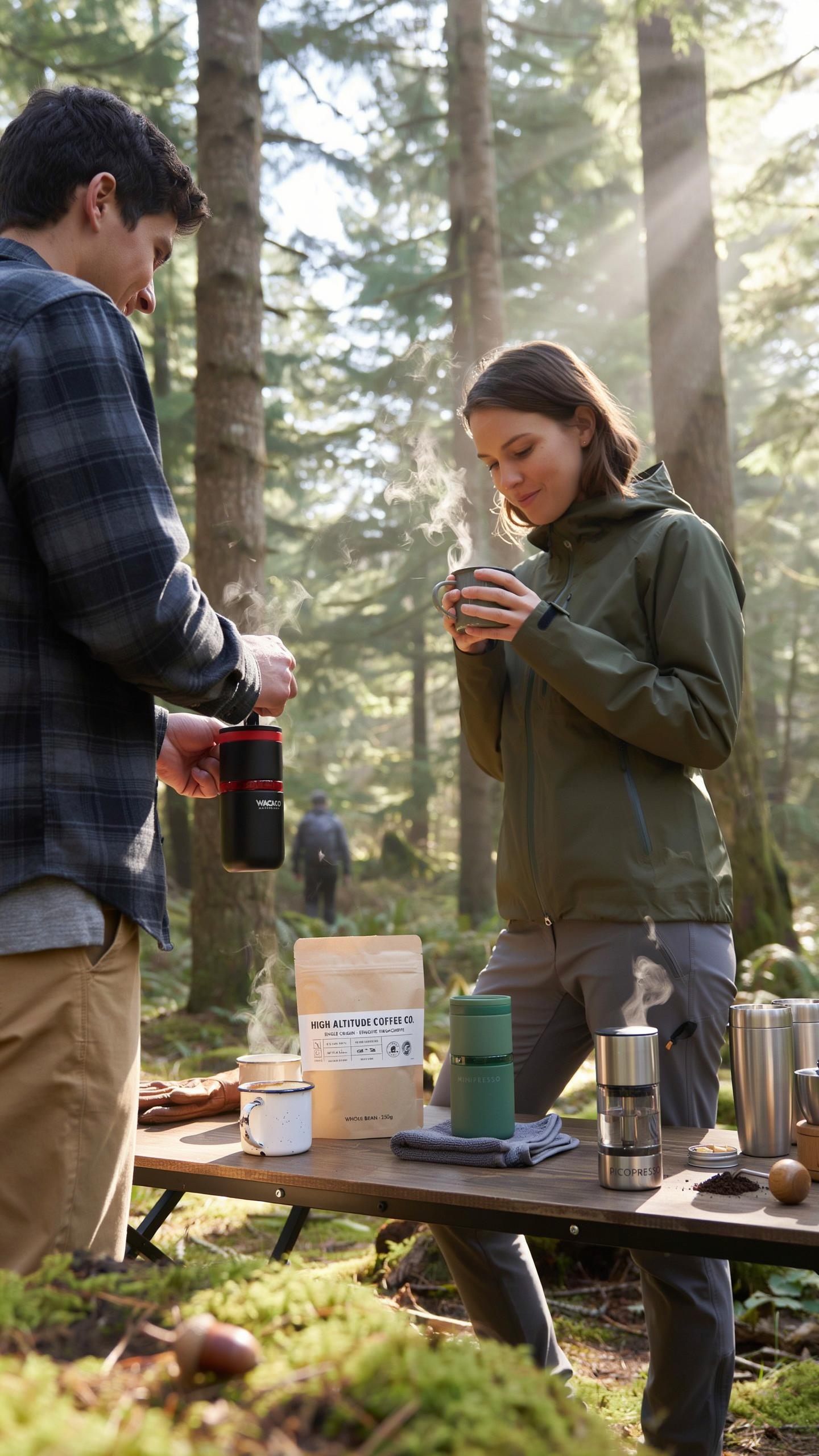
Handpresso builds manual espresso makers designed specifically for field use. Their models use a hand pump mechanism to generate pressure without electricity or batteries. The user manually compresses air in a chamber, then forces hot water through ground coffee. This approach eliminates dependency on external power sources, making it reliable for remote campsites.
Handpresso makers produce genuine espresso under pressure, not just strong coffee. Most models weigh between 400 and 600 grams and fit standard camping backpacks easily. Users fill the water chamber with hot water from a camp stove or thermos, add ground coffee to the filter basket, then pump to extract. The pressure-based extraction yields crema and concentrated coffee comparable to electric machines.
That first sip of campsite espresso always feels like home, even when you’re miles away from it.
Nanofoamer Portable Espresso Machine And Other Innovations
Nanofoamer produces compact espresso devices using different pressure mechanisms than traditional hand pumps. Their models emphasize lightweight construction and simplified operation for camp environments. Beyond Nanofoamer, brands like Wacaco Nanopresso and Minipresso dominate the portable espresso market with lever-based systems that generate pressure through mechanical advantage rather than manual pumping.
These alternatives use sealed chambers and lever mechanisms to build pressure quickly with minimal effort. Lever systems typically require fewer hand repetitions than pump models and generate consistent pressure throughout extraction. Materials span aluminum, stainless steel, and reinforced plastics depending on the brand. Market competition between these manufacturers has driven down prices while improving reliability for outdoor applications.
Cleaning And Maintenance For Your Campsite Coffee Maker
Field Cleaning Techniques For Longevity
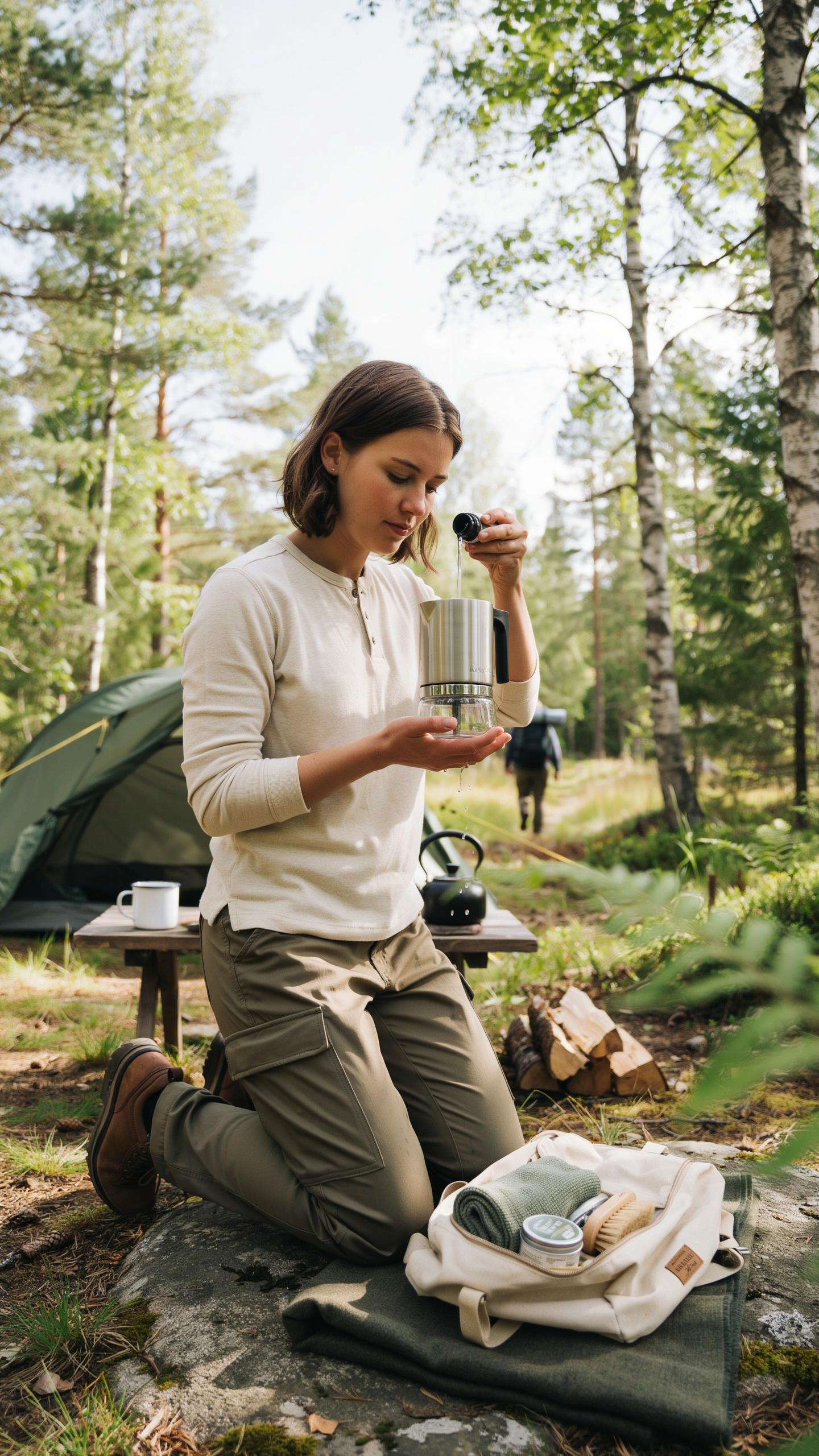
Disassemble your portable espresso maker immediately after brewing. Residual coffee grounds and oils oxidize and damage internal seals. Use filtered or boiled water to rinse all components. Pay specific attention to the filter basket and gasket where grounds accumulate and cause pressure leaks over time.
Dry each part completely before reassembly. Moisture left in the chamber creates corrosion on aluminum or stainless steel bodies. Use a microfiber cloth or bandana to wipe internal surfaces. Store disassembled pieces in separate compartments of your pack to allow air circulation and prevent moisture trapping.
Long Term Care And Storage Tips
Inspect gaskets and seals every three months during regular use seasons. These rubber components degrade from heat cycling and mineral exposure. Replace them when you notice reduced pressure or leaks during brewing. Most manufacturers sell replacement gasket kits that cost between ten and twenty dollars and install in under five minutes.

Store your maker in a cool, dry location when not in use for extended periods. Remove and store gaskets separately to prevent permanent compression. Run water through the device monthly to keep internal passages clear. This prevents mineral buildup from sitting liquid and ensures your maker performs consistently when you need it next.
Accessorizing Your Portable Espresso Setup
Compact Grinders And Insulated Mugs
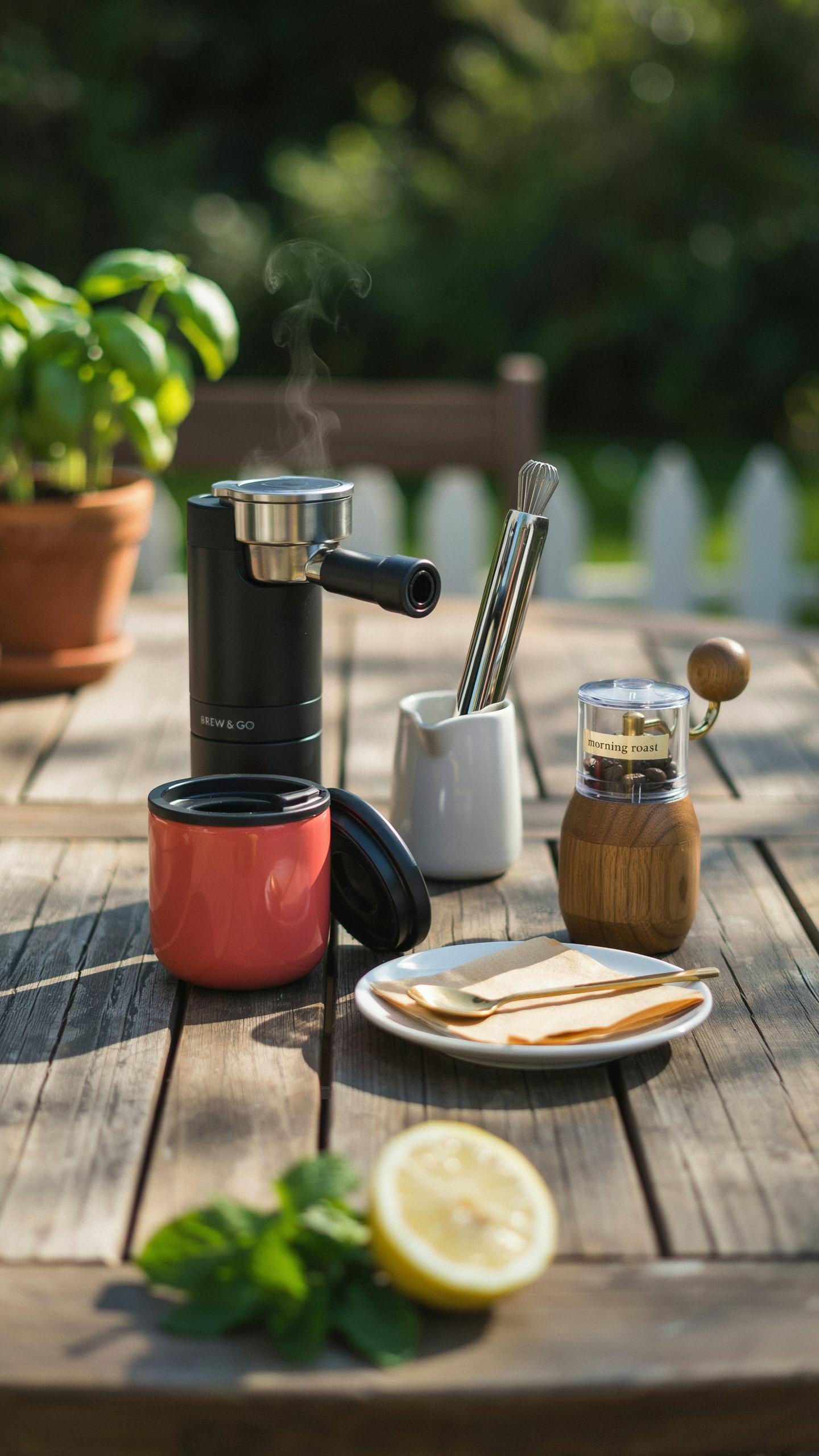
A burr grinder ranks as your first accessory priority. Blade grinders produce inconsistent particle sizes that ruin extraction. Burr grinders deliver uniform grounds that extract properly in limited water contact time. Manual burr grinders weigh under one pound and handle camp duty without power requirements.
Insulated mugs solve the heat retention problem portable espresso makers create. Single-wall cups lose temperature fast in cold air. Double-wall insulation keeps espresso hot for thirty minutes or longer. Select stainless steel models that resist dents and handle repeated packing without failure.
Carrying Cases And Coffee Bean Storage Solutions
Hard cases protect your espresso maker from impact damage during transport. Foam-lined interiors hold equipment stable and prevent component shifting. Soft cases save weight but offer less protection against gear collision. Your choice depends on terrain and how aggressively you pack your rig.

Airtight containers preserve bean freshness by blocking oxygen and moisture. Ground coffee degrades within days when exposed to air. Whole beans stay viable for weeks in sealed storage. Pack only the amount you need for your trip to minimize weight and prevent waste.
Beyond Espresso Versatility Of Your Portable Coffee Maker
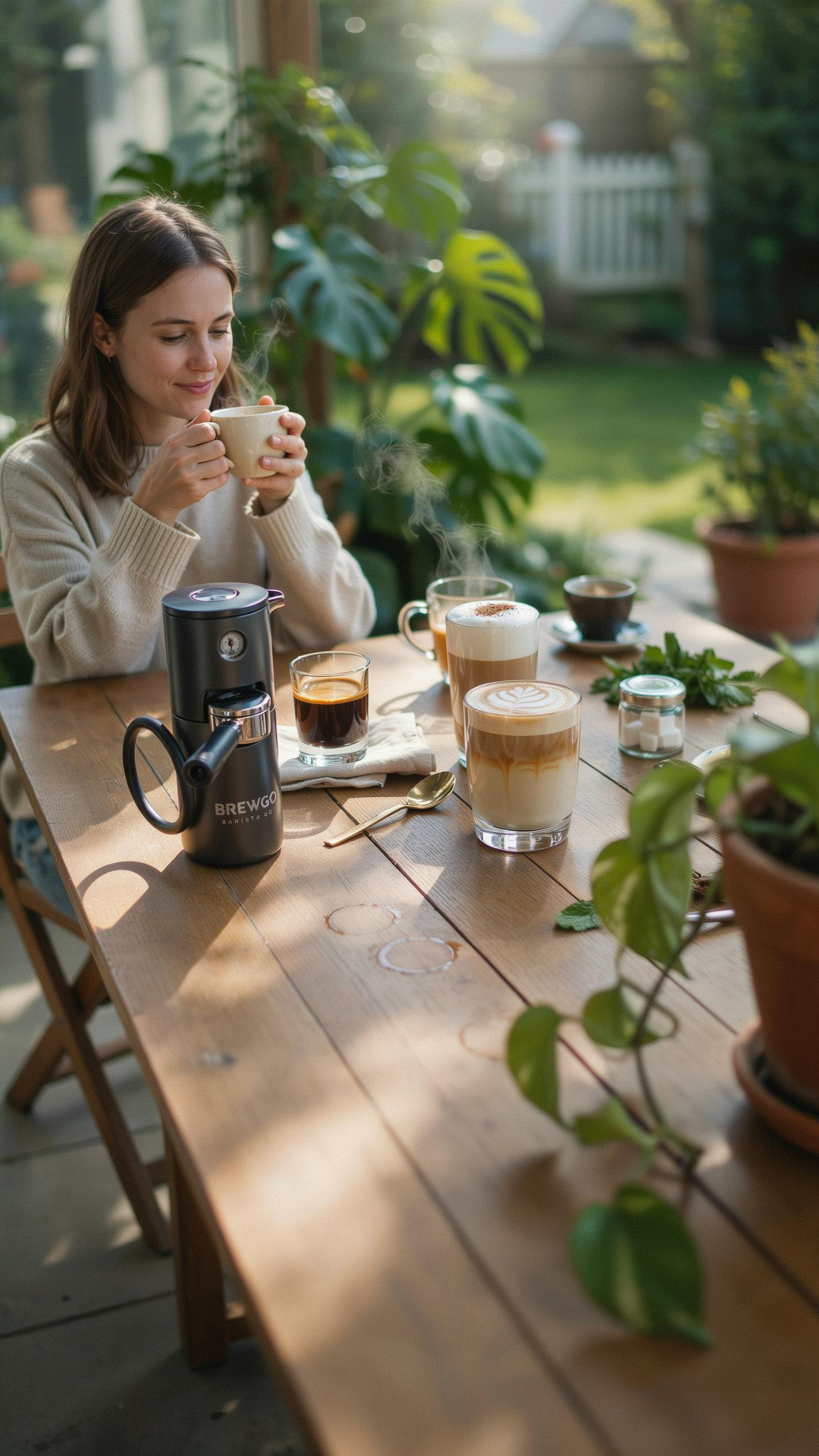
Making Americanos And Lattes In The Wild
Your portable espresso maker produces concentrated shots that serve as the base for multiple drinks. An Americano requires adding hot water to the espresso in a 1:1 or 1:2 ratio, depending on strength preference. You control the water amount, making this adjustment simple at camp. Most makers generate enough pressure to create the crema layer that defines espresso quality.
Lattes demand a milk component, which complicates field preparation. Bring powdered milk or shelf-stable dairy alternatives that mix with hot water. Add the espresso shot to your milk mixture and stir. This approach bypasses the need for a steam wand, which portable models typically lack. The result delivers the same caffeine impact as cafe versions.
Hot Chocolate And Other Warm Beverages
Your portable espresso maker heats water effectively for any hot beverage, not just coffee. The heating chamber reaches temperatures suitable for dissolving cocoa powder, instant oatmeal, or tea. This dual functionality extends your device’s use throughout the day and across different preferences in your camping group.
Herbal teas and instant soups benefit equally from the water heating capability. Fill the water chamber, run it through the cycle, and pour into your cup with your chosen mix-in. You eliminate the need to pack separate heating equipment. One tool replaces multiple devices, reducing pack weight and complexity on the trail.
Troubleshooting Common Portable Espresso Maker Issues On The Trail
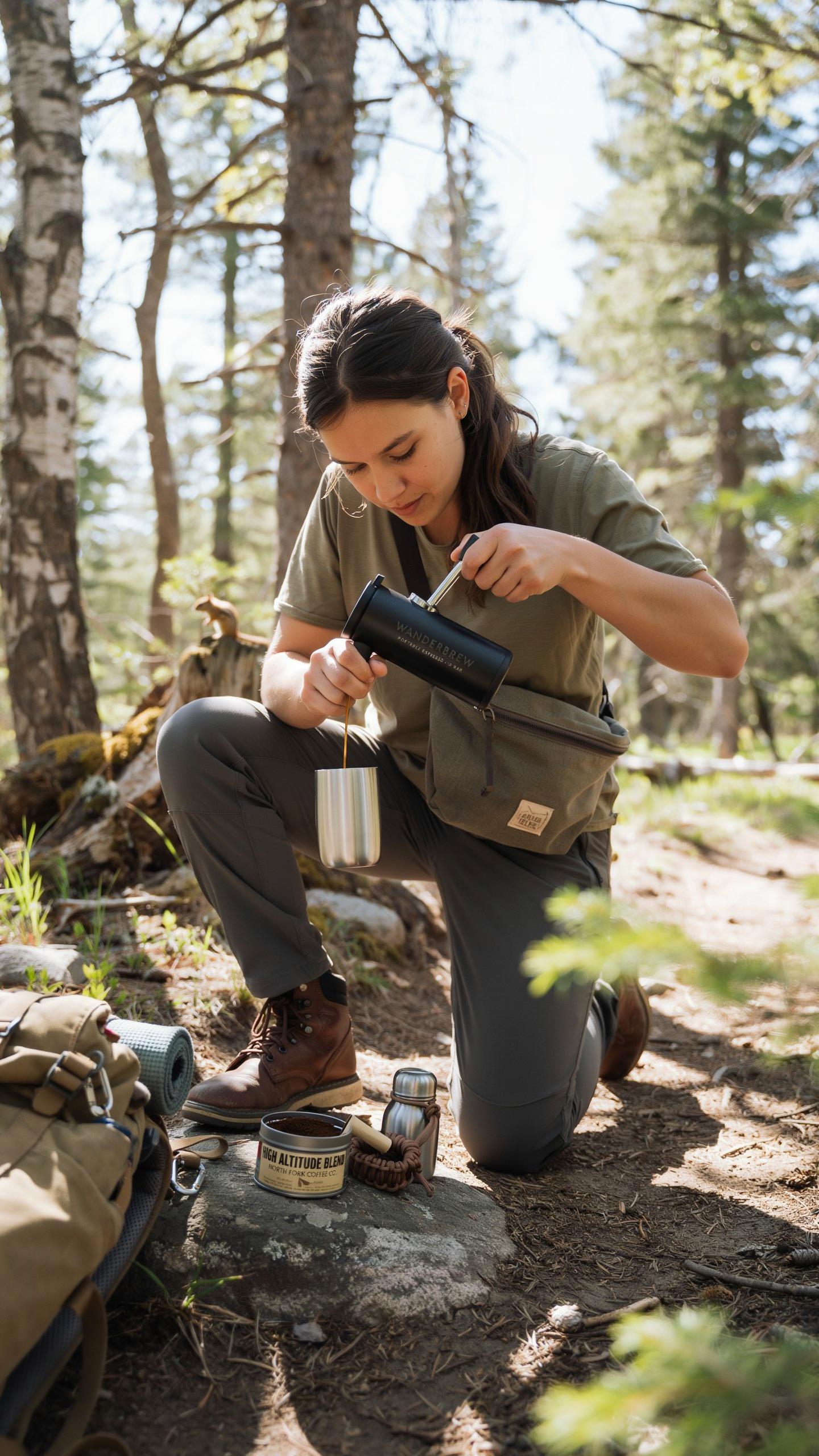
Resolving Pressure And Extraction Problems
Weak shots stem from three core issues: insufficient pressure, incorrect grind size, or inadequate water temperature. Manual espresso makers require steady, deliberate pumping strokes to build pressure. Push down slowly for 20-30 seconds to reach optimal extraction pressure. If your pump feels stuck or resists movement, you likely have a grind that’s too fine. Adjust to a medium-fine consistency and try again.
Difficulty pumping indicates either excessive grounds or a grind problem. Remove the portafilter basket and check the amount of grounds. Fill it to the manufacturer’s line, not overflowing. If pumping remains hard after adjusting grounds volume, your grind is too fine for trail conditions. Coarsen it slightly and re-tamp with firm, even pressure. Cold water reduces extraction efficiency significantly, so use water heated to 195-205 degrees Fahrenheit when possible.
Preventing Leaks And Malfunctions
Leaks originate from three failure points: the seal between the basket and group head, cracks in the portafilter, or improper reassembly. Before each trip, inspect the rubber gasket inside the group head for cracks or hardening. Replace it if damaged. Ensure the basket sits flush in the group head before locking the portafilter. Apply firm, even pressure clockwise until snug, not over-torqued.
Maintenance on the trail keeps your maker functional. After each use, purge remaining water through the group head by pressing the pump lever without grounds in place. This removes residual espresso oils that harden and cause clogs. Wipe the group head dry with a camp cloth. When breaking camp, disassemble completely and air dry all components before packing. Store the gasket separately to prevent compression damage during transport.
Frequently Asked Questions

What exactly is a portable espresso maker, and why would I need one for camping?
A portable espresso maker is a compact, manual device designed to brew rich espresso without electricity. For campsite mornings on the trail, it means you can enjoy a gourmet coffee experience, elevating your outdoor adventures beyond instant coffee, adding a touch of home comfort to nature.
How do I actually use a portable espresso maker when I’m out in the wilderness?
Using a portable espresso maker for campsite mornings is surprisingly simple. You’ll need ground coffee, hot water (which you can boil over a camp stove), and a little elbow grease. Most models involve adding coffee grounds and hot water, then pressing a pump or lever to extract your delicious shot of espresso directly into your cup.
Are there affordable options for a good portable espresso maker, or are they all expensive gadgets?
Absolutely! You’ll find a wide range of portable espresso makers to fit various budgets. While some premium models exist, many excellent and durable options are available at accessible price points. Look for manual pump or lever models for the best value without compromising on a great campsite morning coffee experience.