
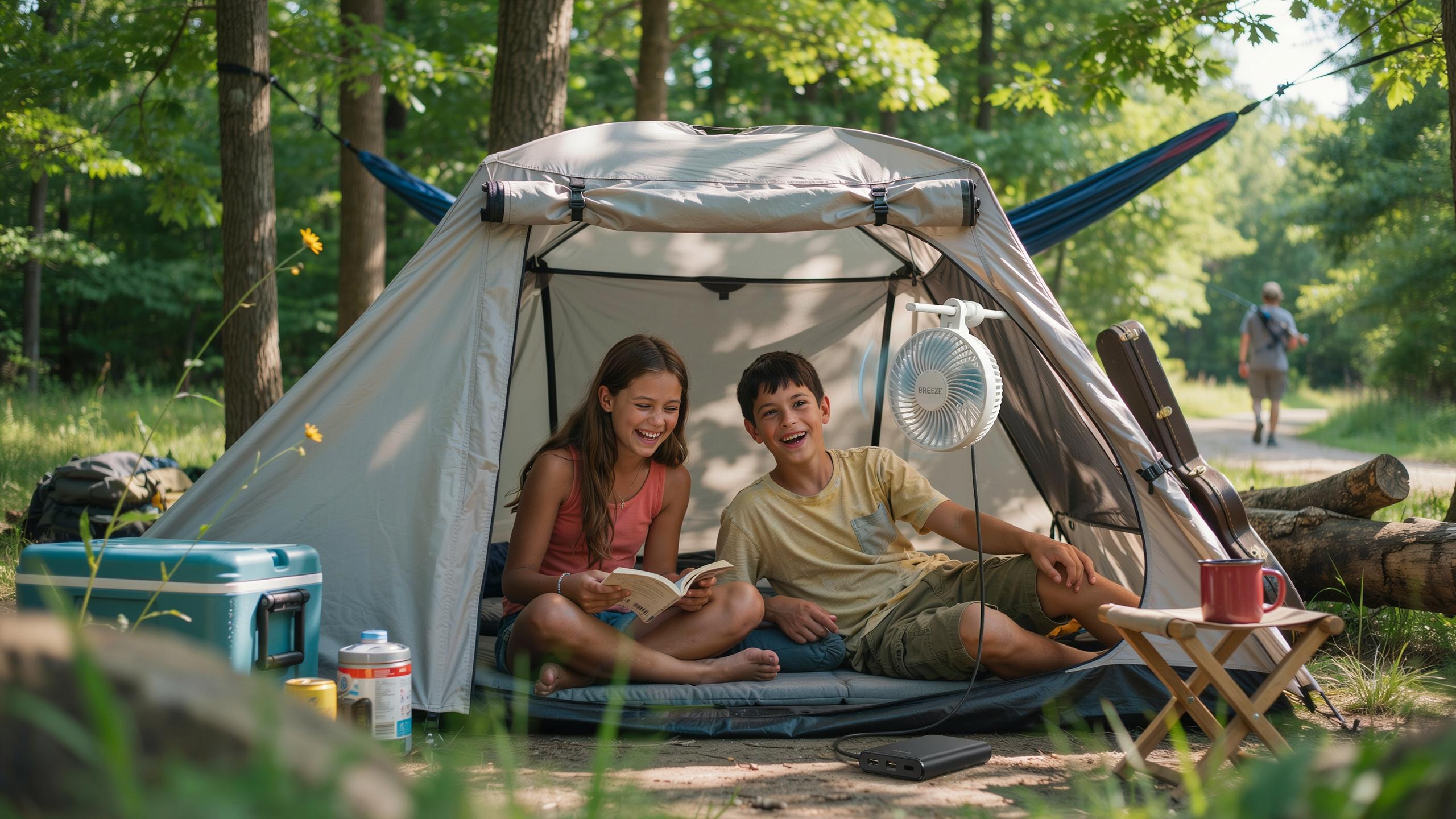
Why A Battery Powered Portable Fan Is A Camping Essential
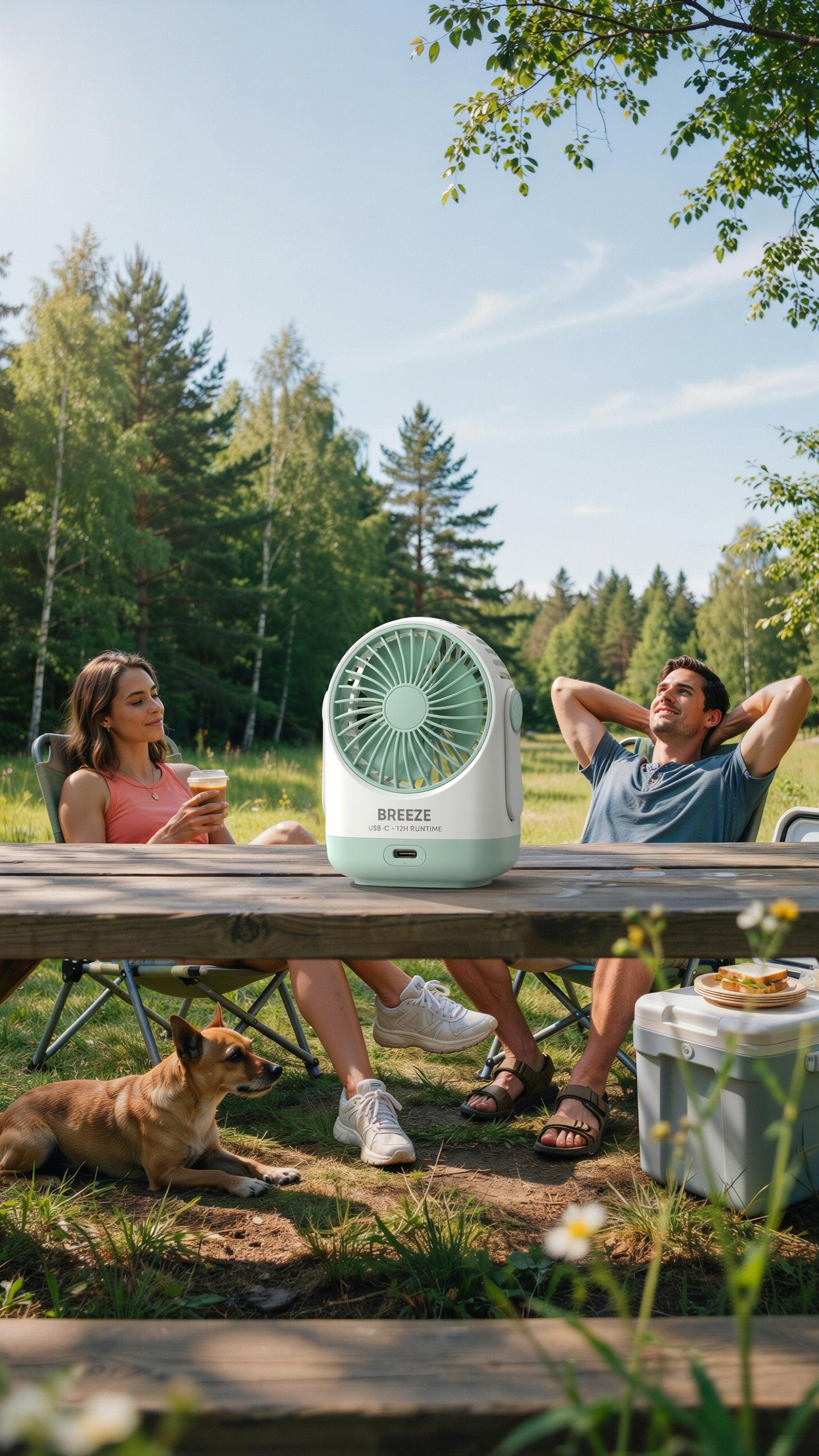
Combatting Summer Heat In Tents
Tents trap heat. The fabric that protects you from rain and insects also traps warm air inside. During summer camping, internal temperatures can exceed outside air by 10 to 20 degrees Fahrenheit. This temperature difference creates an uncomfortable sleeping environment that disrupts rest and increases heat-related discomfort. Without air movement, the problem compounds as the night progresses.
A battery powered portable fan solves this directly. It moves stagnant air, which lowers perceived temperature and allows sweat to evaporate from your skin. The fan doesn’t cool the tent below ambient temperature, but it creates the air movement necessary for your body to cool itself through natural processes. This distinction matters for camping comfort and safety.
The Importance Of Air Circulation
Still air inside a tent becomes a problem during sleep. Your body generates heat while lying down, and without circulation, that heat accumulates in your immediate sleeping area. This creates a microclimate significantly warmer than the tent exterior. Air stagnation also traps moisture from perspiration and respiration, increasing humidity levels and making the environment feel even hotter.
Proper air circulation addresses both temperature and moisture. Moving air removes the warm layer surrounding your body and replaces it with cooler ambient air from elsewhere in the tent. Better air movement also reduces condensation buildup on tent fabric and gear. For campers in warm climates or shoulder seasons, a battery fan becomes the difference between restful sleep and exhausted mornings.

Understanding Portable Fan Features
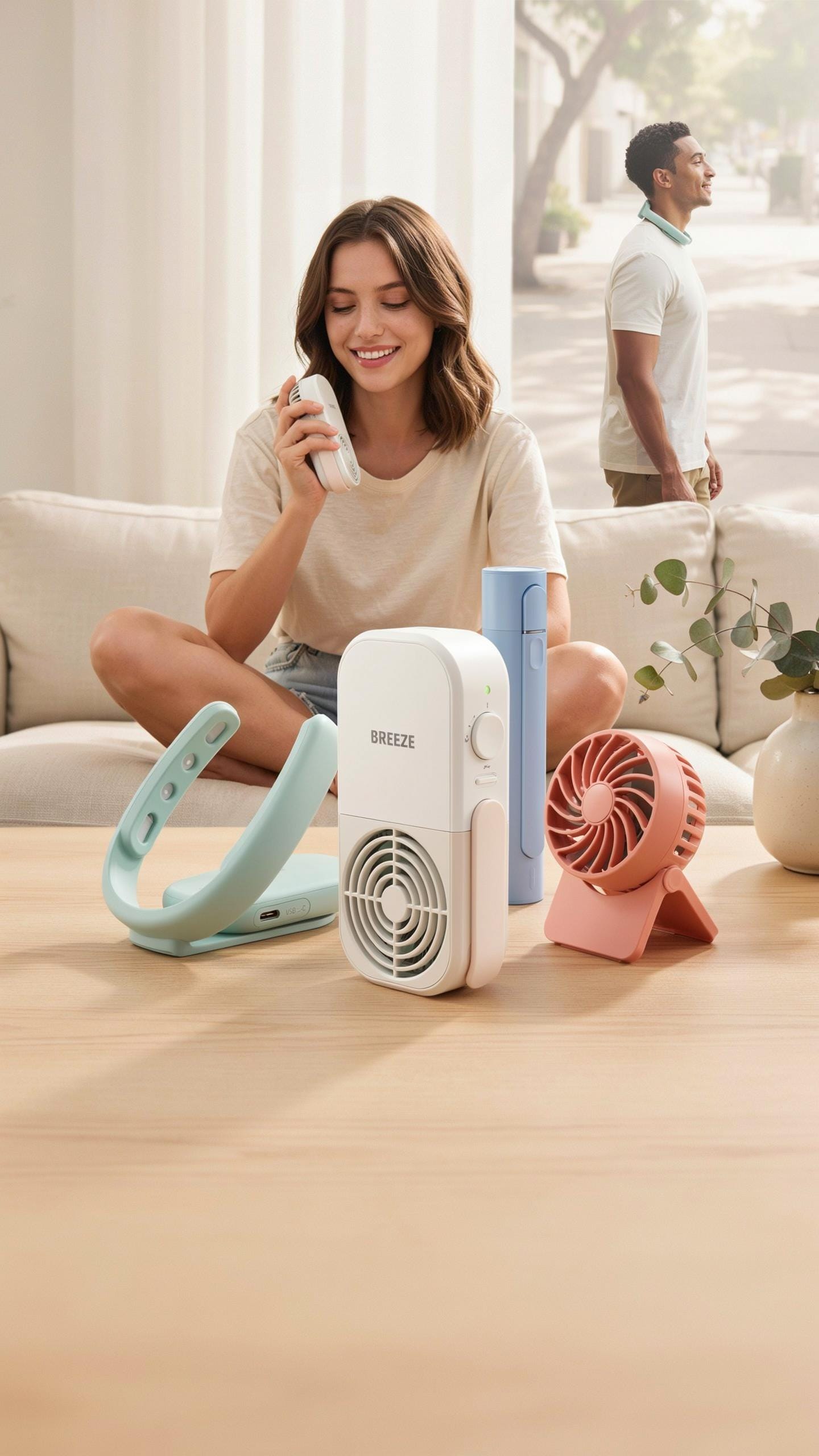
Battery Life And Power Options
Battery capacity determines how long your tent fan runs before needing a charge. Most portable tent fans use lithium-ion batteries ranging from 2000 to 5000 milliamp-hours. Higher capacity means extended runtime, but also increased weight and bulk. Runtime varies based on fan speed selection. A fan on low speed typically runs 8 to 15 hours, while high speed drains the battery in 4 to 8 hours.
Charging methods affect your camping strategy. USB-C and micro-USB connections are standard across current models. Some fans support solar charging panels as an add-on option. Wall outlet charging takes 3 to 6 hours typically. Portable power banks can extend runtime if you carry multiple batteries, but this adds weight to your gear.
Fan Speeds And Airflow
Multiple speed settings give you control over air circulation and battery drain. Most tent fans offer two to four speed levels. Low speed provides gentle air movement with minimal noise and maximum battery efficiency. High speed creates stronger airflow but generates more noise and consumes battery power faster.

Airflow output is measured in cubic feet per minute. Tent fans typically move between 500 and 2000 CFM depending on motor size and speed setting. Smaller fans work for single-person tents while larger models suit family-sized tents. Higher CFM doesn’t always mean better performance in confined spaces like tents, as excessive airflow can create turbulence rather than comfort.
Choosing The Best Tent Fan For Your Needs
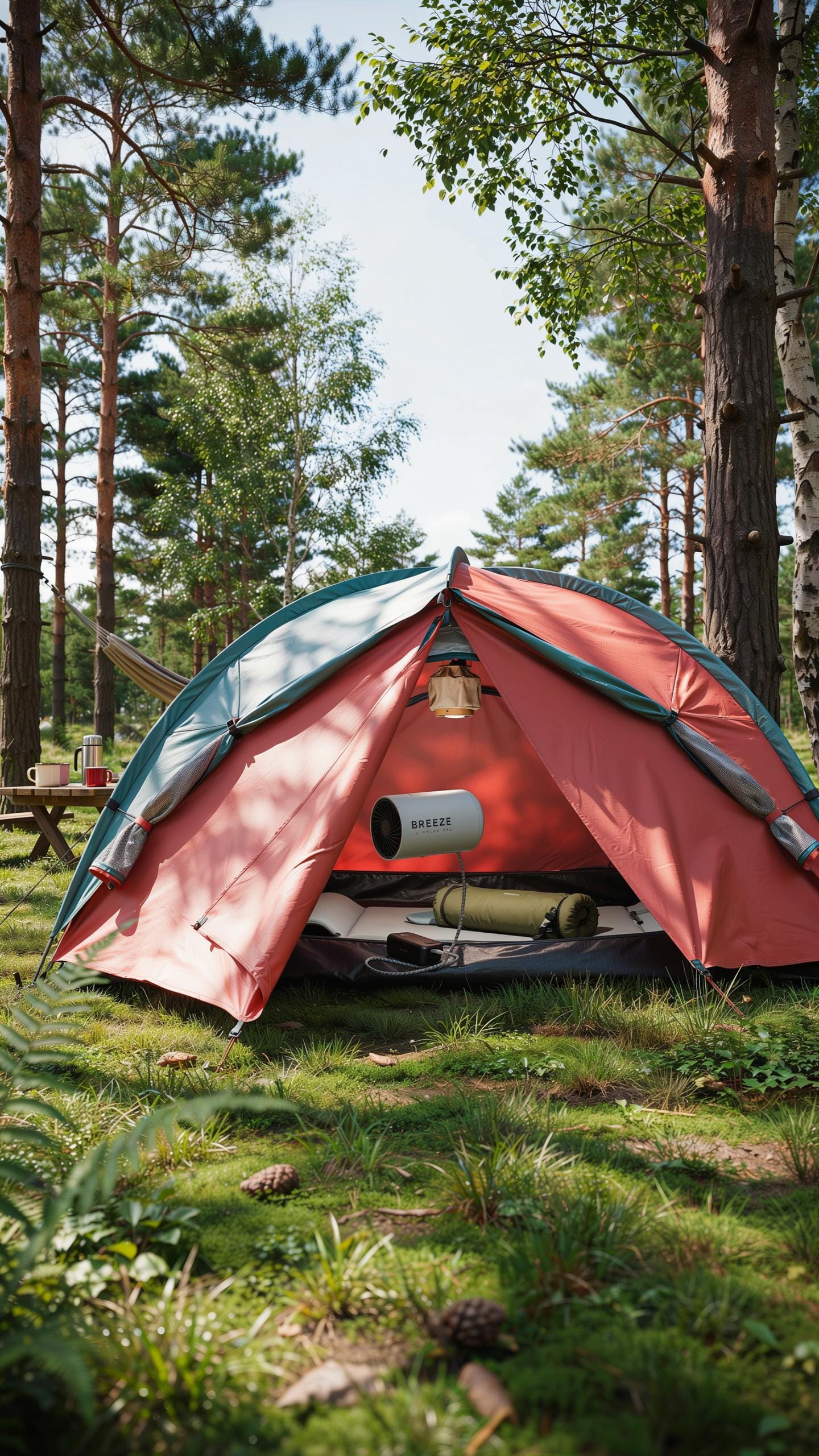
Size And Portability Considerations
Tent fans range from 4 to 8 inches in diameter. Smaller models weigh between 0.5 and 1.5 pounds, fitting easily into backpacks. Larger fans deliver more airflow but demand more battery capacity and space. Your choice depends on tent size and how far you’ll carry the gear.
Weight matters on multi-day trips. A 1-pound fan adds minimal burden to your pack. Consider the fan’s footprint too. Some models clip to tent poles, while others sit on the ground. Vertical mounting saves floor space in tight quarters.
Noise Levels And Sleep Comfort
Tent fans produce noise between 30 and 60 decibels depending on speed settings. Most camping scenarios work with fans running at medium speed, around 40 to 45 decibels. High settings generate noise comparable to a busy office. Lower speeds sacrifice airflow but preserve sleep quality.

Motor design directly impacts sound output. Brushless motors run quieter than brushed versions because they eliminate friction points. Check decibel ratings before buying. Run tests at different speeds to find your comfort threshold. Night camping requires fans that operate quietly on lower settings without creating a distraction for your tent mates.
Rechargeable Camping Fan Powering Your Adventure
USB Charging And Solar Options
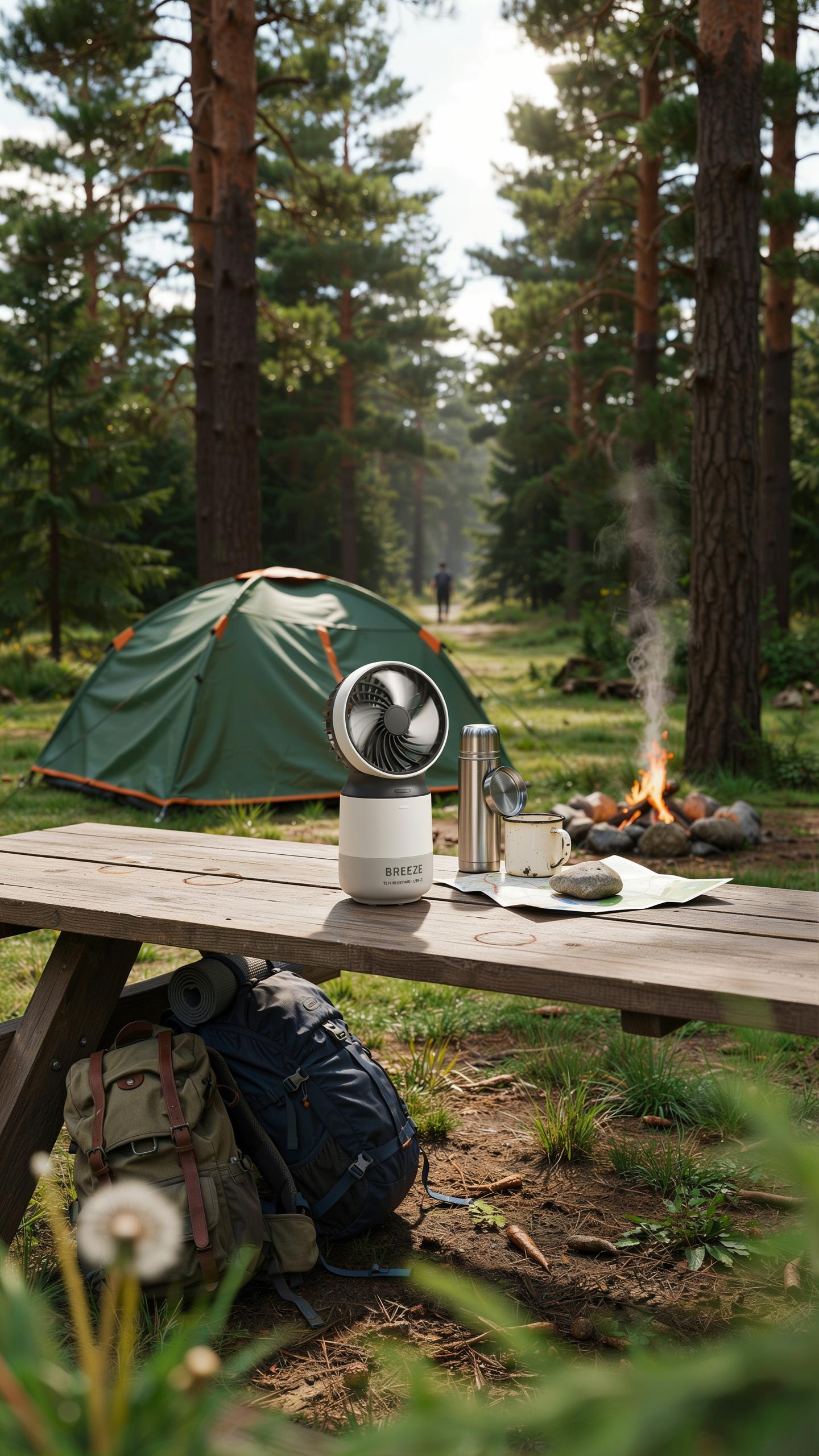
USB charging dominates the portable fan market because it connects to devices you already own. Most tent fans use USB Type-A or USB Type-C ports. You charge them from power banks, car chargers, or wall outlets before your trip. This method delivers consistent power and recharges quickly, typically within two to four hours depending on battery capacity.
Solar charging adds flexibility for extended trips without power access. Solar panels attached to or integrated into fans capture sunlight to recharge the battery. Real-world solar output depends on weather, time of day, and panel angle. Solar charging works best as a backup system rather than your primary power source in typical camping conditions.
Battery Types And Their Advantages
Lithium-ion batteries power most modern tent fans because they hold more charge in lighter packages than older technology. They maintain consistent voltage throughout the discharge cycle, keeping fan speed stable. Lithium-ion batteries resist memory effect, meaning you can recharge them partially without damaging capacity. Most last 300 to 500 full charge cycles before performance drops noticeably.

Alkaline and NiMH batteries appear in budget fan models but deliver lower total runtime. Alkaline batteries cannot recharge, making them expensive for frequent camping trips. NiMH rechargeable batteries suffer from voltage drop during use, causing fan speed to decrease as the battery drains. For regular use, lithium-ion batteries cost less over time despite higher upfront prices.
Portable Fan With Light For Camping Dual Functionality
Integrated LED Lantern For Illumination
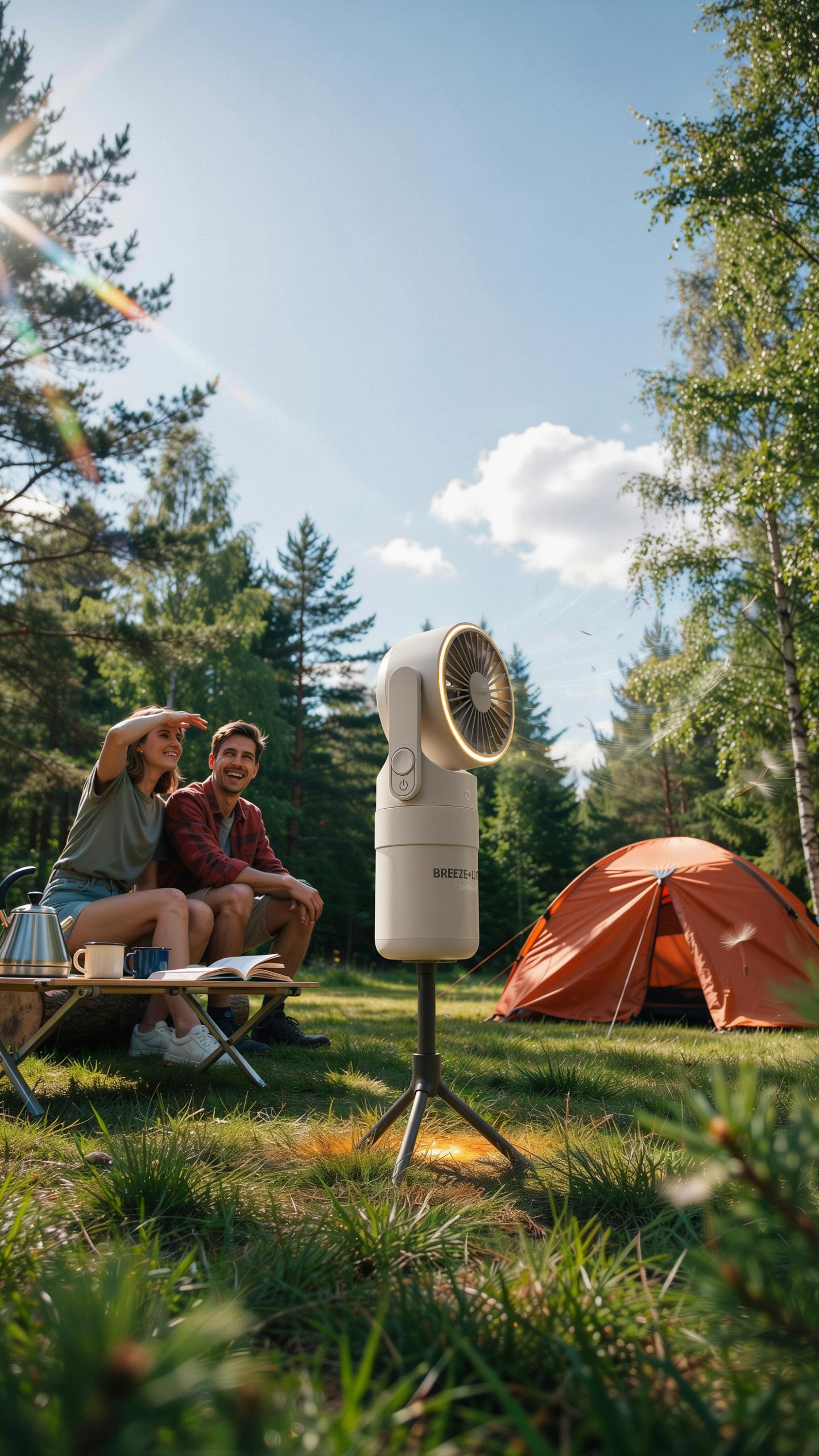
Battery-powered tent fans with built-in LED lanterns serve two critical functions in one device. You eliminate the need to carry separate equipment, reducing pack weight and saving storage space. The LED component mounts directly into the fan housing or attaches via flexible arm. This integration works because both devices draw power from the same battery system, streamlining your power management strategy.
The LED lantern provides task lighting for inside your tent while the fan runs simultaneously. Most models position the light source to cast illumination across your sleeping area or cooking zone. You control each function independently, so you can run the light without the fan or vice versa. This flexibility means you adapt to changing conditions without carrying backup lighting gear.
Adjustable Brightness And Light Modes
Adjustable brightness lets you match light output to your actual needs and preserve battery life. Most units offer three to five brightness settings, from low ambient lighting to full output. Lower settings consume significantly less power, extending your total runtime when you need both light and airflow. You simply press a button or rotate a dial to cycle through the options.

Light modes vary by model but commonly include steady glow and strobe functions. The steady glow works for general tent illumination and reading. Some units add red light modes, which preserve night vision and reduce impact on sleep cycles. You select the mode based on your activity, controlling power consumption and adapting to different camping scenarios efficiently.
Maximizing Your Tent FanS Effectiveness
Optimal Placement For Air Circulation
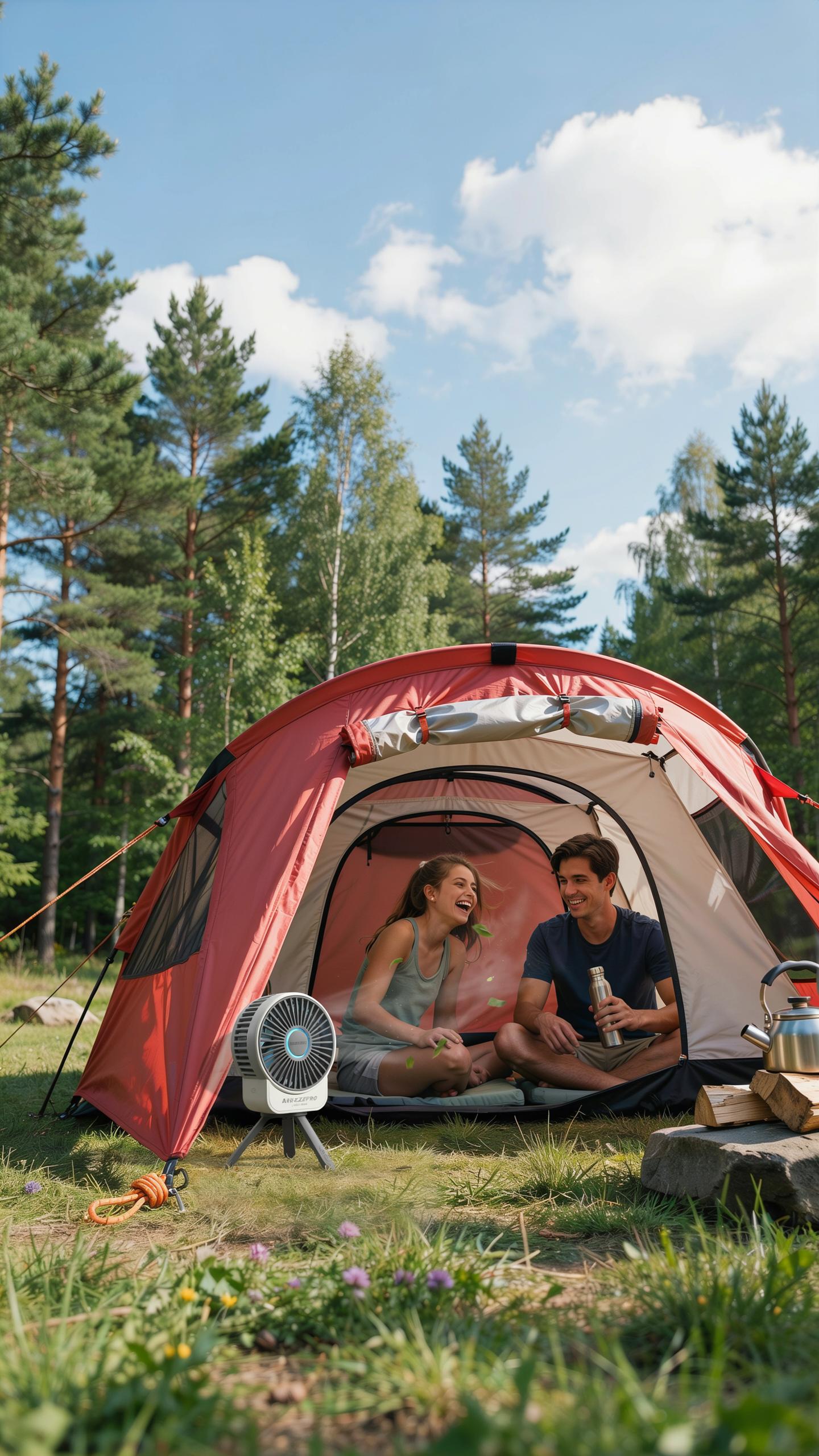
Position your battery powered fan near the tent entrance or vent opening. This location forces warm air out while drawing cooler outside air inward. Avoid placing the fan in the tent’s center, as it recirculates the same hot air without creating net cooling. Elevated placement on a shelf or stand improves airflow distribution compared to ground level positioning.
Direct the fan’s airflow toward the tent’s exit vent or door opening. This creates positive pressure that pushes accumulated heat out of the enclosed space. Angling the fan upward helps because hot air rises and needs forced exit. Test different angles during setup to identify which direction produces the most noticeable temperature drop inside your tent.
Tips For Cooling Your Tent In Extreme Heat
Open all available vents and windows before running your fan. Maximum ventilation allows the fan to move air through the tent instead of against resistance. Closing vents defeats the fan’s purpose and forces it to work harder while consuming battery faster. Cross ventilation creates airflow paths that cool the entire interior more effectively than single-direction ventilation alone.
- Run the fan on lower speed settings: Lower speeds extend battery life significantly while still providing adequate cooling at night when ambient temperatures drop.
- Use battery fans alongside reflective tarps: Place tarps on the tent’s exterior to block direct sunlight and reduce interior heat buildup before the fan engages.
- Set up fans before peak heat hours: Start cooling the tent in early morning so interior temperatures stay manageable through afternoon and evening.
- Combine multiple portable fans: Two smaller fans positioned strategically create better air circulation than one larger fan in the same power class.
- Wet towels near the fan intake: Placing damp cloth near the fan’s air inlet adds evaporative cooling, dropping air temperature as it circulates through the tent.

Timing matters more than fan power in extreme heat conditions. Run your fan continuously during the hottest part of the day rather than intermittently. Intermittent operation allows heat to rebuild between cycles, forcing your battery to work harder overall. Consistent airflow maintains lower baseline temperatures, making the cooling effect more noticeable and sustainable throughout extended heat events.
Beyond The Tent Versatile Fan Applications
Desk Fan For Home And Office Use
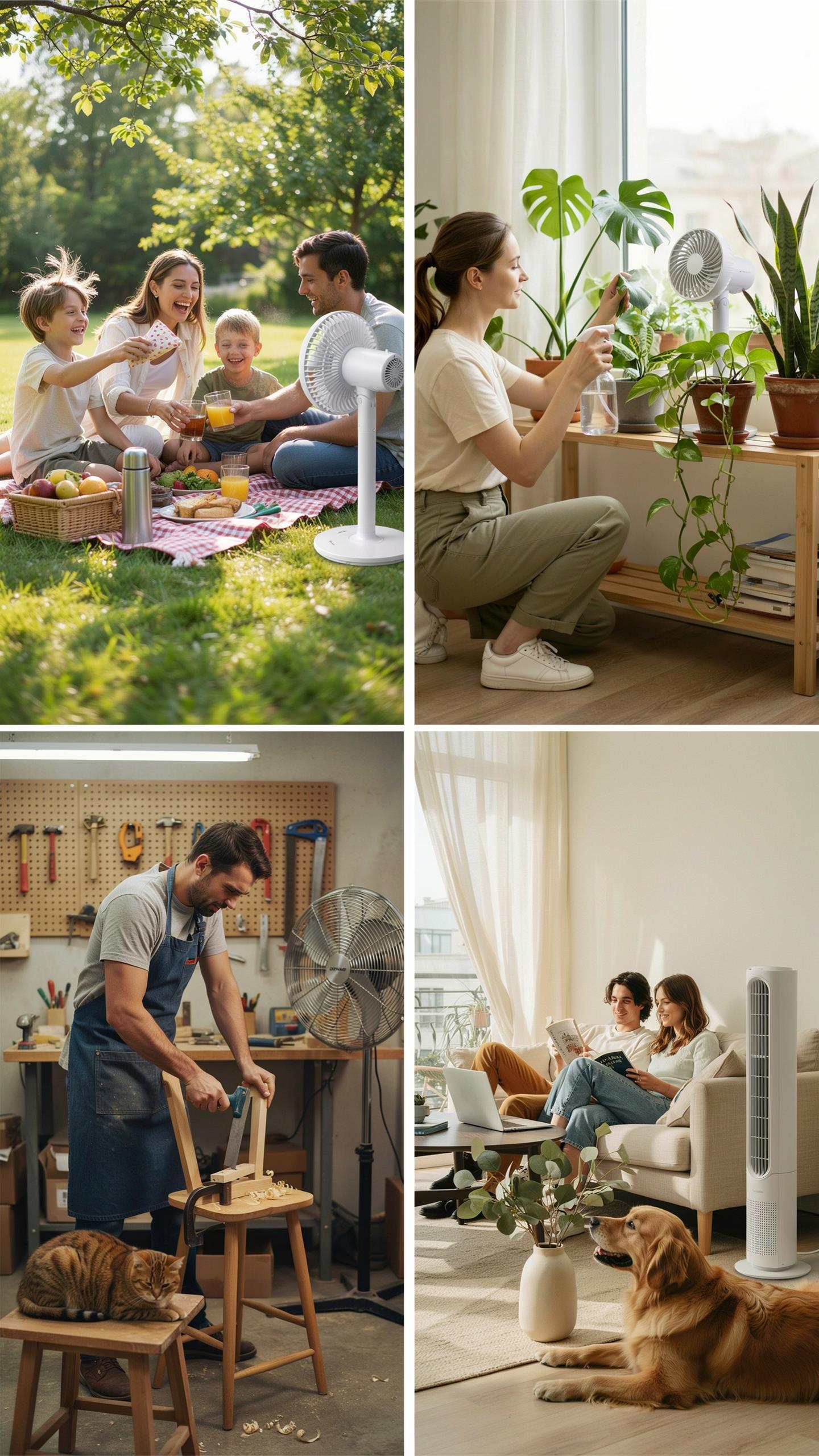
Battery powered portable fans transition seamlessly from camping to indoor spaces. The compact design and cordless operation make them practical for desks where electrical outlets are inconvenient or unavailable. Runtime on a single charge ranges from 4 to 12 hours depending on motor speed and battery capacity. Users position these fans to direct airflow across work surfaces, improving comfort during extended sitting sessions without occupying floor space.
Office environments benefit from these fans during power outages or in areas with poor air circulation. The low noise output keeps them suitable for shared workspaces where standard AC units run constantly. Battery recharge times typically span 4 to 8 hours using standard USB connections. Many models fold or nest for easy storage in desk drawers or filing cabinets when not in use.
Remember those summer nights under the stars, how a gentle breeze made all the difference? Now, a clever fan brings that comfort to every adventure.
Outdoor Activities And Picnics
Portable battery fans handle outdoor gathering scenarios where shade structures lack climate control. Picnic setups, backyard events, and patio areas all gain targeted cooling without extension cords or generator dependency. The devices operate across temperature ranges typical of outdoor environments, maintaining consistent airflow during daytime hours. Users clip or position fans near seating areas to create personal comfort zones during warm weather social events.

Beach trips and park outings leverage these fans for portable relief during stationary activities. The waterproof or water resistant options survive exposure to sand, moisture, and occasional splashing without circuit damage. Battery fans eliminate the need for table space occupied by traditional plug in models. Lightweight construction means users transport them easily in backpacks or coolers alongside other camping gear.
Maintenance And Care For Your Camping Fan
Cleaning And Storage Best Practices
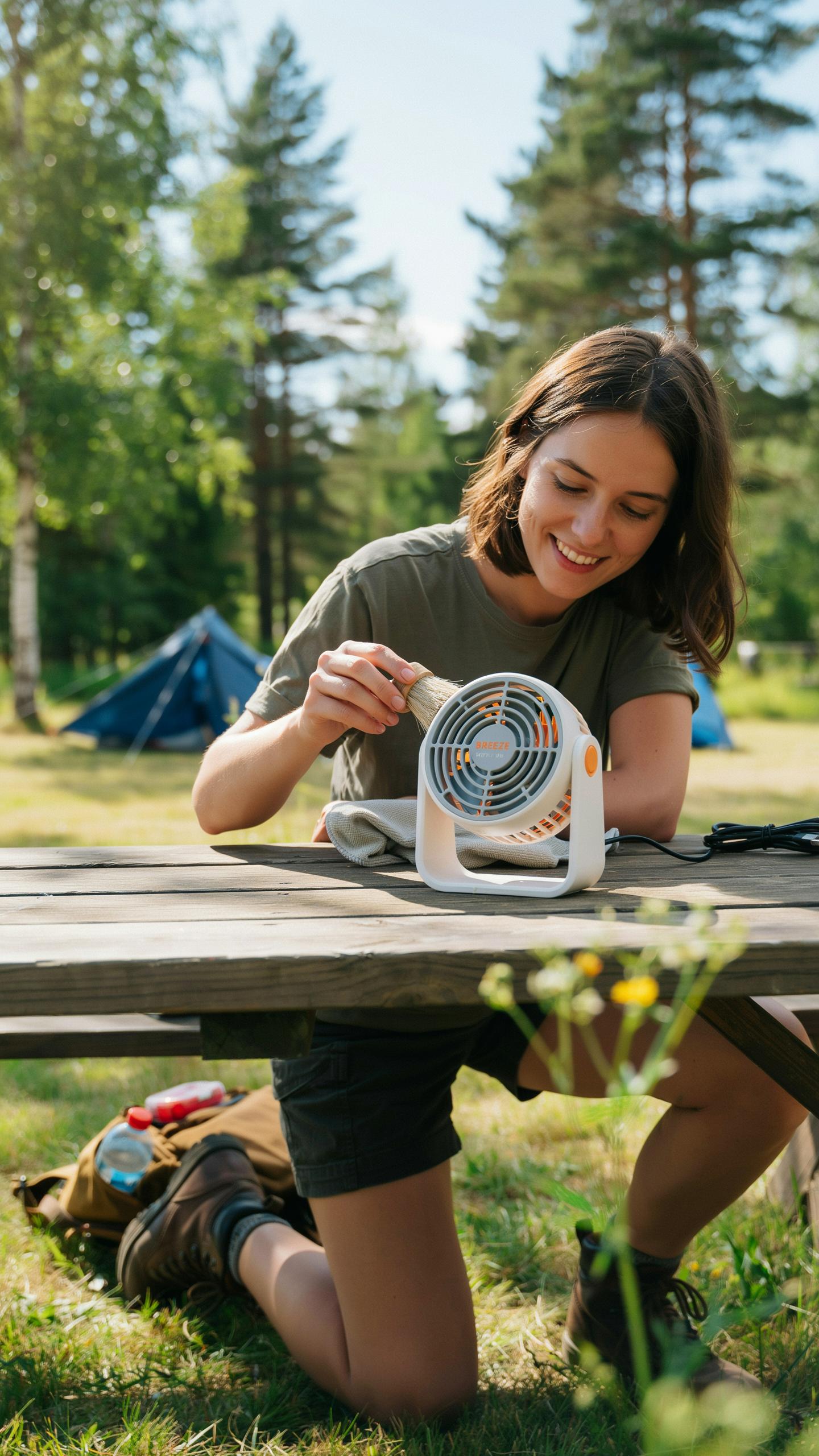
Dust buildup clogs fan blades and reduces airflow. Wipe down the exterior housing with a dry cloth after each trip. Remove visible debris from blade surfaces using a soft brush or compressed air. Never submerge the fan in water unless the manufacturer explicitly states it is waterproof.
Store the fan in a cool, dry location away from direct sunlight. Remove batteries before storing for extended periods to prevent corrosion and leakage. Keep the fan in its original carrying case or a protective bag to shield it from impact and dust. Check battery contacts for oxidation before your next camping trip.
Troubleshooting Common Fan Issues
A fan that won’t start usually has a dead battery or loose connections. Replace batteries with fresh ones matching the exact voltage and chemistry the fan requires. Inspect battery terminals for dirt or corrosion and clean with a dry cloth. Verify the power switch moves freely without resistance.

Reduced airflow means either dust accumulation or blade damage. Clean the intake and exhaust vents thoroughly with a brush or cloth. Examine blades for cracks or bending that requires blade replacement. If the motor runs but airflow drops significantly, internal bearing wear may require sending the unit to the manufacturer for service.
The Best Camping Fans For Different Budgets
Budget Friendly Options
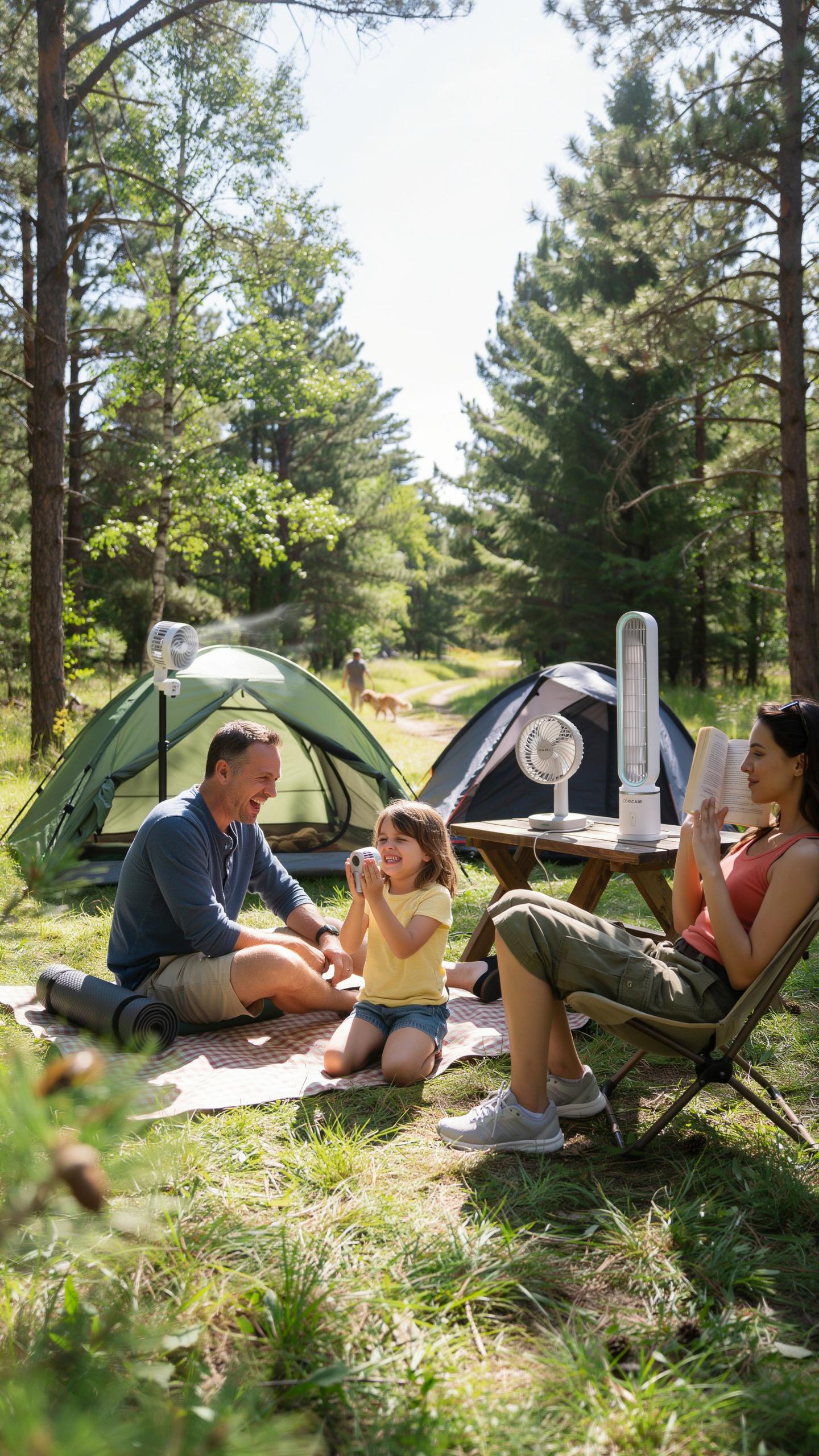
Entry-level tent fans cost between 15 and 40 dollars. These units typically use AA or AAA batteries and deliver airflow adequate for small to medium tents. They lack advanced features like multiple speed settings or remote controls, but they move air consistently. Weight stays under one pound, making them practical for backpackers who prioritize pack lightness over performance.
Battery life on budget models runs 8 to 15 hours depending on battery type and motor design. Most use basic DC motors with a single speed setting. Noise levels hover around 40 to 50 decibels, comparable to a quiet conversation. These fans excel for weekend trips where durability matters less than affordability.
Premium And Feature Rich Models
High-end tent fans range from 60 to 150 dollars and include rechargeable lithium batteries. These models offer multiple speed settings, adjustable tilt heads, and run times exceeding 20 hours on a single charge. Build quality uses aluminum frames and brushless motors that reduce maintenance and extend lifespan significantly. They target serious campers and expedition planners who camp frequently.
Premium fans deliver quieter operation at 25 to 35 decibels and include accessories like hanging clips and power banks. Some integrate USB charging ports for devices. LED work lights appear on certain models. These features justify the price gap for users who value efficiency and multi-purpose functionality in their camping gear.
Frequently Asked Questions

What exactly is a battery-powered portable fan for tents, and why do I need one?
A battery-powered portable fan for tents is a compact, wirelessly powered device designed to circulate air inside your tent. It’s essential for improving comfort by reducing stuffiness, lowering the perceived temperature, and even deterring insects. These fans offer a refreshing breeze, making your camping or glamping experience much more enjoyable, especially on warm nights.
How can I maximize the battery life of my battery powered portable fan for tents during a multi-day trip?
To extend the battery life of your battery powered portable fan for tents, first, utilize lower fan settings when possible. You can also bring extra rechargeable batteries or a small power bank for on-the-go charging. Strategic use, such as running it only during peak heat or sleep times, will significantly help conserve power for longer adventures.
Are there affordable options for a reliable tent fan if I’m on a tight budget?
Absolutely! Many reputable brands offer excellent, budget-friendly battery-powered tent fans without compromising on performance. Look for models with essential features like multiple speed settings and a built-in hook for hanging. Reading reviews from other campers can also help you find a durable and efficient option that fits your budget perfectly, ensuring comfort on your next outdoor adventure.