
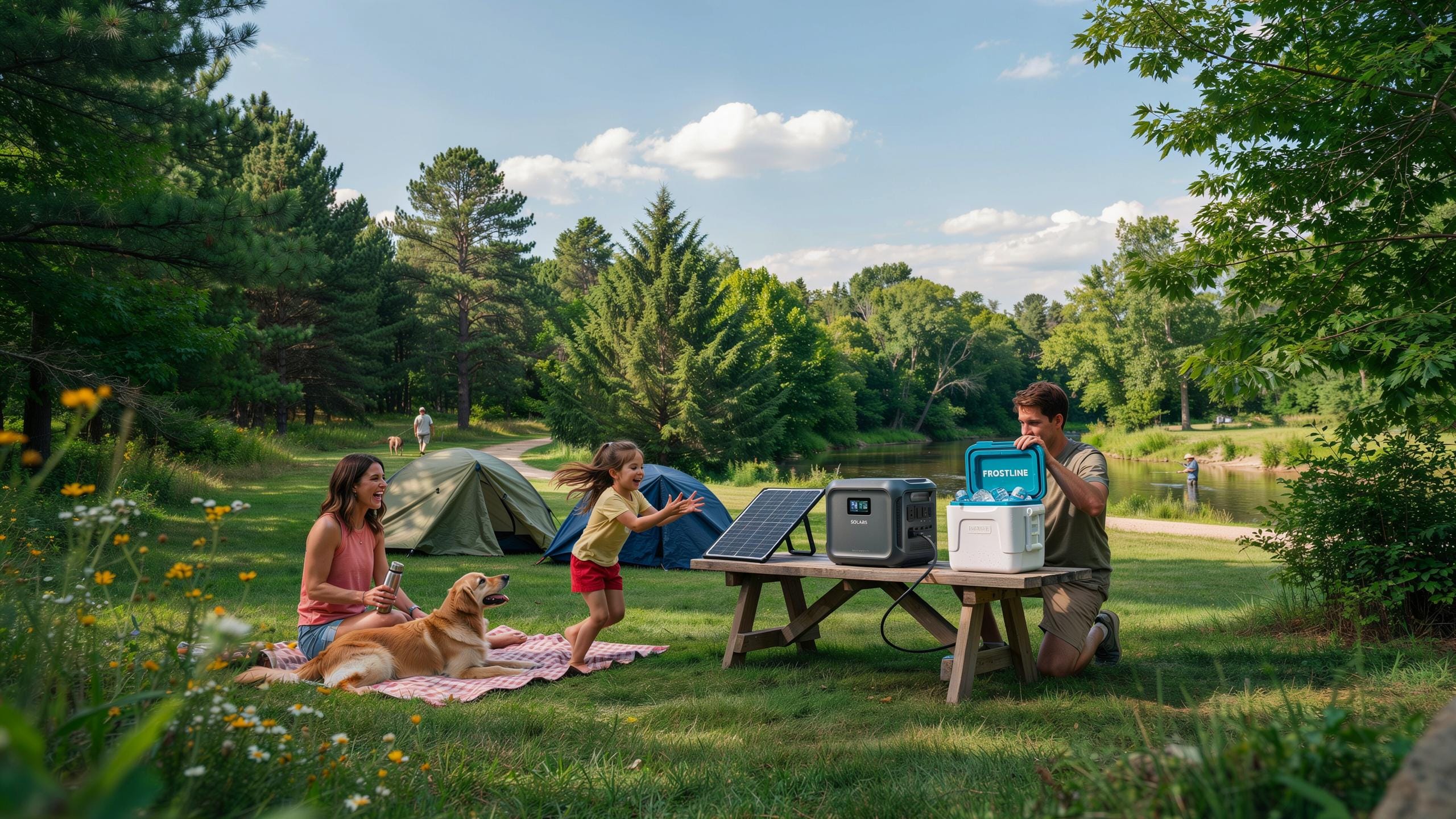
Why A Solar Generator For Camping Trips
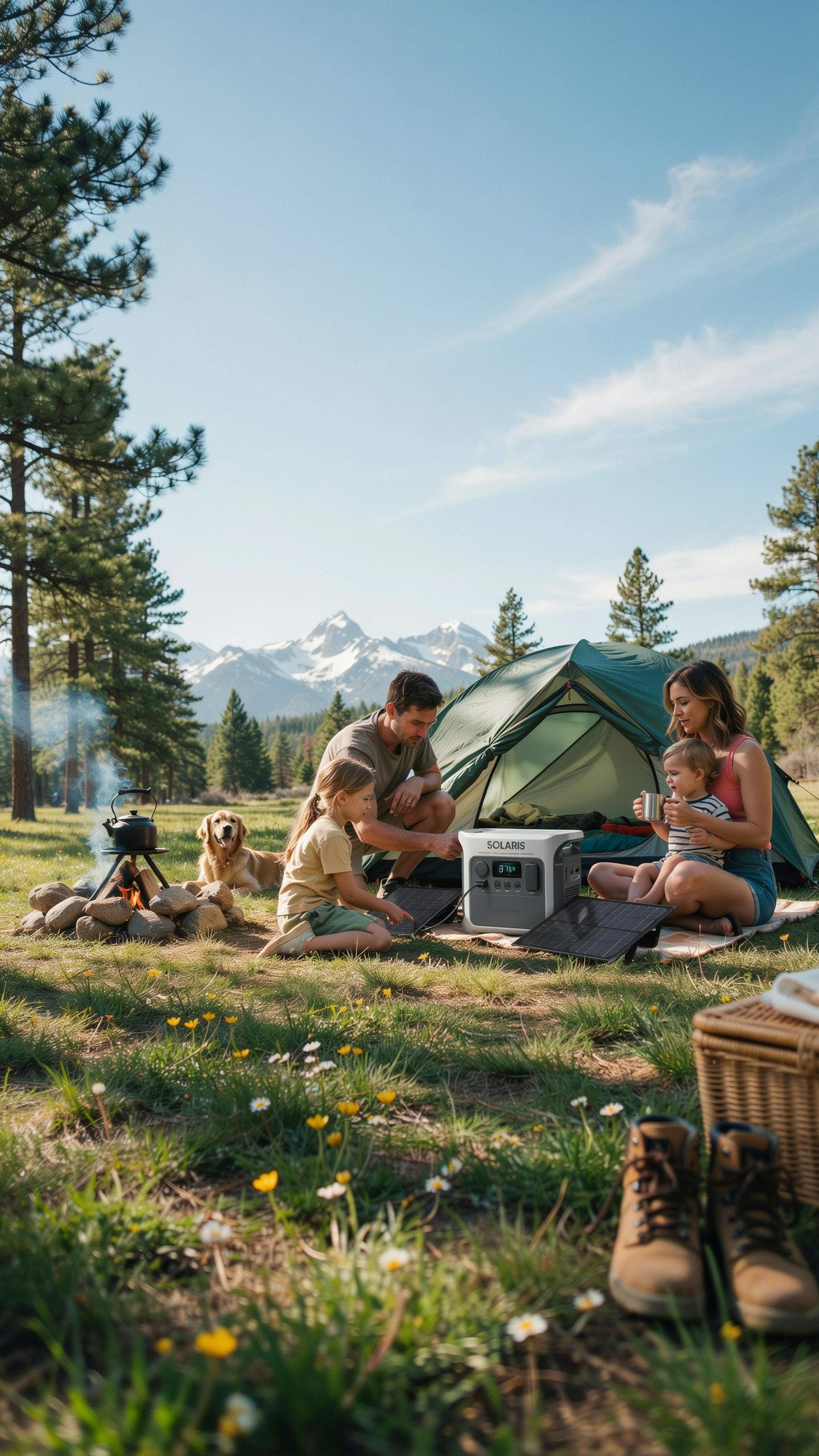
The Convenience Of Portable Power For Your Cooler
A solar generator eliminates the need to haul gas or rely on campsite outlets that may not exist. You charge devices, run a cooler, and power lights without leaving your campsite to find fuel or utilities. The system stores energy during the day and releases it on demand, giving you control over your power supply for the entire trip.
Modern solar generators weigh between 10 and 100 pounds depending on capacity. A mid-range unit handles typical camping needs: phone charging, LED lighting, and small appliance operation. You place panels in sunlight while you set up camp or explore, creating a continuous power source without effort or planning.
Environmental Benefits And Quiet Operation
Solar generators produce zero emissions during use. You avoid burning fossil fuels and contribute no noise pollution to natural environments. This matters for campgrounds with noise restrictions and for respecting wildlife that reacts negatively to combustion engine sounds.
A solar generator runs silently compared to gas-powered alternatives. This silence eliminates the constant drone that disturbs other campers and ruins the outdoor experience. You gain the practical advantage of reliable power while maintaining the peace that makes camping worthwhile.

Understanding Solar Generators And Portable Power
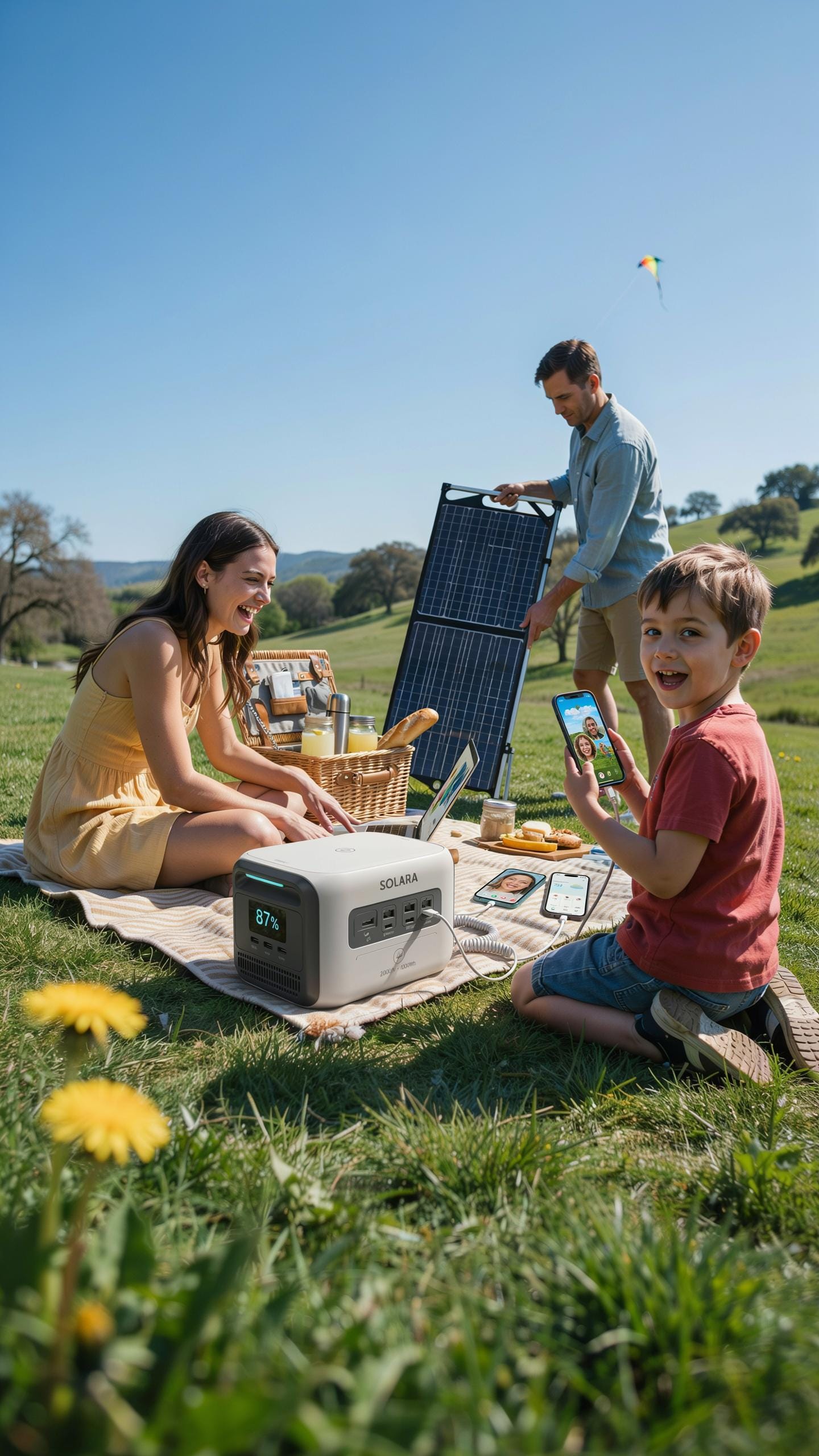
How Solar Generators Work From Sun To Power
Solar generators convert sunlight into electrical power through a straightforward process. Photovoltaic cells in solar panels absorb photons from sunlight and release electrons, creating direct current electricity. This DC power flows into a battery where it gets stored. When you need AC power for devices, an inverter converts the stored DC electricity into the alternating current your appliances require.
The entire system operates independently from the grid. During daylight hours, solar panels generate power while simultaneously charging the internal battery. At night or on cloudy days, the battery supplies stored energy to your devices. This cycle repeats daily, making solar generators self-sustaining for camping trips where grid access doesn’t exist.
Key Components Solar Panels Battery And Inverter
Solar panels represent the collection mechanism of your system. Monocrystalline panels offer higher efficiency ratings than polycrystalline alternatives, typically converting 18 to 22 percent of sunlight into electricity. Most camping generators use fixed panels that mount to the unit or fold for portability. Panel size and wattage determine how quickly the battery charges under direct sunlight conditions.

The battery stores electrical energy for use when sunlight isn’t available. Lithium iron phosphate batteries dominate the camping market due to their lightweight construction, long cycle life, and consistent power delivery. The inverter transforms stored DC power into standard 120-volt AC electricity that powers your coolers, phones, and camping equipment. Together, these three components create a complete energy system that requires no fuel, maintenance, or external power sources.
Choosing The Right Solar Power Station For Your Cooler
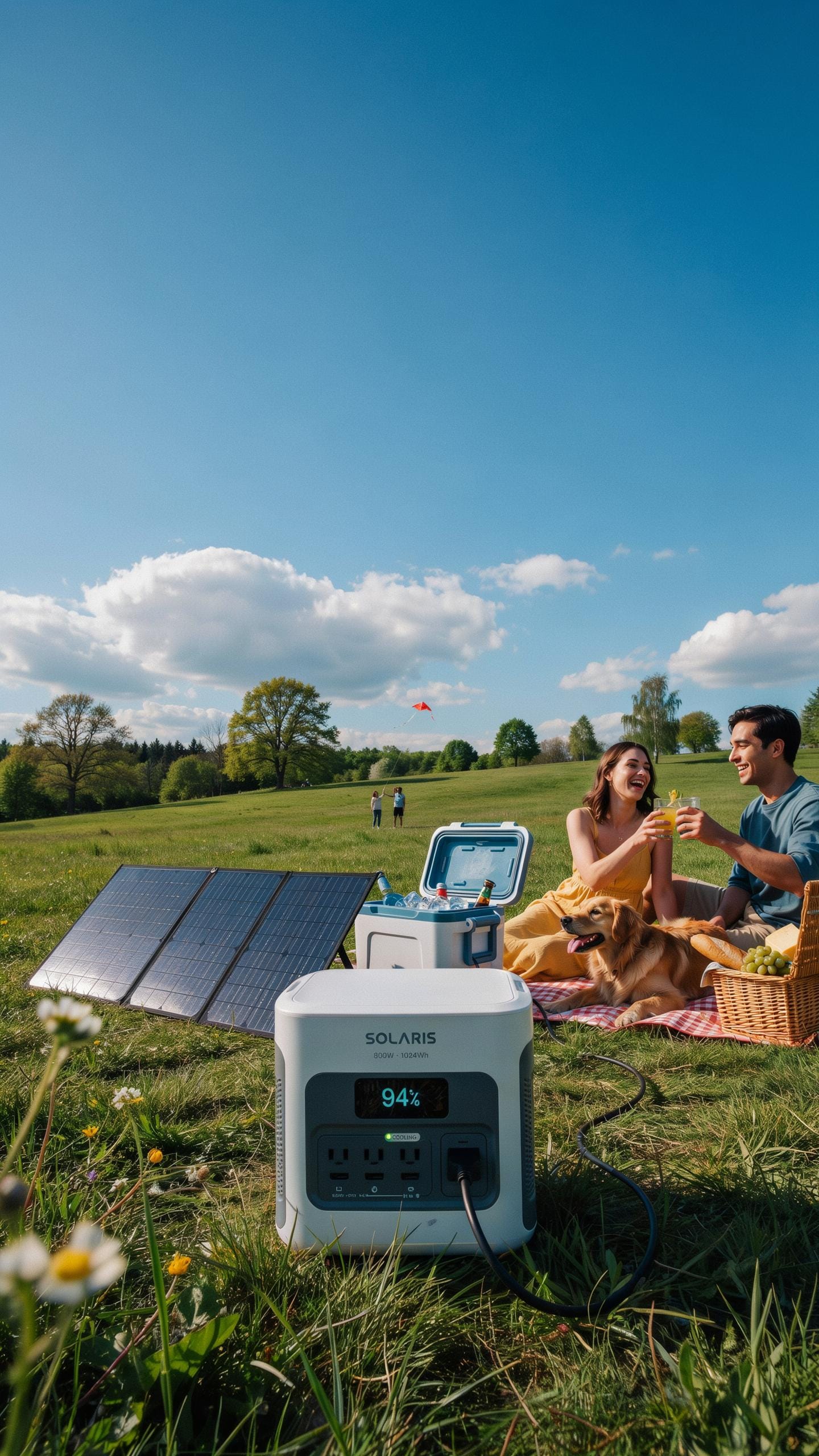
Assessing Your Cooler’S Power Requirements Wattage And Run Time
Start by identifying your cooler’s actual power draw. Check the manufacturer’s specifications for continuous wattage and peak wattage during startup. Electric coolers typically demand between 40 to 60 watts while running. Compressor models draw higher power during initial startup, sometimes reaching 100 to 150 watts for brief periods before settling into steady operation.
Next, calculate total runtime needs. If you camp for three days and run your cooler continuously, multiply the wattage by 72 hours to determine total watt hours consumed. A 50 watt cooler running three days requires 3,600 watt hours of stored energy. This calculation guides your minimum battery capacity and determines whether you need a modest or substantial solar generator.
Battery Capacity And Output Ports Considerations
Battery capacity determines how long your system runs between charges. Measured in watt hours or amp hours, capacity directly impacts your ability to power devices without sun. A 500 watt hour battery supports a 50 watt cooler for roughly ten hours. Match your battery size to your camping duration and daily power consumption to avoid running dry mid-trip.

Output ports matter as much as capacity. Your solar generator needs the correct voltage and connector type for your cooler. Most electric coolers use DC ports or AC outlets. Verify your cooler’s connection requirements before purchasing. Multiple output options on your solar generator provide flexibility for charging phones, running fans, or powering other devices simultaneously with your cooler.
Solar Charging Maximizing Efficiency On Your Trip
Types Of Solar Panels And Their Efficiency
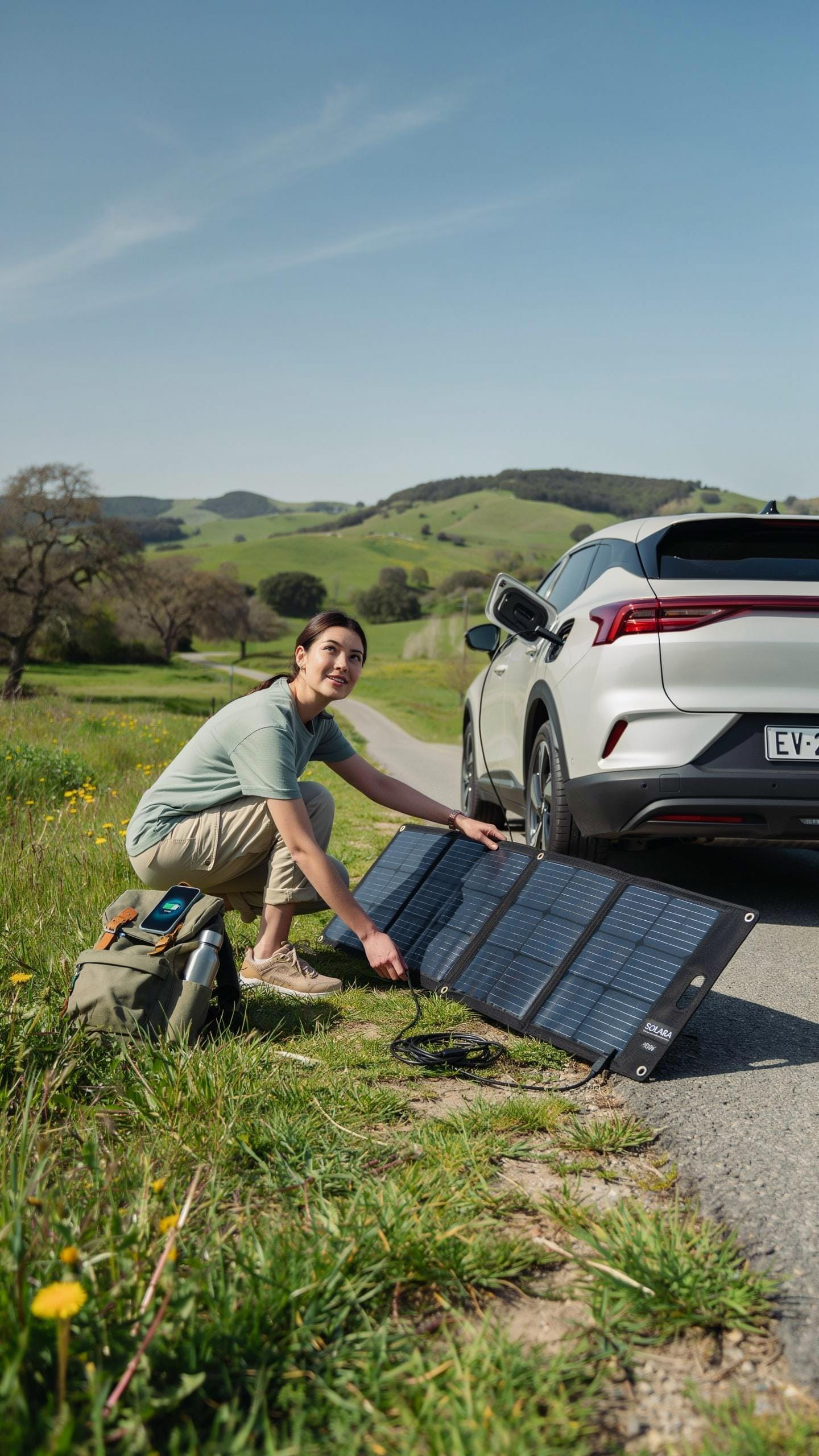
Monocrystalline panels deliver the highest efficiency rates, typically between 18 and 22 percent. They use single-crystal silicon and convert more sunlight into usable power. Polycrystalline panels range from 15 to 17 percent efficiency and cost less upfront. Thin-film panels offer lower efficiency at 10 to 12 percent but handle heat and shade better than crystalline options.
For camping trips, monocrystalline panels make the most sense. You get maximum power output from minimal panel space, which matters when packing light. Efficiency drops in cold weather for all panel types, but monocrystalline maintains better performance than alternatives. Real-world conditions reduce stated efficiency rates by 10 to 25 percent depending on dust, angle, and cloud cover.
Optimal Panel Placement And Angle For Solar Charging
Position panels to face the sun directly throughout the day. This requires adjusting angle and direction as the sun moves. In summer, lower angles work better. In winter, steeper angles capture more rays. Your latitude determines the baseline angle needed for peak generation.

Mount panels on a portable stand rather than flat on the ground. Elevating panels prevents shadows from terrain and gear. Aim for a 30 to 45 degree angle depending on your location and season. Even small adjustments to angle produce noticeable changes in charging speed. Clear debris and dirt from panels daily to maintain output. Shade from trees, rocks, or tents cuts efficiency dramatically, sometimes reducing output by half or more.
Beyond The Cooler Other Camping Essentials Powered By Solar
Charging Devices And Powering Lights
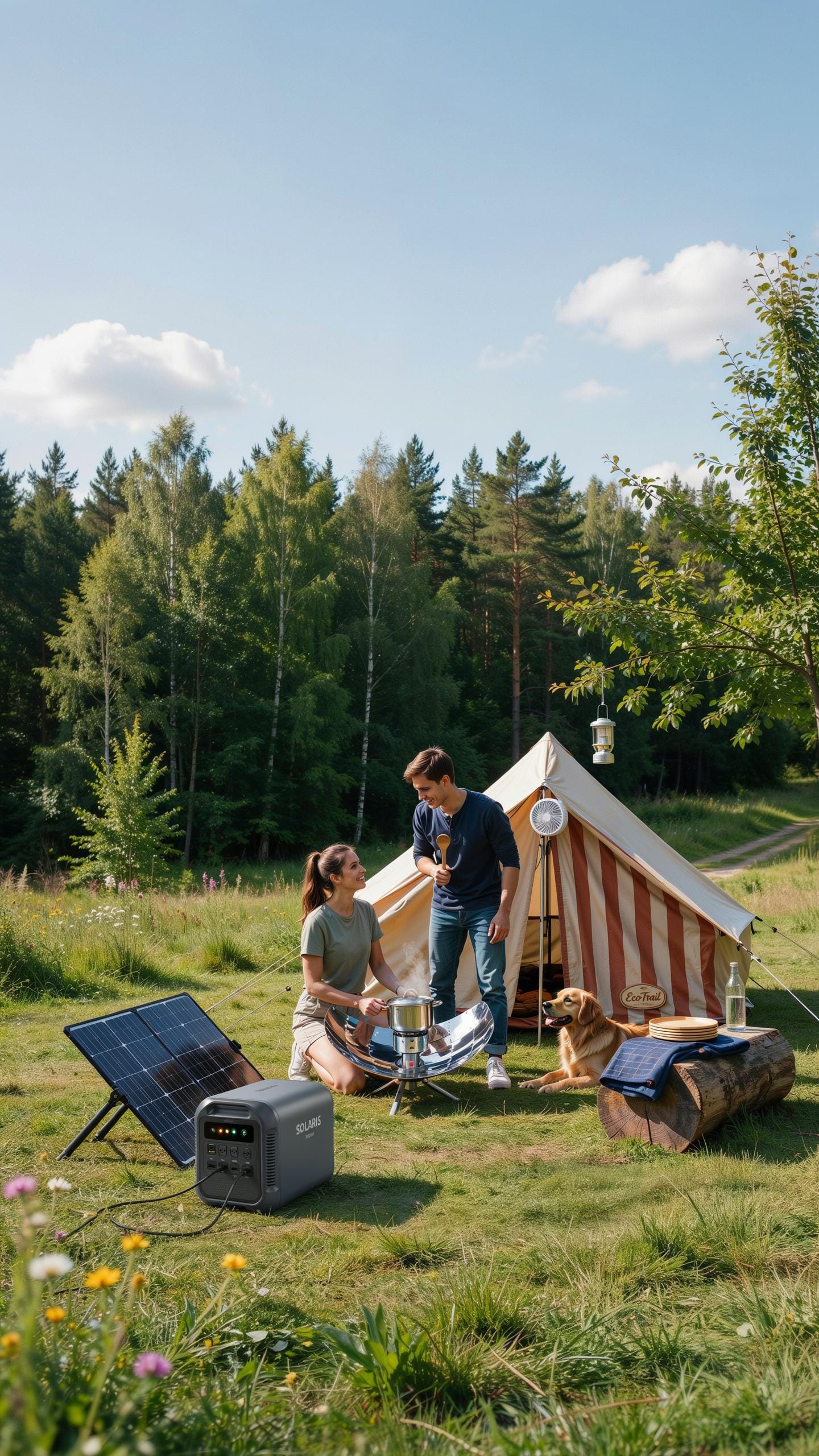
A solar generator handles phone charging, portable battery packs, and GPS devices through standard USB or USB-C ports. Most camping solar generators include multiple output ports, allowing you to charge several devices simultaneously. Power output ranges from 100W to 3000W depending on the unit size. Smaller generators work for phones and tablets. Larger units power laptops and multiple devices at once.
LED camping lights draw minimal power and run for extended periods on solar generators. Headlamps, lanterns, and string lights typically consume between 5W and 50W. A 200W solar generator powers most LED lighting setups for an entire week without recharging. Battery-powered lights work best with portable solar systems because they demand far less energy than traditional camping gear.
Let the sun be your silent companion, ensuring every camp meal is cool and every memory, brightly lit.
Cooking Appliances And Medical Devices
Portable cooking appliances require higher wattage than charging devices. Electric kettles, camp stoves, and coffee makers demand between 1000W and 1500W. Only mid-size to large solar generators handle these loads effectively. A 2000W generator powers a kettle for 30 minutes before needing a recharge. Check the wattage requirement before attempting to run cooking equipment on your system.
Medical devices like CPAP machines, portable oxygen concentrators, and refrigerated medications need reliable power. These devices run continuously or on fixed schedules, making consistent power output critical. A 1000W generator with adequate battery storage supports most medical equipment overnight. Bring documentation of your device specifications so you select a generator with sufficient continuous power output for your needs.
Off Grid Living Extending Your Stay With Solar Power
Managing Power Consumption For Longer Trips
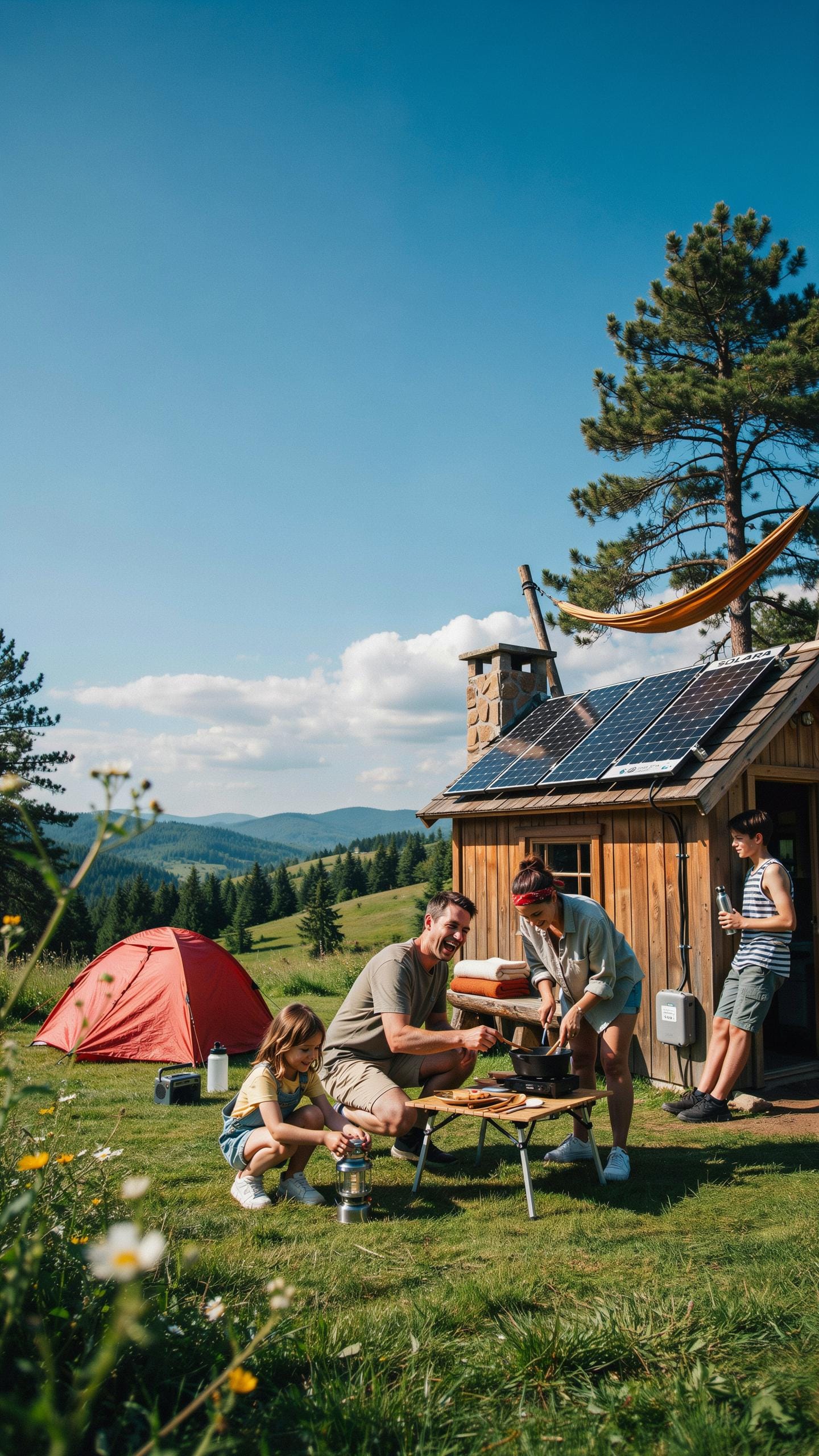
Longer camping trips demand you understand what draws power from your solar generator. Refrigeration, heating, and charging devices consume the most energy. Calculate your daily wattage needs by adding up each device’s power rating and runtime. Most people underestimate consumption and run dry by day three. Track actual usage on shorter trips first to build accurate projections for extended stays.
Power management determines trip length. Prioritize essential loads like medical devices and communication. Reduce cooling loads by using insulated coolers with ice instead of relying solely on electric refrigeration. Turn off unnecessary devices when the sun sets. Shift high-demand tasks like phone charging to peak sunlight hours. These choices directly extend how long your solar generator supports your camp.
Integrating Solar Generators Into A Sustainable Camping Setup
A solar generator works best when paired with proper battery storage and multiple charging sources. Connect your solar panels during daylight and rely on stored power at night. Many extended camping trips benefit from adding a second battery bank to rotate charging cycles. Position panels for maximum sun exposure throughout the day. Angle matters more than total square footage for consistent power generation.

Your setup’s sustainability depends on matching generation capacity to consumption patterns. A 400-watt solar generator with 1000Wh battery storage works for light camping but fails for extended stays with refrigeration. Add a second solar panel or larger battery to handle real-world demands. Test your complete system over a weekend before committing to longer trips. Real performance under load reveals weaknesses that calculation alone misses.
RV Travel And RV Adventure With Solar Generators
Solar Generator Integration For RVs
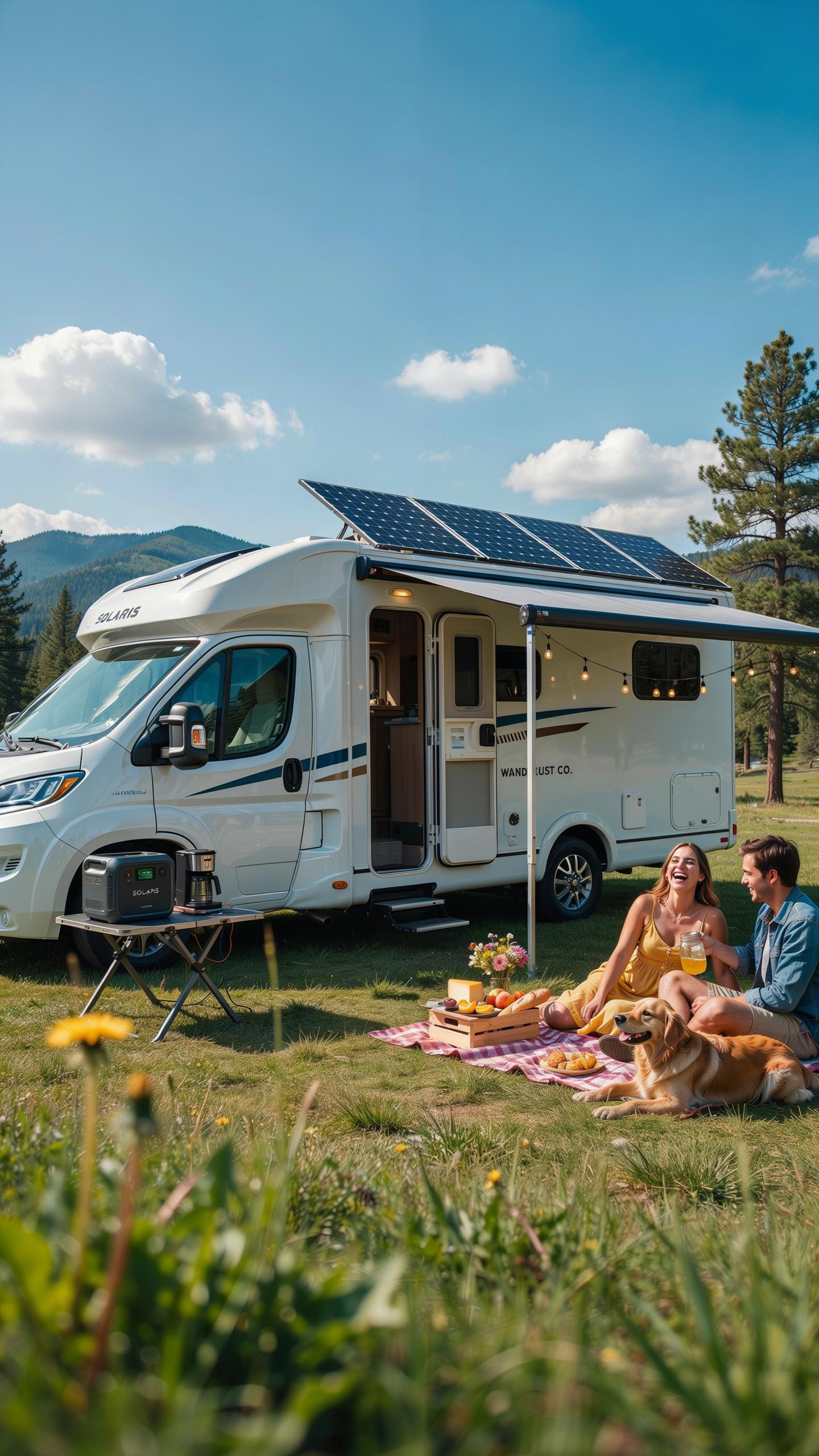
A solar generator connects to your RV’s electrical system through the battery bank or auxiliary power port. Most RVs have 12-volt systems, so your solar generator must match this voltage or use a converter. Mount solar panels on the roof for consistent sun exposure during travel. Run wiring through existing conduit to keep the system clean and protected from weather damage and wear.
Integration requires matching your solar generator’s output capacity to your RV’s total power draw. Calculate your daily consumption by adding amp-hours for refrigerators, water pumps, lights, and devices. A 400 to 1000-watt solar generator handles auxiliary power needs without replacing your engine alternator as the primary charging source during stationary camping.
Benefits For Boondocking And Remote Locations
Boondocking means camping without hookups. Solar generators eliminate dependence on RV park electricity, letting you stay in remote areas longer. You gain freedom to explore national forests, BLM land, and private wilderness without draining your engine battery or paying nightly fees at developed campgrounds.

Remote locations often lack generator rental options and fuel delivery services. Solar generators operate silently, so you avoid disturbing wildlife or nearby campers. They run indefinitely during daylight without refueling, cutting operational costs and reducing your environmental footprint during extended off-grid trips.
Maintenance And Longevity Of Your Solar Charger

Tips For Extending Battery Life
Lithium and lead acid batteries degrade with every charge cycle. Extreme temperatures accelerate this process. Keep your solar generator between 50 and 85 degrees Fahrenheit when possible. Avoid fully draining the battery before recharging. Stop using it when capacity hits 20 percent. This practice extends total lifespan by years, not months.
Charge your battery regularly even during off season storage. Monthly top ups prevent deep discharge damage that becomes permanent. Heat kills batteries faster than cold does. Store your unit in shade during camping trips. Unplug devices immediately after they finish charging to prevent phantom drain.
Proper Storage And Care For Solar Panels
Clean solar panels every two weeks during camping season with soft cloth and distilled water. Dust and dirt block sunlight and reduce output by up to 25 percent. Never use abrasive materials or harsh chemicals. The panel coating scratches easily and cannot be repaired. Inspect for cracks after transport since broken cells waste energy.
Store solar panels indoors during winter months or extended breaks. UV exposure degrades panel efficiency over time. Stack panels flat rather than upright to prevent warping. Keep humidity below 60 percent in storage areas. Rodents damage wiring, so use sealed containers and check regularly for pest intrusion.
Top Features To Look For In A Solar Generator For Camping
Portability Durability And Weather Resistance
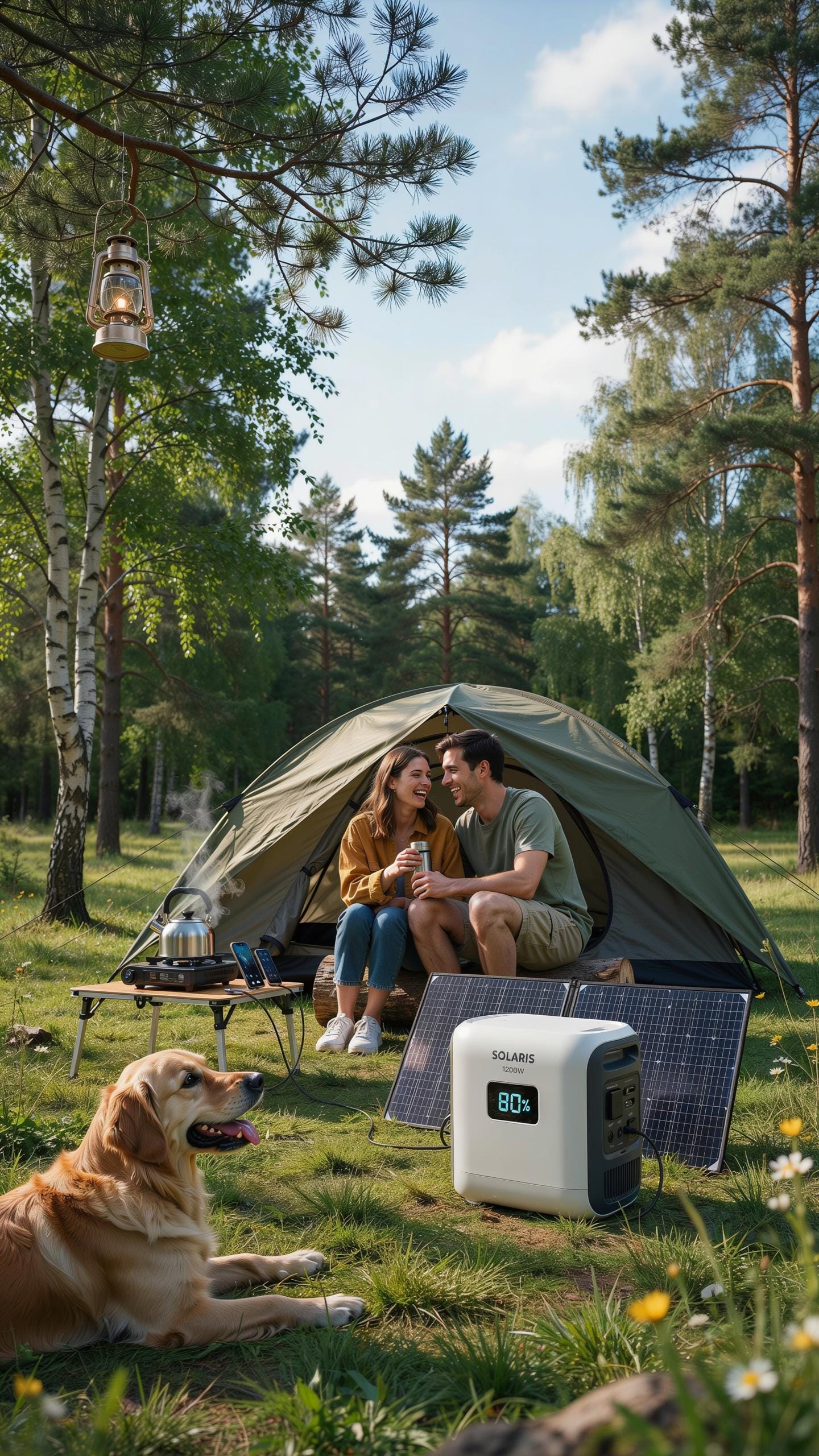
Weight matters on the trail. A solar generator between 10 and 50 pounds hits the sweet spot for most camping trips. You carry it to your site, set it down, and forget about it. Heavier units stay in your vehicle. Lighter units sacrifice battery capacity. The frame construction determines how well it survives rough handling. Aluminum chassis resists corrosion. Steel frames add durability but increase weight. Your generator takes bumps, gets thrown in truck beds, and sits in tents during rain.
IP ratings tell you exactly how much weather a unit can handle. IP65 means dust and water jets won’t damage it. IP67 means it survives brief submersion. Most camping generators fall into the IP54 to IP65 range. Check the rating before buying. A generator without weather sealing fails after one rainy trip. Vents must have covers. Battery compartments need protection. Exposed circuits corrode fast. Pay attention to how the manufacturer sealed seams and connections.
Safety Features And Warranty Information
Overcharge protection stops your batteries from cooking themselves. Overcurrent protection prevents your devices from drawing too much power and failing. Thermal management keeps internal temperatures stable during heavy use. These three features should appear in product specs. If the manufacturer doesn’t mention them, skip that model. Safe generators have circuit boards that work like traffic cops for electricity. They stop problems before they damage your equipment or create fire risk.
Warranty length reveals how much confidence the manufacturer has. One year is standard. Two years suggests better quality control. Five years is rare but not unheard of. Read the fine print. Some warranties cover defects only, not wear and tear. Others cover battery degradation. Check whether the company honors warranties through retailers or direct only. A strong warranty means someone stands behind the product if it fails during your trip or shortly after.
Frequently Asked Questions

What exactly is a solar generator, and how can it help me on a camping trip?
A solar generator for camping trips is a portable power station that stores energy captured from solar panels. It allows you to power various electronics, from charging phones and laptops to running a mini-fridge or illuminating your campsite, providing reliable off-grid electricity and convenience.
How do I choose the right size solar generator for my camping needs, especially for powering a cooler?
To power a cooler and other essentials, you’ll need to calculate your devices’ wattage and run time. Look for a solar generator with sufficient battery capacity (measured in watt-hours) and adequate output ports. A general rule for coolers is to aim for at least 500Wh capacity.
Are solar generators a cost-effective alternative to traditional gas generators for camping, considering the upfront investment?
While the initial cost of a solar generator for camping trips can be higher, they offer long-term savings by eliminating fuel costs and maintenance. They are also quieter and produce no emissions, making them a more environmentally friendly and often preferable option for many campers.