
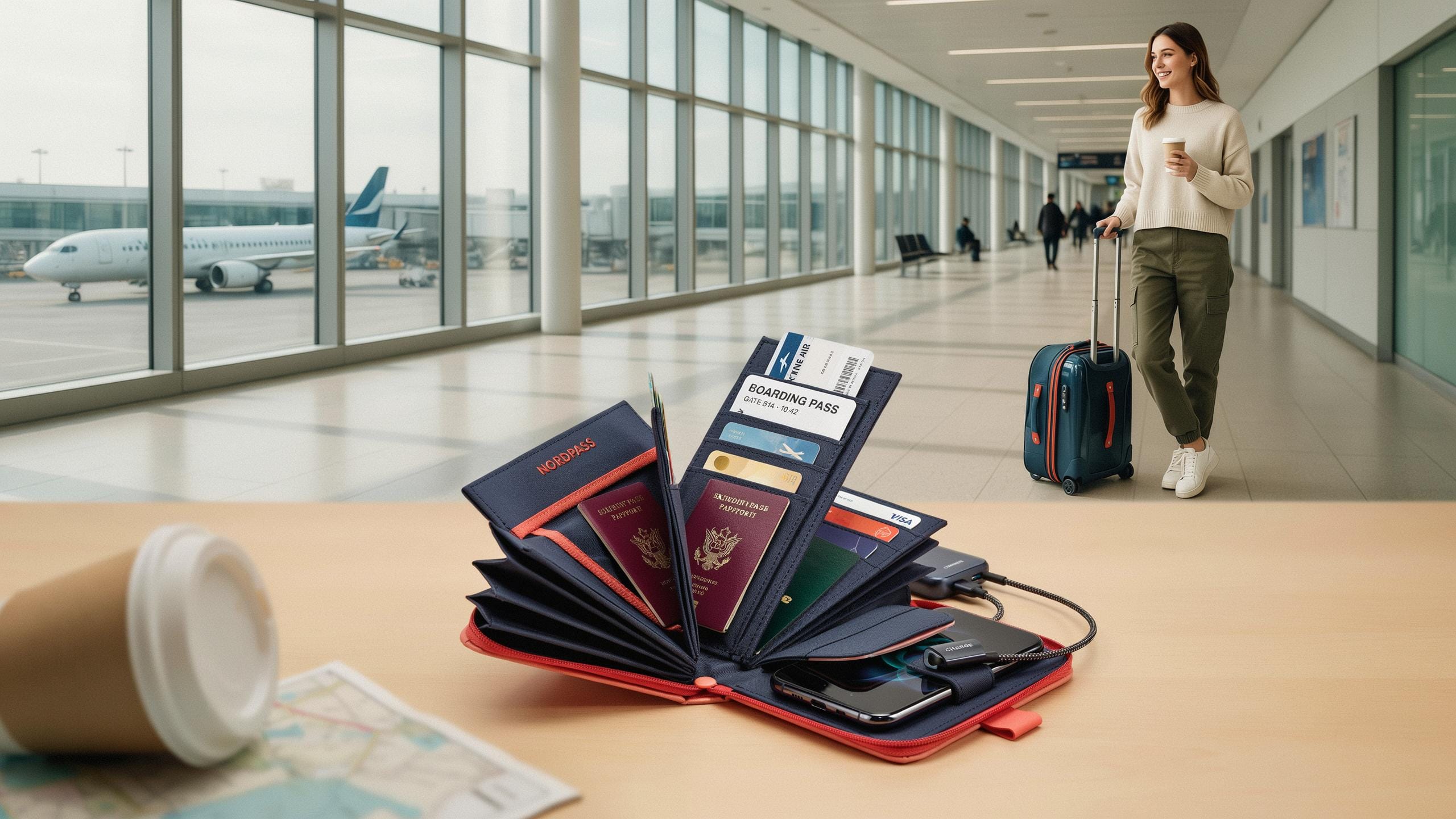
The Evolution Of The Travel Documents Organizer

From Basic Pouch To Essential Tech Folio
Travel document storage started as simple leather pouches and cloth wallets. These held passports, tickets, and currency. Airlines distributed basic paper envelopes for documents in the 1960s and 1970s. The market eventually shifted toward dedicated organizers as air travel became routine. Manufacturers recognized travelers needed protection from wear, moisture, and loss. Nylon and polyester replaced basic fabrics. Organizational compartments became standard features to separate documents by type and urgency.
The shift accelerated in the 1990s and 2000s as international travel expanded. Travelers carried more items: passports, vaccination cards, hotel confirmations, and travel insurance documents. Designers added security features like RFID blocking to protect against data theft. Materials improved for durability and weight reduction. The organizer evolved from a storage tool into a travel necessity. Frequent flyers demanded efficiency and protection in a compact format.
Why A Charging Port Became A Must Have
Mobile devices became central to modern travel between 2010 and 2015. Travelers relied on phones for boarding passes, hotel reservations, translation apps, and navigation. Battery depletion during layovers and long flights created a real problem. Manufacturers recognized an opportunity to solve this friction point. Integrating power banks and charging ports into document organizers eliminated the need for separate devices. This consolidation appealed to travelers managing multiple items in carry-on luggage.
The feature gained traction because it addressed genuine traveler pain. A charged phone became as critical as a valid passport. Early models used basic USB ports. Later designs added USB-C and multiple charging options. Travel document organizers with charging ports reduced item count and simplified airport procedures. The feature moved from novelty to expected standard in premium organizer products.
Key Features Of A Premium Travel Document Organizer

Materials And Durability Built For The Journey
Travel document organizers use materials engineered for repeated airport runs and luggage compression. Ballistic nylon dominates the market because it resists tearing and handles moisture without degrading. Polyester blends offer lighter weight alternatives while maintaining tear resistance. Genuine leather options exist but require maintenance during extended trips. The stitching method matters most. Double-stitched seams hold up where single stitching fails.
Zippers face the hardest wear in document organizers. YKK zippers appear in most premium models because they outlast cheaper alternatives by years. The material underneath zippers needs reinforcement to prevent ripping under load. Corner protection prevents edge damage when organizers slide in and out of bags. Frequent flyers encounter temperature changes, humidity, and pressure changes that degrade lower-quality materials quickly.
Security Features Protecting Your Valuables
RFID blocking is the core security feature in modern travel document organizers. This technology prevents wireless scanning of passport chips and credit card data. Not all organizers include it, so verification matters before purchase. The blocking works through metallic mesh or coated materials that disrupt radio frequencies. However, RFID blocking adds minimal cost to manufacturing and affects neither weight nor functionality.

Compartmentalization creates physical barriers between documents and valuables. Separate slots for passports, boarding passes, and cards reduce fumbling at security checkpoints. Zippered pockets keep items contained during transport and prevent loss during airport transfers. Some models include hidden pockets designed for cash or backup cards. The charging port sits isolated from document storage to prevent liquid damage from battery leaks or charging errors.
Passport Wallet And Beyond Compartments For Every Need
Dedicated Slots For Passports And Tickets
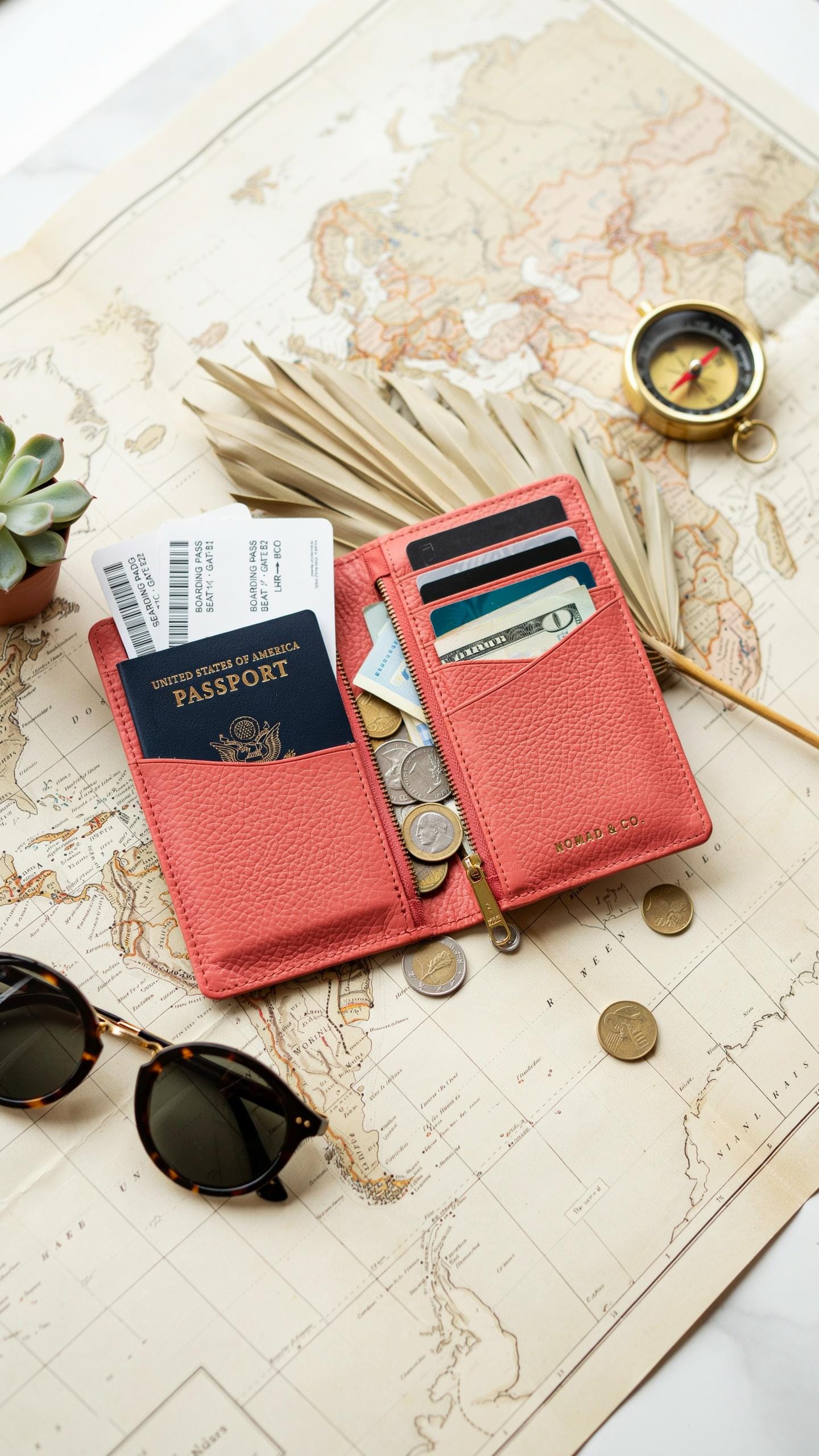
Passports require protection from bending, creasing, and moisture damage. Travel document organizers with charging ports dedicate rigid slots to keep passports flat and accessible. These slots prevent the document from folding at spine or edges, which customs agents scrutinize during border crossings. The compartment design accounts for passport thickness variations across different countries.
Airline tickets and boarding passes need separation from other documents to prevent loss or mix-up. Designated ticket slots keep these time-sensitive items instantly retrievable. Modern organizers include clear plastic windows so you verify ticket information without removing papers. This design eliminates fumbling through multiple compartments during check-in or security screening.
Organizing Currencies And Cards
Currency compartments in travel document organizers feature multiple divided sections for different denominations and countries. Organizing bills by country prevents confusion during transactions and speeds up payment at checkpoints. Separate sections for coins prevent jingling and loss of small change. The layout helps you track spending across different currencies during multi-country trips.

Credit cards, debit cards, and ID cards require individual slots to prevent bending and magnetic stripe damage. Travel organizers stack cards vertically in labeled compartments so you access specific cards without removing others. RFID-blocking technology in premium models protects card data from wireless scanning. Cards stay organized and protected whether you’re paying at hotels, restaurants, or ATMs.
The Power Of Integrated Electronic Organization

Understanding The Charging Port Technology
Charging ports on travel document organizers solve a real problem. Modern travelers carry multiple devices that drain power during flights and layovers. Integrated USB or USB-C ports let you charge phones, tablets, and other gadgets directly from the organizer’s internal battery. This eliminates the need for separate power banks or hunting for airport outlets. The technology is straightforward and proven. Most organizers use lithium-ion battery cells rated between 5000 to 10000 mAh capacity.
The port design matters for durability and speed. Quality organizers use reinforced connectors that withstand repeated plugging and unplugging during travel cycles. Fast charging standards like USB Power Delivery deliver higher wattage to charge devices quickly during short airport stops. The internal wiring connects the battery to the port through a circuit board that manages power distribution. This prevents device damage from voltage spikes. You get reliable charging without complexity.
Compatibility With Devices Universal Charging Solutions
Universal charging ports work across most devices you own. USB-C ports handle phones, tablets, laptops, and accessories simultaneously. Older organizers with micro-USB or proprietary connectors limit your options. Modern travel organizers skip this trap by using USB-C as standard. This single port replaces the need for multiple charging cables. You consolidate your tech setup and reduce what you pack.

Real-world compatibility extends beyond just phones. Modern wireless earbuds, smartwatches, portable speakers, and even some cameras charge via USB-C. The organizer becomes your central power hub for the entire trip. No more choosing which device stays dead because you ran out of outlets. This matters on international flights where seat power is rare and layovers are tight. One organizer replaces three separate devices in your carry-on.
Compact Travel Document Holder Size And Portability

Balancing Capacity With Ergonomics
A travel document organizer with charging port must fit documents, cards, and a battery without becoming a burden. Most models measure between 9 to 12 inches wide and 6 to 8 inches tall. Weight typically ranges from 1 to 2 pounds. The organizer needs enough compartments for passports, boarding passes, and credit cards while staying light enough for daily carry.
The charging port adds minimal bulk when integrated into the design properly. Manufacturers place ports on the side or bottom to avoid creating awkward protrusions. Internal battery capacity usually sits between 5,000 to 10,000 mAh, sufficient for charging phones once or twice. The organizer must distribute weight evenly so the battery doesn’t pull the device out of shape during travel.
Fitting Into Carry Ons And Personal Items
TSA carry-on dimensions allow bags up to 22 by 14 by 9 inches. Most document organizers with charging ports fit comfortably in personal item compartments or backpack pockets. They slide into seat back pockets on aircraft without issue. The compact footprint means you can access documents without removing bulky luggage.

Frequent flyers benefit from organizers that fit standard zippered compartments in carry-ons. The slim profile prevents the device from taking up valuable space for other essentials. Airlines measure personal items strictly, and these organizers stay well within limits. You keep documents and a charging solution in one piece of gear, reducing the number of items you need to manage at security checkpoints and gates.
Multifunctional Travel Wallet With Zipper Pouch More Than Just Documents

Space For Peripherals And Small Essentials
A travel document organizer with charging port needs compartments beyond passport slots. Most models include dedicated spaces for charging cables, USB adapters, and power banks. These compartments keep electronics separated from documents, preventing damage and tangling. The cable management design prevents fraying and makes items easy to grab during airport transitions.
Additional pockets accommodate earbuds, SIM cards, memory cards, and travel medications. Frequent flyers benefit from having all small essentials in one location rather than scattered across carry-on bags. Quick access to these items at security checkpoints and gate areas saves time. This consolidation reduces the mental load of tracking multiple small items across different bag sections.
The Added Security Of A Zipper Pouch
A zipper pouch creates a locked compartment that protects sensitive documents from accidental loss. Important cards, vaccination records, and travel permits stay contained and organized within one secure section. Zippers prevent items from falling out during bag shifts or transitions between transportation modes. This design feature proves critical when moving through crowded airports or train stations.

The zipper mechanism also protects documents from spills and moisture exposure. Water damage to passports, visas, or boarding passes creates immediate travel complications. A sealed pouch isolates valuable items from liquids in carry-on bags or unexpected weather exposure. Frequent travelers recognize this protection as a non negotiable feature that justifies the organizer investment.
Choosing Your Ideal Travel Case

Factors To Consider When Buying
Battery capacity matters most. You need enough power to charge your phone, tablet, or laptop during layovers and flights. Most organizers include 10,000 to 20,000 mAh batteries. Check if the case charges via USB-C, which is now standard across devices. Verify the output wattage if you charge laptops, as lower wattage takes longer and may not work with larger devices.
- Battery Capacity: Look for 10,000 to 20,000 mAh minimum. Higher capacity means more charges before needing to recharge the case itself.
- Charging Ports: Prioritize USB-C input and output. Multiple ports let you charge several devices at once without switching cables.
- Document Slots: Count the RFID-blocking pockets you actually need. Most travelers require slots for passport, boarding passes, credit cards, and travel insurance documents.
- Size and Weight: Balance capacity against portability. Cases over two pounds add burden to carry-on luggage during long trips.
- Cable Storage: Ensure the case includes dedicated compartments for USB cables and charging adapters. Loose cables tangle and damage devices during transit.
- Material Durability: Nylon or polyester exterior resists wear. Water-resistant linings protect documents from spills in airport bathrooms and drink carts.
The case should fit your travel style. Business travelers need slim designs that fit under airplane seats. Extended trips demand larger organizers with compartments for medications and electronics. Weekend travelers can use compact models. Test the clasp mechanism before buying, as weak zippers fail mid-trip.
With every journey, your essential companions – your charging port and carefully kept memories – remind you of the beautiful paths you’ve explored.
Top Brands And Their Offerings
Peak Design produces premium organizers with modular layouts. Their cases feature high-capacity batteries and organized cable management. They cost more but handle wear from frequent travel. Bellroy focuses on minimalist designs with document protection. Their products are lighter than competitors, ideal for carry-on only travelers. AmazonBasics offers budget options with solid battery integration at lower price points.

Travelon specializes in RFID security features and organizational compartments. Their cases integrate charging without sacrificing document storage. Tumi manufactures luxury organizers targeted at executives. Their products emphasize durability and design but command premium pricing. Osprey builds travel-focused solutions combining rugged construction with functional charging ports. Each brand targets different traveler needs, so match your priorities to their strengths rather than buying based on name recognition alone.
Maximizing Efficiency With Your Travel Documents

Pre Flight Packing Strategies
Organize your documents before you pack. Designate a specific compartment in your travel document organizer for passports, visas, and vaccination records. This prevents last-minute scrambling at check-in. Store boarding passes separately from other documents so you can access them without opening your entire organizer. Keep your charging port accessible, not buried under papers.
Charge your organizer the night before travel. This ensures your devices stay powered during layovers and connections. Position frequently needed items like driver’s licenses and travel insurance documents in front pockets. Reserve interior compartments for documents you’ll need less often. Consolidate similar papers together using the organizer’s designated sections to save time searching during your journey.
In Flight Accessibility And Use
Access your documents without disturbing other passengers. The organizer’s design allows you to retrieve specific items without removing everything. Use the charging port to power your phone or tablet when seatback outlets fail or aren’t available. Keep your organizer in your personal item bag, not in overhead bins. This keeps documents and devices within reach throughout the flight.

Monitor your battery level during the flight. Charge devices during meal service when you’re not moving around the cabin. Store your organizer in the seat pocket in front of you for quick access during turbulence or when flight crew requests documentation. Keep your boarding pass readily visible for crew members who conduct spot checks or verify seat assignments during boarding and flight operations.
Travel Documents Digital Vs Physical Integration
Bridging The Gap Between Paperwork And Apps
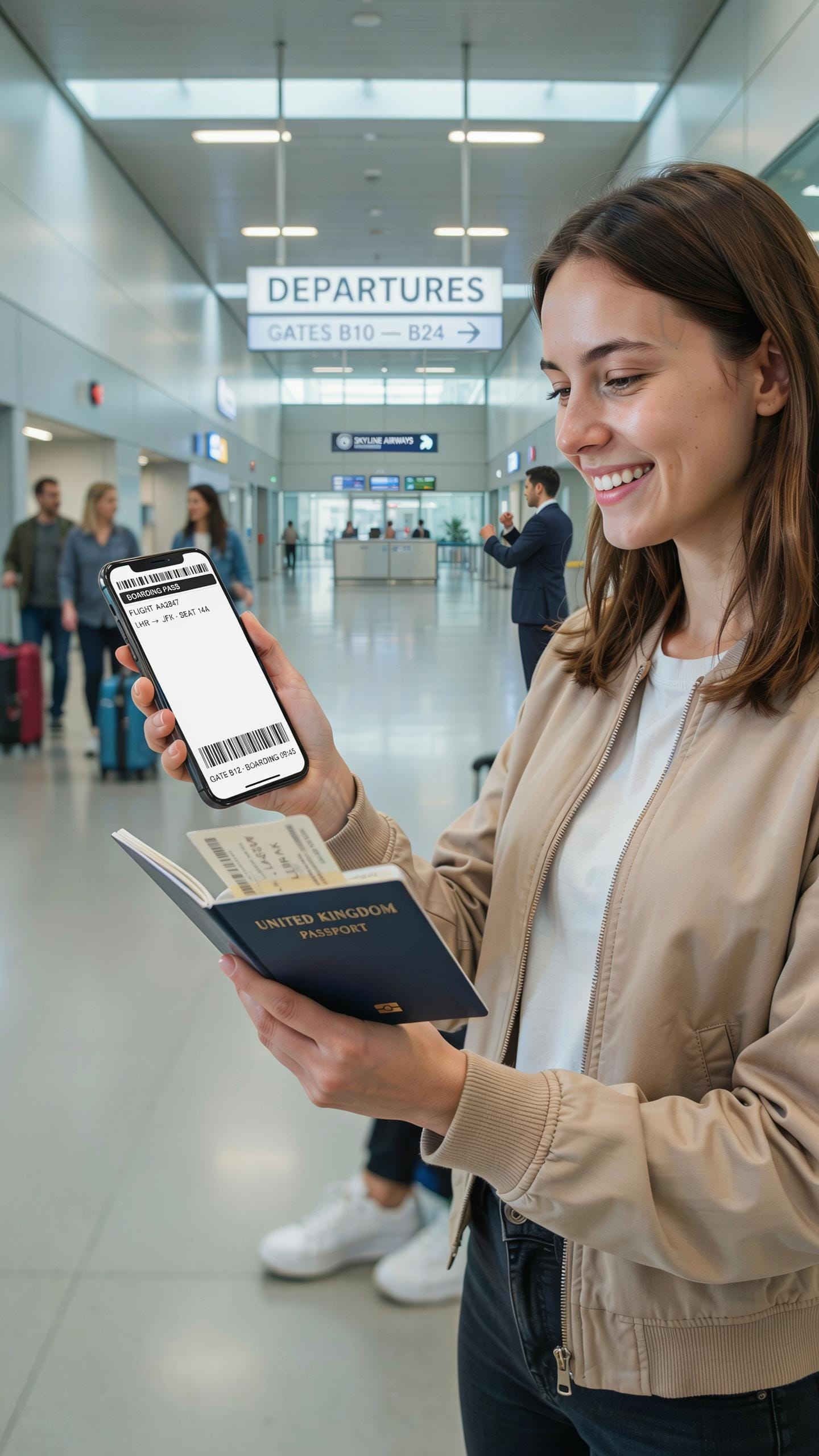
Travel document organizers with charging ports solve a real problem: travelers need both physical documents and powered devices simultaneously. Passports, visas, and boarding passes still exist on paper. Phones and tablets store digital copies and apps. A single organizer that charges devices while protecting documents eliminates the need to juggle multiple accessories during trips.
The best organizers dedicate specific compartments for documents and integrate charging cables or power banks directly into the design. This approach means you access your passport, pull up your airline app on a charged phone, and book a hotel reservation without scrambling for outlets or separate storage. The compartmentalization prevents documents from getting damaged by electronics while keeping everything within arm’s reach.
Future Trends In Travel Document Management
Organizers are evolving toward modular designs that adapt to changing travel needs. RFID protection for passports and credit cards now appears as standard features rather than upgrades. Battery capacity in integrated power solutions continues to increase, with some models offering 10,000 to 20,000 mAh capacity to charge multiple devices through extended trips.
Manufacturers are testing materials that resist moisture and temperature swings, addressing the reality that luggage experiences harsh conditions. Wireless charging surfaces and USB-C standardization reduce cable clutter inside organizers. As airlines digitize boarding passes and governments expand digital identity systems, organizers increasingly position themselves as hybrid solutions that support the transition period where paper documents remain legally necessary alongside their digital counterparts.
The Frequent FlyerS Best Friend A Long Term Investment

Durability And Longevity For Constant Travel
Travel document organizers with charging ports use materials engineered to withstand repeated airport security screening, baggage handling, and constant packing cycles. Quality models incorporate reinforced stitching, ballistic nylon construction, and water resistant coatings that protect documents and electronics from the wear patterns frequent travelers encounter. These materials hold up across hundreds of trips.
The charging port itself demands specific durability standards. Manufacturers solder ports directly to internal circuit boards and reinforce connection points to survive repeated cable insertions and the vibration of travel. Frequent flyers who invest in organizers with properly engineered ports avoid replacing units annually and maintain consistent functionality across years of use.
The Value Of Peace Of Mind On The Go
Frequent flyers face concrete operational problems that travel document organizers with charging ports solve directly. Keeping passport, boarding passes, and identification documents organized reduces security line delays. The integrated charging port eliminates one more cable from your carry on and ensures your phone stays powered through airport layovers and connections.
This setup removes decision making from travel routines. You pack one item instead of managing multiple pouches and cables separately. Your documents remain protected and accessible exactly when you need them. Your devices charge without hunting for outlets or carrying additional adapters. The organizer pays dividends every single trip through reduced friction and faster airport operations.
Frequently Asked Questions

What exactly is a travel document organizer with charging port and why do I need one?
A travel document organizer with charging port is a specialized wallet or pouch designed to consolidate your passport, boarding passes, cards, and cash, plus it features a built-in power bank or charging cable pass-through. It’s essential for frequent flyers to keep everything securely organized and ensure their devices stay powered on the go, reducing travel stress.
How do I efficiently use the charging port feature on my travel document organizer while traveling?
To efficiently use your travel document organizer with charging port, first ensure your power bank (if integrated) is fully charged before departure. While traveling, simply plug your device into the organizer’s port or connect it to your external power bank through the designated slot. This allows you to discreetly charge your phone or tablet without rummaging for an outlet.
Can I find an affordable travel document organizer with a charging port that still offers good quality?
Absolutely! Many brands offer quality travel document organizers with charging ports at various price points. Look for options with durable materials, strong zippers, and a reliable, albeit perhaps smaller capacity, power bank if integrated. Comparing features and reading reviews from other frequent flyers can help you find a great value option without breaking the bank.