
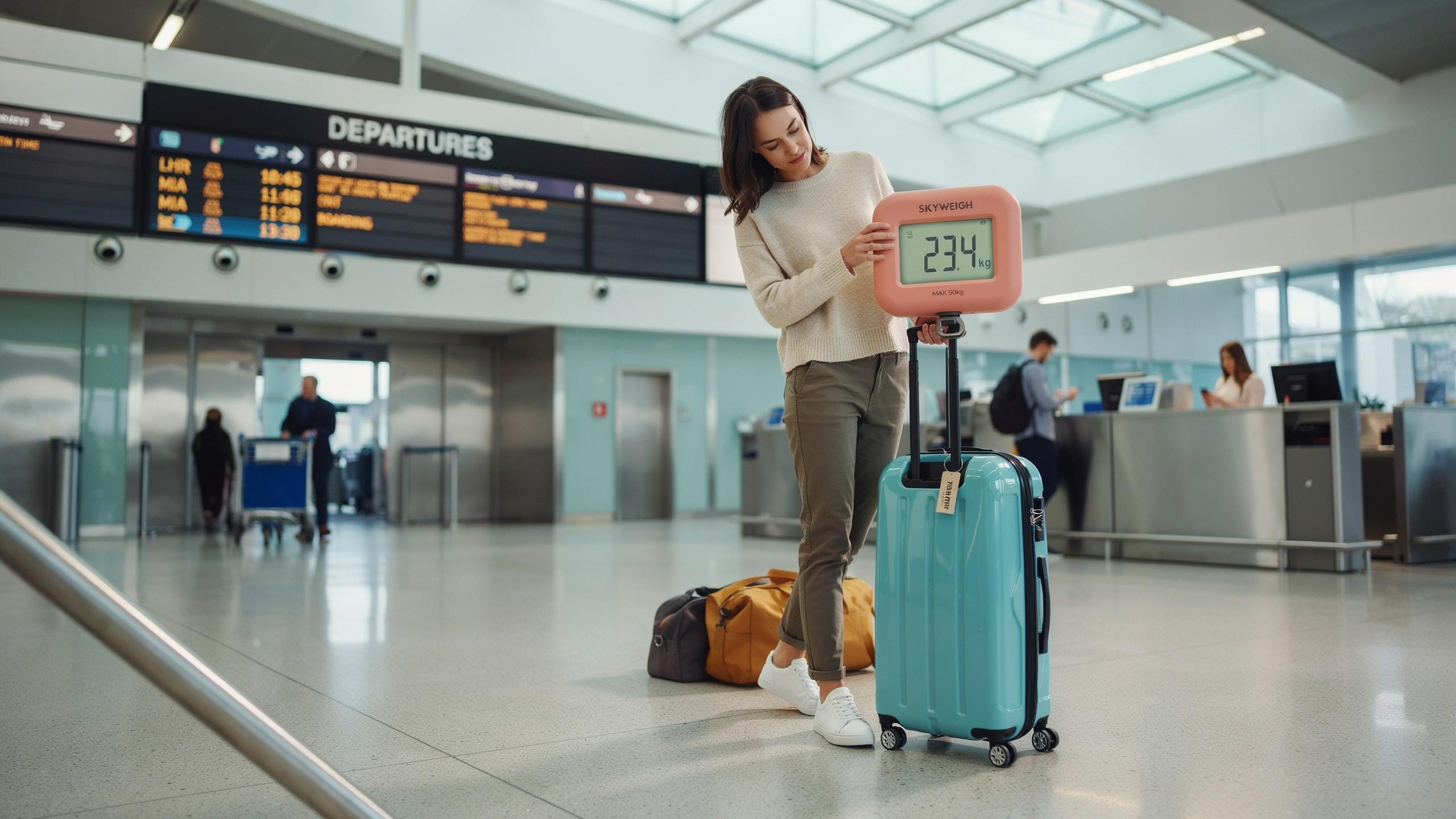
Why Every Traveler Needs A Portable Luggage Scale Digital

The Cost Of Overweight Baggage
Most airlines charge substantial fees when bags exceed weight limits. Standard overweight fees range from 50 to 200 dollars per bag, depending on the airline and how much excess weight you carry. A portable luggage scale digital costs between 10 and 30 dollars and pays for itself after a single trip. Knowing your bag weight before arriving at the airport eliminates surprise charges and gives you time to repack.
Overweight baggage fees compound quickly on round trip flights. If you travel twice yearly and exceed limits both times, you spend 200 to 800 dollars annually on preventable charges. A portable luggage scale digital eliminates this expense entirely. The device weighs under one pound and fits in any carry on bag, making it a permanent travel tool that protects your budget.
Peace Of Mind While Traveling
Packing without knowing your bag weight creates uncertainty. You arrive at the airport unsure whether you will face delays or unexpected fees. A portable luggage scale digital removes this guesswork by giving you exact weight measurements before departure. You pack confidently and adjust items as needed without time pressure or airport stress.
Knowing your baggage weight in advance improves packing efficiency. You make deliberate choices about what stays and what goes instead of making rushed decisions at check in. This control reduces travel anxiety and lets you focus on your actual trip. A portable luggage scale digital transforms packing from a stressful guessing game into a straightforward, predictable process.

What Is A Digital Luggage Scale With Strap

Key Features And Components
A digital luggage scale consists of a weighing platform, strain gauge sensor, LCD or LED display, and an attached strap or handle. The strap wraps around your luggage so you can lift and read the weight simultaneously. Most models include buttons for power, unit conversion between pounds and kilograms, and a tare function to zero out the scale. The display shows weight in real time as you lift your bag.
The strain gauge sensor detects weight changes and sends signals to a microprocessor inside the device. Battery compartments typically hold two to four AAA or AA batteries that power the electronics. Construction materials vary from plastic housings to aluminum frames depending on price point and durability needs. The strap itself is usually nylon or polyester fabric rated to handle repeated pulling and stretching without tearing.
How It Works The Mechanics Of A Weighing Scale
Digital luggage scales use load cell technology to measure weight. When you lift the bag, the strap transfers force to the internal load cell, which converts mechanical stress into electrical signals. The microprocessor reads these signals and calculates the exact weight, displaying it on the screen within seconds. This process repeats continuously as long as the scale remains powered on.

Calibration occurs during manufacturing to ensure accuracy within specified tolerances, typically plus or minus 0.2 to 0.5 pounds depending on the model. Temperature and humidity can affect readings slightly, which is why quality scales include compensation mechanisms. The device holds the maximum weight detected while you’re lifting, freezing the display so you can read it clearly after you set the luggage down. Battery voltage fluctuations trigger low battery indicators to alert you when replacement is needed.
Benefits Of A Compact Digital Scale For Travel Essentials
Portability And Convenience For Your Carry On
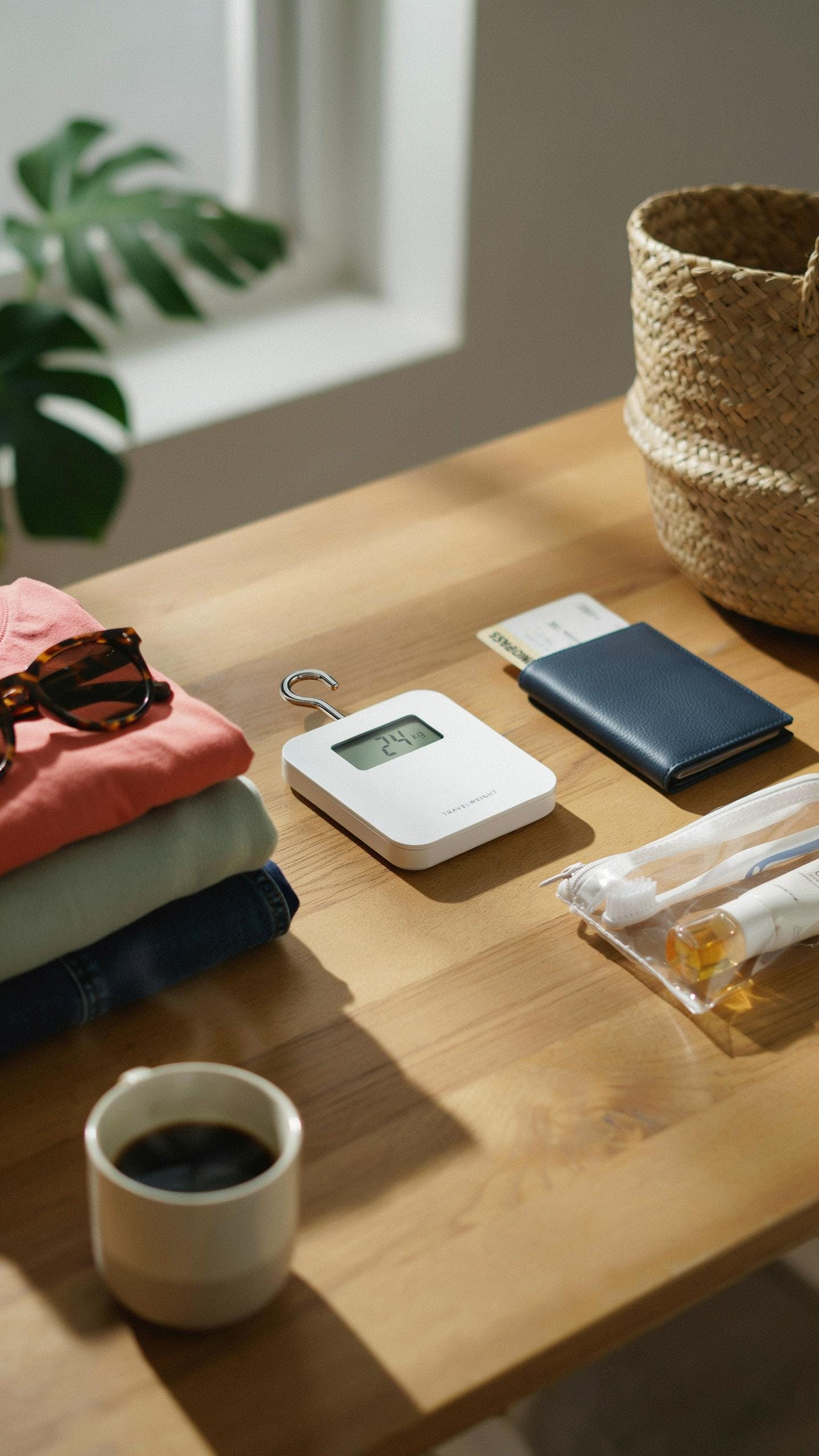
A portable digital luggage scale weighs between 100 and 200 grams. This weight fits inside any carry-on bag or jacket pocket. The compact design, typically 4 by 2 inches, takes up minimal space. You avoid overage fees by checking weight before reaching the airport counter. Real-time weight verification saves time and money on every trip.
Most models run on two AAA batteries or a single CR2032 coin cell. Battery life extends to 12 to 18 months with normal use. The scale activates instantly and provides readings in under three seconds. No setup or calibration happens before each use. You pull the scale out, hang your bag, and get your answer immediately.
Beyond Just Luggage Versatile Weighing Scale Uses
Digital luggage scales measure parcels for shipping costs before you visit the post office. You weigh packages at home and calculate postage online. This prevents surprises at shipping counters and speeds up your mailing process. Travelers use them to weigh gym bags, camera equipment, and sports gear. The scale handles weights up to 50 or 110 pounds depending on the model.

Food scales and luggage scales operate on the same mechanical principle. You can monitor portion sizes in hotel rooms during extended trips. Some travelers weigh souvenirs and gifts to stay within luggage limits. Markets in foreign countries appreciate customers who verify purchase weights independently. A single device serves multiple functions across travel, shipping, and personal use scenarios.
Choosing The Best Portable Electronic Luggage Scale

Factors To Consider: Accuracy, Capacity, And Units
Accuracy determines whether you pay overweight fees or travel free. Most portable digital luggage scales measure within 100 grams of actual weight. That margin matters when airlines charge per kilogram over limits. Higher accuracy comes from better load cells and calibration. Check if the scale displays 0.1 kilogram increments or larger jumps. Finer increments protect you from surprises at check-in counters.
Capacity directly impacts which scales work for your trips. Standard portable scales handle 25 to 50 kilograms. Heavy packers need scales rated to 70 or 100 kilograms. Know your airline’s weight limit before buying. Most scales measure in kilograms and pounds simultaneously. Some add stone measurements for UK markets. Verify unit options match your travel destinations and personal preference.
Battery Life And Power Sources
Battery type controls how often you replace power. Most portable luggage scales use AA or AAA batteries. Alkaline batteries last 6 to 12 months with regular use. Lithium batteries extend life by 30 to 50 percent. Some scales use rechargeable lithium ion batteries instead. Check drain rates before trips lasting weeks.

Power source reliability prevents scale failures mid journey. Battery corrosion happens in humid climates and tropical regions. Remove batteries when packing scales for extended storage. USB rechargeable models eliminate battery purchasing but require charging access. Solar powered scales exist but deliver inconsistent results in low light. Choose models from manufacturers who publish actual battery specifications.
Top Features Of A Reliable Baggage Scale
Backlit Display And Easy To Read Measurements
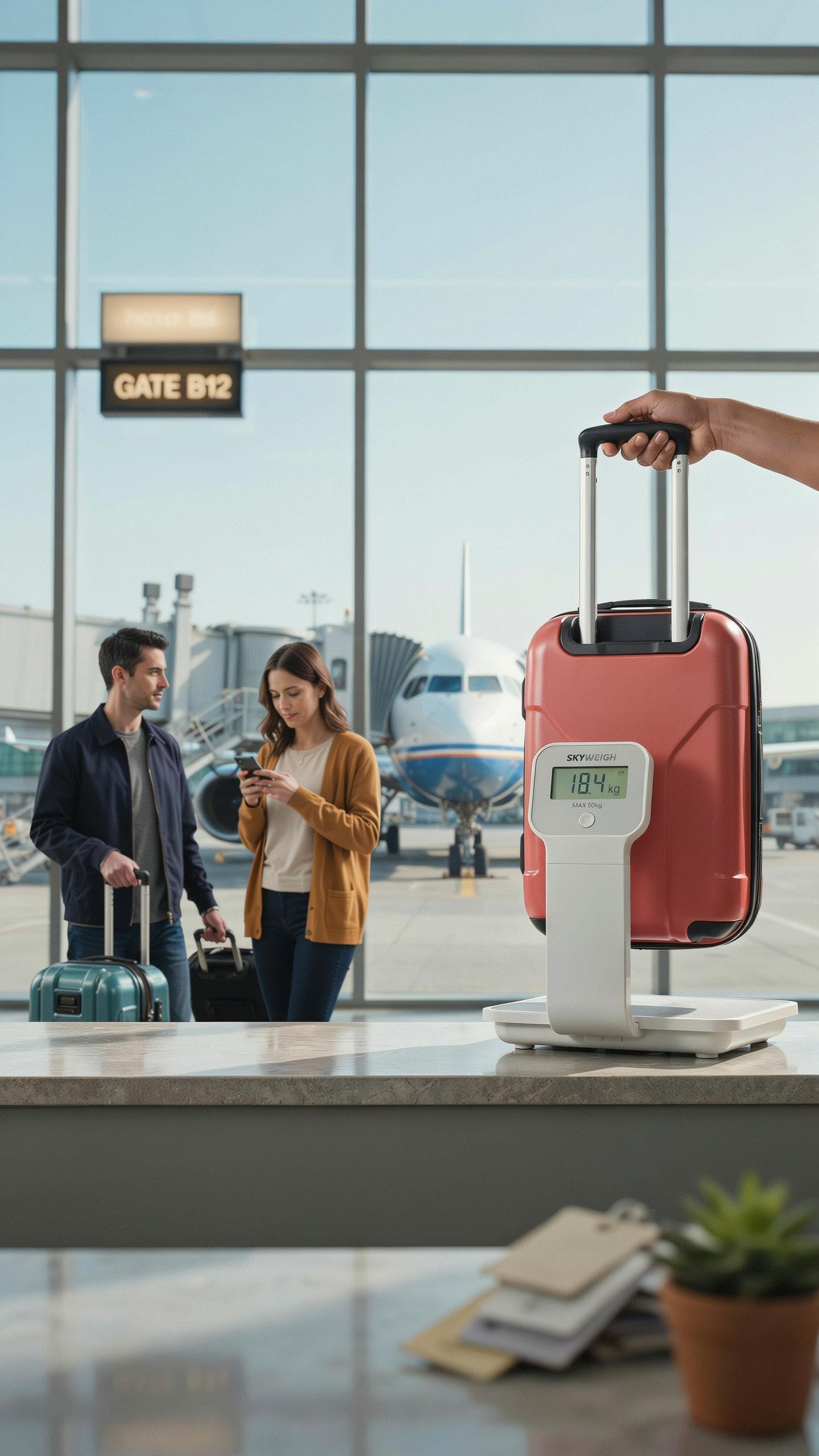
A backlit display solves a practical problem. Airport terminals, hotel rooms, and aircraft cabins have inconsistent lighting. Without backlighting, you squint at numbers and misread weights. This costs you money if you misjudge baggage fees. Backlit screens use LED technology to illuminate the digital readout regardless of ambient light conditions.
Display resolution matters equally. Large digits at least 0.5 inches tall prevent reading errors. Contrast between text and background reduces eye strain during quick weight checks. Manufacturers prioritize LCD and LED screens because they stay readable in sunlight and dim environments. Your scale only works if you trust what it shows.
Tare Function And Auto Off Capabilities
The tare function resets the scale to zero with any container on the platform. You weigh your luggage bag first, then place it on the scale and hit tare. The display drops to zero, so you know exactly how much weight you added inside. This eliminates mental math and prevents packing mistakes. Tare saves time and accuracy at the gate.

Auto-off features preserve battery life automatically. Scales turn off after 60 to 90 seconds of inactivity. This extends battery duration from weeks to months depending on usage frequency. Digital luggage scales typically run on two AAA or AA batteries. Auto-off prevents dead batteries at critical travel moments, ensuring your scale works when you need it most.
How To Use Your Portable Luggage Scale Digital Effectively

Step By Step Guide To Accurate Weighing
Start with a flat, level surface. Place your scale on a hard floor, not carpet or uneven ground. Carpet compresses under weight and throws off readings. Turn on the scale and wait for the display to show zero before attaching your luggage. This initialization step prevents false measurements from the start.
- Power on and zero out: Press the power button and confirm the display reads 0.0 pounds or kilograms before use. This establishes your baseline measurement.
- Attach luggage securely: Hook your bag onto the scale’s handle loop or strap. Ensure the attachment is tight so the bag does not shift during weighing.
- Lift slowly and steadily: Raise the luggage at a controlled pace. Quick jerking movements cause weight fluctuations on the digital display.
- Hold still and read: Keep the luggage suspended for three to five seconds. Wait for the display to stabilize and stop flickering before recording the weight.
- Note the final weight: Record the number shown on the display. Take a photo with your phone as backup if you need documentation for airline check in.
- Lower and reset: Gently lower the bag and power off the scale. This protects the internal sensors and extends battery life.
Repeat the weighing process two to three times for verification. Digital scales can drift slightly between measurements, so consistent results confirm accuracy. If readings vary by more than half a pound, replace the batteries and try again on a different surface.
Measuring our travels, one gram at a time, reminds us that every journey, light or heavy, carries the warmth of memories yet to be made.
Tips For Consistent Results
Environmental factors directly impact scale accuracy. Temperature extremes, humidity, and altitude can affect sensor performance over time. Keep your scale stored in a climate controlled space between uses. Avoid leaving it in hot cars or damp bathrooms. These conditions degrade internal components and reduce measurement reliability.

Battery condition matters more than most users realize. Weak batteries cause the scale to provide inaccurate or erratic readings. Replace batteries when the display dims or shows symbols indicating low power. Use quality alkaline or rechargeable batteries from trusted manufacturers. Test your scale with fresh batteries before travel to confirm it performs correctly.
Maintaining Your Digital Luggage Scale For Longevity
Cleaning And Storage Best Practices
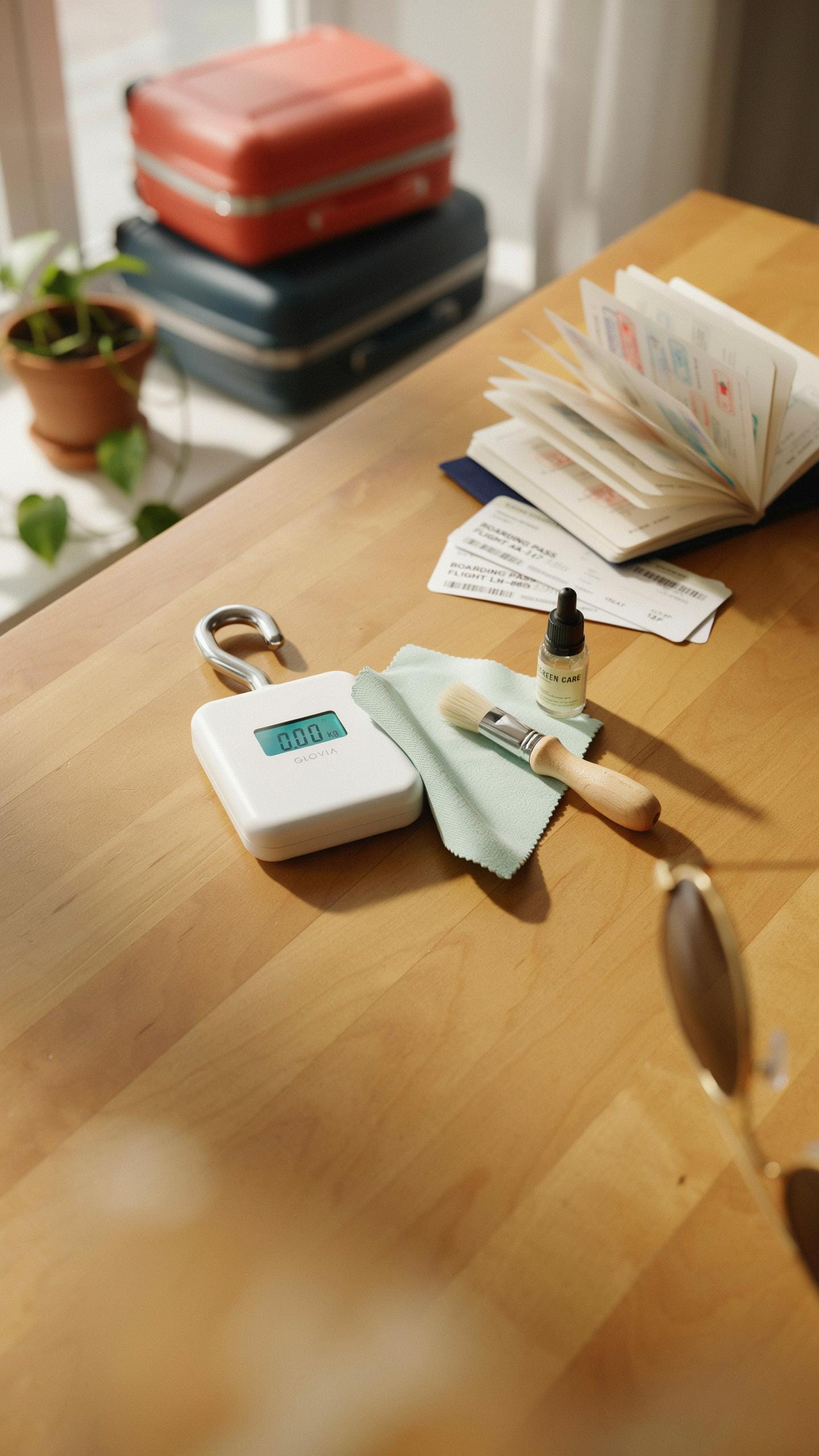
Wipe the scale’s surface with a dry cloth after each use. Moisture damages the sensors and display. Store the scale in a cool, dry place away from direct sunlight. Temperature extremes degrade the battery and internal circuitry. Never submerge the scale or expose it to humidity for extended periods.
Remove the batteries if you store the scale for more than a month. This prevents corrosion and leakage inside the battery compartment. Keep the scale in its original case or a padded pouch to prevent impact damage. Check the display periodically during storage to catch any deterioration early.
Troubleshooting Common Issues
The scale reads inconsistently when the platform is dirty or uneven. Clean the weighing surface thoroughly and place it on a flat, level surface before measuring. Ensure the scale sits flat on the ground. Tilted positioning causes calibration errors and inaccurate weight readings every time.

The display dims or the scale fails to power on when batteries run low. Replace batteries immediately with fresh ones of the correct type specified in the manual. If problems persist after battery replacement, check that contacts are clean and properly seated. Corroded battery terminals require gentle cleaning with a dry cloth or cotton swab.
Comparing Portable Luggage Scale Models
Budget Friendly Vs. Premium Options
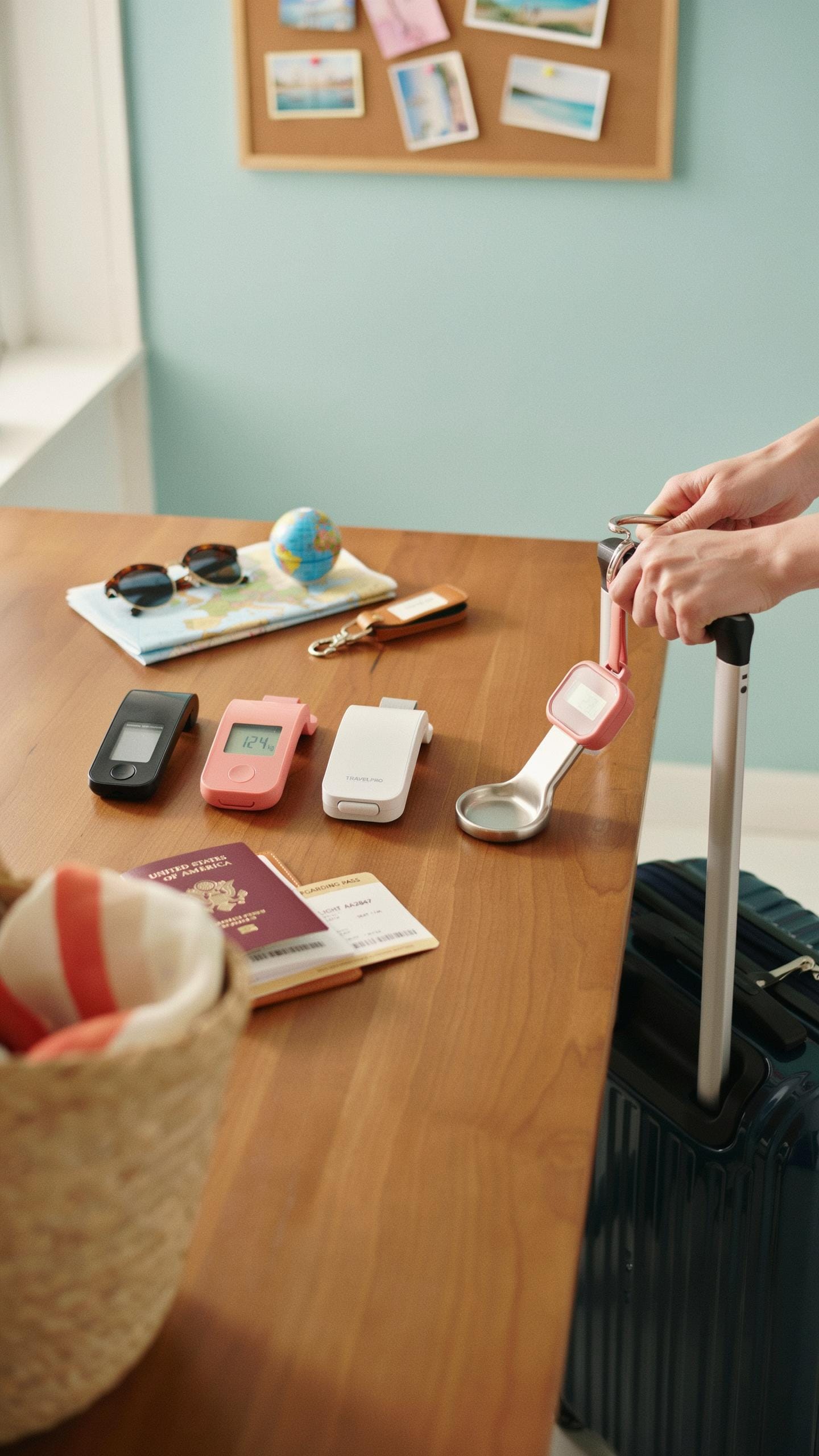
Budget scales cost between 10 and 25 dollars. They measure weight accurately but lack advanced features. These units handle basic needs for casual travelers. Display readability varies. Battery life runs shorter than premium models. Construction uses plastic throughout.
Premium scales range from 40 to 80 dollars. They offer backlit displays, improved build quality, and longer battery life. Some include luggage hooks designed for comfort during weighing. Temperature sensors appear on select models. These scales provide durability for frequent travelers who pack multiple bags.
User Reviews And Ratings As A Guide
Customer feedback reveals real performance data you cannot find in marketing materials. Reviews expose common failure points like faulty sensors or display issues. Ratings on retail platforms like Amazon show consistency of product quality across batches. Buyers report actual weight accuracy compared to airport scales. This data helps identify models that perform reliably over time versus those with early defects.

Focus on reviews mentioning specific use cases matching your travel patterns. Look for feedback on battery longevity and display visibility in different lighting. Negative reviews often mention weight calibration drift after six months of use. Verified purchase tags indicate genuine customer experiences. Compare rating trends across multiple platforms to spot outliers and identify the most trustworthy models for your needs.
The Evolution Of The Luggage Scale
From Analog To Advanced Digital Scale
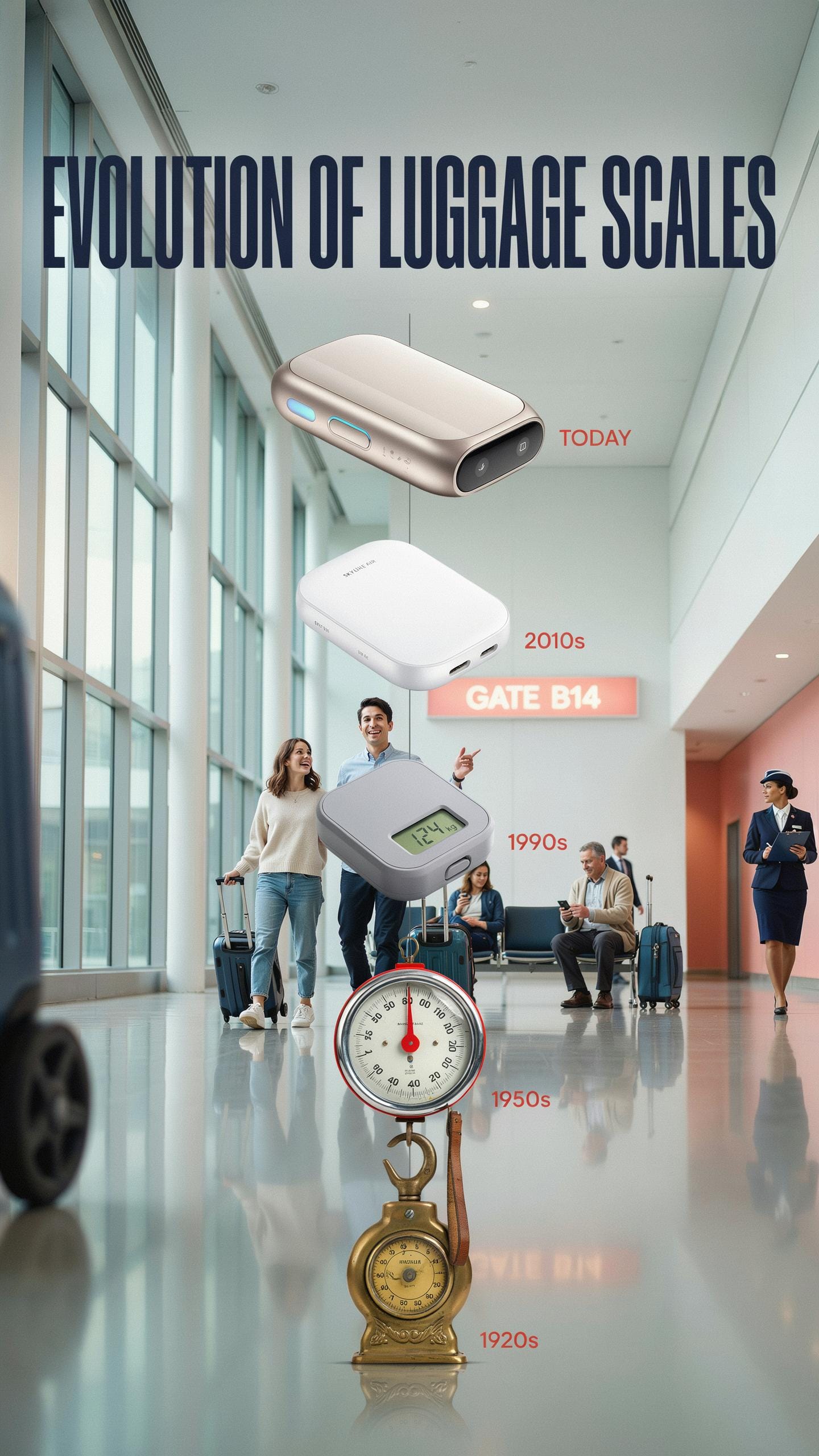
Luggage weighing started with mechanical spring scales in the mid-20th century. These devices used tension springs to measure weight through dial readings. Airlines needed to enforce baggage limits, so scales became standard at check-in counters. Spring scales were bulky, required no batteries, and delivered consistent results despite their size and weight.
Digital scales emerged in the 1980s and 1990s as LCD displays replaced mechanical dials. Load cells replaced springs, converting weight into electrical signals for precise readings. This shift reduced size significantly while improving accuracy to within 0.1 pounds. Manufacturers added portability features, making digital scales viable for personal travel use rather than airport-only installations.
Future Trends In Travel Weight Measurement
Bluetooth connectivity will dominate next generation portable luggage scales. Travelers will sync weight data directly to smartphones, eliminating manual note-taking. Apps will track baggage weight across multiple trips and flag excess charges before airport check-in. This integration creates actionable data that prevents costly overweight fees.
Smart scales will incorporate AI algorithms to predict weight distribution problems. Sensors will detect unstable packing patterns and recommend load adjustments for safer travel. Battery technology improvements will extend operating life beyond current 12-18 month standards. Scales will become lighter while maintaining durability, with some units potentially dropping below 4 ounces within five years.
Making The Most Of Your Travel Essentials The Portable Digital Scale
Packing Strategies Enhanced By Your Digital Weighing Scale
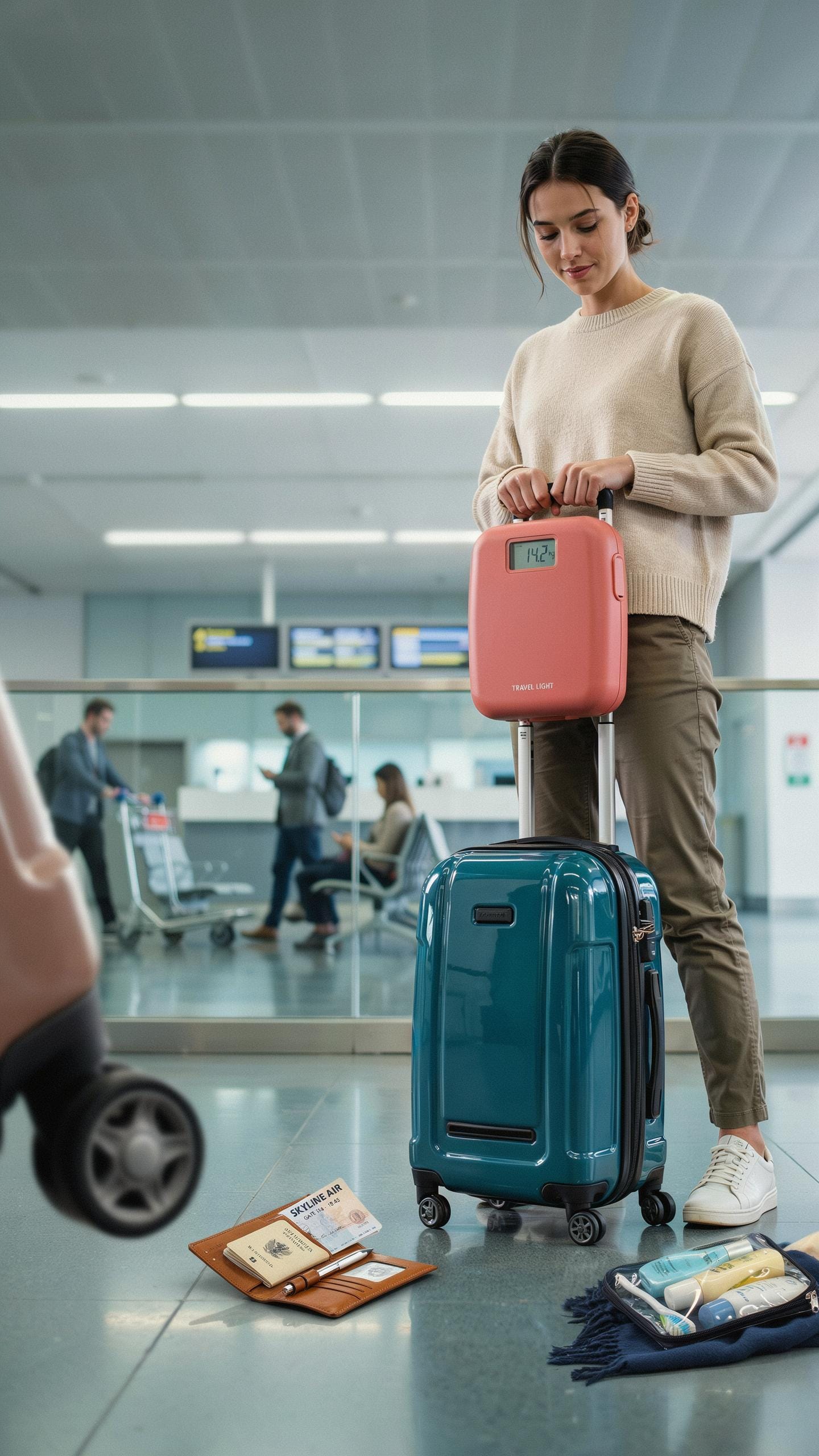
A portable digital luggage scale transforms packing from guesswork into precision. You weigh bags before leaving home, identifying what exceeds airline limits. This prevents costly overweight fees at check-in. You redistribute items across bags in real time, maximizing capacity without penalties. The scale becomes your baseline for consistency across multiple trips.
Integrating a scale into your routine cuts unpacking time at airports. You know exactly where your baggage stands against weight limits before arrival. This eliminates the stress of last-minute repacking or surprise fees. Strategic weighing also reveals which items consume the most weight relative to value, informing future packing decisions. You pack smarter, not just lighter.
Why A Digital Scale Is A Must Have Baggage Scale Accessory
A portable digital scale pays for itself after one international trip. Most airlines charge between 75 to 200 dollars per overweight bag. A quality digital scale costs 15 to 40 dollars and lasts years. The math is straightforward: one avoided fee covers dozens of scales. Beyond finances, the scale removes uncertainty from travel logistics entirely.
The scale’s real value is control. You don’t rely on airport scales or airline staff estimates. You measure your exact baggage weight anytime, anywhere. This applies whether you travel quarterly or monthly. The scale becomes essential gear alongside your passport and boarding pass, delivering concrete data that protects your budget and simplifies airport procedures consistently.
Frequently Asked Questions

What exactly is a portable digital luggage scale and why do I need one?
A portable digital luggage scale is a compact, handheld device designed to accurately weigh your bags before you head to the airport. It helps you avoid overweight baggage fees, which can be costly and frustrating. By knowing your luggage weight in advance, you can repack and travel stress-free.
How do I properly use my new portable luggage scale digital to get accurate readings?
To get accurate readings with your portable luggage scale digital, first, ensure it’s on a flat surface and zeroed out. Attach your luggage handle to the scale’s hook or strap, then lift steadily until the weight stabilizes. Read the display and gently lower your bag. Avoid swinging for the best results.
Are there affordable options for a reliable portable digital luggage scale, and what features should I prioritize in a budget-friendly model?
Absolutely! Many reliable portable digital luggage scales are available at budget-friendly prices. Prioritize models with a clear LCD display, a strong hook or strap that can handle your typical luggage weight, and simple one-button operation. Basic accuracy and durability are key, even on a budget.