
The Evolution Of Luggage Organization Beyond Basic Packing
The Perils Of Disorganized Electronics
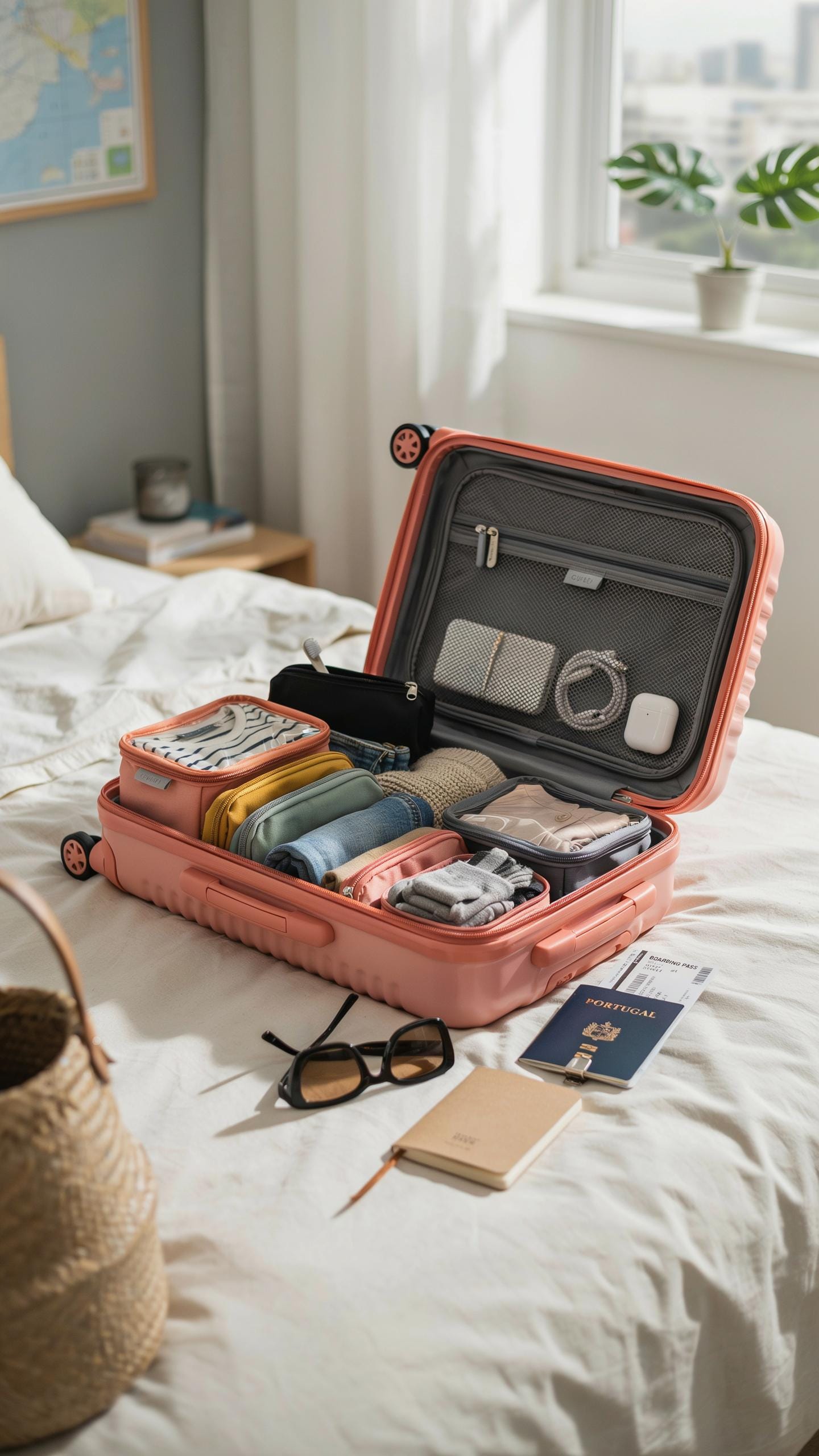
Travelers who pack electronics without organization face real problems. Cables tangle together. Chargers go missing inside suitcases. Small accessories like USB adapters and connectors scatter across luggage compartments. Finding specific items becomes a frustrating search through crumpled clothing and wires. Damaged cords and bent connectors result from this haphazard approach.
Electronics stored loosely suffer physical damage during travel. Screens crack when devices shift inside luggage. Battery terminals bend when items stack on top of each other. Moisture accumulates in compressed pockets without proper ventilation. Power banks overheat when squeezed against other metal objects. The cost of replacing damaged electronics far exceeds the investment in proper storage solutions.
Introduction To Modern Packing Solutions
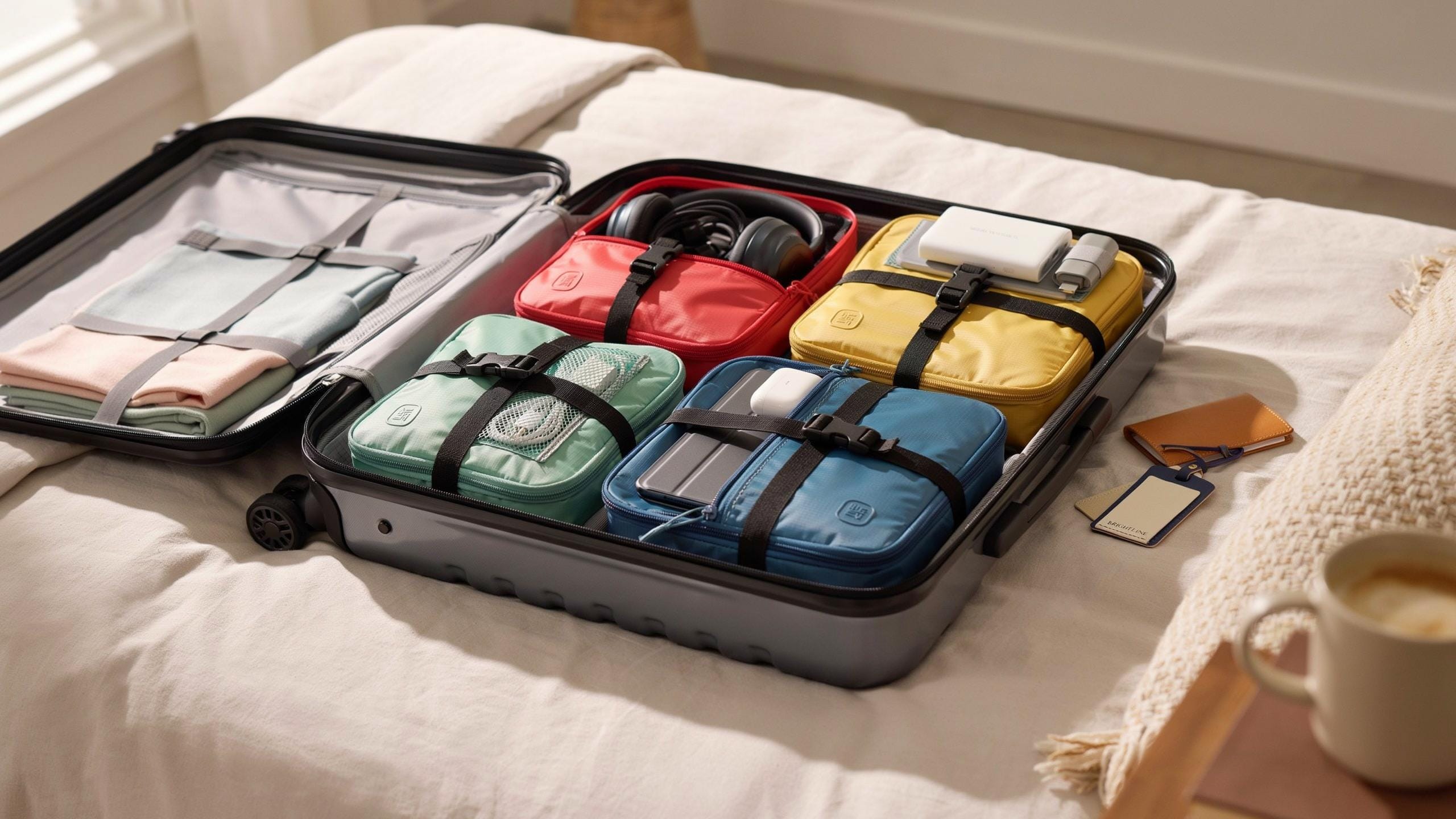
Compression packing cubes designed for electronics address these storage failures directly. These cubes use segmented compartments to separate cables, adapters, and devices. Rigid walls prevent items from shifting during transport. Built in dividers keep different types of electronics isolated from each other. The result is faster packing, easier unpacking, and zero damage to valuable gear.
Modern compression cubes combine function with practical design. Materials like nylon and mesh allow visibility of contents without opening compartments. Zippers remain secure during flight and ground transport. These cubes stack efficiently in carry on and checked luggage. Travelers access their electronics quickly without unpacking entire suitcases. This approach saves time and protects expensive devices from unnecessary wear and breakage.
What Exactly Are Compression Packing Cubes For Electronics
Defining Compression Technology
Compression packing cubes use a simple mechanical principle: reducing air space around objects to decrease overall volume. You fill the cube with electronics and accessories, then seal it. Some models include vacuum bags that remove air manually or with a vacuum cleaner. This process compresses items down, freeing up suitcase real estate. The benefit for bulky electronic accessories like cables, chargers, and adapters is direct. These items scatter easily and waste space when loose. Compressed cubes corral them into organized blocks.
The compression itself does not damage most electronics. Cables, chargers, power banks, and protective cases withstand the pressure without issue. The real advantage emerges during packing. Instead of awkwardly fitting loose cords and devices around clothing, you stack compressed cubes like blocks. This approach transforms wasted space into usable storage. Electronics stay protected from crushing because the cube walls provide structure and cushioning, not because compression harms them.
Key Features For Electronic Devices
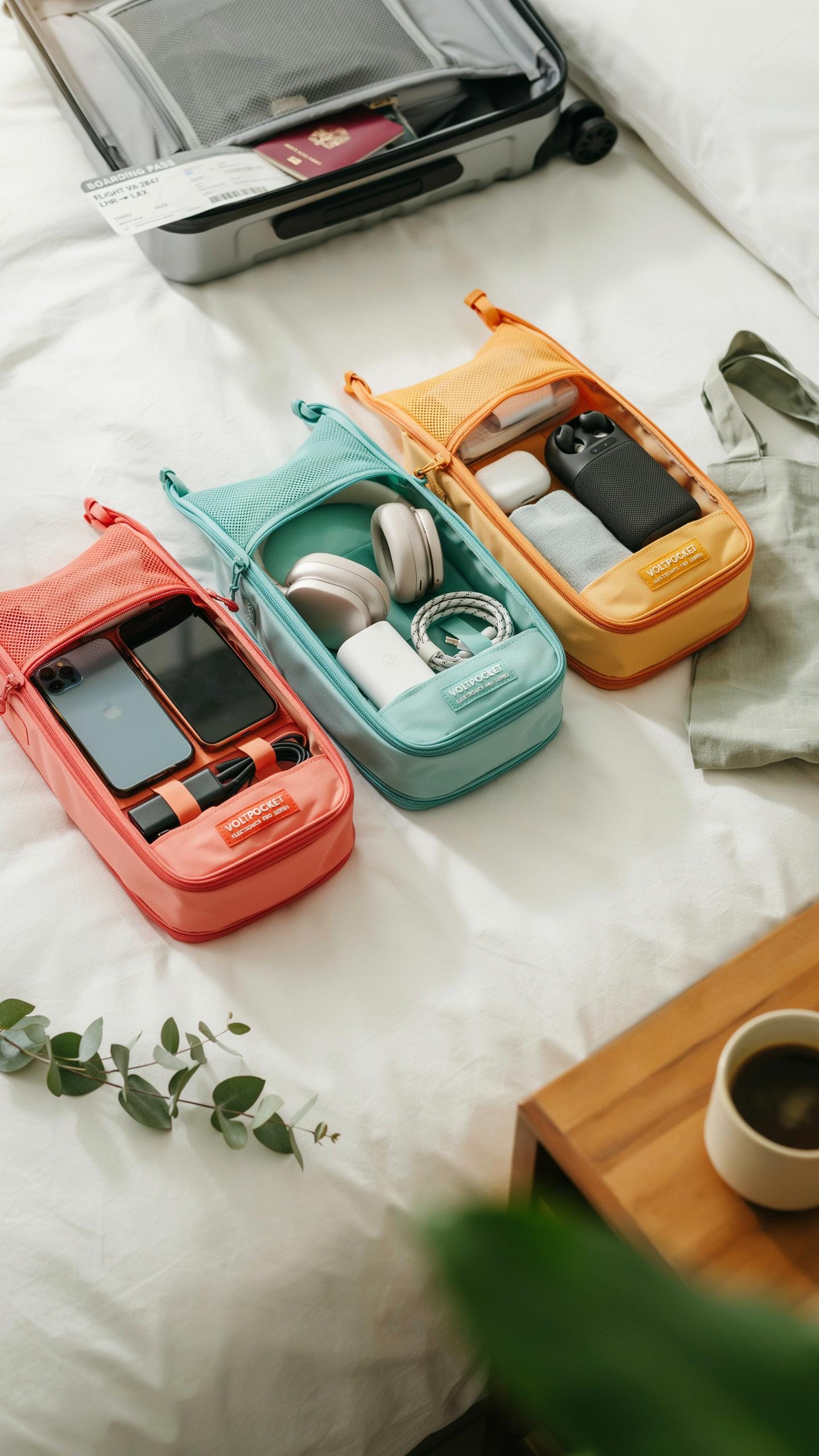
Electronics-specific compression cubes depart from standard models in critical ways. Manufacturers add padded compartments to isolate sensitive items from impact. Water-resistant materials protect against luggage spills or airport moisture. Internal dividers keep cables separate so they do not tangle. Most models include multiple sizing options so you match cube volume to your electronics load. Some offer cable-specific pockets to organize charging cords neatly. These design choices address real problems electronics travelers face.
- Padded Compartments: Interior cushioning layers protect screens, circuit boards, and delicate components from shock and pressure during transport and handling.
- Water Resistant Materials: Nylon or polyester exteriors with sealed seams prevent moisture from luggage leaks or airport humidity from damaging electronics inside.
- Multiple Sizing Options: Available in small, medium, and large sizes so you select the right cube for your specific electronics volume without overpacking.
- Internal Dividers: Fixed or adjustable partition walls separate cables, adapters, and devices to prevent tangling and allow organized access during unpacking.
- Cable Organization Pockets: Dedicated exterior or interior pockets with elastic loops secure cords and prevent them from wrapping around other items.

Quality electronics cubes balance compression capability with protective features. You need actual volume reduction to justify luggage space usage. You also need genuine protection so your devices arrive functional. The best models sacrifice neither. They compress firmly while maintaining structural integrity around sensitive gear. This dual function transforms them from basic organizers into legitimate packing solutions for tech travelers.
Comparing Packing Cubes Vs Compression Bags Which Is Best For Your Gear

The Functional Differences
Packing cubes organize items into separate compartments without reducing volume. They use internal dividers and zippered sections to keep electronics grouped by type or function. Compression bags reduce overall suitcase footprint by removing air through vacuum sealing or manual compression. They collapse around your items rather than organizing them into distinct zones. For electronics, packing cubes provide better protection because items remain stationary within their own sections, preventing shifting and contact between devices during transport.
Compression bags sacrifice organization for space savings. Once sealed, you cannot access individual items without opening the entire bag, forcing you to unpack everything if you need a single charger or cable. Packing cubes let you extract specific devices without disturbing the rest of your gear. Electronics benefit from this accessibility, especially on multi-day trips where you need different devices at different times. Compression creates pressure around delicate components, potentially stressing ports, screens, and fragile circuitry over extended compression periods.
Tailoring Your Choice To Electronic Needs
Choose packing cubes if you carry multiple electronics that require frequent access during your trip. Laptops, tablets, phones, and cameras need individual protection and easy retrieval. Packing cubes with padded compartments offer superior organization for mixed device types. The rigid structure prevents electronics from stacking on each other, reducing pressure on screens and ports. This approach works best when you actively use different devices throughout your journey.

Select compression bags only if you carry minimal electronics and prioritize suitcase space above all else. Short trips with one or two devices can tolerate compression without damage. Avoid compression bags for items with protruding components like camera lenses, antennas, or charging ports. The pressure from compression can bend or crack these delicate parts. For electronics-heavy travel, compression bags create more problems than they solve due to access limitations and potential component stress.
Maximizing Suitcase Space With Compression Packing Cubes For Suitcases

Strategic Packing Techniques
Sort electronics by category before placing them into cubes. Cables, chargers, and small devices go into one cube. Larger items like laptops or tablets require individual compartments. Wrap fragile electronics in soft cloth or bubble wrap first. Position heavier items at the cube bottom. This method prevents shifting during transport and reduces damage risk significantly.
Compression cubes with designated compartments work best for electronics. Use the mesh sections for visibility of smaller items. Fill empty gaps with soft materials like clothing. Avoid overstuffing cubes, which strains zippers and damages seals. Seal cubes completely before placing them in your suitcase. Properly sealed cubes maintain their compressed state throughout your trip.
Remember those bulky chargers tangled in a forgotten corner of your travel bag? Now, with a little squeeze, your treasured electronics fit perfectly, leaving more room for memories.
The Space Saving Advantage
Compression cubes reduce electronics footprint by 40 to 50 percent compared to loose packing. A cube holding multiple phone chargers, cables, and adapters takes minimal suitcase real estate. This frees up significant space for clothing and other travel essentials. Electronics scattered throughout luggage consume space inefficiently. Organized cubes stack neatly and maximize every available inch. The result is more room without requiring a larger suitcase.

Multiple cubes labeled by device type streamline airport security screening. TSA agents locate electronics faster when organized. You move through checkpoints quicker. Compressed electronics also protect against pressure damage from heavy items stacked above. Cubes distribute weight evenly across your suitcase. Your devices arrive at destinations in working condition without exposure or damage.
Essential Features What To Look For In Compression Packing Cubes

Durability And Material Quality
Compression packing cubes for electronics need materials that resist punctures and tears. Nylon fabric with a density rating of at least 420D holds up to repeated use and rough baggage handling. Quality zippers matter because they experience repeated stress during compression cycles and must seal completely without jamming.
Electronics generate heat and attract moisture, so your cube needs a water-resistant outer layer. Look for cubes with reinforced seams using box-stitching or bar-tacking at stress points. The interior lining should prevent electronic components from snagging on rough fabric surfaces during packing and unpacking.
Size And Compartmentalization
Cubes come in standard sizes ranging from small 6×8 inches to large 12×16 inches. Choose sizes based on your specific gear: small cubes hold phone chargers and cables, medium cubes fit power banks and adapters, large cubes accommodate laptop accessories and multiple devices. Measure your electronics first to avoid buying cubes that won’t close properly under compression.

Internal divisions separate different electronics and prevent tangling of cables. Look for cubes with mesh dividers or elastic straps that create distinct zones without requiring additional accessories. This organization system reduces packing time and lets you locate items quickly without unpacking the entire cube at your destination.
Top Brands And Large Compression Packing Cubes For Tech Enthusiasts
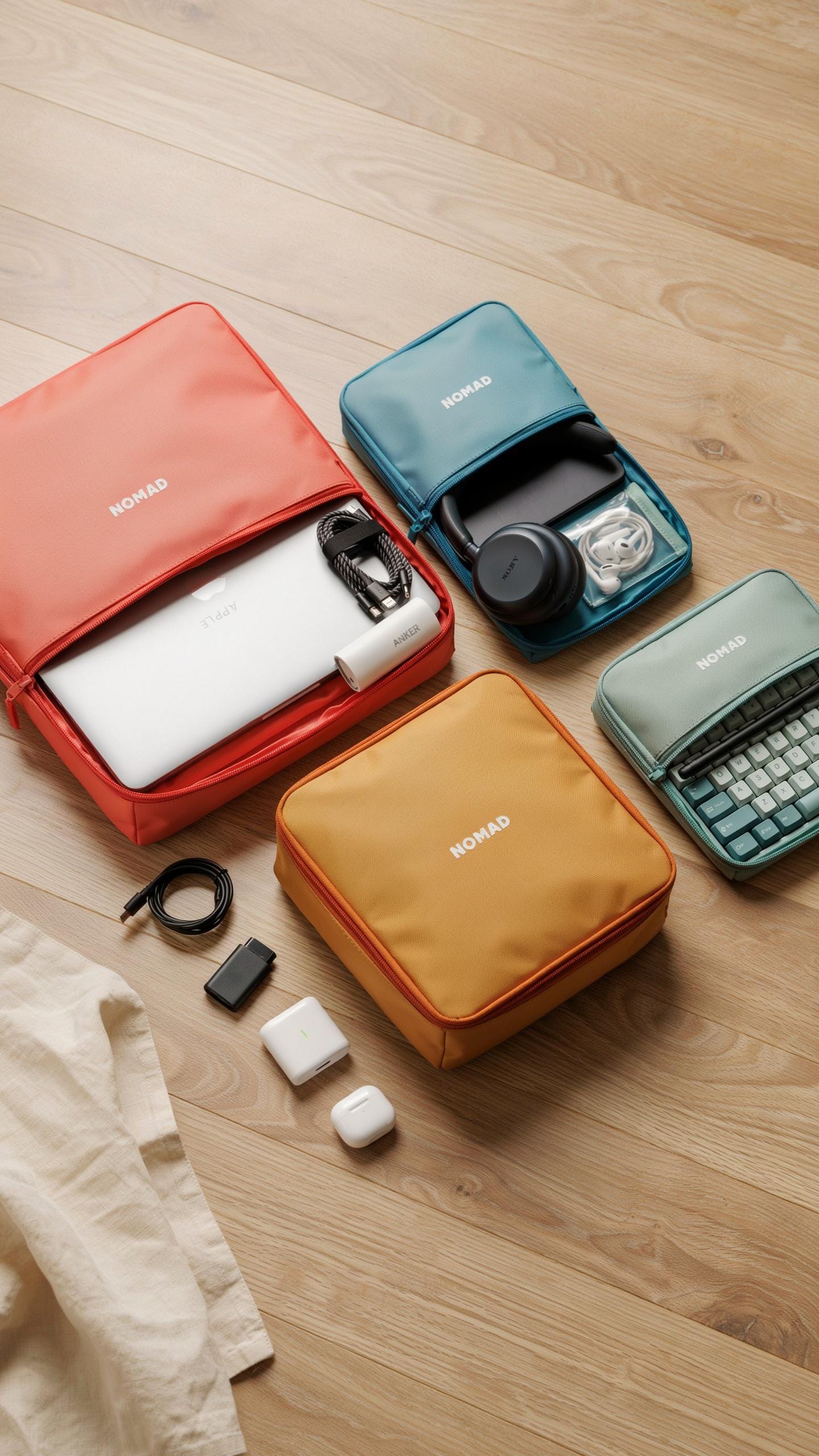
Showcasing Renowned Organizers
Taskin compression packing cubes deliver measurable space savings through dual-zip design and reinforced stitching. Their electronics-specific line features anti-static materials that protect devices from static discharge during travel. The brand prioritizes functionality over marketing noise, offering cubes in standard and oversized dimensions that compress bulky tech gear effectively. Their cubes maintain structural integrity after repeated use cycles, which matters for frequent travelers managing expensive equipment.
Peak Design compression cubes target photographers and content creators with specialized compartments for cables, chargers, and hard drives. Their design accounts for the irregular shapes of modern electronics, using dimensional planning rather than generic rectangular formats. These cubes employ durable materials rated for multiple compressions without degradation. They cost more than basic options but deliver specific value for people managing diverse tech collections that demand organized access.
Options For Extensive Electronic Collections
Large compression packing cubes accommodate substantial electronic gear through expanded dimensions that go beyond standard travel cube sizes. XL-rated cubes reach 16 by 12 by 8 inches or larger, compressing multiple power adapters, cables, external hard drives, and backup batteries into single organized units. These oversized versions maintain compression strength while holding considerably more weight than standard cubes. They work strategically when travelers carry redundant equipment or backup devices for extended trips.

Tech-heavy travelers benefit from purchasing multiple large cubes designated by device type rather than using single massive storage units. Separating computer accessories, mobile device chargers, and networking equipment into individual large cubes enables quick access without unpacking entire collections. This strategy reduces compression effectiveness slightly but improves practical usability during travel when you need specific items frequently. The trade-off favors operational speed over maximum space savings for people managing complex electronics inventories.
Beyond The Basics Tips For Using Compression Packing Cubes For Electronics
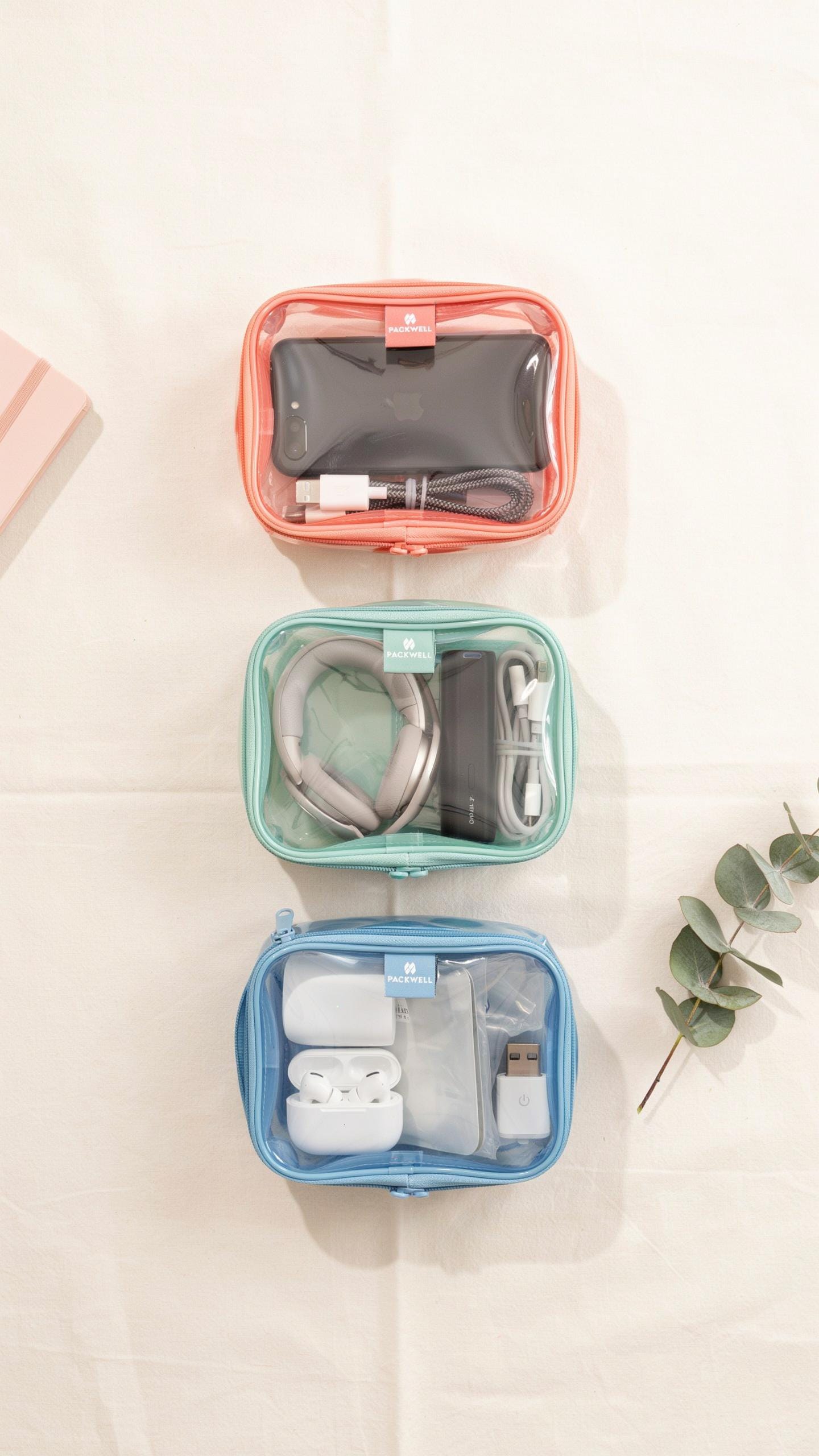
Maintaining And Cleaning Your Cubes
Wipe down compression cubes after each trip with a damp cloth to remove dust and debris. Electronics generate heat and attract particles. Most cubes use nylon or polyester exteriors that withstand moisture. Dry them completely before storage to prevent mold growth. Store empty cubes in a cool, dry space away from direct sunlight, which degrades fabric over time.
For deeper cleaning, hand wash cubes with mild soap and cool water. Avoid bleach or harsh chemicals that break down seams and fabric integrity. Air dry completely before storing or repacking. Check zippers and velcro closures for debris after trips through humid or sandy environments. Replace worn zippers promptly to maintain compression seal effectiveness and prevent electronics exposure.
Integrating With Carry On And Checked Luggage
Use smaller compression cubes in carry-on bags to organize electronics by category. Separate power cords, chargers, and cables into individual cubes for quick access at security checkpoints. This approach speeds up screening since TSA agents can visually inspect contents without unpacking entire bags. Compression cubes fit standard carry-on dimensions when properly sized.

For checked luggage, compression cubes protect electronics from shifting during transport. Layer cubes in checked bags with heavier items on bottom and delicate electronics on top. Place cubes against luggage sides rather than center to reduce pressure points. This strategy prevents damage from other baggage collisions during loading and unloading. Distribute weight evenly across multiple cubes to maintain luggage balance and structural integrity.
Real World Insights A Compression Packing Cube Video Review Can Help

The Value Of Visual Demonstrations
Video reviews show you exactly how compression packing cubes handle electronics during real packing scenarios. You see the zippers operate under load, watch fabrics compress without tearing, and observe how cubes stack inside luggage. This beats written descriptions because you witness actual space reduction and compression mechanics firsthand. Video creators test cubes with real devices like laptops, tablets, and cables to prove functionality claims.
Video demonstrations eliminate guesswork about cube quality and performance. You catch manufacturing defects before purchasing. You learn how much air actually escapes during compression and whether the design prevents re-expansion during travel. Reviewers show you cable management features and internal organization. This transparency lets you make informed decisions based on evidence rather than marketing language.
What To Look For In A Review
Watch for reviewers who compress cubes multiple times to test durability of zippers and seams. Observe whether fabrics show stress marks or tears after repeated use. Check if reviewers demonstrate compression force needed and whether average users can operate the mechanism without frustration. Look for tests that show how cubes perform after being packed, unpacked, and repacked several times during a trip.

Examine reviews showing space before and after compression with actual measurements or side-by-side comparisons. Notice if reviewers test cubes with heavy items like chargers and hard drives to stress the seams. Verify that reviewers document how long compression holds during flight and ground transport. Pay attention to whether cubes withstand pressure from other luggage items pushing down on them.
Frequently Asked Questions

What exactly are compression packing cubes and how do they work for electronics?
Compression packing cubes are fabric organizers designed with an extra zipper that, when closed, compacts the contents, removing air and reducing bulk. For electronics, this means safely storing chargers, cables, power banks, and even small devices more compactly, maximizing your suitcase space while keeping items tidy and protected.
What’s the best way to pack my various electronic accessories into compression packing cubes for electronics?
For optimal space-saving and organization, group similar items. Use smaller cubes for cables and adapters, and slightly larger ones for power banks or travel-sized gadgets. Lay items flat if possible, zip the main compartment, then use the external compression zipper to squeeze out air. This ensures a snug, efficient fit and protects your gear.
Are compression packing cubes for electronics generally affordable, or are they a significant investment for travelers?
You’ll find a wide range of prices for compression packing cubes for electronics, making them accessible for most budgets. While premium brands exist, many affordable yet durable sets are available online and in stores. Consider materials and zipper quality, but you can definitely find great options without breaking the bank for enhanced organization.