
The Reality Of Flight Noise Understanding The Impact

Deciphering Decibels: Common Aircraft Sounds And Their Levels
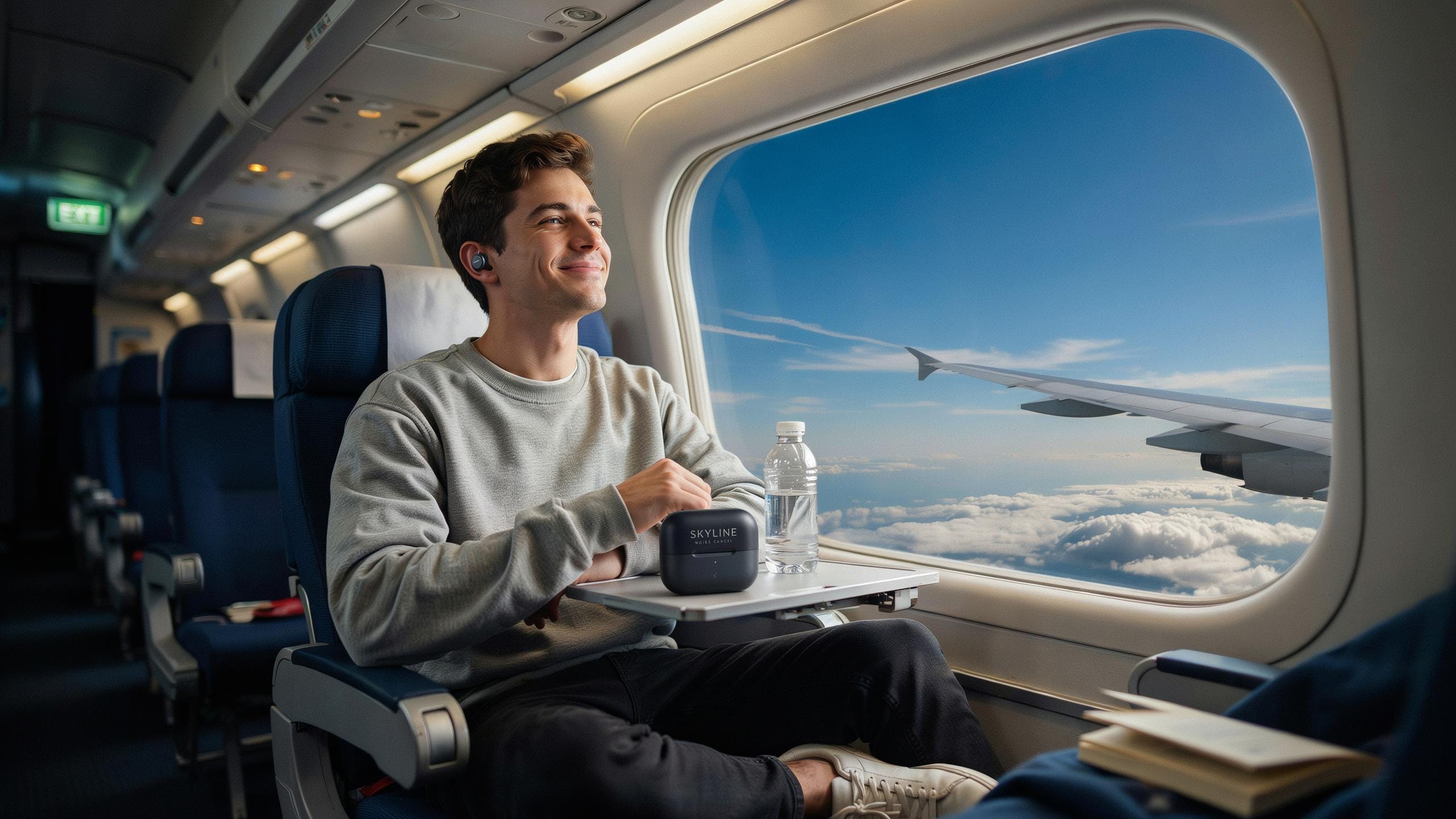
Aircraft cabins operate at sustained noise levels between 80 and 85 decibels during cruise flight. This matches the sound of heavy city traffic or a loud alarm clock. Engine noise dominates at takeoff and landing, reaching peaks of 140 decibels outside the fuselage. Inside the cabin, structural vibrations and air pressure systems add constant background noise throughout flight duration.
The noise spectrum inside cabins contains both low frequency rumble from engines and higher pitched sounds from air systems. Low frequency noise penetrates most noise cancelling technology most effectively because it’s predictable and repetitive. Your ears detect this constant drone even during sleep, which explains why passengers report fatigue after long flights despite resting physically.
Beyond Annoyance: The Physiological Effects Of Cabin Noise
Sustained exposure to 80 plus decibel environments triggers measurable stress responses in the body. Your cortisol levels rise, heart rate increases slightly, and sleep architecture fragments even when you feel like you’re sleeping. The body never fully relaxes because the auditory system remains partially activated throughout exposure. Extended flights compound these effects, leaving passengers with accumulated fatigue that sleep alone doesn’t resolve.
Noise exposure also impairs cognitive function during flight and after landing. Passengers show reduced focus, slower reaction times, and increased irritability following noisy flights. The brain allocates resources to processing and filtering constant sound rather than completing other mental tasks. This neurological drain explains why travelers report mental exhaustion beyond the physical demands of air travel itself.
What Is Active Noise Cancellation ANC

The Science Behind The Silence: How ANC Technology Works
Active noise cancellation works by capturing incoming sound through microphones, then generating an inverse sound wave that cancels it out. Your earbuds detect noise frequencies in real time and produce anti-noise with matching amplitude but opposite phase. When these waves meet, they destroy each other through destructive interference. This process happens continuously, multiple times per second, creating silence where noise existed.
The system requires three core components: microphones to detect sound, a processor to analyze frequencies and calculate inverse waves, and speakers to output the anti-noise. Battery power runs the entire operation. ANC excels at low-frequency noise like engine rumble and hum, which is why it works so well on aircraft. High-frequency sounds like voices remain harder to cancel because they require faster processing and more complex calculations.
Different Flavors Of ANC: Feedforward, Feedback, And Hybrid Systems
Feedforward ANC uses microphones positioned on the earbud’s exterior to sample noise before it reaches your ear. The processor analyzes this external noise and generates counter-waves immediately. This approach works well for predictable, continuous noise like airplane engines. Feedforward systems react faster to changing conditions but require precise microphone placement and calibration to function effectively.

Feedback ANC uses microphones inside the ear canal to measure actual noise reaching your eardrum. The system then adjusts its anti-noise output based on what it detects. This method handles variable noise better but introduces slight delay since it responds to noise that already entered your ear. Hybrid systems combine both approaches, using external and internal microphones simultaneously. This dual strategy delivers superior cancellation across both low and high-frequency ranges, making hybrid systems the current standard in premium flight earbuds.
Noise Cancelling Earbuds Vs Noise Cancelling Headphones A Flight Perspective
Portability And Comfort: Why Earbuds Excel For Travel Gear
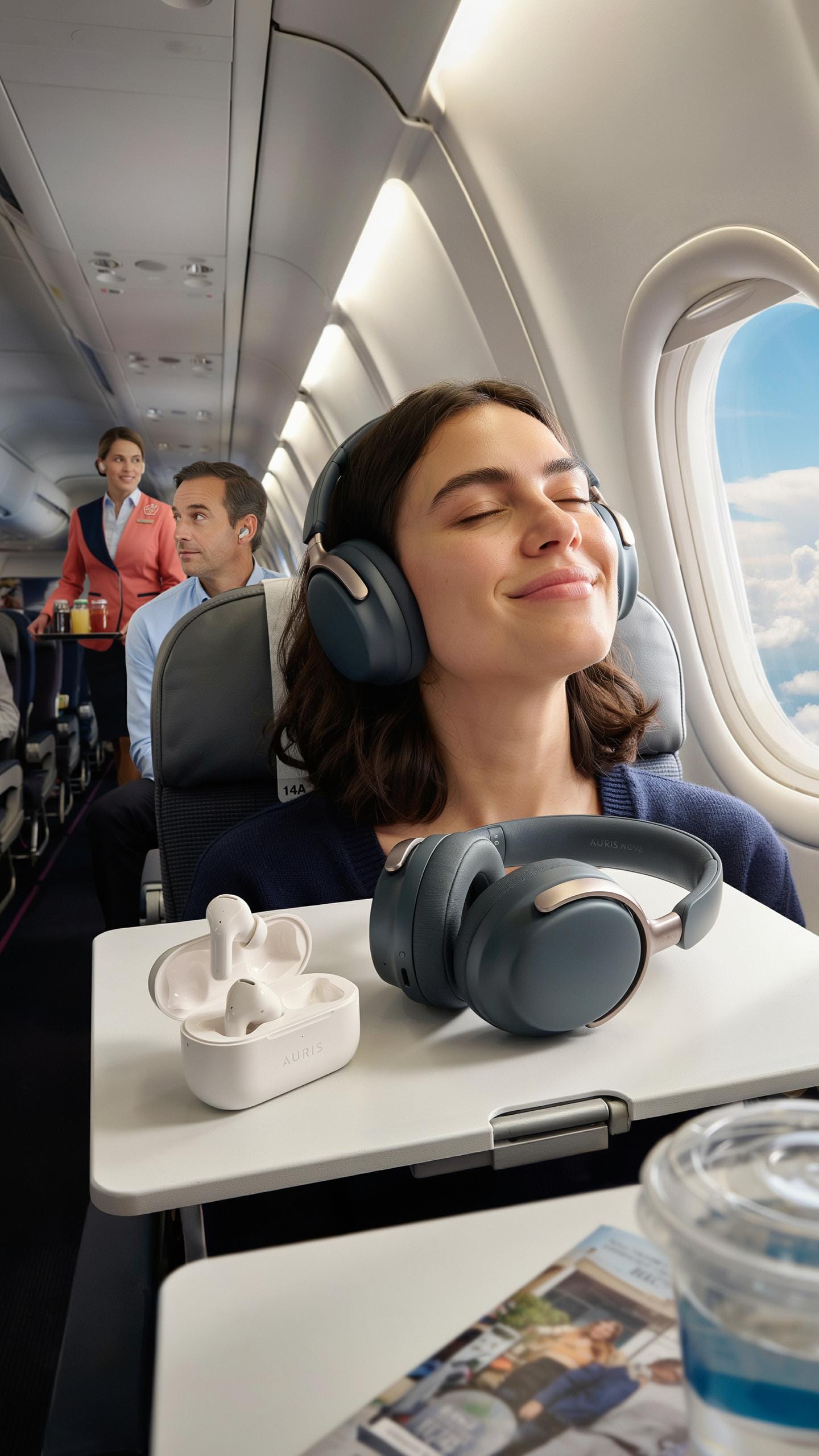
Earbuds weigh between 4 and 8 grams per unit, while over-ear headphones weigh 200 to 300 grams. On a flight, this difference matters. Earbuds fit inside a pocket or small pouch. You don’t need dedicated storage space in your carry-on. They don’t create pressure points on your head during eight-hour flights. Your ears stay comfortable without the band tension that causes headaches.
Earbuds pack into tight spaces that headphones cannot access. A jacket pocket holds a pair easily. Your personal item stays lighter, preserving carry-on space for essentials. Headphones require protective cases that add bulk and weight to your luggage. For travelers who move between gates, trains, and terminals, earbuds eliminate the burden of carrying larger equipment. The reduced footprint translates directly to less fatigue during travel days.
Sound Quality And Immersion: Comparing Audio Experiences On A Plane
Over-ear headphones deliver more bass extension and overall acoustic volume due to larger drivers, typically ranging from 30mm to 50mm. Earbuds use smaller drivers, usually 8mm to 12mm, which limits bass depth. However, modern earbud drivers have narrowed this gap substantially. High-end earbuds now reproduce midrange and treble frequencies with clarity comparable to headphones. The trade-off is acceptable for flight environments where cabin noise masks subtle low frequencies anyway.

Cabin pressure and altitude affect how your ears perceive sound differently than on the ground. Earbuds sit closer to your eardrums, requiring less volume to achieve the same immersion level as headphones. Lower volume means less ear fatigue during long flights and reduced hearing strain. Active noise cancellation on earbuds blocks 15 to 25 decibels of ambient engine noise, sufficient for most flight scenarios. Headphones block similar ranges but demand more power from batteries to achieve equivalent results.
Key Features To Look For In Best Earbuds For Flights
Battery Life And Charging Solutions For Long Haul Journeys
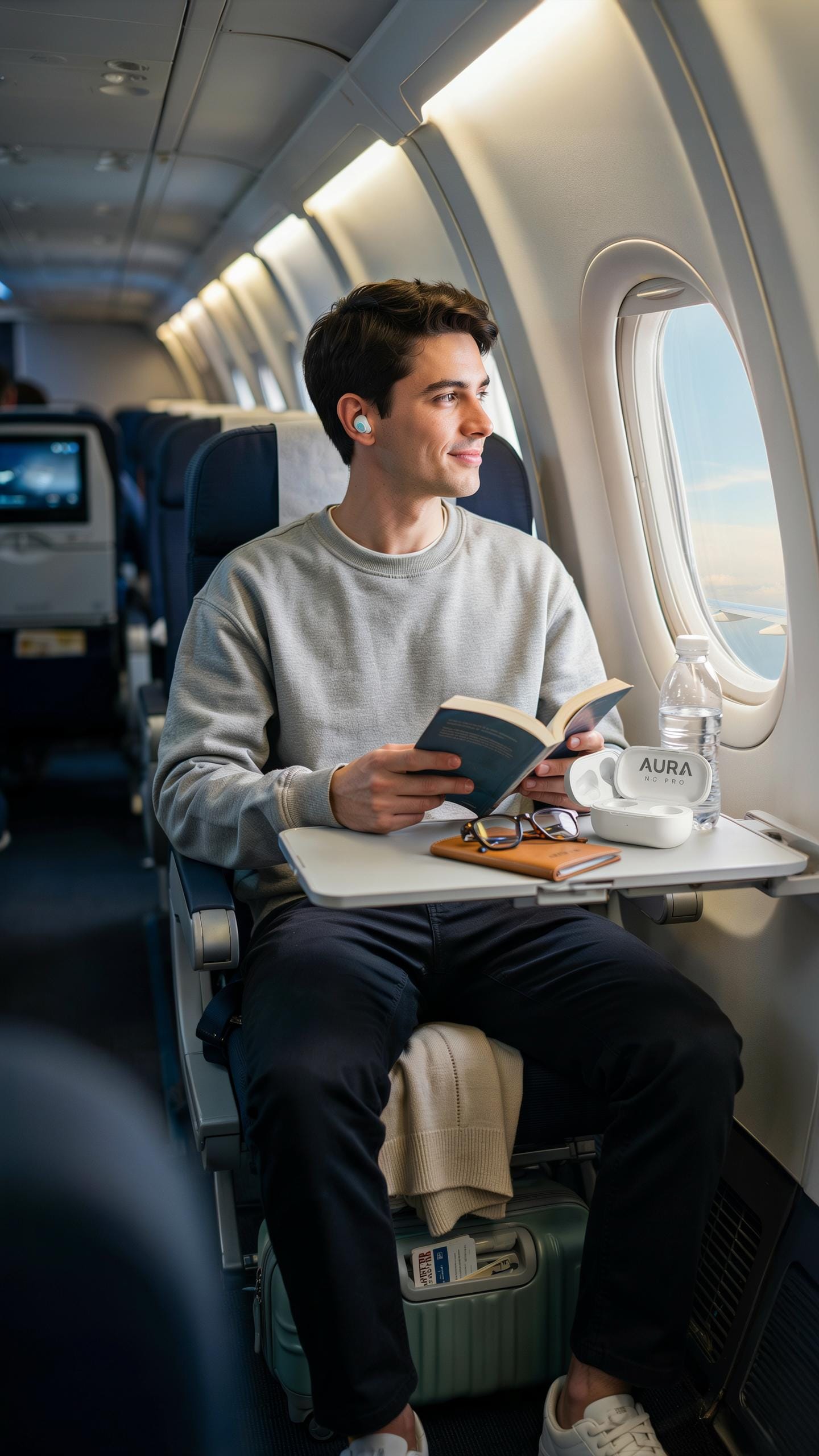
Battery capacity determines how long earbuds function without a charge. Most modern noise cancelling earbuds deliver 8 to 10 hours of continuous playback on a single charge. For flights exceeding 12 hours, the charging case matters more than the earbuds themselves. A quality case stores multiple full charges and recharges the earbuds during layovers or between flight segments.
Fast charging technology reduces downtime at airports. Some earbuds reach 50 percent charge in 15 minutes using advanced charging protocols. USB-C ports charge faster than micro-USB connections. When selecting flight earbuds, verify the total battery capacity including the case, not just the earbud playtime alone.
Remember those trips where every hum and chatter faded away into moments of peaceful reflection? Investing in silence on your journey is always a gift to your soul.
Fit, Seal, And Customization: Ensuring Optimal Noise Isolation
Fit determines noise isolation effectiveness more than driver size. Earbuds must create a physical seal inside your ear canal to block ambient sound. Manufacturers provide multiple silicone tip sizes to accommodate different ear shapes. Some models include foam tips that compress and conform to individual ear geometry for superior sealing.

Customization options extend beyond tip sizes. Ear stabilizers or wing fins prevent earbuds from shifting during head movement or sleep on flights. Adjustable fits accommodate users with smaller or larger ear canals. Test different tip combinations before your flight to confirm comfort during extended wear over many hours.
Connectivity And Compatibility Wireless Earbuds And Entertainment Systems
Bluetooth Headphones: Seamless Pairing With Personal Devices
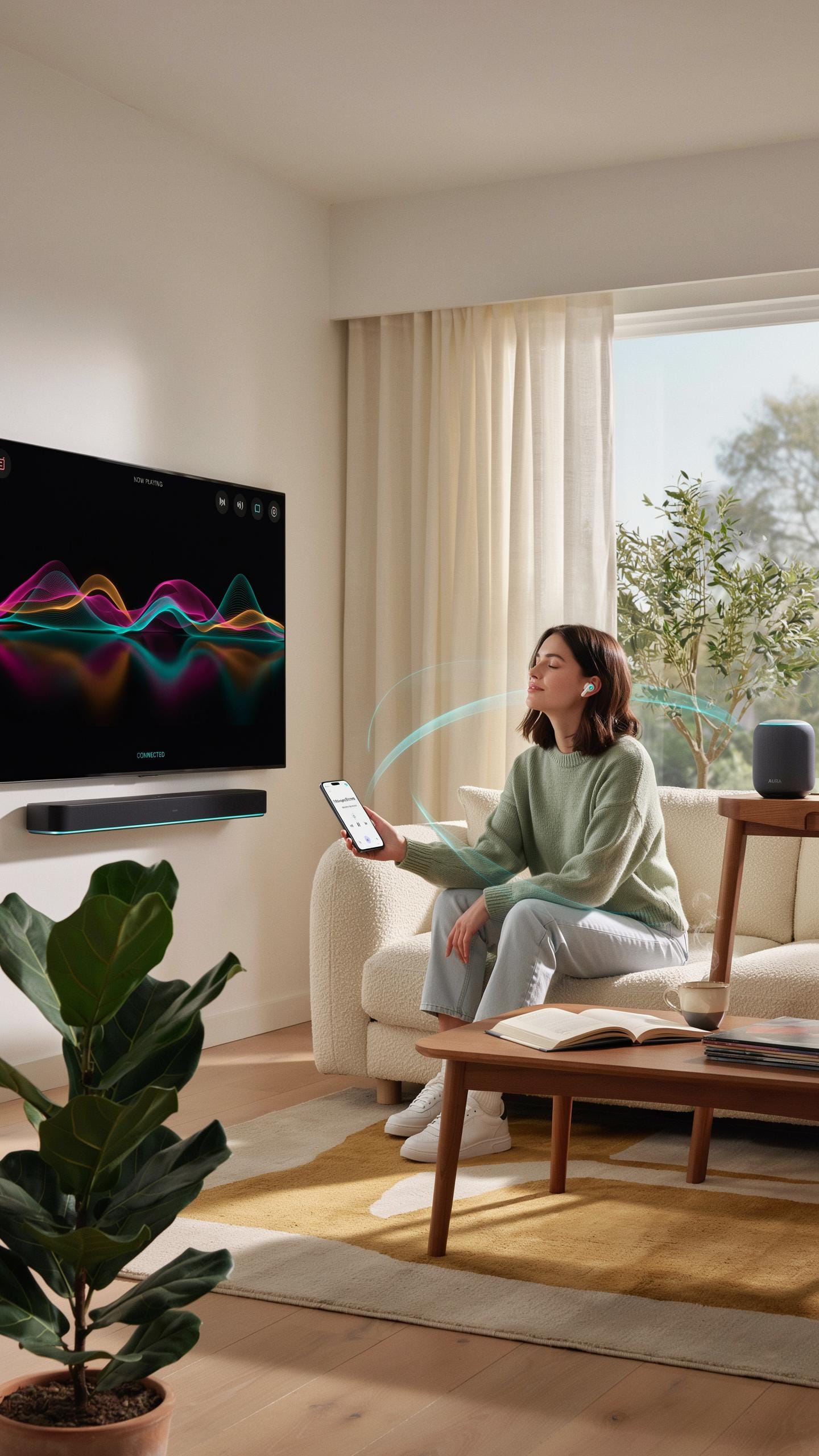
Modern noise cancelling earbuds connect via Bluetooth 5.0 or later, enabling reliable pairing with your phone, tablet, or laptop. This wireless connection eliminates cable hassle during flights. Most earbuds maintain stable connections within 30 feet, sufficient for cabin use. Pairing typically takes seconds on first setup and reconnects automatically on subsequent flights.
Battery life matters on long flights. Quality noise cancelling earbuds provide 8 to 12 hours of playback per charge. Charging cases extend total usage to 24 to 36 hours. Verify battery specs before purchasing, as flight duration varies. Some models offer quick charge features that deliver hours of use in minutes.
Adapters And In Flight Entertainment Systems: Getting Connected
In-flight entertainment systems require 3.5mm audio jacks, but most earbuds lack this port. Airlines increasingly offer Bluetooth connectivity on newer aircraft, eliminating adapter needs. For older systems, passive 3.5mm adapters cost ten to thirty dollars. Check your airline’s fleet specifications before flying to determine what connection method applies.

Some airlines provide Bluetooth receivers in seat-back screens or armrest controls. Pairing with these systems follows standard Bluetooth protocols. On aircraft with older systems, wired adapters remain necessary. Contact your airline ahead of time to confirm compatibility and avoid connectivity surprises mid-flight.
Evaluating The Splurge Are Noise Cancelling Earbuds Worth The Investment
The Value Proposition: Enhanced Comfort And Reduced Travel Stress
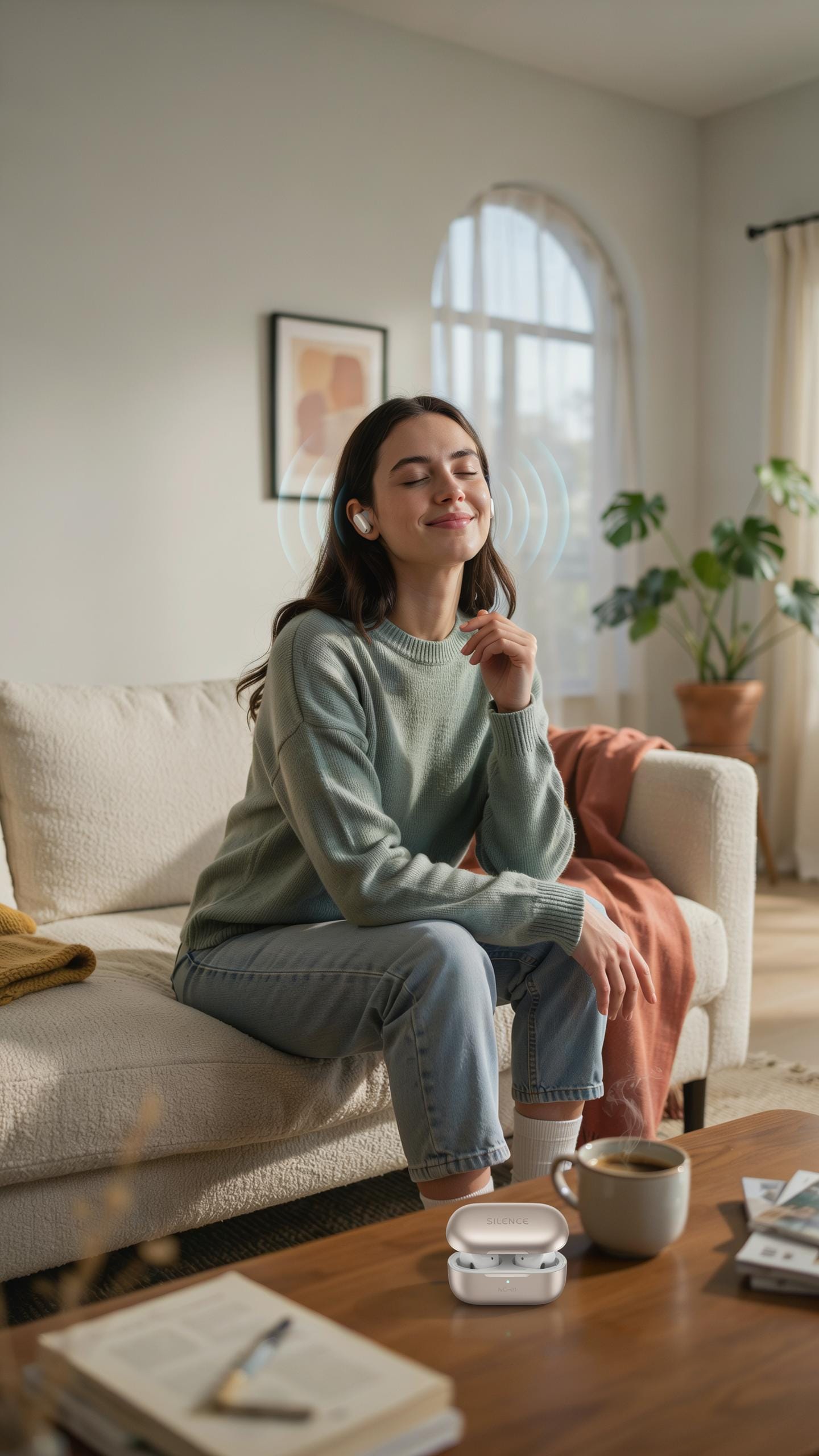
Noise cancelling earbuds reduce cabin noise by 15 to 30 decibels depending on model and fit. Jet engines produce roughly 140 decibels at takeoff. This reduction matters for sleep, focus, and ear fatigue during flights exceeding three hours. Your ears experience less strain when external noise drops significantly. Pressure-related discomfort also decreases because you control your audio environment rather than competing against ambient sound.
Flight fatigue stems partly from constant noise exposure forcing your auditory system to work harder. Noise cancelling earbuds lower the effort your body expends maintaining concentration or rest. You arrive less exhausted when your nervous system experiences less auditory stress. This translates to better performance at your destination, whether for business or leisure. The physiological benefit alone justifies the investment for frequent flyers taking multiple annual trips.
Beyond The Flight: Everyday Benefits Of Premium Noise Cancelling Earbuds
Quality noise cancelling earbuds function in offices, coffee shops, commutes, and gyms. The technology adapts to different environments rather than serving a single purpose. Office workers use them during focused work sessions to block conversations and distractions. Commuters rely on them during trains, buses, and rideshare trips. This versatility spreads the cost across multiple use cases rather than limiting value to flights alone.
Battery life on premium models ranges from 6 to 12 hours per charge, covering most travel days and work situations. Build quality on higher-end earbuds withstands repeated packing and temperature changes airlines create. Sound quality for music and calls improves with premium drivers and processing. You gain audio equipment suitable for entertainment, communication, and concentration across all travel and daily scenarios.
Tips For Maximizing Your Noise Cancelling Earbuds On Flights
Pre Flight Preparations: Charging And Downloading Content
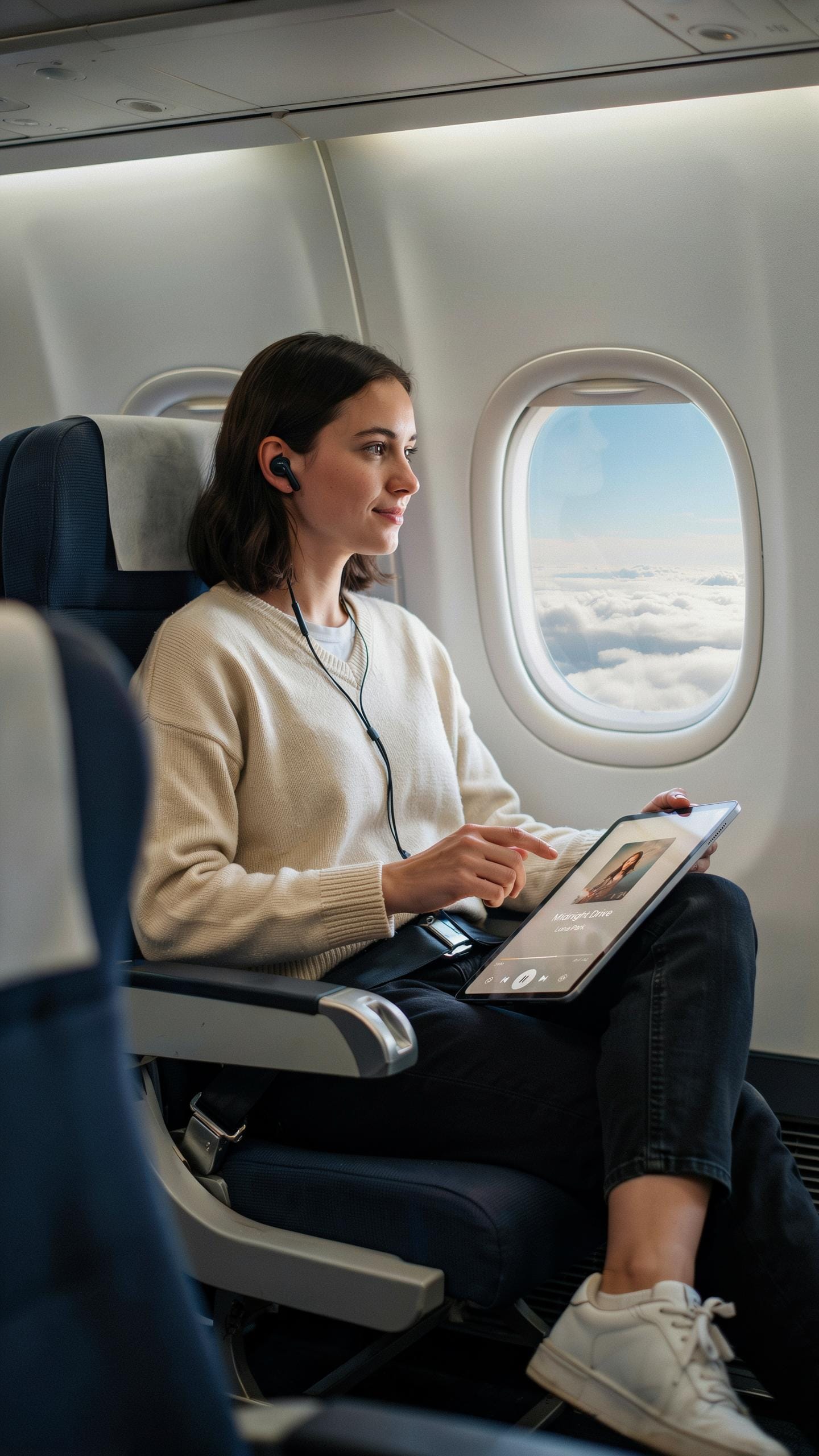
Charge your earbuds fully at least 24 hours before departure. Most noise cancelling models drain battery faster when ANC runs continuously. Check manufacturer specs for your specific model’s battery life. Bring a portable charger rated for your earbud case. Airport outlets fill quickly, so charge before arriving at the terminal.
- Full Charge Cycle: Run a complete charge and drain cycle 48 hours before travel to ensure the battery performs at rated capacity during flight.
- Firmware Updates: Connect earbuds to the manufacturer app and install any pending updates before flying to avoid connectivity issues mid air.
- Offline Content: Download music, podcasts, or audiobooks to your phone so you don’t rely on airplane wifi which often fails or charges fees.
- Backup Audio Source: Load content on your phone’s native player as a backup in case the app you prefer experiences glitches during flight.
- Case Battery Status: Verify your charging case holds a full charge and test it charges your earbuds without issues before the flight date.
Battery life drops 10 to 20 percent faster with ANC enabled on most models. Monitor your remaining charge during the flight and switch to battery saver mode if available. This prevents cutouts during the most critical listening window.
Optimal Usage: Finding The Sweet Spot For ANC And Comfort
Most noise cancelling earbuds offer two to four ANC settings. Maximum ANC consumes battery fastest and sometimes creates pressure in your ears. Start with standard or medium ANC for flights under four hours. Adjust based on cabin noise intensity rather than maxing everything from the start.

Fit matters more than ANC power for actual noise reduction. Loose earbuds block almost nothing regardless of ANC strength. Spend two minutes adjusting fit before takeoff. Switch ear tip sizes if your earbuds came with options. Proper seal stops engine rumble from reaching your ear canal naturally without draining battery.
Common Misconceptions About Noise Cancelling Technology

Understanding Limitations: What ANC Can And Cannot Do
Active noise cancellation works by generating sound waves that oppose incoming noise. The technology excels at reducing low frequency sounds like engine rumble and air conditioning hum. It does not eliminate high frequency sounds effectively, such as conversation or infant crying. Cabin pressure changes and turbulence remain unaffected by ANC regardless of earbud quality.
People assume ANC creates total silence. This belief causes disappointment on flights. ANC reduces volume but does not erase sound completely. The best earbuds achieve 20 to 30 decibel reduction in optimal conditions. Real world performance depends on fit, seal quality, and noise type. Budget models underperform in noisy environments significantly.
Safety First: Situational Awareness With Noise Cancelling On
Wearing ANC earbuds during flight changes your hearing environment. You lose access to important audio cues from crew members and safety announcements. Flight attendants make critical announcements over the cabin. You may miss evacuation orders or urgent instructions if wearing active noise cancellation. Airlines do not recommend wearing earbuds during taxi, takeoff, or landing.

Remove earbuds during critical phases of flight. Keep one earbud out when moving through the airport terminal or boarding area. You need to hear gate announcements and directional instructions from staff. Situational awareness prevents accidents and missed connections. Balancing comfort with safety means timing earbud use strategically during your journey.
Future Of Noise Cancelling Earbuds In Travel
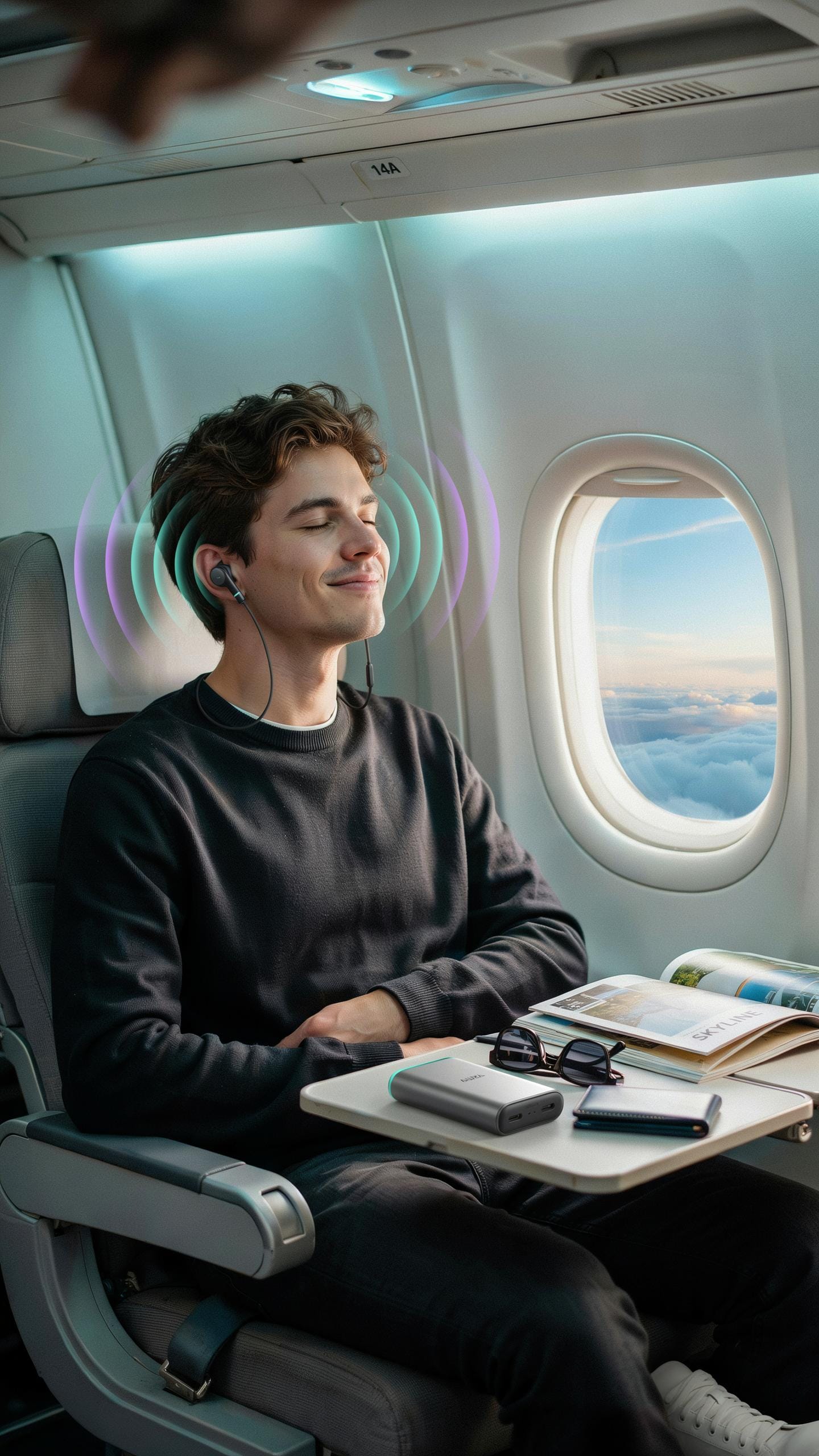
Advancements In ANC And Audio Personalization
Manufacturers are refining active noise cancellation algorithms to target specific frequency ranges. Aircraft cabin noise peaks around 80-90 decibels, primarily in the low to mid-frequency range. Next-generation chips process ambient sound faster, allowing real-time adjustment without latency. This means earbuds detect engine rumble and adapt cancellation within milliseconds, not seconds. Battery drain decreases as processors become more efficient, extending flight performance beyond current eight to ten hour limits.
Audio personalization moves beyond preset EQ modes. Earbuds now measure individual ear canal acoustics and adjust sound profiles accordingly. Some models use machine learning to learn user preferences over time. This tech customizes how music, podcasts, or announcements reach each ear differently. Travelers benefit because personalization reduces listener fatigue during long flights, making the listening experience sustainable for eight plus hour journeys without discomfort or ear pressure buildup.
Integration With Smart Travel And Wellness Applications
Earbuds connect with airline and travel apps to deliver real-time cabin announcements, boarding updates, and safety information directly to users. Biometric sensors in earbuds track heart rate and oxygen levels during flight. This data feeds into wellness dashboards that monitor passenger stress and fatigue. Airlines use this information to send targeted notifications about hydration, movement breaks, or rest periods. Integration eliminates the need to remove earbuds or check multiple apps separately.
Noise cancelling earbuds now pair with sleep tracking and meditation software for in-flight rest. Earbuds detect when users fall asleep and adjust noise cancellation intensity automatically. They can trigger gentle wake-up alerts before descent or landing. Some apps sync with flight duration to suggest customized meditation sessions matching remaining flight time. This dual functionality transforms earbuds from entertainment devices into comprehensive travel wellness tools that actively support passenger health during air travel.
Frequently Asked Questions

What exactly are noise cancelling earbuds and how do they benefit me on a flight?
Noise cancelling earbuds for flights use active noise cancellation (ANC) technology to detect and neutralize unwanted sounds, like engine hum or cabin chatter. This creates a much quieter listening experience, allowing you to relax, sleep, or enjoy entertainment without disruption, making your journey significantly more pleasant.
Besides simply listening to music, how else can I maximize the utility of my noise cancelling earbuds during my flight?
Beyond music, noise cancelling earbuds for flights are excellent for sleep, podcasts, or even just peace and quiet. Many also feature transparency modes, letting you hear announcements without removing them, and built-in microphones for clear calls. Some even offer soundscapes for relaxation, enhancing your comfort in multiple ways.
Are there affordable options for noise cancelling earbuds that still perform well for air travel, or do I need to spend a fortune?
Absolutely! While premium models offer top-tier performance, many mid-range noise cancelling earbuds now provide excellent noise reduction for flights without breaking the bank. Researching brands known for good value and checking reviews for real-world flight performance can help you find a great, budget-friendly pair.