
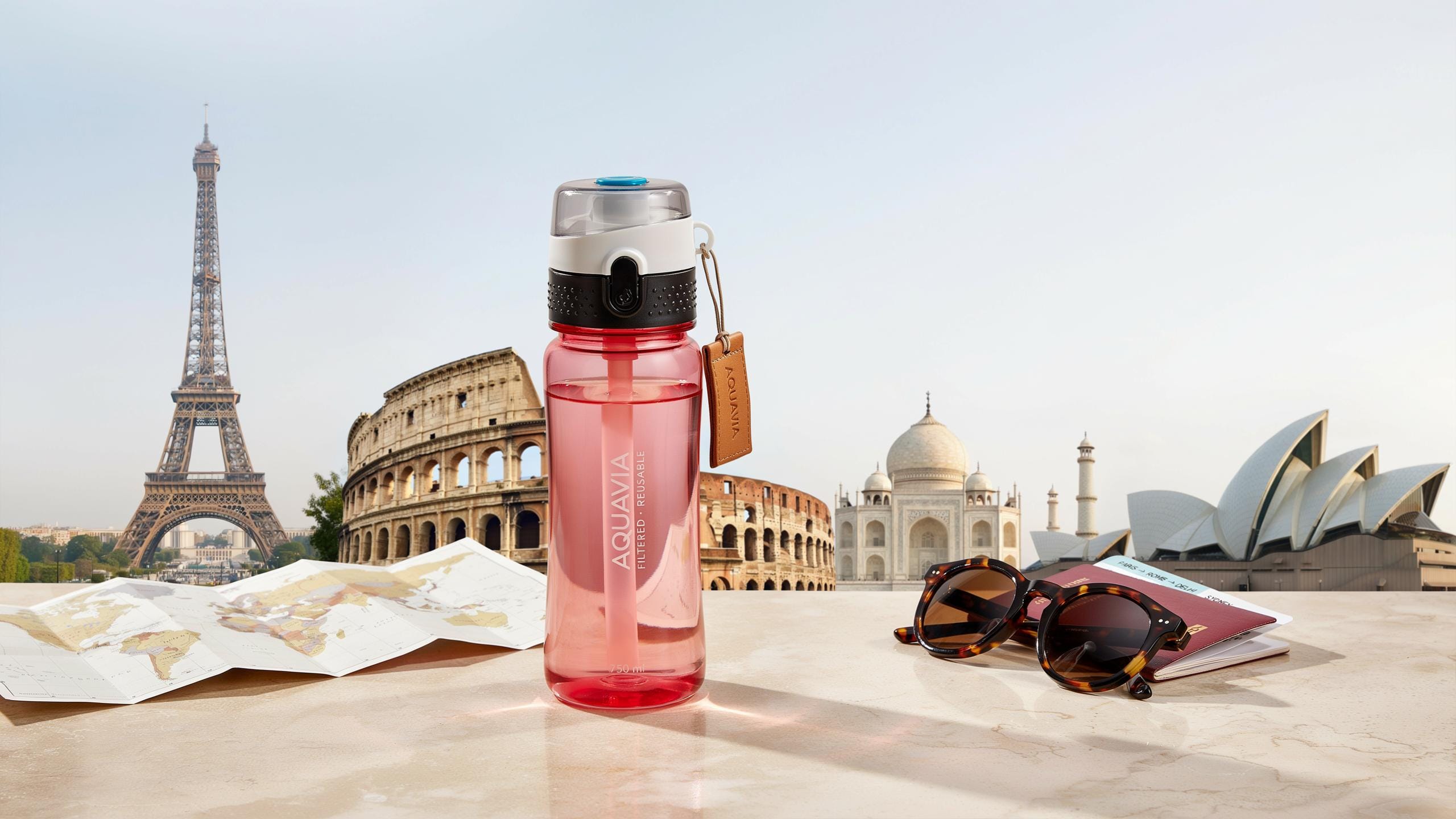
Why A Collapsible Travel Water Bottle Is A Must Have For International Adventures
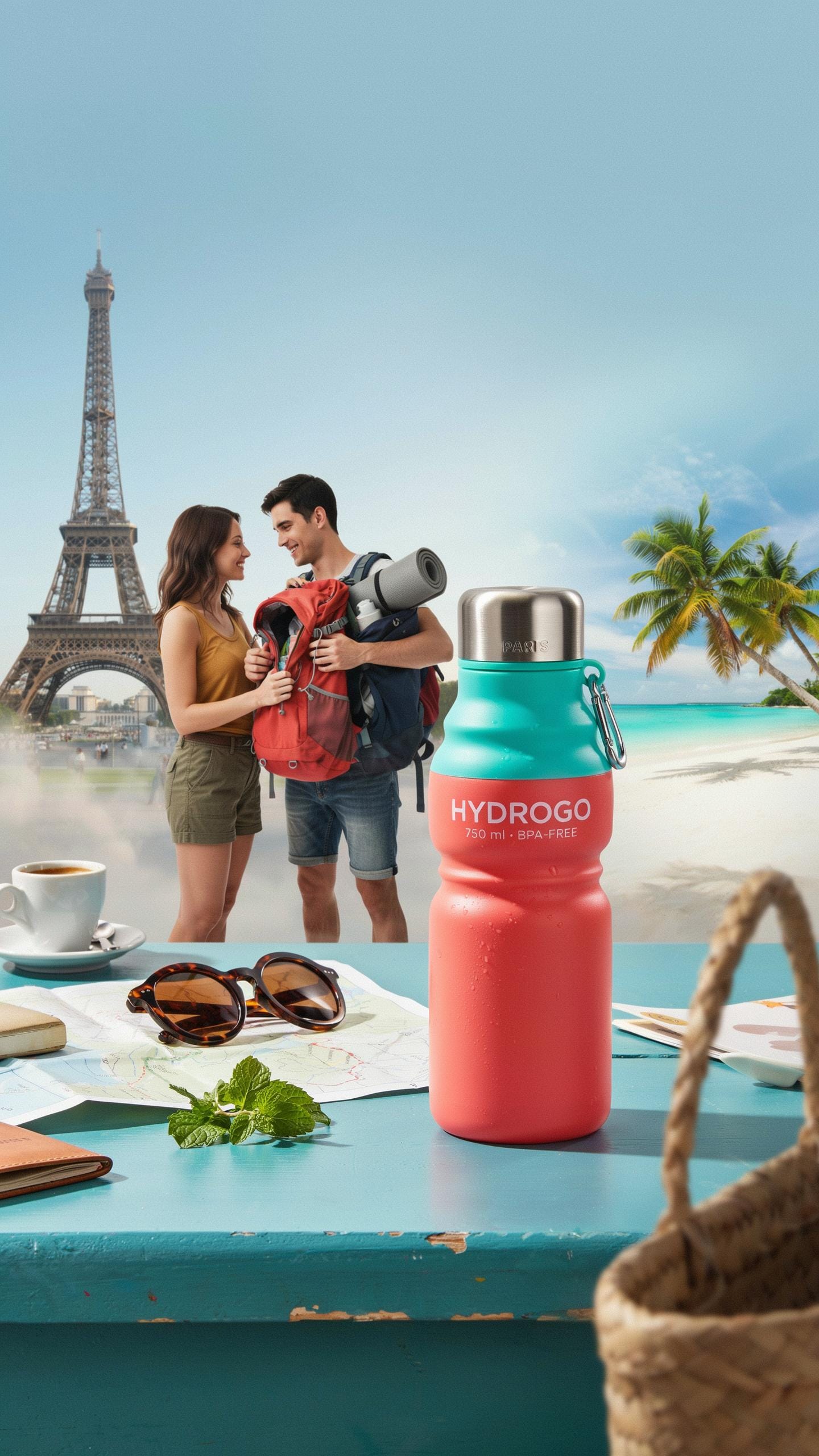
The Inconveniences Of Single Use Plastics And Limited Water Access Abroad
Single use plastic bottles create a real problem for travelers. Most countries lack consistent recycling infrastructure. You end up carrying trash or leaving waste behind. Local water quality varies dramatically between regions. Some destinations have tap water you cannot drink safely. Bottled water costs accumulate fast in tourist areas. You spend money and generate waste simultaneously.
A collapsible bottle with a filter solves both problems at once. The filter removes bacteria, protozoa, and sediment from questionable water sources. You refill from local taps, fountains, or streams without health risks. This approach cuts plastic waste and reduces your spending on bottled water throughout your trip.
Space Saving Design That Makes Packing A Breeze
Collapsible bottles compress down to pocket size when empty. They take up minimal luggage space compared to rigid bottles. You collapse them after drinking and store them flat in your bag. This design works for carry on luggage with strict size limits. You add zero bulk to your pack while gaining a functional tool.
The filter mechanism stays compact and lightweight. Most models weigh under eight ounces. The collapsed bottle plus filter fits easily into side pockets or compartments. You have room for other essentials without sacrificing hydration capacity. This efficiency matters on long flights and tight hotel rooms where space is scarce.
Understanding The Filter In Your Collapsible Water Bottle
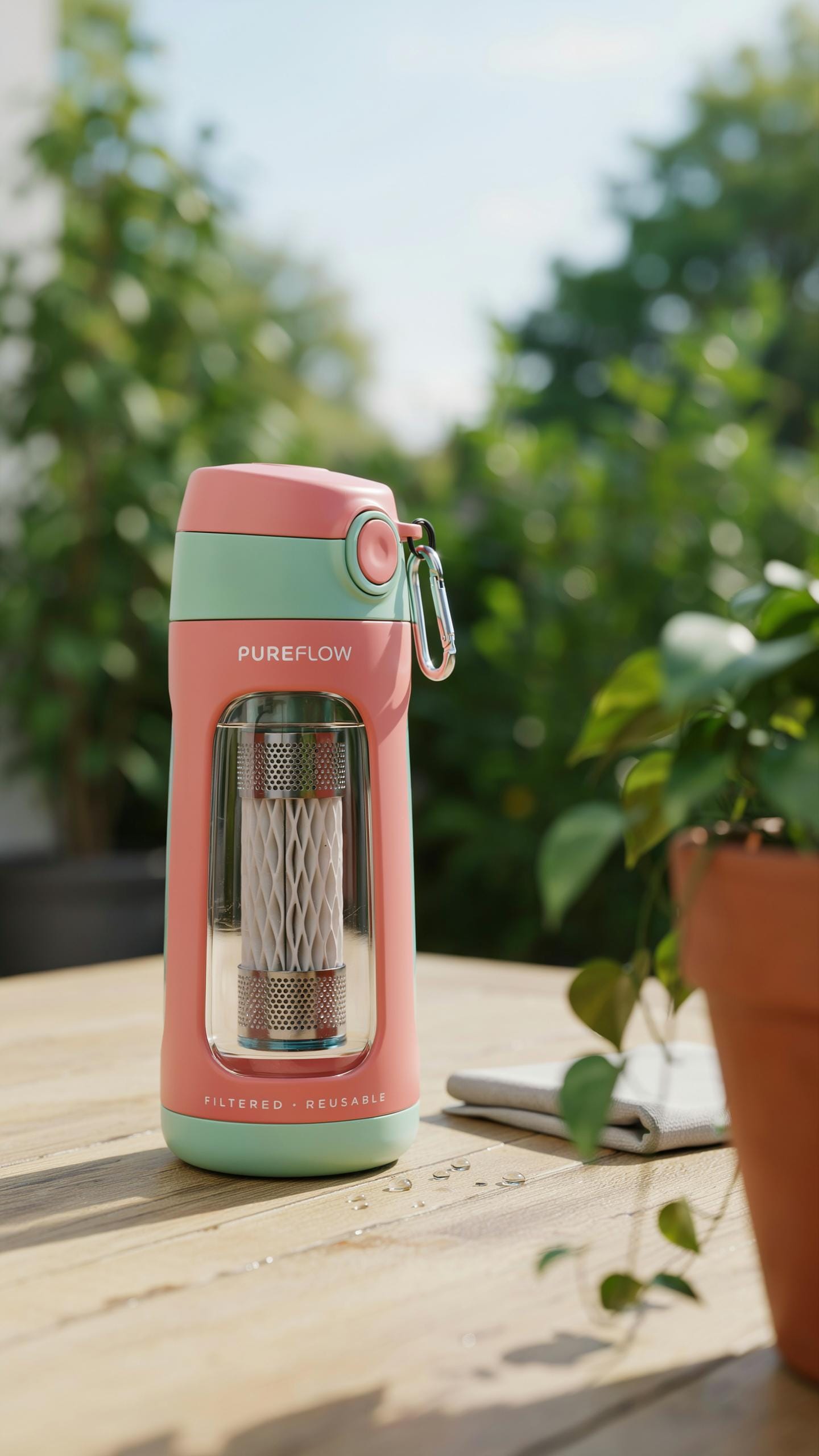
How Carbon And Hollow Fiber Filters Work To Purify Water
Carbon filters operate through adsorption, a process where contaminants bond to the carbon’s porous surface. Activated carbon contains millions of tiny pores that trap particles, chemicals, and odors as water passes through. The material comes from sources like coconut shells or coal, heated to create its porous structure. Water doesn’t get chemically altered, just physically cleaned as it moves through the filter media.
Hollow fiber filters use a different mechanism based on size exclusion. These filters contain thousands of microscopic tubes with walls featuring tiny pores, typically ranging from 0.1 to 10 micrometers. Water flows through or around these fibers while larger particles get blocked. Hollow fiber technology removes contaminants purely by physical barrier rather than chemical attraction, making it effective against specific particle sizes you target.
What Contaminants A Good Filter Should Remove Bacteria Protozoa And Microplastics
Quality filters target bacteria like E. coli and Vibrio, which cause severe waterborne illness. Most travel bottle filters claim removal rates between 99.9 and 99.99 percent for bacteria. Carbon filters handle this through size and some chemical interaction, while hollow fiber membranes block bacteria outright due to their pore size. Testing standards exist, though verification varies between manufacturers and independent labs.
Protozoa such as Giardia and Cryptosporidium represent the next threat level. These parasites are larger than bacteria, typically 4 to 15 micrometers, making them easier to filter mechanically. Hollow fiber filters excel here because their pore size directly blocks these organisms. Microplastics, including synthetic fibers and plastic particles, get removed through similar mechanical filtration. Carbon filters catch some microplastics depending on particle size, though hollow fiber membranes provide more consistent removal across the microplastic spectrum.
Key Features Of An Ideal Collapsible Travel Water Bottle
Durability And Materials Food Grade Silicone And BPA Free Plastics
Food-grade silicone withstands repeated folding without cracking or degrading. This material resists temperature swings from freezing climates to hot destinations. BPA-free plastics prevent harmful chemicals from leaching into drinking water during storage and use. Both materials meet FDA standards for direct food contact. Silicone dominates the collapsible market because it handles hundreds of compression cycles reliably.
Manufacturers use medical-grade silicone in premium models for extended lifespan. Budget options employ reinforced polypropylene, which costs less but demands careful handling. The base and lid typically use harder plastics for structural integrity. Seams require stitching or welding that doesn’t compromise the material’s safety rating. Testing ensures bottles meet international food safety regulations before market release.
Leak Proof Design And Ease Of Cleaning
Leak-proof mechanisms rely on press-lock or screw-top closures with silicone gaskets. The gasket creates an airtight seal when compressed properly against the cap rim. Poor alignment between bottle and cap causes leaks during transit and storage. Quality bottles feature gaskets that remain flexible after years of use. Testing involves pressurizing filled bottles upside down to verify seal integrity.
Wide-mouth openings simplify internal cleaning and filter cartridge replacement. Collapsible design allows you to reach all interior surfaces with a brush. Removable filters trap particles without creating cleaning dead zones. Dishwasher-safe components reduce maintenance friction for frequent travelers. Drainage ports on the bottom prevent standing water that breeds bacteria or odor.
Comparing Collapsible Water Bottle Design And Functionality
Different Folding Mechanisms And Their Benefits For Various Travel Styles
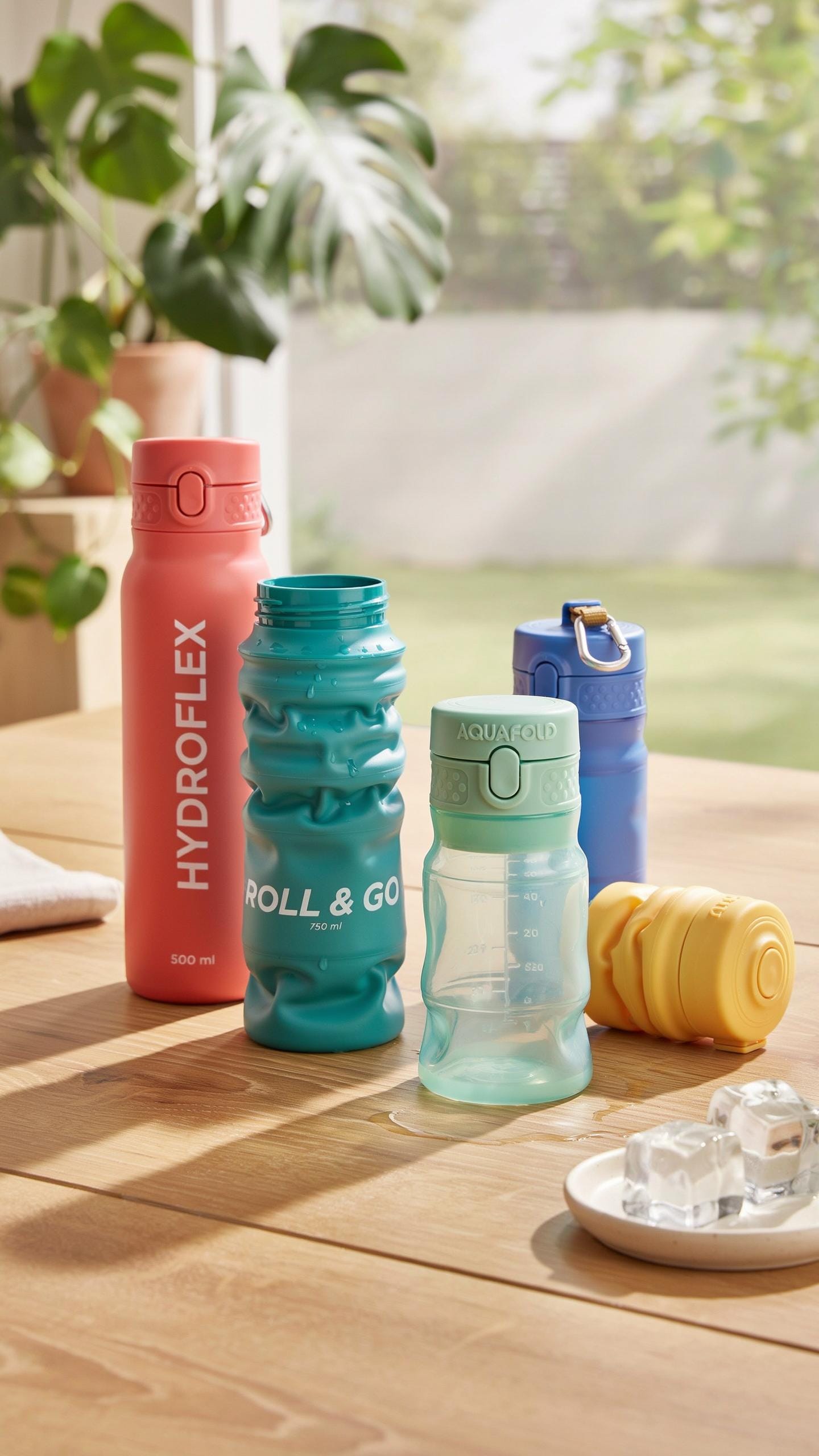
Collapsible bottles use three main folding mechanisms: accordion pleats, roll-down designs, and segmented collapse. Accordion pleats compress vertically when empty, ideal for backpack packing since they maintain structural integrity when full. Roll-down bottles reduce volume by folding the top down, saving space but requiring manual effort to seal properly. Segmented designs stack inward, offering balance between compaction and ease of use. Your travel style determines which mechanism works best for your needs.
Solo travelers and ultralight backpackers benefit from accordion or roll-down designs since space savings matter most. Group travelers and casual tourists prefer segmented collapse because bottles remain stable in luggage without special positioning. Accordion bottles perform better in tight spaces like airplane seat pockets or small daypack compartments. Roll-down designs work when you need quick access and don’t mind minimal bulk reduction. Match your packing method and frequency of bottle access to your chosen mechanism.
Every sip from your filter bottle is a testament to the journeys shared, a gentle reminder of the pure tastes of the world, wherever your explorer’s heart may lead.
Integrated Vs Removable Filters Pros And Cons
Integrated filters attach permanently to bottle caps or spouts, reducing components and simplifying use. You screw on the cap and filter water without extra steps. This design eliminates lost filter parts and works faster in the field. However, integrated filters cannot be replaced individually and require replacing the entire cap assembly when the filter degrades. Maintenance becomes harder since you cannot clean filters as thoroughly without disassembling the bottle.

Removable filters slide into dedicated cartridge slots, allowing independent replacement and cleaning. You swap out spent filters without touching the bottle structure, extending overall product lifespan. Cleaning becomes more thorough since you access all filter surfaces separately. The tradeoff is carrying backup filters when traveling long distances, adding weight and pack space. Removable designs also introduce multiple connection points where leaks can develop if seals wear over time.
The Advantages Of A Foldable Silicone Water Bottle
Flexibility And Compact Storage For Small Bags And Limited Space
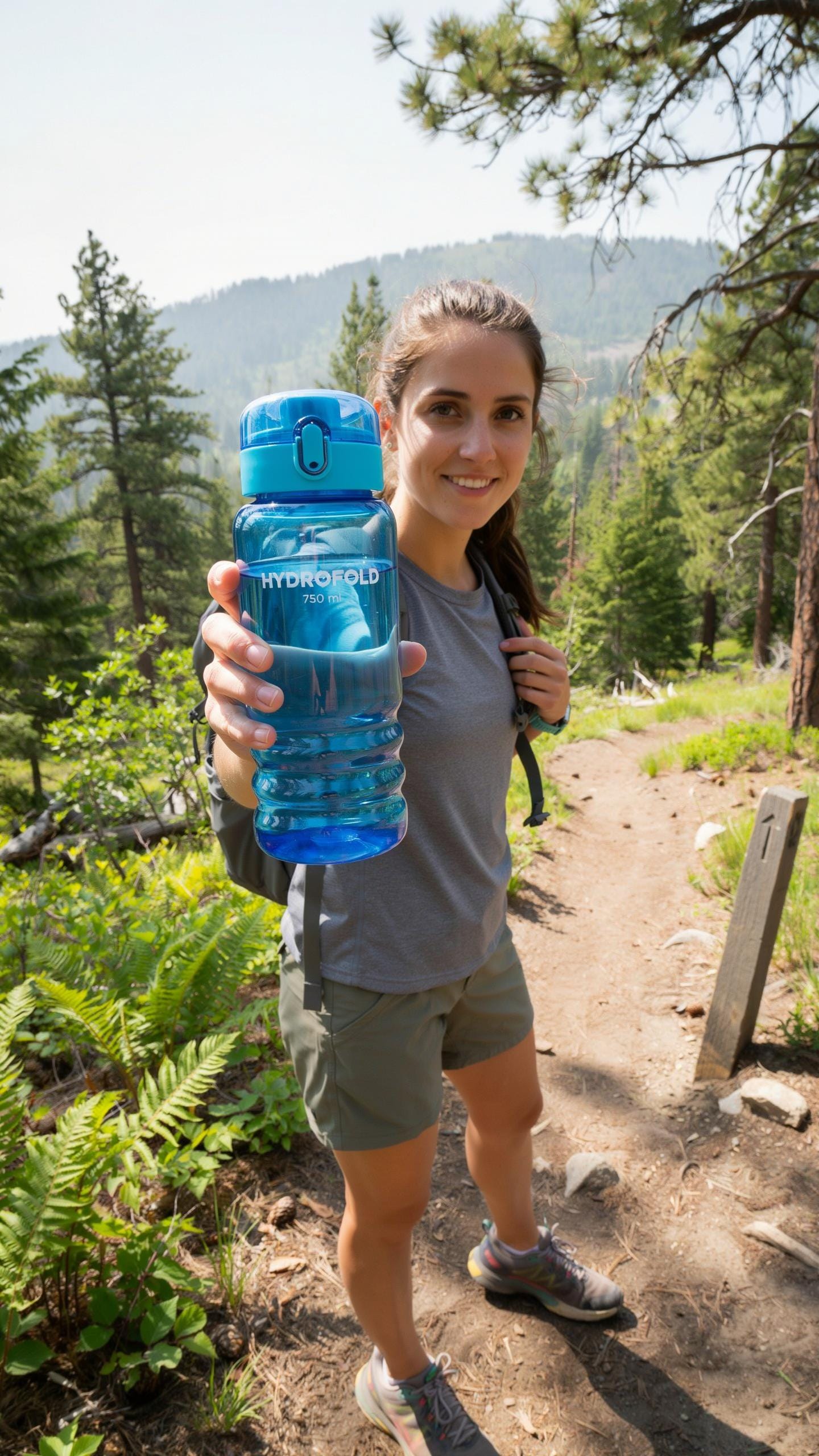
Foldable silicone bottles collapse down to roughly one-third their full size when empty. This matters for travelers who pack light or work with carry-on luggage restrictions. You fill the bottle at your destination, then flatten it to reclaim bag space immediately after use. Traditional rigid bottles waste space whether full or empty. Silicone construction makes this compression possible without structural failure.
The collapsible design solves a tactical problem on extended trips. You don’t need to choose between hydration and packing room. Hotels, airports, and transit hubs all have water sources to refill along your route. A compact bottle slides into side pockets, backpack compartments, or even jacket cargo areas where rigid alternatives won’t fit.
Temperature Resistance And Overall Resilience Of Silicone
Food-grade silicone withstands temperatures from freezing to approximately 220 degrees Fahrenheit without degrading or leaching chemicals. This range covers everything from ice water to hot beverages without compromising material integrity. The elasticity of silicone also means it resists punctures and tears that would damage plastic bottles during transport and daily use.

Silicone bottles handle rough handling across multiple trips and climates. They don’t crack from pressure changes during flights or snap from accidental drops on hard surfaces. The material remains pliable in cold airports and doesn’t become brittle. This durability translates to longer product lifespan, which reduces replacement costs over years of travel.
Choosing The Right Filter For Specific International Destinations

Assessing Water Quality In Different Regions And Selecting Appropriate Filtration Levels
Water quality varies dramatically across regions based on infrastructure, pollution sources, and treatment standards. Developed nations typically maintain regulated municipal water systems with consistent quality. Developing regions often lack standardized treatment, exposing travelers to bacteria, protozoa, and chemical contaminants. Research your destination’s water infrastructure before traveling. Contact local tourism boards or embassies for current water quality reports. This intelligence determines which filter type you actually need.
Filter selection depends on identified contaminants in your destination. Micron ratings matter here. One micron filters remove most bacteria and protozoa. Activated carbon filters target chemical pollutants and improve taste. Combination filters handle multiple threats simultaneously. Areas with poor sanitation require more aggressive filtration than regions with minor quality issues. Match your filter specification to the actual threat level. Overshooting filtration adds weight and cost. Undershooting creates health risks.
When To Consider Additional Purification Methods
Single filtration sometimes falls short in high-risk environments. Remote areas, post-disaster zones, and regions with severe contamination warrant layered defense. Collapsible bottles with filters handle routine travel scenarios effectively. Beyond that, you need backup methods. UV purification tablets or boiling complement filtered water for peace of mind. Combination approaches reduce reliance on any single technology.

Certain pathogens require specific treatment beyond mechanical filtration. Viruses in some Southeast Asian and African regions penetrate standard filters. Chemical purification or UV treatment eliminates this gap. Research disease patterns in your specific destination. Consult travel health clinics for region-specific guidance. They provide data on current outbreaks and appropriate countermeasures. This consultation takes hours but prevents weeks of illness.
Maintenance And Care For Your Collapsible Water Bottle That Folds
Proper Cleaning Techniques To Prevent Mold And Bacterial Growth
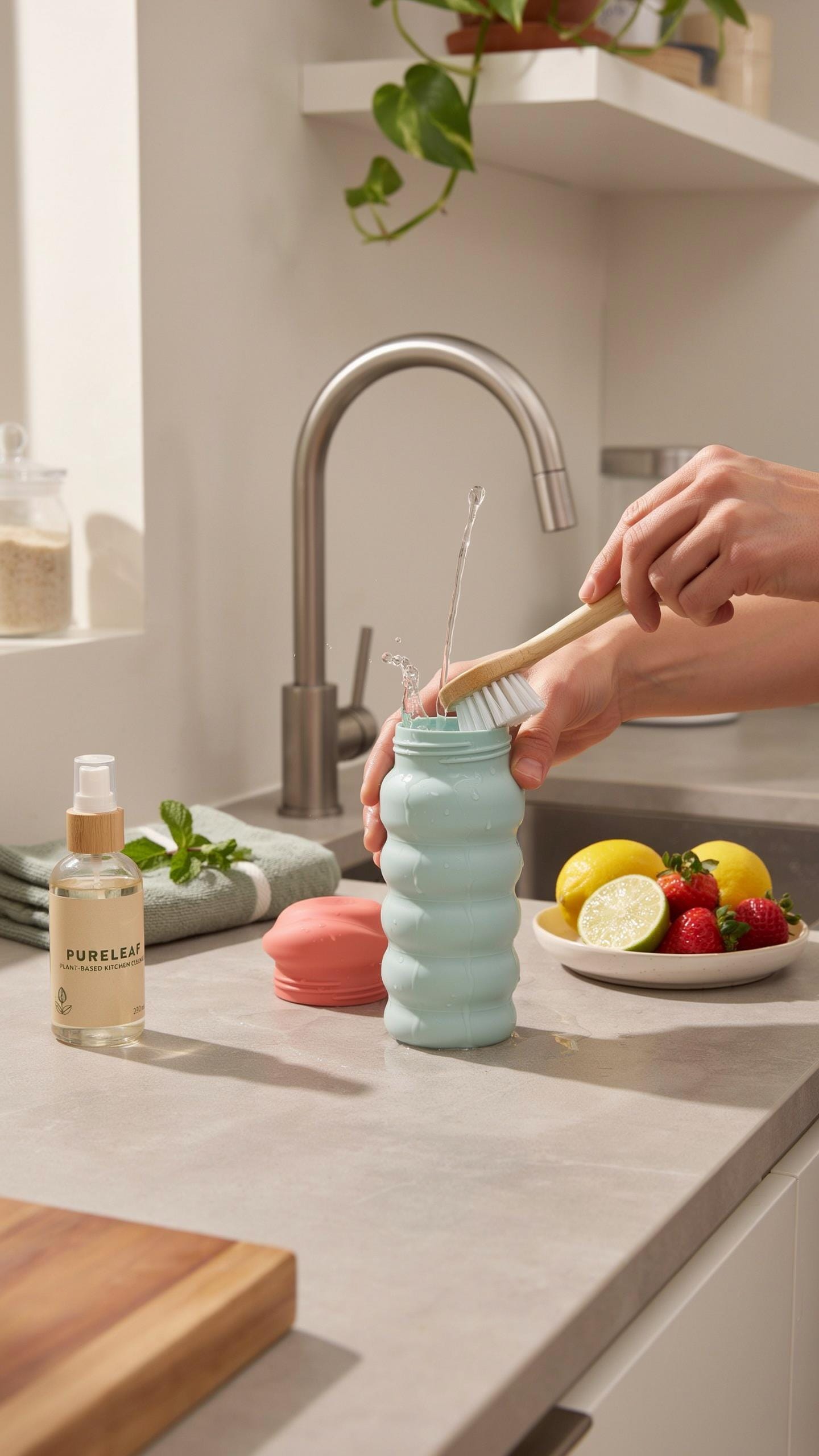
Rinse your collapsible bottle immediately after each use. Water sits in crevices and folds, creating environments where mold thrives. Use hot water and dish soap. Scrub the interior walls and seams where bacteria accumulate. Pay attention to the valve mechanism and cap threads, as these spots collect debris and moisture.
Dry the bottle completely before folding or storing it. Leave the cap off and position the bottle upside down in a dish rack. Air circulation prevents mold formation. For deep cleaning, soak the bottle in a mixture of one part white vinegar to three parts water for 30 minutes monthly. This removes mineral deposits and kills stubborn bacteria that regular washing misses.
Filter Lifespan And Replacement Schedules
Most collapsible bottle filters last between 40 to 100 gallons of use, depending on water quality and filter type. Sediment-heavy water reduces filter lifespan significantly. Track your usage or note the installation date to know when replacement becomes necessary. Filters gradually lose effectiveness, so replacing them on schedule maintains the bottle’s core function.

Replace your filter every three to six months for frequent travelers or every six to twelve months for occasional use. Check the manufacturer’s guidelines for your specific model, as materials and construction vary. A clogged filter slows water flow dramatically and signals replacement time. Order replacement filters before international trips to avoid being without filtration in areas where water quality concerns you.
Accessorizing Your Colorful Collapsible Water Bottle
Carabiners Protective Sleeves And Other Useful Add Ons
Carabiners serve a single tactical purpose: securing your bottle to backpacks, belt loops, or gear without taking up pocket space. Aluminum carabiners weigh under one ounce and handle repeated attachment cycles. Protective sleeves prevent punctures during travel and insulate the bottle in temperature extremes. Neoprene sleeves add minimal weight while cushioning impacts. These accessories protect your investment and extend bottle lifespan across multiple trips.
Additional accessories include carry handles that attach to bottle caps and storage pouches designed for filter cartridges. Handles reduce hand fatigue during long hiking days. Pouches keep replacement filters organized and accessible, preventing loss during airport transfers or border crossings. Pairing your bottle with these add-ons creates a complete hydration system that functions efficiently in unpredictable travel environments. Select accessories based on your specific trip conditions rather than stacking every available option.
Personalizing Your Bottle For Easy Identification And Style
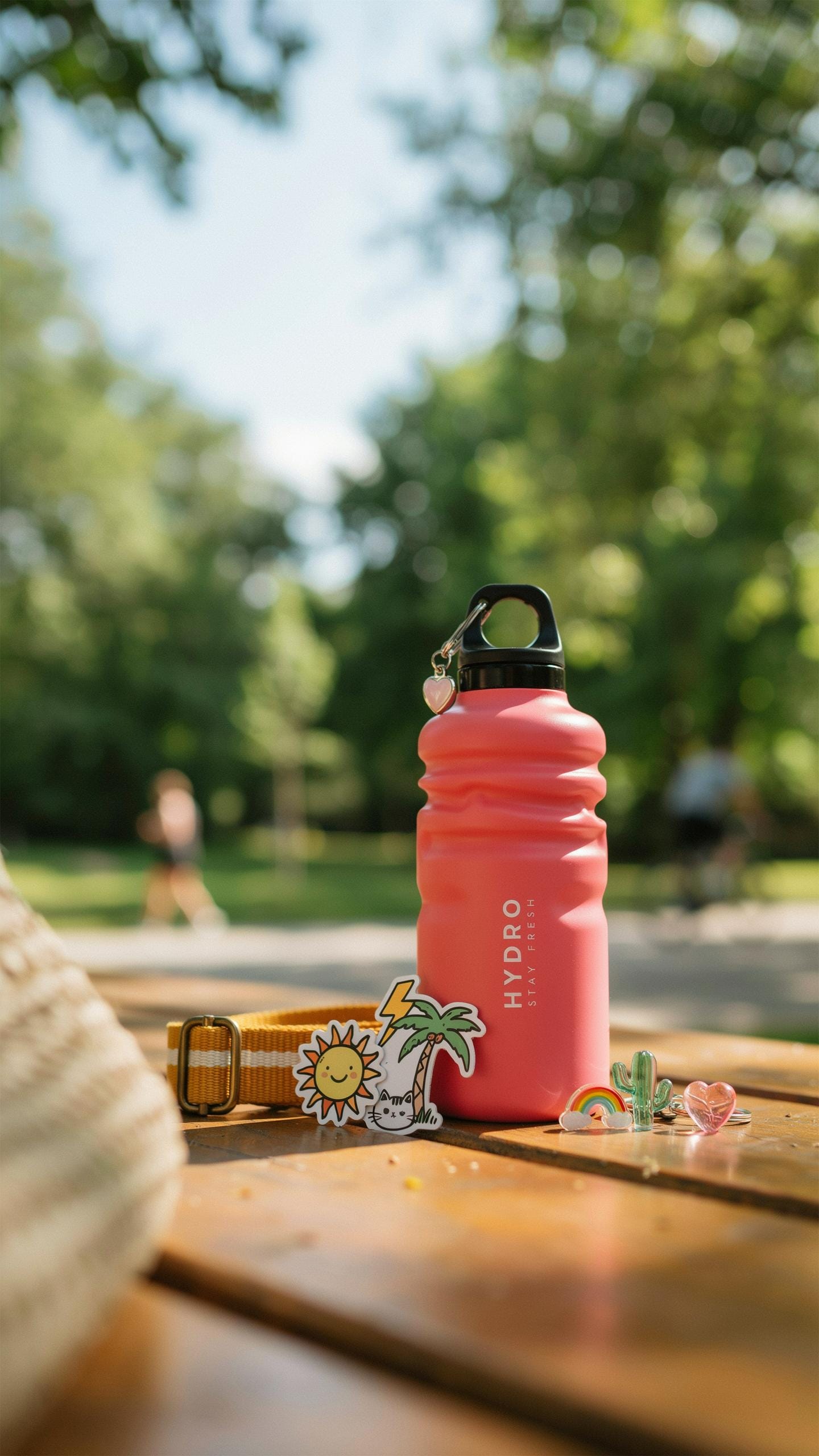
Color selection matters functionally, not just aesthetically. Bright colors like neon yellow or orange make bottles instantly recognizable at airport baggage claims and hostel kitchens. This prevents accidental bottle swaps with other travelers. Neutral colors like black or gray blend into backgrounds, which some travelers prefer for security reasons in crowded areas. Your color choice depends on whether you prioritize easy spotting or low visibility.

Custom labels and waterproof stickers provide secondary identification without altering bottle function. Vinyl stickers withstand water exposure and repeated washing cycles. Etched names or initials create permanent identification that survives years of use. Tape wrapping in specific patterns helps distinguish your bottle in group travel situations. Mark your bottle in ways that survive international travel conditions and frequent handling by airport personnel and customs agents.
Top Picks For Collapsible Travel Water Bottles With Filters
High Performing Options
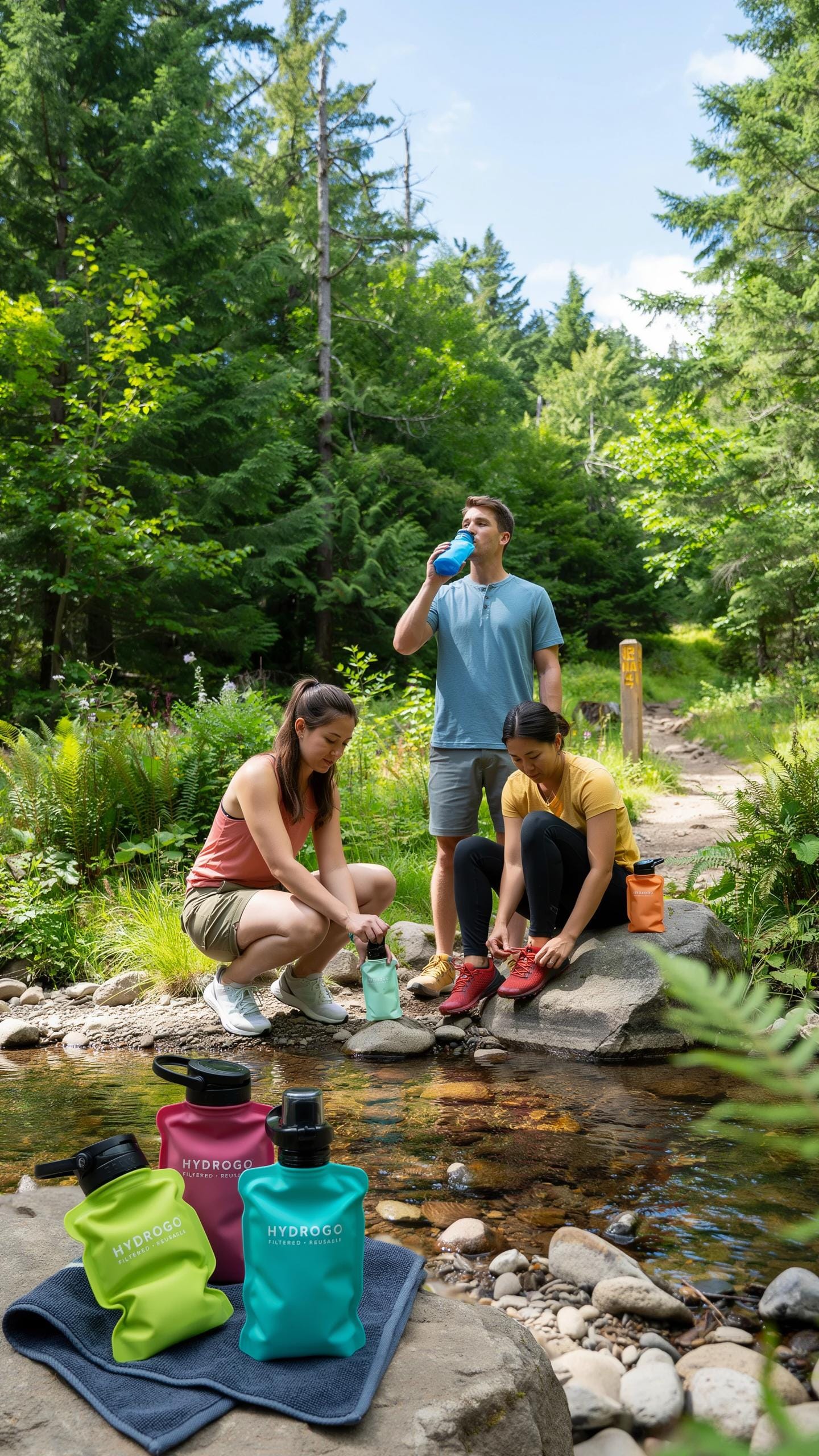
The market offers several proven models that handle international travel demands. These bottles combine collapsible design with functional filtration systems. They work across different water sources and travel scenarios. Selection depends on your specific needs: filtration speed, capacity, weight, and durability matter most.
- LifeStraw Flex: Integrates squeeze filter technology. Removes bacteria and parasites. Lightweight at 3 ounces. Collapses to fit any backpack. Works with most water sources except saltwater.
- Platypus SoftBottle with Filters: Lightweight design under 2 ounces. BPA-free materials. Squeeze mechanism filters water directly into your mouth. Available in multiple sizes from 1 to 3 liters.
- Grayl GeoPress: Advanced filtration removes viruses, bacteria, and parasites. Purification takes 8 seconds. Heavier than squeeze bottles but more comprehensive. Replaces bottles every 350 uses.
- Nomader Collapsible Water Bottle with Filter: Silicone construction. Integrated built-in filter. BPA-free materials. Compact when empty. Filter lasts approximately 100 uses.
- Klean Kanteen TK Wide with Filter Cap: Stainless steel construction. Metal filter cap attachment. Reusable and durable. Filtration limited to sediment only without additional filter cartridges.
Real-world performance separates effective bottles from failures. Test any bottle before your trip. Verify filters work with your destination water quality. Check replacement filter availability in your travel region.
Budget Friendly Choices Versus Premium Models
Budget bottles under $25 handle basic needs effectively. They remove sediment and improve taste. Squeeze filters work faster than gravity systems. Trade-offs include shorter filter life and less comprehensive purification. Nomader and basic LifeStraw models sit in this range.
Premium models between $50 and $100 deliver advanced filtration technology. They remove viruses alongside bacteria and parasites. Grayl and Platypus Pro versions handle contaminated water sources reliably. Longer filter lifespan reduces replacement costs on extended trips. Choose premium options for high-risk regions with questionable water safety.
Frequently Asked Questions

What exactly is a collapsible travel water bottle with filter, and why would I need one for international trips?
A collapsible travel water bottle with filter is a flexible, space-saving water bottle that can be packed down when empty. It incorporates a built-in filter to remove contaminants, making tap water safe to drink in many foreign countries. This is essential for hygiene and avoiding single-use plastics while traveling.
How do I properly clean and maintain my collapsible travel water bottle with filter to ensure it lasts?
To clean your collapsible travel water bottle with filter, disassemble all parts. Wash the bottle and cap with warm, soapy water, rinsing thoroughly. For the filter, backwash according to manufacturer instructions or replace as recommended. Allow all components to air dry completely before reassembling to prevent mold or mildew.
Are there affordable options for a reliable collapsible travel water bottle with filter, or are they all high-end?
Absolutely! While premium options exist, you can find a reliable collapsible travel water bottle with filter across various price points. Many reputable brands offer budget-friendly models that provide effective filtration and durability. It’s worth checking reviews to find an option that suits your travel needs without breaking the bank.