
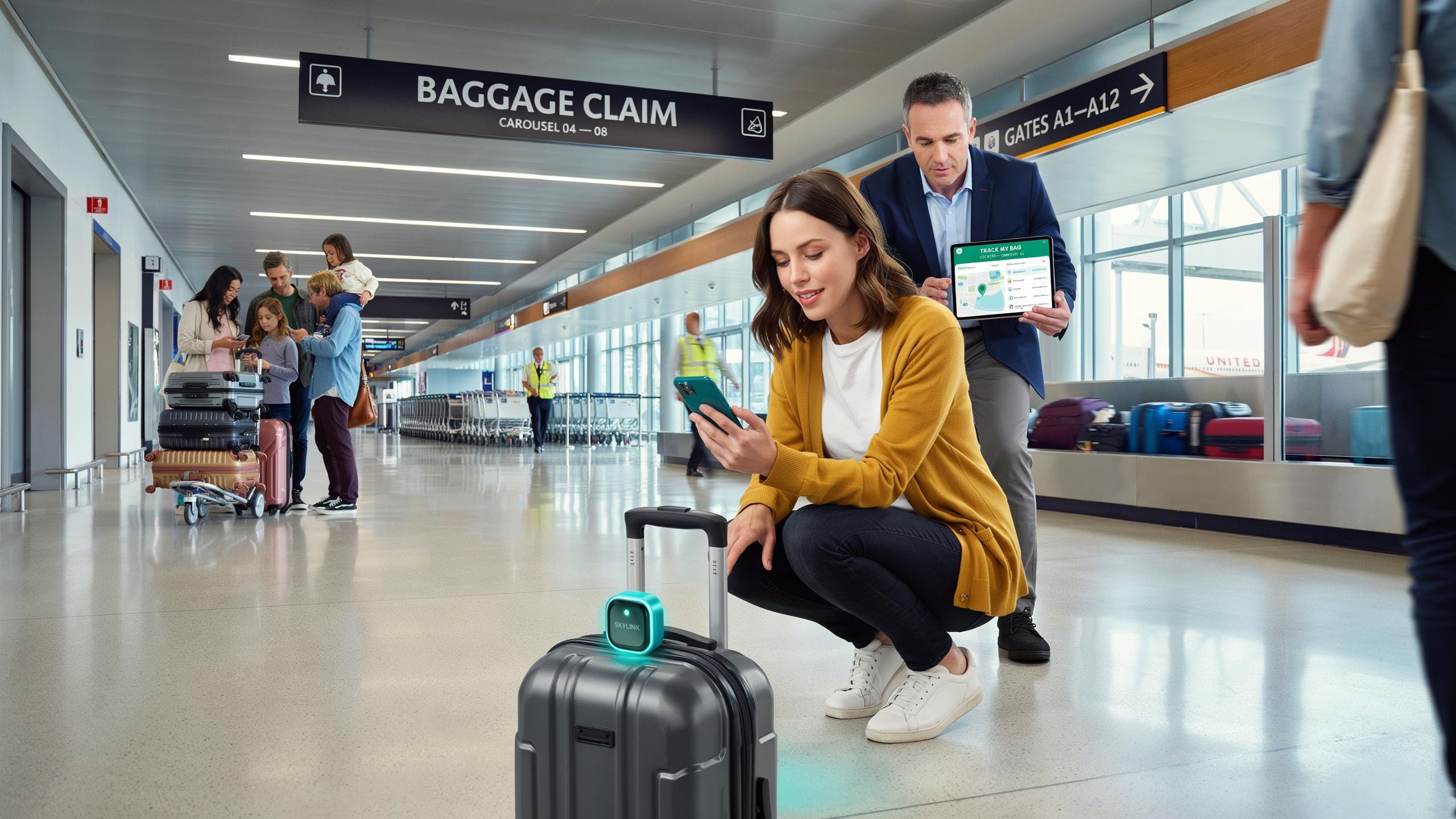
The Modern TravelerS Dilemma Lost Luggage
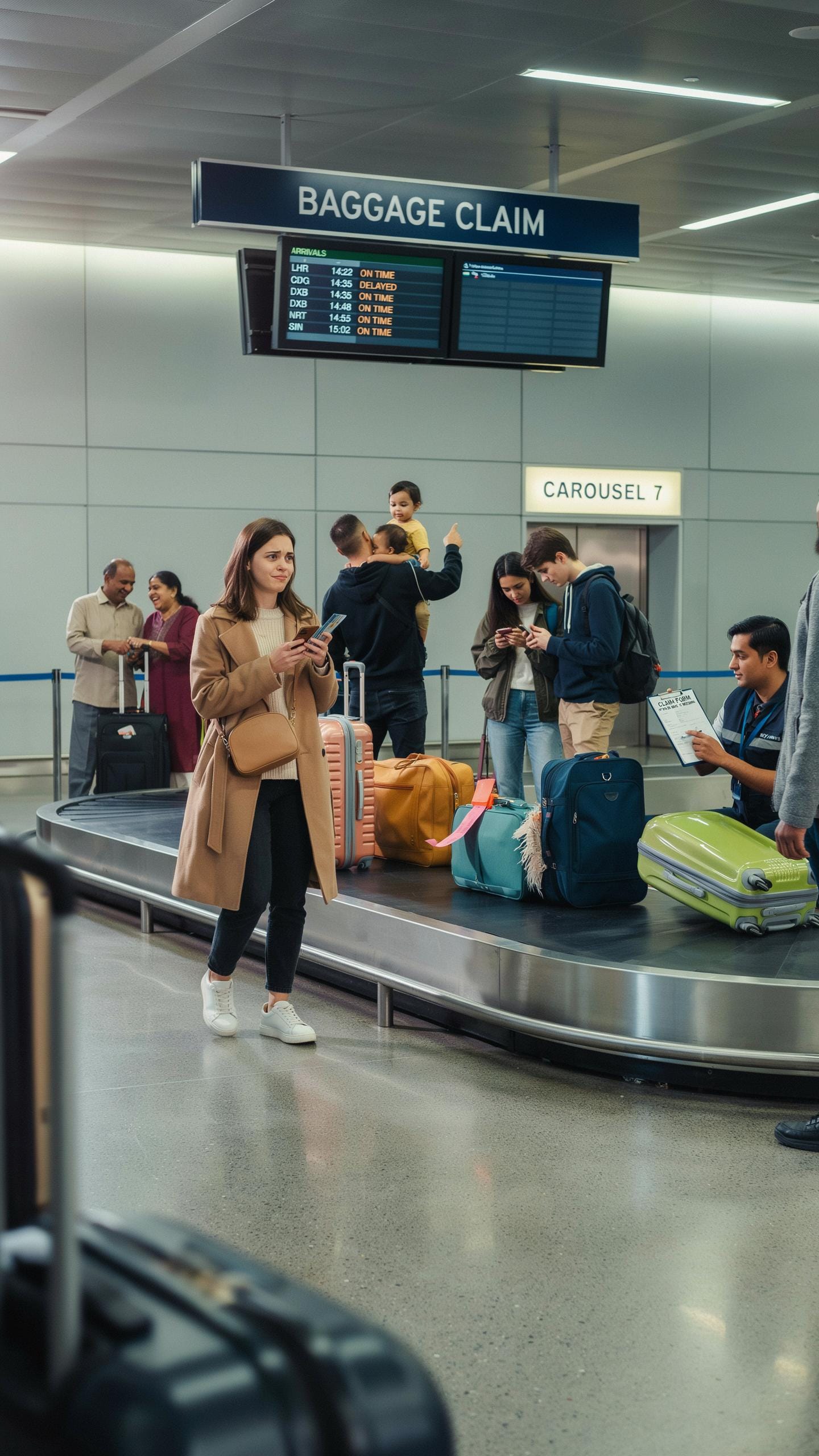
The Growing Problem Of Lost Bags
Airlines lose millions of bags annually. Baggage handling systems process thousands of bags per hour at major airports, creating bottlenecks where bags get misrouted. Conveyor belt malfunctions, incorrect destination tags, and transfer delays between connecting flights account for most losses. Airport infrastructure varies significantly, with older facilities experiencing higher mishandling rates than newer ones.
The root causes remain consistent across airports worldwide. Rushed baggage handlers miss connections during tight turnarounds. Automated sorting systems misread bar codes due to poor print quality or damage. Weather delays force ground crews to rush, increasing errors. Understaffing during peak travel periods compounds these issues, leaving fewer people to verify correct bag placement on aircraft.
The Emotional And Financial Toll Of Lost Luggage
Travelers face immediate problems when bags disappear. Missing medications, essential documents, and clothing create urgent obstacles. Business travelers lose productivity and face client meetings unprepared. International passengers deal with customs complications and language barriers while resolving claims. The stress disrupts travel plans and forces passengers to purchase replacement items at airport prices.
Airlines typically reimburse fixed amounts per kilogram, often falling short of actual losses. Claim processing takes weeks or months, requiring detailed documentation and receipts. Passengers rarely recover full value for damaged or lost contents. The financial impact combines replacement costs, inconvenience expenses, and time spent filing paperwork. High deductibles on travel insurance further limit recovery options for most travelers.
Introducing The Luggage Tracker Tile Your BagS Best Friend
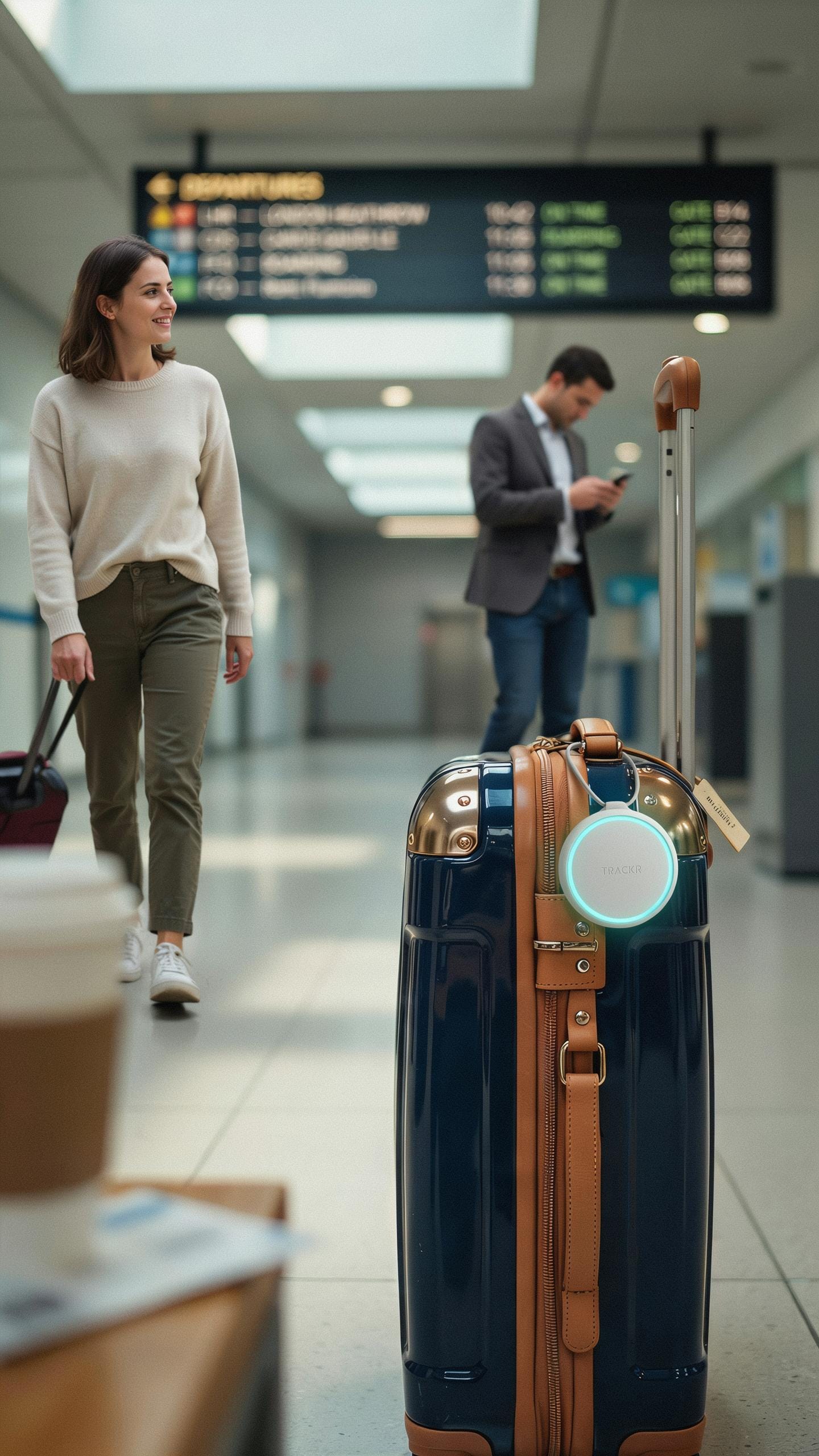
What Is A Luggage Tracker Tile?
A luggage tracker tile is a small Bluetooth device you attach to your bag. It connects to your smartphone through a dedicated app. When your bag moves out of Bluetooth range, the device uses a crowd-sourced network of other app users to relay its location. The network pinpoints your bag’s position without requiring GPS or cellular data from the tile itself.
Tile trackers operate on replaceable or rechargeable batteries depending on the model. They transmit Bluetooth signals that nearby phones detect and report back to Tile’s servers. This crowd-sourced approach means you get location updates even when your bag travels through areas where you don’t have network coverage. The system works because thousands of Tile users act as receivers for each other’s devices.
How A Key Finder Puts You In Control
These devices give you real-time visibility into your bag’s whereabouts through your phone. You open the app and see your bag’s last known location on a map. If your bag stays within Bluetooth range, you trigger the tile’s speaker to make it beep and help you locate it physically. This direct control eliminates the helpless feeling of not knowing where your luggage ended up.
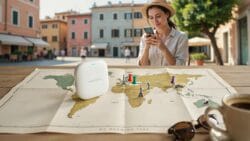
The tracker also creates a record of your bag’s movement pattern throughout the airport. You can review this history if your bag gets lost during transfers or loading. Some models let you set up notifications that alert you when your bag enters or leaves specific zones. This data transforms lost baggage from a guessing game into a trackable event with documented evidence.
Key Features To Look For In A Luggage Tracker Tile
Battery Life And Durability: Essential For Travel
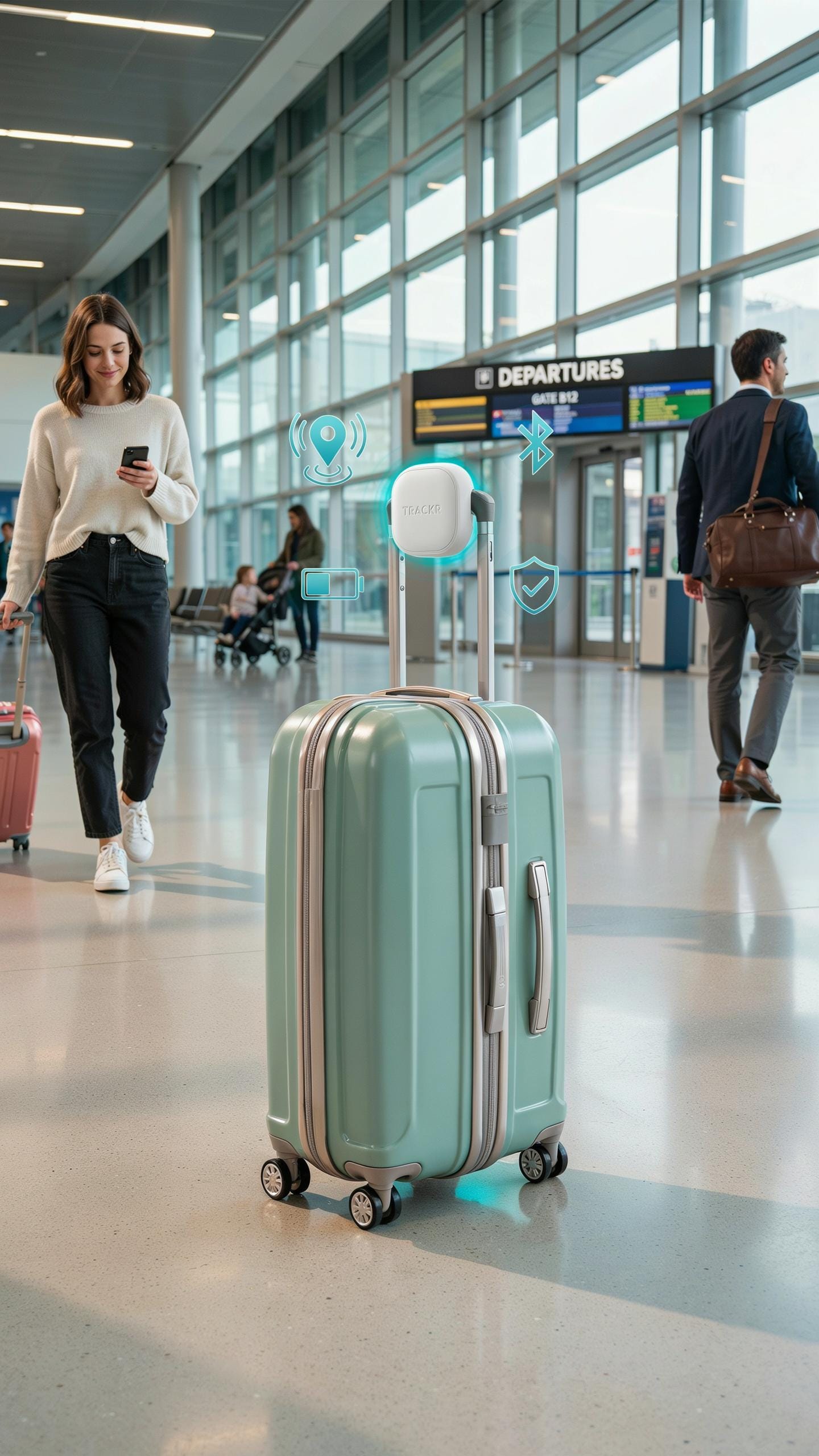
Battery life determines how long your tracker functions before needing replacement or recharging. Tile trackers use replaceable batteries lasting months, not weeks. A tracker with depleted battery becomes useless at the airport when you need it most. Choose devices rated for at least six months of continuous operation.
Durability protects your tracker from airport handling abuse. Water resistance prevents damage from spilled drinks or wet luggage compartments. Impact-resistant materials withstand drops and pressure from luggage machinery. Verify that your tracker meets IP rating standards for water and dust protection before purchasing.
Range And Connectivity: Finding Your Bag Anywhere
Bluetooth range limits how far your phone communicates with the tracker. Standard Bluetooth reaches 30 to 100 feet depending on obstacles and interference. Airport terminals contain metal structures and hundreds of wireless devices creating signal challenges. Understand that range decreases indoors and in congested areas where you need tracking most.
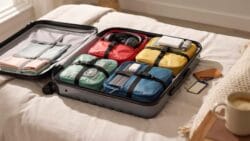
Network coverage extends tracking capabilities beyond Bluetooth range. Tile uses crowdsourced location data from other Tile users to pinpoint lost bags even when your phone cannot connect directly. iOS and Android compatibility ensures you access tracking across platforms. Verify your device runs current operating system versions for full network tracking functionality.
Popular Gadgets AirTag Luggage And Alternatives
Apple AirTag: Integration With The Apple Ecosystem
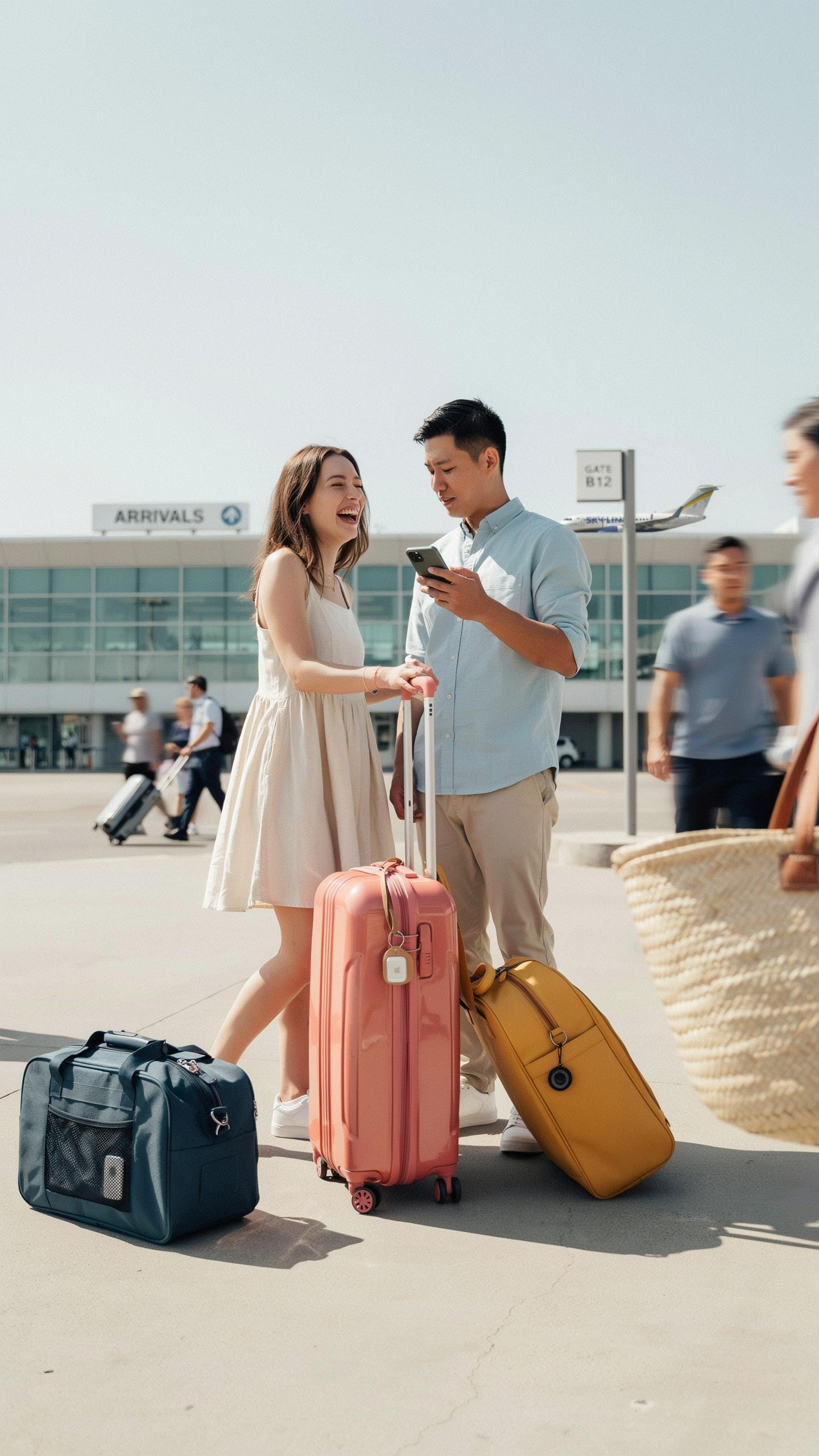
Apple AirTag works through the Find My network, which uses hundreds of millions of Apple devices to locate lost items. When your luggage goes missing, you trigger tracking through your iPhone, iPad, or Mac. The AirTag broadcasts its location to nearby Apple devices, which relay that data back to you encrypted and anonymously.
AirTag integrates directly into iOS and iPadOS through the Find My app. You see real-time location on a map, receive notifications when the AirTag moves, and enable Lost Mode to alert you if someone finds your bag. The device costs 29 dollars and lasts roughly one year on a replaceable CR2032 battery, making it an affordable choice for frequent travelers.
Other Top Luggage Tracking Gadgets
Tile trackers operate on a different network than AirTag. Tile uses its own community network of Tile users rather than relying on Apple devices. Tile offers models like the Slim and Pro, with prices ranging from 15 to 35 dollars. Battery life varies by model, with some lasting one year and premium versions offering replaceable batteries.

Samsung SmartTag works similarly to AirTag but integrates with Samsung’s Find Mobile app and the SmartThings ecosystem. It tracks through Samsung and Galaxy device networks rather than Apple’s infrastructure. Tile and Samsung SmartTag give you options if you use Android devices or want tracking that doesn’t depend on Apple’s ecosystem. Each option trades off network size, battery life, and price based on your specific needs and device preference.
Beyond The Airport Versatile Uses For Your Key Bag Tracker

Tracking Everyday Items: Keys, Wallets, And More
Tile trackers work on any object you attach them to. Your keys disappear in couch cushions, car seats, and desk drawers. Your wallet gets buried under papers or left at restaurants. These devices solve that problem by pinpointing exactly where your items are. You get your phone app, press the tracker’s location, and follow the directions.
The range varies by model. Standard Tiles work within 100 to 150 feet in open space. Walls and obstacles reduce this distance. You can also use the crowd network feature. When you mark an item as lost, other Tile users’ phones act as temporary trackers, updating your location data when they pass nearby.
Pet Tracking And Child Safety: Expanded Applications
Tile trackers attach to pet collars and work within your defined range. When a dog or cat wanders off, you know their last known location. This prevents lost pets in unfamiliar neighborhoods and parking lots. Parents use Tiles in children’s backpacks for peace of mind during outings. The device sends alerts if your child leaves a designated area.

The real limitation is distance. Tile trackers depend on your phone connection or crowd network availability. They do not work like GPS devices that track real time across miles. You need your phone in range or nearby users to detect movement. For airport environments specifically, the dense crowd network makes Tiles functional, but open rural areas limit their effectiveness significantly.
Setting Up And Using Your Tracker Practical Tips
Step By Step Activation And Pairing
Download the Tile app on your smartphone or tablet before you travel. Open the app and select “Add a New Tile” to begin the pairing process. Hold your Tile device near your phone when prompted. The app will detect the Tile within Bluetooth range, typically 10 to 30 feet depending on your phone model and environment.
Once the app detects your Tile, name it something specific like “Luggage Red Suitcase” or “Travel Bag.” Complete the setup by creating or logging into your Tile account. Your Tile now syncs with your device. You can immediately test the connection by using the app to ring your Tile or viewing its last known location on the map interface.
Maximizing Tracking Efficiency And Privacy
Place your Tile in an interior pocket of your luggage rather than an external compartment. Interior placement protects the device from physical damage during baggage handling. Position it near the center of your bag to maximize Bluetooth range detection by other Tile users and your own phone throughout the airport and beyond.
- Notification Settings: Disable constant location updates to conserve battery life. Enable alerts only when your Tile exits your defined home location or enters designated travel zones.
- Privacy Mode: Review Tile’s privacy settings to control what data the app collects about your movements and location history.
- Community Find Network: Understand that Tile uses a crowdsourced network where other Tile app users can help locate your bag if it goes missing within their Bluetooth range.
- Account Security: Enable two factor authentication on your Tile account to prevent unauthorized access to your luggage location data.
- Bluetooth Range Limits: Recognize that Tile relies on Bluetooth connectivity, which means tracking only works when your phone or another Tile user is within range of the device.

Check your Tile battery level monthly and replace the battery before traveling. Standard Tile devices use replaceable coin cell batteries lasting up to one year depending on usage frequency. Keeping your Tile powered ensures consistent tracking performance when you need it most at airports and during connections.
Finding Yourself In A Stress Free Travel Experience With Alexa
Integrating Trackers With Smart Home Devices
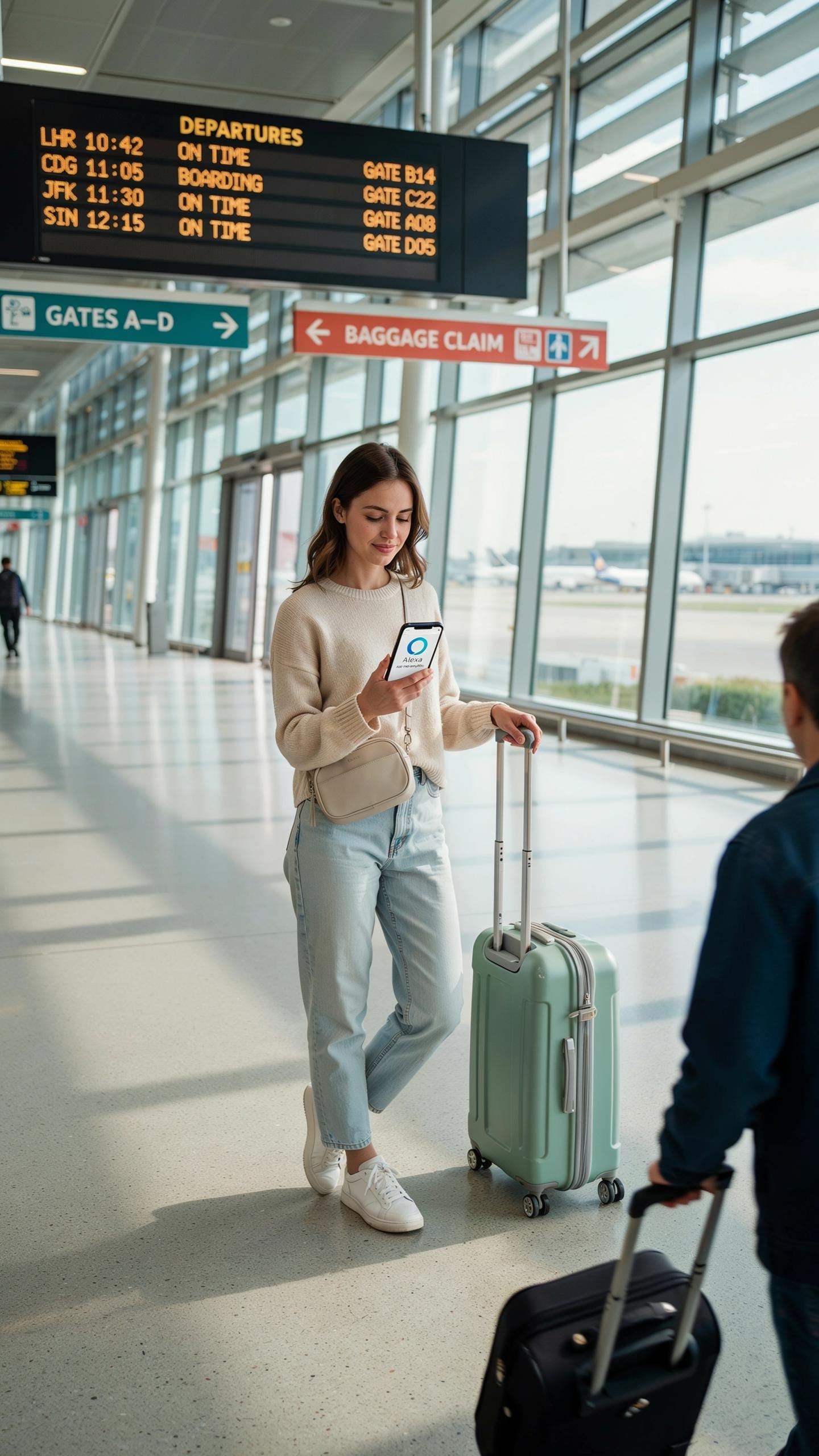
Tile trackers work with Alexa through the Tile app, which connects to Amazon’s ecosystem. You can use voice commands to locate your luggage without opening an app. Tell Alexa to find your Tile, and the tracker plays a sound to help you pinpoint your bag’s location. This integration works on your phone, Echo devices, and Fire tablets.
The connection requires you to set up the Tile app first and enable Alexa permissions. Once configured, voice control adds speed during chaotic airport moments. You skip the steps of unlocking your phone, opening the app, and manually searching. Alexa delivers results instantly through audio feedback and visual notifications on smart displays.
In the whirlwind of travel, a tiny beacon saves your cherished memories, ensuring that every journey ends with a warm embrace of your belongings. As the great Maya Angelou once said, “The one thing that can solve most of our problems is dancing, while singing.”
The Future Of Smart Luggage And Connected Travel
Luggage manufacturers are embedding tracking technology directly into bag construction rather than relying on external devices. Airlines are developing their own tracking systems that provide real time updates from check in through arrival. These systems will reduce dependency on third party trackers like Tile by offering integrated solutions with airline apps and airport infrastructure.
Future developments will likely include automatic notifications when bags reach baggage claim and predictive alerts before luggage gets lost. GPS technology will become standard rather than an add on feature. Smartphone integration will deepen, allowing seamless handoffs between airline systems, airport networks, and personal tracking apps to create one unified travel experience.
Making The Smart Choice Why A Luggage Tracker Tile Is Worth It
Weighing The Cost Against Peace Of Mind
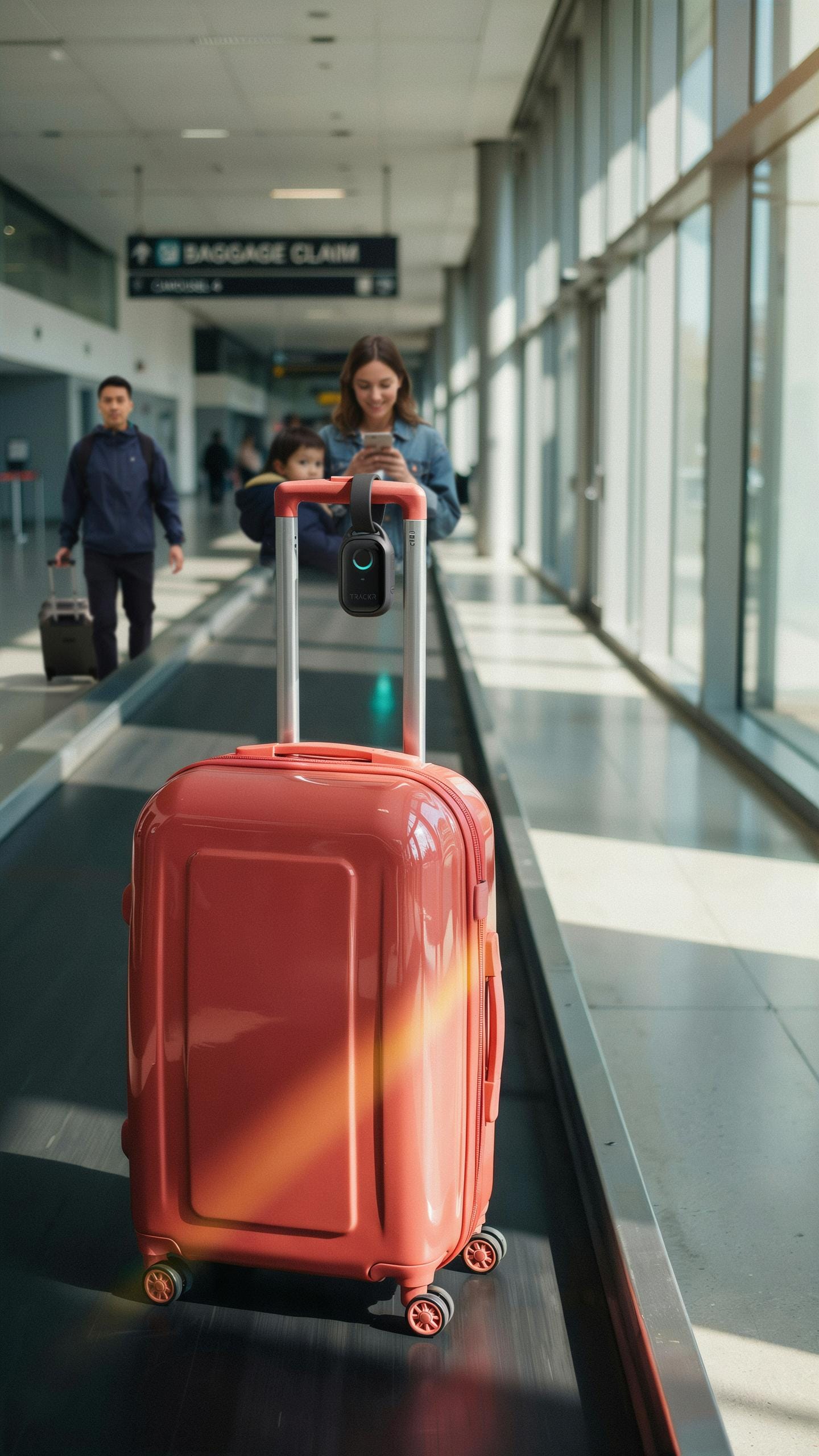
A luggage tracker tile costs between 25 and 35 dollars upfront. Airlines lose roughly 24 million bags annually in the U.S. alone. The average delay in recovering a lost bag runs 5 to 7 days. During that time, travelers face direct costs for emergency clothing, toiletries, and meals. A tracker tile pays for itself the first time it prevents a lost bag situation or speeds recovery to under 24 hours.
The hidden cost of lost luggage extends beyond replacement items. Missed business meetings, ruined vacation days, and travel stress carry real weight. Insurance claims require extensive documentation and often take weeks to process. A tracker tile eliminates that friction by giving you active location data immediately. The device sends notifications the moment your bag moves, so you know its status in real time rather than waiting for airline updates.
Customer Reviews And Success Stories
Travelers report using tracker tiles to locate bags left at gates or sitting in wrong baggage claim areas. One passenger tracked her bag to a cargo facility after her connection flight departed without it. The tracker showed the bag location within minutes, allowing ground staff to retrieve it before it went into transit. She recovered the bag the same day instead of waiting 5 days for airline tracing. Multiple reviews cite similar scenarios where airport staff used the tracker data to find and return bags on the spot.

Business travelers consistently note that tracker tiles reduced travel anxiety during frequent trips. Frequent flyer forums report users catching luggage handling issues before they became full losses. One user discovered his bag was loaded on the wrong aircraft heading to a different city. The real time alert gave him time to intervene with gate agents before departure. These accounts demonstrate that tracker tiles function not just for recovery but for active prevention of baggage mishaps during the airport process.
Frequently Asked Questions

What exactly is a luggage tracker tile and how does it help with lost bags?
A luggage tracker Tile is a small, Bluetooth-enabled device you attach to your suitcase. It connects to your smartphone, allowing you to see its last known location on a map. If your bag is lost at a busy airport, other Tile users’ phones can anonymously pick up its signal, updating its location to help you find your lost luggage tracker Tile for lost bags.
How do I attach and activate a luggage tracker tile for my next trip?
Attaching a luggage tracker tile is simple! Most come with a small loop or adhesive backing. Securely fasten it inside or outside your luggage. To activate, download the corresponding app on your smartphone, create an account, and follow the in-app instructions to pair your new Tile. Ensure location services are enabled for optimal tracking.
Are luggage tracker tiles an expensive investment, or are there budget-friendly options available?
Luggage tracker Tiles are generally quite affordable, with individual units often costing between $20-$35. Multi-packs are also available, offering a better value if you need to track multiple items. Compared to the stress and cost of replacing lost items, a luggage tracker Tile for lost bags is a small, worthwhile investment for peace of mind.